


Onoff
-
Posts
21173 -
Joined
-
Last visited
-
Days Won
206
Everything posted by Onoff
-
Crap photo but here's one I haven't finished earlier... A plain IP6X box I drilled only in the bottom. Has one incoming armoured that supplies power to lights via the WAGOs. Bottom right is the photocell wires. .
-
Yes but don't they only have 2 entries on a side? Think you'd need to go up to the 1210 to get 3.
-
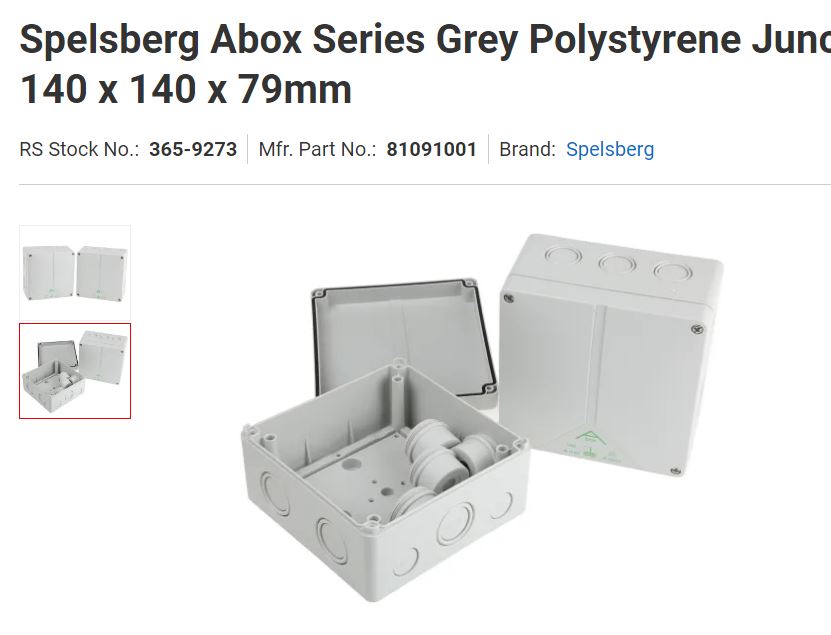
Ref a new box you can get them with "indents" already in, to aid drilling you should find a 20/25mm holesaw lines up just right and doesn't wander. I'd get a box similarly sized to what you already have. Ditch the silly rubber grommets that come with it and fit proper glands. https://uk.rs-online.com/web/p/junction-boxes/3659273 I'd terminate all the wires into WAGOs.
-
I'll pm you some stuff from an old college book ref fitting the SWA gland. Top tip to use a Pirhana nut instead of the one that comes with the gland. https://www.screwfix.com/p/earthing-nut-20mm-2-pack/77809?
-
F*** me, potentially worse than I thought 😂 Until now I thought my neighbours was the worst I'd ever seen. They used push fit pvc conduit and glands but nothing was sealed/glued. Does this circuit have it's own breaker/fuse?
-
So you have the mains feed coming in bottom right? Looks like twin and earth, explain how that's run please. Top right more twin and earth to the light? Bottom right, armoured to the gate?
-
Mine: OK, it's not finished yet...
-
That is a ****fest. Not even proper glands used for the conduit, just a hole. Is that SWA actually earthed to the banjo? Neighbour paid a fortune for oak swing gates and the wiring looked just like that. Tbh I'd use flexible conduit and come in from the bottom in 3 holes.
-
 How about keeping your house warm enough so you don't have to wear any clothes. You save by not running the washing machine, tumble dryer etc. Similarly do no cooking and just order in. 😉
 -
Calculating for the use of sand for a thermal store.
Onoff replied to Marvin's topic in Boffin's Corner
It would be interesting to do this with an old swimming pool. -
Calculating for the use of sand for a thermal store.
Onoff replied to Marvin's topic in Boffin's Corner
Insulate and fill a basement with sand? Or put down 300mm of insulation, x tonnes of sand, another 300mm of insulation then your slab? You'd get the area required under a house perhaps? -
Calculating for the use of sand for a thermal store.
Onoff replied to Marvin's topic in Boffin's Corner
@Marvin, can you lose a 4m diameter, 7m tall cylinder at your place? If so you're onto a winner: https://www.renewableenergymagazine.com/storage/first-commercial-sandbased-thermal-energy-storage-is-20220707#:~:text=Polar Night Energy and Vatajankoski,in a district heating network. (I think I've posted this before). -
Calculating for the use of sand for a thermal store.
Onoff replied to Marvin's topic in Boffin's Corner
Can't you just chuck some pipes off the south coast of the island and wait for the next landslip? Instant GSHP? -
Calculating for the use of sand for a thermal store.
Onoff replied to Marvin's topic in Boffin's Corner
All this talk of using sand as a heat store and accompanying calcs is really getting down to the nitty gritty... -
Calculating for the use of sand for a thermal store.
Onoff replied to Marvin's topic in Boffin's Corner
Specific heat capacity -
Wood stove (for cases of great cold) or not?
Onoff replied to Garald's topic in Stoves, Fires & Fireplaces
Especially when I burn my crisp packets. Hence the "cafe" in inverted commas. More a temple where I go to forget / pray for death or 6 numbers. -
Wood stove (for cases of great cold) or not?
Onoff replied to Garald's topic in Stoves, Fires & Fireplaces
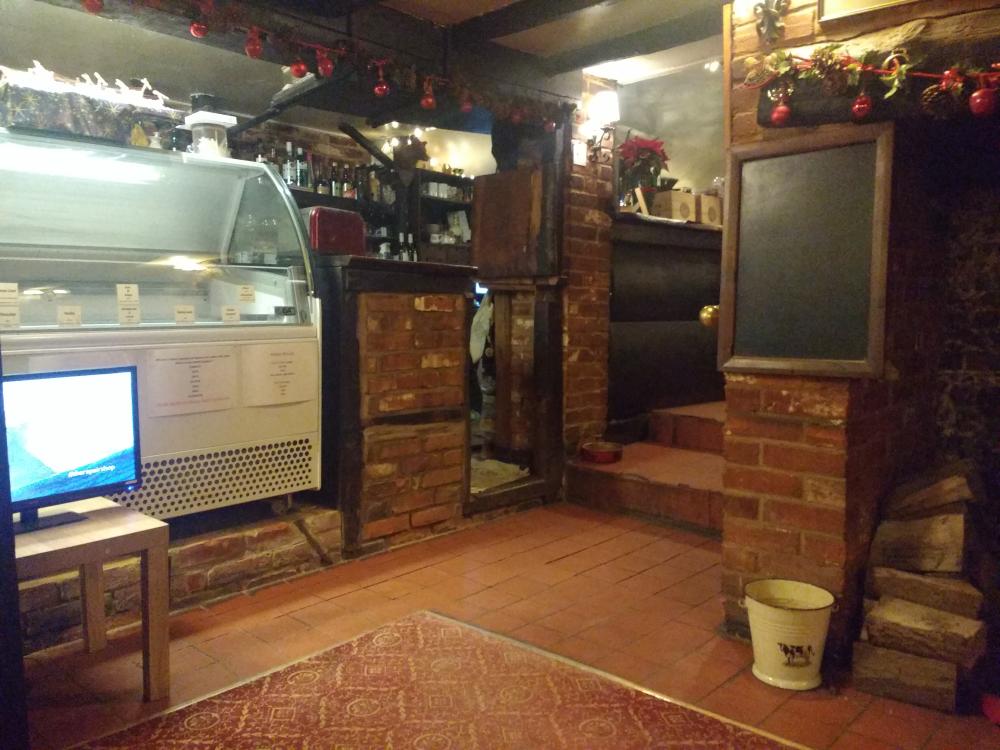
"Stick a head on that love" would be my response. Pret up in town is the same, sometimes I wonder if I've been given an empty cup. I pay the £25 a month subscription too. My "cafe" is better, just back in fact: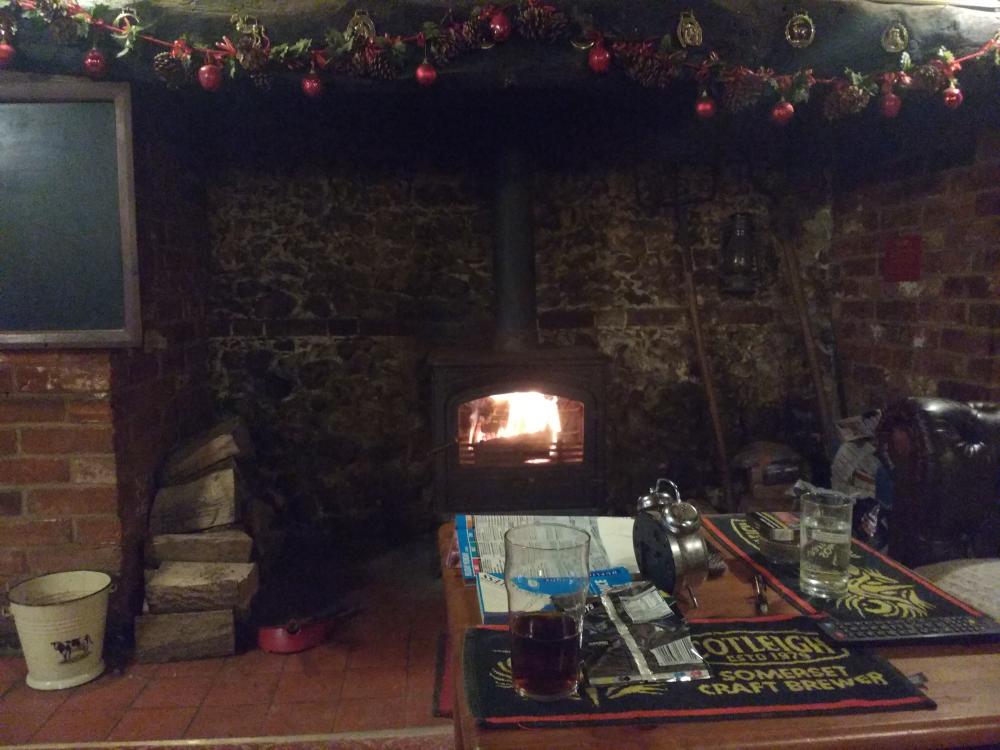
-
Calculating for the use of sand for a thermal store.
Onoff replied to Marvin's topic in Boffin's Corner
McDonalds apple pies remain scalding for ages! -
Wood stove (for cases of great cold) or not?
Onoff replied to Garald's topic in Stoves, Fires & Fireplaces
I'd turn back! -
Calculating for the use of sand for a thermal store.
Onoff replied to Marvin's topic in Boffin's Corner
Throwing it out there.....could you use a literal vacuum as insulation. One big welded tank inside another? -
Made a new bottom cover for my lad's 3D printer from an old oil drum lid. Left over from when I made an incinerator: Oven baked, VHT paint:
-
Wood stove (for cases of great cold) or not?
Onoff replied to Garald's topic in Stoves, Fires & Fireplaces
Burn stuff, fire good. -
Lining a wall with plywood: how thick should the ply be?
Onoff replied to ToughButterCup's topic in General Joinery
I reckon those boards are wider than normal scaffold boards. -
Tbh if I could get AutoCAD to work on Linux I'd ditch Windows.
-
FreeCAD can be handy. I use occasionally to simply open a drawing and save in another format. Fusion 360 is now charging to save as .DWG or . DXF. You end up using a program and thinking b'stards! 😠 A lot of people became reliant on Draftsight then they went to a paid for only platform. Expect anything popular & free to eventually go the same way.




