Nick Laslett
-
Posts
687 -
Joined
-
Last visited
-
Days Won
1
Everything posted by Nick Laslett
-
I will be there at 7pm. I was planning to eat.
-
Wet UFH in 250mm insulated reinforced raft
Nick Laslett replied to Smallholdertoo's topic in Underfloor Heating
Very quick reply as it is past bedtime. It sounds like you have it all covered and well understood. The ASHP with weather compensation handles the temp variance. It will take awhile to dial in the best compensation curve. So in the early days the house might not be at quite the right temp. The heat changes are very gradual, but that is actually its strength. A well insulated, air tight house is nothing like traditional houses. In my build you don’t even think the heating is on, the floor is cool to touch. But somehow the house at 20° does not feel cold, whereas the 90’s built rental house feels freezing even when the room temp is 24°. Remember, even though you have MVHR you can still just open windows to quickly change the room temp. It will have very little impact on the floor or ASHP in the short term. You are not losing control of the heating, you don’t need to worry about the response time. Just one extra thought, 250mm raft sounds very thick, my ring beam is 250mm but the main raft is 150mm. I have a very heavy ICF house, concrete stairs and concrete first floor, I would have thought you only needed 100mm raft for a timber frame house. -
My SE is recommending I do NOT embed the UFH in the insulated slab...
Nick Laslett replied to zzPaulzz's topic in Foundations
@zzPaulzz I went down a rabbit hole on the different types of UFH pipe, because I wanted the pipe embedded in the concrete, but it was hard to find details from suppliers if they endorsed this use case for their product. Optimum underfloor were one of the few at the time that had a technical drawing showing their pipe embedded in concrete slab. https://www.optimumunderfloor.co.uk/s/Optimum-Installation-Guide.pdf @garrymartin provided details of the Warmup specification for UFH pipe embedded in concrete in this post. I have the generic Kore Technical Drawings from my foundation design that show the UFH in the raft. In the NSAI certificate for their system it states tha UFH can be in the raft. They have a recent blog post that elaborates; “When fitting underfloor heating pipes, the pipes can be clipped to the steel mesh or to the KORE Floor Insulation.”


-
My SE is recommending I do NOT embed the UFH in the insulated slab...
Nick Laslett replied to zzPaulzz's topic in Foundations
That is a real shame. I was determined to have an insulated raft with embedded UFH. I could not be happier with the outcome, even though the engineered timber flooring is covered with underlay and correx the ASHP is running on weather compensation with a max flow temp of 27°. The temperatures of the house is 19-20°, the floor feels cold to touch and it doesn’t feel like there is any heating. It is a bit like magic. MVHR still to be commissioned, so windows are open to provide some ventilation. So far very happy. I think the house might actually be exceeding the heat loss from Jeremy’s spreadsheet. -
I bought my solar panels, GSE in roof trays and associated components from https://midsummerwholesale.co.uk They have a web based tool called EasyPV that will tell you exactly all the components you need. Although I fitted my panels myself, I had already discussed with my electrician getting the MCS paperwork from him. I went with Enphase micro inverters. They may be a little more expensive, but they have many benefits, and are considerably safer, because each panel is electrically separate, whereas a string inverter all the panels are live, so there is a lot more volts. Remember a solar panel is essentially live as soon as it is receiving sunlight. The YouTube channel GaryDoesSolar was initially sceptical about micro inverters, but for some reason 6 months after his video dismissing them, he did a u-turn. This was long after I’d done my install, but here in the UK micro inverters do not seem very popular.
-
This is basically my configuration. The pipes leave the ASHP and go straight down under the foundation, then 8 metres later come straight up into the plant room. I also interpreted the install guidelines for the anti-freeze valves that they were not suitable for my install and would not work. I was also not prepared to go with a glycol solution. Although there is a risk that a powercut and heavy frost will coincide, I was prepared to take that risk. There was an earlier discussion somewhere on the forum about these issues, upon reading a few different opinions I felt happier to take this approach. The Graham Hendra article @JohnMo linked to also helped. But I live in Suffolk, so the weather is not particularly cold. Possible mitigations and other ideas. If there is the powercut and frost situation, you can still drain down the ASHP so that it won’t be affected. You can install a home battery so that you have power during the powercut. You can also up rate the insulation on the ASHP pipes, which is what I did. Armaflex do exterior grade up to 32mm thick. I went with 25mm. MCS specifies 19mm. Is the underground pipe below the frost line?
-
I believe there are pros and cons for both XPS and EPS. You just have to pick your trade offs. It was back in 2019 when I was researching this, so please forgive my hazy memory. If I remember correctly it was the way the two materials behaved after they get very wet and how they dry out. It could have been propaganda from either side. Very hard to find honest brokers in materials science. I had one groundworks outfit that wanted to use XPS and I had already got a quote for Kore with MBC installers. I went with MBC installers because I wanted the UFH installed in the raft. I don’t want to be misunderstood, they are both great materials for an insulated foundation, no one should be concerned with either approach. It is a challenge with discourse on this kind of a forum because of the financial costs in any decision, people can quite reasonably be upset, if they have spent a lot of money. The biggest take away is that you can source the XPS or EPS direct from the manufacturer as long as you know the specification. Charlie Luxton covers this point on his insulated raft video see the comments. This would be a dramatic cost savings vs material marketed as special insulation raft product. https://youtu.be/0kXrj8RGtBI?si=f3xf5hUpwi8sS08e
-
Air Tightness Test - poor result
Nick Laslett replied to mike2016's topic in General Construction Issues
@mike2016 thank you for posting your results. Good luck with making any improvements. I’m sure there are some good posts here already about DIY air testing. It is a shame to pay twice for an air test if it can be avoided. But please keep us updated if you do get another test done. It would be good to know what else you could do, if you have already taped a membrane over the window interface? -
Render or texture paint on cement board cladding?
Nick Laslett replied to philcvk's topic in New House & Self Build Design
@nod are you sure about this? All my soffits/undercloaking is cement board. It has been up for 2 years, paint seems okay. I’m pretty sure I just followed M.I. on how to paint; use SBR primer. Of course this use case is completely different to what the original post is asking. https://www.sts-board.com/wp-content/uploads/2024/05/STS-Construction-Board-Product-Leaflet_2024.pdf @Adam2 did you go ahead with painted cement board as you suggested in this thread? -
I posted some links on this topic in this earlier discussion. A recirculating hood is the general consensus for the most straightforward solution when you have MVHR. You can still have direct extract to the outside, but there are a number of other factors you will have to consider.
-
So, seriously are they worth putting on wheels? My unit is still to be installed. But it is easy to access and I can even use my sack barrow if I need remove it at some later date. I have two DeWalt Construction Jacks which can lift 150kg per jack. https://www.dewalt.com/product/dwht83550/dewalt-toughseries-construction-jack
-
Hello @Jeremy Harris, welcome back. I thought of Jonathan’s video as I was reading the first post. I have taken so long with my build that I think there have been two iterations of the Sunamp whilst I have been building. I now have a Sunamp Thermino 300 ePlus in my plant room waiting for me to plump it in.
-
I don’t have a strong opinion, happy with all of them, but for the sake of making a decision, I would say The Crown in Stowupland, mainly because I haven’t been there the most recently, so will make a change.
-
The Kings Arms in Haughley, The Bull in Bacton and The Crown in Stowupland are all fine pubs.
-
IP31
-
GSE In Roof side/lateral flashings with slates
Nick Laslett replied to Tom Adcock's topic in Roofing, Tiling & Slating
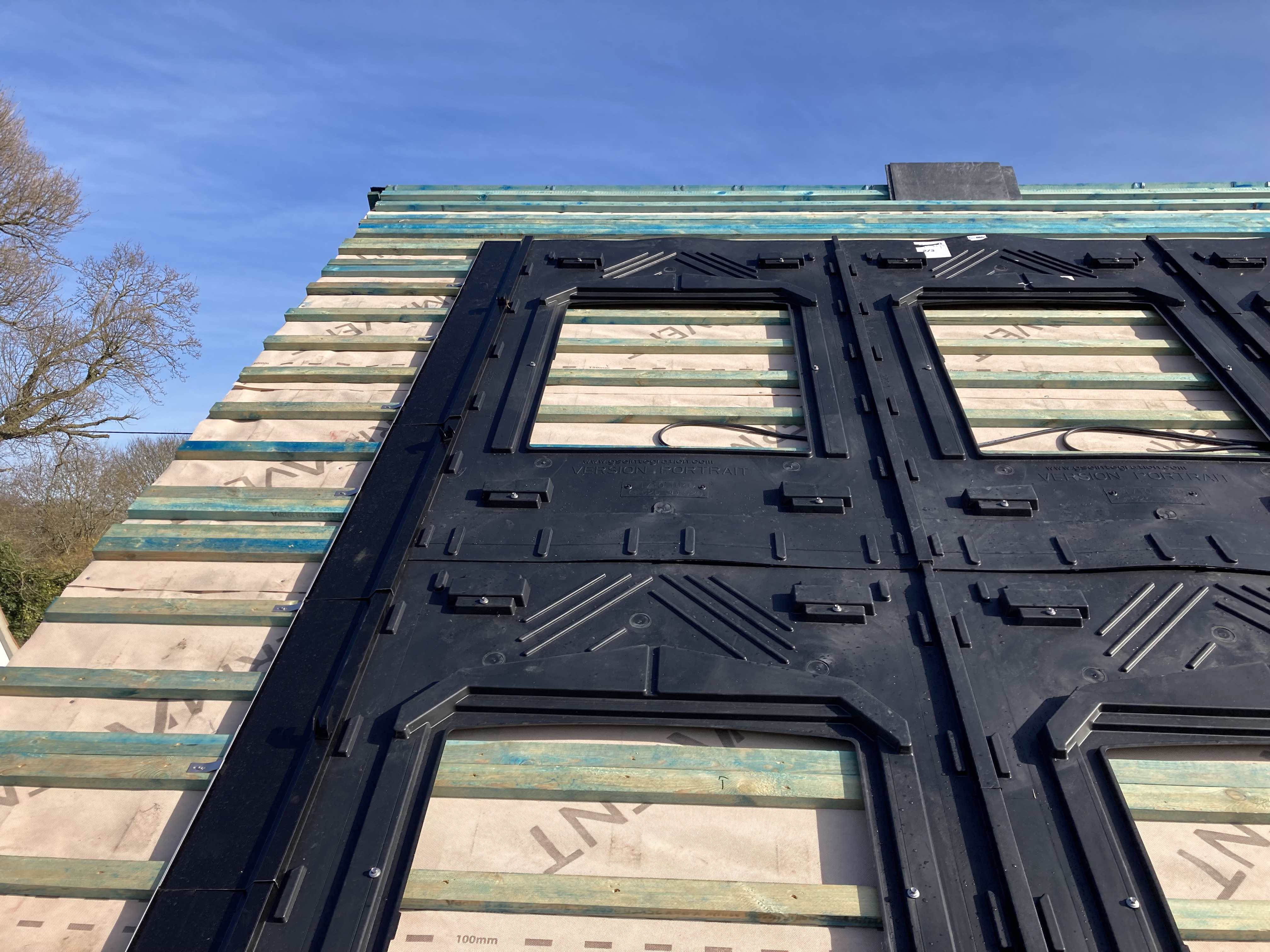
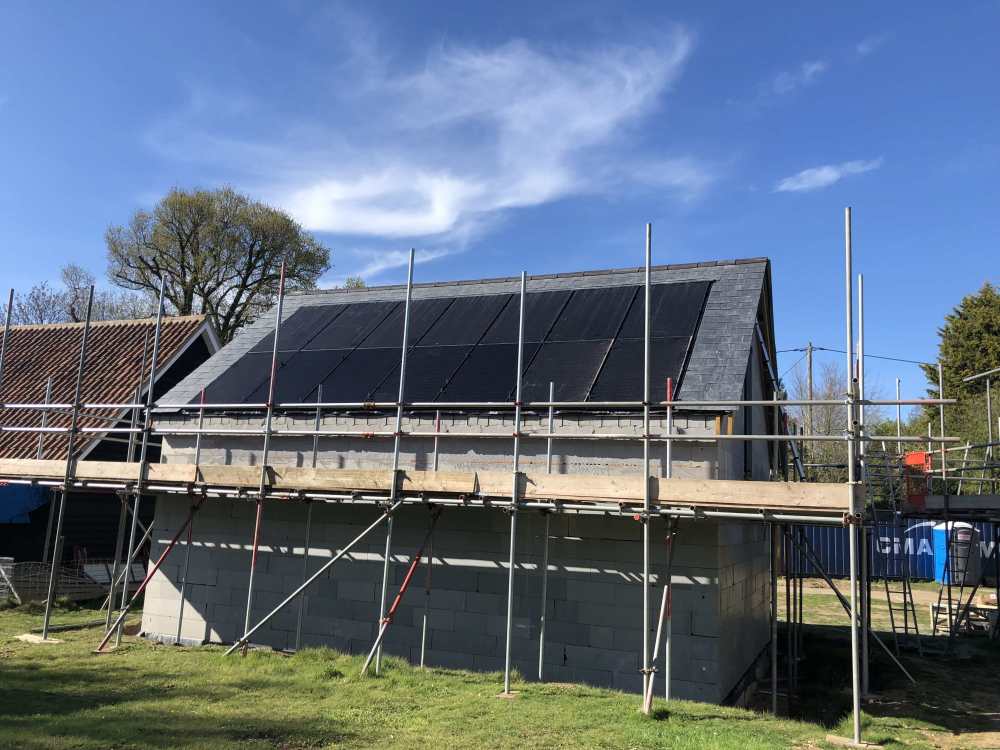
I agree with @Conor. I did not notice any specific issues with the slate/flashing interface. There was a foam tape you run along the flashing, that the tile rests on.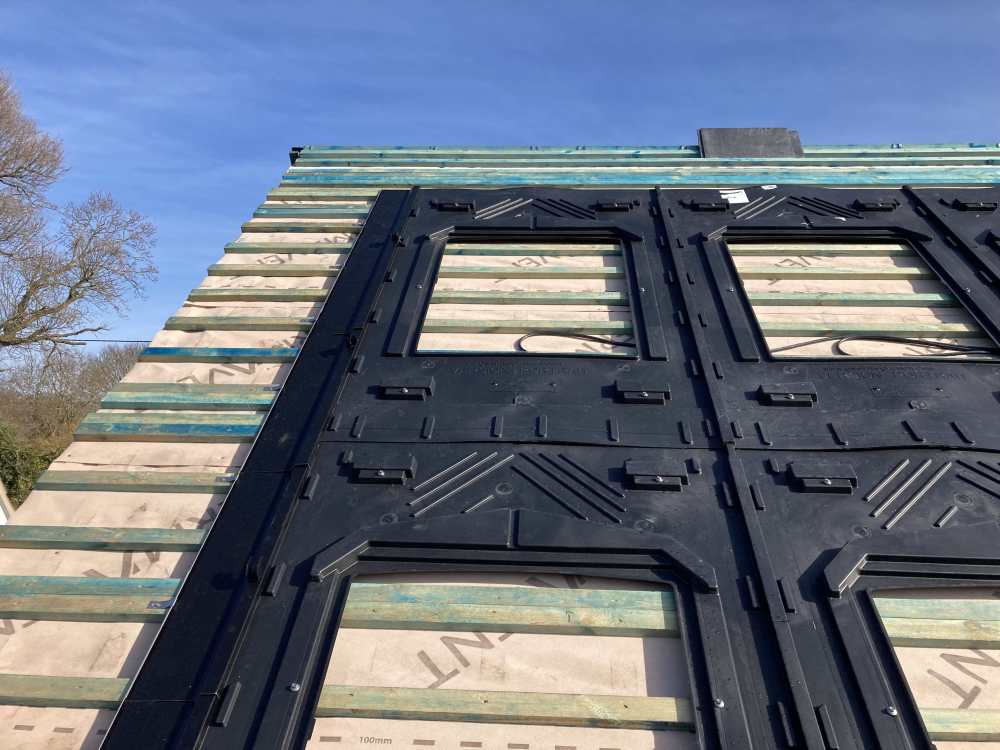
-
MF ceiling grid - hanger distance from walls
Nick Laslett replied to Thorfun's topic in General Construction Issues
This tread has been some of the best alternative Christmas entertainment. Needs a good cliff hanger for New Year’s Eve. -
MF ceiling grid - hanger distance from walls
Nick Laslett replied to Thorfun's topic in General Construction Issues
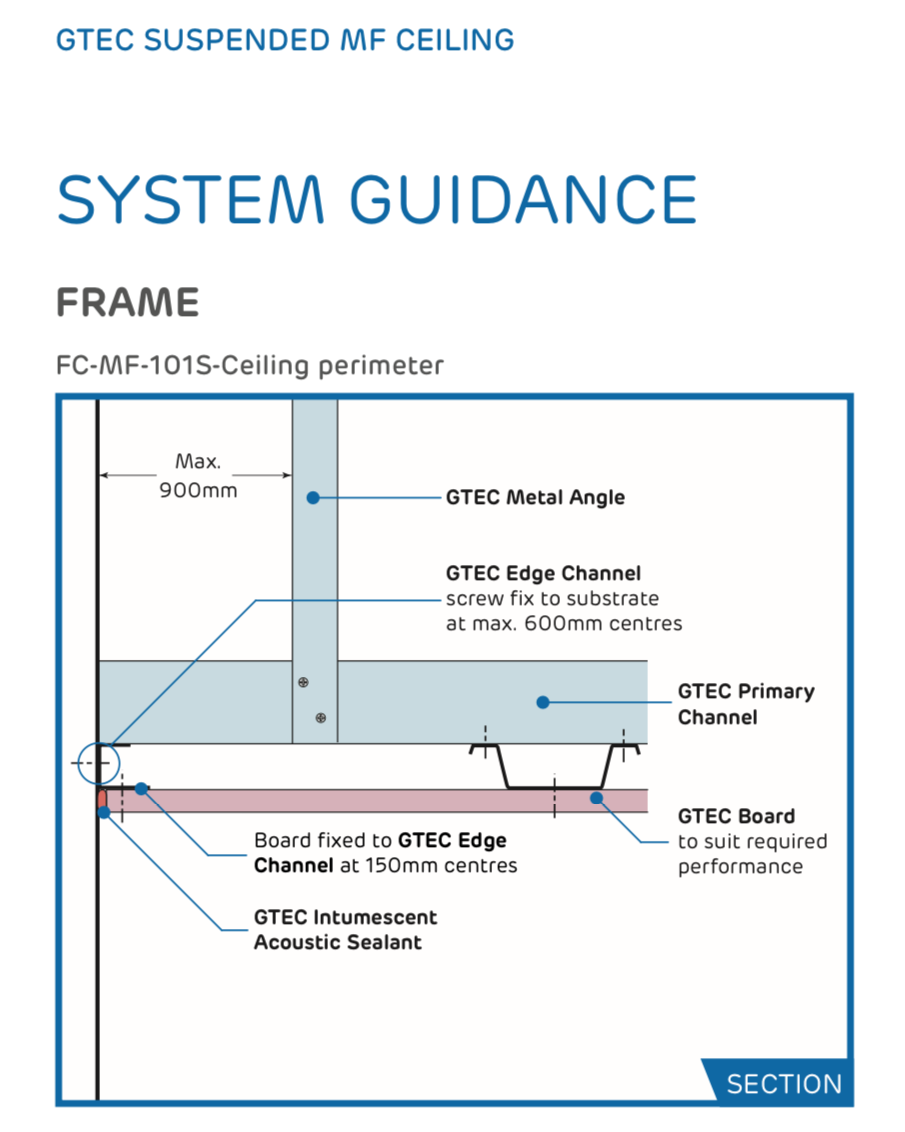
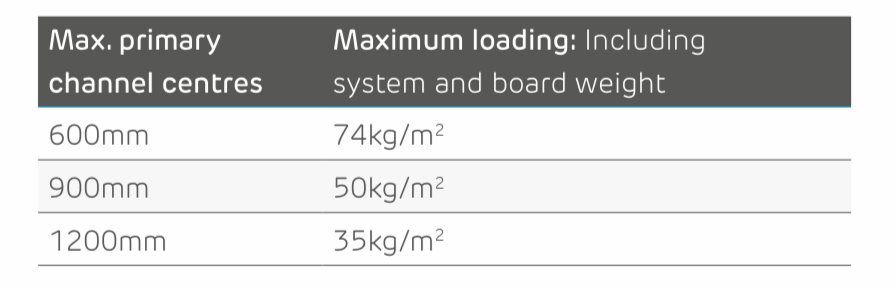
I followed the Siniat GTEC materials. Page 22. https://media.siniat.co.uk/pi48603/original/-1830867374/siniat-drywall-manual-s5-floorsandceilings-v1.0.1_wm.pdf The reason for the different measurements, is that it depends on the overall weight of the ceiling.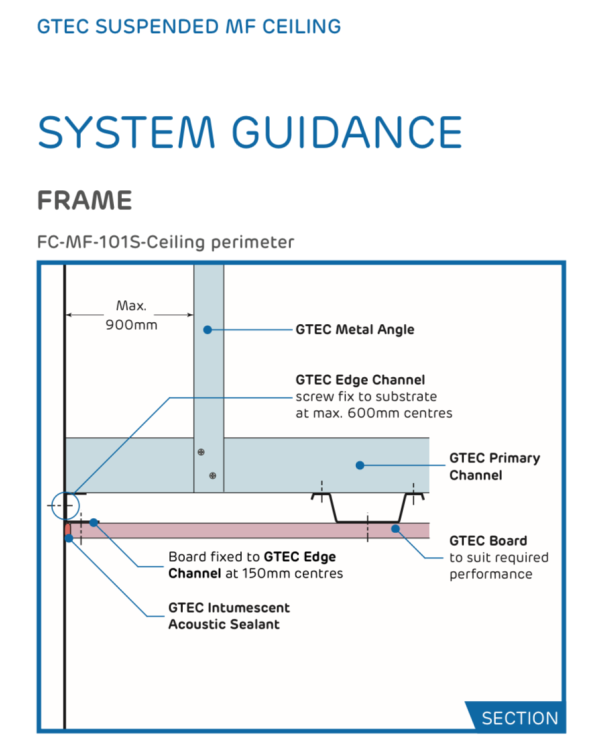
-
Can the flow temperature be too low?
Nick Laslett replied to JohnnyB's topic in Air Source Heat Pumps (ASHP)
So many gotchas with ASHP configuration. At least this is something you can control. This is the other topic that is a real challenge to solve. Lot of design thought needed if you want an efficient reasonable cost DHW supply. Traditional plumbing would just brute force this. I’m sure the oversizing of most HP is due to DHW reheat times. If you have showers happening in succession it is a good candidate for Waste Water Heat Recovery, but not always easy to incorporate into a build. Unfortunately I don’t have any answers for this, my simplified assumption is that my solar will contribute to the cost of DHW for 8 months of the year, and for the other 4 months, low cost tariff direct electricity. If you have the space, a bigger tank to take advantage of the cheaper rate electricity and just store more hot water. Of course it would appear that things like solar, batteries and EVs are all need to get access to these better electricity rates. -
Yes, I used this mesh at the top of my cladding. Seems fine. Do you have a particular concern? I didn’t put much thought into this particular purchase. I also used it on my soffit vent strips.
-
MVHR - one unit or two?
Nick Laslett replied to SBMS's topic in Mechanical Ventilation with Heat Recovery (MVHR)
I’ve not looked at this for a long time, so please take this comment with a degree of skepticism. The Zehnder ComfoAir Q600 is suitable for a house up to 350m2. Not sure how accurate your 390m2 measurement, but maybe 40m2 is not enough to really discount the Q600. My understanding from other posts on BuildHub, is that the Building Regs requirement for air supply is too high and after building controls signoff they dial back the MVHR settings. -
I’m actually getting very close to my air test. Early January, hopefully. The solution I used is no longer sold into the UK market, it is from Germany. We wanted a very quiet cooker extractor as we have an open plan kitchen. We went with the Berbel extractor and the Wall Box accessory, which connects to the extractor and opens the vent automatically using a motor. Spec says >40PA for the wall box opening. https://www.berbel.uk/extractor-hoods/accessories/exhaust-accessories/wall-box/ When I looked more recently, I saw there was another product now on the UK market. https://luxairhoods.com/Cooker-Hood-Ducting-150mm/cooker-hoods-outside-vents-grilles-external/Airtight-Ducting-System-Kits?srsltid=AfmBOor176UUNI2MTtZdpI9A2SZBl2x7Bir3KZKSyicPgC3GHIE6BwXW The other area that is worth exploring is butterfly valves in the duct. https://quiet-vent.com/products/dampers/quiet-vent-motorised-circular-damper/ I assume that MVHR professionals will be familiar with other options. The Passive House Institute guideline I linked earlier covers the design requirements for extracting to the outside. This is the only PHI approved product on their database. https://naber.com/media/52/7b/ce/1688370360/NABER-Compair-Bixo-Broschuere_EN.pdf Like a lot of house design choices this forum in very pro recirculating hoods and there is nothing wrong with that approach, but a bit like asking for recommendations for oil fired boilers, I would guess must members wouldn’t be leaping to give advice.
-
This is a well warn discussion on BuildHub, you could call it a hardy perennial. Nothing wrong with recirculating hood, but you can extract to the outside as long as the vent has an air tight seal. There is a balance issue when doing this, but might not be significant enough to cause problems. If using a recirculating hood, you can put a filter on the nearest extract plenum. Again some installs have filters on all extract plenums. As with any thread on BuildHub, it is a lottery whether you will get a good community response and a plurality of views. Here is a link to a recent previous discussion on this topic. Also here is the passive house guide on the topic: https://passiv.de/downloads/05_extractor_hoods_guideline.pdf * Edit: I notice that the topics are in two different parts of the forum, part of the joy of BuildHub is the complexity of forum structure, some topics have multiple potential homes, easy to miss.
-
This one made me chuckle, uses actual footage from the show. I believe Kevin actually tweeted the link on his feed.
-
Final certificate received!
Nick Laslett replied to Thorfun's topic in General Self Build & DIY Discussion
Congratulations @Thorfun. A massive achievement. You have not only completed a self build, but also contributed greatly to the buildhub community, I have so many of your topics and posts bookmarked.