Lears
-
Posts
21 -
Joined
-
Last visited
Lears's Achievements

Member (3/5)
1
Reputation
-
How much can you pack standard staircase dimensions?
Lears replied to Lears's topic in General Self Build & DIY Discussion
Thank you all. Definitely going to go custom to our measures once the screed is in! For a couple hundred quid difference it seems a no brainer. -
Hi, We're getting into 1st fix on our renovation and in need of sorting out a staircase. As we've still got lots of work to do, we've opted to go cheap for now with the longer term plan of putting in something nicer if we choose to. I was looking at https://www.selcobw.com/standard-staircase-2640-x-865-x-4144mm-263530086 for <400 quid, seemed like a good bet however measuring today, I think our total rise is likely to be 2665 i.e. about 25mm taller than these. I can't say for sure as the screed is due next week at which point I'll have exact measures but assuming it's in that ballpark, is there an option to pack out the bottom by that much or is it a no go? I've heard before stories of steps being even the slightest bit out leading to tripping etc so wary of going down this route... Any suggestions would be greatly appreciated. Thanks!
-
150mm Cavity Build Up for Extension on Old Stone Property
Lears replied to Lears's topic in Brick & Block
Yup, decided to bump the cavity to 175mm full fill and then can hit 0.17 overall with normal 7.3n block on the inner leaf. I’ll loose a bit internally but based on all the threads here, that seems to be the recommendation! -
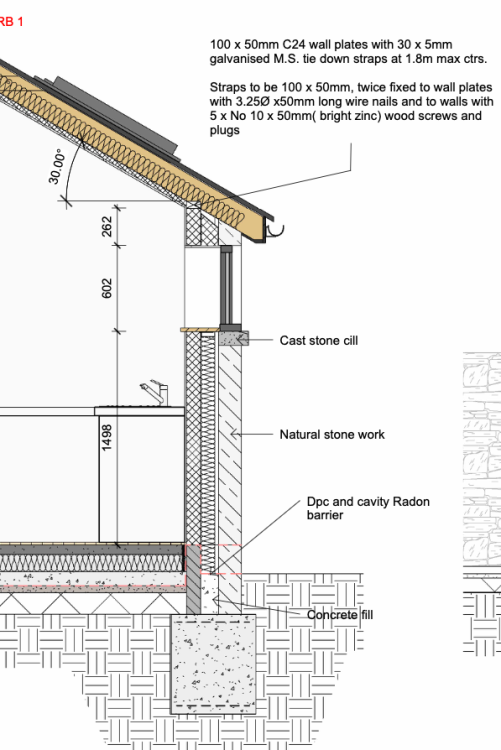
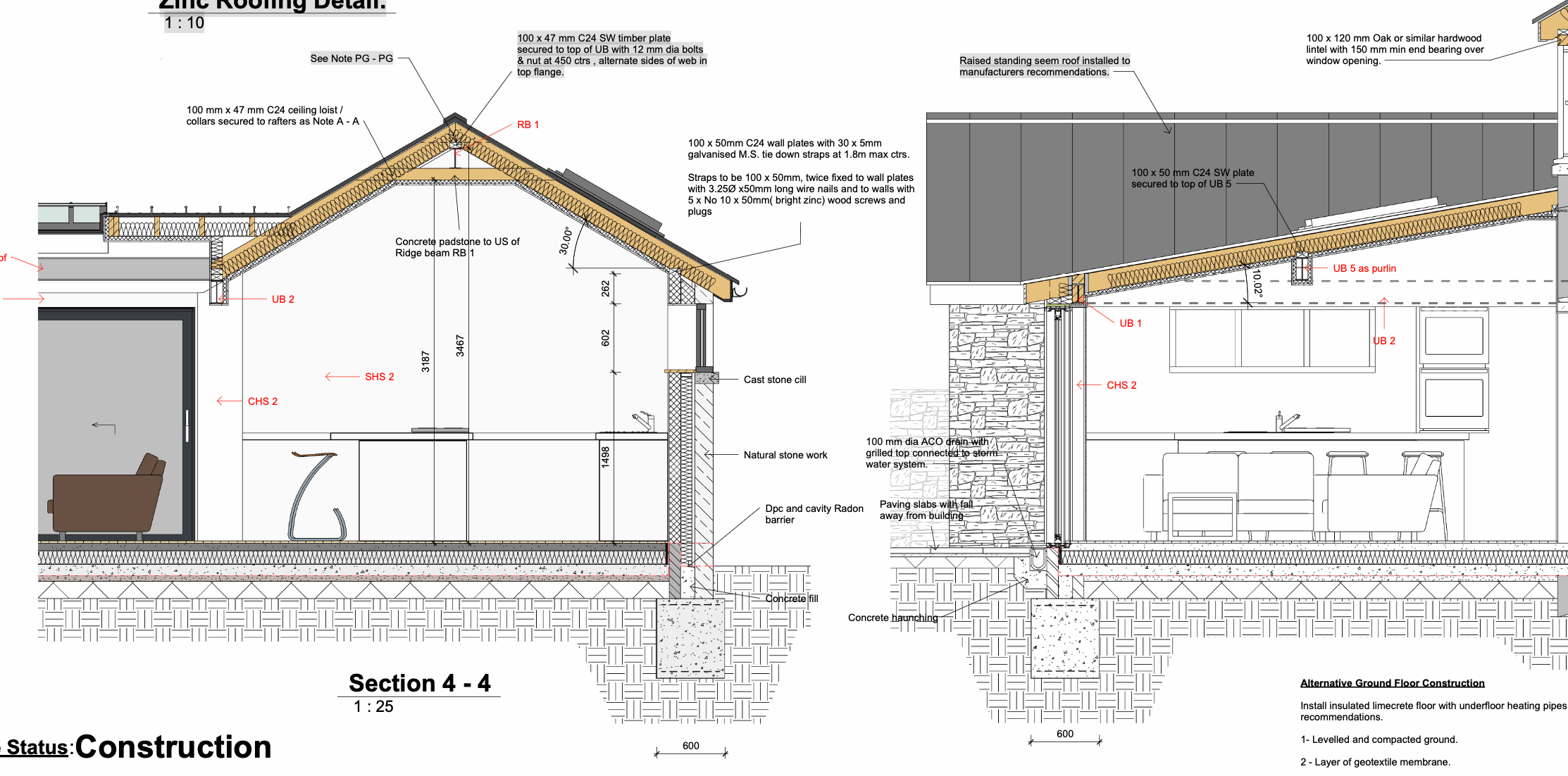
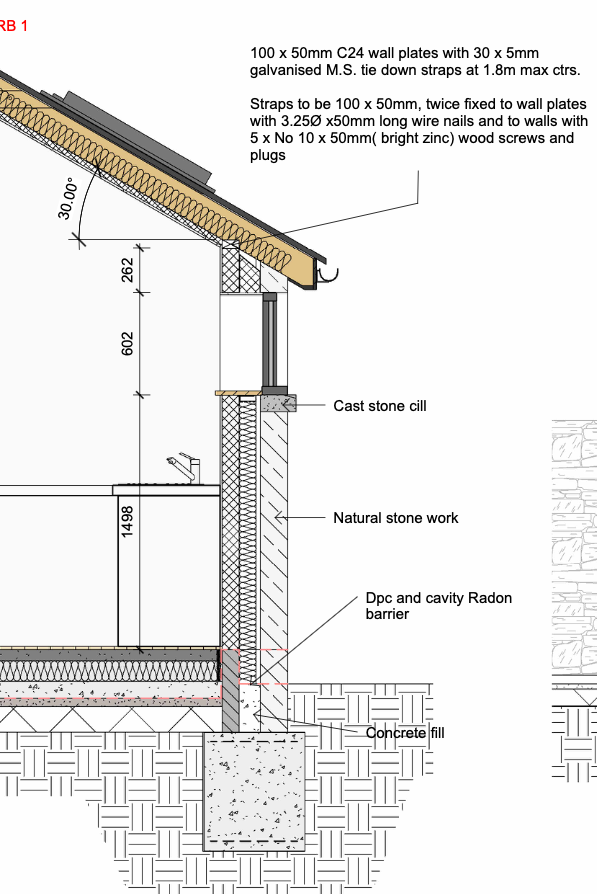
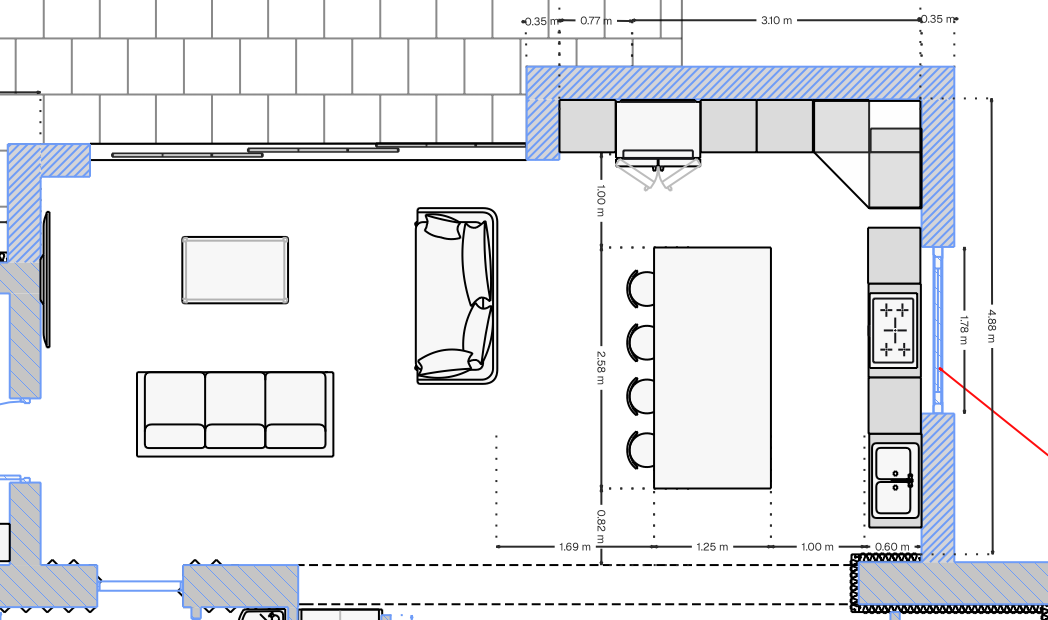
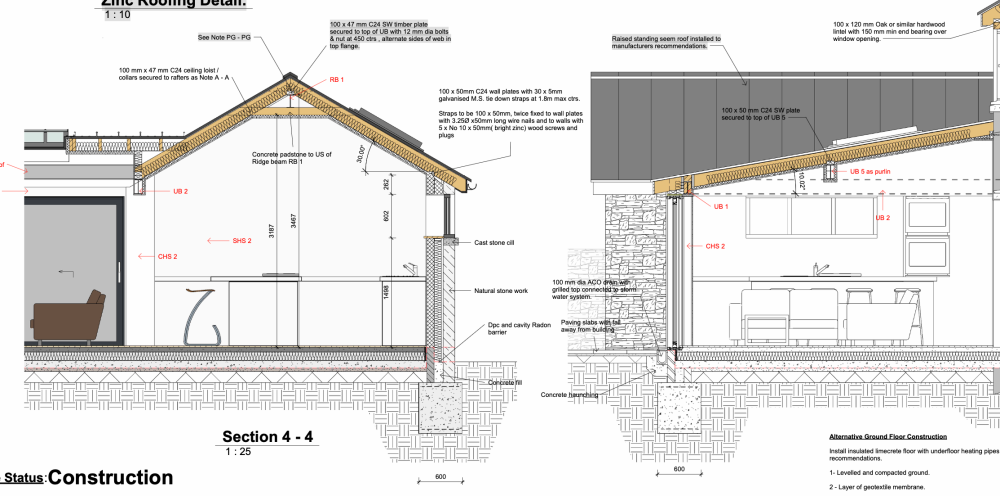
Hi all, There's been a few threads recently on this but thought best to start a new one. I'm looking for some guidance on wall build up for an extension we're doing onto an old, solid stone wall property. The original build up was: Dot Dab plaster 100mm aircrete block - GTI Toplite 0.11 block 100mm EcoTherm insulation 25mm cavity using SureCav 25 150-160mm stonework finish The build has recently come back though to say the stonework comes in 115mm so I basically have the opportunity to change the cavity to 150mm full fill which is good news. From reading the rest of this brilliant forum though, I have 2 additional concerns: 1. Suspicion of aircrete blocks to boost U value performance, especially when this is a kitchen and will require some fixings into the wall (although we don't have a lot of wall mounted units planned) 2. Dot dab instead of wet plaster finish - We are planning to have MVHR and a focus on airtightness, coupled again with the fact most the room is a kitchen, I think it would be better to do a wet plaster finish rather than dot dab When I plug these into the U value calcs though, I'm getting around 0.19 u value but struggling to get any accurate estimate around the real U value of wet plaster finishes or the stonework finish. I can't really make the cavity any thicker as we have a stone wall to avoid and I don't want to loose any more internal area for the kitchen units. Lastly, I'm not 100% sure whether there's some improvement to make around the foundation blocks and DPC layer. I've seen a few posts recently suggesting it can be filled with EPS or using thermal blocks at the floor join to improve performance but I'm not sure if it's worth looking into further? Any guidance or thoughts would be greatly appreciated!
-
Just jumping on this as in the exact same scenario. My assumption was I would need to battern on top of the sarking vertically and the counter batten horizontally on that to enable water run off down the membrane that sits on top of the sarking board. Then trays and slates would be fixed to that horizontal batten. Are you saying you are not counter battening and if so, is that not an issue for water run off as it would get stuck and pool? maybe I’ve missed the point
-
Slate reroof - is labour cost really as much as it seems?
Lears replied to Lears's topic in Roofing, Tiling & Slating
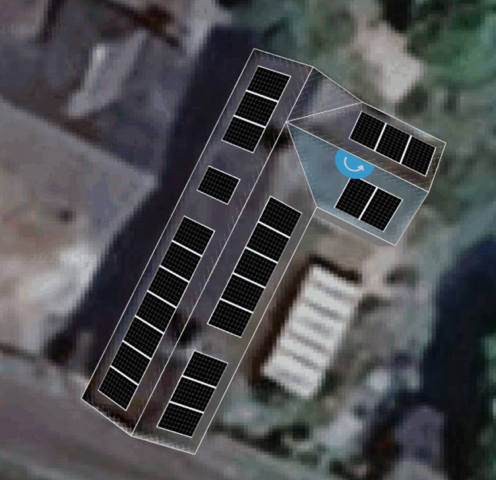
Looks great! Yes, it would get stripped, not sure how many tiles we will save, below is the best image I’ve currently got. I mocked up a solar layout, the gaps are for roof lights plus with the hip we might be spending a bit of slates and a half by the sounds of it.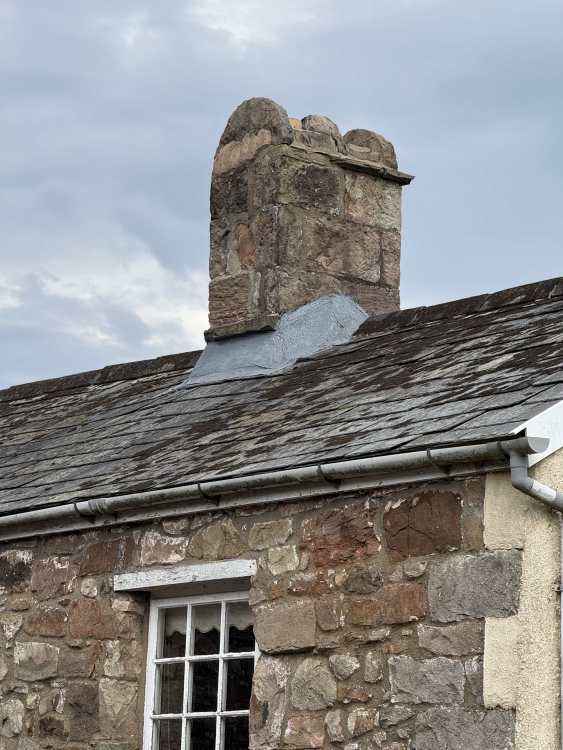
-
Slate reroof - is labour cost really as much as it seems?
Lears replied to Lears's topic in Roofing, Tiling & Slating
This is really helpful so thank you, definitely didn't appreciate the slate and halves. Did you slate and half up to the solar as well as the roof edges then? I can see how that would stack up.... -
Hi, My wife and I are first time renovators and so use this forum pretty much weekly at the moment but cannot for the life of me figure out slate reroof pricing. Our roof has 75mm rafters, "rustic" spacing which would make it a nightmare to cut internal insulation and we're taking 2 chimneys out anyways so some amount of work is inevitable. As a result, we're looking at a full reroof inc. truss, wall plate etc. Everything looks fairly reasonable except for the slates so hoping someone can help me understand if we're just underestimating the labour costs associated. Here's my maths so far for the slates 114 sqm roof Based on some other threads, I've been looking at the SSQ Del Carmen from Roofing Superstore which is 500x250 and £2.50 ex VAT or £3 inc VAT Based on the manufactures spec, at 30 degree, we need an 80mm overlap = 19 slates per sqm 114 * 19 = 2166 Add 10% wastage = 2383 Total slate cost = £7,148 inc VAT or £5,957 The two quotes I've had so far are asking: £52.5k total - £24k to fit slates specifically £40k total - £30k to fit slates specifically Appreciate there's batterns, hooks/ nail costs to add but I wasn't expecting there to be such a gap between the the prices we saw online and the quotes. To add insult to injury, given it's a reroof we're also planning on fitting in-roof solar at the same time which from some initial designs, would take up about 48 sqm of the roof and therefore, reduce the amount of slates we need by 40% or so. When I asked if that was factored in to the price, of of the contractors said "it would knock off about £1.2k because although it saves on material, the extra labours and slate and a halves would offset. We're in the South West, I'd be very interested to hear experiences from others. At the moment, the £40k contractors is likely going to be doing our extension and has a good local reputation so is the top candidate, I'm due to get another quote from a local roofer for comparison in the new year too.
-
It was mainly a necessity in the main building so as the extension is new with a modern build method, it felt like an overly expensive option plus, it's mainly for a kitchen and didn't fancy trying to attach wall mounted units to WF This is what I've been leaning towards. Our builder said he's had no issues with board insulation or lighter blocks on the inner leaf but not sure I fancy the risk. Feels like we could go to 200mm cavity with EPS beads and medium blocks for both leaves and hit a better U value.
-
Hi, My architect has spec’d 100mm dense block for outer leaf and Celcon 2.9 n/mm2 for the inner leaf with a cement mortar (3:1) for an extension we’re building on an old, solid stone home. For the rest of the main house, we’re going breathable with IWI wood fibre and lime throughout with a MVHR system. The extension currently has a 125mm cavity designed to have 100mm ecotherm insulation and surecav 25. I spoke to the architect about reservations of aircrete blocks having issues with cracking but he didn’t think it was an issue. I don’t want dot dab inside and planning parge coating and wet plastering but again, a bit concerned the light weight blocks will suck too much moisture out with that approach. I probably can’t swap to a denser block without needing to change cavity size as current spec only just hits 0.17 u value so a bit torn. Any suggestions would be massively appreciated as feel I’m going in circles but really don’t want to regret a choice down the line!
-
I’m looking at the same thing right now. Wood fibre IWI and after looking around, Mike Wye and Steico seem the best bang for buck. I can’t see any difference in performance of wood fibre in all honesty once you confirm it’s the same dimensions and thermal properties… Similarly, eco building’s eco wall suggest 30cm diathonite but it really does bump the cost up per sqm. I’m leaning towards just using a stickier lime mix with some additives to increase thermals a bit as the adhesive layer and leveller in one but still researching - there might be a good reason that’s not recommended…
-
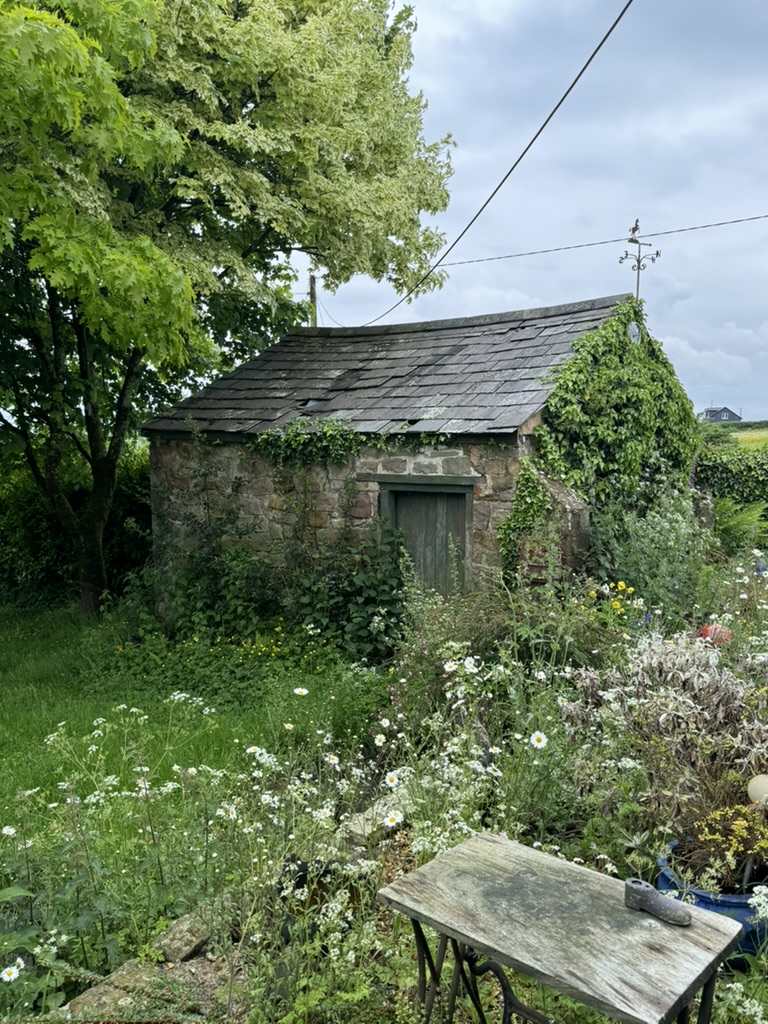
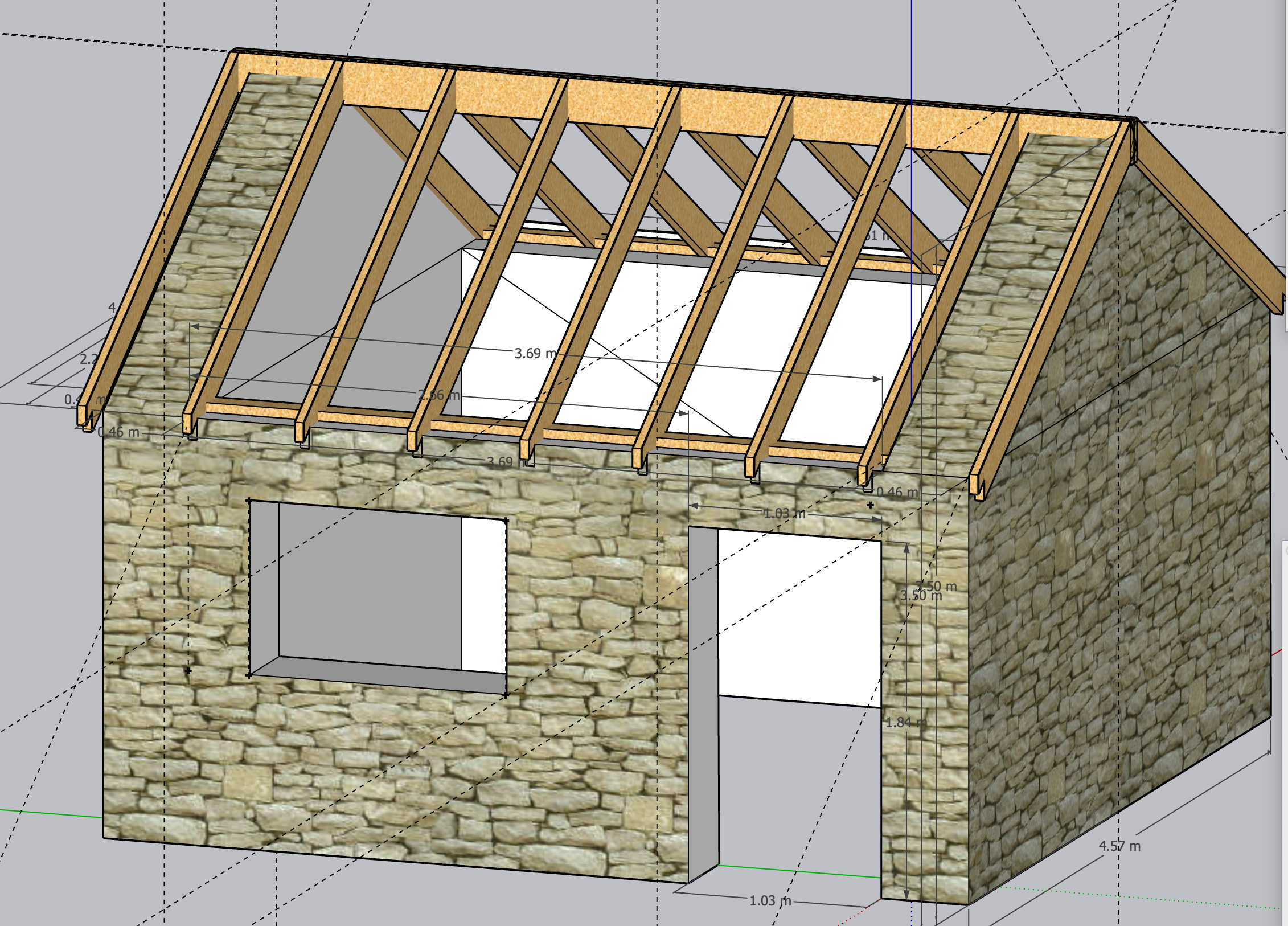
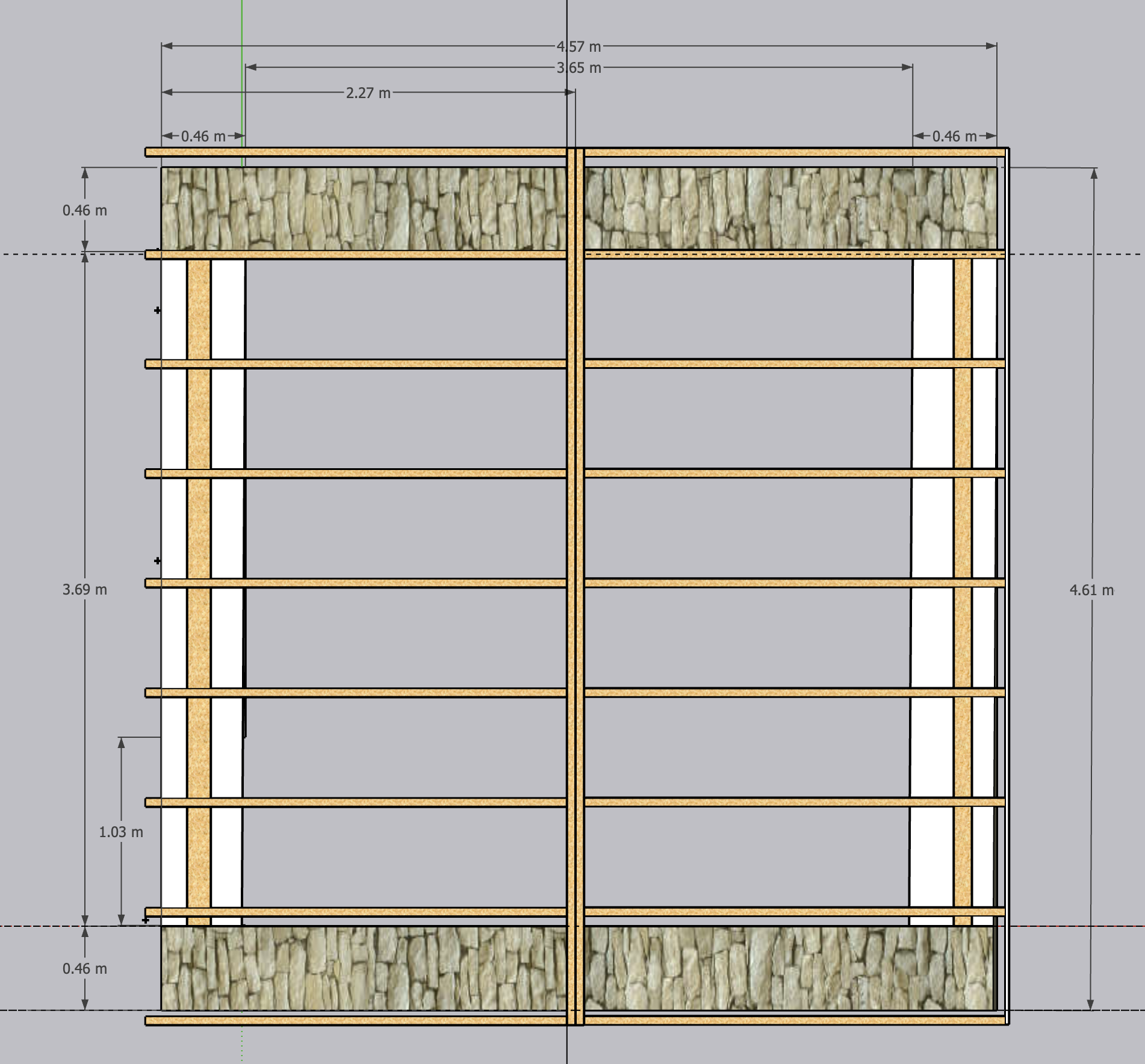
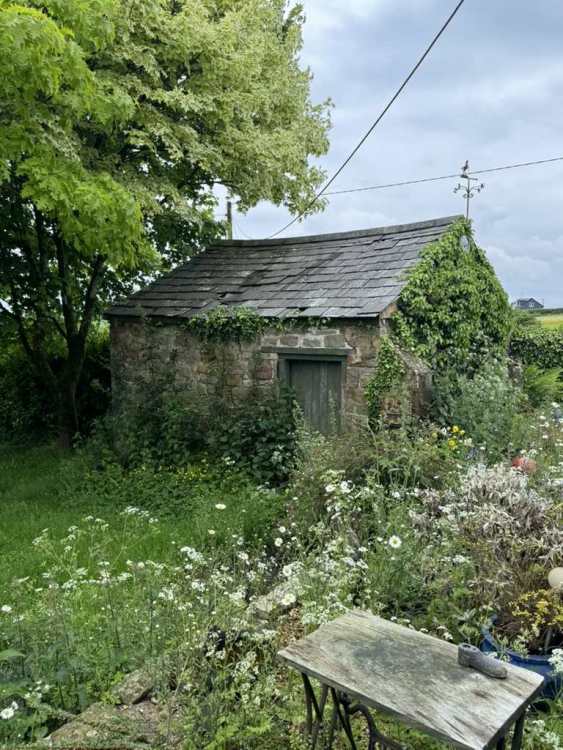
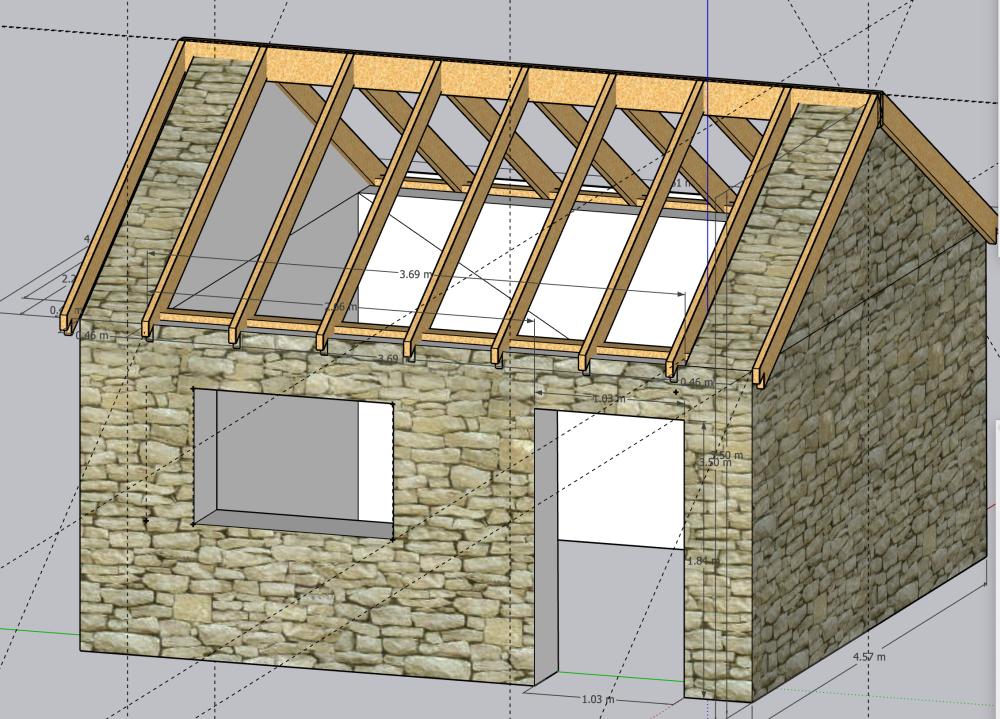
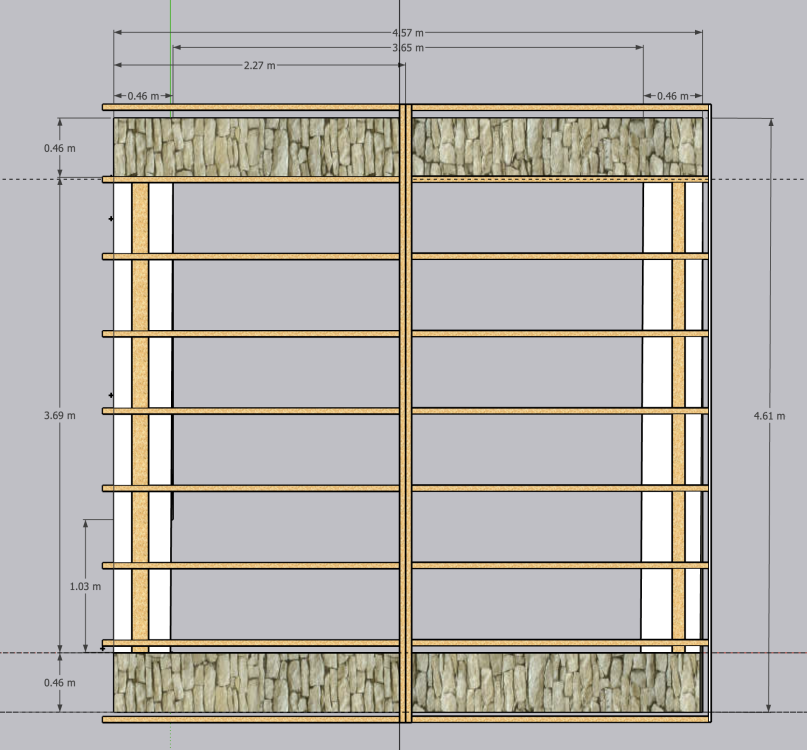
Hi all, I have a very tired, leaky outbuilding I'm looking to convert to an office. My understanding is I can reroof without planning permission as long as it's like for like given it's for repairs but could be subject to building control as it's more than 40% in one go...? More importantly though, I wanted to get some advice on how to reroof as I'd like to do this DIY if I can. Ignore the dangerously low overhead cable, this should be gone by end of the month (fingers crossed!). The existing rafters are way too thin and the ridge beam looks closer to a skirting board than a beam so rough plan was: 2x 47x220 c24 timbers screwed together as ridge beam (assuming this is total overkill but didn't want to take any risks - If I can get away with one, I will) 47x175 c24 rafters at 600mm centres 50x150 wall plate 40 or 60mm wood fibre sarking board above rafter and 175mm between rafter insulation The rafters sit about flush with the top of the stone gable ends but hoping I can cut into it a little to get ladders over each end to give the gables some weather protection. I've had a look at buying tailormade trusses ready to go but my assumption is nothing here will be straight or consistent so building by hand might be the better move. Any suggestions would be greatly appreciated, especially if there's an easier way for an optimistic/ naive DIYer. Thanks!
-
extension Construction Method in Old Stone Property Extension + Renovation
Lears replied to Lears's topic in Brick & Block
JFB, sorry to bother again with what might be a stupid question but was your extension block work done with standard modern mortar or did you use a lime? If standard, does that mitigate the value of the wet lime render insider? -
extension Construction Method in Old Stone Property Extension + Renovation
Lears replied to Lears's topic in Brick & Block
This is really helpful so thank you. Does make me think widening the cavity is the easiest route here. A few questions if you don’t mind. I’ve seen some places use diathonite as the leveling layer, then adhesive onto that with the WF, others I’ve seen just use a stickier mix of lime after getting the mortar relatively level. Interest what your approach was? I’m still learning on the cavity wall side so was your partial fill or full fill and any info on the specific insulation you used? and then was it just a wet like mix straight onto the blockwork internally with a mesh for extra support or was there a membrane etc? Very interesting on the limecrete. If we didn’t know someone that did it I feel we’d just go concrete given some of the posts I’ve read. Out of interest, did you use a lime stone floor finish on that one or any thoughts on the damp issue? We’re going MVHR so I’d hope that wouldn’t be an issue… Thanks, will look at the segal method a bit more. My only worry with TF is having two parts of the house with very different thermal properties at this point but will do a bit more research. -
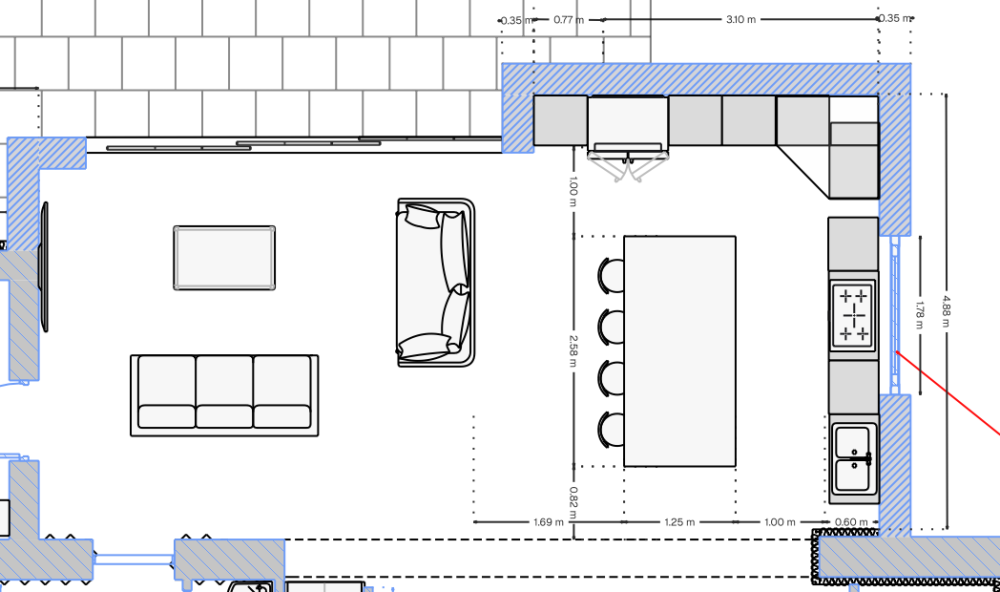
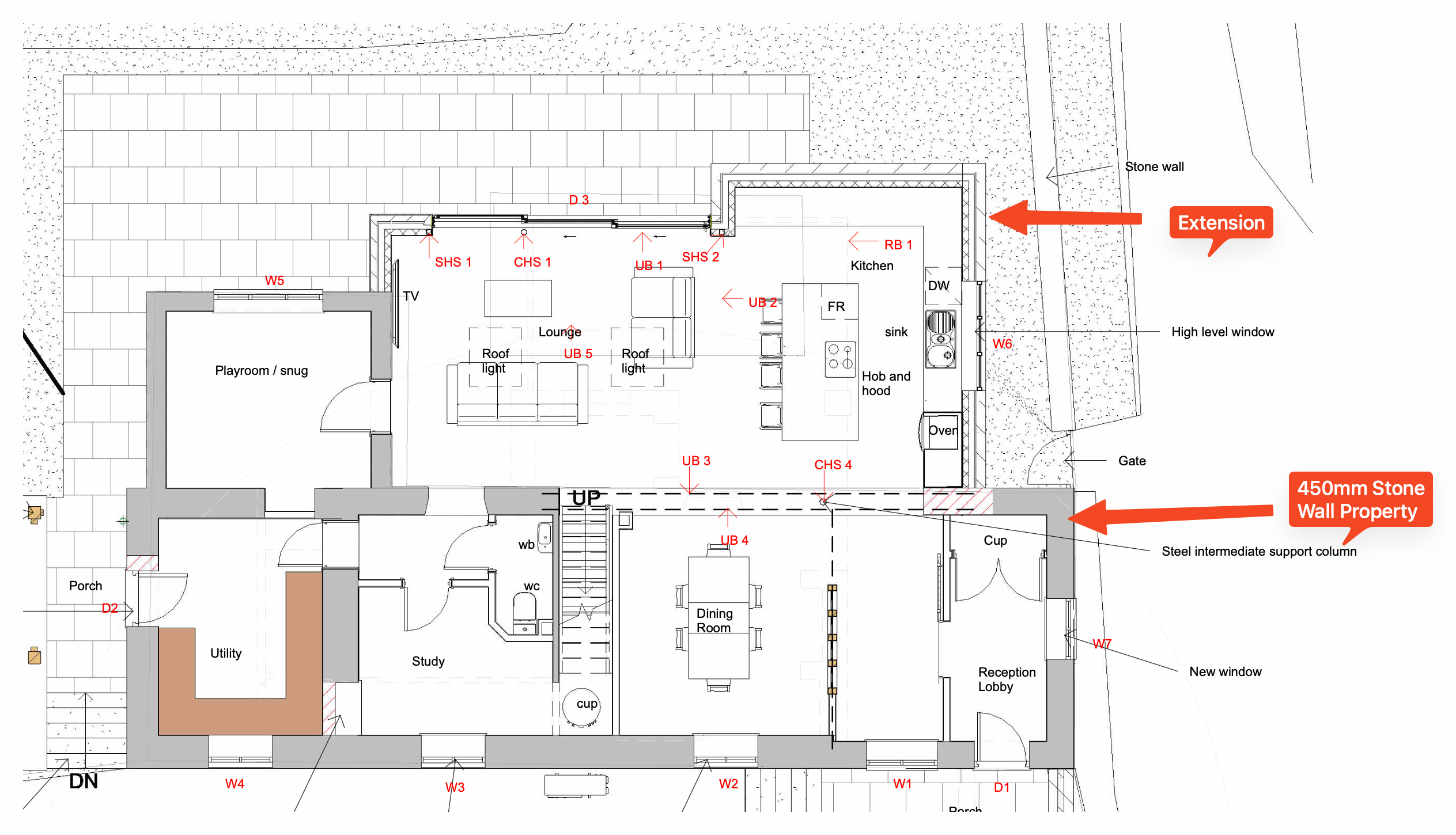
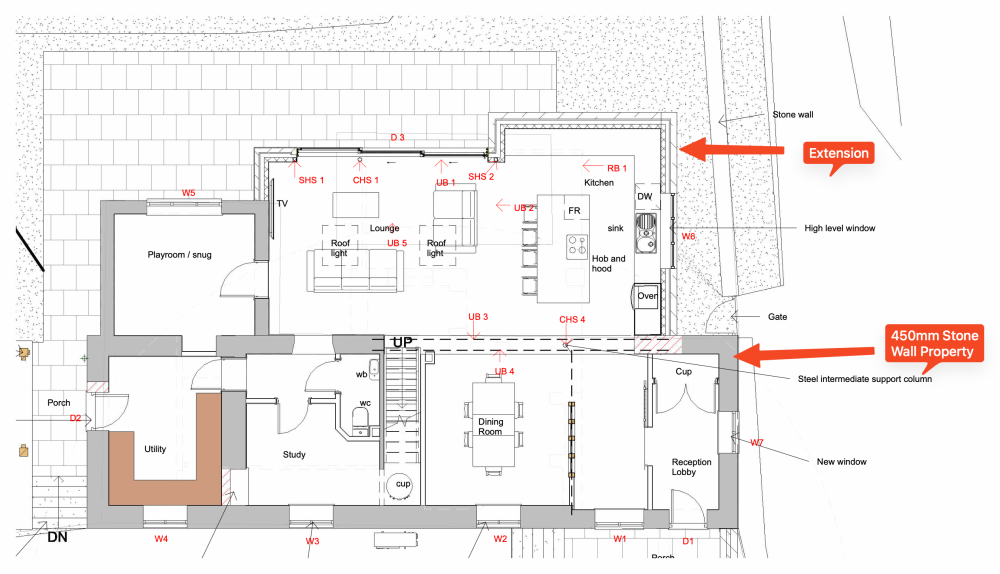
Hi all, I'm in the middle of a renovation of an old stone cottage near Wales (2km from the Severn but not massively exposed) which I going to be a long term home for my family so really trying to ensure I make the best possible decisions. Hoping I can leverage the collective wisdom of this forum as I've read a lot of posts but still not 100% sure. The fundamentals The part of the property is 450mm solid stone (rubble infil) walls and a thin concrete pad of questionable quality. The plan is to put 60-80mm woodfibre IWI around the external walls, remortar in lime, limewash finish etc. Additionally, we're going to lift the existing floor by 500mm or so depending on state of foundations, put in an insulation layer and limecrete with wet underfloor (I have a connection so can get done for a good rate) We're then putting an extension on the east side of the house, replacing a pretty horrible lean to conservatory The plan is to retrofit MVHR and heat with airsource heat pump, reroof with in roof solar. I think this will be good enough to heat the entire home if I hit decent U values and air tightness with some towel rails upstairs but am leaving a service run as an option to fit a mini split system upstairs for AC in the summer but could be supplementary heating too if needed We've has some designs back from our architect on the construction of the extension however, we didn't really ever have a chat about the wall build up itself. He's come back with the below: 160mm stonework finish (we will have lots on site so won't have to buy in but understand labour unlikely to be cheap) 125mm cavity with 100mm ecotherm insulation 100mm toplite block with dot dab finish plasterboard on the inside all of which targeting a u value of 0.18. At first glance, this didn't feel like it was particularly ambitious from an energy efficiency point of view and although I knew it was going to be a more modern construction and therefore, we won't need the full lime treatment, dot dab just doesn't feel right or in keeping with the rest of the home. I've looked a bit into ICF and timber frame but wasn't too sure on how well they would join to the existing property, both at the intersections and in terms of having very different thermal performance properties. On the ICF side, because it's a single story and one section will be sliding doors, I wasn't sure if it was worth while. I'm relatively hands on and will be doing a lot of the lime and wood fibre work so happy to get my hands dirty to save on costs. My initial thought is to just widen the cavity and stick to blockwork but any suggestions or comments would be greatly appreciated. (Section highlighted in blue is the new extension, grey walls are solid stone