
Great_scot_selfbuild
-
Posts
409 -
Joined
-
Last visited
Everything posted by Great_scot_selfbuild
-
Just looking to start a thread on the use of timber shingles and see what detailing people have had specified by their PD. I’ve done a lot of reading, but haven’t seen any of this in practice. Timber shingles on timber frame house Assuming batten & counter battens (25mmx50mm) Specifically interested in: Fire stopping Detailing around windows & doors Ventilation - size of gaps top & bottom Gable Roofline What are your experiences in practice?… (photos encouraged 😁)
-
We're in a (very) hard water location and need a water softener plumbed in at the plant room (kitchen tap and utility room sink will be unsoftened). We've done some research but interested to hear any recommendations (good and bad experiences). TIA
-
New self build design, heat and architect
Great_scot_selfbuild replied to Jack757's topic in New House & Self Build Design
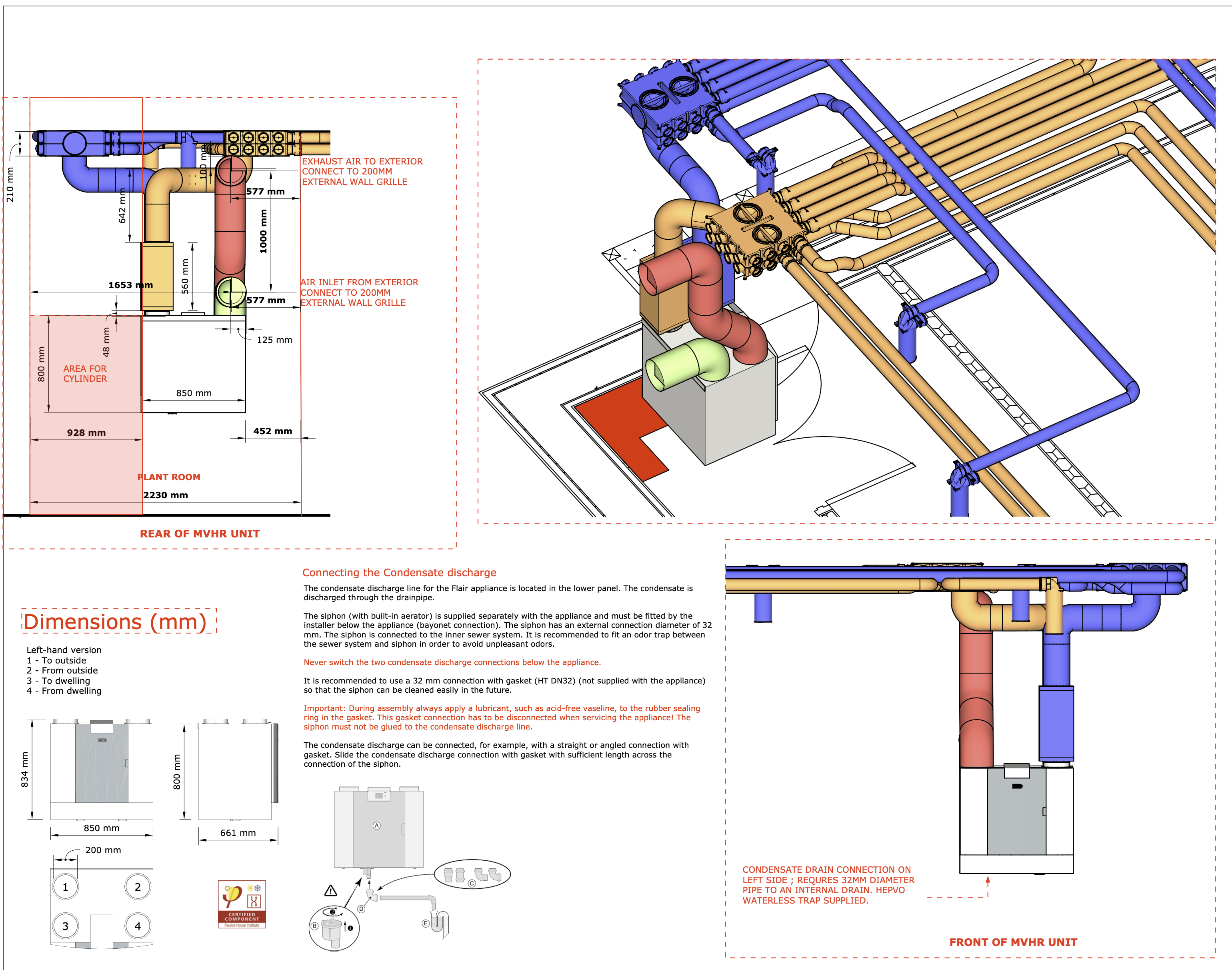
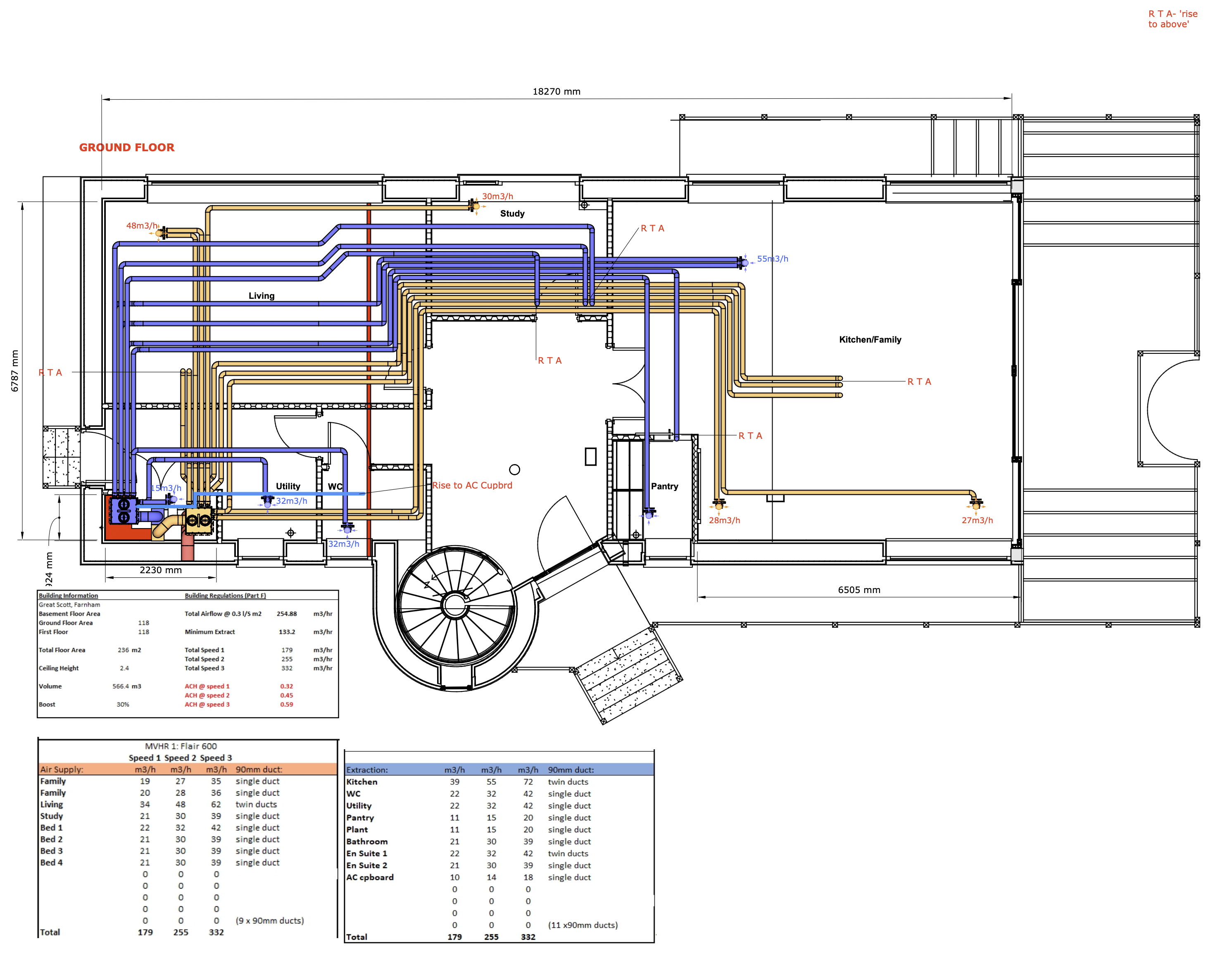
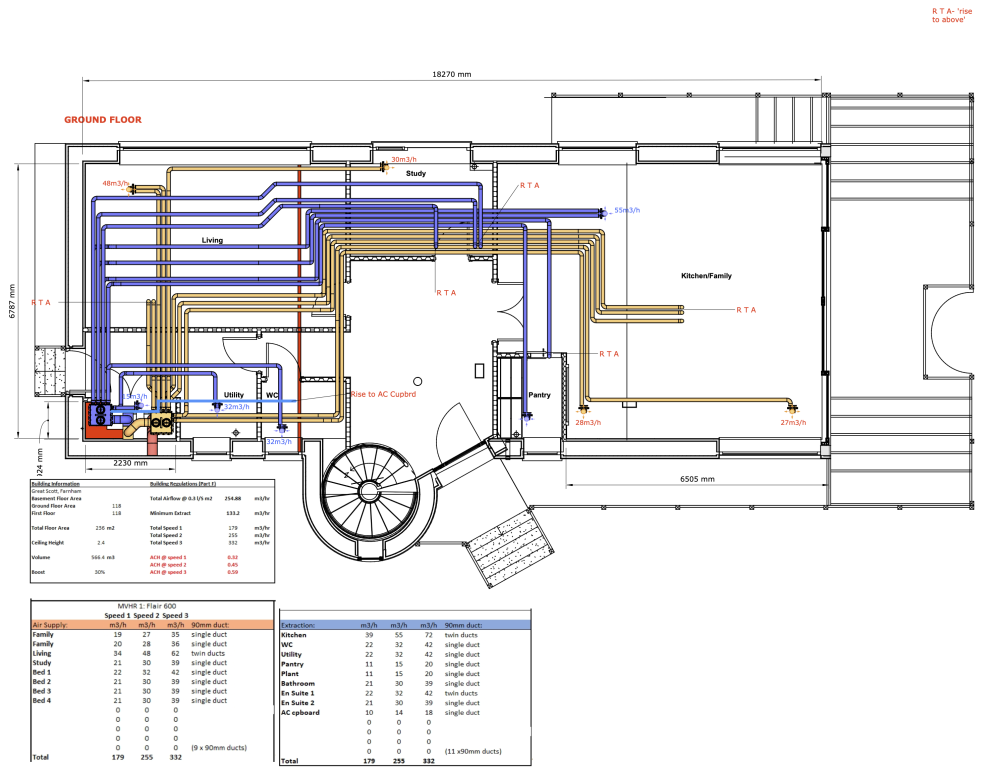
CVC Systems - https://cvcsystems.co.uk I know that some others on here have used them too (I believe positively). I've attached a couple of screenshots of the design document - although my comment above was a little critical, it was a lot better than anything I was likely to get from the PD.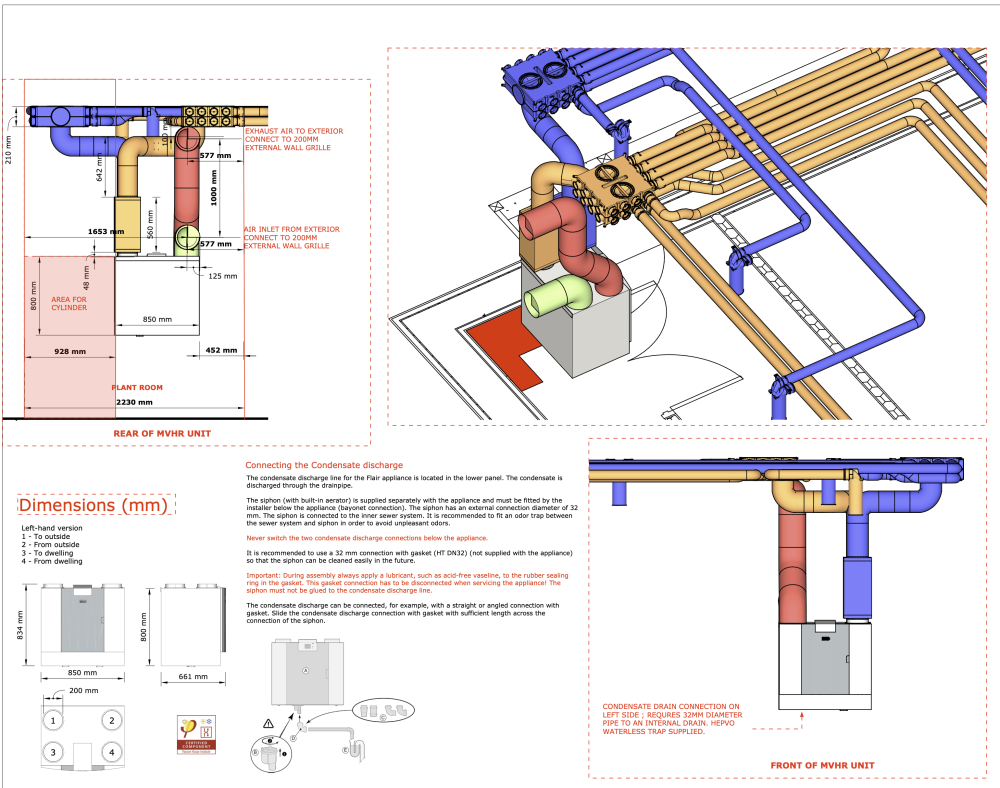
-
New self build design, heat and architect
Great_scot_selfbuild replied to Jack757's topic in New House & Self Build Design
I'm impressed. I had a real challenge trying to get this done. Principal Designer wasn't really up to this level of detail, and the design I had from the MVHR provider was ok but really very simplistic not far off the level of detail seen by UFH providers producing their off-the-shelf layouts. I was still happy with them overall because the cost was so competitive, but I can empathise with others about the challenge of getting a detailed design of duct and service runs. -
Building Control Issues
Great_scot_selfbuild replied to Adele Tractor's topic in Building Regulations
@Adele Tractor we had to get fire officer assessment but they refused to speak to us directly and would only deal with requests from a Building Control Officer / approved inspector. Quite frustrating but we got there in the end. We’re with private (Stroma). No personal experience of our local council BC - good luck. -
Both have their place - I also do this a lot too!
-
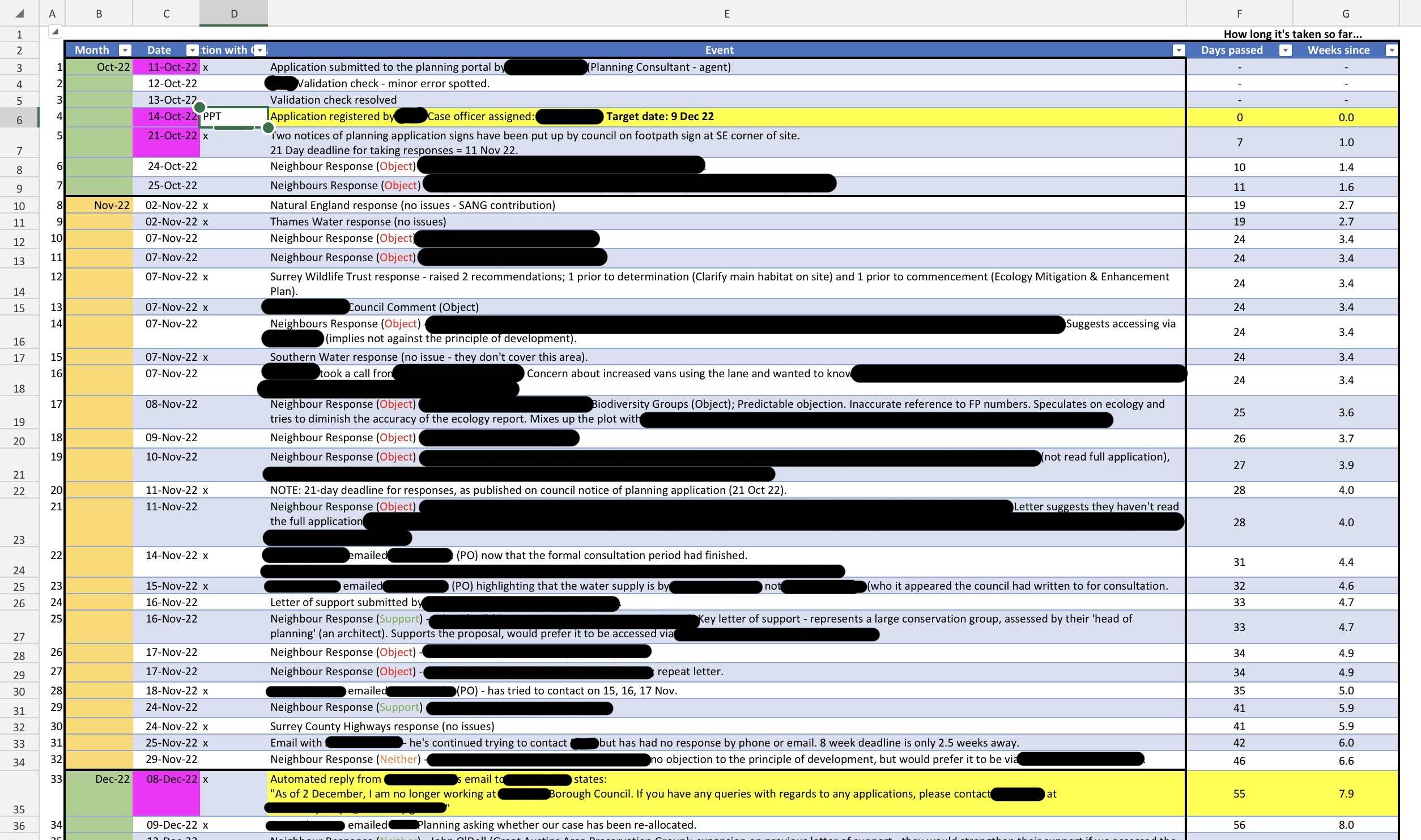
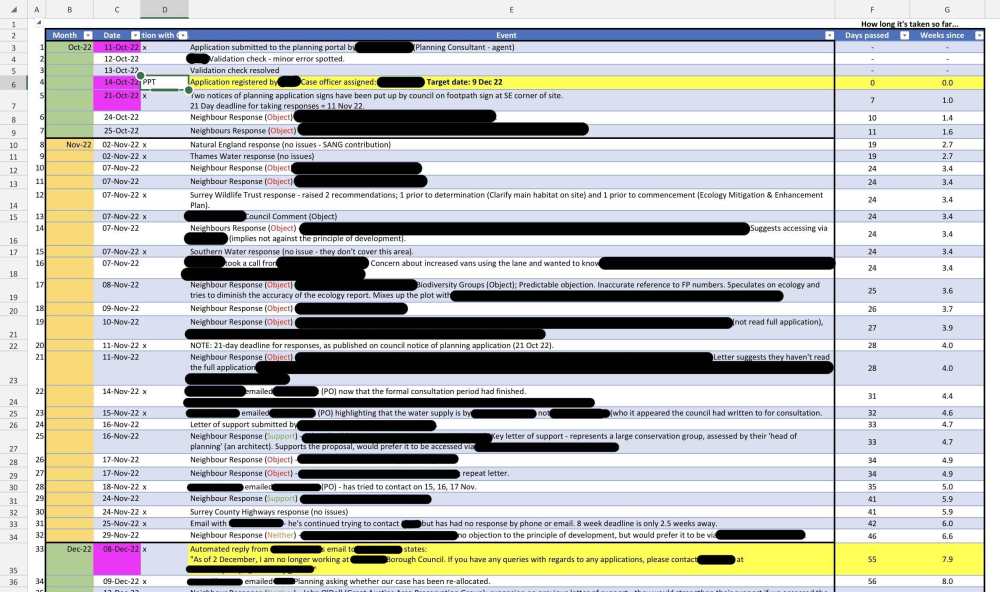
@Square Feet congratulations - what a cracking view! I do hope it all goes well for you in the planning process. A small ‘admin’ tip I would recommend starting as early as possible is to log all your activity and communications. As much as this sounds tedious (which it is), I did ours a bit later in the day, back-dating it with all my emails in the many months of ‘quiet time’ (unresponsive council and sometimes paid professionals on my side). The reason for this was that much later, it became *exceptionally* useful when the council suddenly changed their mind and ultimately refused our first application. This log of activity allowed my planning consultant to easily and quickly reference the specific communications that were relevant (in our case the many broken promises of when a response or decision would be made) and we managed to weave it in to an element of our appeal. My point being that if you populates it as you go from the start it is sooooo much easier. Here’s a screenshot of the format I used (3rd column is ‘Interaction with Council’ - I added later when this became an issue and just put an ‘x’ in so I could filter to compile a shorter extract). Columns: A - numbered rows (in the table) for ease of reference in emails B - Month C - Date D - Interaction with Council E - Event F - Days Passed; Formula: =[@Date]-C$6 G - Weeks since; Formula: =([@Date]-C$6)/7 The splurg of black is just redaction of names / addresses. Rather than share a blank template I thought it would give an idea of how little / much I entered in the summary. Some emails I included an extracted quote if particularly relevant e.g. “I’m minded to recommend for approval”, before then refusing many months later. In this particular extract, the gap between the yellow highlighted lines showed the application being registered on 14 Oct, followed by zero responses from the assigned Planning Officer (PO), before an automated email reply on 8 Dec saying he was leaving the council. I really do hope the Scottish behaviours are better than ours! Best of luck.
-
Hmmm, it still lacked any constructive ‘now what’ that this forum (and you) are often so good at. That was all - just an observation, given that @Spinny is clearly so frustrated and probably wishing he’d done xyz… @Spinny Absolutely this! ☝🏻
-
Bonus edition - Garden landscaping
Great_scot_selfbuild commented on Benpointer's blog entry in Contemporary build in north Dorset
This is stunning. Great inspiration. Very much like the resin-bound path. 👏🏻- 12 comments
-
- 1
-

-
- landscaping
- garden
- (and 2 more)
-
Absolutely. As it was, I did all my planning and documents the old way before discovering the utility of AI for adding things like this. I would absolutely take this approach in the future with similar tasks.
-
@Conor Can you share a link please? I did a quick search but nothing obvious came up - some brands have a ‘click’ model it seems. Just interested to see the power ratings as I’d done a bunch of searches before posting this but hadn’t come across that one.
-
@Spinny really sorry to hear about this. I realise you’ve put a huge amount of prep, thinking and planning in advance, but could you live with it? I realised that you may not be able to ‘unsee’ what they’ve done, buy just a suggestion before you throw it all in and start ripping elements up: 1. Have a friend/colleague (who doesn’t know about the issue) visit and give their opinion on the floor. Try not to lead the witness, but invite them to cast a critical eye over it as you’ve been so close to the detail it can be difficult to step back and see the wood for the trees. 2. Is it flat? 3. What are the edges like? 4. Are there ripples/other aspects separate to the sequence and configuration of the planks? Building a house definitely comes with a free pair of retrospective 20:20 vision specs and ‘I wish I I’d just done … differently’. I’ve had my own experience of these. Just trying to offer an alternative way of looking at the situation - you may only see these details, but how important are they to resolve *now*? Obviously this doesn’t detract from the frustration of having briefed someone, checked understanding and been on hand for any questions / points to check and then had them just go and do this: … @Nickfromwales Bit of a harsh opening line imho. We’re a way off floor being laid, and I could understand that a glue-down floor can’t have anyone else who may generate dust / in the vicinity, but why wouldn’t you have any other trade on the whole site if they’re working in a completely different area? I could have easily fallen foul of this (but have taken note 😁)
-
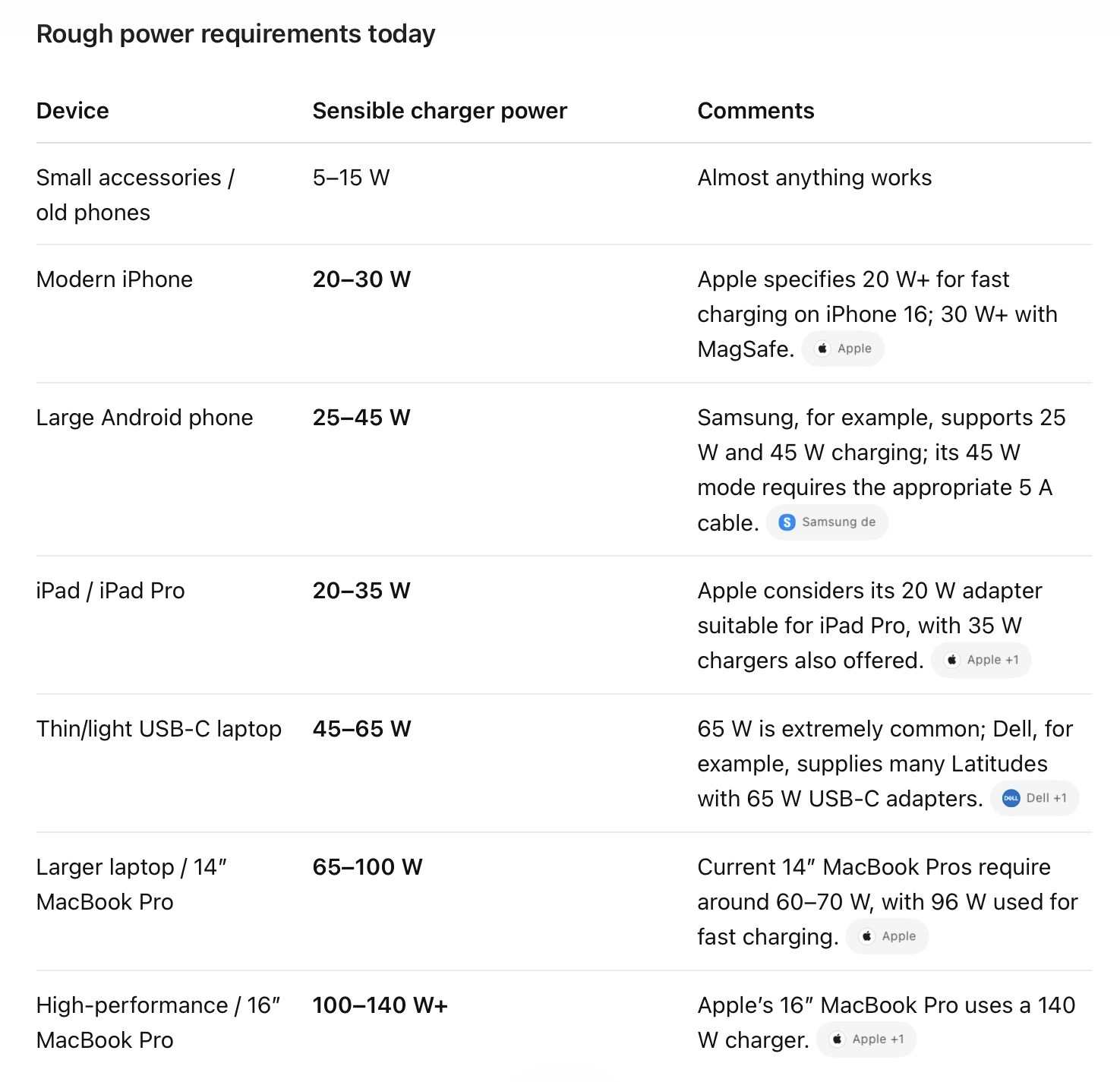
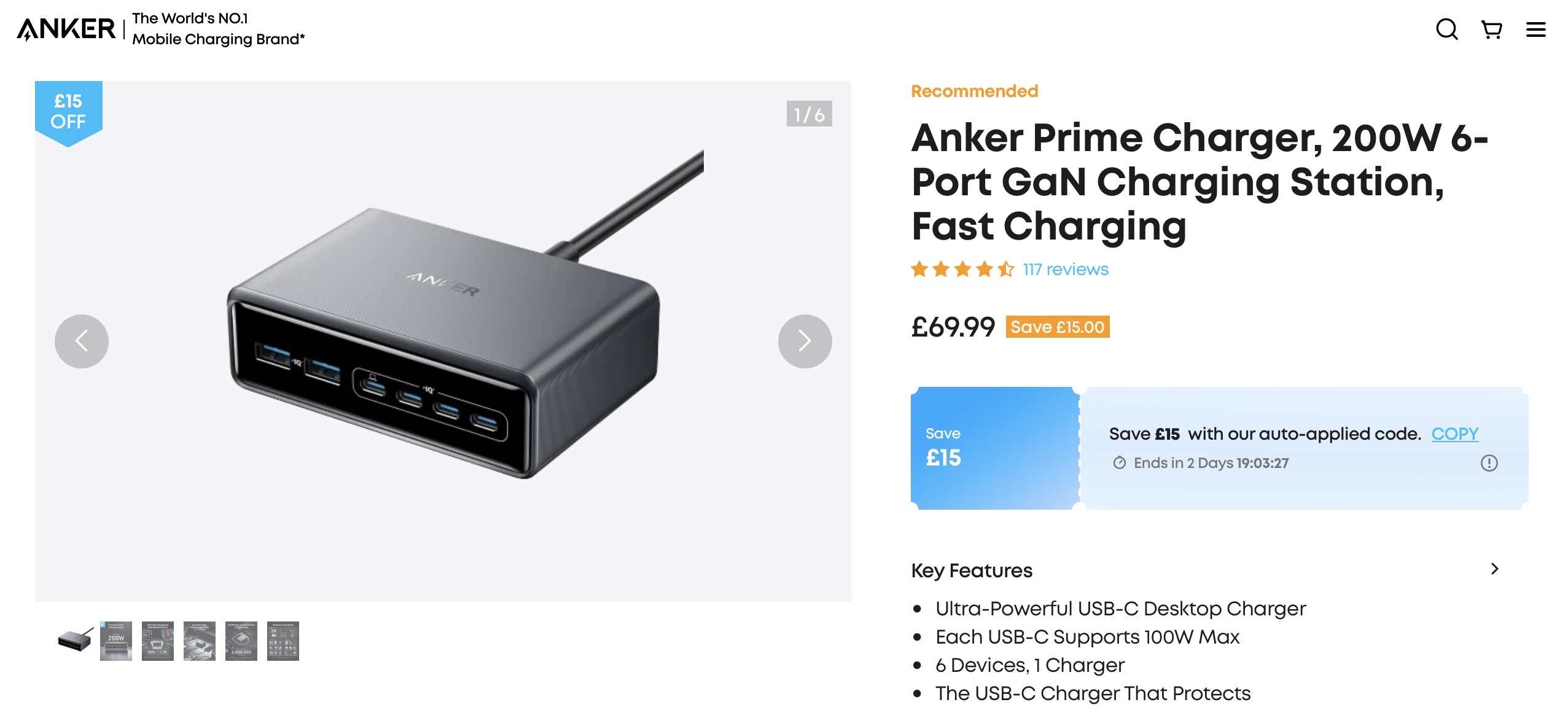
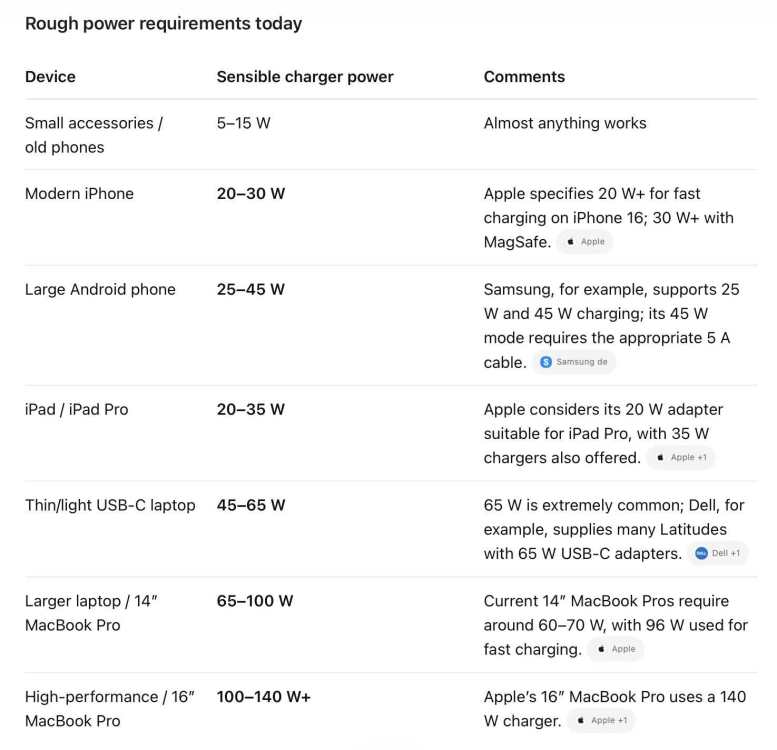
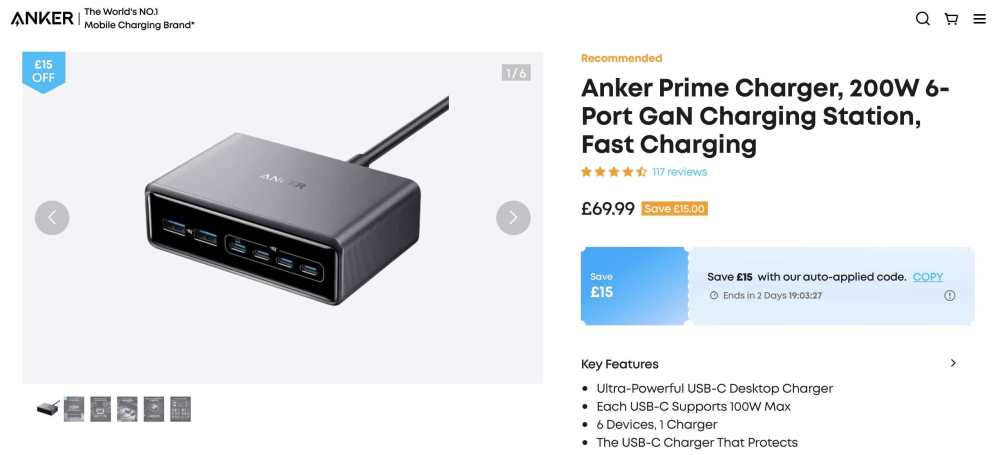
Thank goodness I posted this. I have changed my mind! (A self-builder, changing their mind based on opinions counter to their starting position?!? It’ll never catch on). Well, firstly, @-rick-, I hadn’t been aware or considered this at all. Thanks. I hadn’t considered (though it’s obvious now I pause to think about it, but the ‘permanently on’ current draw of the USB ports is negligible in terms of cost, but adds a faff-factor. I could do without when it comes to electrical commissioning / testing etc. I can totally relate to this. Where I’ve ended up… I hadn’t paused to double-check the varying (and ever-increasing) power demands of even the simple phone. Having done a quick search for the power requirements of different devices to check what sockets would be required, it quickly points towards very high power consumption (45w may do a current laptop / tablet, but in a few years, it’ll probably want more to power a bigger battery / processing chip etc…). 65W sockets often get close to £70, plus you have to watch out for whether the claimed power rating is shared or per-socket (they often like to hide this little ‘gem’. So, given that we still have locations that will be primary/most frequent charging spots, I’m now looking at plug-in docking stations, some of which I may leave almost permanently in place (and as it’s early enough I could have the cabling hidden). This Anker 200W 6-port option (each USB-C port supports max 100W output - there are others that go up to 140W) comes in well below the cost of a Knightsbridge 65W integrated socket! Thanks all
-
I was quoted over £10k for a landscape visual impact assessment (this was the most likely tactic for council to refuse my planning application. I enddd up writing my own (despite some comments that it needed to be by someone with Landscape architectural post-nominals or such). At some point I’ll revisit my costings and share as much as I can - we bought land without any PP and worked very hard to achieve it, against some very strong advice that it was ‘nigh on impossible’.
-
We are putting a select few sockets with integrated USB ports in our build. We’ve given thought to where we *really* need / would value the fast charge ones (as they’re so much more expensive), but I’d like to throw out the question of whether we go for USB-C only or USB-A sockets. Worked example: Under the kitchen island (has seating) we will have a fast charge integrated USB socket (2 ports). Do we go double-C or A&C. I have my own initial thought, this thread is more to gather a bit of the wider view without leading the witness as it were. TIA
-
This. (I agree with so many points already made, but this made me laugh at its accuracy - thanks @Ed_)
-
Garage floor paint/resin/epoxy resin
Great_scot_selfbuild replied to BotusBuild's topic in General Flooring
Good spot. It’s so we can have an EV charger in the garage, but put a cable through the hole to charge car(s) parked outside. The consumer unit is on the other side of the garage and we also routed a large conduit in the concrete floor. We haven’t made a final decision on location - this was to give us options. I’ve done similar ‘what if’ options. In the house with wiring and plumbing for future possible expansion / change. -
UFH - Supply and Return pipes...
Great_scot_selfbuild replied to Mulberry View's topic in Underfloor Heating
@Mulberry View if you need a UFH pipe stapler (depending on what the pipe is going down onto) then I currently have the BH one - In the Tool Loan section of the hub there’s also a decoiler available (essential item!) -
UFH - Supply and Return pipes...
Great_scot_selfbuild replied to Mulberry View's topic in Underfloor Heating
This was my experience. This was another aspect of our build I went around a lot on and struggled to do as much myself as I wanted (Loopcad has yet to release an Apple version and I am now a reluctant mac user…). I personally found Floor Heating Warehouse to be the best value for me (certainly compared to Continel, as one example), and I had 4 revisions to the design done (much of which was prompted by support from the ‘hub), as they had unnecessary loops in areas that could be covered easily by just the out and return lines for each circuit. I ended up settling on using the 150 spacing as I didn’t have enough time to go into the detail I wanted, or pay for a dedicated heat engineer. I found the Rob Berridge series on YouTube very informative, and briefly fell into a YouTube hole of deep-technical heat calculation videos. In the end I’m happy with the fact that I’ll be very likely to run low temp flow and have my ASHP running on tick over at (hopefully) optimal SCOP. I’ve gone with a NIBE ASHP for info - and since doing do, I’ve come across a lot of people who have raved about them. Another thread you may find helpful: I’ve just added a couple of update photos of the ‘after’ to the thread before I started. (@JohnMo - thanks for your comments / input to my install; most helpful!) -
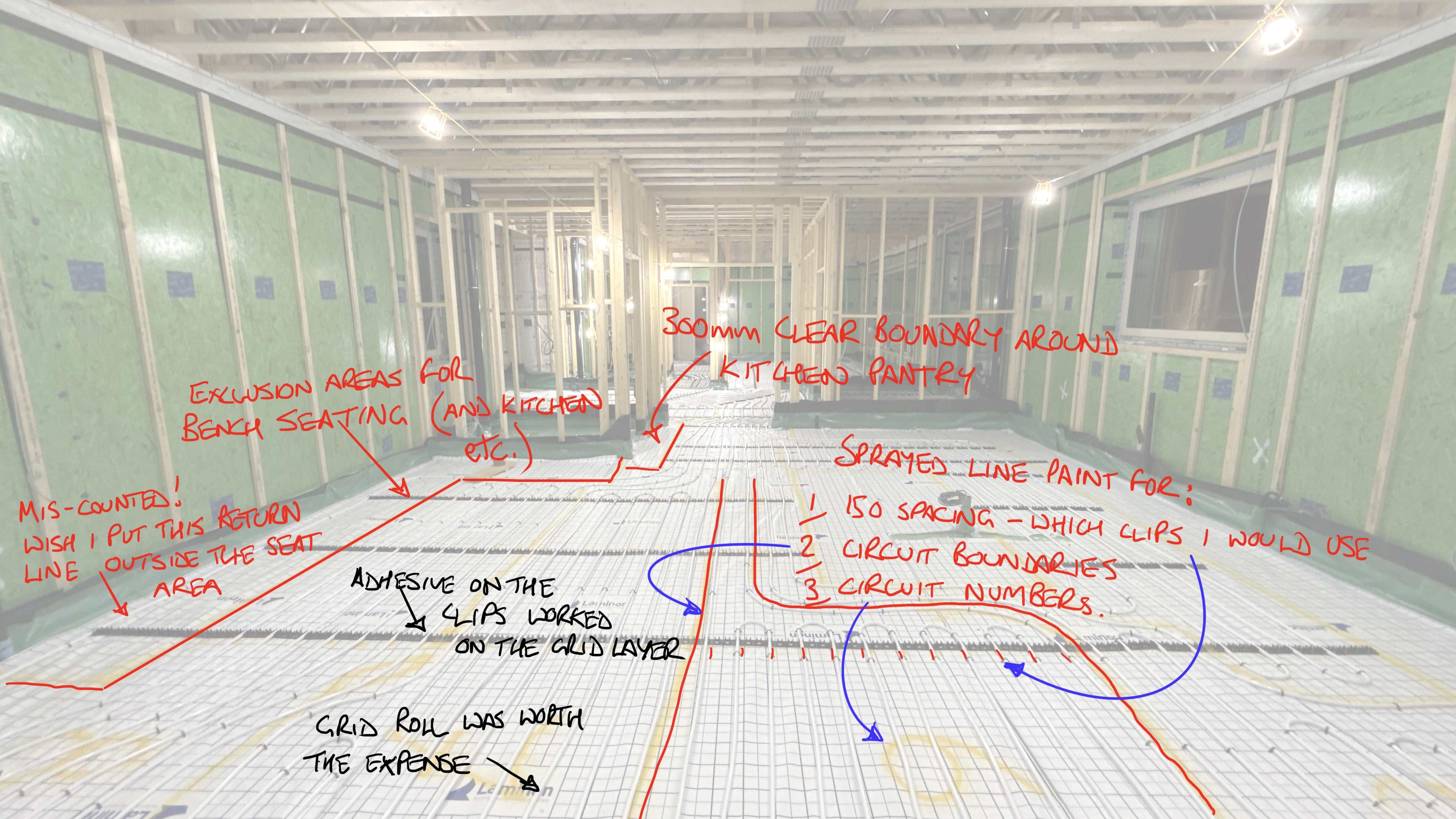
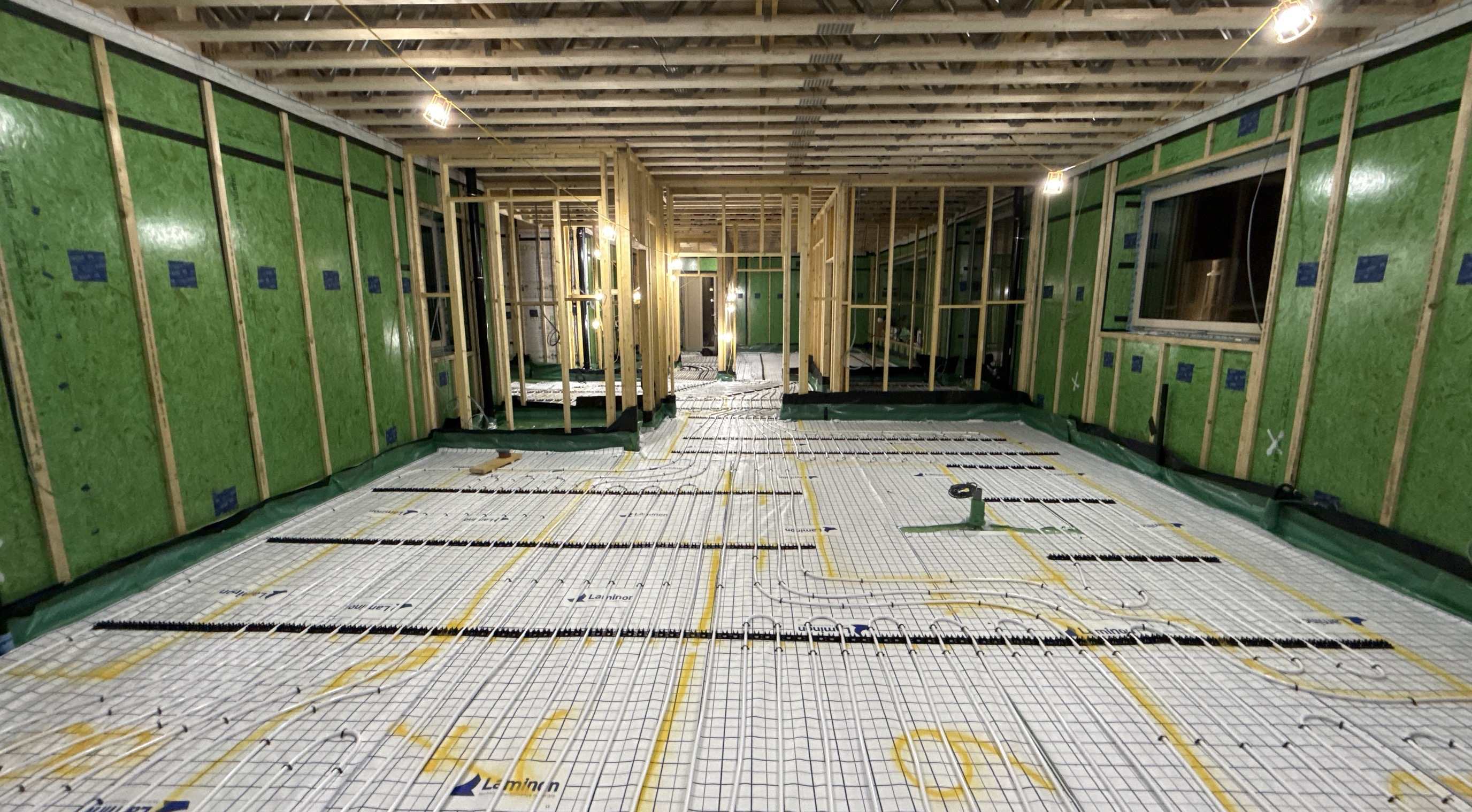
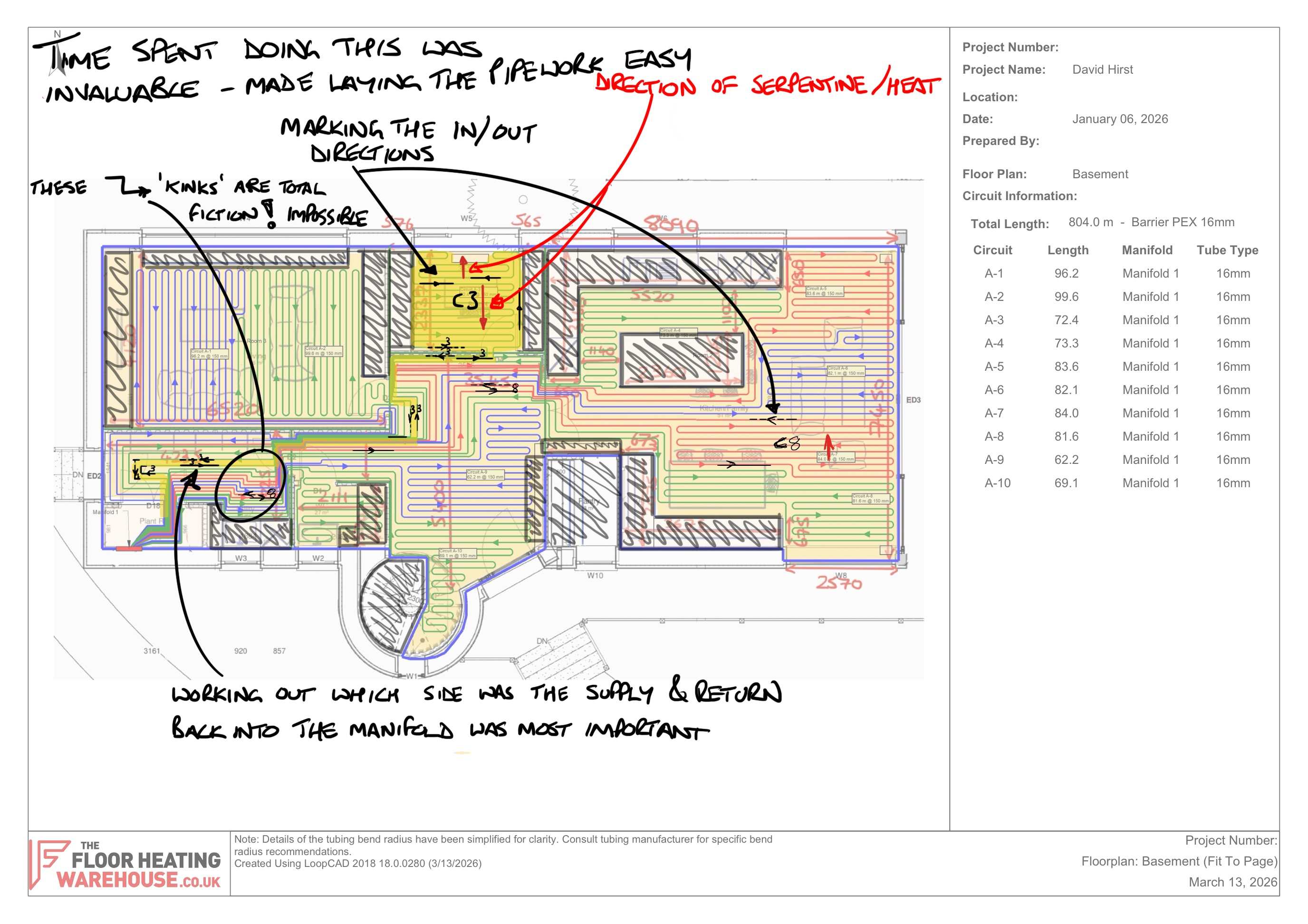
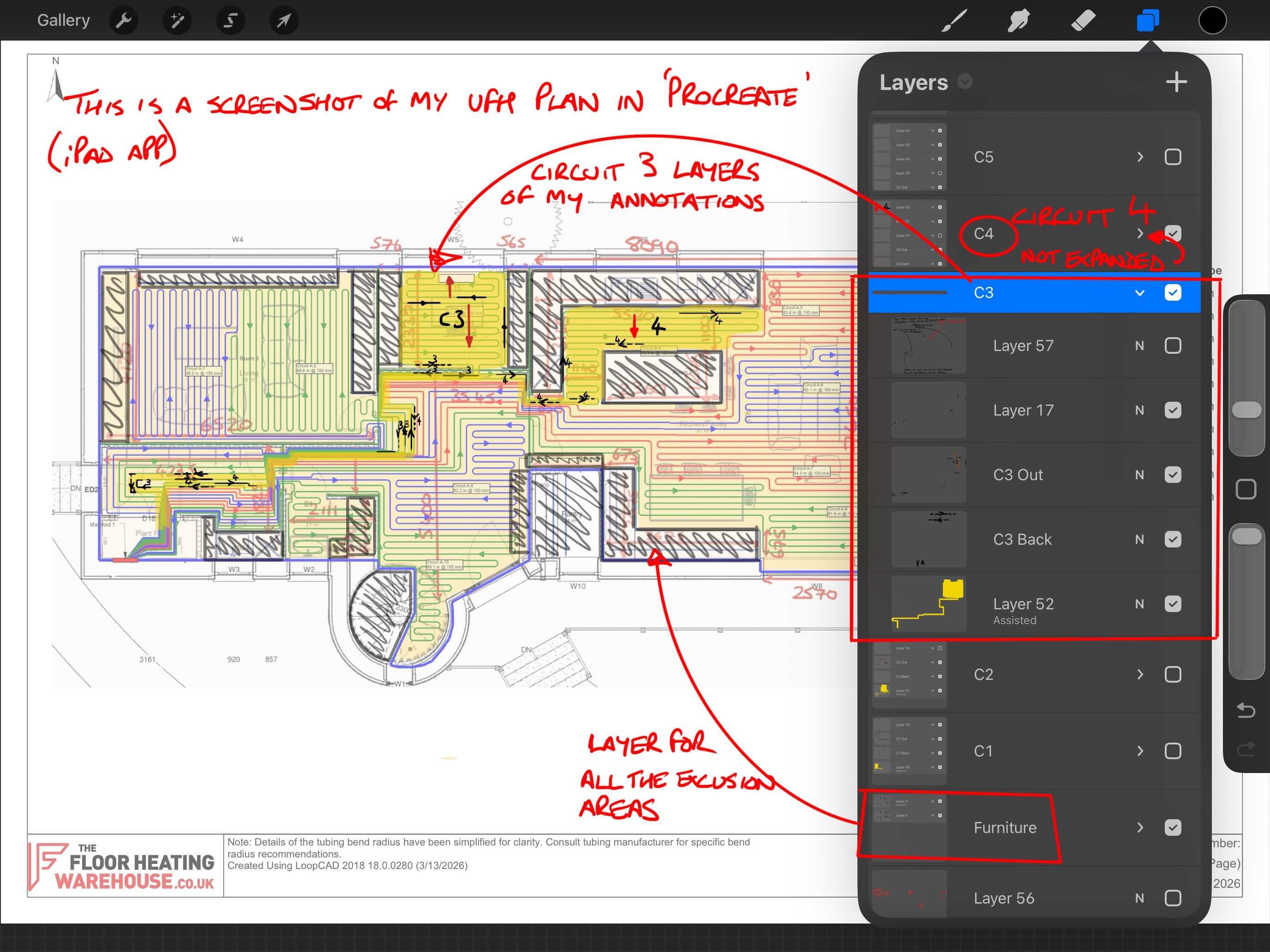
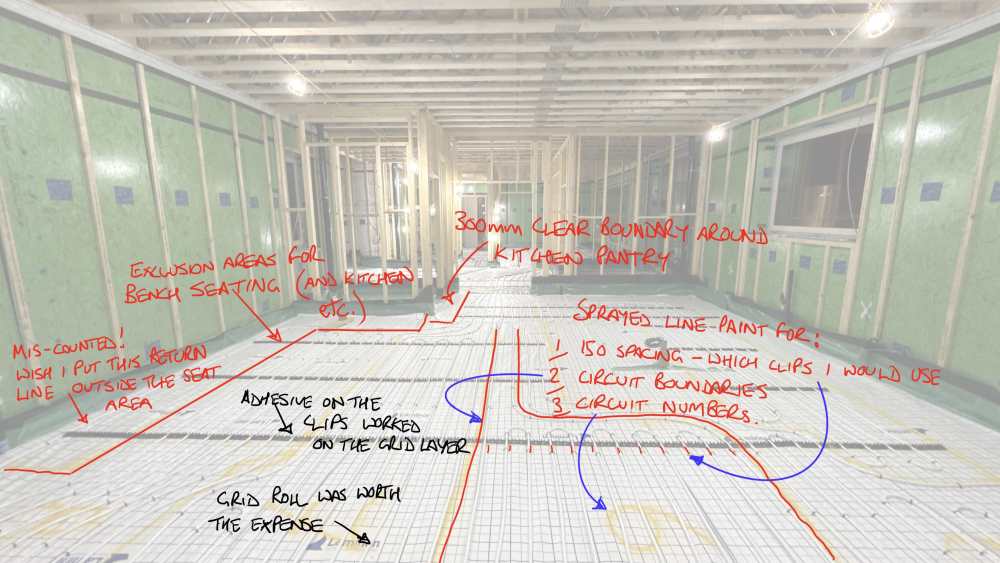
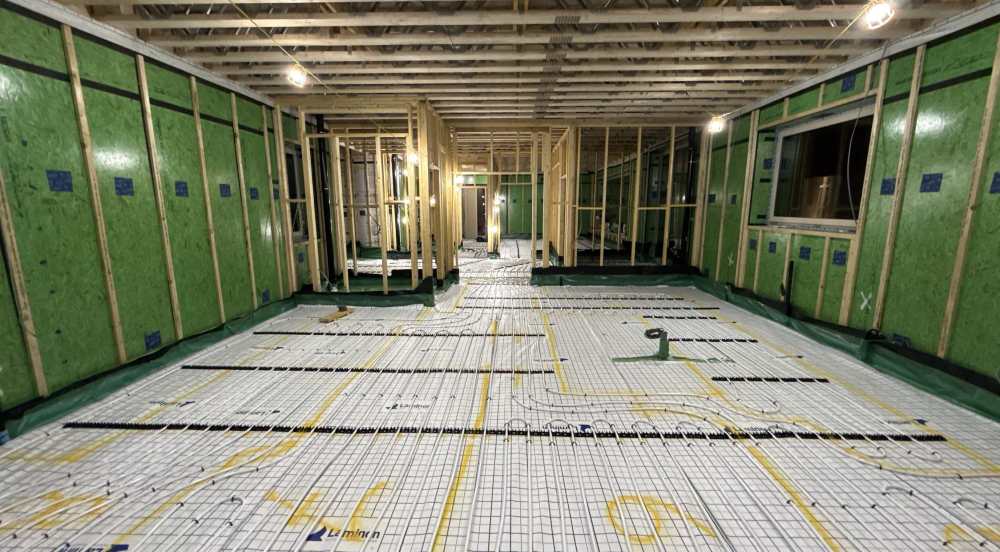
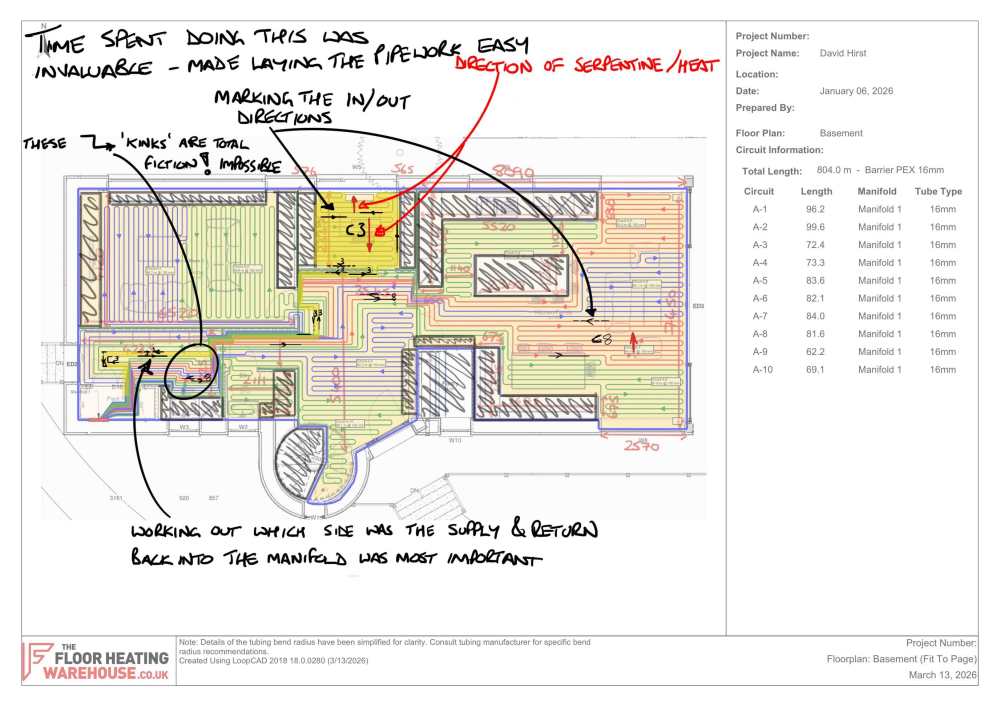
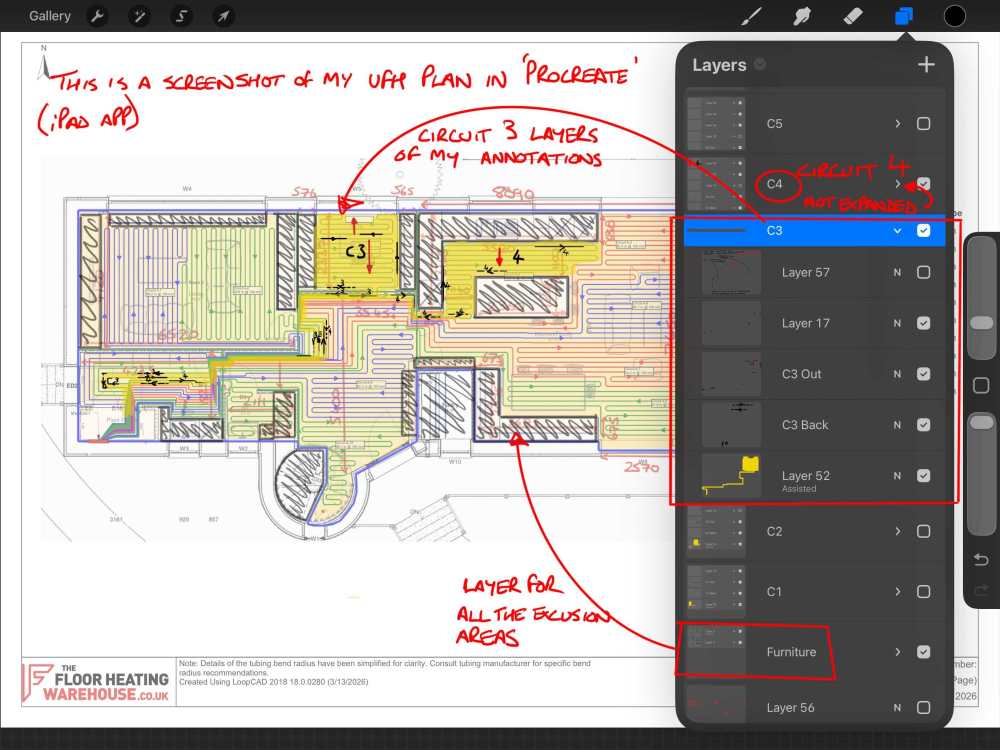
Update: This was the final design layout we went for, and the installation was much better than I anticipated. Very happy with how the cable laydown went, and the BH stapler tool was excellent. I borrowed a decoiler from a friend - absolutely essential; subsequently found that this is also available as a loan tool on the hub, but I’d have happily bought one if I needed to. One useful tip was placing the decoiler as far as practical away from where I was laying the pipe - if it is too close then the pipe is less workable around the corners, it was really easy once I had a long length fed off the coil. I used Procreate to help annotate and plan out the detail circuit by circuit, as getting the plan from the UFH supplier is all very well, but you then need to count the individual lines and work out which clips you’re actually going to use. I’ve scribbled some notes on the following photos. The time spent marking up drawings and then spraying the grid and which clips we would use was well worth it, because once the pipework starts being uncoiled there can be a lot of distractions. A clearer image of the pipework What the app looks like with the layers panel open
-
Garage floor paint/resin/epoxy resin
Great_scot_selfbuild replied to BotusBuild's topic in General Flooring
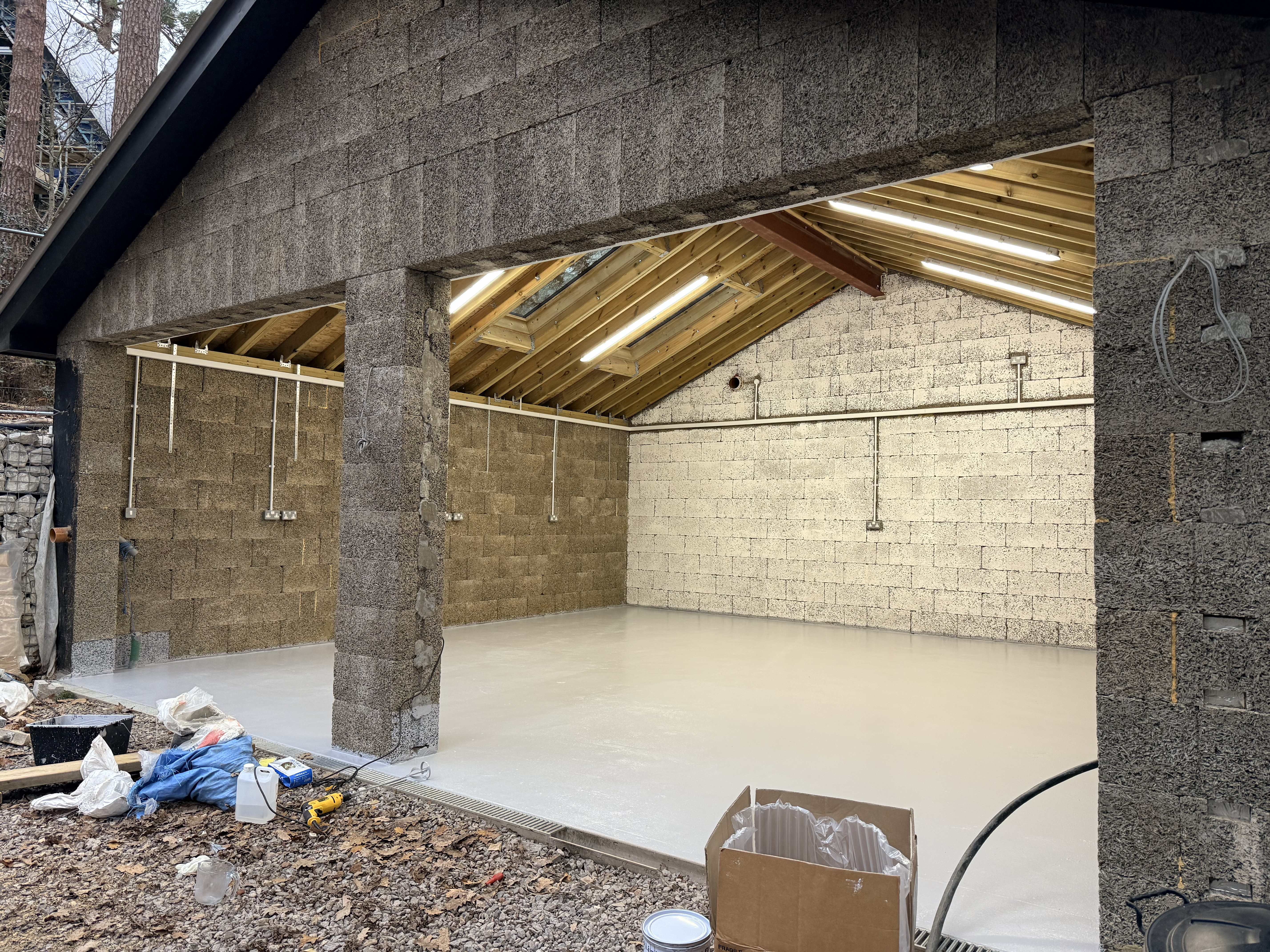
@BotusBuild I used 2-pack epoxy from Black Country Paints. It felt like a minefield once I started digging into what to use. Called them up and they were really helpful. Checked around elsewhere and they still came in very competitively, and I did value the support and advice over the phone - stopped me over-ordering and gave sound advice on the sealing I needed and tips on application. https://www.bcpaints.com/two-pack-epoxy-floor-paint-manufacturers/ I went for an anti-slip version and am very pleased with it.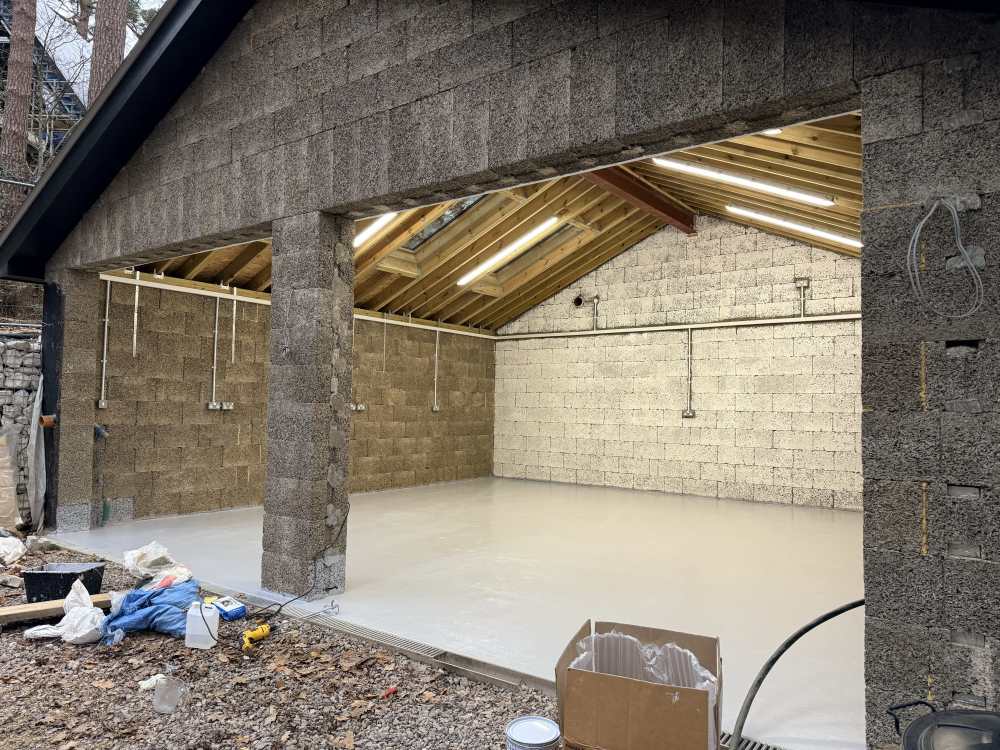
-
My wife & daughter have done a cracking job with white elec tape and permanent pen labelling ready for the electrician. They all match up with our floor plans that I’ve annotated on Procreate (iPad app). I plan to label them at the end with dymo tape printed labels, as I have found ‘permanent’ pens are often not what they claim to be 😂.

-
What a great idea. I do like this, especially from a future owner / maintenance perspective. I suspect in the UK it would really sift out the good from the bad (would never be taken up as policy though).
-
@joth I’m just returning to this, and hadn’t realised I had failed to respond / thank those who replied. To answer your question, it’s mostly for myself to learn what the ‘proper method’ is as I go - I’ve a very practical method that is working, but I’m keen to use this whole process as a means to learn along the way, and wanted to know if there was a recognised format or style used by M&E designers or architects (I’m finding that the details such as this appear to be outsourced by architects to those who specialise in the different aspects of the build. @Spinny thanks for your reply & the photos - especially useful and similar to ones I’d found elsewhere. This is along the lines of how I’ve done my own annotations on our plans. Since I posted this question I have moved a long way along our first fix and electrical plans are much more mature. Maybe this time I’ll actually write a blog post!
-
I’m just going to comment on your original/repeated question - How I would approach this: 1. Keep it simple (as a few others have said). I’ve done both approaches, with good reason and the right intent, but the best response and subsequent discussion has come from a very short initial enquiry. You’ve thought a lot about this; one way of cutting it down is write everything down and then get one of the AI tools to summarise your concerns into, say, 3 bullets that you could easily describe in an initial phone call. I wouldn’t expect it to give a finished solution, but this sort of approach can be good at sifting your thoughts. 2. Start with a phone call. You won’t be able to sift the good from bad necessarily, but you’ll get a feel for whether they’re interested and if it’s worth them visiting (or if you’d rather not progress to that stage - I’d want someone I could comfortably talk to). 3. Approach at *least* 3 before arranging one/two to visit (depending on cost/offers/approach - they will vary). Search for local recommendations, local FB groups you may be on/neighbours who have had big building works done etc. 4. Walk them round the aspects that concern you and why - the subsequent conversation will be led by their professional experience (this is why you want to try doing research on the company/person in advance. IMPORTANT: Check companies house (worth doing for any professional service imho). Dead easy to search - google “company / individual name companies house” this will give you an idea of how established the company is, what the finances are like and when you look at the names of the people you can see if they’ve had multiple businesses. This isn’t always a problem, but it helps you understand the risk or how you choose to pay (for example, I’d be less inclined to pay a lot upfront if there are any aspects that concerned me). Based on your post, personally, I would go for an SE assessment, before then seeing where it may take you as to the work required. Depending on how you get on with the SE you may find they have a few recommendations of other professionals they have a positive opinion of. Always get more than one quote (as mentioned earlier). Best of luck