Moggaman
-
Posts
243 -
Joined
-
Last visited
Everything posted by Moggaman
-
I am using one course Of thermal block from subfloor to FFL, so the floor insulation meets the thermal block with the wall insulation tight to the inner leaf.. not quite passive but decent all the same?. my question was mainly relation to the need to put a 25mm insulation layer between the sub floor and the inner leaf. I don’t see the benefit unless there is a need to separate the slab from the wall for structural purposes? thanks
-
Yes ope, short for opening ...
-
Hi . I Want to design in the opes required in my HC rather than having to core them out after. Can you let me know if have I missed anything please in yer opinions..... - 300x300 ope for MVHR transition to upstairs - heating pipes — ope size??? - electric cable transition from floor to floor??? -waste from WC upstairs going out through external wall ... no need for ope. -possible laundry chute! Thanks
-
Hi. I am building a masonry house pouring a subfloor first and will later in the process put in insulation and screed. my question is do I need a strip of 25mm insulation between the sub floor concrete and the inner leaf block. That block will be a standard dense block but the block above it adjacent to the floor insulation will be a thermal block thanks
-
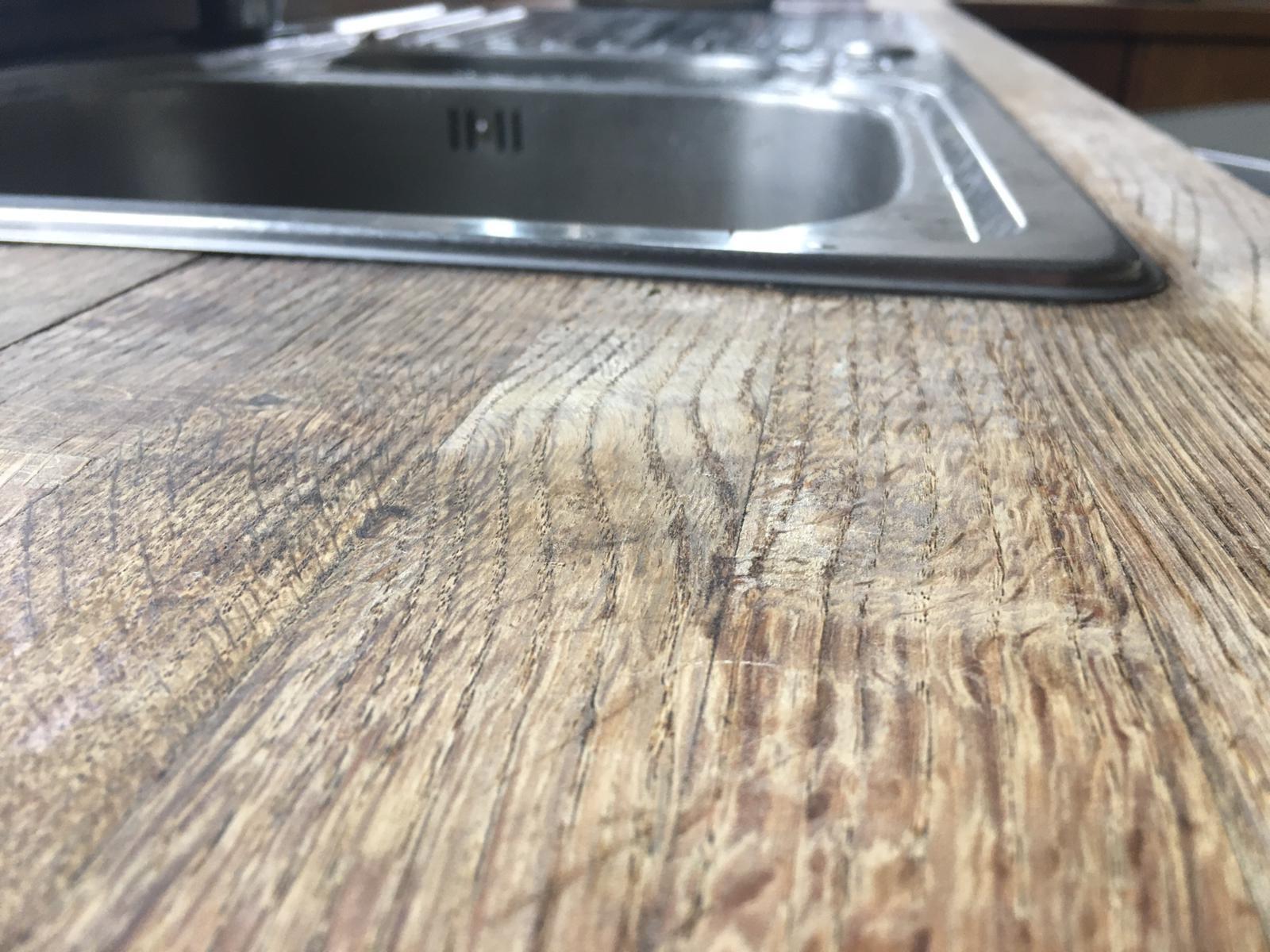
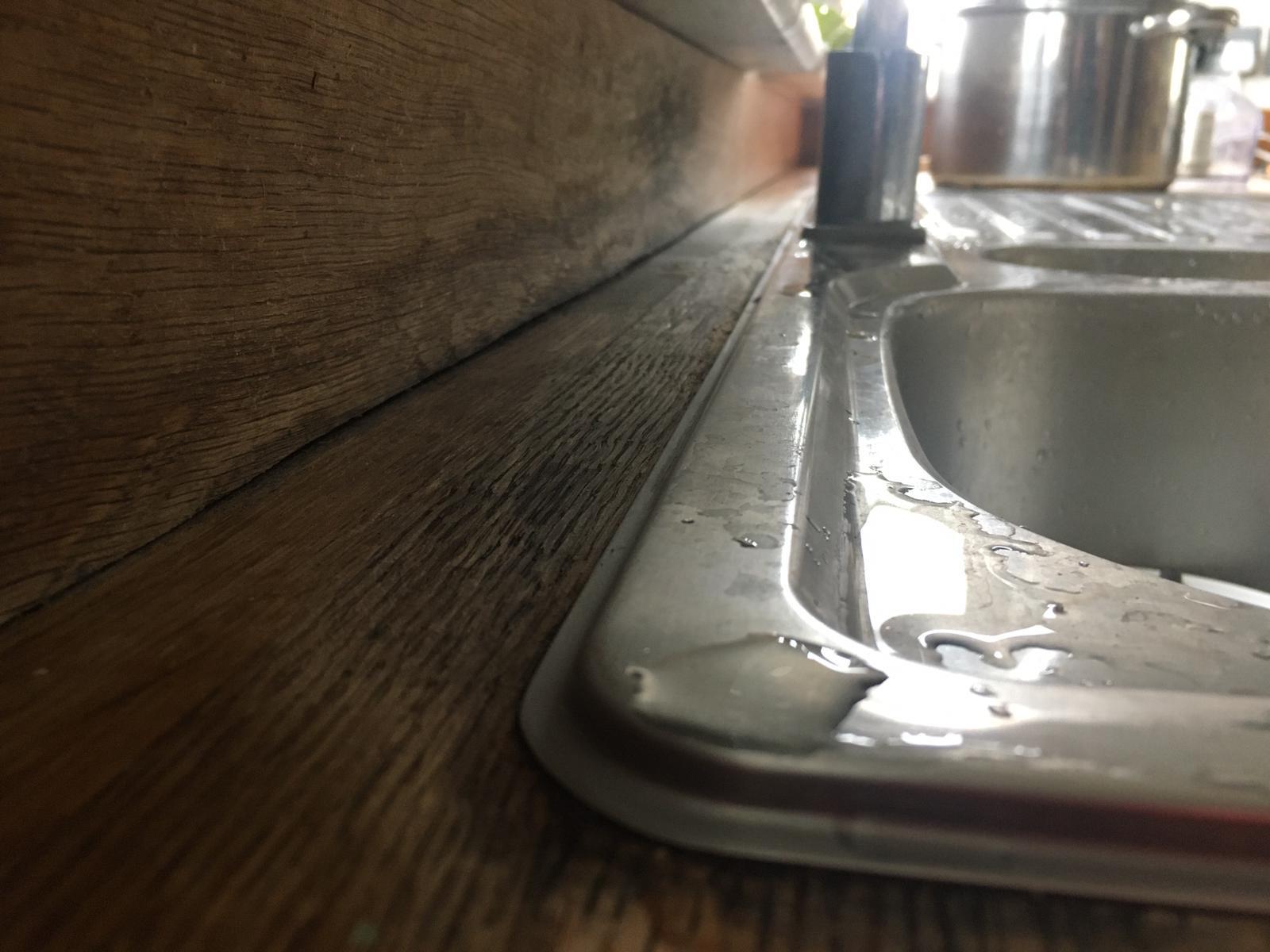
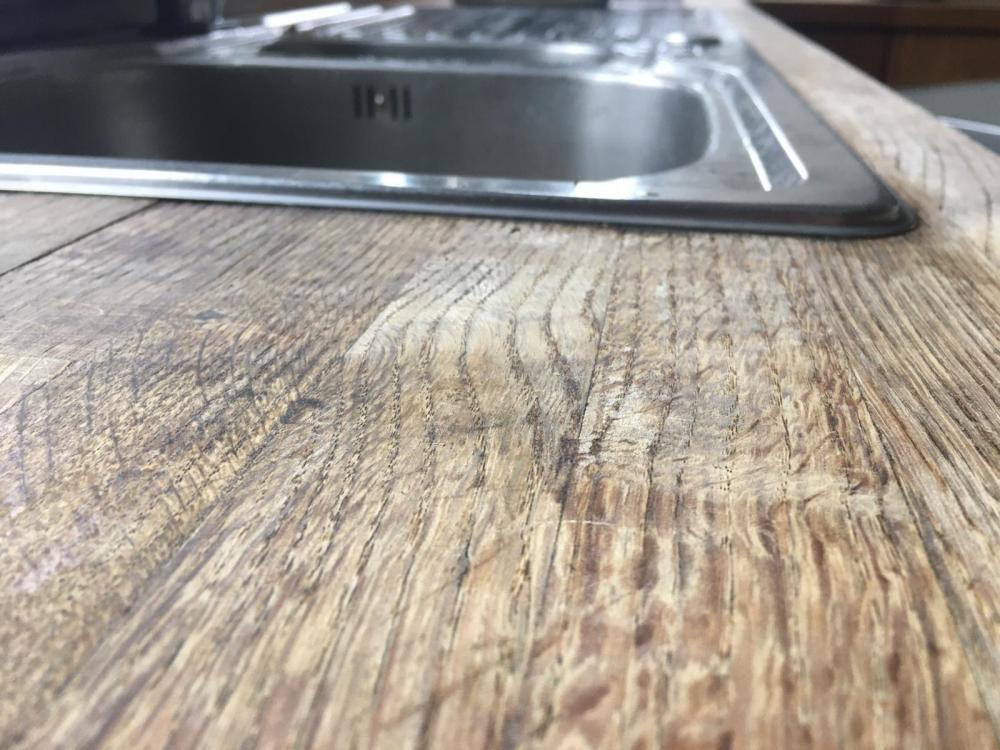
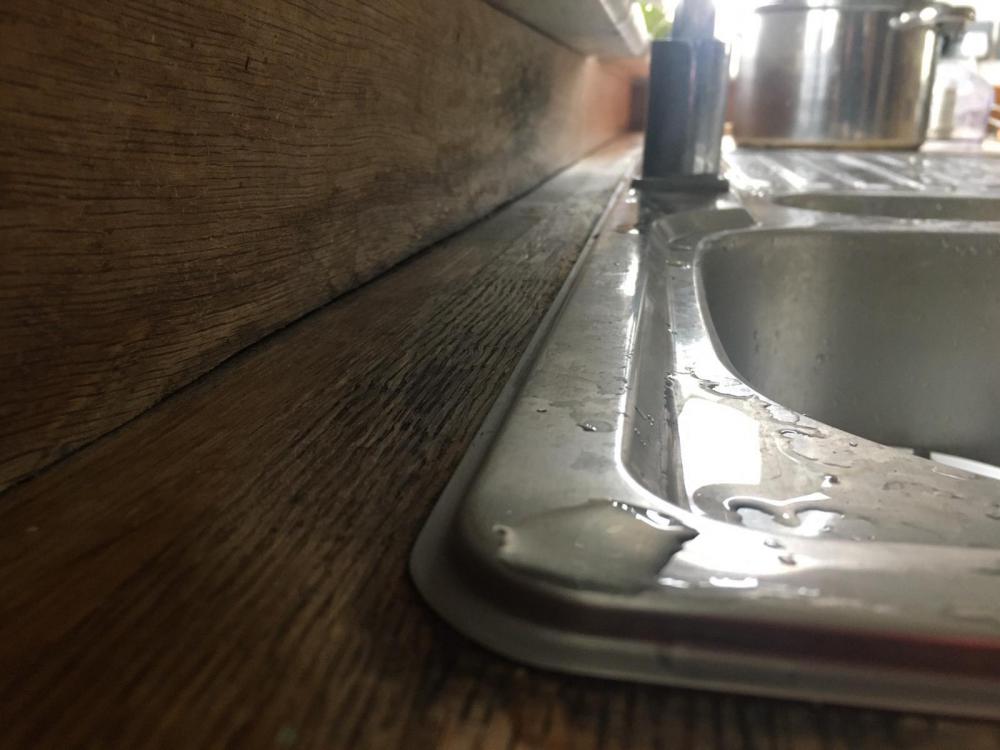
Hi I wonder could you suggest any low cost fixes for our issue. We have a SS sink unit sitting on our timber worktop. There is also a 8mm timber backsplash. The sink unit sits proud of the timber by about 4 or 5mm so water getting between the sink unit and the splashback has no where to go and now the timber is appearing work for wear along with seepage down underneath the sink. Apart from taking out the whole worktop and replacing with quartz, marble, granite etc and doing an under mounted sink..is there any other options please. The worktop is 40mm oak Thanks
-
Thanks @Iceverge. Your build is similar to mine except for urs is a full 2 storey. I think i will go block on flat, even tho posters, who are probably right!, say it is over the top. It is an extra 900 to 1000 blocks. The 6 inch block is not popular to lay where i am from and the blocklayer said it would they would charge me alot more to lay a 27kg block that a 20kg block so i dont think the cost difference with be prohibitive. My engineer was on to me about widening the internal wall so i think i will. The benefits are very wide window reveals which we like ie window seats and peace of mind with the Hollow Core sitting on something a bit wider. 'As you can see we used steel lintels for the wide openings (2m) on the external leaf.' - Was this 2 steel beams ie one wide steel beam(215mm) on wide inner leaf and another beam approx 100mm on outer. 'All The narrower ones (1m) were standard 100x50 precast lintels' - Was this 2 No.100mm lintels side by side on the inner leaf and 1 No 100mm lintel on the outer leaf?. In relation to Hollowcore, i have 2 quotes.. Clare and Limerick.. I take what you are saying , the first floor at 450mm is deep and I havent started think about services yet!! For those wondering, even tho I am building in Ireland, I like the UK forums because I find the feedback frequent and inciteful and we are not all that different! Thanks
-
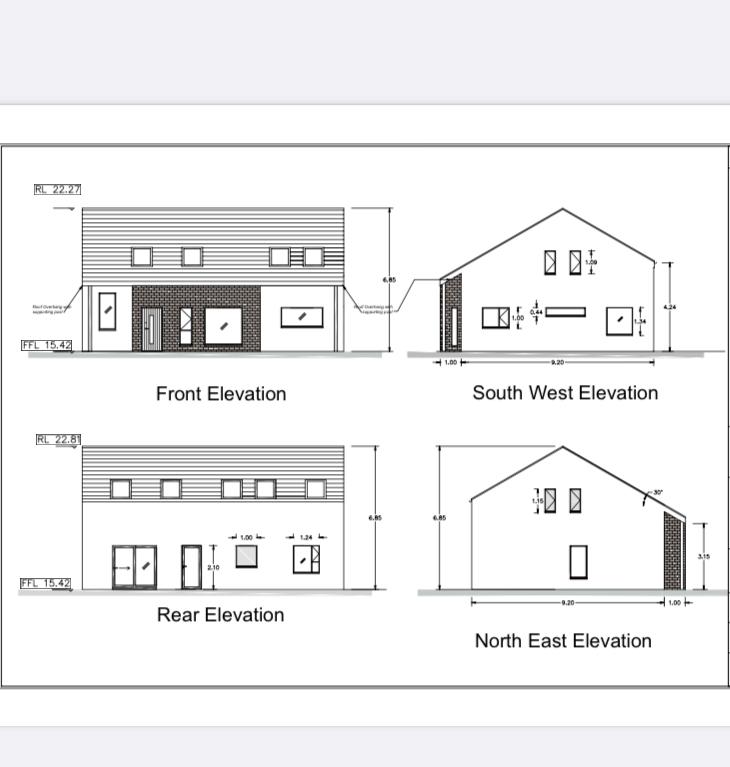
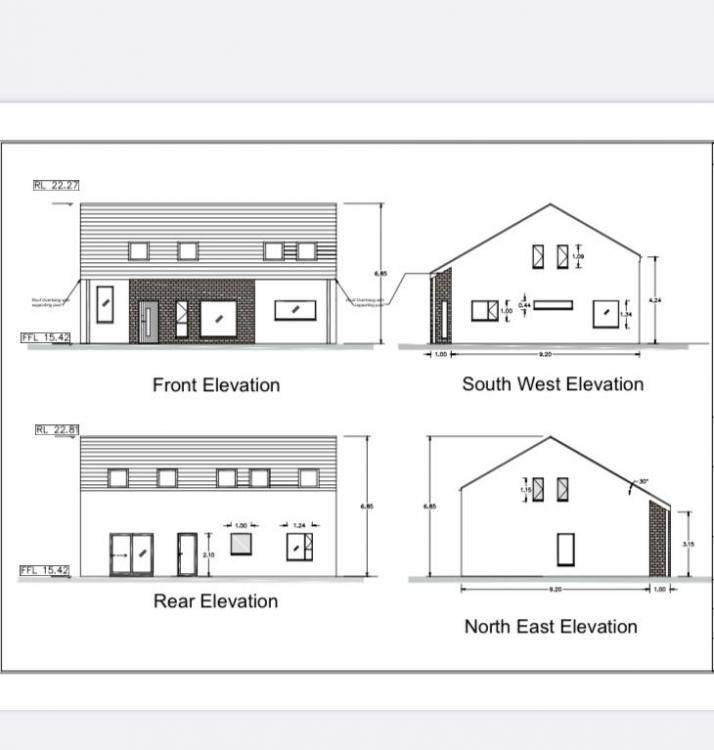
Well I thought it was to ensure that the 1st floor 150mm thick precast would have stable walls to sit on but yes the opes were mentioned. My proposed house is 1.5 stories with only 4 to 5 courses above the first floor . See attached.Opes aren’t crazy big ... do people have to thicken inner leaf at sliding doors generally? The precast manufacturer said that 100mm walls on the inner and outer leaf would be fine for precast. The perimeters of my building is 13m x 9m , a rectangle and I would only bring the block on flat to precast floor level, so whilst it may be more expensive , it’s not gonna be huge???. That’s why I said to myself ...ah just put block on flat all around.. i am interested did any of ye guys who have block built houses with precast first floor and average sized opes thicken the inner leaf? thanks
-
Hi all. Any of you experienced putting in windows in a 200mm cavity.? I have a few questions regarding 200 cavity that ye may help me with; My engineer is detailing block on flat for inner leaf for 2 or 3 sections of my external walls..says it’s to do with the opes rather than the wide cavity. I have precast detailed also the sit on the inner leaf. I think I might as well do block on flat all the way round?..At least the precast will have a strurdy unit to sit on.??? So its block on flat , 200 cavity, blown in beads,100mm block outer leaf, render. some quite big windows?.. can I ask what ye did fixing them ? Also, is there any requirement for me to change from standard concrete lintels over each leaf rather than the lintels that span across the cavity( of course , if the span is too much I realise I will need steel) but for smaller ones I’m wondering about. Can I reduce the number of ties across the cavity to standard due to the inner leaf being block on flat? thanks all
-
Reading all about glues and VOCs etc...making my head spin.. what’s the healthiest kitchen material .... pine but that 80s... is there a more contemporary Pine..MDF has been ruled out !
-
Thanks, i presume that where ceilings are insulated with rolls etc, it’s a no no to put an attic door in ... it’s basically a hole in your thermal envelope ?
-
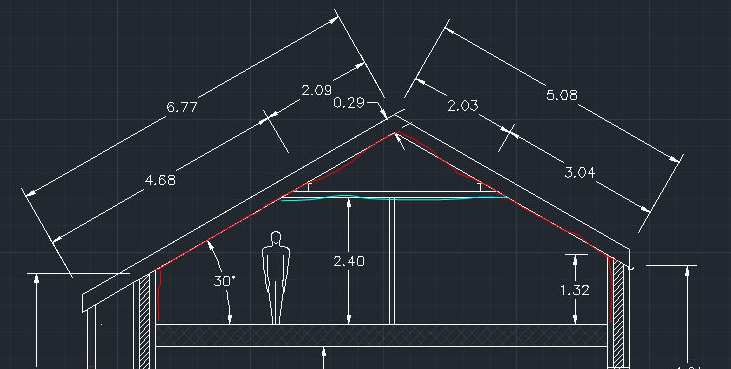
Hi Joe90, i am interested in your roof post. I have simple proposed roof attached. I was hoping to keep the airtight membrane/thermal envelope along the red line and then the small space under the ridge could be used as storage etc.The storage area would be uninhabited basically. Is that what you achieved? Do you ventilate that space? because if i have to put 300mm of insulation over the ceiling, it means the space cannot be used. Thanks
-
Yes internal leaf..sorry!
-
Thanks @Iceverge . i will talk to the company for advice. Looks like i might have to plaster and then brick over that for same effect. Can I ask, did u have precast in your build and what did it sit on at the external leaf.. 100mm, 150mm or block on flat? Thanks
-
What do you mean check Mls?
-
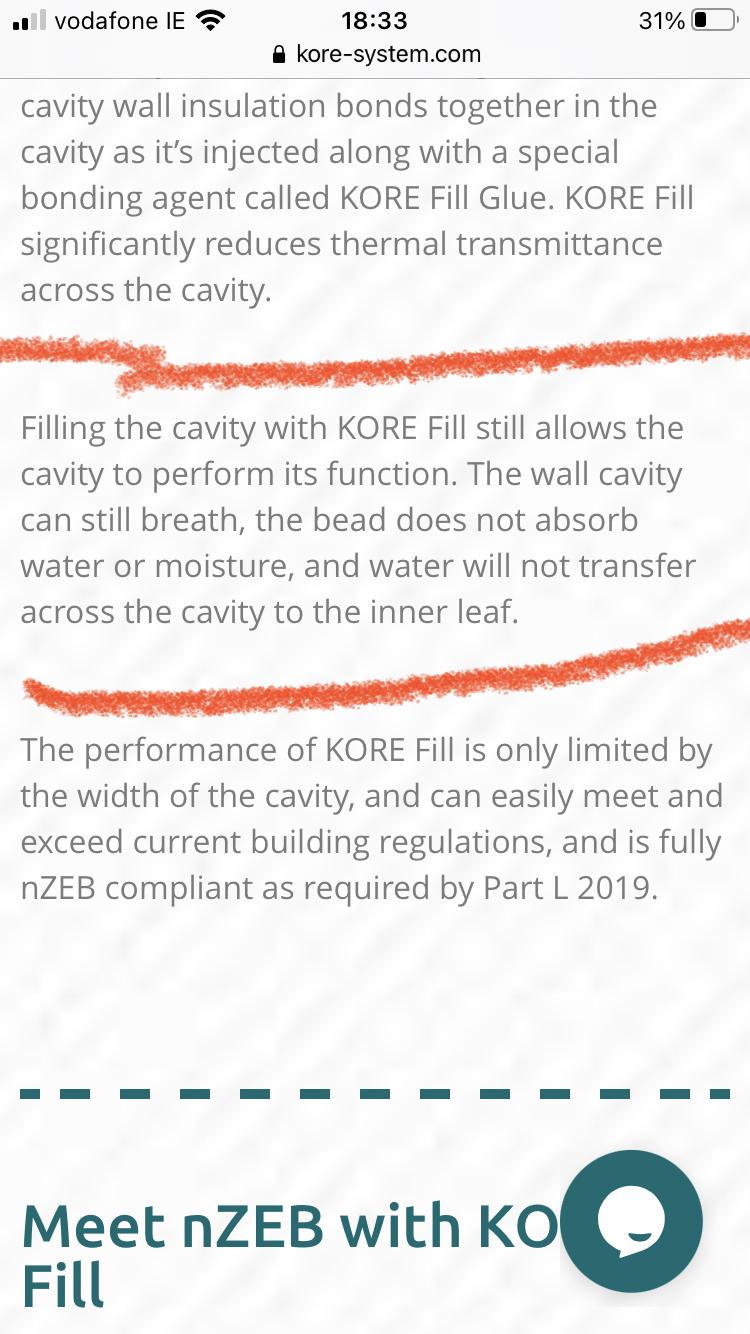
I am 30miles from the west coast. Yes it rains a lot here! And technically falls within that severe exposure area.However, these beads it claims can deal with some moisture coming into the Cavity. My west , south and east facing (the direction all the weather comes from) have no brick and will be finished with sand/cement render. The north face which very rarely would be subject to driving rain has some brick on it. I really want to avoid thermal looping so I reckon the bead was the workable solution.
-
Also , the same blocklayer said to me that blown in beads into a cavity isn’t really done on new builds where I’m from( west of Ireland).. however, I’m not reinventing the wheel here? ... my design ie 200mm blown into block cavity is quite common amongst houses built in block now isn’t it?... I mean structurally and thermally?. Just looking for reassurance.. my engineer will be involved of course .
-
Hi all. Something mentioned to me today about the negative effect blowing in beads under pressure can have on a block cavity wall and that it caused cracking of wall?. seems unreasonable to me ?. I have no evidence of this but the posters here might give there view. My build is 200mm wide cavity with 100mm inner and outer leaf block with extra ties thanks
-
Hi all. From previous advice I see a sand cement render on my internal block will give an airtight layer (along with tapes at windows and floors etc). It is also the finish I want on the inside . Is a 10min layer of sand cement ok or do u need to go the scratch coat , finish coat layer?. Painting will seal it nicely I hope. also , would the cost of internal plaster be cheaper than plasterboard and skim ? thanks
-
Roof Windows - Will they drive me mad?
Moggaman replied to Moggaman's topic in Lofts, Dormers & Loft Conversions
Hi all. Happy Xmas... further to above, what is the best type of insulation to put in a vaulted ceiling, (roof in room) to prevent any noise transfer across the roof into the room in heavy rain... spray foam is ruled out by wife... In cutting the roof i was going to use larger rafters 225mm to allow for deeper insulation and insulated plasterboard connected to that. I will be pumping the walls with beads so it needs to connect well to that. Not using PIR, too hard to get right.. would appreciate comments . Thanks -
Fitted in line with the insulation to create thermal continuity. Fixed by straps to the blocks either side?
-
Thanks, yes that’s what I meant. There will be no plasterboard on the inside
-
Plaster will lap the airtightness tape at windows .?. That should do it?
-
Hi all I think i am settled on a 200mm wide masonry cavity with pumped in beads and a sand cement skim render on the inside for airtightness. What happens tho when you in and want to hang tvs , pictures etc ,, you will be puncturing the layer. Assuming you are using drilled holes into blockwork with rawl plugs, they could be a weak point,,,several weak points? Thanks
-
What do u mean if it spans between the inner leaves? Floor area is 100m2 so imagine they will span to a central wall internally that will be a block on flat 225 wide .... After much consideration i am looking at sand cement render to 100mm block ,200mm pumped bead cavity, 100mm standard block inner leave , sand cement render with skim coat . worried that 1)PIR board would not be put in correctly and 2)don’t want insulated plasterboard on the inside .
-
I know that local suppliers of precast flooring 150mm say that the flooring can be laid on a 100mm block (inner leaf of external wall). That is for normal cavity widths.... if i extend my cavity to 200mm and use longer ties, will this ability to lay the 150mm slab on the 100mm leaf still stand.? I will be running this by building engineer before I start but I am just planning ahead and want to get a feel for it Thanks