Iceverge
-
Posts
4485 -
Joined
-
Last visited
-
Days Won
32
Everything posted by Iceverge
-

Repairing or replacing old floorboards to remove bounce
Iceverge replied to paro's topic in General Flooring
Seriously though. Could some flat steel plate be sistered to the joists to add strength. Painted black noone would notice. -
Repairing or replacing old floorboards to remove bounce
Iceverge replied to paro's topic in General Flooring
Paint the underside of ply with the underside of your favourite BBC radio4 personality . Far more of a talking point. -
Repairing or replacing old floorboards to remove bounce
Iceverge replied to paro's topic in General Flooring
I think @Gus Potter mentioned before where he put ply above and below a floor to make a it stronger. Do you have enough head height to make this happen? -
An interesting project and I'm sure I'm not alone on wanting to see more of it at some stage. Agri barns are good for their job. Providing economical shelter for agricultural goods, livestock fodder machinery. However making one into a house is monetary madness. It's often cheaper to knock and rebuild a new barn for farming rather than repair an old one not to mind making it habitable. The rules on this are idiotic.
-
What are you building, I'm invested now?! This lovely builder will horrify you. Framing with fresh sawn green lumber! https://riversonghousewright.wordpress.com/about/25-riversong-truss-system-home/ Can you not just get a pallet of timber delivered wrapped like these ones here?

-
I'd would prefer nothing there than that layer of poly. It will be far too resistant to vapour to allow any drying back into the room and your roof rafters will get damp. Intello or some other low sd or variable sd membrane or nothing What's being constructed is a recipe for rotting your timbers.
-
Most of them will grind out if say, there'll be little big aggregate in the humps anyway so it might be straightforward enough.
-
No but they do let me suck on the beer mats for free. Is there any reason we don't use air heating and cooling? Surely it's an ideal fit for situations where active cooling is required. Laying an A2W on top of an A2A system seems like unnecessary duplication. A stand alone ESHP for DHW would eliminate compromising heating the house from heating your bath and visa versa too.
-
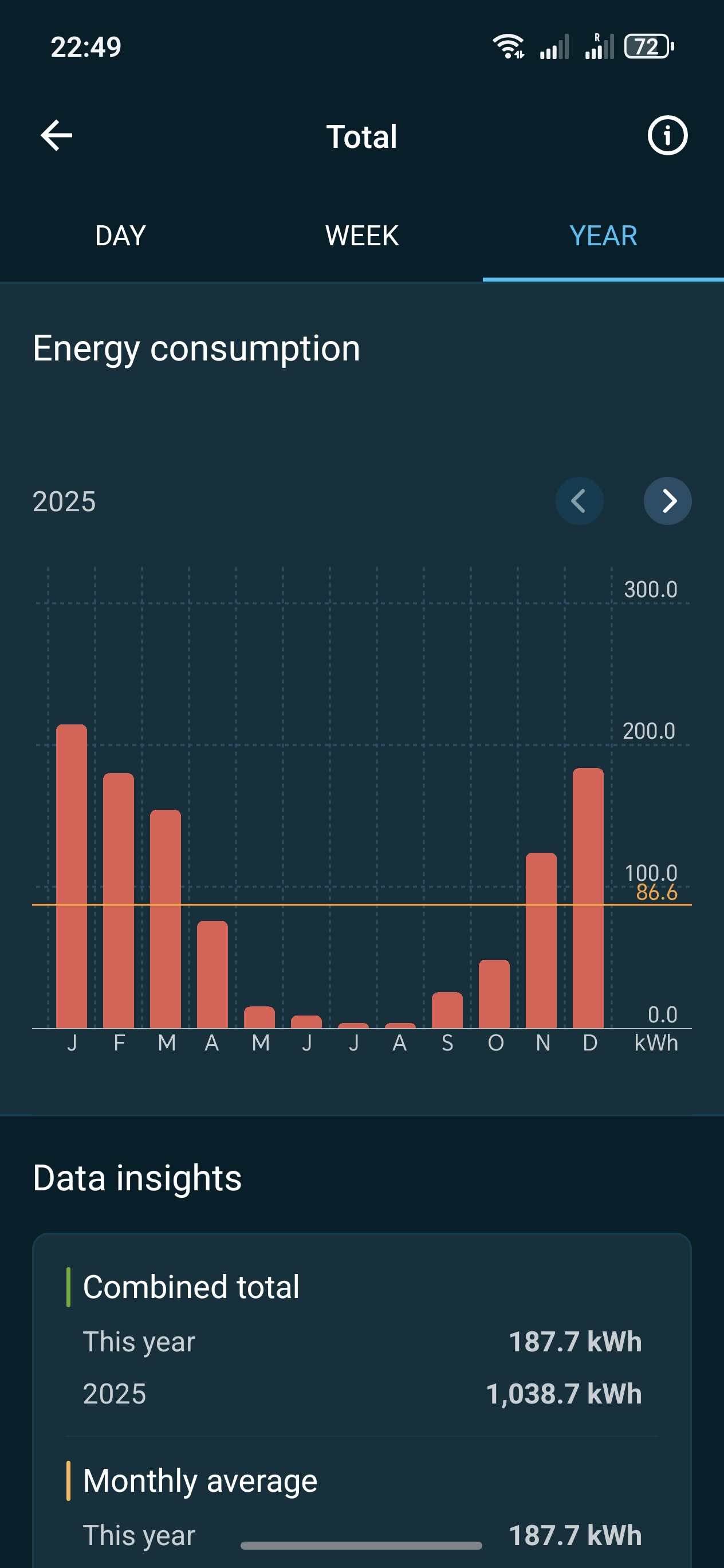
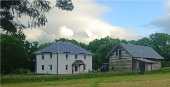
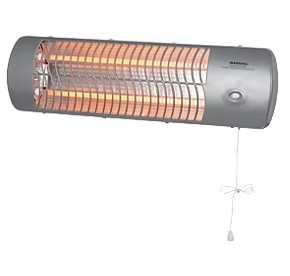
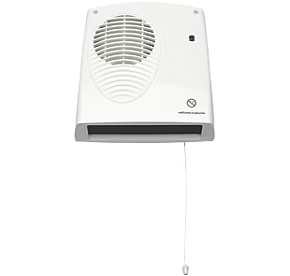
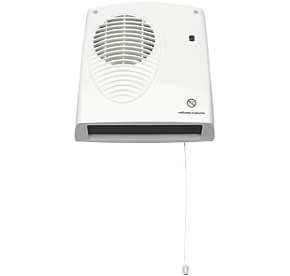
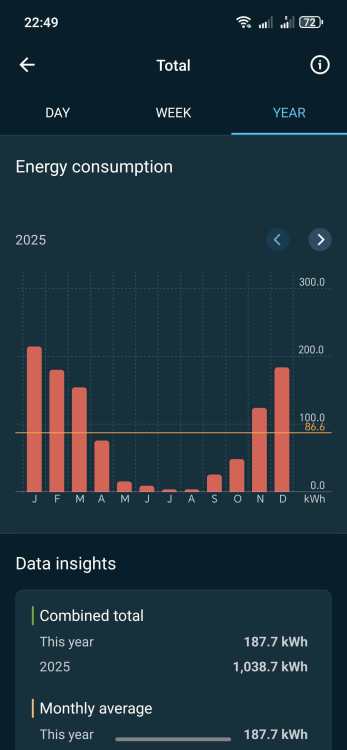
Passive class house here. I made every decision based on cost as I'm so tight I lick the drips out of the milk carton. No central heating to begin with. House too cold, 17-18deg. Nicked this from my parents shed and plugged it in (anywhere downstairs was fine) . It broke after 2 years so I went to the dump and pulled another one from the scrap electrical pile. (True story) Then electric prices doubled so I put an A2A unit in the downstairs hallway. It squirts enough calories into the house to keep it all toasty. Haven't tried cooling yet as that would unnecessarily disturb the spiders in my wallet. Bathroom was a bit chilly on my man boobs so I put in one of these in one bathroom. It cost €30. The kids had to make do without sawdust on their gruel for a month. It hit the spot but the tips of my ears were hotter than the tips of my toes and that pisses me off. So then I bought one of these for the downstairs communal bathhouse. €60, Christmas has been cancelled until 2030. It fluffs up my curlys excellently and delivers a beautiful Saharan breeze to my eyeballs. Better than the 2 bar fire above. Best of all I made sure to hang it on a stud wall so it makes a racket and you never forget to turn it off. Total capital ofheating........... ~€1600....... Annual heating usage 2025 for 186m². That is excluding the twiddly bits (~30kWh) for warming my titty bits in the shower. Like @TerryE says do da numbers y'all..🇺🇸

-
Damp Bungalow
Iceverge replied to Potatoman's topic in Mechanical Ventilation with Heat Recovery (MVHR)
Swap straight out for bathroom extractor fans. -
Wall mount. Or make a raised floor for the MVHR oN rubber feet or springs or hang from the rafters. Otherwise the vibrations on the joists will annoy you. No, exhaust condensation is taken care of by a drain under the heat exchanger inside the unit. Long term maybe better. You could put MVHR cowls where made most sense for the system then .. Add another roof hatch somewhere else? A cheap one that you can just tape up to air seal once the unit is in place. Otherwise there's slimmer MVHR units available. Flexi pipework is woefully compromised. Stick to rigid if you can. One thing to consider is how your house will behave in a fire. If you have a fire now in a room with a fireplace is it possible that it could travel to the attic?
-
Jebus .... Recirculating loop on a PIR I imagine is the way to go.
-
55m!? Is that a typo?
-
Could do the sums on it....... 150l of DHW water heaters to say 50 deg is about 7kWh. 30m of 22mm looped pipe and a room temp of 20deg and a water temp of 50deg is a heat loss of 250w. Say you run it 24hrs a day and you get 6kWh. Put it on a timer or a PIR sensor and you'd probably half it. Of course you might have less flushes in the first place. Your mileage will vary. I reckon it's still nothing compared to running a 10mm pipe run radially from the UVC. Will do sums later ...
-
Should I be concerned about this roof?
Iceverge replied to Whats the crack's topic in Roofing, Tiling & Slating
My fear is that a gale would send those tiles to the next parish but I suppose it's not as windy where you are. A vent in the fire would be a good start. Others any rain or damp that finds its way in will never dry out.- 1 reply
-
- 1
-

-
I was being frivolous. Suggesting it might be less hassle to just use more energy to stop the ASHP cycling like Tadje Pogaçar on Alpe d'Huez rather than chucking it entirely.
-
I meant in the winter........ Save the heat pump having to cycle...
-
You could just have put the MVHR on summer bypass!
-
If you're set on crimp fittings and mlcp I'd run 12mm to everything hot except showers and baths and maybe the kitchen tap in a radial fashion. Colds can be Teed off within a room and 16mm. You shouldn't need 20mm pipes unless you have a gravity system. A hot fill for the cistern could easily dump 150l per day of DHW down the bowl for a family. It's be less wasteful to just run the tap while you used the toilet until its hot. However....just use Hep2O. Don't insulate anything apart from the hot at the cylinder, it's a waste of time. I have a thread about my woes somewhere.
-
Why the change from your 6kW unit?
-
EPS can soak water but that's typically only when fully immersed and then worst case is only 5% or so. The amount wicked up by capillary action from damp ground is typically negligible as the capillary network between the EPS beads is far larger than brick or soil. If you're concerned, a capillary break like a shovel of gravel below the EPS would certainly solve it. On the other hand if you have some XPS to hand that would work equally well in this situation if it has sufficient compressive strength.
-
Get some EPS200 and wedge/hammer it down until it hits something solid. Make sure you don't block any ventilation for the floor. Foam it in place with illbruck FM330. Trim the top of the EPS flush with the top of the joists. Stick the plywood to the top of the EPS with stixall or CT1. Apply masking tape to the door and floor before you do this as the foam and sealant will be hard to clean off.
-
Bloody tired of being confused. What heating system to fit ?
Iceverge replied to Big Jimbo's topic in Other Heating Systems
I'm feeling some what validated in my choice to avoid central heating entirely. -
Bloody tired of being confused. What heating system to fit ?
Iceverge replied to Big Jimbo's topic in Other Heating Systems
There's something to be said for building the first house as close as possible to the spec of the house you want to live in. You'll be more lightly to get it right second time around. The new owners will be next door neighbours. You don't want to piss them off by: 1. Building to a really crappy standard 2. Including gizmos that non Buildhub nerds will never bother to understand and thus fail to maintain. A monoblock ASHP + UVC isn't more complex than a boiler in my view. Just get one with an simple control system. Basically every new build in Ireland has one with a decade and people seem to be coping. Then again I don't think "big oil" own quite as many of our news men spreading the the FEAR!!! MVHR is nice for comfort but economically it's not cheaper than dMEV once you take servicing and filters into account. You'd have a very respectable zero maintainance dMEV system for less than £1000 installed cost. No ducting etc required. Why not UFH upstairs too? Is it much dearer? Could be a good selling point. Better still, don't install it but just tell them you did. In a well insulated house they'll never notice the difference. Solar I would do the minimum for SAP. Airtightness and insulation I would maximize my efforts. Pay attention to good sound insulation too. You never know, Black Sabbath could buy the house from you.

-
I had to recess the mounts for my MVHR terminals. I just ran a piece of OSB between the joists on battens. The bottom face of it was about 50mm above the lower face of the joists. I folded my airtight membrane up and taped it to the OSB .