WWilts
-
Posts
782 -
Joined
-
Last visited
Everything posted by WWilts
-
Will tooled concave joints do the trick re air tightness? That's what the builders are doing
-
Why is parge coat a waste? (apart from encouraging poor workmanship from dabbers) Cracking? Porotherm standard practice is ecoparge (not using Porotherm here, but we assumed same principle applies)
-
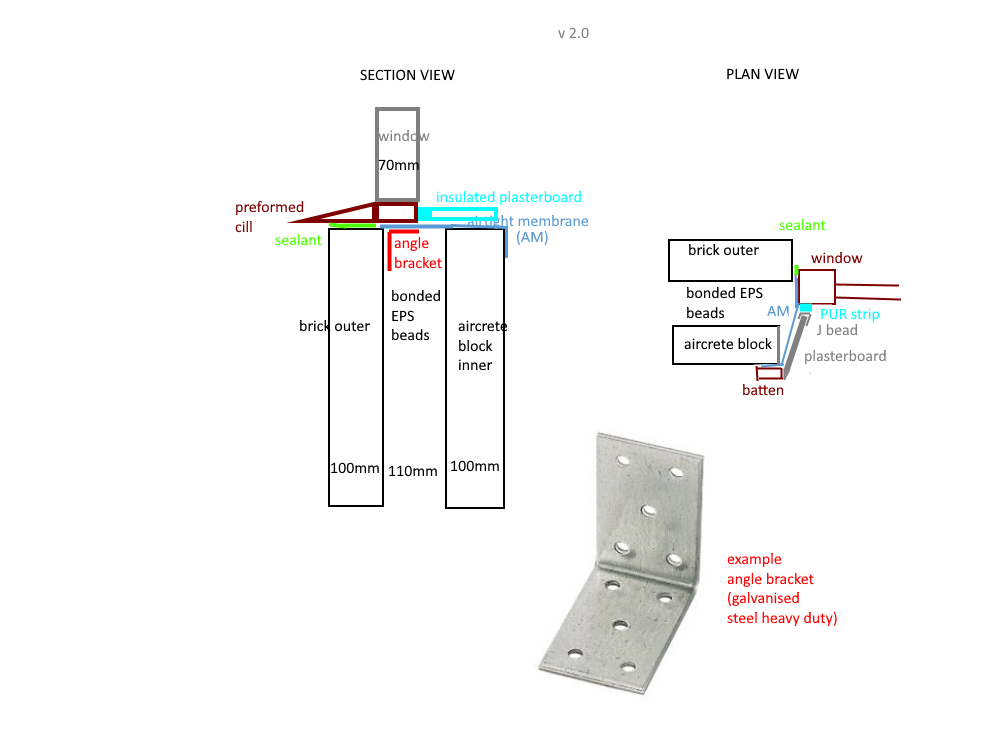
Adapted from @Iceverge's brilliant idea, v2.0
-
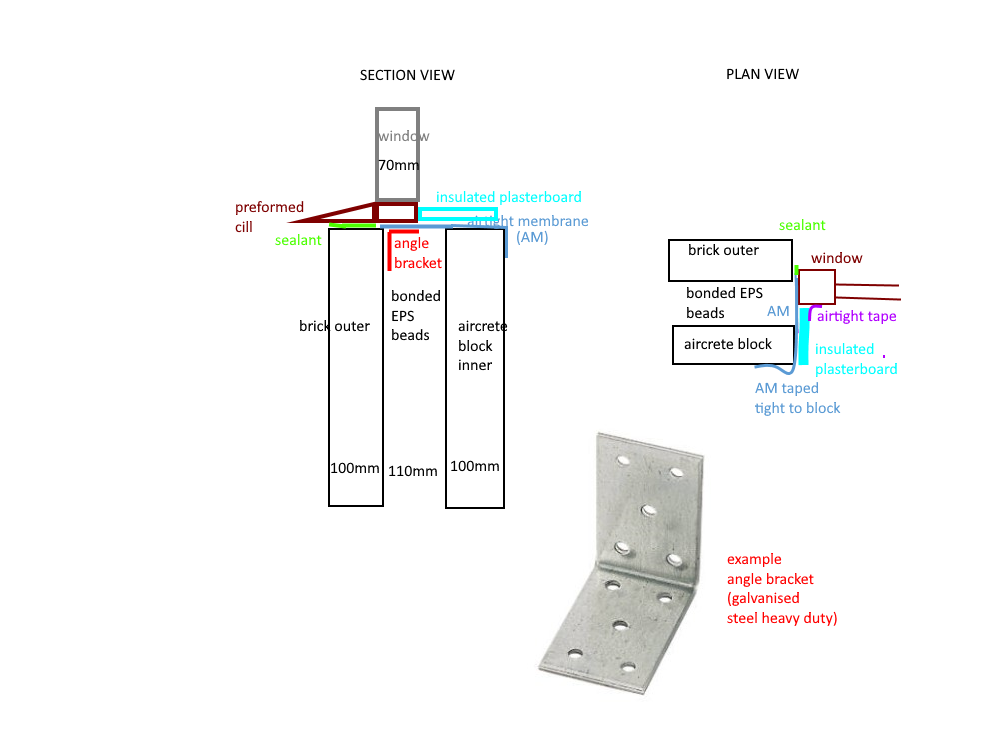
Window support, angle bracket. & other details for builder Ok? Not? Inner block will have parge coat (ecoparge if available) + plasterboard on adhesive ribbon
-
Given how messy it is, would it be ok to put the parge coat on before the penetrations by cables etc? And then rely on airtight tape to seal around the penetrations? Else the screed might have patches of slurry making the surface uneven.
-
How do you calculate delta T for a heat loss calculation with UFH
WWilts replied to Adsibob's topic in Underfloor Heating
The boiler manufacturer I mentioned advised: The cylinder would add an additional 8kW for the 250L cylinder and 9kW for a 300L cylinder. -
3:1 sand:cement? Lime required? Any need for any other ingredients?
-
Mortar droppings have created near-airtight weepholes in external cavity walls. Height of walls so far about 1.8m. 225mm from weephole bottom to finished floor level. Cavity insulation will be bonded EPS beads blown in. How important is it to push for the mortar droppings to be cleared out? What would be the consequences of blocked weepholes? Agreed with builder that a cavity board should be placed on the ties while brickwork is going on. To catch mortar droppings.
-
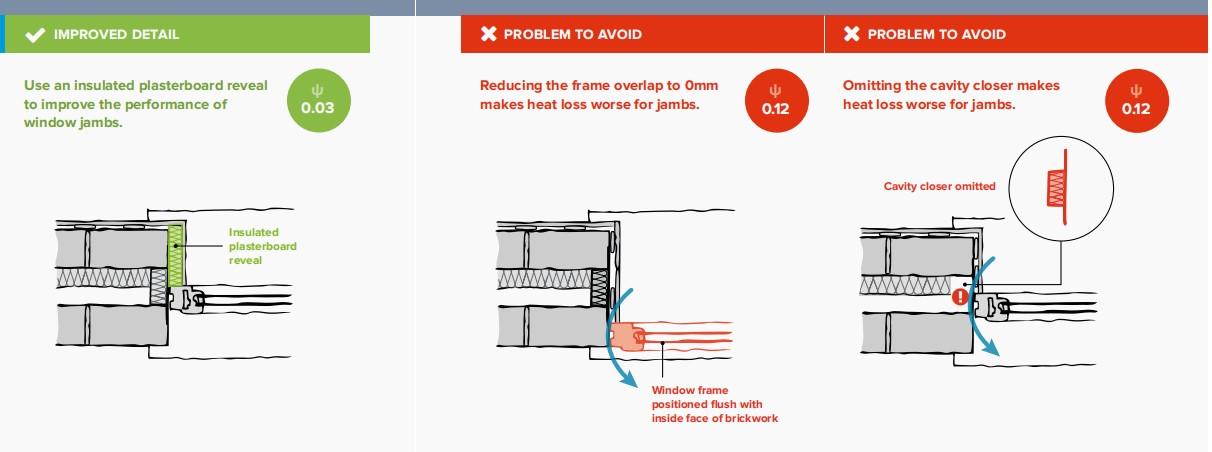
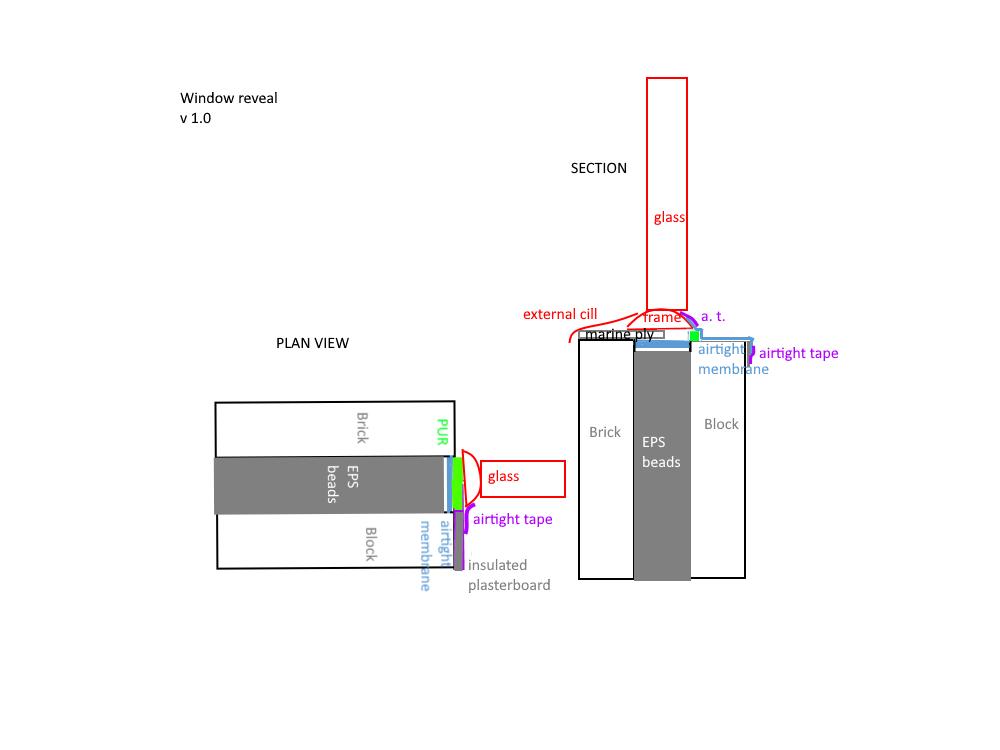
Makes sense. Can push on things that will really make a difference. Besides, seems wise to have people doing their best rather than sulking because they were pushed on iffy things. Incidentally, can get to wall U value under 0.23 with the 110mm cavity blown EPS beads, aircrete blocks (even 7N), plasterboard on dabs & brick outer. There is however one 2.6m wide window that is important for heat loss. That's where the broken brick was (original pic). Will see if there are obvious opportunities for improvement in the builder's methods, perhaps a little more attention to airtight taping etc. esp around that window. The broken brick was already flagged as a concern. I'd already sketched the attached modification of my original drawing. Both are now an academic exercise. But all this has certainly helped me understand what a window reveal actually is and how it can work if done well. Might gain a little airtightness and a tad less thermal bridging as a result.
-
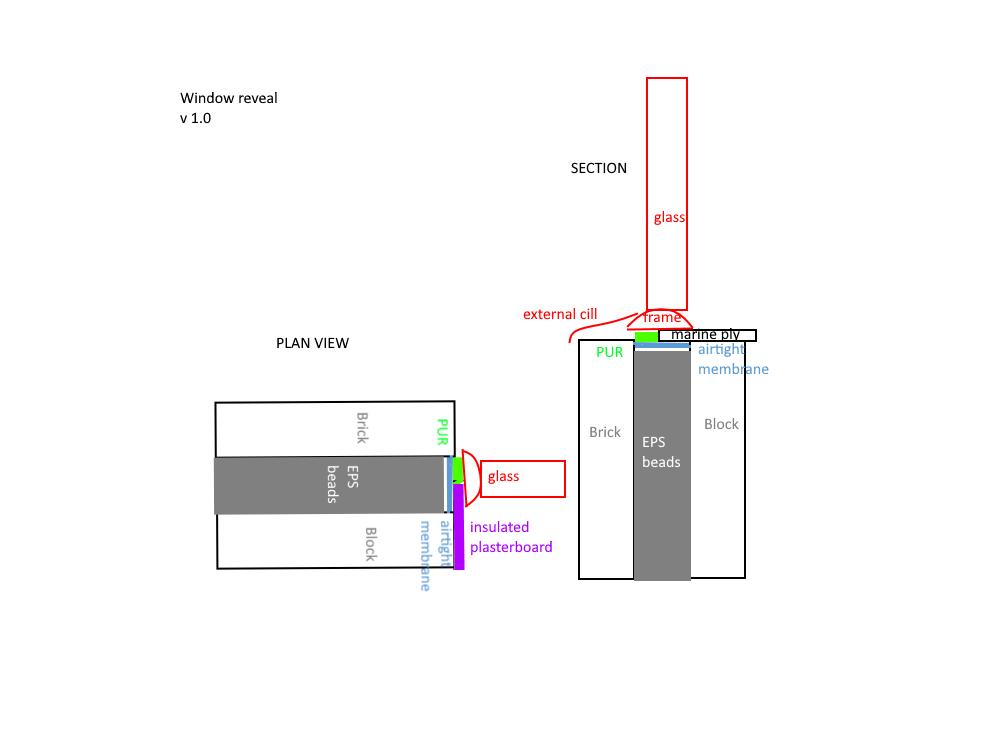
Great, tks. Did read the blog post but a lot went above my head. The pics assumed knowledge that I don't have. Your drawing makes things clear for me. Before I saw it I was sketching my own understanding. The builder will have a go at whatever drawing I give him, within reason. Don't know if my drawing makes sense or is buildable.
-
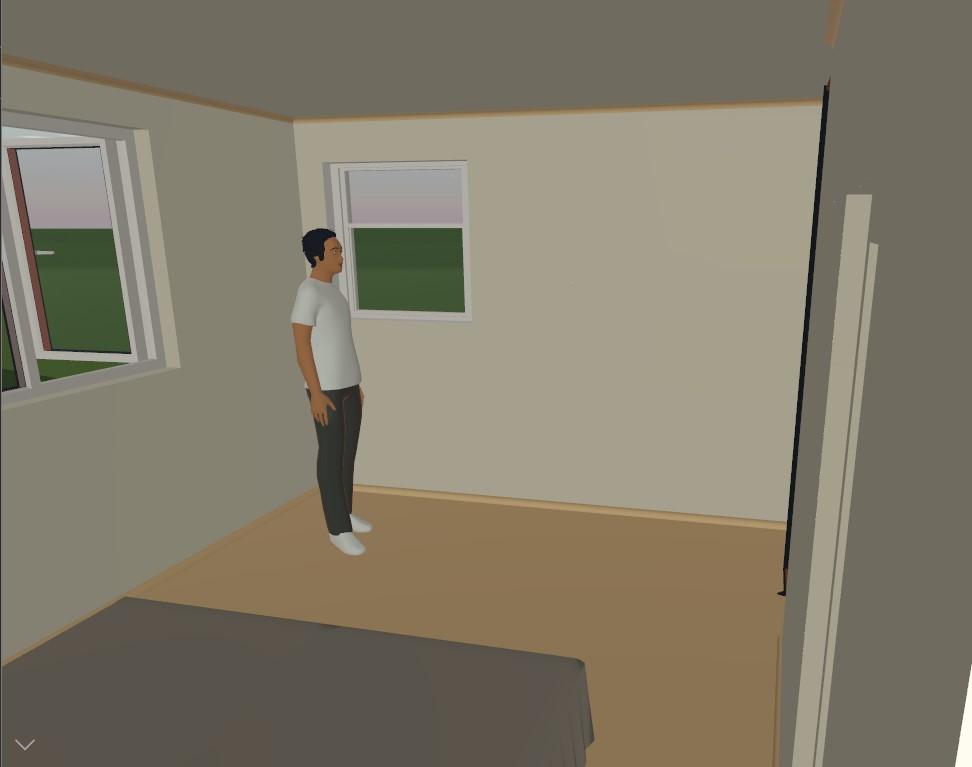
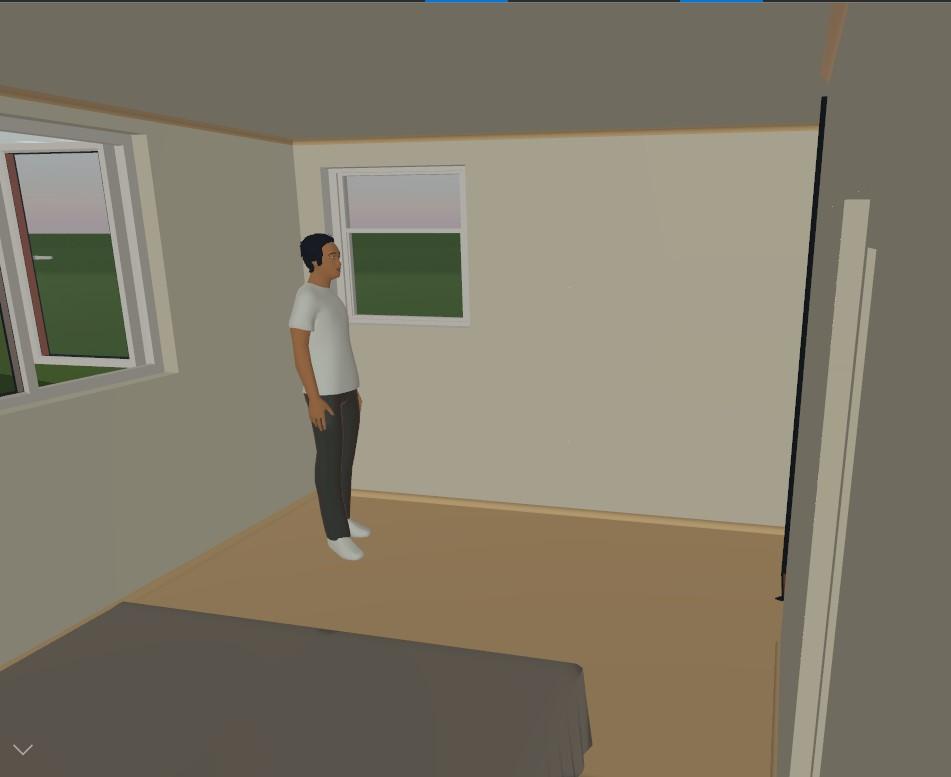
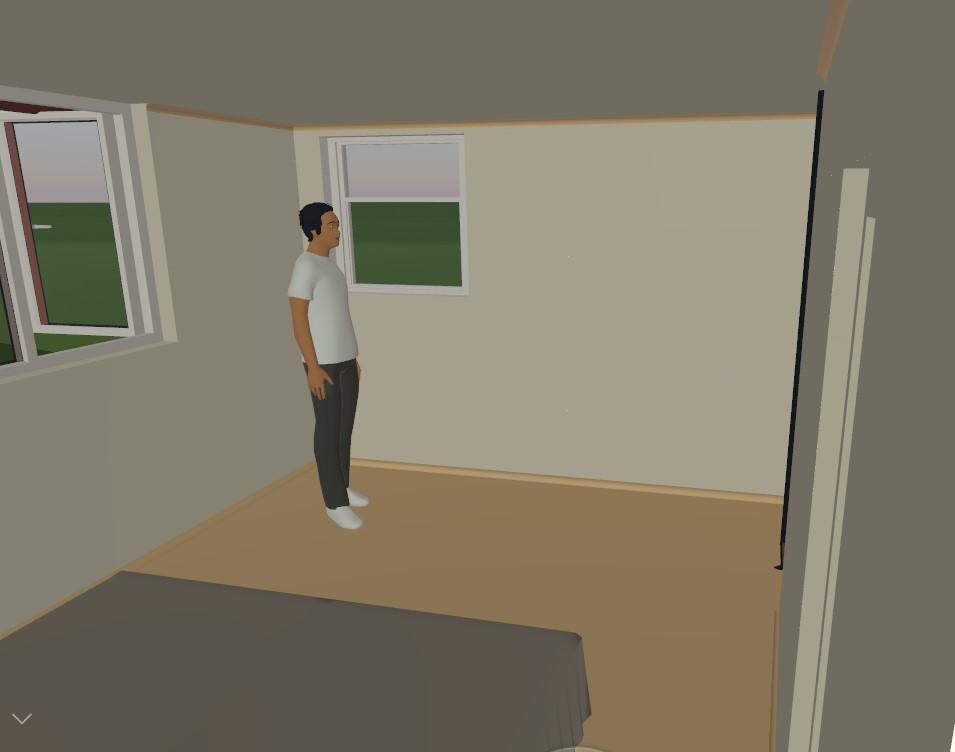
mockup of bedroom ceiling heights 2300mm 2400 2500 Trying to keep some attic storage space too, with enough for a low chair to allow browsing when needed
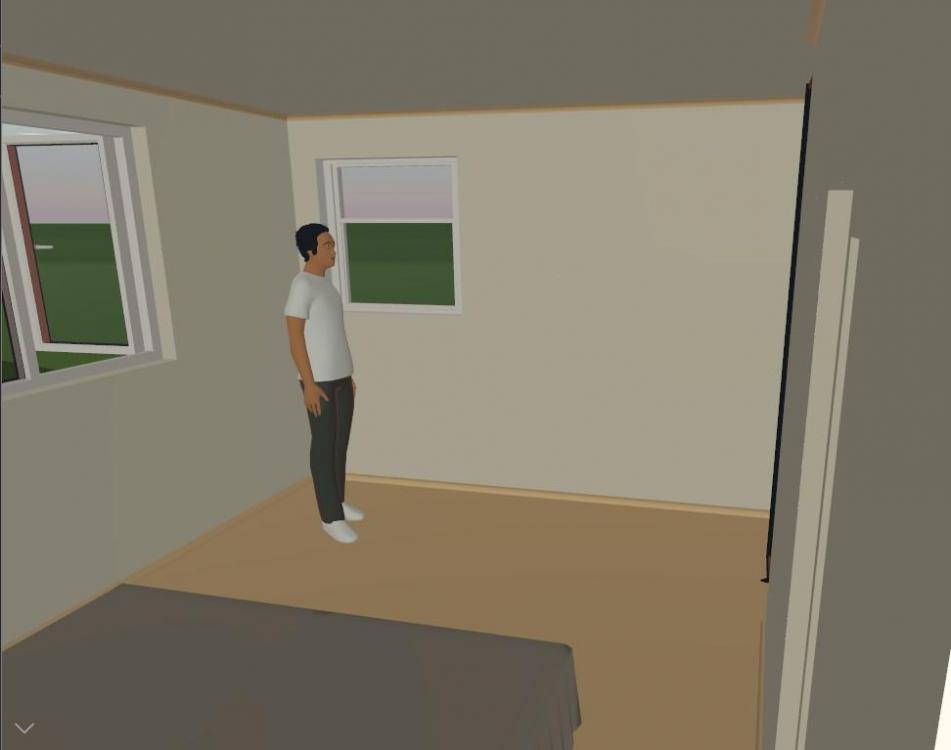
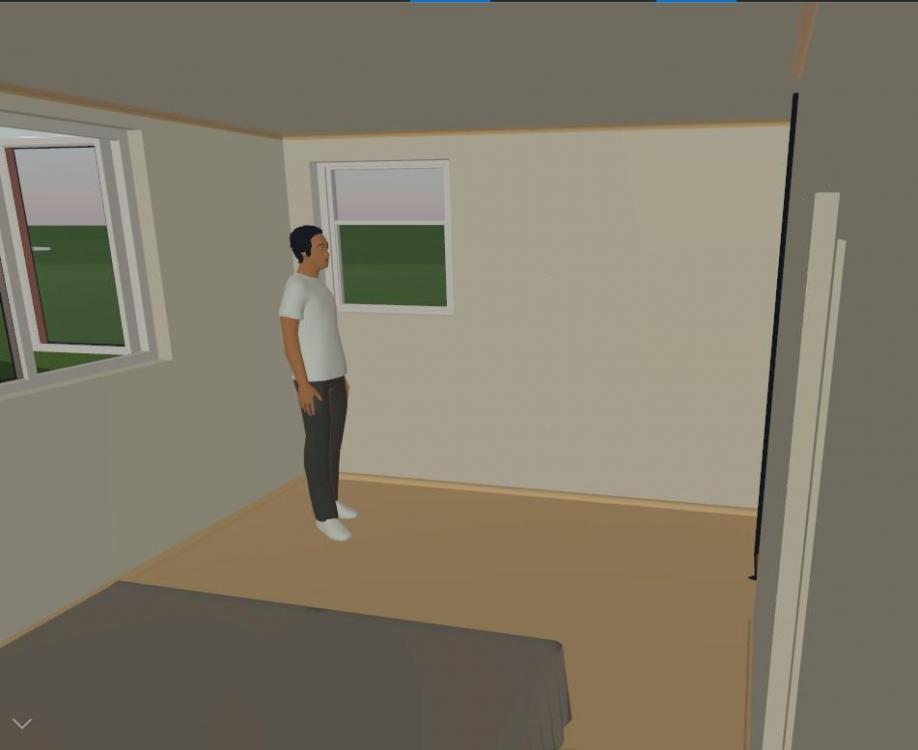
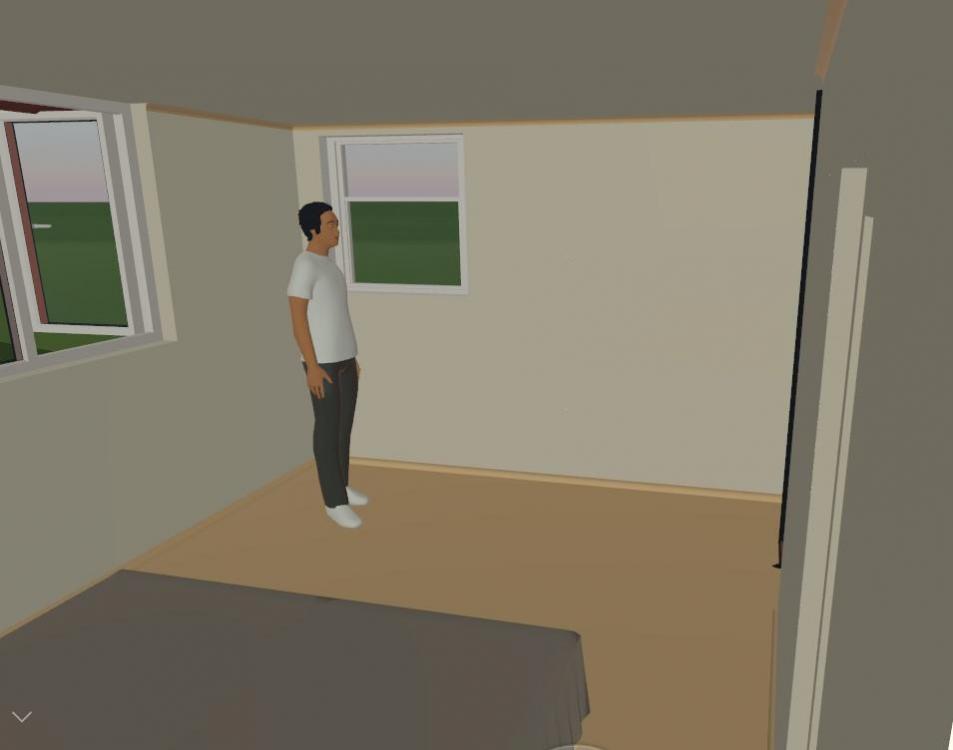
-
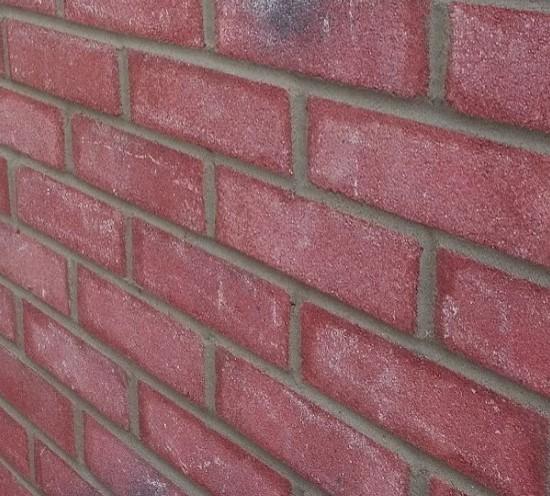
pics of joints (external face of brickwork, internal face of blockwork). Look ok to me, although an aluminium post is fixed to brick mortar each day for a line, and it leaves a small hole. Will ask for those holes to be sealed with mortar. Trying to understand it all so that the generally co-operative and trustworthy builder can be pushed only where it is necessary.
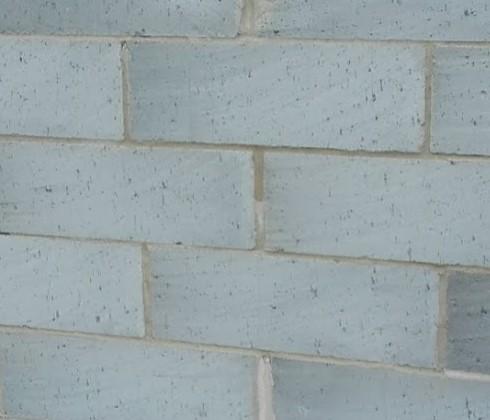
-
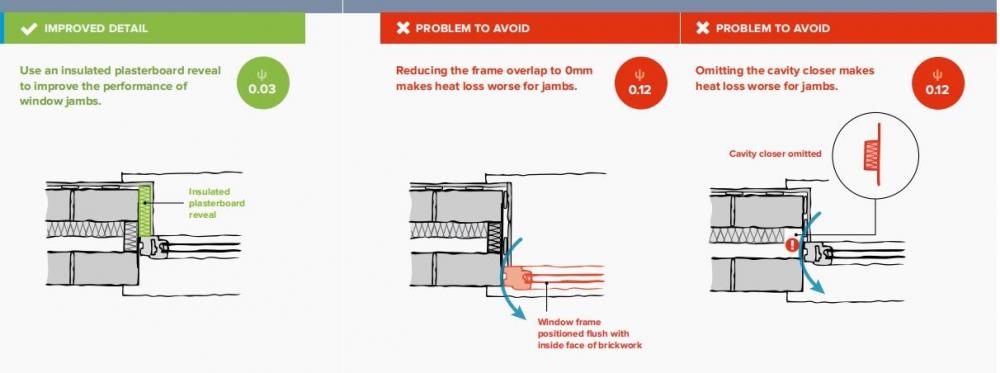
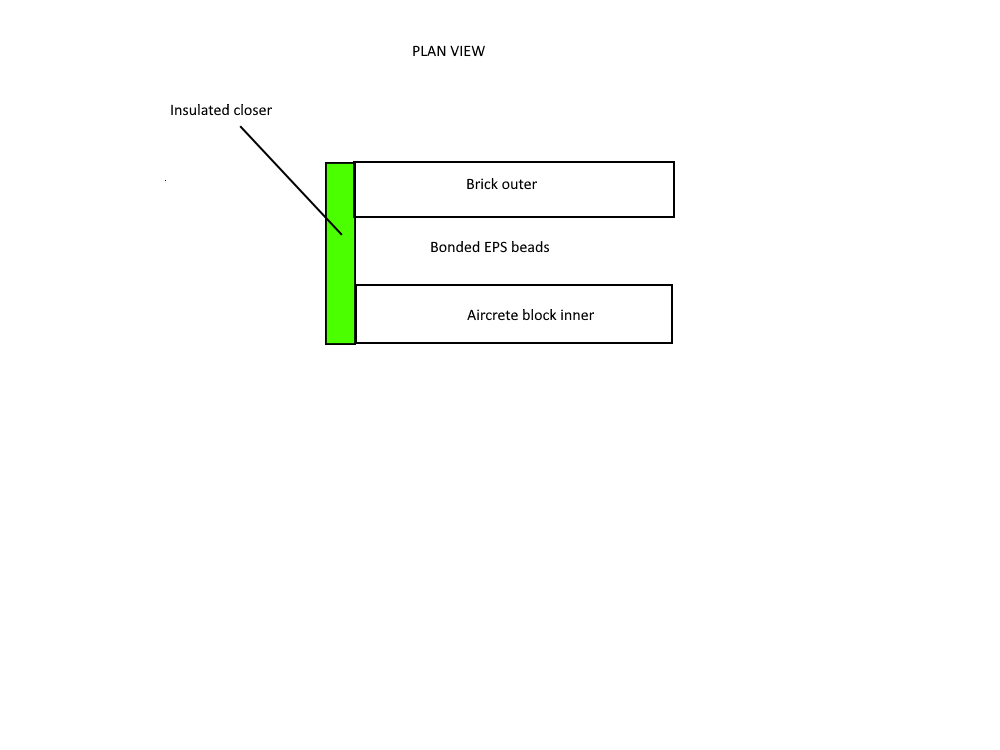
Trying to understand how cavities are closed. So that I can talk sense in conversations with builder. The "plan view" pic I drew to show what the builder described. Not sure if that is realistic, will look ok (concealing the brick reveal), or even if that is really what he described. Will the bonded EPS beads suffice to close the cavity?
-
70mm profile. Mostly outward opening, mostly top hung. One tilt and turn French window opens inwards. Many fixed sections, non opening, alongside opening sections.
-
Some outside air might get in, or inside air might get out, if the wind gets very high outside. Presumably through minute gaps in the mortar and any air channels remaining in the bonded beads. No render, facing brick outer leaf. Parge coat will help. Could an airtight membrane be attached to the inner leaf internal surface, and then the parge coat placed on the airtight membrane? Suspect there will not be sufficient key to hold the parge coat to the membrane.
-
Koemmerling. Local supplier/installer with good references who claims overall U value 1.2 & good airtightness.
-
Presumed leaky walls (outer brick, inner aircrete block, 10mm mortar 1:5). Despite concave tooled joints that are reasonably well filled. Cavity to have bonded EPS beads blown in.
-
Just the brick, block and anything the builder might use as cavity closer. Would like to try and get the windows overlapping the 110mm insulation layer as much as possible. But can't see how to support the window if that is the case. Tks for links, will have a good look.
-
How do you calculate delta T for a heat loss calculation with UFH
WWilts replied to Adsibob's topic in Underfloor Heating
jpg accepted by LoopCAD. I contacted a boiler manufacturer for sizing the boiler. They just took the floor area, assumed 70W/sqm for heating, added some W for hot water, and came up with a recommendation. Fairly rough and ready approach it seemed like. -
How do you calculate delta T for a heat loss calculation with UFH
WWilts replied to Adsibob's topic in Underfloor Heating
Normally delta T is set at somewhere around 10 or 11 degr C Not an expert, but I took it to mean the difference in temp between the water entering a circuit and the water leaving the circuit. "" "Average temperature of the radiator [or circuit] minus the desired room temperature = Delta T" LoopCAD does really good heat loss calculations, and you get a free trial for a month. -
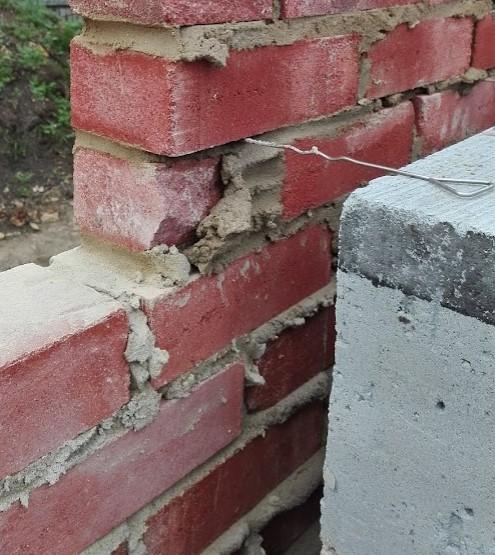
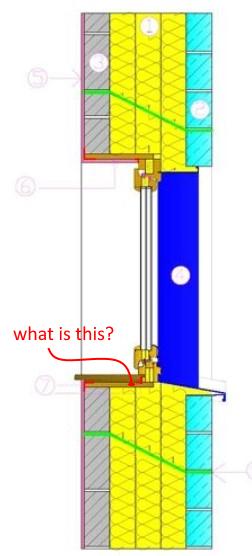
Trying to find detail drawing of a window reveal. To get it as airtight and thermally sound as possible (on a budget). Not encouraged by parts of the brickwork around the opening. Builder says that's the inside, there will be an insulated closer and nobody will see the broken bits. Trying to understand how a reveal works for deep set windows, so that I can talk sense in our conversations. On what does a deep set window sit? Skins from out to in: 100mm brick 110mm cavity (bonded EPS beads insulation) 100mm aircrete PS for context: the external face of the brickwork looks good generally. Concave tooled joints. This bit was done by the labourer practising his skills.
-
How to reduce thermal bridge / draughts with RSJ beam
WWilts replied to WWilts's topic in Heat Insulation
All good points. Patio door actually, U value 1.2. Extended the wall a bit for unconnected reasons, thereby protecting the square column on another side. Only the corner of the column now abuts the brick. Might achieve improvements with a strip of insulation in the external corner (purple circle is soil stack). Plus load bearing thermal break between the top of the column and the beam (Armatherm or similar emerged during online searches). This forum is great. Is there a simple way to insulate an external corner? Red facing brick. Should have insulated the base of the column too.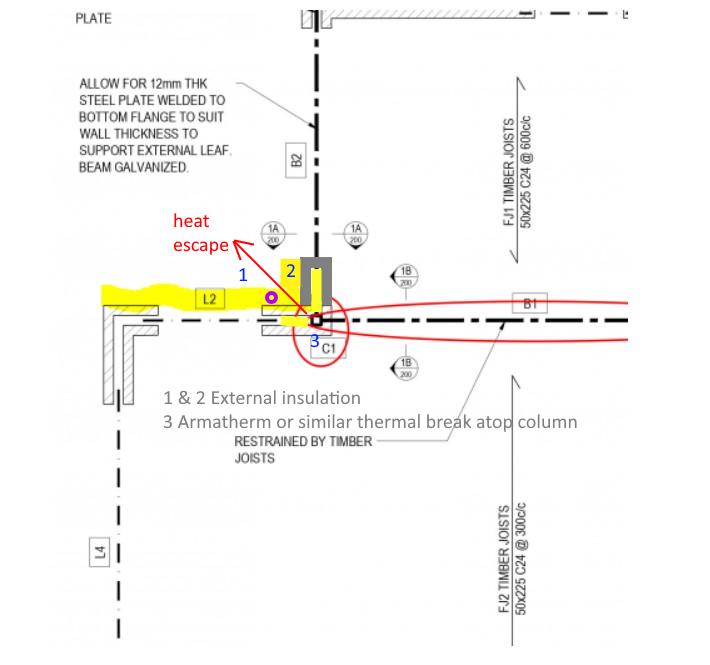
-
How to reduce thermal bridge / draughts with RSJ beam
WWilts replied to WWilts's topic in Heat Insulation
Is there a way to place a thermal break between the top plate of the column and the bottom of the beam that sits on the top plate? -
How to reduce thermal bridge / draughts with RSJ beam
WWilts replied to WWilts's topic in Heat Insulation
Perhaps bonded EPS beads would help. Smallest beads are said to be 2 mm diameter. But not as effective as aerogel. Trouble is aerogel is more pricey than gold (weight for weight, literally so). -
Can an airtight membrane be included? Easy to visualise an airtight membrane lining the internal face of a cavity wall inner leaf. But would that allow the attachment of plasterboard?