Adsibob
-
Posts
3604 -
Joined
-
Last visited
-
Days Won
10
Everything posted by Adsibob
-
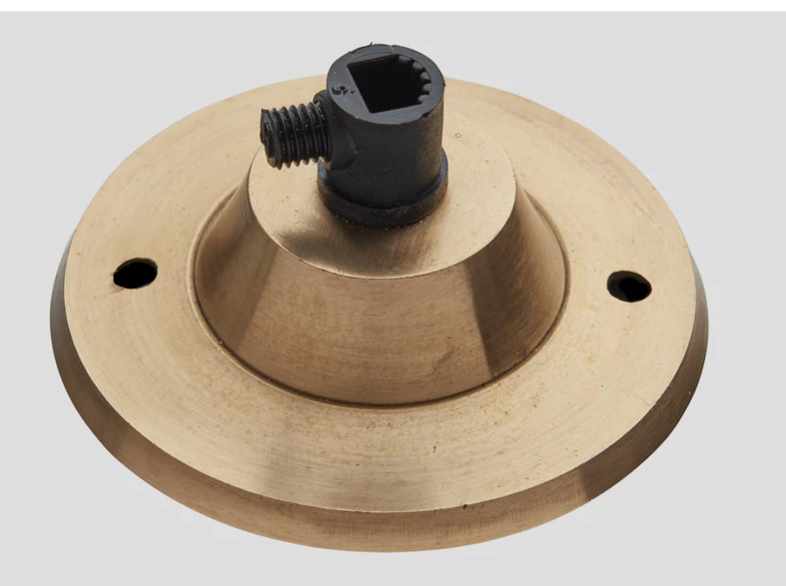
I think the reason it's helpful to have the gripper on the outside is that one can adjust it after the rose has been mounted on the ceiling. i.e. if you want it 5cm longer or shorter you can loosen it and pull or push the flex then tighten it.
-
my thought exactly! The other option is to return this and find a better alternative elsewhere. The problem is that I also need a matching one with a hook, like this: https://www.industville.co.uk/products/vintage-edison-lighting-metal-hook-ceiling-rose-single-outlet-antique-brass
-
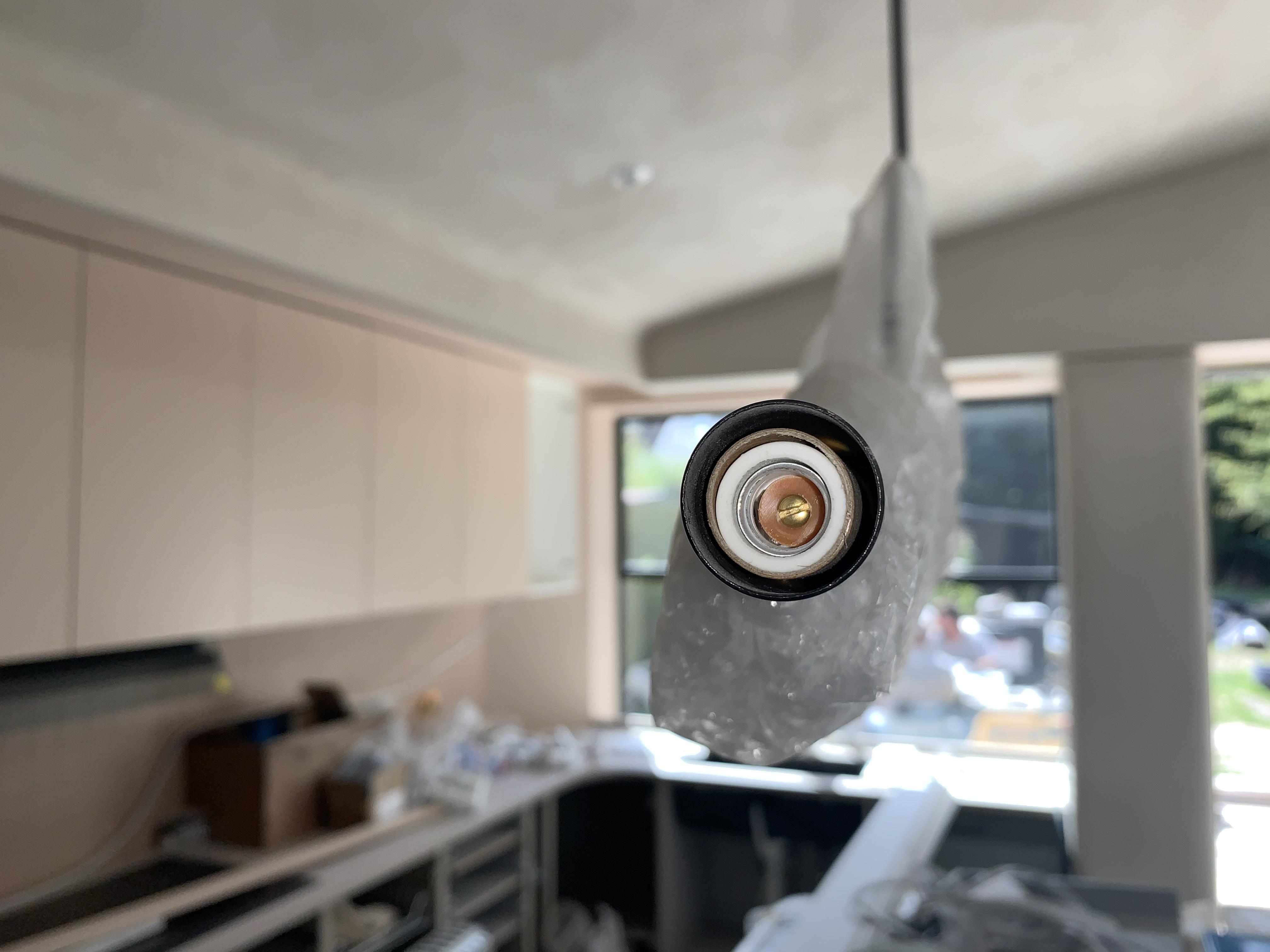
The rose is this one. As far as i can see, no cowl is available for it, so yes I was going to use it as is, without a cowl.
-
Thanks @joe90 So if I buy a brass cable grip like this, can i just swap it out for the plastic one in the rose?
-
Can somebody please tell me what the little plastic piece, shown in black, on this ceiling rose is called?
-
 So my search for a non-slip stone sett continues. Rock Unique (which is often mentioned on this forum) don't have enough stock but then we found a supplier in Northern Ireland who we were going to go with until they said they wouldn't accept credit card on "an order as big as this one" which made me run for the hills, given their website does say the accept credit card. I've now found a supplier that has offered Basalt setts instead. Quite a bit cheaper than granite, but not quite as anti slip. The supplier has said it is considered a "non-slip" stone, but he accepted granite would be slightly less slippery. The basalt does look very nice otherwise. Anyone have any experience of basalt setts? Slippery?
 -
Best location for remote MVHR control?
Adsibob replied to shuff27's topic in Mechanical Ventilation with Heat Recovery (MVHR)
I put a boost button near each toilet in the house, to clear the smells. -
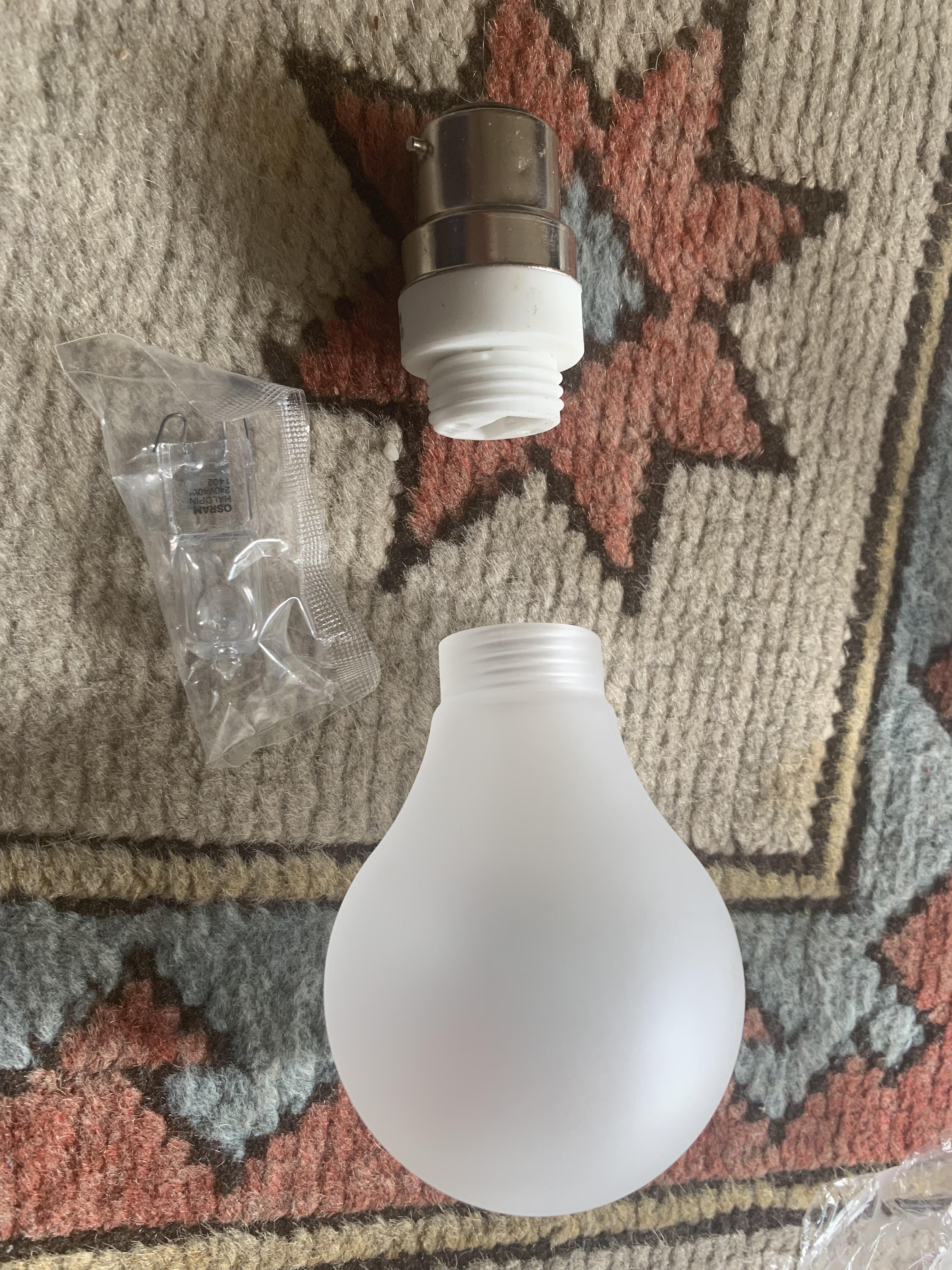
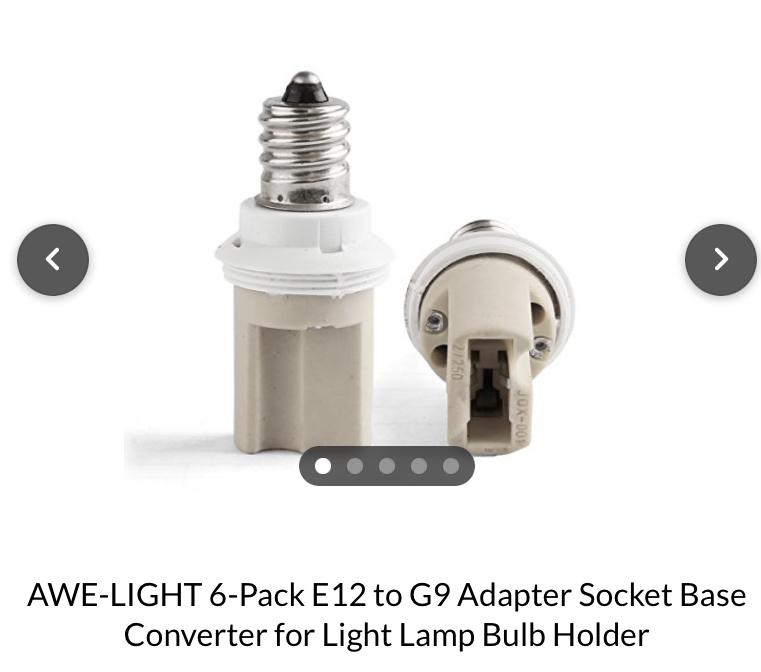
thanks, but whilst I can find plenty of g9 to e12 converters, the inverse is harder to come by, particularly in a threaded version. Maybe my googling skillls are lacking. Yes, this is the route we went down originally. It looks awful. Just because the bulb is at eye level, right in your face, and the adaptor is ugly.
-
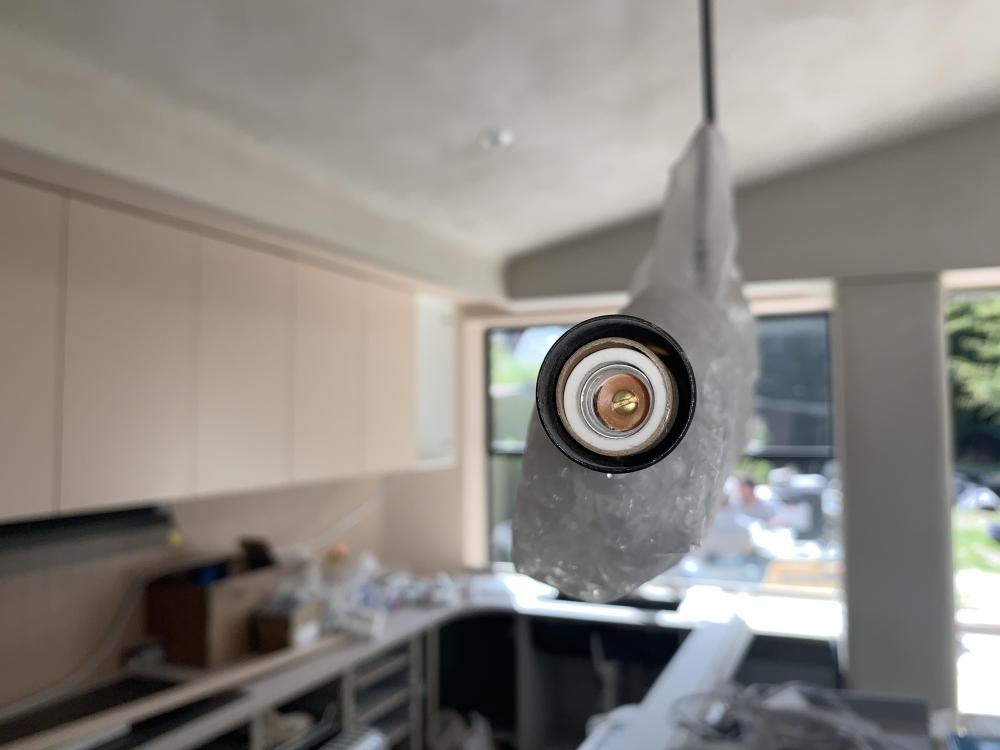
This won’t raspy solve the problem unfortunately. The light fitting (see picture above) has exposed bulbs. ie one is meant to choose decorative bulbs which form part of the aesthetics of light fitting. what I think you are suggesting, looks like this: but if I were to insert that into the end of the light fitting, which looks like this: the biege plastic G9 socket/holder would stick out and be very visible alongside the black light fitting. I did look at Bell adaptors (see post below) since at least most of the plastic base would be covered by the frosted glass bulb cover, and the portion that isn’t could be spray painted, but I struggled to find an e12 one.
-
Any ideas? i worked out that I probably don’t need that many lumens after all. 500 per bulb would just about be enough. And I can also forego the dimmability In terms of changing the bulb holder, I think I could fit this, as the internal diameter of the fitting is 24mm and this is 23mm wide, but at 50mm in projection, it will stick out and look pretty ugly. A 36mm projection (or as close to that as I can get, would be better). All thoughts welcome.
-
This doesn’t make sense to me. If your riser distance equalled your going distance, your staircase would be 45 degrees and would be uncomfortably steep. 37 to 41 is more usual. The going needs to be significantly larger than the riser, because the going needs to accommodate an adult foot, whereas the riser needs to be a comfortable height to step up. Too low and it feels odd, too high and it will be hard work for those with mobility issues, and feel steep for everyone. 18.5cm riser and 26.5cm going is pretty comfy, but I guess it depends on each individual’s ergonomics. I agree with the comment about looking at the building regs. 90cm is a perfectly adequate width, but if you can fit a bit wider, e.g. 95cm, that will give you more space to get furniture up, as well as making the staircase feel more airy and spacious.
-
Yeah, you are probably right. Other option I’d be interested to learn about is attenuators or dampeners. Anyone use one of those to reduce noise with much success?
-
We’ve just installed our Novy with re circulation and I’m disappointed with how noisy it is. Novy is very expensive, and I only bought it because it is one of the quietest hoods on the market, but I’ve now discovered that that is only for venting outwards. With recirculating, unless you have an even more expensive downdrafter one, it seems to be very noisy. As we have MVHR, I’m starting to wish I’d gone down @Temp’s route and just vented outside. I guess it’s not too late to just drill a hole in the wall and vent outwards, as our hob is on external wall, so solid be easy enough. Just frustrating, as the recirculating kit alone cost me £90.
-
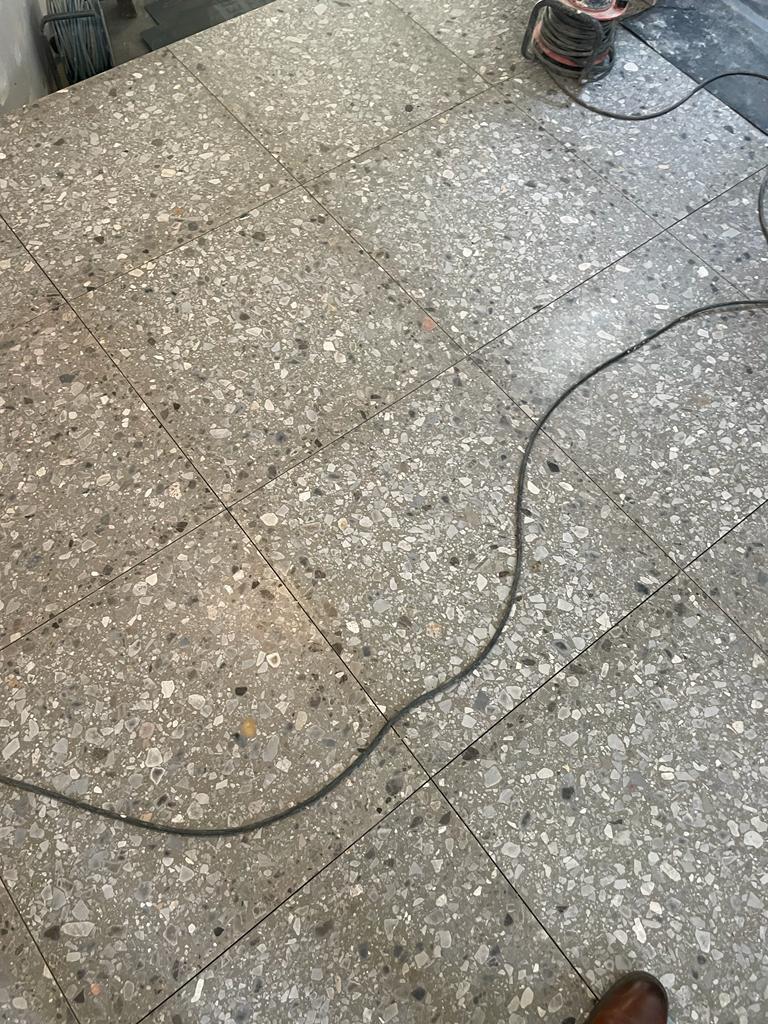
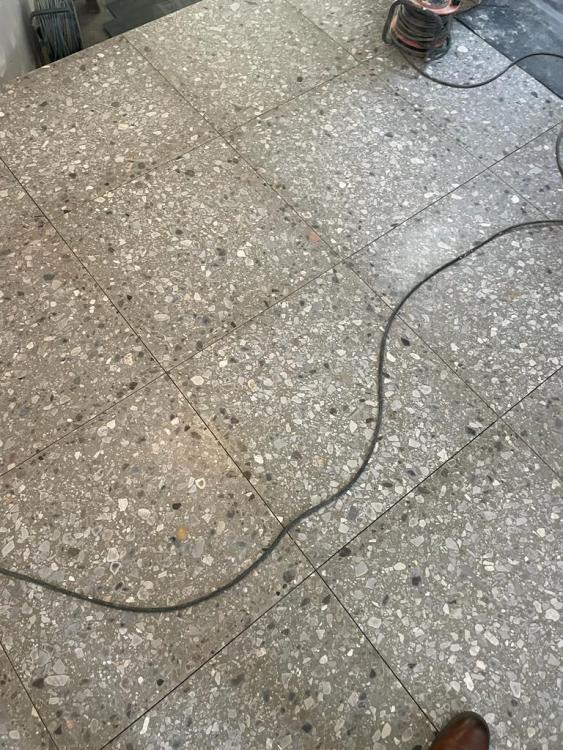
Just wondered if anyone had any experience of getting water stains out of terrazzo? I’ve seen in some websites that for general staining, rubbing with hydrogen peroxide and then with ammonia can clean terrazzo, but that sounds rather harsh. @nod do you know if it’s possible to get rid of subtle picture framing staining, which appears to just be stained with water, but definitely dry now (was laid a few months ago and has had quite a bit of UFH, including constantly for the last 48h.
-
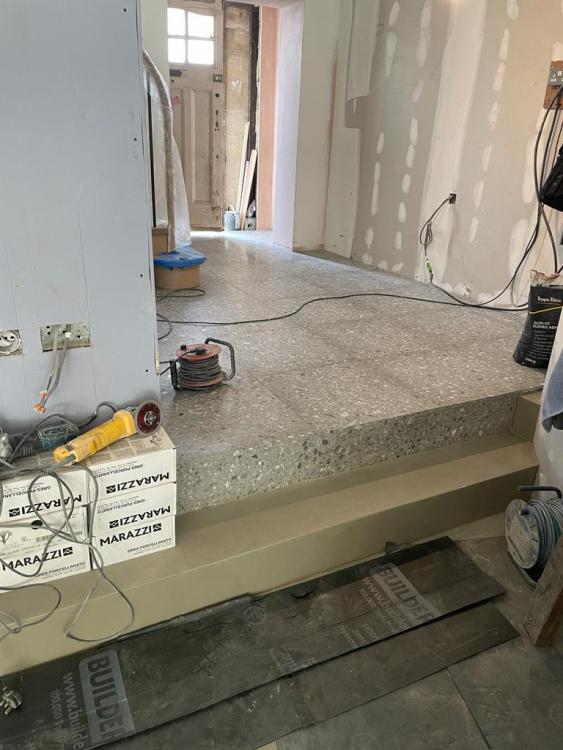
So the supposedly breathable cardboard that has been covering the still ungrouted tiles was taken up a couple of days ago. Unfortunately, we have some picture frame staining, which must be from the manufacturing process (which involves water jet cutting) and then the delay: not grouted yet, but I fear there is no solution to this and that when we grout, it could get worse as the grout is water based. Have the UFH running 24\7 now, for the last 36h and hoping over the next week it evaporates, but who knows.
-
HELP: insulated Twin wall flue, connection with ceiling
Adsibob replied to Adsibob's topic in Stoves, Fires & Fireplaces
That's a good question. That rule provides: Where a factory-made metal chimney penetrates a fire compartment wall or floor, it must not breach the fire separation requirements of Part B. See Approved Document B for more guidance but the requirements may be met by: a. using a factory-made metal chimney of the appropriate level of fire resistance installed in accordance with BS EN 1856-1:2003 Annex NA; or b. casing the chimney in non-combustible material giving at least half the fire resistance recommended for the fire compartment wall or floor. According to this, the BS EN 1856-1:2003 standard was superseded by BS EN 1856-1:2009 BS EN 1856-1:2009 appears to be available for purchase here: https://www.en-standard.eu/bs-en-1856-1-2009-chimneys-requirements-for-metal-chimneys-system-chimney-products/ Bizarre that one has to pay for these things. I guess I could check with the manufacturer if its twin wall flue pipe complies with that standard, but when we checked with them they directed us to the firestop plate and said we had to install it. -
HELP: insulated Twin wall flue, connection with ceiling
Adsibob replied to Adsibob's topic in Stoves, Fires & Fireplaces
good advice. This is what I will do. Bloody stressful when a supposed authorised contractor tries to bend the rules. Para 1.45 of Approved Doc J says this: "Factory-made metal chimneys should be kept a suitable distance away from combustible materials. Ways of meeting the requirement for chimneys designated to BS EN 1856-1:2003 comprise: a. locating the chimney not less than distance ‘xx’ from combustible material, where ‘xx’ is defined in BS EN 1856-1:2003 as shown in Diagram 13; b. where a chimney passes through a cupboard, storage space or roof space, providing a guard placed no closer to the outer wall of the chimney than the distance in a) above." It's clear from DIagram 13 that the manufacturer is right: see PDF page 798 of this: https://assets.publishing.service.gov.uk/government/uploads/system/uploads/attachment_data/file/1010058/Single_stitched_together_pdf_of_all_ADs__Jul21_.pdf -
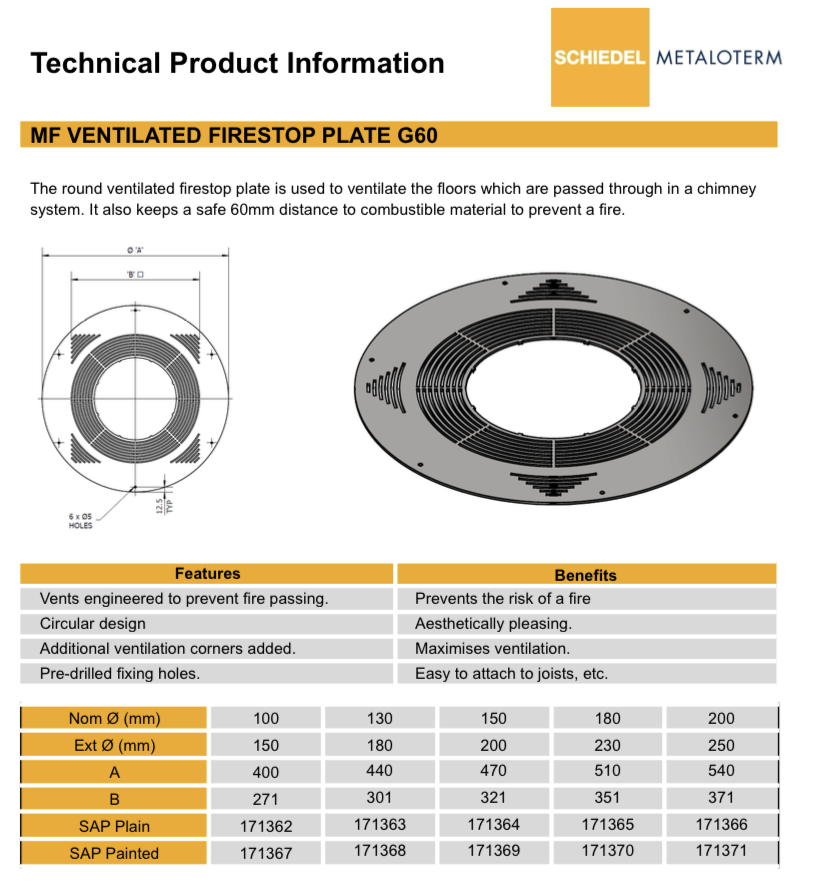
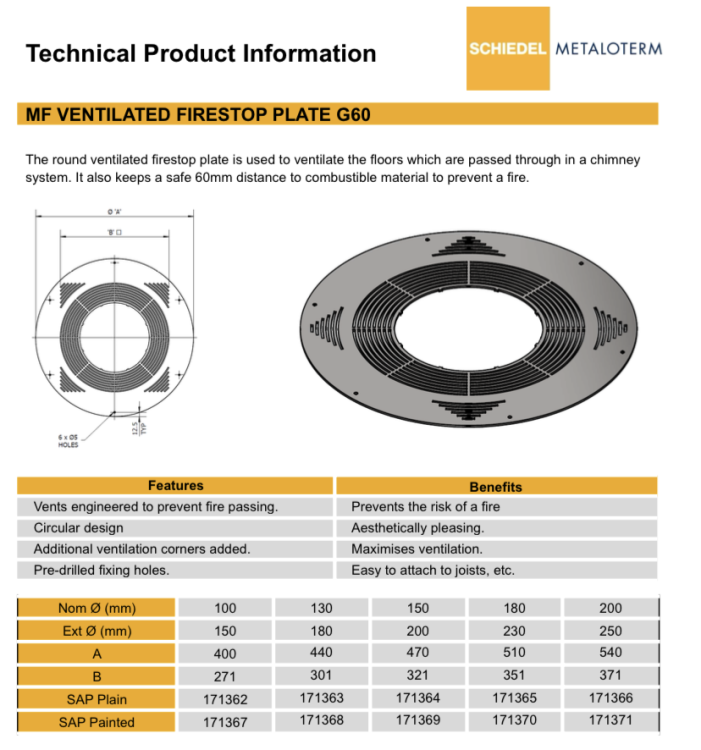
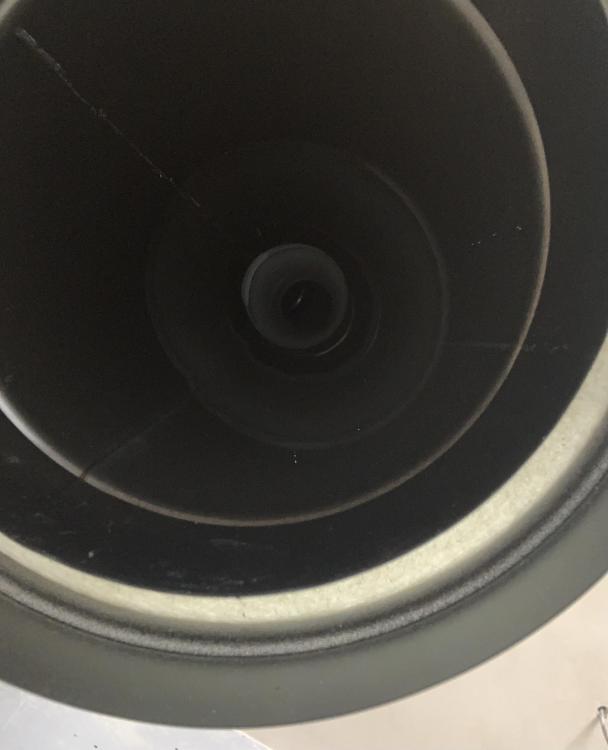
An issue has arisen on site in that the twin wall insulated flue we have had installed has not been installed with one of these ventilated fire stop plates (see attached spec sheet) creating an air gap between the ceiling plaster board and the flue. Hetas installer says it’s not required because we are using an insulated twin wall flue, and so the flue will never exceed 50C or possibly 60C to the touch and is happy to sign off the installation as is. This didn’t sound right to my project manager so he called the manufacturer, Schiedel, who is saying that it is required. The ceiling has already been plastered and finished with clay based plaster, and I don’t believe the plasterboard is of the fire rated type. This is about 2.2m from the stove itself which is rated 5kw to 9kw, to the extent that is relevant. I’ve had a look at the cross section of the flue: and there do appear to be several layers, including a thick layer of insulation, so maybe the installer is right. Not helped however by his admission that he sacked one of the engineers involved in our install because his work was unreliable! What would you do?
-
All our boxes were metal. Not sure how they were secured, but electrician does not cut any corners.
-
Before. I'm not on site now but will post a picture to explain what I mean. There is no way around this, however one plasters. Definitely a design flaw of the crap i bought. Must be different model to yours, which look really good.
-
I need some counter lighting that is shallow enough to be concealed behind a thin 18mm high pelmet that runs along the bottom of our kitchen units. It could be up to 2cm in profile without us noticing it. Need to be 3000K and ideally IP44 rated as it is fairly close to a sink. I need to illuminate 70cm wide of counter top with the sink occupying 20cm of that 70cm (right on one side) so by using one light in the middle I would be about 15cm horizontal dust from the sink. Given this light will be at about 55cm high up from the counter, if I’m going to do this with one light, a beam angle of 60 degrees would work. Though maybe I’m just far enough to avoid having to make it IP rated, not sure. I Lumos do an IP65 rated LED strip which would work, but I think I would need to double or triple the length used and double/triple back on myself, as although it produces a beautiful warm white light, it is not that bright, really more just accent lighting. Any suggestions?
-
The difference is that for the price jump, one gets an extra 100 lumens per bulb, whilst still staying true to the 95 cri which is v. impressive… but pricy!
-
You are lucky it didn’t show up on yours. Must be a design flaw of the screwless type, as even where we have installed them on a white walls, the plastic buffer plate shows up and makes it look super tacky.
-
When they fall off and smash that glass, at least you have something to use your structural glazing on.