Tony L
-
Posts
397 -
Joined
-
Last visited
Everything posted by Tony L
-
Yes, I realised that when he finally admitted, after a great deal of research & effort on my part, he'd overcharged me £7,000 for the extra work the BCO had requested. When I first told him he'd overcharged, he told me he hadn't. After receiving my first email, explaining my reasoning, he admitted to an overcharge of c£370. After I did a load of QS work & wrote a second, lengthy email, he admitted to overcharging £7,000. Thanks very much for the responses. It's good to hear some BH experts' opinions. It gives me the confidence to tell him how things are going to be done/redone when he starts telling me, "I've been doing this for 35 years...".
-
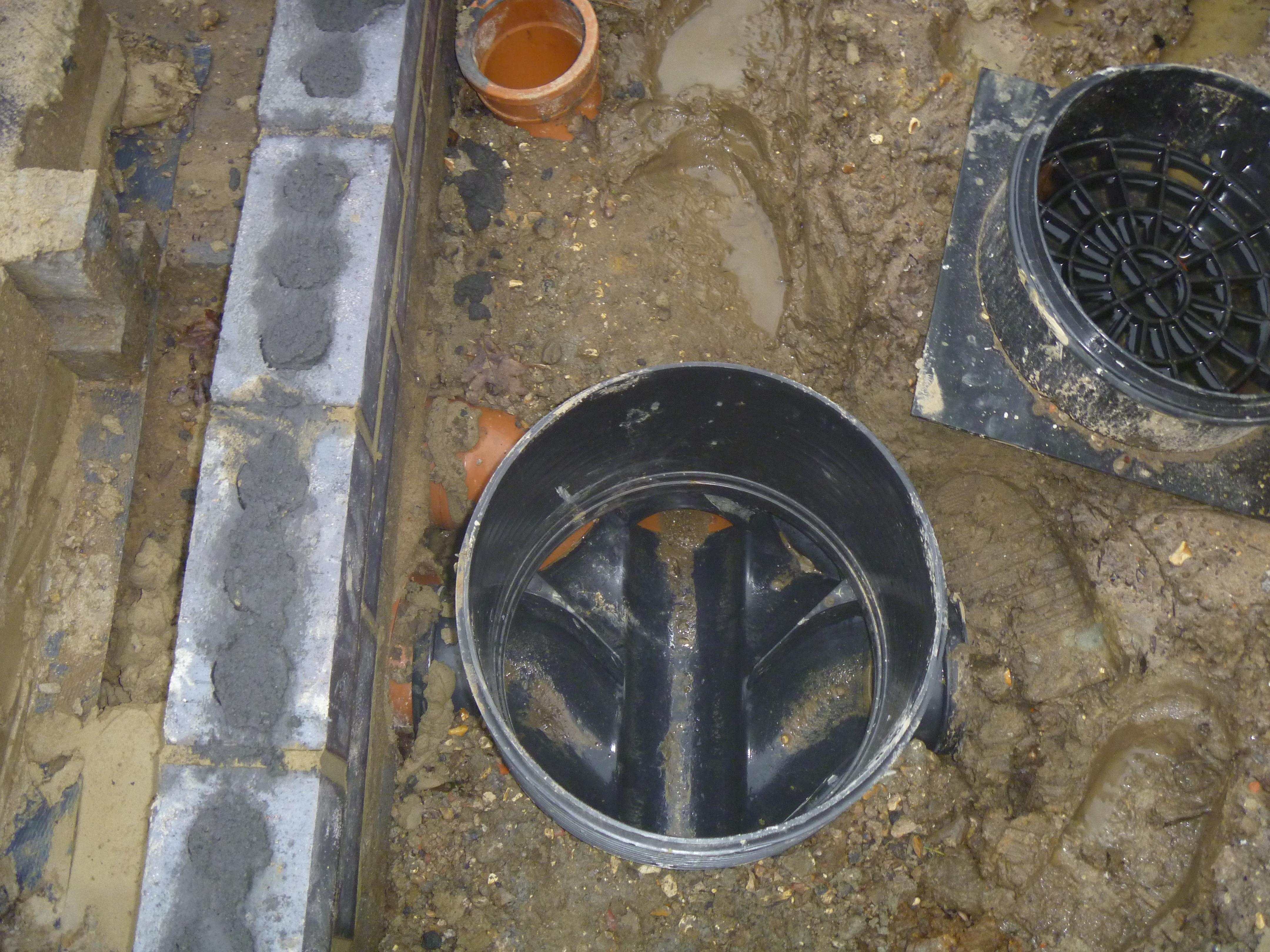
Is it normal to leave covers off the ICs so the ICs fill up with lumps of mortar & other debris? I don't understand why anyone would choose to leave the IC cover on the ground right next to the IC for a week or more. There are at least 5 of these in position & every one has the cover off.
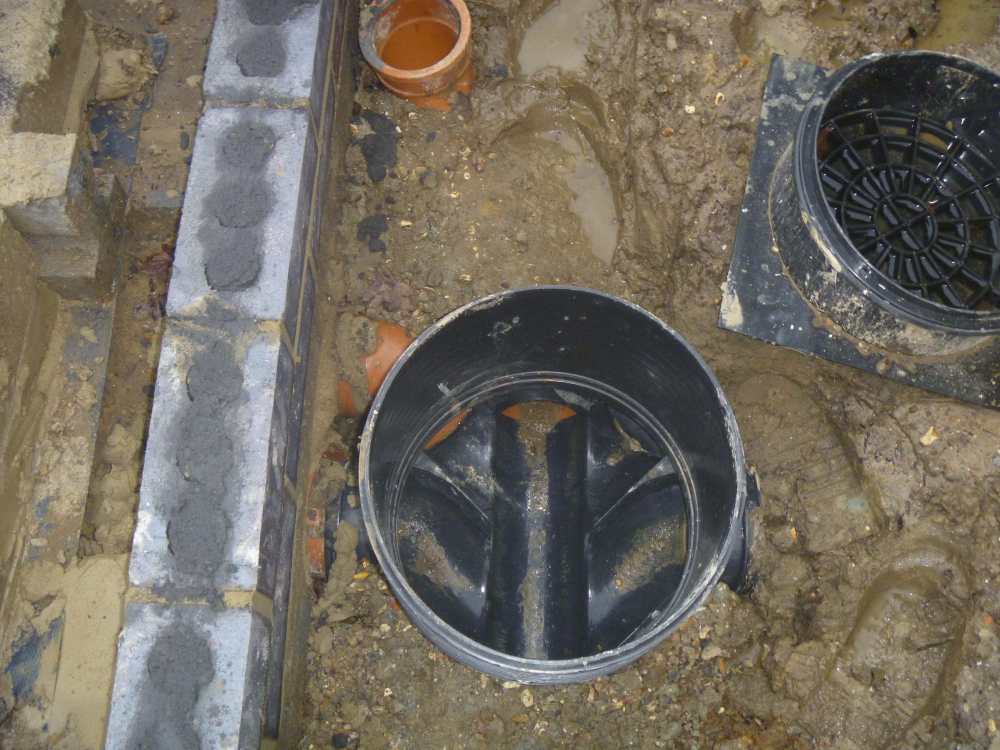
-
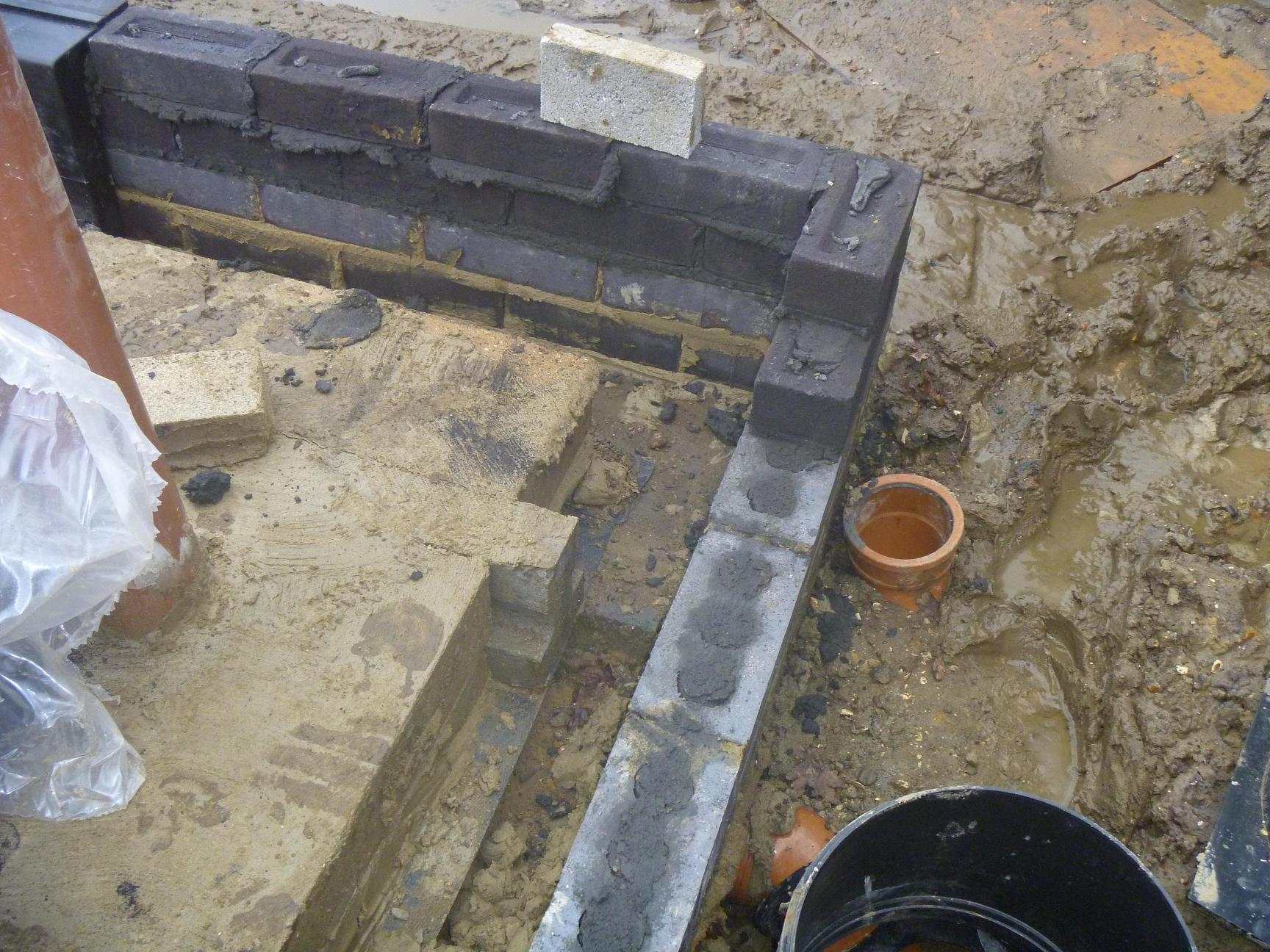
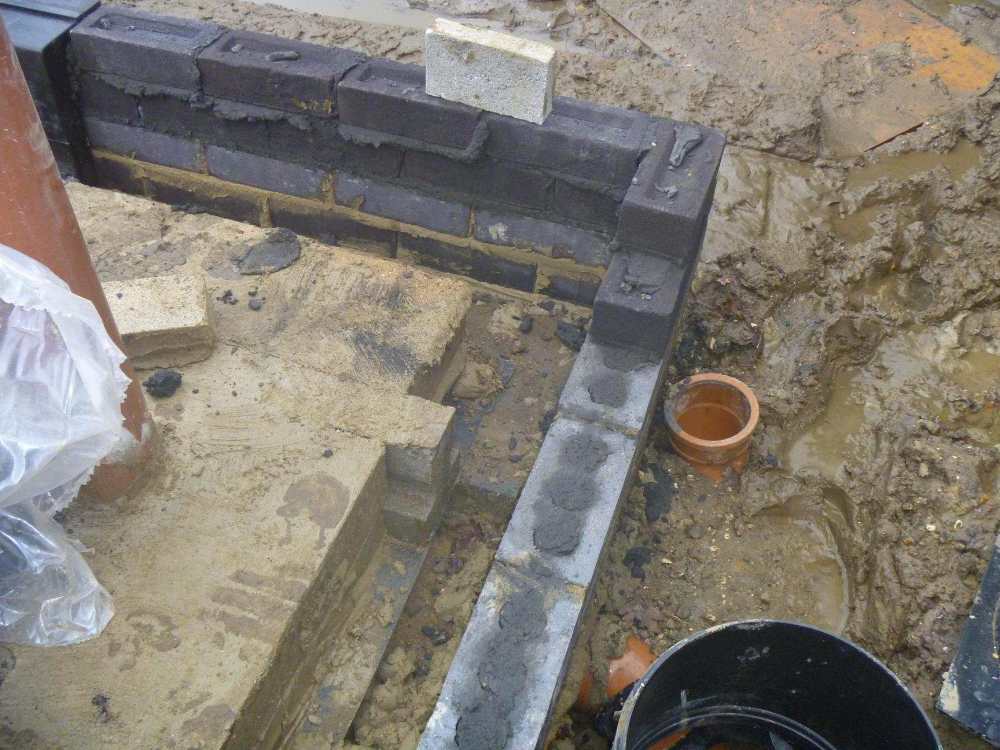
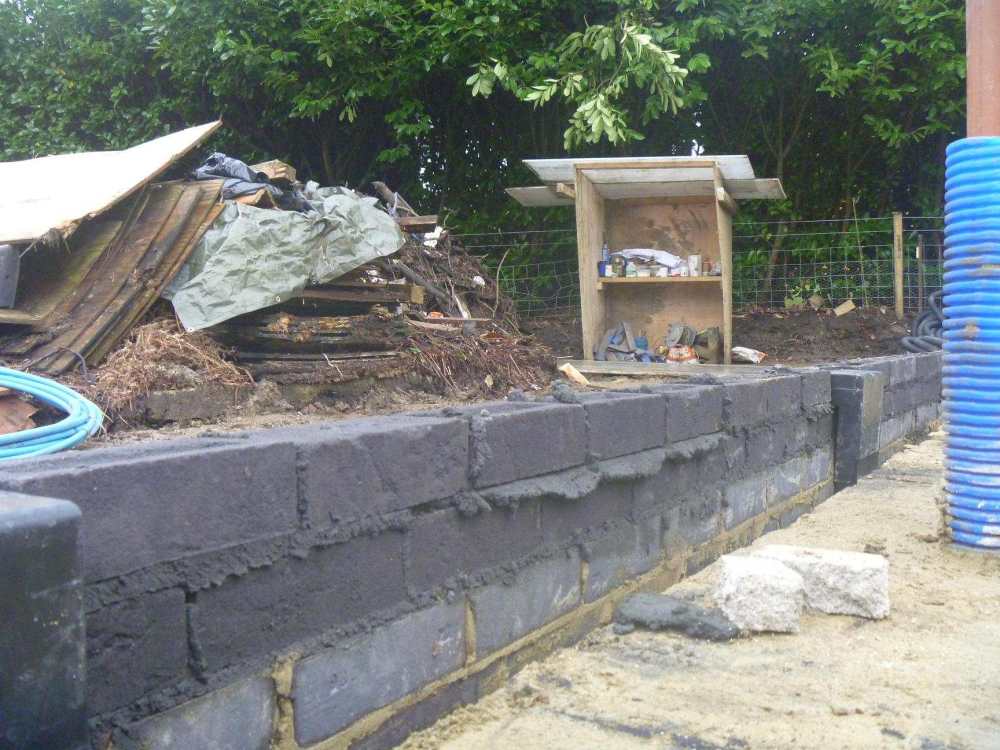
This doesn't look good to me. Is this excess mortar on the inside of the outer skin acceptable?
-
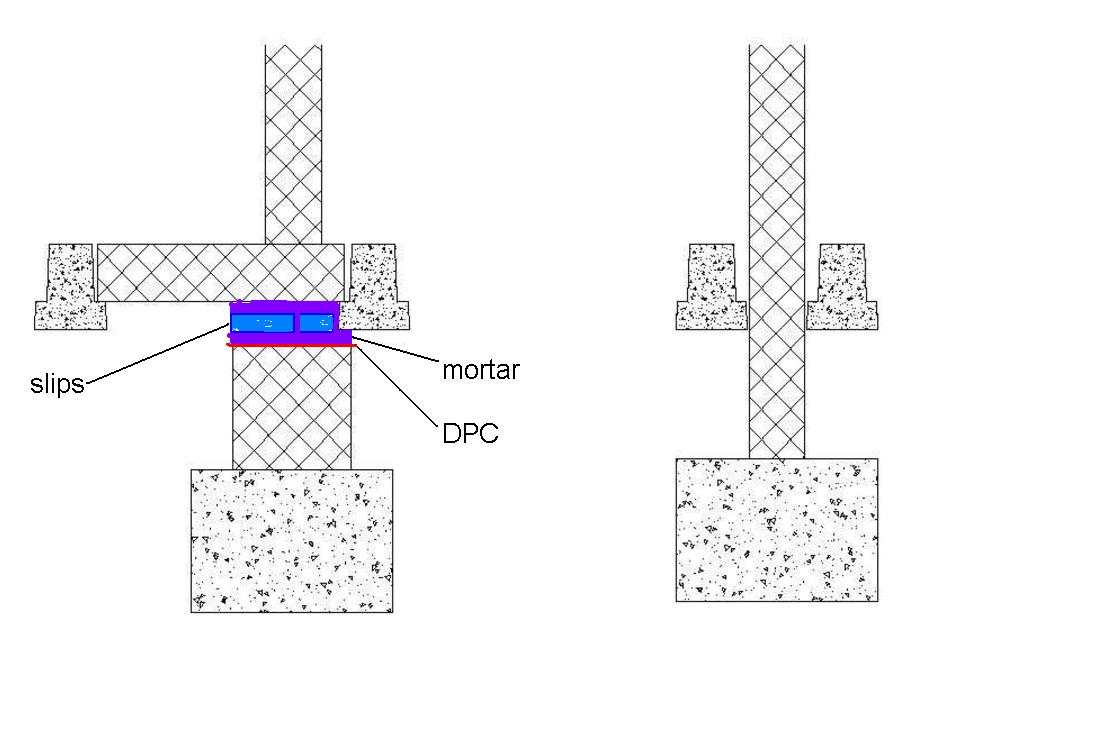
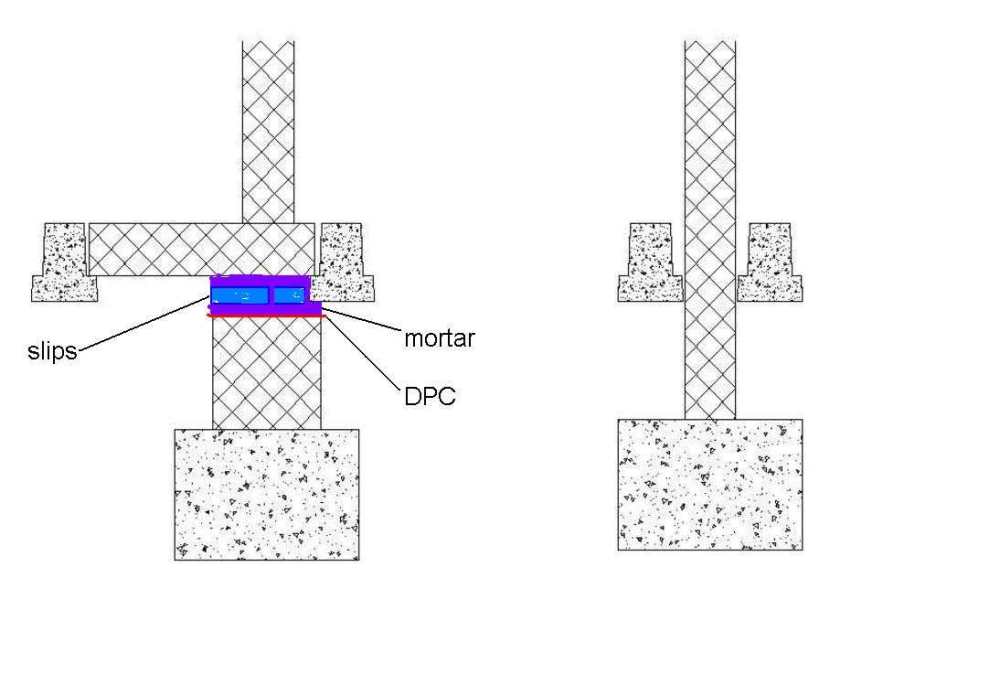
@Mike Thanks very much for taking the trouble to post these two images. Yes, you’re right: what I have, according to the builder, is what’s on the left, & your drawing shows the beam placement accurately – ie it’s on the edge of the blocks that come up off the poured concrete. I’d have rather had what’s on the right, but with the addition of a DPC between two blocks below the bottoms of the beams, & an aerated block penetrating my insulated floor, to prevent a cold bridge. As I’ve said, there was no detail to show either the left or right solution on the builder’s drawings, so I’m going to have to be happy with what I’ve got, & I am reassured by roughly half the BH community saying this is the way to do it. Also, my SE is happy with this, as are the LA BCO & the warranty inspector. I was talking about starting at an edge to remove blocks all the way to the middle so I could have a look at what’s been done, but according to the warranty inspector, I can just smash the blocks either side of the supported block, & look in from the sides then replace the blocks. That sounds easy enough, so I’ll probably do that before we start building up off this part of the floor. @Canski There’s DPC under the ends of the beams where they sit on the two long sleeper walls that divide the ground floor into thirds (see image at top of thread). For my two piers (which are the subject of this thread), there’s DPC, as shown in my update of Mike’s diagram, below, but there isn’t DPC directly under the sections of beam over the piers. I know this, because the beams were put down & blocks were being placed into the beams, further along, before the builder built up the support under the beams & block that are over the foundation piers. So blocks will have been laid onto slips & mortar, but if there’s any mortar under the beam, it will have just been pushed in from the side – not ideal, to my mind. The B&B is finished now, apart from a few loose blocks around the perimeter that are waiting for the ends of the periscope air bricks to go in. Thanks again for your input on this. I’m surprised to learn that these two solutions don’t have any part that mitigates the cold bridge – so my internal structural walls will be sucking heat out of the house & transmitting it straight through nothing but concrete, into the ground & the cold air beneath the B&B.
-
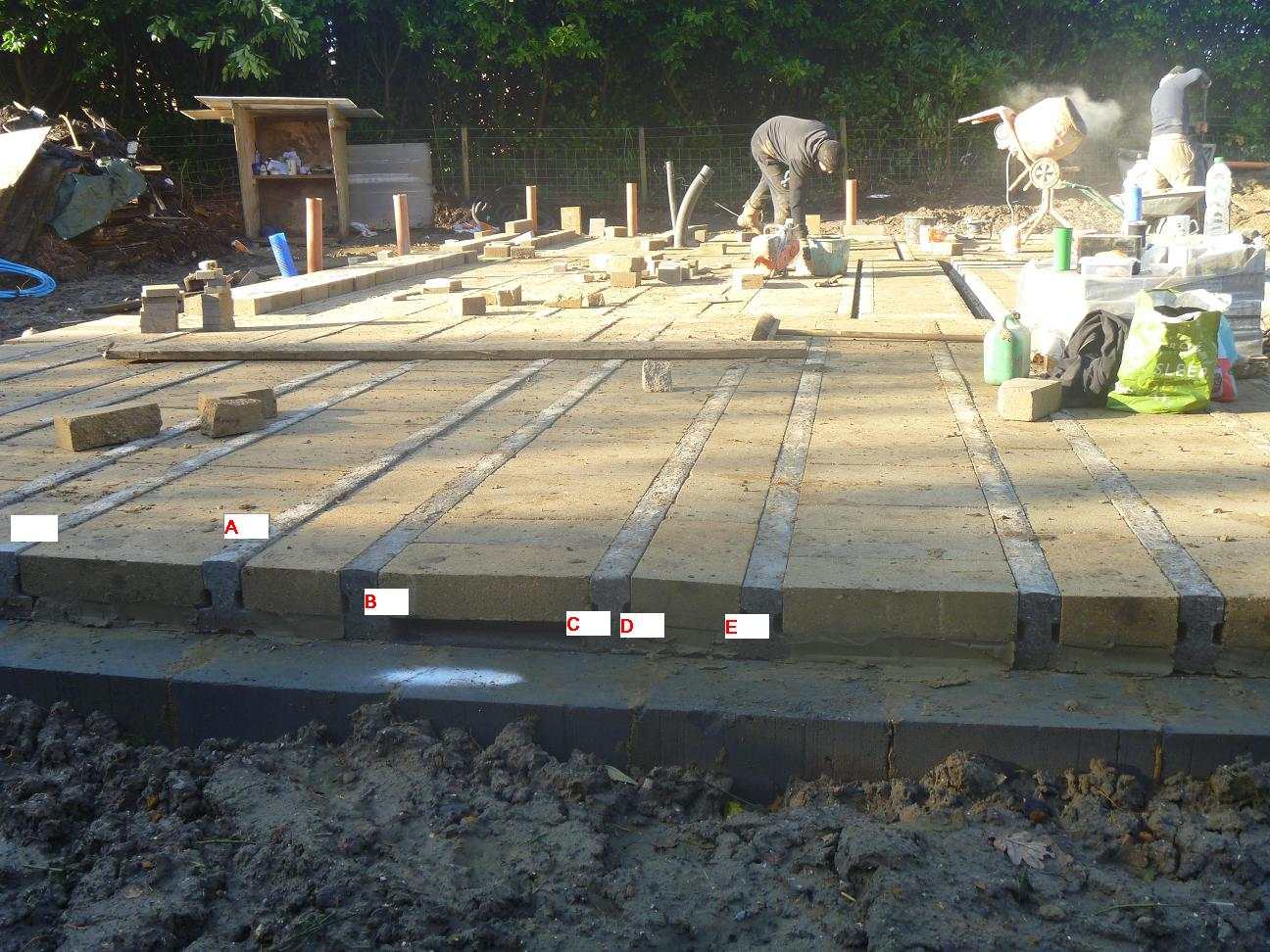
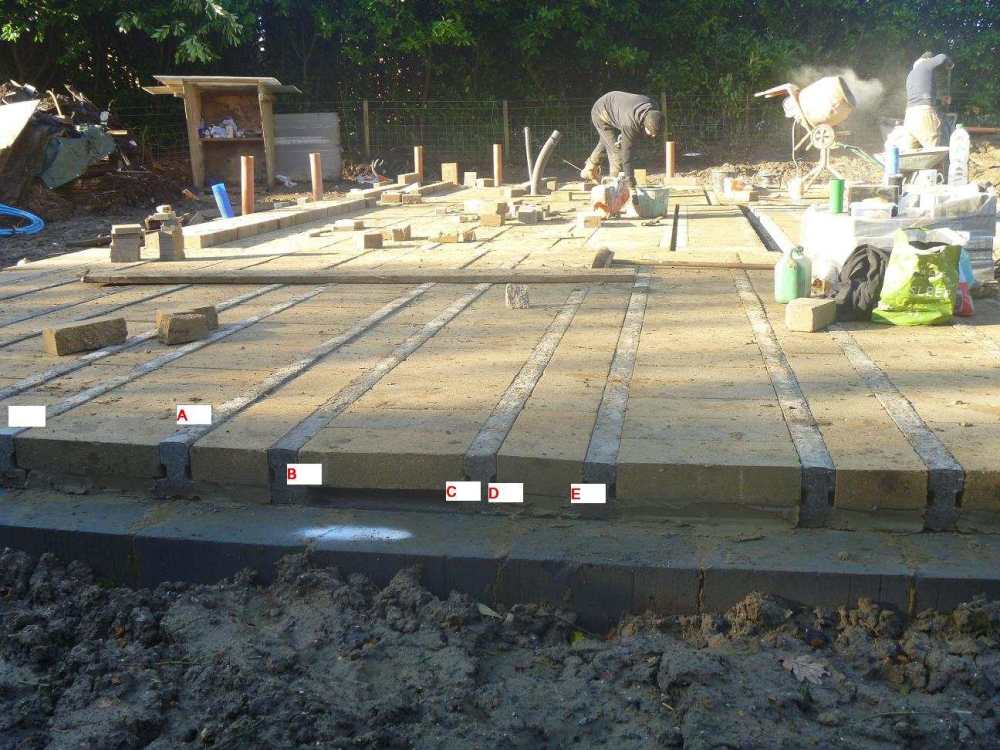
How does this look to you? I’m assuming the unevenness in the centre of the floor will be taken out by sand or screed before the membrane then insulation go on, but what about the edge? I’m concerned about building my block wall (inner skin) up off the edge of the of this BB floor because it looks so far off level. The beam at label A is standing much higher than the blocks either side. The block from B to C doesn’t look flat. The top of the left edge of the block at D looks a lot higher than the top of the right edge at E. The beams went onto DPC. I don’t see that the DPC is doing anything because there’s a dollop of mortar connecting the concrete block in the BB floor to the trench block beneath. I already had a conversation about this picture with somebody & I realised our conversation wasn’t making sense because they were looking at the picture on a phone & they couldn’t see the picture properly, so answers from desktop computer users will be more highly valued, please. I didn’t notice this unevenness until I got the picture off my camera & onto the PC. So there’s a chance that the imperfection is exaggerated by the stupid modern camera, with its wide angle lens. I will have a good look at this when I’m on site tomorrow.
-
Thanks, @Mike, but I'm not sure exactly what it is you're telling me to do/not do. I went to the site yesterday & one end of one of the piers didn't yet have a block fitted over it to make the BB floor flush where it covers the pier underneath. I could see DPC & mortar & what the builder called "biscuits" - little mini concrete blocks - "brick slips", I suppose, although I thought brick slips were something else. The poured concrete pier had been built up with trench blocks and/or regular blocks laid flat. There's damp course covering this (I saw one end, anyway) & the builder says he's built up the last (200mm, approx) with brick slips & mortar, to support the beam & blocks, & we can continue up with blocks on top of this (to support the RSJ) - this plan has all been discussed with my SE, I should add. I'd really like to go there with a builder I trust more than this one, & pull up the blocks either side & have a look. Would this be easy enough to do? I'm guessing I'd have to start pulling blocks up from an edge & work all the way to the middle before I could move the blocks that are next to the pier. @Russell griffiths. Thanks - I now have the beam plan, which was drawn by the company that supplied the beams. It looks like the builder has followed this. A beam sits off one edge of the pier beneath. I've had a good look & I can't find any pictures or 3D diagrams on line of a wall coming up & through the floor. I'm still keen to see this arrangement if anybody had such a picture/diagram, please. I've been very busy at work the past 2 days (still at my office at 11pm, now), so I haven't had a chance to ask my SE about all this yet, but I will.
-
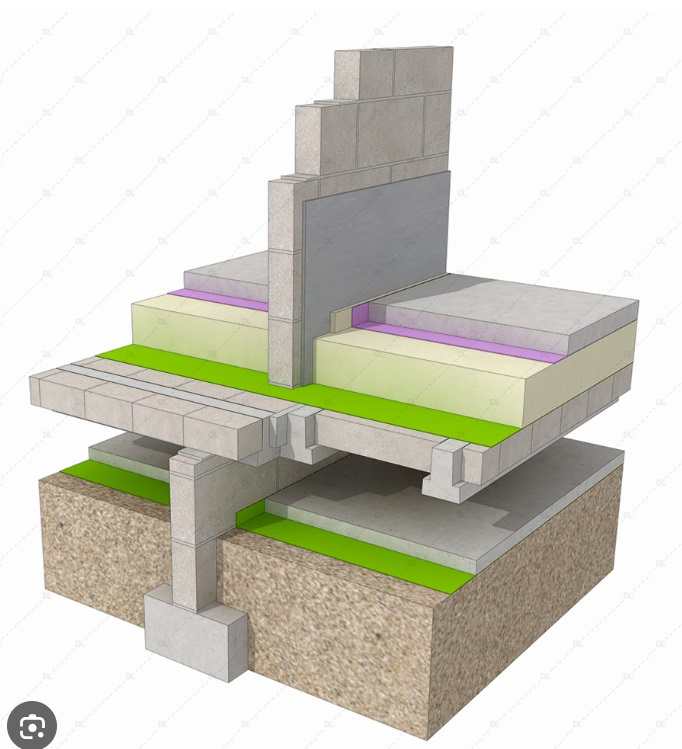
Well it's good to know I'm not missing a section drawing for this detail, thanks @Mike. There's no BH consensus. I'm being told this should be done two different ways: 1) build up through the B&B. 2) Support the B&B properly & build on top of it (& thanks for the reminder to check full DPC coverage for this method, @Canski). I think the first method sounds best, but given I didn't know as much about this yesterday as I do now, & also the builder wasn't given specific instructions, I think so long as he has properly built one or the other method (which he certainly hadn't done yesterday), that's what I'll have to have. I'll go to the site & see what's going on tomorrow morning. I may tell him to stop work, but there's nothing going on top of the blocks, anyway, so I don't think going to make things any worse, & there could be plenty of unrelated tasks he can keep going on, such as there's a big sectional IC to install where the connection to the main sewer is. I've found a drawing which supports method 2), support B&B & build on top, but this is different from my situation, because there's a change of direction for the beams & the wall in the diagram, below, is sitting on top of several beam ends; if I have my wall on top of a beam running lengthways, this isn't such a good solution because of the tiny curvature built into the beams.
-
I hadn't spotted that. Thanks for pointing it out.
-
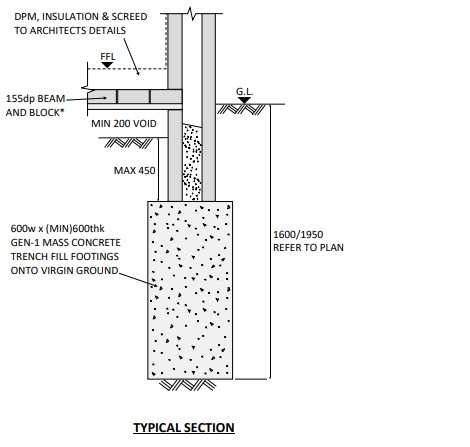
Thanks @Russell griffiths. I will ask my builder for the B&B plan so I can see if what he's built matches the drawing. I'm assuming the company that is supplying the beams will have drawn this - is that right? Should my arch tec have drawn this (he didn't)? This would make more sense to me, because the arch tec knows what's going on up above the B&B. Should there have been a section drawing for the piers, similar to my SE's "Typical Section" drawing, above? Does anybody have a drawing they could show me, please? Does anybody have a photo of this type of internal structural wall that comes through the B&B floor? My understanding now is: these piers should be built up as a wall, built from 100mm wide & 215mm high concrete blocks. The wall should start on the poured concrete in my trenches & come straight up through the B&B slab, so what my builder has built must be incorrect, because what he's built just looks like B&B floor over the top of the foundation slab piers; the advice I was given above, regarding building up from the foundation so the B&B floor is supported in the zone where the wall supporting the RSJ is, is incorrect.
-
I don't think I'm now saying anything that contradicts anything I have posted since I joined the forum. I have some drawings. The builder has all the drawings I've posted & more. I understood the drawings to be full & sufficiently detailed for all the work the builder has been asked to do (build up to B&B level). I'm a complete novice so inevitably I've got some things wrong. Every time somebody tells me I'm doing something wrong, & tells me what to do instead, I am grateful. I've got drawings for the rest of the work (ie full house build), but these are not yet finalised & much work will be required on the detail before they can be considered full & complete.
-
I’ve paid for a full plans approval, but because we anticipated difficult ground conditions later in the year, I agreed with BC, we were going to do the digging & get up to the B&B level before winter came, then complete the drawings & get these approved before any more work is done. This plan has not worked well, & I hope others will benefit from my explanation of how badly things are working out for me. I have already had one "serious chat" with him, & from a week ago he has been receiving emails from me, gently reminding him of his shortcomings, & suggesting a better way of working together.
-
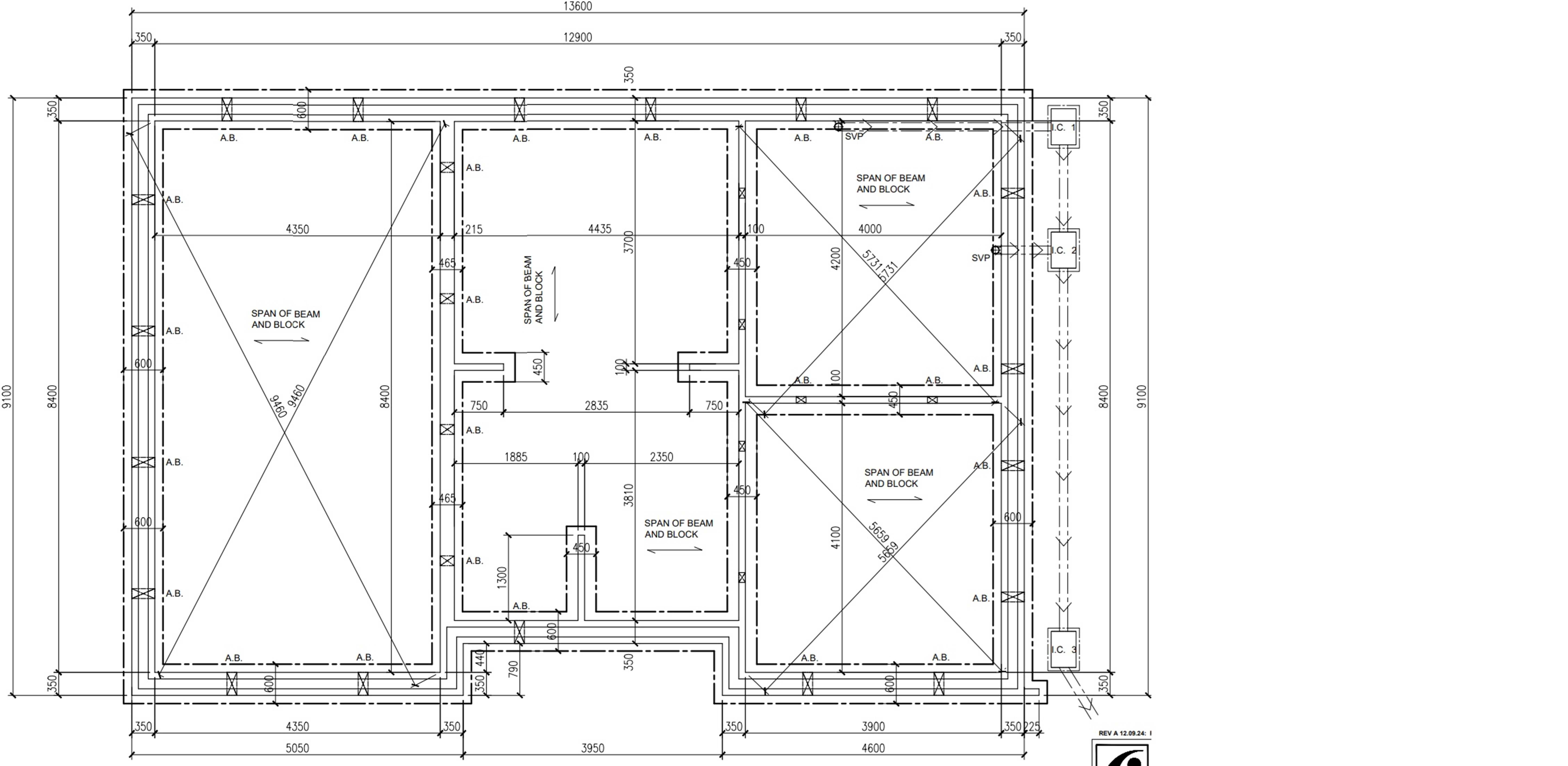
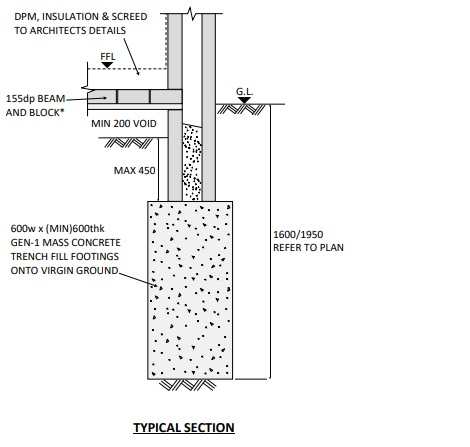
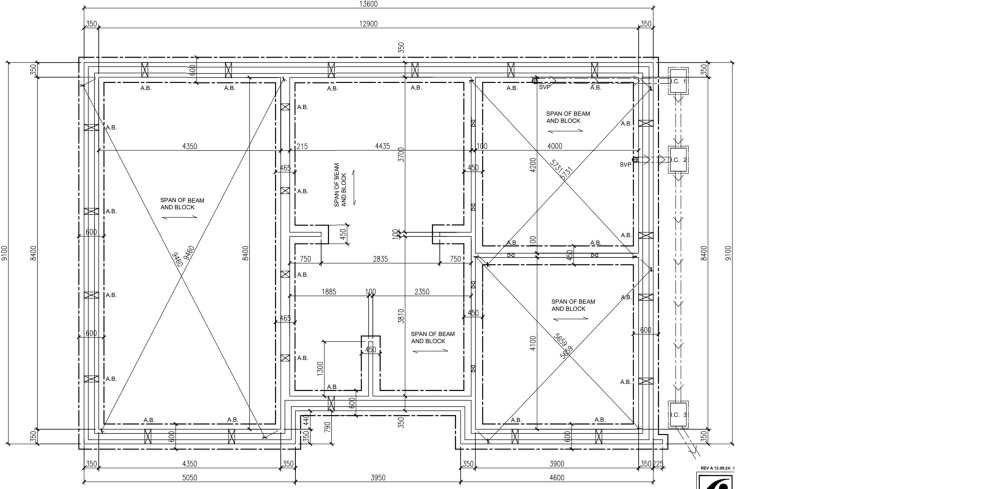
Your criticism of my way of going about this is fair. I didn’t intend to be helping the builder make it up as we went along. My understanding was, there is a well established best method for dealing with piers such as these, & the builder would know exactly what to do. The builder had not told me, "There is detail missing from the drawings.", & he assured me, he knew exactly what to do with regard to all aspects of the work I’d commissioned, even telling me this is small fry for him & he usually deals with much bigger, more complex projects. The drawings he has are the SE’s drawing at the top of this thread & the drawing below, which was on the side of the SE’s drawing, ie the same sheet – this shows the beams at an outer wall, so it doesn’t help with the piers, & in any case, as I reported in my trench blocks thread, the builder didn’t build to match the drawings; he decided on a different solution, without even explaining this to me until I pointed out that what I could see he had built, did not match the drawings. The builder also has two versions of the 2nd drawing below. He has two versions, because after I gave him this drawing, & after he’d passed it onto the beam company so they could quote the beams, I noticed there were errors on the drawing (the beam co. had provided a quote, having not noticed the dim.s didn’t add up properly). The arch tec didn’t want to correct his drawing (let’s not get side tracked by that story, but I will just say, he's even worse at his job than the builder), so I made corrections to his drawing myself, showing less detail (I took off elements the beam company wouldn’t need, to make things clearer for them) & correct dimensions (dims were one of the things the arch tech had got wrong). I should just point out, all the beams run left right across the house - just ignore the part of the drawing where the arch tec has got them going up & down (I had to tell him to correct this on 3 versions of this drawing before he got it right). To answer your question re B&B design: yes, I suppose the beam company would have produced a design for the builder to work from, but I haven’t seen this drawing; it was only when I read your post that it occurred to me this is the way this ought to work – I’d been thinking a load of beams would be delivered – so many of each length, & it would be obvious where they’d go from the SE drawing.
-
Thanks for the suggestion, @dpmiller. I’m definitely not the right person to answer this question – I suppose I can see what you suggest would make sense, if the correct way to build my pier walls, for the ends of the FFL RSJ to sit on, is to build up under the beam (& probably the blocks to either side?) so we end up with a seamless B&B floor, & the builder marks the beam & we measure from the inner wall so we know which beam to build the pier wall off. Another way of doing it might be to build up the piers directly off the poured concrete in the trench, so I have a 100mm wide pier wall made from concrete blocks in their usual upright orientation (215mm high) & this wall would penetrate the B&B floor – then, presumably, there would need to be a beam either side of the pier wall. I’m not sure if this is what you are suggesting, @sas I welcome opinions (or better still, facts), on these two options or a better way of building, please. I will see what I can learn from any more responses that may come in this evening/tomorrow then I will ask my SE about this. Of all the people I’ve got working on the project, he’s the only one in whom I have 100% confidence.
-
The picture with the drains isn't my site, sadly - it's a picture @nod put up to show me what my B&B should look like. Thanks, Nod.
-
Thanks, @ProDave. Is it best to use bricks or cuts from 7N blocks with max. 10mm mortar above & below to create this "build up"? Then, presumably, we can continue the wall upwards with 7N dense blocks sitting on top of the section of the B&B that's supported underneath by the piers - so this wall will cut through the insulated floor. Should a special brick/block be used for the first course that sits on top of the B&B? This first course of internal wall is going to have the floor insulation either side. I'm thinking if we just go up with regular blocks, there will be a cold bridge.
-
Thanks for your input, everyone. Yes, I am already very concerned that he's taking advantage of my lack of knowledge & is cutting corners, & it's helpful to hear my view on this is supported by those of you on the forum who do have the knowledge. This builder has been employed to deal with demolition, groundworks including drains & connection to main sewer, building up the BB floor & also laying the courses of bricks that will take us up to where the render will start. I think we're 80% or more of the way there now, & I'm hoping we can keep an eye on him & complete this first phase of the project within the next two weeks. Although my partner has been expressing a "better the devil you know" view on who might be chosen to deal with the next phase of the build, I don't think we should consider continuing with this builder. I'm aiming to be well inside the airtightness value at which MVHR makes sense, & I think it would take too much of my time & energy to badger this guy into dealing with all the details to achieve that goal.
-

Beams on inner leaf of trench blocks instead of inner leaf of cavity
Tony L replied to Tony L's topic in Foundations
Thanks, @nod. I can see that's a better way of doing it, but as this wasn't specified in the brief he quoted on, I'm not going to be able to tell him to take the blocks out, lift the beam ends & use wider DPC, unless I want to pay for it, or do it myself - which I'd probably enjoy doing, if I didn't have a business to run. He told me, he'd told the BCO this is what he was going to do, & the BCO was OK with it. -
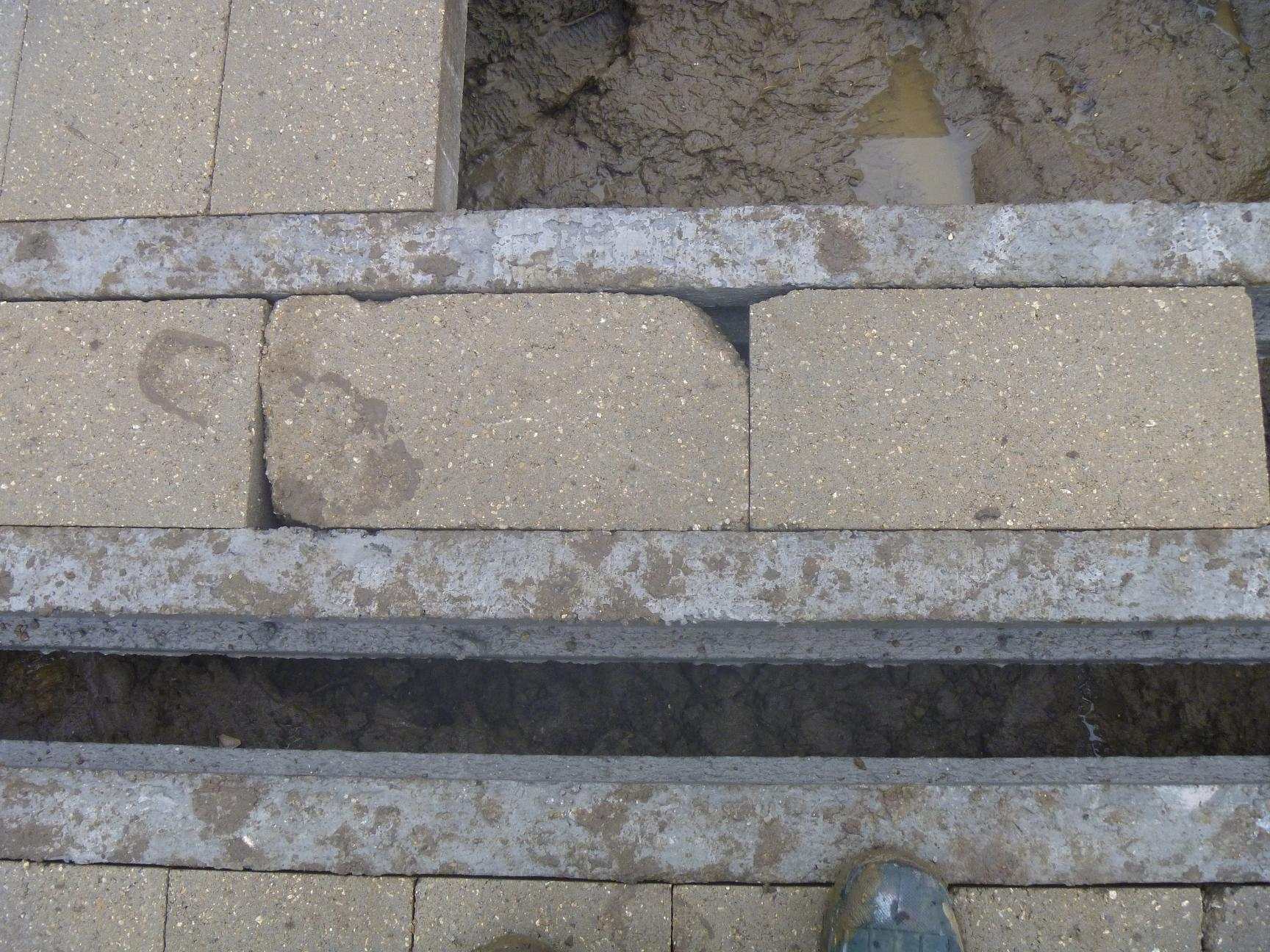
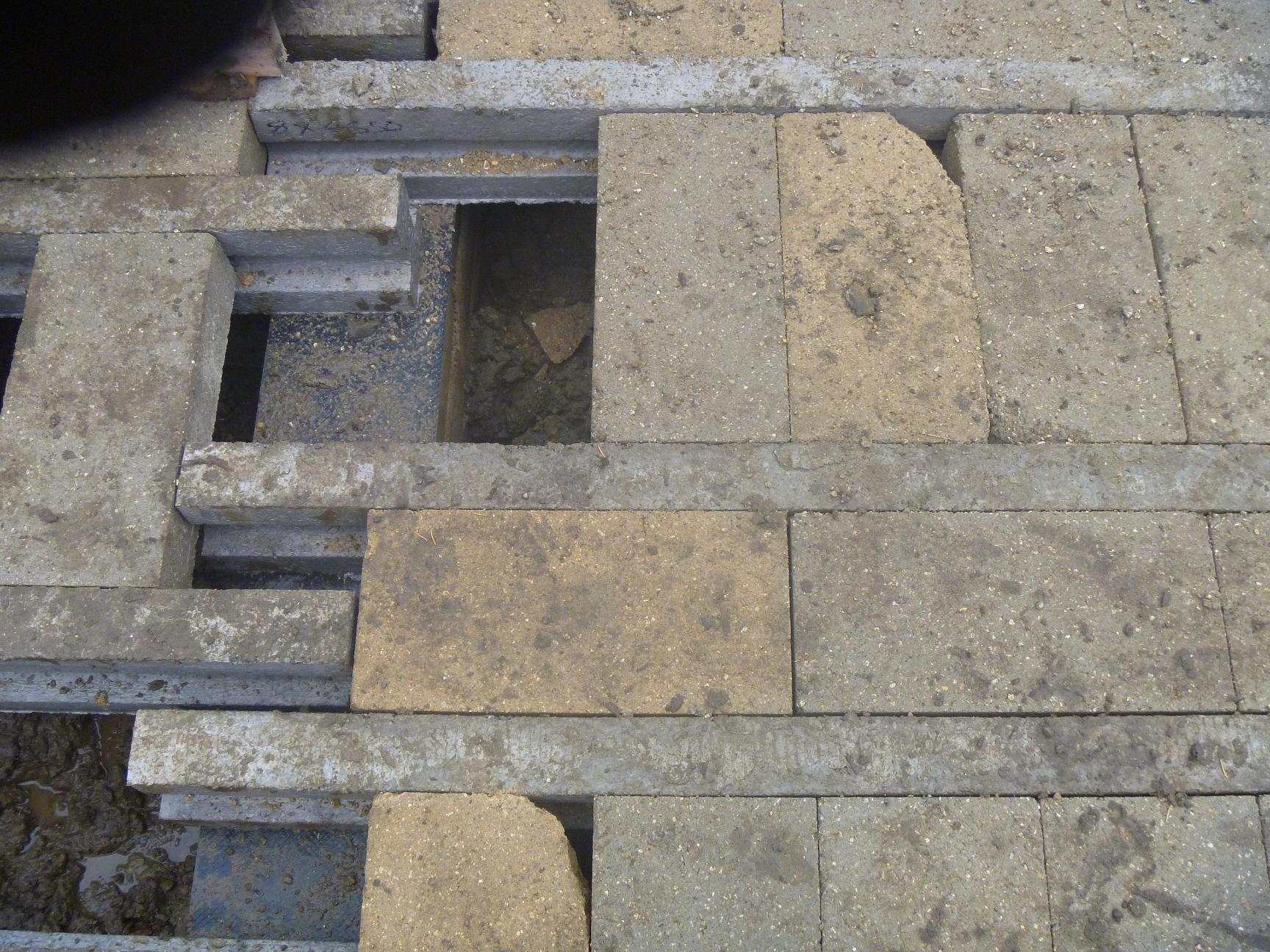
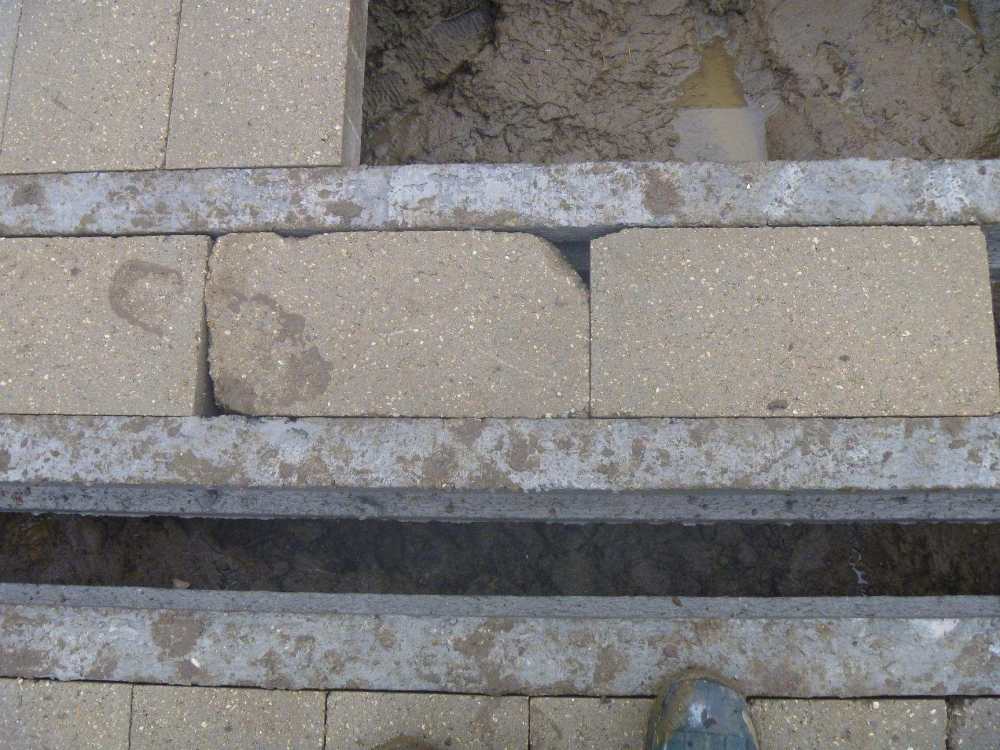
How will the gap between the beams in the picture below be dealt with? Will the builder cut concrete blocks in half lengthways? I have a feeling I’m over thinking this, but I work on the principal that even if you’re 99% sure, if you’ve time to ask someone who knows, you should ask. & sorry for all the questions. I will, of course, be asking the builder, but based on his performance over the past month, I think it’s as well to try to learn as much as I can here, because I don’t trust him to always offer me the best possible solution, or even do what he told me he was going to do the day before.
-
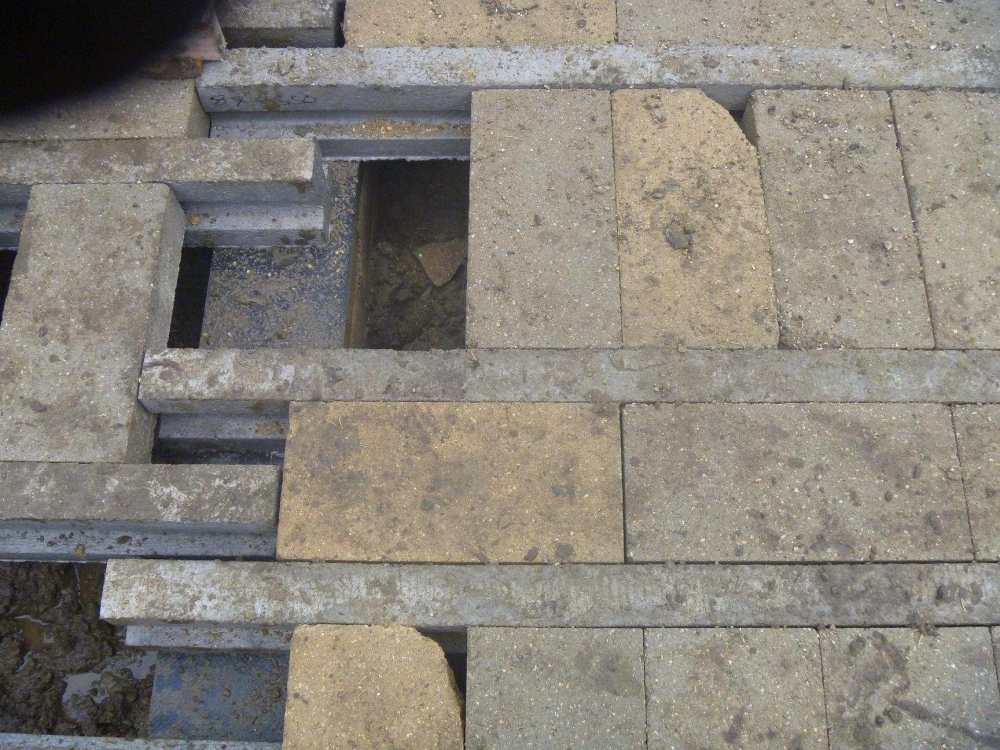
I’d just like to check that it’s normal to fit blocks with bits missing from the edges into B&B floor. Will the builder just stick some mortar into these? If so, will it matter if the mortar slops down to form a bridge to the wet ground, about 250mm below the beams? Once the B&B floor is done, it will likely be many months before we start building the walls. Should I tell the builder to just leave the holes, in case his weak mix (relative to concrete blocks) deteriorates through the winter, & we can fill the holes when we’re ready to build up the floor? How will the small rectangular holes by the sleeper wall be filled?
-
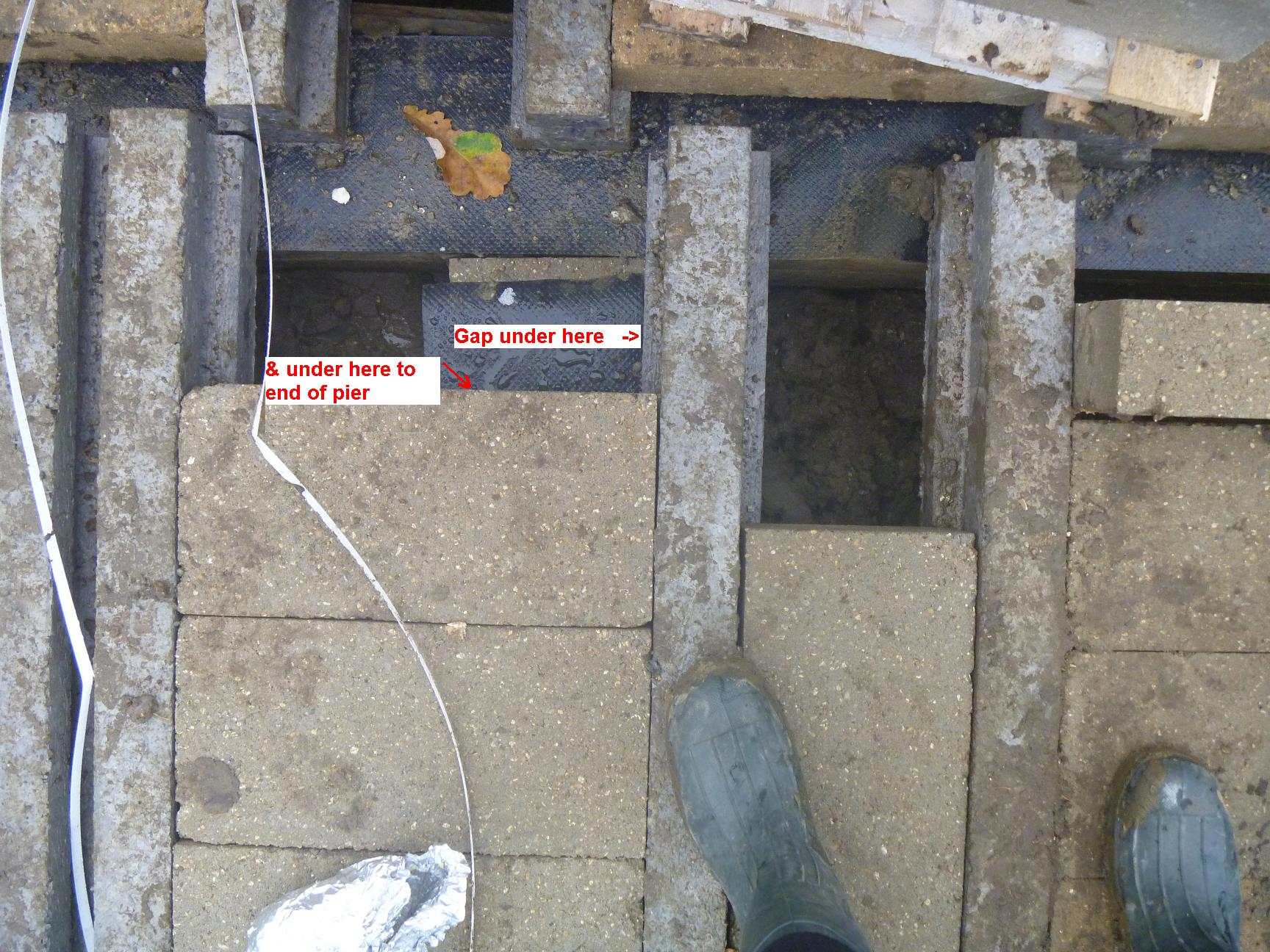
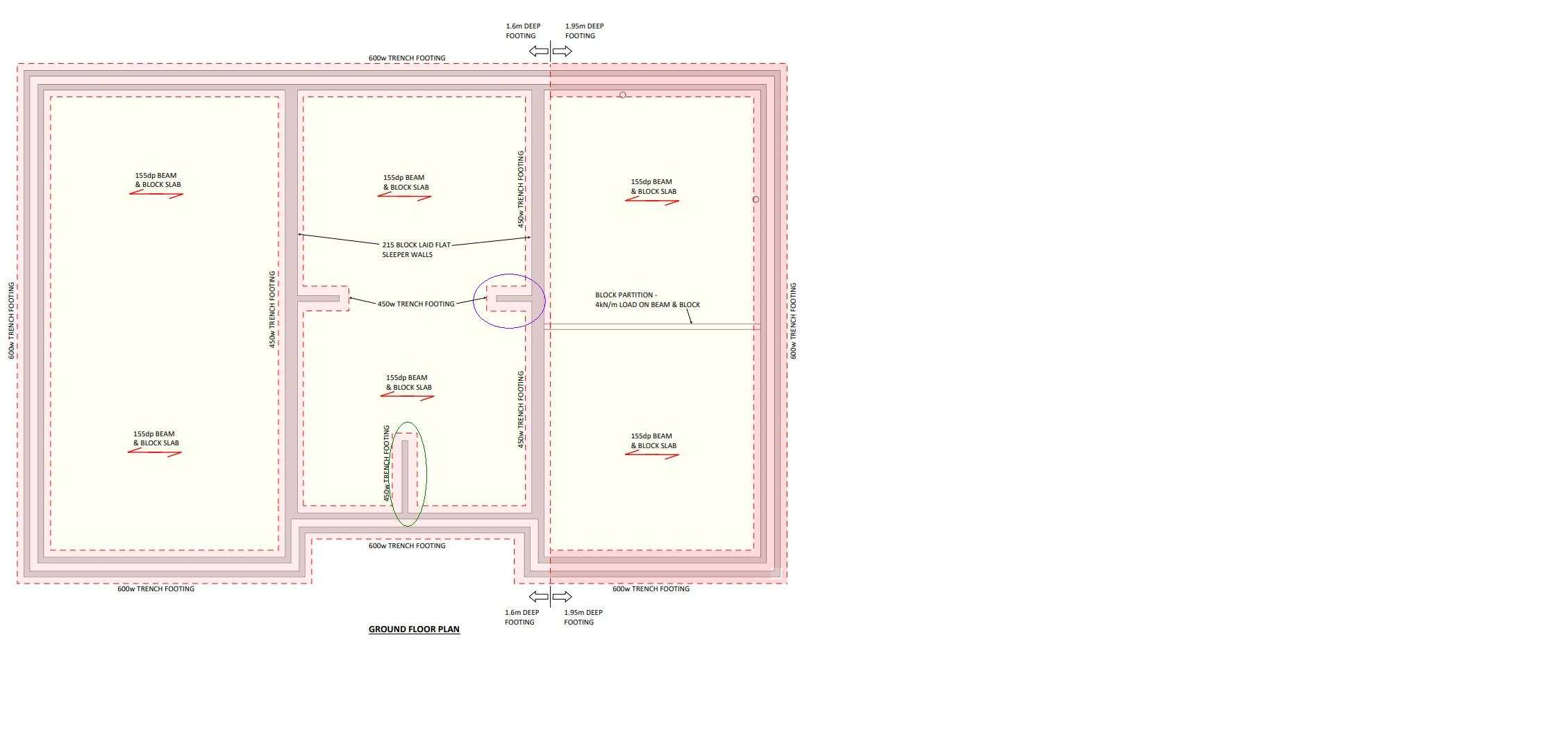
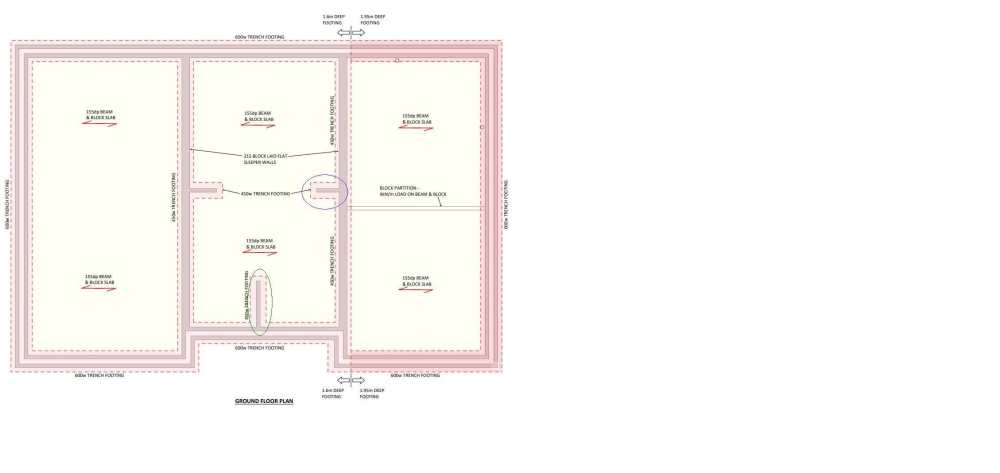
I can’t see what’s going on on the other pier because all I see is B&B covering it. I’m surprised to see it being built like this. Perhaps the builder will remove the blocks & build up under them, so the blocks are supported, on top of the foundation. If that’s his plan, what do I do about mitigating cold bridge? Do I stick some Marmox blocks in somewhere? Where? I don’t know much about these. I need to learn. The sleeper wall within the green ellipse at the bottom of the picture is intended to support a wall that will come up about 1m above FFL & support one side of a landing just under half way up the stairs. So this wall will be supporting the staggered ends of short beams. Presumably, I can build my 1m high by 100mm wide wall, to support one side of the 180 degree turn landing, from concrete blocks, directly on top of the beams. Do I need to worry about cold bridge here? The beams are resting on aerated trench blocks, so not as bad for cold bridging as would be the case if they were resting on regular 100mm concrete blocks.
-
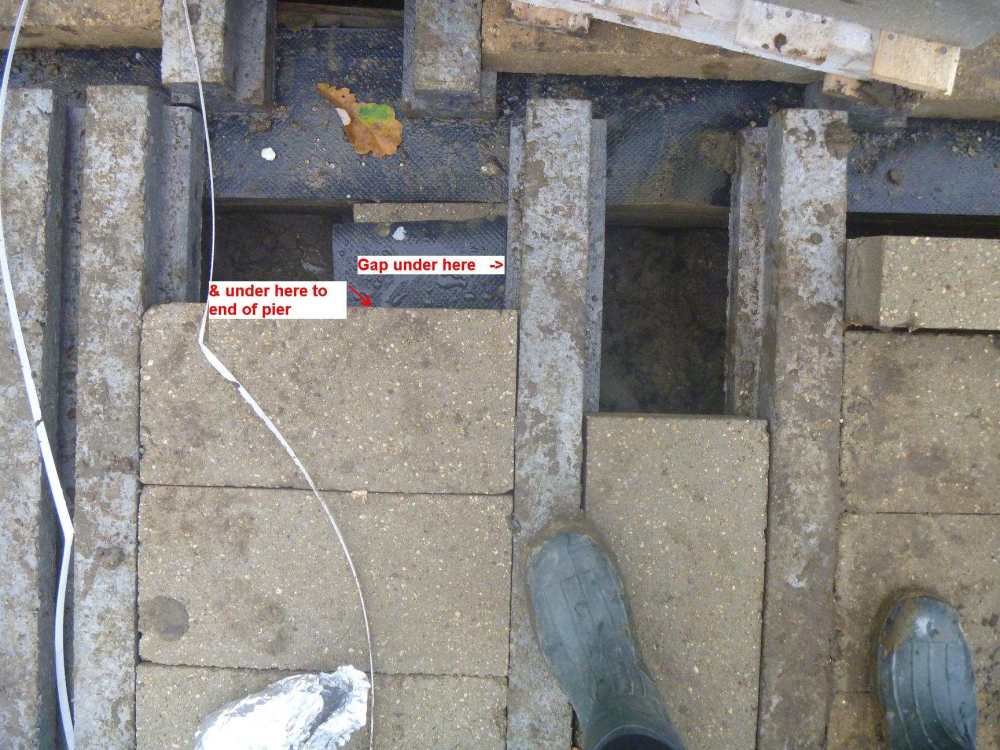
My B&B floor is more than half complete. Over the weekend I made a site inspection & I can see that the B&B floor has just been put over the top of these two foundation piers. In the picture below, there’s a gap of several cm between the beam, which is off the right edge of the sleeper wall underneath, & the sleeper wall below.
-
My foundation plan looks like this: The two piers that are right in the middle (I’ve drawn a purple ellipse over one of them) are there so the entrance hall (in the middle at the bottom of the picture) will be open plan onto the kitchen, which is in the middle at the top of the picture. I envisaged 100mm wide concrete block piers being built up off the top of the poured concrete foundation (where the piers are) all the way up to the RSJ that will support the side of the landing that overlooks the galleried entrance hall. The top of the stairs may also be supported on this RSJ.
-
Beams on inner leaf of trench blocks instead of inner leaf of cavity
Tony L replied to Tony L's topic in Foundations
Thanks, @nod, that's reassuring. @Russell griffiths. Thanks for the suggestion. I don't think it's a good idea to tell the builder to stop work for a couple of days & pay his team to do nothing, or if they have another job to go to, they may lose momentum on my job. I don't want him to start thinking I'm being unreasonable, even though he has disappointed me. Drainage is around the other side from where the pictures were taken. It's good to learn the bits that are missing are called "dolly blocks". I will ask him about these. @Oz07. Thanks. I guess wrapping the DPC back over the beams isn't an option for me because my air bricks are going to have to go in between the beams. I was expecting them to be lower, but I don't suppose it matters. I know some beams have exposed steel bars showing at the ends & I'd probably have sprayed bitumen on the ends if this had been the case for mine, but all I see is concrete. -
Beams on inner leaf of trench blocks instead of inner leaf of cavity
Tony L replied to Tony L's topic in Foundations
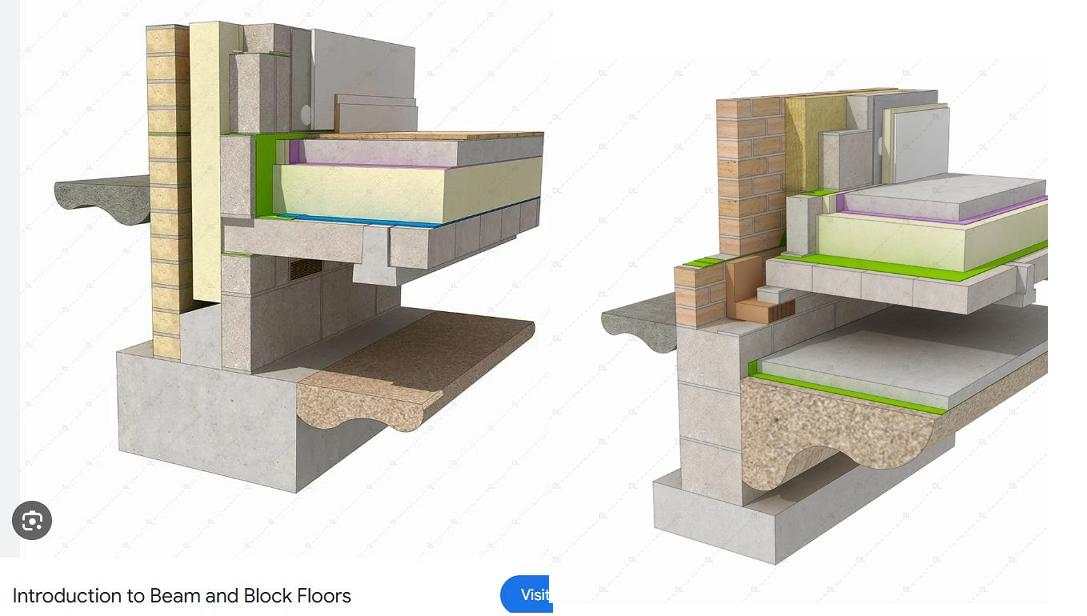
& what’s been built doesn’t match any of the diagrams I see on the internet, which mostly have a gap beneath the insulation to help any water in the cavity drop down onto a slope that directs it to the outer leaf. The drawings the builder is working from show beams sitting on DPC on the inner leaf of a cavity wall. I can see this makes sense, because any water inside the cavity wall will drop down beyond the beams. With the arrangement that’s been built, any water in the cavity could pool right next to the beam & as soon as it’s 2mm deep it will be over the top of the DPM & onto the beam. He told me he was going to put a tray in, but it seems to me this tray will not be in the best possible position. & if there’s a tray sloping to the outside wall, doesn’t that mean there will be no insulation against the B&B floor? Air bricks: All the diagrams I see have the inner vent of the periscope lower than the beams – it doesn’t look like that’s what my builder is planning to do. The outer skin of the house will be rendered blocks. The builder knows we want standard size black bricks, beneath the render, going into the ground. Presumably, he’s intending to lay 2+ courses of black bricks on top of the edge of the trench blocks then build up the ground so we can’t see where the black bricks meet the blocks beneath ground level. I think there will be damp coming through from the ground & into the trench blocks the beams are sitting on. Does this matter? This (below) is much closer to what I was expecting: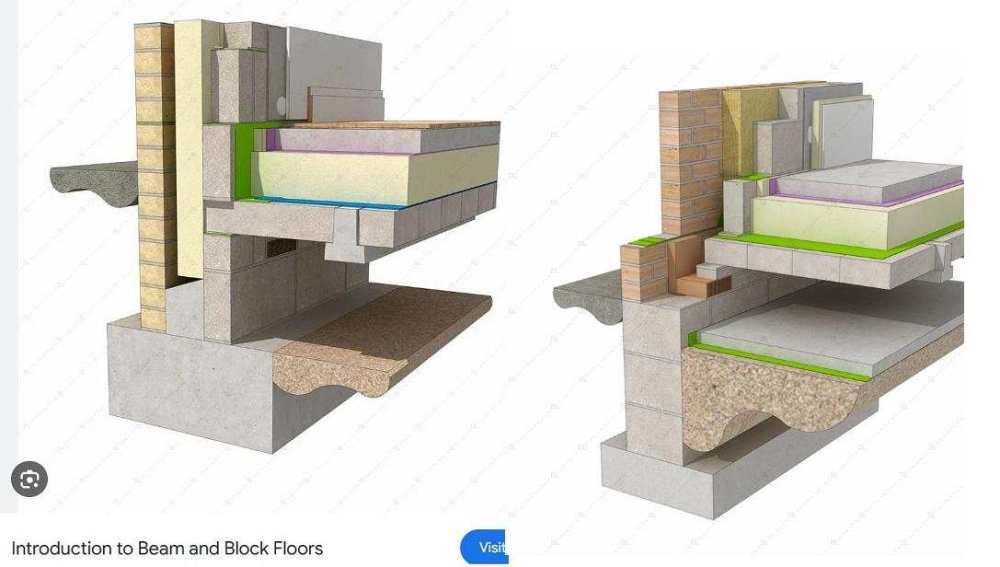
-
Beams on inner leaf of trench blocks instead of inner leaf of cavity
Tony L replied to Tony L's topic in Foundations
What's built doesn't match the drawings the builder is working from (which I did understand). See below