Tony L
-
Posts
397 -
Joined
-
Last visited
Everything posted by Tony L
-
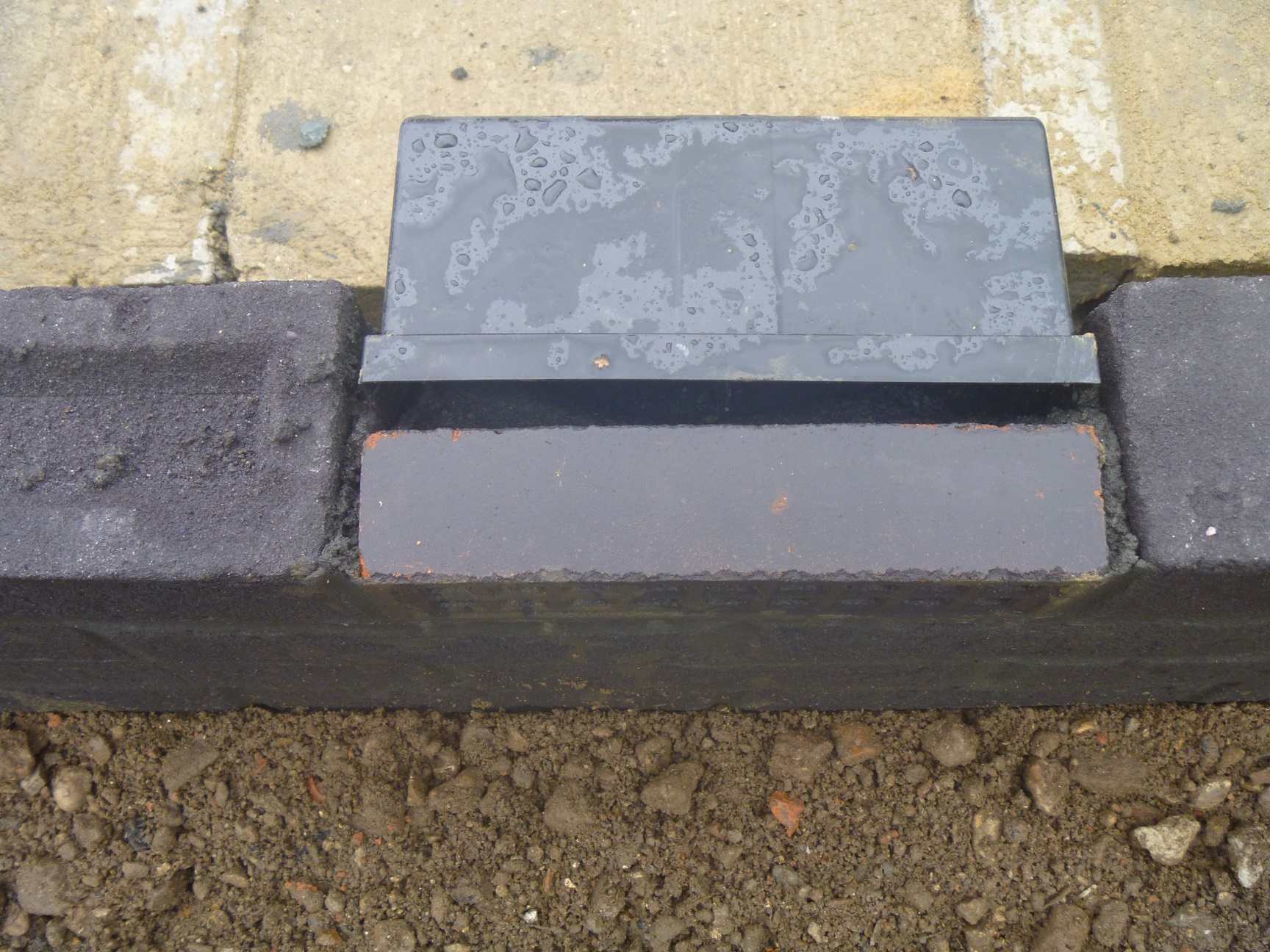
 My builder tells me he's finished (up to DPC). All my ABs look like this. Is this OK? I envisaged the flange on the periscope would fit around the brick & there'd be mortar in the perps to hold everything in place. The periscope can't be pushed any further towards the air brick because there's mortar in the way.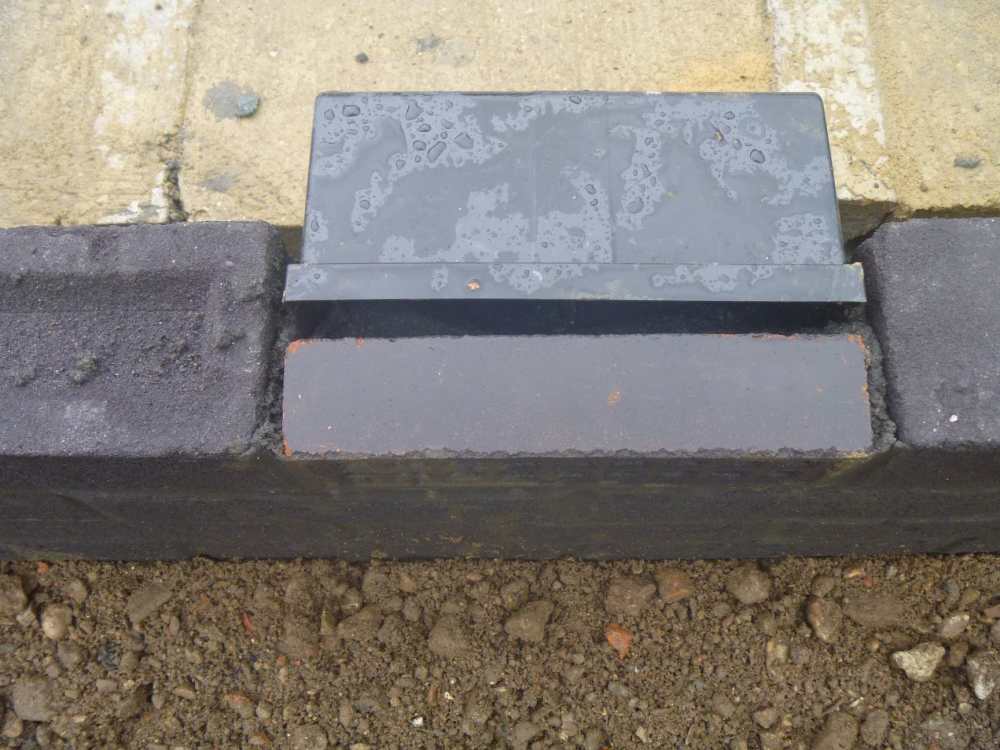
-
B&B edge & outer leaf of cavity are not parallel
Tony L replied to Tony L's topic in Bricklaying, Blockwork & Mortar
Thanks, @Canski. That's good to know. -
B&B edge & outer leaf of cavity are not parallel
Tony L replied to Tony L's topic in Bricklaying, Blockwork & Mortar
@twice round the block Thanks for thinking of this. They're FL, so yes. Here's the spec'. Crest Nero Black.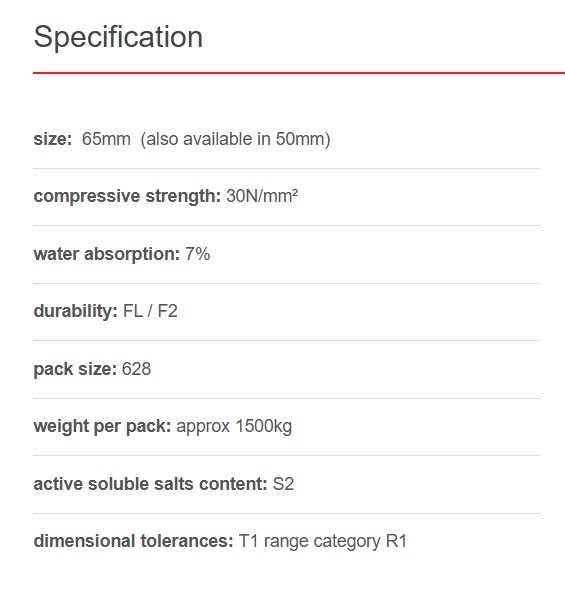
-
I don't like the look of this corbelling. Is it OK?
Tony L replied to Tony L's topic in Bricklaying, Blockwork & Mortar
4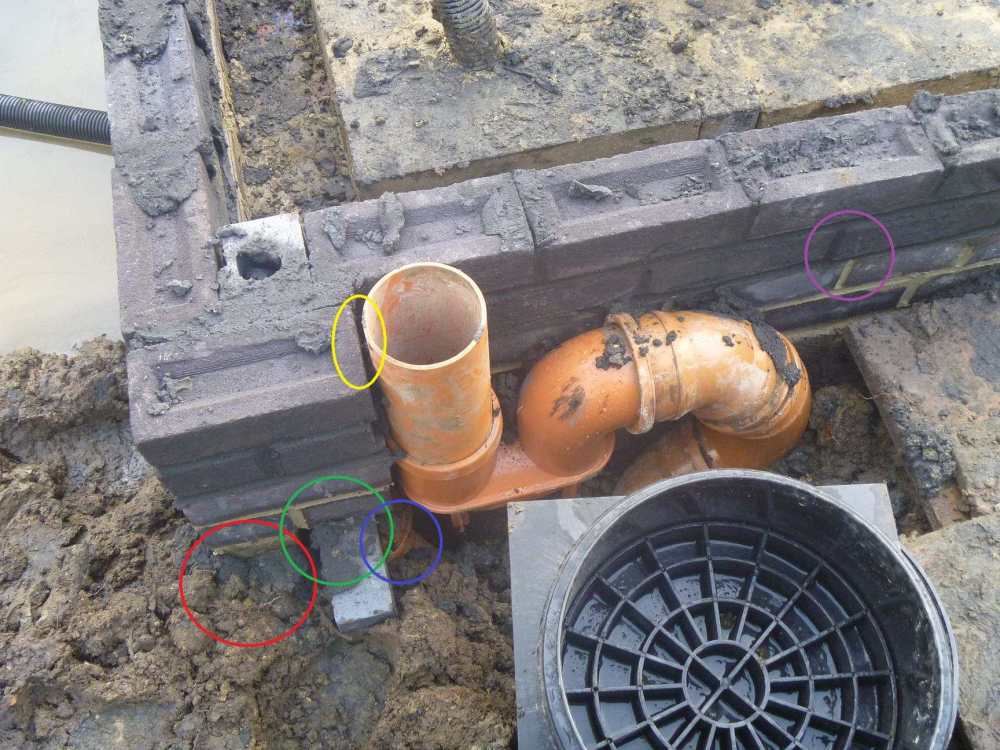
-
I don't like the look of this corbelling. Is it OK?
Tony L replied to Tony L's topic in Bricklaying, Blockwork & Mortar
3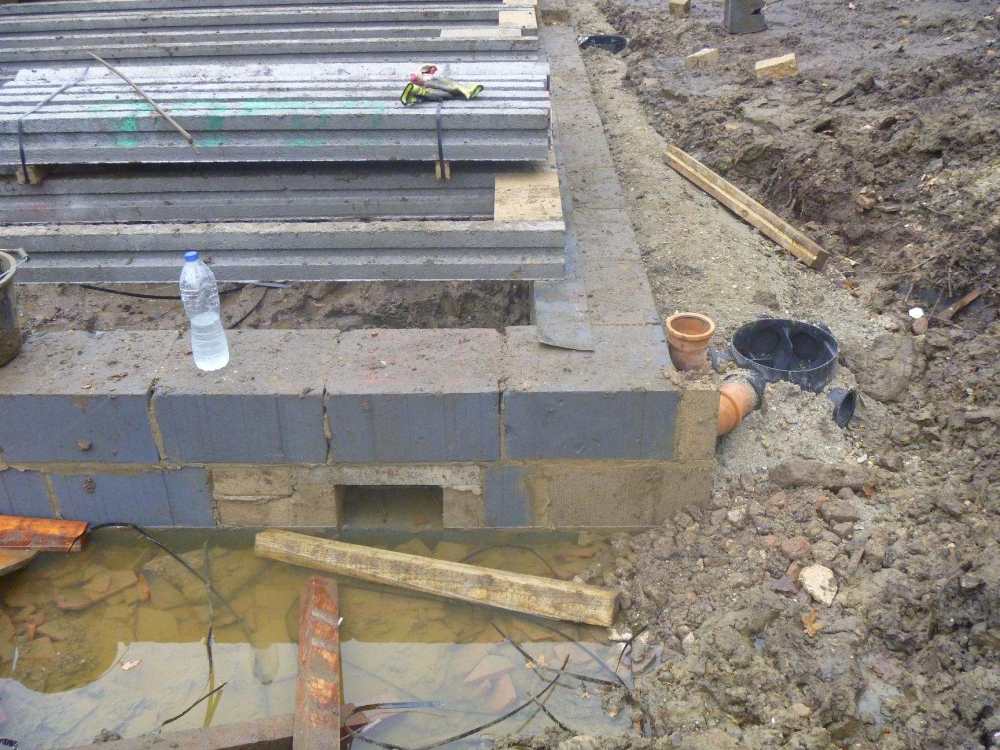
-
I don't like the look of this corbelling. Is it OK?
Tony L replied to Tony L's topic in Bricklaying, Blockwork & Mortar
2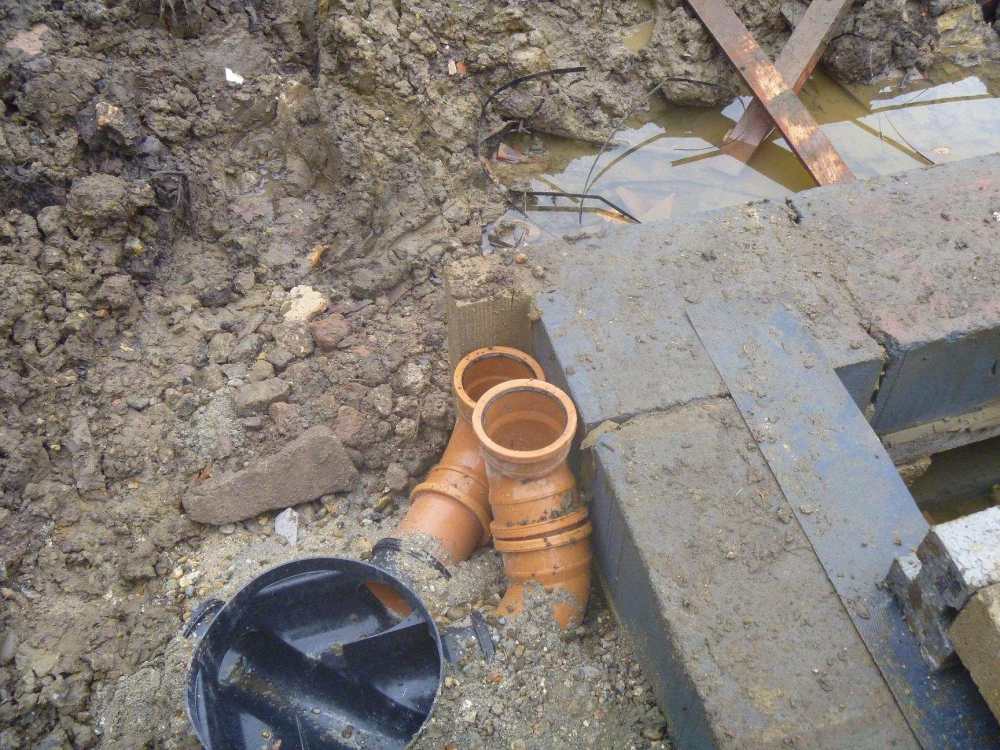
-
I don't like the look of this corbelling. Is it OK?
Tony L replied to Tony L's topic in Bricklaying, Blockwork & Mortar
1
-
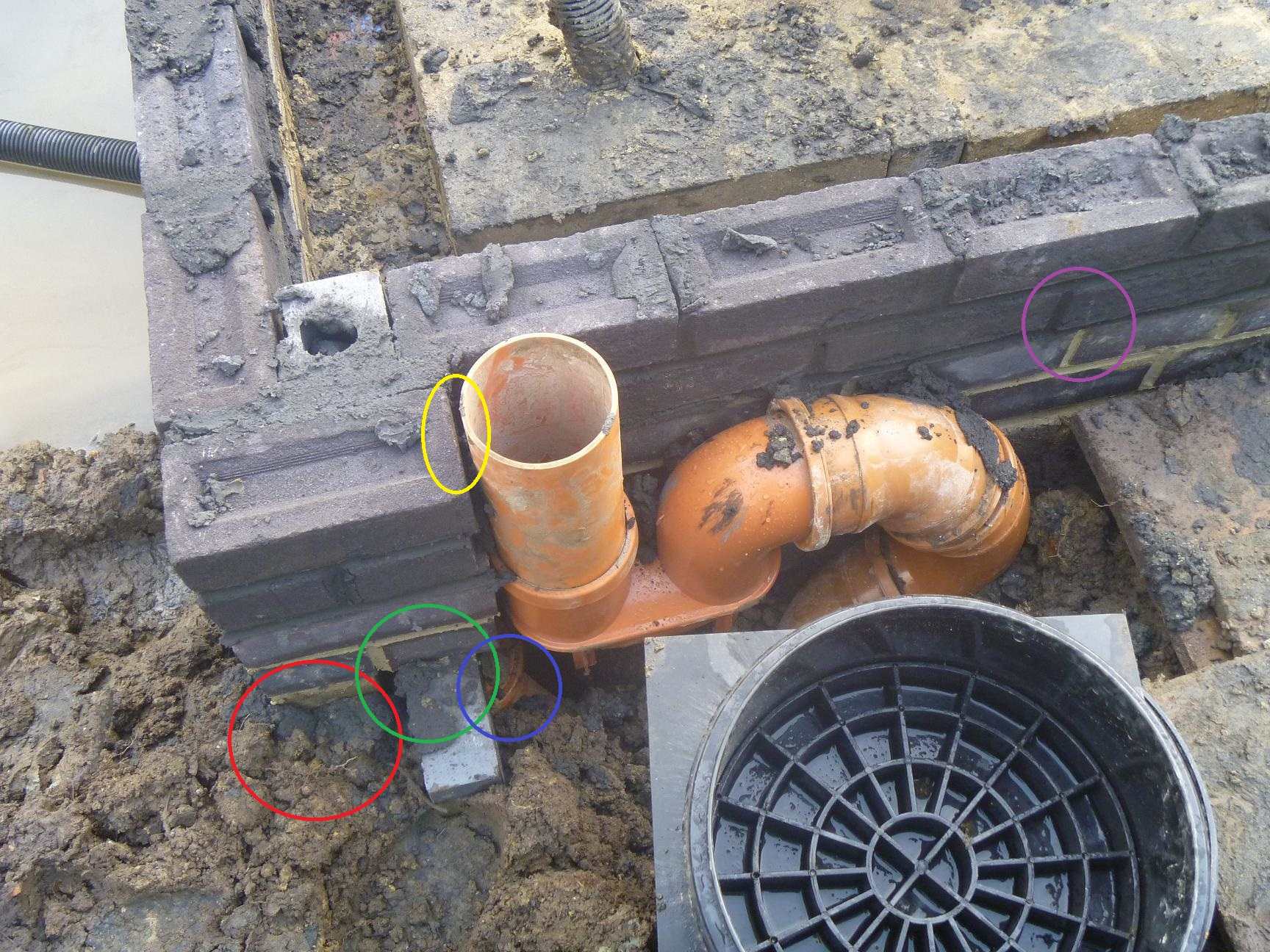
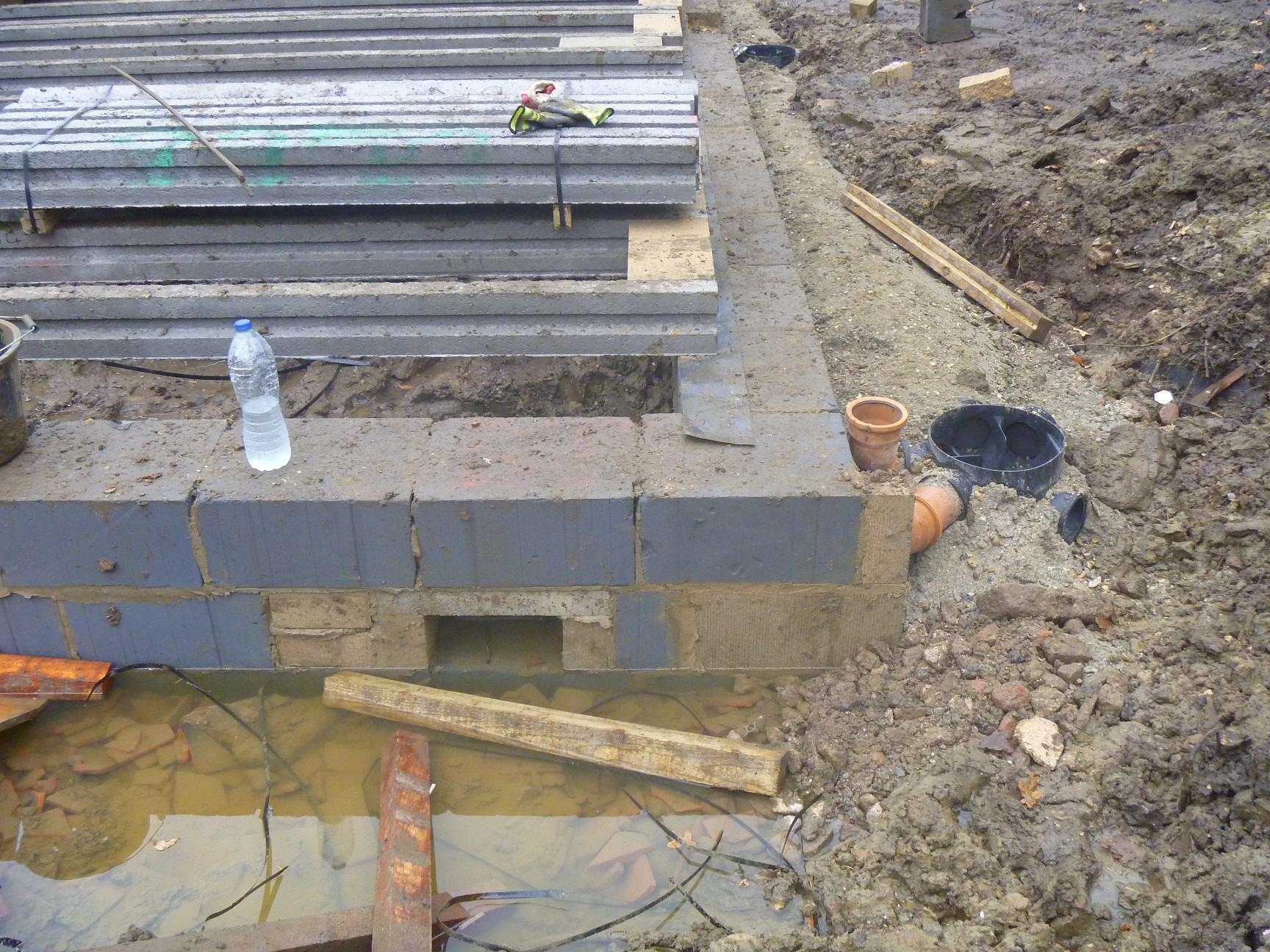
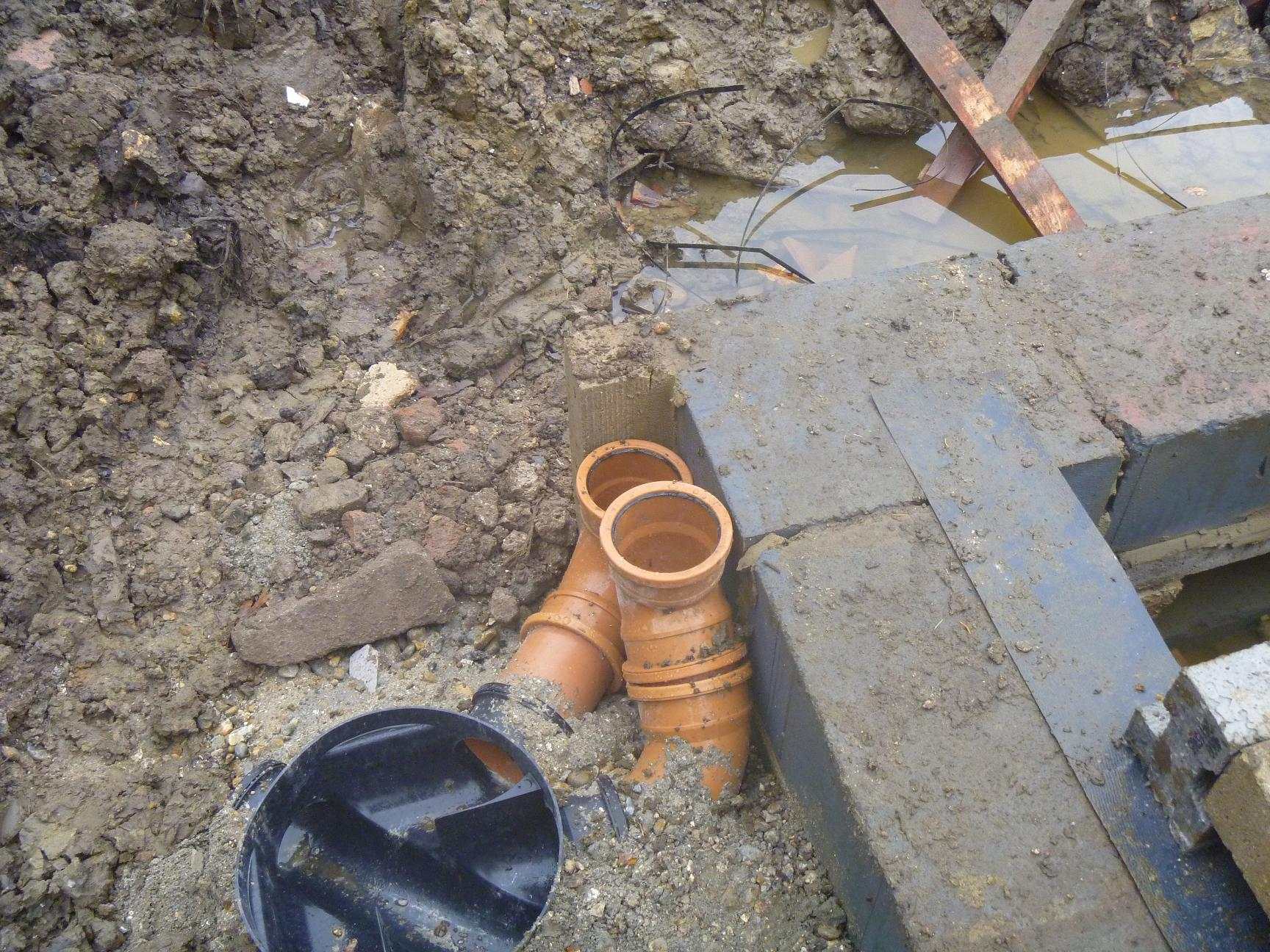
Me again – sorry. Here’s another mess, for you to think about, please. My builder explained, a week ago, the reasons why this corbel, was absolutely fine. Since then, I have uncovered defects in his work so now I’m doubting his explanation. Before I tell him, to pull it all apart & do it in the way we agreed it would be done, I’d be grateful for any comments/advice, please. The front of the house is the wall on the left side of picture 4. My idea was to have a small pier (120mm) off the front corner of the house, to hide the rain water downpipe, which is on the side of the house, when the house is viewed from the road. Drawing 1 shows an extra bit of poured foundation, circled in red, to support this pier. The extra brick was drawn narrow side on, instead of wide side on; this was corrected on the drawing the builder has, & I discussed this detail with the builder. When I first saw what he’d built off the foundation, it was just a little stub of concrete coming up – a little smaller than half a brick, where the red circle is on the picture 4. Also, he’d put 2 downpipes in to the drain, one of which was right up against the half brick sized pier. See pictures 2 & 3. I told the builder, the downpipe nearest the pier wasn’t required so he should take it out & build the pier up off the concrete, the size of a full brick, as agreed. He didn’t do this. He took the top off the redundant downpipe, which is still connected into the IC (you can see inside the blue circle in picture 4), put a lintel over it & said everything would be fine because the pier would be corbelled. This corbelled pier will stop short of the roof, because the roof will slope down to the front of the house & a hidden gutter will feed water across the front of the house, through 90 degrees over the pier then into the downpipe. The active downpipe, in pictures 2 & 3, had to be re-done because the rainwater is going into the drain & no trap had been fitted. Is the corbelling OK, or do I tell the builder to pull it all apart, take the redundant downpipe off, & build up properly off the foundation, as he first agreed to do? Everything you see here (with the possible exception of the top course of bricks) will be under ground. There will be a path up against the walls of the house. How is the trap supposed to be supported, underneath & to the sides? It was just hanging in space when the picture was taken. If we have a storm like they had in Valencia recently, I should think nothing short of a deep concrete bed under the trap will suffice. I was expecting a bottle gulley, which would have been easier to support, but I suppose this type is better, because it will allow more flow.
-
B&B edge & outer leaf of cavity are not parallel
Tony L replied to Tony L's topic in Bricklaying, Blockwork & Mortar
@Canski, that's very reassuring, thank you. I'm printing your last post out to make sure it doesn't get forgotten. Am I right in thinking these cavity trays wouldn't have been required if there had been a cavity (instead of 350mm wide trench blocks) going down below the beams? If so, I want to think about the additional cost for these cavity trays. The builder was supposed to be following drawings that show the beams on 100mm wide blocks, with a cavity below. -
Ah right. Sorry - I'm just looking forward so much to never seeing this builder again, that's why I misinterpreted your comment.
-
B&B edge & outer leaf of cavity are not parallel
Tony L replied to Tony L's topic in Bricklaying, Blockwork & Mortar
4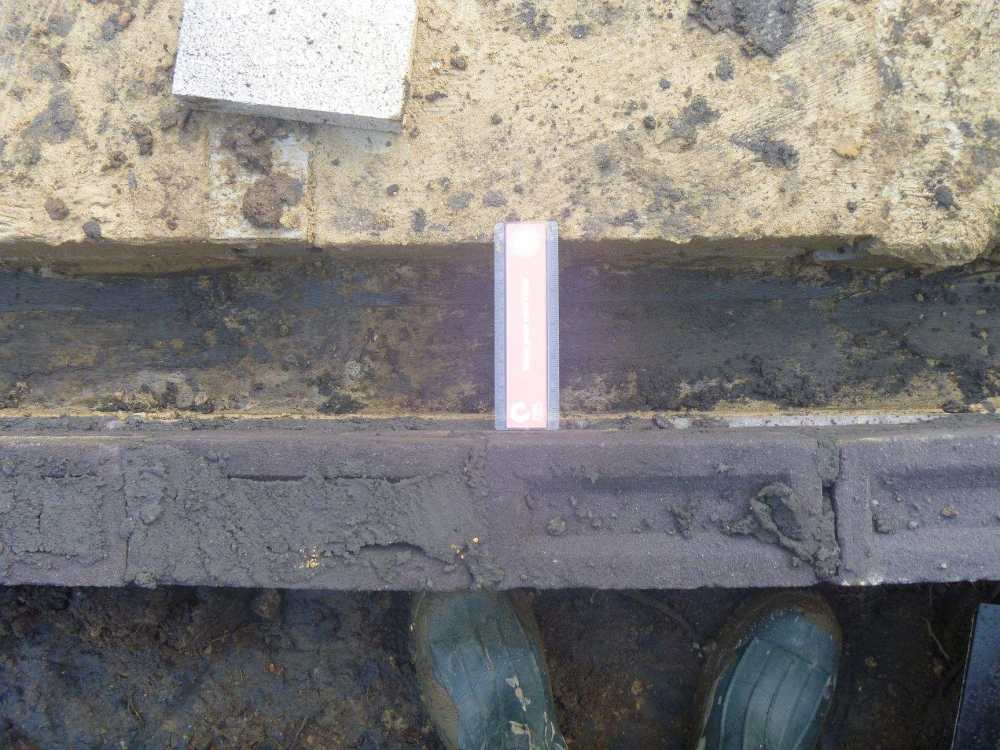
-
B&B edge & outer leaf of cavity are not parallel
Tony L replied to Tony L's topic in Bricklaying, Blockwork & Mortar
3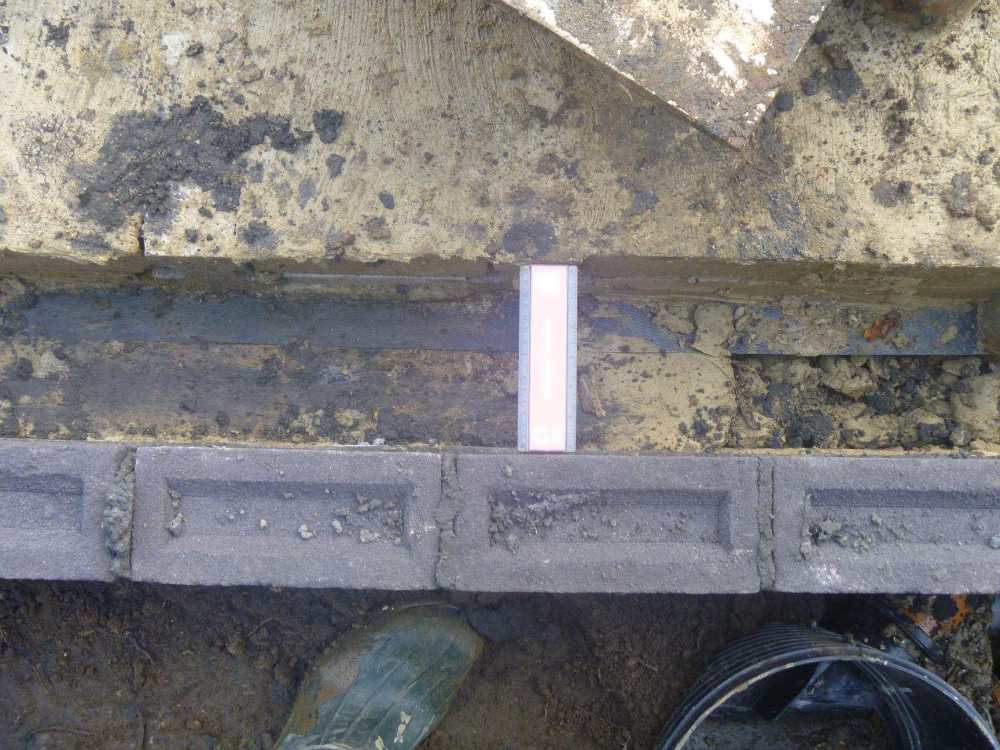
-
B&B edge & outer leaf of cavity are not parallel
Tony L replied to Tony L's topic in Bricklaying, Blockwork & Mortar
2 - sorry, the forum software has rotated my portrait picture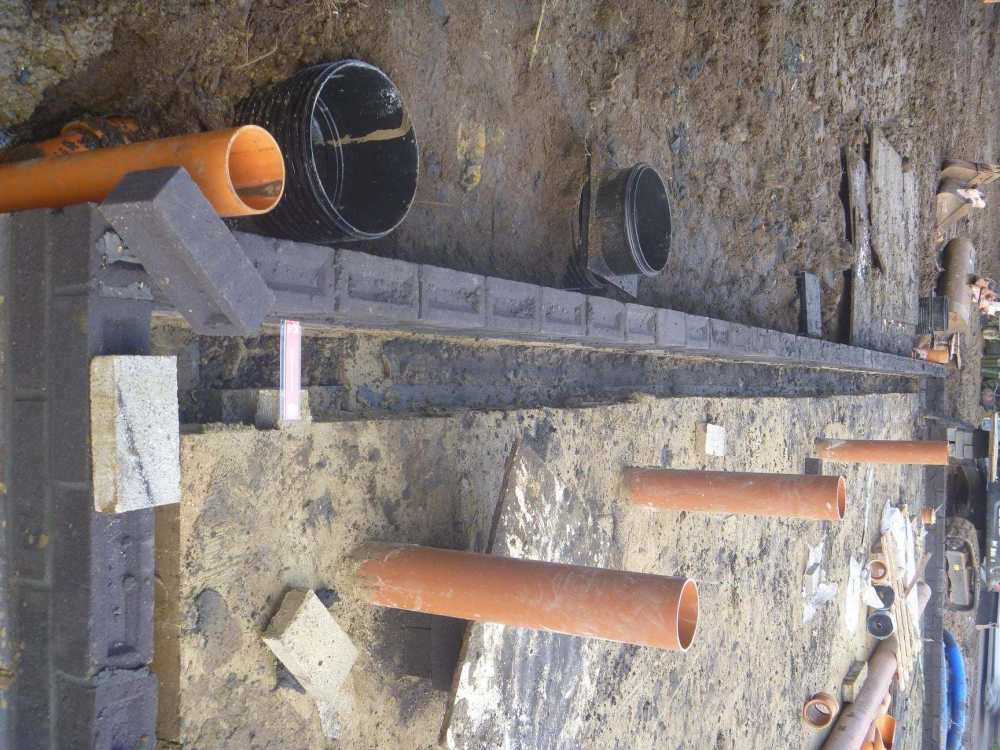
-
B&B edge & outer leaf of cavity are not parallel
Tony L replied to Tony L's topic in Bricklaying, Blockwork & Mortar
1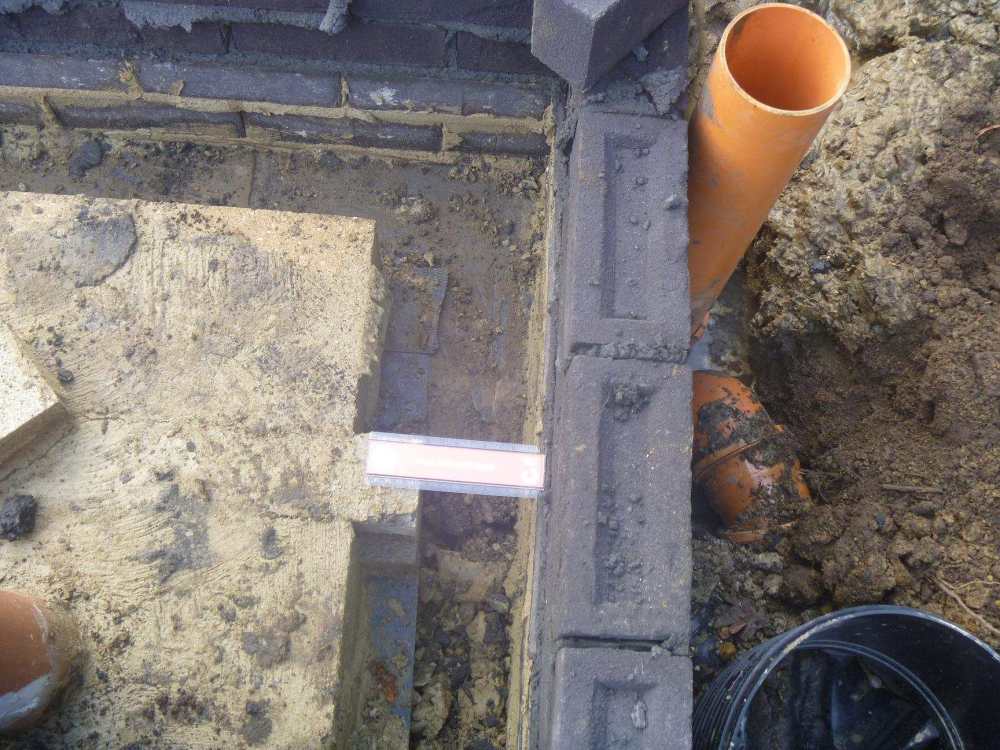
-
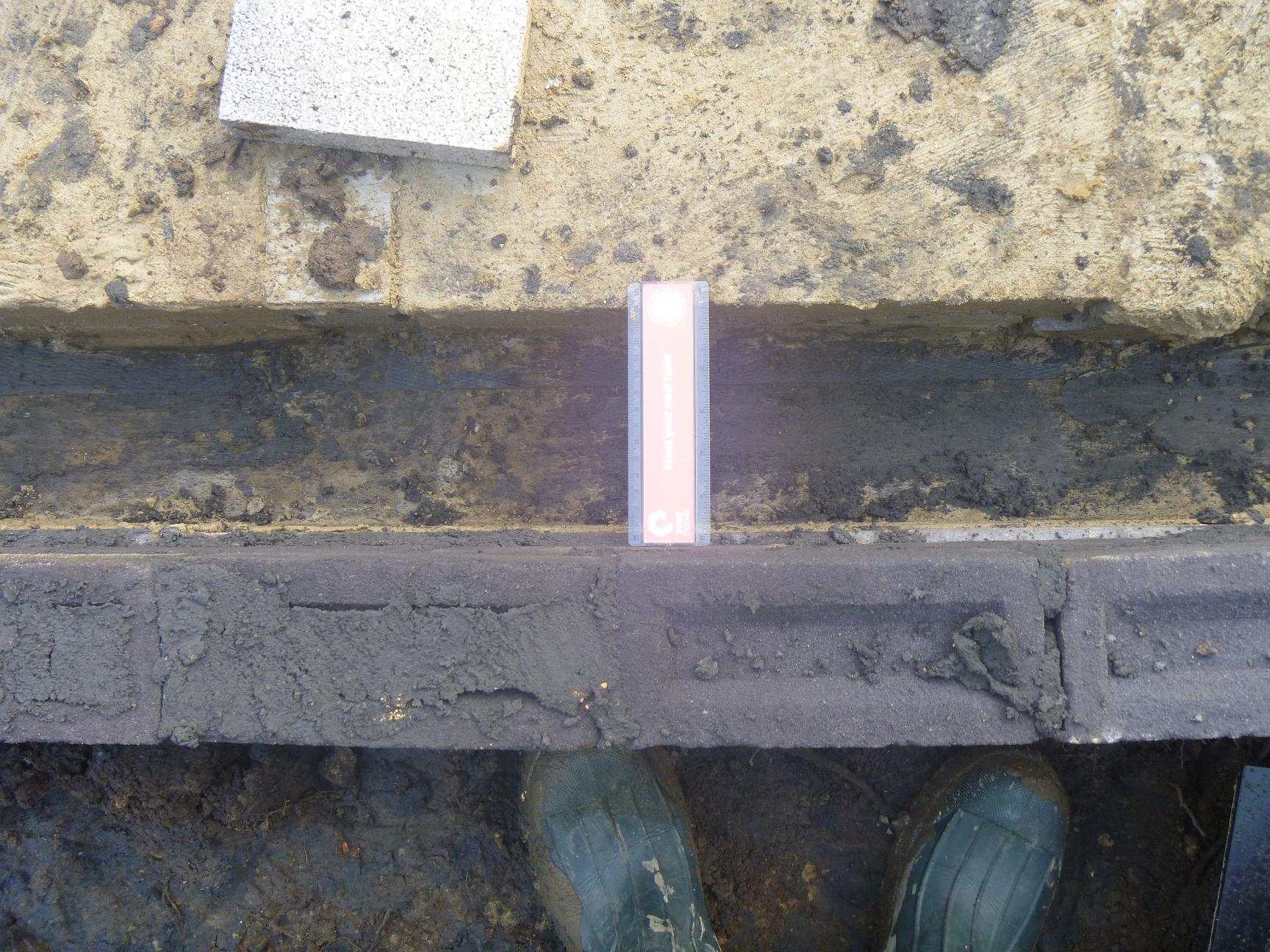
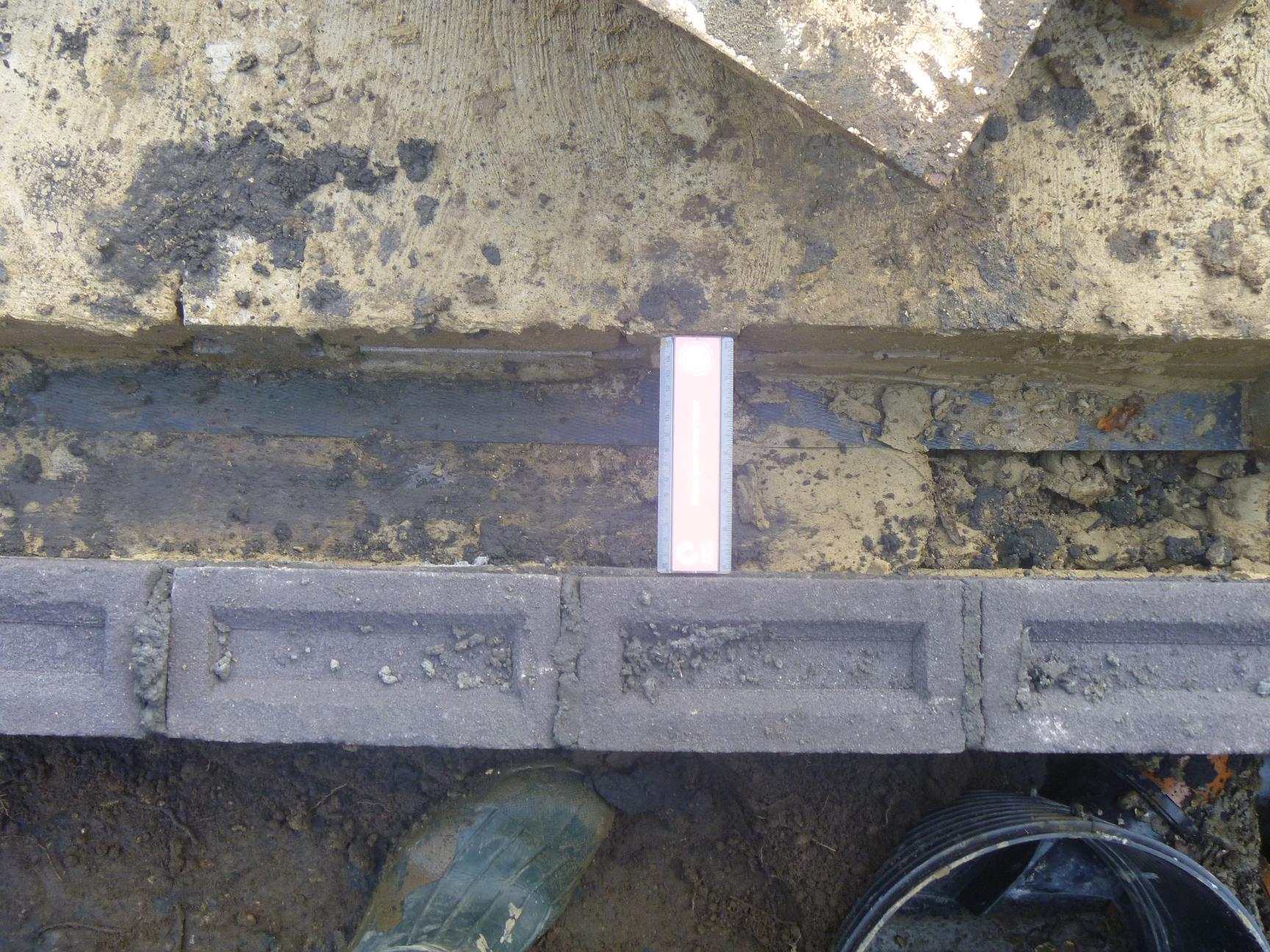
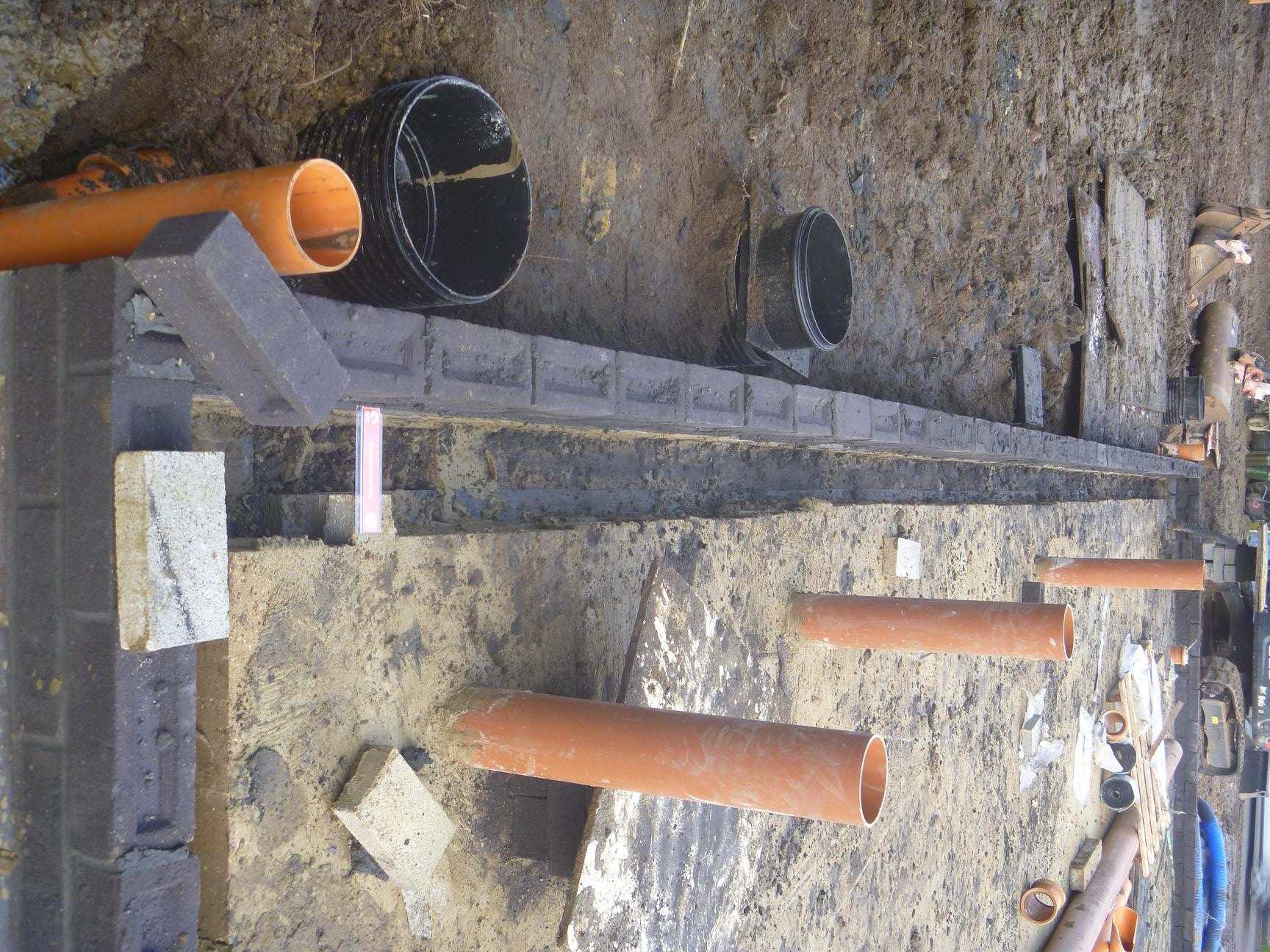
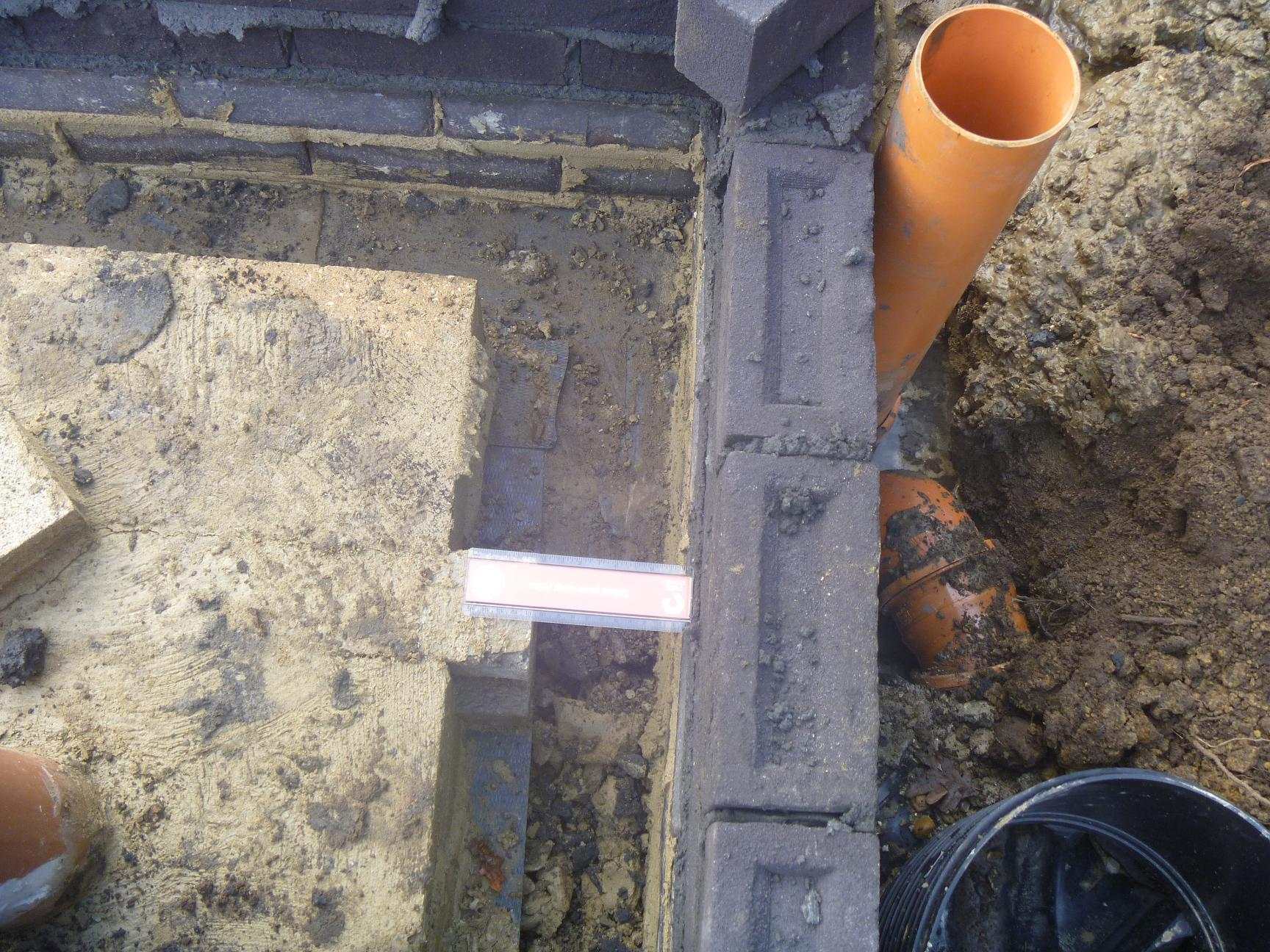
Thanks to @Canski for studying a picture in one of my other threads & bringing my attention to this possible defect. It doesn't look as bad as we feared from the picture on the other thread, but it would be good to receive some comments & advice, please. The builder has started building up the outer leaf of the cavity wall. This comprises 2 courses of staff blues onto trench blocks, then I've got 2 courses of expensive black bricks (most of which shouldn't even be there, because he was supposed to save those for above ground level - but let's ignore that issue for now). The outer leaf looks straight, although this far from high quality brick work. I've taken some pictures showing the variance in the gap from the inside of the inner leaf to the edge of the B&B floor, down one side of the house. There's a 6"/150mm ruler in each picture. The ruler measures 159mm, including the clear plastic ends that are of the ends of the measuring part. Picture 1 shows a gap of at least 170mm across the cavity. The ruler's left edge is resting on a protruding beam. I don't know why the beam wasn't pushed over, so the extra length hung off the sleeper wall in the middle of the floor, so it wouldn't be seen. Will the protruding beam be in the way of my trays? I haven't had time to learn about trays yet. It looks like the run of blocks into the top corner came up 20mm or so short, & rather than cut 2 blocks to put the corner where it should be, the builder has just left a gap. Should I insist he re-works this so I have 150mm at the corner? What's the acceptable tolerance here? I probably wouldn't even be asking if he'd managed +/-8mm. Picture 2 is a different view, with the ruler in the same position as picture 1 Picture 3 shows the ruler in between the 2 ICs you can see in picture 2. The cavity here is 160mm. Picture 4 shows the ruler just a little further along, by the brick slip you can see in picture 2. This is close to 150mm. If the cavity had been built like this all the way along, I'd have been happier. Do I just build on top of what I've got here, & make sure the cavity where the back door goes has parallel sides? If we put a 100mm wide block on the edge of the B&B at the end where the gap is 170mm or more, that would mean the 20mm nearest the centre of the house is not fully supported underneath.
-
Thanks, Russell. After we're up to damp course level & the snagging issues have been dealt with, I hope to never see these people again.
-
I'm going to start a new thread, to encourage more views, & it may be more easily found by others searching for information on this.
-
How prevalent is unethical and/or corrupt behavior in planning?
Tony L replied to Alan Ambrose's topic in Planning Permission
There was an article about this in The Times recently too. The writer’s view was that planning is the most corrupt area of local government & is well overdue for reform. There is very little oversight from above. The problems are well known. National government is doing next to nothing about these problems. Planning departments don’t have to follow the rules. Many behave however they please. I don’t think all planning departments are corrupt. I even know of one where I suspect they’re neither corrupt, nor inept. From what I remember of the Times article, one of the ways some these nasty senior planners help themselves, rather than the communities they’re paid to serve, is they’ll give the “go ahead” to a huge & controversial development scheme that most independent observers think should not go ahead. 12 months or so later, the former senior planner is being employed by the big organisation that benefited from the scheme his team approved, earning many multiples of his previous salary. Most people don’t realise, we live in a very corrupt country. Most people just swallow the establishment propaganda that seeks to give the impression we’re so much better than almost everywhere else. Of course we’re not as bad as some other developed nations: America, for example, where presidents are able to (& indeed do, as happened this week) issue a get out of jail free card to family members who are just about to be given a lengthy jail term. That would likely cause a riot here. In America they just shrug their shoulders, & think, “It’s the American way.”. Last time I checked the corruption perceptions index, I think the UK was something like the joint 18th most corrupt country (out of about 200), which is not good for a country that’s been a democracy for so long & has the world’s 6th largest GDP. & our 18th position, or whatever, was awarded before ITV brought the details of the Fujitsu - Post Office – Ed Davey scandal to the masses. Up until then successive governments had largely ignored, & indeed facilitated this corruption. -
Ah right - I mis-understood you the first time, I think. I thought you were talking about blocking the holes to the void, under the B&B. I see what you mean, now. It looks like the blocks didn't reach the ends of the beams, & rather than put a cut block in, at least one block back from the edge [I'm learning], he just stopped, meaning, if you hadn't told me about this (because the BCO didn't spot it), my inner leaf would have been built off the edge of the B&B that's not fully supported underneath, & all the rooms down that side of the house would be 50mm narrower than they're supposed to be. I'm guessing the wall ties will start at the height of the first block that goes down to make the inner leaf - is that right? If so, we're not quite there yet. He told me, the BCO told him there would need to be trays in the cavity. I haven't had time to learn about these yet. I'm assuming the trays will have some baring on where the wall ties start. I asked the builder when the trays would be going in, & he explained, he wouldn't be doing it - that would be part of the next phase of the work. The work he's doing for me stops at B&B floor level, although he's also laying the black bricks on the outside leaf, that go up from ground level to the bottom of where the render will start. I need to work out the cost of these trays (in my approx. 46 linear meter cavity wall) because I think if he'd built what was on the drawings (beams on inner leaf of cavity wall, rather than sitting on the inside of 350mm wide trench block) then I don't think tray/trays would have been required, because any water inside the cavity could have drained down below the level of the bottom of the beams & onto concrete in the cavity that would have been shaped to direct any water to the outside leaf - building this arrangement was included in the quote I accepted, & because the builder hasn't followed the drawings, I'm going to have to pay extra for trays to be included in the next phase of the work.
-
Thanks. The drain pipes are in concrete, under the mud, but I pointed out to the builder that the tops are at an angle, rather than flat. They have to come out, anyway, because my rain water is going into the drains (yes, I have all the permissions - covered in another thread) & the builder didn't put the back fill bottle gullies, or whatever they're called, in there.
-
150. Thanks - I'll check on these in that corner when I'm next there, which will be tomorrow morning, if I get my other work done tonight.
-
Thanks for the comments. I told the builder there should be caps on these when I had a site meeting this morning. There are lintels over the pipes that come into the ICs. The 110 doesn't connect through the wall - it's the downpipe for rain water.
-
I posted about the gaps that have been filled between the ends of the beams on another thread - I'm not really happy with what's been done, but BCO has passed it & some people here have told me it's OK. Firstly, it doesn't match the drawing the builder is working from. The beams are supposed to be on the inner leaf of a cavity made from 100mm blocks. Instead, they've been put on the edge of 350mm wide trench blocks. There's DPC underneath the beams, but I don't think it's doing much because a dollop of mortar has been put in between most beams (possibly with slips too) & this bridges onto the trench block. My air bricks are going into some of the gaps between the beams. BCO said he wants to see trays at his next visit, so we'll see how this looks when it's done. The black mortar was being used for black bricks, which have been laid on the back wall of the house (out of shot for this picture) & I suppose it was left over at the end of the day & a small amount has been used in the blues. I expect most blues will have ordinary mortar in them. The black mortar is expensive by comparison because I asked the builder to buy black sand rather than use dye.
-
Thanks for this. The redundant 110 inlets in the ground have been capped, but it may not have occurred to me to put caps on the 110 you can see in the picture, above, & also the pipes & conduit that are coming up through the B&B floor. Once this phase of the project has been completed, it will be a good few months before we begin work on the superstructure.
-
I think we only have a few days' work left with this builder now. The main tasks are to finish the drains & put down a few courses of bricks on the outer leaf - blues where they'll be under ground or under the patio/path down the sides of the house, & black bricks that will be visible above ground & below the white render that's going onto the block outer leaf. The next phase of the project is to get the building regulations drawings & notes for the rest of the build finalised & submitted for full plans approval. I'm thinking I'll have asked so many questions you'll all be fed up of me by the time that goal has been achieved.