
Pocster
-
Posts
14418 -
Joined
-
Last visited
-
Days Won
29
Everything posted by Pocster
-
Clearly you don’t understand the issue . You cannot get Alexa to do exactly what you want without jumping through hoops “ Alexa play a random album by Coldplay “ and it selects a random cold play from your squeeze box and streamers to a default streamer . Or “ Alex disable jamma cabinet “ - recognises my voice only and does that . You can frig some of these but it’s a pita also Amazon can cause issues . I can and will have dashboard when done that these things are selectable. Home assistant voice can do these things with some effort but as said it’s microphones are crap . “ ok nabu radio on “ ; asking it then to turn radio off it won’t be able to mask out the background radio !!! Once you have a stable reliable system there are many things that can be achieved - limitation is people’s imagination. Posting here will of course land on lots of “ why bother “ views . Take my home cinema setup . 1 button does about 6 things ( SWMBO friendly ) yet some of this hardware has no Bluetooth / zigbee / WiFi - so making dumb things work in the chain can be challenging. Some of you have no vision …. 😆
-
Easily ! Mac Time Machine - backups up automatically every day / week
-
I’m on a roll here ! Getting Alexa to run your own automations and use your own wording is a pita . Lots of “ let’s stop you “ from Amazon . So I had a ha voice assistant - it’s ok ; but its microphones are poor . So ! Let’s make something that’s as reliable as Alexa that’s local and no LLM . zillion discussions with chat - and we have a planned approach . Bought an office style conference speaker unit . So multi directional etc . Mac mini has good processing for noise/ background suppression before passing it on . Speech back will be via a squeezebox player . . VOICE SYSTEM – SOFTWARE STACK SUMMARY Wake Word Detection Software options: Porcupine (Picovoice) openWakeWord Snowboy (older / legacy) Purpose: Continuously listens for a wake phrase locally with very low CPU. Speech-to-Text (STT) Software: Whisper (OpenAI Whisper local model) whisper.cpp (faster C++ local version) Faster-Whisper OpenAI Whisper API (cloud option) Purpose: Converts recorded audio into text. Speaker Identification (Voice ID) Software options: Resemblyzer (voice embeddings) pyannote.audio SpeechBrain speaker recognition Picovoice Eagle (commercial) Purpose: Creates a voice fingerprint and compares it against enrolled users. Important: This runs separately from Whisper. Voice identity ≠ transcript content. Intent Parsing / Command Understanding If rule-based: Home Assistant built-in intent engine Rhasspy Permission & Policy Layer Software: Home Assistant user permissions Custom Python logic Node-RED (optional orchestration layer) Purpose: Checks: Who spoke? Are they authorised? Does this require confirmation? Implements: “Pocster is that OK?” → wait for verified response. Execution Layer Software: Home Assistant MQTT broker (Mosquitto) ESPHome Custom Python services Purpose: Triggers actual devices, UI events, or automations. Text-to-Speech (TTS) Software: Piper (local neural TTS) Coqui TTS ElevenLabs (cloud) Home Assistant TTS integrations Purpose: System speaks back to the user. Clean Stack Example (Fully Local Setup) Wake word: openWakeWord STT: whisper.cpp Voice ID: Resemblyzer Intent: Home Assistant or local LLM via Ollama Permissions: Custom Python layer Execution: Home Assistant + MQTT TTS: Piper That is the full named software stack for your speech recognition + speaker ID + command system.
-
It was this or some tiling ……
-
Wiring was already in per room . Zero hum anyway . So it’s more an upgrade I guess that a new system . You could of course stick Sonos everywhere at great cost. Selling those 5 pis and Hifiberry amps on eBay covered the cost of replacement system .
-
I have used max2play for audio in the past and you can set it to do no sd writes once booted . Sd card failure is pretty common on pi’s . Nvr , Emmc etc all doable but they’re not really ‘ premium grade ‘ . That NUC i3 I got 2nd hand off eBay for £40 . So with its ram and ssd not only cheaper than the pi equip, but more robust .
-
You can or tbh more usually seperate audio per zone . Squeezebox
-
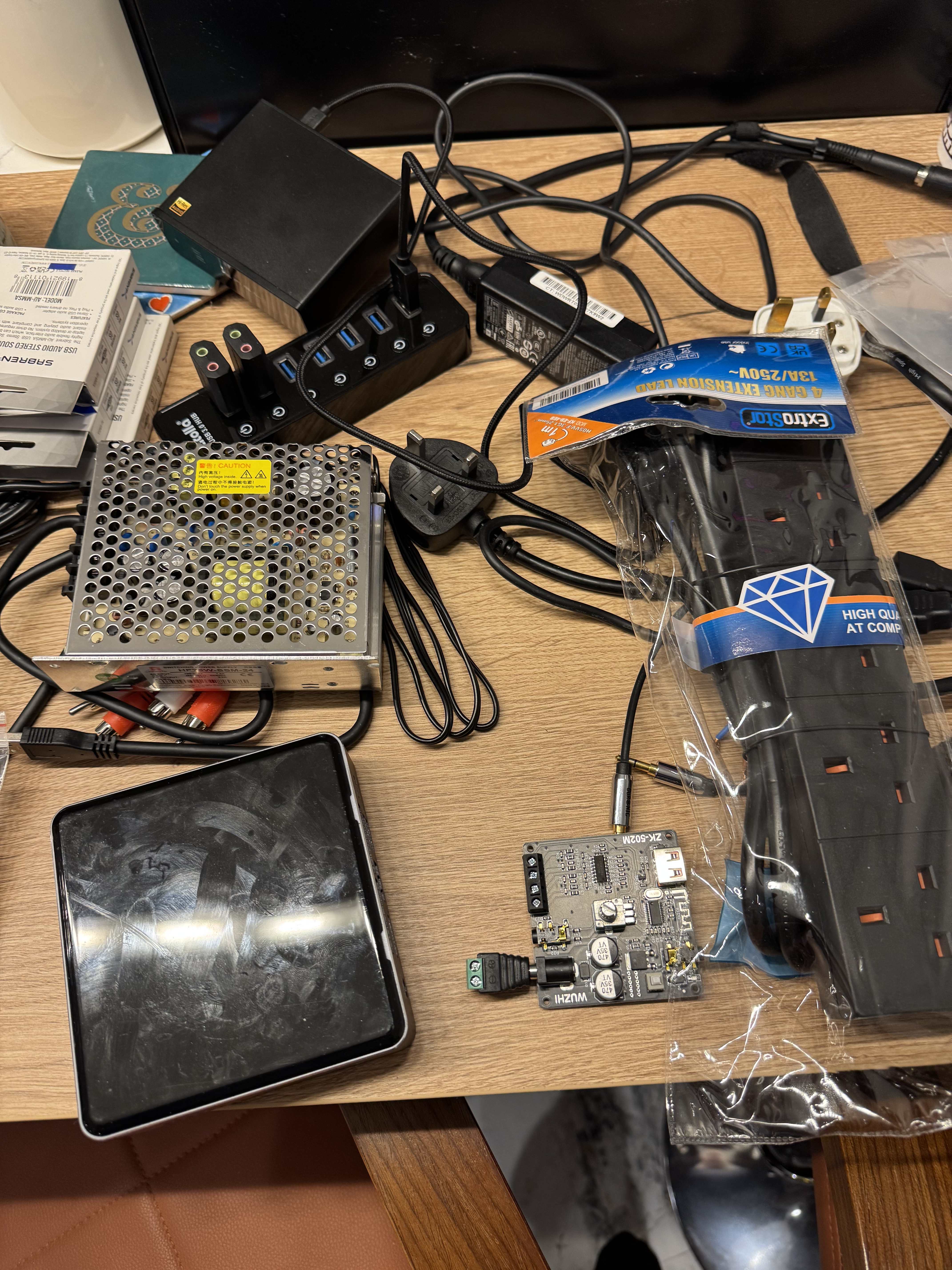
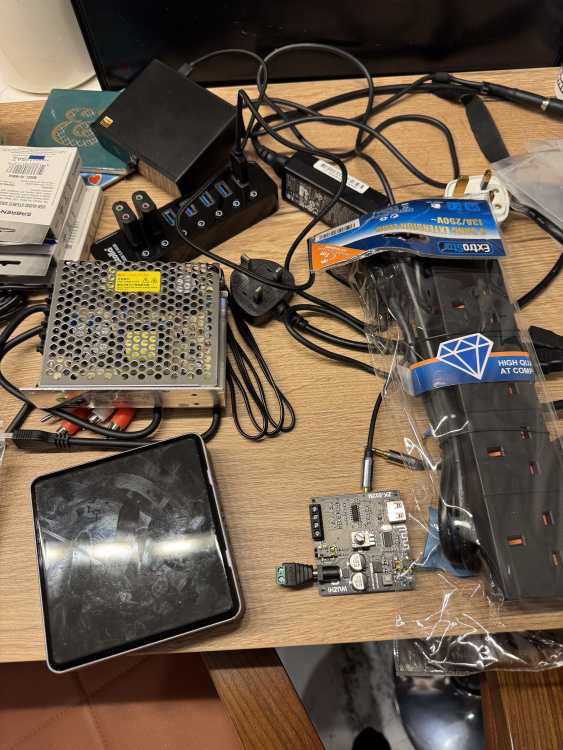
Been doing this with 5 raspberry pi’s . But it’s a pita to mange with sd card failures etc So ! Another project ! nuc i3 + hdmi touch screen ( just because it’s spare ) , usb powered hub . Cheap dacs into cheap amp boards apart from ‘ proper audio ‘ via smsl . All in 1 case ; just 1 plug . Here’s the bits !
-

ESP32 S3 m5Stack Cores3 swmbo friendly watering system!
Pocster replied to Pocster's topic in Boffin's Corner
Oi (expletive deleted) buddies ! We do this because we can . Also other uses for said technology. -
ESP32 S3 m5Stack Cores3 swmbo friendly watering system!
Pocster replied to Pocster's topic in Boffin's Corner
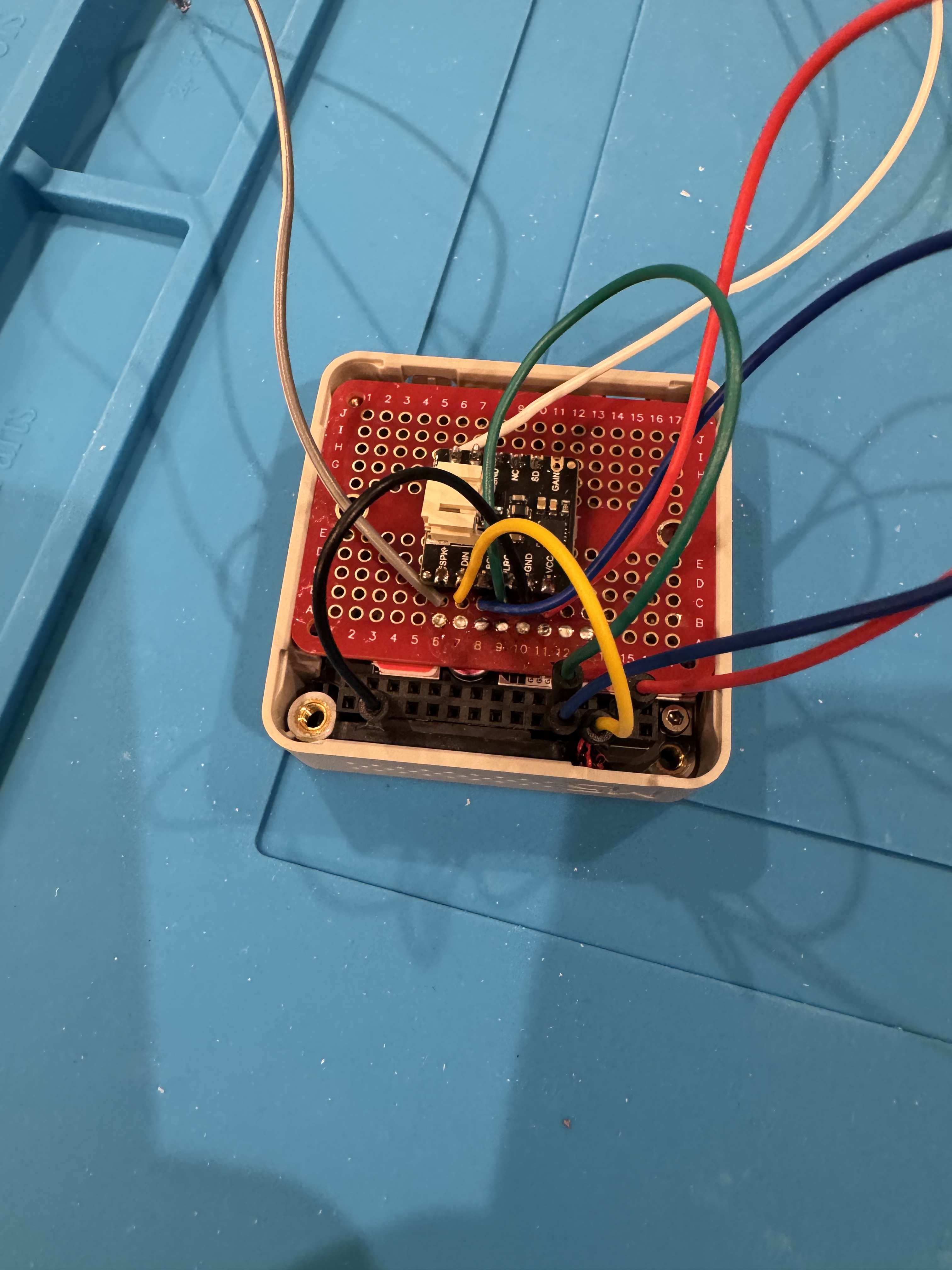
Tried and failed with m5stack audio hat . Complete shite . Headphone socket suggesting audio out as would expect . But routes completely different from internal speaker . Couldn’t get it working - tried every example and ChatGPT , best was crackly shite . Swore a lot than wired an amp off gpio . Works but forgot how microscopic everything is !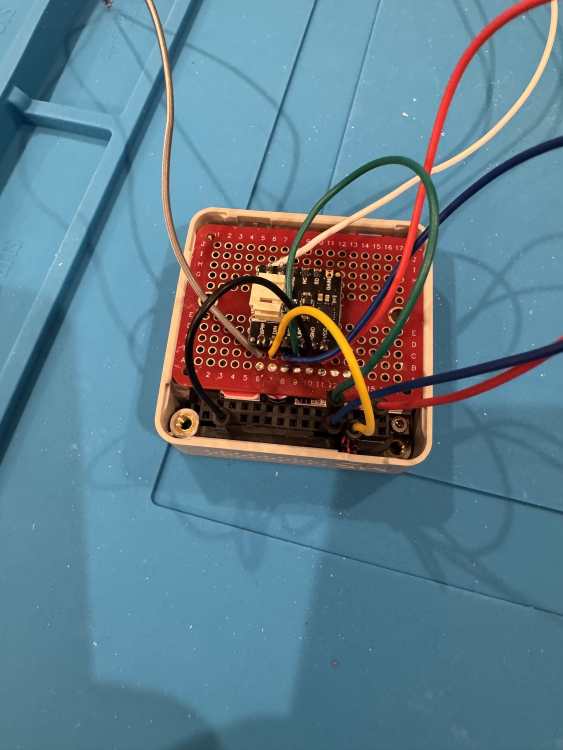
-
Not just a building trade trick 😉
-
(expletive deleted)ing ? pricking ? sucking ? mofo ing ?
-
Yeah that’s all wank . The entire point of automation is you don’t do anything .So lights / heating etc come on automatically. 1 button push ( SWMBO friendly ) causes ust projector to come on , shelf slides out , amp turns on , 120” ( I’m big ) screen goes up and the pants ( blinds ) come down . User interface if you must have one must be simple and intuitive - anything other is poor design . You should see what I’m working on ….. people need simplicity even if under the hood it’s a bitch . Anyone care to look under my hood 😉
-
ESP32 S3 m5Stack Cores3 swmbo friendly watering system!
Pocster replied to Pocster's topic in Boffin's Corner
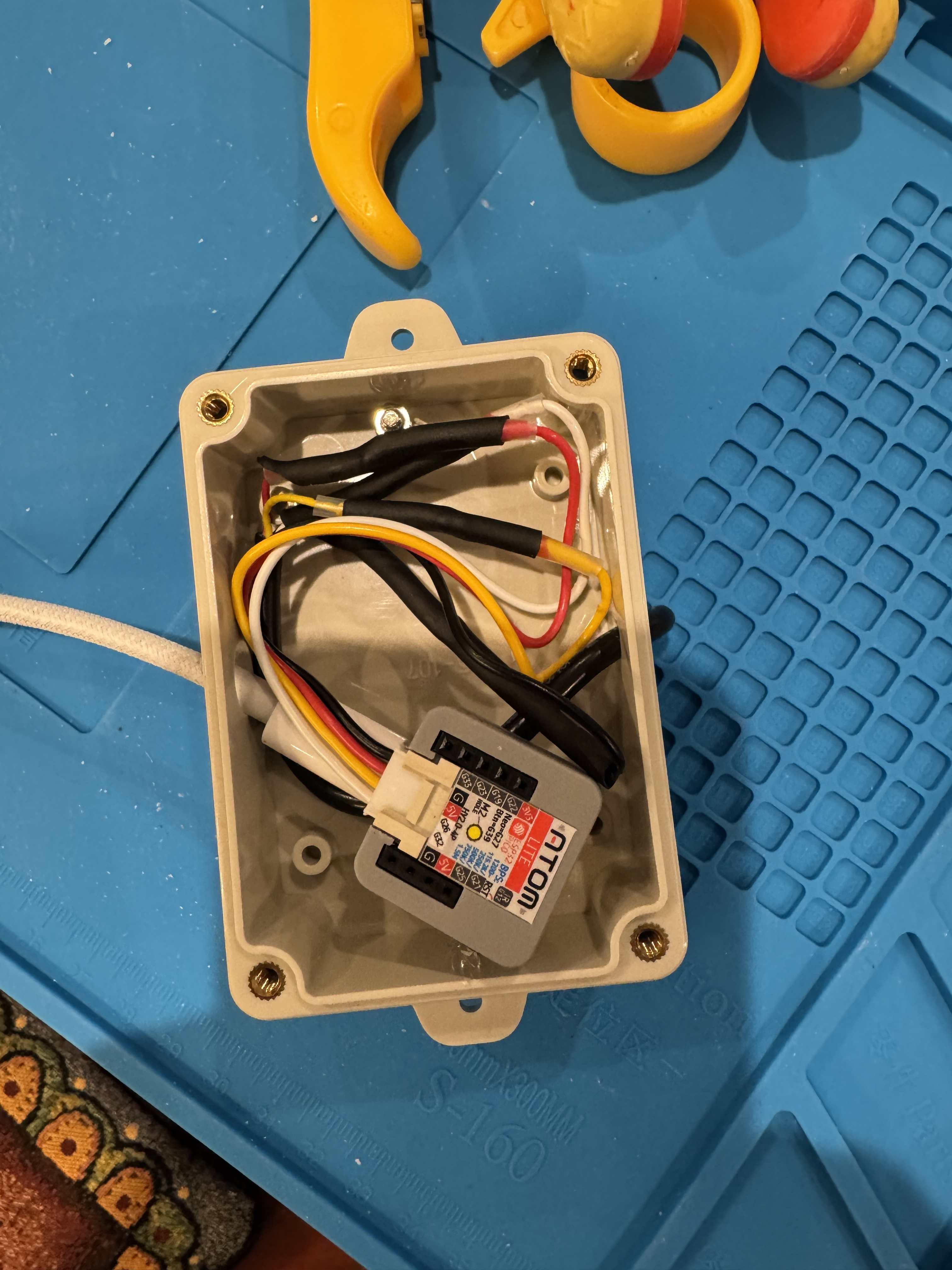
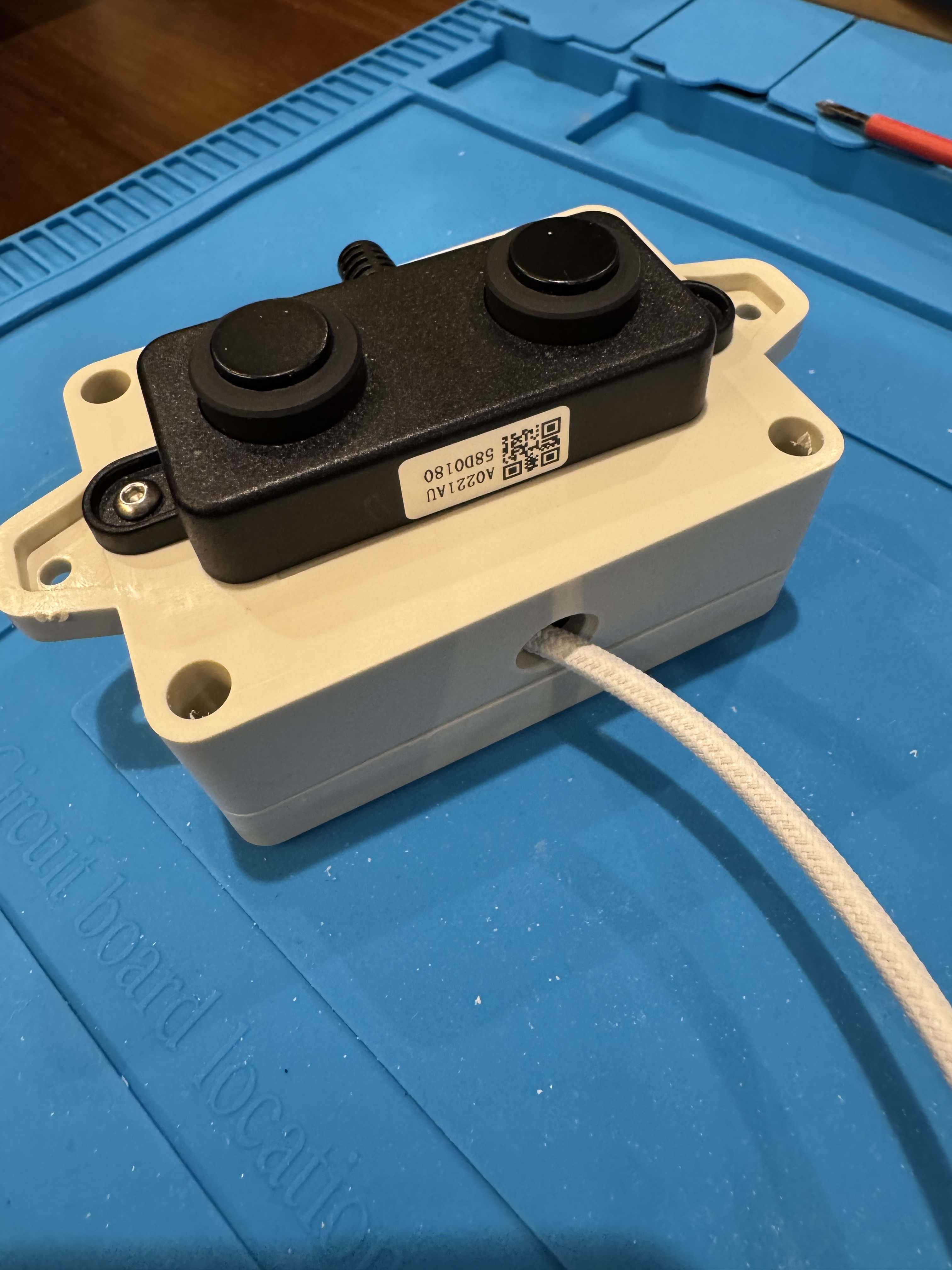
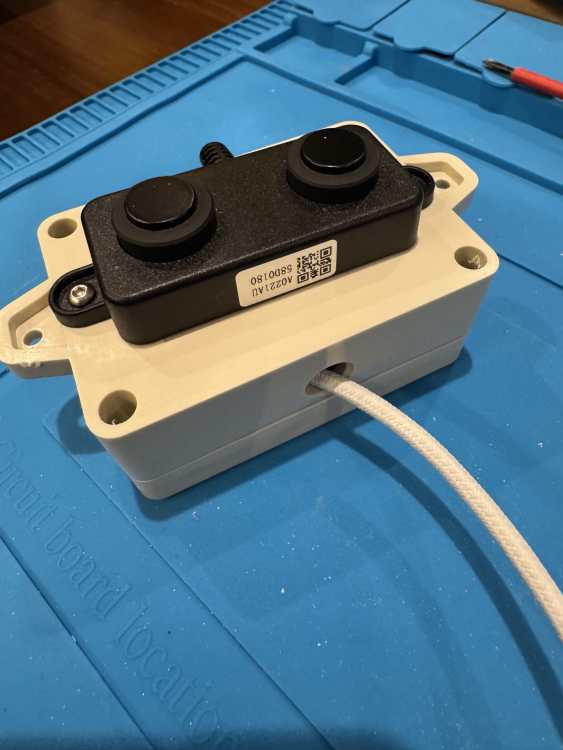
Today’s tasks were tiling or fun stuff . SWMBO is out so unsurprisingly fun stuff won ! Swapped to an esp32 lite atom . So small . Attached ultrasonic transducer - all seems good . The 2 holes ; ultrasonic lead and usb psu . Couldn’t find grommet connectors for usb lead where it fits through and they tighten for a waterproof connection . So just pumped both holes with ct1 😉 Discoverd these ‘ things ‘ you slide over a wire . Twist two wires together , move the sleeve and heat ! . Soldered joint and heat shrink in one ! I then heat shrank ontop . Tomorrow once ct1 is dry will do a test deploy outside I.e fix to a wooden batton and put it across water barrel opening .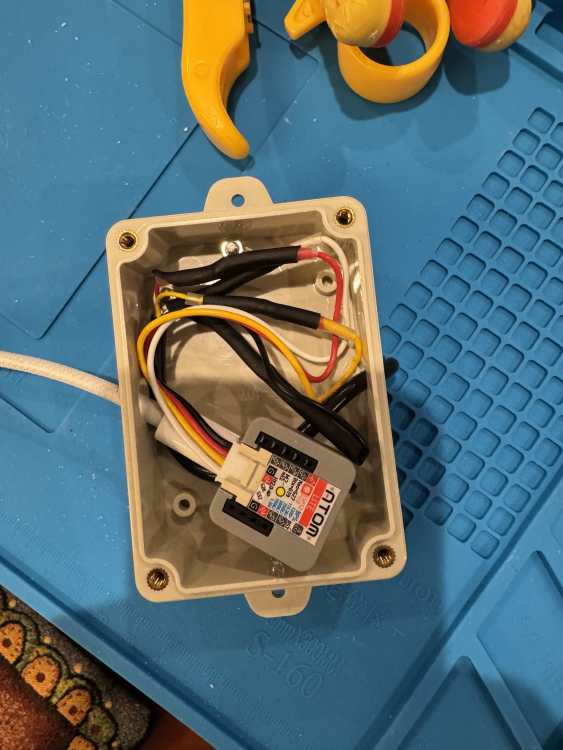
-
Would love to be in for Christmas 2027, but no promises! look you’ve put yourself under unnecessary pressure now . ” love to be in for Christmas within the next decade “ . Keep it lite and non committing .
-
Yeah the problem is the unit heats the sensor 🤣🤣🤣🤣🤣
-
Yeah I prefer a "everything in" sensor. I've not installed any custom - got way too many other things to play with. But again to date been 100% reliable. I did have a slight fringe case if you sat like you were dead infant the projector. So I installed another one. Changed the logic so that both must say "no human" before lights are triggered off. So now a true 100% success rate ( until next failure ). Best sensors I've found though.
-
Exactly! . You find something else to obsess about !
-
Can you look up skirts from under the stairs ? . Asking for a friend
-
When I wake at 1am or whatever now I don’t think about the build . I think how will I get that into Psram . How does three.js talk to other objects . Can I post process a frame without killing the gpu . If I render it at 4k will that kill the fill rate . Wtf is qt about . Please use make files . Life is amazing ; even at 1am - (expletive deleted) the build
-
Vent Axis Sentinel Kinetic
Pocster replied to Pocster's topic in General Self Build & DIY Discussion
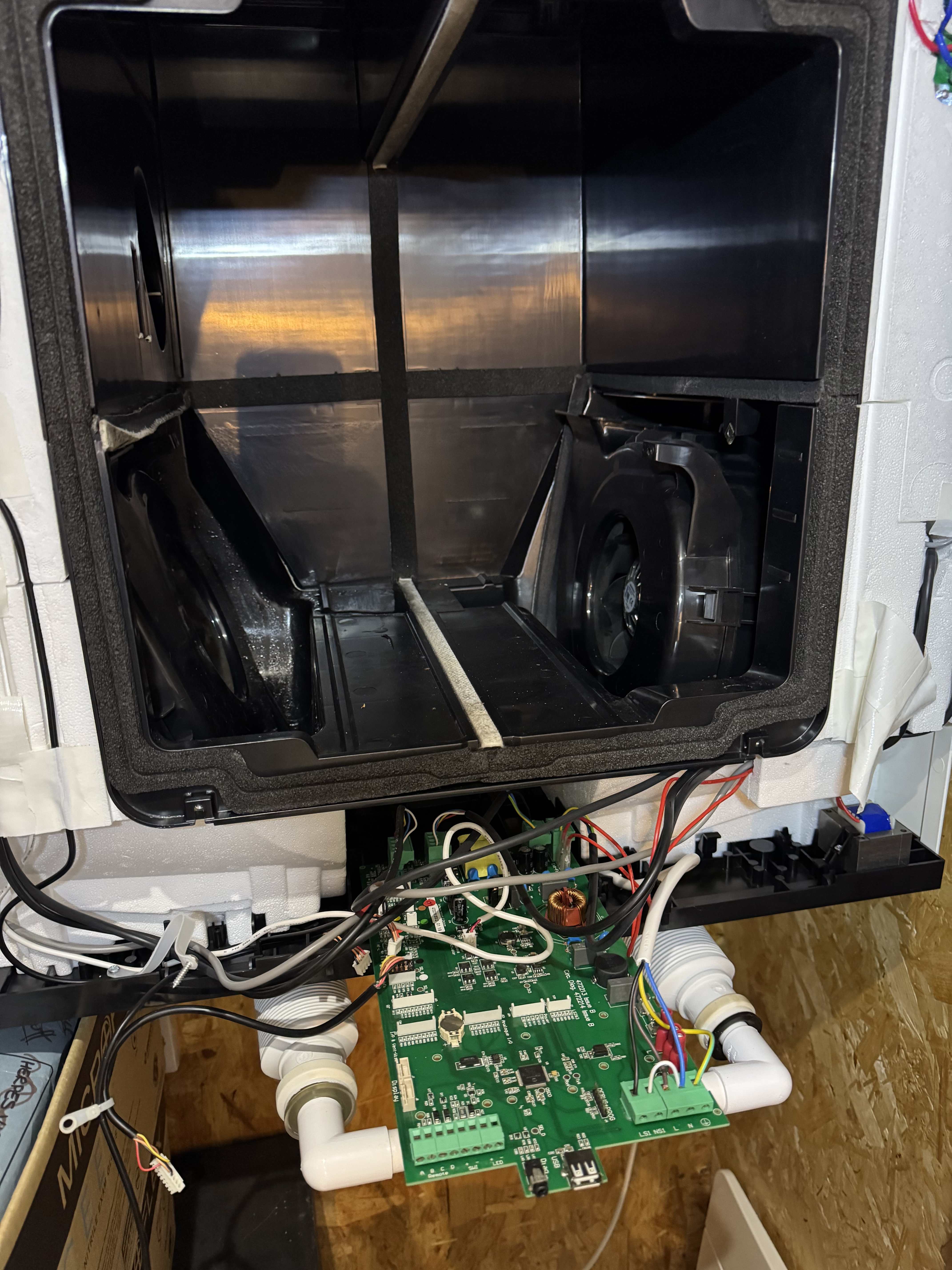
Done ! Not the most fun ; a few spare screws …. Clearly not a user serviceable device ! -
Vent Axis Sentinel Kinetic
Pocster replied to Pocster's topic in General Self Build & DIY Discussion
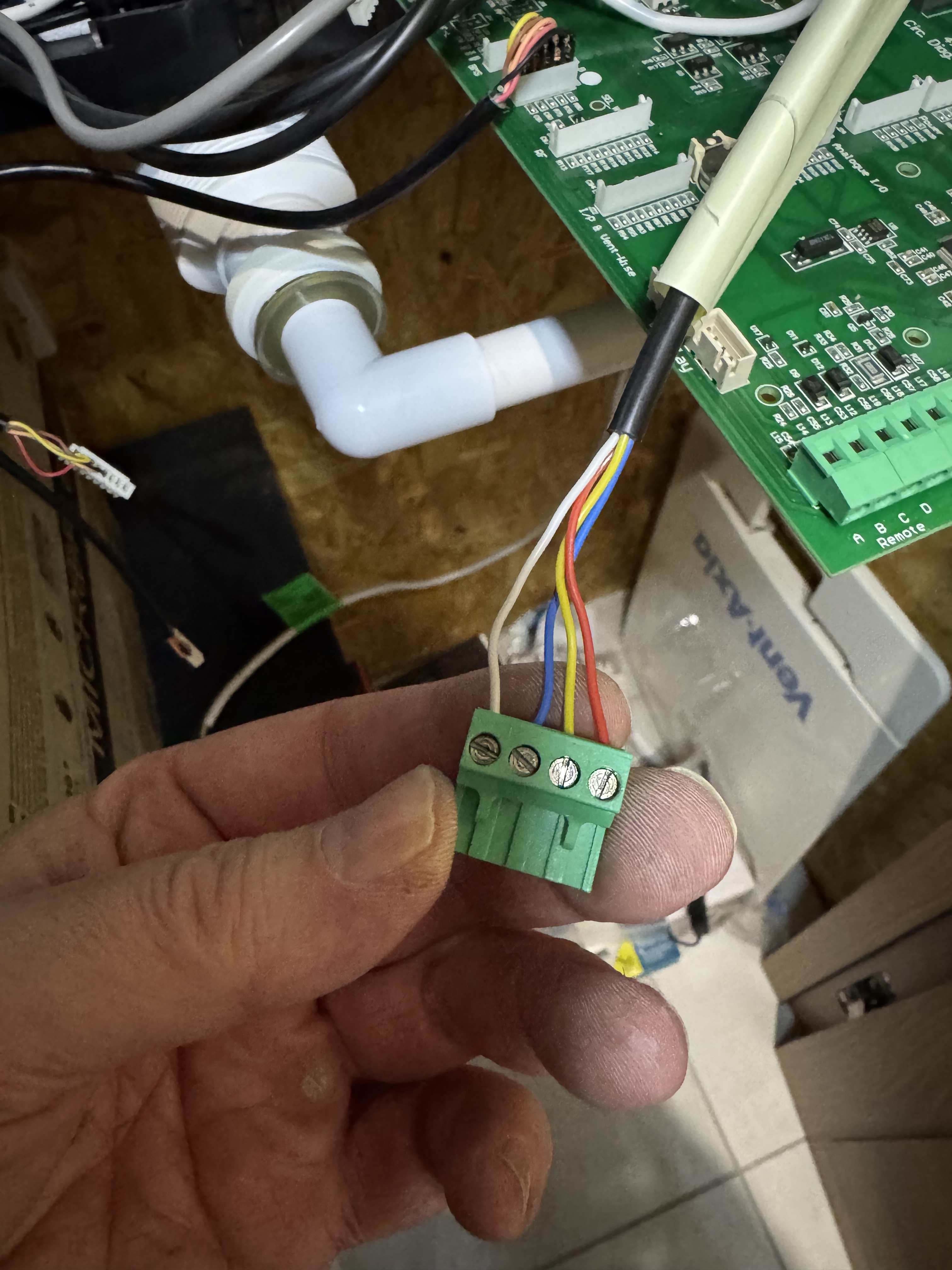
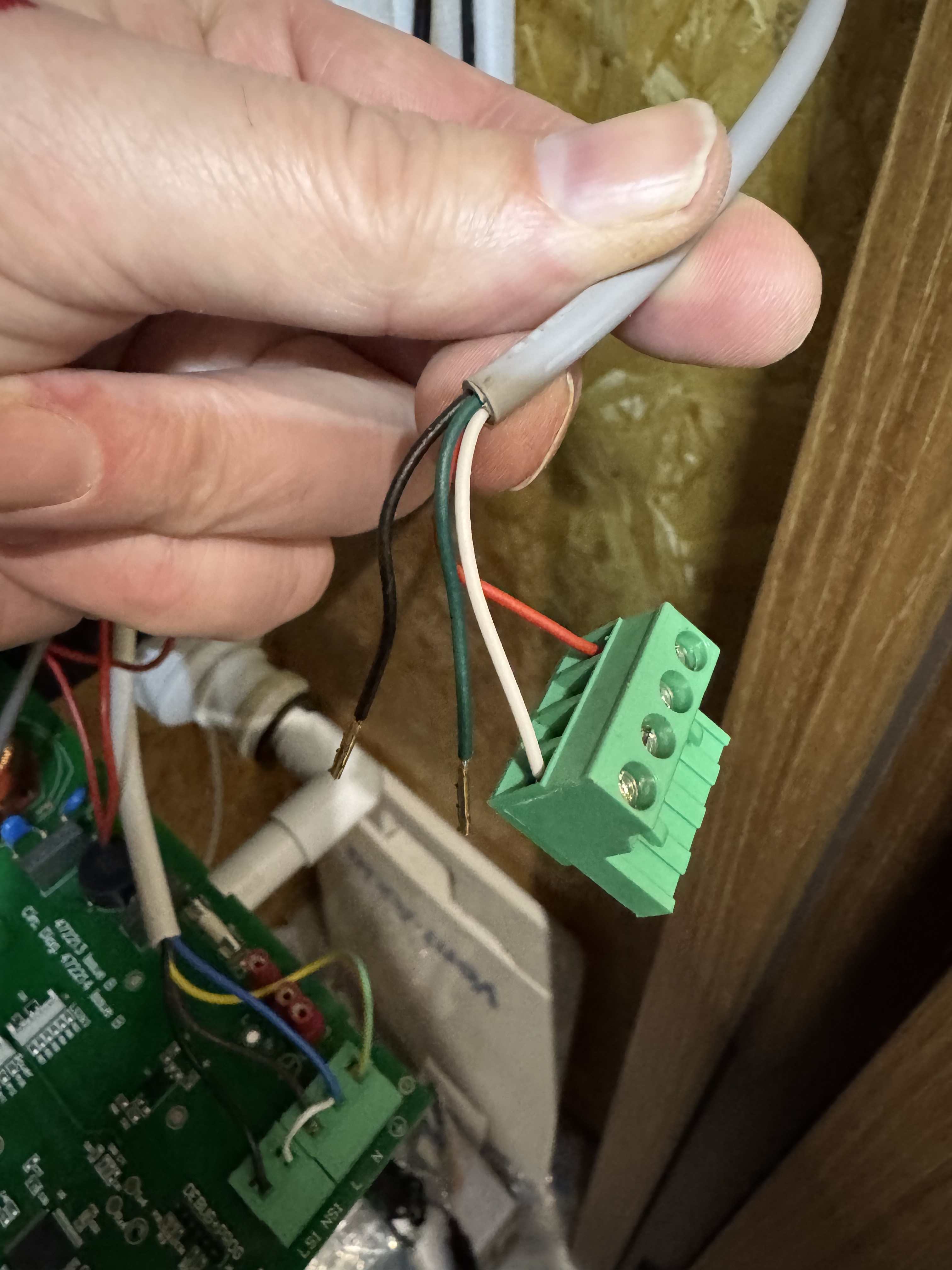
Black and blue are usually the same so (expletive deleted) it -
Vent Axis Sentinel Kinetic
Pocster replied to Pocster's topic in General Self Build & DIY Discussion
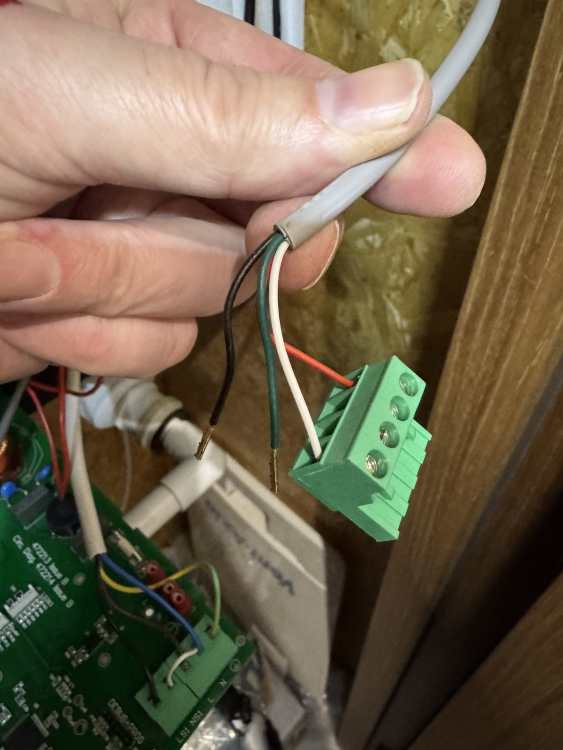
(expletive deleted)ing wonderful ! old fan has different coloured wires to new !!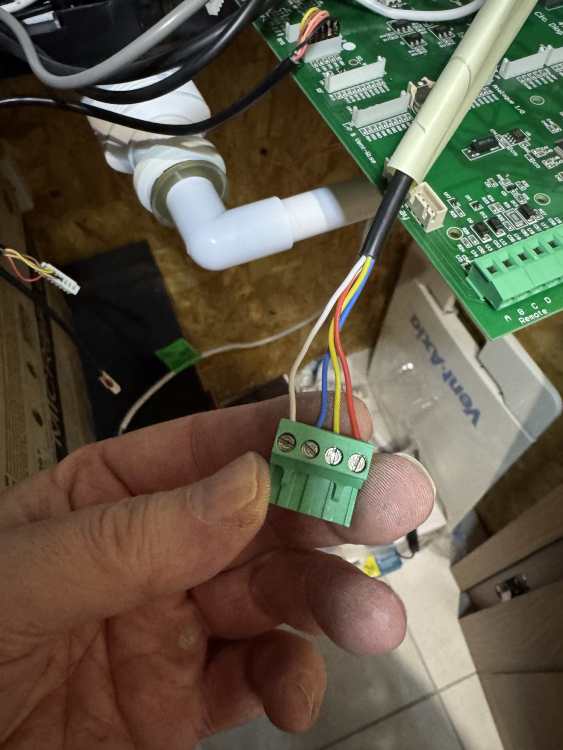
-
Vent Axis Sentinel Kinetic
Pocster replied to Pocster's topic in General Self Build & DIY Discussion
Hmmmm - let’s make this as much as we can thought vent axia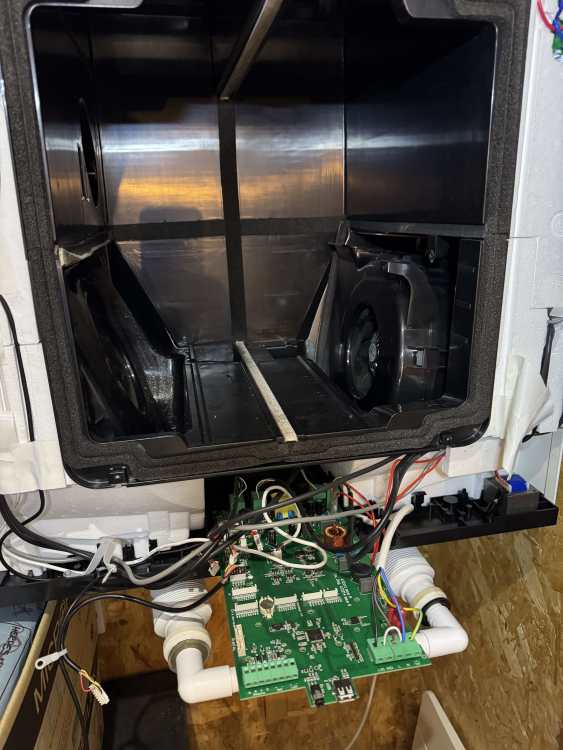
-
Pedestal options for porcelain tiles
Pocster replied to cbk's topic in Landscaping, Decking & Patios
I used it extensively for decking not tiles , but they do tile pedestals . I used https://ovaeda.com/