


MortarThePoint
-
Posts
2294 -
Joined
-
Last visited
Everything posted by MortarThePoint
-
Closing cavity at the top for blown beads
MortarThePoint replied to MortarThePoint's topic in Heat Insulation
I had wondered if DPC would be Andy good. It would stop air flow which may or may not be a good thing -
What approaches have people used before to close the cavity at the top before blown beads are installed?
-
Tips on reviewing roof truss design
MortarThePoint replied to MortarThePoint's topic in Roofing, Tiling & Slating
'archived paperwork' - we're having a log burner for that -
Tips on reviewing roof truss design
MortarThePoint replied to MortarThePoint's topic in Roofing, Tiling & Slating
Check that the lowest corner of the truss eave won't clash with your scaffolding. They will come cut off simply even if you intend to add a horizontal cut. That means they extend down further at first. I've just been out in the dark checking I have the height and thankfully I do ?. Could be cut during installation, but that wouldn't be fun.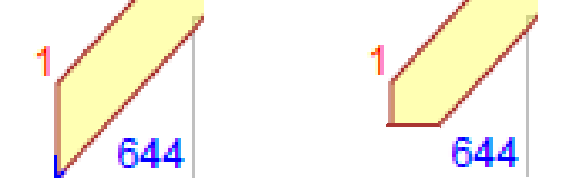
-
Tips on reviewing roof truss design
MortarThePoint replied to MortarThePoint's topic in Roofing, Tiling & Slating
Good plan. That greatly reduces the top chord cold bridge as well. -
Tips on reviewing roof truss design
MortarThePoint replied to MortarThePoint's topic in Roofing, Tiling & Slating
I had a similar discussion. The top chords were 197mm and I asked if we should increase them he said it wasn't worth it. I then realised I needed the rafter depth for insulation anyway. -
Tips on reviewing roof truss design
MortarThePoint replied to MortarThePoint's topic in Roofing, Tiling & Slating
I kept on seeing the symbol below on almost all the trusses and wasn't sure what it was so asked. It's a water tank and the truss designer has allowed for that load on pretty much all trusses that don't have specified dead/live loads. So as long as 40 years of Beano comics weight less than 230kg I'm OK.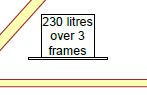
-
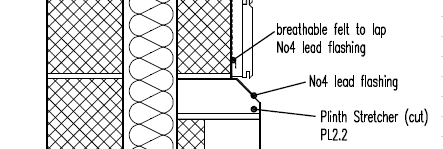
We have a course of blue engineering plinth bricks at the bottom of the timber cladding on the garage. There is to be some 'lead' flashing, but should the mortar used with the plinth bricks be M12 for waterproofing? I think I read somewhere that's what is done with creasing tile sills and copings. Brickie has used M4, but I could ask him to rake out and repoint, sooner rather than later.
-
Trusses going on to fresh mortar
MortarThePoint replied to MortarThePoint's topic in Bricklaying, Blockwork & Mortar
Good advice. I've been going through the stages to acceptance: -
Trusses going on to fresh mortar
MortarThePoint replied to MortarThePoint's topic in Bricklaying, Blockwork & Mortar
Yes, I've hired 6 acrows for the steel beams anyway as I thought that would be wise. Could set it using a rapid set mortar but... I think I am probably torturing myself -
Trusses going on to fresh mortar
MortarThePoint replied to MortarThePoint's topic in Bricklaying, Blockwork & Mortar
That messes both the chippie and roofers about on the house though -
Trusses going on to fresh mortar
MortarThePoint replied to MortarThePoint's topic in Bricklaying, Blockwork & Mortar
I've wondered about asking the brickies to fill in part of the doorway with blockwork to add temporary strength. They could throw up 9m2 of blockwork in a couple of hours. -
Trusses going on to fresh mortar
MortarThePoint replied to MortarThePoint's topic in Bricklaying, Blockwork & Mortar
I know, 50kg fink trusses and I'd be laughing -
Trusses going on to fresh mortar
MortarThePoint replied to MortarThePoint's topic in Bricklaying, Blockwork & Mortar
I could delay the garage and carry on with the house. It will cost due to a second day of crane, additional delivery charge and chippie overhead -
Trusses going on to fresh mortar
MortarThePoint replied to MortarThePoint's topic in Bricklaying, Blockwork & Mortar
Heavy trusses (130kg and 260kg) to bump up and that puts unkind forces on the walls. -
Trusses going on to fresh mortar
MortarThePoint replied to MortarThePoint's topic in Bricklaying, Blockwork & Mortar
Yes nothing so secure them against I guess -
Trusses going on to fresh mortar
MortarThePoint replied to MortarThePoint's topic in Bricklaying, Blockwork & Mortar
I asked chippie if it is possible to hire a truss rack or something to store the trusses on. He talked about making platforms (possibly stacked pallets) and the strapping to the house scaffold. The scaffold wouldn't be taking any weight but would stop them toppling. I'd rather a dedicated rack of some description. A truss trailer? Any ideas? I definitely don't want the trusses lying flat -
Trusses going on to fresh mortar
MortarThePoint replied to MortarThePoint's topic in Bricklaying, Blockwork & Mortar
I don't understand the term 'peaks'. The walls will be up all the way round to wall plate height with gables going in later. -
Trusses going on to fresh mortar
MortarThePoint replied to MortarThePoint's topic in Bricklaying, Blockwork & Mortar
Yes garage is on a separate payment schedule. I wanted them both ready for truss installation on the same day. The garage gables are on the left and right of that image rather than the front of the garage where the doors are. The garage and house gables are going up after the chippie has done his truss work securing and bracing them in place. -
Trusses going on to fresh mortar
MortarThePoint replied to MortarThePoint's topic in Bricklaying, Blockwork & Mortar
I've contracted the brickie direct. He has staged payments and wanted to get the internal chimney to wall plate so he could submit an invoice. -
Trusses going on to fresh mortar
MortarThePoint replied to MortarThePoint's topic in Bricklaying, Blockwork & Mortar
Yes, I got them in a couple of weeks ago The house and garage trusses are coming together so we want to get the house trusses in place on Tuesday. That wall plate has had over a week now. Truss company isn't hiab equipped. I could look to store the garage trusses on site but that's still at least £800 down the swanny. ? ☹️ -
Trusses going on to fresh mortar
MortarThePoint replied to MortarThePoint's topic in Bricklaying, Blockwork & Mortar
The walls with the steel beams are 140mm inner leaf and have wind posts in the pillars. The walls at the back are cavity walls made of 100mm blockwork. I tried hard to get it all done before the the weekend so there were three days of cure, but brickie wanted to do something else (chimney) which I later discovered was due to cash flow. Lesson learnt there. -
Trusses going on to fresh mortar
MortarThePoint replied to MortarThePoint's topic in Bricklaying, Blockwork & Mortar
Other than having to mix smaller batches and getting through it faster, is there any other downside to using a rapid hardener? -
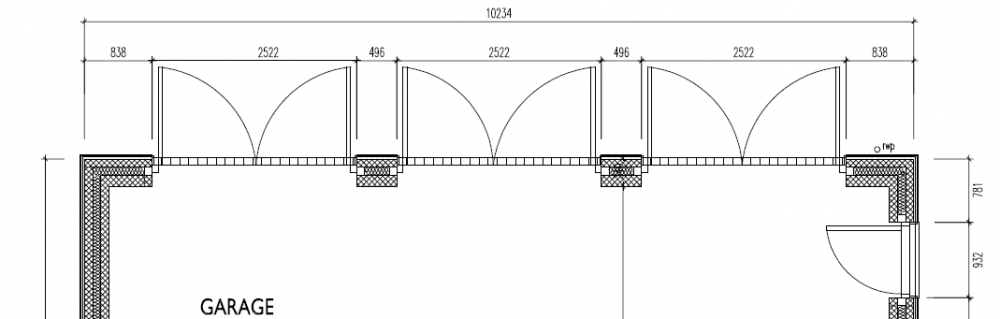
For various reasons we've had a time crunch and some pillars and the wall plate are going to go in the day before trusses. This makes me extremely nervous. The two pillars between the doors in the image below haven't been started. They are 140mm x 496mm and need to come up 2200mm. They then have a 90kg steel beam put on top to span over each doorway. The wall plate is then screwed to the top of the steel beams. On the rear there are some large lintels (1800 openings), but inner leaf masonry is already up to their bearings. That wall plate would be on mortar less than 24 hours old though. Garage trusses are coming with house roof trusses. Each garage truss weighs 130kg as they are attic trusses (one is a double and weighs 260kg). There are 16 trusses giving a total weight of 2.2t. That means there will be about 330kg of truss load bearing onto each of the pillars. In some ways that's equivalent weight to building 90cm of blockwork above the beams I guess. We lost some says last week and my brickie said he would come today but then cried off at 8pm last night. The trusses are coming on Tuesday. I see the following options: Crack on, it'll be fine. Advise on propping would be gratefully received. Delay truss install by a week, this would be house and garage. I'd be relaxed about this in the summer but with the weather we are racing to get watertight. Truss company can't delay by less than a week due to their schedule Rig something to store the garage trusses on site and then have a second day of crane (£500 + carpenter overhead) Something I haven't thought of I'm gutted the pillars haven't been built as that in my mind is the key part. There is the shock loading and non vertical loading of installation to worry about as well.
-
Tips on reviewing roof truss design
MortarThePoint replied to MortarThePoint's topic in Roofing, Tiling & Slating
That's worth knowing. I was presuming there was a diameter of hole (e.g. 25mm) that as long as drilled in the middle of the joist was OK



