stu w
-
Posts
120 -
Joined
-
Last visited
Everything posted by stu w
-
The house before last I had the same issue, cost me 2800 to lift it back over the house, sold it for what I paid for it, so over 16mths the 2800 was offset for being able to live on site
-
You can but as you state it won't meet regs and will create an issue if you were to sell, remortgage etc and it was surveyed and the bedroom declared. A Standard fire door blank could be used and cut to size , relatively inexpensive way to do it , really should have intumescent etc. The scenario is, God forbid but what would happen and what is in place if there was actually a fire 🔥
-
How to raise 125mm SIP panels?
stu w replied to AwesomePete's topic in Structural Insulated Panels (SIPs)
Personally I think they are superb and used many times , yes fairly expensive but worth the cost i think -
How to raise 125mm SIP panels?
stu w replied to AwesomePete's topic in Structural Insulated Panels (SIPs)
Marmox blocks maybe an option -
Potentially yes for several reasons , would be interesting to see if the original build what was submitted to planning has been signed off by BC, I would hazard a guess at yes, then they have tagged the extra on hoping it would go unnoticed
-
They may require you go underneath then depending who is signing it off
-
Outline Planning Permission - should I do it myself?
stu w replied to Mike Wynn's topic in Planning Permission
It's not to bad I found , as above if you meet all the criteria it saves you a fair chunk of money if you have time to do it . -
Did you request a quote just for the disposal also, if it was already removed ?.
-
As a carpenter what has lifted a lot of trusses onto wall plates in my younger years I'd say try and sort something mechanically. You think you save money but long term you don't. You fatigue quicker and get less done, depending on the weight and weather etc it can be hazardous. A small crane, extended reach hiab lorry, or long reach telehandler with extension attachment will pay for itself. While onsite potentially if organised all the breather membrane, batten and roof covering etc can be lifting into position/loading bay to save time,money and potential damages
-
Not so unfortunately depend on the type of asbestos, you would of inhaled fibres , it would of stuck to your clothes , which then goes in the washing machine which Contaminate other clothes, on your shoes etc. Some types of asbestos fibres are simply not washed off , and even if you do wash them off , when dry they are still fibre to move around . Encapsulation is the key to minimise fibre release not water
-
It will be low risk but still protect yourself and others the best you can. P3 mask , tyvek disposable suit , gloves ,over shoe protection etc and thrown it all away once your finished, non of the ppe is expensive and ultimately its your health you could affect for a few pounds. There is minimal risk of fibre release in the job you are looking to carry out , just be mindful to create as little fibre release as possible, spray everything even when undoing the bolts if you feel it will create dust.
-
As above. It is cement base boards which is chrysotile/cement mixed which comes under non licensed works provided you wear the correct PPE etc. Spray the board around the bolts holes when removing with 50/50 mix of pva to minimise any fibre release and binds all the dust together when the pva is dry, try to remove them as a full board without breaking them. Double wrap and pay to be taken away , or pay between 700-1200 for a company to do it for you . Just bare in mind if you remove them yourself they are pretty heavy as a full board to take to the local household tip. You can buy a test kit and send a sample In to be analysed but the likely hood of it not containing a small amount of asbestos is very slim looking at the age of it .
-
It should not leak so a few reasons why it could be . The incorrect fitting possibly the old stuff is usually 19/20mm depending on what has been used, make sure you have the correct plimac/ plasson adaptor. The pipe has a mark/indentation where the fitting is . The o ring has been kinked when putting it together? Incorrect insert ? Transition couplings should be 100% leak of the correct type and installed correctly
-
Internal partition walls cost block work vs Stud
stu w replied to MariaD's topic in General Construction Issues
A stud wall will be less expensive. But lots of things to consider. Speed , availability of trade to build it, finish of wall, services on the wall , acoustic performance, is it load bearing etc -
The majority of timber frame in the UK is filled between the timbers with insulation whether it be PIR or Mineral slab type and alot are full fill, then extra insulation can be added to the structure inside or out to meets u values, again depending on construction. A vast selection of Modern Breather membranes and vapour barriers are then used to control moisture inside and out. The timber frame can then be clad in a variety of ways depending on the outside construction. Brick slips, cement board ,render, pvc,wood etc can all be used as cladding with a cavity incorporated on the outside to cobtrol moisture and condensation. A cavity can also being created and have a conventional brick skin on the outside which is tied into the timber frame Sips panels can also be used which is usually 2 sheets of osb with insulation injected inbetween the board to make a self contained panel , again can be finished on the outside as above depending on the end use/spec Have a look on websites like Fleming homes, mbc , etc timber frame companies and it will be more clear than my brief description
-
Stainless Steel Slate Hooks or Copper Slate Nails?
stu w replied to JamieK's topic in Roofing, Tiling & Slating
Slate hooks definitely as better overall , the only downside with hooks vs nails is you can see a very small amount of hook once installed -
Had mine delivered this morning 💴💴. Wouldn't be any issue with corrosion with stainless steel straps and fixings
-
Is 400 not predominately a roof membrane or have I got mixed up without looking ?
-
Looking at you drawings you are doing 600 centres ? If so BC may require noggins on load bearing walls also doubles at the existing walls. Hardie Plank rather than VL ? Are you going to fix through your dpc for sole plate fixings , or try and fix it down externally/internally ?
-
Only minor I know and I'm sure you haven't, but don't forget the breather membrane. I use TF200 thermo , a superb product in my eyes .
-
Yes that could be an option, looking at it on my phone but can't see why it won't work
-
What calculator did you use for that please ?
-
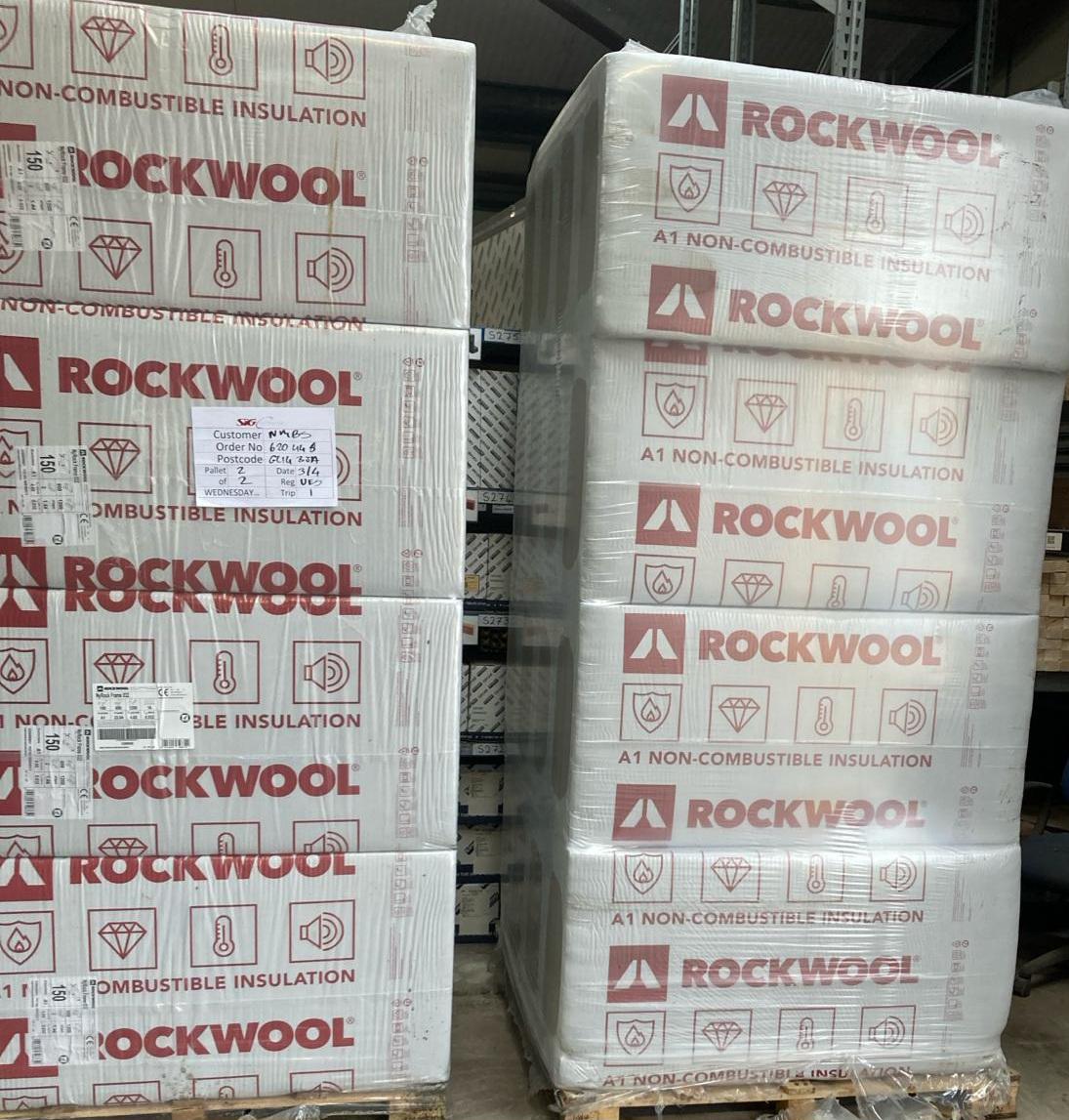
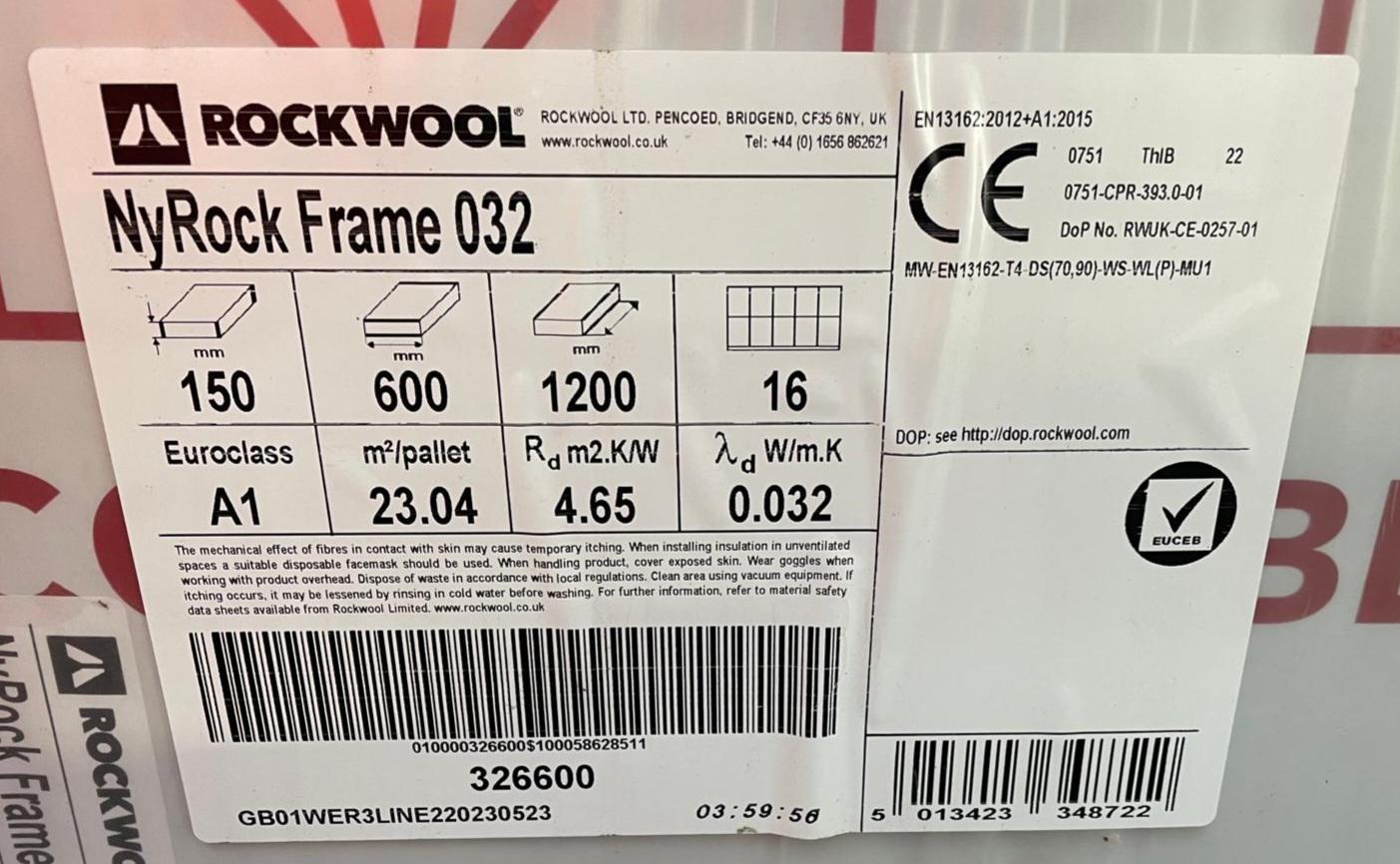
I've used nyrock a few times and it's a good product. Not always the depth what necessarily needs to be increase on a flitch , possibly just the thickness of steel , but ultimately the loading its supporting. I have good for Hardie VL plank on mine , I've used alot of cedral in the past but Hardie is better in my opinion . A king stud may have to go all the way up through in places also looking at your drawings
-
When I have re-laid flooring in the past following on from someone else what has failed due to uneven sub floor I would say no the underlay will not absorb the deviations at around 6mm. I personally have and never will use a levelling screed over a timber floor, especially onto joists. What area is the floor ?
-
Take any fixing out in the high areas , plane the 6mm raised areas and any bad bits so all the floor is totally flat , re-fix then overboard with 6mm ply glued and screwed to get the strength back into the floor