marshian
-
Posts
1496 -
Joined
-
Last visited
-
Days Won
5
Everything posted by marshian
-
 I fitted an 8mm thick bath (P shaped for extra width at shower end) I was not at all happy with the feel of it when I trialed it after first fit - it felt like it had movement when standing in it My solution was to use the feet from the previous bath as well as the ones supplied with the new bath (so 8 feet not 4 feet) Feels like a concrete bath now no flex or movement at all
 -
Clearance for a standalone washing machine
marshian replied to Question's topic in Kitchen & Household Appliances
I’ve always found the biggest issue with movement is with towels - easy for the load to become clumped up the other thing is be 100% happy with the floor level - having to pull the machine out to adjust the feet because the floor where it sits under the worktop is different to the floor when it’s in front of it’s home -
my boiler seems to work on CH with a delta between flow and return of 7 Deg - if the delta narrows it will cycle so maybe 20 plate will be more suitable - just trying to get my head round it so thanks for your contributions
-
I'm thinking this kit (20 Plate 15kW unit rather than the 30 Plate 20kW) because the boiler is 16kW - I'm not sure how much benefit I'd get from the 30 plate version but it's only £60 plus vat more https://beetbg.com/products/dhw-plate-loading-20xplate-kit?srsltid=AfmBOoodTI_0ue5CDsk2tfjQHhl6sCoT7GMV-jrUXRcS5F1xDFg7Ym7l DHW Cylinder Plate Loading 20 x Plate Kit - For up to 15kW heat load Heat Pump, Boiler £450 plus the vat Consists of the following 1x 20xPlate SWEP E8TH Heat Exchanger 1x EPP Hard Shell Insulation Jacket 4x 22mm x 3/4" Flat Faced Unions 1x DAB Bronze Pump 2x 22m Pump Valves 1x 22mm
-
Sounds perfect- I'll have a look at those - thanks for the tip (New Danfoss Tank Stat seems to have a similar +0 -10 deg hysteresis - annoyingly initial usage seems to indicate that the temp scale is not aligned very well to the tank stat switching point (50 Deg C results in ~47 deg tank temp. (Plus is that it has a range below 50 Deg C that isn't just "Off" but I've only got two days of data. That's the aim - lower boiler flow temp and reduce standing losses The "why have we run out of water" in this house is normally "I do not like a cold shower at any time - sort your shit out" I'm just trying to find a summer time balance - heat water in tank to low 40's deg twice a day (with reduced standing heat losses) v heat water in tank to just over 50 deg once a day (with higher standing losses) One will result in lower energy usage - just not sure which one. My 45 min schedule and boiler 62 Deg C flow settings gets the tank to 40 deg in 15 mins - it takes a further 30 mins to get to 50 deg. However the first 15 mins the boiler is heating up the circuit, is running a higher modulation before ramping down so the difference may not be as great as the times suggest. I'm really warming to this idea as a way to establish the effectivity of a PHE in terms of tank heat up times. (I'm finding it quite hard to find any real world data on PHE performance) My original thought was get a "Heat Pump" compatible tank 3m2 coil surface area but for a 120 L tank it's a lot of coin. Modern insulated tanks with no coil and two immersion points are much much cheaper (It appears the reduction in tank cost would more than cover purchase of a PHE) Long term I don't want to do it with my existing tank - I could do PHE as step one - evaluate the process - if it works then great. If it doesn't I'll have just a PHE to sell on rather than both a PHE and a Modern Tank which is only suitable for Direct heating only. As a stage two replace the tank with a newer Direct heating (with a lower heat loss level) and hook up to PHE knowing the results will be as expected
-
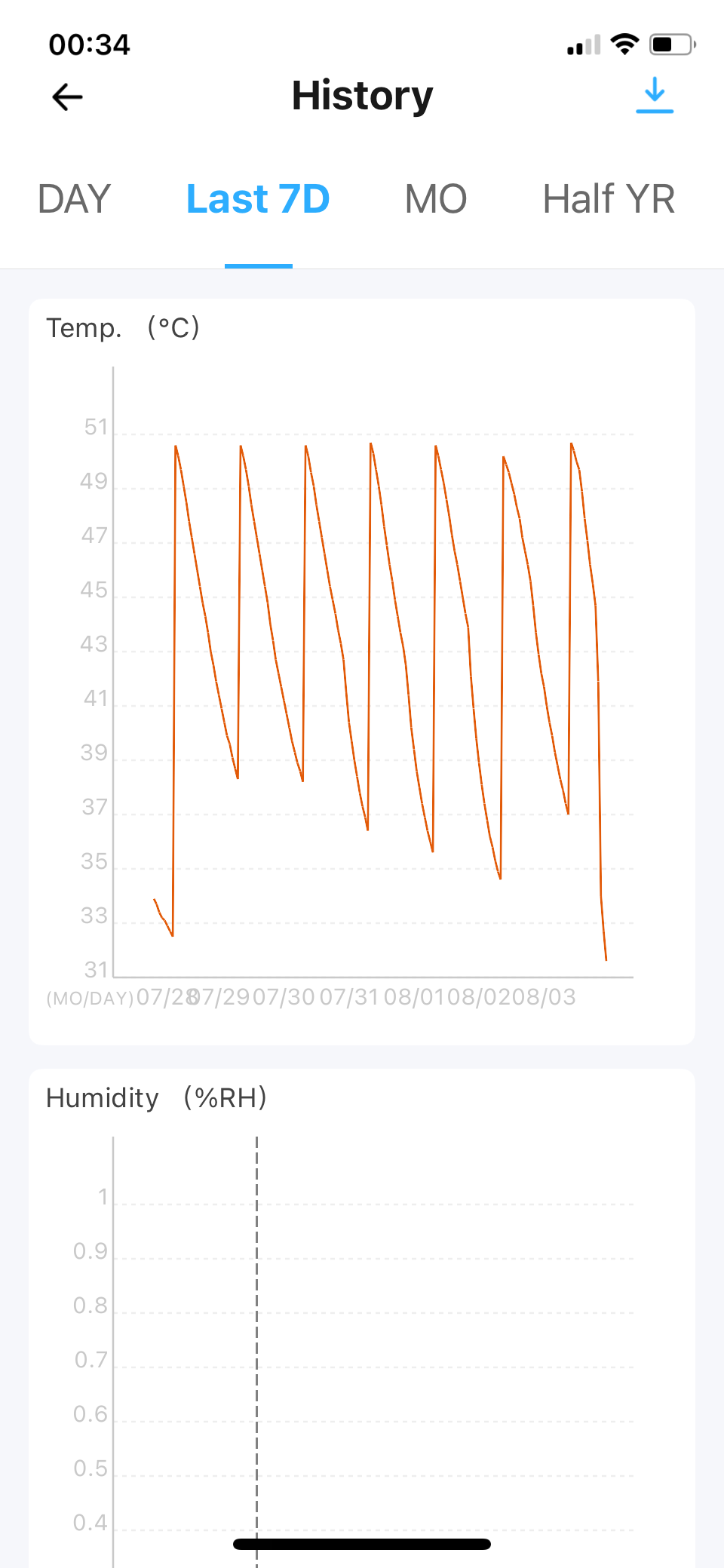
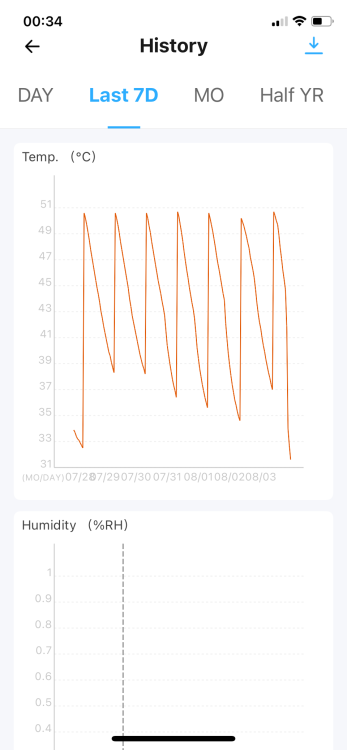
Water Heating Optimisation TLDR (Sub title - I really should get a better tank and until then I’m going to see if I can replace an annoying tank stat and experiment to see if heating once daily to a higher temp is more or less economical than heating twice a day to a lower target temp) OK Background so it’s a ~115 litre copper tank from 2012, it’s spay foam lagged - heating coil is prob a 3kW (so not very large) Summer it gets heated to 50 deg once daily and between the two of us we use all of the available hot water on a daily basis Tank losses are 0.5 deg per hour in summer but higher in winter so winter we heat a little higher temp and use DHWP to heat water quickly at higher temp so CH can get back to heating house at low flow temps. Tank temp control is a Drayton tank stat. Boiler flow temp is 62 Deg C and 45 mins of heating is scheduled per day (stat declares satisfied at 50 Deg C so actual heating time ranges from as low as 31 min but typically 40 mins is the norm and sometimes the schedule stops the heating cycle before target temp is reached but it’s close enough not to matter above is last 7 days peak temp from stand alone temp monitoring (consistent yes?) better still comparing summer water heating with previous years I’ve reduced the average daily water heating energy usage from 4.8 kWh daily to 3.8 kWh daily trouble is the tank stat min is 50 deg and normally once a week Mrs Alien likes a bath - a long bath and she likes a hot bath and she likes to top it up 50 deg C doesn’t cut it for the repeated top ups over a couple of hours so I do a legionnaire's cycle at the same time - manually increase the tank stat setting to 65 deg C and increase the boiler flow temp to 80 deg C - 30 mins and tank is ready. My issue is that finding the 50 deg setting again after is bloody tricky - the 50 deg position is so close to “off” it normally results in a cold shower day after bath night - The Drayton Tank stat is just so “hair trigger” between 50 and off it’s annoying - add to this it requires a small flat head screwdriver to adjust it and it’s bloody annoying……. Tonight I’ve replaced it with a Danfoss one that has a working range of 30 to 90 and has an adjuster that can cope with my fat fingers This got me thinking………… (this is never good) Is it more economical to heat a tank to 50 deg once a day or to heat it to 45 deg twice a day (ignoring bath night) I can understand that the cooler the tank temp the lower the losses between heating cycles but gut feel says once a day would be the most economical approach…… I feel a small trial is needed to prove it one way or another……
-
I laughed but it was a little risky 😉 Probably one for Off Topic and even then it was a little edgy
-
Do I need a HP specific cylinder?
marshian replied to Beelbeebub's topic in Air Source Heat Pumps (ASHP)
Hmm I'm starting to wonder if that's the answer for me too - Tanks with no coil at all are substantially cheaper than one with a HP suitable coil? Yes I know you need a suitable circulation pump and a PHE but with both those fitted any increase in tank size is just another relatively cheap tank Plus they normally have 2 immersions so if and when I go down the PV route........ -
Do I need a HP specific cylinder?
marshian replied to Beelbeebub's topic in Air Source Heat Pumps (ASHP)
Then to qualify you are almost certainly going to have to go with a bigger tank as it’s very likely to be heated to a lower temp (maybe 50/55 max) I’m keeping my eye out for a suitable pre-owned tank because I’m sure sooner or later one will pop up having been replaced as a result of the BUS grant 😉 -
Do I need a HP specific cylinder?
marshian replied to Beelbeebub's topic in Air Source Heat Pumps (ASHP)
which is why (as my house is definately ASHP ready) I wouldn’t bother with the BUS grant. a future owner if they wanted a higher volume of HW for a family of 4 or 5 could get a bigger cylinder fitted I stand by my comment that it’s more economic to heat only the water you need. I’m still thinking about changing the cylinder but Trevor quoted me £1400 for a 120 L cylinder which had a ASHP coil (smallest one they do apparently) I can’t see the point of fitting larger for our needs and we have no plans to move until we self build -
Best Way to Insulate a Timber Floor in Older Homes?
marshian replied to Sarahtalkstimber's topic in General Flooring
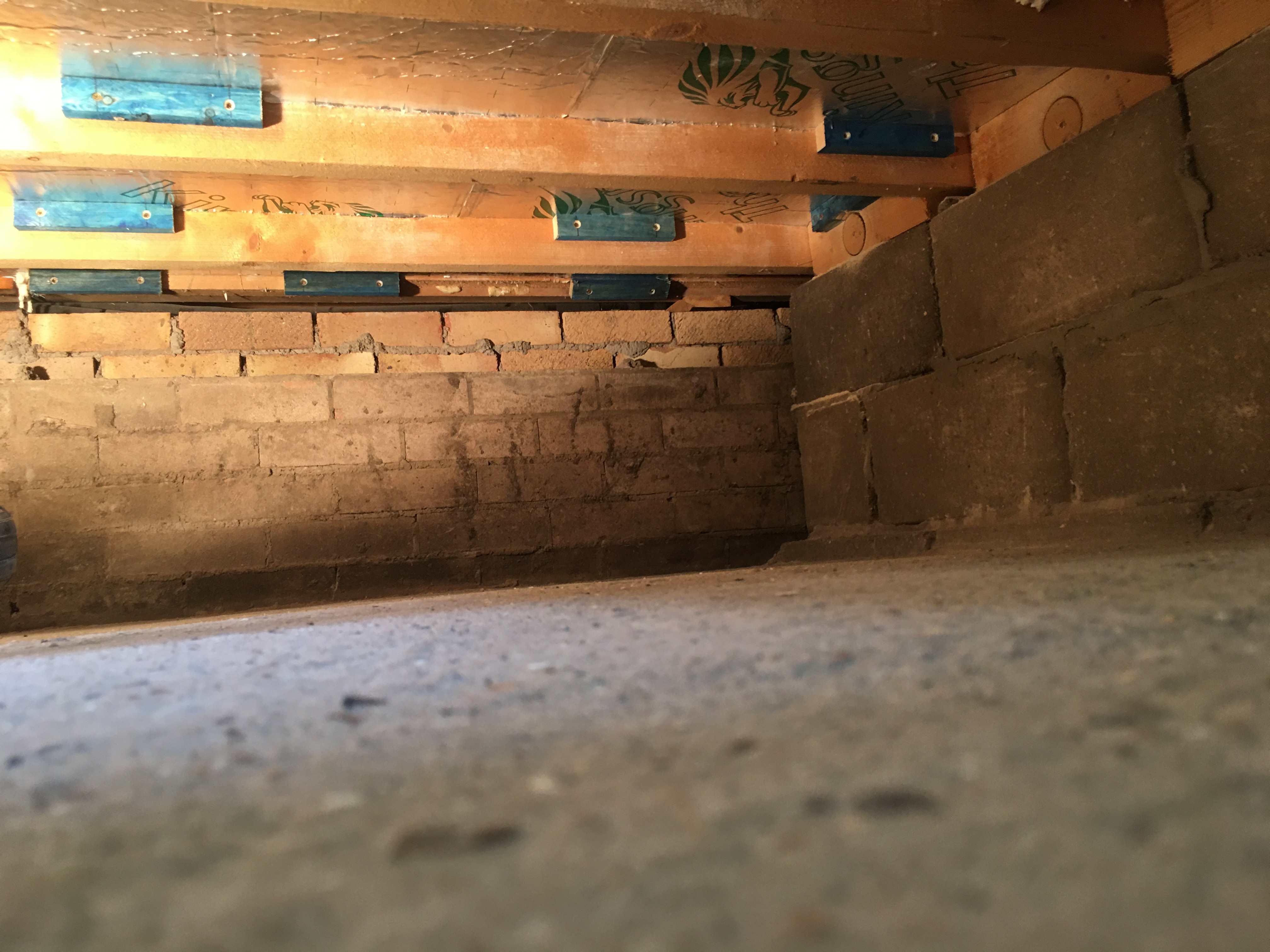
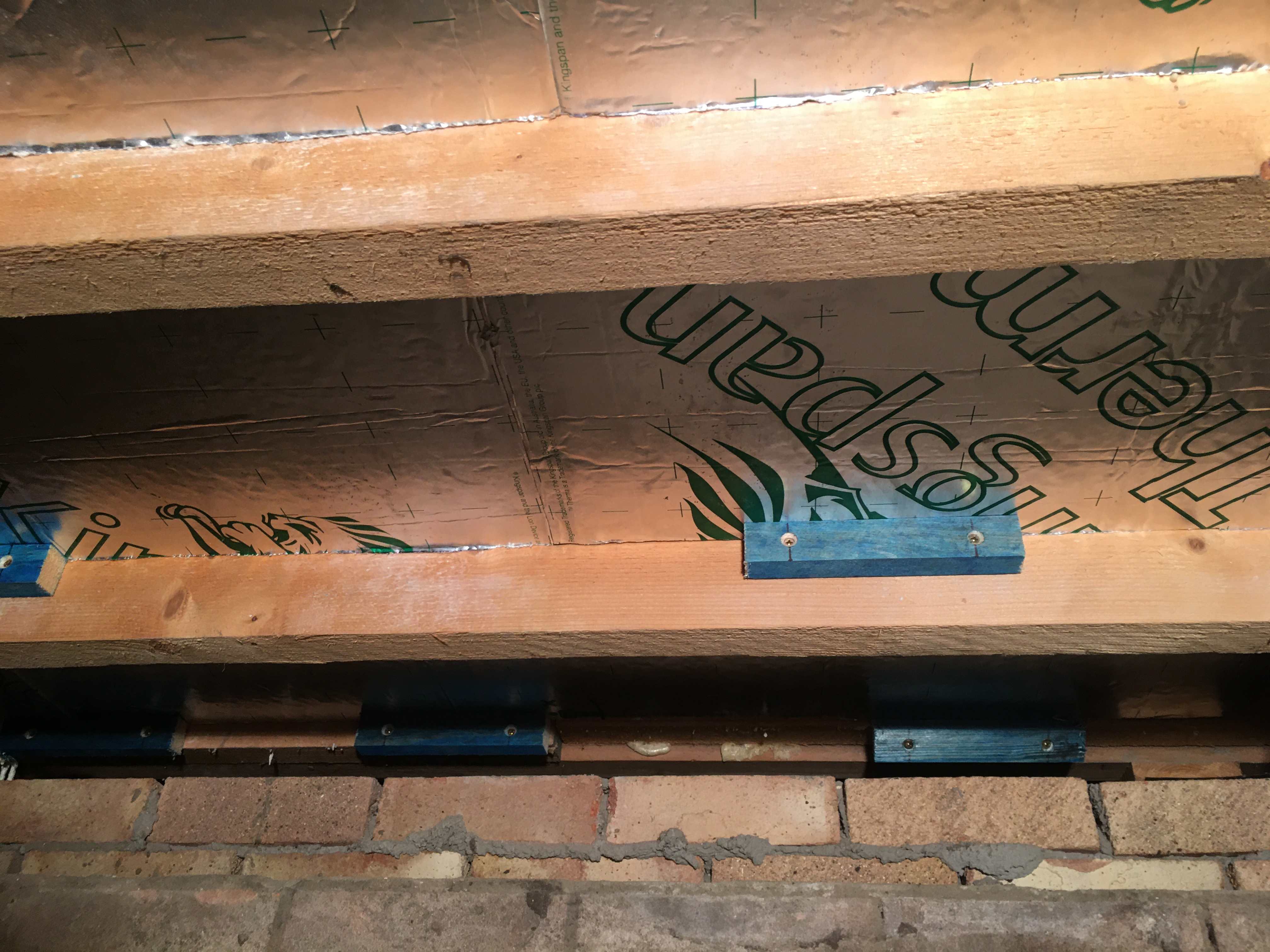
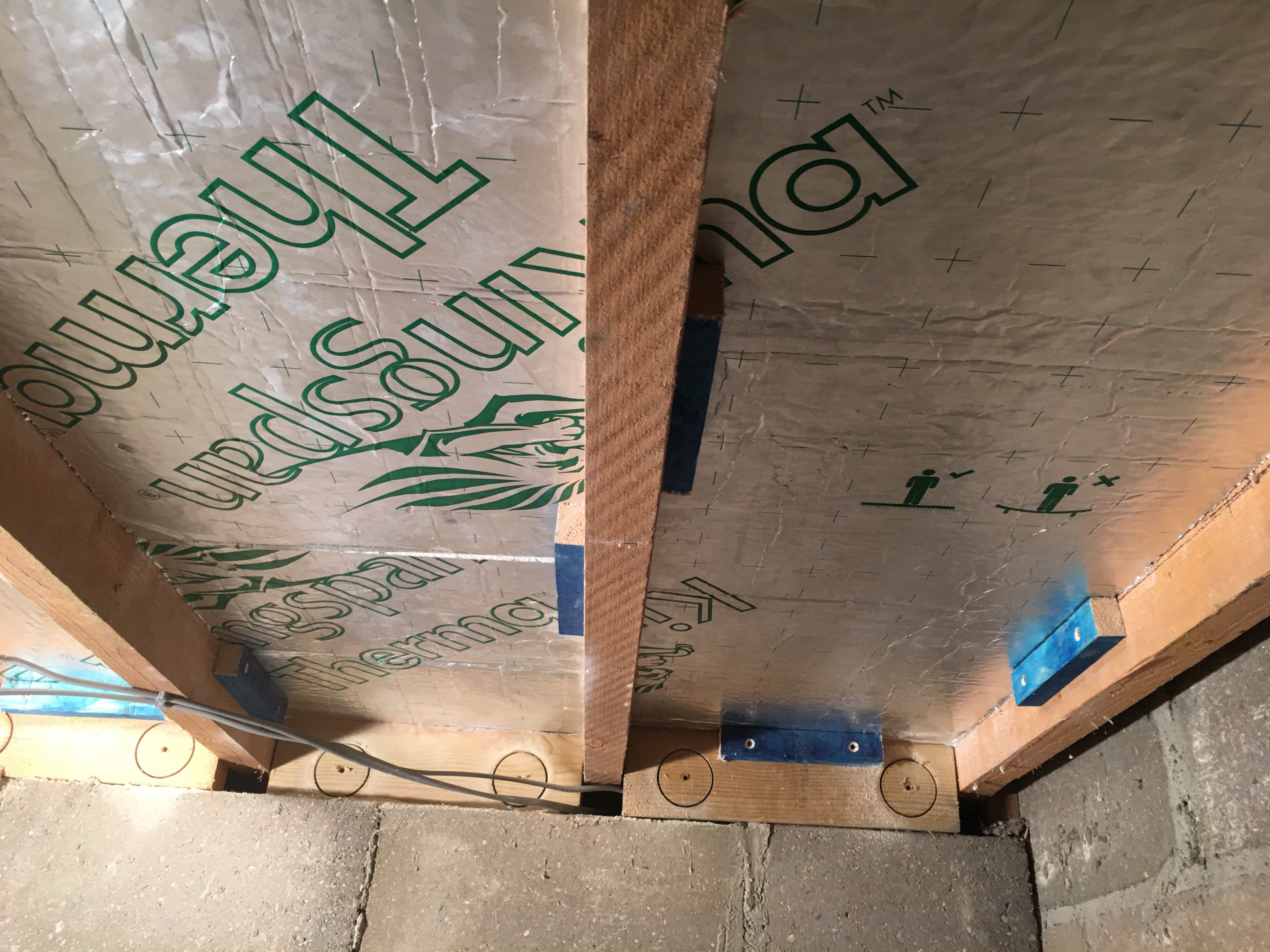
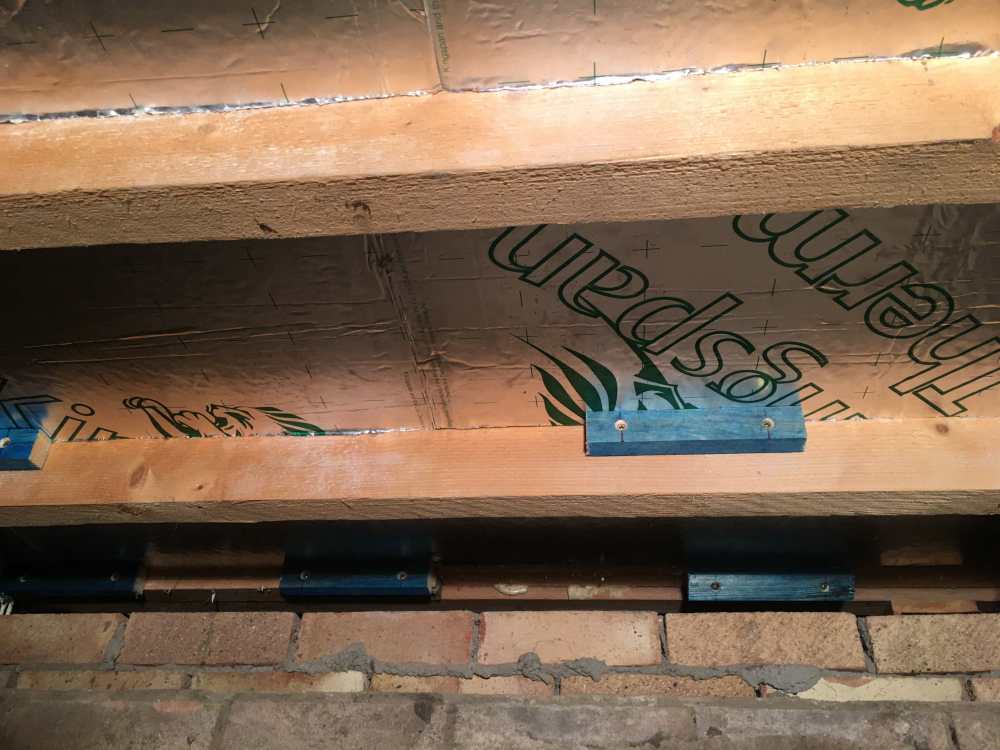
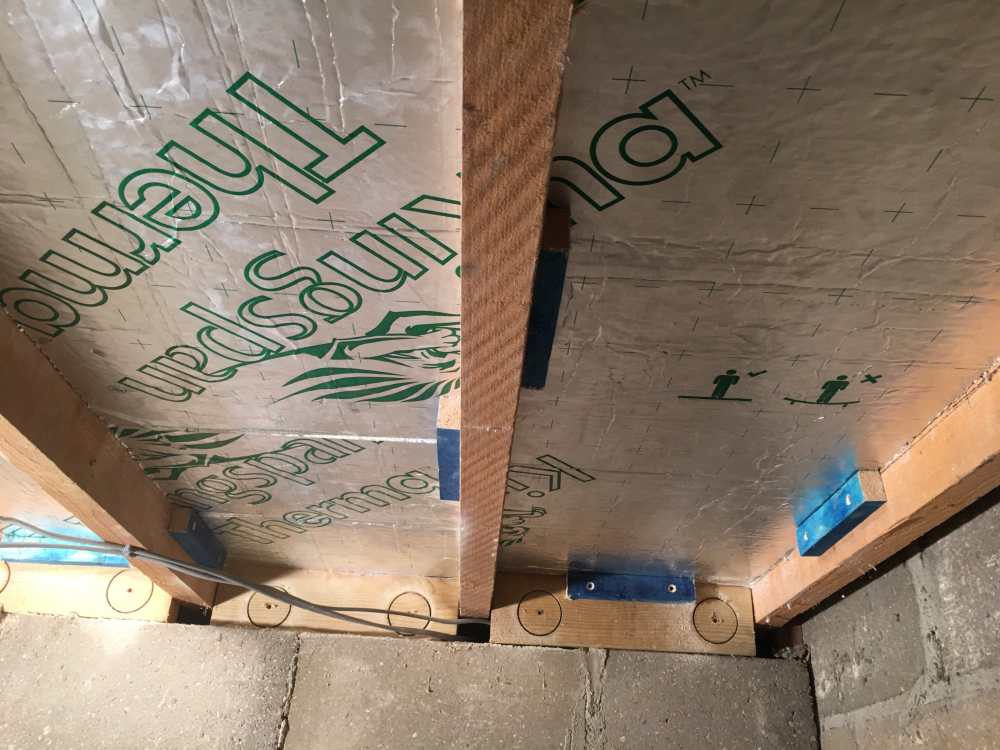
I had a two to three foot crawl space under my suspended wood ground floor. It’s ventilated with air bricks every five all the way round the house getting underneath there was a lot of air flowing if there was any breeze at all. The ground was concrete over DPM and it’s very dry under there (dusty) the floor joists were mostly four or six inch (an extension added had six inch due to the span. most ground floor rooms have either tiled finish (overboarded with ply before tiling) or 18mm oak. all floors in winter were bloody freezing and most rooms were drafty near the skirting boards I used 75mm kingspan and did the whole ground floor from underneath - this left a reasonable amount of joist exposed if any moisture needed to escape - I tapered the insulation at any air brick The best thing from an energy reduction perspective I have done - I’ve been under a few times and there is still a good airflow under there and no sign at all of any damp. drafts have been completely eliminated and even in winter the floors (esp tiled ones) are closer to room temp rather than 10 deg cooler 100% recommend but if you can remove the floor and do it from above it’s a lot easier @Sparrowhawk I think has also done similar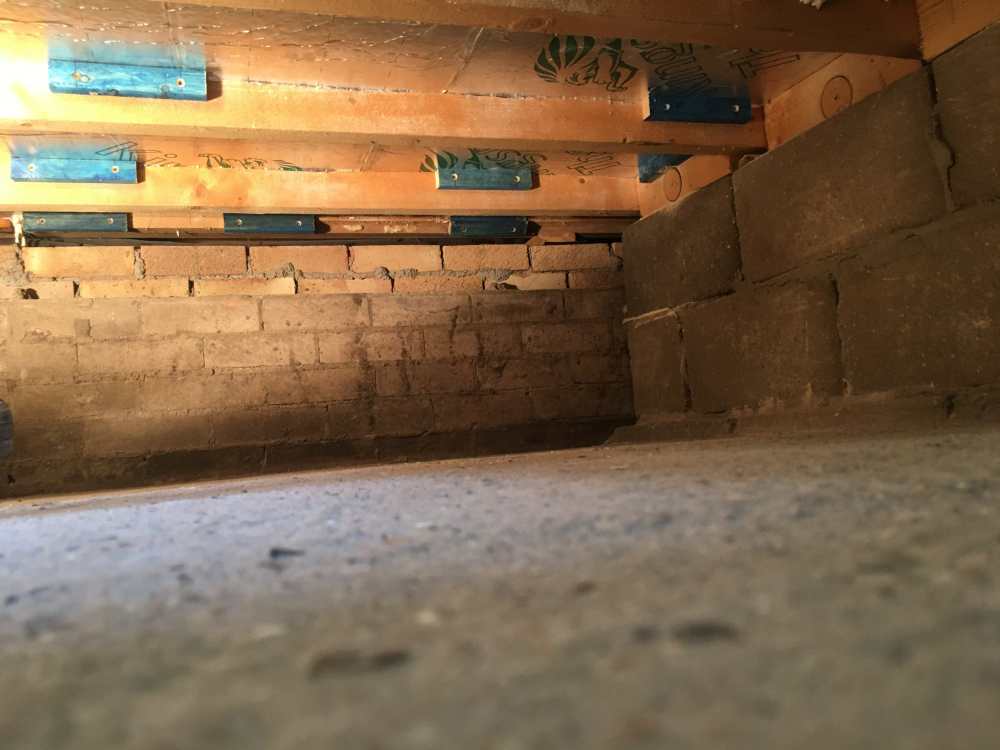
-
Do I need a HP specific cylinder?
marshian replied to Beelbeebub's topic in Air Source Heat Pumps (ASHP)
Would have expected a water requirement would be based on occupancy not bed rooms - our 4 Bed house has had a 115 litre tank from new But it’s BUS grant and MCS so probably all a bit crazy from an energy efficiency you only ever want to heat the water that’s needed?? -
Do I need a HP specific cylinder?
marshian replied to Beelbeebub's topic in Air Source Heat Pumps (ASHP)
180 Litre tank?? how many showers are required? (See note) Just two of us in the house 115 litre tank we heat to target 50 deg C in the morning with a flow temp of 60 deg (takes 40 mins on average from it’s mid 30’s start point the tank is old style copper with foam casing and not a very big coil so loses ~0.5 deg per hour (was much higher losses before a london loop was added) this means we can still wash up and comfortably have a further two showers in the evening before the tank is fully depleted. I could probably heat to a slightly lower temp maybe 47 or 48 but my old school tank stat has 50 deg as min - below that is off!!!! (I really should buy one that allows a lower set point) Note - If Teenagers are involved all bets on water usage are off -
Multipipe Maxima FM 16-port manifold (..and 13, 14, & 15)
marshian replied to mikeysoft's topic in Underfloor Heating
with 8-9 cm of build up to play with you can’t put the required level of insulation down. so don’t put any down did you watch the Urban Plumbers you tube I posted it explains why -
Multipipe Maxima FM 16-port manifold (..and 13, 14, & 15)
marshian replied to mikeysoft's topic in Underfloor Heating
Don’t bother at all -
Multipipe Maxima FM 16-port manifold (..and 13, 14, & 15)
marshian replied to mikeysoft's topic in Underfloor Heating
Not actually true - @JohnMo’s advice if doing UFH was to either fully insulate or do no insulation at all. If you continued with you current floor insulation levels you’d be better of using rads I occasionally disagree with @JohnMo but on this issue I completely agree with his viewpoint I kinda agree with him with regard to you have already made up your mind and are going to do it anyway so it’s kinda pointless to comment any more. Heat loss calcs - design UFH to meet the heat loss at whatever min winter OAT is typical of where you live - set the boiler up with WC and DHWP and don’t complicate the system with buffers, mixers and thermostats because that will increase both the capital costs and the running costs -
Multipipe Maxima FM 16-port manifold (..and 13, 14, & 15)
marshian replied to mikeysoft's topic in Underfloor Heating
The room by room heat loss calc will help you to understand the heat loss of each room and that means you can get the pipe spacing right for the needs of each room Just using 100mm spacing everywhere doesn't make sense to me - if a room has a low heat loss then you are going to have to restrict the flow thro that section to achieve the target room temp - now that may well be fine for the odd room but your boiler is going to need a level of flow to be happy - why put excess pipe under a floor for a room that doesn't need it and then shrink the circuit flow to compensate? I've got an 80's house - yes it now has blown CWI, SUDG windows and doors, 325 mm of Loft insulation and 75mm of PIR under the suspended ground floor as improvements over the original build spec but the heat requirements of each room can be very different (due to number of external walls in some rooms, patio doors in living areas) as a result the rad sizes are very different and where they are similar the flow rates aren't I'm using a gas boiler not ASHP but I do heat 24/7 from Sept to May I've sized my rads to meet the heat loss needs with flow temps linked to weather compensation (34 Deg C at -2.5 DegC OAT) with the flow rates controlled so I can heat 24/7 maintain a stable comfortable house temperature with a boiler that is happy because the circuit never shrinks) This is the most comfortable the house has ever been - certainly massive improvement compared to higher temperature scheduled heating Trial an error whilst it works, takes time and is no substitute for a good system design right from the start -
Multipipe Maxima FM 16-port manifold (..and 13, 14, & 15)
marshian replied to mikeysoft's topic in Underfloor Heating
Anyway individual bathroom temp discussions are taking this slightly off topic. I'm hoping @mikeysoft has a little more insight into the subject and how looking at the whole house heating needs requires both a room by room analysis paying careful attention to the flow temp and heat input (either rad sizing or UFH spacing and pipe size) -
Multipipe Maxima FM 16-port manifold (..and 13, 14, & 15)
marshian replied to mikeysoft's topic in Underfloor Heating
As does ours and that is fine for daily showers in the winter - it shares a wall with bed 1 which is heated to 20 Deg (Mrs Alien is not someone who copes well with a bedroom at only 18 deg C - compromises in life we all have to make them 😉 ) Bathroom and En-suite are identical from the perspective of 1. dimension (L x W x H) 2. Insulation above the ceiling 3. Insulation in the brick cavity 4. Radiators are also identical as is the flow rates & temp thro them However the bathroom needs to be a lot warmer than 20 Deg C when she wants a bath and this was a source of some discussion (hence considering the rad upsize until I realised that it can be achieved by heating the adjacent room with a less aggressive setback -
The Buildhub Sealant Challenge - are you up to it eh?
marshian replied to ToughButterCup's topic in Tools & Equipment
Large box of latex/nitrile gloves - any on the gloves and it's glove change time. -
Multipipe Maxima FM 16-port manifold (..and 13, 14, & 15)
marshian replied to mikeysoft's topic in Underfloor Heating
^ spot on @SimonD I have a good example of exactly this to throw into the mix My house is T shaped, one edge of the T is north facing and has front hall and bed 4 (PC room/study) above both have 3 external walls - heat loss from these areas is quite high and they are infrequently used so it's they are the only rooms/areas where I run heating to a scheduled heating and at a much lower target temp (Typically 16 deg C). Next to bed 4 is the bathroom - it's radiator should be capable of getting the room to 23 deg C but it struggles to get above 20 and I was getting to the point in Nov last year where I was going to up size it - right until the xmas break when I spent a bit of time in the study doing an annual paper shredding exercise and had reverted the schedule to 24/7 because running low flow temps the warm up time can be a day or two to react to a change Bathroom temp went up by 1.0 to 1.5 deg in this period................ A really good example of the radiator in a warm room losing the battle because it's having it's input to the room being leached out to heat the colder room next door. I've now increased my loft insulation from 75 mm to 325 mm to reduce my ceiling losses in the whole house and my winter plan is to run a far less aggressive set back temp in bed 4 - possibly even go 24/7 with a smaller differential. There was another good video from Urban Plumbers recently where he was doing an install and the existing rads in the bedrooms were on the edge (output wise) at the design flow temps - all the bedrooms were off a shared landing and the action to resolve was not replace/upsize all the bedroom rads but add a rad to the landing to reduce the differential between the areas. The more I think about what UP's did the more I realise that my bathroom shares 1 wall with Bed 4, 1 wall with the landing (only heated from 1 rad downstairs) and 1 wall with the stairwell so the hot has plenty of cooler areas to go -
Multipipe Maxima FM 16-port manifold (..and 13, 14, & 15)
marshian replied to mikeysoft's topic in Underfloor Heating
Lovely post @SimonD @mikeysoft "Experience is what you get when you don't want it" My house built in the early 80's had T11 rads throughout - they were originally fed by a high temp non condensing boiler and I'd changed that to a condensing boiler and got a little energy saving Over the years single glazing got swapped out for double glazing - 25mm of loft insulation got upgraded to 75mm - empty cavity wall got insulation blown in - all giving small but incremental improvements in energy consumption A few years ago I "upsized" some of the rads in my house (mostly bedrooms, living room and hallway) from original single panel, single convector rads to double panel double convector rads - my assumption was I could run lower flow temps improve boiler efficiency and reduce my gas usage It was to be frank a bloody disaster Rooms with upsized rads heated up far faster than ones with the original rads, the TRV's closed to limit the room temp This meant that the heating circuit was half the total volume once the TRV's shut down - the boiler then cycled like crazy wasting loads of gas and my energy costs went up not down Lower flow temps meant that the rooms with original rads didn't heat up as quickly but now with a circuit volume that had shrunk and a boiler that cycled like crazy they never came up to temp unless I increased the flow temp Increasing the flow temp meant that any condensing eff gains was lost and I learnt a valuable lesson I upgraded the remaining rads and was then able to run lower flow temps for the whole house - downside was my boiler wasn't capable of running the lower flow temps to not overheat the house 45 deg C was as low as it could go with sensible burn times I did a room by room heat loss calcs - swapped some rads about and replaced a couple of rads where the move from T11 to T22 wasn't balanced to the heat loss and ended up with a house that could be heated with 30 deg flow temp even at zero outside Except my gas boiler would short cycle when set to anything below 45 So I changed the boiler for one that could run low flow temps and now I can heat 24/7 low and slow and get the benefits of boiler efficiency It doesn't matter if you use Rads or UFH you really need to have a very good idea of heat loss and align flow temps with the size of the rads or spacing of the UFH pipes to meet the needs of the room Oh and micro managing room temps to save energy doesn't work either - there is a great heat geek video on that "Stop turning off radiators in unused rooms" it covers the reasons why it can actually cost you more So in summary people on here are trying to stop you making the same mistakes we've already made -
Multipipe Maxima FM 16-port manifold (..and 13, 14, & 15)
marshian replied to mikeysoft's topic in Underfloor Heating
Two ways to do do UFH - With a lot of insulation under the floor or with none Skip to 11:30 to the bit that covers UFH in an un-insulated slab @JohnMo is pointing out you are in "no mans land" where a little insulation can actually be worse than none -
Multipipe Maxima FM 16-port manifold (..and 13, 14, & 15)
marshian replied to mikeysoft's topic in Underfloor Heating
You don't - You can have different temps in different areas of the house by controlling the flow rates (you can do this with flow rate supplying each loop) what you don't want to do is control temps with thermostats/actuators @JohnMo is stressing the importance of having a nice open system with no thermostat/actuator controlled zoning which is bad for efficiency (boiler cycling) I have 13 rads - only two have set backs using "Smart" TRV's - rest all are controlled by matching flow rate to heat loss to achieve the desired room temp means system volume is ~100 Litres so plenty of water to keep the boiler happy -
Multipipe Maxima FM 16-port manifold (..and 13, 14, & 15)
marshian replied to mikeysoft's topic in Underfloor Heating
to expand on ^ if your boiler can run low flow temps for CH and flip to higher temps for HW (ie with Weather Compensation and DHWP) then running at fixed flow temps with mixers and additional pumps for UFH make no sense my max flow temp for CH at -2.5 outside is 34 deg C (weather compensated system) return temp is in mid to high 20’s so condensing all the time with a boiler efficiency of 97.5 % (validated because I found out how to calculate it) my max HW reheat temp is 80 deg C - efficiency is probably not much more than 86 % - I don’t care because I run the CH 24/7 on low flow temps at max eff and only heat HW tank for 20 - 30 mins a day. So the efficiency gains on CH cover off the poor eff on HW