marshian
-
Posts
1605 -
Joined
-
Last visited
-
Days Won
6
Everything posted by marshian
-

Gravity driven plate heat exchanger for DHW
marshian replied to Dillsue's topic in Air Source Heat Pumps (ASHP)
Thank you PS heating HW with gas boiler 😉 -
Gravity driven plate heat exchanger for DHW
marshian replied to Dillsue's topic in Air Source Heat Pumps (ASHP)
I don’t really want to piggy back this thread with my plans but it’s a good discussion with lots of input from knowledgable BH members so hopefully the OP won’t mind too much? Firstly we never heat water in a period where we could potentially be used (always early morning before we are awake) So no concerns for getting cool tank contents before the HW tank heating process is complete. Secondly - if using a PHEX process there might be a potential to heat less water than a full tank (currently with coil in tank process we have to heat whole 115 litre to desired target temp (currently 52 deg C once a day) if circulation through PHEX is returned to top 1/4 of the tank and PHEX process is effective at generating water at a temp of say 50 Deg C to the tank without upsetting stratification we might be able to heat say 50 L of water to target temp rather than whole tank if we feed return from PHEX lower then we will have to heat more of the tank to target than we potentially need each time we re-heat -
Yeah black armoured cable
-
Made an interesting discovery at the weekend now thinking how best to resolve it so throwing it open to the great minds of BH Background House built in early 80’s - Brick outer skin, thermalite block inner skin with at the time of build an empty cavity. Had a company inject cavity wall insulation for all the external walls (blown in via a large number of holes drilled in the mortar between the bricks) insulation material is white/grey fluffy fibre I was painting my electricity and gas meter boxes which are on an external wall and I dislodged a lump of mortar around the main cable feed into the electricity meter box I can clearly see no insulation material in the cavity below the box - I’d like to fill this cavity as the wall is on the North side of the house. question is do I 1. pour bead type insulation in the hole and hope it flows to all the areas where insulation is missing 2. Get a cavity wall insulation company to come and add similar to original (and maybe check other wall areas and top up as required 3. use a liquid foam?
-
Boiler temps on CH or HW don’t mater - what balancing achieves is an equal distribution of heat to all the rads in the circuit this is better for condensing efficiency (so cost) boiler cycling (again cost) and house heat up (so comfort)
-
Gravity driven plate heat exchanger for DHW
marshian replied to Dillsue's topic in Air Source Heat Pumps (ASHP)
I’m planning to put the Essex flange as close to the top section of the tank as is possible - In my view you want as little mixing at the top of the cylinder with cooler water already in the cylinder -
I’ve got to balance the rad circuit in a neighbours house - every single balance valve was wide open and TRV’s were the only control on room temps - his main complaint in winter was upstairs warms to fast and downstairs takes an age to warm up (classic short circuit with the water being lazy and taking the shortest path back to the boiler)
-
Save a few pence on pump cost and have a house that warms up room by room via TRV’s shutting down to manage temps doesn’t sound to me like a great way to heat a house most balancing valves do very little to increase pumping resistance until almost shut and when they do start to impact flow rates 1/8 or 1/4 turns can change the flow rate massively
-
Gravity driven plate heat exchanger for DHW
marshian replied to Dillsue's topic in Air Source Heat Pumps (ASHP)
I know for me the cyl is a spray foamed one from 2011/2012 and I'd have no issues with adding another hole because my intention is to replace the tank once I've proofed the concept of PHEX in my set up The plus side of this conversation is I need to make sure any modern direct tank also will have a return point fairly high up the tank -
Gravity driven plate heat exchanger for DHW
marshian replied to Dillsue's topic in Air Source Heat Pumps (ASHP)
doesn’t seem too difficult -
Well if we are recommending products I use this for shed, decking and anything else that is wood that I don't want to creosote. https://www.smithandallan.com/product/smith-allan-cedol-wood-preserver-decking-oil-4036 20L for £48 in vat and £6.95 delivery
-
Gravity driven plate heat exchanger for DHW
marshian replied to Dillsue's topic in Air Source Heat Pumps (ASHP)
I have been looking but smol tanks with 3m2 coils don’t come up often -
I didn’t regard it as kick back - more that “most of the cases you are right trying to make a gas boiler run like a heat pump isn’t going to make the boiler happy” But it’s not a hard and fast rule……. If people do get a boiler that can run lower temps than most and has a high modulation then it can be quite happy “pretending” to be a heat pump in terms of delivery of heat to the house ufh or rad circuits. it can also go back to not “pretending to be a heat pump” when asked to do HW 😉 I’m sure other boilers are equally capable of doing the same but a few manufacturers are lagging behind and they need to up their game Viessmann however need to do a better job of writing their installation and operating manuals 😉
-
It’s absolutely possible to run a gas boiler like a heat pump but you need the right boiler that can cope with narrow deltas between flow and return at the boiler. my Viessmann has no issues when doing CH with a flow temp of 30 deg and having a return of 23 on CH it’ll tun for 20 to 40 mins at a time without cycling when doing HW flow of 64 and a return of 57 it will also not cycle and will do the water heating in one hit (obv delta is wider at the start of water heating and narrows as the tank heats up)
-
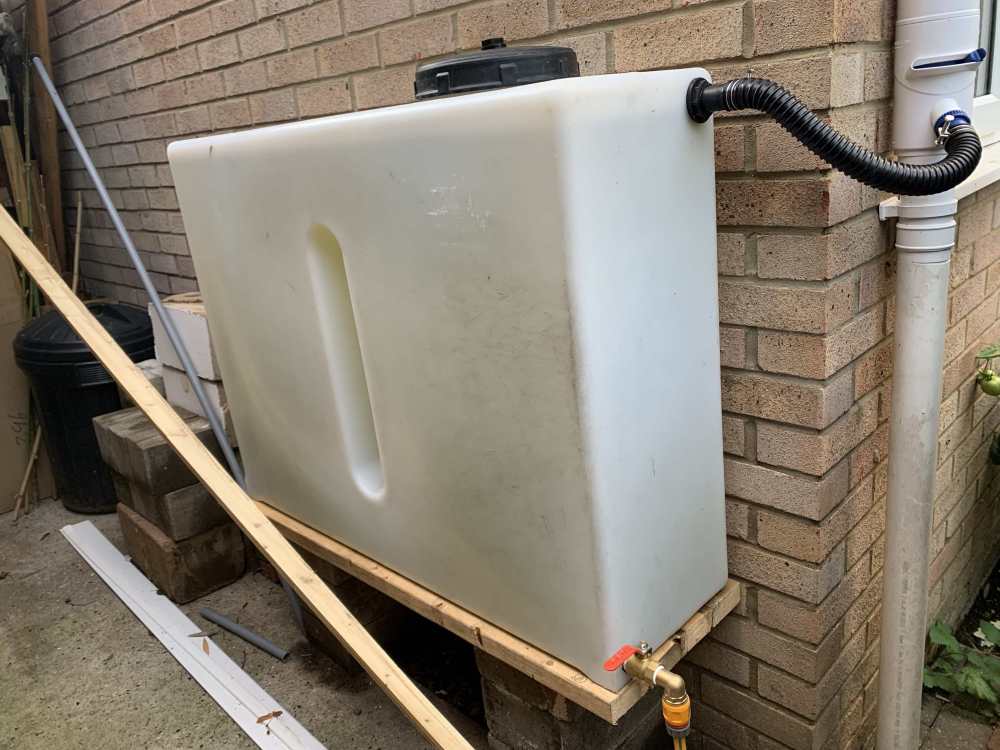
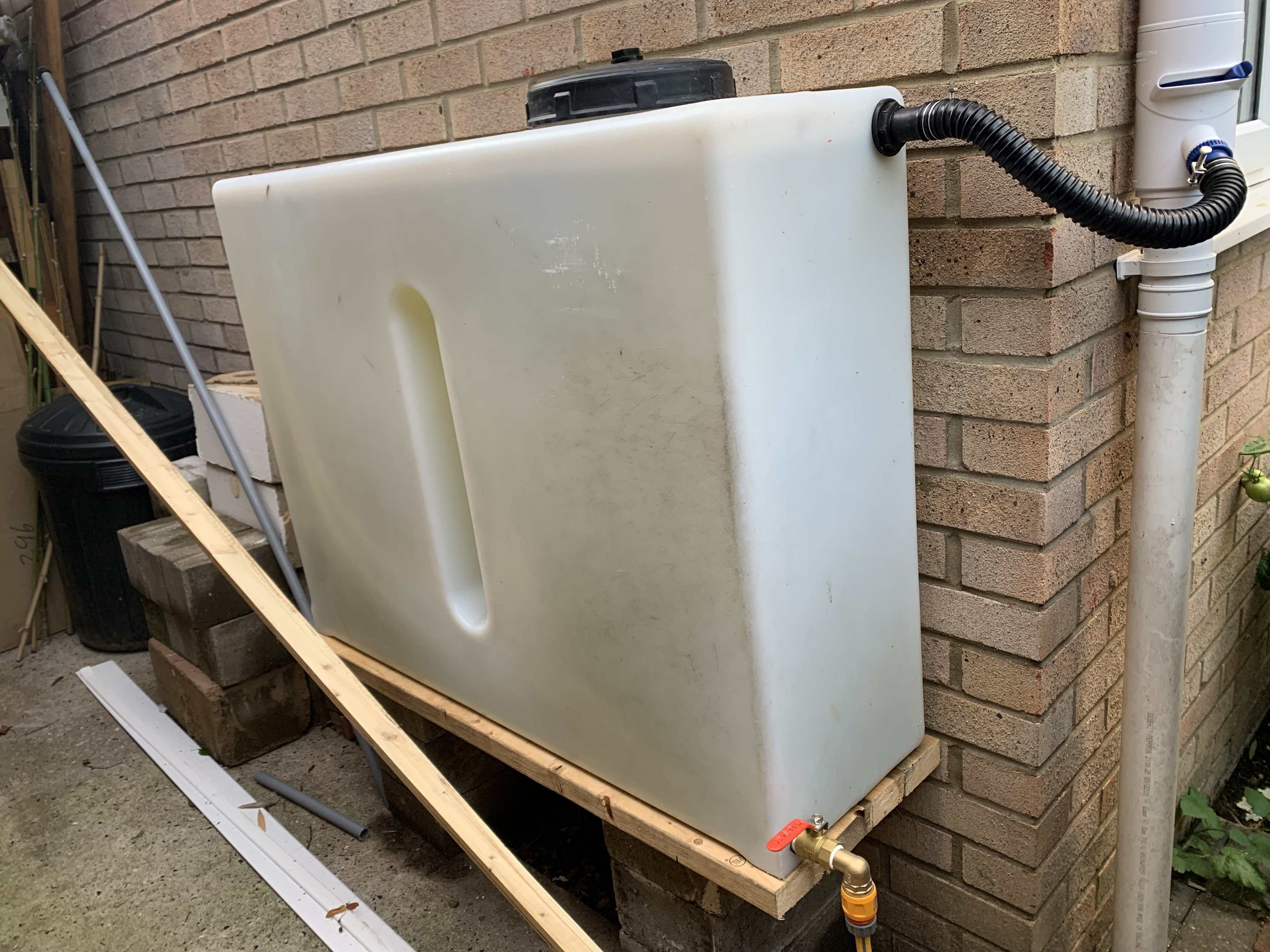
I always link at the top when daisy chaining water butts - less risk of water loss due to poor sealing on the link pipe when I was daisy chaining - Mrs Alien instructions was to use from furthest from the source first - of course she ignored that because it was quicker to fill a watering can from the fullest one (she doesn’t like waiting for anything) I’ve since upgraded the taps from std plastic ones to brass full bore ball valves - this way flow rate is less dependent on volume in the butt (it still is faster on a full one compared to a half full one but much less of a difference)
-
Fantastic - well done
-
I think you previous issues with peeling was down to you using a wood stain “paint” You can get tinted oils or let it weather naturally and use a clear preservative oil
-
The weir in the diverter should not be higher then the top of the tank being filled ideally it should be ~1 cm below it so when the butts are full so is the weir in the diverter and all rainwater in the down pipe flows to drain and the level in the butts does not reach overflow point
-
50mm pipe spacings in problem rooms - any bad effects?
marshian replied to James of the North's topic in Underfloor Heating
Still interested in the Gas Boiler being used because if you are modelling heat ouputs from the floor based on a boiler flow temp (no mixers or blending) you might find that quite difficult - if you have got a boiler that will do low flow temps and weather compensation then if you are all UFH then you’ve no need to mix or blend and circuit control becomes much simpler - just flow rate changes through the circuits to balance the heat output required -
Gravity driven plate heat exchanger for DHW
marshian replied to Dillsue's topic in Air Source Heat Pumps (ASHP)
I’m looking at a similar set up for my HW (PHEX with my current tank which is a 2012 115 litre copper tank - spray foam lagged) Tanks with 3m2 coil area are £1300 - £1500 but I can get a PHEX kit for £450 and try it on the existing tank - if it works well I can get a high quality Direct HW tank (no coil) of a sensible size later as an upgrade for £600 - £700. Overall it would be saving against a Modern HW tank with 3m2 coil if it works well. I’m using gas boiler but running low flow temps for CH but because of the small coil in the current HW tank meant for higher flow temps when doing a 45 min tank heating cycle with a flow temp of 64 Deg C I’m only in condensing mode for the first 10 mins I’d like to heat the tank to 50 Deg C and be in condensing mode the whole cycle so 55 to maybe 58 Deg flow temp with a better heat transfer from PHEX keeping the return tenp below 54 Deg C -
Gravity driven plate heat exchanger for DHW
marshian replied to Dillsue's topic in Air Source Heat Pumps (ASHP)
my apologies - I thought you were trying to use an existing HW circulation pump (the sort that stops you having to wait for HW at the taps) to also circulate the Tank water through the PHEX -
Gravity driven plate heat exchanger for DHW
marshian replied to Dillsue's topic in Air Source Heat Pumps (ASHP)
Is this to avoid using a dedicated pump for the PHEX? I’m not sure I’d want a pump set up for DHWC to also be used for Tank circulation whilst heating using PHEX. I would have thought you would need to optimise the circ pump to work with the PHEX to maximise heat transfer? you are adding to the circuit the PHEX has to work with increasing losses (even if the pipework is lagged you will get some) DHWC pumps are run at low flow rates and take from the top and return to the bottom in order to keep the tank stratified. I guess for a PHEX you could take from top and return to bottom but surely better to maximise differential temp at the PHEX by circulating from bottom and returning to the top? -
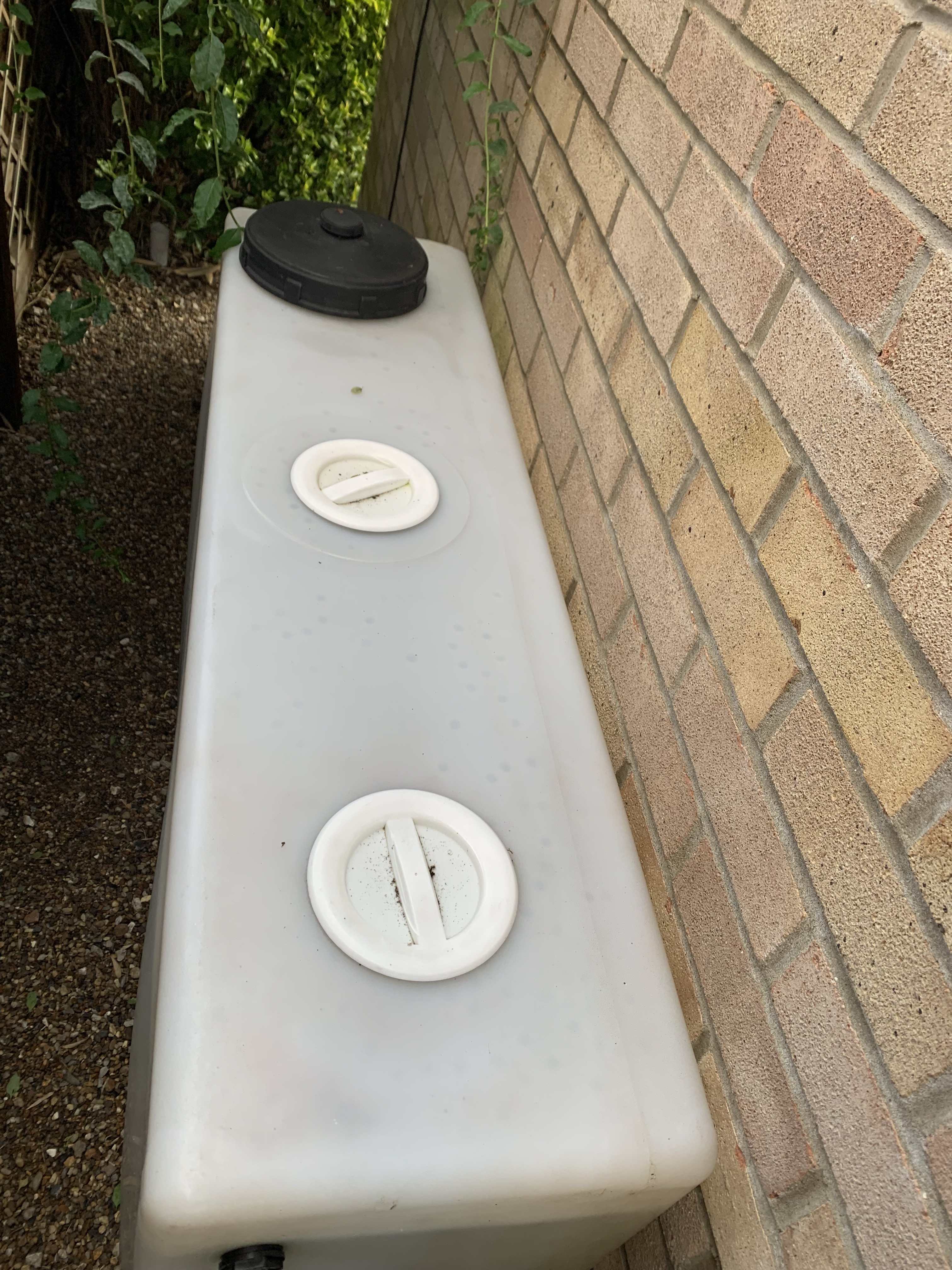
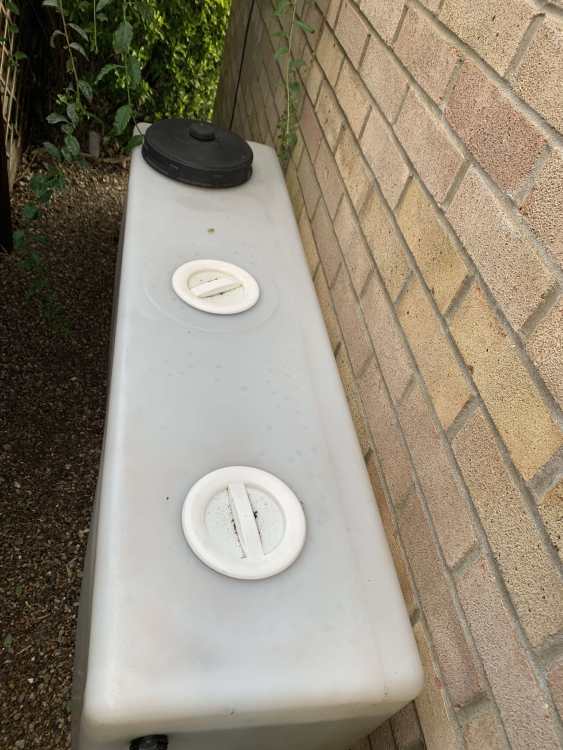
Yes the alignment of the hatches make my teeth itch……
-
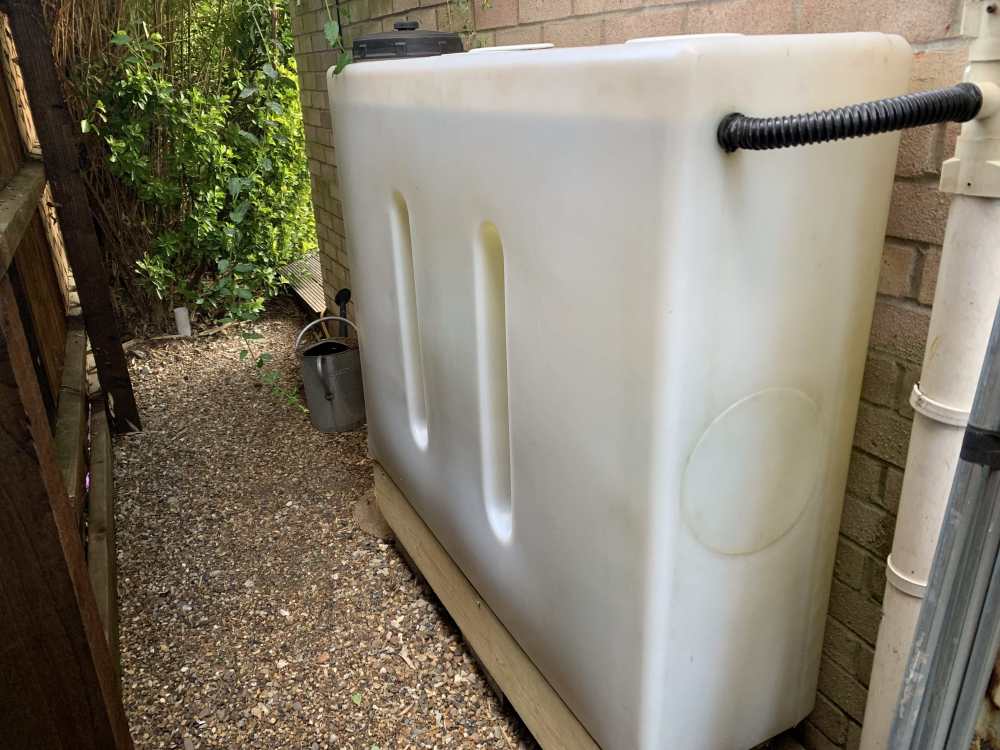
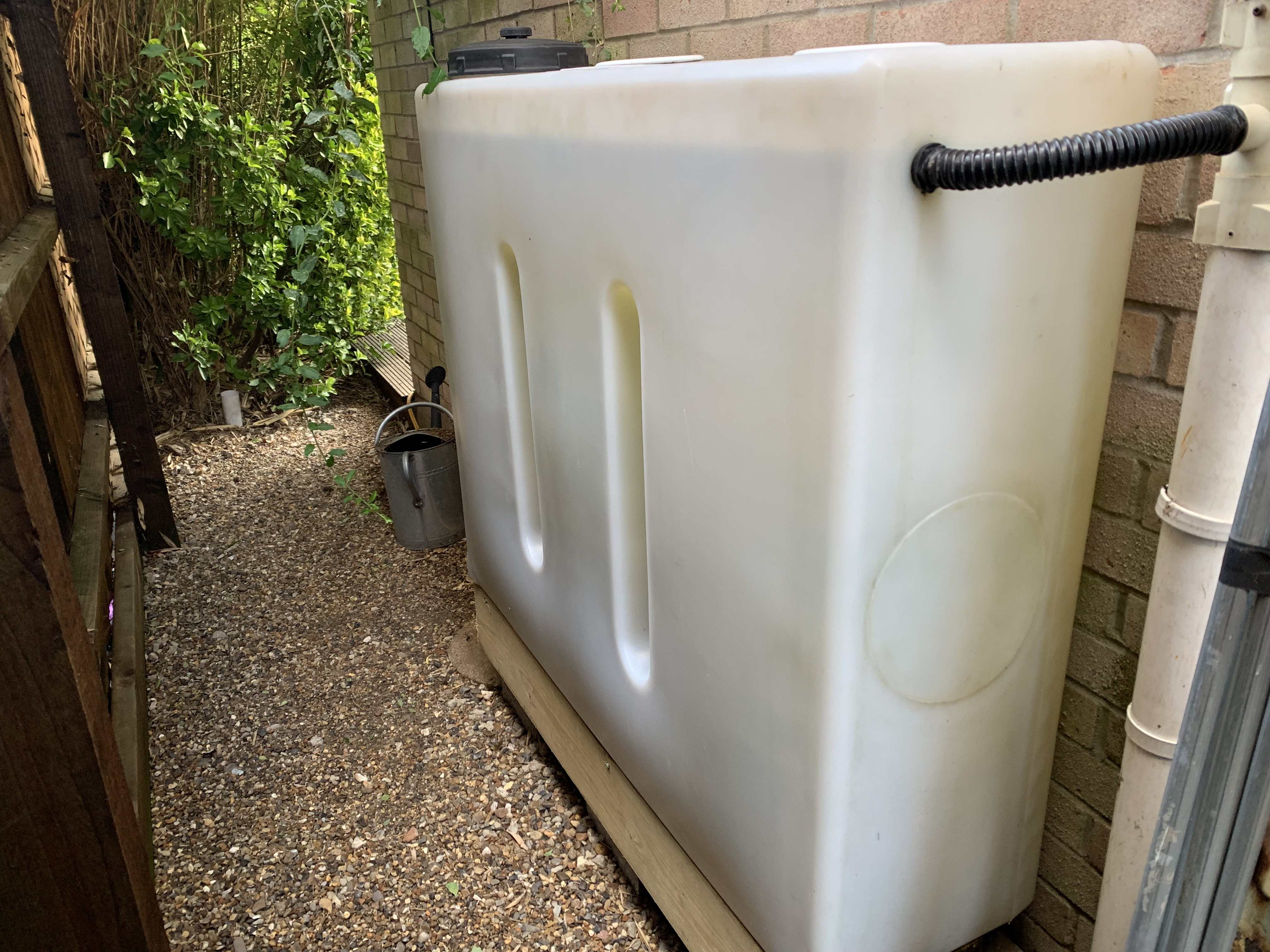
Top tip for large water butts that have multiple strengthening webs Add buoyancy inspection hatches from yacht chandlery store makes cleaning once a year with a jet wash so much easier Obviously not required for non opaque containers 😉
-
I’d rather do that on the ones that go green due to sunlight the cladding at the bottom is temporary (will clad to match the new decking next year) other butts (side alley) Back of garage Both will be done in feather board next year to hide