jayc89
-
Posts
1389 -
Joined
-
Last visited
-
Days Won
1
Everything posted by jayc89
-
Another option I thought of; - Woodfibre direct to the wall - AVCL over - Batten over to act as a service void (no services penetrating the airtight layer) - PB + skim The wood fibre providing the breathable insulation and the service void acting as a cavity to decouple the breathable materials from the non-breathable ones. It adds approx. 50mm to the depth, which is a shame, but probably worth it... Thoughts?


-
Our plasterer also told us to use 50/50 whitewash. Didn't cause any problems, but this is useful to know.
-
We got all ours from https://underfloorheating-direct.com. Just provided the floor plan and they did the loop design and BOM. Had to haggle a bit but they eventually came out the cheapest out of other online retailers that I could find at the time.
-
UFH - is it actually a good idea or not
jayc89 replied to Lord Greyabbey's topic in Underfloor Heating
Interesting - our experience is the exact opposite (rads were hot and stuffy), UFH lovely. Rads can work with ASHP, but because the flow temp will be lower, you need larger rads for the same size room (approx 150% the size standard radiator calculators would recommend) -
UFH - is it actually a good idea or not
jayc89 replied to Lord Greyabbey's topic in Underfloor Heating
We live in a 150 year old house (crap air tightness, insulation etc etc). When renovating we chose to replace the rads with UFH and don't regret it. The only inaccessible part should be the loops, which should be continuous so very little to go wrong once the slab/screed's poured. I think the life expectancy of most UFH pipe is 100 years + We also find the rooms to be a nicer type of warmth, less stuffy. I don't think there's any reason why you couldn't build with rads, but I don't think there's good enough reason to do so either. In theory, a well insulated new build with the even distribution of heat that UFH provides should mean that you don't need any active heating upstairs at all. -
MDPE outside, converted to tracpipe before it goes through the foundations and up through the slab?
-
What would that make a Victorian EnerPHit worth?
-
It'll be interesting to see how it's applied. There are numerous reports out there to suggest even achieving a wall u-value of 0.30 on older building fabrics is not a good idea in the context of internal wall insulation.
-
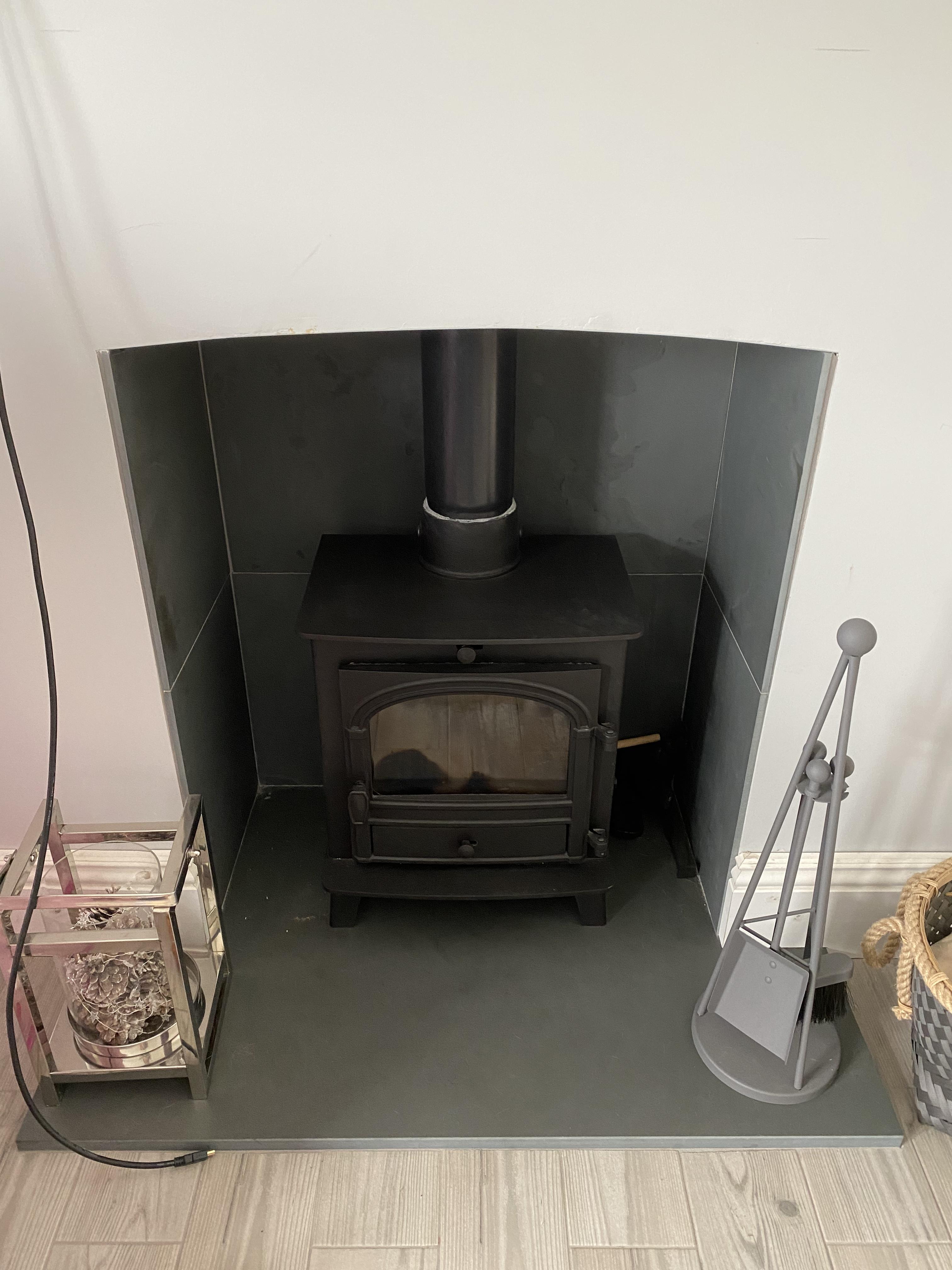
I’m (still) planning how to tackle the internal wall insulation on our house. Whatever method I land on, I’ll need to insulate the fireplace somehow. See pic; I assume I’ll need fire rated insulation, covered with a fire rated board. What would you recommend?
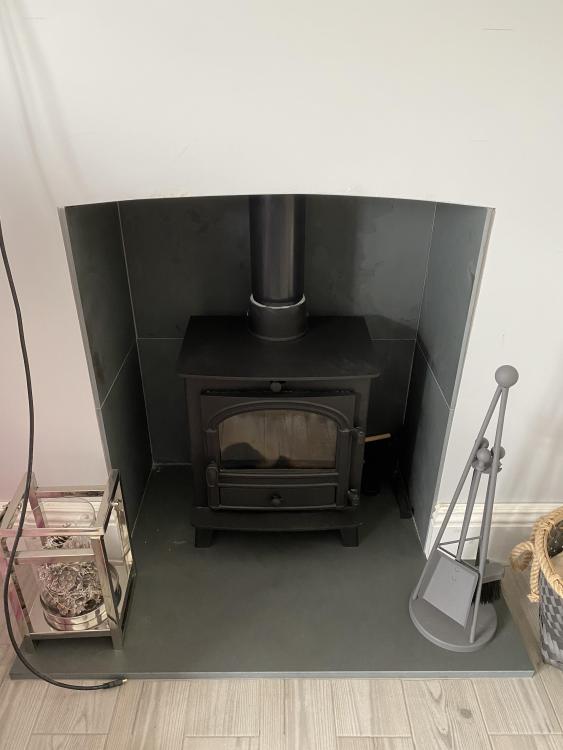
-
I don't remember the last time I saw a plot around me for less than £250k. We have family in the Scottish Borders and you can get a pretty impressive chunk of land, with stunning views, for that sort of money up there!
-
Any other thoughts on this? In the back of my mind I think running the membrane from above the ceiling joists would provider a better barrier and also solves the airtightness of the landing which I didn't plan to knock to pieces from below. I know it would be a PITA to do it from above though...
-
Sealing gaps is always a sensible move. The stuff you're using likely isn't the cheapest but should do the job. I don't think it will fix your noise problem alone though. You'd likely want to stud that wall out and infill it with some sound insulation before plaster boarding again.
-
Makes sense. I guess the MVHR ducts would still need to penetrate though, unless you have some pretty deep battens. For the walls, the membrane will be on the warm side of internal wall insulation, attached to battens (with insulation infill) and cross battened for a service void. In theory the insulation itself should provide an airtight barrier, and the ceiling membrane could be sealed and taped to that. the membrane down the walls is really belts and braces.
-
During our retrofit I plan to fit an airtight membrane to the inside of our external, solid brick walls. The idea is for it to be continuous from ground floor slab, through the first floor void up to the roof void. Sealed and taped to internal wall returns where applicable. The detailing of the roof space seems the most fiddly. The shape and size of the roof space means we'll never use it as a habitable room so I'm happy to leave it as a cold roof and save on the cost of heating it. So the membrane + insulation will lay across the first floor ceiling joists. As we'll be taking one-two rooms at a time, my quandary really is whether I should be attaching the membrane to below the ceiling joists, which would be far easier, but result in a less continuous barrier, requiring more sealing, taping and more potential air leaks. Or, above the ceiling joists, within the roof space itself, which would result in potentially a more continuous barrier, but with more detailing required around chords, webbings, posts etc. The majority of blogs etc that I have seen of retrofit projects seem to include building a room in the attic and therefore a hot roof, which I guess makes this problem easier to solve. Any hints/tips/guidance on the best approach in my situation?
-
I've seen quite a few topics on this, but I'm still struggling to understand when a buffer tank makes sense for a UFH system. Current setup; - 33kw Baxi Platinum+ system boiler set to 55c - 250l DHW UVC set to 50c - Downstairs UFH set to 35c (100mm PIR below 60mm screed, u-value of 0.15 @ a PA of 0.4) - Upstairs Radiators 3x UFH zones (all loops 150mm centres); Zone 1 - 2x loops @ 61m each Zone 2 - 3x loops @ 73m each Zone 3 - 1x loop @ 80m 421m of 15mm pipe == approx 50l of water in the UFH system. Online heat loss calcs suggest around 10kw for the ground floor, although I'm skeptical of that as UFH running at 35c wouldn't be sufficient to heat the place if that was the case. At what point does it make sense include a buffer tank into a UFH system, and if I was to include one, what size would make the most sense?
-
Sewer connection quote. Reasonable?
jayc89 replied to Water's topic in General Self Build & DIY Discussion
Ours is a bit funny, we have a septic tank and a connection to mains sewerage already on our land. We were quoted £2,500 to backfill the septic tank and connect everything to the existing mains sewerage via a new manhole on our land. When we get around to it, I'll be doing it myself for the cost of a mini digger hire for the weekend. -
Our new floor slab was laid on a DPM, which lapped up the walls. The detail is MOT, DPM, Conc, PIR, Screed. We had another section of the floor which was to be block & beamed (over an old cellar). The detail should be B&B, DPM, PIR, Screed. I've come to lay the new DPM over the block & beam, joining it to the existing slab's DPM to find it's been cut, where I need to join it, at the slab level, so I have nothing to join it to. What's my best option here? A liquid DPM between the two?
-
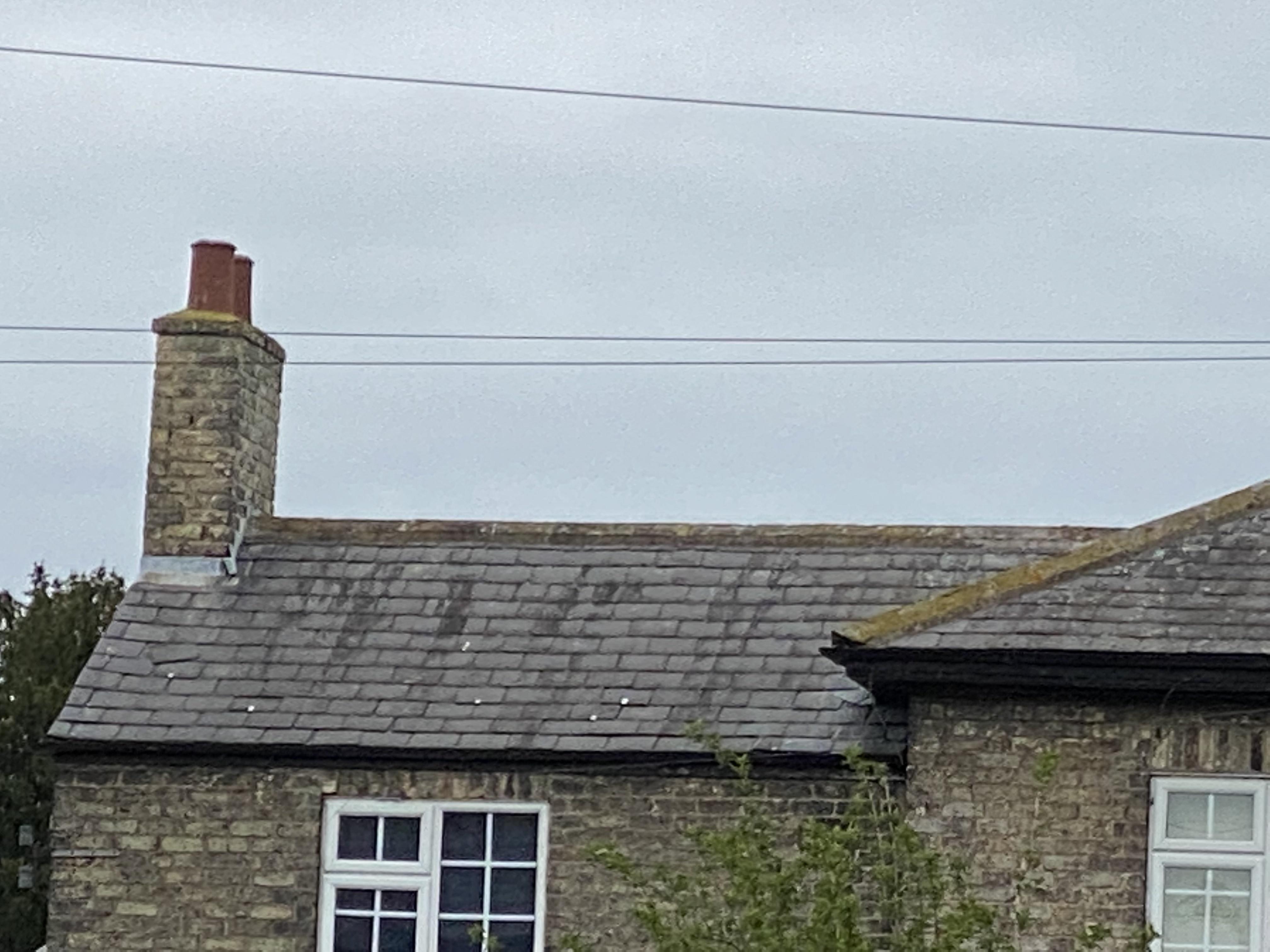
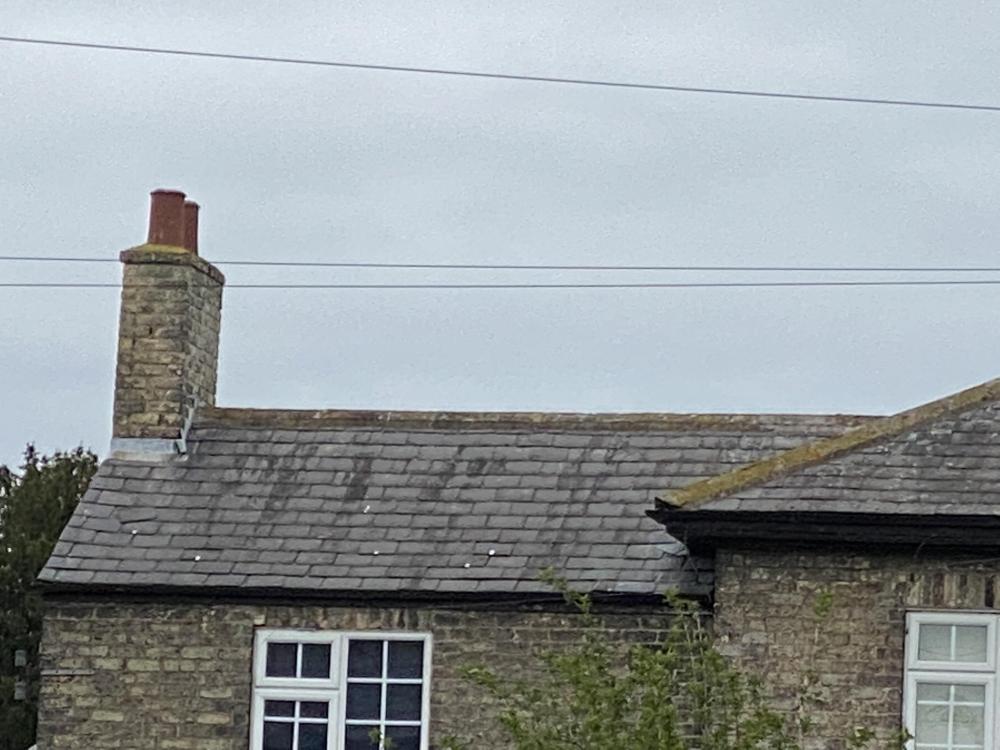
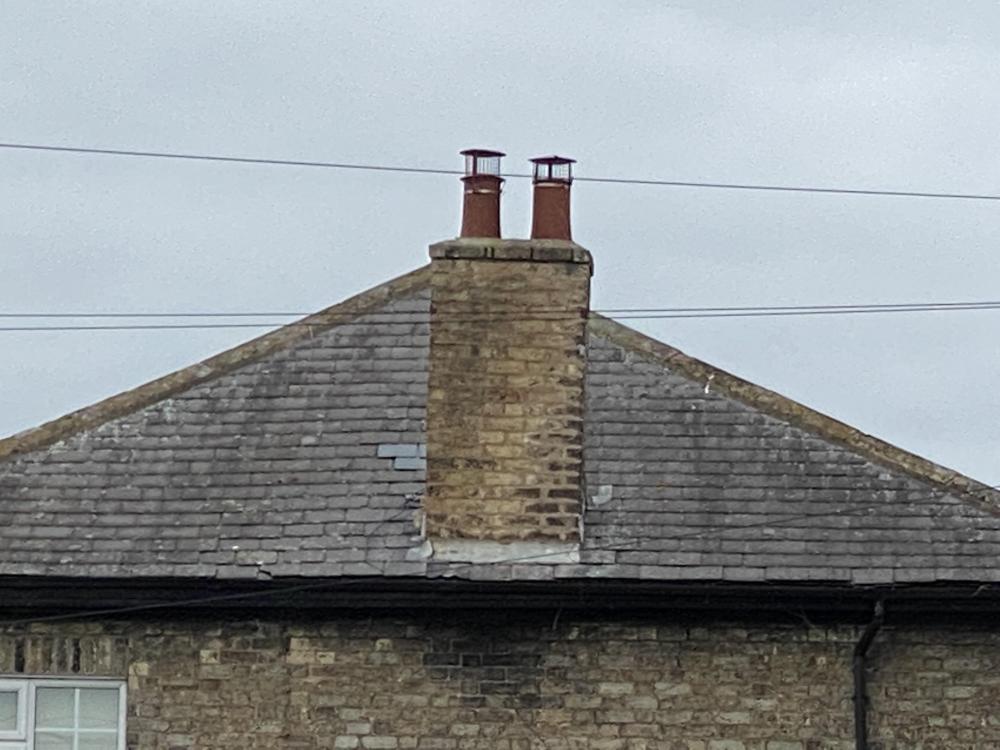
Pictures 1 and 2 show the south facing roof space. I suspect the section with a gable end could be used for PV - it's approx 4m x 2m so not massive - but I'm not sure how useful the double hipped section would be given it's pitch and the massive chimney stack in the way.
-
We've had a few slates fall off over the last few months, looking at the roof more are loose so need repairing to. When we purchased the house, last year, we had a survey carried out that suggested the roof would need replacing in the next 10 years, so it wasn't something I was planning to tackle this soon. To my knowledge, it's the original roof, so approx 150 years old, no felt/membrane etc below the slates. The pictures don't really do it justice, multiple slates on all sides are lifting, some are slipped/cracked, you can see daylight from the loft. What would you do? Worst case I suspect would be a full reroofing with wind tight membrane, possibly looking at PV at the same time. It's just not an expense we had budgeted for this early on.
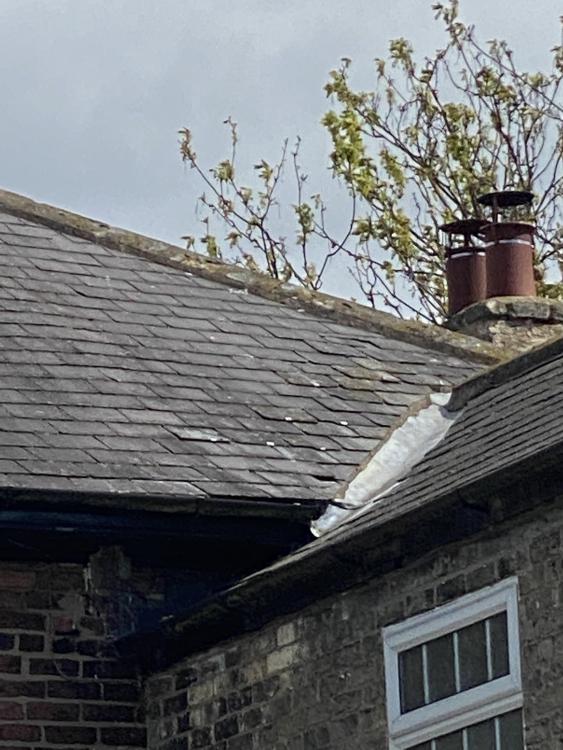
-
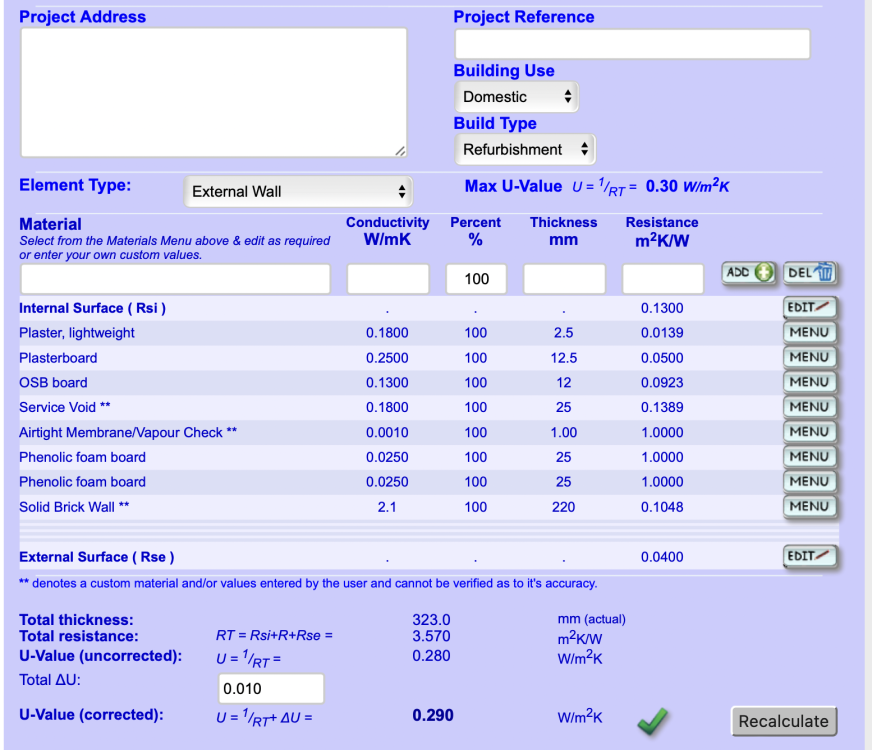
This is the make up I'm considering, from outside to in; - Solid Brick Wall - 25mm PIR, taped - Overlapping 25mm PIR, taped - Airtight Membrane/Vapour Check - 25mm Service Void - 12mm OSB (not necessary but will makes the walls feel more substantial) - 12.5mm Plasterboard - Skim According to my calcs this would achieve a u-value of 0.29, which is arguably too good for IWI (with the assumption that some heat should be allowed to escape to aid in keeping the wall dry) I toyed with the idea of having a separate airtight membrane on the cold side and using the one on the warm side just as an additional vapour check (as the 2x layers of taped PIR should also do this) - would that be overkill? I like the idea of keeping the service void on the warm-side as it means we won't have to punch holes through the PIR, or airtight barrier, but I'd be keen to hear other opinions on not having a cavity between the wall and PIR. I'm still not entirely sure what an unventilated cavity on the cold side would achieve.

-
My assumption is that because the VCL was on the rear of the plasterboard so couldn't be made continuous, whereas PIR taped, followed by plasterboard, or a separate VCL entirely would have been more suitable. Totally agree that breathable is more failsafe though!
-
Sanding concrete slab before 100mm insulation?
jayc89 replied to ashthekid's topic in Floor Structures
+1 to this. Our tiler didn't and he was having to come out the house every 15 minutes it was so bad. You'd think he'd know... -
So it could be said that it was caused by poor detailing. If a VCL was in place to prevent moisture reaching the cold wall, that condensation would have not happened?
-
I also came across this by RiBuild - http://159.65.119.86/?material=brick&internal=true&external=false&stations=500&insulation[0]=None&insulation[1]=Phenolic Foam$0.02&insulationThickness=10,150&thickness=202,222&orientation=0,360&u_value=50&mould=50&algae=50&heat_loss=50&surface_temp=50&lat=51.5072178&lng=-0.1275862 which suggests, according to their simulations, up to 110mm PIR could be used safely to achieve a u-value of 0.24
-
I'd love to know more about this. Was the source of the moisture ever discovered? What was on the external face of this wall; any render? was it well pointed with lime? any damaged guttering etc?