SteamyTea
-
Posts
23836 -
Joined
-
Days Won
200
Everything posted by SteamyTea
-
 Onlar may be better.
 -
Traditionally-styled low temp radiators?
SteamyTea replied to YodhrinForge's topic in Central Heating (Radiators)
Not the case at all. As power transfer is, in part, a function of surface area, you need larger surface area radiators. The material they are made from makes little difference i.e. steel or aluminium. Temperature is not energy. If you look at the SI units for energy, the joule, you get kg.m2.s-2 [mass times area divided by time squared], no mention of temperature [K for kelvin}. -
Her is a him.
-
Sadly yes, South West Water did a survey the other day and asked my income level. I terminated the interview. I am an optimist.
-
30 seconds research https://www.linkedin.com/in/cem-cetin-0005a896/?originalSubdomain=uk https://scholar.google.com/citations?user=zbEWH_EAAAAJ&hl=en https://www.nottingham.ac.uk/research/groups/architecture-culture-and-tectonics/meet-the-team/cem.cetin It is usual now to offer vouchers for participating. I was the only person to turn up at a research project and they gave me all the £20 vouchers, so ended up with £200 to spend.
-
It is a way to host a website from a phone, so you keep control of it. Our @DamonHD does something similar with a tiny Pogoplug, which is basically a 'wall wart' that connects to the world wide web.
-
With some chat going on about not buying American, has anyone tried doing this. https://www.digitalocean.com/community/tutorials/host-a-web-server-on-android Seems like a cool idea.
-
Cost us a lot for the fire and intruder system. Fire alarm is compulsory as we allow the great unwashed in.
-
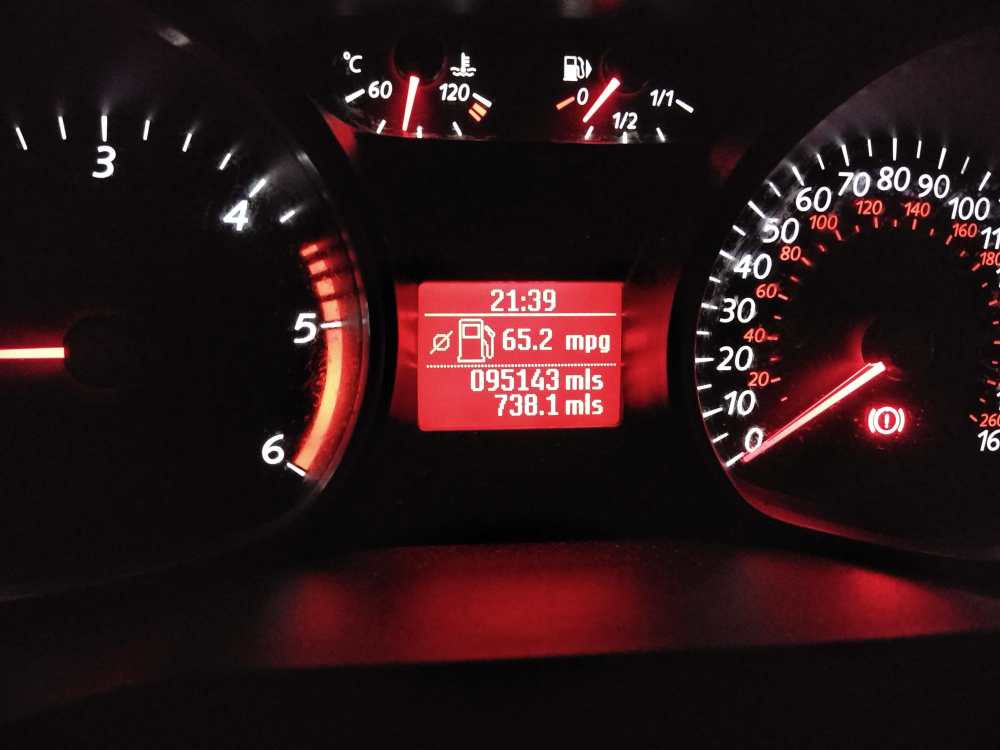
My milage has
-
I did something about off grid a while back.
-
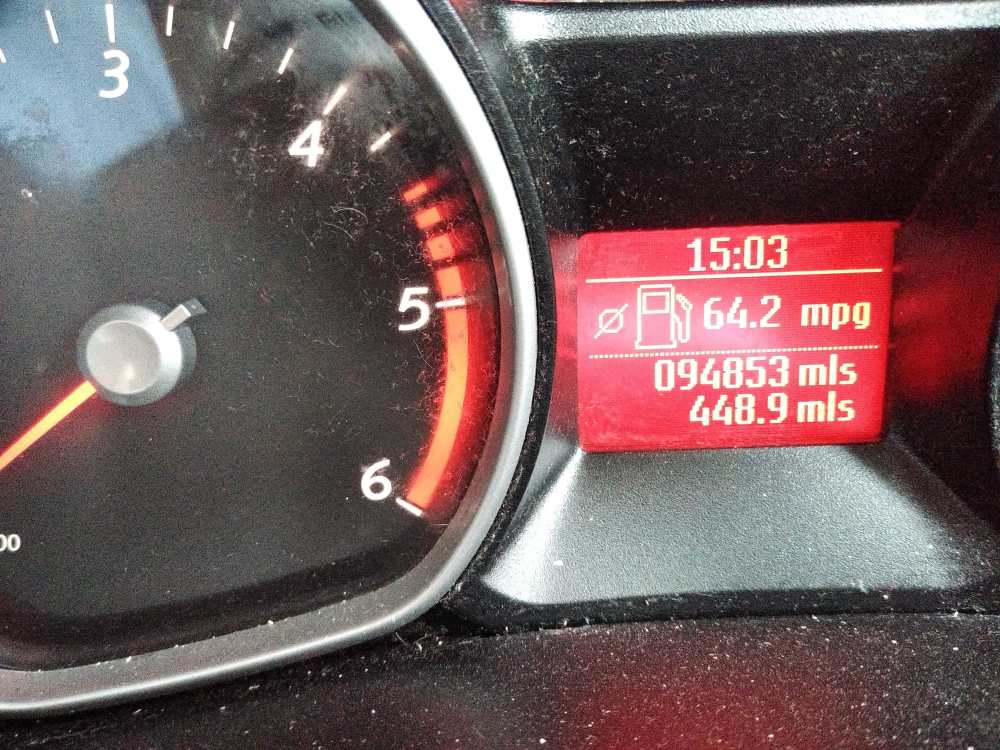
I had a 1200, did about 25 miles to the gallon. And smelt of gasoline when I turned the heater on. Just about to drive back from Buckinghamshire. At over 60 MPG. How things have changed.
-
You can't extract too much thermal energy from an ICE, they stop working. I don't know the exact amount, probably varies between fuel types and loads, but it is not going to be greater than 50% of the available thermal energy. Ideally an ICE needs to be run between maximum torque and maximum power to be most efficient, so batch charging would be the way to run one, not slow and steady.
-
Adding a third party inverter (SOLIS) to a SMA system
SteamyTea replied to SomeGoodBits's topic in Photovoltaics (PV)
How do microinverters deal with overvoltage? -
Google Earth may have some historical images.
-
That comes down to the thermal loads needed by the building. Yesterday I used a total of 8 kWh, 2 kWh was probably running the washing machine and cooking supper, 3 to 4 of them was DHW. So 3 to 4 kWh for heating. Could store that in a 100 lt water cylinder. As I said earlier, the big mistake it that people think that the systems need to be large, it is not inter-seasonal storage, it is just buffering.
-
Looking for example projects and extensions built on rock
SteamyTea replied to Jimbobjones's topic in Foundations
Mine is. Don't expect to grow much in the garden though. -
Pump gasoline is £1.40/litre, so 14p/kWh (approx). An ICE engine should give about 25% mechanical energy, and 30% usable thermal energy (ish). So 55% usable (if used right), so 22p/kWh. Add in a heat pump and that number goes down, add on solar, and it comes down even more. Storage needs to be both thermal and electrical. And that is using pump prices. The big mistakes people make with ICE generators is people think they are like cars i.e. variable power. Static engines are best run as fixed speed, fixed power. They also tend to size them for maximum load, that is what the storage takes car off. Capital costs is what really scares people.
-
https://www.bbc.co.uk/programmes/b006qshd
-
Razor wire and other serious deterrents
SteamyTea replied to Adsibob's topic in Networks, AV, Security & Automation
Saw him in the Nag's Head, High Wycombe, in '77. -
Razor wire and other serious deterrents
SteamyTea replied to Adsibob's topic in Networks, AV, Security & Automation
He went to the same public school as me (a few years before I did). Apparently he was trouble. Guy had undiagnosed mental health trouble I was told. Clean Cut Kid, by Bob Dylan. Everybody's asking why he couldn't adjust Adjust to what, a dream that bust? They took a clean cut kid (ooh) And they made a killer out of him That's what they did They said what's up is down, they said what isn't is They put ideas in his head that he thought were his They took a clean cut kid (ooh) But they made a killer out of him That's what they did He's on the baseball team, he's in the marching band When he was ten years old he had a watermelon stand He was a clean cut kid (ooh) And they made a killer out of him That's what they did They said, "Listen boy, you're just a pup" They sent him to a napalm health-spa to shape up They gave him dope to smoke, drinks and pills A jeep to drive, blood to spill They said "Congratulations, you got what it takes" They sent him back into the rat race without any brakes They took a clean cut kid (ooh) And they made a killer out of him That's what they did He bought the American dream but it put him in debt Only game he could play was Russian roulette He drank Coca-Cola, he was eating Wonder Bread He ate Burger Kings, he was well fed He went to Hollywood to see Peter O'Toole He stole a Rolls Royce and drove it in a swimming pool They took a clean cut kid (ooh) And they made a killer out of him That's what they did He could've sold insurance, owned a restaurant or bar He could've been an accountant or a tennis star He was wearing boxing gloves, he took a dive one day Off the Golden Gate Bridge into China Bay His mama walks the floor, his daddy weeps and moans They gotta sleep together in a home they don't own They took a clean-cut kid (ooh) And they made a killer out of him That's what they did Well, everybody's asking why he didn't adjust All he ever wanted was somebody to trust They took his head and turned it inside out He never did know what it was all about He had a steady job, he joined the choir He never did plan to walk the high wire They took a clean cut kid (ooh) And they made a killer out of him That's what they did -
Only when she shouts.
-
It is really quite hard to lie with statistics as long as your audience understands the rules. Statistics is only counting, and if people do not understand counting then it is best to exclude them from decision making.
-
There is a Thai woman that wonders along the Prom. Can't understand a (expletive deleted)ing word she says.
-
-
You may get away with it, but at 12.6 kWp under STC, it is able to generate more on occasions. In the past the DNOs did some basic calculation to look at voltage rise and falls, I suspect now they use more sophisticated modelling as they have a lot more data to play with. They also have to make some assumptions as to how much PV will be installed over time, so may well limit your export capabilities. The bright side is that say they limit you to 8 kWp, because your system is 12.6 kWp, you will be able to export 8 kWp for longer. As you get paid for kWh, not kW, you probably don't loose out too much, if any. If you try and use most of your PV generation i.e. charging cars, batteries and water heating, you will export less, so will get less payment. That then raises the question as to why pay for an MCS installation.