SteamyTea
-
Posts
23850 -
Joined
-
Days Won
200
Everything posted by SteamyTea
-

How does your garden grow?
SteamyTea replied to recoveringbuilder's topic in Landscaping, Decking & Patios
I got 12 inches, but don't use it as a rule. There must be something special in to our dirt. -
How does your garden grow?
SteamyTea replied to recoveringbuilder's topic in Landscaping, Decking & Patios
Can see where this is going. I like a growler. -
Discount Offers of the Week
SteamyTea replied to Ferdinand's topic in General Self Build & DIY Discussion
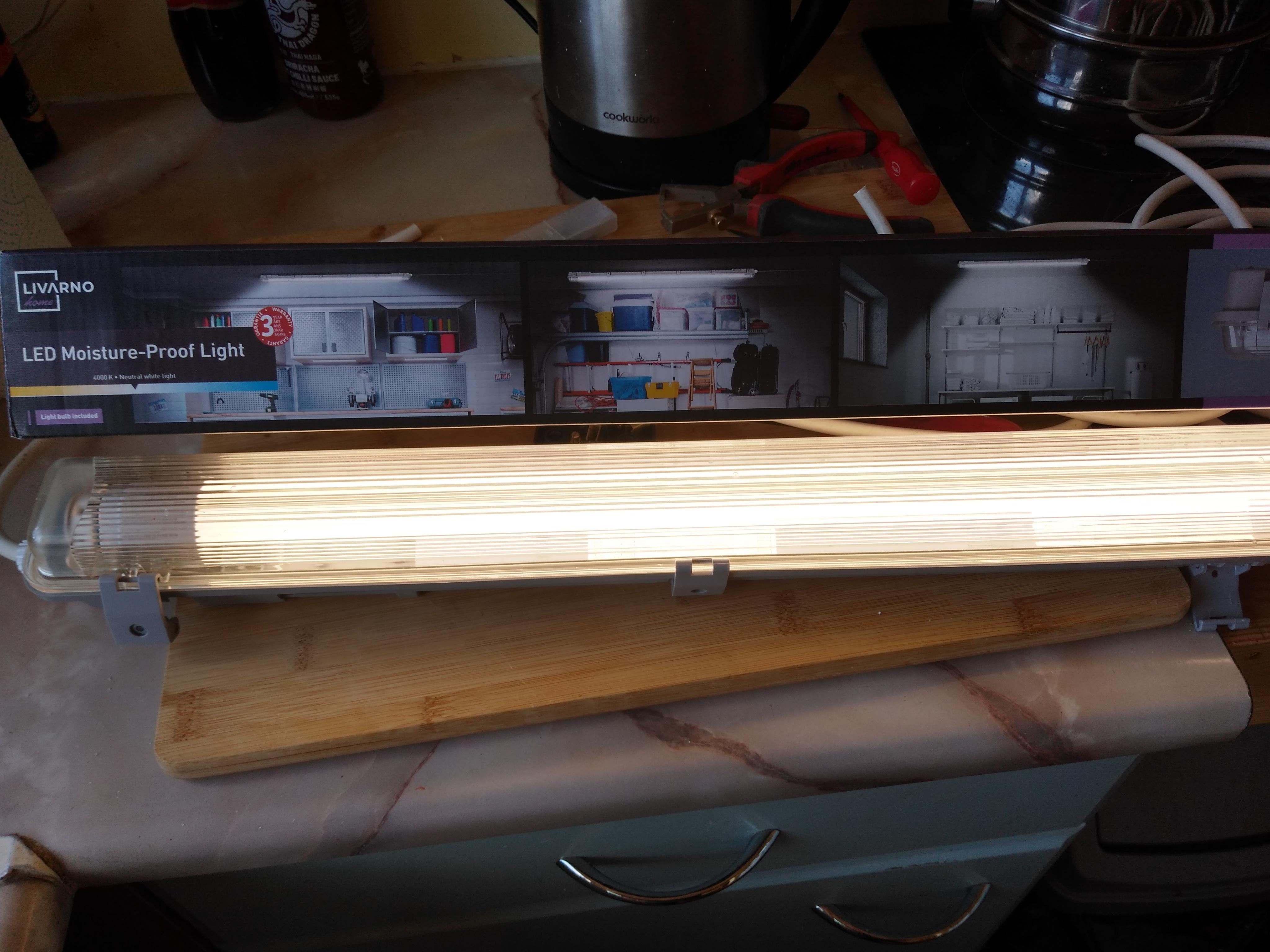
Got this at my local Lidl. 15 quid. Will do for the loft. 18 W.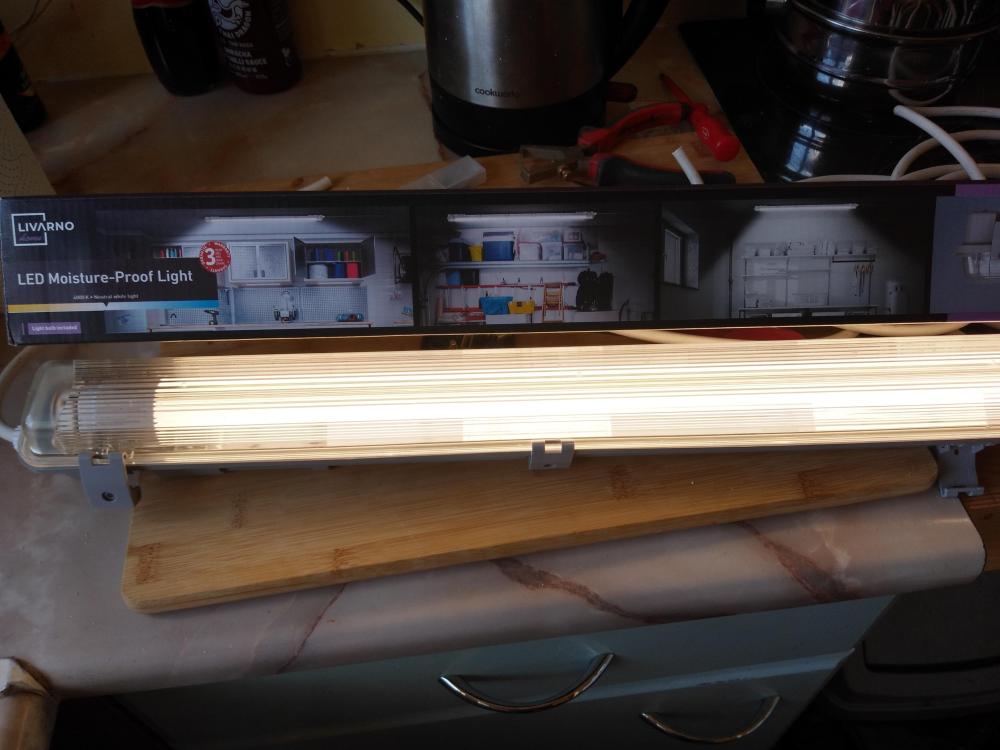
-
How does your garden grow?
SteamyTea replied to recoveringbuilder's topic in Landscaping, Decking & Patios
I have heard of it, never tried. -
How does your garden grow?
SteamyTea replied to recoveringbuilder's topic in Landscaping, Decking & Patios
Is mine bigger than yours.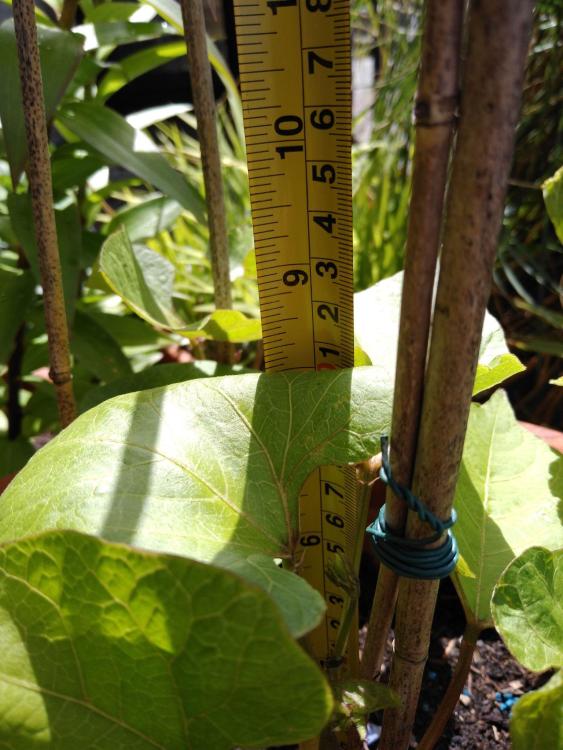
-
While I have a distrust of corporate banking (actually more a lack of understanding) they do take a risk. That risk has to be priced in. Probably not significantly, but take the energy producers who have invested in Russian energy, and are now pulling out of Russia. They are loosing billions. But that is also why I don't have a problem with the French paying to build a power station on the UK mainland. Not as if they can take it away.
-
(expletive deleted)ing hard work some days ain't it.
-
Not always as it is to do with marginal costs. If Ford made 2 cars, and 2 cars only, they would cost hundreds of millions each, if they make a million, that development cost comes down to about 1000 per vehicle, but if they have to build a new factory to build the 1000001 car in, the unit cost of that car is probably back up into the 100s of millions. There is a point where the right number of products, and at the right price, is reached. This optimum pricing point can vary during a products lifecycle as there is a 'learning curve' associated with it. Energy prices are now currently having the learning curve disrupted, there are no real winners in the medium term, regardless of one or two quarter profit figures. I think as @ProDave said, energy is really still quite cheap. 1 kWh is the ability to move 1 tonne, 1 meter, every second, for an hour. Not many of us would do that for 30p. MInimum wage is almost a tenner an hour now.
-
If we build highly insulated house foundations and then plonked modular designs on them, rebuilding might be a lot easier. Sensible orientation would have to be considered to take advantage of solar gain/generation. The Laws of Thermodynamics and Energy Conservation are not going to change, so as we know what to do already, it seems strange that we are not doing it. If every new building had to have an overall floor U-Value of 0.1 W/m².K, manufacturers would quickly come up with systems that are economical to make and install.
-
No. Form becomes the main thing, function is totally forgotten about. There is also a huge amount of post purchase rationalisation. Interestingly, I noticed that my Mother, who owned a posh restaurant 40 years ago, does all her prep and serving in a 4 foot ² area. I work in the same manner. My kitchen is better as I have sink one side and hob the other side. Hers is wedged between the sink and fridge.
-
He said it in 2006!
-
An Irish mate of mine, who lives in Scotland says, "if I had to live in England, I would get a bag of drugs and hide up a tree untill it gets better". I have kind of been doing that for 30 years or more.
-
Depends where it is. Odd how we have calls from the press, and the general public, to nationalise the energy companies. Why don't we nationalise all housing?
-
Or not. When demand drops for a product or service, the fixed overheads become the dominating price factor, this can cause prices to rise, and perversely, people often pay that higher price. Why people have been paying above list price for an almost new second hand car, and £3.20 for an artisan coffee.
-
What are those estimates for? Do they take into account 'oil wars', or for that matter the savings on imports if energy? How about health benefits?
-
Didn't we hear the same arguements about fitting seatbelts, then catalytic converters, then ABS and airbags, and now stability control to cars. All we have ended up with is better, cheaper to run, safer cars. Hardly stopped people buying them. The cost of energy will though.
-
https://committees.parliament.uk/committee/127/public-accounts-committee/ If it is not there, JFGI
-
And that is being generous since it assumes the boiler is perfectly sized to the load and can consistently run at the laboratory tested efficiencies.
-
Built a frame out of cheap fencing timber 15 years ago. Replaced it this year (and extended it). Total cost under 200 quid for about 7m². Made sure the timber is raised up off the ground this time. So should get 20 years out of it. @pocster did his apprenticeship with Fred West.
-
Shane, you won't see half the projects on here finished.
-
Train or educate? Sex education for school kids is considered a good thing. Sex training, well that is more @pocster's bag
-
Surely that depends on how, what, and why you calculate both the costs and prices of existentials. If you value nature too low, you value everything too low.
-
Been a good day. My Mother is vastly improved, saw her cousin (similar age), had a reasonable journey back (only 1 accident blocking roads today), now parked up looking at the sea, in sunshine.
-
Have you read this: https://en.wikipedia.org/wiki/The_Establishment:_And_How_They_Get_Away_with_It I have. Kind of agreed with a lot of it, but was, by its very nature, overly political.