SBMS
-
Posts
1075 -
Joined
-
Last visited
Everything posted by SBMS
-
Pretty much as title says.. considering fancoil rads for our upstairs again instead of a ducted AC system… would like to use them for cooling as well. Does each fan coil need a condensate drain for cooling?
-
Agree to a certain extent @TerryE but a 90k price differential? That’s a lot of spare money to spend on airtightness detailing.
-
Contractor should have registered them with relevant utility authority - as laids they are called. So one for electric, one for gas, one for telecoms, one for water etc.
- 1 reply
-
- 1
-

-
Hi @CaptainDram - we did, I got a quote from MBC, a local SIPS supplier and erector and a brick and block quote from a builder we have used before. Like for like, to get to a shell for a 380m2 shell: MBC Timberframe: 0.14 walls, 0.1 roof - £178,000 MBC Timberframe: 0.1 walls, 0.1 roof, 0.6ACH- £223,225 Brick and Block - 0.15 walls (200mm EPS beads cavity), 0.1 roof (Warmcel pumped) - £132,000 Brick and Block - 0.15 walls (200mm EPS beads cavity), 0.1 roof (Warmcel pumped), 0.6ACH - £136,000 Both need windows, foundations, floor insulation, face bricks, render, slates etc so those prices are pretty comparable. The Brick and Block 0.6ACH includes £4k for aerobarrier who will similarly guarantee that air tightness level. It was a bit of a no brainer really as I was erring on the side of masonry anyway as I just like 'solid'. Also - you can really get in the weeds with U values. I did a heat loss calculation and 0.15 walls is roughly £990 per annum in heating (ASHP). 0.1 walls (the passivhaus version form MBC) was roughly £930 in heat. Thats a payback of over 1453 years. Law of diminishing returns when it comes to insulation!
-
Yes. We had 8 buildings and couldn’t evidence one of the buildings (stables) being used for its ‘intended purpose’. Was easier just to exclude it as we were claiming self build exemption anyway. But the council are definitely all over it.
-
Going round the houses (literally!) on design…
SBMS replied to CaptainDram's topic in New House & Self Build Design
I would treat the costs as less than 50% of your ground floor sqm costs. You’ll be putting a roof on anyway and with attic trusses they can come with a posi floor. Minimal changes there. You’ll need an extra staircase and then really it’s internal fit out costs. -
I’m pretty sure it’ll be treated as a trading activity which means you’ll fall under income tax not capital gains. If you’ve purchased land, built a house and are selling it brand new you’re effectively a developer and therefore this is trade. might have been prudent to have done the transaction inside a limited company but if youve done this with personal funds I think any gains will be treated as income and taxed at your marginal rate. You’ll also have to pay national insurance on this net income. You could also rent out the property for a ‘bit’ And then sell. CGT might be justified then as you could argue your intention was investment not trade. Weirdly I think taxation treatment here is subject to your ‘intention’ and what can reasonably be inferred as to what you intended to do.
-
Going round the houses (literally!) on design…
SBMS replied to CaptainDram's topic in New House & Self Build Design
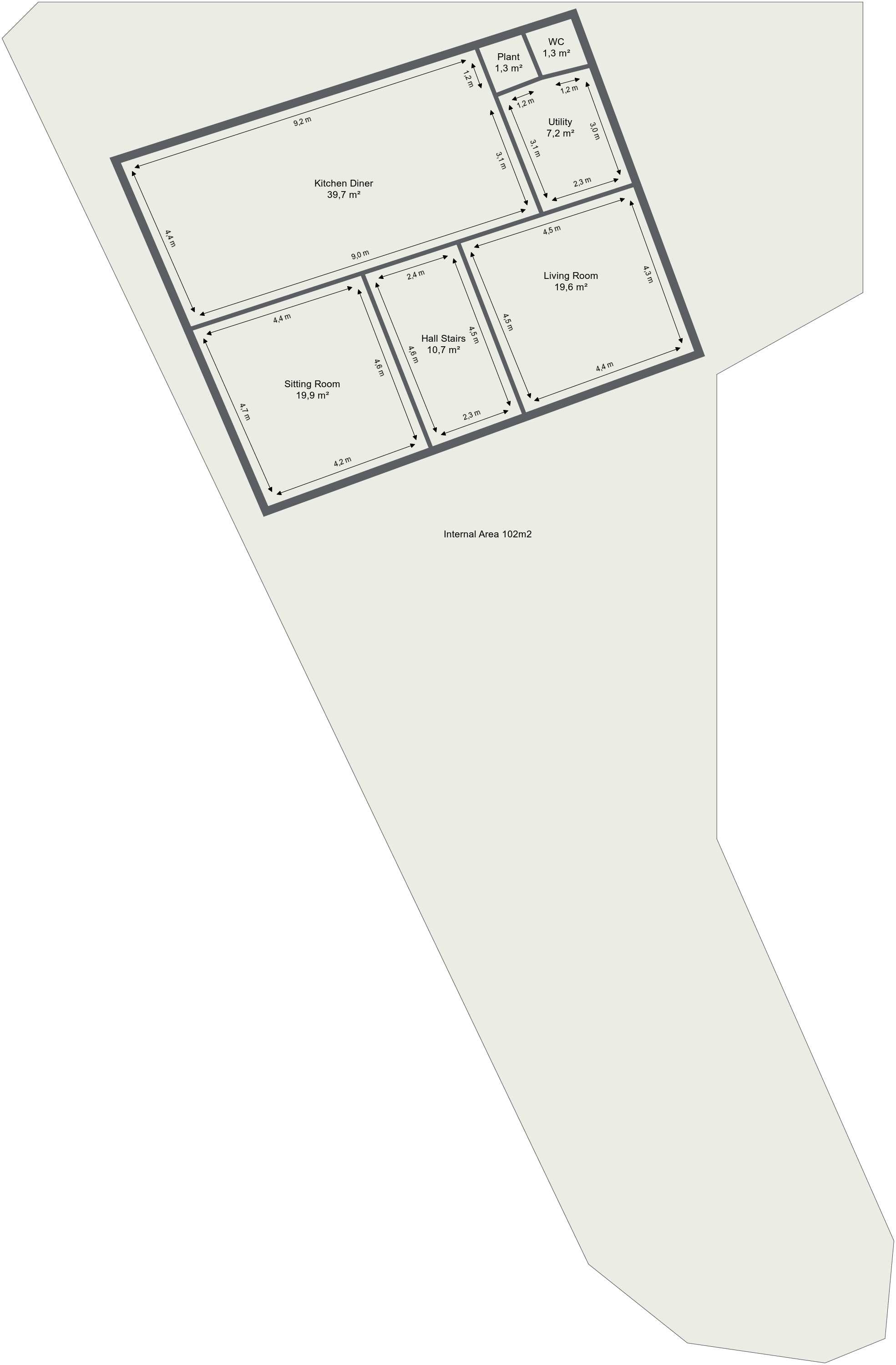
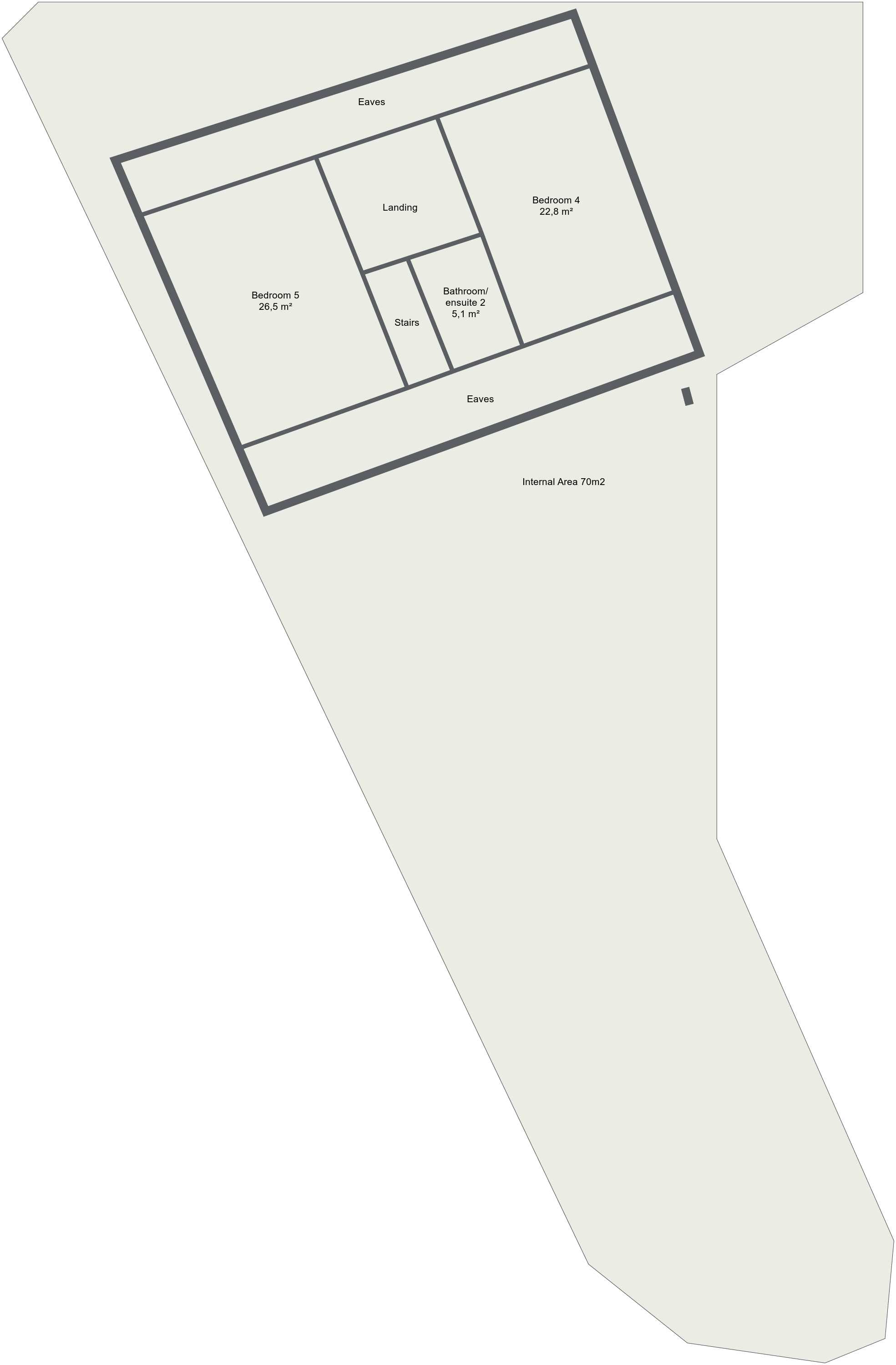
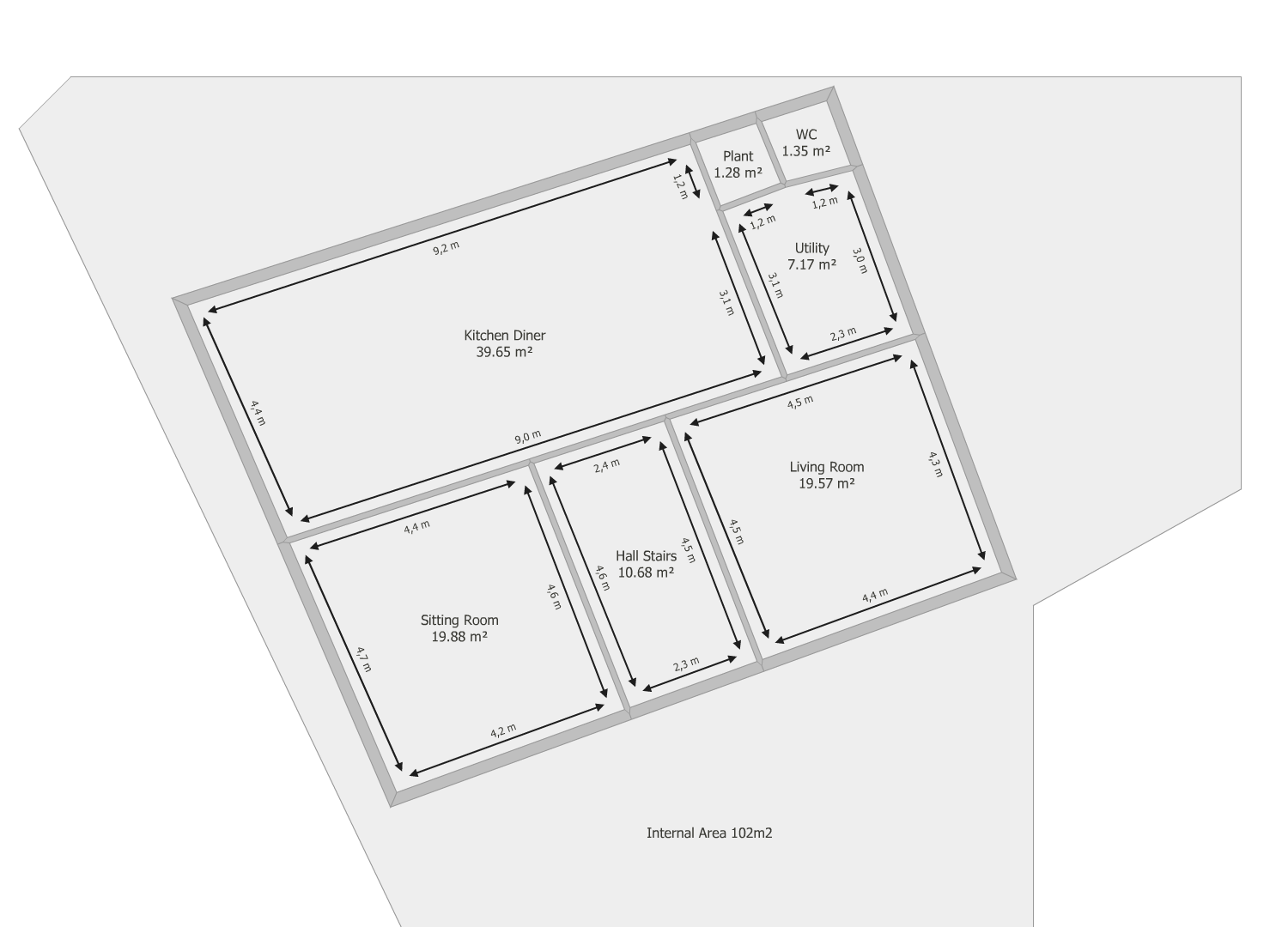
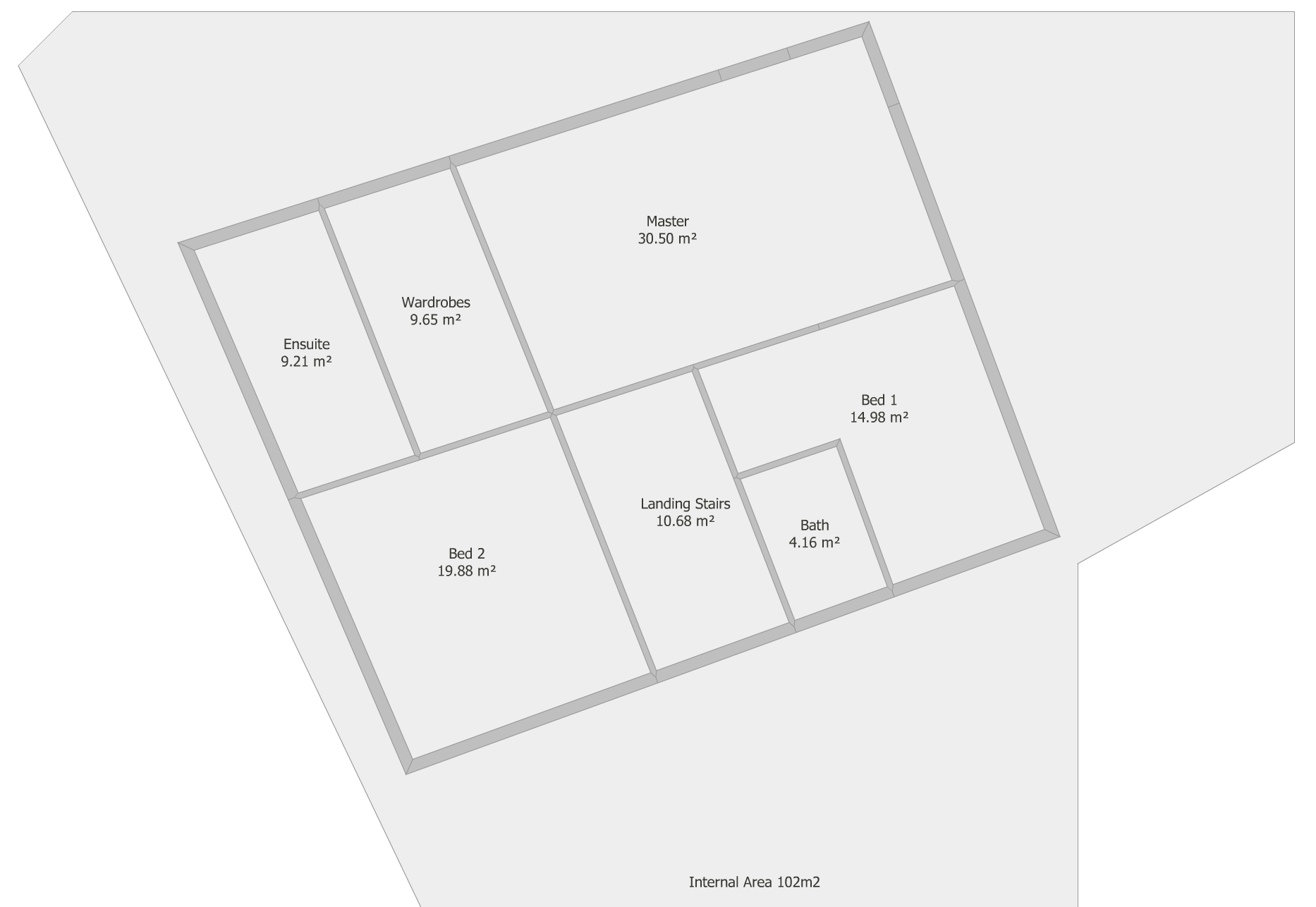
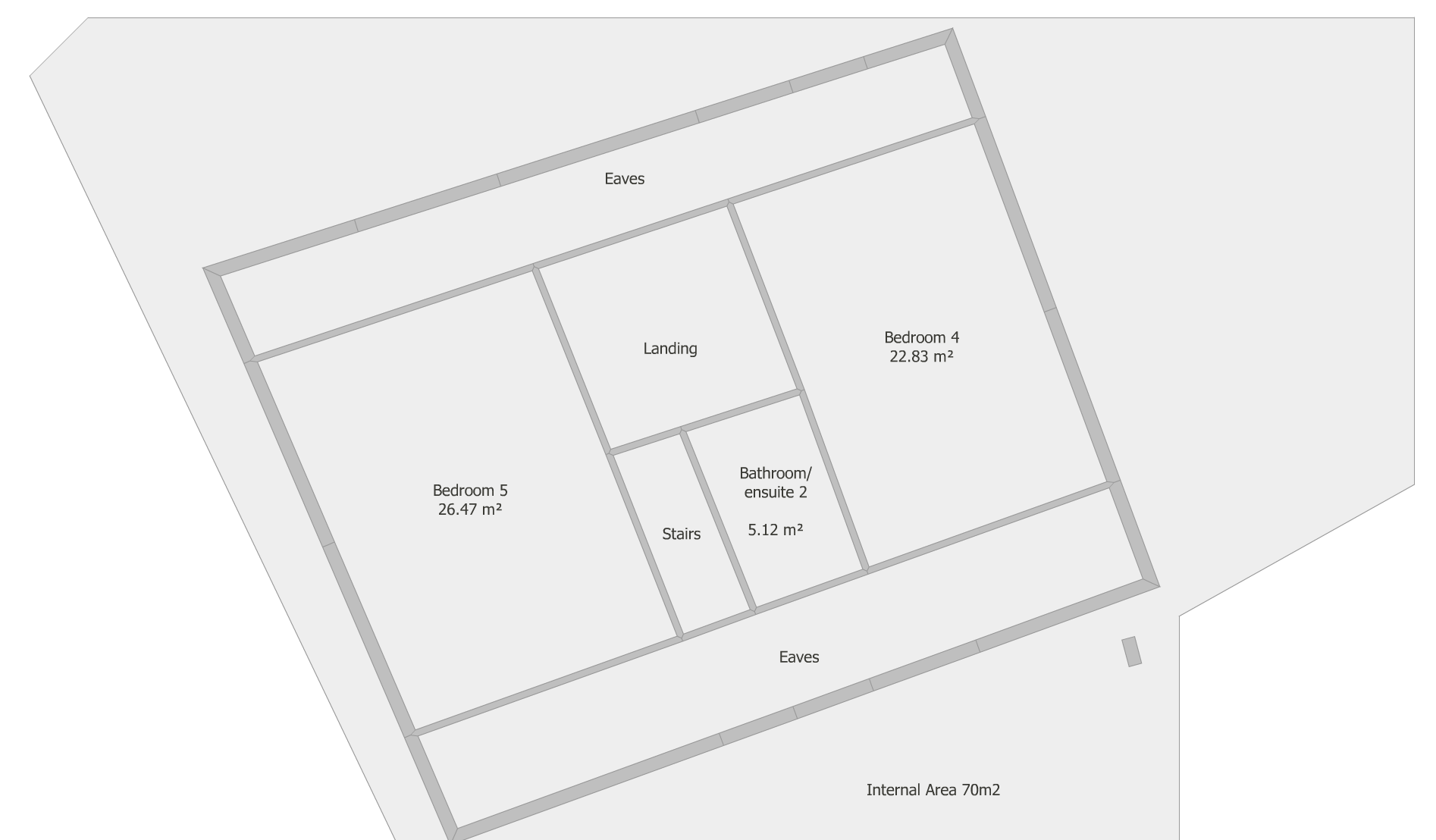
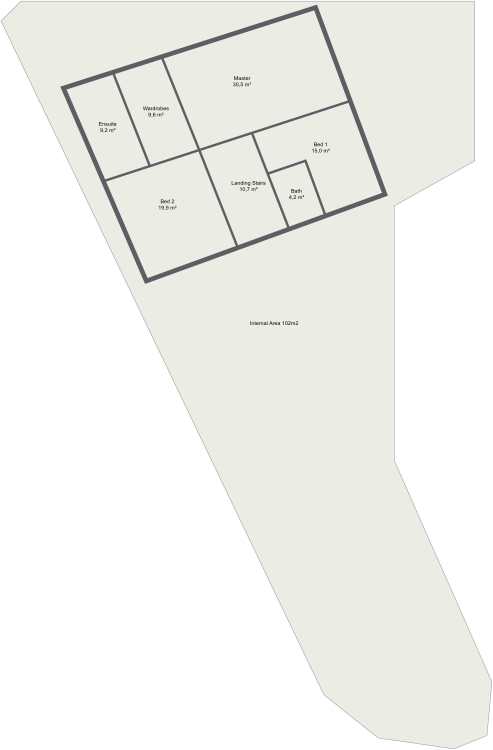
@CaptainDram - it depends what you're after, but I always think maximising space in a plot like yours would be where I would go. A really simple layout but if you go for a regular rectangle box with a fairly normal ridge height, you could use attic trusses which gives you 5.5m wide rooms in attic space (with eaves at 1.5m). A simple 11.5 x 9.6m footprint would fit in your site and would give you a greater footprint than your design (110m2 versus your 96m2 ). In total I think you could get 270m2+ of usable habit space with a standard 8.5m - 9m ridge height house (drawn onto your scaled plot).. Ground Floor First Floor Second Floor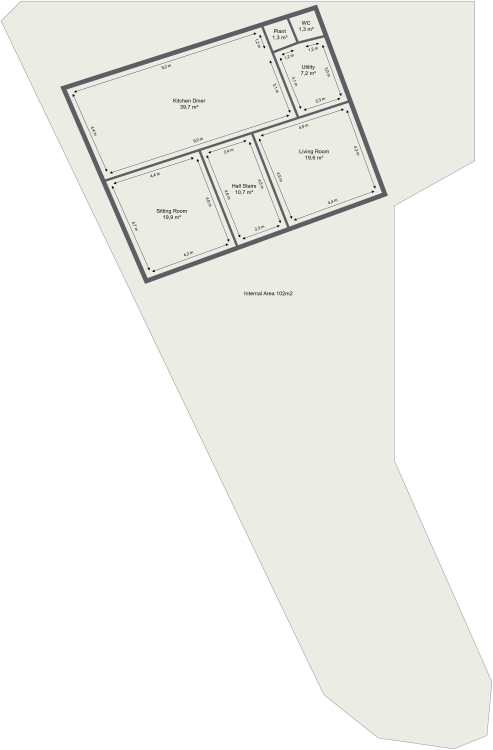
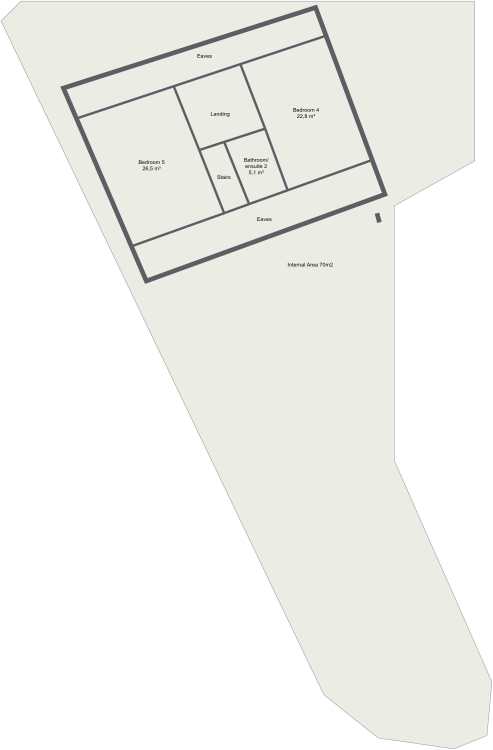
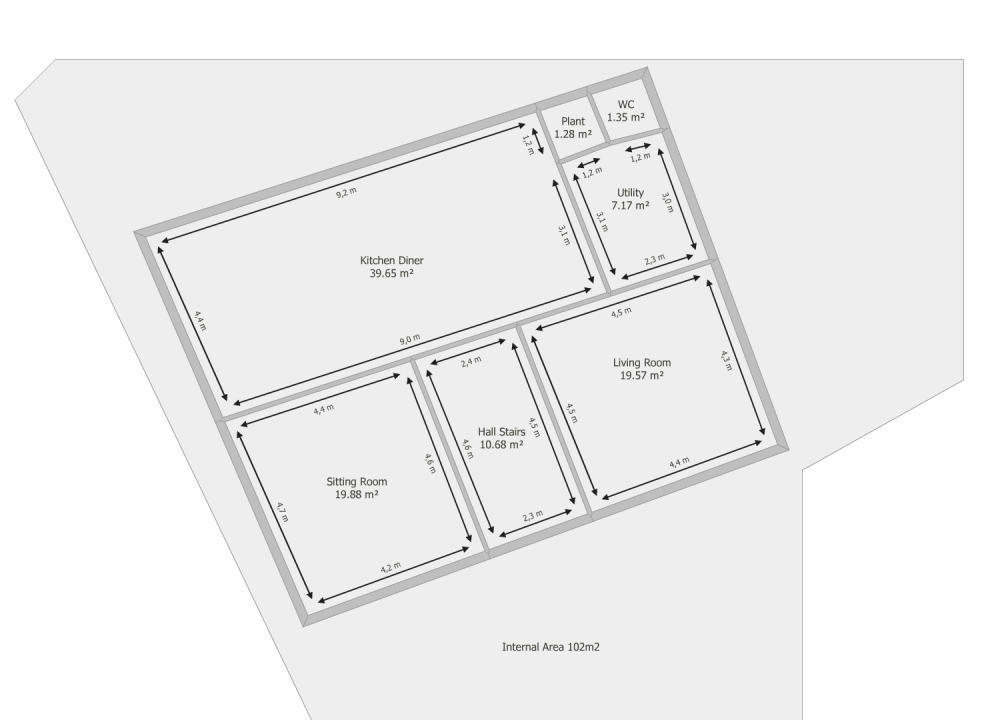
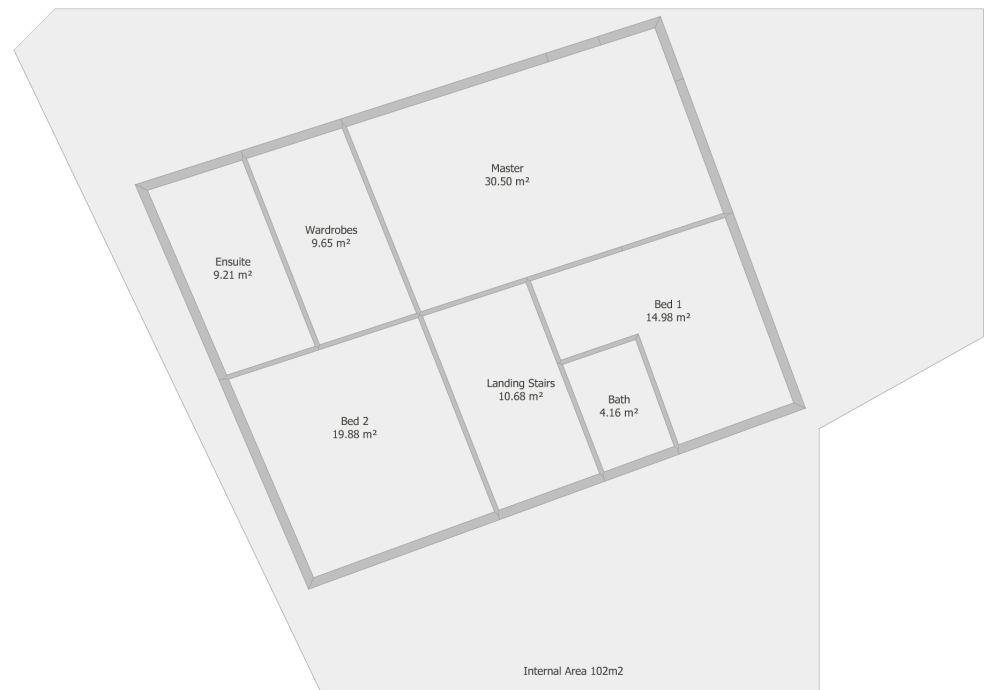
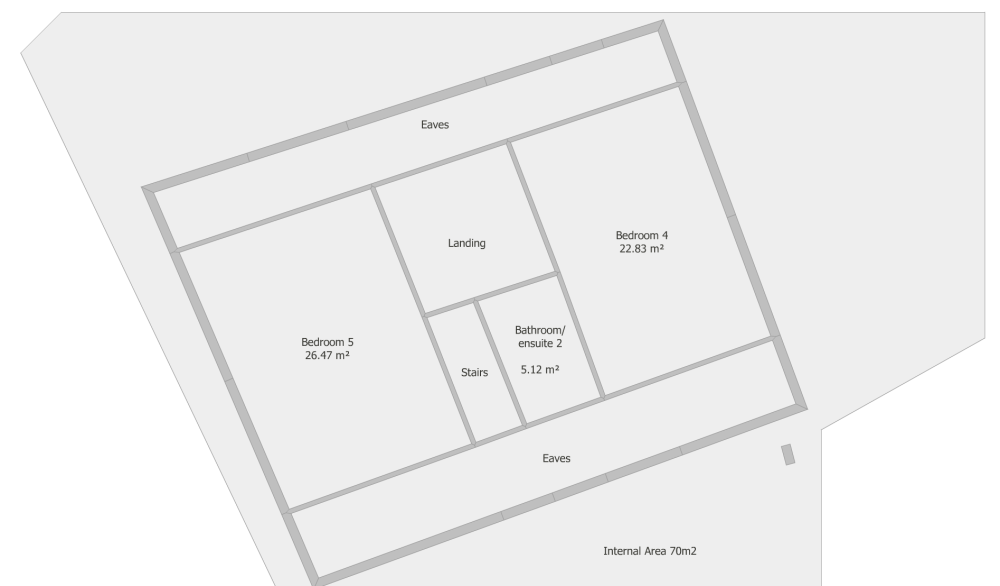
-
Going round the houses (literally!) on design…
SBMS replied to CaptainDram's topic in New House & Self Build Design
Not three stories but rooms in the attic. Ours is a two storey house but with clever planning we had three floors with some really good usable space. What’s your footprint sqm with what you’ve designed? -
Going round the houses (literally!) on design…
SBMS replied to CaptainDram's topic in New House & Self Build Design
I think you would do better to regularise it into either a standard U shape or an L shape. Also consider going up into the attic space to fit additional bedrooms so that you don’t have to compromise your plot space. I reckon three stories in a simple L shape would yield more space and less cost. -
That’s really interesting @JohnMo - it looks like I’d need roughly 40 watts per sqm to do no upstairs heating. That’d be pretty wide spacing and still maintaining a low flow temperature for the 29 degree differential. I wonder what spacing they would ordinarily use. It’ll Probably be over specified.
-
Yes that’s my worry. I guess if they spec an emitter size for rads I can just guide them to installing a fan coil. What if the UFH needed a higher output overall (say 4kW instead of 3kW when they had the as built, because air tightness went to s**t) than the loops were designed for? Are you saying they would just increase flow temp? Is that suboptimal as opposed to reducing centers and putting more pipe in?
-
Yes @JohnMo you're 100% right. So easy to get lost in the detail though. It's a fair point and perhaps I'm being a bit critical on them. I suppose last thing they want is to install something undersized or risk their MCS. Can they design the underfloor heating (e.g. the number of loops and energy output of the UFH) without knowing the 'as built' heat requirements though? I'd be happy for them to quote at the stage of wind and watertight if they needed to know the actual as built insulation and airtightness figures...
-
Fair enough!! Do you mind me asking what was the cost for your A2A ducted? Is it zoned?
-
Should have insisted on using fancoils you mean instead of ducted A2A? You wouldn't recommend A2A then?
-
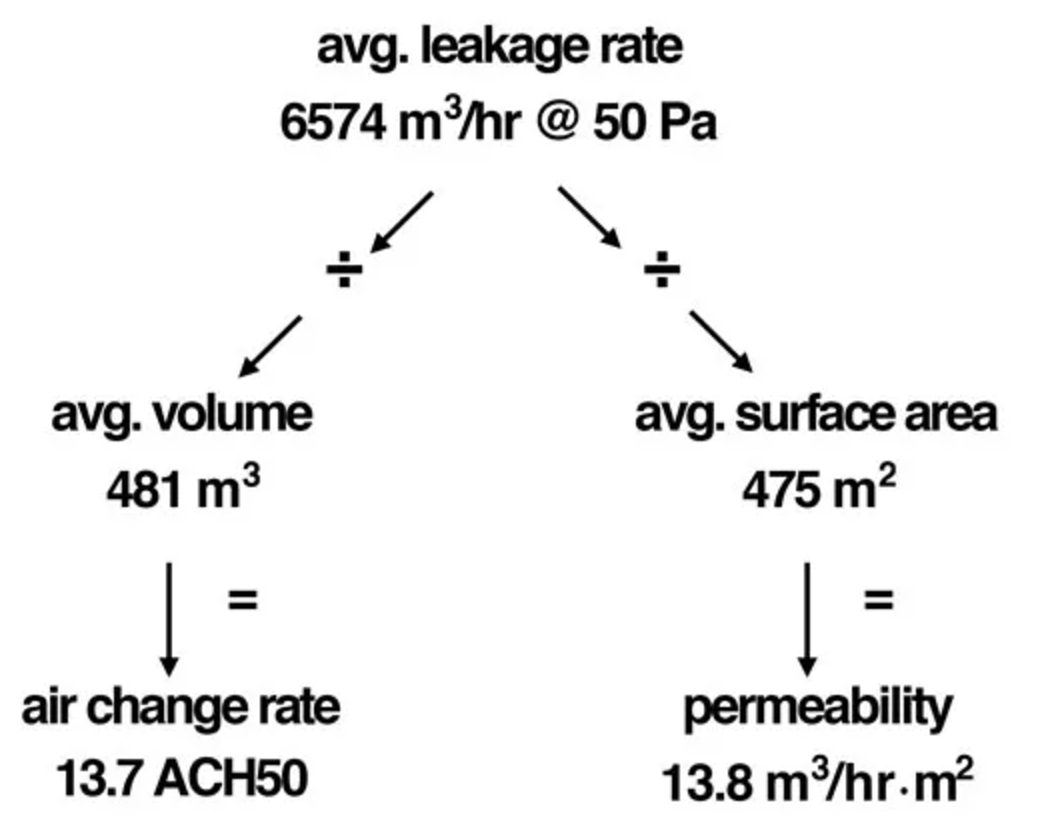
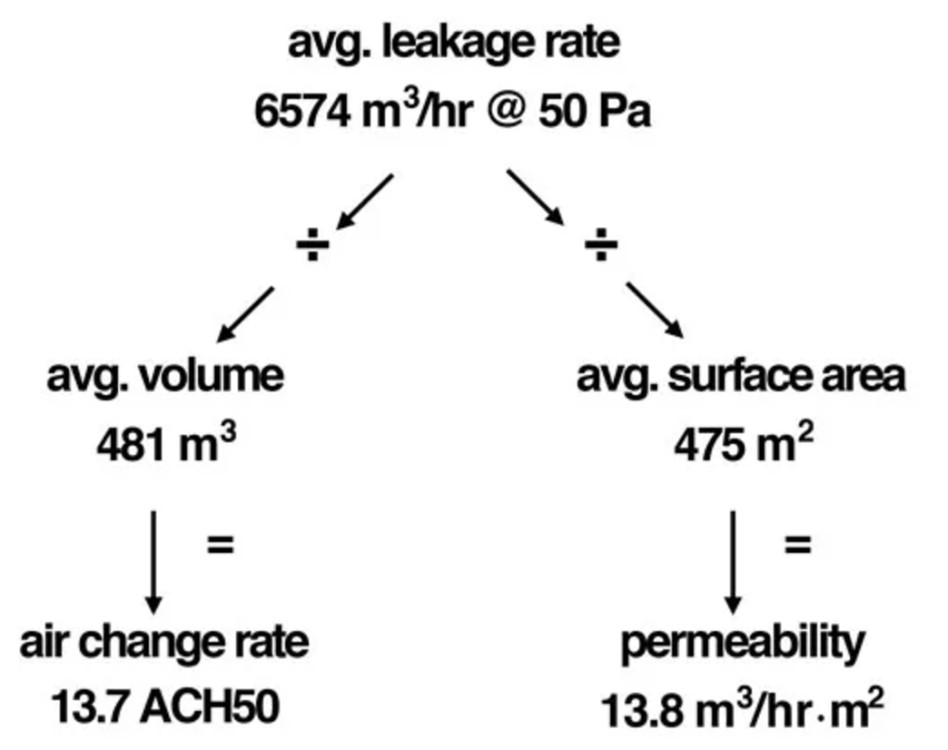
Got it. What would a good permeability (AP50) value be? I am conscious that that it's not part of Jeremy's spreadsheet.. Those who aren't targeting good levels of airtightness could have their assumptions thrown. For example, if I target an AP50 of 1.0, which for my dimensions equates to 0.58ACH50 this is 574 watts of additional heat required from the ASHP. If I changed the AP50 to 5, then the heat loss is nearer to 2.7kW. Be good if the calculator allowed this as an input? I assume that MCS when doing their sizing calculations should take into account the AP50 (or ACH50) targets to generate an accurate figure? FYI - I found this diagram useful for other readers to calculate between ACH50 and AP50: From https://thefifthestate.com.au/columns/spinifex/why-we-should-change-our-building-air-tightness-metrics/#:~:text=It's really a very similar,m3) of a house..
-
I think I get it can I check? Given an air permeability AP50 of 1.0, the ACH is 1/20 of this so 0.05. Fed into the calculation above this would mean at delta t of 29 degrees for a 1200 cubic vol house the heat loss would be 574 watts (so this would be the added load on the ASHP?) Also - when passivhaus talks about the ‘maximum air permeability is 0.6ACH 50’ - am I right in thinking this isn’t the same as the air permeability figure seen on the SAP or done on the blower test (AP50) - although they frequently seem to be very similar numbers?
-
Just trying to work out the correlation between the air permeability (AP50) and what n should be? Im Assuming that ‘n’ is not 1.0 but then I don’t really understand how to derive the infiltration rate from the air permeability AP50 figure? the SAP does have a figure for infiltration rate of 0.05 but I don’t know how this is derived?
-
Interesting. What made you go split ducted air instead of fan coils?
-
Thanks @JohnMo this figure can’t be entered into Jeremy’s calculator though?
-
I think I see now that the AP50 designed as per my sap is 1.0. Does jeremys calculator capture the air tightness of the building? I understand the MVHR ventilation rate would assume a perfectly sealed controlled house. But if say, there’s additional ventilation loss (say another 0.5ACH) how does it account for that and where would it be entered? Im worried I’ve misunderstood this part of the heat loss calculator. If my score for AP50 was 1.0 And my surface area of the house is 450m2. Then if the volume of the house is 1200m3 then the ACH50 would be circa 0.375. If my MVHR was ventilating at a rate of 0.5ACH then does this mean my total air change figure becomes 0.875?? How does the heat loss calculator account for uncontrolled ventilation loss based on airtightness in addition to controlled ventilation from MVHR?
-
I think I've worked out probably what the supplier is specifying. If I change the Air changes figure from 0.5 to, say 5, the energy requirement jumps to 12kW which is probably what they are basing it off. Can I ask - the figure that is on the SAP which is the "Measured/design AP50" (air permeability) - is this the same as the 'Air changes per hour' figure on Jeremy's spreadsheet? If not, what is the difference? We are aiming for 0.5 to 1.0 on the air pressure test - is this the same as air changes or are they different? If different, what's the link between the air pressure test figure and the 'air changes per hour' figure in the heat loss calculator?
-
This is actually a great point. All our rooms upstairs except wet rooms will be carpeted and with thick wool as my wife likes that... I think that knocks UFH out (although might price up wet UFH in the bathrooms). Would you consider an AC system (split or ducted) upstairs - or fan coils, or just standard rads and hope it doesn't overheat?
-
North West - Lancashire. SAP guys have said there's a small risk of overheating in some of the bedrooms as we are using a 0.6Ug triple glazed pane (they've said a 0.4Ug would solve this but that's very expensive). I am definitely erring on the side of fan coil units - if they don't need to provide heat then it's just the capital install cost, but at least they are there for cooling if needed (they say it'll only get hotter). I don't know how familiar installers are with fan coil units though... The one part of the house I'm not DIYing is the plumbing (I hate it, and always get it wrong )
-
Thanks @JohnMo - found that just before your reply 👍 Think the current supplier is just going off a stock standard insulated house. They've calculated: I get 4.5kW - although what would be a sensible amount to include for DHW in worst case?