saveasteading
-
Posts
10890 -
Joined
-
Last visited
-
Days Won
93
Everything posted by saveasteading
-
FTTP price - too good to be true?
saveasteading replied to Andeh's topic in Networks, AV, Security & Automation
In our village BT reps have offered all sorts of services and speeds, anything for a contract, and then not been able to fulfill most of them. -
sorted.
-
What is the turnover threshold these days? It isn't specially reasonable (nobody says tax is fair) that a business with low materials cost (window cleaner) can stay below the threshold easily, whereas another can spend more on materials than their labour.
-
Underground workspace - how to shore up and waterproof?
saveasteading replied to BodgeBodge's topic in Garages & Workshops
That is how wells were built, but with brick or timber. Basically how most tunnels are constructed too, tho horiz, obv. -
Underground workspace - how to shore up and waterproof?
saveasteading replied to BodgeBodge's topic in Garages & Workshops
I'm missing something. Backfill up to ground level again? -
Underground workspace - how to shore up and waterproof?
saveasteading replied to BodgeBodge's topic in Garages & Workshops
Living in a manhole. You try it first. -
They typically quote you for the complete upgrade of a transformer, but will have spare capacity for future developments. You then appeal and pay a fair share. We always used a specialist agent to argue the case, with a fee of course. That may not be worthwhile on a few £k cost.
-
Have you got their number? I will have a photo somewhere then you can tour the Delhi triangle and look for them. Good luck coming back with them at Dover. Or talk to the demo boss about the grille size on the crushing bucket, and find a way to define, and balance, what you want and he can deliver. Eg you do not accept any concrete that still has steel hanging out of it. They must take all the steel. I've seen great results and average, depending on the material and the kit. Worth doing both times.
-
Underground workspace - how to shore up and waterproof?
saveasteading replied to BodgeBodge's topic in Garages & Workshops
The blocks had slots for the rods. The blocks sat dry in each other and It joggled a bit. The concrete was 20mm down aggregate. Not really special. No idea if still available but it should be as it worked well. There was no need for any internal lining other than builders' work. -
I saw this in India. A lorry load of boulders. 2 men loading a boulder (50kg) onto a woman's head. Carried to a group of workers sat on the ground with hammers. An expanding pile of single size stone, about 20mm. A guide explained that this was a family, who would be on a fixed price to do the lot. May not be so economical round Furnace's way. London rates.
-
The trouble with 50mm down , is that any stone going through a 50mm grating complies. So you might get 50 x 50 x150 for example. The process of grading would take equipment and time so will cost a lot. Perhaps just talk it through what you want and keep an eye on it. And shrug at some big lumps.
-
Global warming is in fact entirely natural and has already peaked
saveasteading replied to ProDave's topic in Boffin's Corner
Good question. Energy in = energy out. So anything that harvests the sun is good. Solar good, ashp good. Hydro good. Wave and wind power come from the sun too, but also from the earth spinning and tides. I think it has been calculated that the tidal basin in South Wales would slow the earth's rotation by a miniscule amount by the water dragging behind the tide. Erecting lots of wind turbines will slow the wind...does that matter? I have no idea, but gut feeling is that it is OK. Buildings slow wind too, as do forests. Whatever, it is all better than harvesting the sun's energy from millions of years ago and burning it in a hurry, as gas,oil and coal If anyone knows more I, too , would like to hear. -
The middle 2.
-
Underground workspace - how to shore up and waterproof?
saveasteading replied to BodgeBodge's topic in Garages & Workshops
We built the walls using a special hollow concrete block. A bit like the eps superstructure systems but stronger. This did away with special shuttering for concrete, and so could use our usual groundworkers. Reinforcement ran horiz and vertical, then concrete filled. Many years ago so would need checking out for new methods if any. -
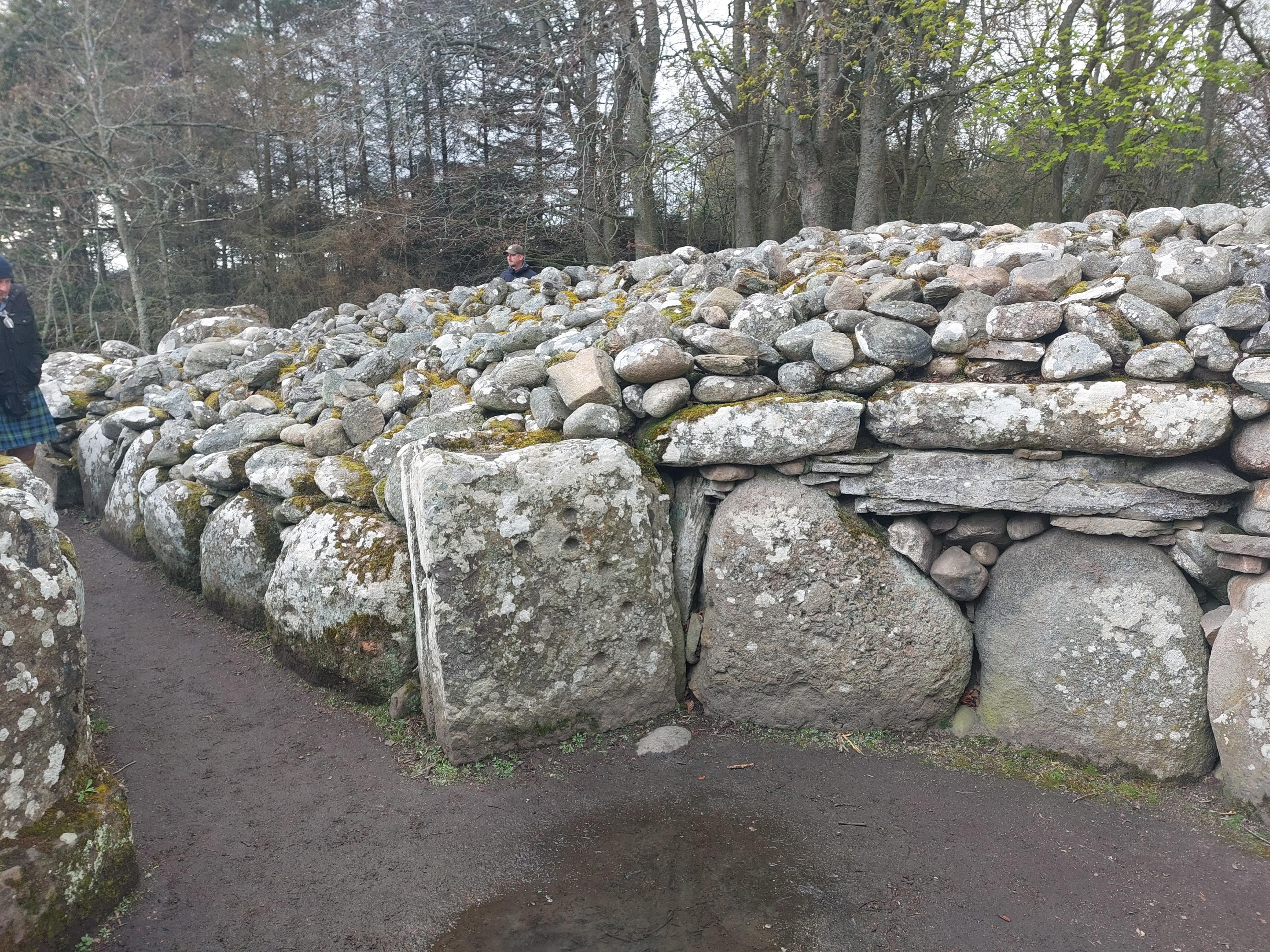
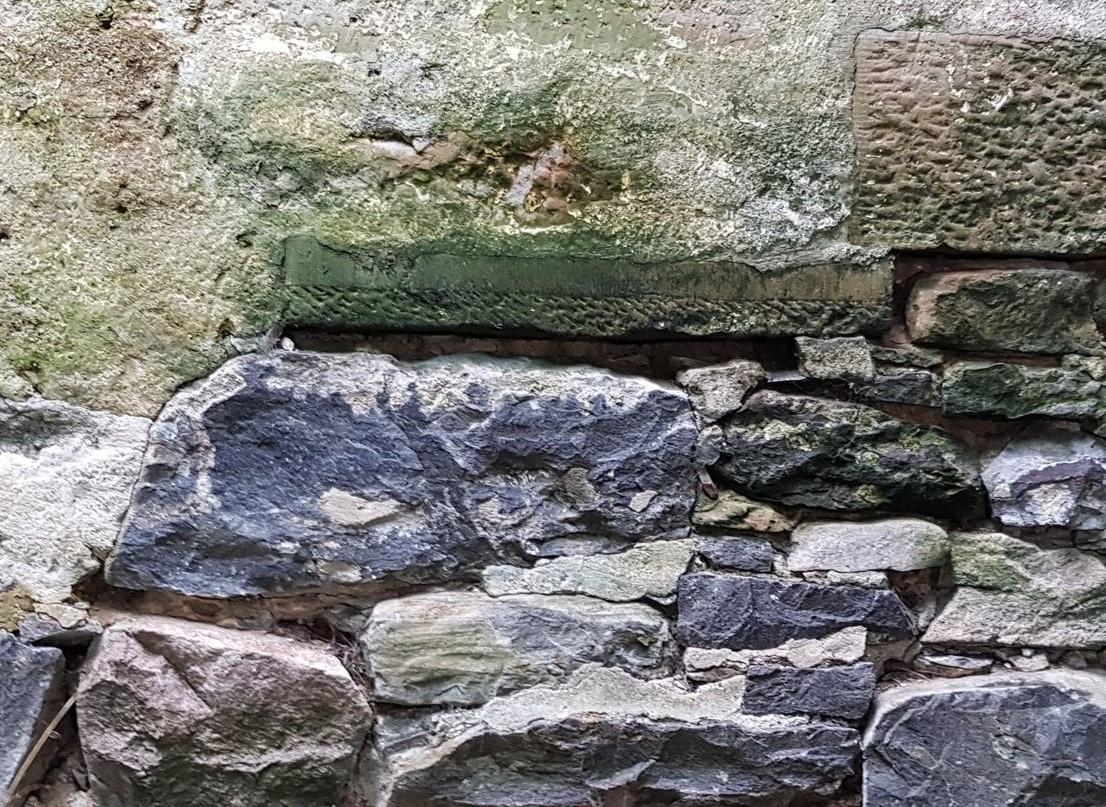
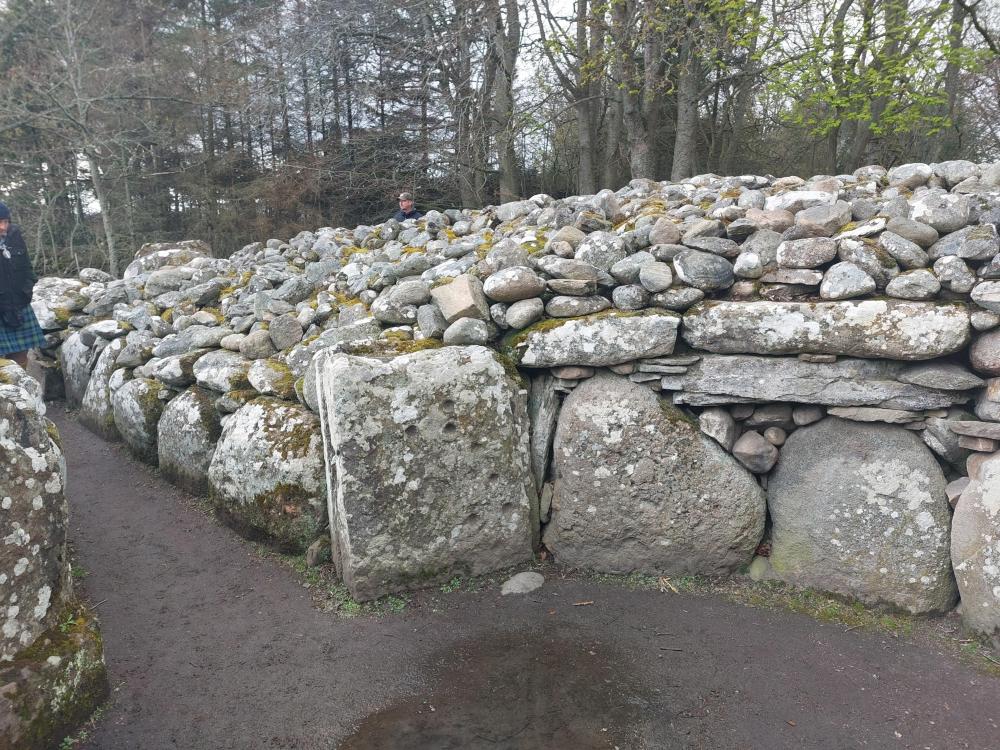
Yes they are dry, but pouring sand as backfill which will gradually fill the voids. There are also more gaps than would be ok in a building. For comparison see this from a few miles away. 4,000 years old. Roofs have collapsed though...poor show.
-
I find it to be 2 days for mice, 7 for rats. Have never found a dead rat or skeleton in the attic , only tails ! Recently had total lack of interest in the red blocks they sell in recent years. Replaced with grain bait which was taken the same day.
-
Softening the feel of a concrete slab floor
saveasteading replied to Sparrowhawk's topic in Floor Structures
It is allowed to flex but it is limited for occupier comfort and confidence. So a roof is allowed to flex to 1/180 of span, but a floor only to 1/360 from memory. Eg a 3.6m floor is allowed to bounce 10mm. If it moves more than that, people get scared. Elements are basically calculated twice. At what load it will fail. Then check deflection, and usually stiffen it up for that. This applies to concrete as well as timber and steel. -
Brise soleils or balconies
saveasteading replied to Furnace's topic in New House & Self Build Design
Balconies are nice to have if: The view is good (or in a city, acceptable). It provides the only opportunity for a few plants. Or for Storing bicycles in undersized flats. Hanging out the washing. -
Global warming is in fact entirely natural and has already peaked
saveasteading replied to ProDave's topic in Boffin's Corner
Science is research and experiment and theory. Not agreeing is part of the testing process. Once something is accepted fact it isn't science any more. 'Scientists not agreeing' is a common excuse for ignoring advice. Selective use of science is not science. -
Perhaps not. Some would pay no attention to dimensions, shapes and spans.
-
Brise soleils or balconies
saveasteading replied to Furnace's topic in New House & Self Build Design
There is usually a relatively small bracket to the wall, taking a lot of vertical, load, trying to twist the bracket off the wall. I've only fitted them once, on a steel building. As you say, planning ahead is important. We put vertical steels behind each bracket. In timber frame it would be similar. -
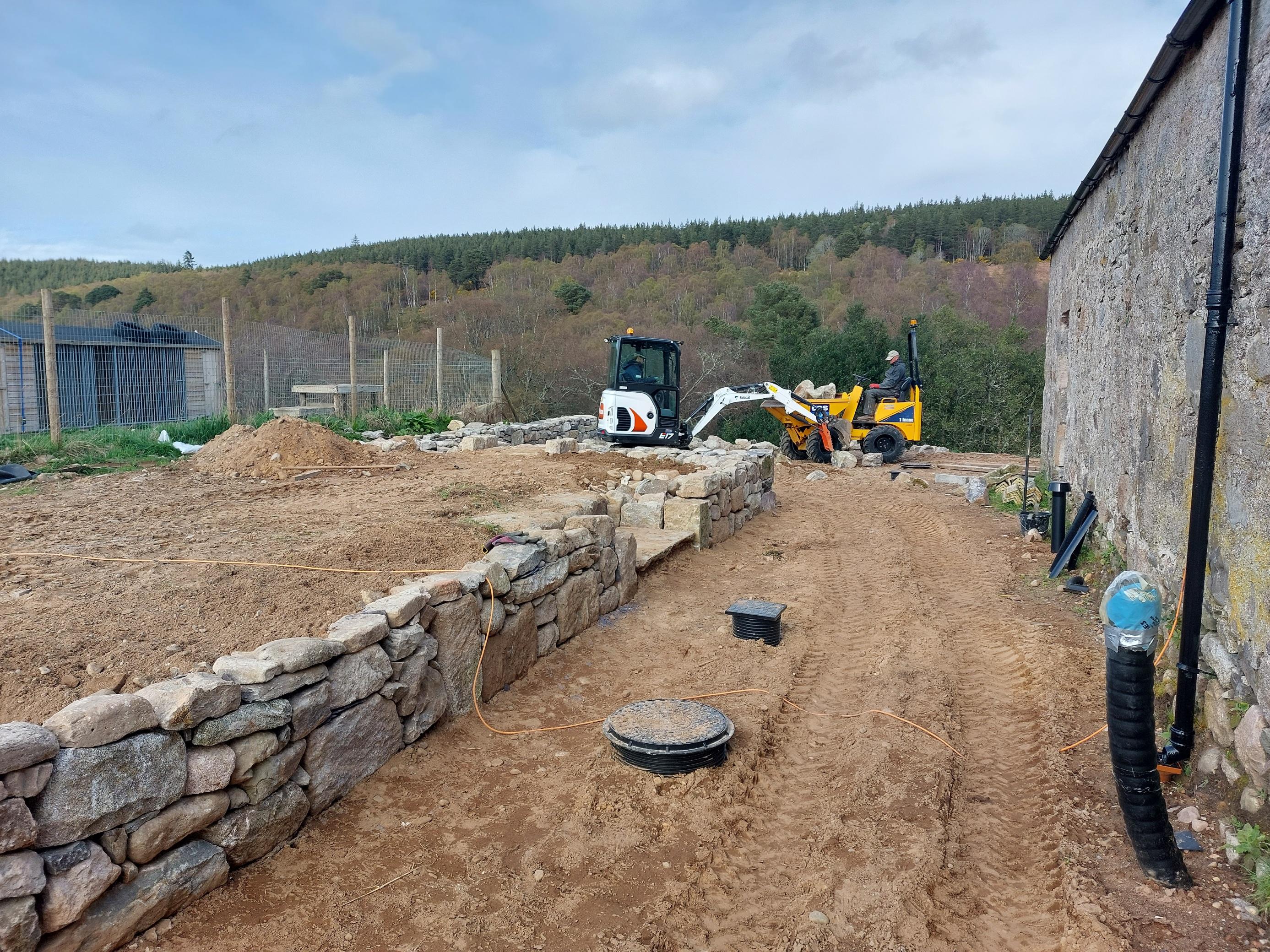
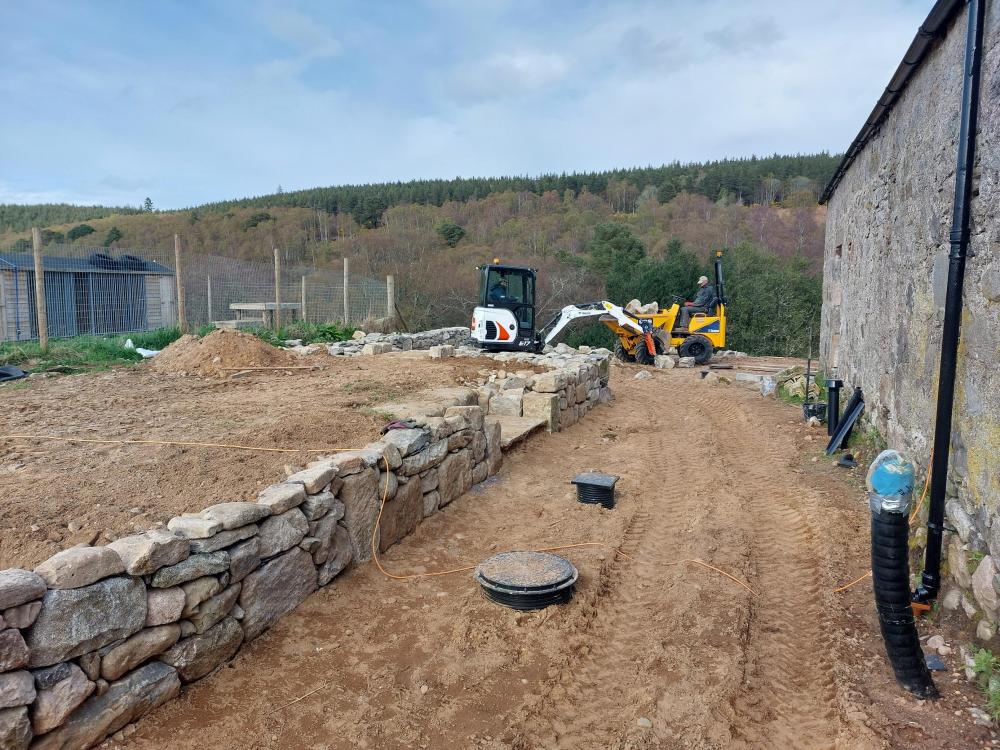
The small digger has a pincer grabber attachment for lifting the big stones. Without that it wouldn't be possible.
-
Not buttons. That would be wierd.. all those bits of wire....
-
Having a large pile of harvested granite, the team were inspired to use it for some serious landscaping. I'm impressed enough to show it here. Not bad for amateurs.
-
Softening the feel of a concrete slab floor
saveasteading replied to Sparrowhawk's topic in Floor Structures
Why not decide what floor you want, then look up the manufacturers blurb re ufh. Then we can work on a solution.