larry
-
Posts
169 -
Joined
-
Last visited
Everything posted by larry
-
Viessmann Vitodens 200-w - initial impressions
larry replied to larry's topic in Boilers & Hot Water Tanks
Latest update: Veissmann engineer has attended and diagnosed a faulty diverter valve. New valve being ordered and being replaced next week. Impressed with Veissman's quick follow-up on this and keeping fingers and toes crossed the engineer is right. -
Viessmann Vitodens 200-w - initial impressions
larry replied to larry's topic in Boilers & Hot Water Tanks
Okay quite a lot of this is going over my head but I said I'd update on the 200-w and how this has gone. Same problem back again. Boiler heating on minimum burner when no heating demand. Seemed more intermittent than previous but just as annoying. Have to turn the DHW off and on before using the shower... So we'll ask veissman to take a look again... And I'll update again on here. -
Viessmann Vitodens 200-w - initial impressions
larry replied to larry's topic in Boilers & Hot Water Tanks
Thanks Nick, well to be honest what actually happened was the first fitter who arrived couldn't finalise the install as they didn't have all the parts. However he had helpfully installed it so the heating output was connected to a 15mm branch not the 22mm main runs. He'd also connected it so the the t into the branch leaked, but we didn't know that at the time of course until we filled it up. Next chap who came (who seemed to know his onions a bit more) discovered the leak after filling and spent a morning trying to resolder a joint that clearly wasn't having it. It worked but then leaked after the day after left. With snow forecast, and no promise of an engineer, I ripped out the pipework myself and did it myself to my own standards (which believe me are not high) running it back to the main 22mm pipes. I only explain the drama as I actually filled it and added inhibitor when doing so which remains in the system now. When the chap came back to sort out our controller (again another morning on the phone to viessman working out how to plug it in) he explained the viessman advice about inhibitor but was not fussed about draining it down. I certainly wasn't going to drain down the system only to fill it with plain water and frankly given the risk as I understand it seems to be avoiding rubber hoses perishing rather than anything else I certainly plan on keeping it that way - and will see what a (completely different person as yet to be identified!!) makes of it when it comes to service. Honestly, the install was a nightmare and this is only a quarter of the story. But that's not (much) the fault of the boiler itself.... -
Viessmann Vitodens 200-w - initial impressions
larry replied to larry's topic in Boilers & Hot Water Tanks
Hi there, So - it is the 35kw model, combi boiler. We use a Drayton Wiser system to control it. I had bought the Tado system but returned it when I read that it stopped working when internet connectivity dropped. I instead went for the Drayton Wiser system which I have been very happy with. It's also nice it is a UK product (the Tado system might be from a German company but it is made in PRC). I use the ViCare app though to keep an eye on the boiler, the data about gas and electricity consumption is interesting to see. In terms of other considerations I was looking at the range of Intergas boilers as these seem well regarded on the forums. I'd spent ages looking. But I'm not a plumber, tradesperson or heating expert so I suspect you can over-read into this, and everybody seems to have their favourite anyway. One of my key considerations was that the boiler modulated well (particularly with the Wiser system, where you might have heat demand from only one or two rooms), and this is by far and away as far as I can see the hands down winner on this front. Also, practically, trying to find somebody to fit and install one over the last few months around here was a nightmare without paying silly money or just getting somebody who was only happy to put in a Baxi or similar. In the end I wasn't actually really happy with the company that installed it (a big national chain that supplies Viessmann) but I suspect I was a little unlucky with various things. If I did it again I'd definitely want to try to get an installer who had actually seen the 200w before! Am I still happy with my choice? So far, yes... at least until.... two weeks ago we have had our first problem. It had been working absolutely fine. It then started essentially not turning off even when there is no call for heat/DHW. It runs down to 6% modulation so the burner is right down but it essentially seems to think there is DHW demand when there is not. Pump keeps running, burner keeps running. It turns off when you turn off the system in the ViCare app. Have tried various things and in the end contacted the company who installed it who (very quickly) sent a Viessmann rep. They spent all morning fiddling about with it and it seems to have been fixed - but I'm not hugely confident, since clearly the installer didn't know what was wrong or why it was doing this; he just explained he reset all the boards and settings. I'm always sceptical when the 'mechanism of action' for the failure isn't clearly identified and 'oh now it seems to be working'. If this turns into a longer term problem I guess my answer is 'no, I'm not happy', but if it it's a one off then 'yes'. However, the engineer's approach did make me think whether these boilers are just a little too complex for their own good.... I'll update on here whether we have other problems and try to give some longer term updates in any case. -
OK, so I've spent ages looking at breathable paints and working out what to use to reduce risks of damp, etc but now I have the opposite problem. I'm painting the upstairs ceilings and want to do as much as I can to stop water getting into the loft. Have got a suspended ceiling beneath a dodgy lath and plaster one. Stupidly should have used foil back plasterboard or similar, but that only occurred to me retrospectively (!) and now trying to find a non breathable paint to go over the top to try to reduce risk of moisture getting into the loft. I've done a bit of research and emailing different companies, this is what I've had back from a few replies which I thought I'd share * TOR Coatings (Rust-oleum etc) - "Very sorry but on this occasion we have nothing suitable in our ranges of paints all of our paints are breathable to some extent" * Tikkurila - "All of our wall emulsion paints are water based, and tend to have an element of breathability to them, however, I’d recommend taking a look at our Luja range." * PPG Architectural Coatings (Johnstone's etc) - "I would suggest the Acrylic Durable Matt or Acrylic Durable Eggshell paints , which are impervious paint systems." Looks like I'll be using one of the Johnstone's paints recommended. I thought it was interesting, given the concerns about the breathability about paints, how tricky it was trying to find one that was 'non' breathable. Has anybody else got any experience, recommendations or thoughts? (don't really want to use high gloss!)
-
The dark end of the loft....jobs whilst I'm up there?
larry replied to larry's topic in Lofts, Dormers & Loft Conversions
Good call Tony. A few pendants but no downlighting. Found some old plant pots to sit above the couple of lighting junction boxes though -
Ceiling vents - innies and outies?!
larry replied to larry's topic in Mechanical Ventilation with Heat Recovery (MVHR)
Legend. Thanks for such a quick reply! -
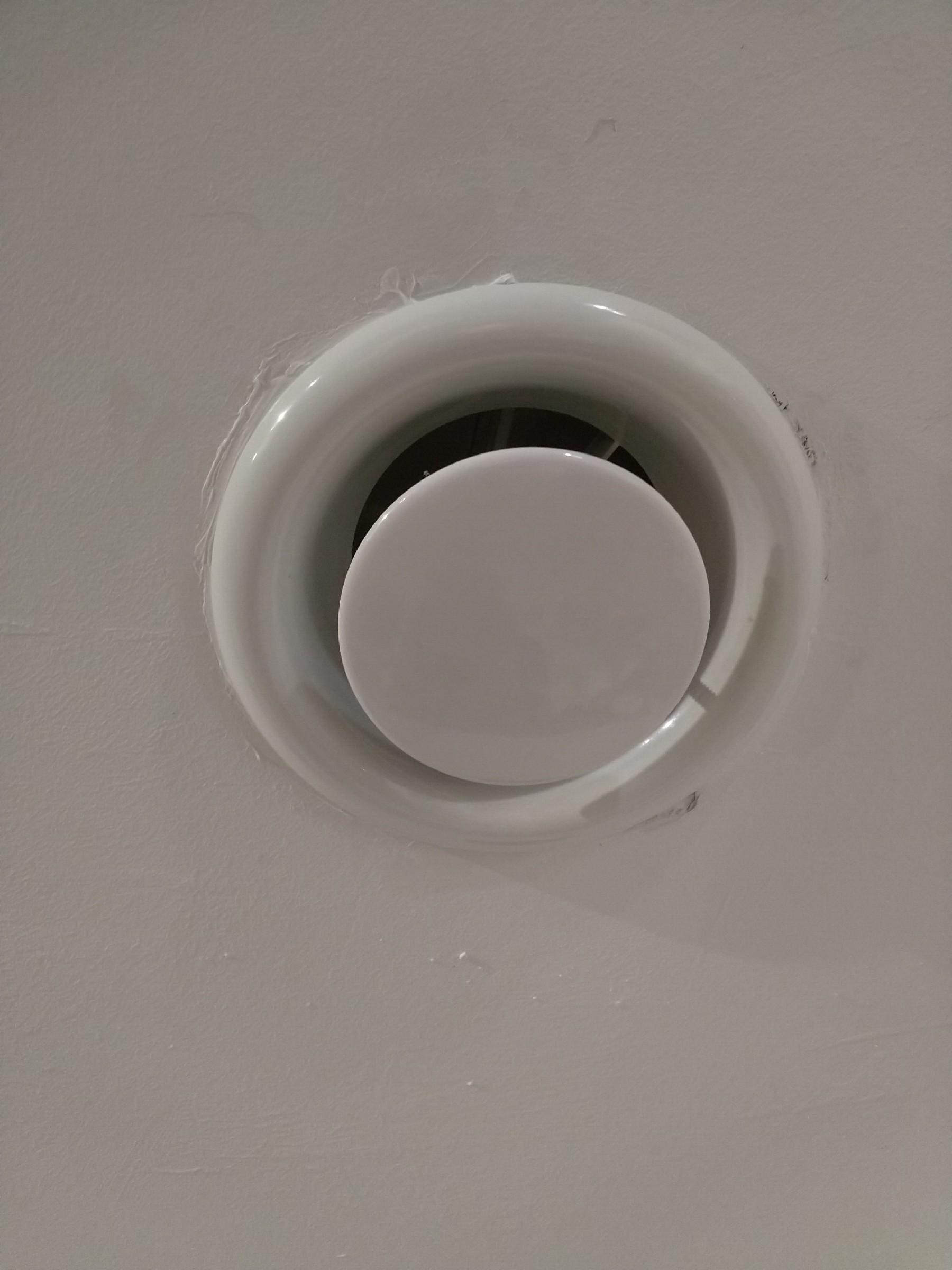
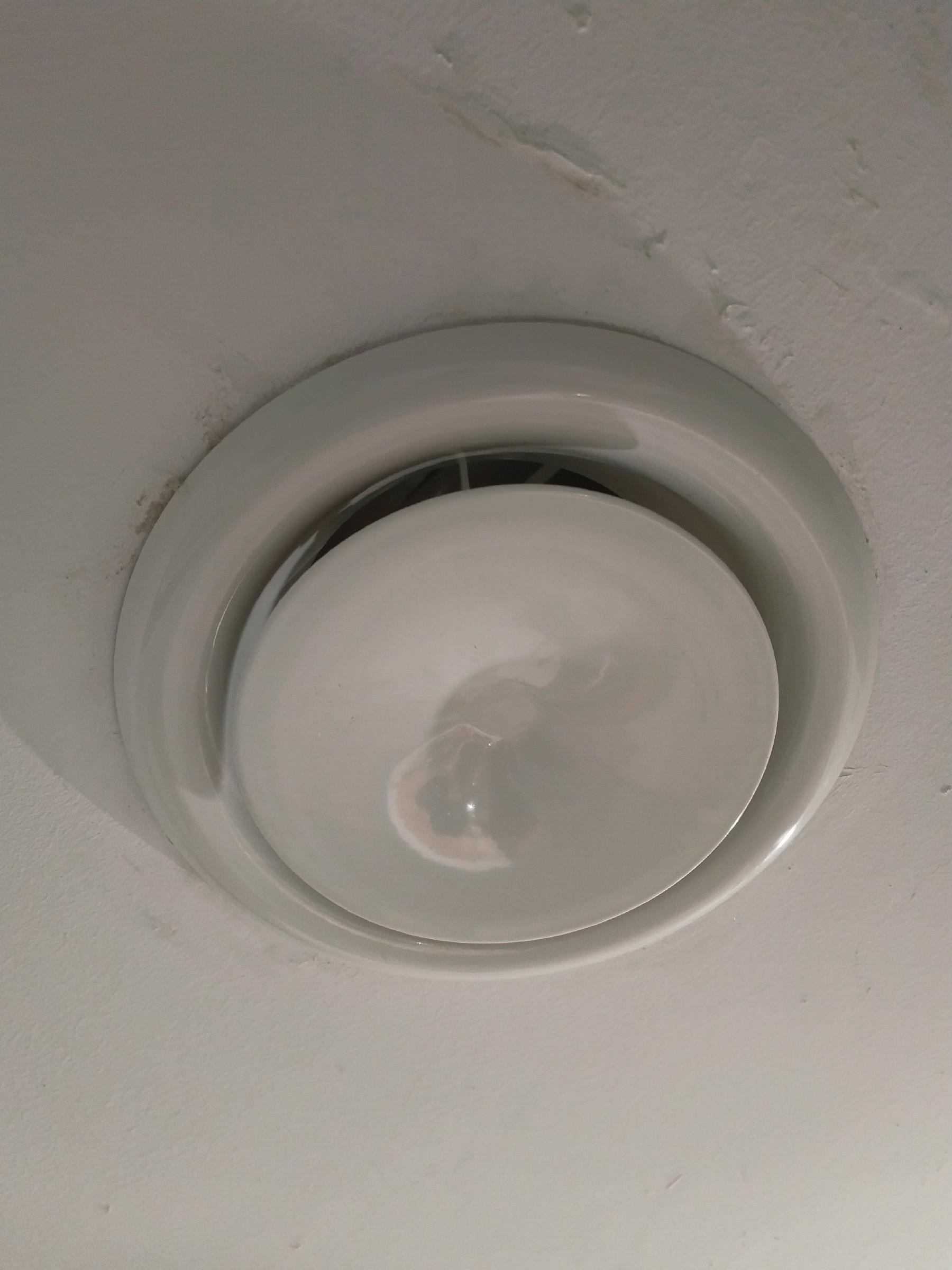
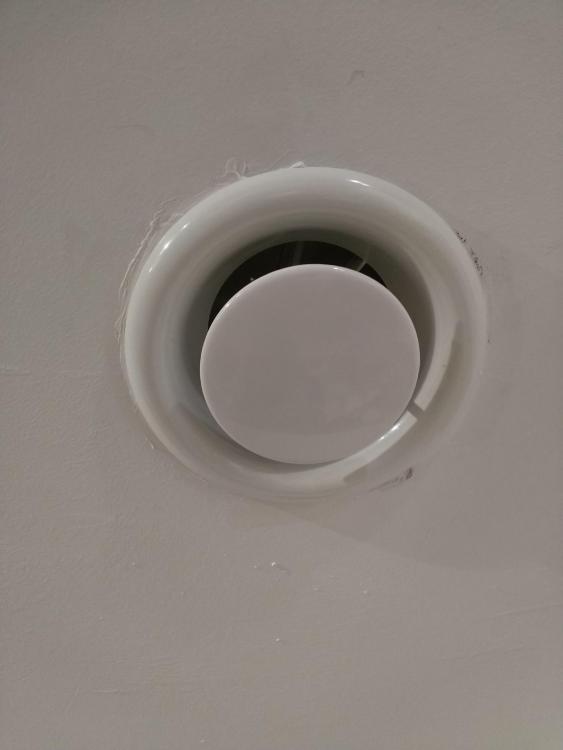
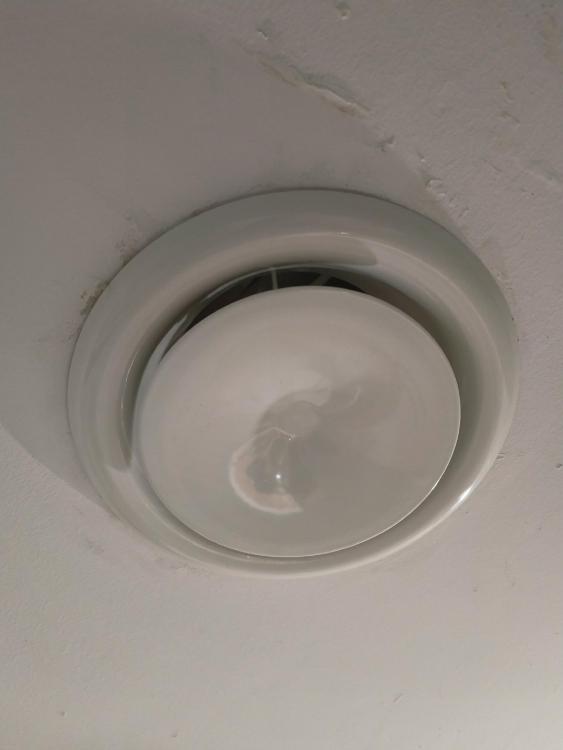
So I picked up a load of ceiling vents from eBay. One box were 'outies' and one were 'innies'. It only makes sense from the photos! Is one for extract and one for supply or does it not matter? Thanks!
-
Okay, so I've been having fun going further into my loft than no man has ever been before (at least for long time), predominantly to put my radial ducting and plenums in place for MVHR. With the insulation to one side and the best access I plan to get, what are the other 'whilst you're up there' jobs. I have put in some lap vents. I am sorting out the insulation (and removing a few bits where it seems stuffed down the back of the sloped ceilings). Don't think there's likely any cables that need going in based on what I can see us doing over the next few years. No plumbing up there. Is it worth trying to get some ventilation holes into the chimney stack down that end? (We never and will never use it. Right now it's boarded off, with a vent, at the bottom but I'd like to seal it completely). I don't really understand chimneys. Once I've got the insulation carefully back down I'm hoping not to have to venture down there for some time....what am I going to regret if I don't do it now?!!
-
I just want to say how good it is to see a responsible developer thinking beyond the bottom line. I guess the ideal would be that building regs made us build houses that were so well sealed that they required an MVHR?? I guess we have some way to go...
-
We had a similar situation with neighbours, though we knew the issue was the freeholder's fault not our neighbour's fault for not maintaining the fence. It was a good summer job and frankly having neighbours on good terms is worth more than the couple of hundred quid the fence posts, concrete and cladding cost (I got a local timber merchants to deliver some 4.8m lengths of 200mm? treated cladding, which looks great). Chatted through all our plans with the neighbours in advance of course so there were no surprises for them, everybody was happy.
-
Hello I had the Viessmann 200w installed recently and, as I wasn't able to find out loads from the forums in advance, thought I'd post a few initial impressions and 'gotchas' here that tripped up the installers a little as part of the installation. This was the most recent version of this boiler with the colour touch-screen (B2HF/B2KF). First gotcha, it doesn't come with a 'fittings pack' - there are several types you can get and whilst it states this clearly on the Veissmann direct website, this seemed to be news to the installers, and also the merchants who supplied the boiler. So our first install left us with a boiler hung on the wall but not connected whilst we waited for the fittings pack to arrive and then be installed. Second gotcha, it doesn't come with opentherm. I thought this was surprising as I believe the 100-w does, and I was hoping to use this with the Drayton Wiser system that we have installed (which I think is excellent, also). Third gothcha, there are three 'modes' of operation that have to be set during the commissioning process, and if you want to change the mode you have to recommission the boiler. However, you can do this fairly easily with the app (ViStart for the installer, and ViCare for the user - you can download both from the Google Play store). The three modes are 'weather compensation' mode, 'continuous operation' mode and 'room temperature dependent' operation. The second and third modes don't seem to make any use of weather compensation - and if you set it up in weather comp mode and then connect a stat, the stat won't talk to the boiler at all (lots of head scratching here from our installer). So, to get this to work with our Drayton Wiser system we currently have it connected on 'continuous operation' mode; there is then a setting to turn off continuous pump operation when there is not a call for heat, though oddly in this mode even if there isn't a call for heat there is a minimum flow temperature setting (default at 20'c). I am going to try and switch it over to room temperature dependent operation at some point to see what this does (my guess is it'll only work with a Viessman stat), but for now it is working fine - the boiler is firing when there is a call for heat and not where there isn't. Fourth gotcha, we've got a fairly large detached house and had previously had an older Baxi boiler which clearly had the pump turned right up to maximum. The Viessman has a variable speed pump, but I found that I had to adjust the minimum pump speed setting upwards somewhat to get the far-out radiators warm at the same time as the rest of the house. Fifth gotcha, Viessmann had apparently specified not to use inhibitor with the boiler at all. Our installer thought it was something to do with rubber hoses perishing. At first I was so surprised at this (as was he) that I checked with Viessman technical who confirmed this was the case. Apart from this, it seems a good boiler so far - it is keeping us warm, seems pretty quiet, and the App has a few nice settings e.g. being able to see exactly how much gas (in cubic metres) you use on any given day. Quite astonishing seeing this over the recent snowy weather we've had over the last couple of weeks. It's also nice seeing the modulation stats, as that was the main draw for us for this boiler, that it modulates very low. An interesting setting seems to allow you to limit the amount of time the hot water runs before cutting off (and then I think set a minimum wait period).... potentially handy for anybody with teenage daughters?!!
-
I'm putting in an MHVR into a 1920s build house, mostly solid walls but with some newer extension. My internal brain model is that it should allow for ventilation without the associated loss of heat of opening a window, using an extractor etc etc. We will progressively be working through and insulating each room as we go (and at least we have started this with wood fibre board IWI, Pavatherm recommended by Mike Wye) and sealing as we go so I expect the airtightness to improve, but of course realistically we are never to be anything like that of a modern house. However I expect the benefit from the MVHR will increase as we progress with this job. (We're also ripping out a lot of the upstairs so I have one chance to have simultaneous access to walls, floors and ceilings for fitting the unit and ducting, so it felt like the best time to do it). Ask me in 5 years how it went (!!), but from other forum posts I've read it seems people have been pleasantly surprised at least from the fresh air perspective of a MVHR in an older house.
-
Siting MHVR extract/inlet wall or roof
larry replied to larry's topic in Mechanical Ventilation with Heat Recovery (MVHR)
https://www.greenbuildingstore.co.uk/mvhr-dos-donts-where-to-locate-mvhr-unit/ suggests north is preferable to allow a better summer bypass function. -
Siting MHVR extract/inlet wall or roof
larry replied to larry's topic in Mechanical Ventilation with Heat Recovery (MVHR)
Ah, I had the opposite in my head! But I can't tell you why and have no confidence I'm right. An alternative option would be pretty impractical in my situation though -
Siting MHVR extract/inlet wall or roof
larry replied to larry's topic in Mechanical Ventilation with Heat Recovery (MVHR)
Hi all, slight update here, or at least more a vent on my part! Arranged to get the boiler done first. Got a few quotes and had a Viessmann 200-w combi was due to be installed today. Plumber showed up this morning as promised. However, the central office hadn't told the plumber he'd be doing a vertical flue, and he confessed he'd never done one before and basically balked at the job saying he couldn't do it and we'd need a roofer in. Am super annoyed with the central office (who shall remain nameless for now) as I'd sent (in these COVID times in lieu of a visit!) loads of photos and videos of the layout in advance and... arrahhgh! -
Thanks all, hugely helpful suggestions all round!!
-
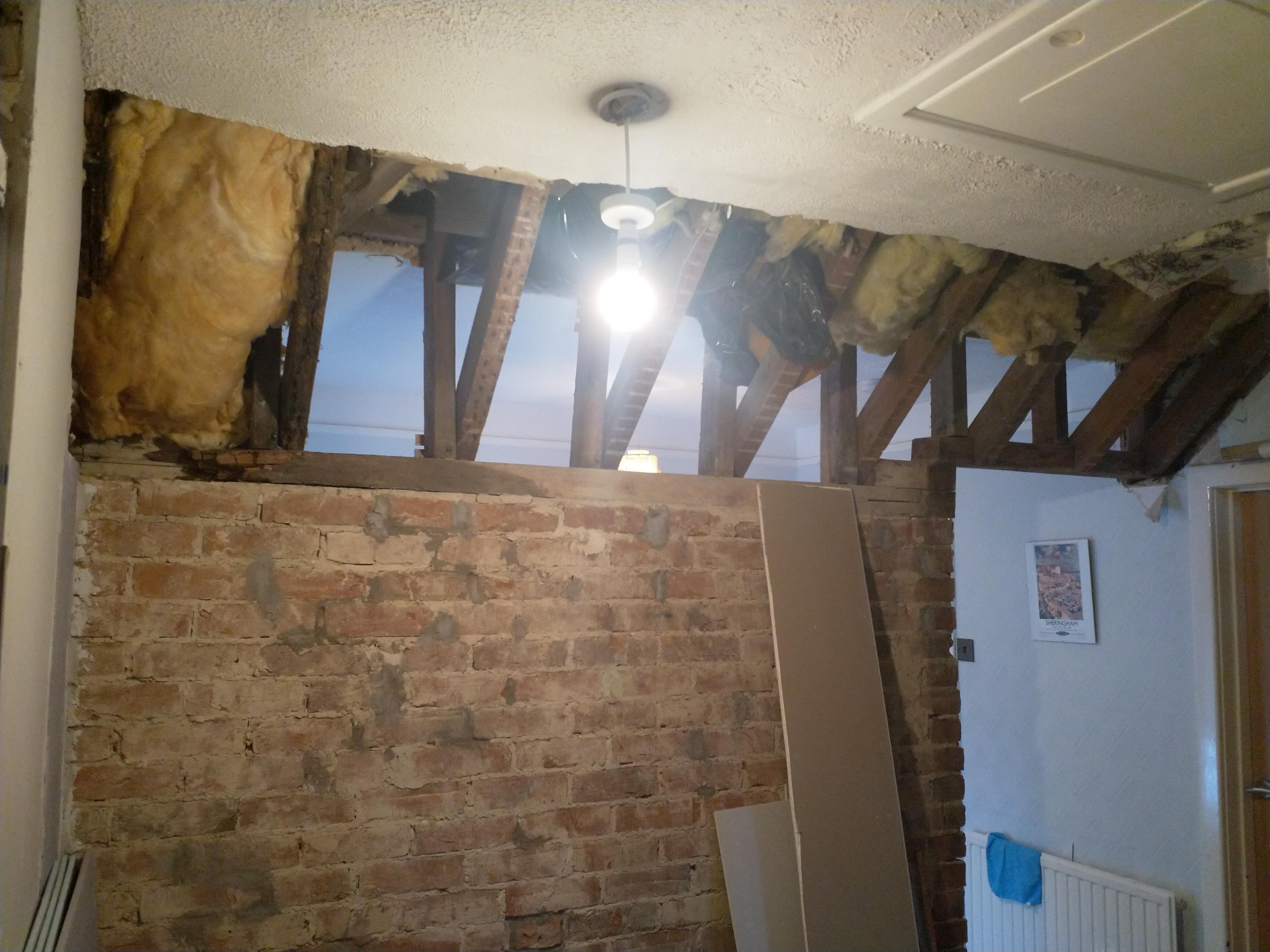
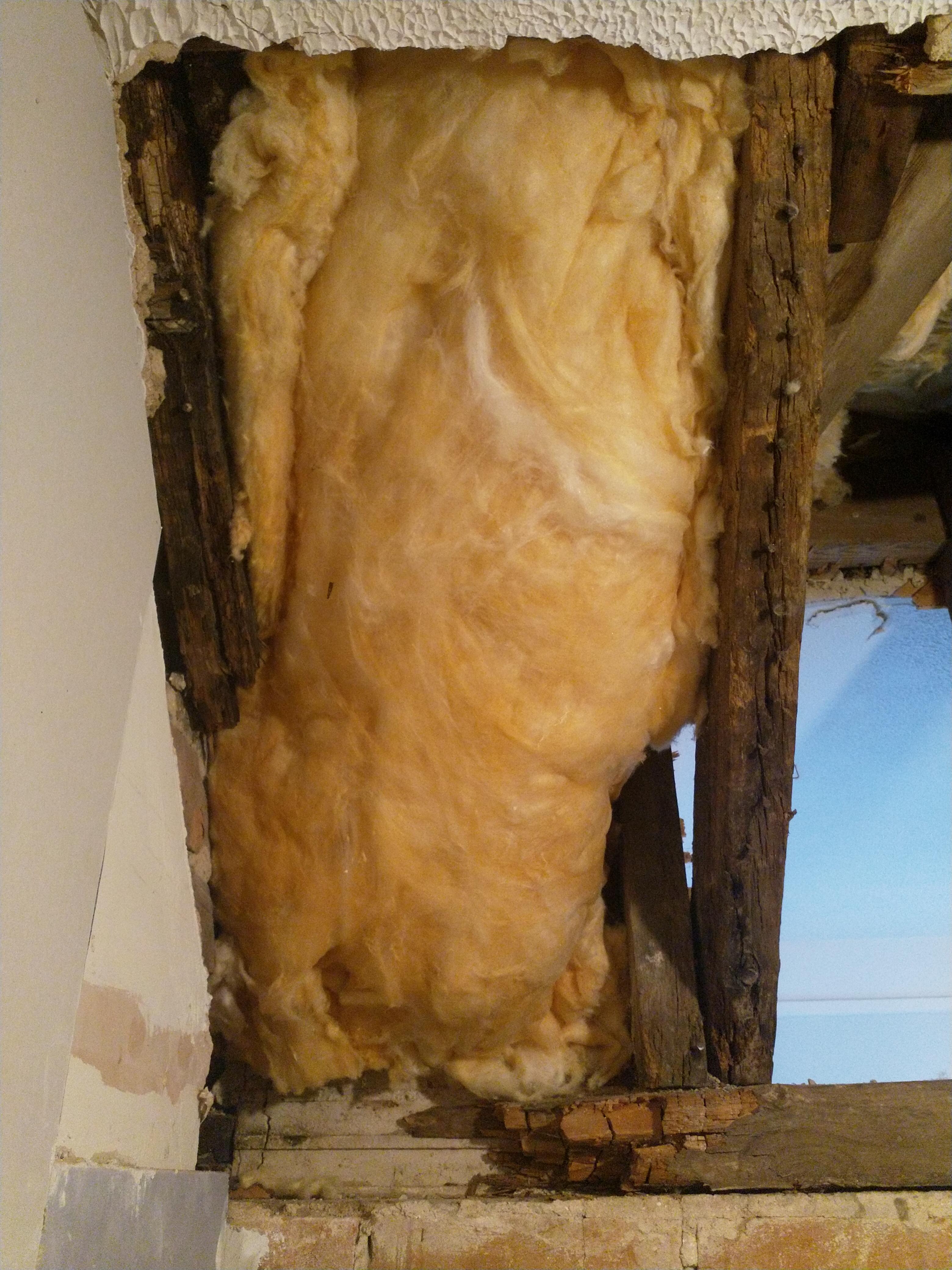
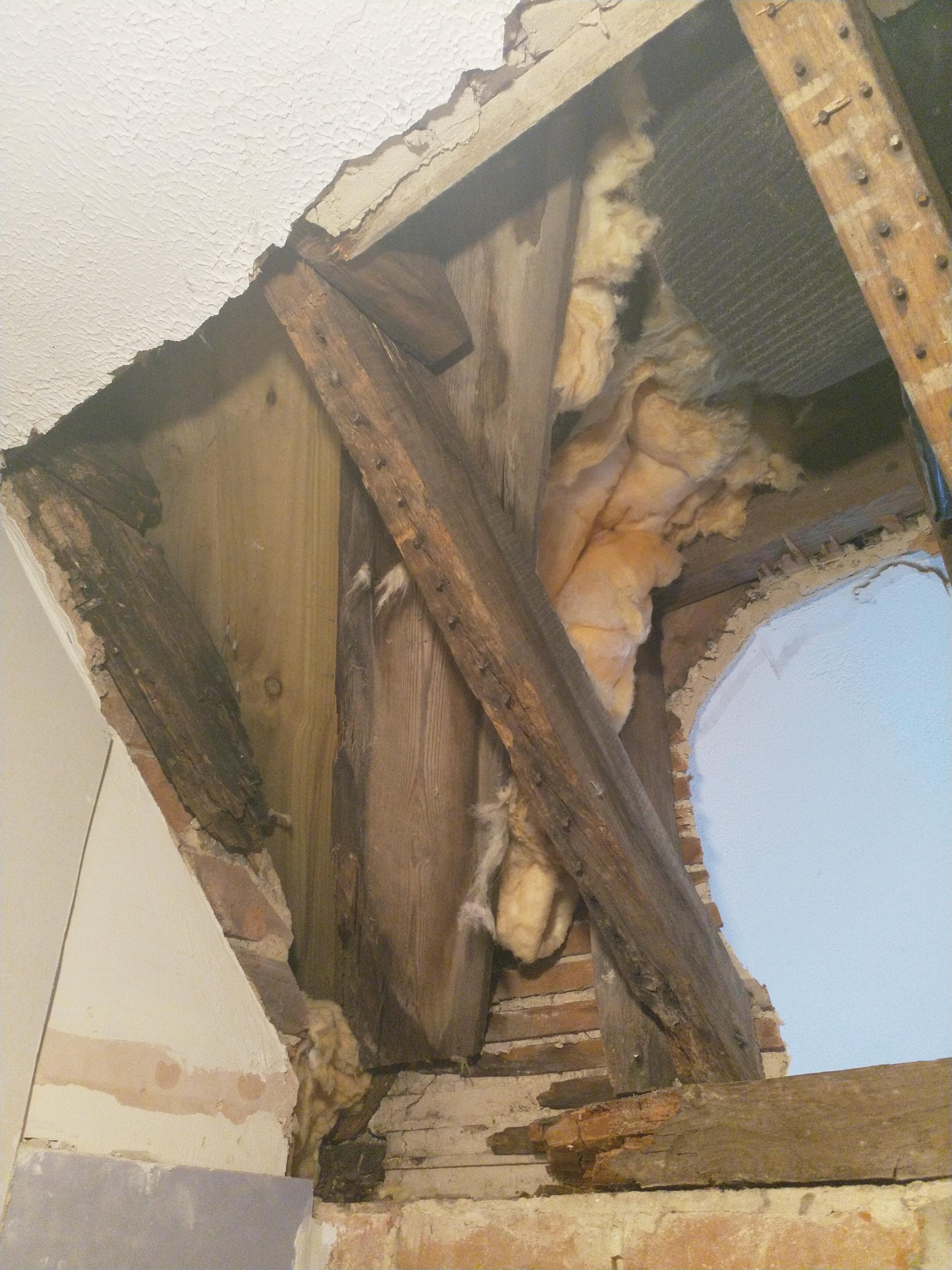
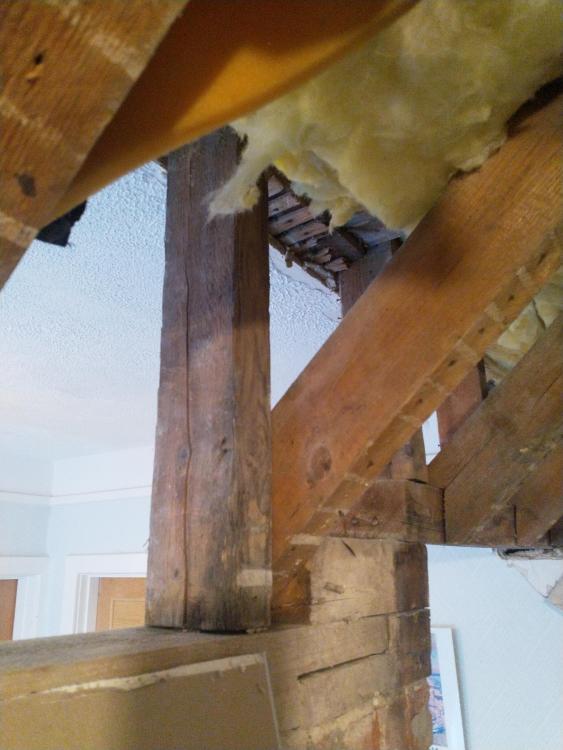
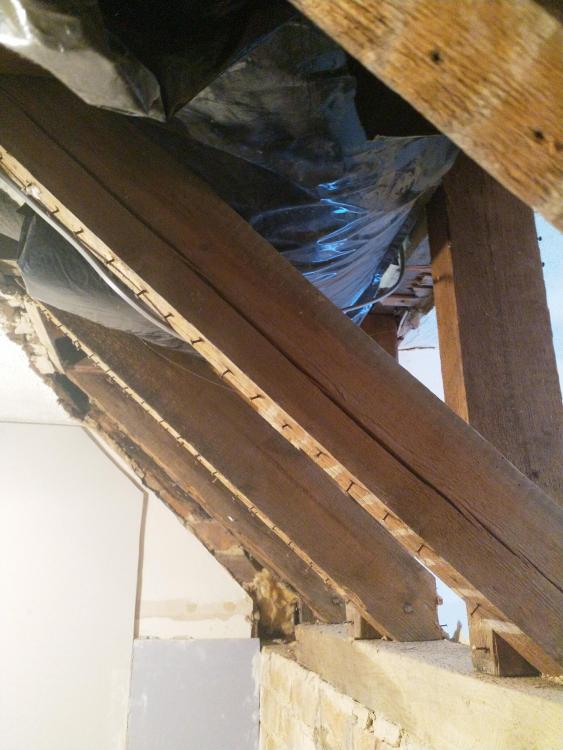
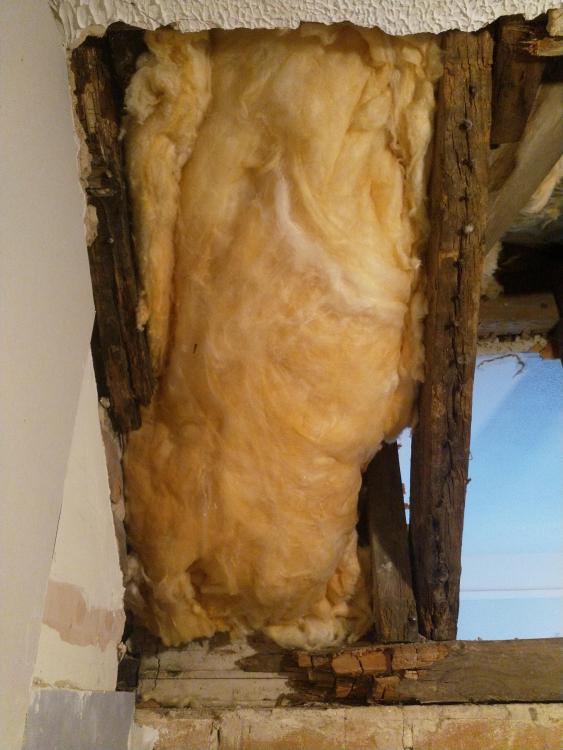
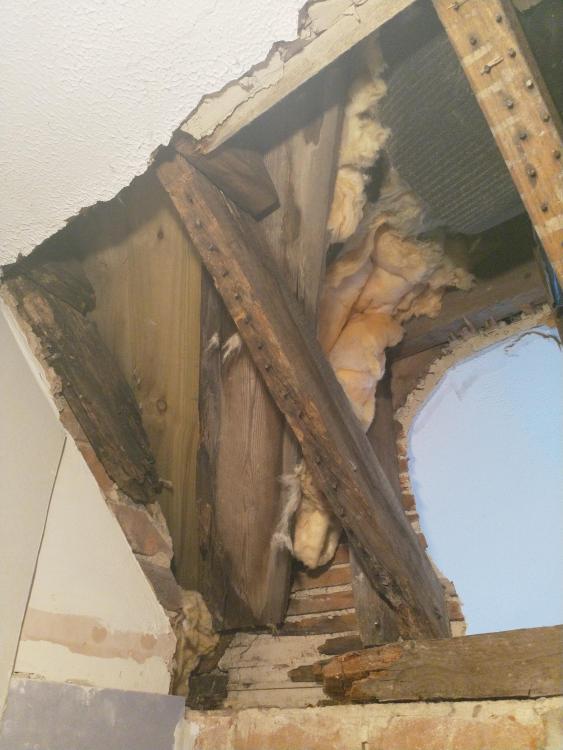
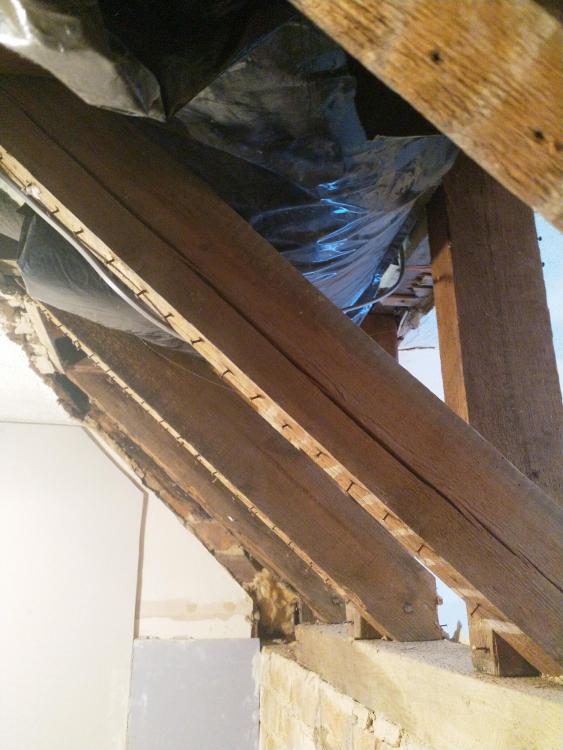
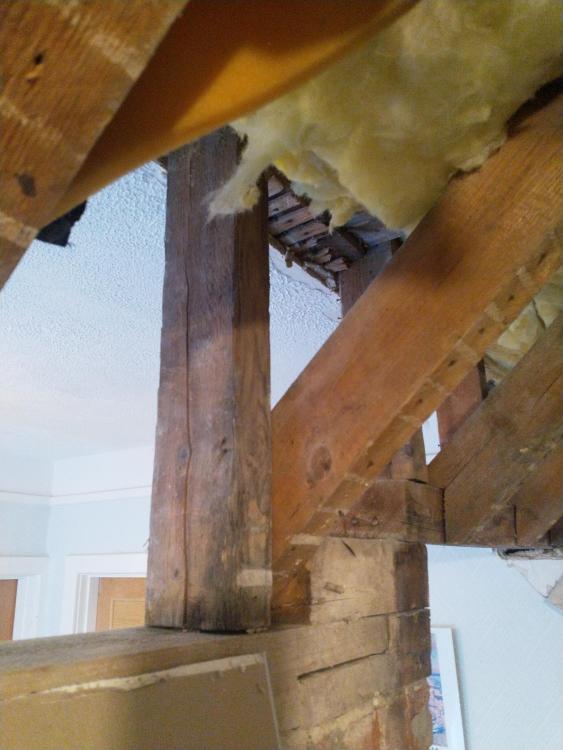
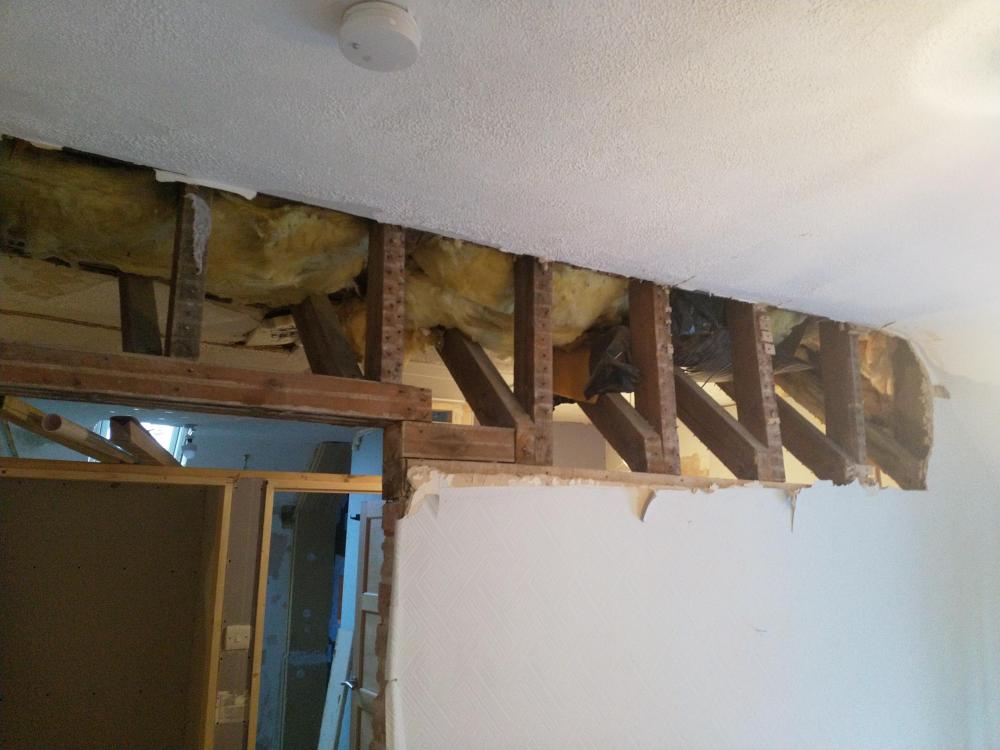
Hi all, I posted a stupidly TL;DR thread elsewhere but no responses so I thought I would break down into specific questions rather than a huge omnibus entry! Essentially, do these split roof rafters need repair? And if so, how would you go about doing it? On another question somebody recommended foaming wood glue for a joist repair, and somebody else Cascamite. Would other of those be suitable? 1920s house Most of the other timbers look fine (apart from the rotten ones at the end, may ask separately about that) Timbers in loft look fine. Ta
-
I very much recommend the free NG ESO app (at least on Android) which shows the above data as well as regional differences and makes future forecasts for carbon intensity/kWh. Burning coal is indeed the real stimulus of carbon output it seems!
-
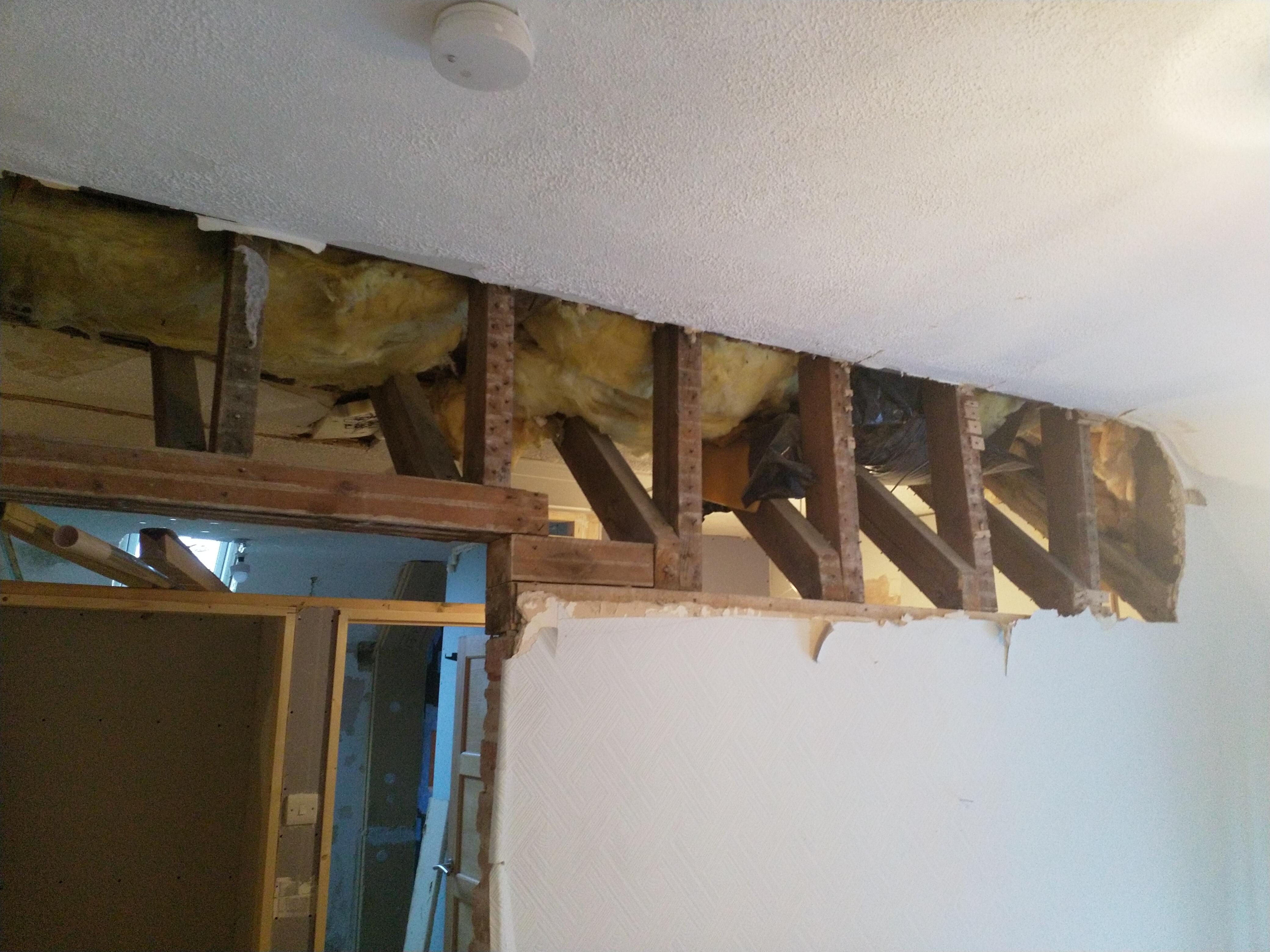
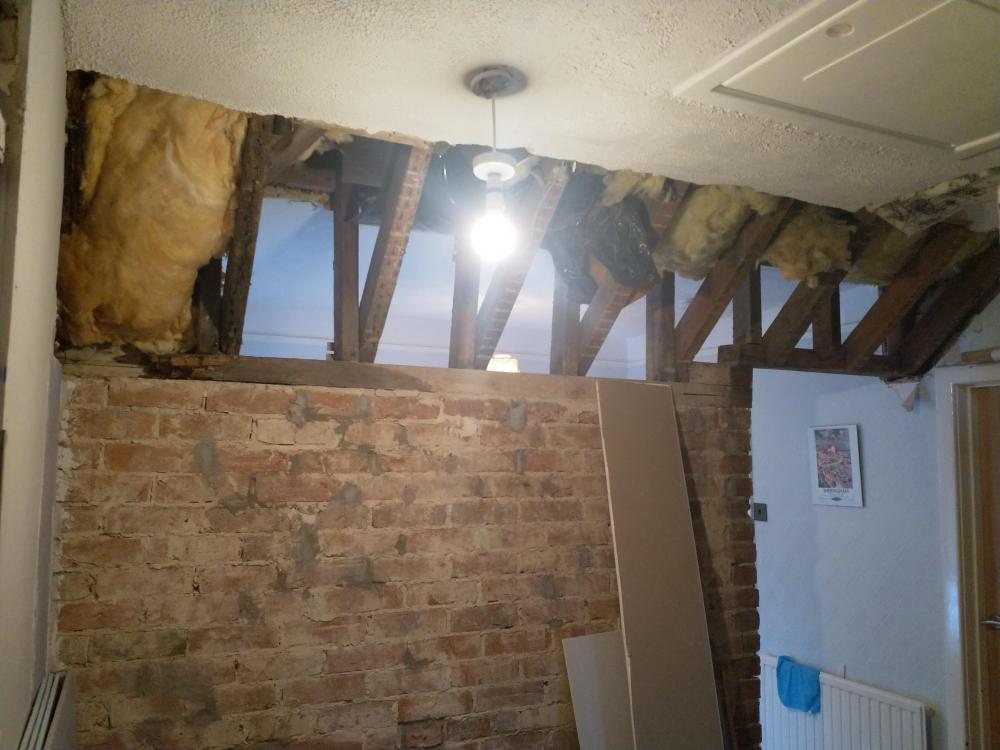
I should add, the walls underneath might have moved around a bit over the last ten years, but not signs of progression anywhere as far as I can see. The extension meant taking out a lot of the external wall which you can imagine is to my left from most of the photos. Similarly, most of the wall underneath this was taken out also in a later development.
-
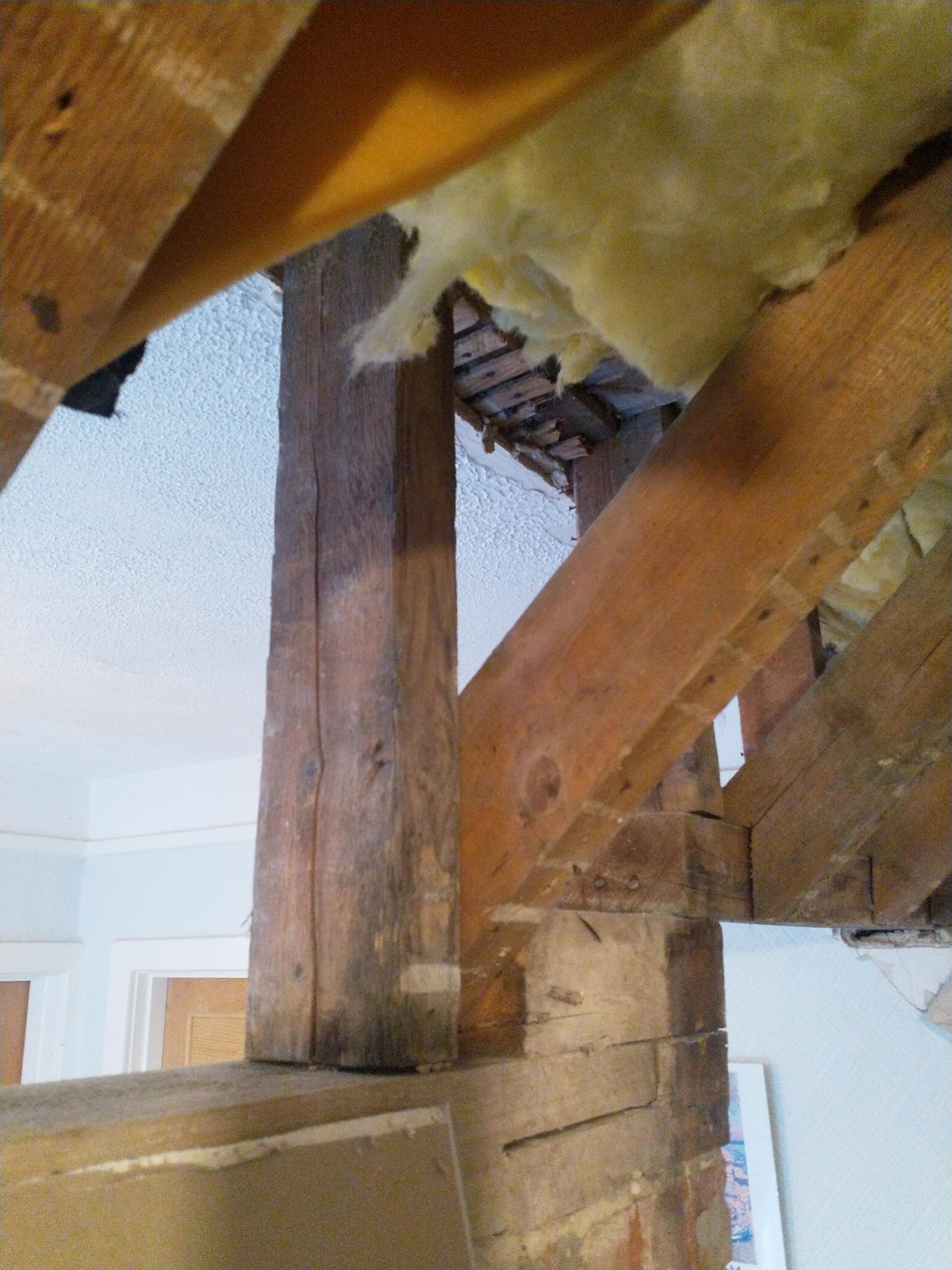
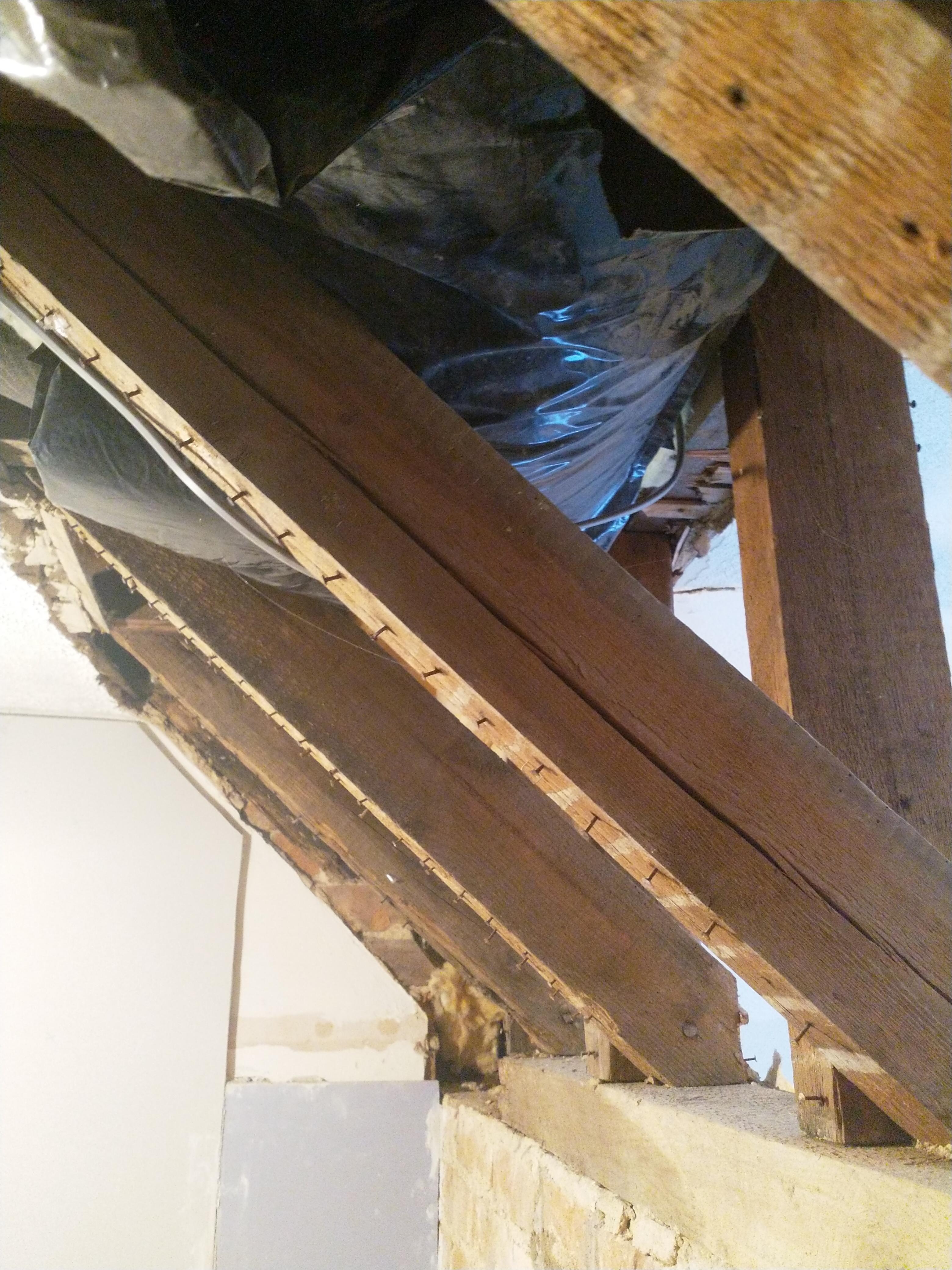
Hello everybody I'd love some advice. As part of works upstairs I recently took out an internal sloped lath and plaster ceiling in our 1920s house. This is in the middle of the original house and the wall is a single skin two storey wall with a timber wall plate and rafters sitting atop. To the left is a new two story extension which continues the line of the sloping ceiling which becomes an external wall/roof. However two years ago we had work done to repair what seemed to be a leaking valley. I only noticed this through a very small amount of evidence in the loft. The rafters in the loft all look pretty sound. Clearly the leak in the valley bad been there for some time as the left most rafter is completely done as is part of the wall plate. The second rafter looks impacted but clearly is giving strength. I guess the external roof is helped by the new extension running to the left. There are some cracks also in some of the good timbers. The rot is now bone dry and I have removed anything that came off in my hand without force. What I want to do is leave most of the rafters exposed (probably painting the rafters??) to let light across the top to a new landing. We are planning a suspended ceiling above.. Questions are: 1 opinions on the rotten bits and potential repairs or ways to strengthen them and treatment?? 2 opinions on need and if so methods to deal with the two rafters that have length wise cracks 3. Ideas to insulate underneath the valley 4. What else am I missing?? I don't think the rot looks like dry rot and no evidence of spread. It's clearly stable enough as has been like this for at least a couple of years without problems.
-
An update from today, following all the helpful advice last night. Went to Ironmongers and bought D4 foaming glue (wow, amazing stuff) which seemed the best they had. Cut the ply into strips. Realised, of course, that the floor/ceiling has a Heringbone down the middle, which I'd forgotten was there (despite having looked at the many photos I'd taken of the underside when we had the ceiling down recently). That limited my total possible span of the ply to about 1.5m which I decided was still worthwhile even if not ideal. Who knows. Cut the ply strips down to size! Put glue, clamps and screws in. Filled the middles of the notches with offcuts as suggested, and plenty of glue. Weighed down with a brick to counteract the expansion of the glue (of course the brick the stuck to the top!) . Generally happy with efforts. Most joists looked fine except one which had a crackl on one side - nothing obvious I could see to cause it. Hopefully the ply/glue will help that also. Thanks to all for their guidance. Might need to start a post about some rotten rafter ends... was waiting for the carpenter to have a look but given how helpful you all are....
-
A huge thank you for this very comprehensive post - a few comments/replies back below. This sounds more like a philosophical question. Is the next step up, after a notch, perchance professionally referred to as a botch? This is helpful. They are a little bit above a third. That's also helpful! So a little more detail might be helpful here then. The joists run between an RSJ and a wall, as I say the total span is about 3.2m. The cylinder if installed would be at the RSJ end, probably with its centre about 80cm from the wall. The joists at this end are fairly unadulterated in terms of notches and holes (there are a few holes for cables, but not many). At the other end, however there are two additional notches for cables and pipes. One is about 100mm (carrying cables) and one about 40mm wide (pipes). They are both within approx 450mm of the wall. These look to be older notches than the ones in the photo above and need to remain in situ to carry pipes/cables. We bought our house from a builder who had done an impressively superficial job all round. We love the house and have absolutely no plans to move but there has been an awful lot of 'clawing back' generally and then working out how to put things right along the way. It's meant an awful lot of working out the difference between things that are just plain wrong from things that might be a bit lazy but not seriously problematic, to things that actually are OK. Given I'm not in the trade, though handy with most things and happy to learn, half the work is working out which falls into what category.... One small example from the first category was a spur off a spur off a spur off a spur to a 25 metre run of 1.5mm T+E cable in the garden, buried 2 inches below the ground in no protective conduit, to a metal backbox, fitted to a metal shed, with condensation dripping down the inside of the shed roof and into the back of the backbox, to then another spur, again in another 10m unprotected run, to another shed... I realised something was wrong when my 400w jigsaw led to the shed light dimming.... We've found several horrors however, which has led me to be very mistrustful basically of everything we find in the house that's had the previous owner's hands on it (the signature mark being 1 inch plasterboard screws used for absolutely any and every purpose). This - also incredibly helpful. My geography means I'm limited to Homebase, Screwfix and a very handy Ironmongers. I might see what they stock. Alternatively of course there's the interweb. I'll definitely avoid the cellotape & good point about keeping the surfaces clean.
-
If not already solved I would give another +1 to the Drayton wiser. Works well with my set up. Like having a completely zoned system but without having to reconfigure any pipework!
-
Thanks Peter! Wavering over what to do with the top. Balance between not wanting to lift another board for the next ten years and knowing that almost certainly I'll want to!! But yes, a possibility. Guess that would help with load distribution?