Kevin J
-
Posts
64 -
Joined
-
Last visited
Everything posted by Kevin J
-
Seamed metal roofing or catnic SSR2 advice required
Kevin J replied to ruggers's topic in Roofing, Tiling & Slating
thanks SimonD everything's on the website -
Zinc angled standing seam.
Kevin J replied to Makeitstop's topic in House Extensions & Conservatories
Super invisible, great shot. Look forward to seeing it when the scaffold is down -
Zinc angled standing seam.
Kevin J replied to Makeitstop's topic in House Extensions & Conservatories
Paul Gribben -
Zinc angled standing seam.
Kevin J replied to Makeitstop's topic in House Extensions & Conservatories
call BipVCo directly. Justin Canning 07803 073191 I have not tested bonding to zinc -
Zinc angled standing seam.
Kevin J replied to Makeitstop's topic in House Extensions & Conservatories
Next Generation Renewable Energy greg@ngre.co.uk can help -
Zinc angled standing seam.
Kevin J replied to Makeitstop's topic in House Extensions & Conservatories
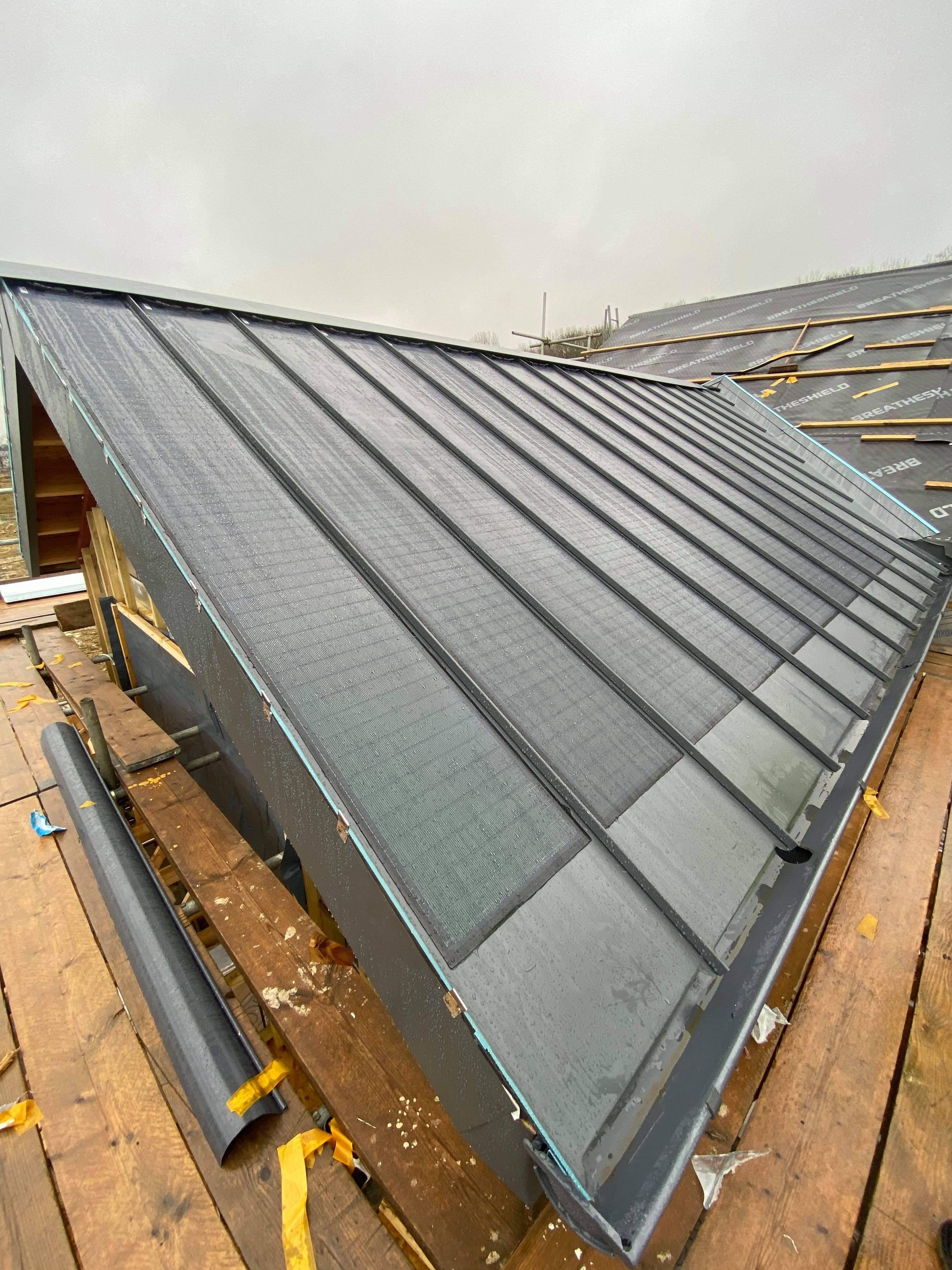
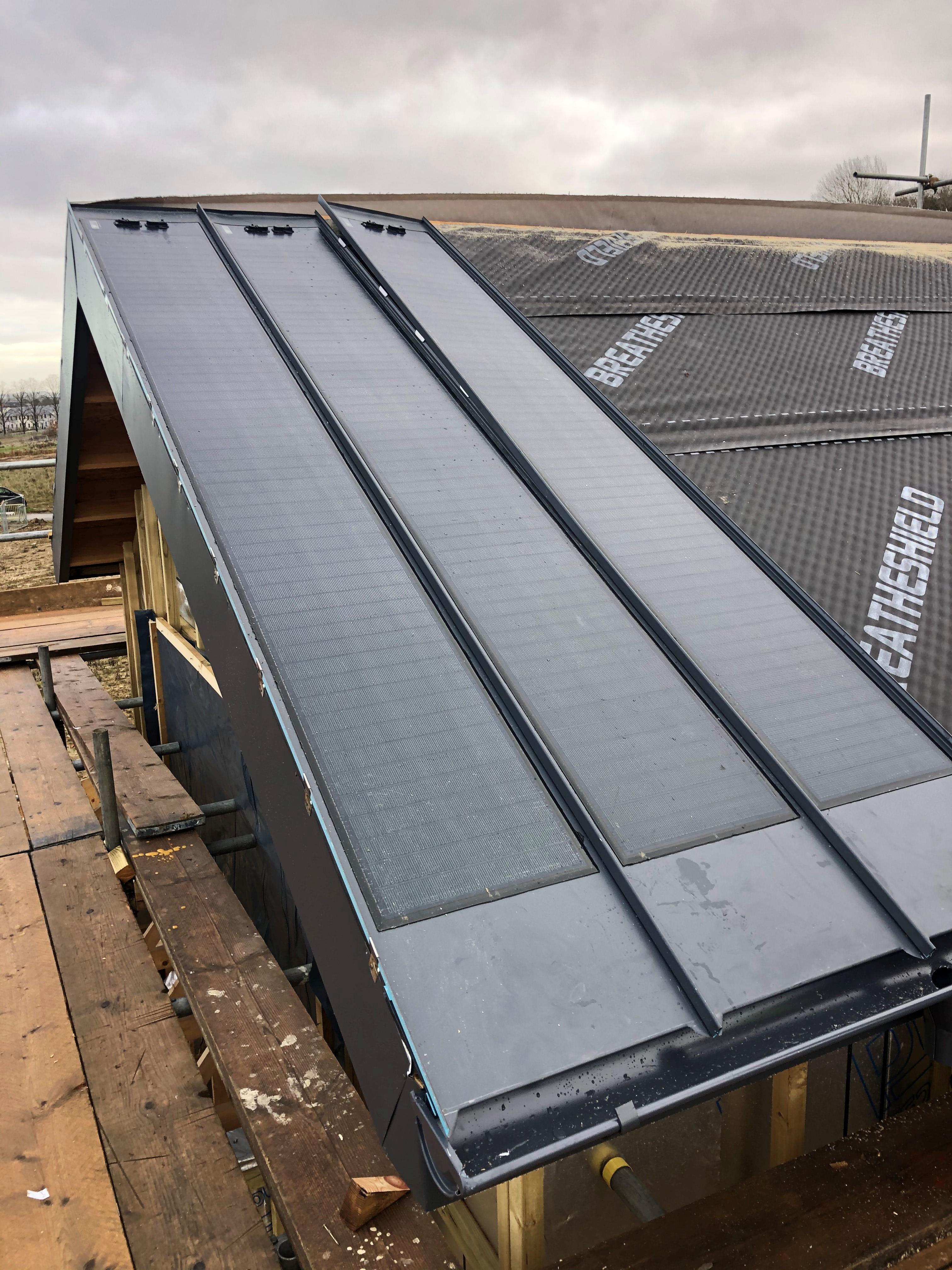
Installing BiPVCo Solar 358mm PV on SSAB GreenCoat PLX Pro, Colour Mountain Grey (036) from Metal Solutions Ltd with Snaplock(R) Standing Seam at 400mm wide panels Installation in Graven Hill, Bicester. Electrics at the ridge under a low impact profile -
1. Eaves & Apex.pdf 3. Ridge & Hip.pdf SL-VP-EAVES 1.pdf SL-VP-RIDGE 1.pdf
-
Zinc angled standing seam.
Kevin J replied to Makeitstop's topic in House Extensions & Conservatories
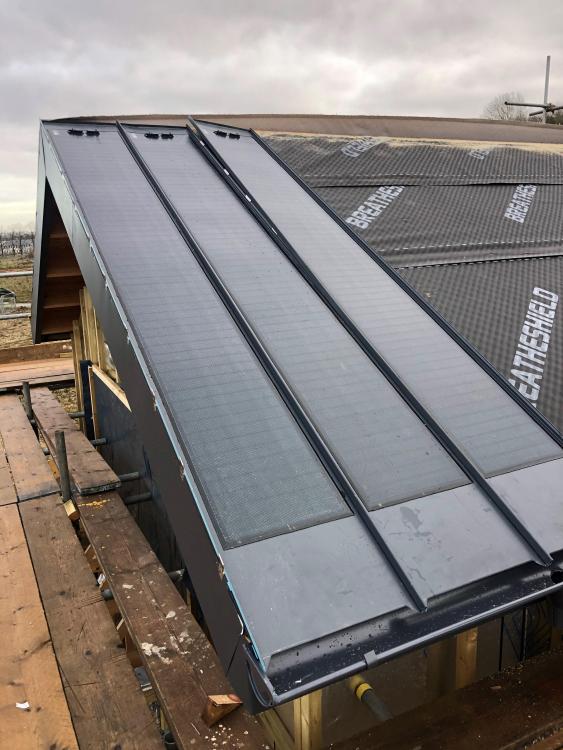
Installing BiPVCo Solar 358mm PV on SSAB GreenCoat PLX Pro, Colour Mountain Grey (036) from Metal Solutions Ltd with Snaplock(R) Standing Seam at 400mm wide panels Installation in Graven Hill, Bicester. Electrics at the ridge under a low impact profile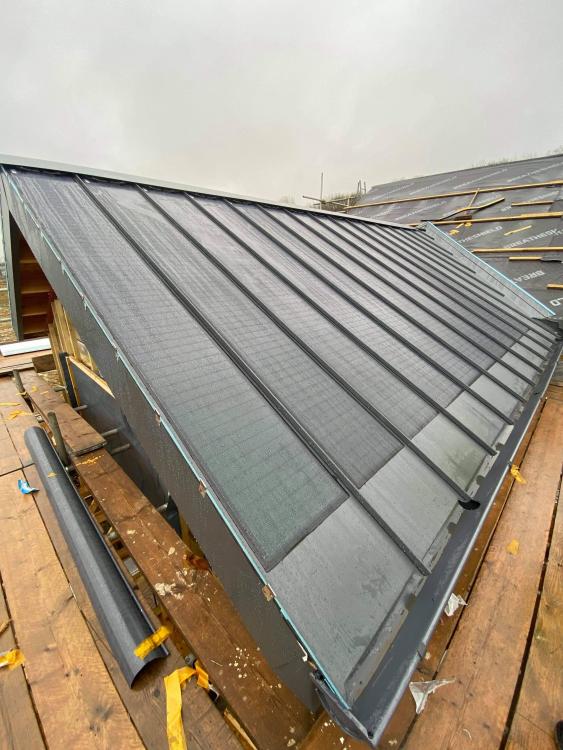
-
Zinc angled standing seam.
Kevin J replied to Makeitstop's topic in House Extensions & Conservatories
Hi Tosh There are self-install systems on the market. We could also direct you to a number of installer customers who offer supply fit or labour only -
Zinc angled standing seam.
Kevin J replied to Makeitstop's topic in House Extensions & Conservatories
-
Zinc angled standing seam.
Kevin J replied to Makeitstop's topic in House Extensions & Conservatories
Zinc, like Lead, Copper and uncoated Aluminium develop a Natural defensive oxide layer when exposed. It's a Patina. the aesthetic of the metal surface can be altered, in a Coastal location you can also expect deposit of salt which can stain dramatically unwashed areas with some degree of pitting expected, even Stainless Steel can be effected. -
Zinc angled standing seam.
Kevin J replied to Makeitstop's topic in House Extensions & Conservatories
There are seven zinc manufacturers active on the UK market with varying surface finishes. cost to install is determined by who you get and the level of detail involved. distributors offer samples and installation advise along with the details of installers in each region of the UK. Note: Location should have a bearing in your decision on which colour, indeed which metal to install ahead of budget -
Rapid fluctuations in temperature on the metal surface can have an effect on the airflow even in a fully ventilated timber board construction. Warm air can draw moisture into the void which would be attracted to coldest available surface, the back of the metal. so in Europe construction methods avoiding plywood in favour of organically treated softwood timber planks means excess moisture is absorbed by the wood and then released as the air warms and dries the timber deck. Really the best solution for Zinc which can be destroyed by backside corrosion, White Rust avoid timbers that have preservatives using Copper as this will damage the Zinc. Penny gapped, nominal thickness 25mm softwood (tolerance max 3mm in thickness) rough sawn. take extra care on the timber species as some are acidic, again damaging. This is why Zinc directly on Plywood, unknown timber composites is FORBIDDEN. Design well, Respect the needs of the metal and the Zinc will make a good roofing material. Take advice, it's free, www.metalsolutions.uk.com a well installed roof is a reference that everybody talks about
-
-
I'm fairly confident @Russell griffiths Used GreenCoat steel, not Zinc, as I supplied it. Long sheets in Snaplock if it's "hairy chest rug" or "pubes" as someone called it I can reveal it is now branded as ISO-Mat Metal Structured Underlay at www.roofing-tools.com Hi @Russell griffiths still hoping to get pics, best regards
-
-
ALWAYS ventilate Zinc, it cannot sit in condensates. If there is moisture and no Air the formation of Zinc Hydroxide, a White Powder will form and literally eat through the metal from the underside
-
A simple ventilated abutment detail against the house is easy. However, continuous airflow from ridge to eaves is interrupted by the roof lights. architect guy is on it with warm roof build up provided the Vapour Control layer (VCL) is correctly specified and correctly installed. A solution could be Hard Metal Board over Alutrix VCL. You should belt and braces with a Structured Underlay such as ISO-Mat Metal. All at www.roofing-tools.com including the Zinc
-
-
Would love to know who installed the curved roof
-
Most metals moved to 600mm wide to reduce oilcanning and to avoid excessive wind uplift and drumming
-
I am always amazed to hear from Architects and self builders who automatically assume a Metal Roof is a One Fits All Solution. Metals behave differently, whether it's expansion, colour, formability aging and patination or risk from corrosion, external environment or underside from a wrong build up. Architects cannot always be relied upon to know everything, and Manufacturers can be guilty of being blinkered to their product sale. There are good Independent sources of information. It's important not to have a single product mindset, if however you are set on a particular metal take advice willingly. Huge price differential is possible, this doesn't mean expensive is best or cheapest is worse. Media hike and Marketing drives the price these days. Be open with your design and stay flexible
-
Corrosion of standing seam aluminium roof
Kevin J replied to Muddy's topic in Roofing, Tiling & Slating
You are correct 9 years and corrosion is totally unacceptable there should be an eaves flashing to prevent water tracking back onto the substrate, often referred to as a T Plate. If there corrosion further up the sheet it's even more worrying would like to know more on the VCL, Insulation, fixing method and standing Seam system / manufacturer though -
There is NO British standard on min roof fall but consensus today recommends min 5 degrees slope. 25mm high standing Seam roofs are the most common Metals vary widely on price and warranties are vague, aesthetics warranties may not be offered on Natural metals due to adverse weathering possibilities Easy install systems such as Snaplock are being favoured though site folded seams continue to grow.
-
Corrosion of standing seam aluminium roof
Kevin J replied to Muddy's topic in Roofing, Tiling & Slating
https://bssa.org.uk/bssa_articles/bimetallic-galvanic-corrosion/