BartW
-
Posts
349 -
Joined
-
Last visited
Everything posted by BartW
-
Here
-
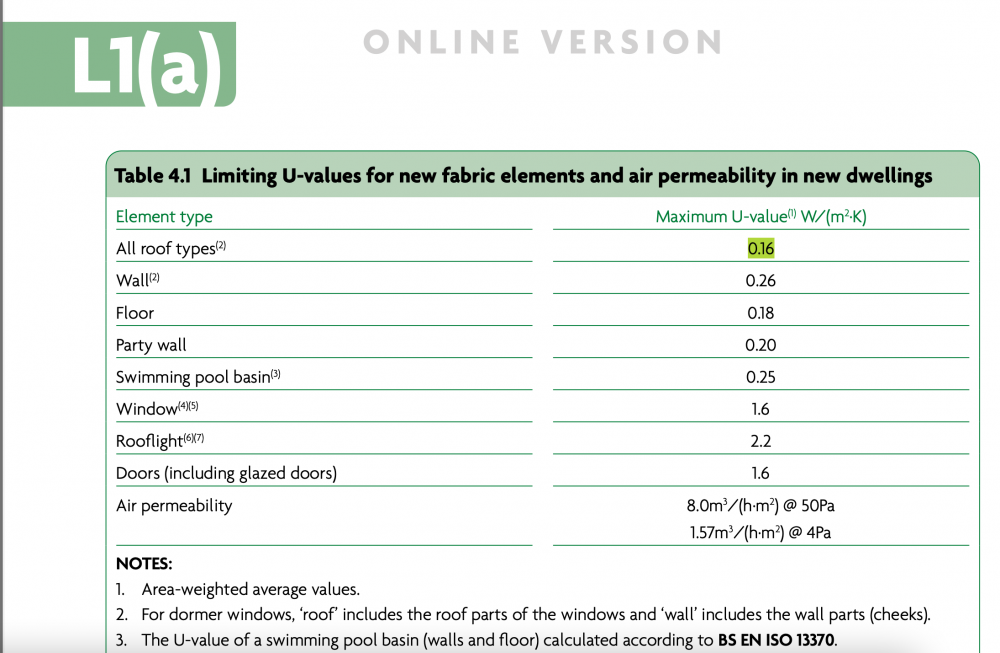
I think the detail is in the "suggested". A bit clearer here: https://www.building-innovation.co.uk/the-hub/part-l-changes-2020-what-you-need-to-know
-
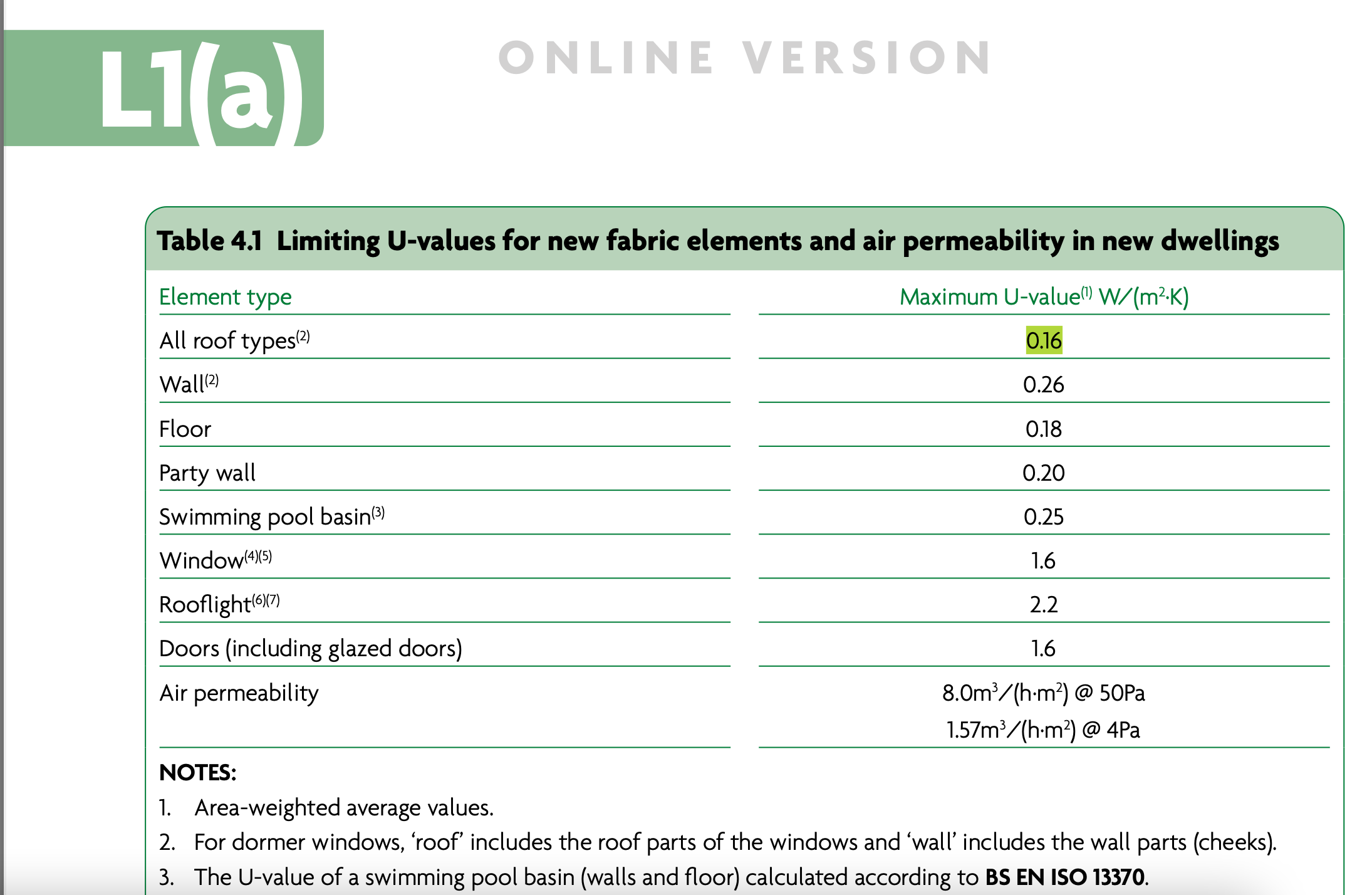
Roofs uVal for new build I think need to be 0.18 (or 0.16). Graven Hill require 0.15. When I said slab, I meant beam and block with Jetfloor system specified to 0.15. Pipes would be in-screed.
-
We have full planning, and probably about 8 weeks away from breaking ground, i.e. foundations, then TF in May. Hoping to have roofs and facades in place by end of Summer / beginning of Autumn, then move indoors and start doing the services. But I am trying to have the full budget fully in, and have a clear plan of what is going in. As for the "variables": - 180m2 house - 510m3 of air - designed SAP @ 93A - 4/5 bed - 0.15 uValue all around, i.e. roof, slab, walls - 65m2 of double glazing @ 1.2uVal average - 2 occupants, a dog, soon a child, maybe another in the future, in-laws / friends visiting - renewables: 5.5kWp PV with anticipated 5500kWh yearly generation going after PVGIS - MVHR I am sure I will never have it spot on, but neither will the specifiers that have been sending quotes, so I hope to do a better job by researching whilst there is still time Thanks Bart
-
Do you refer to the built-in Mixergy coil? I would imagine any night time tariff, and daytime solar PV discharge would nicely play together with it. It seems that other pumps do that too (perhaps not 65C, but 60C?) I considered that, and whilst it (apparently) boosts your SAP a lot, I am yet to establish if I will ever see a return on the £500 to £700 unit (multiplied by two out of three bathrooms). Yes, this is what's rather logical and "free". But will I in effect overheat during the day? Or would I hope that MVHR would, somewhat, redistribute the mass of air across the rest of the rooms? Not using a consultant, hence me trying to understand Hebrew by myself. Also, specifiers / suppliers like BPC , Nu-Heat and so on will specify whatever they want to sell, as long as their choices fall within the bands of criteria. So not unbiased... Above all, whilst I am trying to find a holy grail, I want to make sure that I am not overpaying for solutions that will never see me any return. I am not a purist, and not a tree hugger, either. But if I could make a wise choice, and not kill the planet, then surely I would feel better too. Also, it is likely it will not be a forever home. If it lasts us 10 years, then I think we have done alright. Chances are, we will build another one in 5 years time. Thanks! Bart
-
I suppose that is not bad. Have you done a cost-to-run chart to see what it is really costing you? Also, how big is the house?
-
Ok, so my basic calculation would be: 1937sq ft x 8 ft (h) x 15C (5C outside --> 20C target inside?) x 0.15 (uvalue?) = 34,866BTU / 3412BTU*kW = 10.18kW Does this sound about right?
-
This got me really interested, and I started reading about Mixergy tank. Really impressive! With the anticipated 200L tank as specified by BPC, would one choose same tank size in Mixergy? The price difference between 150L and 300L is within £200. So not a huge deal of a difference. Is there a point in "future proofing" for multiple guest visits? We would (eventually) be a family of 2 + 2, with potential parents, in-laws, and friends visiting (admittedly, not all at the same time). Sorry, I don't think I understood you. I am just quoting "the brochures". Does it not short cycle? Further to the above, I am starting to think that a cheaper pump would equally do the full job. I particularly am liking the Mixergy tech. The thought process here is that I could: - charge at night @ 5p/kW for four hours through the ASHP - utilise excess energy from 5.5kWp solar PV during the day, and either run ASHP at that time, or 3kW immersion heater element Now, is there a way to store energy for space heating during the day when excess energy is available, or at night when the tariff is cheap, with view to, say, discharging the heat into the UFH in time before everyone gets up in the morning? Thanks! Bart
-
Thanks Dan, This is useful, and fills the gap in the spec that I was after. What were the reasons you went for the AroThermPlus? To me the initial choices were based on: - quieter than others (debatably?) - higher max temp, ref: Legionella heat cycle - it is prettier (ok, I know, I know...) - it is Vaillant Also, what is your setup? Did you go for the full unitower?
-
Hi All, I thought I had it all selected, and decided on, but... Clearly not. So here goes: I was heart set on Vaillant Arotherm plus 7kW (or 9kW) + Unistor / tower and all gubbins (around 210L tank). Having read some posts here, I started reviewing. Vaillant is vague about COP in their literature. Only SCOP values get quoted... I looked at what other market options are available, and figure that most claim similar COP, i.e. 4.5 @ A7C/W35, 3.5 @ A2C/W35. Lower A temps are less of a concern for us, as we are in Oxfordshire, and whilst we may observe temps dipping below 0C at night, we could have things set to utilise excess energy from 5.5kWp solar PV to charge the tank, and generally use 5p/kWh night tariff if need be. But then come the choices: - Panasonic HP - Panasonic TCAP (expensive and really meant for severe Winter weather) - Daikin? - Samsung? (being 40% less than, say Panasonic) - Mitsubishi? - LG Therma V (similar money to Panasonic) The other dilemma is whether to go: - all separates - Monoblock + tank + buffer inside - Monoblock + All-In+One Any benefits to the above three solutions? And does paying £3.5k for a "good pump" pay off in the long run vs buying one for £2k? On a separate note, I can see that some sources (manufacturers) show Low Loss header in their schematics vs Buffer tank. Would one ever do that? I suppose, it's cheaper but surely the tank is the correct thing to consider? PS. The house is going to be 0.15 uVal all around and with MVHR. 180m2 build, if that helps things and the perspective. Apologies for the barrage of questions, but I have now managed to hit the wall without being any smarter, or more decided. Many thanks! Bart
-
Quick edit: supply cost being £3171 + VAT...
-
Hi All, I am after some advice on 1st floor UFH for our new build. For the last few months of planning the whole thing, I was convinced we were going to use Xfloo250 boards + screedboards as a solution. Now that things are becoming real, and I am putting the final costing together, I am trying to economise on budget. Xfloo as a supply only works out £2500 + VAT, and that excludes any UFH kit. I considered going for cheaper alternatives in overlay option, but they work out not a lot less. Another way was to use biscuit screed mix, but I worry that I would need to redesign the whole floor with loads etc at this stage. My currently designed-in loading is 25kg/m2 for the Xfloo system. Our T&G Chipboard deck is 22mm thick. Would this be ok if I route grooves in it to, say, 12mm depth? That would help me suspend UFH pipes, and whilst my time has value, I could make it a weekend DIY task, bar a few router bits On another note, and I understand if I should open another thread in the MVHR section, would adding a post heater to an MVHR unit be able to compensate for space heating if I were to completely ditch UFH on the first floor? Our ground floor is 92m2 vastly open plan, with an atrium in one part of it, then just bedrooms upstairs (and bathrooms). First floor is 72m2. Any view would be most welcome. Regards Bart
-
Hi, thanks everyone for advice. I managed to fix up an appointment with GH on Tuesday, and will air all my concerns then. From all of the comments I figure that the mini piles is the only, and quickest way. One thing that would have added to the list of challenges is that we are sitting amongst other plots, whose house are both being built up to a metre from the boundary line. That would make things even more complicated. Let’s see what I manage to establish.
-
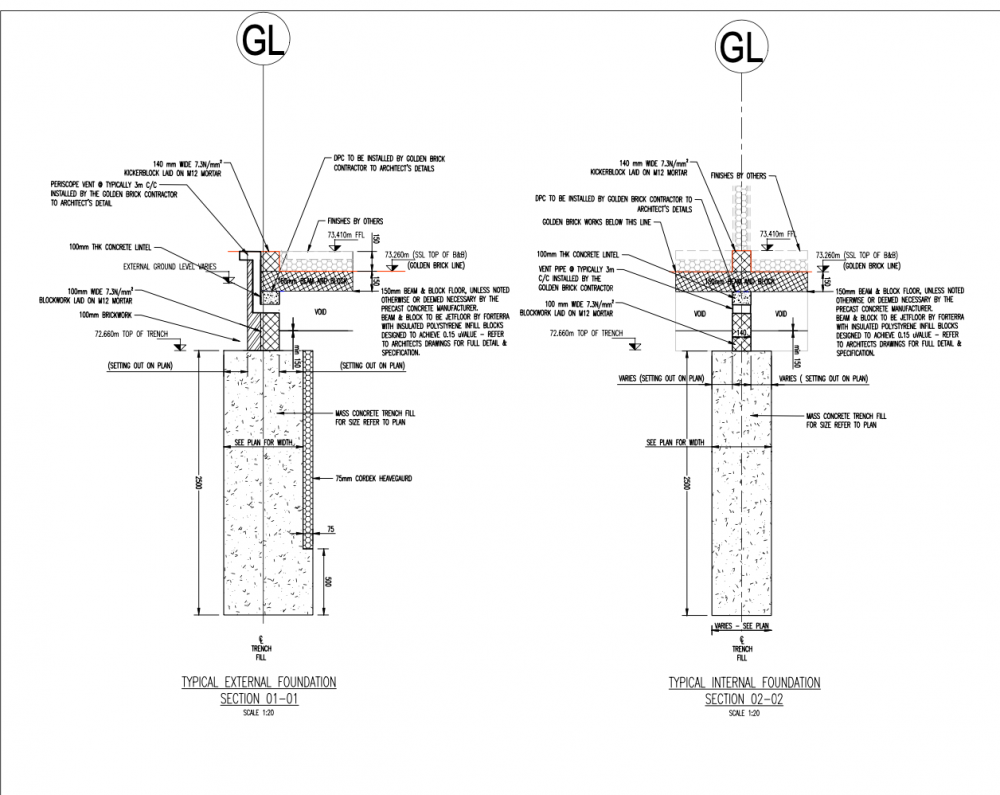
Trouble with Graven Hill is that: - they are responsible for the foundation design and indemnity, or their counterpart being Waterman Ltd - no deviation is therefore allowed from what’s drawn - neighbouring plots are dug @ 2.5m deep, but only two storey. Ours is three - ground is indeed made up Plots down the road are built on piles, but I would imagine much deeper than the 27no @ 8m as proposed by the independent structural engineer based on the soil survey on site
-
I worked out £43k + vat for the trenched with all spoil removal and drains, but this is flawed in the way that it does not address the deep trenches. I am around £34k for piles and ring beam, then got to allow for Jetfloor and drains on top + the £3k redesign fee, so very likely £47k - £50k. I suppose my only concern is that Waterman will come back with some ridiculous piles design that will again push things beyond feasible.
-
This is what I am proposing now. Plus, we are sitting in-between two plots so the space is quite narrow with no ability to remove / temporarily store spoil on the adjacent land. I am curious to understand how the other contractor (their preferred subbie, i.e. RM) would do it. It almost feels that whatever Waterman have designed makes no sense from a practical standpoint. I have got a competitive price for 27no 8m piles (just under £11k), but not only would I be paying £1k to the piling contractor for the design, but would also need to pay £3k to Waterman for them to do the same (on their paper)...
-
Hi, Yes it is at GH, and it will be my problem, as I managed to get them to agree to use my own contractor for the golden brick. I have an alternative, which would be mini piles, but they want £3k + VAT at this stage to redesign the foundation system altogether. So I am in a slight pickle. 3m trenches are simply not what I expected to be dealing with...
-
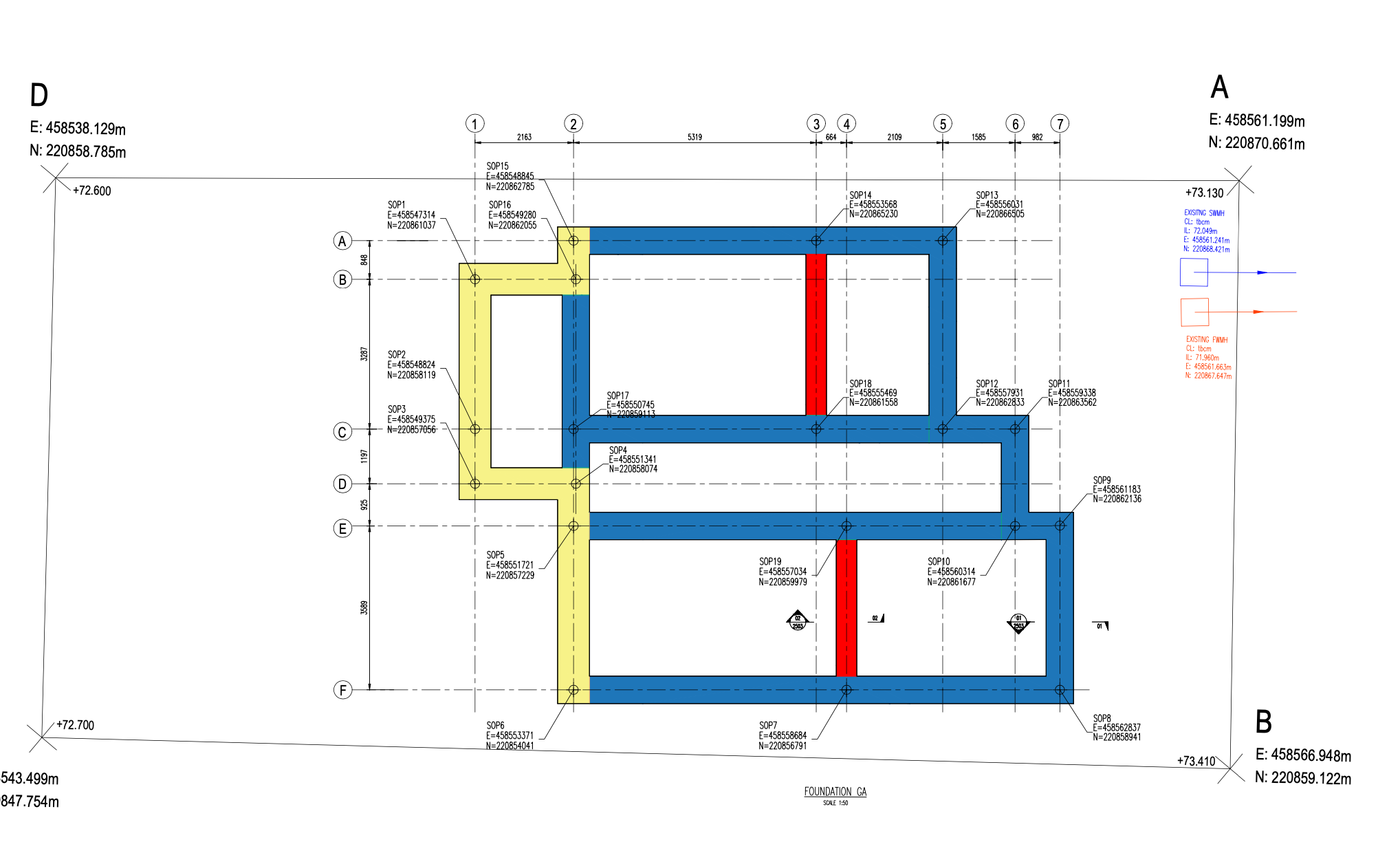
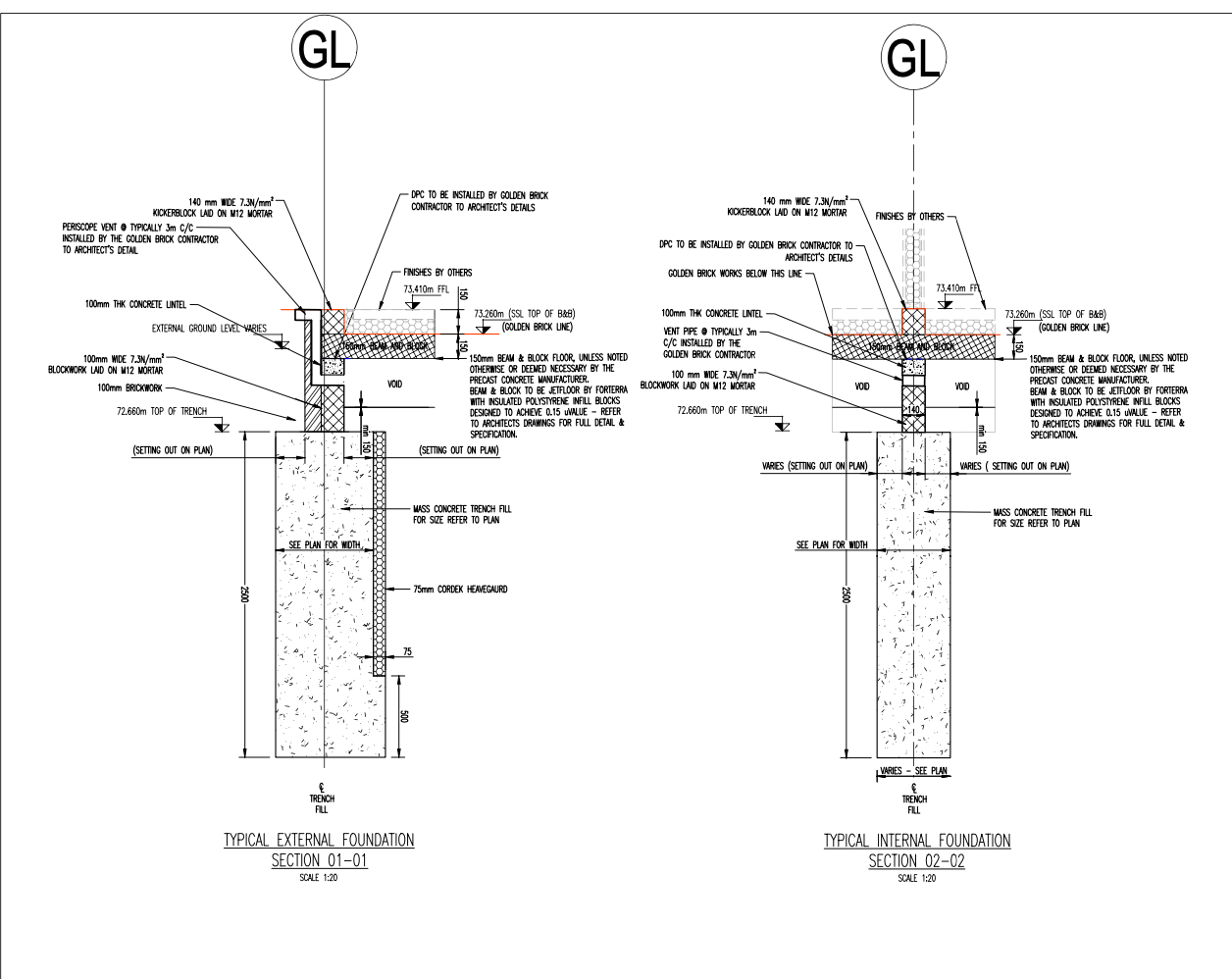
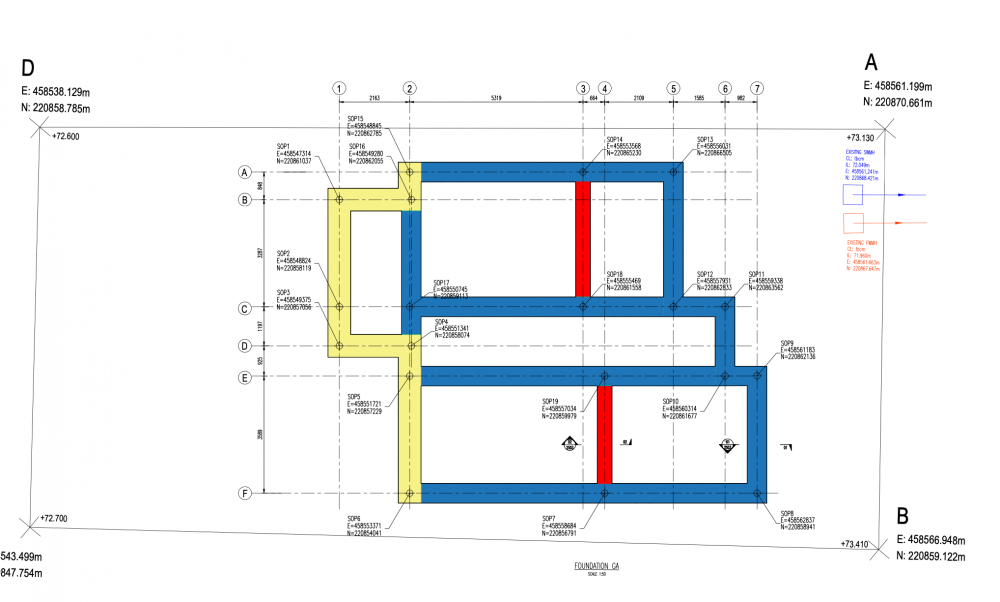
Hi everyone, I received a foundation design for our self build, and that stipulates 3m deep trenches with 2.5m concrete fill. The amount of trenching is (in my opinion) very extensive. I tried to reason with the party responsible for the design of the above, but they are not willing to change this. I could have a separate dig at why it has been designed to be so deep and over the top, but it will not change anything. So here is my asking, how one would protect the trenches from cave-ins, and work the process of foundation pouring in view of the below:
-
Has anyone incorporated concealed gutters into pitched roofs?
BartW replied to laurenco's topic in Roofing, Tiling & Slating
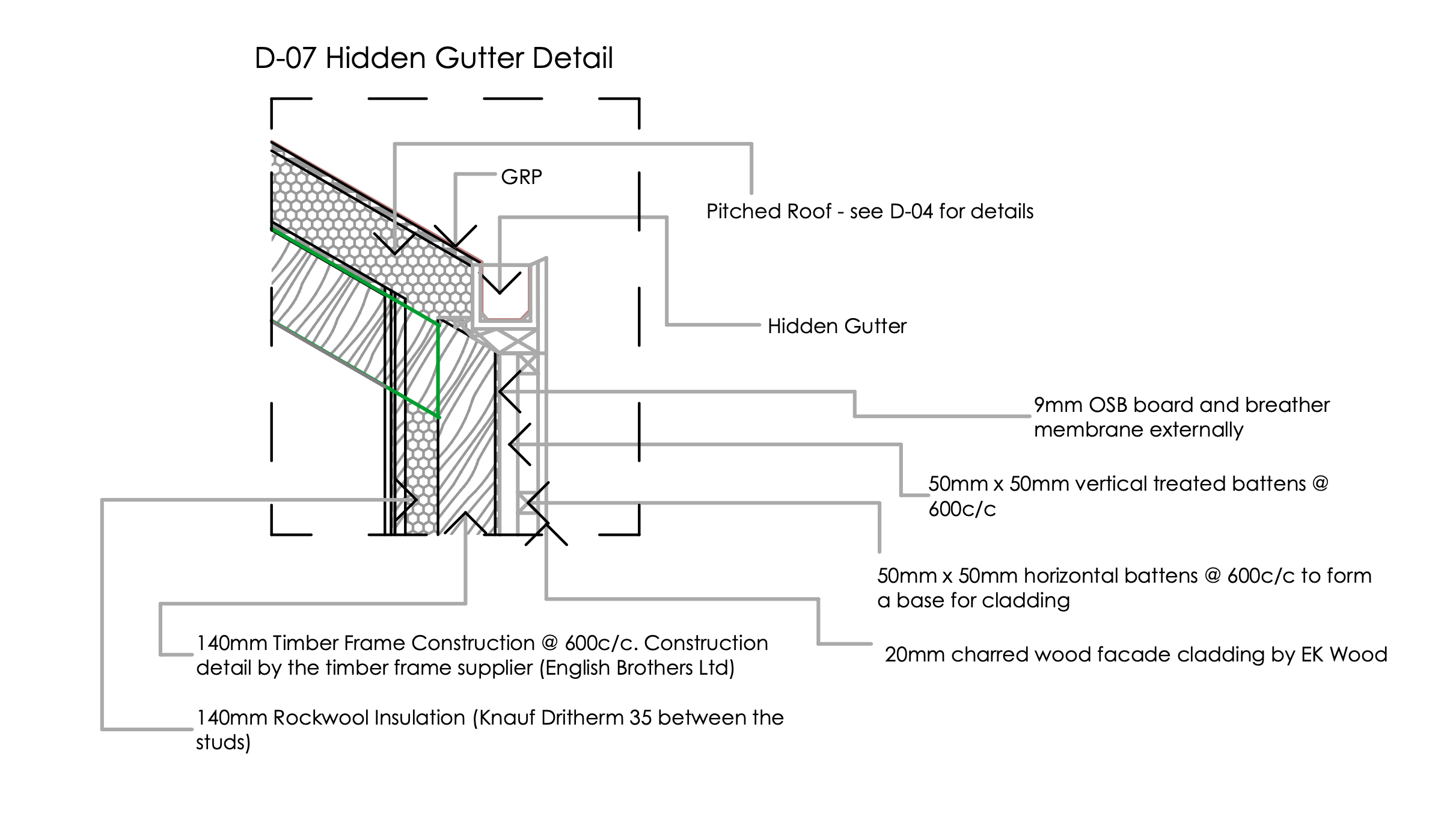
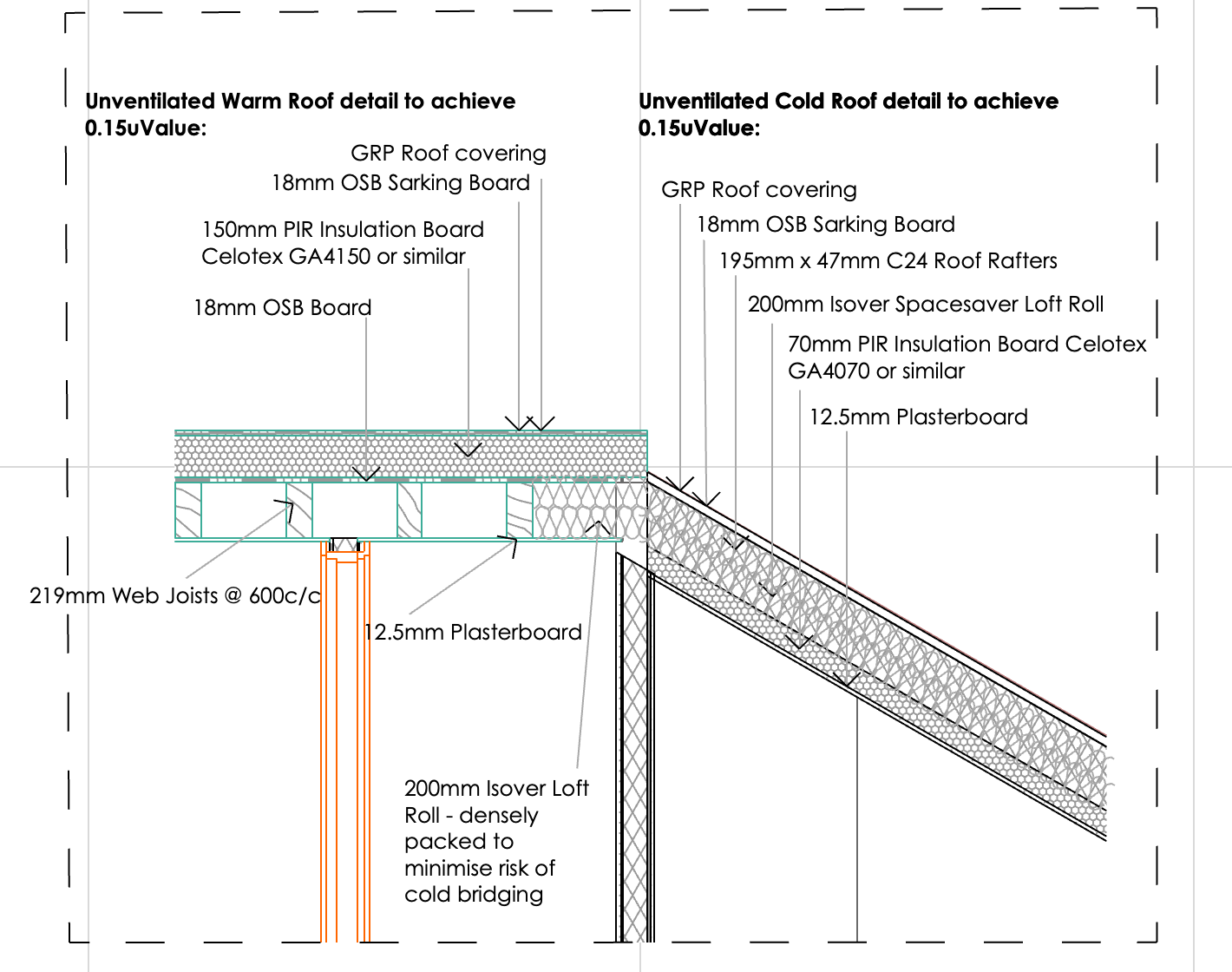
Hi, My build is going ahead with English Brothers. They were not very keen on designing any of the detail, so I did it myself. I am using the benefit of a timber clad construction. The particular facade with the gutter in question will be built on 50 x 50 vertical, then cross battens to gain enough depth for a detail. Below is a snippet of my proposed section, although yet to be updated. The whole pitched roof part will be GRPed together with the gutter detail. Wood cladding will then continue onto the pitched roof. There will be solar PV panels, too. None of this is being reflected in the below rather basic "sketch":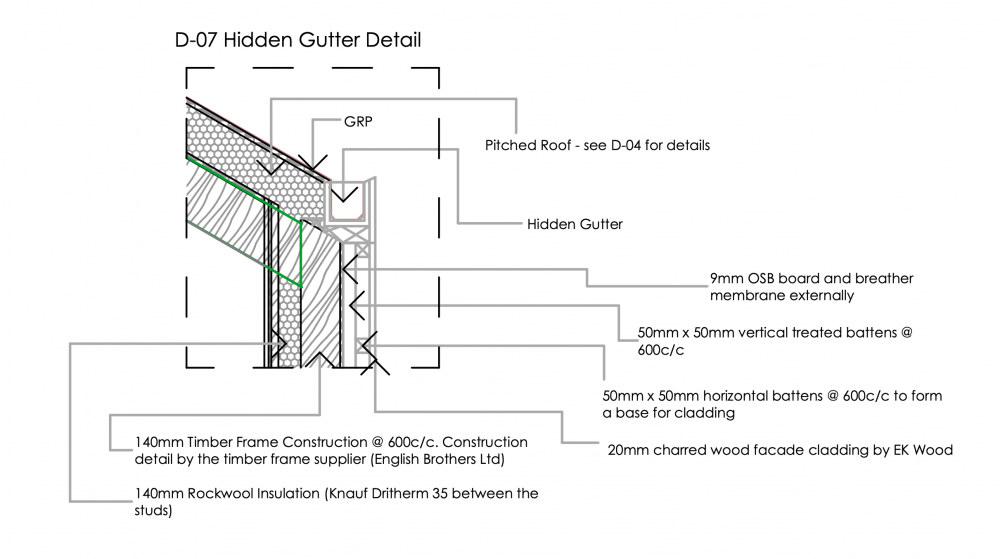
-
Hi, as per the title, is it absolutely necessary? the screed was installed 7 - 8 months ago (70mm of it). the floor has water UFH in it. not sure, but I suspect the screed is anhydrite. Could anyone share views please? thanks Bart
-
Hi all, Resurrecting this thread: What about a shed made out of pallets? I got inspired by this idea on YouTube. Would that hold and be safe for walls and floor?
-
Warm Roof to Cold UNVENTILATED Roof Detail Junction
BartW replied to BartW's topic in Roofing, Tiling & Slating
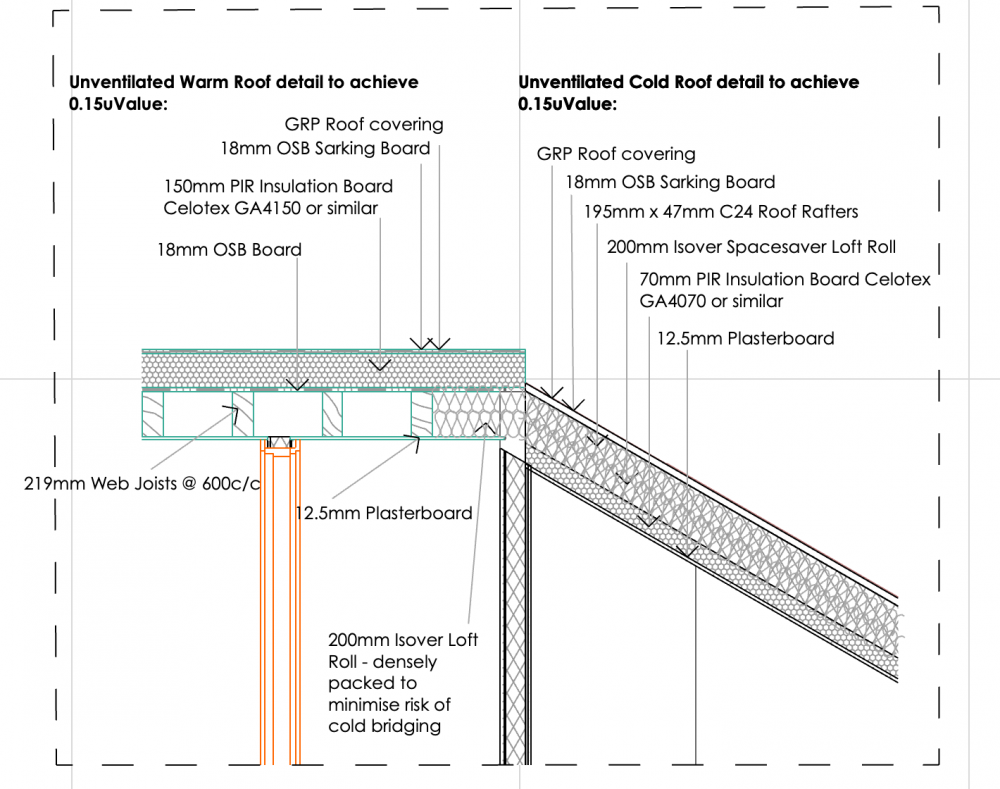
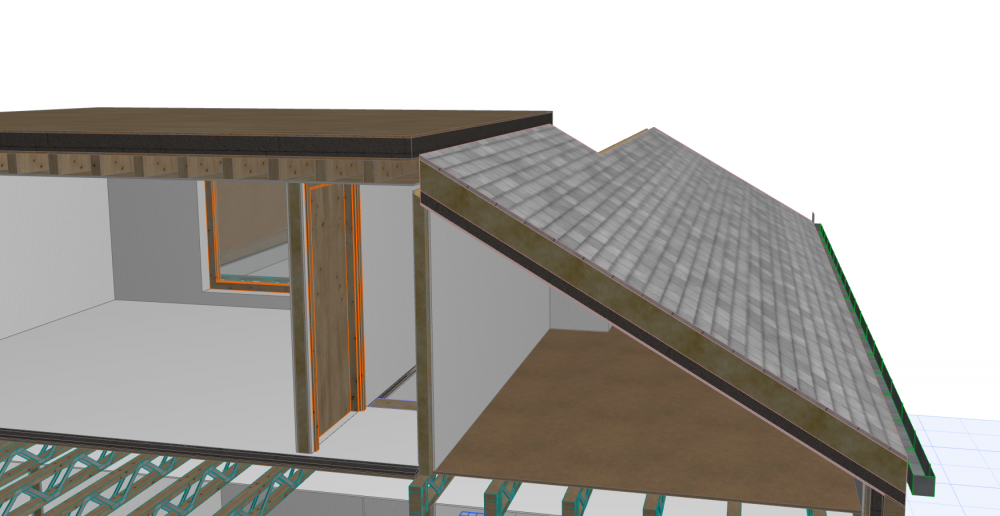
Hi, have you got a detail to hand? BC signed it off, but I want to avoid having to go back later on in case there is a change of mind. Warm to Warm was a previous idea, but then I would be loosing quite a bit of volume in the attic, as would need to shift rafters down by 150mm. The basic idea here is that by the time I install the solar pv on top the two roofs should almost marry up height wise. There will be timber cladding on that part of the roof too. Yes, I omitted it when I was doing a quick sketch, but needs to be added of course. -
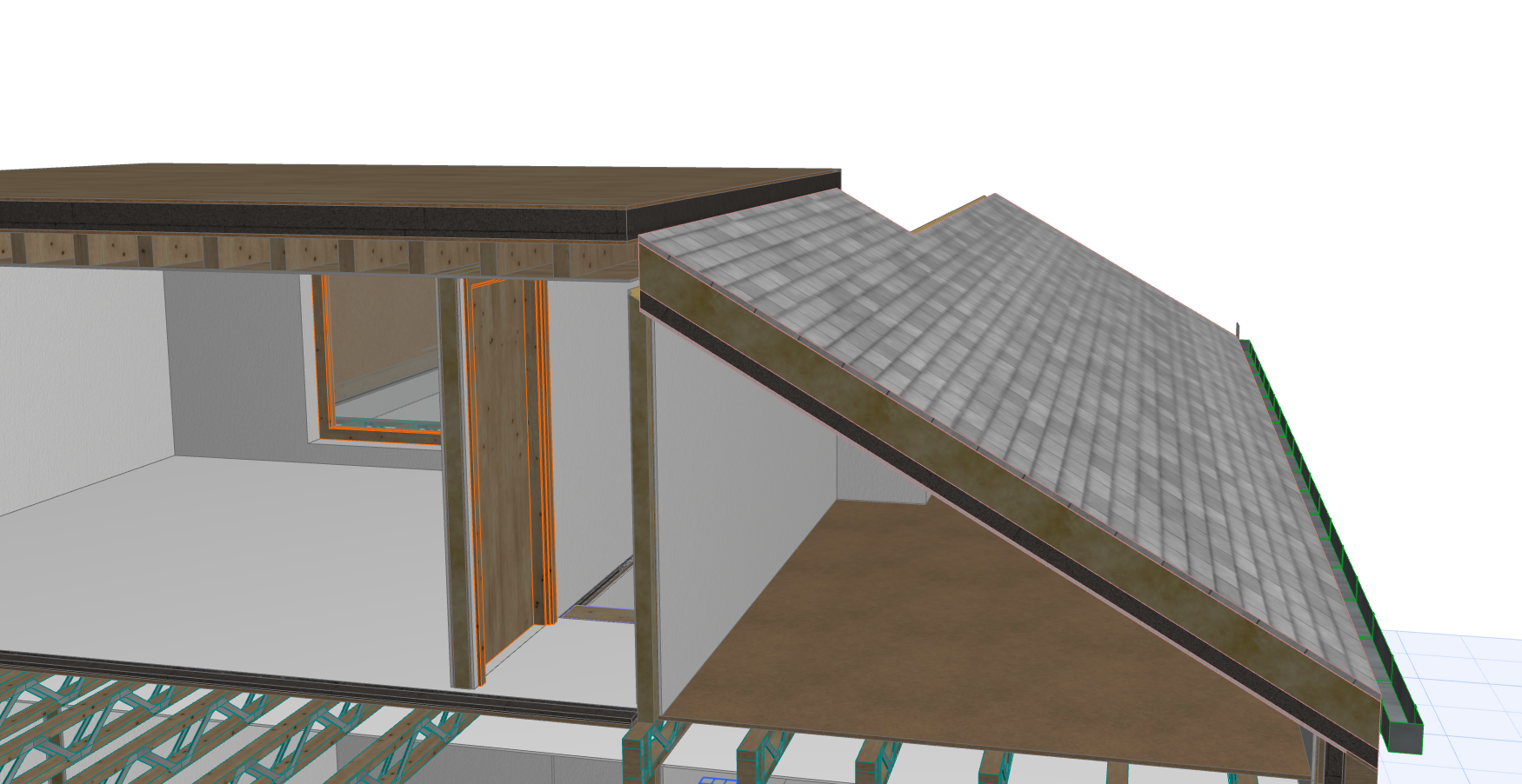
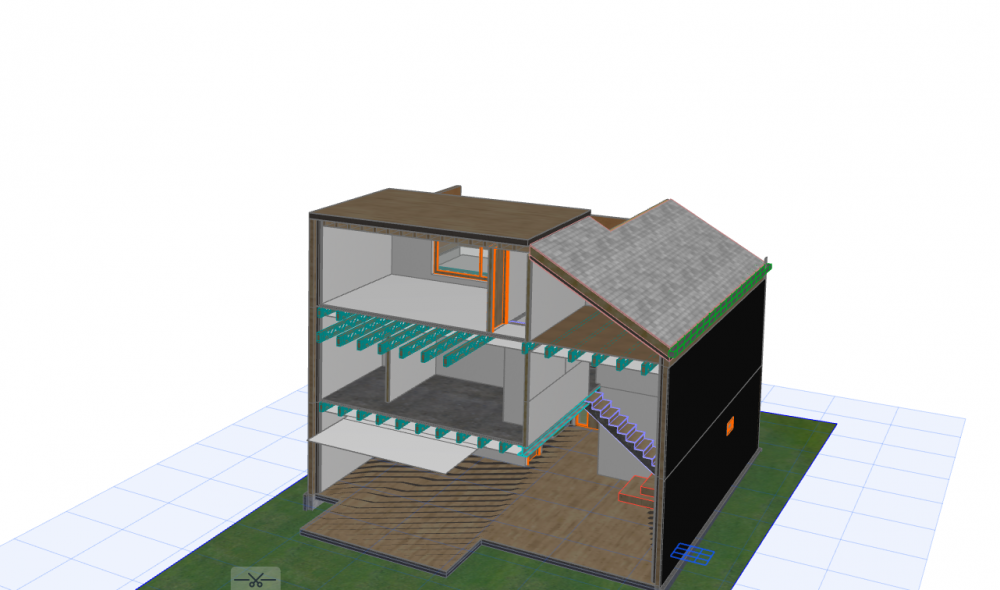
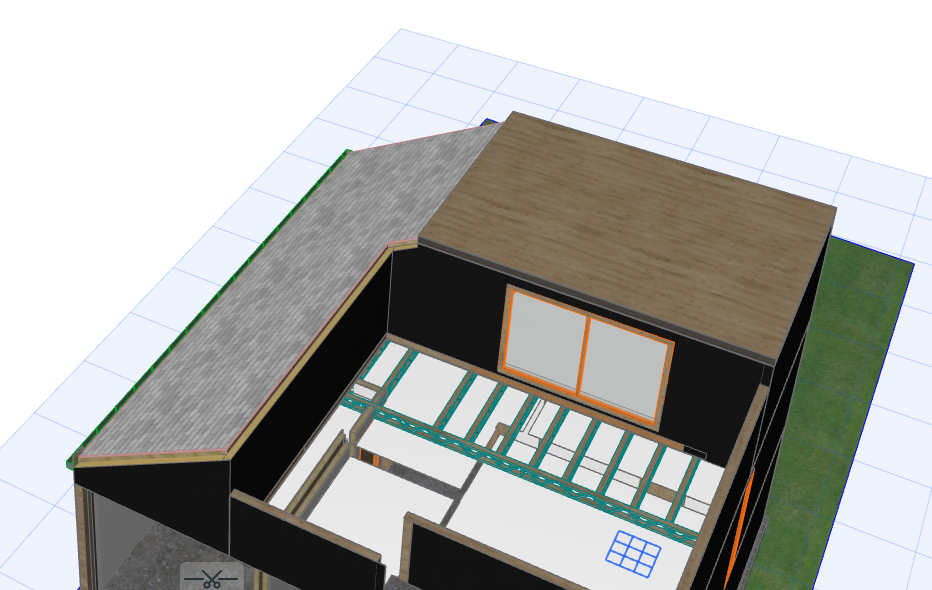
Hi All, Looking for some knowledge, and reassurance that the below will fly: Building Control so far happy with the detail, but I want to ensure there is nothing that will later be stipulated as a bad practice, etc. I know all cold roofs have to be ventilated, but even if I propose a full fill there? It is a funny junction of the two roofs, and lack of ability to create a cold roof ventilation. 3D model below: Your feedback would be most helpful! Thanks Bart
-
Speak to English Brothers. We chose them, and whilst have not started the build yet, all dealings have been superb so far. Bart
-
What about using a calcium based tile adhesive (unlike cement based), like Anhyfix?