


Oxbow16
-
Posts
442 -
Joined
-
Last visited
Everything posted by Oxbow16
-
Hi We're considering our heating options at the moment, one of which is this wood pellet stove/cooker/boiler on an RHI scheme. We need our heating to be quite flexible, partly because some rooms have woodburners, and partly because of the house layout. There's the main house, and then an attached large single storey barn.. Sometimes only one or the other will need heat from the Klover. And sometimes for part of the day, if - for example - the woodburner will be used in the evening. So our ideal set up would be one that modulates really well, allowing us to heat the whole or just parts of the house as required. The barn will likely have UFH, while the rest of the house has radiators. Any thoughts much appreciated, Cheers
-
Just googled that myself, and 904 seems to certainly be non-magnetic, so that's a good start...
-
Thanks @markc There are no markings on the liner itself. Good point RE the 316, which is presumably on the outside and so doesn't come into contact with the gases. But with that being said, why do they then manufacture the 904/904 and give it a longer (sometimes lifetime) warranty? Is it a "second line of defence" situation? Also, I've just put a magnet to the flue - inside and outside - and it falls straight back off. Is that to be expected? Cheers
-
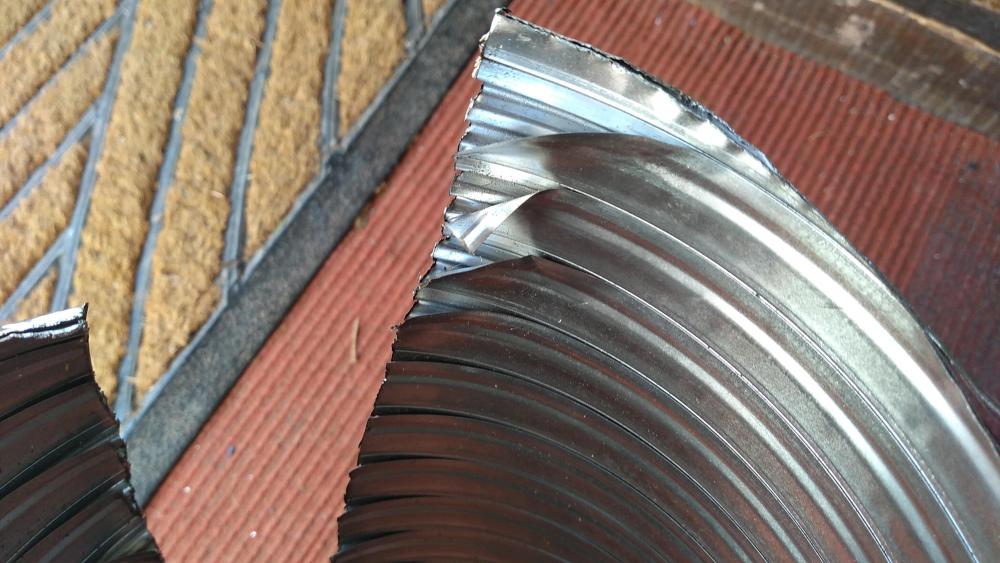
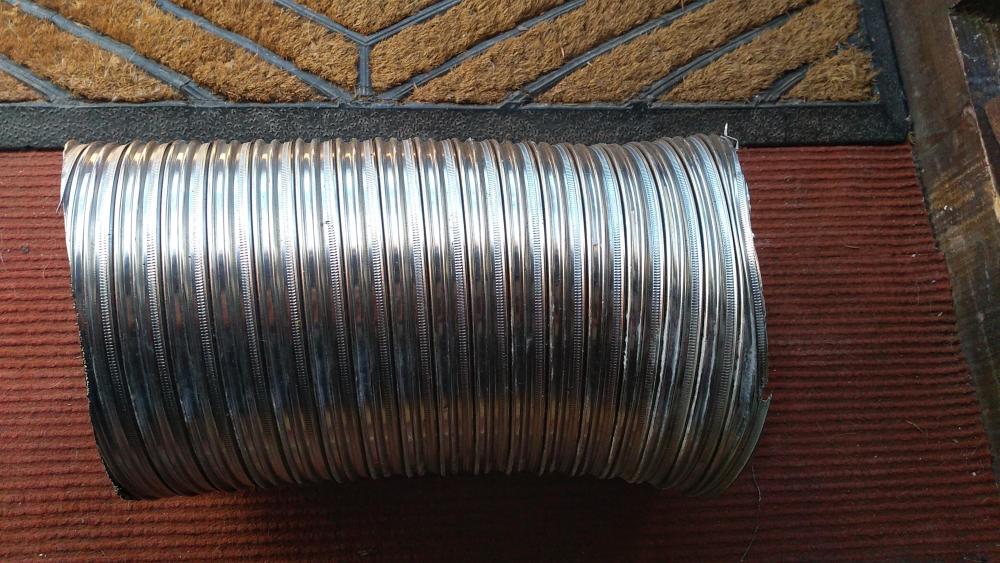
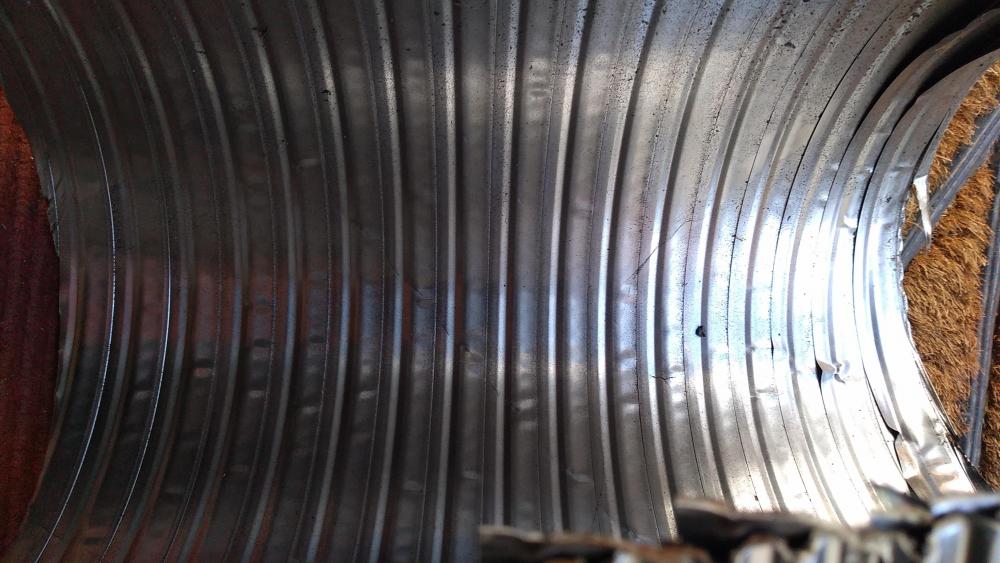
Hi all Recently had a stove installed. We asked for 904/904 flue liner to be used but I'm not sure it has been and am thinking 904/316 might have been used instead. The data plate just says 904 on it, and the installer doesn't seem to distinguish between the two. I've attached some photos of an offcut that was left... Is it possible to tell from these what type it is? Happy to take more if that would help. Or is there any other way to tell what it is? In the third photo you'll see that there are thinner strips of metal that I've peeled back to illustrate the point. I don't know if that counts as the inner or whether it is an additional layer? But that is definitely thinner than the outer... Cheers
-
Thanks for the advice @markc I can certainly see the sense in adding new timber to support it, if that's what's needed. I did show it to a couple of builders/roofers who were here quoting for other work, and they both said just to treat it and use hardener, which is why I started on that line of thought. But that was just after a quick glance up; they didn't go up the ladder to look properly. I've hopefully got another coming next week and will perhaps ask if he can take a closer look. Cheers
-
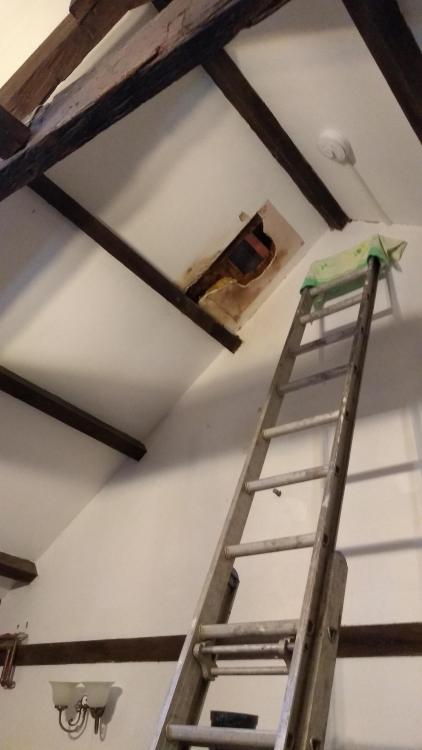
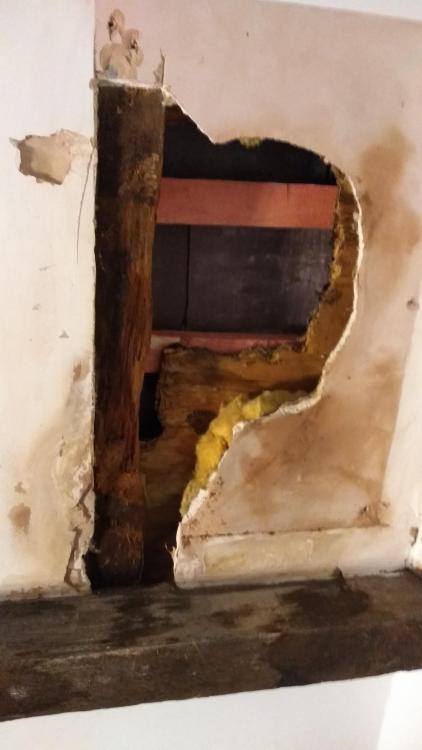
Hi We had a disused flue taken down recently. It had been occasionally leaking prior to removal, and now that it's gone and left a hole in the ceiling, I can see that one of the rafters has been damaged. The wood was wet and soft in places. I removed the worse of the soft damaged wood, and what remains has dried out quite nicely over the last few weeks. I've given it some woodworm treatment, not that there was any evidence of any, but just in case. I was going to follow up with some wood hardener and then leave it at that. But I've been reading my bottle of wood hardener and it says to follow up application with wood filler. And it also says not to use it as a surface treatment. So would slapping on some wood hardener as a last step be a bad idea? Do I need to use some kind of treatment to prevent wet rot? I've no idea if that's what I can, other than the fact it was wet and a bit rotten! But now that the source of the water is gone, does it need it? Any other ideas of what's best to do? Cheers
-
How to fill large voids left from skirting board removal?
Oxbow16 replied to Oxbow16's topic in Plastering & Rendering
Excellent, thanks Mark. Would I need to use any kind of primer, or PVA, or can I go straight in? Cheers -
How to fill large voids left from skirting board removal?
Oxbow16 replied to Oxbow16's topic in Plastering & Rendering
Many thanks for the replies. We are indeed dead against I'm relatively new to all this, but I did do some mortar repairs to my fireplace recently and was pleasantly surprised how well it came out. So I like that option. Are we just talking a basic sand /cement (4:1) type mix? Should it be done in stages to build up the levels or with render/mortar can it all be done in one go? Cheers -
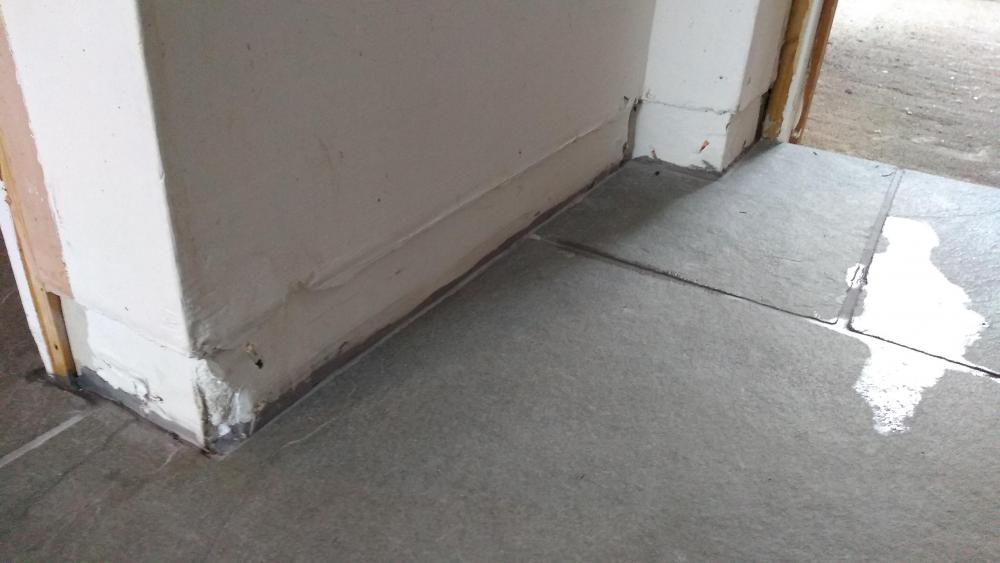
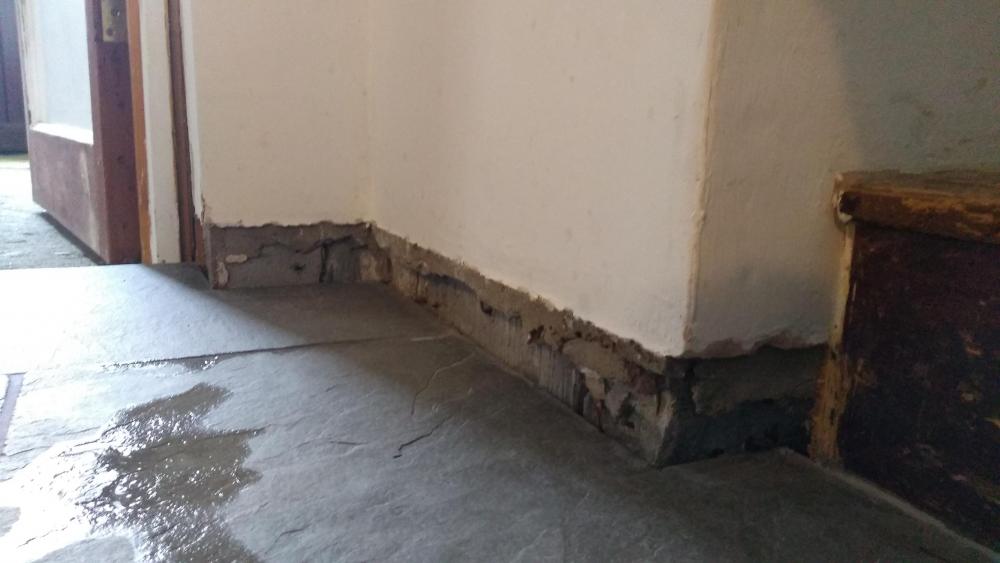
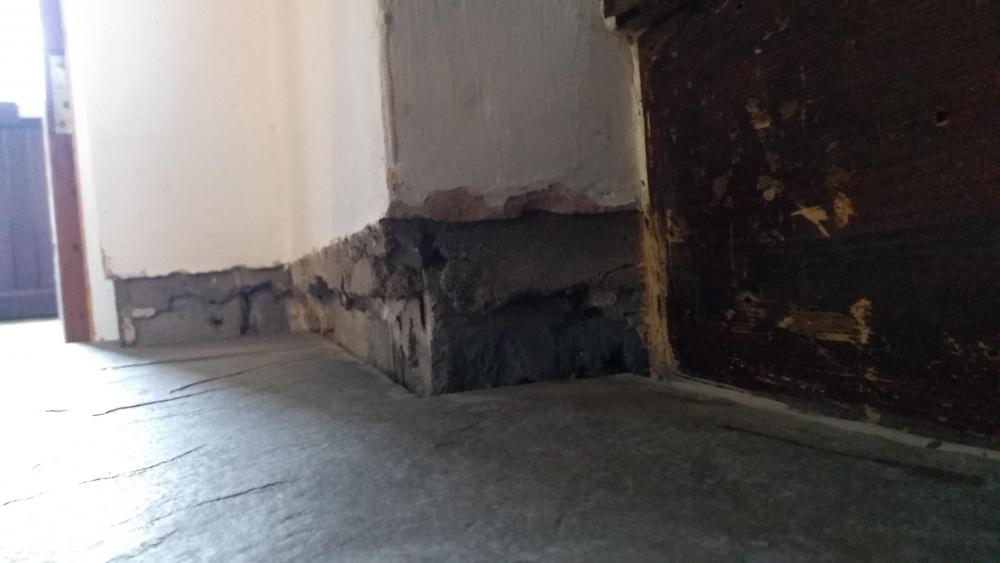
Hi We've just had our kitchen floor re-tiled. We removed the skirting boards before they came, and we do not want to put skirting boards back. We much prefer not having them. The trouble is, while most of the room is fine and may need the odd dab of filler for SB nail holes etc, there are a couple of areas where there is quite a deep void (or is "recess" a better word?). One such area is a solid wall, and the other is a plasterboard wall which is actually the side of a larder cupboard. What would be the best way to fill these areas and what should I use? The finish doesn't have to be great. It's an old farmhouse, the type where we wear welllies indoors etc. and the walls are not perfectly smooth. So rough and ready is fine. Many thanks (PS - Hope I chose the right forum, I guess it's not strictly speaking plastering or rendering, but is it close enough??)
-
Disconnecting sink (for a while) without turning off stopcock
Oxbow16 replied to Oxbow16's topic in General Plumbing
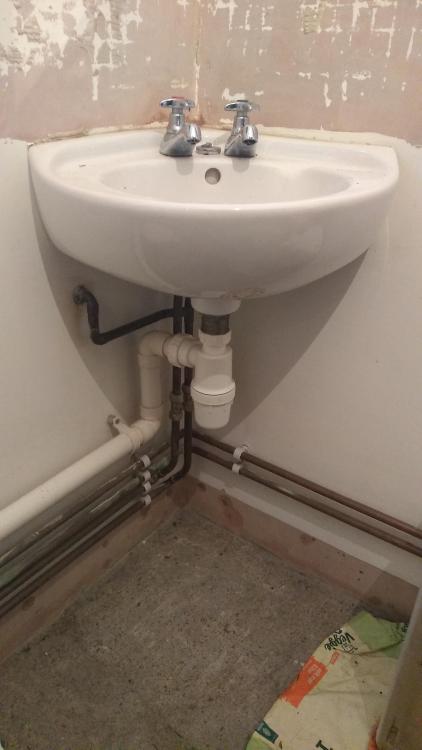
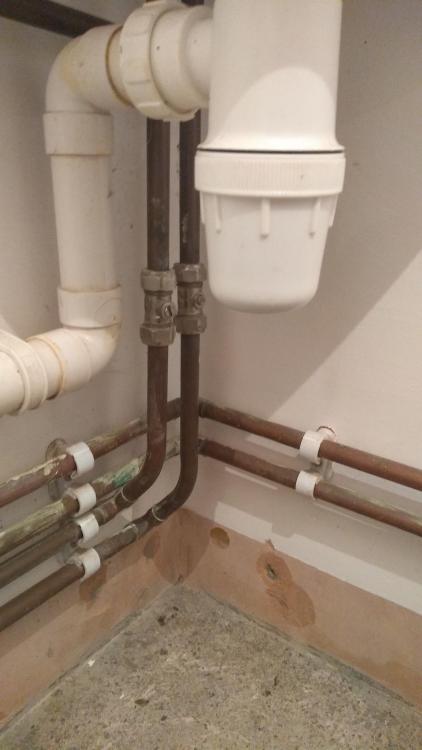
Would simply cutting the pipes above the nut be a bad idea? I was just wondering if it would mean less likelihood of weeping/leaking if I don't have to touch the vavles other than to turn them off. That's to an outside tap, so no problems there. We've got enough rain to not have any use for that! For a couple of reasons really... One to save money. We're have a baby belfast on wall brackets so i thought if I've already done the work to remove the current sink, fit the brackets, etc. it might make for an easier cheaper job. And secondly , it will give us a chance to decide on what height is best, whether we want taps on some kind of backboard, or chased in wall taps. It's all a bit hard to imagine as is, so hoping to remove it so we can have a play around... Do you mean where the tap connects to the sink? I think I might have one of those spanners... I'll go check. Thanks for the quick and helpful replies, much appreciated -
Hi folks We're looking to replace the small corner sink in our WC. We want to remove it before the plumber comes so that we can put in the brackets for the new sink and get things ready for the new connections. Luckily there are isolation valves beneath the sink. But because the plumber isn't coming for a few weeks, I wanted to check in here what's the correct way to disconnect. Get it wrong and I guess I'll be reaching for the mains stop cock and calling the emergency plumber - something I want to avoid!! So with the isolation valves turning the supply off, is it just a case of unscrewing the nut? Or would it be safer to leave the nut and cut the pipe above? What are the chance of getting it wrong and flooding the house?!?! A couple of photos below... Many thanks
-
Many thanks for the further replies and help. I'll give them another tap with that in mind @Hobbiniho Thanks for explaining In terms of Welsh vs Cornish vs Scottish, etc. I think I'd best stay out of that. I love living in Wales, but I'm not Welsh. In fact, I'm originally from Luton and I don't think there are many slates from that town! So suffice to say that Penrhyns are a great slate tile, even if not best in the world. But when it comes to cars, you can't beat Vauxhall
-
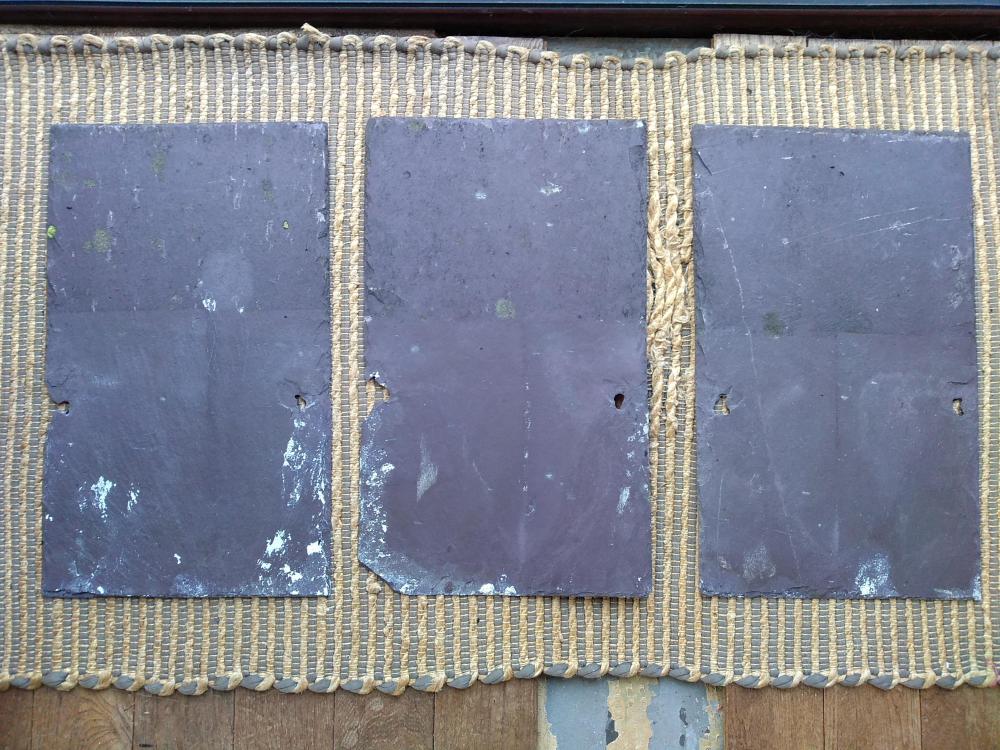
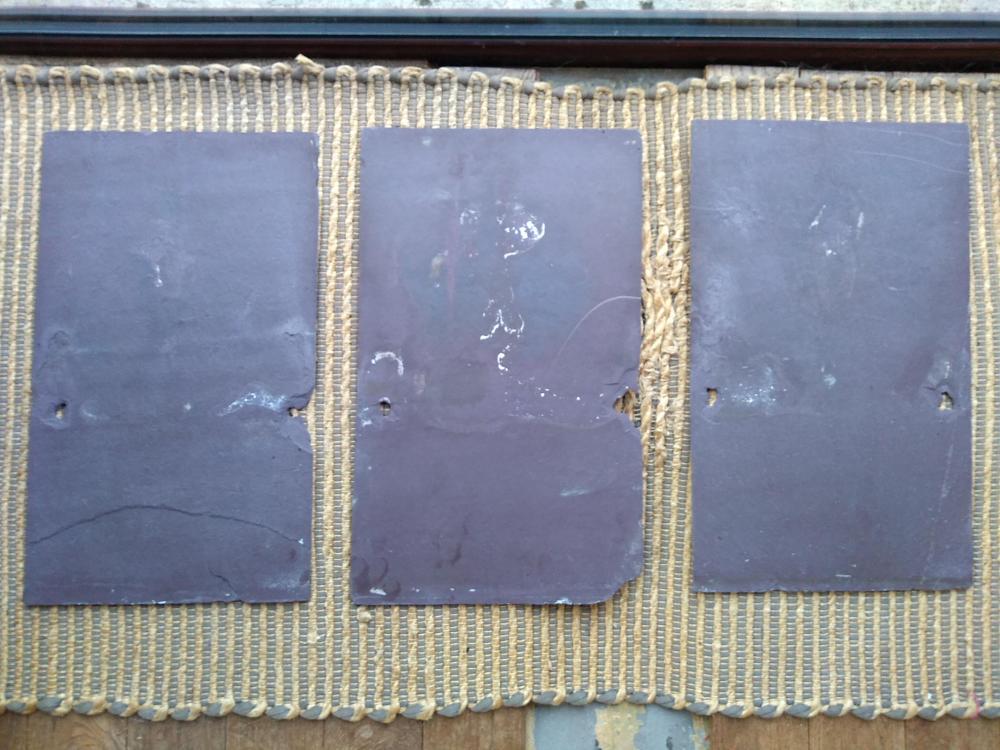
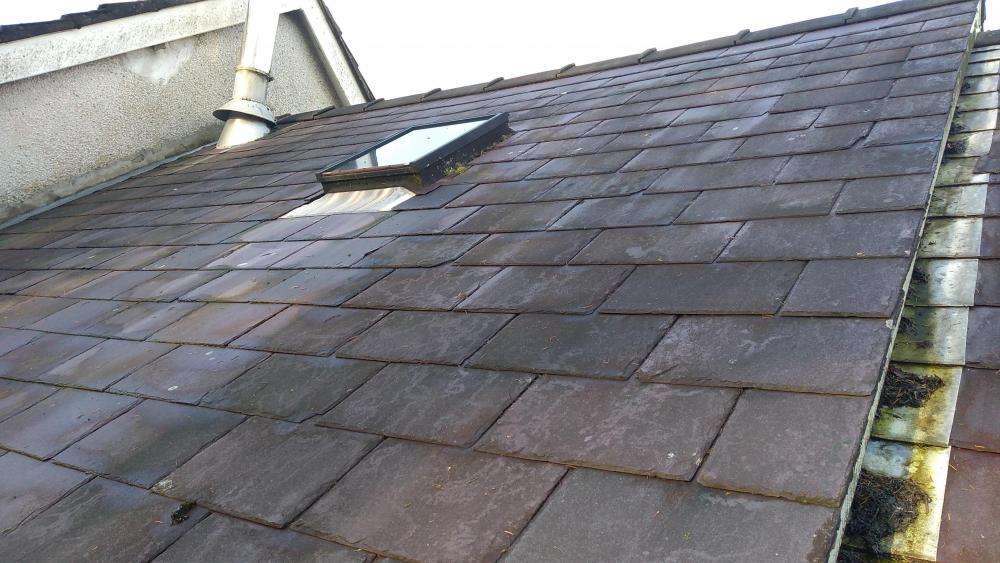
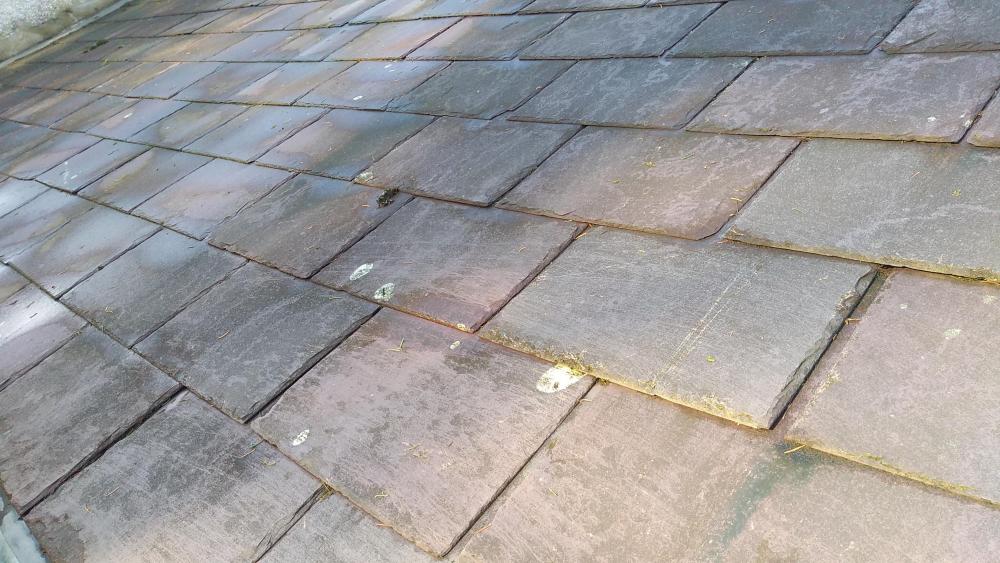
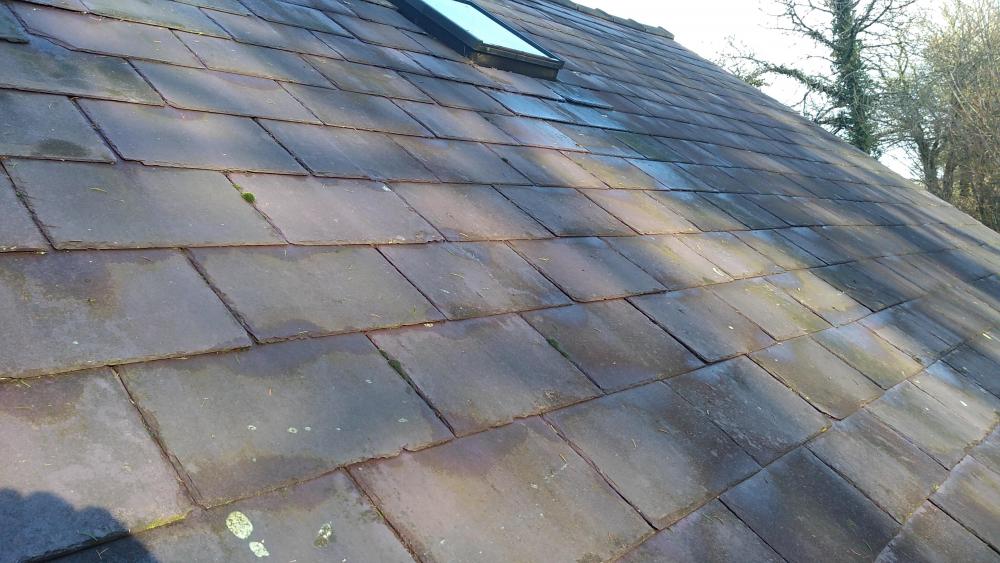
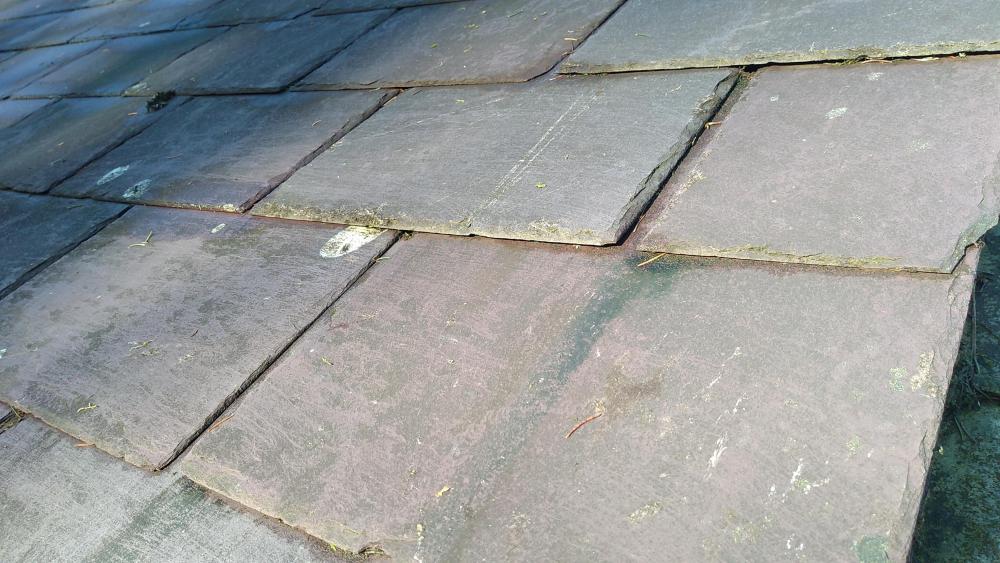
Hi again We went to the reclamation yard at the weekend and picked up some matching slates for the patch up work needed. I'm guessing it is hard to tell from photos, but I wondered whether anyone can tell what condition they are in? I read that they are supposed to ring when tapped; these certainly don't. But then I also read that not all old tiles will ring like a bell. I could try a short video of me tapping them with a hammer and post it to Google Drive? Are the size of the holes and the damage around the holes a problem? The reclaimed ones are also a tad larger; just by a few mm. Will that make the roofer's job more difficult or is that quite normal and expected? Any thoughts before the workman comes to fit them would be much appreciated. Thanks for all the help
-
Thanks Vijay, but we don't want to paint the bricks as we like them as they are. As for the heatproof mortar, I did find that and thought to begin with it was what we need. But on closer reading I think this is for inside open fire places, for fire bricks, and that kind of thing. IE - where temps reach the 1000C+ mark. On top of that, the vitcas mortar says "It is also not suitable for use as a rendering or gap filling material." I'm thinking standard normal mortar will be fine, but just not sure whether to use sharp or soft sand, plasterciser or no plasterciser, ready mix, etc. Cheers
-
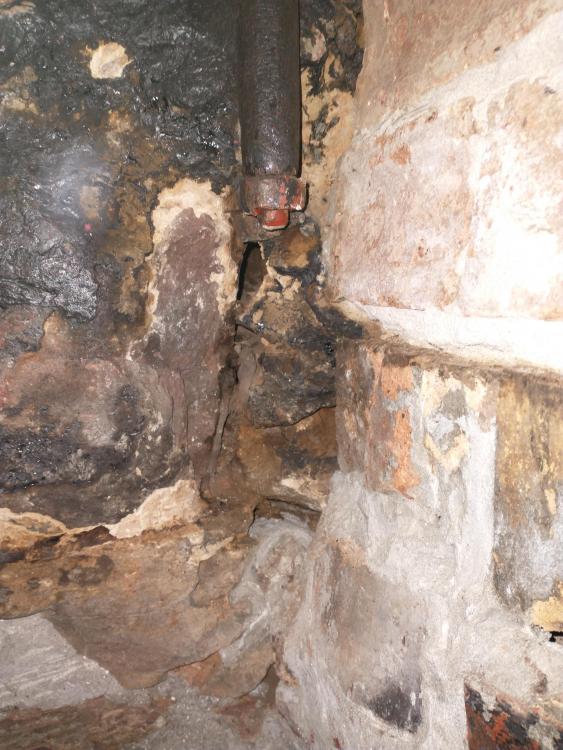
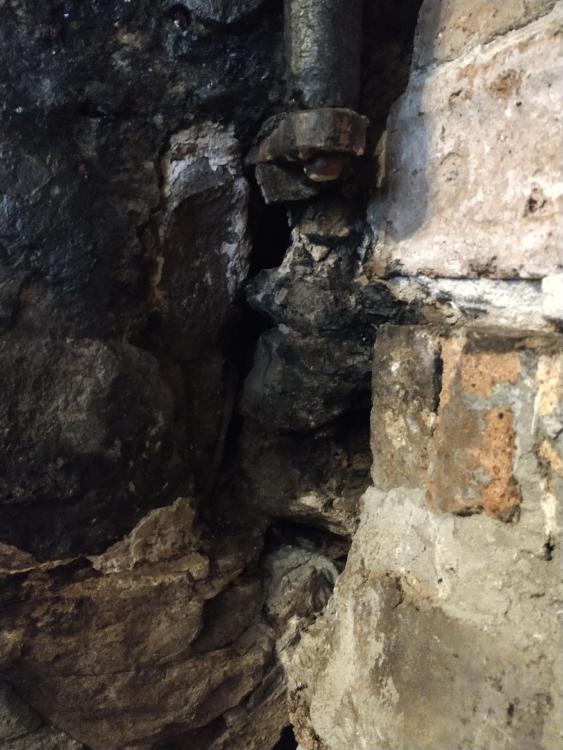
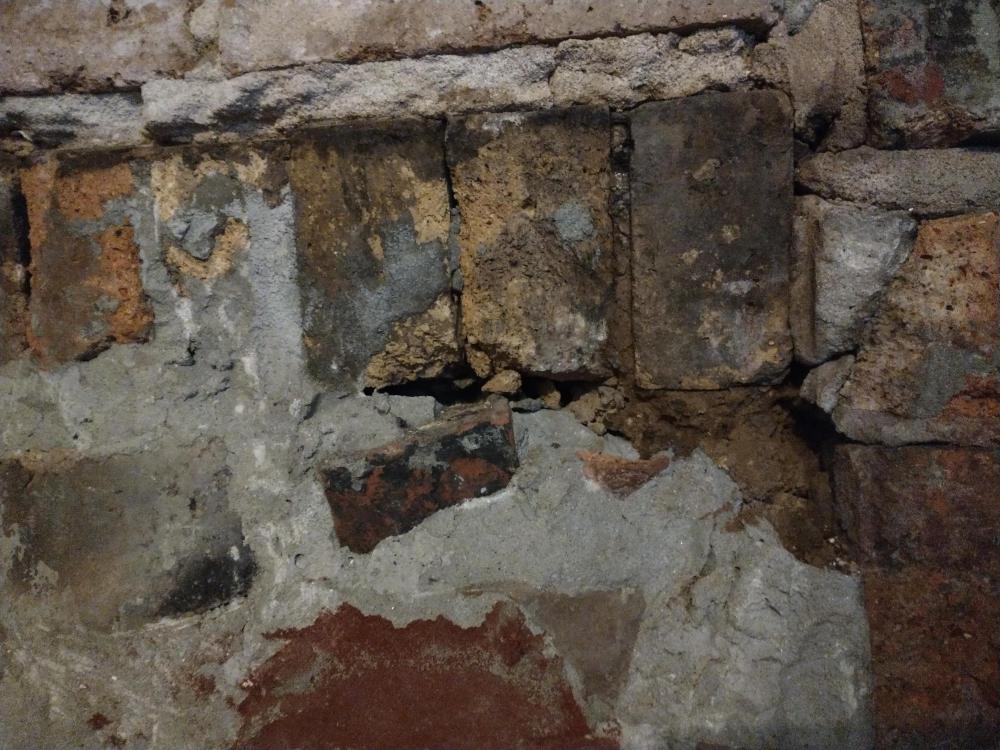
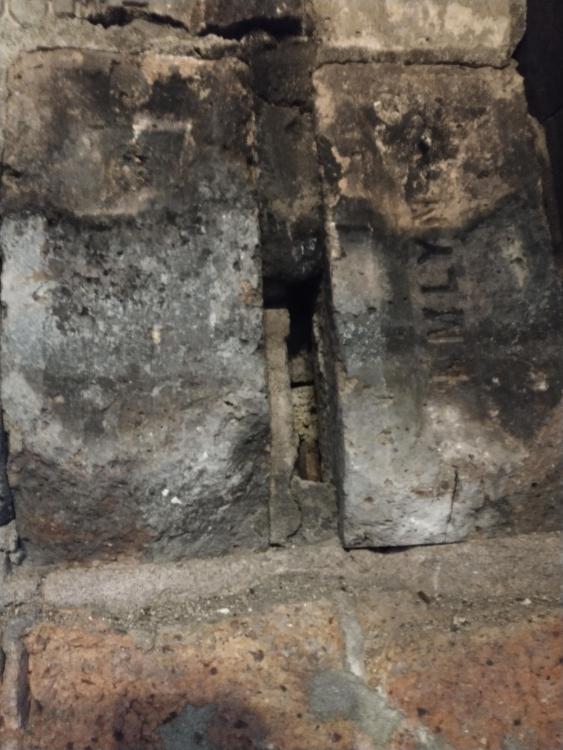
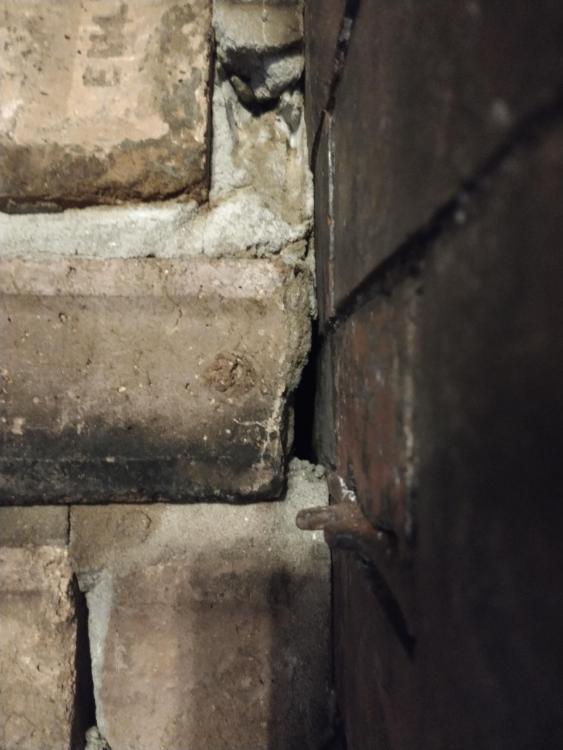
Here's some photos of the holes in question:
-
Hi again RE my Point 2 above. I've read through the Q&As on this page: https://www.screwfix.com/p/cementone-general-purpose-mortar-grey-5kg/36857 and the chap says this is not suitable around fireplaces. So just wondering what would be best... I've read lime based mortars are good for around fires, but they take a long time to cure and the install is quite soon. Would a basic mortar be ok do you think and if so...: - What's the best ratio? - What type of sand? - Do I need to use a plasticiser or any additives? I can't work out if the ready made mortars in tubs are literally just cement and sand mixed, or if there's more to it?! Also, would it be best to ram bits of stone or similar into the gaps so that they're not as deep? Many thanks
-
ANY MODS READING THIS... I've asked about this in another thread over in the Stoves, Fires & Fireplaces Sub Forum (I wanted to ask some other questions at the same time): https://forum.buildhub.org.uk/topic/18975-fireplace-recess-prep-for-multi-fuel-stove-hearth-paint-mortar-for-pointing-and-black-stuff/ So can this be deleted if possible please?
-
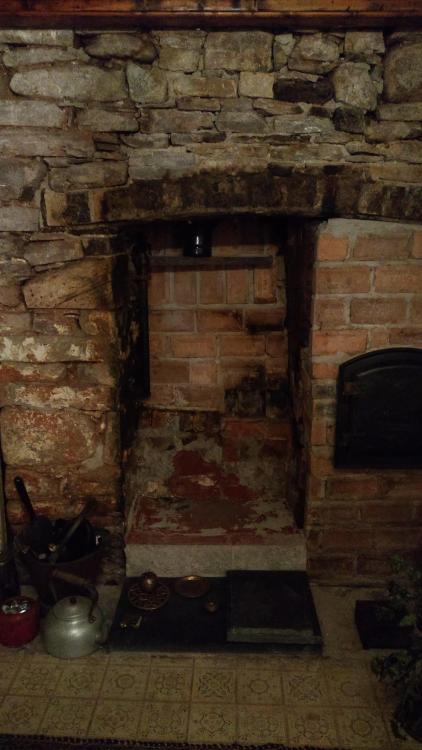
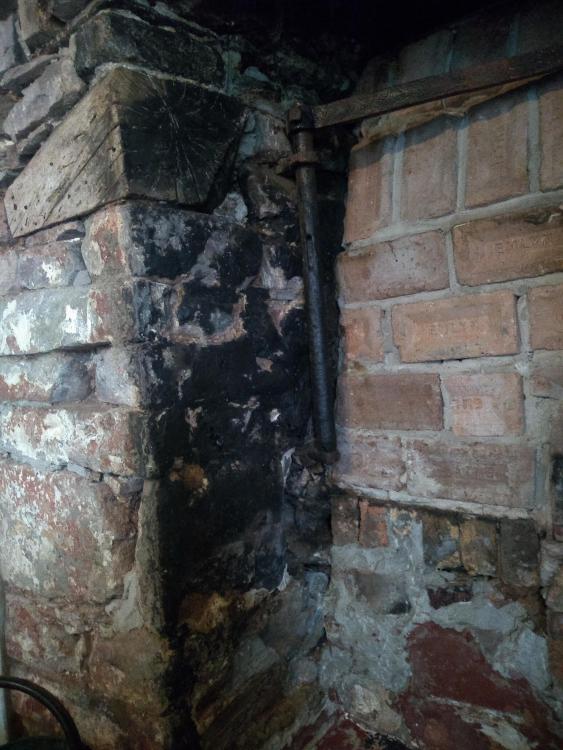
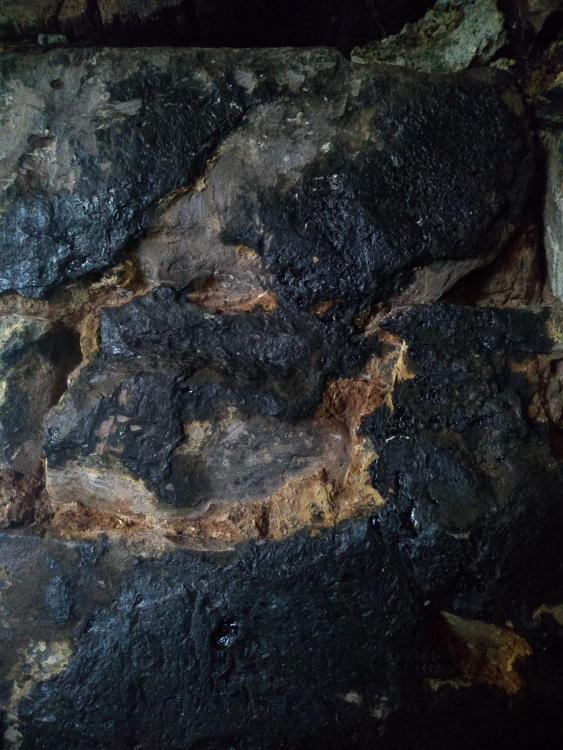
Hi all Apologies for hogging this forum of late. The stove will be installed soon hopefully, and then I'll stop with all the questions!! The stove is going into a fireplace recess which I'm now finishing the prep on. There's a few things I'm not sure about and wondered if anyone can help please? 1. The constructional "hearth" in the recess could do with a lick of paint. Any suggestions as to what paint would be best to use? The fitter said emulsion should be ok, but a little googling seems to suggest emulsion isn't so great with high temps. I should add we are having a Woodwarm Fireview with no legs. So the ashpan section of the stove is in direct contact, although I won't really need to paint directly beneath the stove; just the visible parts to the side and front... 2. There's the odd gap in the pointing, some of them very deep (150mm). I'd like to fill them before the stove goes in but I'm not sure what' best to use and whether it needs to be heat resistant? Saying that, I've no idea what the existing mortar repairs and pointing were done with?! 3. One of the side walls is covered in "black stuff". I'm happy with the aesthetic; in fact I like it. But could it potentially cause any problems? If so, I'm thinking best to remove it now while I can... Photos below. Thanks a million
.thumb.jpg.a9d1bd980cd096c9b61fcb1ce9a8da6c.jpg)
-
Hi all I have an old stone and brick fireplace and will soon be having a wood stove installed. There are a handful of gaps between bricks, some of which are quite deep. Would this be suitable to use to fill the gaps: https://www.screwfix.com/p/cementone-general-purpose-mortar-grey-5kg/36857 Or should I use something more specifically heat resistant? There is of course a lot of existing mortar which I'm guessing is probably normal stuff but who knows?! Many thanks
-
Haha - don't shoot the messenger, I'm just repeating what I read on the internet Apparently Penrhyn Heather Blues adorn Buckingham Palace and 10 Downing Street!
-
Thanks @joe90 That is good news I've since been told that they might be Penrhyn Heather Blue. And if that's correct then I'm well chuffed as they are supposedly the finest roofing slate in the world!
-
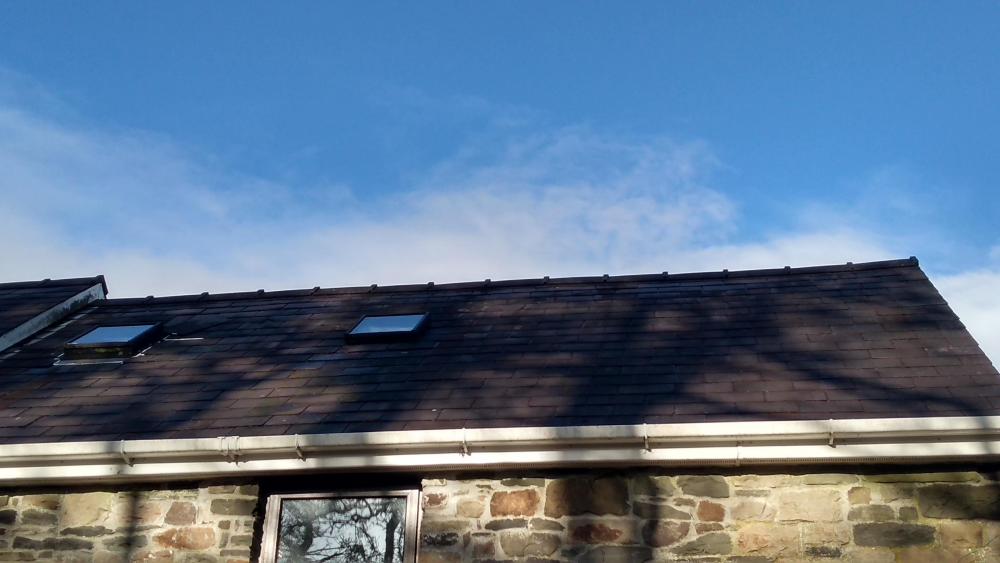
Hi We've got a decommissioned wood stove and we'll soon be having the flue removed, so the hole will need to be patched over... We are supplying the slates. Our existing slates are 20" x 12". Reclaimed slates have nail holes in them and I wondered if this matters? If the holes don't line up with my roof's battens, might that cause a problem? Also, can anyone tell from photos what type of slates these are? And finally, any rough idea how many will be needed? Many thanks
-
Air vent for wood stove - advice needed please.
Oxbow16 replied to Oxbow16's topic in Stoves, Fires & Fireplaces
Many thanks for the replies. RE direct air feed. The walls are thick, the floor is solid, the stove will be in a recess which is not on an external wall... There was just too much involved in getting air to it. It's too late now anyhow as I don't think the Woodwarm Fireview can have a direct air feed, and we've already ordered. I appreciate that's not how the regs work. Going above the speed limit is not have road law works either, but I'm sure we've all been guilty I guess my point and question was that regs aside, what would the down side be of no air vent? And how necessary is it (again, practically speaking) when it would seem that nominal output ratings are to a large extent seemingly arbitrary. Don't get me wrong, if I were sticking a huge stove in way above the 5kW mark, then I wouldn't be asking at all. But this is only 0.8kW above a threshold that sees other stoves - capable of more output - below the threshold. A HETAS installer will be doing the work and so the hole(s) will be needed for sign off, I know, but how necessary they are? I'm not so sure... Any thoughts on these aspects would be most appreciated. Thanks again. You guys have been a great help over the last few months. -
Air vent for wood stove - advice needed please.
Oxbow16 posted a topic in Stoves, Fires & Fireplaces
Hi all I'll be having a 6kW wood stove installed soon. It's an old house, so we get the first 5kW for free and only need to provide air for the remaining 1kW. From what I've read, this needs to be 23mm x 23mm for square, or 26mm diameter if round. We don't want any large grill faces or anything like that. Would prefer it to be visually as unnoticeable as possible. Can't do anything with the window, as that's being replaced in the future. So... - Would it be best to do one hole to spec, or several little holes? - Can anyone work out what size the little holes would need to be if doing a few? Or is that as simple as dividing 26 by the number of holes? - My installer said it would be enough to just have the holes lined... Any ideas what's best to use? - How to make the holes rodent mouse proof? Also, I've read several times how random the nominal rating of stoves is... How 5kW stoves can be largely different in physical size, have different sized fire boxes and therefore different fuel loading capacities, have different ranges (the Arada Ecoburn is rated 1.5 - 9Kw, whereas the Clearview Pioneer is rated 1kW - 5kW)), and yet all be rated as nominal 5kW. And on top of that, how the testing of stoves is very artificial and easily manipulated to reach a desired rating. With all that in mind - and forgetting HETAS, regs, etc for a moment - how much real life need is there for an air vent with a 6kW stove installed? For the record, the stove is a Woodwarm Fireview 6kW (5.8kW nominal to be precise). Many thanks (PS - We'd love to have a direct air feed but for several reasons it's just not possible.)



.jpg.d1a612b931c1206844dc53dfc8b32412.jpg)


