


steveoelliott
-
Posts
396 -
Joined
-
Last visited
Everything posted by steveoelliott
-
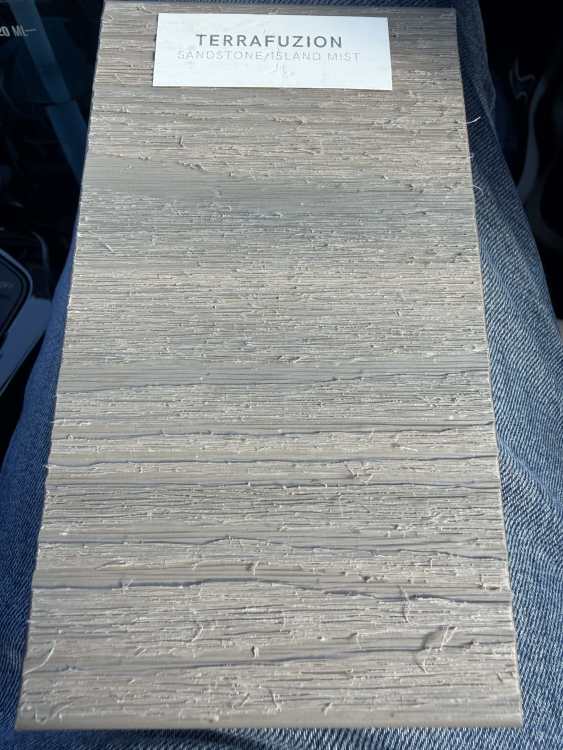
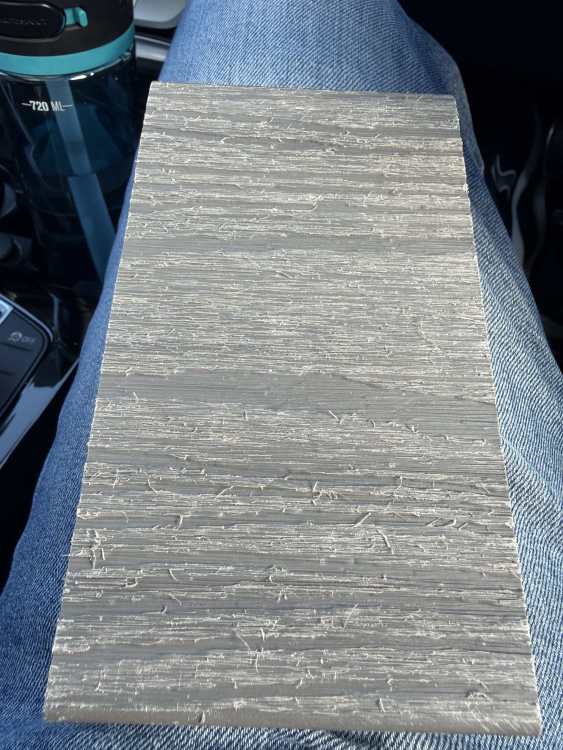
Hi, I have somebody laying a deck on our roof terrace and I am looking for recommendations on composite decking. I had a look at some samples, one of which is Terrafuzion but I do not believe them to be of great quality albeit they are cheap. The finish on even the samples appears to be flaking off! I would like something mid to high end. It isn’t used frequently but I do want it to last. Thanks in advance.
-
Damp condensation in built-in wardrobe
steveoelliott replied to steveoelliott's topic in Heat Insulation
Thank you As I will need to redo the battening / shelves / rail etc. given the change in configuration, what did you use to fix through the insulated PB? I guess you could use those corefix fittings or (as I have done with dot and dab elsewhere) drive the plug into the brick wall behind and put a second in place within the PB and then use a long screw. -
Damp condensation in built-in wardrobe
steveoelliott replied to steveoelliott's topic in Heat Insulation
Yes I intend to given it is very cold towards the corner.. I'd take advice from a plasterer whether I should rip out the exiting ceiling within the wardrobe or overboard it. -
Damp condensation in built-in wardrobe
steveoelliott replied to steveoelliott's topic in Heat Insulation
Noted. Mine isn't that bad. The plasterboard on the coldest section of the ceiling is still sound. -
Damp condensation in built-in wardrobe
steveoelliott replied to steveoelliott's topic in Heat Insulation
Thank you When you say hacked off, do you mean you went back to brick? This isn't plasterboard apart from the front and right hand side (which are much warmer) which are stud walls. I suspect, I could overboard with the insulated plasterboard, sealing the gaps and then take the slight loss of space on the ceiling and walls which would be minimal. -
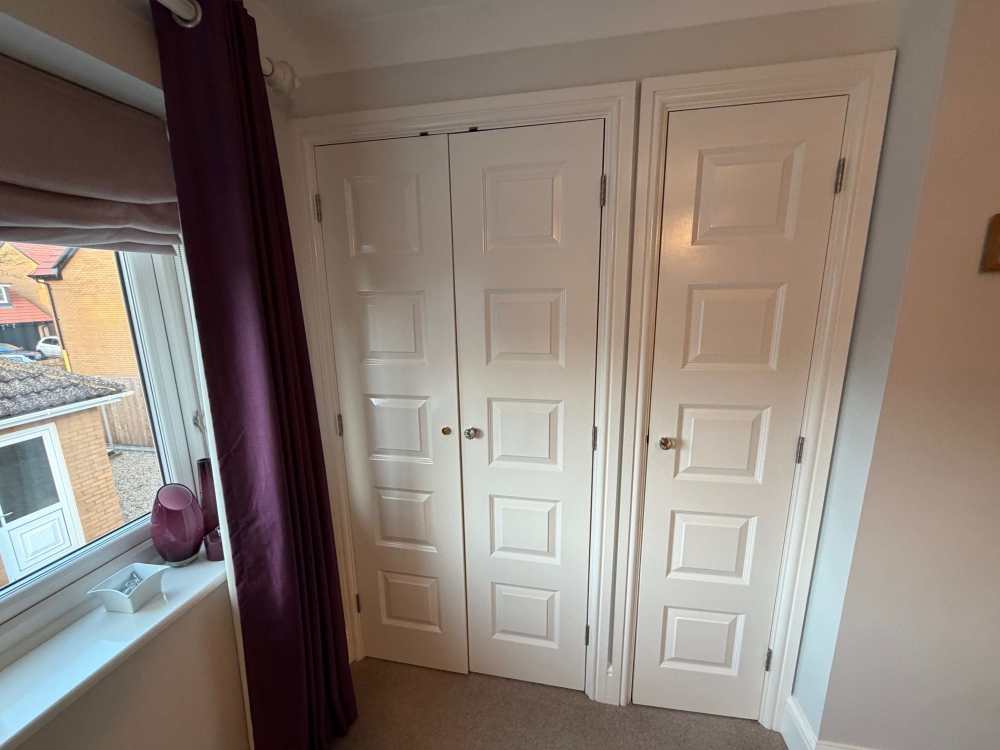
Hi Folks, I have an issue with damp or more specifically condensation in a built in wardrobe in a north facing bedroom. This is a 1960s house. I have attached a picture merely for perspective. This wardrobe, in the winter months has caused issues with some clothes feeling damp / smelling musty. Upon my own investigation I discovered that particularly the corner where the two outer walls meet the ceiling is especially cold and feels damp. This is always worse when the weather outside is particularly cold. It's never an issue in the warmer months. My understanding of this is as follows. The room itself might be warm but the internals of the wardrobe with the doors closed remains cold. When the warm / moist air from the room gets into the wardrobe through the gaps around doors etc. it hits the cold walls / ceiling and condenses causing the moisture. As a workaround I have placed numerous dehumidifier pots in there which seem to help significantly but I am after a proper solution. The outside walls are solid brick with plaster (not dot and dab) and whilst there is cavity wall insulation, those walls in the wardrobe and ceiling are cold to touch. I have checked the loft and there is plenty of insulation above as in it isn't like the corners have less present etc. When we decorate this room, I am wondering what my options are. I wondered if I could add some kind of thermal boarding (if something like that exists) to the inside of the wardrobe. Appreciate any help you can offer.
-
Dealing with Kitchen Appliances - LVT Installation
steveoelliott replied to steveoelliott's topic in Wood & Laminate Flooring
This was my thinking but the fitter suggested this would not be possible if they had to latex the floor. -
Hi Folks, Looking to canvas experience from the floor layers. I have some existing LVT tiles in our kitchen / utility which I am seeking to have replaced with new LVT tiles. I had a very nice chap come to quote yesterday and he explained that the appliances would need to be removed from the area. The washing machine and dryer are easy enough but the American Fridge Freezer will be a PITA. It can only go out the french doors so I'd need to get it out the kitchen and transport to our garage at the front of the property on a pallet truck (or similar). I am wary of this as there is always scope to damage it in the process. I was wondering if there are any workarounds that floor layers use for scenarios like this. If it absolutely has to be removed then so be it but looking for alternatives. I absolutely do want to tile under it however. Thanks.
-
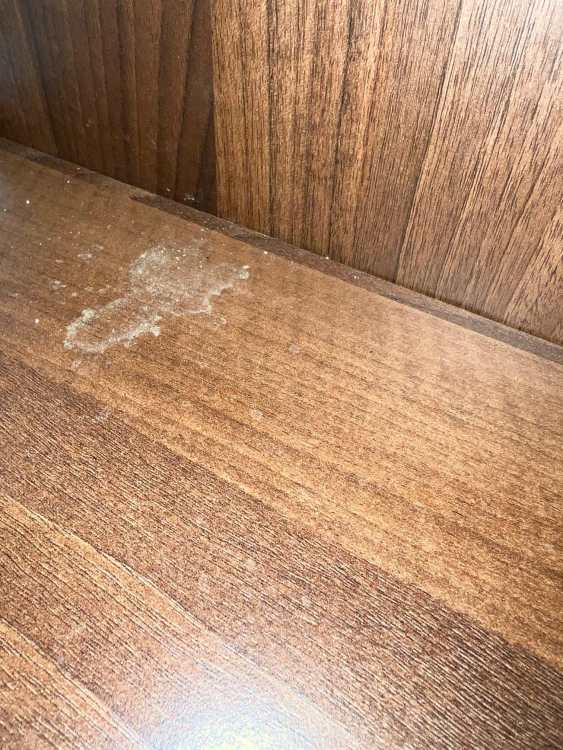
There is a small gap between sink and tap so possible but I suspect corrosion caused by flux.
-
Hot pipe so much less likely I guess.
-
I won’t hold you to it but I’m guessing it’s unlikely to suddenly start leaking imminently. The joint itself is ~15 years old.
-
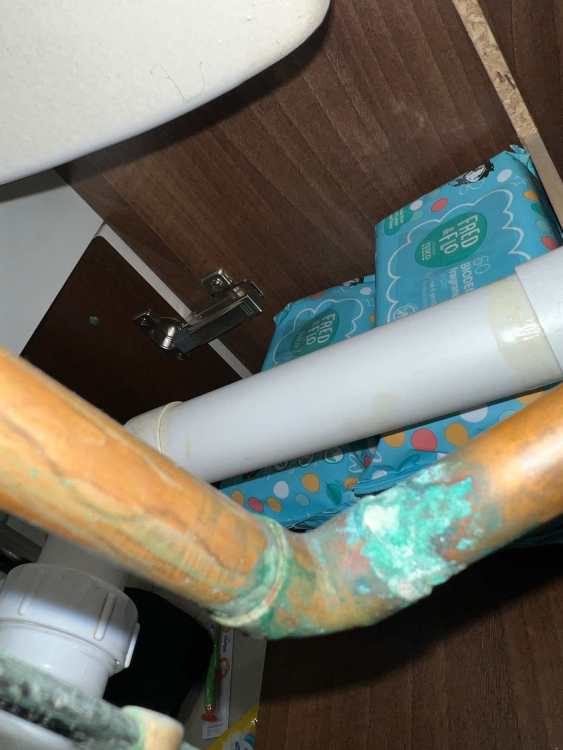
Whilst clearing out one of our bathroom cupboards noticed a little patch on the shelf. It has clearly dried, the sinks above are in daily use and on the hot noticed some corrosion, green and white spots on the soldered joint. This is also dry, if I rub it with my finger, a white residue comes off. This corrosion looks pretty bad to my untrained eye but of course this if with a light shining right on it. I suspect initially caused by flux not being cleaned off but wondered if I may have a problem hear that's waiting to happen. I have asked my plumber to take a look but he isn't sure if he will get here before Christmas. The only other explanation for this patch could be condensation on the pipes, particularly the cold but both pipes bone dry on inspection.
-
Not something I know but from ChatGPT: Methods to Remove Patination Oil Solvent Wipe (Gentle Method) Use a soft cloth dampened with white spirit (mineral spirits) or turpentine substitute. Gently rub the surface to dissolve and lift the oil. Wipe again with a clean cloth to remove residue. Finish with a mild soap-and-water wash, then dry thoroughly. Degreasing with Detergent Mix warm water with a few drops of a mild detergent (like dish soap). Use a soft brush or cloth to wash away oil. Rinse with clean water and dry. For Stubborn Oil Use isopropyl alcohol (IPA) on a lint-free cloth. This evaporates cleanly and helps strip oils without leaving residue. After Cleaning If you intend to re-patinate or polish the lead, ensure it is completely free of residue.
-
There’s quite a bit of history behind this. I moved in back in 2019 and soon after discovered a leak. The slabs were taken up, and I was told the roof itself was sound, with the problem likely coming from the copings. The copings were rebedded and a new DPC installed, which seemed to work for a few months. Once the slabs went back down, however, it started leaking again just days later—so the slabs had to be removed once more. In late 2020, I hired a roofer who was supposed to replace the membrane, but he let me down several times before eventually turning up. By that point, I’d lost confidence in him and we parted ways. In 2021, I brought in a third contractor along with a builder. Initially, the roofer was adamant the roof was fine—until he cut into the membrane and saw water coming through at the upstand. He replaced the membrane, and this time the copings were swapped out for porcelain ones, with lead flashing added. Unfortunately, the roof began ponding water badly, because the outlet was higher than the roof level and hadn’t been cut down properly. The work was completed during a dry spell, so I only noticed the ponding a few weeks later. When I raised it, the roofer brushed it off, saying, “That will be fine, it won’t leak.” Against my better judgment, I put the slabs back and tried to move on, though it stayed on my mind. Then in 2024, I noticed a damp patch on the ceiling. It didn’t seem to get worse at first, but earlier this year another patch appeared. Clearly something isn’t right, though whether it’s the VCL or something else, I don’t yet know. That’s why, this time, I want to work with a single contractor who can take on everything—including the balustrade. My goal is to have everything stripped back and rebuilt properly, with one person taking full responsibility instead of blame being passed between copings, pointing, membranes, or fixings. This way, the accountability is clear and rests entirely with one contractor. One lesson I have learnt from this is don't buy a house with a flat roof or parapet walls
-
I've had other quotes but most have focused just on replacing the membrane itself. Given the issues we've had with this roof over the years and not really knowing how well it was constructed previously, I took the decision to strip it right back and start again.
-
Good point!
-
Any other thoughts on this folks?
-
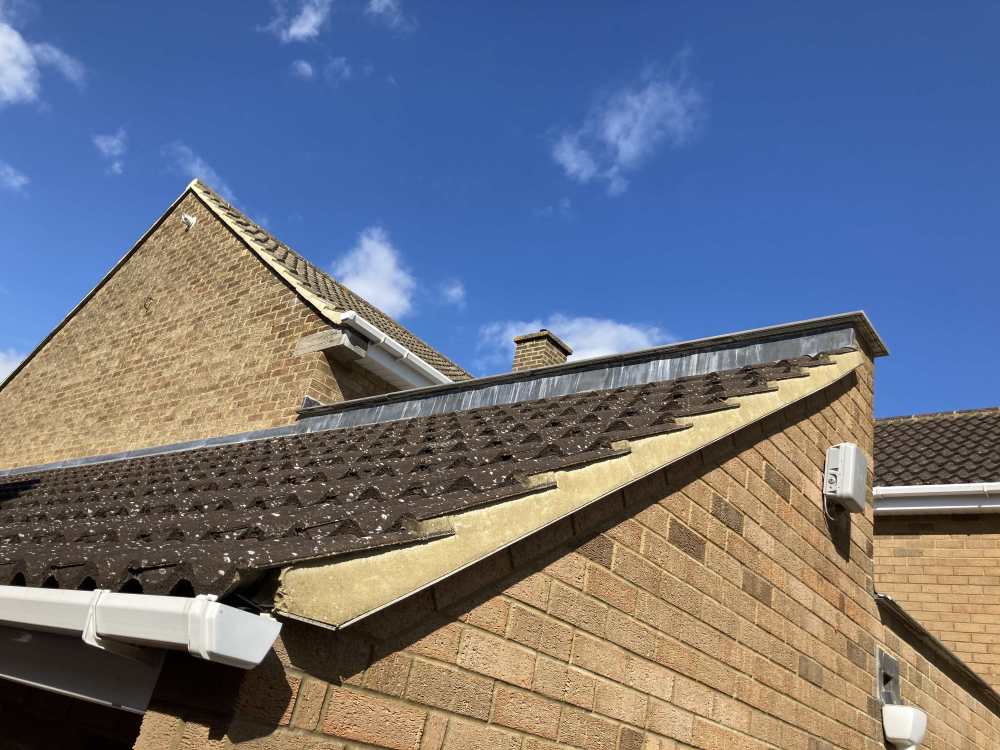
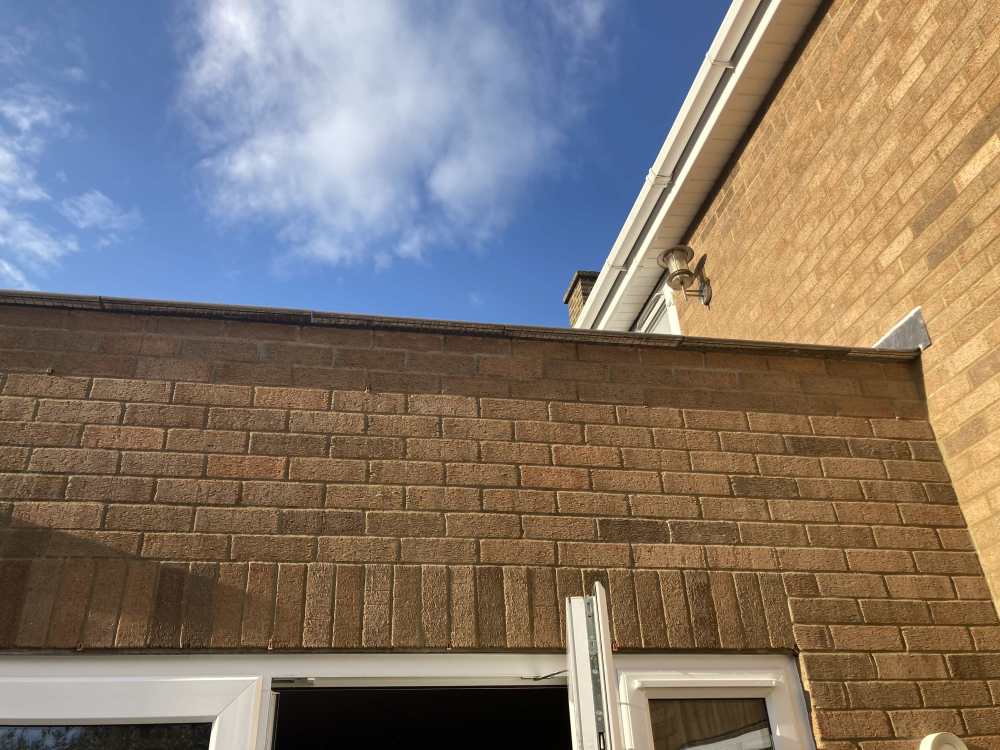
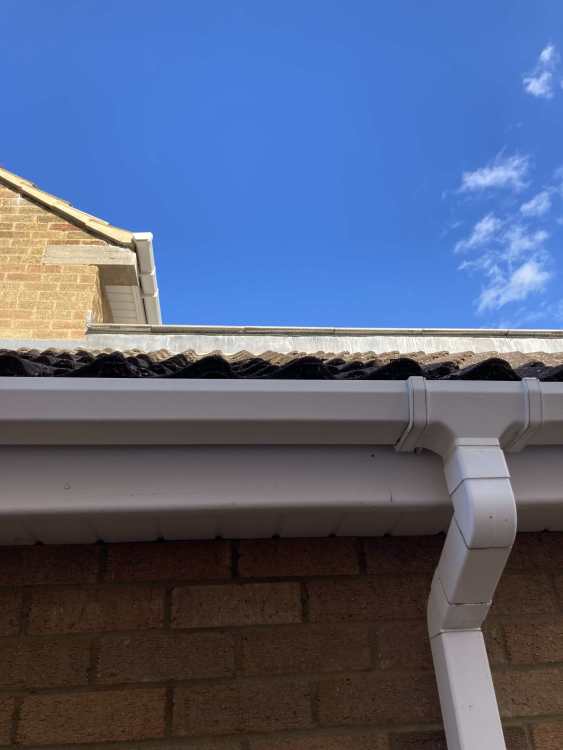
-
I’ve had a roofer who comes highly recommended by somebody that I trust quote for redoing our flat roof ~14 sq meters. I also have a very good feeling about the guy myself. I will put some pictures on later. But it is essentially a roof terrace with two parapet walls that are both ~3.7m long. Had a load of issues with it so whole lot is going to get stripped and replaced. I am keen to know what folks think to the price. Cost to replace flat roof £7075.60+vat (£8490.72 inc vat). *Strip existing existing roof coverings,insulation and vcl and cart to skip. *Once deck is visible we can inspect and replace if necessary? £276.00+vat (£331.20 inc vat) to replace full deck using 18mm WBP plywood. *Supply and fit 14m2 torch-on 3mm felt VCL to deck and returned 150mm up al abutment walls. *Supply and fit new 14m2 150mm insulation bonded using a PU adhesive. *Supply and fit 14m2 of lead grey SikaPlan bounded field sheet and all perimeter mechanically fixed using peelstops. *Cut 16lm of new cases into brickwork ready for SikaPlan chase metal. *Supply and fit 16lm os SikaPlan flashing detail, minimum upstanding height 150mm. *Supply and fit new SikaPlan scupper style outlet. *Cut out brickwork around outlet to increase the fall and make good. Cost to replace capping. *Replace using code 5 lead capping £1425.00+vat (£1710.00 inc vat). *Replace in formed aluminium capping £2168.25+vat (£2601.90 inc vat).
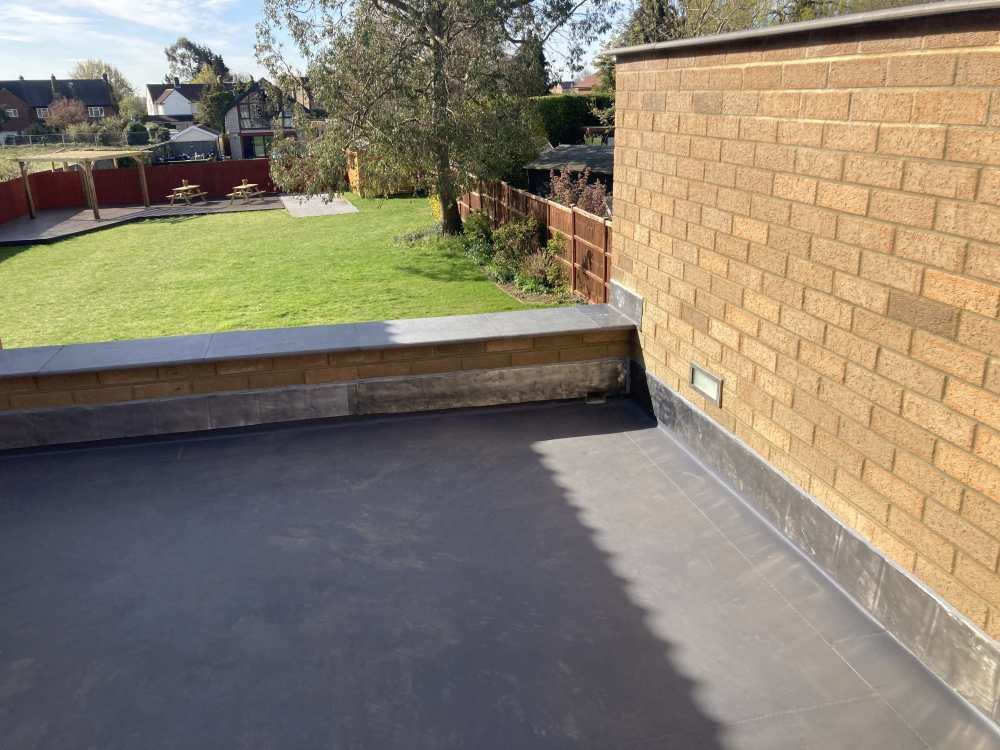
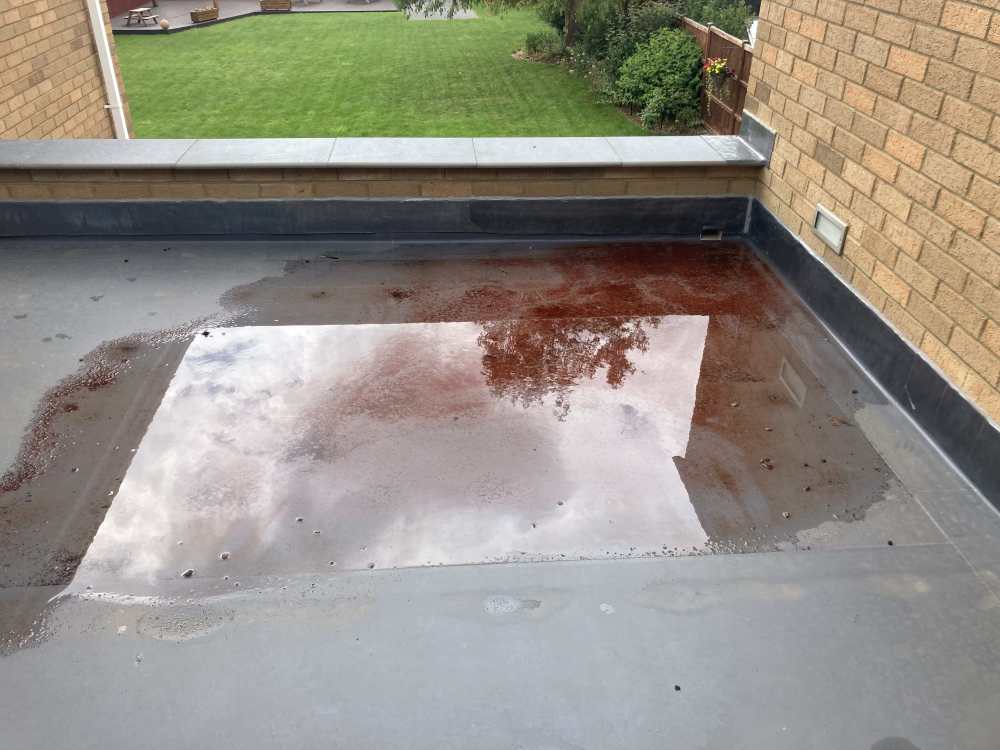
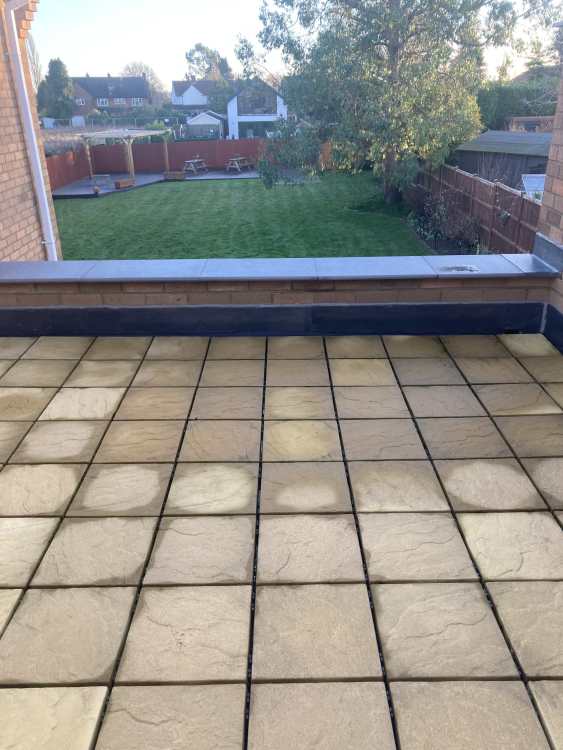
-
Long shot - Handle identification?
steveoelliott replied to steveoelliott's topic in Kitchen Units & Worktops
Actually found these in the end... Made by a company called East Coast Fittings! https://www.myecf.co.uk/filterSearch?advs=true&cid=0&mid=0&vid=0&q=FF617&sid=true&isc=true&orderBy=0 -
Hi, It's a long shot but I don't suppose anybody knows which handles these are or where I might get something very similar? Got one with a peeling finish. I've swapped it with one that is mostly out of view but I'd like to swap it ideally. Thanks...
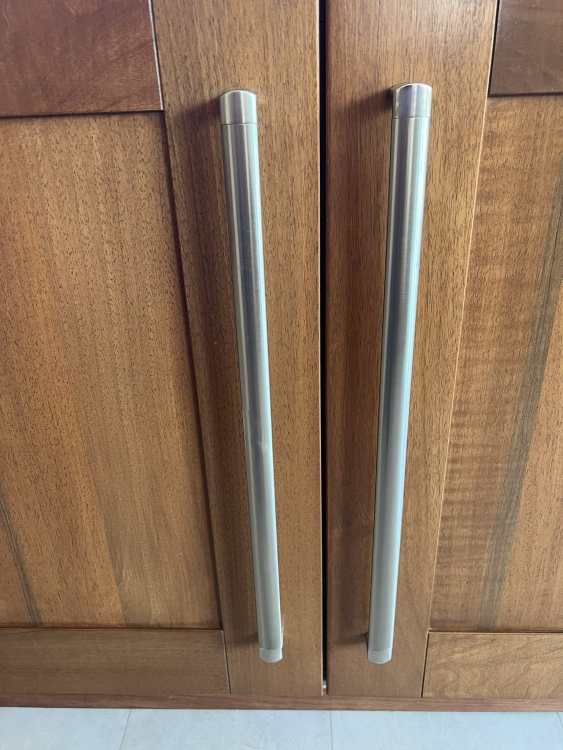
-
Guidance on Planning for a Potential Project
steveoelliott replied to steveoelliott's topic in Planning Permission
So, I reached out to a planning consultant and they provided me with a quote for £850 + VAT for a pre planning application, to include the following: Preparation of drawings to include the following: ▪ Site Visit ▪ Existing OS Mapping Site Location, Block and Site Plans ▪ Proposed OS Mapping Site Location, Block and Site Plans ▪ Proposed Floorplans ▪ Proposed Elevations ▪ Design & Access Statement ▪ Preparation of application form and submission to local authority (Excludes Statutory Fee of £300.00 – Payable by Client) ▪ Liaison with the Case Officer; monitoring the application including the statutory consultation process and coordinating responses to any issues raised Does this sounds reasonable? They seem to have good reviews. -
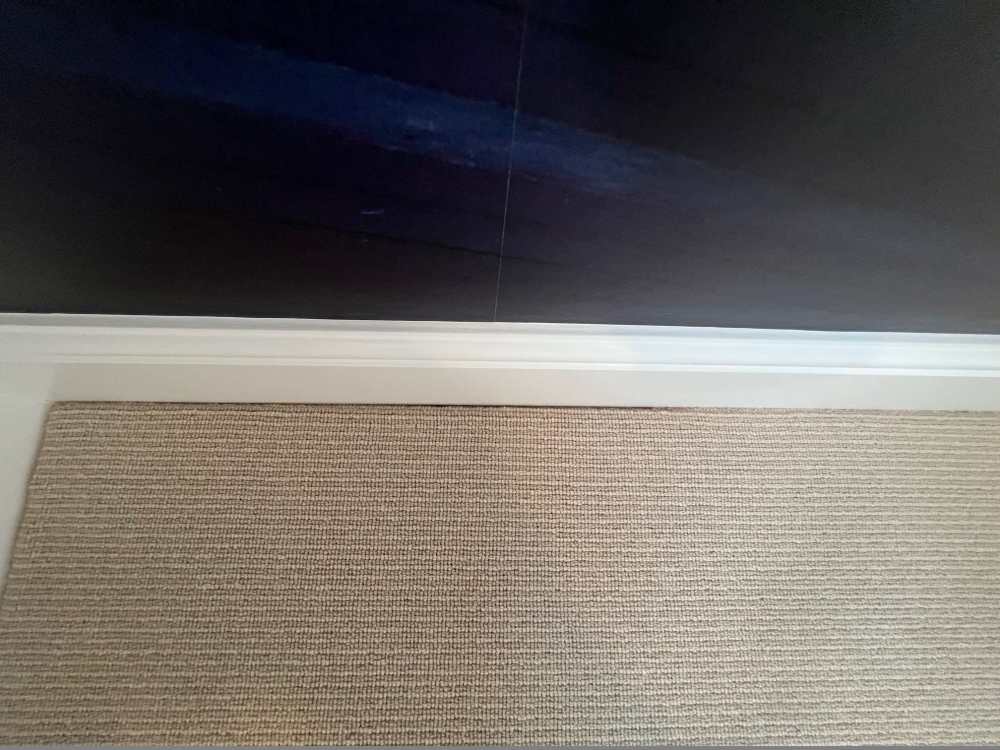
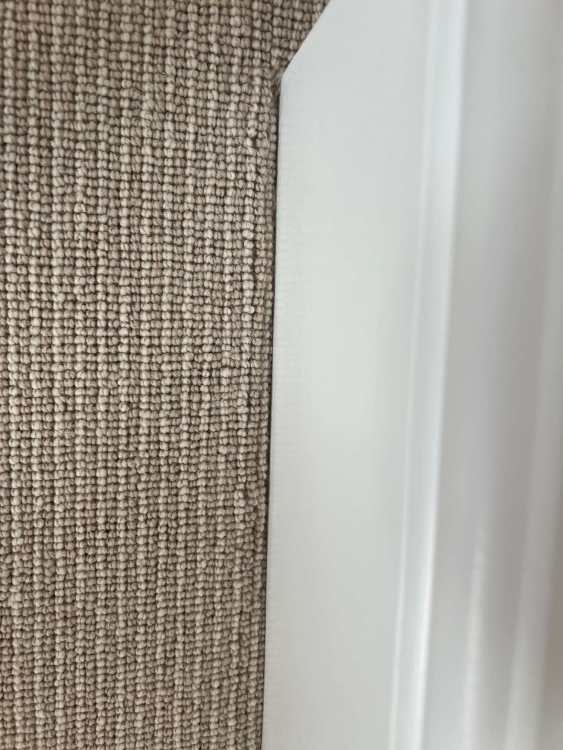
Not sure whether this is the right forum for this question but hey I can ask... Had a new carpet fitted yesterday by a local company. It's got to be swapped as after the fitter left, noticed several faults with the loops slap bang in the middle. However, looking at the fitting around the edges, is this normal? In a couple of areas you can feel the gripper pins too if you push down. I'll bring it to their attention when they come out next week. Before anybody mentions that annoying join in wallpaper, that plays havoc with my OCD but nothing I can do about it now
-
Grohe Concealed Cistern - Very very slow weep into pan
steveoelliott replied to steveoelliott's topic in General Plumbing
Although we have other toilets, it’s the one in the main bathroom and we have young kids so will have to be when we get back from holiday later in the year LOL -
Grohe Concealed Cistern - Very very slow weep into pan
steveoelliott replied to steveoelliott's topic in General Plumbing
I would do food colouring but it will stain the plastic cistern no doubt


