oldkettle
-
Posts
793 -
Joined
-
Last visited
-
Days Won
3
Everything posted by oldkettle
-
Spent a day at Surrey Homebuilding and Renovating show. Talked mostly to builders and architects. On the plus side, all of them said there was nothing inherently wrong with our plans. On the minus side, a lot of conflicting advice. "You will not find a builder to get a soleplate to 5mm tolerance". "It is just a bit more work but not difficult at all to do it". "You can't measure the building precisely until you remove the roof". "Of course you can with these GPS-enabled theodolites, to a mm precision". "You don't need more than 140 TF". "Just use internal wall insulation on the existing walls". "Use EWI on the existing walls. And on the TF as well." Architect and ATs fees are substantial. "we charge 5% of implied build costs for technical drawings". "5K + VAT + 1500-2000 for structural engineer calculations". Will I really need these? Won't TF company do their own for anything related to the first floor and the roof? "Oh, no, you don't understand, all those point loads, and what if your brick walls can't take the extra weight?" ? Hmm. So the TF can take the load but bricks under the soleplate can't? (that's based on no vertical steel to the best of my knowledge) "You need to decide who you trust". Yes. Anybody can recommend an AT who will not charge 5% of fake costs for technical drawings and whom I can trust? Any advice is greatly appreciated.
-
A local BCO visited this week to discuss our options. He said raft was a rather risky choice as its whole point is to move as a whole, so it is likely to move separately from the existing walls / foundations. So he's recommended a strip foundation as well. Which in theory means the slabs can be poured together - later. Is that correct? Also, I spoke to one more local TF manufacturer who also advised to get the GF done in masonry. Now, who do I need to hire to work out all those BC application details? An architect/AT? Some consultant? The TF details will be done by the manufacturer, but the ground floor extension, the slab, and the connection between the masonry and the TF? The existing cavity is 50mm, the extension will need to have at least 100, preferably 200, so is it the external leaf that will need to be stepped or the internal one? Quite a few questions, no answers in my head. ?
-
... and subtract the difference in council tax you are likely to pay due to higher band. Actually, not an insignificant amount.
-
Something like these? They mention being featured on GD. https://www.cabp.co.uk/Wall-Floor-Ceiling/10mm-Shower-Wall-Panels.htm?gclid=EAIaIQobChMI7Iez-Ozv4gIVCp3tCh11kgesEAAYAiAAEgLus_D_BwE
-
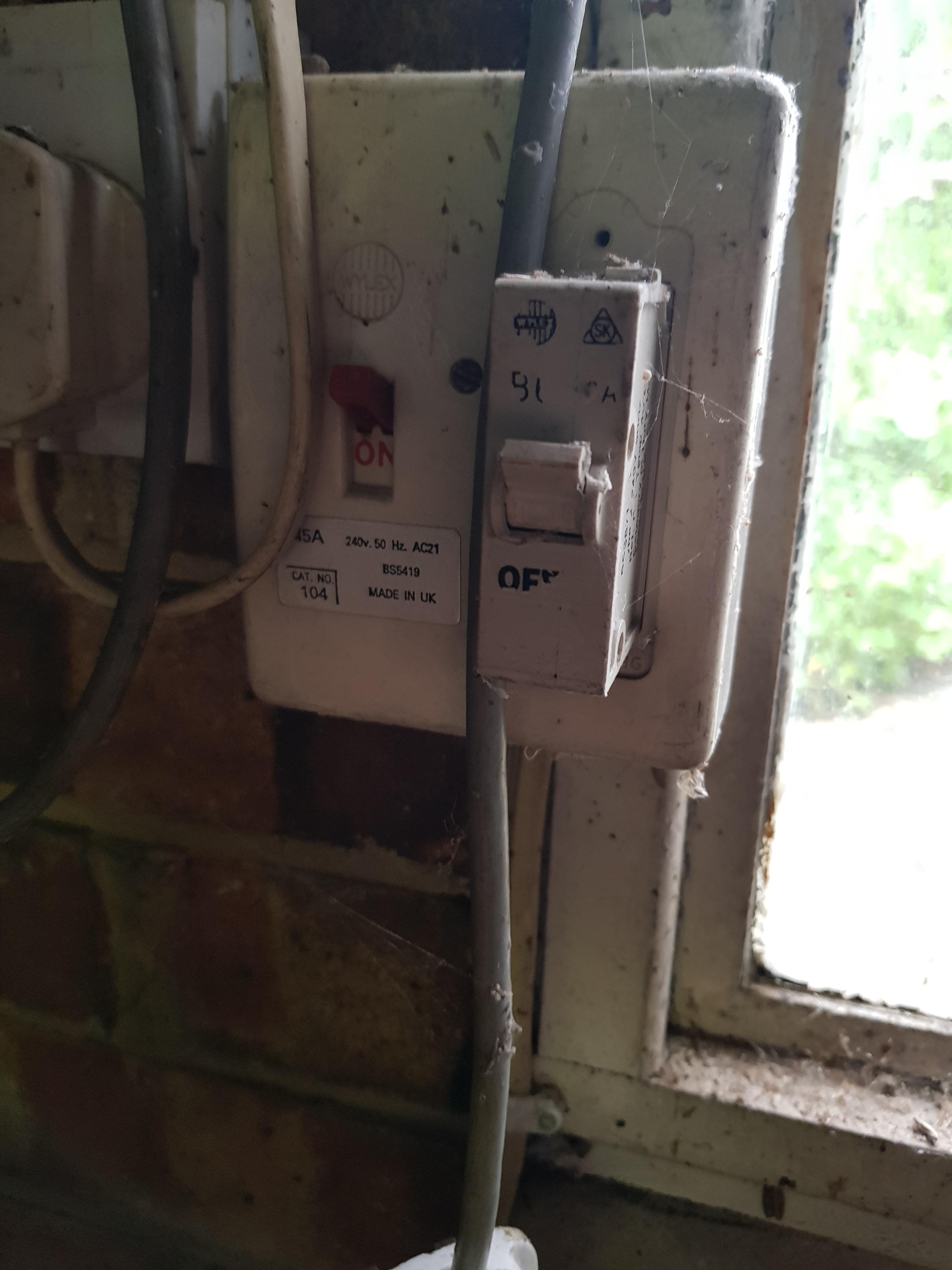
This is what confuses me. What about the earth? 2 x 2-way (WA412) means one for live and the other for neutral. Edit: just noticed @Ed Davies said the same thing.
-
This one is cheaper than the one I used. It seems to require separate connectors? The description says Use with 2 x 2-way (WA412) or 1 x 5-way (WA415 ) Does it have enough space for 3 WA412?
-
Had to check that "isolate the power" meant what I thought it did. Better safe.
-
Went to double check how to test this correctly (I'd measure resistance but most links say voltage) and immediately found a lot of references where people got zero between live and earth or voltage between neutral and earth. It's a minefield! ?
-
Yes, exactly this one, should have made it clear. So it cannot be a single slab? I looked up the movement joint. It probably means UFH should be laid separately between the slabs? If so, how do the pipes pass between them? Does it (a movement joint) affect the floor finish?
-
Thank you, @PeterW The main reason is the extension is planned as TF. It seems easier to prevent cold bridging and potential sole plate problems with insulated raft, hence this choice. On the other hand, one of the companies I talked to stated they would only do the first floor as a TF and the ground floor extension should be masonry to match the existing walls and "due to a difference in settlement". Sorry, why does the raft need a screed? I thought many who built TF just had 100mm concrete with UFH in it?
-
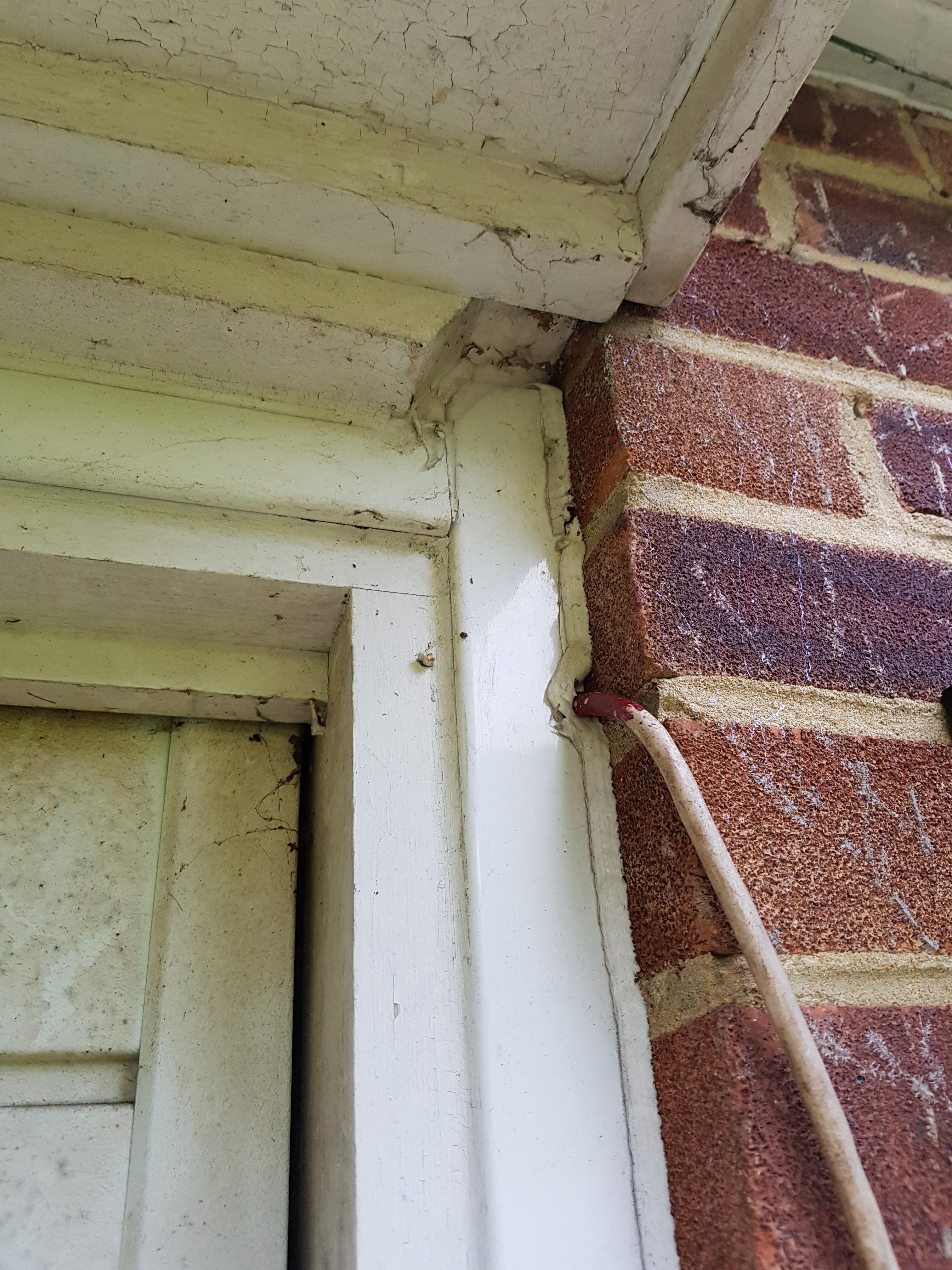
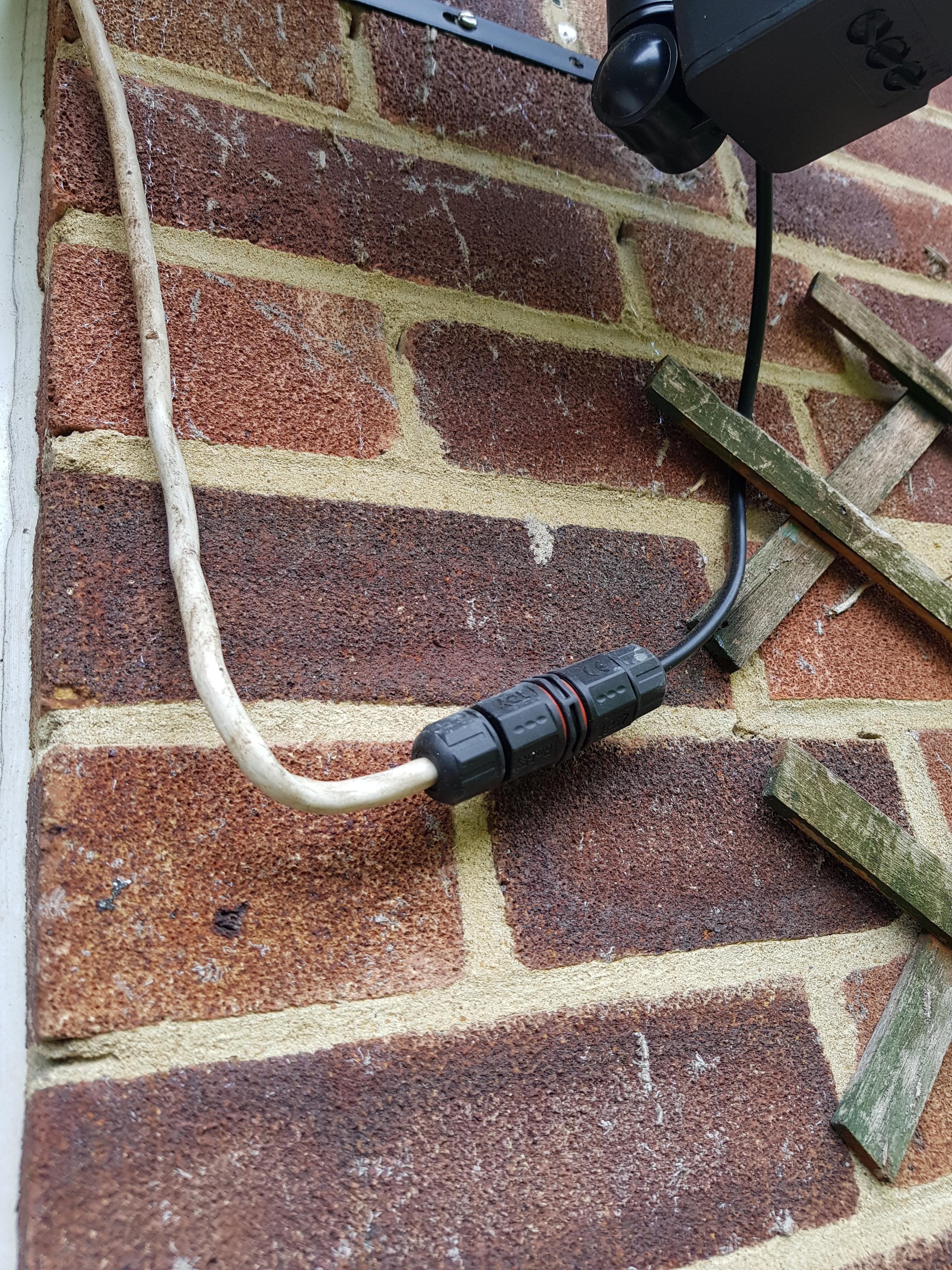
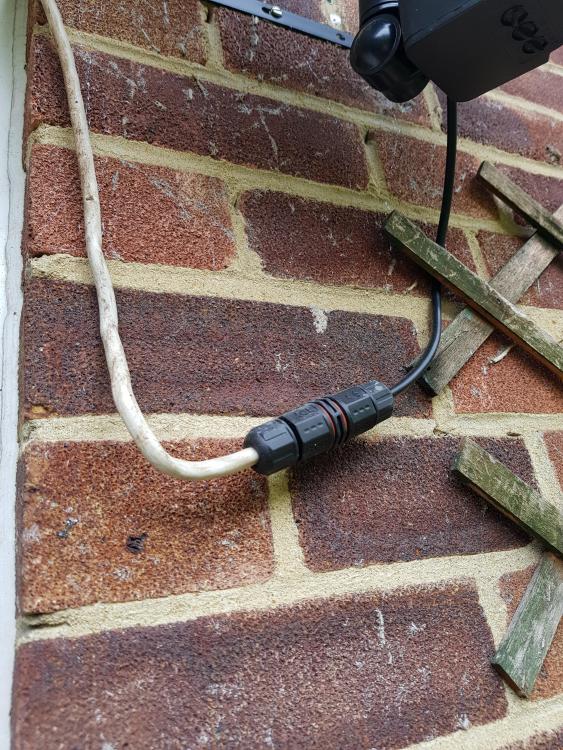
Thank you. P clips will certainly make it look better and stop any movement. Do you you fill the whole of the inside with grease? This stuff is not that cheap, £15+/500ml. On the other hand, the connector itself is more expensive anyway. This was an existing cable out of the garage front that was previously connected straight to another light. The new LED came with the short length so had to couple the two. The exit is actually under a small canopy _not sure what part of it can be seen in the picture. Ultimately, this will also be replaced at some point after the extension - money permitting of course.
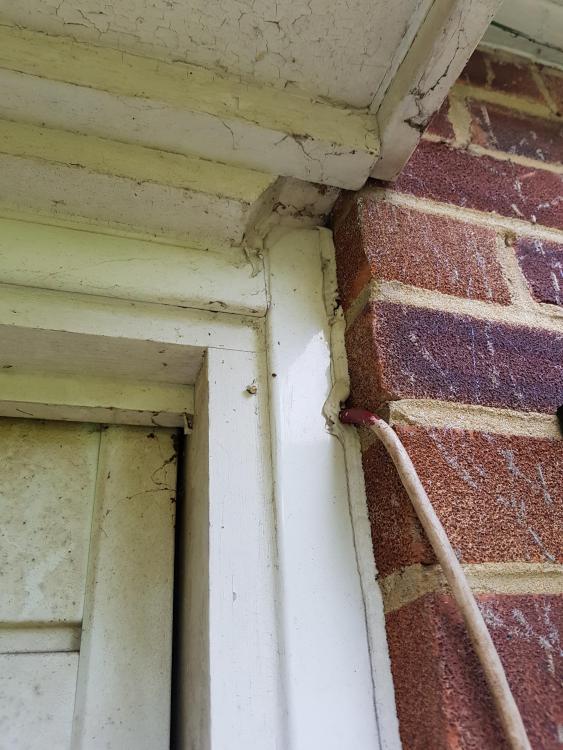
-
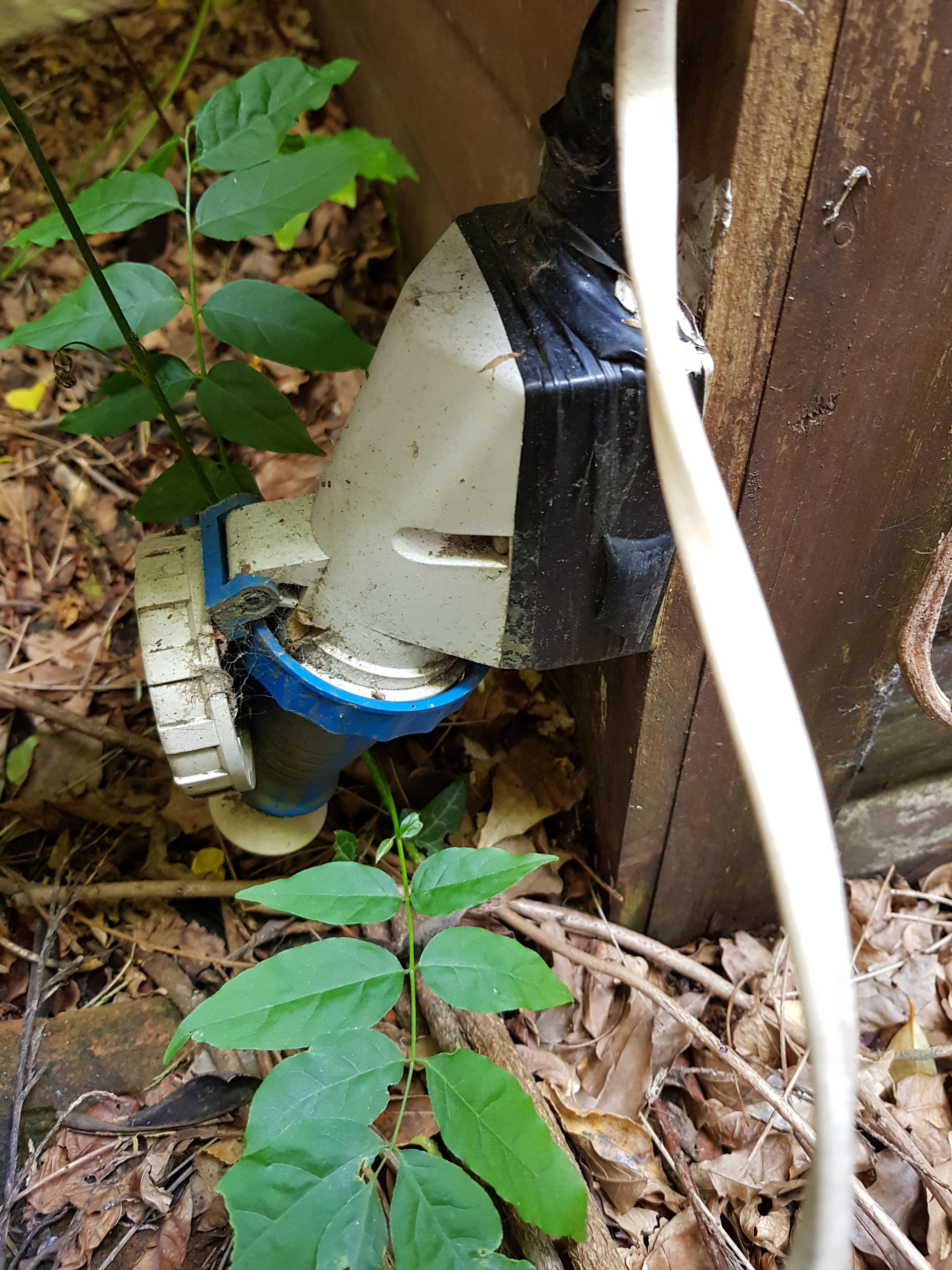
That's the difference between a professional and an incompetent person. Haven't even noticed it was top entry. In my defence, it wasn't easy to take this picture. Not a fence but a back of the summer house surrounded by a thick hedge. ? Is this one any better? That's actually mine, a replacement light. Don't hold back.
-
I know these are not arguments you are defending ? a) somehow the government are publishing laws online and nobody is worried about the integrity b) is of course a good point and the main point. I personally think that if I must obey by certain rules than these rules must be out there in the open. I am not a competent person but I want to be able to check that something done or suggested by someone else (however competent) is reasonably safe, very difficult without being able to even read the rules.
-
I must say it is quite odd that the regulations text is copyrighted. Vaguely remember this was discussed before.
-
Bump Should not have started two threads at the same time, this one seems to have gotten buried.
-
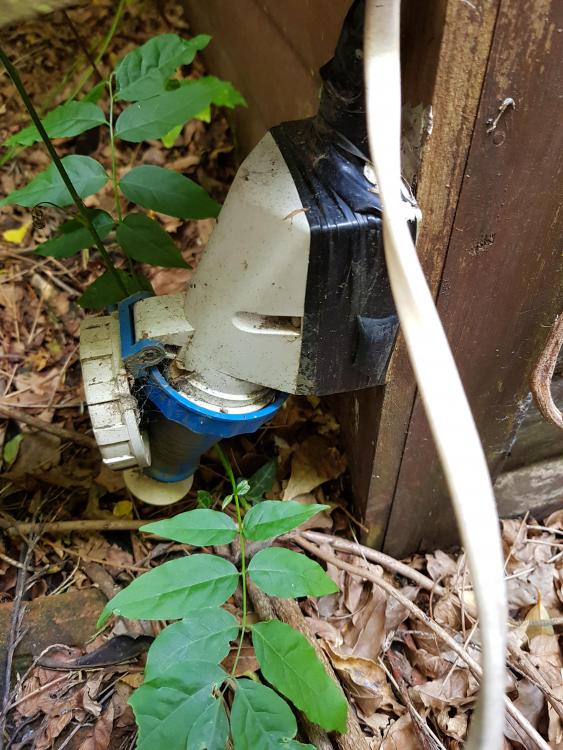
And the last one - grey to blue connection. @ProDave, yes, this is quite clear. I hope to deal with it when we build our extension as most of the electrics will have to change. I am the only one trimming hedges and mowing the lawn, hopefully it will survive another year.
-
Not even sure where this happens, must be somewhere behind the summer house (and it is not easy to get in there) But yes, it is grey to the summer house and then blue to the greenhouse. Since this connection is not inside the summer house I doubt it would have an RCD ?
-
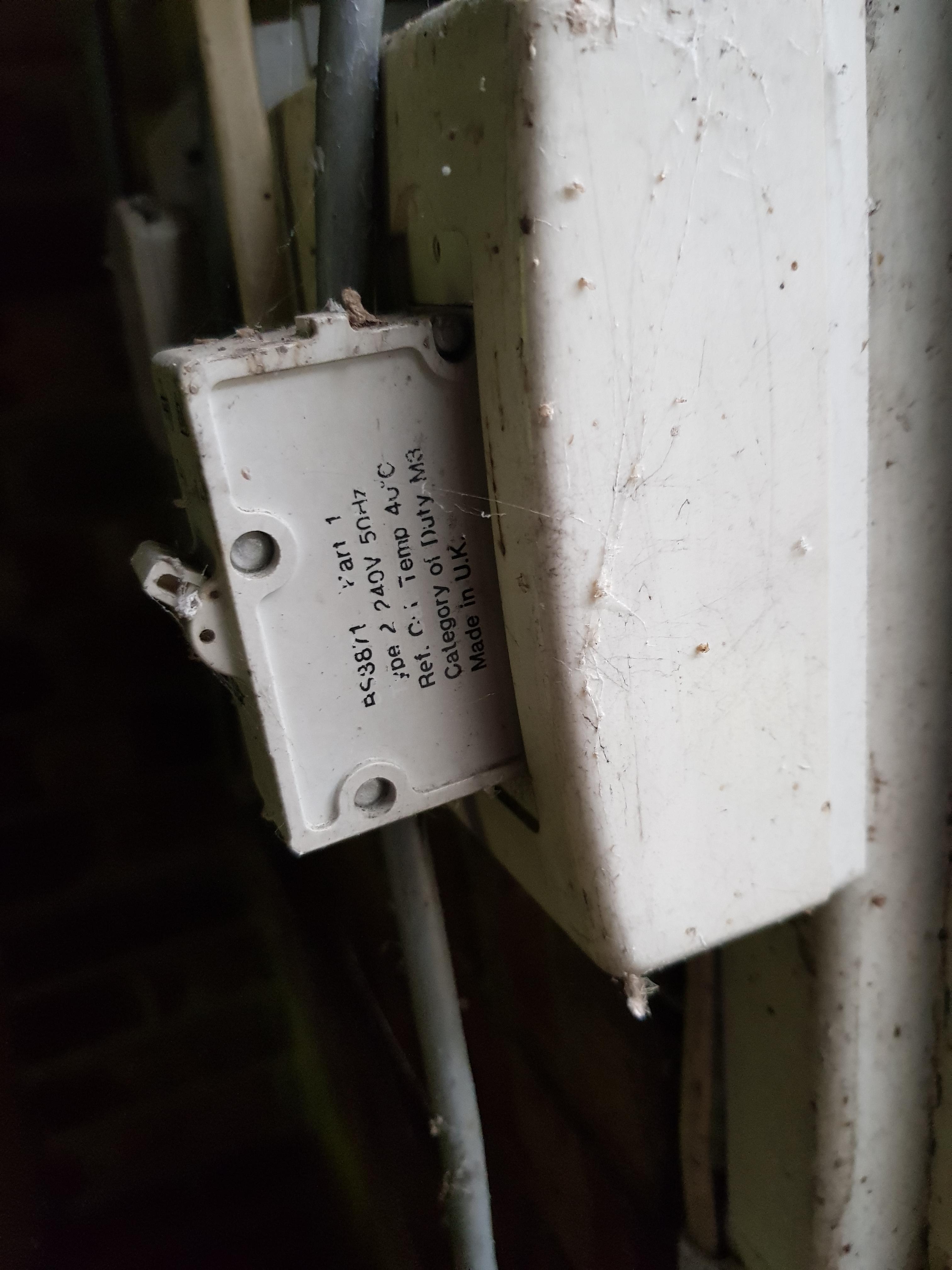
The cable in question is the light grey one that goes down from the switch. This picture is only to show where the connection originates. As @ProDave confirmed, no RCD. I should have looked it up earlier of course, don't think I saw a single one anywhere in the house. Correction : there is one on the main switchboard, marked as ring mains power.
-
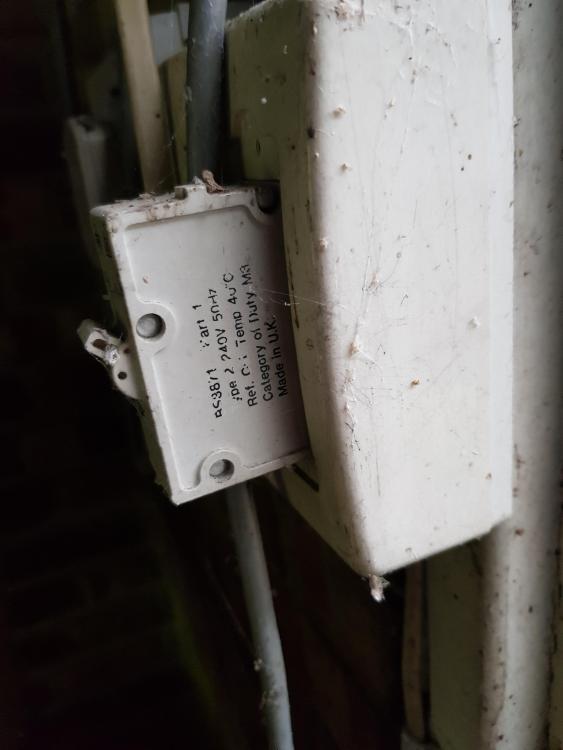
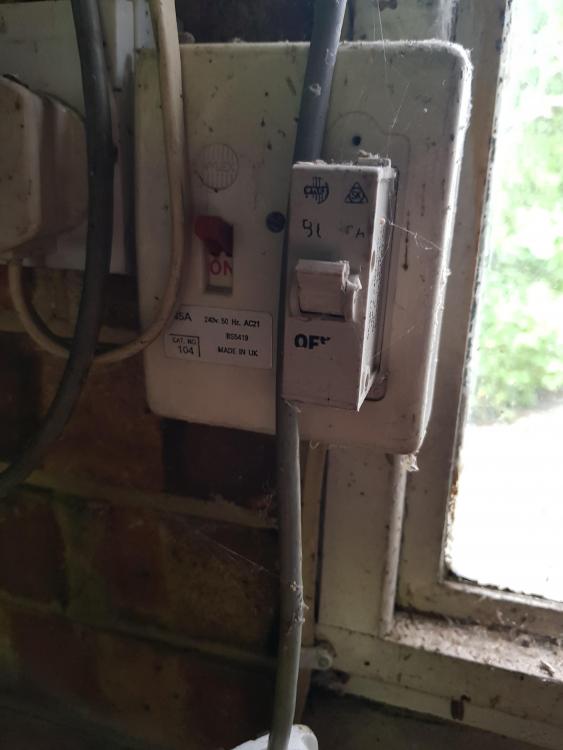
For completeness, this is a connection inside the garage.
-
Firestop! where does it go in a timber framed house?
oldkettle replied to Triassic's topic in Building Regulations
I was searching for standard TF details and found quite a few documents available online. For example, https://www.taylor-lane.co.uk/wp-content/uploads/2018/03/TL-Standard-Wall-Details-v4.5.pdf -
Me main concern in our case is the branches of shrubs. These can grow fast and strong and since there is so much of those it would be difficult to spot an issue. I guess that makes metal conduit a better option.
-
Was just about to add a link I found https://www.electriciansforums.net/threads/laying-cable-over-ground-to-garage.104586/ It seems there is no agreement whether clipping to a fence is OK. I'd happily run a conduit just to make sure. The summer house is less than 10m away and will be even closer once we extend. The greenhouse is another 20m, but TBH I don't really need a permanent supply there. If we eventually decide to build this gym I was hoping to have in the far corner of the garden that would serve as a temporary accommodation during the extension build we'll dig a trench and put all services in it anyway - but it's on another side of the garden (i.e. right vs left) and won't help with the supply of the existing outbuildings. I am sure it will make sense to create a separate earthing for this new supply as you suggested - that would be 30m+ from the main house.
-
Can't argue with that either. I should probably have clarified that I didn't install any of these - came with the house. Is SWA >450mm the only way to replace these or is it actually acceptable to run a cable along the border as long as it is properly sized, tested and signed off? Would trunking help in any way?
-
I suspect only an electrician can answer these questions. For now I will just have to bear in mind anything bigger than the lawnmower needs to be watched carefully.
-
This is unfortunately going from our garage to the summer house and then to the greenhouse. I thought it was really dodgy. There is some protection in the garage but I will need to take a picture tomorrow, not sure what it is TBH. It is not used for much, lights in the summer house a couple of times a year, mainly lawn mower or hedge trimmer via another extension. I only remembered about it when I read a thread recently on the size of the SWA cable required to feed something remote.