
D Walter
-
Posts
116 -
Joined
-
Last visited
Everything posted by D Walter
-
It is just the roof and there are will be no services running through the easijoists. We did try for I Joists because we knew we would have an issue with the insulation but due to supply (based on Isle of Wight) and engineering issues were pretty well forced down the easijoist path.
-
Thanks Nick. That would be much cheaper than spraying, though spray foam will help with the air-tightness...
-
Hi, does anyone have experience of insulating Easijoists? We are using 254mm Easijoists at 400mm centres and were unable to get them pre-insulated. It looks like a mission to force soft roll or simi-rigid batt insulation inside the Easi-joists and we were considering sarking and using spray foam insulation as an alternative. We are aiming for a U value of 0.11 and will in any event be using approx 60mm PIR under the sarking. Any thoughts would be appreciated.
-
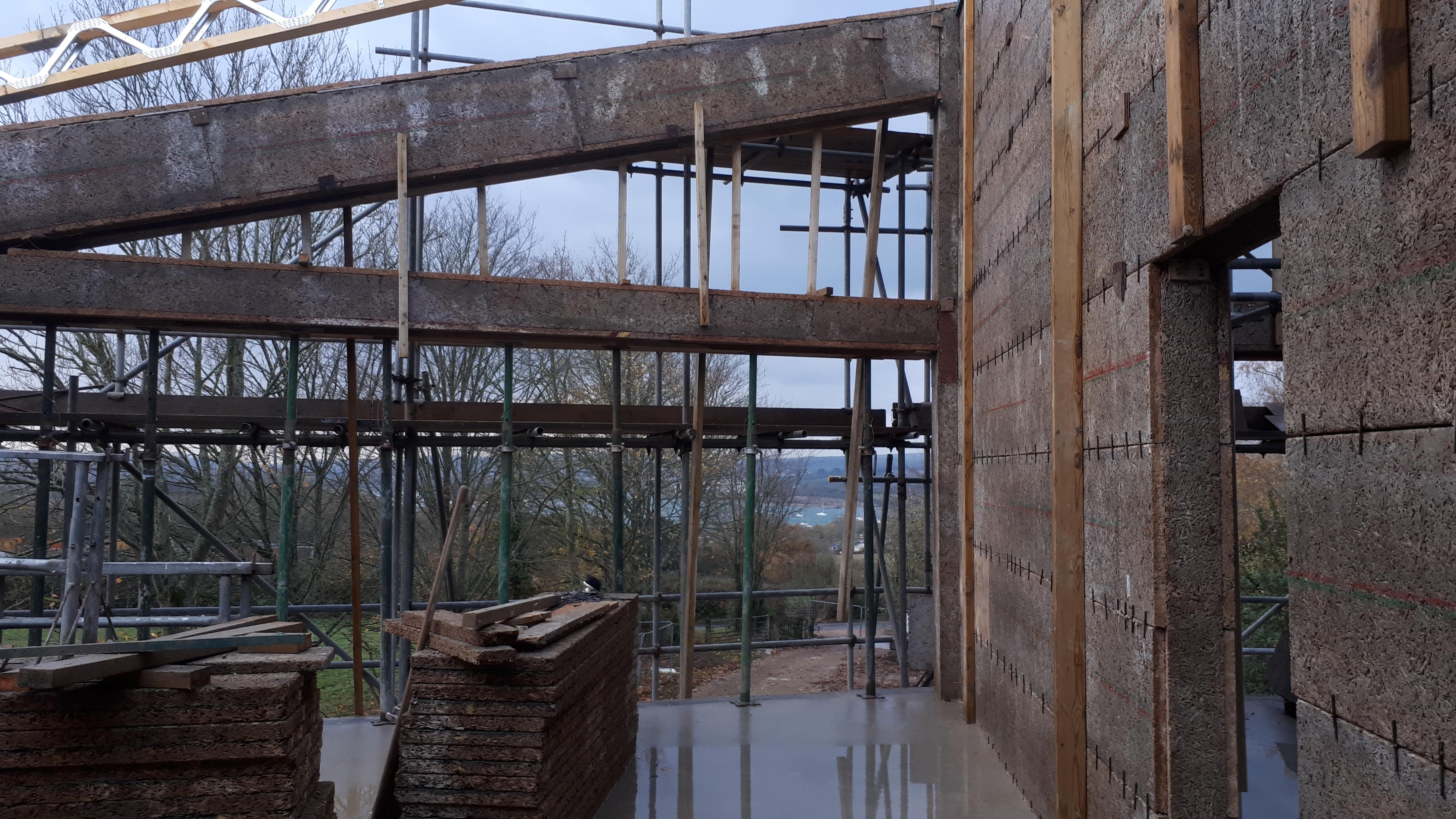
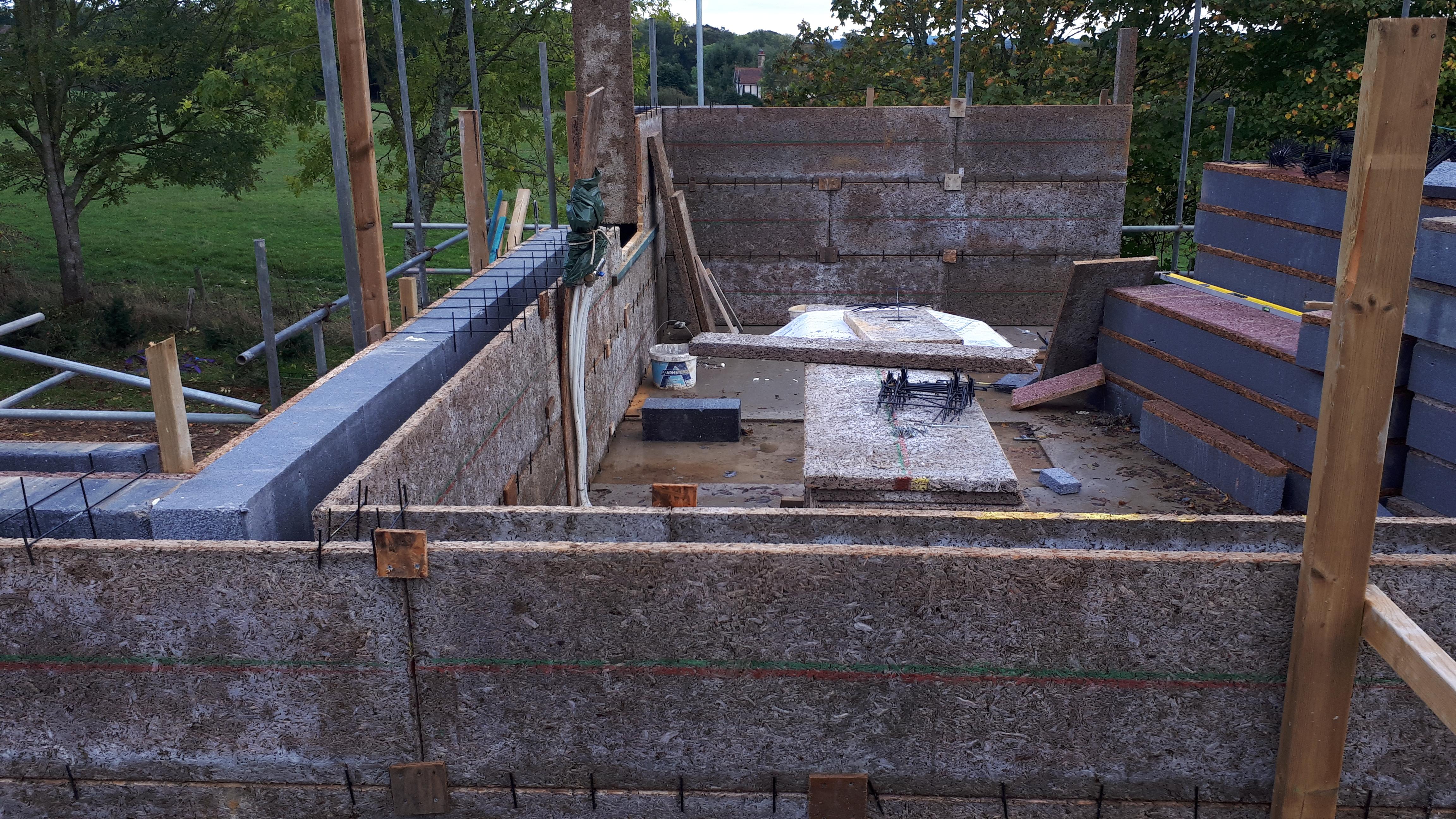
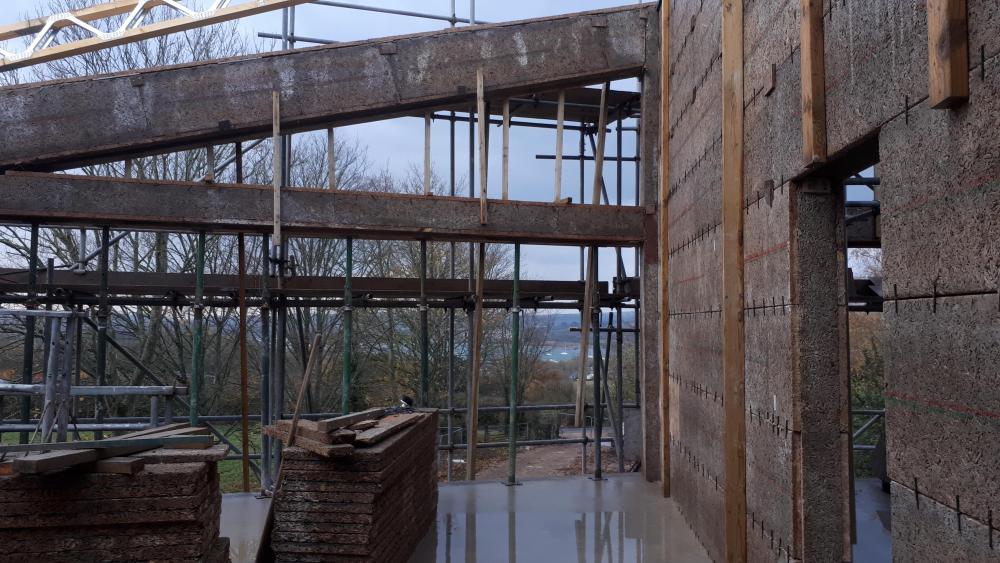
Walls and gable beams completed and starting on roof trusses. We have now finished with the structural Velox and concrete so we can start on the roof trusses. Measuring for windows next week.
-
?
-
Thanks PeterW. Yes, I suppose I could do a blog - lots of photos... If any of you are on the Island let me know and I will show you round. It is a good place to live, particularly if you like a relaxed pace with plenty of walking, cycling and sailing.
-
Tata Urban Colorcoat Metal Seam Roofing
D Walter replied to Barney12's topic in Roofing, Tiling & Slating
Interesting comments on Tata and corrosion. I gouged, cut and salted a panel of Tata Colorcoat Urban and left it outside for an entire winter, adding salt a couple of times over the period. Under a magnifying glass we had no signs of corrosion, rust or other discoloration, which I can't qite believe myself, but does make me feel a lot more confident about using it on our build. -
Thanks for the welcomes! I will post pictures as we build.
-
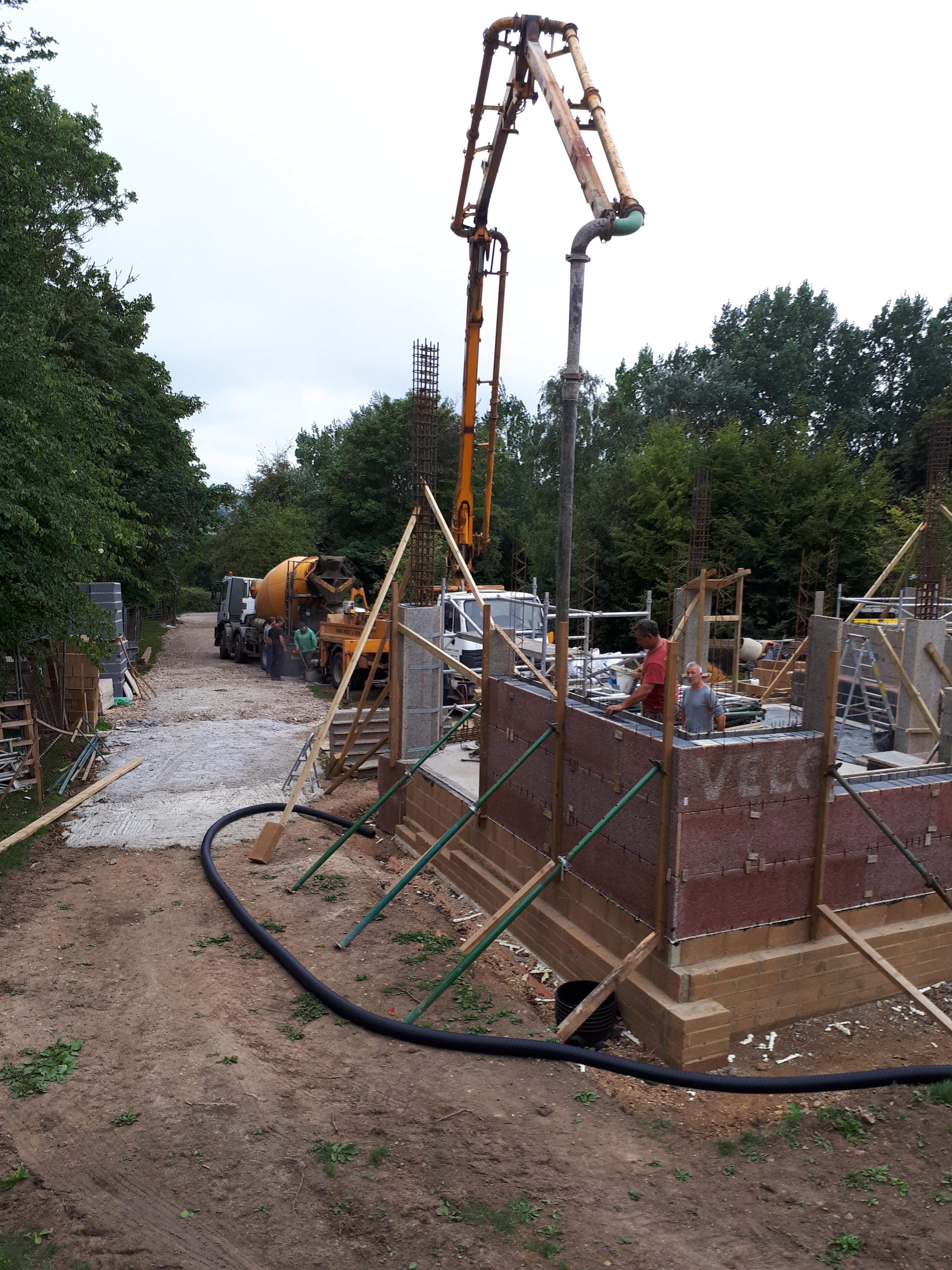
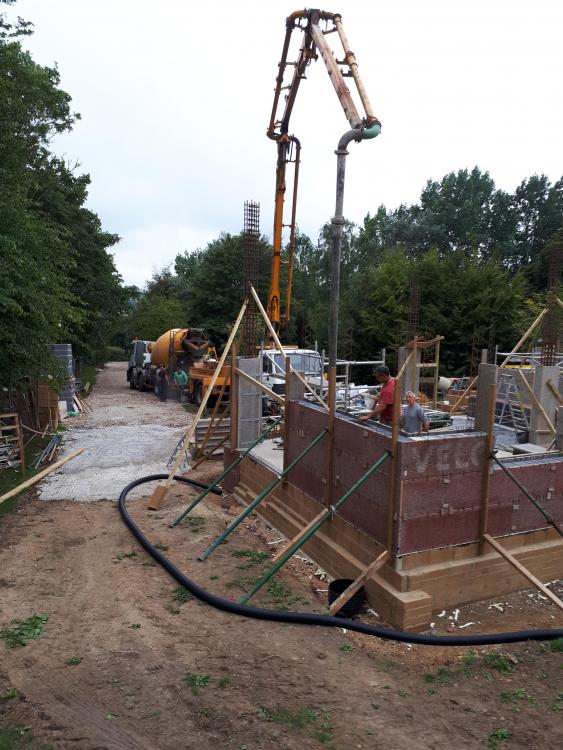
We could not get a small enough nozzle and could not get an even flow of concrete. The concrete came thumping out so we needed to pour onto a moveable shute to take some of the energy out.
-
H Alexphd1, we used a mixture of timber bracing (vertical and diagonal) and also used some of our spare acrows. We have literally never had any spare time after a pour to check and correct as by the time you get round the walls the first sections poured are hardening. We have used electric and petrol driven pokers and no problems with them. As mentioned above, our only issue has been not having an appropriately sized concrete pump. Picture attached.
-
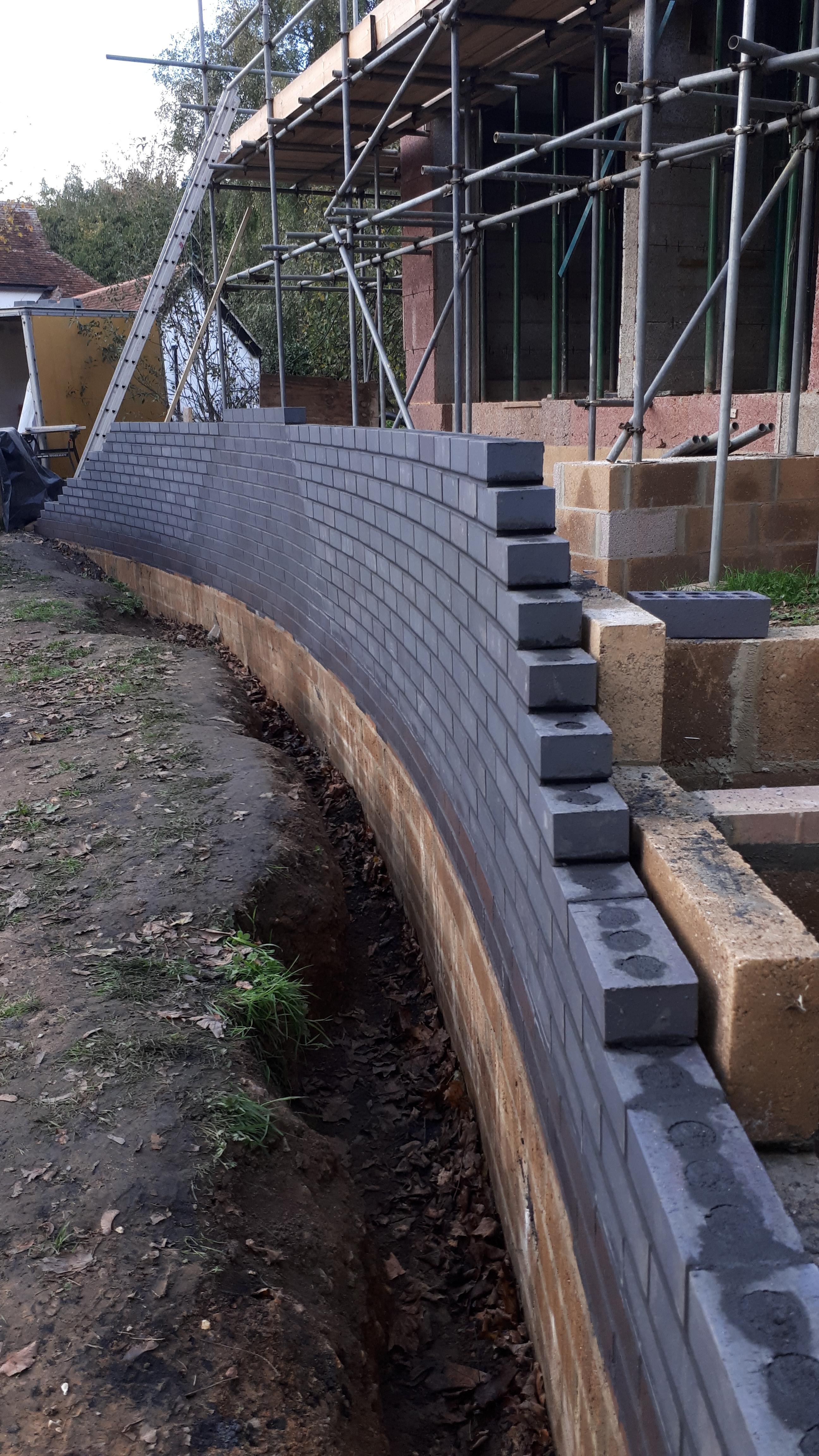
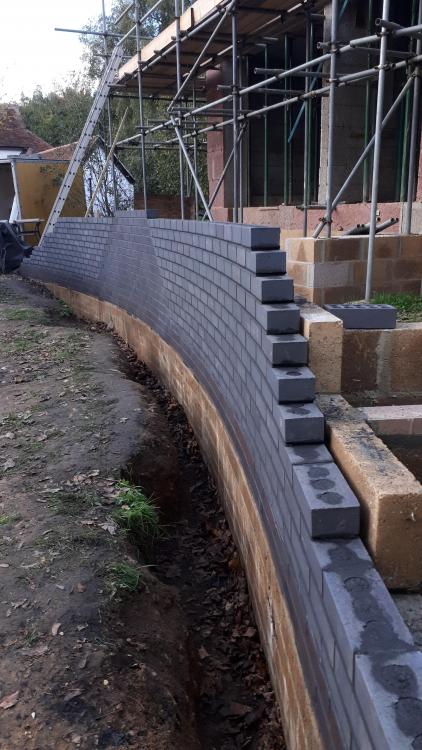
Hello and thanks for a really informative forum. We are building a 220 m2 icf structure on the Isle of Wight in a reasonably exposed SSW facing location. The house will be clad in a mixture of Tata standing seam steel and larch, with a Tata roof. We have concrete floors with underfloor heating and will be using mechanical ventilation (MVHR). Work started mid June and we have been helped by a dry summer and autumn. I anticipate we will be measuring up for windows and for roofing mid to late November. I attach a couple of pictures and plans. 169_TR02_REV_J_PROPOSED_GROUND_FLOOR_PLAN.pdf 169_TR03_REV_J_PROPOSED_FIRST_FLOOR_ROOF_PLAN_AND_GARAGE_PLAN.pdf 169 TR06 REV H PROPOSED NW SW ELEVATIONS.pdf
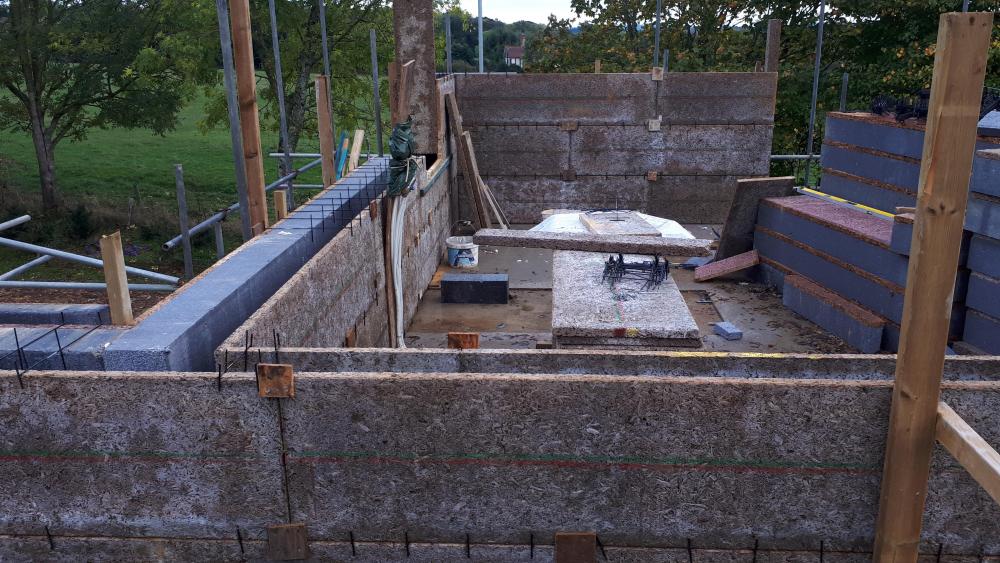
-
Hi Grendel, We are using EasiJoists with a Tata Colorcoat Urban standing seam roof. We struggled for ages on roof lay-up design due to a number of factors, primarily the impact of the MVHR ducting which was originally designed to go through the rafters, and finally decided on a cold roof with sarking under the joists, soft batt insulation between rafters and solid PIR insulation under the rafters and a 185mm service zone for the ducting. The MVHR ducting has to be on the warm side of the insulation so the original plan of the ducting going through the rafters had to be ditched once we decided that we could not live with 230mm of PIR insulation above the rafters on a warm roof lay-up to reach a U value of 0.11. I waited over a year for a builder who I knew through cycling to come free. Very thoughtful, careful builder which has been essential on this build. We have done the Velox ourselves and the only real problem we have experienced is not being able to get a suitable concrete pump configuration and therefore having to be extra careful on concrete pours for the walls.
-
Hi, I found the system by research on the internet using the criteria I mentioned, and yes, it is my first build. I rejected some ICF systems on the "fixability" issue with cladding and some on airtightness (I did not want to have to render for airtightness when I would be cladding anyway). I have talked to a few builders (professionals and self-builders) who have used the system and the feedback has been positive. My builder had some independent feedback from his own enquiries and the advice he got was regarding getting everything right first time, which would apply to any concrete system. It is very important to get the walls plumb and braced before each pour as, despite what all the blurb on ICF says, there is so much going on during a pour that correcting after the after pouring may not be an option (we used RC35 and it was hard within a couple of hours in the heatwave). Thankfully, my builder is V careful and there has never been a need to correct after pouring but we braced everything as much as we could in advance. I did not use Surrey Homes for the build - local traditional brick and block builder. The supplier has been very helpful throughout and it is well worth visiting a few sites before you make your decision. I am not sure the "one man band/serviced office" comment is entirely fair. You can visit the warehouse in Guildford and get some basic training, as I did with my builder, and get some site visits in. You can also talk to Structural Engineers who have good experience of the system. I worked on the basis that movement and blow-outs are less likely with cement board systems than systems relying on EPS formers though I have no data on this. In my location we did not have access to concrete pumps of the recommended flow rates/nozzle diameters so had to be particularly careful. No major problems experienced but … but for the grace of God... It is difficult/expensive to alter or correct in concrete so planning to the n'th detail is essential. There is a degree of flexibility, for example around openings as the reveal strips are 50mm and there is always the option of packing out but nothing like the flexibility of traditional builds.
-
Hi, I am new to the forum and one lift away (approx. 1.5 metres) from roof plate in the construction of a 2 storey 220 m2 new build using Velox walls and floor modules. The house has a glazed frontage facing SSW (exposed position near the coast at the top of a river valley) and will be clad in a mix of standing seam metal and Siberian larch and have a standing seam metal roof. Heating will be by conventional gas boiler with underfloor heating and mechanical ventilation (MVHR) via spiral wound galvanised ducting. Although the location is largely rural there is road noise at night from traffic about a mile away in the valley. I chose Velox as the ICF system guided by the factors referenced above: - all insulation is outside the thermal mass and therefore able to best utilise the solar gain; - Velox offers excellent fixability both externally and internally across the entire envelope for the cladding on the outside and fixtures inside, without having to fix through layers of insulation; - continuous envelope of concrete in walls and floors (openings excepted) and therefore minimal reliance on membranes for airtightness for the MVHR system; - good structural and sound insulating credentials of concrete. So far I am very pleased with the system however, as with every system, it has its peculiarities which need to be taken into consideration in the design/structural engineering stage and in the build itself. As with other ICF systems, care needs to be taken in the choice of concrete pump as blow-outs can be a real headache!