DanDee
-
Posts
213 -
Joined
Everything posted by DanDee
-
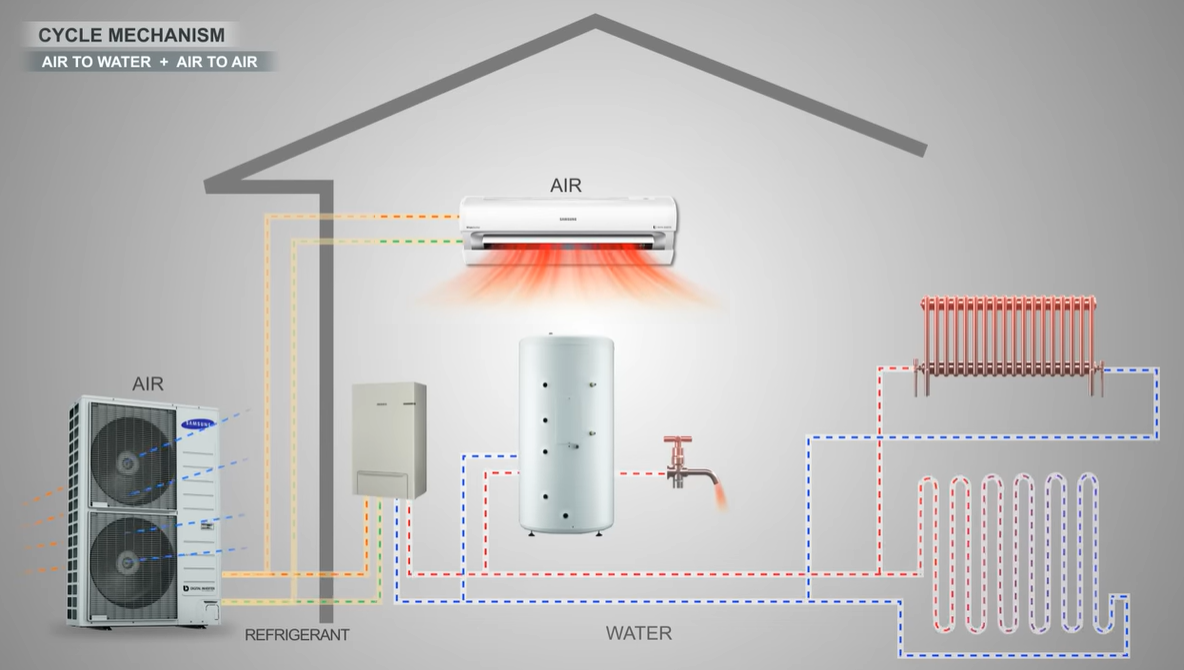
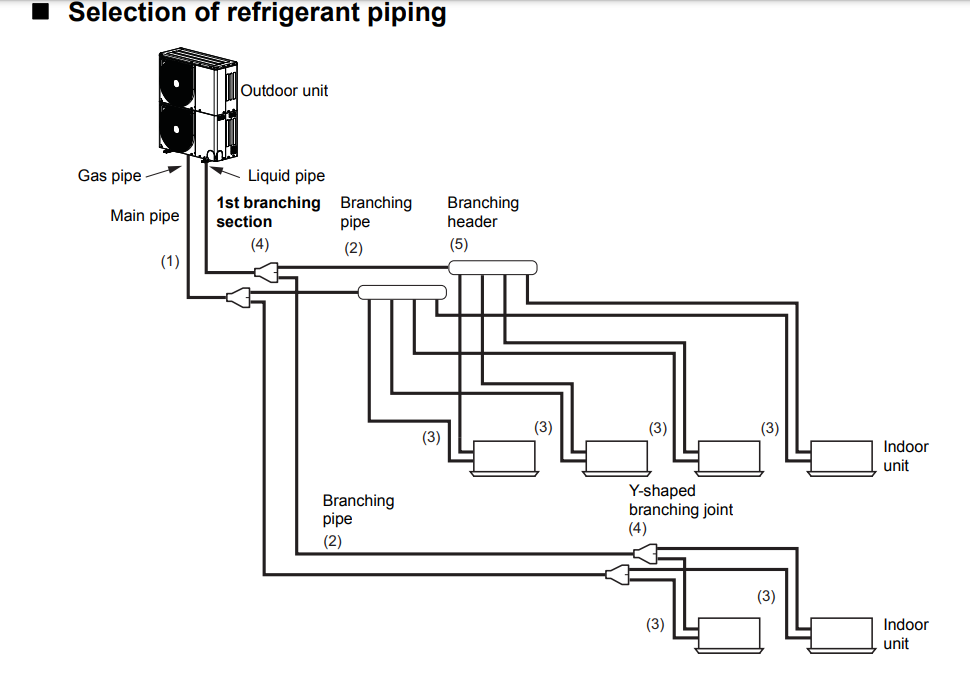
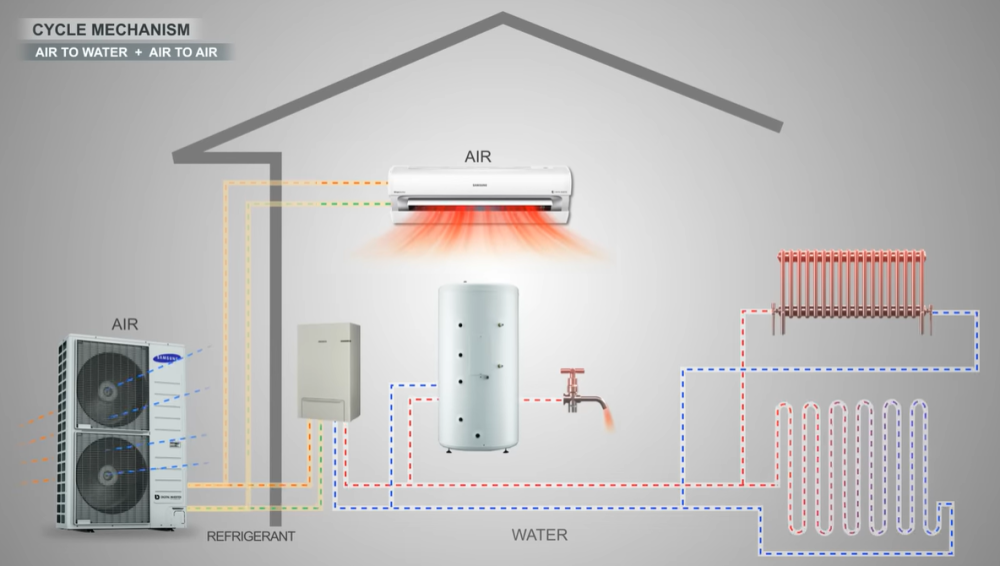
Not every VRF is "heat and cool simultaneously", you actully would have to have the dedicated 3 pipe unit for that. There are mini vrf's 12kW using the same indoor units as single splits, with external expansion valves, but you are going towards commercial in a residential place(noise), they are more expensive than mini splits. Check Samsung TDM Plus
-
VRF/VRV is what you are referring to, but the extra bits cost more money and the more you go away from single split/monoblock the lower the efficiency Changing just the A2W outdoor unit in 10-15-20 years, definetly better/easier.
-
-
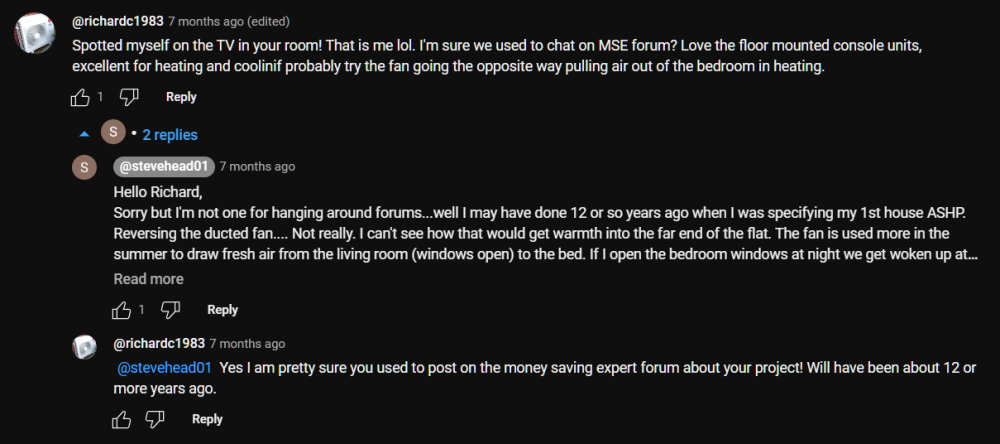
The AC chaps are used to size the units based on the cooling load need to the measurement of the space, regardless of the level of insulation. Hopefully you can find a company that understands your main concern is heating, and they do a proper heat loss calculation(you can learn to do it yourself) so they can size according to that together with specification of the unit for heating(not cooling). Wall vs floor, in a single room It wouldn't make much difference(except if there's no space for the floor unit to be blocked by a table or couch). When you are trying to heat a larger area that is divided by walls with 2 units like in your case, I would opt for the wall units as they are able to direct/throw the flow of air a bit further into the room, but keep in mind ideally you would have another way to help the heated air migrate(a fan/duct to push or bring air in between the spaces). As the air around the unit heat up, it reduces the output/efficiency and stops whilst the air in the middle is at lower temp. In a water system, the heat is pumped around, with a split air system, you hope for the heat to evenly warm everything around(so plan to act on that) Ideally a central unit with ducts in the attic toward the extremities. watch this random example
-
A ducted system can go anywhere(ceiling/wall/floor). What is the issue with the ducted system under the floor? Solve that issue and get on with it.
-
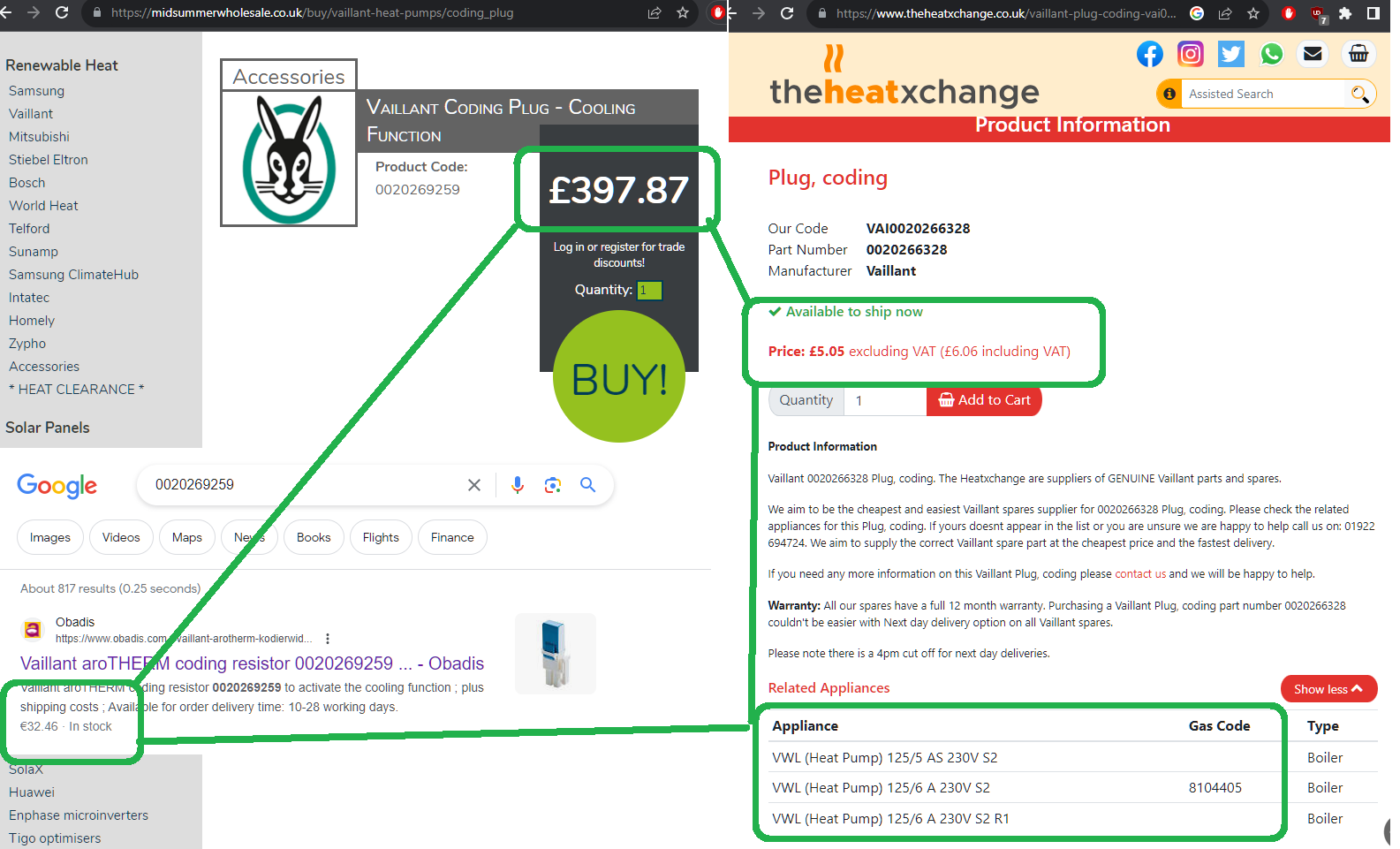
this?
-
Water or f-gas, 90% of customers will still have to pay some qualified professional to do the work, the A/W has it's fair share of professionals getting it wrong.
-
-
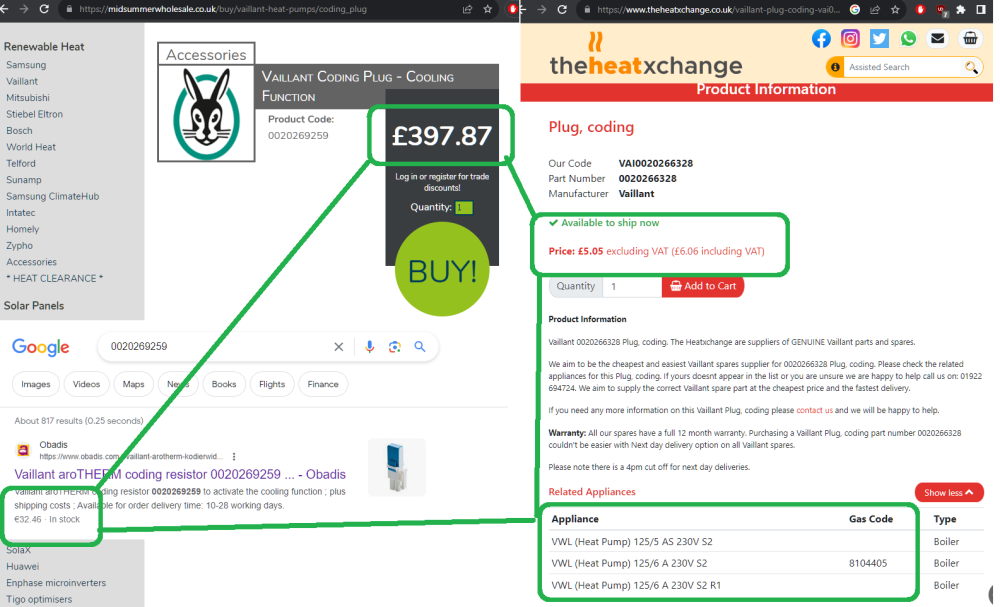
There's no such a thing as fixing, just buying a new one.
-
31th may I moved to Octopus through referral, 10th June I was able to book the appointment, received the confirmation for 16th June.
-
I think the topic is comfort rather than cost.
-
https://newarkcylinders.co.uk/products/buffer-vessels/ just send them the details of what you need.
-
Ultimately a thin but room tall buffer can still be boxed in any corner to solve some of the issues, so the sky is limit.
-
@zoothorn you need this
-
That's mostly DHW cylinder rather than buffers. Of course buffers universally have the same characteristics, but for specific situations it doesn't stop(legislation maybe) you from designing something that fits your needs. Low pressure, low temp, any shape-size buffer, with only in/out connections. Basically a water storage tank.
-
As an alternative size/shape, not as a direct replacement. The problem is that buffers universally are never that shape, to work in constrained situations.
-
to an extent
-
Screening design for heat pump - comments invited
DanDee replied to JamesPa's topic in Air Source Heat Pumps (ASHP)
Isn't that in the way/closer to space one would use in their garden? -
https://heatpumpmonitor.org/ open every ufh system and see the flow temps around winter/spring https://emoncms.org/app/view?name=Heatpump1&readkey=8189ca75faaf0770d404461e8339448c https://emoncms.org/ecodantest2/app/view?name=My+Heatpump
-
I want to say something but I don't know what to say.
-
Screening design for heat pump - comments invited
DanDee replied to JamesPa's topic in Air Source Heat Pumps (ASHP)
Agree, yet the topic was started and is actively being discussed/debated. I suppose the best answer that everyone has is to install first and see how it goes from there. -
I think this the perfect example where a HP should start a heating cycle until, instead of stopping just to start again 5 minutes later, it should switch to minimally heat the colder end of the DHW, until the radiators loose some more heat, so on and on and on(not forever, but you get the point). Keeping the DHW at low charger during day with planning of the time when bath/showers are to be taken(set time frame)
-
Screening design for heat pump - comments invited
DanDee replied to JamesPa's topic in Air Source Heat Pumps (ASHP)
If I would be installing a HP, I would, in time, try different ways to mass load the unit around the compressor sides/top. 1. Iron plates, either scrap or new. 2. Sand or soil/flower bed, decorative contraptions, molded around the compressor side. Let your imagination flow, but don't stress it, ideas come best with a glass of wine. https://www.eastdulwichforum.co.uk/topic/325464-how-to-make-an-air-source-heat-pump-fit-into-an-east-dulwich-garden/ -
This is due to the rate of heat loss of the body, even tough the room temp is 21C, the radiating surfaces absorb the heat that leaves your body quicker than when the heating is on. As well when the heating is on, there not much heat flow from your body towards other surfaces. This is the paradox of the "cold" radiators with heat pump, even tough you can keep a stable temp of 21, with radiators at 25C, the 30-35C will feel "warmer" in the same 21C room temp due to the radiating heat transfer(or lack of, from your body to the environment). A metal spoon has the same temp as the wooden spoon, but when you touch them, one absorbs more heat(feels colder)
-