DanDee
-
Posts
213 -
Joined
Everything posted by DanDee
-
-
@AChristie 1m from the boundary not from any neighour, I doubt in this example that the front of the house is within the boundary. All parts of the air source heat pump must be at least one metre from the property boundary https://www.planningportal.co.uk/permission/common-projects/heat-pumps/planning-permission-air-source-heat-pump
-
Replacing storage heaters with ASHP/A2A
DanDee replied to Crofter's topic in Air Source Heat Pumps (ASHP)
Is there any attic space on top of the ceiling? You should think of some full or partial ventilation system, either whole house ERV/HRV or DIY tubbing to/from whatever room you can to another room or central location. -
You've asked about the difference in energy used to deliver a given power rate of 5kW at 45C(water temp) vs 5kW at 60C(water temp), why do you include the energy used to get to 60C? That is accumulated energy of the heated medium. Getting from 0 to 45 or from 0 to 60, or from 45 to 60, takes an amount of energy that has nothing to do with the energy used to compress the gas in order to sustain the pressure required for the condenser to be at 45(50 )vs 60(65). A crane has to lift a weight from 0 to 50m. B crane has to lift the same weight from 0 to 100m. Both cranes need to deliver the weight at the same time, for the B crane to achieve this, it needs to accelerate(use more energy) to deliver at the same time with crane A.
-
Regardless of the type of heat pump, air/air, air/water, water/water, in order to make the refrigerant gas give out heat, it needs to be compressed to increase it's pressure. Lower compression/pressure=low temperature heat Higher compression/pressure=higher temperature heat Lower compression uses less energy than higher compression
-
When you know what you need, you buy what you need, when you don't know what you need, people like them are telling you what you "need". The A/A works wonders for those that need it, and those that don't "need" it, want it ripped out because of the air blowing around. Same with A/W, you don't need a PhD, you need UFH on all floors and to size the A/W over the minimum required.
-
Enclosure or longer piping run for split ASHP system
DanDee replied to Jonshine's topic in Air Source Heat Pumps (ASHP)
Italian product sold in UK through Environ Check the https://www.silent-mode.net/blog.html#/ english https://www.silent-mode.com/online-shop.html#/ Some datasheets pdf's in german (use translate) multiple pages with useful data for who needs it. https://www.acousticshop.co.uk/stratocell-whisper-fr the key ingredient used in these enclosures -
Enclosure or longer piping run for split ASHP system
DanDee replied to Jonshine's topic in Air Source Heat Pumps (ASHP)
@sharpener @JamesPa @Jonshine a lucky random find https://images.richmond.gov.uk/iam/IAMCache/3333292/3333292.pdf from page 15 and more https://docs.planning.org.uk/20210615/78/QUP0YSJIGLP00/0mgh2zt2xdeiy9p3.pdf https://docs.planning.org.uk/20210310/115/QPNDF6RPKT500/tcjj94yevv879ot1.pdf http://planning.southkesteven.gov.uk/SKDC/S15-1537/1297830.pdf http://planning.southkesteven.gov.uk/SKDC/S15-1537/1297829.pdf 3333292.pdf -
Joule Aero not working with diverter
DanDee replied to Judith's topic in Air Source Heat Pumps (ASHP)
Have you tried to heat up the tank from cold only on HP to see what happens? -
what about the humidity from the exhaust?
-
Enclosure or longer piping run for split ASHP system
DanDee replied to Jonshine's topic in Air Source Heat Pumps (ASHP)
https://heatpumps.co.uk/technical/flow-rate-and-pressure-drop-simulator/ -
Enclosure or longer piping run for split ASHP system
DanDee replied to Jonshine's topic in Air Source Heat Pumps (ASHP)
haha this^^^ -
Enclosure or longer piping run for split ASHP system
DanDee replied to Jonshine's topic in Air Source Heat Pumps (ASHP)
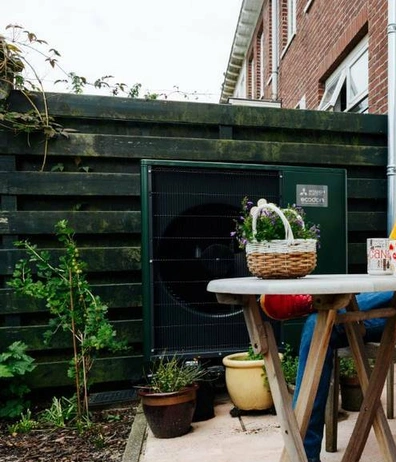
@JamesPa so two reasons for a split with the compressor+condenser inside the garage and just the evaporator+fan outside: Noise reduction and heat loss of the lines. -
-
where's that coming from?^^^
-
Enclosure or longer piping run for split ASHP system
DanDee replied to Jonshine's topic in Air Source Heat Pumps (ASHP)
We need a split with only the evaporator with the fan outside, the compact compressor+bits inside. Basically a split AC installed vice versa. -
Enclosure or longer piping run for split ASHP system
DanDee replied to Jonshine's topic in Air Source Heat Pumps (ASHP)
I would vote for the enclosure and the move is not really far away and it may very well still be audible for the neighbour. -
Enclosure or longer piping run for split ASHP system
DanDee replied to Jonshine's topic in Air Source Heat Pumps (ASHP)
I think he said option 1 or 2(A vs B), there's no mention of option1(A) being a single HP and option 2(B) being 2 HPs -
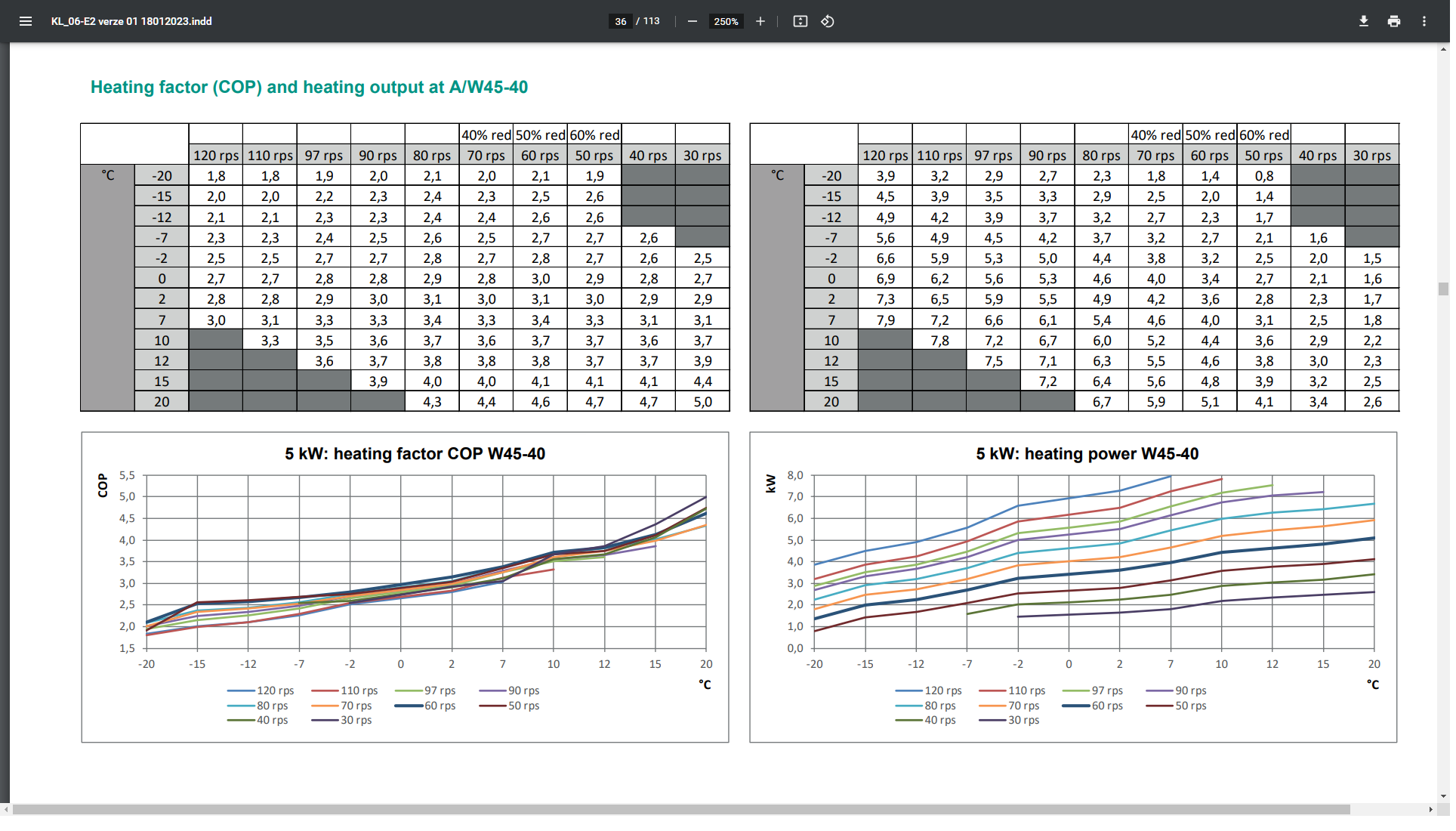
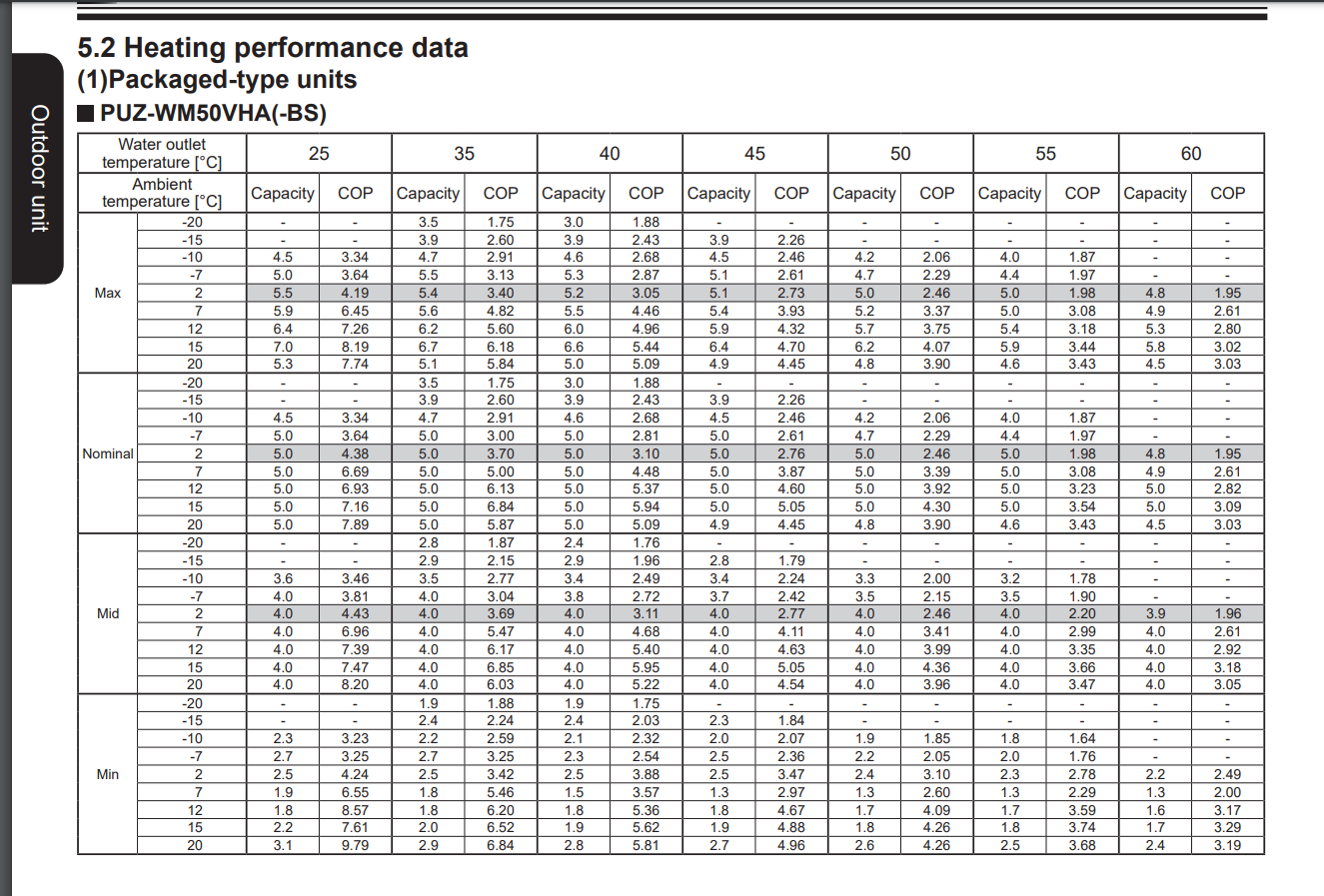
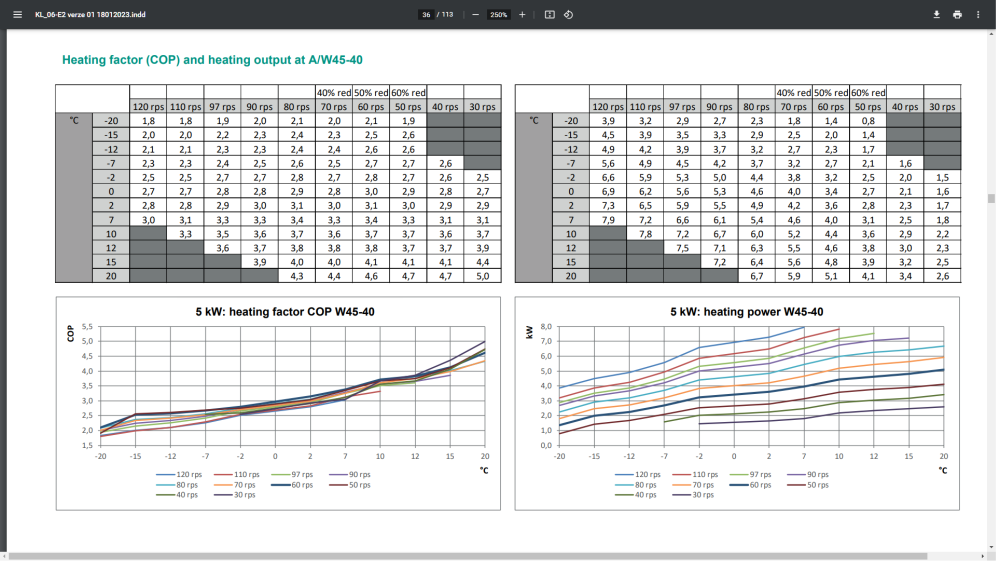
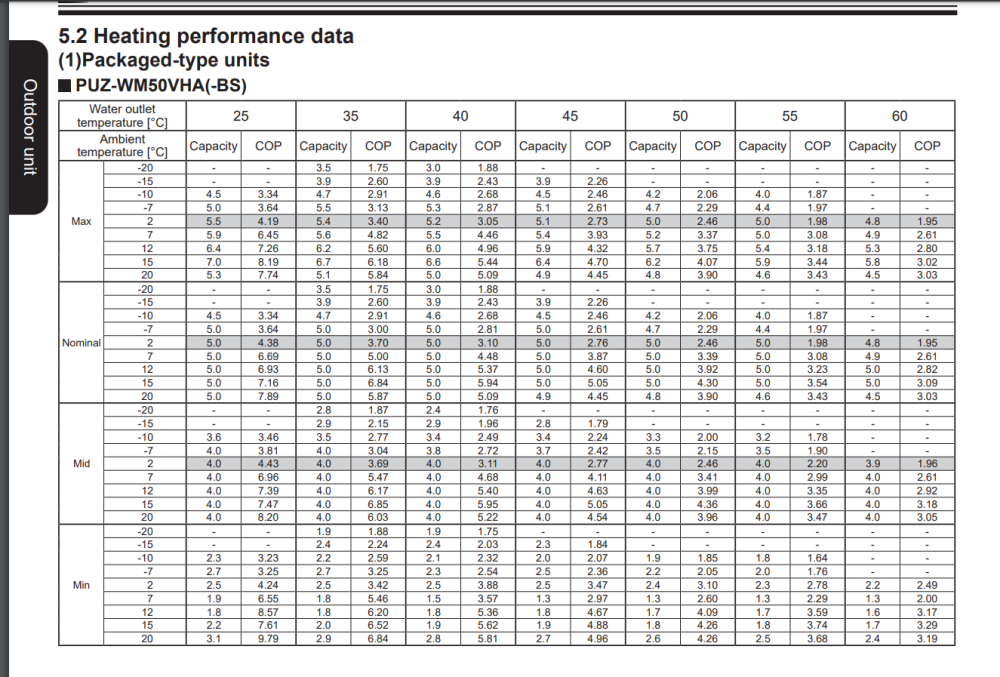
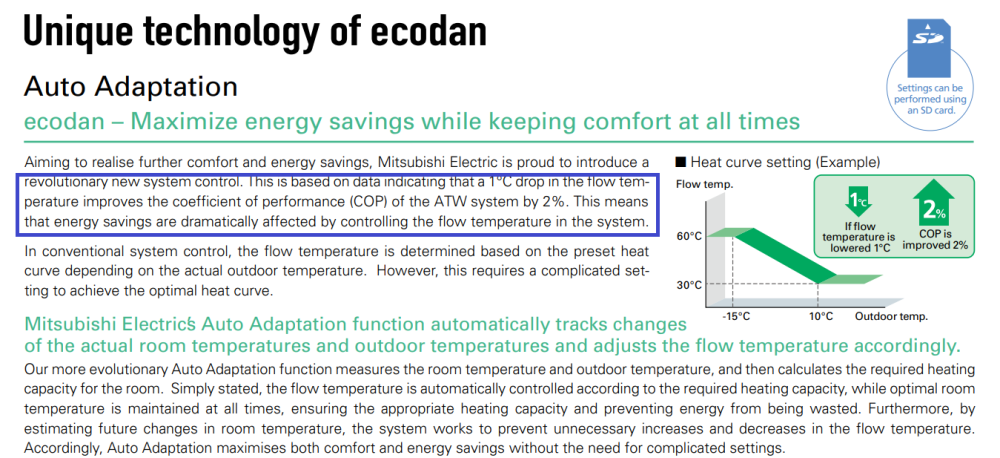
With all due respect, why overcomplicate the things? My reference to the science was purely in the form of the general knowledge that a heat pump uses/needs more energy if the outdoor air is lower than when it's warmer. The easiest way to find an answer would be to look at some data sheet that shows the COP at different outside temperatures. @JamesPaThis mention of 2% improvement with every degree difference as rule of thumb, in the context of the topic, it kinda applies both external temperature runnigs and LWT.
-
can you give an example of calculation?
-
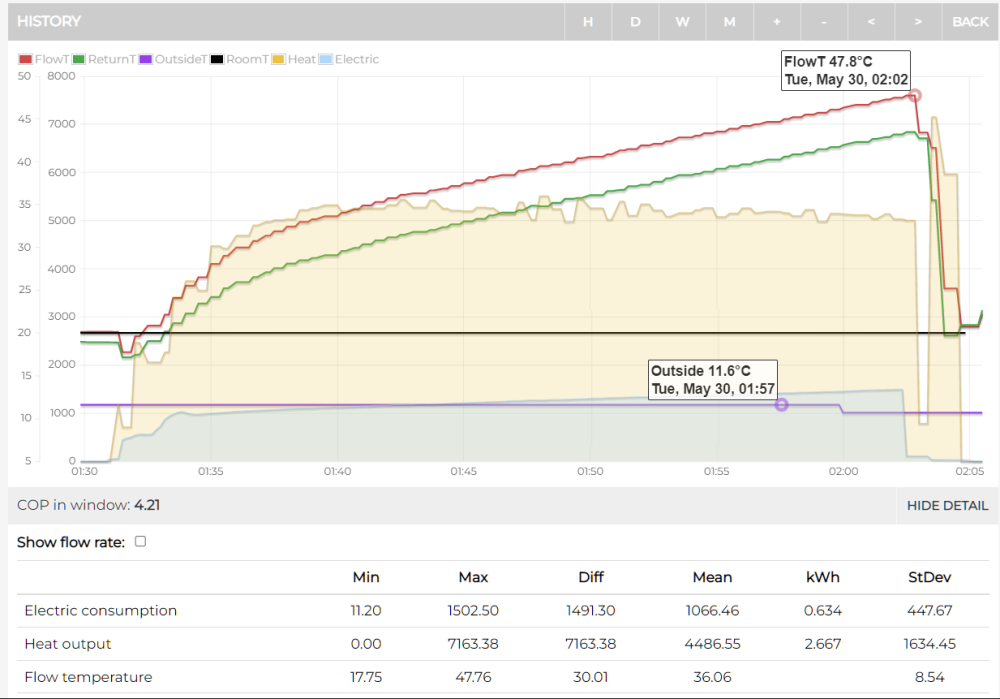
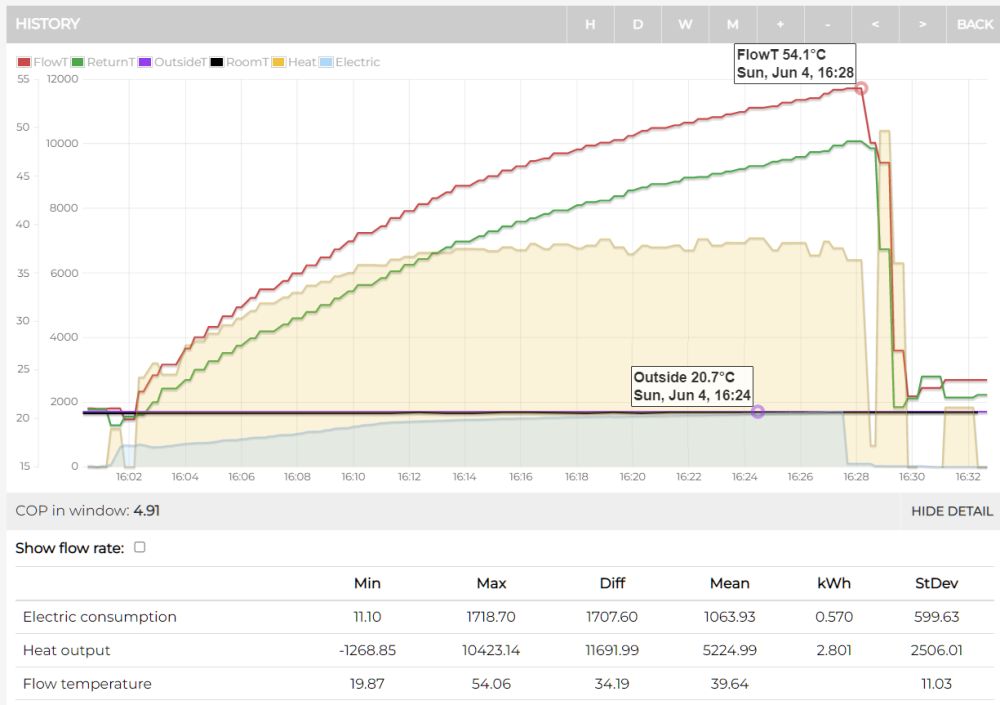
-
how do you calculate?
-
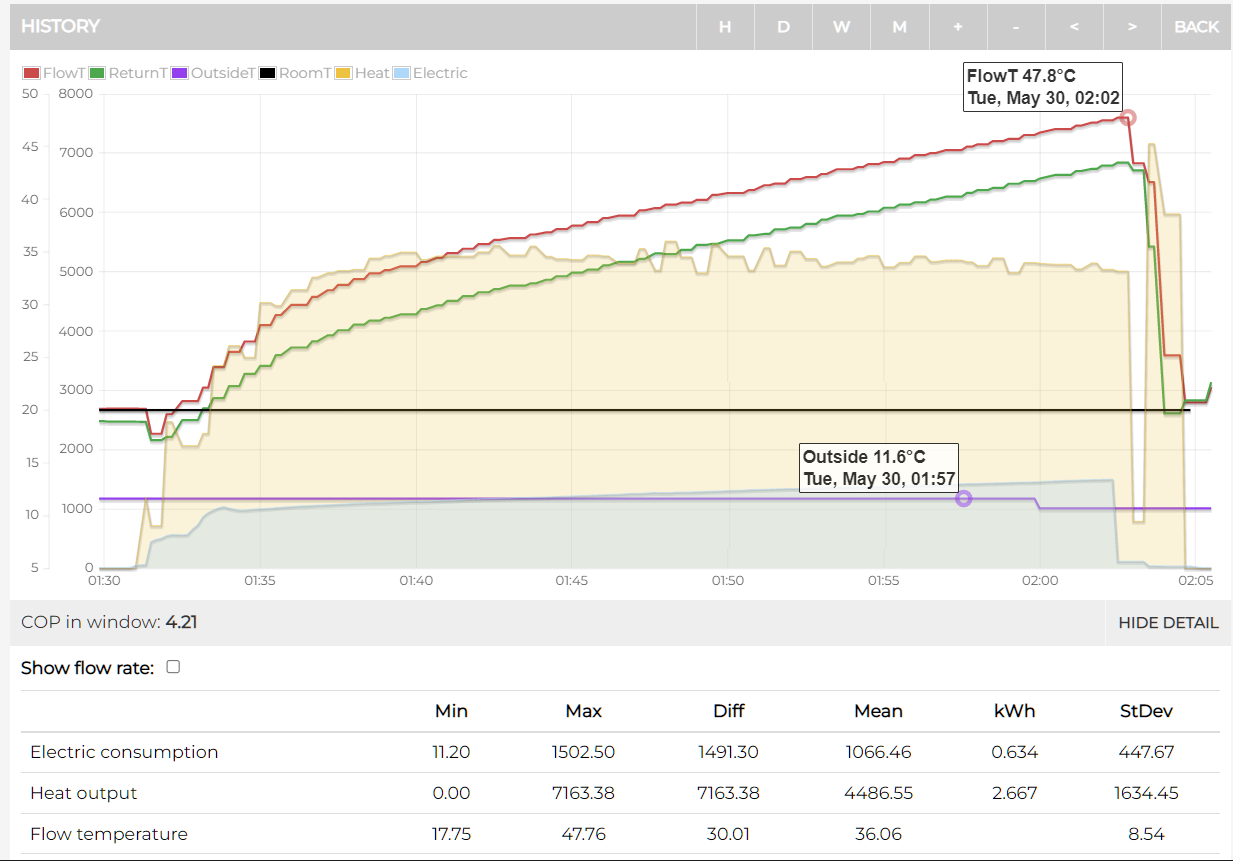
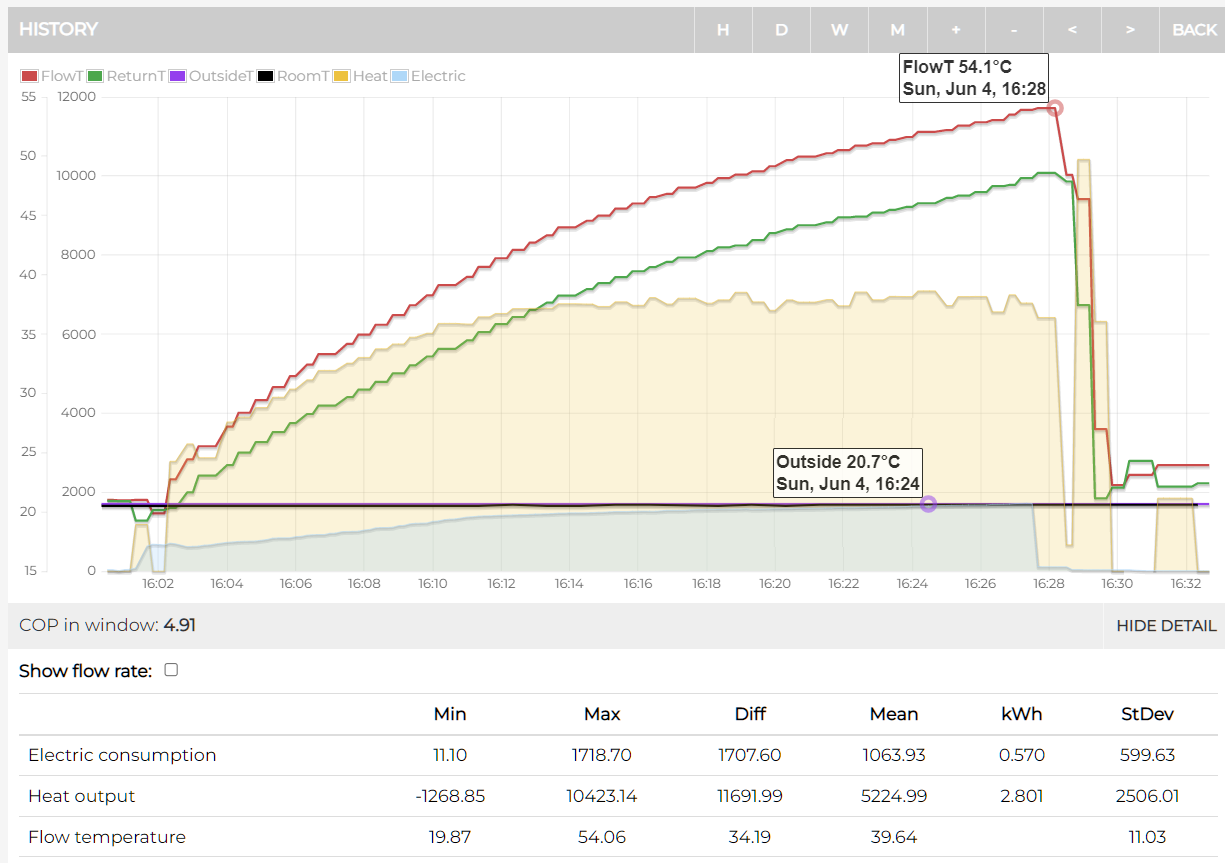
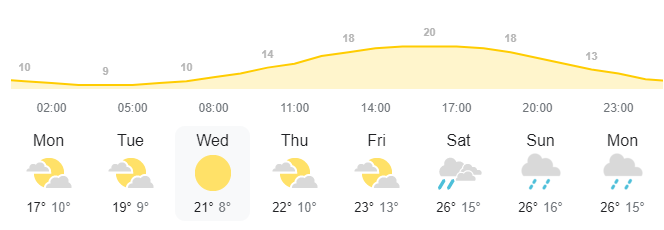
science speaks for itself, 20% better in the afternoon vs early morning
-
-
https://www.varmepumpsforum.com/vpforum/index.php?action=dlattach;ts=1505933467;topic=65119.0;attach=49952 link to the file in question https://www.varmepumpsforum.com/vpforum/index.php?topic=65119.msg690076#msg690076 link to the post