AliG
-
Posts
3211 -
Joined
-
Last visited
-
Days Won
11
Everything posted by AliG
-
Yes these contracts are for physical delivery. You can either take delivery of the gas or you can sell the contract before it expires. Usually people buy futures on "margin" which means that they do not have to put up the whole cost up front but they have to put up margin as the price changes. This makes sense in this market as you pay for gas in arrears so the gas company does not have cash that they can use to buy gas you have not yet used. As prices move around and get more volatile margin costs can get very expensive, another cost that has to be factored into the cost of gas. https://www.theice.com/products/910/UK-Natural-Gas-Futures I don't recommend turning up at the National Balancing Point to collect your gas! One more thing. Normally the futures market is higher than the spot market. Thus to lock in a cost in the future you pay more for a commodity in exchange for certainty of price. The UK market relies more on spot commodities as it is normally cheaper, but carries the risk of getting into the situation we are in now. When the futures prices in below the spot price this is considered unusual and called backwardation. https://www.investopedia.com/articles/07/contango_backwardation.asp
-
Had a bit more time to look at the futures markets. Last summer prices were around 40p/therm. A therm is 29.3kWh. Thus the wholesale price of gas was around 1.3p/kWh. My fix was at 2.1p. So basically 0.8p above the cost of the gas to account for transmission costs, overheads, hedging costs and profits. Thus we can probably use a rough rule of thumb that the price to a consumer is going to be around the wholesale price of gas plus 1p/kWh. The spot price hit 241p on Friday. The November-February and Q1 22 futures prices are all around the same. Thus if you had not hedged your prices by buying in the futures market last year, your wholesale cost of gas in the next five months would be 8.2p/kWh and you could have to price gas at around 9p/kWh to breakeven. This compares to the current cap of around 4p! The summer and winter 22 prices are around 120p. So you would need to sell gas at around 5p/kWh. Just a week ago these prices were around 25% lower so you were looking at 4p. If I took out a fix today it would be at about 5.5p to the end of next year which aligns with this. The 23 price is around 80p and the 24 price around 60p. Equivalent to 3.7 and 3p per kWh to consumers. All these prices have increased by around 1/3 in the last week. 24 months fixes also seem to be priced at around 5.5p/kWh. This is not a good deal looking at the 2023 future. You could lock in a price of less than 4p for 2023 in the futures market. As i say futures markets do not act as you might expect. Theoretically they should be the price that you expect something to be at some point in the future. In reality the biggest driver is what is happening today and futures markets go up and down based on this albeit with less volatility than the spot market. If you wanted you could of course hedge your own gas price using the futures markets! Not something I would recommend and this is a highly simplified example and there would be all kinds of things to take into consideration such as financing costs and matching the contracts to your actual usage. For example you could buy 75000 kWh of 2024 gas at the current 60p/therm price. This would cost roughly £1500 today. If gas prices do not fall and are still 240p/therm in 2024 then you would make a profit of £4500 and this would offset the increase in you gas bill. On the other hand if gas prices went back to 40/therm then you would lose £500 on the futures but gain from a lower bill. Basically you could locking a price of about 3p/kWh today (Note you could have locked in closer to 2p a week ago)
-
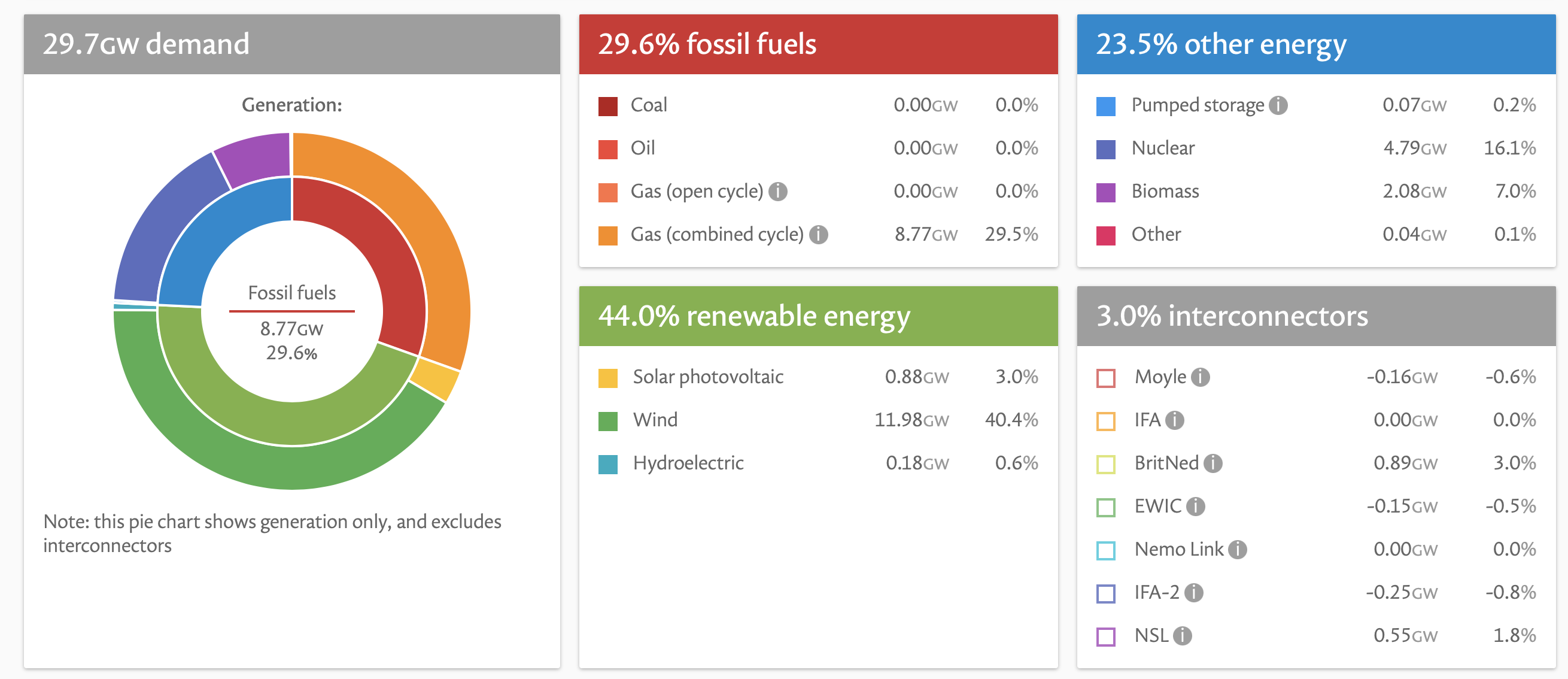
For the past year the grid has been roughly 23% renewable and 17% nuclear, 42% fossil fuels. It is also 7% biomass, but I would argue against its credentials as being low carbon. The other 10ish percent comes from interconnections which are mainly low carbon from French nuclear, with Norwegian hydro being added. The renewable percentage will continue to increase and I would expect it to be around 50% in 7 or 8 years, by which point we will be at around 70-80% zero carbon. https://grid.iamkate.com
-
A year ago the price of my electricity was 7x the price of my gas. Thus an ASHP did not make sense. This was a particularly good deal though the normal ratio is probably closer to 5x at which point I still would think mains gas is a better option but less clear. The cap currently has electricity over 5x the price of gas. Gas, however, is more volatile than electricity (the commodity is a larger percentage of the end price I think) and it is gas prices that are rising more at the moment. Still it is best not to make long term decisions like gas vs ASHP based on short term fluctuations. At the moment mains gas still seems cheaper. I don’t see this happening in the next few years but longer term I would expect a carbon tax on gas as more electricity is produced renewably to push people towards ASHPs.
-
The price cap increases today so anyone on a flexible tariff should expect their price to increase to 21p for electricity and 4p for gas. The way the system is set up it quotes as if the price on any given day is the price for 12 months so quotes based on yesterday’s price are less than people will be paying from today. I was looking at the futures and trying to figure out what the wholesale prices mean for actual consumer prices. I will do a bit more on this but from what I could see the price 12 months out is similar to the current cap. The problem is that the prices over the next 6 months are way higher than the cap. As I noted before despite what you would think futures are almost as volatile as short term prices and tend to follow them up and down. I cannot see any fixed prices being offered even close to the cap. I would take advantage of the cap and take a variable rate which should be fixed at the cap for the next 6 months. The situation will probably have sorted itself out by then, although there is no guarantee. Russia continues to be the main problem and that could change in minutes. There remains the risk that they change the cap. Any energy company not hedged is going to be losing money hand over fist in the next few months. If this happened prices could easily rise another 50% in the short term. Political expediency suggests that this is unlikely but something might have to give.
-
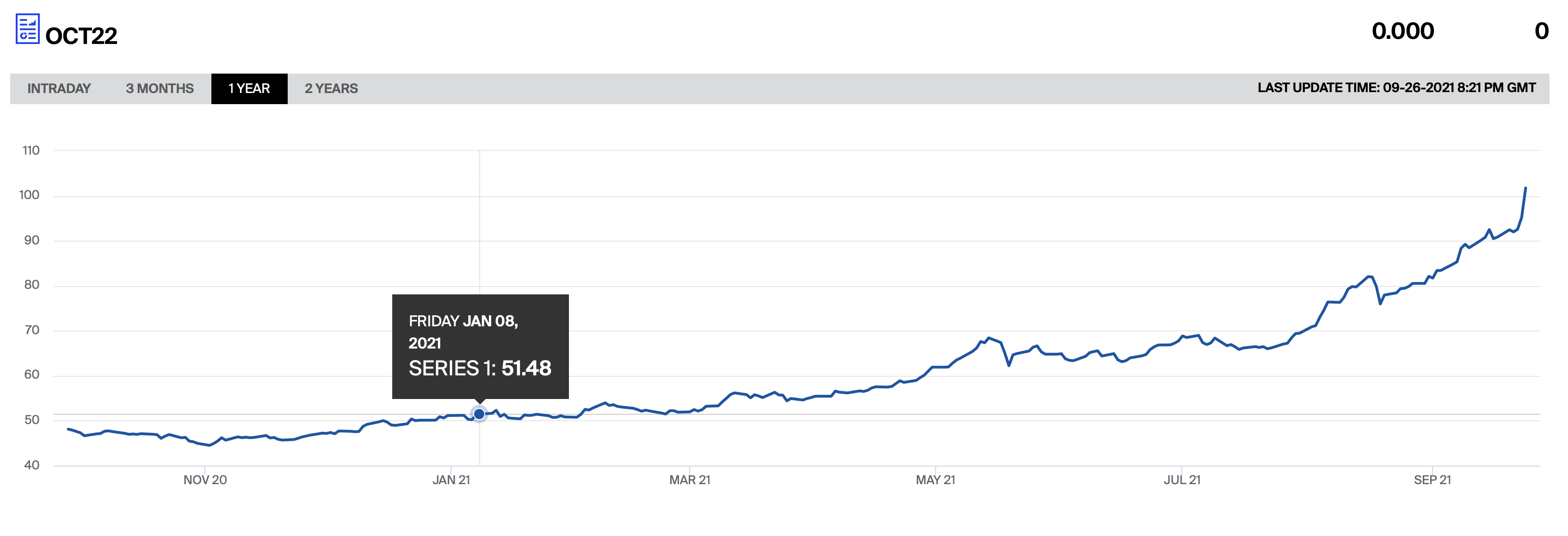
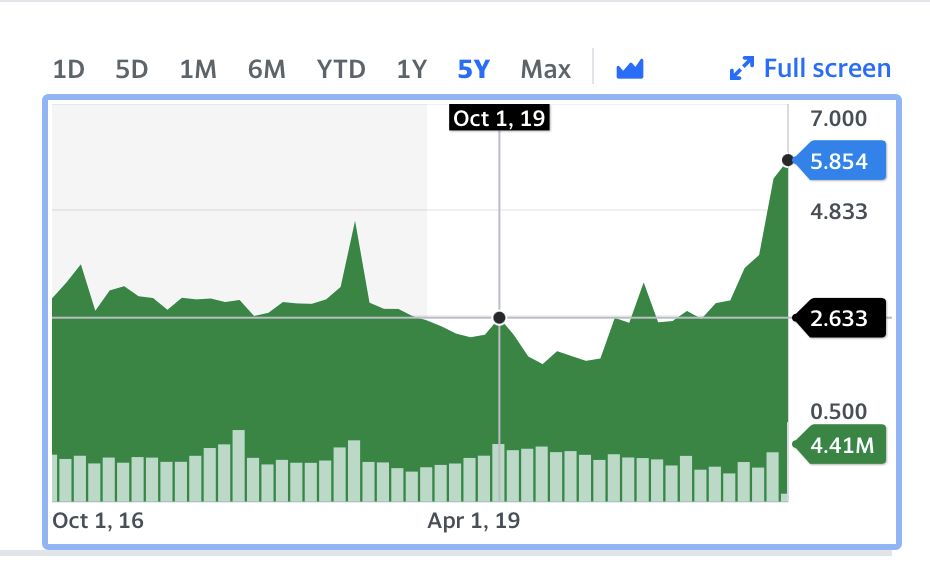
Prices in the futures market continue to go crazy. They have been adding 5-10% a day. The trouble is that 5-10% on the current price is equivalent to 40% of the price a year ago. This is a becoming a global issue. There is talk of French electricity providers having the same issue as here and as mentioned China has started to put measures n place to curb power demand. Even in the US, which is energy self sufficient, the price of natural gas is now more than double the normal level. The government needs to be worrying a lot more about this than the petrol "crisis" which is a media created nonsense. This is the US price chart, clearly not just a UK issue. I also stand by what I said earlier about the amount of speculation allowed in these markets. As energy providers have to provide electricity and gas no matter how expensive it gets, speculators can keep pushing up the price, knowing that it has to be paid (until governments step in at some point and sort it out when the price will fall back, so it is not totally risk free). This story summaries the short term issue well. https://finance.yahoo.com/news/european-gas-power-prices-jump-072506901.html
-
This ad appeared on a web page just now. Comedy gold, how did I not know about this. Only £59 if you are interested. https://getvoltex.com/article4/uk?gclid=EAIaIQobChMI9e7coeif8wIVEj3TCh0c7A6LEAEYASAAEgLM1_D_BwE

-
Good point. You need DNO permission for over 4kw, unless you have three phase then the limit is 4kw per phase.
-
The trouble is the batteries are expensive and have a much shorter lifespan than the PV panels (10 vs 25 years), whilst only optimising the use of your system. Thus they don't have a great return. I did put some numbers not the Tesla Energy Plan calculator at Octopus and it suggests that you would save around £1500 a year with a Powerwall (I guessed 7000kWh of net electricity consumption). It looks like I would save £2000 a year, this is the first time that a Powerwall has looked interesting to me (There is a problem in that I think I use too much electricity during the day to qualify for one at the moment) The recent rise in electricity prices is actually making this kind of thing more viable, but I am not sure how they are making the calculations. They assume that you import electricity to the battery during the night and sell it during the day. I would not be assuming that current prices persist for the next 10 years.
-
The problem with such a big system is that when it is producing a lot of electricity in the summer it will be producing a lot more than you are using, so you are likely to use less than half the output. Thus the returns might well be less than on a smaller system. Speaking of the returns, the good thing is that they are inflation proof. The returns should rise over time with the cost of electricity.
-
China impacted by rising energy prices also https://9to5mac.com/2021/09/27/apple-suppliers-halt-production/
-
I have a 5kw system in Scotland. It should cover its costs, a battery is still not a great deal. If you can use half the electricity you generate and get paid 5p per kWh for the other half (or use it to heat water instead of gas), then you are looking at £500 a year in savings at 20p a kWh. £4k ish installed is about right, so even at this price you would have a decent return, clearly much better if you can DIY a system.
-
I will have another look now you have me thinking about it. One small thing that irks me is I didn't specify hanging rails so the builders bought ones that attach to the underside of the shelf and not the walls. I just find them odd. It is also a non standard size which doesn't help in doing something else. The other wardrobe shelves are also MDF but painted and don't look great. Maybe I should watch some YouTubes on painting MDF. BTW these jobs will need to wait until I am finished my airtightness work. I am booking a new test for early November (I have taken way too long to do it)
-
I am very torn as it does the job and I don't want to spend thousands of pounds on a coat cupboard. It hasn't actually been painted yet as I am undecided if it is staying.
-
@ProDave did you make that yourself from furniture board? Our builders did our coat cupboard in MDF and I feel like redoing it as it looks cheap. If it was a kit you managed to buy can you point me to where you got it please
-
This whole thing is actually upsetting me to look at. Those drawers look like someone put the floor through the middle of a door. They also seem to have cut the WC door at the ceiling height.
-
Was gong to say exactly the same thing. Put the tall unit in the corner where it is out of your eyeliner as you come through the door. The tall unit also looks very narrow, you'd only get a few coats in it.
-
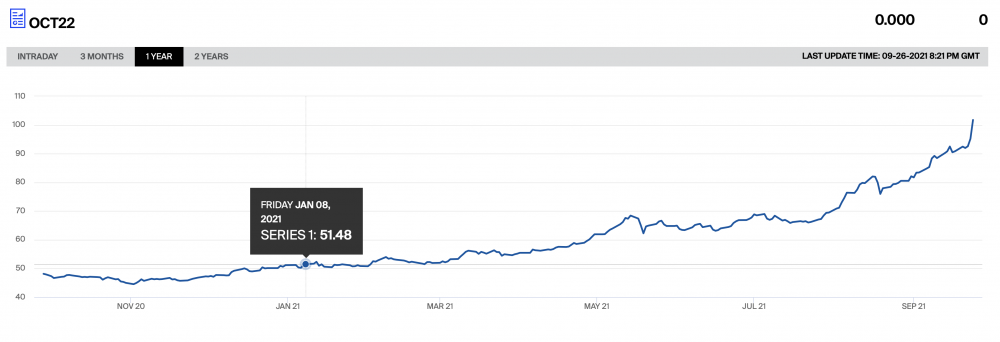
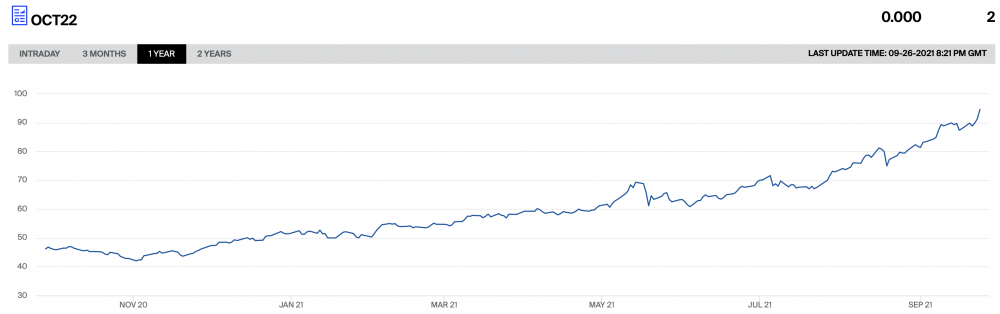
I think the problem is almost entirely down to Russia. The problem is that is not easy to fix. There's no quick alternative to Russian gas supplies. It is clearly not just a UK problem, although greater reliance on spot markets is making things worse here Prices continue to rise, from what I have read Russia has only booked half the normal volume of gas for October and nothing after that. https://fortune.com/2021/09/25/what-a-modern-energy-crisis-looks-like-and-why-no-country-is-safe/ Many other countries have already stepped in to cushion the blow of price rises. There are a lot of people who are going to be really hurt by a £500-1000 increase in their utility bills. In days gone by this kind of thing caused wars. To my mind we should approve the new Russian pipeline whilst making longer term plans to reduce reliance on Russia. There is a story in the papers today about building a combined solar/wind plant in Morocco to supply electricity to the UK. Realistically you need at least 4 or 5 years to put a better long term fix in place. Nuclear capacity being talked about is way too slow to come on stream. I guess allowing fracking in the UK might help a bit. It appears to me, reading the comments from the government, that they do not understand the difference between certainty of supply and the price of gas. The UK imports over half the gas it uses. If you think about it, many European countries must import all of their gas. Very little of the gas we import comes from Russia, so people seem to have decided that supplies are fairly safe. Yes they are, the lights won't go out. But other people who buy Russian gas buy from the same suppliers as the UK - Norway, USA, Qatar etc. Thus if they pay more we pay more. Not buying gas from Russia does not mean we are immune to their actions. The lights might not go out, but people might not be able to afford to turn them on! UK electricity future - German Future (In Euros, so the prise is a bit lower than the UK price but headed in exactly the same direction)
-
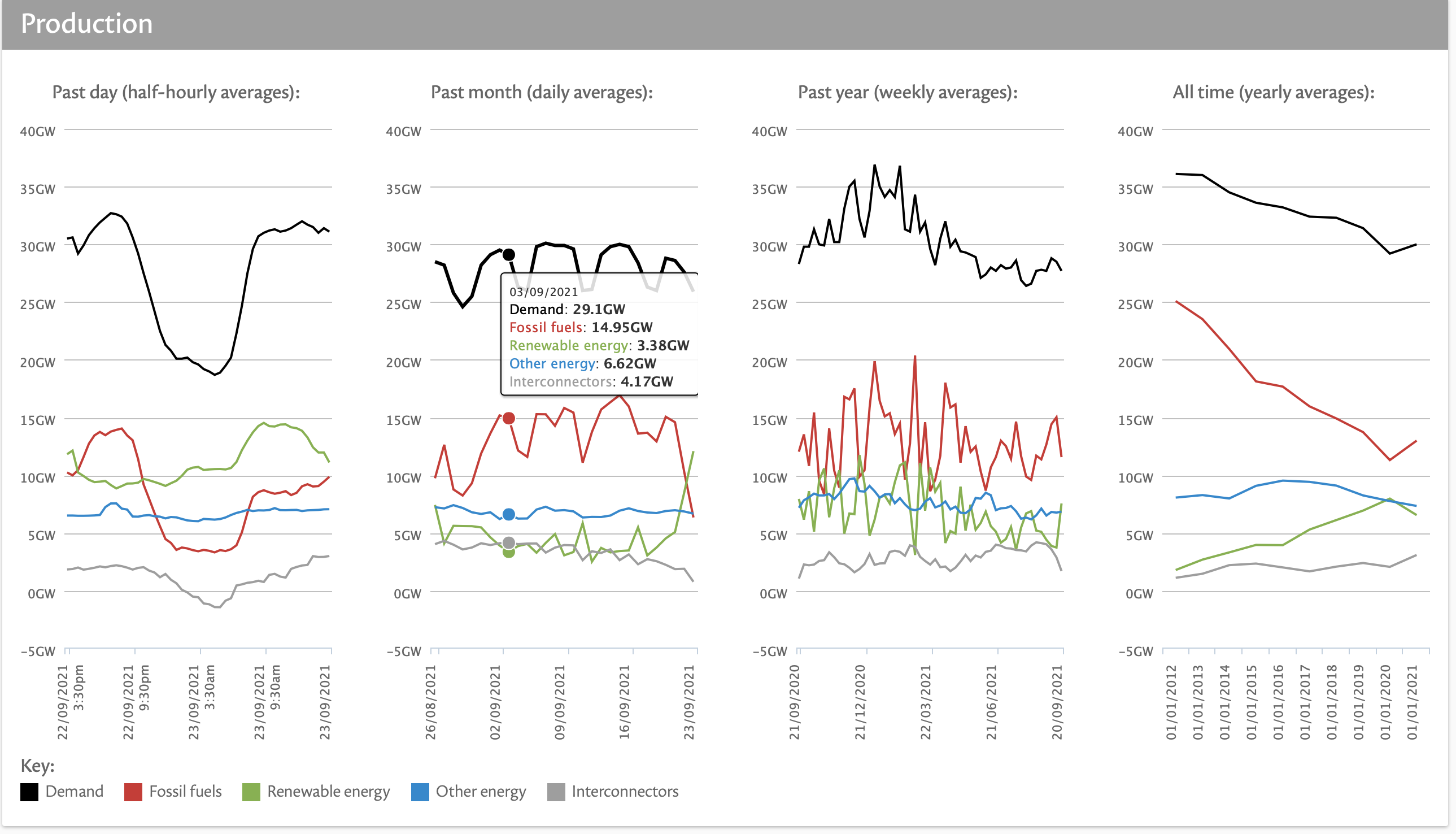
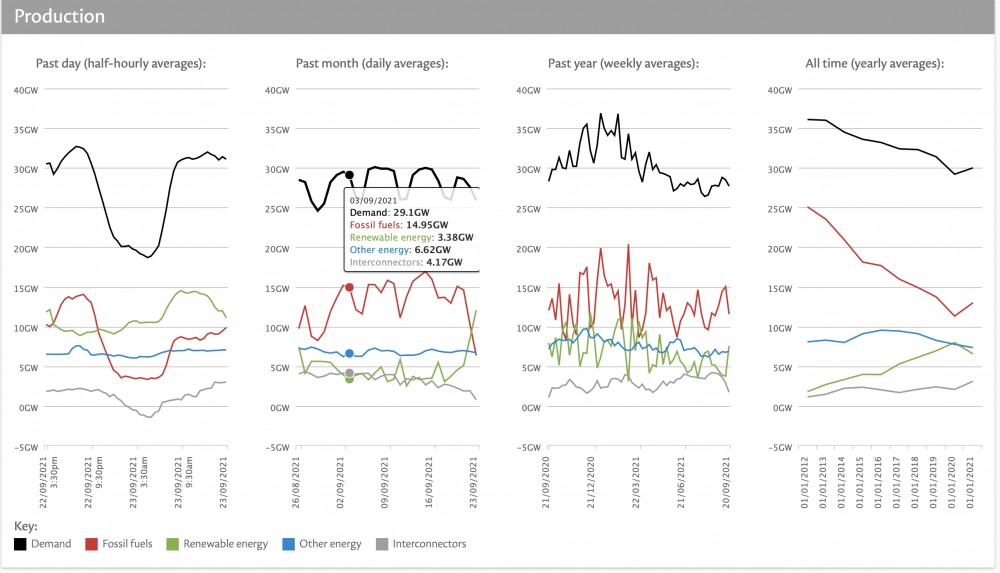
lf you look at the past year (third chart), recent levels of renewables production are low, but not excessively so (green line). Further, these should average out over time and have only a modest impact on electricity futures. Looking at this increasingly suggests the real problem is the spat with Russia and lack of gas in storage across Europe. Demand remains low and fossil fuel production is well within the normal range. As an aside if you look at the daily average, you can see how much lower demand is overnight. Renewables production will work well with increased use of EVs which can be used to balance out grid demand. This is why the government wants smart chargers. Most EVs do not need to be charged immediately and can be charged when there is excess supply (if you are in a hurry they could charge a premium). In 4 years I have never once needed to charge my car immediately. Renewables are still only around 25% of supply and not the issue, it is the price of gas. Longer term the variability of renewable supply and demand can be modelled and the grid should cope with much more renewable capacity. Even longer term the expectation is that excess renewable capacity will be used to generation hydrogen to balance supply and demand over medium term periods. Historically I had thought hydrogen too inefficient and expensive, but it should prove viable in this scenario. Anyway all I can see is that demand for electricity is if anything low, fossil fuel production is normal, renewable production has been low but is returning to normal and the real problem is over reliance on one unreliable supplier. At work we used to always say not to invest when politics are involved. You can model wind systems over time, I cannot model the actions of the Russian government!
-
Yes, part of why this seems like such a large increase is that it is measured from a depressed base driven by COVID. The price of gas has been quite depressed in the last couple of years. I went though my emails to get an idea of what I have paid each year.

-
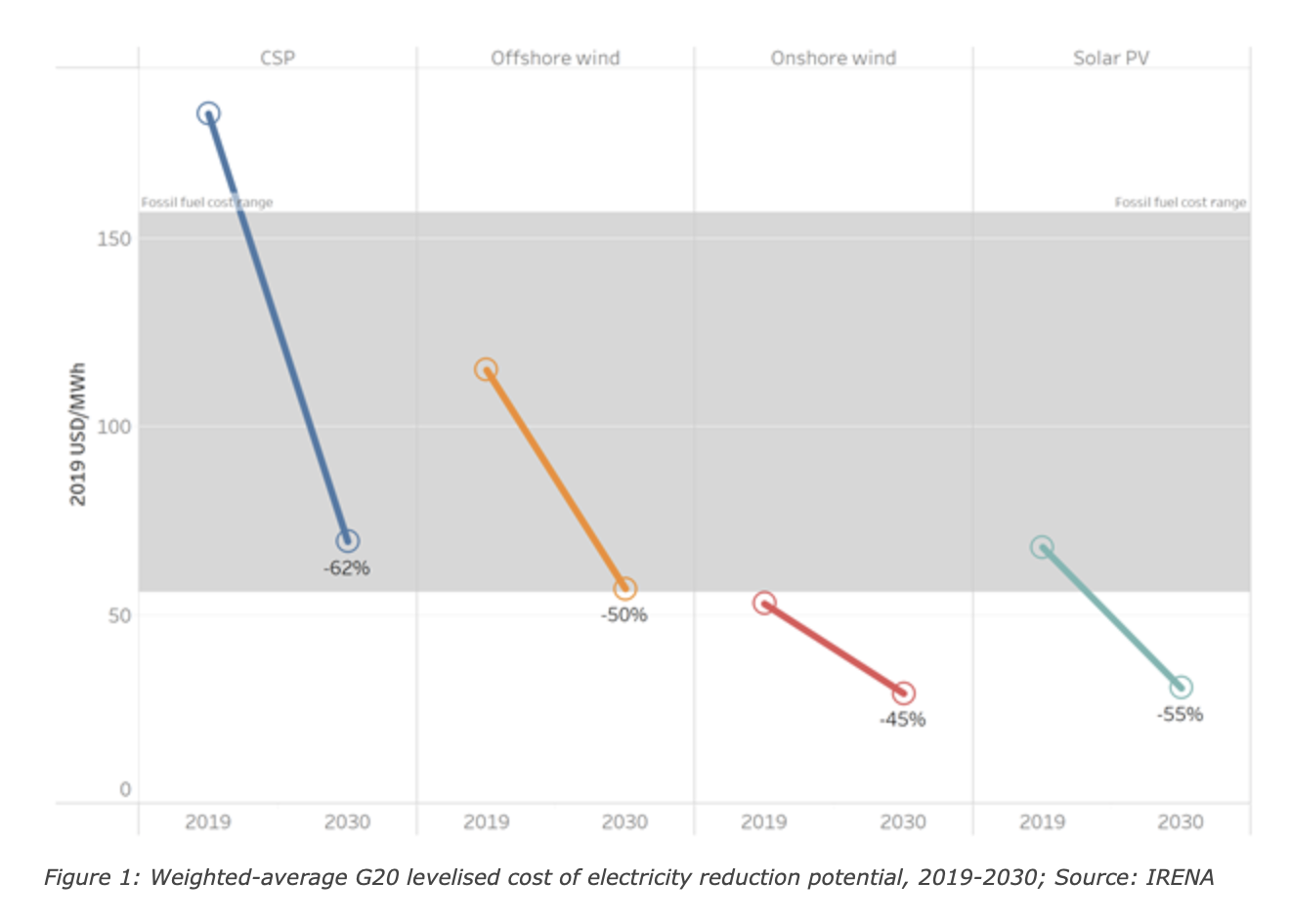
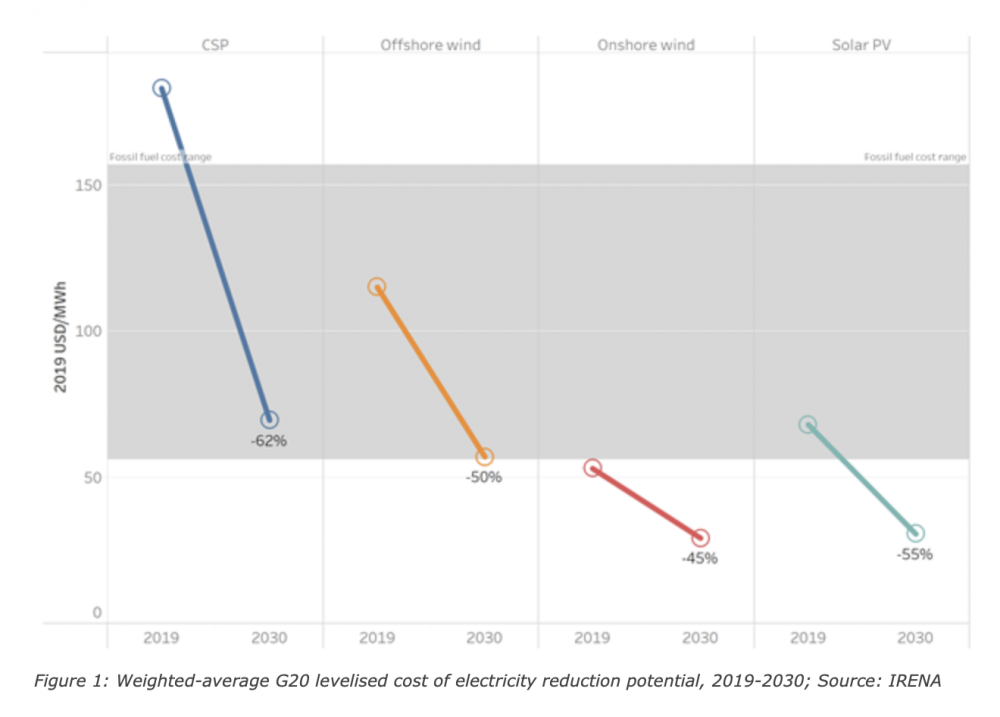
My guess is it will take around 6 months to sort itself out. Opening of the new Russian pipeline is the biggest issue. This issue is affecting all of Europe, not just the UK (From what I am reading, UK prices are more volatile as we buy more gas at spot which is normally cheaper but riskier. A bit like a fixed versus variable mortgage) I wouldn't be so negative on renewables @epsilonGreedy. They can already be installed below prevailing fossil fuel costs (this is based on expected capacity factors and prices are expected to continue to fall, although I am a bit skeptical of some of the forecasts) As more wind is installed and more of it moves offshore then there should be less variability in wind supply (spreading it over a larger area), we can also add storage to smooth things out.
-
I think they might still be talking about the two from yesterday. I wouldn't be surprised if the other energy companies refuse to take on any more customers unless the cap is raised. I don't know the ins and outs of the system, it sounds like people bid for the customers. What if no one bids? I have been thinking about the legal situation if your supplier goes bust whilst you have a longer term fixed price contract. This creates a loss for you, which I would think you have a legal claim for. but of course, a legal claim against a bankrupt company is pretty much a waste of time. However, if your bill is in arrears, I think there is a reasonable argument to offset this against the extra cost of energy from their failure to meet the obligations under your fixed price contract. Any legal minds want to chip in here?
-
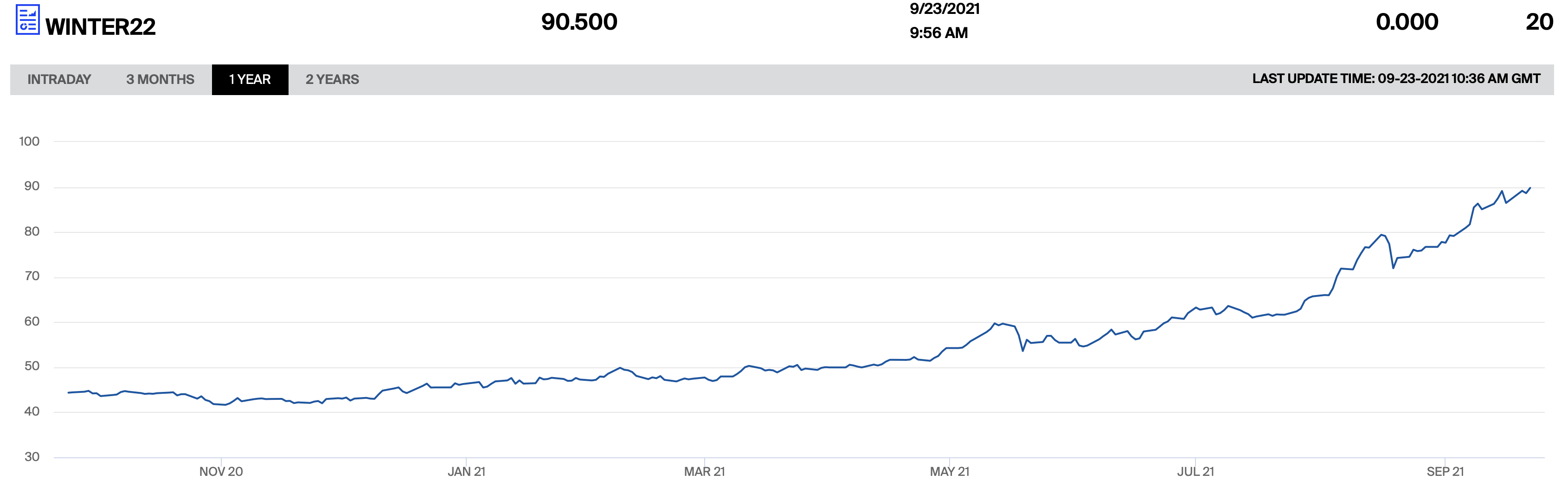
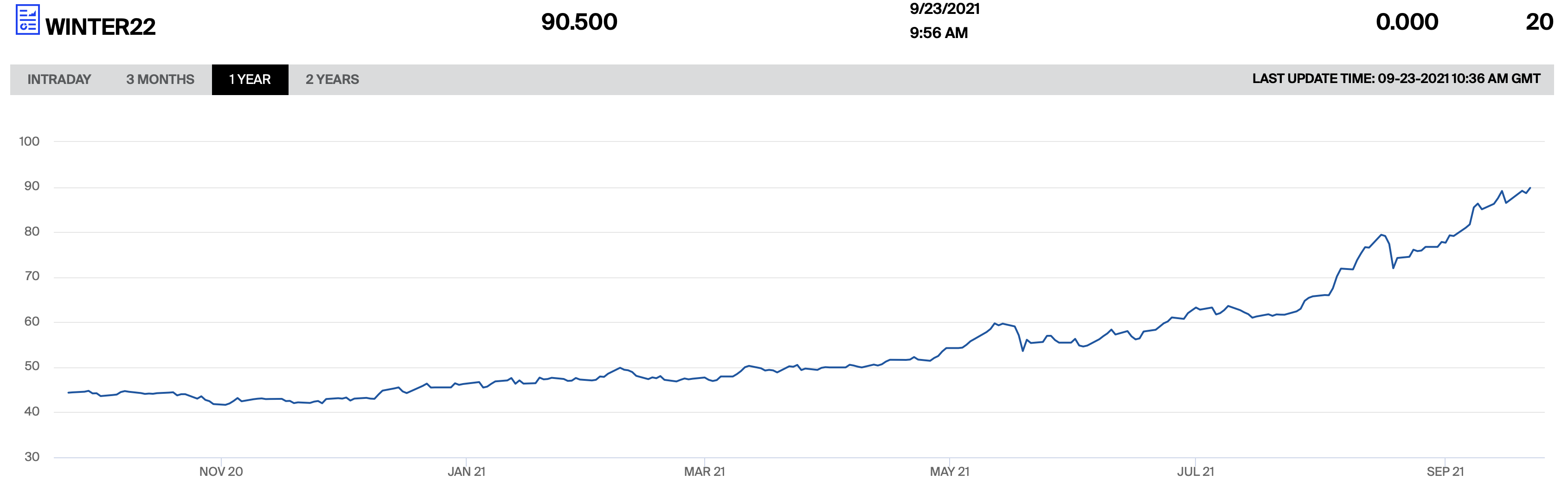
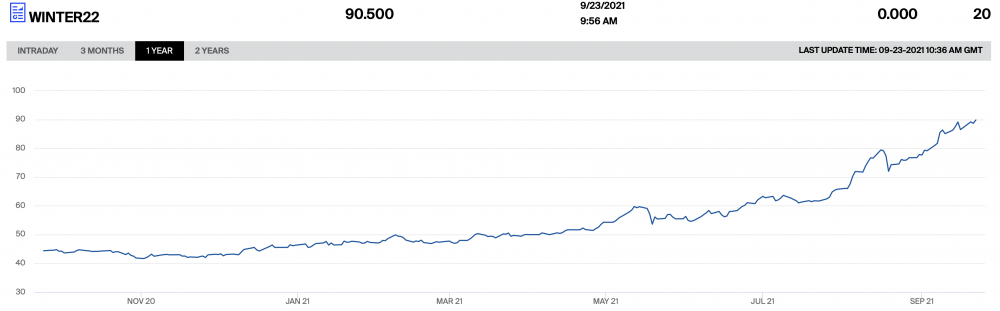
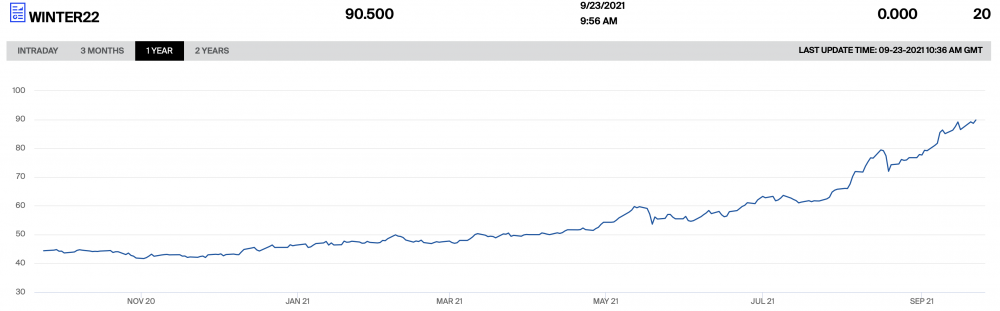
You would think that, but long term contracts tend to follow short term contracts up and down. They are not as volatile, but still much more volatile than you would expect. The Winter 22 future has doubled, I am not sure that there has been any news to suggest the supply/demand balance for winter 22 is going to change that much. Summer 23 which is the longest contract I can see is also up considerably. I have watched the same phenomenon in the bond market over time. A little bit of inflation in one year can cause a considerable increase in 10 and 30 year bond yields, which has never made any sense to me as they should be looking at longer term trends.
-
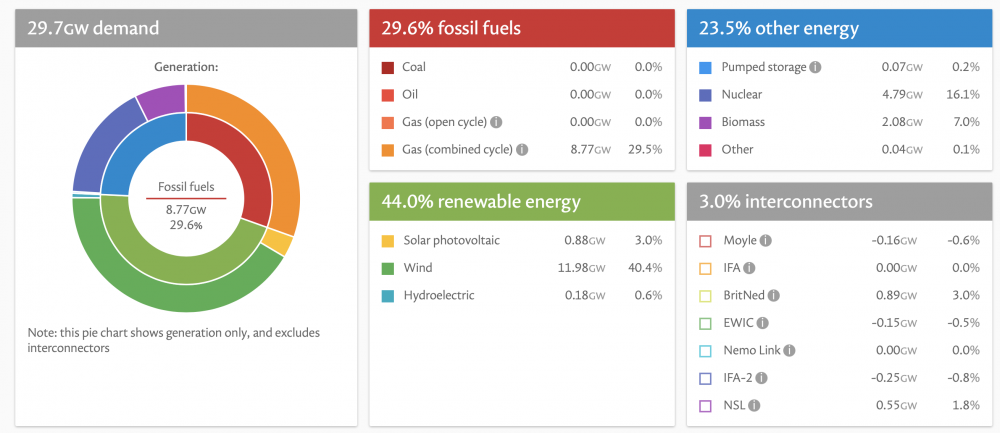
Yes, on Quidco today if I don't click that box I get 3 deals. One at £9000 and two at £10500. The £9000 deal kindly lets you lock in current inflated prices for 25 months! If I click it I get the variable price deals at £6600 and the cheapest fixes with Sainsbury's at just over £7000. Another thing you have to watch out for. The wind has massively picked up, currently 40% of generation. The problem is much larger for people with gas heating as it was a lot cheaper but is increasing by much more. This is mainly driven by Russia.
-
The people who went out of business last week took less than a week to switch over. I just spoke to my mum whose tariff runs out on November 4th with Eon. She was offered a Fix around 5% above the cap or variable. She took the fix, if the gap was larger I would have told her to move to the variable, but it protects here from an even higher variable in 6 months. The fixes being offered now are insanely high and I would just go with variable. It is quite unlikely this situation persists for more than a few months. My fix runs out in December, I am being quoted fixes at £10k a year versus my current one at £4k! If it hasn't resolved itself I will just go variable. I am not clear how companies are taking people over at the moment as I would have tough that you would lose money on a new customer at the current variable cap. You can't have hedged the supply as you weren't expecting to have these customers. You would be betting that either they sign up to high priced fixes or things sort themselves out pretty quickly. The Tesla still has free supercharging. I could be sneaky and use that. Elon can afford to take the hit.