SBMS
-
Posts
1075 -
Joined
-
Last visited
Everything posted by SBMS
-
Edwardian Terrace Chimneys and MVHR
SBMS replied to hotnuts21's topic in Mechanical Ventilation with Heat Recovery (MVHR)
One thing to remember is that ideally your ductwork needs to be within the heated envelop of the building, or you need to make sure that your supply/extract ducts are well insulated in the chimney void - or that you insulate the chimney void before installing the ductwork. -
Seems high. Our foundations have just been dug on our build. All contractor managed: House and garage strip foundations excavated and concreted - £17k Build to DPC on house and garage, drains and scaffold mat - £12k Block and beam to house and concrete slab for garage - £10k Services for water and drainage etc were brought to our site at a previous phase but still our groundworks are less than 40k this is for a double garage and 12m x 11m footprint house.
-
Hi all Just looking at where we can position our Nibe F2040-12 Heat pump for our build. We have a side path down the side of the house which s about 2m wide and has our gable wall one side and the neighbours fence the other side. At first I thought this would be a good place to put it, but reading the installer page, Nibe seems to recommend 150mm rear clearance (fine) and then states "Clearance in front of F2040 should be at least one metre" but then in the diagram shows free space in front of 3000mm (see page 8 of https://www.nibe.eu/assets/documents/16900/231844-5.pdf). 1m would be fine (150mm rear + 400mm deep unit = 1450mm clearance on our side path) but not 3m. Anyone got an idea what the recommendation is?
-
Correction sorry, just checked my spreadsheet , these prices do include services
-
This price doesn’t include water and electric connections (electric £1200 and water is £500). North west (Lancashire) so we do benefit from northern prices!
-
This was priced up by our builder in March so fairly recent. Things like our engineered joists, block and beam floor, bricks, blocks etc are locked in prices. Excellent question though and I don’t know how much price contingency in supplies our builder has built in. Most of the trades he uses he has used for years so am pretty sure labour costs are secure - but you’re right about things like concrete etc which I know have gone up in April. I think once we are out of the ground I will be less worried.
-
Advanced weather compensation internal temperature monitoring
SBMS replied to SBMS's topic in Air Source Heat Pumps (ASHP)
So you don’t have any internal room stats? -
Yes I think there are just two circuits - the UFH and then the upstairs rads. I’ll ask the installer.
-
Our ASHP installer has currently specified a 300l cylinder and 100l buffer for a Nibe F2040 12kw. House is 280 sqm internal. UFH downstairs radiators on first and second floors (8 radiators + 4 towel rails).
-
I was reading heatgeek.com and they mentioned that many heat pumps with advanced weather monitoring don’t need an internal thermostat or temperature probe to work out the internal temperature for modulating the heat pump: “Advanced weather compensation can obtain accurate room temperatures without any internal reference once you've dialled your weather compensation curve in. This means it continually runs rather than being flicked on and off by a thermostat, which minimises flow temperatures and cycling which of course maximises efficiency. “ Can anyone explain how it does this? Does it look at return temperature heat loss or something to do this?
-
Thanks - do you have a buffer? Am thinking it might be tight to get a 100l buffer which our installer has specified, in a cupboard this size (if we can’t do what Johnmo suggests)
-
Hi all Just wondered if anyone can give an idea of the smallest 'cupboard' required to house: 300l cylinder 100l buffer (for the ASHP) Plumbing gubbins for the ASHP We have currently set aside space in our utility on the ground floor of approximately 1m x 1m internal space (full height ceilings). I think we might be being optimistic but this cupboard has stolen space from the downstairs WC already so hoping we don't have to steal any more. Does this sound tight?
-
Boiler Upgrade Scheme Grant - Actions to Take Now
SBMS replied to Green Power's topic in Air Source Heat Pumps (ASHP)
The scheme is confirmed and installations are eligible from 1st April. I assume this is to provide continuity from the RHI scheme which ends today. https://www.gov.uk/guidance/check-if-you-may-be-eligible-for-the-boiler-upgrade-scheme-from-april-2022 -
Boiler Upgrade Scheme Grant - Actions to Take Now
SBMS replied to Green Power's topic in Air Source Heat Pumps (ASHP)
Our SAP guy told us that the EPC calculations are changing this year so that electric driven sources like heat pumps will increase your score due to the way the carbon offset is being adjusted: https://www.placenorthwest.co.uk/insight/carbon-factors-good-news-for-your-epc-rating/ -
Solar PV & battery installation on the cheap!
SBMS replied to Solarexploits's topic in Photovoltaics (PV)
The main bit in here is setting up WiringPi, which provides native interaction with GPIO on raspberry PIs. This bit isn't actually language specific, so the same steps would need to be taken to set it up with other languages. Most languages though have pre-built wrappers so these steps aren't needed. As Kotlin is built on top of the Java Virtual Machine, one of its advantages is it has interoperability with all java libraries. Someone has done the heavy lifting of pre-building WiringPi into a java-compliant library here: https://github.com/soonuse/jwiringpi so you can just import that to interact with the GPIO. There are also pre-built bindings for nodejs (https://github.com/soarez/node-wiring-pi) and most other languages if you search github for WiringPi (there's some for ruby if that's your language of choice). -
Solar PV & battery installation on the cheap!
SBMS replied to Solarexploits's topic in Photovoltaics (PV)
Raspberry Pi runs Raspbian OS which is Debian based so you can install any programming language you wish. Arduino's run C++ which isn't the easiest language to learn from scratch. Personally, if you're starting out coding having never done it before, I would learn something like Java to get the fundamentals of an object-oriented programming language. You can then write Java on your Pi, or learn Kotlin, or something more widely useful and applicable like javascript. All these languages are supported on Pi. -
Thanks @SuperJohnG has anyone got a 4m ish triple pane? It seems that 4m double sliders are more popular - is there any reason for that out of interest to those who have them?
-
I’d be interested to know how this is done when you’re having blown in insulation? I imagine it’s shuttered off whilst insulation is blown in or do they blow it in after windows and doors are in??
-
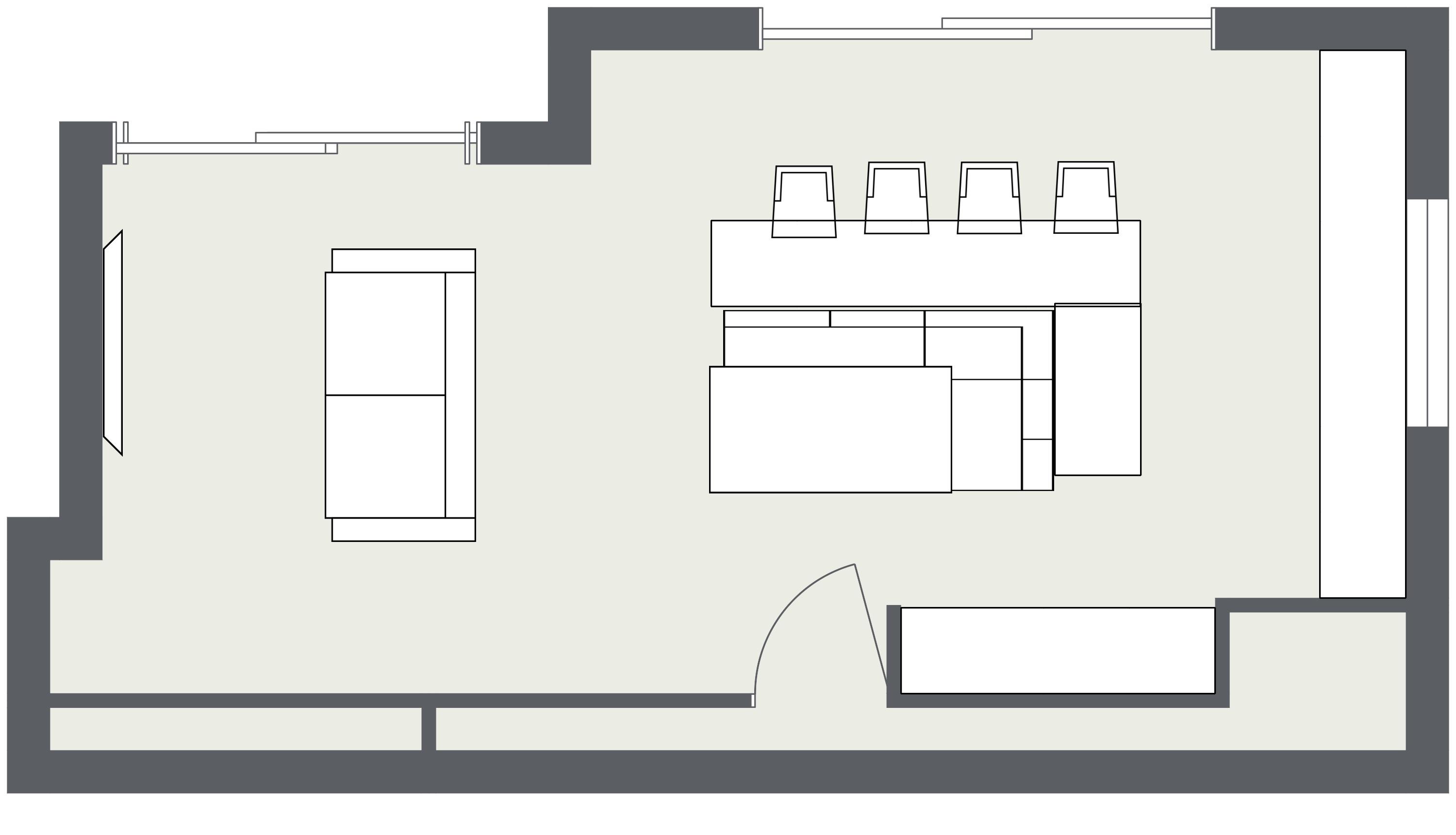
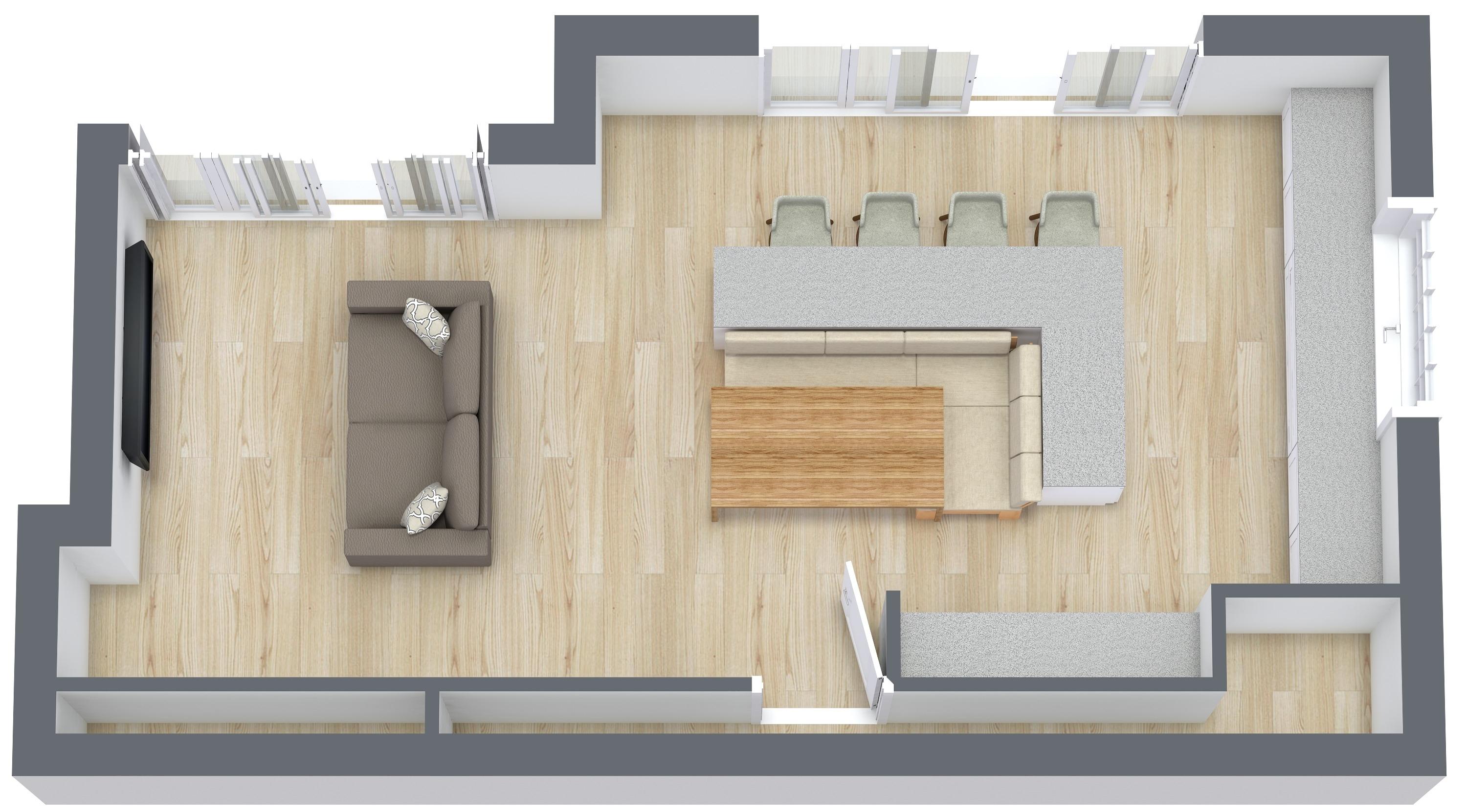
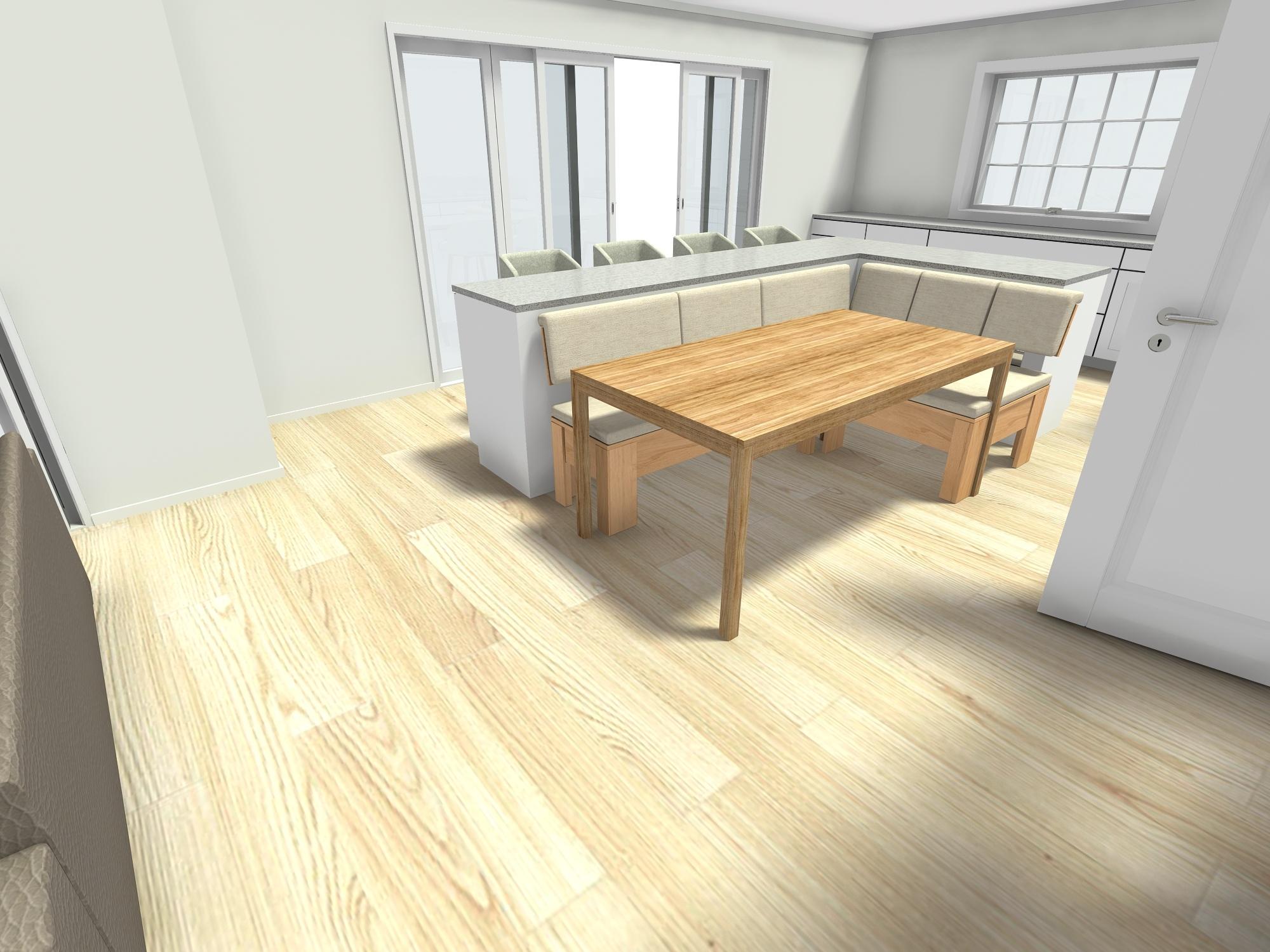
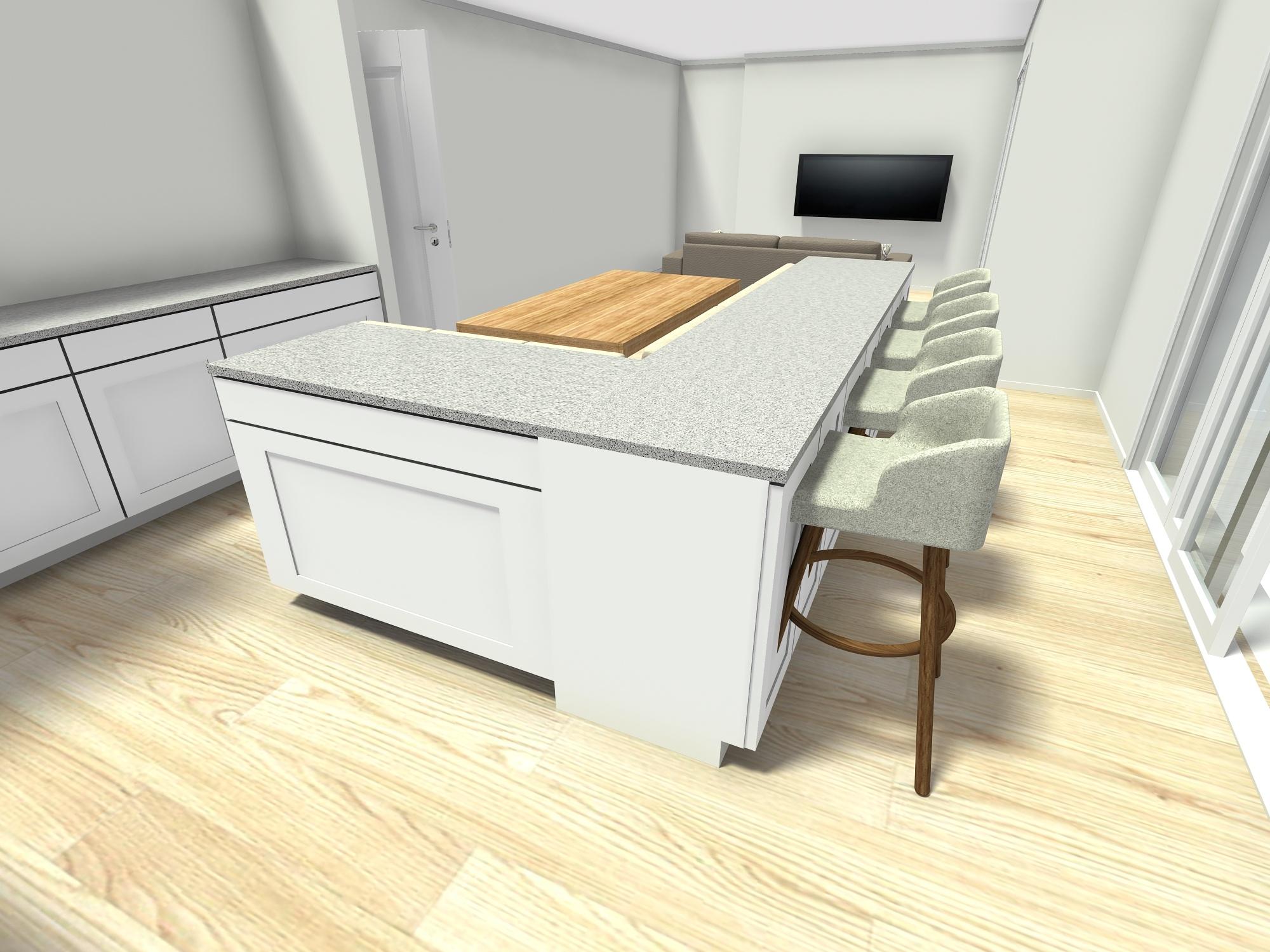
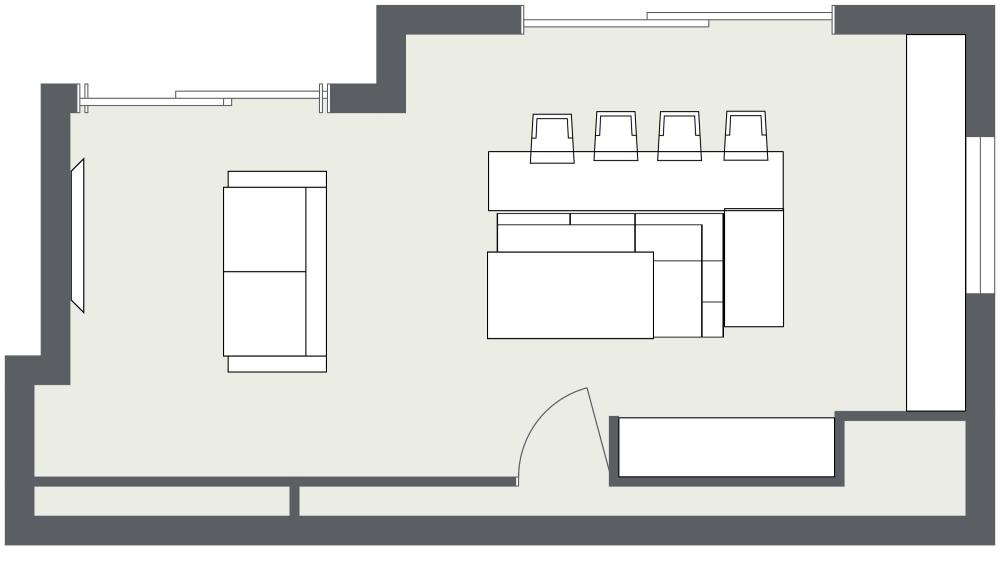
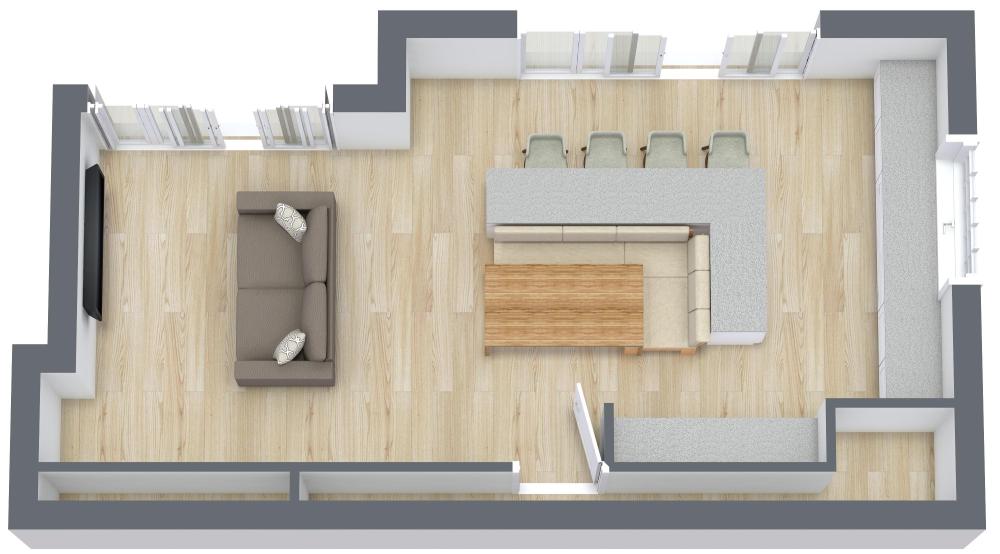
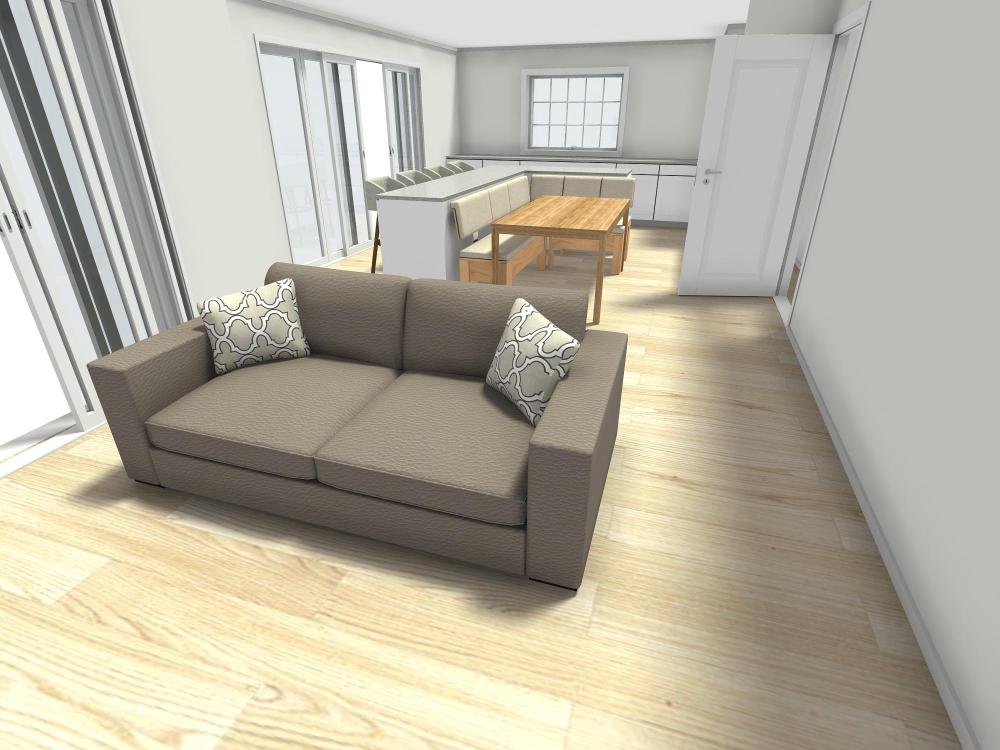
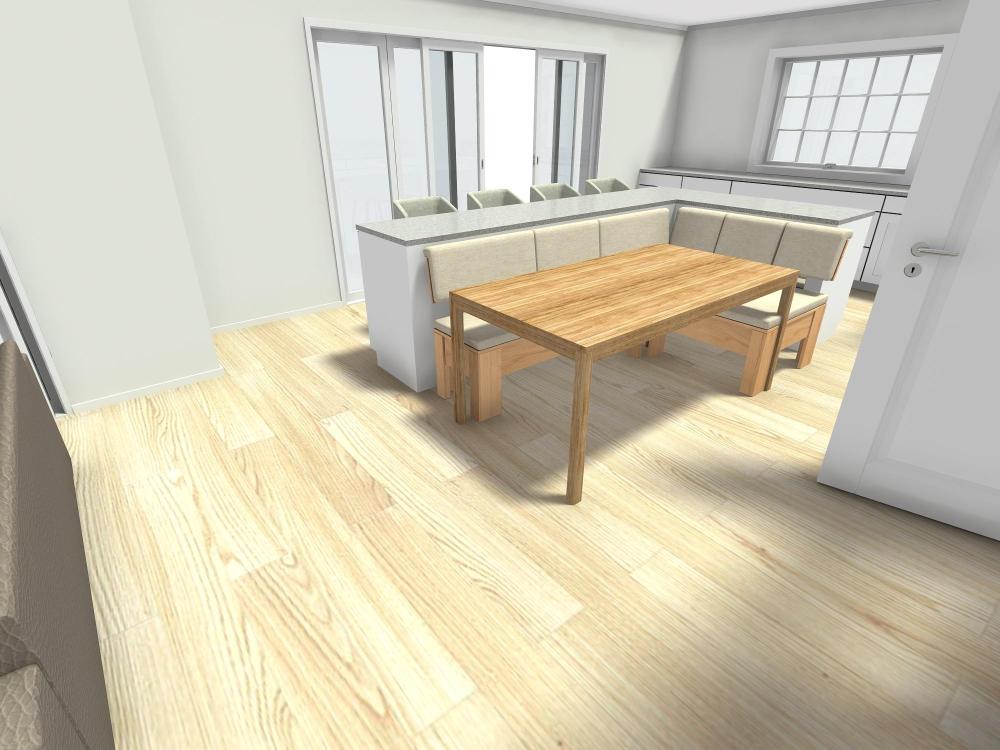
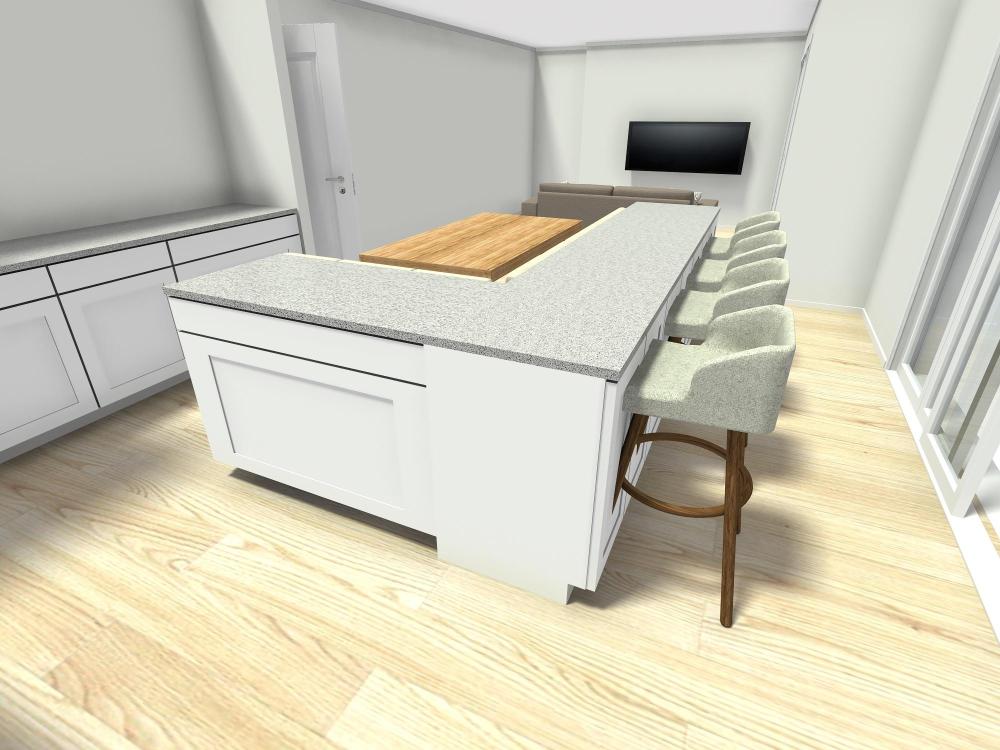
Haha I know, there’s some much better examples from google! I use roomsketcher. It’s probably not the best but it’s really easy to use for a novice designer! It’s the design we are going for in our kitchen as we had a pillar in the middle, being 10m long so was best way to incorporate it.
-
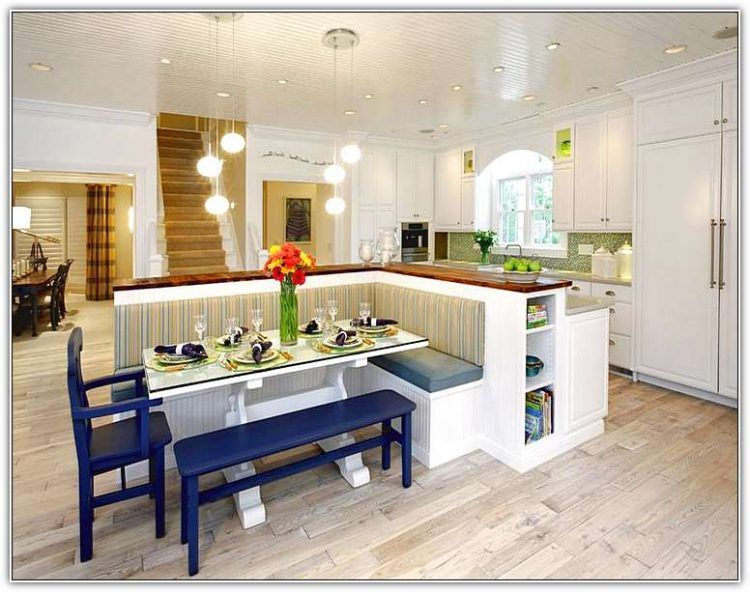
If you're going bifolds, make sure they open outwards. Personally, I would ditch them and opt for 2-pane sliders. What do you think to kitchen islands with bench seating, like this: It could work in your kitchen layout and would mean you could merge the island/dining areas for a larger island, more seating whilst retaining the feeling of space? Mocked it up quickly, something like:
-
Our roof makeup is 0.15 and has been specified as 150mm PIR boards between rafters (600mm) and 37.5mm insulated Plasterboard. This is for a second floor which is in the roof. Unventilated roof.
-
+1 but it can add costs, nothing significant but things like 150mm lintels instead of 100mm lintels adds costs (they’re bit more scarce at moment).
-
@jimmyharris80Looks like a great project! How are you looking at managing the build? Contractor or are you doing work yourselves? Have you got a total square meterage of the size of the build? We are starting our build next week and one of the things I’ve learned is that design considerations in your build can significantly affect the cost of the build. It would be my one piece of advice to those embarking on a self build, to focus on how the design impacts costs. Architects don’t seem to design to minimise build costs (our said 250k for build costs. It’s nearly 200k more than that!) and with current price rises it’s something to consider now whilst you’re early
-
I think what should have happened is that the builder should have charged you 5% meaning no reclaim from HMRC was due. What VAT did the builder charge?
-
Boiler Upgrade Scheme Grant - Actions to Take Now
SBMS replied to Green Power's topic in Air Source Heat Pumps (ASHP)
Is that confirmed somewhere @nod? In the proposed scheme document it states Ofgem will be required to determine grant applications in the order they are received