SBMS
-
Posts
1064 -
Joined
-
Last visited
Everything posted by SBMS
-
Boiler Upgrade Scheme Grant - Actions to Take Now
SBMS replied to Green Power's topic in Air Source Heat Pumps (ASHP)
The scheme is confirmed and installations are eligible from 1st April. I assume this is to provide continuity from the RHI scheme which ends today. https://www.gov.uk/guidance/check-if-you-may-be-eligible-for-the-boiler-upgrade-scheme-from-april-2022 -
Boiler Upgrade Scheme Grant - Actions to Take Now
SBMS replied to Green Power's topic in Air Source Heat Pumps (ASHP)
Our SAP guy told us that the EPC calculations are changing this year so that electric driven sources like heat pumps will increase your score due to the way the carbon offset is being adjusted: https://www.placenorthwest.co.uk/insight/carbon-factors-good-news-for-your-epc-rating/ -
Solar PV & battery installation on the cheap!
SBMS replied to Solarexploits's topic in Photovoltaics (PV)
The main bit in here is setting up WiringPi, which provides native interaction with GPIO on raspberry PIs. This bit isn't actually language specific, so the same steps would need to be taken to set it up with other languages. Most languages though have pre-built wrappers so these steps aren't needed. As Kotlin is built on top of the Java Virtual Machine, one of its advantages is it has interoperability with all java libraries. Someone has done the heavy lifting of pre-building WiringPi into a java-compliant library here: https://github.com/soonuse/jwiringpi so you can just import that to interact with the GPIO. There are also pre-built bindings for nodejs (https://github.com/soarez/node-wiring-pi) and most other languages if you search github for WiringPi (there's some for ruby if that's your language of choice). -
Solar PV & battery installation on the cheap!
SBMS replied to Solarexploits's topic in Photovoltaics (PV)
Raspberry Pi runs Raspbian OS which is Debian based so you can install any programming language you wish. Arduino's run C++ which isn't the easiest language to learn from scratch. Personally, if you're starting out coding having never done it before, I would learn something like Java to get the fundamentals of an object-oriented programming language. You can then write Java on your Pi, or learn Kotlin, or something more widely useful and applicable like javascript. All these languages are supported on Pi. -
Thanks @SuperJohnG has anyone got a 4m ish triple pane? It seems that 4m double sliders are more popular - is there any reason for that out of interest to those who have them?
-
I’d be interested to know how this is done when you’re having blown in insulation? I imagine it’s shuttered off whilst insulation is blown in or do they blow it in after windows and doors are in??
-
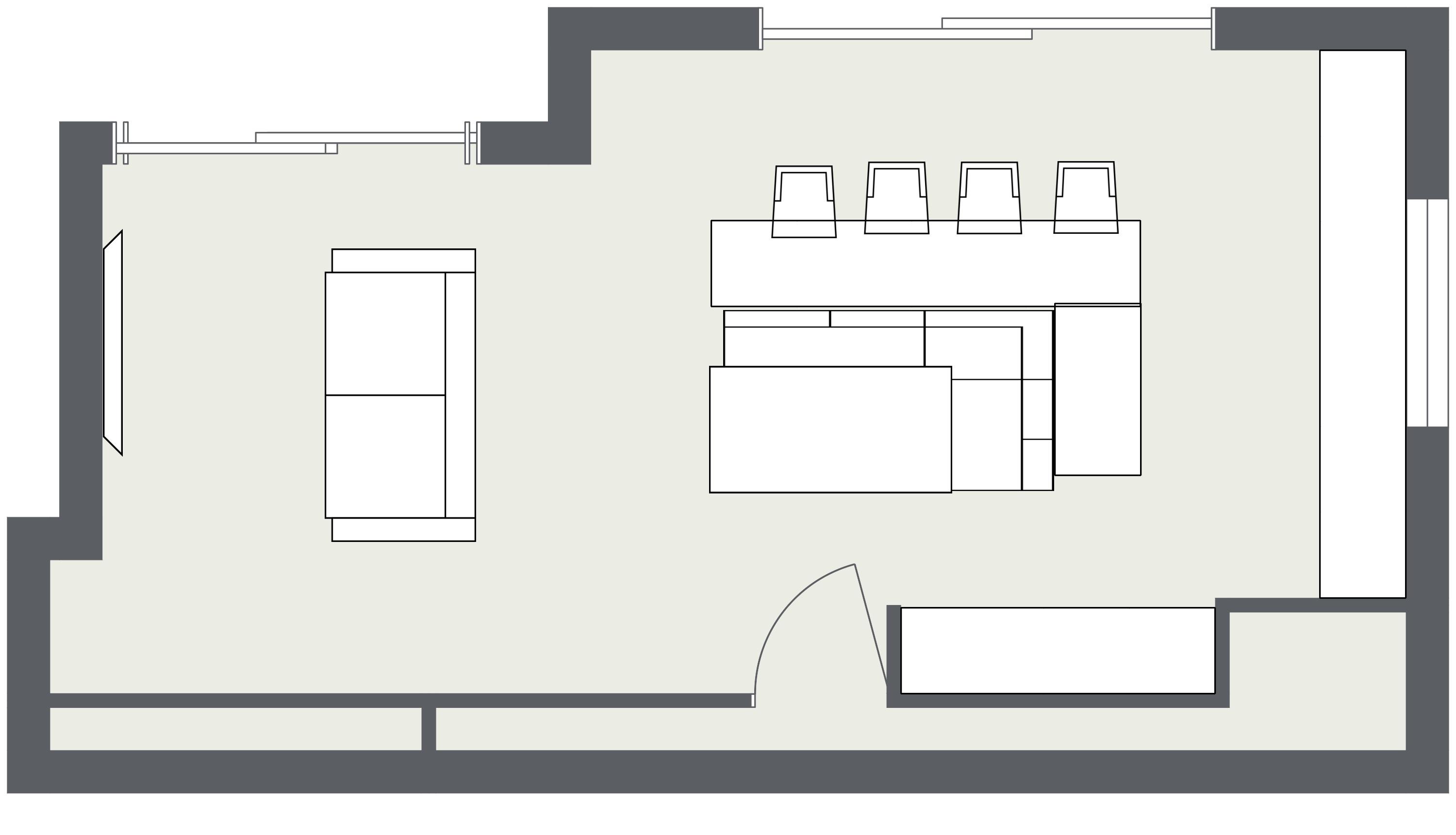
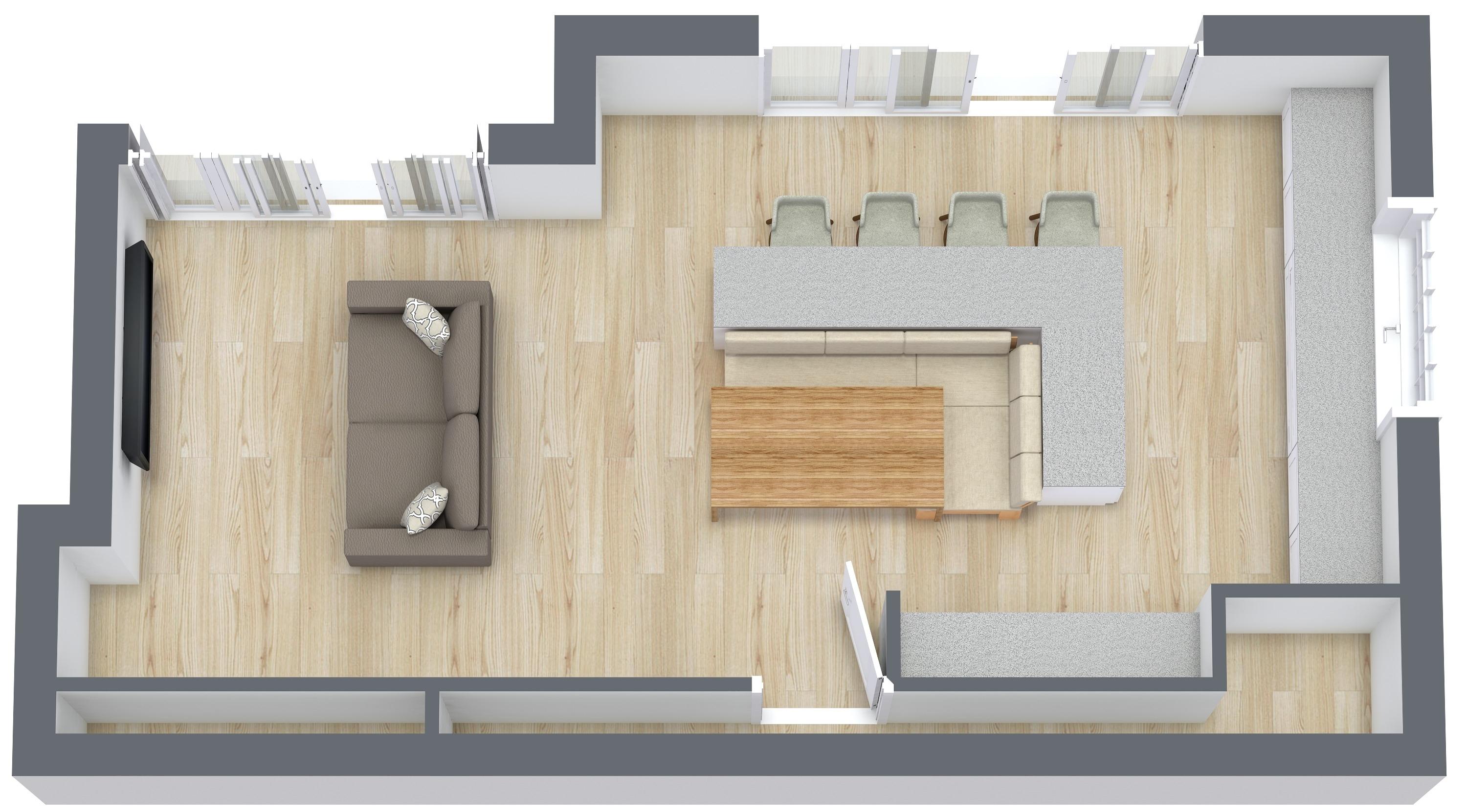
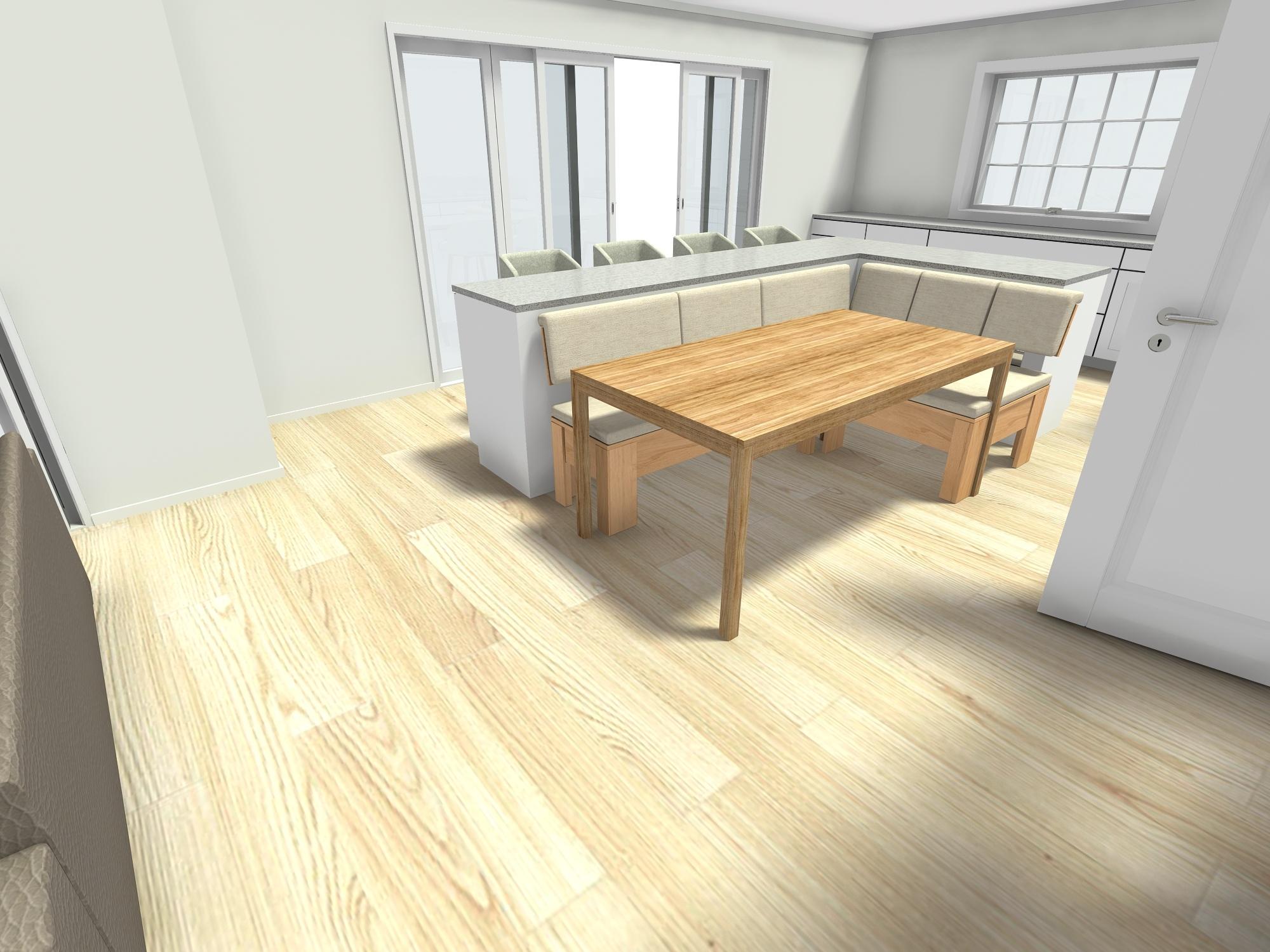
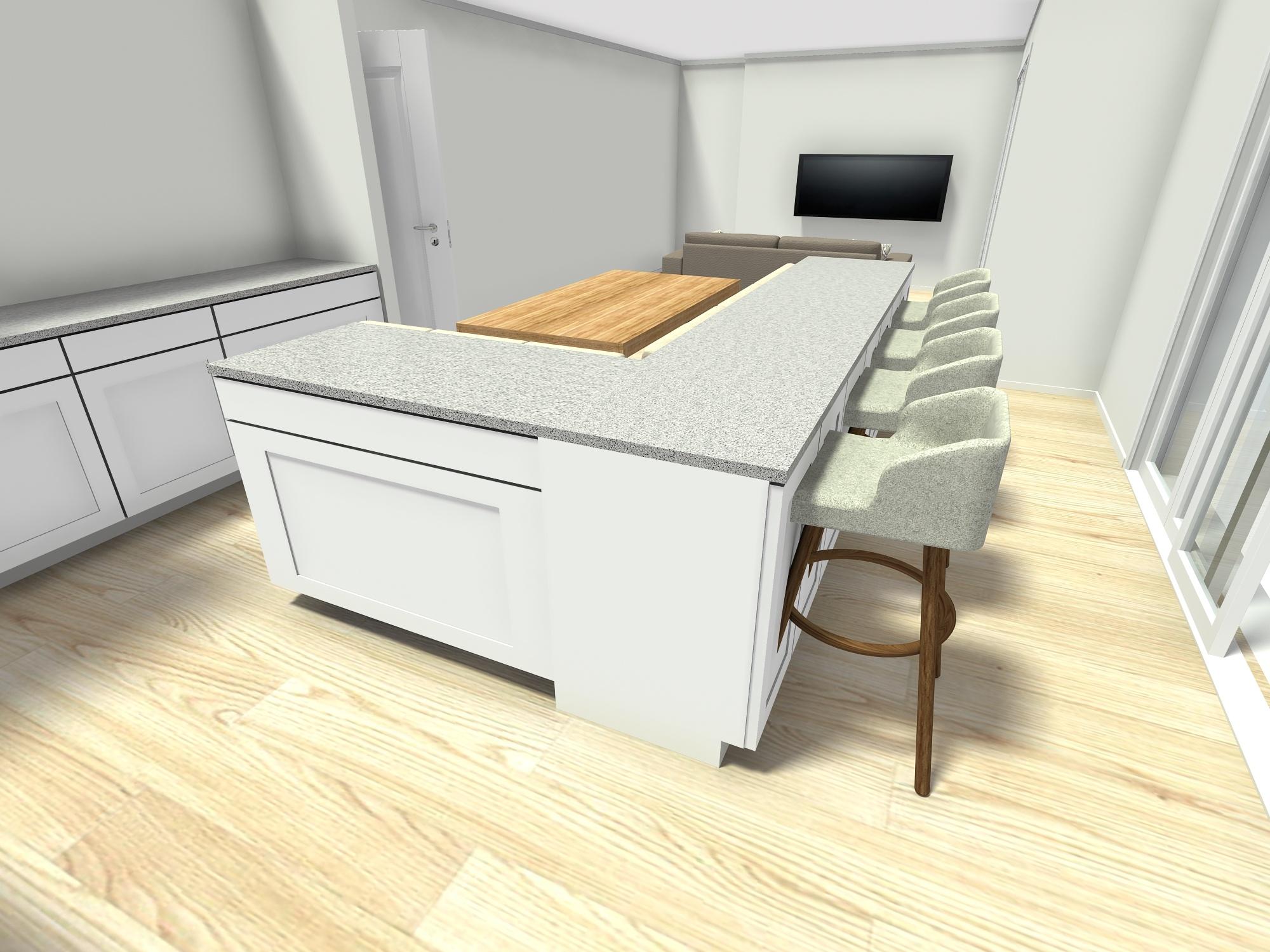
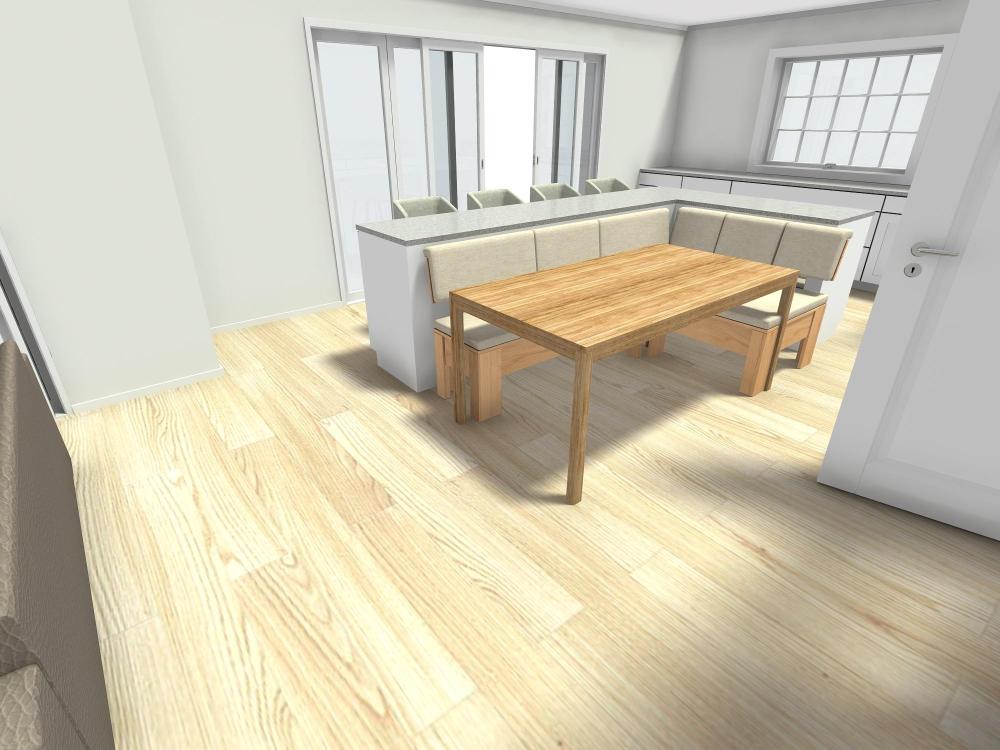
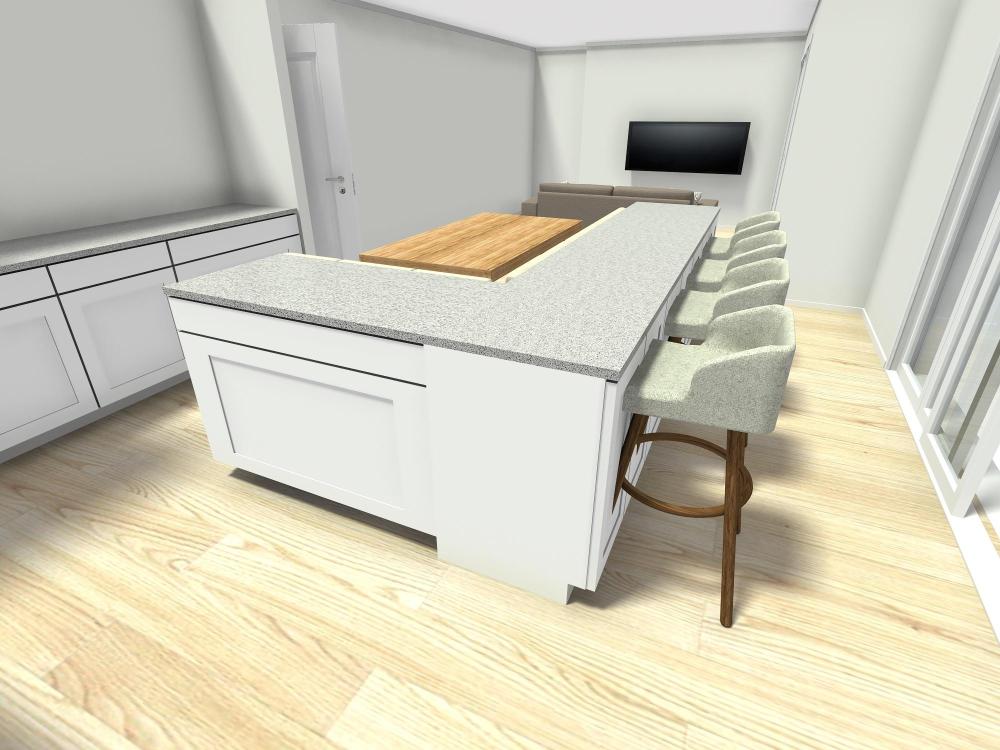
Haha I know, there’s some much better examples from google! I use roomsketcher. It’s probably not the best but it’s really easy to use for a novice designer! It’s the design we are going for in our kitchen as we had a pillar in the middle, being 10m long so was best way to incorporate it.
-
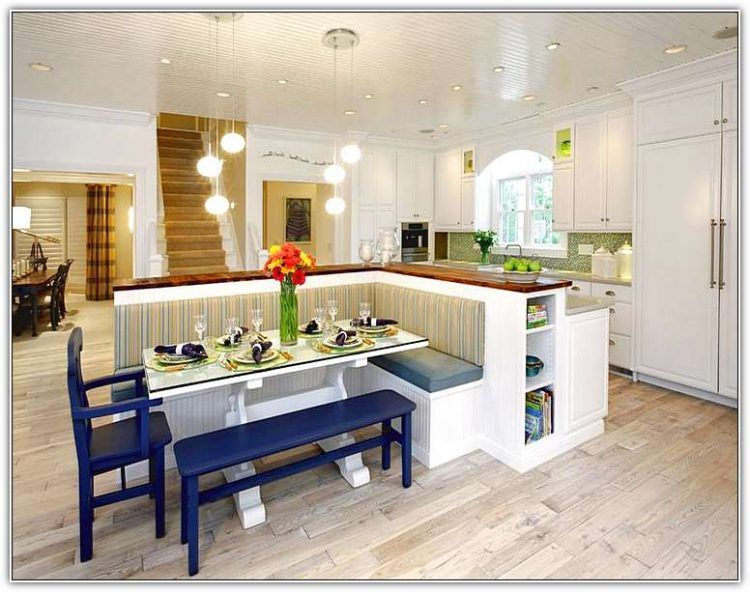
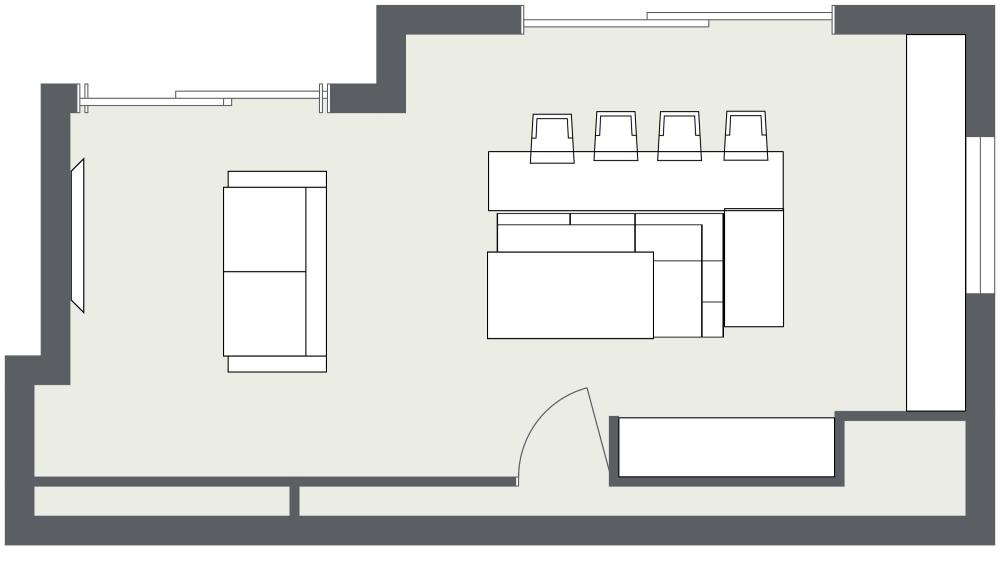
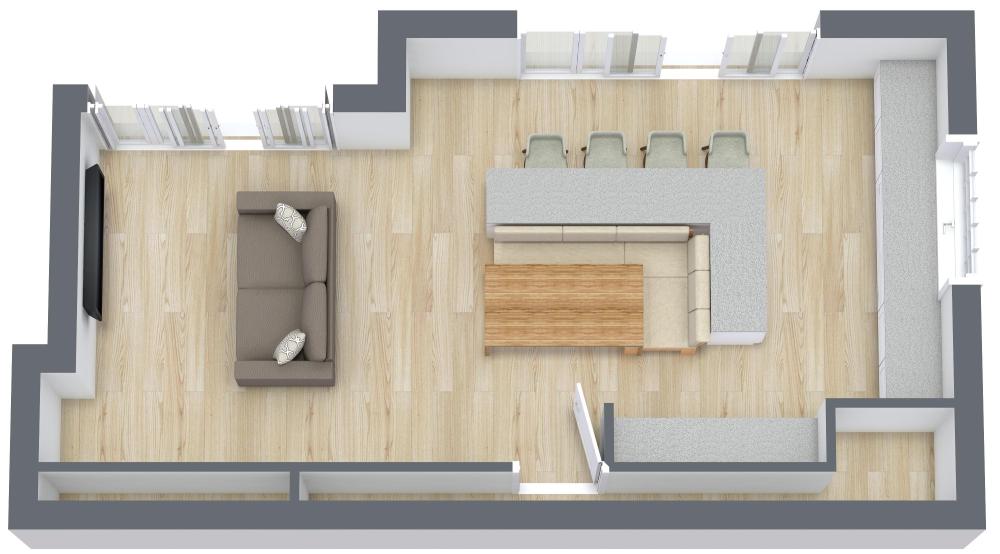
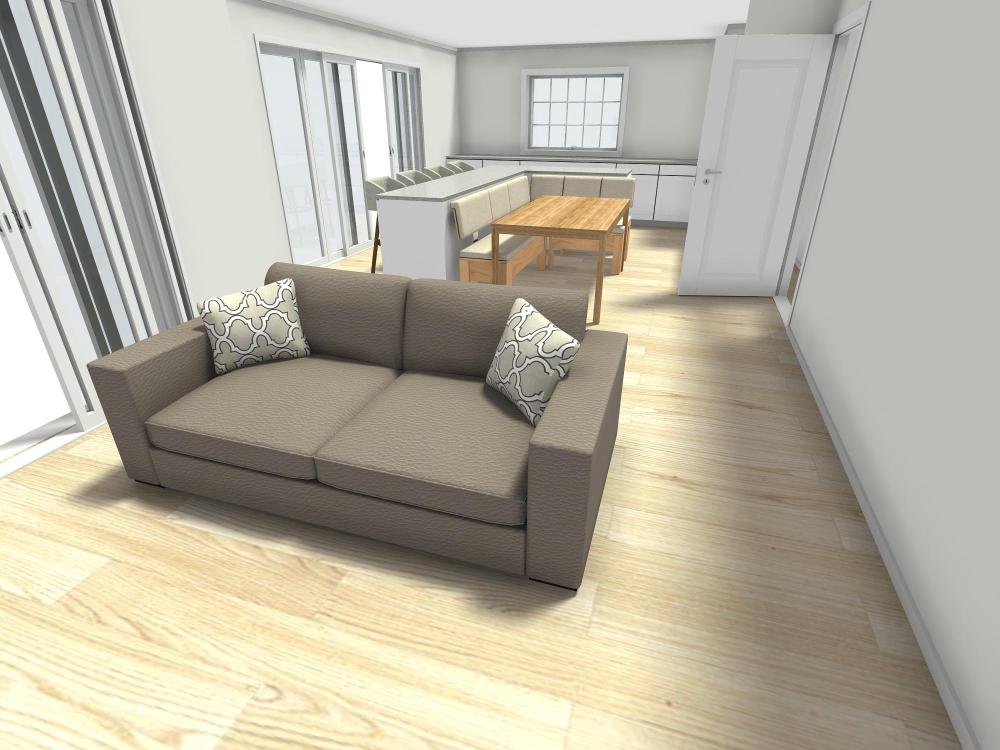
If you're going bifolds, make sure they open outwards. Personally, I would ditch them and opt for 2-pane sliders. What do you think to kitchen islands with bench seating, like this: It could work in your kitchen layout and would mean you could merge the island/dining areas for a larger island, more seating whilst retaining the feeling of space? Mocked it up quickly, something like:
-
Our roof makeup is 0.15 and has been specified as 150mm PIR boards between rafters (600mm) and 37.5mm insulated Plasterboard. This is for a second floor which is in the roof. Unventilated roof.
-
+1 but it can add costs, nothing significant but things like 150mm lintels instead of 100mm lintels adds costs (they’re bit more scarce at moment).
-
@jimmyharris80Looks like a great project! How are you looking at managing the build? Contractor or are you doing work yourselves? Have you got a total square meterage of the size of the build? We are starting our build next week and one of the things I’ve learned is that design considerations in your build can significantly affect the cost of the build. It would be my one piece of advice to those embarking on a self build, to focus on how the design impacts costs. Architects don’t seem to design to minimise build costs (our said 250k for build costs. It’s nearly 200k more than that!) and with current price rises it’s something to consider now whilst you’re early
-
I think what should have happened is that the builder should have charged you 5% meaning no reclaim from HMRC was due. What VAT did the builder charge?
-
Boiler Upgrade Scheme Grant - Actions to Take Now
SBMS replied to Green Power's topic in Air Source Heat Pumps (ASHP)
Is that confirmed somewhere @nod? In the proposed scheme document it states Ofgem will be required to determine grant applications in the order they are received -
I think in general PP on greenbelt, entirely undeveloped land is very difficult to obtain, unless there are existing buildings, and dependent upon your local authority's views. There are a couple of 'easier' routes: - Class Q Building Planning - so agricultural buildings that are designated Class Q (Barns, Sheds etc) now fall under permitted development so do not require planning permission. Look out for bits of land with these buildings on as you can convert these. Around us these are rarely 'converted' and usually end up 'falling down' and being rebuilt from scratch during the build..! - Volume Stealing - another good route to obtaining planning is to find a series of agricultural buildings (or even commercial buildings) that can be classed as 'Brownfield'. Planners often look favourably on applications that demolish these outbuildings, 'stealing' this volume for your residential property, if your end property yields a reduction in overall building volume especially. Around us this is a planning statement method that normally is always approved - especially if it is improving the rural scene I would say buying an established property that can be demolished and rebuilt is an expensive way to do it - or at least in our area they simply don't exist for the price of a plot of land. A small 2-3 bed bungalow up here, that's tired, in a nice location is 350k+. By the time that's demolished and you've paid £1500-£200 per sqm you've probably overspent on the end value of the house. But auctions might be an idea for cheaper properties? It's just unbelievably competitive at the moment. I think with regard utilities - if you are looking rurally, the main one to be mindful of is access to power and water. You likely will have to implement a SUDS scheme for topwater which means you wouldn't be allowed to connect to mains sewers for topwater anyway. And for Foul, if you're a significant distance from mains then a package treatment plan is a viable option. Water and power are your two utilities you need (unless you have a well). Even telephone can be avoided now with the advent of superfast 4G or 5G (outperforms what you can get on a fibre connection when a significant distance from the exchange around us). With regard funding - most self build mortgages want you to put in 20-25% of the costs of the land purchase and 20-25% of the costs of the self build. So say your plot was £250k and your build costs were £400k (200 m2 @ the £2k build cost quoted - which is very subject to regional variation!) - you'll need about £165k of cash on hand to proceed. If you are going the self build mortgage route, and don't have access to a large pot of cash I would absolutely advocate going for an Advance Stage Self build mortgage. This is where funds are released at the beginning of the stage, and you're not dependent on the land uplift which can get sticky when you might spend £50k getting out of the ground due to poor ground, but the surveyor doesn't value that work at £50k and releases less.
-
Get one what? Planning permission, mortgage or utilities?
-
@3Dwarves One of the most challenging things I think is finding a plot - it took us ages. This is because most plots are snaffled up before they ever hit the market. If you have your eye on some land, then it's worth engaging a planning consultant to ascertain whether they think you could get planning permission. There are websites like plotfinder that people lists plots on. Also the UK Self Builders Group on facebook can be useful - people often list plots they are selling. Your local planning portal for your borough will usually have a 'weekly lists' section that shows planning applications that have been submitted or decided that week, to give you a sense of what the authority are minded to accept. (Here's the list for Elmbridge: https://emaps.elmbridge.gov.uk/ebc_planning.aspx?requesttype=parseTemplate&template=WeeklyListAVTab.tmplt) - what Surrey borough council are you under? And here's a little tip - if you really want a plot then watch the 'Applications Submitted' part of the Weekly lists. This will show planning applications well before they are going to hit estate agents, or builders/developers hearing about plots. If you see something you like you can either: 1. Approach the owner (they might live at the location) and ask if they are planning to sell if they get approval, and if they are if you could agree a price now 'off market'; or; 2. If the application fails, put it under the nose of your planning consultant and if there's a technical reason they were denied, and you wouldn't be, then approach and offer to buy the land in any event and put in an application yourself. A deciding factor though at this point I think is, what's your budget?
-
I see, makes sense. I guess on a cold evening if the ASHP is struggling I can get the kids to gather around the Wifi router!! I read this (https://link.springer.com/article/10.1007/s12053-019-09791-1) and think the standard deviation of consumption was so high that maybe my original question was a bit of a fool's errand - especially with a data set that would be pretty small (this forum).
-
Thanks Marvin for the reply - my original question was purely looking at consumption of the ASHP in relation to space heating and DHW demand, not total household electricity consumption, so not sure why the internet or TVs would have any bearing on ASHP electricity consumption? MIght have misunderstood though.
-
Cylinder is going on ground floor (solid block and beam)
-
Gotcha thanks.
-
A family of 4 (baby and toddler) - would you spec a larger than 300l tank?
-
Out of interest, under what scenario is 1/ not sufficient? I'm making an assumption but a 12kw heat pump would heat 300l of water from 12 degrees to 55 degrees in about 1h 15 mins. Just wondered why the 4 hour window wouldn't be enough?
-
What platform do you use to tie this automation logic together out of interest?
-
What's your occupancy pattern? Do you have people home during peak solar hours? Or is most of your PV generation going to the immersion heater diverter?
-
Just wondered if anyone can confirm (or pull apart) any of my logic regarding Solar PV to run DHW vs a Heat Pump. Say that required DHW demand is 3888kWh per annum. Say electricity is 30p per kWh. Assuming a CoP of 3.5 on the heat pump, it would need an input of 1100kWh of energy. So to 'run' the system via the heat pump would cost £330 per annum. If this were run using PV generation on a 4kWh system, my estimate is that it could provide circa 3000kWh of this requirement, leaving approximately 888kWh. I'm not sure if this deficit would be picked up by the heatpump or if its either immersion or heat pump mode? If the remaining 888 had to be from the immersion, thats a cost of £266 per annum. If it can be served by a heatpump then the cost is £76. Assuming (optimistically) that the heatpump can pick up the rest, the PV would save £254 per annum over running DHW via the heatpump. Does this sound right? I'm guessing if it does the answer is "don't use PV to reduce electricity usage on things that your heatpump can power"? i.e. get the PV to bring down general electricity consumption that has a CoP of 1??