Internet Know How
-
Posts
190 -
Joined
-
Last visited
Everything posted by Internet Know How
-
Hi All, Just wondering why brickies tend to point up inner course of block on a cavity wall when its going to be dot and dabbed over with plaster board? Why not just scrape off the loose like you do with the reverse side of the facing brick? Cheers C
-
Basement Concrete Pour - Thoughts on this...
Internet Know How replied to Internet Know How's topic in Basements
Yeah I am, its been well worth the effort. All backfilled now and on with the ground floor brickworks. -
Basement Concrete Pour - Thoughts on this...
Internet Know How replied to Internet Know How's topic in Basements
I dont have any, but we are going to install a sump pump. Something along these lines: https://www.tanks-direct.co.uk/waste-water-tanks/sewage-pump-stations/single-pump-sewage-pump-stations/c1050 We already have a void to accomodate the the sump pump, but if you dont you need to cash this into the slab so it sits flush and then you have proper flow into it. The web has lots of useful bits about but often websites such as this wiill give you a good idea. End of day its just a few pipes in and then another out to ground level to take the waste up. -
Basement Concrete Pour - Thoughts on this...
Internet Know How replied to Internet Know How's topic in Basements
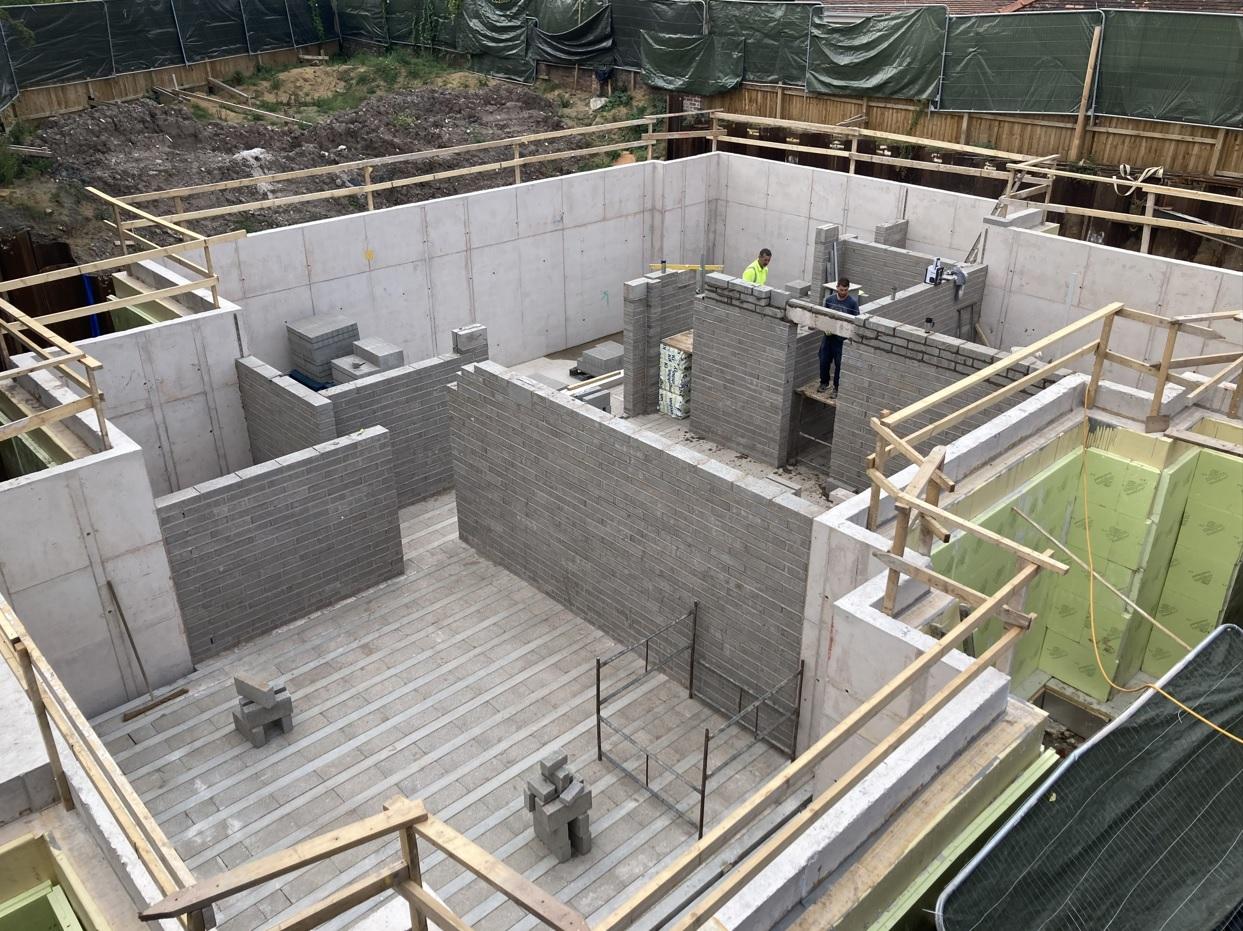
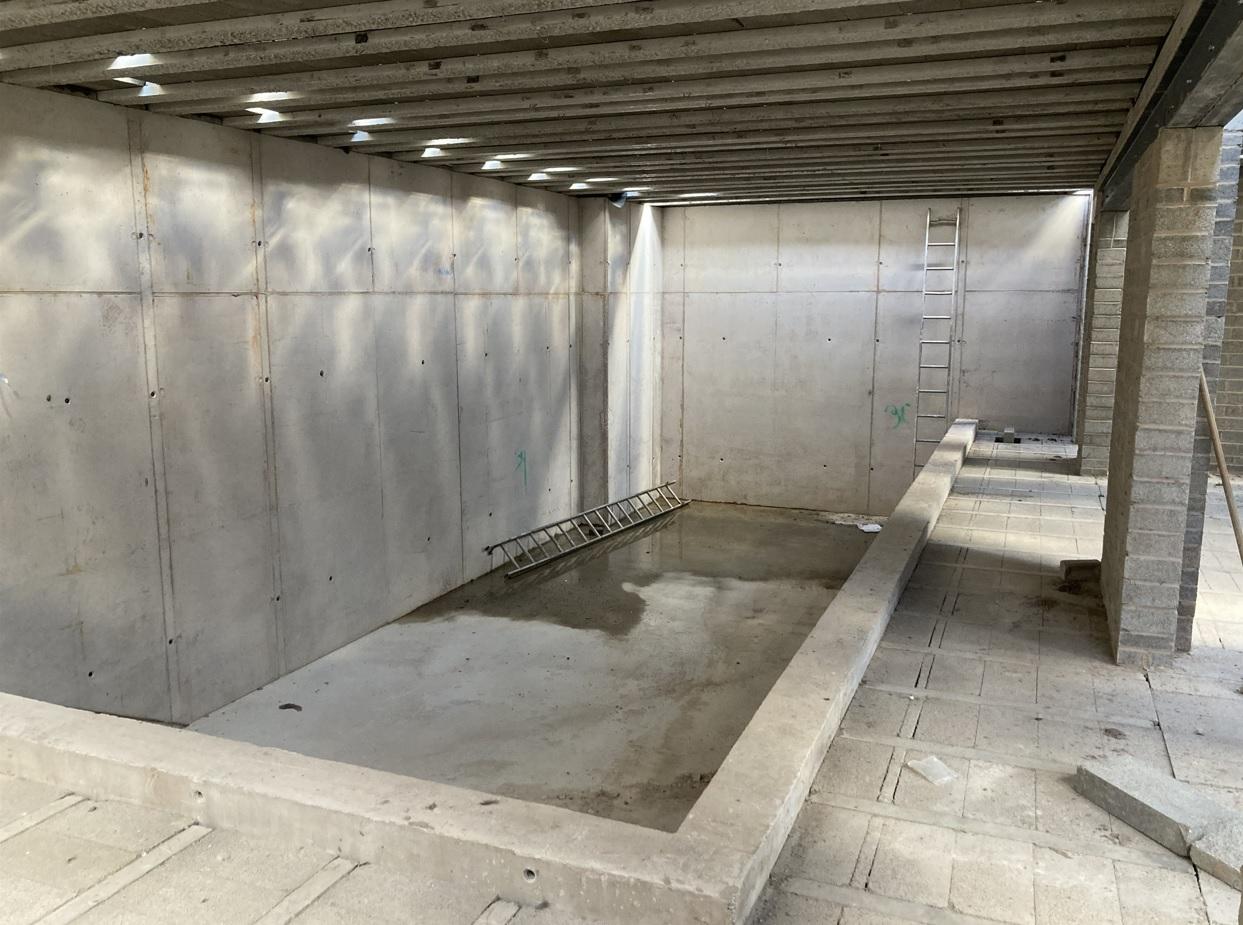
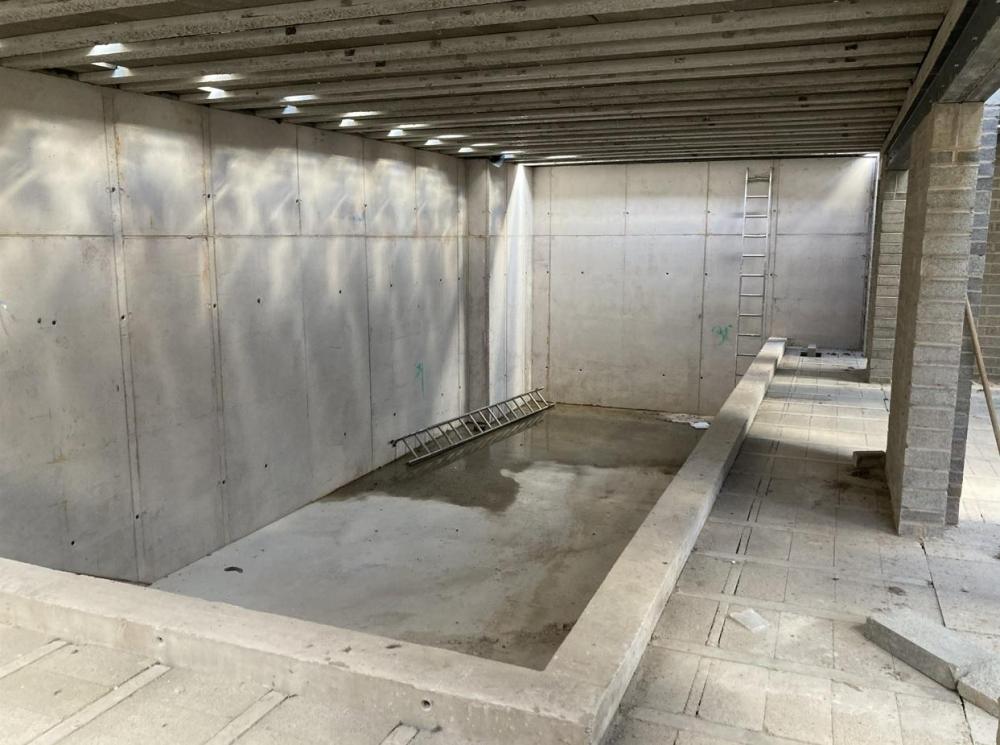
Rather than have a split level slab to accommodate the pool and area around it for heating and ventilation pipes we excavated the entire plot to the one level. So we have a void now beneath the B&B floor in the basement to slab level. -
Basement Concrete Pour - Thoughts on this...
Internet Know How replied to Internet Know How's topic in Basements
Yeah its turned out well, you’d never know it was there now we’ve backfilled -
Basement Concrete Pour - Thoughts on this...
Internet Know How replied to Internet Know How's topic in Basements
Thanks! Its been logistically challenging with just a single ramp in and out and no extra storage space. To avoid a split level slab i wanted a full void under the entire building to accommodate pool equipment but also basement accessible drainage. Its been easier doing it like this than split slab and partial void. -
Basement Concrete Pour - Thoughts on this...
Internet Know How replied to Internet Know How's topic in Basements
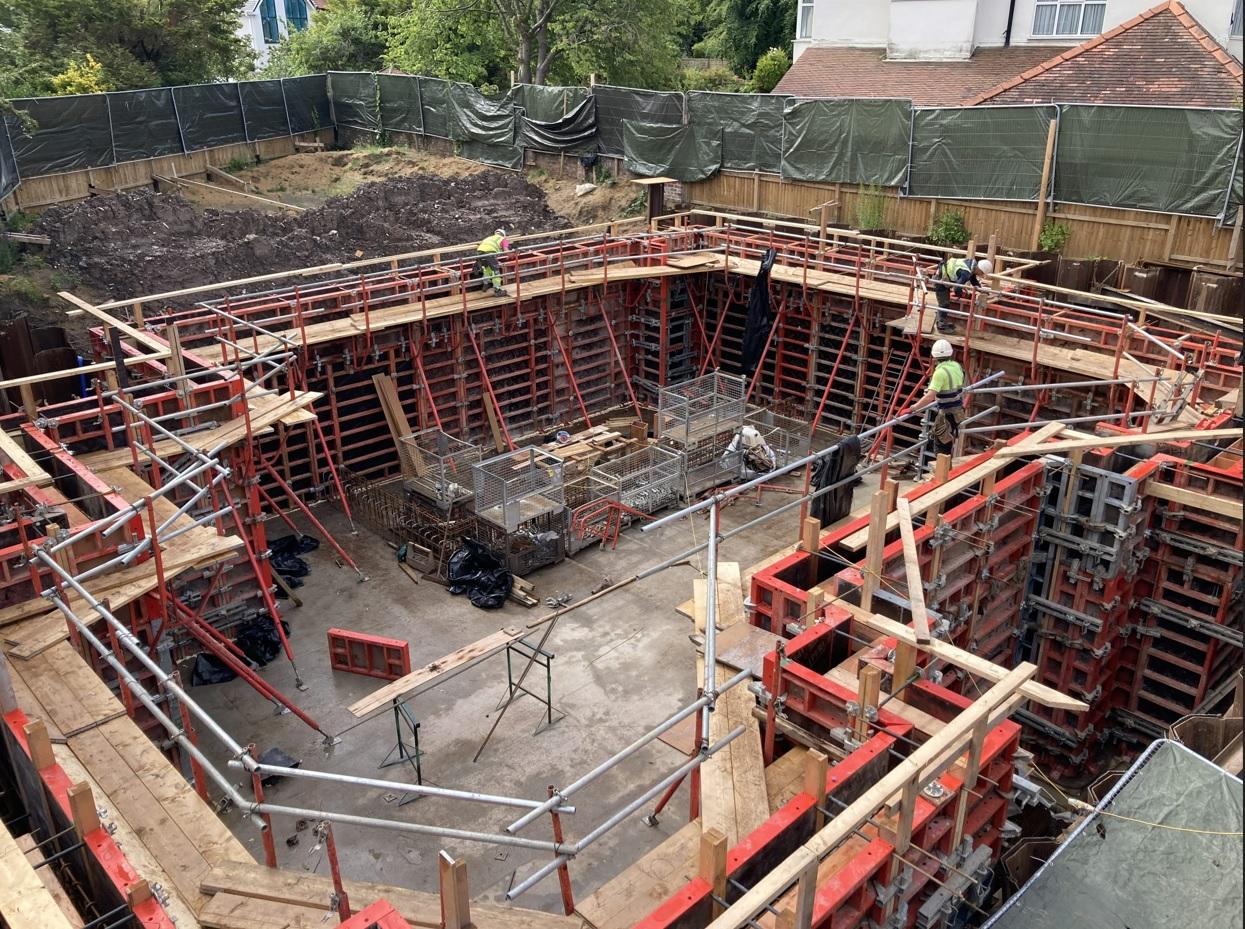
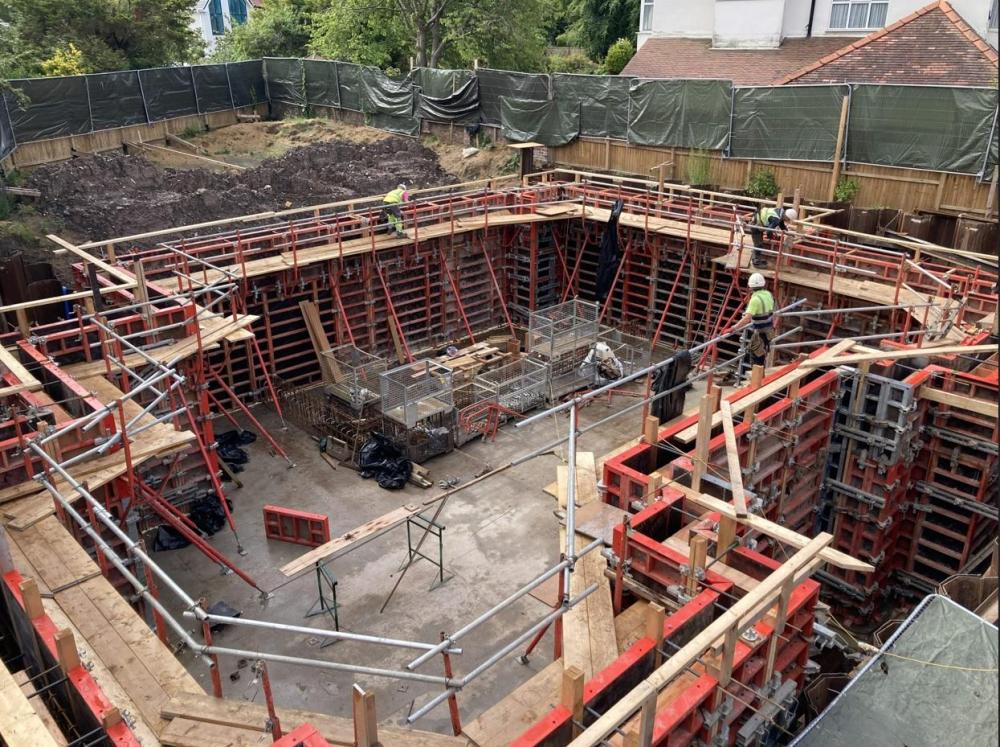
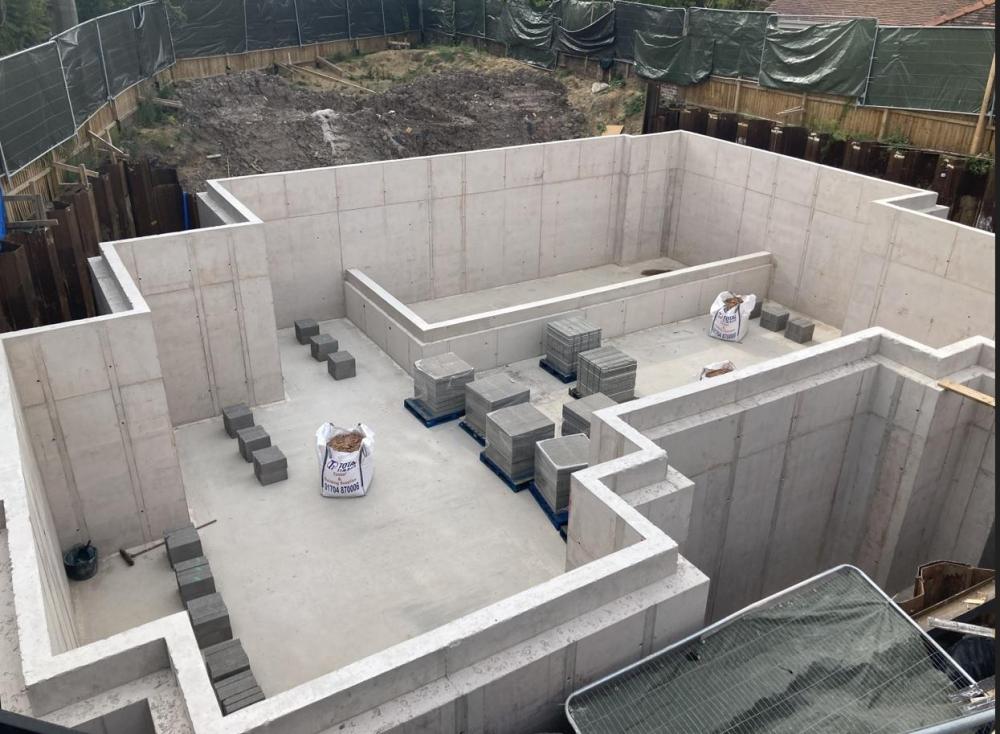
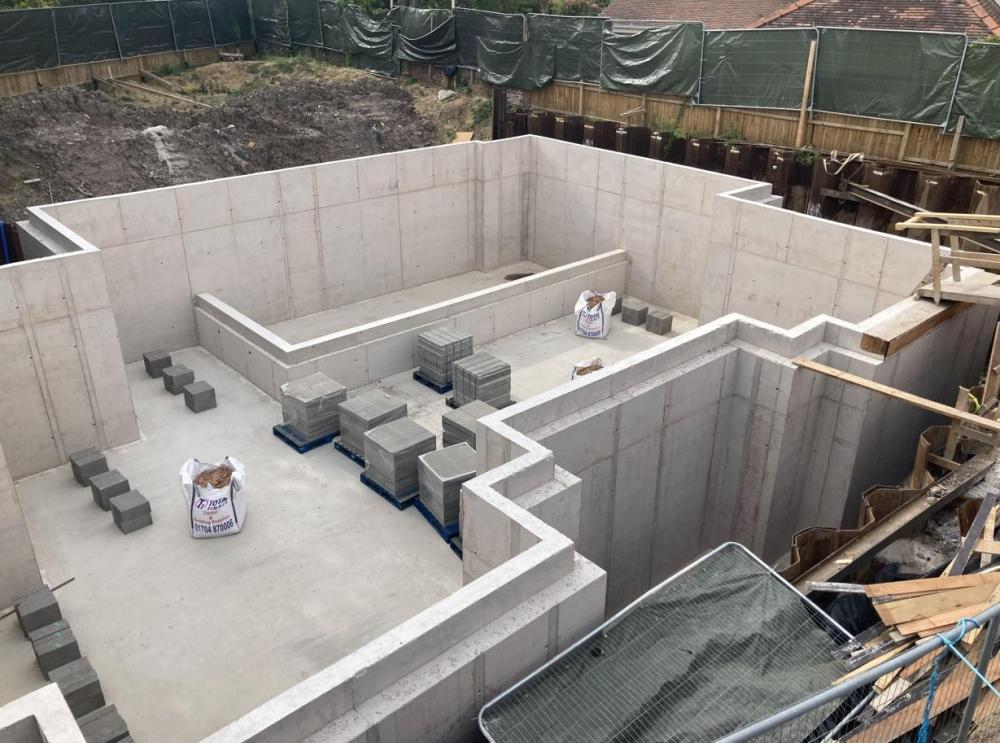
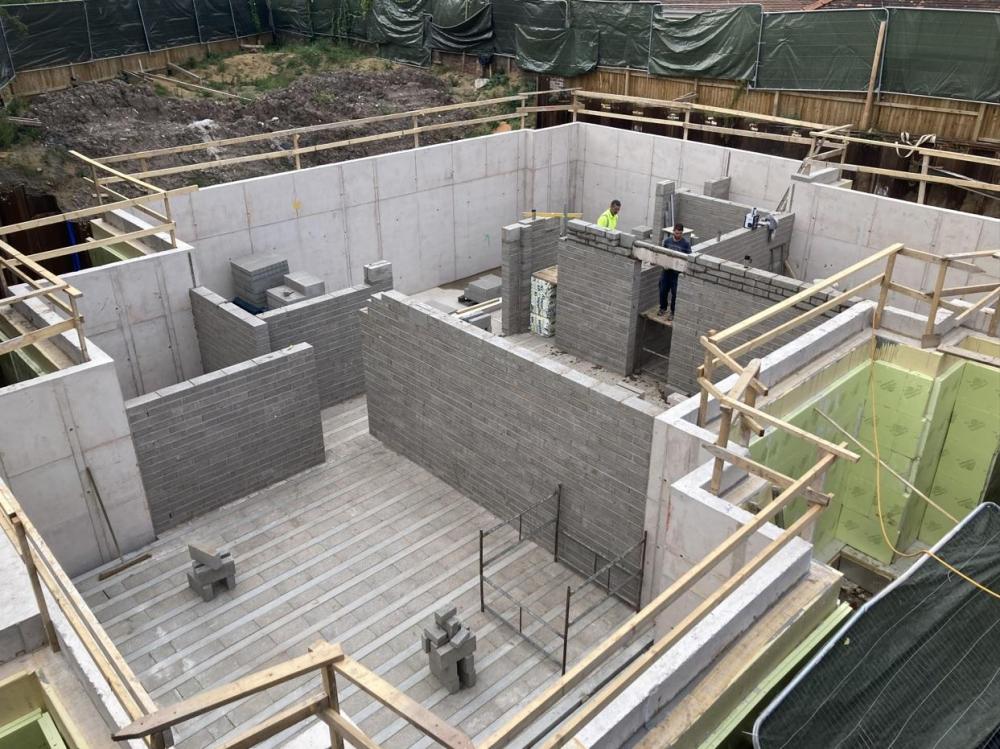
I organised everything and brought a contractor in to do all the labour elements. They provided the man power supported by workers I have onsite too, and I sorted all materials inc formwork designs and co-ordination so it went according to plan.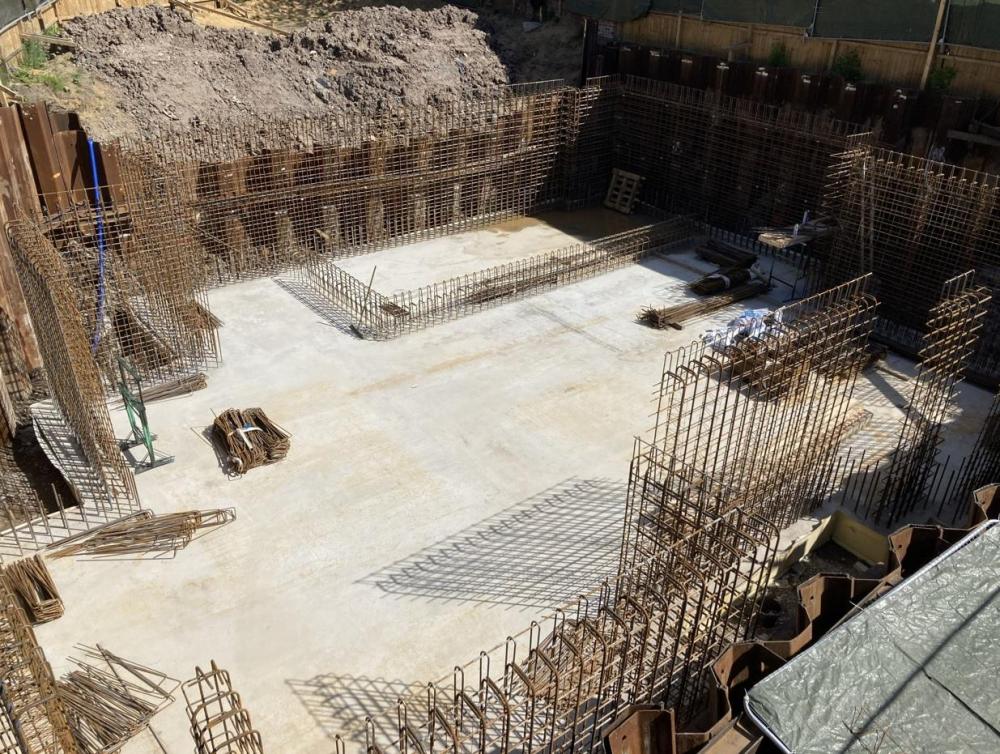
-
Hi All, What is the current going rate for RSJ sections at the moment per tonne unpainted with and without volume discounts. Maybe something along the lines of 203x133x30's or similar. Thanks
-
Hi All, How much should I be paying for the standard priming of fabricated steel RSJ sections please. A price per tonne would help? Thanks
-
Basement Concrete Pour - Thoughts on this...
Internet Know How replied to Internet Know How's topic in Basements
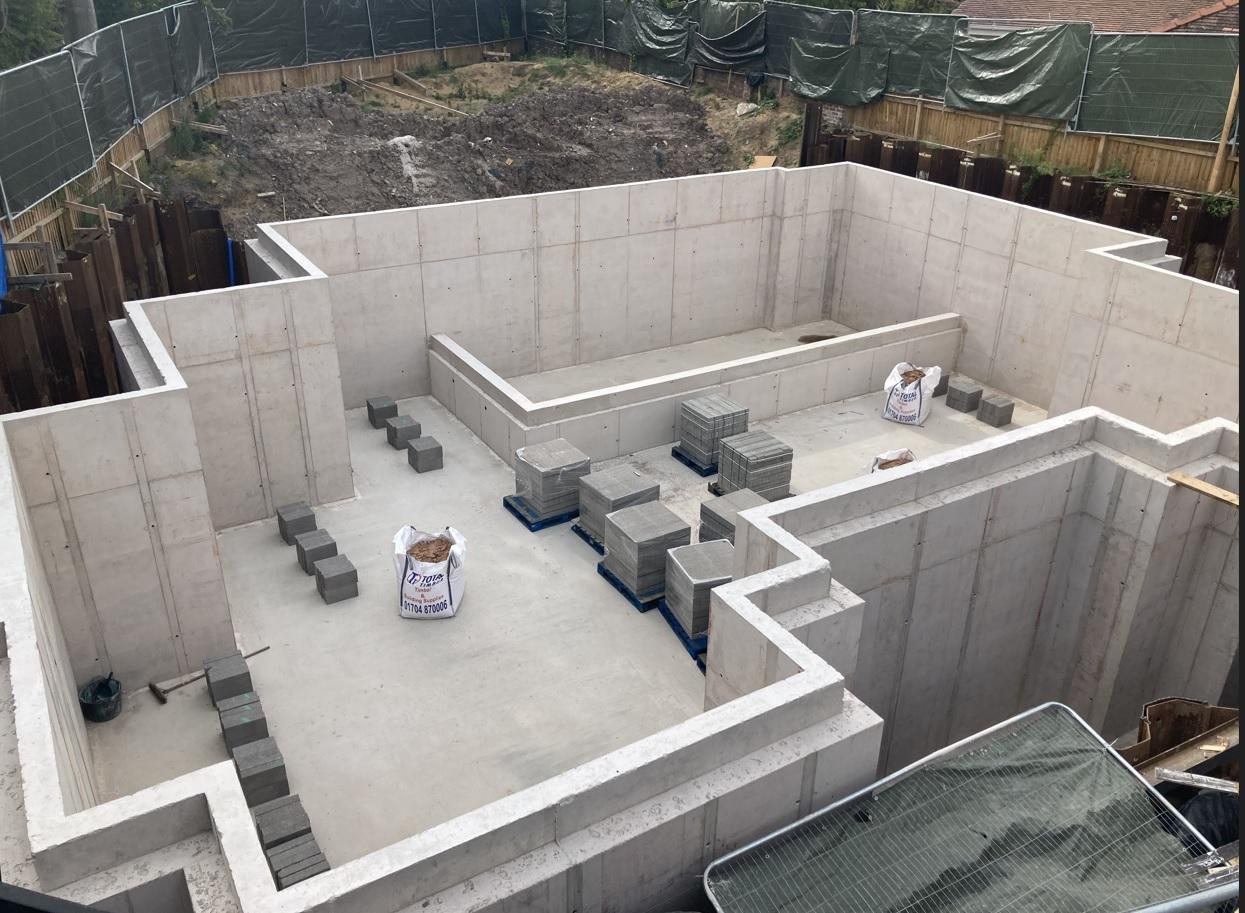
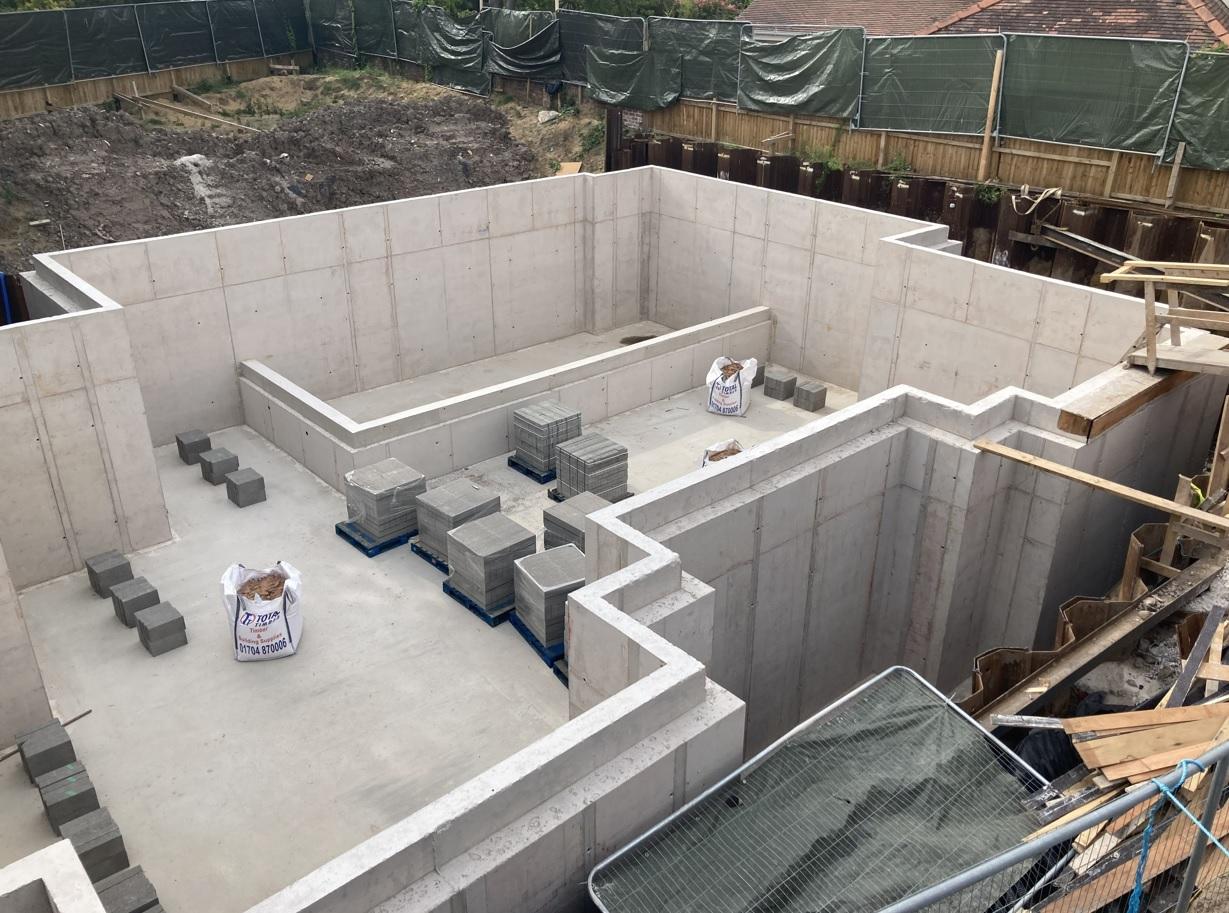
Hi All, We poured this in one in the end. I had 4 concrete wagons on rotation, and 2 pumping wagons, one on standby just incase we hit any problems. Flow rate was fine followed by multiple pokers....weather perfect. Whilst it probably cost me more in formwork, we didnt have to move this stuff around. My only joint is where the slab meets the walls as well as the tie rod holes, since sealed with Sika X plugs and tanking membrane, which we protected with moisture resistant kingspan, which was also to meet EPC requirements. Backfill now complete too, which was only started after all internal walls had been build and the block and beam floors installed Very happy with the end result so far. Thanks for all the responses, really good hearing from others who have been there -
Door Opening Sizes For New Build
Internet Know How replied to Internet Know How's topic in Doors & Door Frames
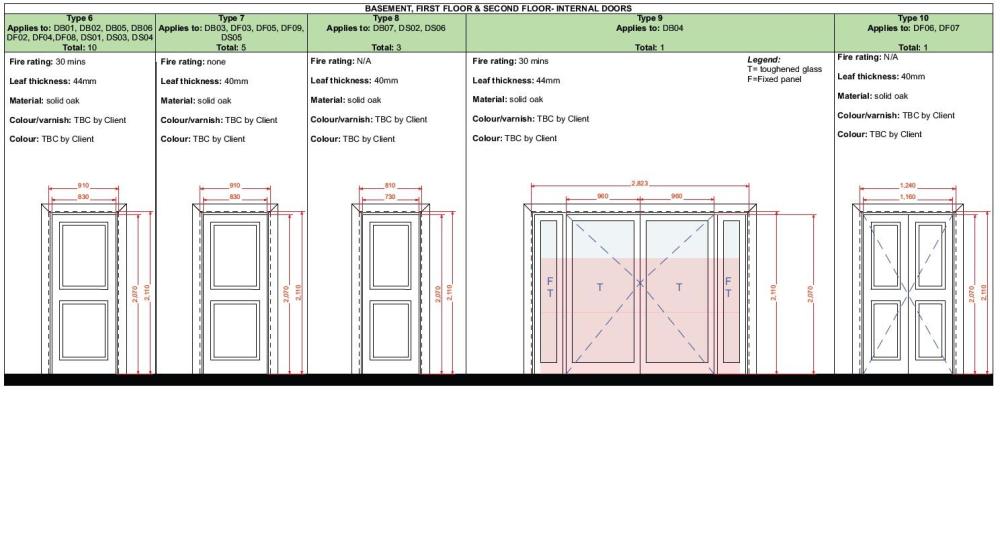
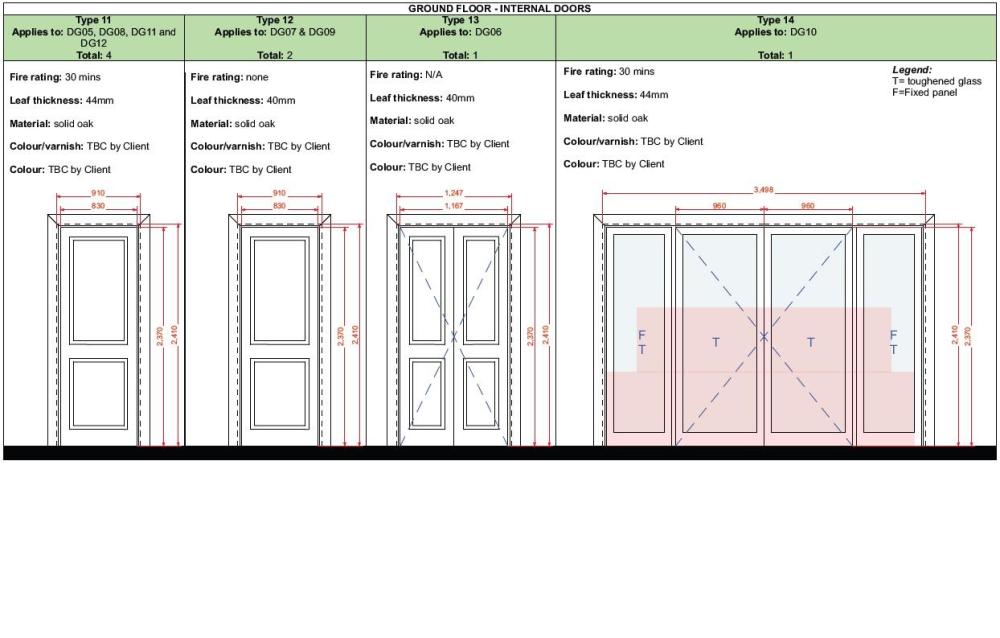
The spec says FD30 on my Architects floor plans, and in terms of style well I want something like https://www.kaybeedoors.co.uk/arnhem-black-internal-door.html This particular one doesnt appear to be in the size we need, so I agree its right now I need to check what I can buy against what the architect has specified in terms of size -
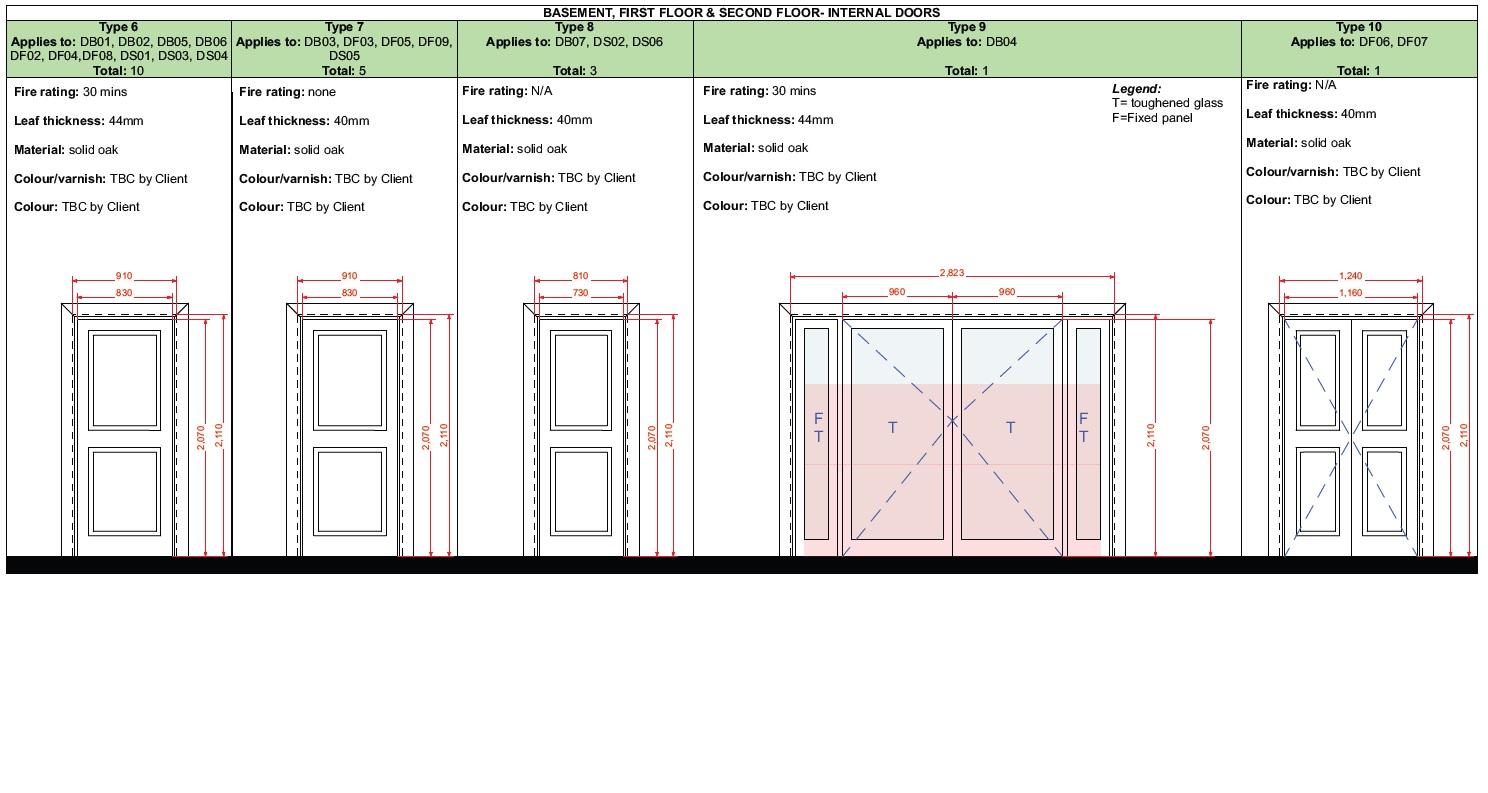
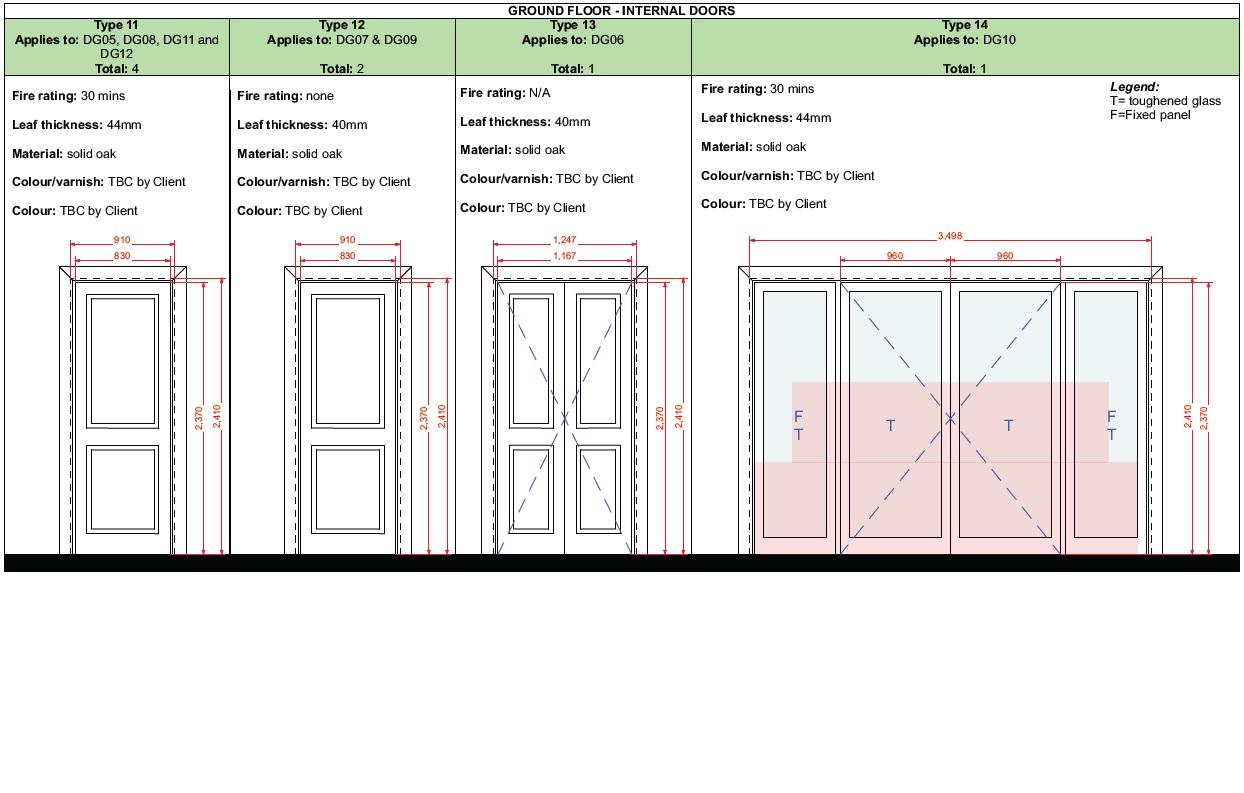
Hi, looking for some advice on my Architects chosen door sizes on my new build. I am comparing some of the sizes from the single doors attached and not really finding an easy match. Just about to have the openings built with blockwork so would appreciate any advice. Block to block is 910mm and the 810mm one is a smaller toilet door under the stairs. Heights vary on the images depending on what floor the door is on, 2110mm high to blockwork opening in the basment which will have 2400mm high ceilings. Do you think I will find it easy to buy doors without them having to be made bespoke sizing? Would I purchase a door frame kit for these openings or just have them made up to suit? Thanks C
-
Basement Concrete Pour - Thoughts on this...
Internet Know How replied to Internet Know How's topic in Basements
Hi Ronan, what are your thoughts if we were to put 2 pumping wagons on this and 4 concrete wagons serving them half and half of the diagram I shared? We pumped a 97m3 slab last week with one pumping wagon and 3 concrete wagons on rotation in 5 hours start to flat float finish on the slab. We would probably need 6 men, 3 on each half, plus 2 guys moving the pump boom. -
What are the going rates these days for fixing slab rebar and wall rebar? H20, H16 mixture of straight, cut and bent. For the walls H25 starters, H20's and H16's. Is it generally priced per tonne or would a fixer estimate "x" number of days and apply his price? Thanks
-
Basement Concrete Pour - Thoughts on this...
Internet Know How replied to Internet Know How's topic in Basements
The video looks great, did you hire the time lapse camera or buy one? -
Basement Concrete Pour - Thoughts on this...
Internet Know How replied to Internet Know How's topic in Basements
I'm no expert, I just think its better to have the one pour if possible. I do know of one other basement build who had walls at 2.7m high and probably 100m3 concrete pour...they did it in one with Sika. That doesn't mean my one will go smoothly though so I appreciate your knowledge and advice -
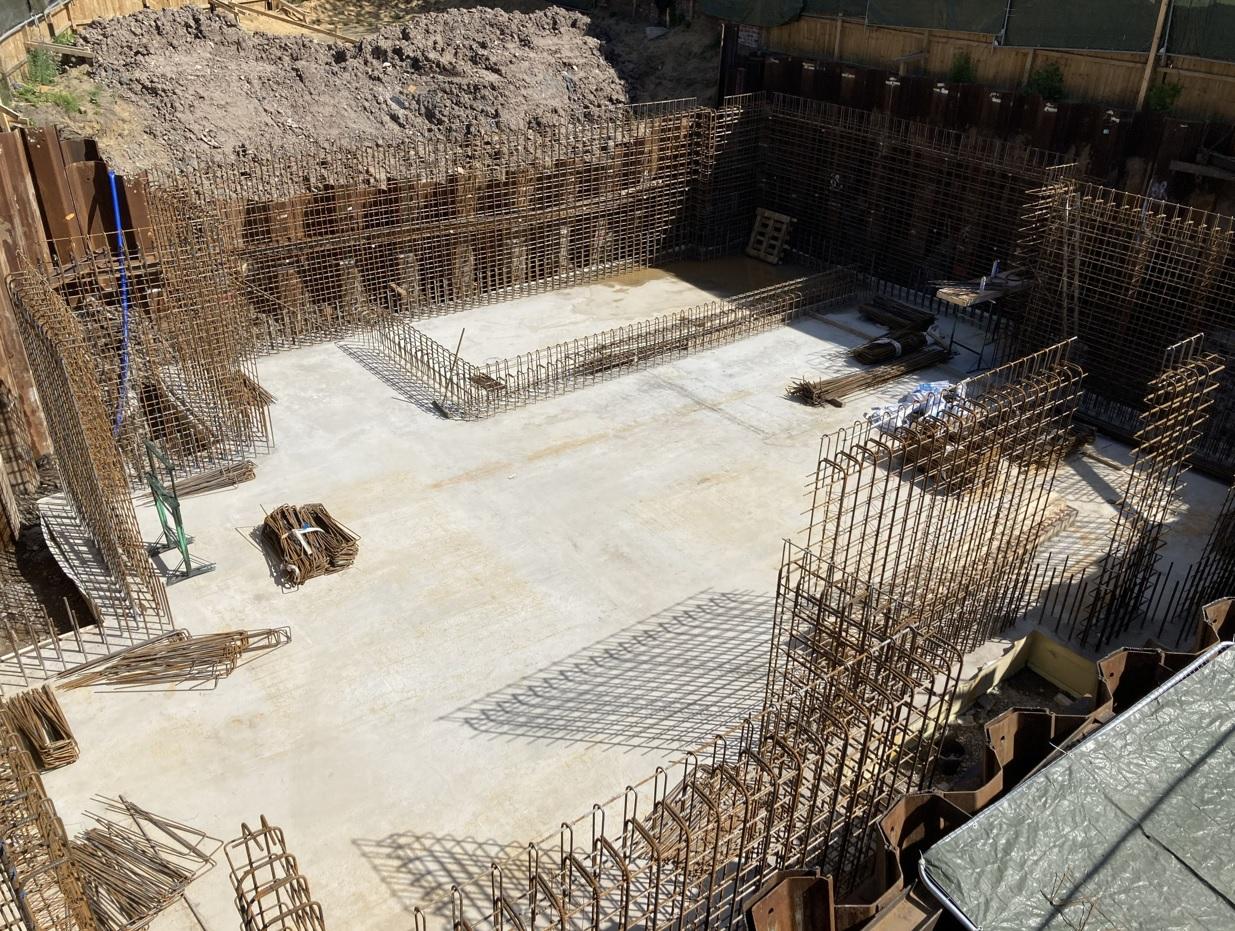
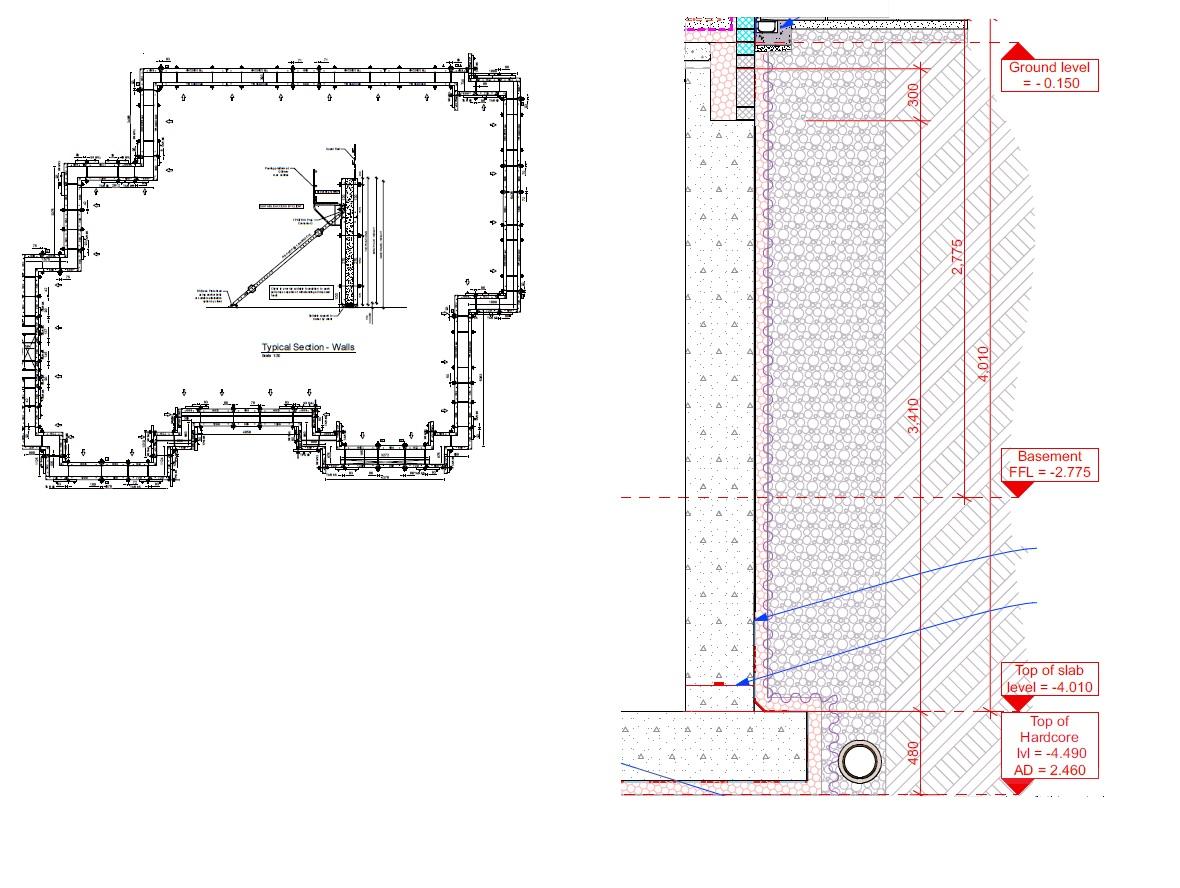
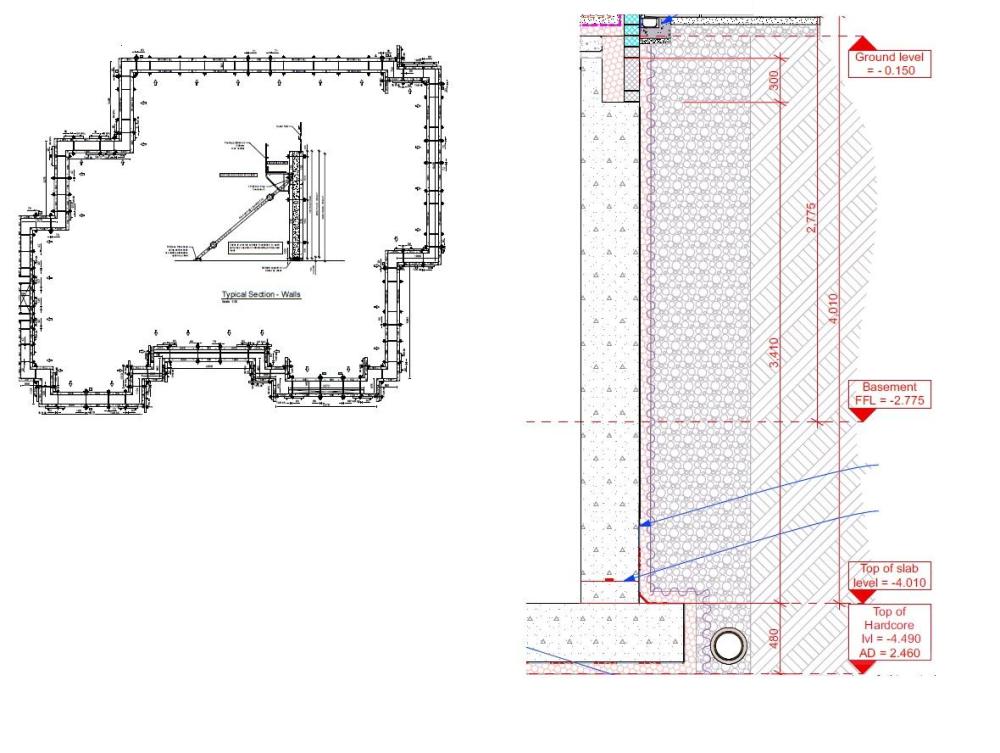
To pour the walls in one, or to not pour in one.....thats the question. We have a basement in the process of construction, and wondering if we should pour the walls in one or split it up into two pours. My installer has reservations about the potential of introducing cold joints if the concrete goes off too quickly before they get around to the next part of the pour to reduce the risk of any cold joints appearing in the walls due to concrete going off too quick. Although we have a construction joint where the wall meets the kicker, - outline plan of walls attached - basement wall height is 3410mm plus a 300mm reveal to the top - Sika waterproofing in the slab and wall concrete, using a c32/40 mix - Walls are to be constructed using H16-H20 rebar - Aluminium formwork panels will be used, panel height will be 3.9m, but the wall itself will pour as per above - Walls are 72 linear meters in total, and at 393mm thick we have about 100m3 to pour in the walls - We are in the water table - Will install a kicker, cast as part of the slab - We are using external sika tanking under the slab and down all walls - Pouring 1m section around the entire perimeter at a time, pokered, before going round for the next pass until the pour is complete. 1 perimeter pass will take 4 concrete wagons. In total in the 1 day we would need 13-16 wagon loads if each deploys 7.6m3. - The concrete yard is ten minutes down the road, and we can have multiple wagons on rotation. I personally want a single wall pour, and technically we meet the wall height to width pour ratios. I don't really like the idea of splitting the basement in half vertically for the pour and having sikaswell water bar up two sections of wall. What if there is ever any future movement, even slightly could open up a joint. I prefer a single pour, tied together completely with rebar. Would welcome your thoughts on this. Cheers
-
Great Pic! Nice to look back on
-
Hi Russell, yeah I thought that could cause me some delays. To be honest, I would also expect that my brickie's would build accurately to the building regulations drawings which have all the sizes on there!
-
I think it makes sense for the fabricator to do this and provide all the drawings too doesn't it, otherwise could end up being and expensive task to redo something if there are issues later where something does not fit.
-
Thanks for the advice! I see what you mean by the thickness of insulation. The trade off for us is not digging any deeper to accommodate a 200-300mm insulation board. I have raised the use of the Eurothane sheet with my SE for input. We installed a water tank to capture all water run off, and we cast the tank in the ground with concrete so it will not move. Our slab is 400mm thick and our walls will be the same. We have some 25 tonnes of rebar going in as part of the basement build, which is mixed between 16 and 20mm bars.
-
Yeah I will ask the SE to double check it, thanks!
-
We did consider having a split level slab, so you are correct that whilst it has cost more to dig out, the engineering aspect putting back is a bit easier. the pool area takes up pretty much half of the basement footprint too. It's also made water management so much easier. As for the sump pump, not planning to have a pump running externally around the basement once we backfill, but we are having external tanking, sika in the concrete and maybe even an internal 3rd line of defence too...such as slurry to the walls or the internal drainage with sump pump
-
Architect specified 150mm Recticel Eurothane® GP PIR board (thermal conductivity 0.22 W/m.K) or equal approved. im not sure on compressive strength of this
-
Hey Conor, Swimming pool in basement, and slab is the bottom of the pool. It means we have a 1m void, then we install a block and beam floor which will have insulation, UFH pipes and screed. We are in the water table and its not possible to drain away water because the basement slab sits below the water table level. My view is that the insulation will be good for the pool area only to keep some heat of the pool water in, but wont offer much else. All other floors in the house have UFH and insulation under the screed. If I install 150mm or 200mm insulation across the entire underside of the slab, I then have to reduce my pool depth by this amount, which was planned at 1200mm (a standard depth). A 1m pool will work but isnt the best