junglejim
-
Posts
256 -
Joined
-
Last visited
Everything posted by junglejim
-
Thanks for all the advice so far. One more detail I’m wondering is how high to bring the floor rpm up the stud work? It would seem to make sense on the external walls to lap up the concrete upstand (overlapping soleplate dpm) and then tape to the soleplate or sills or be left open at the edges and come up higher? or… extend the dpm higher to underlap ybs foil and then tape the joint between ybs and dpm
-
Currently building a new house and looking at my electrical planning. I’ve read somewhere that DC is worth considering as an alternative to traditional ac lighting circuits. Wondering if anyone has any advice or opinions one way or the other. Ideally looking to future proof and also with sustainability in mind.
-
happy Christmas. thanks for all the advice. There’s none underneath. It’s a raft slab.
-
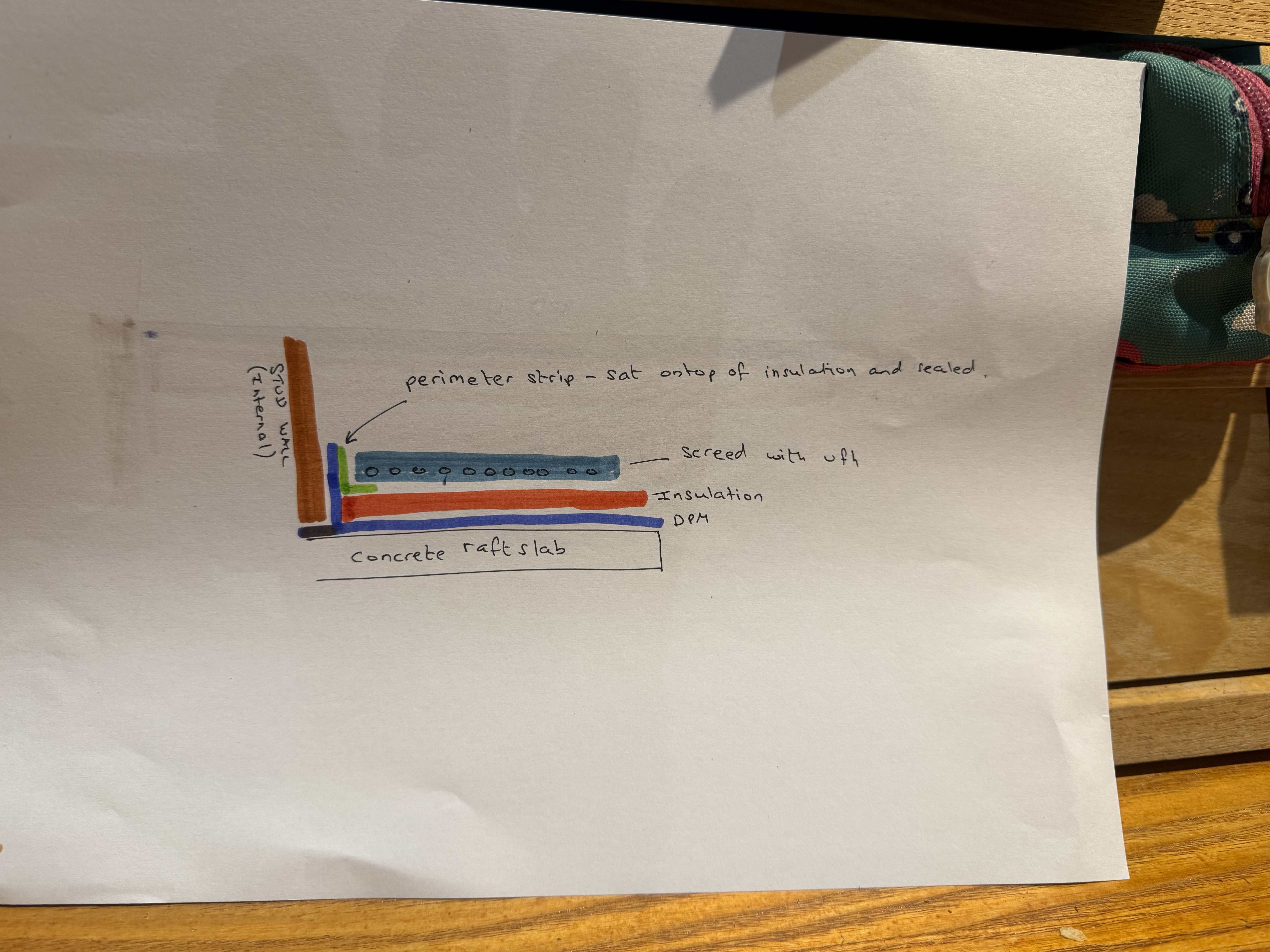
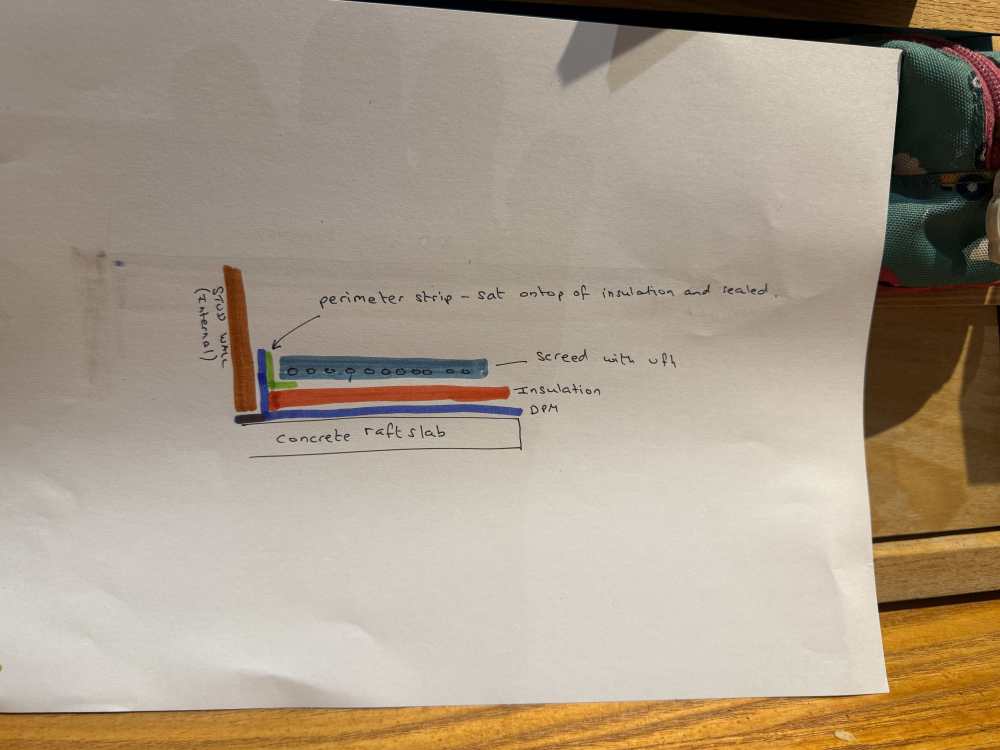
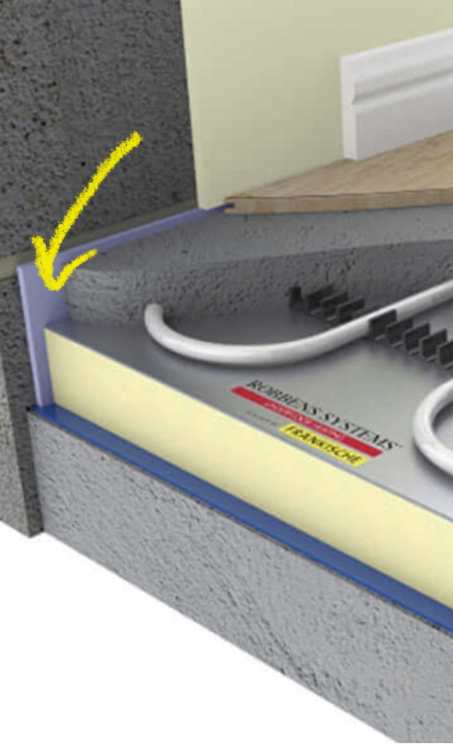
Difficult to explain but here’s what I’m thinking. The difference from what seems to be the norm is not taking the perimeter strip all the way to the concrete slab. It feels better to make sure the insulation is tight/snug to the edges of the room. Unless the perimeter strip (green) is supposed to also provide some compression/expansion around the pir.
-
Thank you Nick for such a thorough response. That’s as I imagined. I’ll definitely be using the foam strip as advised by the screed company but think it’ll be better above the insulation rather than all the way to slab. These also suggested osb strips at the bottom of the studs to give the strip a solid backing to adhere to… makes sense although possibly belt and braces. Any further advice welcome 👍
-
Thanks… that’s an interesting point… was planning on taping it to the insulation and also to the stud
-
Thanks. The polythene is a skirt on the expansion strip to be taped to visqueen layer laid ontop of insulation. I’m really questioning the logic of running the expansion strip full depth rather than above the insulation… seems like standard practice to go full depth so I’m wondering if there’s something that I’m not understanding.
-
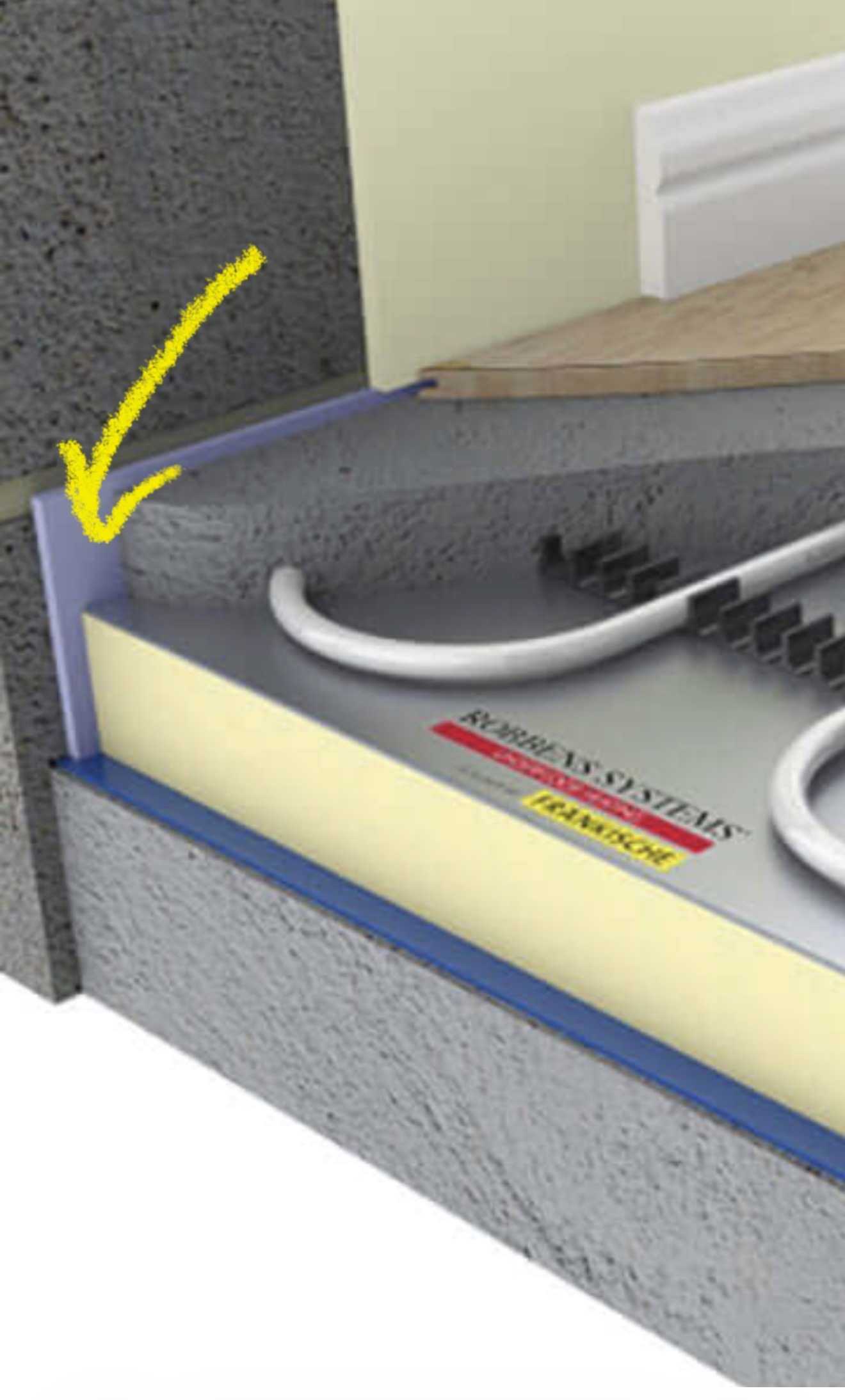
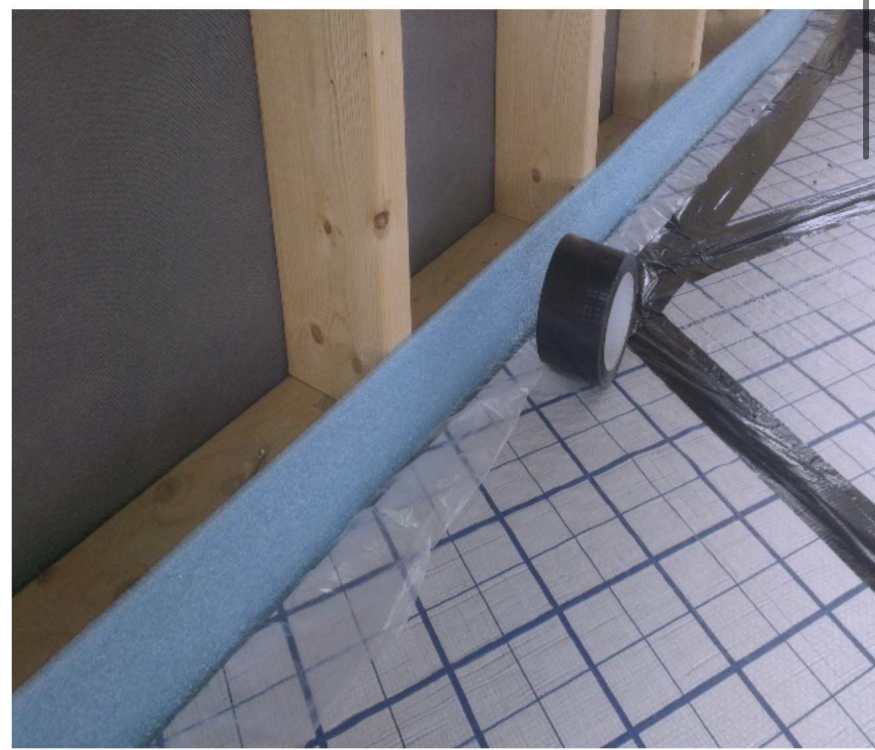
Thanks for the advice. The image I first posted was from Google and not exactly illustrative of my case (timber frame). I realise the external wall will need additional insulation such as 25mm perimeter pir up to ffl I think. My main question is around the use of the expansion strip. I’ve attached an image that our screed company has provided as an example of what to do. However my instinct is to run the pir right to the stud then install the expansion strip above. Unless it’s serving another purpose?
-
I’m a bit confused by what seems to be standard practice so must be missing something…. The advice is to fix the expansion strip to the perimeter prior to floor insulation. (See attached) Surely as this is much less insulating than pir it provides a potential cold route to the slab around the edge of every room? Would it not be better to fit the insulation tight to the edges and then add the expansion strip above this. Taping the ‘skirt’ to the top of the insulation / visqueen layer will ensure a good seal for the screed without the need to compromise on floor insulation? i also thought it was good practice to install a vertical strip of pir around the edges but does the expansion strip negate the need for this? I’m likely missing something so any advice greatly appreciated. Thank you
-
I’m just trying to work out the detail for pir insulation with ufh and screed at external door junctions. Along the exterior walls I think I need a vertical strip (25mm wide) of pir that will finish flush to the finished screed level and be hidden by the flooring and skirting. However where there are door junctions this will be against the bottom of the frame and the engineered floor will go over the top. In wondering if as it’s a high traffic area I should really use something like brigi foam at these junctions or am I over thinking it? Thanks for any help
-
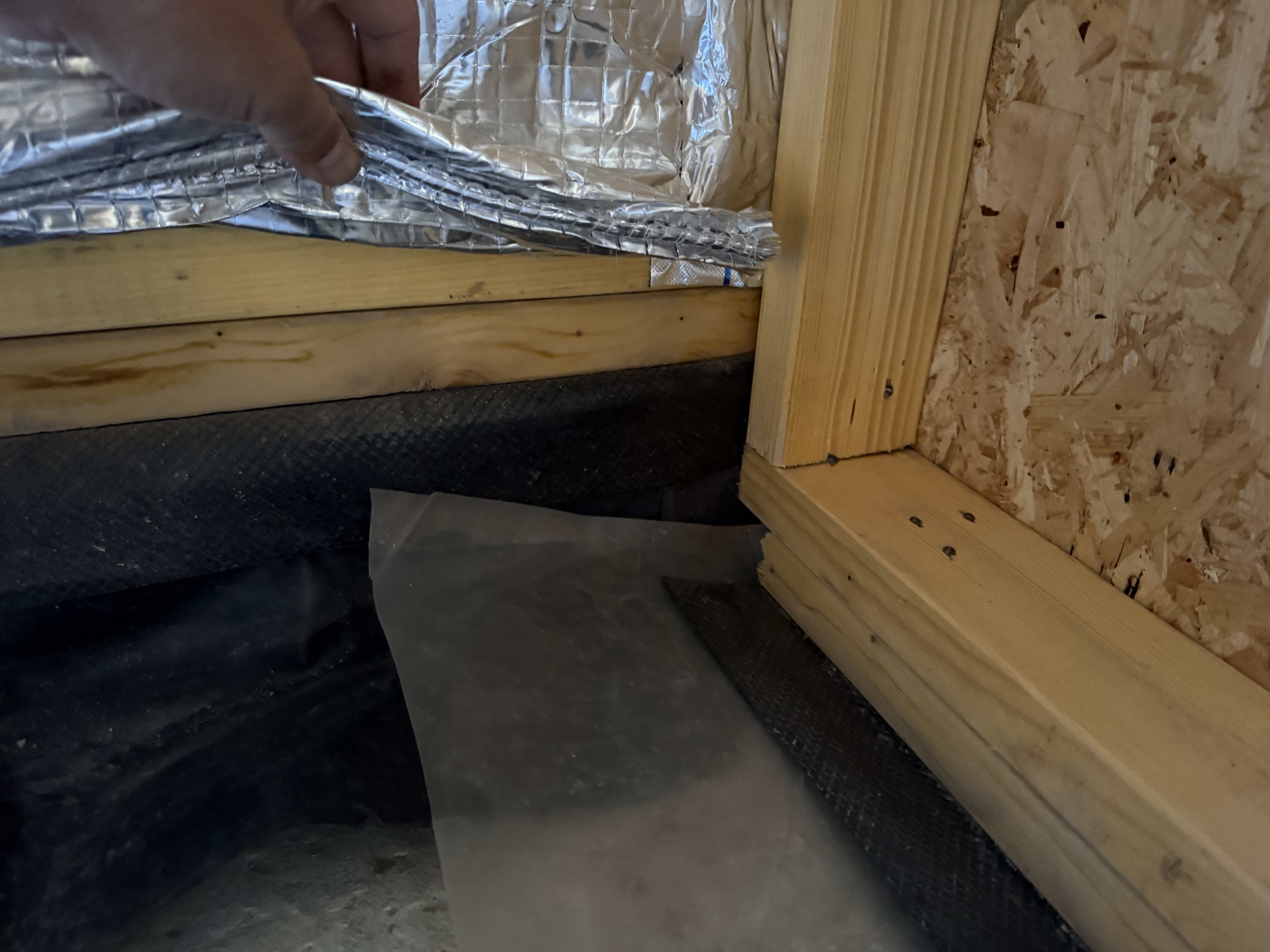
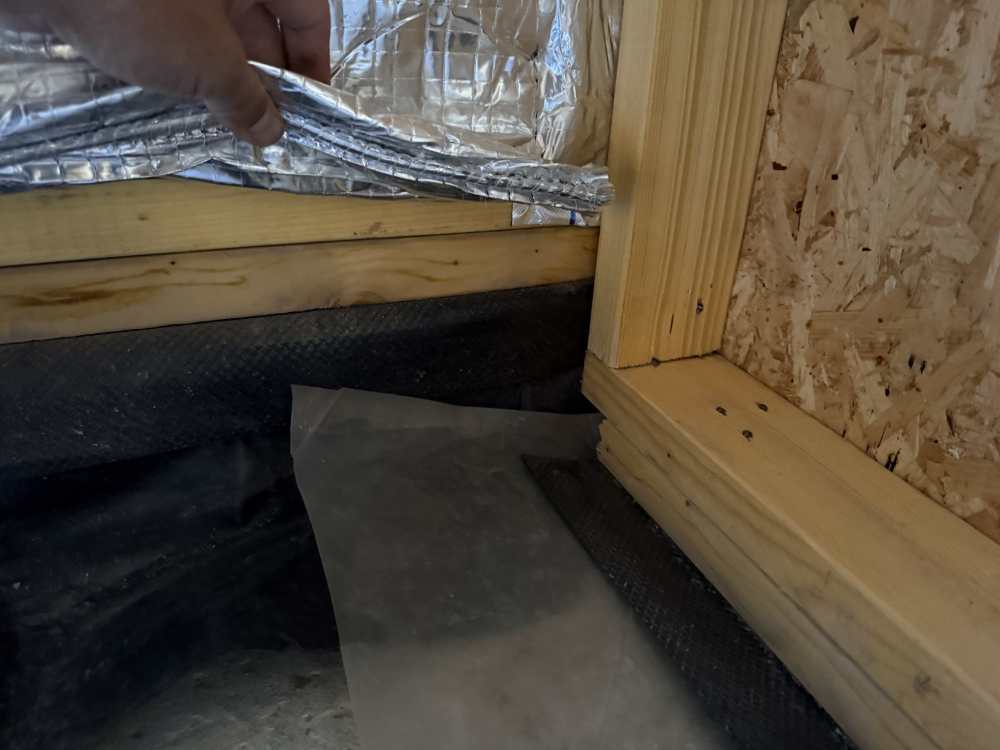
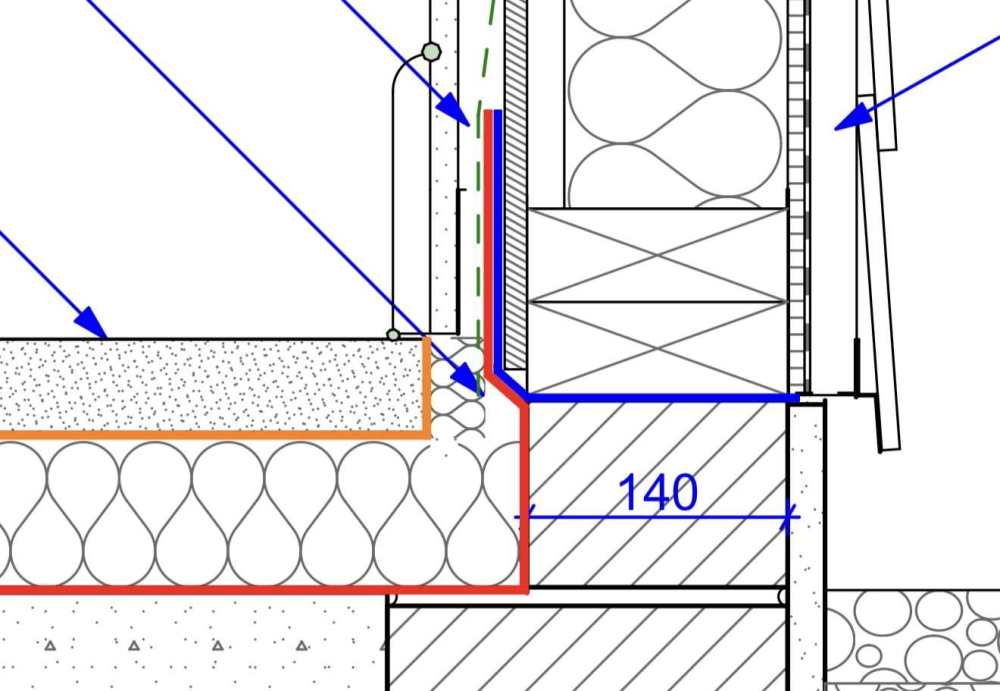
Thank you for the thorough reply. The black dpm where your arrow is folds down and underlaps the dpm beneath stud partition by about 150mm. There isn’t any tape though but not sure if that’s essential? You’re correct to notice that the black dpm underneath the studs doesn’t extend 100mm … more like 50mm but the clear strip which also goes under the partition extends about 200mm. I’m hoping that’s ok and I can then tape the membrane that I’m laying over the concrete floor onto this. Thank you again, really appreciate any further advice you have here.
-
Top of screed will be just above no.2
-
Thanks for your reply Mike. Sorry I’m not explaining clearly. My issue (I think) is that I can’t access the small sections where the partition wall butts against the perimeter upstand/soleplate. The issue is 2 fold; 1. I can’t bend the dpm that is under the soleplate upwards as it’s folded down between the partition. This may not be an issue but 2. I can’t get in between the partition junction to seal the laps. there is no exposed concrete as the dpm strips overlap but they aren’t taped or sealed between partition and upstand. in my mind it would have been better to lay the dpm across the whole slab before the partition walls but this was done by the TF installer as standard.
-
Just resurrecting this in the hope someone can advise on my first point? Ta
-
I’m building up my ceiling layers. I have insulation between rafters, then internal osb, then super quilt heels in place with vertical battens screwed through to rafters. I’m then counter battening (horizontally) to create a 50mm void for downlighting and wiring etc. because it’s a vaulted ceiling I’ll need to lay plasterboard ‘landscape’ so the length will follow the same direction as the horizontal battens. I’m wondering if this is ok? I’ve read that plasterboard is designed to be installed with battens perpendicular to the length. I figure if the spacing is smaller it’ll be ok but looking for advice. Thanks
-
I’m thinking now that my battens should run the other way ie; first layer of battens horizontal and then counter battens vertical so that plasterboard is better supported?
-
Thanks. I’ve taped osb for the airtightness and have 175mm insulation behind. Advice and spec from TF supplier was to add ybs super quilt on top as vcl. I’m going to batten and counter batten to provide enough of a service void for downlighting.
-
The inside of my timber frame has YBS foil held in place with battens. I’m doing this into the vaulted ceiling which has osb on the inside face. I’ve marked where rafters are top and bottom so can run a laser to project the line and ensure battens go the same direction and through into rafters but I’m struggling with positioning and holding the foil in place until I batten. I’ve initially stapled to hold in place and then batten It would seem easier to run the ybs in vertical strips as makes tapping the joints easier but would welcome any advice on installation as definitely feels like I’m not being particularly efficient at the moment. Thanks
-
Here’s some photos of the slab…any thoughts? I’m thinking of laying a geotextile to protect dpm. What do you think?


-
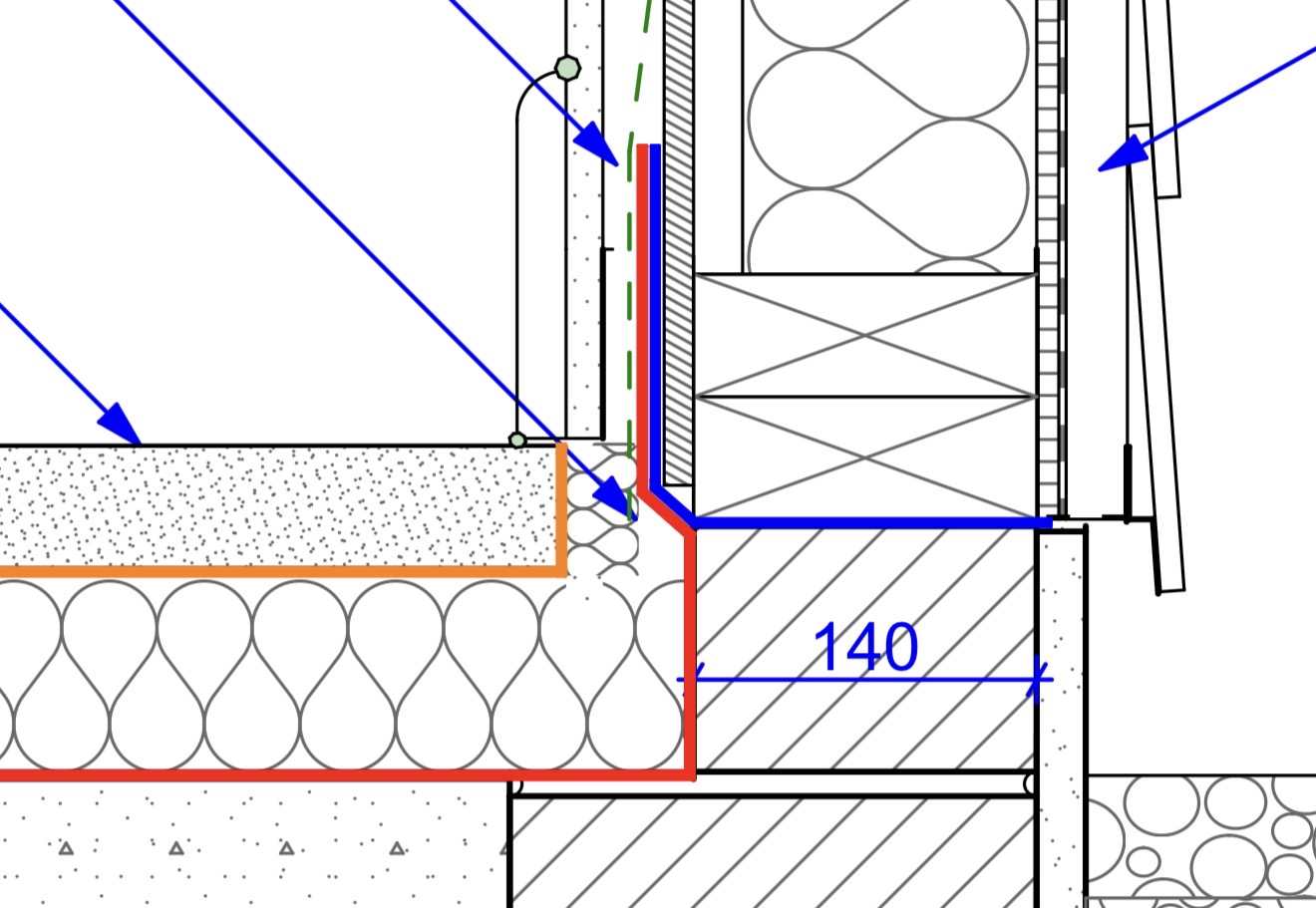
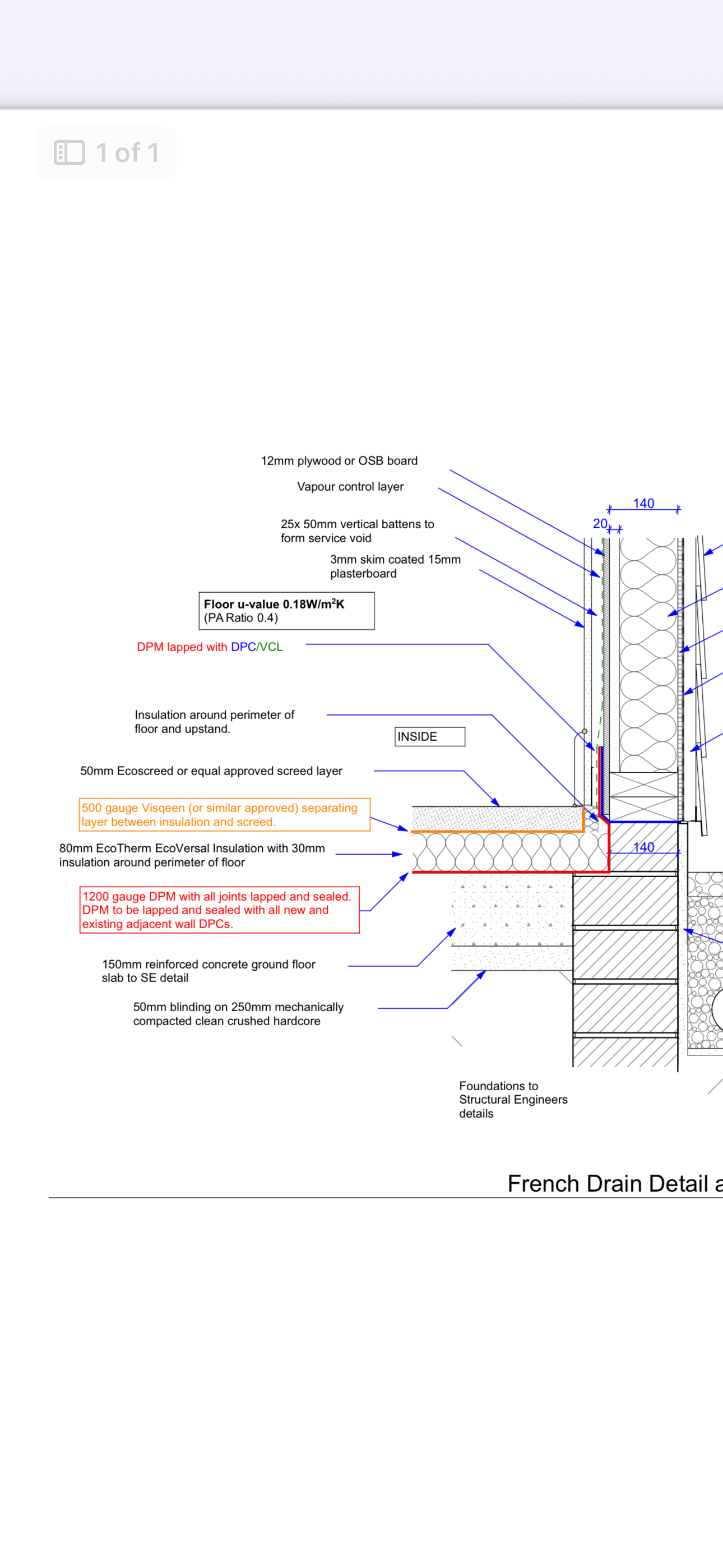
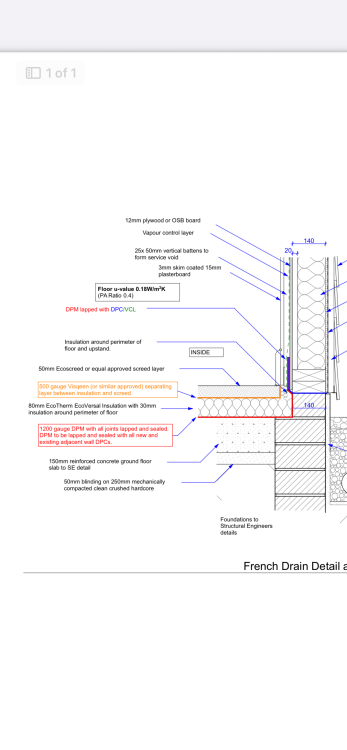
Slowly progressing with my timber frame build and getting ready to lay dpm, add pir, ufh and screed. I’ve got a couple of questions: 1. My architect drawing shows flow dpm sealed to dpm under sole plate and lapped up external walls. (Red and blue lines in drawing) The internal walls were all installed at the same time as the external walls. So where these intersect I can’t fold up the dpm. The easiest solution would seem to be not to fold up the dpm strips that are under the sole plate and instead fold them down but tape / seal the new floor dpm to all junctions with overlap so that can fold up. It would mean that the there is only one layer of dom above the upstand rather than the 2 in the architect spec. In the corners presumably I’d use ‘hospital bed style’ to neatly tuck in without any break in the dpm. 2. there are sections of the slab that to my untrained eye seem quite uneven. I can chisel off small lumps but wondering if I should be taking additional measures to perfect the dpm? I haven’t got any photos yet and i could well be overthinking it! I don’t think self levelling screed will work because it would interfere with the dom under internal walls. I guess I’m wondering when I should worry about this and what solutions there are? I’m thinking the addition of a rubber layer (say 1-2mm) might be useful? 3. also with insulating the slab. The architect drawing shows the perimeter strip sitting on top of the sheet insulation. I’ve also seen lots of people do the strip first at full height then add the sheets. Wondering what the logic is for each method? Thanks as always does the help given.
-
Just wondering if anyone can offer any advice on this? Thank you
-
@Redbeardsee above
-
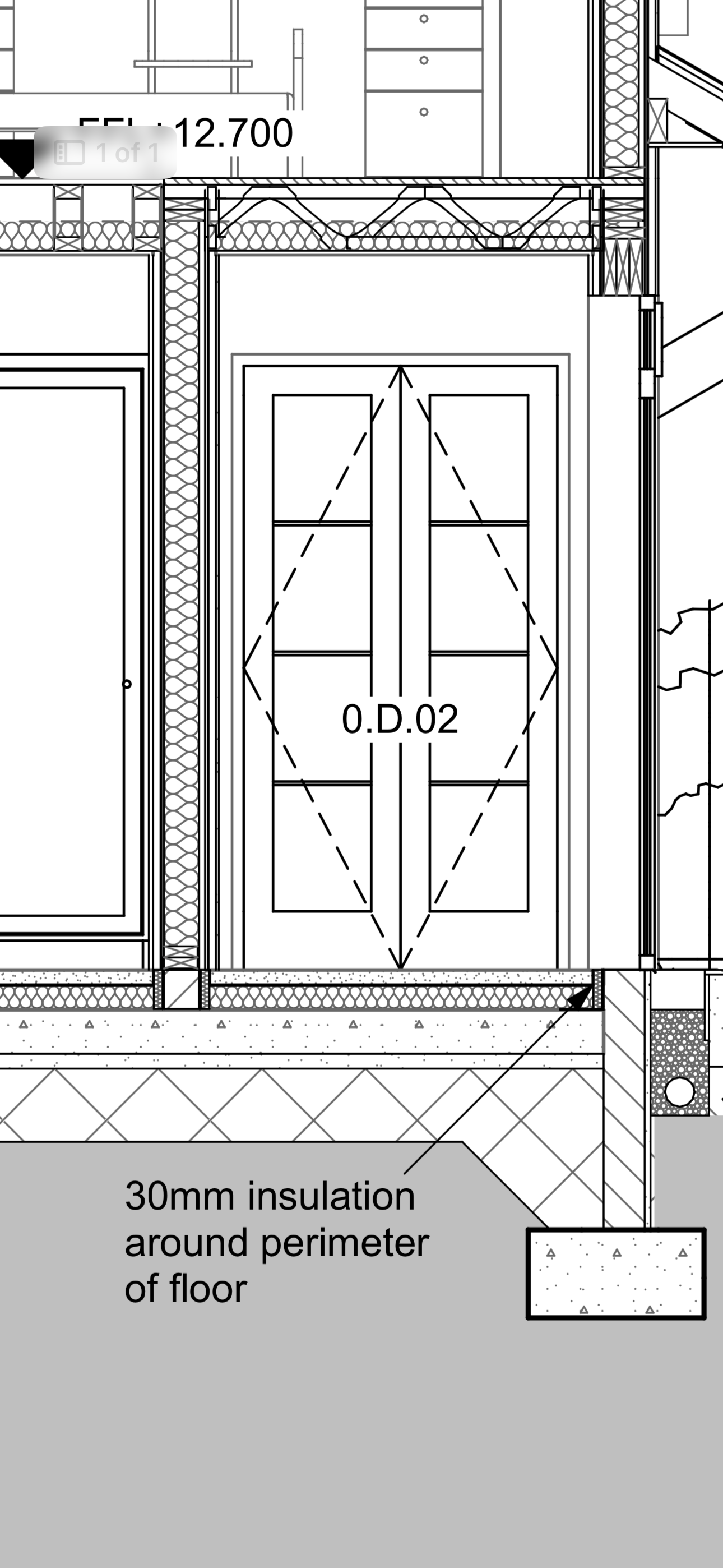
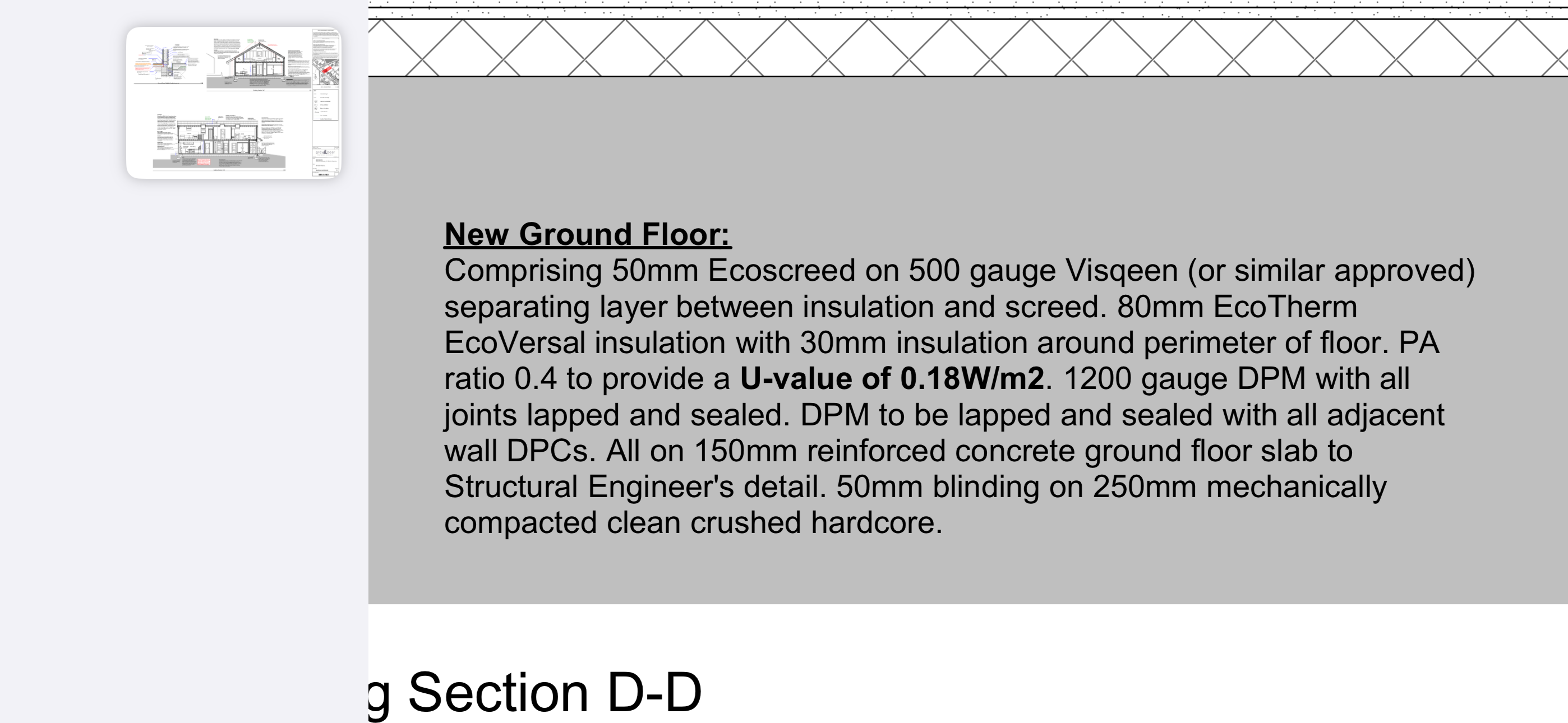
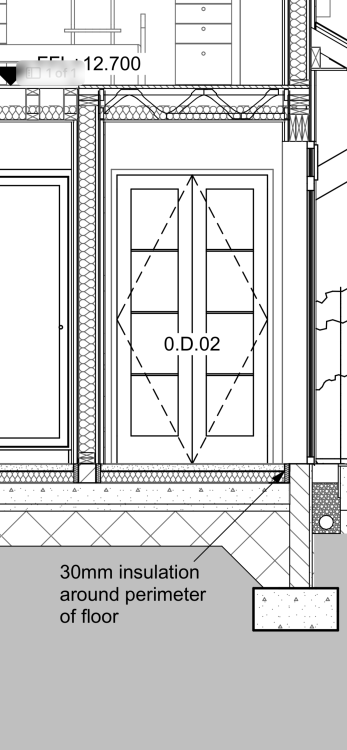
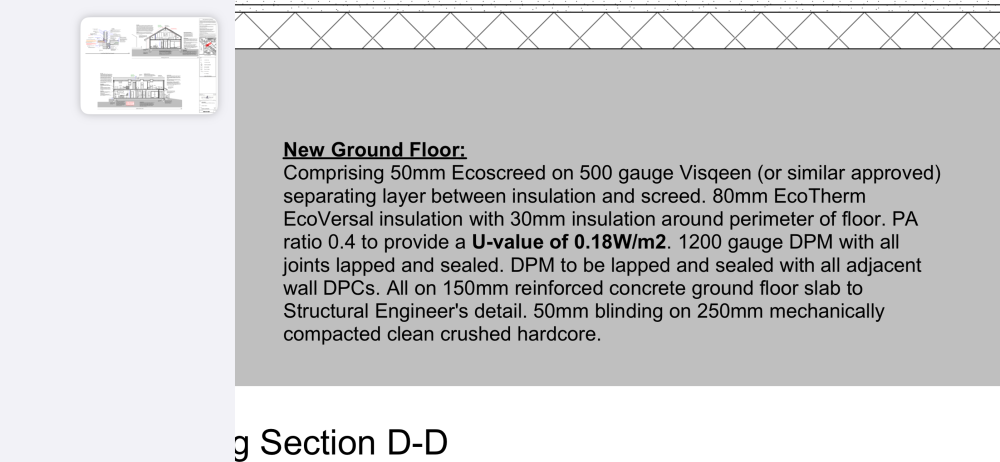
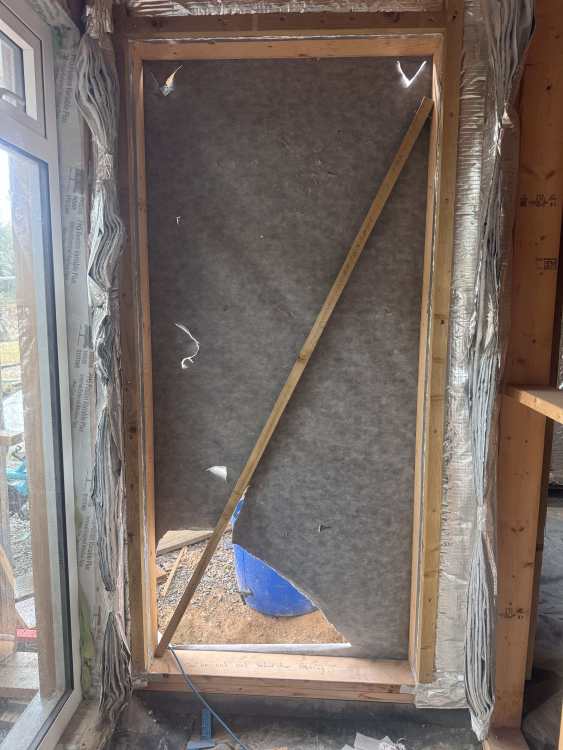
Thank you @Redbeard We’re currently at slab level with timber frame erected and wind/watertight. Onto of the slab we will insulate with rigid insulation which I understand should also have a perimeter Insulation/expansion joint. ontop of the insulation will be ufh, screed and then tiles to finish. Attached pictures are from BC drawings but scope to adapt if needed. Any advice welcome.
-
I’m building a timber frame house and am working on the front door detail. (We need to be part M compliant.) I’m having a custom timber door made as we want to add a unique stamp on the property. The door will come with frame but no hardware or threshold so I’m looking for advice on how to install and suitable threshold. We have a concrete slab and upstand which is level with internal screed so need to allow for ffl . I’m conscious of thermal bridging and the need to bring external paving to the threshold. We’re thinking of aco drain + paving slabs outside. The timber frame build up is as follows from internal to external; - plasterboard - 38mm batten - foil insulation - timber frame with pir insulation 140mm - 9mm osb - 38mm batten - 20mm timber cladding the upstand matches the frame depth of 140 approx. It’s a detail I’d overlooked as originally imagined a timber threshold but realise I likely need aluminium or similar to meet part M. We haven’t yet screed internally and will be insulating the slab with pir so just trying to work out what I need, size allowances for door/frame etc and the build up needed. Any advice very much appreciated. Thank you
-
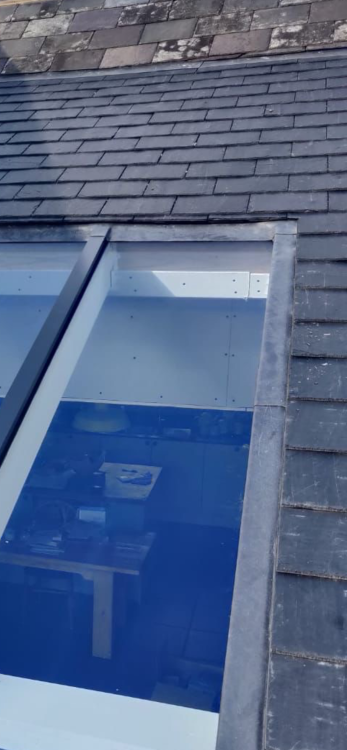
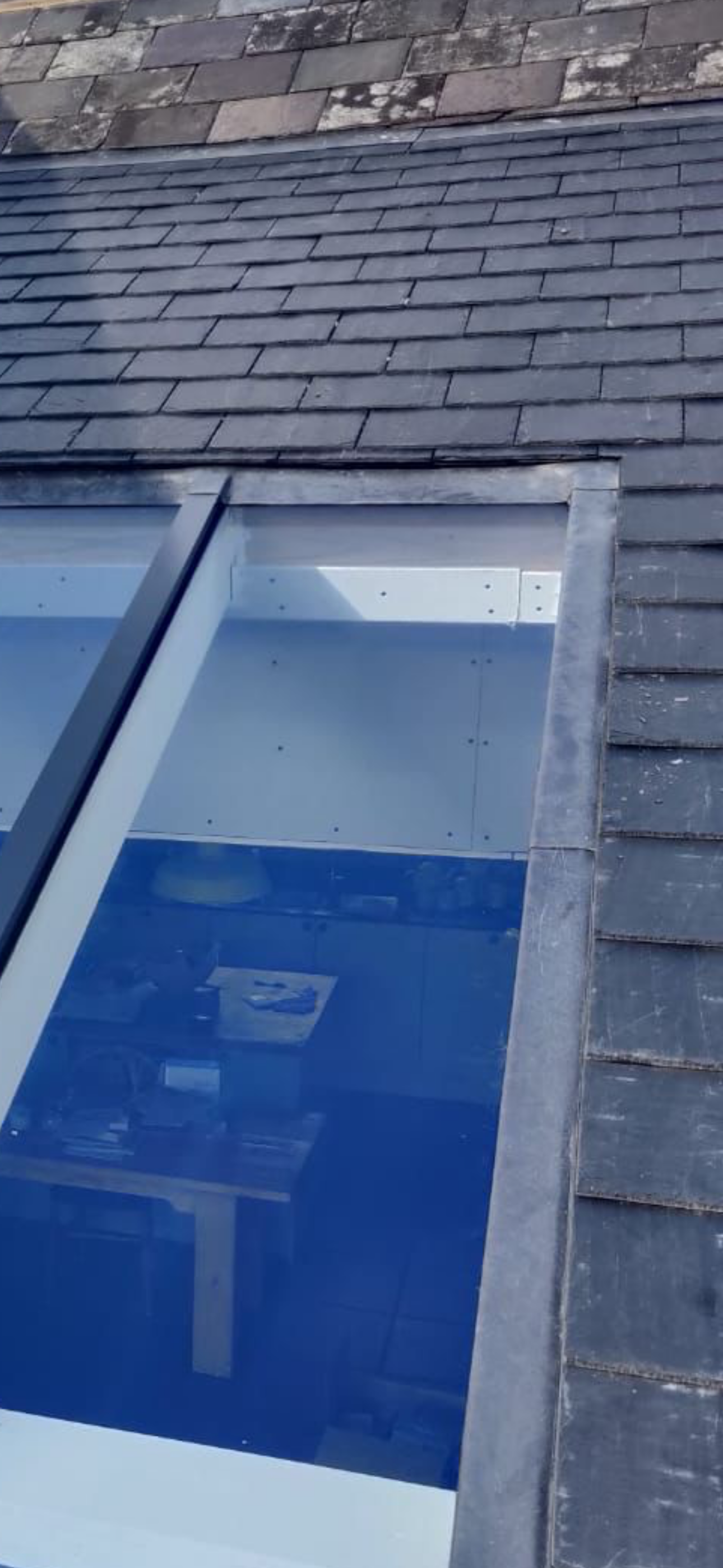
Thanks yes you’re correct. Additional timber will be added to bring the glazing up to tile height. I’m contemplating whether to render above (as it will be rendered below) or whether to just clad for ease but either way a lead flashing will need to be added horizontally to bridge the joint between wall and window. I hadn’t thought about staining but pictures seen show similar to what I’m thinking. Note compared to the attached image the difference is mine will butt up against the back wall