G and J
-
Posts
1977 -
Joined
-
Last visited
-
Days Won
8
Everything posted by G and J
-
 We intend to use Ergovent which are plastered in. Not sure if it’s too late for you for that or if you prefer surface mount. https://www.ventilationland.co.uk/en_GB/p/frameless-square-ventilation-valve-ø-125-mm/18709/?gad_source=1&gbraid=0AAAAAB0qKPCDyeAp9KFPi3NPY7szWhSMM&gclid=CjwKCAjw9p24BhB_EiwA8ID5Btq_n6a3GfORlhvHEiCKGcuqGAnenTP08SzNlKxntU6VtUF3h__QchoCb4EQAvD_BwE They do come with an adjustable baffle I believe. The square middle bit is held on by magnets so can easily be popped off to adjust flow.
 -
All very personal taste I know, but if the ensuite is steamy will opening it up to the closet work.....I also woudn't fancy either having to wait or worse, walk past someone on the loo......I know true love knows no bounds but.....
-
So, the process is something like: Obtain planning permission. Do building regs level design. Get SAP rating (as designed) to form part of building regs submission. Submit to building regs for approval. Change stuff as needed and get building regs approval. Get quotes. Appoint peeps who complete their extra bits of design (like timber frames and b&b floors and stuff). Purchase warranty. Build while building control dudes inspect. Get as built SAP rating. Get sign off. Live happy ever after until you can’t help yourself and you decide to build again despite the combined advice of family, friends, therapist and probation officer. I may have got that sequence wrong, if so please correct me. But the question I’m struggling with is design changes. Say after getting building control approval you have a better idea. How does it get built in? Do you just do it and hope BC and warranty company like the new design? Is there a change process like there is for planning? Is it usual to seek agreement from building control for changes before and during build? Same for warranty? There’s so much I don’t yet feel I should, so demystification appreciated.
-
It isn't bad at all. less than rain on a skylight. I've asked clients what they think of rain noise on a metal roof (in offices and schools) and they either don't notice, or like it. That’s good news for my man cave then. Mind you, the sound bar should drown just about everything else out: low flying fast jets; earthquakes; even the music from an Amazon delivery driver…., etc.
-
I almost fell for that. It would be like living in a biscuit tin when it rains. I’ve spent time in a ‘72 bay tin top. You hear every drop, big time.
-
Flat roof design 101 from basics for the Suffolkian idiot….
G and J replied to G and J's topic in Flat Roofs
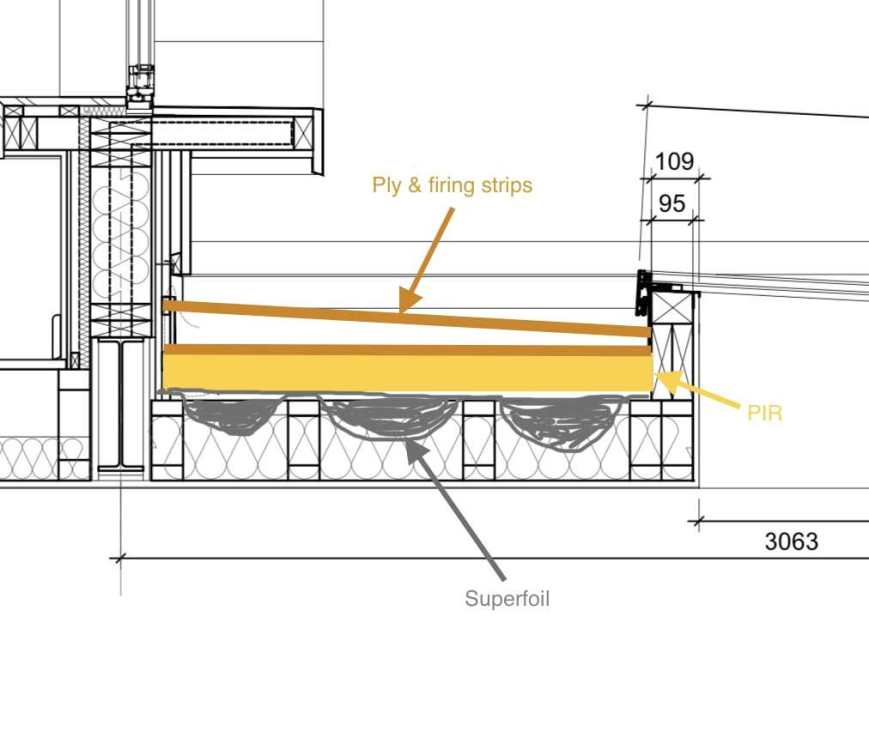
Ta. Is this an accurate cross section? So presumably the foil was your air tight layer.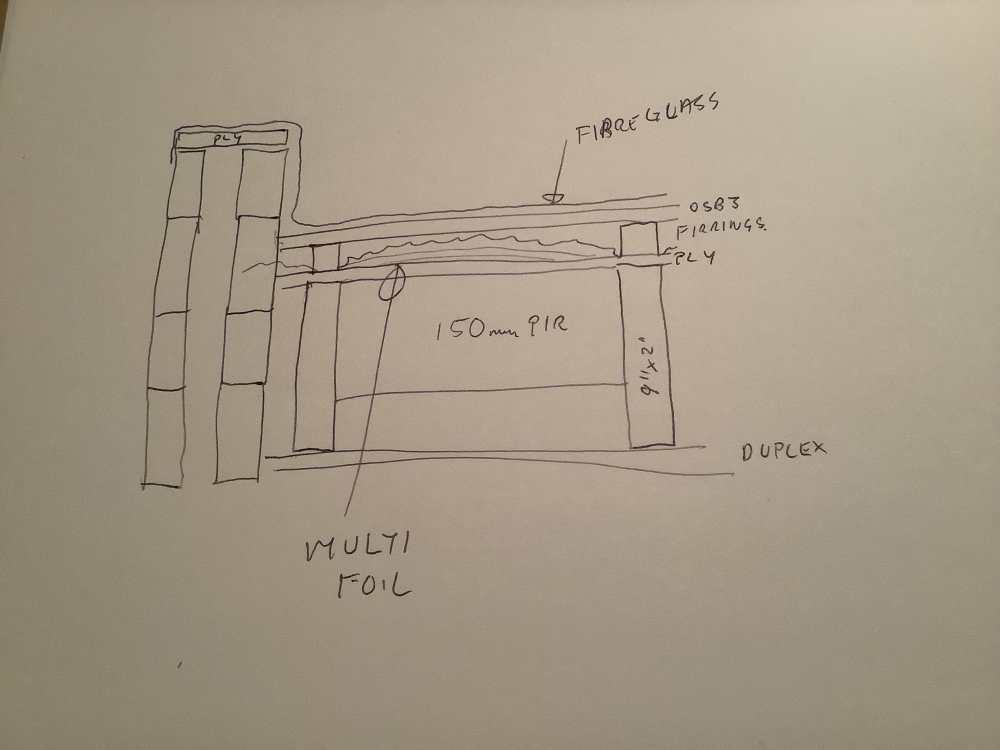
-
Flat roof design 101 from basics for the Suffolkian idiot….
G and J replied to G and J's topic in Flat Roofs
If I promise to be your bestest friend can I have a look at yours…..? -
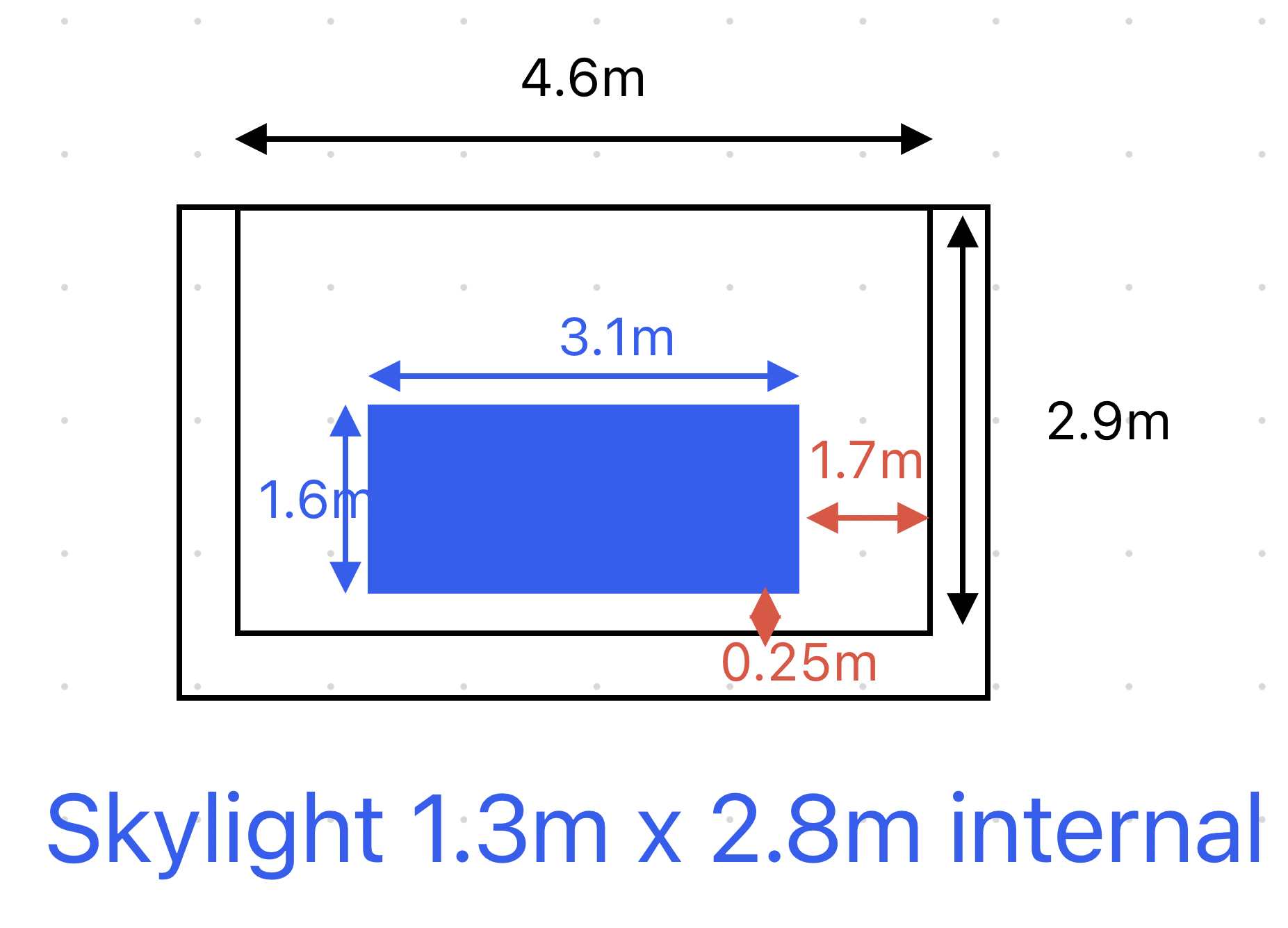
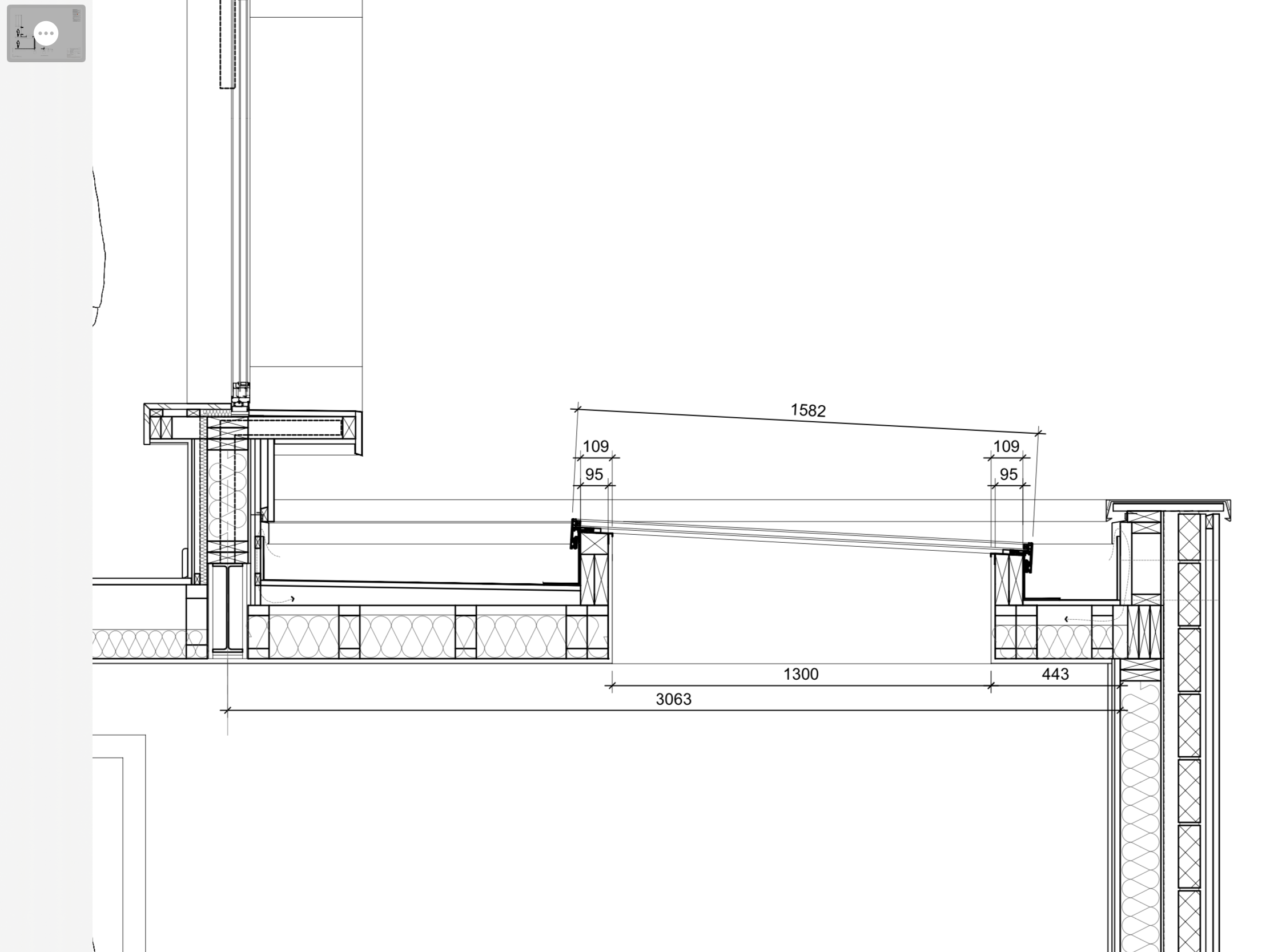
So, to restart my thinking I’ve gone back to basics. Here’s our flat roof. My first question is: Is there enough room to get a cold roof sufficiently ventilated using those little upstand vents and the fact that the skylight mucks up cross flow?
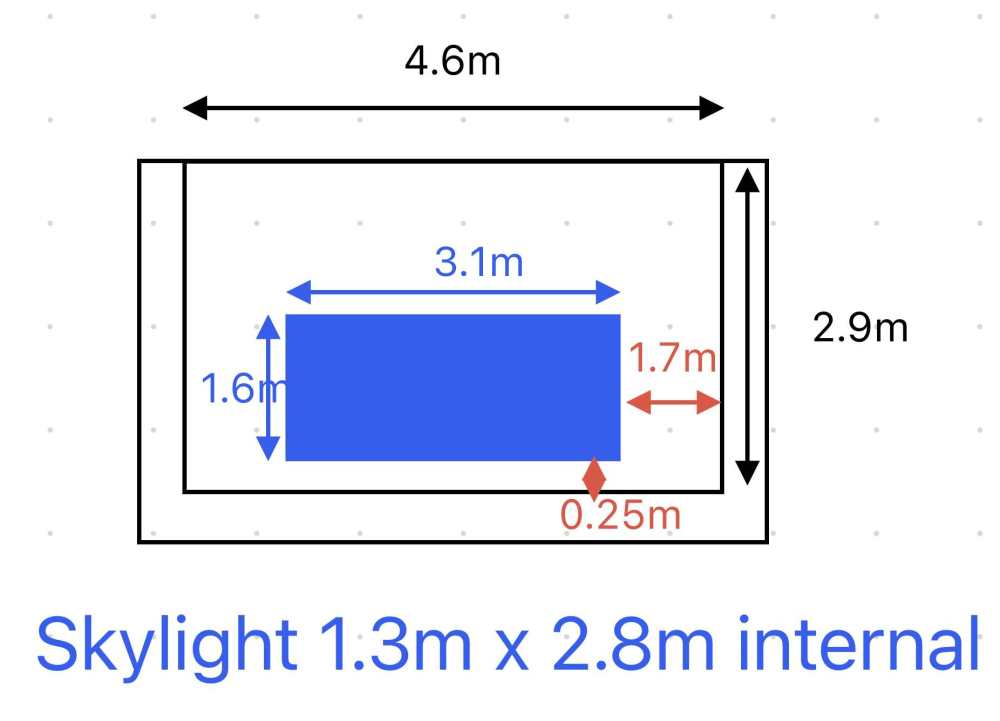
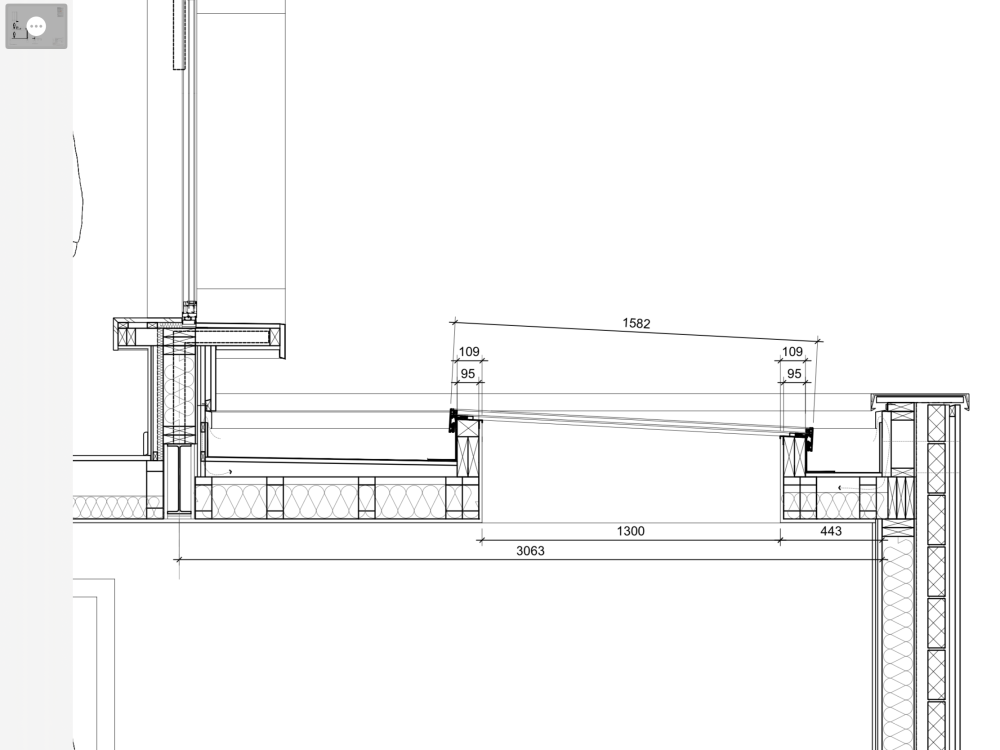
-
Who ultimately decides and how can I know upfront?
G and J replied to flanagaj's topic in Planning Permission
So you’re really pleased to have bought a plot in such a picturesque place then……. 😕 -
I like copper. It feels good to use, very satisfying. But in our build we are going to use Hep2o. House I’m sitting in now I did in copper as plastic wasn’t ‘of age’ back then. 18 years ago we did a full refurbishment of another property and I used Hep2o. In hindsight the mistake I made was treating it like copper. I don’t mean I melted the joints with a blowtorch - I mean I used elbows and connectors in the walls like I would have using 3m copper lengths. So for the build if all goes to plan there won’t be a single joint buried, just lengths of plastic pipe. And I appreciate that using copper for the final feed to each rad looks good but it does mean buried joints, and as one can buy cosmetic pipe covers why not go plastic all the way?
-
Crumbs guys, thank you. Loads to think through. Standing back from this a moment it’s interesting to contemplate how we’ve got here. We drew a picture, including a flat roofed bit for preplanning which got a thumbs up. We thought we’d drawn something pretty standard from a buildability point of view. Architect then turned our picture into a planning submission and we assumed any buildability issues would be flagged then. Some where but not one with the flat roof. Planning obtained architect went into building regs design. This flat roof is the last bit, maybe because it’s the worst bit or maybe because it just happens to be last. We’re on a fixed price contract for getting us through building regs, and perhaps the architectural technician who’s doing the work is aware that the amount of time spent on our design is now coming to an end. We could simply accept the initial design, though I have concerns about how insulative it is and how easy the little upstand vents will be to get right and keep open. So my instinct tells me that research here may bear fruit. Certainly I feel my many hours spent considering wall options/build ups/etc. helped me feel informed in the final debate that decided what to go for. I even kid myself that the design is a little better for it (but I’ve been called deluded many, many times so who knows?). And that’s where I am right now, back gathering understanding of factors and options. Perhaps the best I can hope for is to balance the slightly over conservative approach of the architect, but I’m driven to do my best. But how do I do that given where I am right now? Do I simply accept the first design, with the intention of finessing later? Do I pause the process now and engage another party? I’m not 100% comfortable with the process. It seems to be that key design elements are ‘done by others’ (steels for racking strength, to hold up rear gable and to allow thinner posijoists; foundation design; beam and block design; etc.) only after building regs submission which seems daft to me. And there seems to be so much focus on ‘getting past’ building regs/control. They should be our friends, a vital asset to help us improve our build quality yet more. Sorry for the quasi-philosophical dump, but I woke up early and sometimes it’s hard to work out how to think about the problem at hand.
-
That made me laugh! Sorry! I can’t imagine using the trapdoor. I tend to put a ladder against the side of my tower - firmly binding the top rung to a convenient bar so the ladder doesn’t push the tower (too much). I’ve been known to have two ladders tied on for bracing for that matter. But these things always waggle around a bit, and the more one thinks about it the tenser one gets so the more they waggle!
-
I haven’t thought that far ahead, but I note that EPDM appears to be the standard approach at the mo. And I appreciate the help. I suspect PIR and Superfoil is a good option but my habit is to try and get my head round all sensible options before going for what seems best.
-
Fab. Thank you.
-
PS. Designing out the flat roof is not an option for us, we did think long and hard about that at an early stage.
-
OK, I can understand all that. Is there something I can do to my flat roof though? Or is the simple fact that it is a flat roof such that I just have to accept the short lifespans and risk of water ingress?
-
Drainage plane! Isn’t that the EPDM?
-
So build up from top would be…. EPDM Ply PIR (tapered to save the thickness of furring as it is only a small area. VCL - i.e. airtight layer Ply Posi-joists Mineral wool stuffed in everywhere I can get it inc. around MVHR ducts and plenums. And the theory is that as long as I get enough PIR on top without too much cold bridging then the VCL will stay warm enough to avoid any form of condensation. Am I close?
-
Hmmmmm. If the joists are only 202mm and I fill the void with mineral wool I’ll not get a good u value at all. The context is that we also have a large set of patio doors in that area, so I’m having a fret that that area will be the coldest bit of the house.
-
Who ultimately decides and how can I know upfront?
G and J replied to flanagaj's topic in Planning Permission
It's got to be your call....... In an ideal world we all find a plot in a location we want to live AND can build the house of " our dreams " whatever that means to us at the time In reality, unless money/location has no limits, we may have to compromise on something. We have a project in our "dream" location (i.e. the one that will suit us going forward, leaving our "dream" location where we built 30 odd years ago), but in both cases some compromise was necessary. If the external look of the property is one of your key drivers, you've got to go for that? If it's the location..... As an aside we're in the same LPA as Alan, we may well have lucked out, but our pre app was spot on.....application granted in full. -
So is this an example of the one third/two thirds rule? In which case I need a goodly bit of PIR to keep the ply warm. Which superfoil variant did you use?
-
That sounds good. I’m not sure how thick the top chord of our posijoists will be, so that’s another bit of info on my info shopping list. I think Superfoil only needs 20mm unventilated airgap to achieve max. R value so that should be ok. We’re lucky it’s only a tiny area - 3m x 5m with about a third of that taken up by a skylight, so I won’t even need that many staples.
-
Ah I see, thank you. I can understand the ply to distribute the weight (of, in our case, a few pigeons and a very occasional window cleaner’s feet), but doesn’t that mean that the ply layer cannot breath at all? Does that matter? Also, are those clips standard things? I’ll be onto Superfoil on Monday (lucky Superfoil lol).
-
In either case you will be living with your new neighbours, so ideally you want to take them with you......our experience is as others have suggested (we bought a bungalow on a very narrow plot ...its' pair one side, 2 storey house the other side....we wanted to demolish and build 2 storey house using footprint). Before we bought people in bungalow said they would object/ people in house said " no problem". In end all neighbours objected (including those opposite), although those in the bungalows pair only objected on basis of how work would be done. None of the objections had any relevance in terms of planning policy. Permission was granted in full. Job of work now to take new neighbours with us, including listening to their worries and undertaking party wall awards in a non combatative way (however we feel!)...so which house do you prefer?
- 7 replies
-
- 1
-

-
- right to light
- planning
- (and 3 more)
-
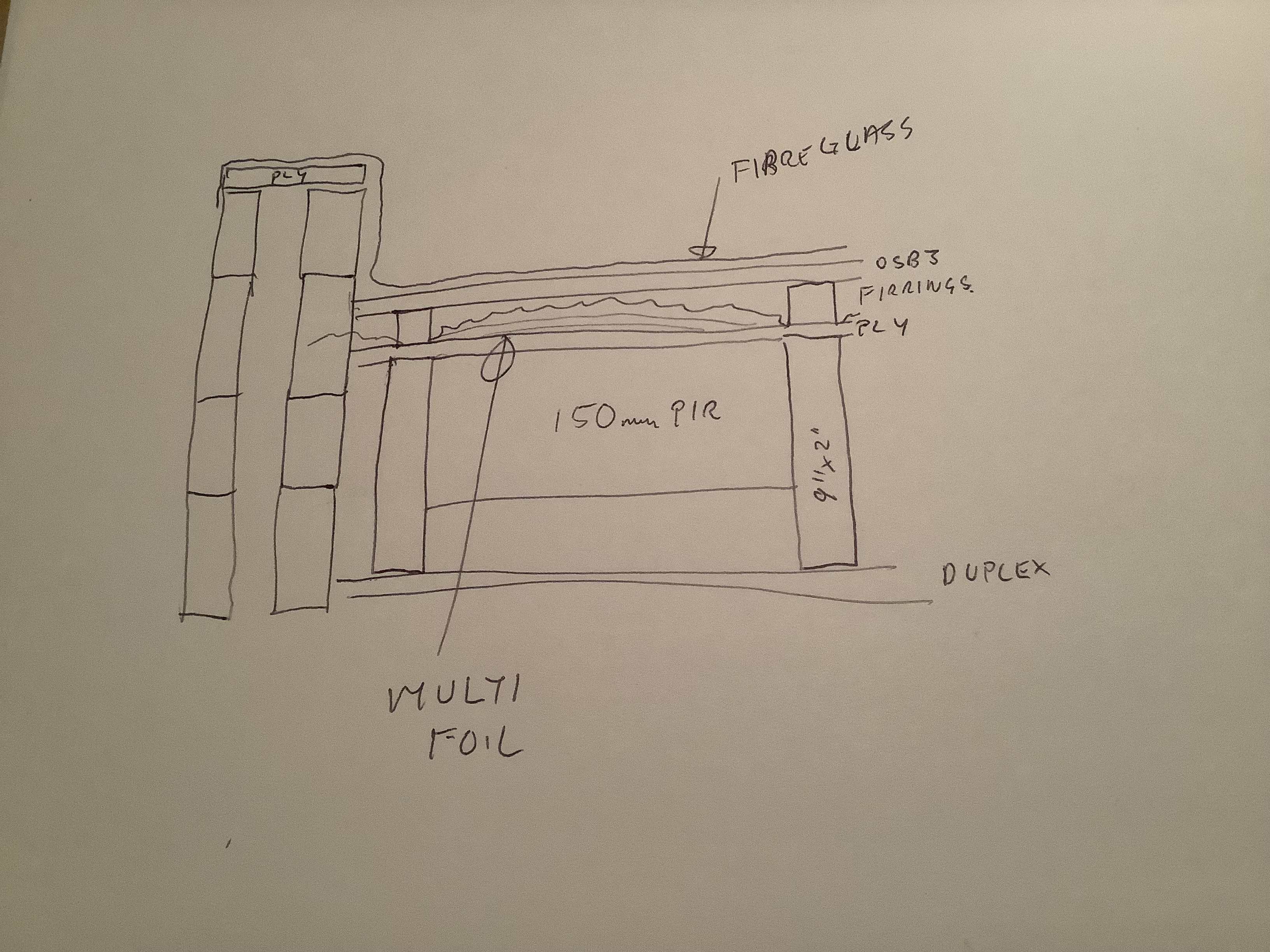
Like this I mean….