Nick1c
-
Posts
267 -
Joined
-
Last visited
Everything posted by Nick1c
-
Thank you @newhome.
-
Finally got planning so can now move forward. Hopefully the old house will be down, services sorted (we need to move power lines & a BT cable) & slab in by end of Feb. We don't plan to start putting anything up until mid/late March due to lack of light & the potential for (very) strong winds. I assume the organisational genius of BT will be the rate determining step, fortunately we can get the house down with the line in place. Is it the case that 'demolition' isn't VAT reclaimable, but 'demolition and groundworks for foundations' is? Any tips on cock-ups to look out for will be gratefully received.
-
We are in a similar position, only I don't have the skills/experience to put up a building myself. I suspect that building has a similarities with the saying in cycling 'cheap, light and strong, pick any two", replacing light & strong with risk & speed. At the moment I am leaning towards an I-beam frame, designed by Cullen Timber, cut by Severn valley, built by separate contractors and insulated with warmcell - but it depends on finding someone I trust to build the thing right. If you are doing it yourself an added advantage of I-beams Is that they are light compared to solid timber. I have been assured by Cullen that putting the frame up is like using well labelled meccano, someone on here might be able to verify that (or not!).
-
Does this mean that you have to go from the panels to a battery to a/c to the car battery if you want to generate your own power for a car? - It doesn't sound very efficient!
-
Thanks Dave, I imagine that we will need a supply to the house [possibly including an ASHP], a supply to a shed, an outside socket and 2 car charging points, one from the mains & one from PV panels on the house [no idea if these can be combined]. At the moment we have E7 & two supplies [as per other thread], the general opinion seemed to be that this was some sort of anomaly, possibly related to the old night store system & unlikely to be needed in the future. I have never had E7 or it's equivalent so don't know what is involved, but presumably it would be useful for topping up either something like a sunamp system or car if the PV couldn't manage.Would i need to ask Western Power to keep it or is it easily organised later? Would I just put conduit in for the phone line from the pole to under the box & then with the power cables into the house? Thanks Nick
-
I have seen that a few people have done this and it seems to be very sensible. I particularly like the idea of only paying once for the modifications. Our house has mains water (the meter is outside the house, but close to where we will be building & so will need moving, it could be moved close to the power pole without cutting the pipe I think), electricity (overhead supply from a pole on our land next to the road) and telephone (from the pole owned by the power co.), no gas. Things may be complicated by the fact that the pole also carries overhead power to one neighbour and a phone line to another. The existing pole can't be moved so we will have to dig a trench to them, a total of 60-70m which I plan to get done when the digger is in demolishing the house. I have looked at MikeSharp01's pics in another thread and have a few questions: Electricity: If the meter is moved to a box next to the pole how does the supply get from there to the consumer unit in the house (the plant room will be 15-20m or so from the box)? Do you put in a socket next to the meter to act as the supply while building? We plan on having PV on the roof (budget allowing), although exporting any surplus looks like a non-starter it would be useful to have a charging point for an electric car which we may buy at some point in the future, again I have no idea how to do this. Phone: Will our line go directly from the pole into the house via conduit or should there be a box for it? Water: We have plastic pipe running from the mains in the road to the meter so hopefully it won't be a huge issue to unearth and re-route it. My main concern about the water is maximising the flow rate, but as I understand it this is determined by the narrowest part of the run. If this is the case I assume the pipe leaving the meter should be the same size as the one on the way in, if the flow is still inadequate is it possible to upgrade the pipe from the mains to the meter [and is it an expensive option]? Thanks Nick
-
Fortunately the money is in the bank - the plot came up pretty much as we exchanged on our old house. We don't have the option of finding a Grand Designs style money tree when it runs out. Thats a good list epsilon, the bleeding edge tech in particular.
-
My time will be plentiful, the storage not so much...... One of the things we are thinking about is putting a 5x5m shed up early on for storage [we have a tuin leipzig where we are now, it's a great shed & very simple to put up [with a level, square, base - much like a timber frame I expect!] I imagine that one of the issues will be getting supply & fit at a decent price, often the fitters want RRP[!] for what they fit, & lose interest if they can't make what is effectively a double margin The obvious budget buffers in addition to the sourcing/ fetching/ carrying/ project management roles seem to be putting on the cladding & decorating. Thanks for the advice re: the timber frame elements, I'll attempt to avoid that pitfall.
-
I am assuming circa £1800/m2. A mate in the building industry reckons £14-1500 is plenty, the architect says most things round here come in at £2500. The Grand Designs budgets must be virtually all works of fiction [they also seem to find money trees when things get tight!]. Although more than I had hoped the site clearance & preparation costs look manageable - it appears that the current house has a floor level on average 500mm above the ground, the area to the front of the house is small [but sloping] and we need about 50m of trench dug to take power & phone lines to our neighbours which we will get done when a digger is on site. A big unknown is glazing, I am trying to get a window schedule from the architect so I can get more of an idea of the cost. I completely agree about the add-ons and will try to get [or estimate] fitted costs, particularly for floors & tiling - this has bitten me in the past.
-
As planning permission is looking promising [planning officer supports us but not the parish council, waiting to hear if they ‘agree to disagree’ or if it goes to committee] I am trying to get a realistic plan into place for demolishing and rebuilding our new home. A lot of my questions will be easily housed in the various sections on the forum, however here is one that is more general: All self-builders seem to get into budget problems towards the end of the process. My suspicion that it is down to a number of things, including unexpected problems, over-optimistic/ wishful thinking estimates of costs and not paying enough attention to things at the start, perhaps because there is a large pile of [actual or virtual] money to begin with, which becomes increasingly obviously finite as the build progresses. In an attempt to minimize the compromises at the end I am trying to consider ways of making the best use of the budget from the start. I would love to hear what are the [most obvious] flaws in the process outlined below? We hope to be building a reverse level, timber framed house of approx. 190 m2 with a pitched slate roof, render and timber clad elevations, concrete ground floor [with ufh], engineered timber first floor, triple glazing and MVHR. The vast majority of the kitchen will be from our old house and I plan to use Reuter or Megabad for the bathrooms [I have used Reuter a couple of times, they are well priced & the epitome of teutonic efficiency]. I am expecting the glazing to be a major element of both the cost and stress, particularly as we overlook the Atlantic. The plan ATM is: Demolish existing building, level the site & re-route services [to us & relevant neighbours]. Build a passive slab [300 mm EPS], powerfloating the concrete to give us the finished floor. Build & sheath the frame [I like @bissoejosh ‘s way of using I-beams calculated by CTD , cut, delivered & erected on site as our access isn’t brilliant] Install windows, roof, render/ clad. 1st fix. Plasterboard [?Fermacell}, lay 1st floor. Blow in warmcel. 2nd fix/decorate. What could possibly go wrong!!!!! Loads I have no doubt. Any advice would be gratefully accepted, I am particularly interested in things people wish they had thought of at the start or did, but wish they had changed as they had knock-on effects later. Also areas where unskilled free labour [mine!] can make significant savings. Nick
-
Is there any benefit to two supplies into one house?
Nick1c replied to Nick1c's topic in Electrics - Other
Thanks Peter. No more pics today as we are enjoying biblical conditions & I might drown if I go outside now, 65mph winds tomorrow...... It sounds as if the best course of action is to ensure that the potential maximum power delivery is adequate from a single supply and if this is the case to loose the second one. -
Is there any benefit to two supplies into one house?
Nick1c replied to Nick1c's topic in Electrics - Other
Sorry, I have no idea what MPAN & DNO means. -
Is there any benefit to two supplies into one house?
Nick1c replied to Nick1c's topic in Electrics - Other
There was a lot of night storage heaters (now removed). Does it suggest a low power supply? I will be running the new place on electricity only, prob with an ASHP . -
Is there any benefit to two supplies into one house?
Nick1c replied to Nick1c's topic in Electrics - Other
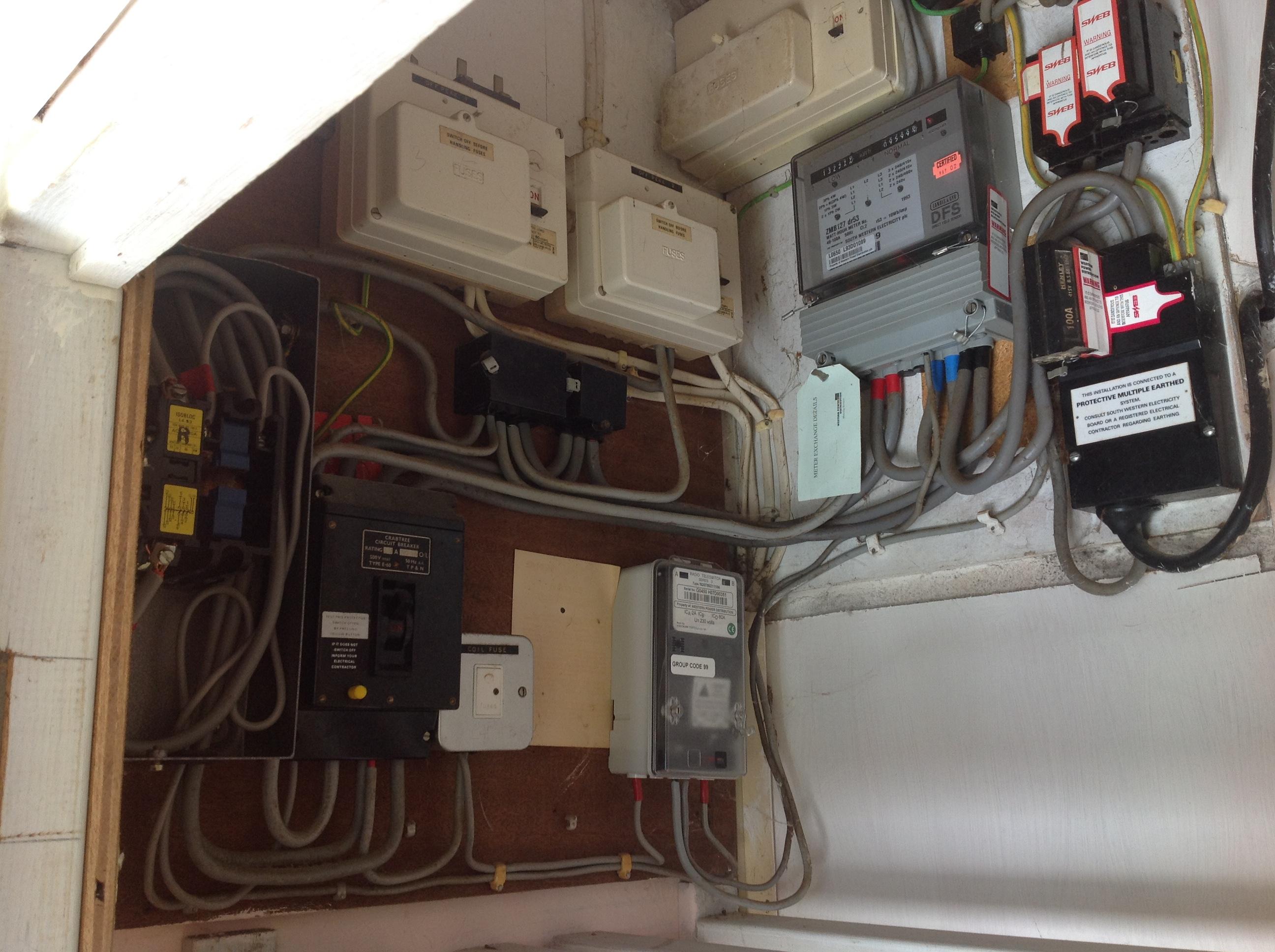
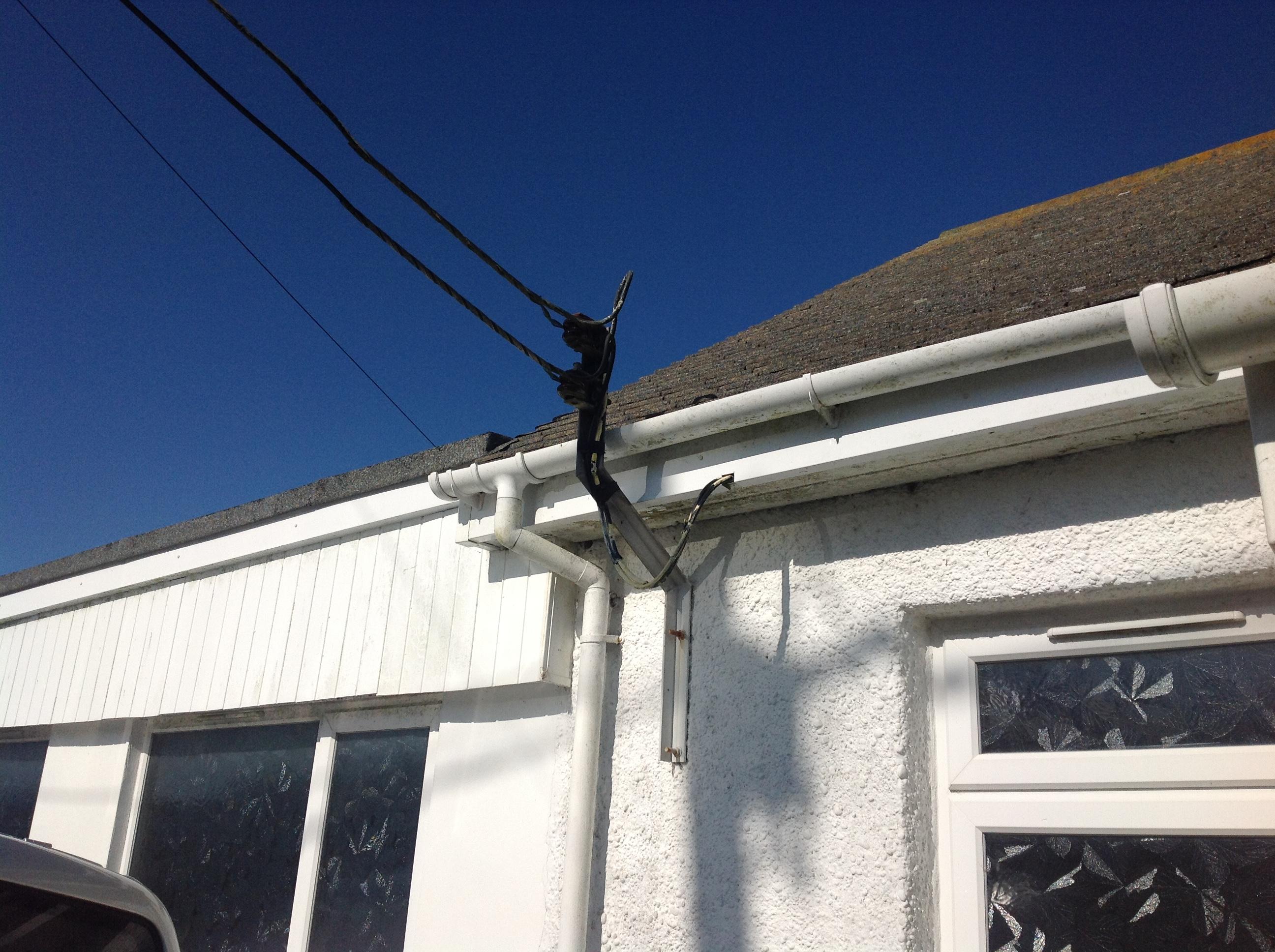
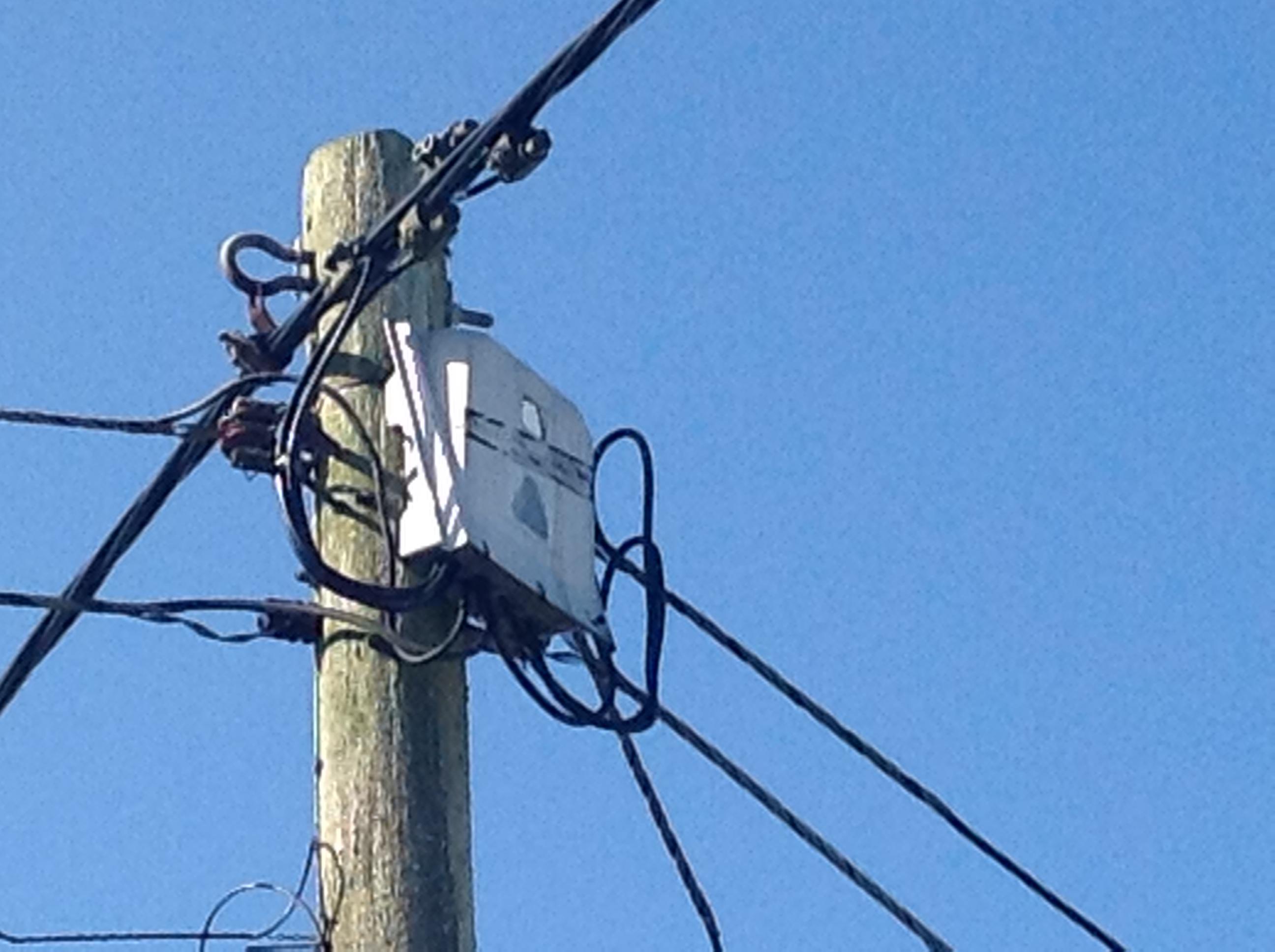
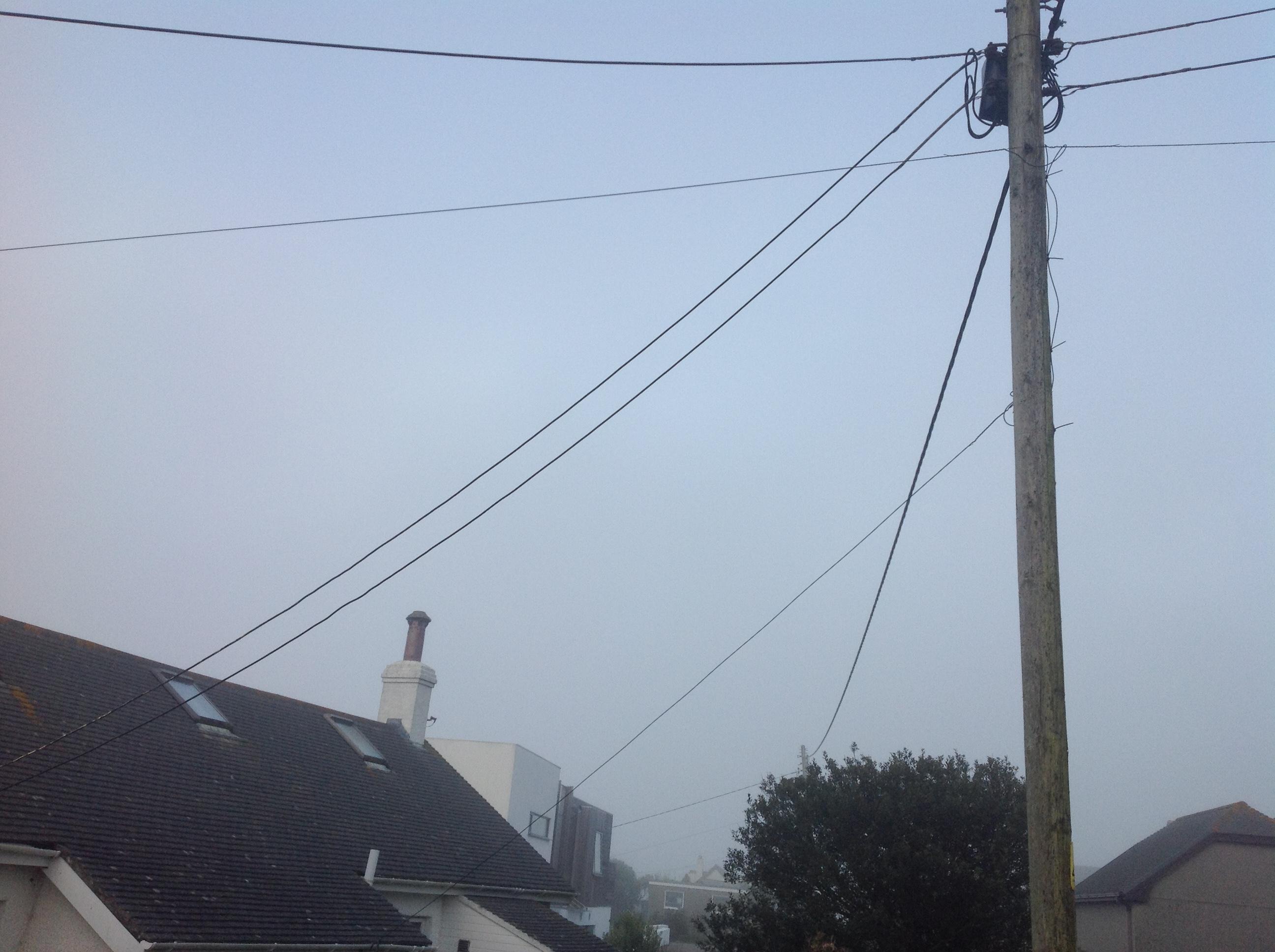
Here are some more pics which may help shed some light on things.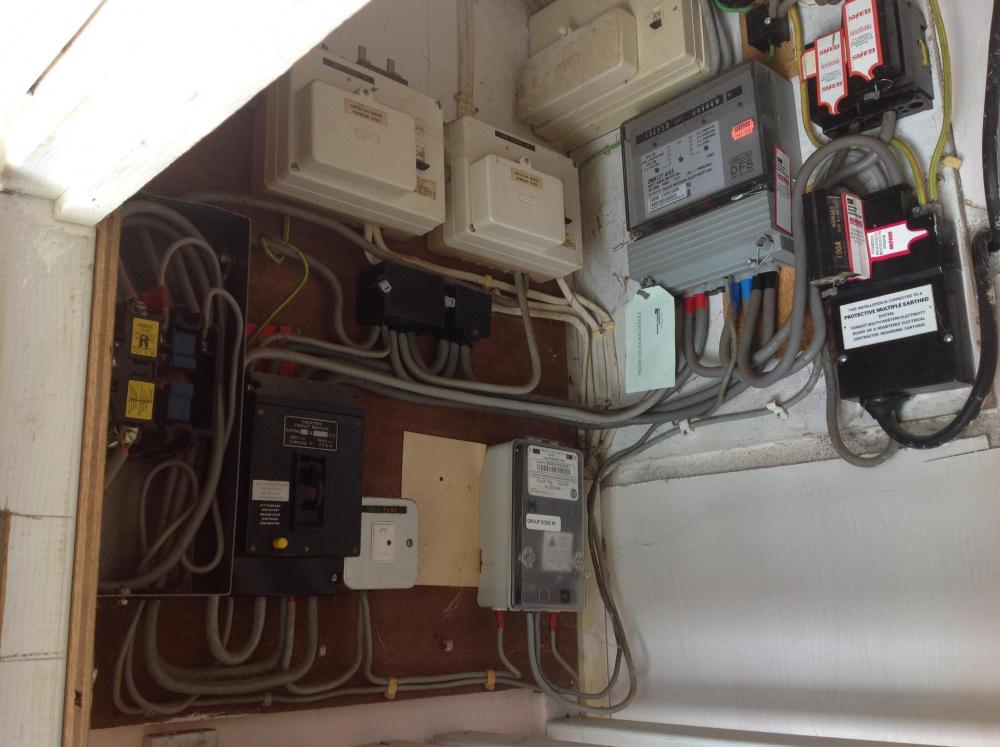
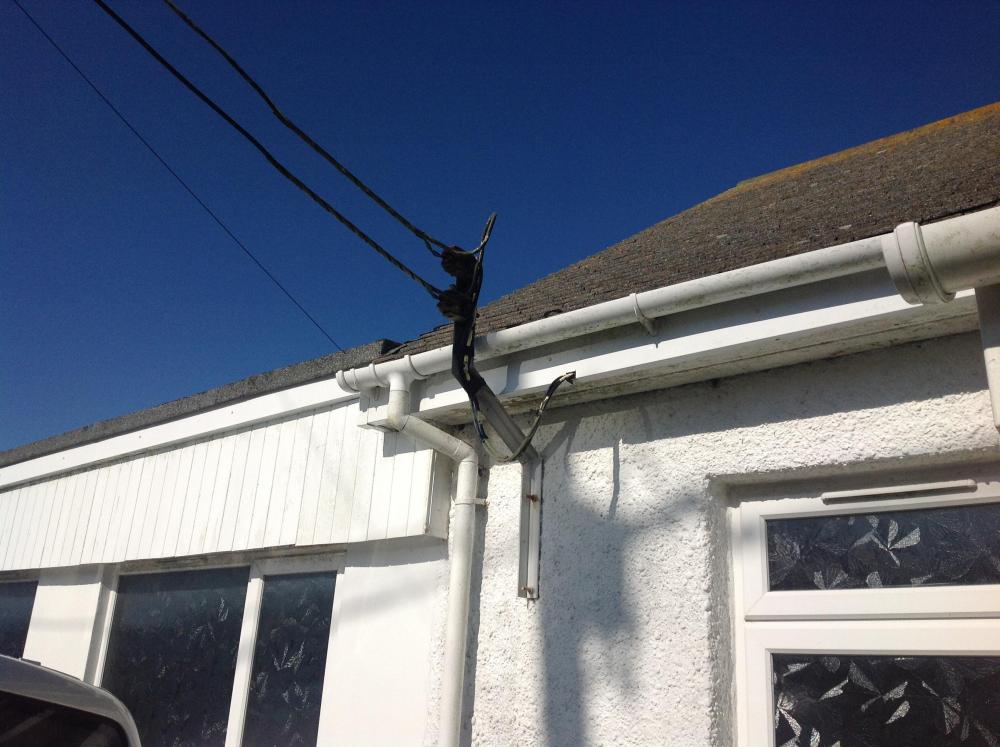
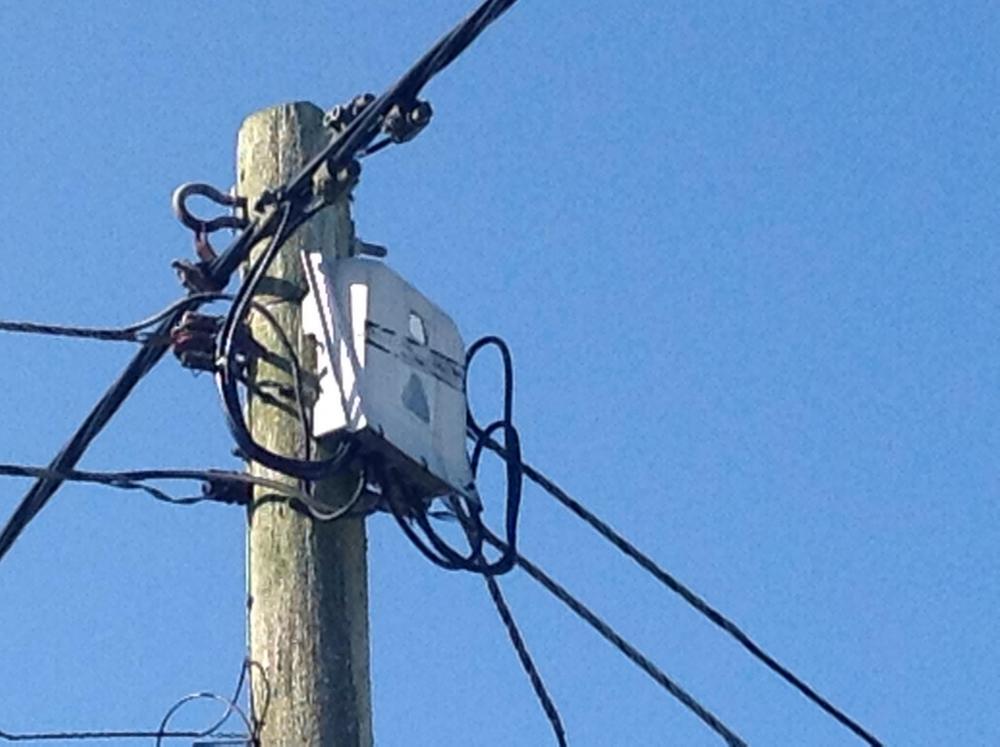
-
Is there any benefit to two supplies into one house?
Nick1c replied to Nick1c's topic in Electrics - Other
Western power were talking about a dual supply, my architect about 2 phase ( which I don't know exists, I have just heard of 'normal' & 3 phase). Pic below.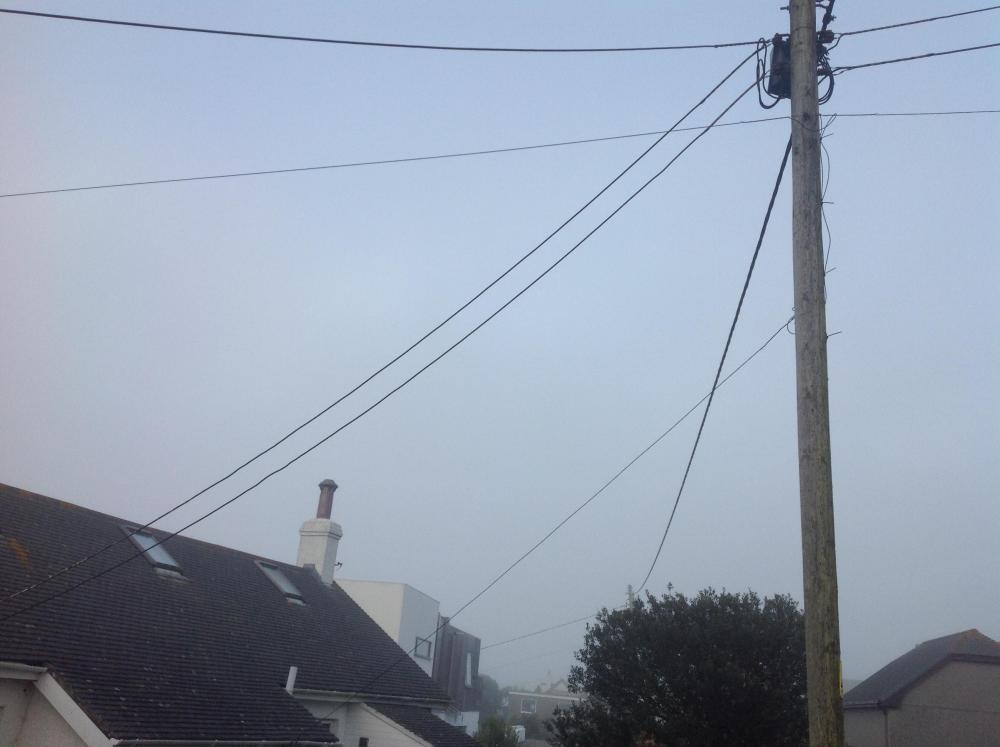
-
The house we will be demolishing has economy 7. I am not sure if this is the reason for it, but there are two overhead cables into the house, I have talked to the power company about running a builders supply to the bottom of the pole and they are keen to reduce this to a single supply [something about room in the box]. Is there any benefit to keeping the two cables? I am aiming for a pretty thermally efficient build and may use an ASHP.
-
I have Russell Timbertech fitted to our current house in Cornwall. When I discussed ordering them I mentioned the windy, salty, climate and my concerns about durability. I was supplied with ss hinges for the door sets, but the window locking mechanisms were rated cat 3 [should be 5 for where I am] and the shoot bolts and their retainers are rusting badly after 4 years. Due to my concerns about durability I have painted oak, it looks great, but all fixings were done with non -stainless screws & nails, as a result when I removed a shoot bolt retainer the screws snapped, partly from being corroded in and partly because they were overtightened [50% of the snap had rust stains on one of the screws]. I started talking to them about this in August, I still haven't got anywhere......... Communication during the buying process [& since!] was poor, but the price was competitive and the wooden elements look great
-
We hoped to do this.........unfortunately the planners didn't like the idea. I did wonder if the charring would rub off if used at ground level, but maybe the wire brushing stops that. Did you do it in the end , if so how was the process and result?
-
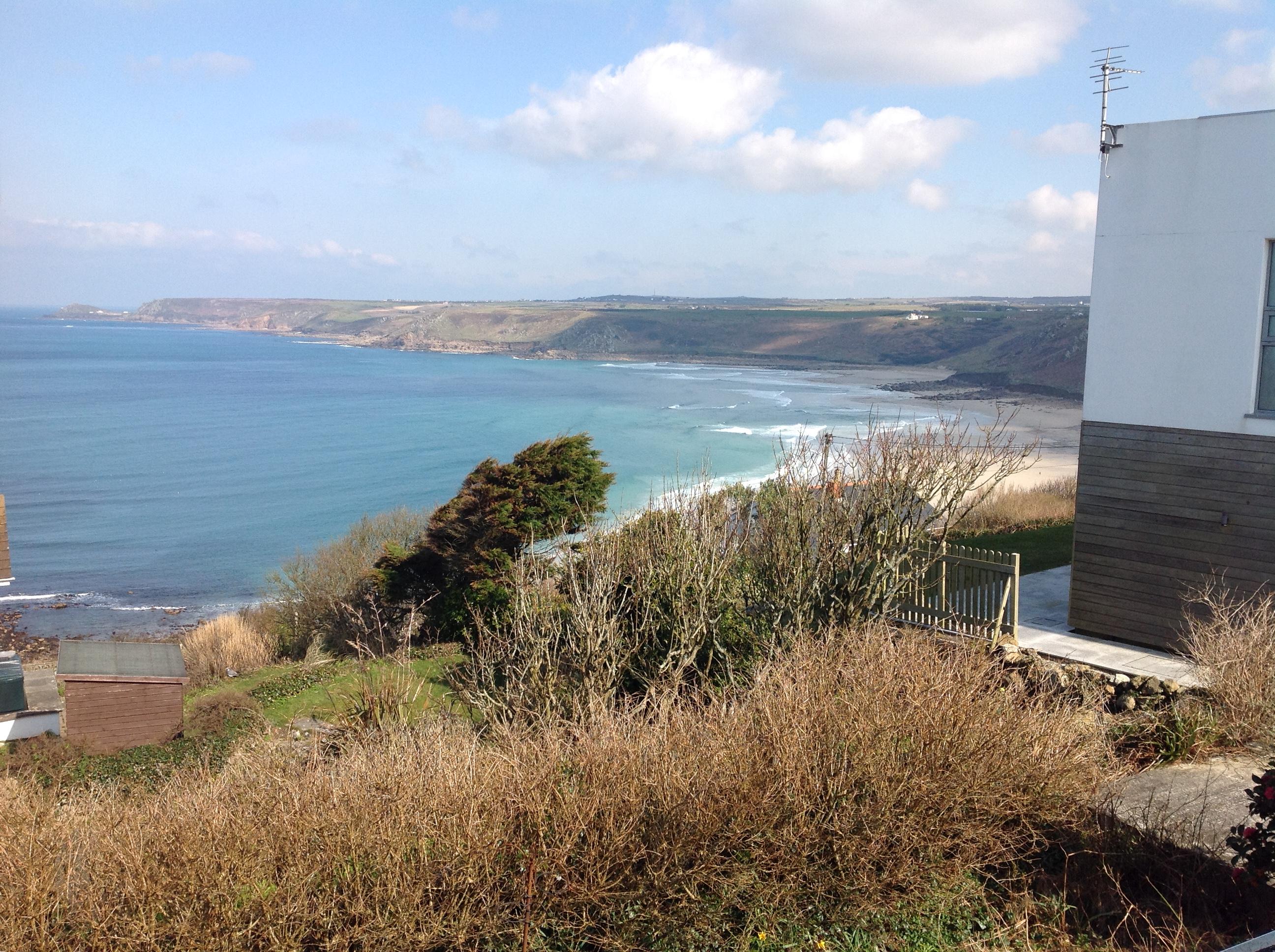
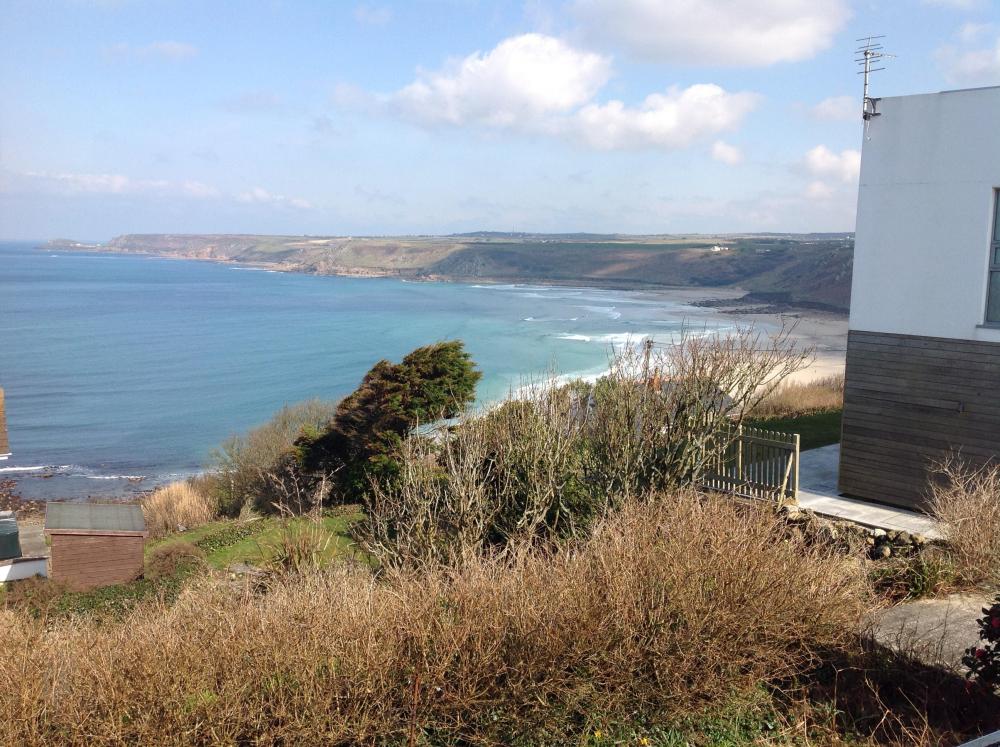
The view
-
I am considering using the I-beams for shell rather than the first floor. I have seen that type of joist on builds round here and wondered if there is much spring in the floor once one is laid, I presume they are stiffer than they look!
-
We hope to get planning for our new build in the next couple of weeks and I am starting to explore methods of building. The house will in all probability be timber framed & I would like to understand the pros & cons of using I-Beams as opposed to regular timber with regard to ease of building, performance and cost. I-beams are lighter, which might affect cost [less timber] & transport, but does the cost of manufacture outweigh the reduction in timber used? An I-beam frame will have a lower timber fraction than a standard one, which presumably makes low u-values easier to hit. I assume services can easily be routed through the web, removing the need [and cost] of a services void. Can an I-beam frame be insulated with wood fibre batts or does it need blown insulation? Regular timber is presumably more easily available & commonly used. With regards to insulating I hope to be using either wood fibre or blown cellulose. There is the possibility of self-installing wood fibre to save money, we would need a contractor for the cellulose. Given the location of the house [overlooking the Atlantic at the end of Cornwall] I am paranoid about penetrating damp. If cellulose gets damp does it loose it's thermal qualities? Nick
-
Hi all. I am in the early stages of building a new house & recently came across this site, which looks to be a great resource for an inexperienced self-builder. We have a plot [old dormer bungalow] overlooking a west facing beach in the far west of Cornwall and are in the process of going through planning for the house, which will have a N/S orientation with the views [and therefore the majority of the glazing} to the North. It is towards the end of a narrow [approx 8’ wide] lane. In common with most self-builders my aspirations may well exceed my budget so I have no doubt that we will not be walking into our dream home having had minimal stress and hands-on involvement in the process and that hard choices will need to be made along the way. The plan is to end up with a reverse level 3 bed house built as close to Passivhaus standards as possible of around 190m2. We are building in a windy, wet, humid and salty environment [also with strong sun when it shines!], which the shell must be up to withstanding. An ideal result would be to end up with a passive slab with a powerfloated finish on which would sit an airtight 300 mm triple glazed cantilevered timber frame filled with either wood fibre or warmcell insulation with fermacell internal walls and a pitched slate roof which has PV on the S aspect. The rainscreen will be a mix of render and cedar cladding. Heating would be via UFH in the slab & a woodburner upstairs [not my idea, but ‘non-negotiable’!]. I will be project manager, my experience is limited to a major refurb of our old house, but I will be able to devote at least 3 ½ days per week to it. There will be 101[+] questions to follow, but I’ll try and put them in the relevant sections. Nick