Piers
-
Posts
67 -
Joined
-
Last visited
Everything posted by Piers
-
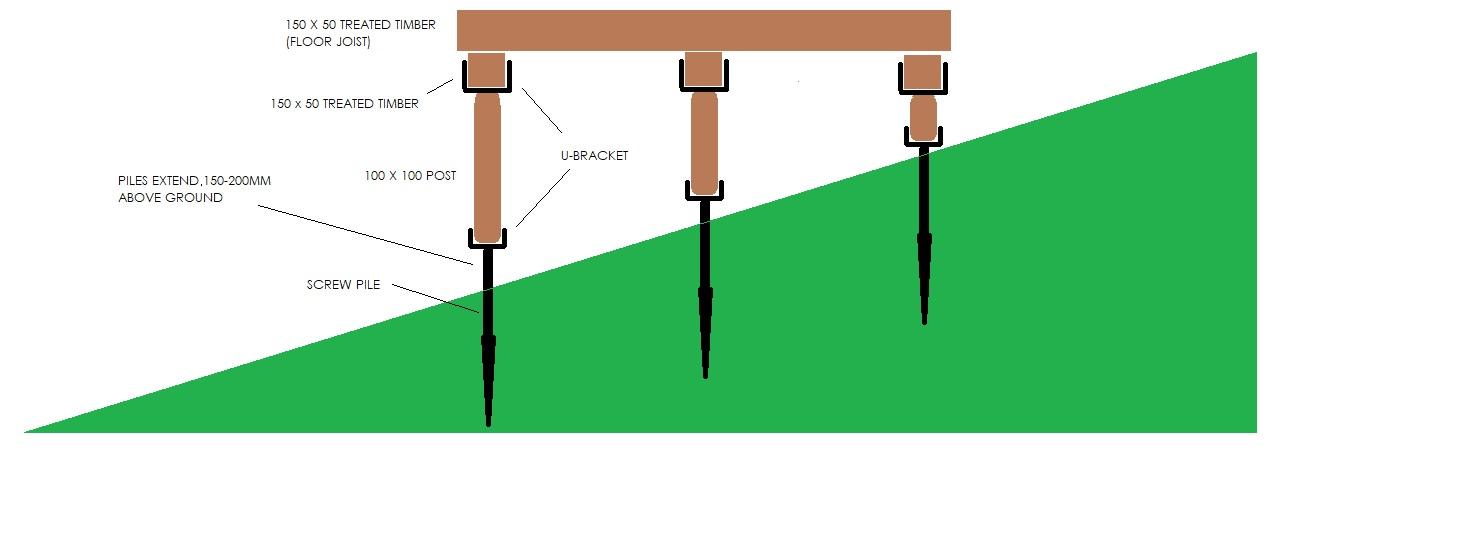
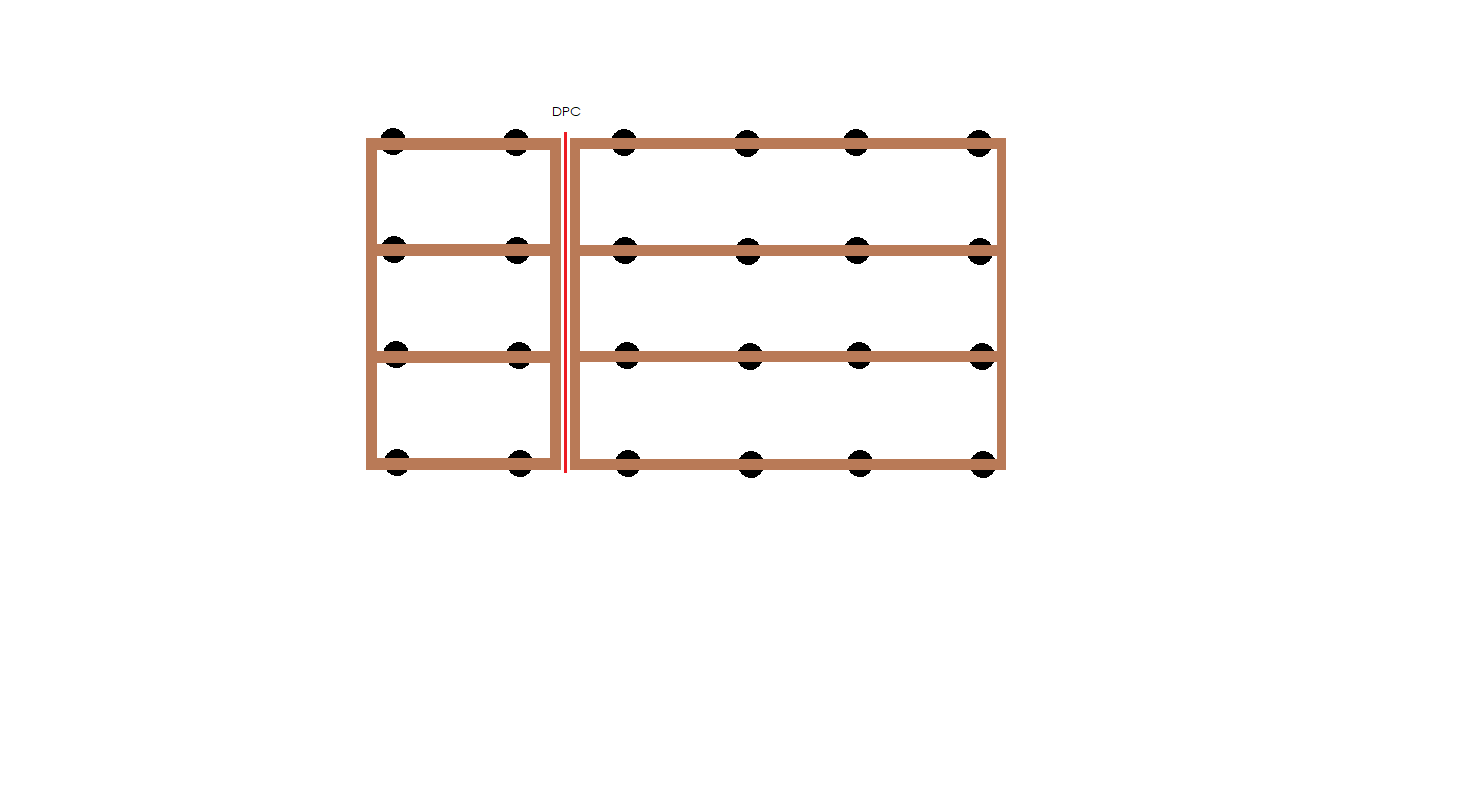
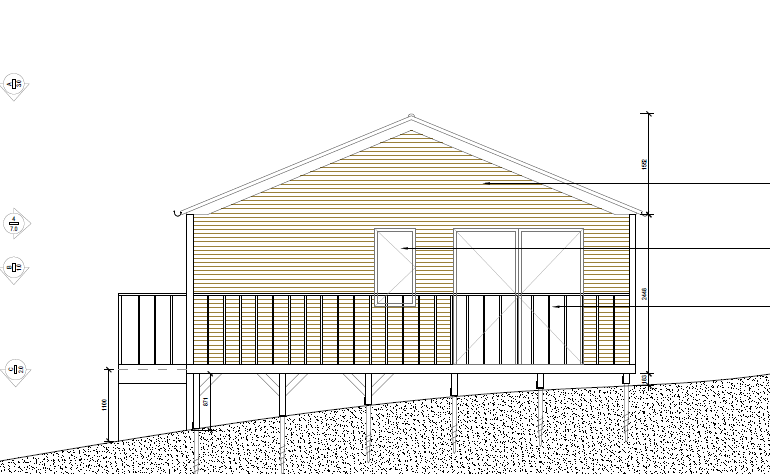
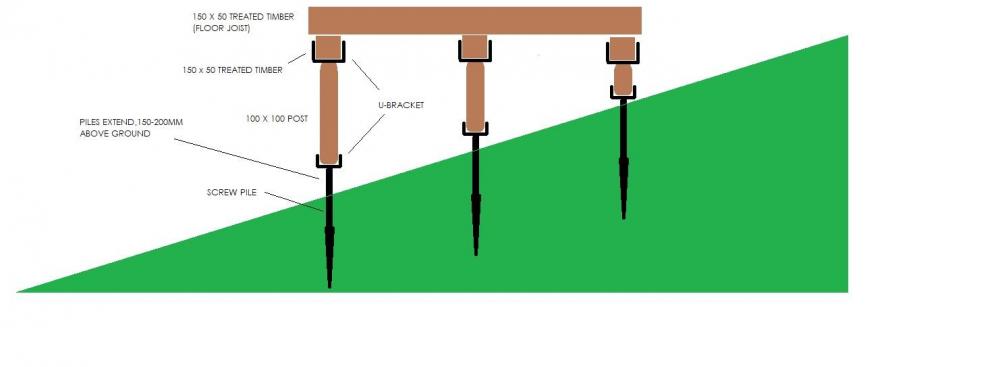
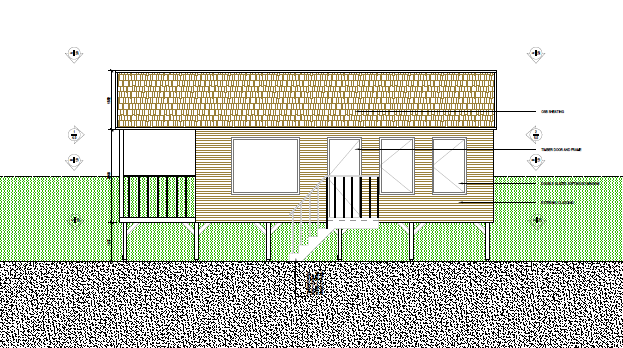
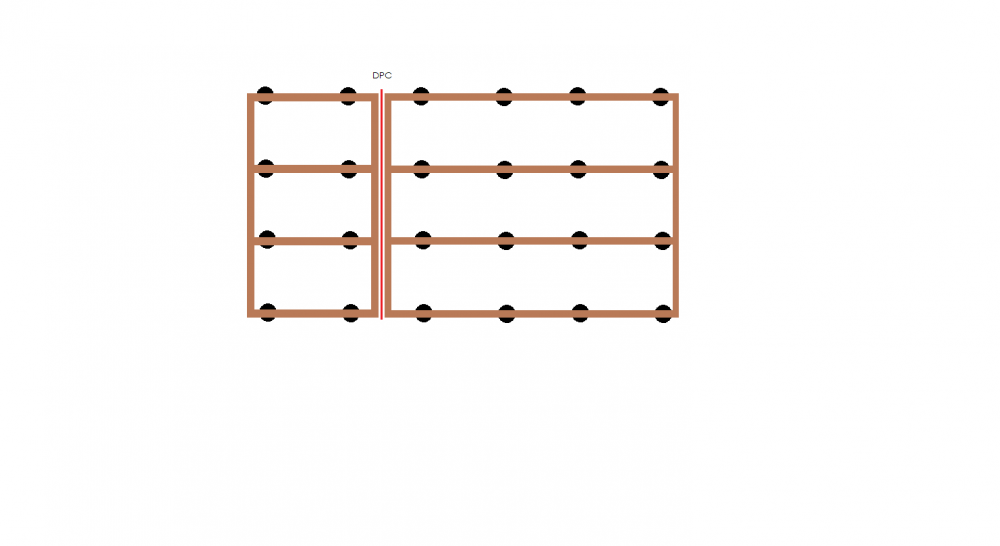
I'm trying to understand what I need to do to damp proof a wood-framed building, built on screw pile foundations into a sloping site. It'll look something like this: The screw piles will extend about 150-200mm above ground level and will end with a u-bracket. Then we're using 100x100mm treated C24 posts to create our level and using 150x50mm C24 timbers for our frame base. On top of this will go our floor joists, also 150x50mm. Basic sketch is: My first question is where should the DPC go? The building will have an external, covered deck like this: The contractor doing the screws suggested we should have a separate deck structure between the external deck and internal parts and have a DPC between them. The two structures would be screwed together through the DPC but he suggested that it would prevent the decking structure allowing moisture into the building. Like this: This makes sense to me but what do I know! Any views??
-
What's swung it for you?
-
Has anyone come across a product called HeatStream made by a company called Harlequin Plastics? Our hot water cylinder & immersion needs replacing and British Gas' contractor (we've got their boiler cover) is trying to flog us an "upgrade". My natural reaction to is usually to tell them where to stick their latest overpriced gizmo. However this product has piqued my interest. I'm not going to claim to fully understand how it works or whether it's effective or efficient. Here's a link to one of their videos: I like the idea of mains-pressure hot water and I think that the "Twin" version can be heated by gas boiler, solar thermal or a heat pump, as well as the built-in immersion heater. One concern is that the flow-rate is 15l per minute - not ideal for 2 simultaneous showers? Another worry is the amount of energy required to heat this and heat loss. I can't tell if it's efficient? Any views on this? Latest greatest thing? Dudley McDudface? Or somewhere in between? 3efb9e0b-53f7-4e8d-9c8a-1f8f3c861d36.pdf
-
 Hi All. Hoping someone can help me here. It's not strictly a self-build tax question but it concerns my plot of land so here goes: Last year we bought a house with about 13 acres of woodland attached to the plot. We paid SDLT at residential rates (or rather my solicitor did). I've just learned that because we have the woodland and plan to cut and sell some of the pine one day (ie small-scale commercial forestry) we should have paid mixed-use SDLT which is a fair bit lower. I have spoken to HMRC Birmingham who have asked us to send in various documents, letters explaining our recalculations and evidence of our claim. The thing is, I can't think how one proves that our woodland is commercial forestry until we cut and sell wood - which hasn't happened yet. Any ideas?
 -
Voluntary Registration of property
Piers replied to Piers's topic in Party Wall & Property Legal Issues
None of the above. The property is a small cottage with some land around it. It hasn't changed hands for a very long time (it's in a Trust) and thus isn't registered with Land Registry. We are considering splitting the plot and have been advised that it's a good idea to register with Land Registry before starting planning discussions etc. I don't want to do the work myself but I do want to ensure that it's done at a reasonable price. I can see the Land Registry fees (thank you) which come to a few hundred quid. I'm wondering whether there's £1000 worth of legal expenses. To me it looks like a simple exercise but maybe it's a minefield - I just don't know! -
Has anyone registered a property for the first time with Land Registry recently? I'm wondering how difficult it is and how much it should cost. I'm not sure how much the property is worth exactly, it'll either fall in the £200-500k or £500k-1m bracket Lawyers are quoting £1200-1500+vat including Land Registry fees.
-
What's the going rate for a topographical survey?
Piers replied to Andrew's topic in Surveyors & Architects
How important is it to have the survey linked to GPS/OS datum? I've had the topographical survey done and I spec'd that it should be linked to GPS datum. However the guys said that they couldn't get a GPS signal and they've just presented us with unlinked files (.dwg and PDF versions). I fully believe that they struggled to find a signal as we're in a valley with dreadful EVERYTHING when it comes to communications (and my dog's GPS tracker thingy is useless out here). -
That's about 5% of the cost that I'm being quoted; £650 for an inspection and £300 to consult some mysterious Bat-database....
-
Surely this little gem (lettuce?!) wasn't discovered by pure chance.
-
On the subject of bats does anyone have recent experience of commissioning a phase 1 ecology survey? What did it cost? I get the feeling that I'm going to be sold exceptionally expensive generic blurb by someone with a pseudo-scientific qualification who has every intention of making me pay for 2-3 more "inspections" over the coming weeks and months. @jack, I'm across the border from Waverley in EHDC. Sounds like you have the inside scoop on all things bats around here ?. Any tips?
-
I have a name for him but it probably wouldn't pass censors!
-
One thing that amused/infuriated me is that he was proposing that our planning consultant would do the planning submission and liaise with the LA. You'd have thought for £15k he would take on some form filling.
-
Unbelievable Jeff!! So we had a first meeting with an architect. Told him our ideas and budget. Even shared with him our sketches of floorplans we'd done. He said he'd quote - see below. Just to remove any doubt, we're not footballers building some monster pad with a crazy budget. It's a 4-5 bed detached house plus garage/workshop To paraphrase Michael Caine, I'm inclined to think my own bad design is going to be cheaper than some architect's.
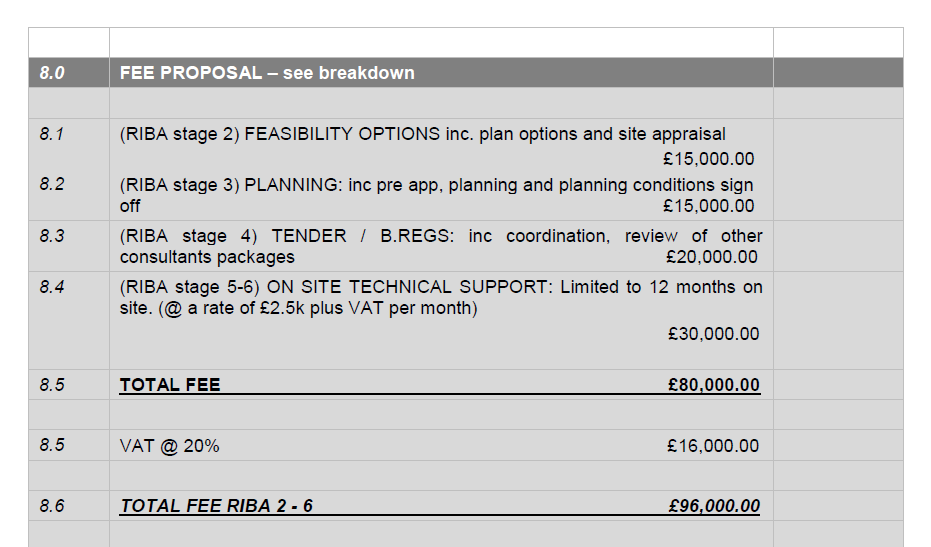
-
Yes, we're in the green belt and outside a settlement boundary. Good advice. We've got a lot of chainsaw work ahead of us.
-
We're interviewing architects over the next few weeks with a view to getting one to design our replacement house in Hampshire. It really feels like we're starting to move forwards after taking the first year to get used to the plot. We've had advice from a local planning consultant (ex-planning officer) who tells us the maximum size of the replacement house can be 150% of existing structure (PD route comes out the same size). We can count the garage as part of the existing structure IF it's within 5m of the house. It would give us an extra c. 50m2 for the new house. Annoyingly it's about 7m away. The consultant tells me that the PO are sticklers for the rules. We haven't hired the land/topograpical surveyor yet. I've interviewed a few and they tell me their margin of error is about 20mm, not the 2000mm I was hoping for!! A friend of mine has recommended me to an "old school" architect/consultant in Norfolk who, he says, is flexible on measurements and is an expert in fudging things to get through planning. His suggestion is to get this guy to push the enlarged space through planning (with a rough design) and potentially then go back with my preferred architect and amend plans but with the size principle already established. We really do want the extra space. We know that if apply the correct way first and get rejected then we can't fudge it second time around. What does everyone think? Try old school? Or stick to the straight and narrow?
-
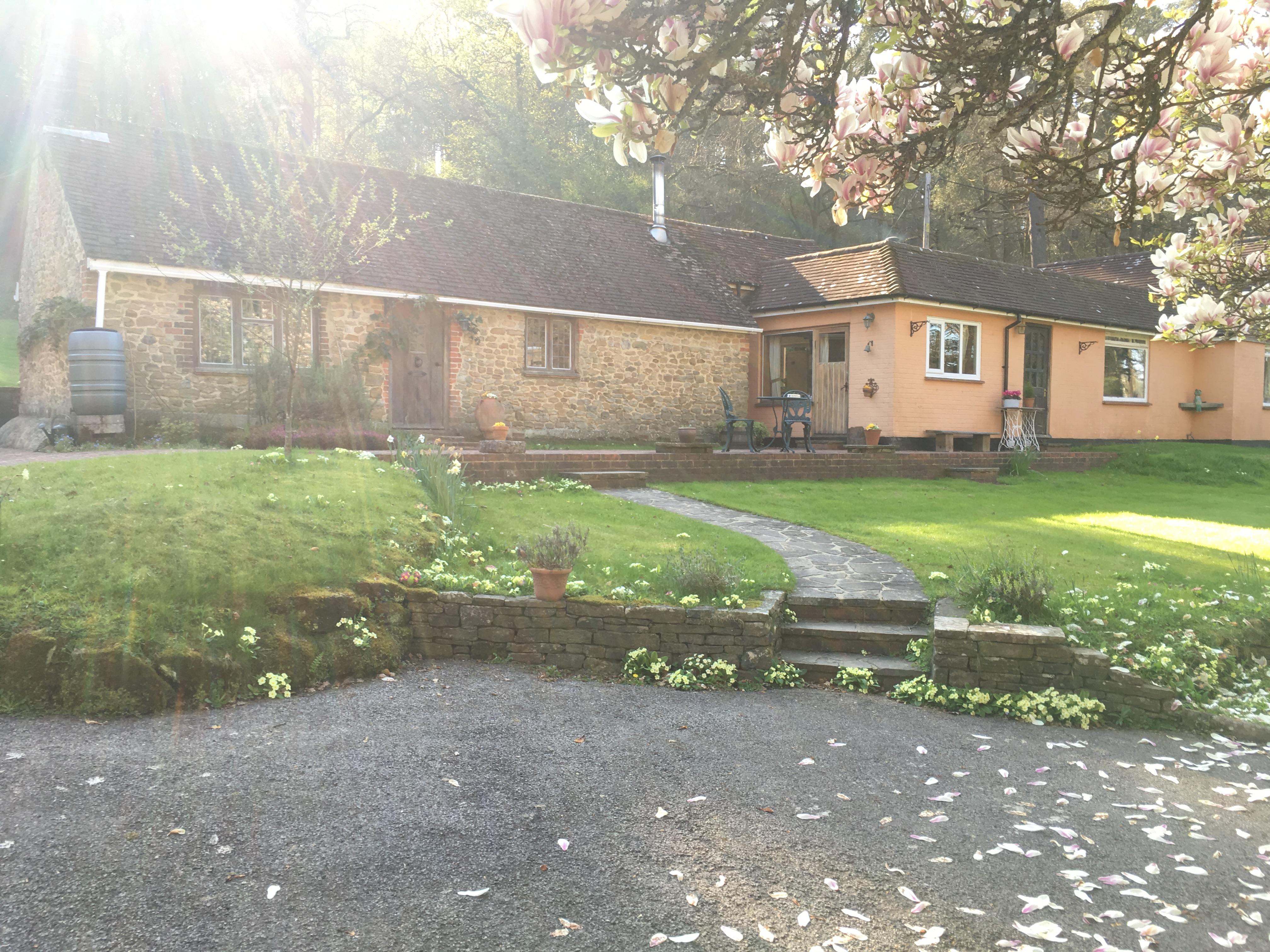
Hello! Just under a year ago we bought a little cottage and some land on the Hampshire-Surrey border. The original stone cottage dates from the early 1800s and previous owners have added a couple of extensions in the 1950s and 1970s. The house itself is nothing to write home about - it's not in great nick, the stone cottage is damp and the combination of a lot of single glazed windows and no effective central heating makes it pretty chilly in winter. Brass monkey chilly. We agreed to live in the house for a year before deciding what to do with it. Before we knew it that year flew past, during which time we made one major decision: The old house has gotta go! The plan is to replace it with something fit for purpose. Something that is more a warm and homely house and less like a cold, mouldy sieve. We're still at the early stages of our thinking. We've taken some advice from a local planning consultant and started sketching out some ideas of what we want and think/hope will comply with local planning guidelines. At the moment I feel like I'm looking at an infinite number of options and want to explore them all without closing any doors. We have a few challenges - the main one being the site is on a slope and we'd like to flatten out a decent-sized section. There's going to be a lot of digging but I'm hopeful we can move the spoil around rather than have to take it way. I'd love to hear from anyone who's flattened or terraced a sloping site. The good news is that the garden is big enough for us to live in the old house whilst we build the new house. The other thing that I'm really interested in is hearing about people's experiences of building with ICF. We want to keep the costs down and are happy to put in hours of (unskilled) labour. I've read some of the trials and tribulations of @recoveringacademic and I'm not put off, yet. It'd be great to learn from everybody else's mistakes so I can concentrate on innovating my own c*ck-ups and then share them for your advice/amusement in the months ahead. And I gather everyone on here likes a photo so here's one of our 1800s cottage with the salmon pink 1970s extension. Thanks, Piers