Furnace
-
Posts
238 -
Joined
-
Last visited
-
Days Won
1
Everything posted by Furnace
-
@IanR Thanks for that. We'll try to include a "this is how we're going to deal with the issues raised" section when we submit. Wish me luck. Mark
-
@IanR Did your Phase 2 discover any unexpected issues? Mine (£7k) has just come back with asbestos (expected - it's on the site of an asbestos roofed barn) but also uncovered one borehole with Polycyclic aromatic hydrocarbons. The report recommends lots of follow-on work such as having a Discovery Team on site during groundworks; a verification report detailing any remediation work; a pre-Demolition asbestos survey; further soil analysis over the entire site or 300mm of fresh topsoil imported and laid over a hi-vis geotextile layer and validated by an Environmental Consultant. etc. etc. etc. It feels like jobs for the boys and very self-serving.
-
Great Crested Newts -District Level Licensing
Furnace replied to Furnace's topic in Planning Permission
I'm awaiting the planning consultant's (without whom I don't think I could survive) convo with the ecologist. I think he'll have more sway as there's more potential business he can send their way. The whole self-build process is fraught with pitfalls, expense, vested interests and an entire lexicon of terms to learn. I think I'm more up to speed on Part O than I'd like to be.... -
Great Crested Newts -District Level Licensing
Furnace replied to Furnace's topic in Planning Permission
Likely between Feb and May. The impacted 'habitat' in my situation comprises about 100m2 of closely cut lawn. Sigh x2 -
Great Crested Newts -District Level Licensing
Furnace replied to Furnace's topic in Planning Permission
Indeed. The environmental survey crowd have included recommendations that a qualified consultant oversee all mitigation works; establish a 'discovery team' on site for unforseen events etc. We've instructed them to remove all that stuff from the report, but of course they may stand their ethical ground. On general, I agree (and it's particularly pertinent to the asbestos whose mitigation is easy). Of course, this only covers what you look for, or have the ability to find. Because of GCN protected species status there are prescriptive measures in place if there is an identified risk from the development. Shifting the building by 7m seems pretty marginal to me in the overall site and scheme but may well end up costing many thousands in GCN payments. Sigh -
Great Crested Newts -District Level Licensing
Furnace replied to Furnace's topic in Planning Permission
I'll ponder the right way to approach them, since it will be far better if they remain onside - the planners require an ecology report from an ecologist. There are reams of paper devoted to protecting the little critters and my opinion and past beneficial actions may not matter a hoot to them wot write the reports. It's little wonder there are so few self-builders. The environmental impact survey ( a requirement of the Class Q) cost £7k and came to the shocking conclusion that there was indeed asbestos in the asbestos sheeted barn..... -
Great Crested Newts -District Level Licensing
Furnace replied to Furnace's topic in Planning Permission
Hi TBC, The Class Q ecology report stated that there was no impact on GCN as long as <100m2 of new hardstanding was introduced. This was largely due to the Class Q building being already a hardstanding area therefore no GCN would be present at the excavations. The new build site is exactly the same as the Class Q site. The only difference is the location of the building within the site. It is shifted by about 7m. The new build report states that there is potential for GCN to be impacted as the proposed building's footprint is only ~70% over the Class Q's footprint and there is some associated habitat loss. There appear to be 3 routes to resolve this: 1. Challenge/persuade the ecology consultant that there is no increased GCN risk for the new build compared to the Class Q 2. Full GCN survey and mitigation plan. Time consuming and expensive. 3. District Level Licensing. (DLL). Quick, but possibly expensive too DLL requires no survey of GCN presence. It allows any potential GCN harm to be offset via a payment that is then used to enhance GCN habitat elsewhere in the district. As I understand it the payment has 3 parts: Enquiry Fee £570 +VAT; Licence Fee £690; Conservation Payment £15,165 x 'effective' number of ponds. http://aspect-ecology.com/september-2019-natural-england-provides-new-cost-guidance-for-joining-the-district-licensing-schemes-for-great-crested-newts-in-kent-and-cheshire/ https://www.ecusltd.co.uk/news-and-insights/district-level-licensing-explained/ This is very new to me, so I may have misunderstood. I'd like to get my facts straight before I address the ecology and planning consultants. Cheers -
My latest spanner in the works comes in the shape of Great Crested Newts. The ecologist's report for the original Class Q stated that there was no danger to GCN since the site was already hardstanding, and as long as there was no more than 100m2 of new hardstanding there was no requirement for GCN mitigation or licensing. The ecology report for the new build (building location has shifted on the plot) recommends mitigation or licensing will be needed due to loss of habitat caused by the relocation. Looking at the Natural England guidance leaves me in doubt about the methodology to calculate the Conservation Payment. As far as I can deduce, one needs to calculate the 'effective number of ponds' that are impacted. Where the site sits entirely within a 250m radius of a pond this is simply: (area of the planning application site)/ (area of circle radius 250m) for each pond. For multiple ponds in the vicinity, you add up the above results to achieve the 'effective' number of ponds. If the site is in an 'Amber area' for GCN risk, multiply the above result by a factor of two. Finally, multiply this number by the £15,165 +VAT cost of a 'replacement pond' Can anyone can confirm my understanding? It's all rather galling since in 2020 I 'donated' three ponds elsewhere on the farm to be restored for the benefit of GCN via Natural England's DLL program.
-
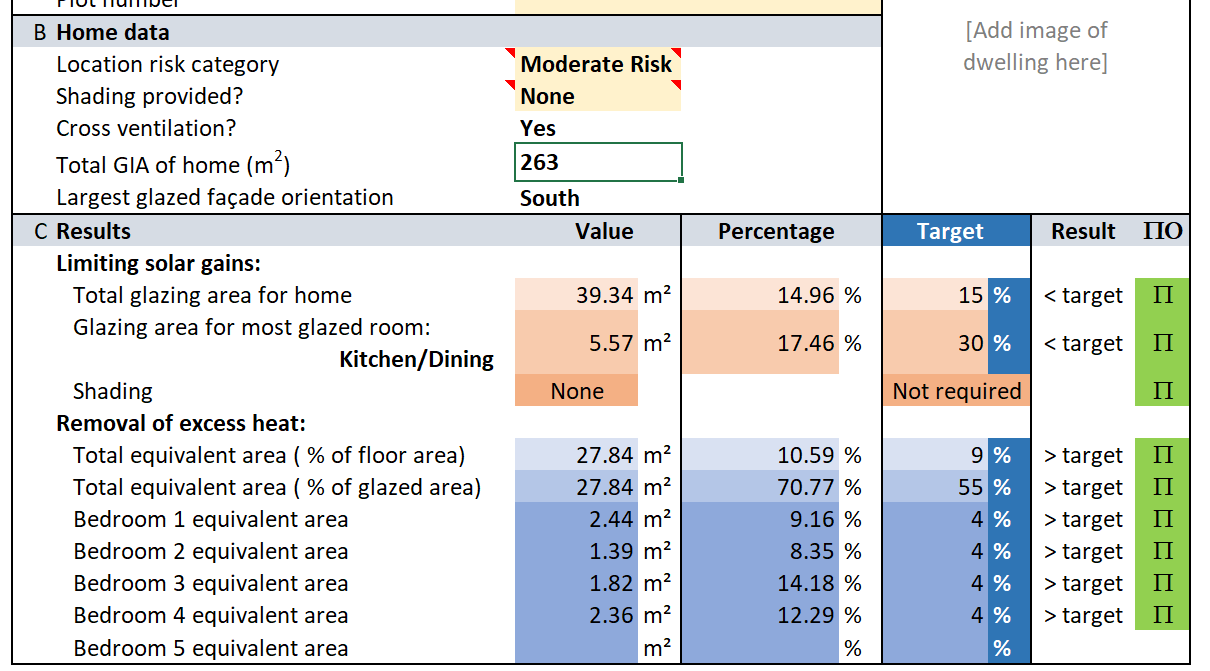
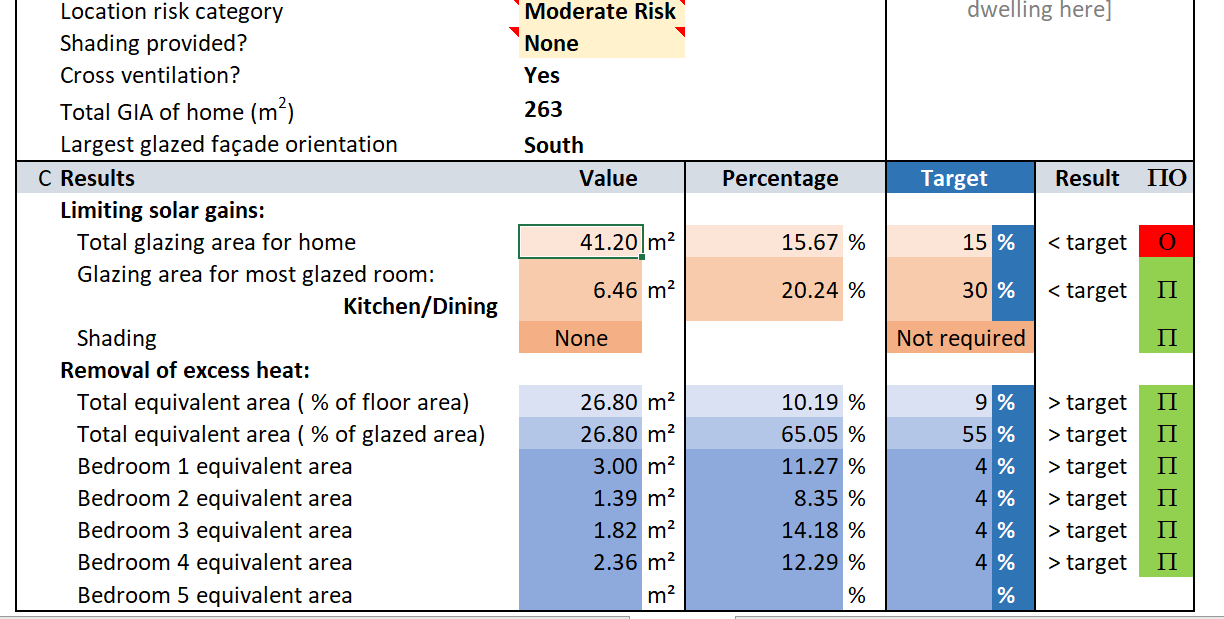
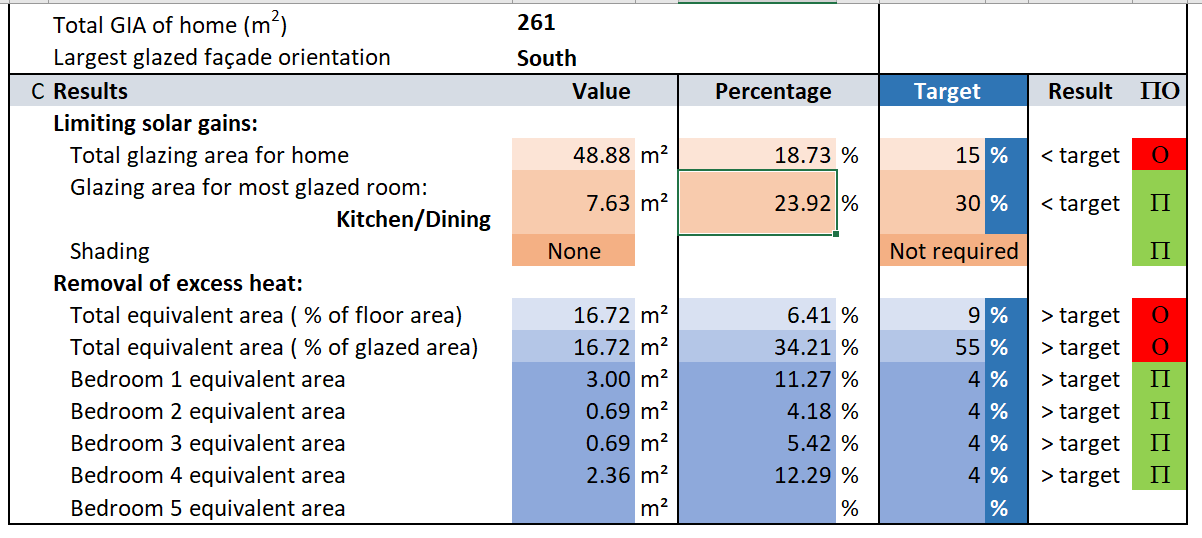
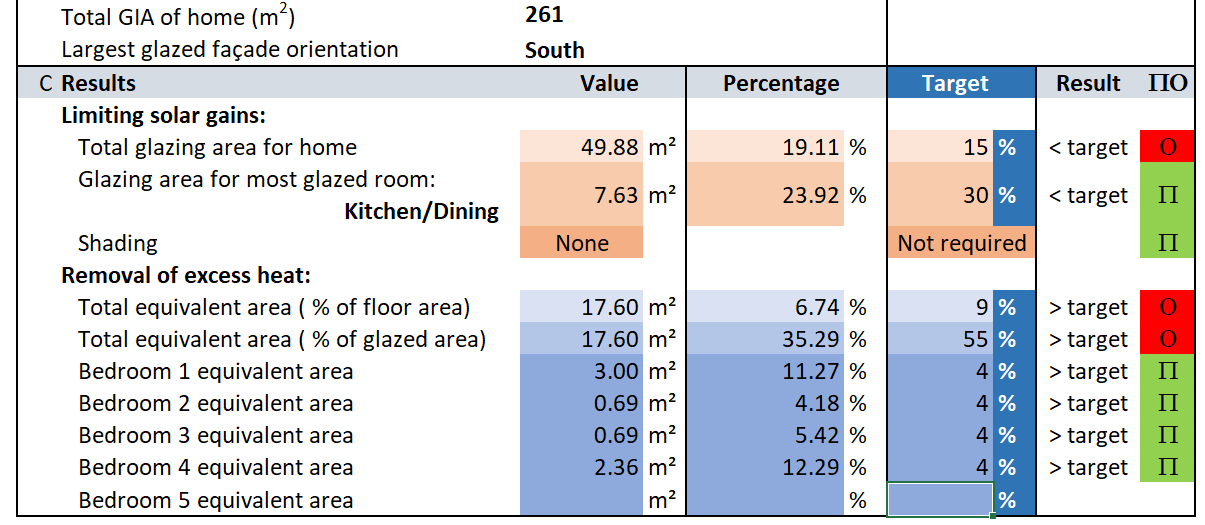
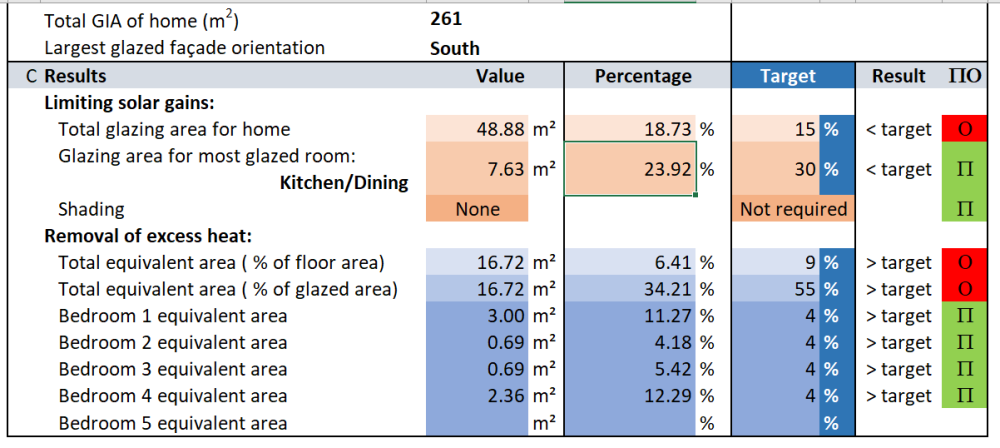
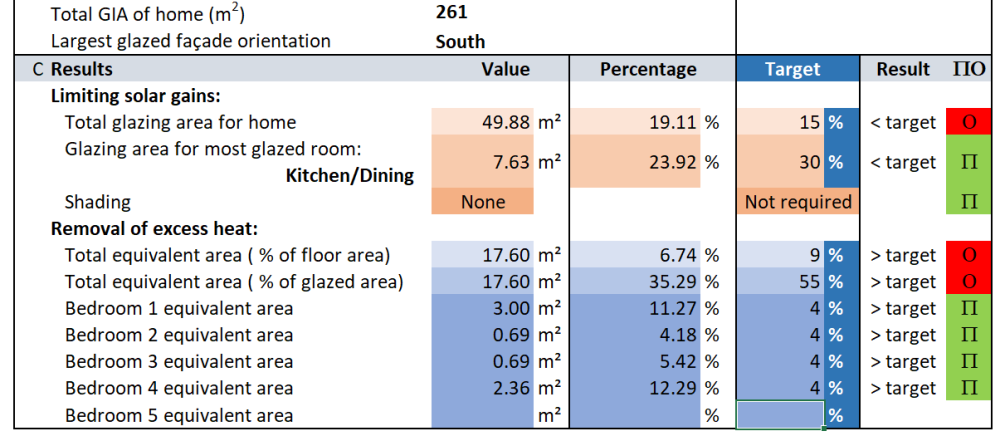
Thanks Susie, The spreadsheet looks like it calculates the effective opening angle based on the 650mm reach criterion and the 'distance of window from inside wall' cell that we need to input. This feeds through to the 'equivalent area' that modifies the total glazed area. I've converted one large-ish fixed pane to an inward opening window (that uses a 90deg effective opening angle) to benefit from its full area in the 'removal of excess heat' metric without negatively impacting the 'total glazing area' metric. That's certainly an option, but since I'm going passive house I'd prefer to avoid changing anything that might affect the integrity of the envelope My architect hasn't yet had a project go through the new regs and can't comment. I also don't know if PHPP will be seen as an acceptable alternative. I'm not overly keen on engaging (yet another) consultant to do the dynamic modelling if it's not necessary. Big sigh....
-
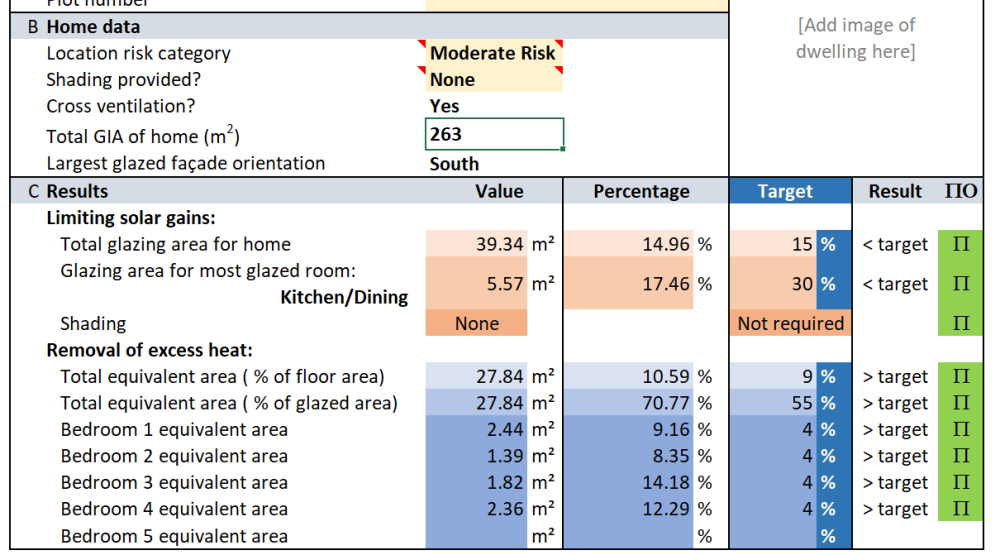
Squeaked in, but had to make a kitchen door unglazed and a utility room door half glazed. Not what I wanted. I don't understand how shading is dealt with in Part O. My design has brises soleils on the southern aspect, yet I don't see how this is factored into the Simplified approach. Any thoughts? Mark
-
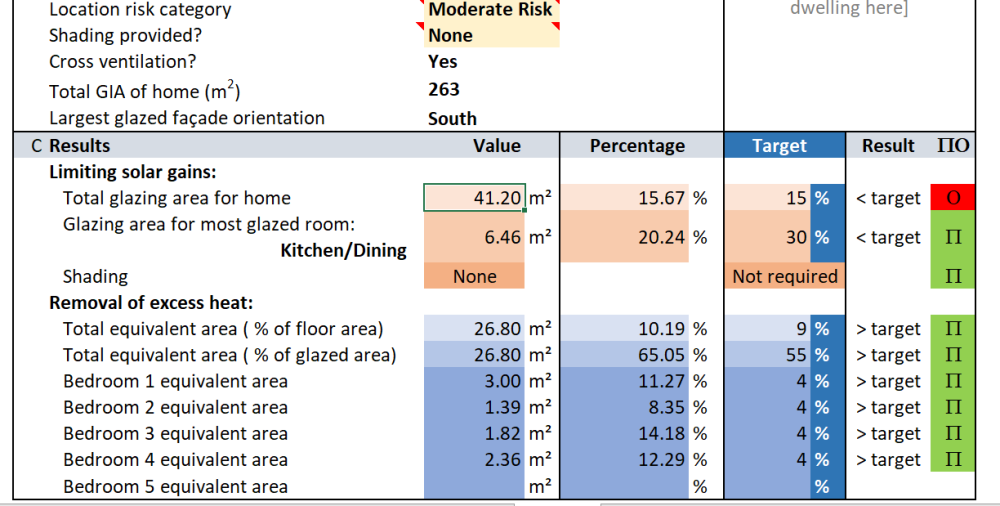
After making most of the windows openable, I get very close to a pass. I've not yet decided on inward or outward opening windows and that presents another route to compliance that I hadn't thought of. Thanks
-
Yup, mine fails too. Sigh..... PHPP returns a zero risk of overheating, but the Part O sheet suggests I need many more opening windows. That I won't open due to MVHR and insects. I'll tinker with changing the fixed panes to opening and see if that might force a pass. Sigh again
-
Thanks so much Susie. I'll take a look tomorrow, since today has been devoted to providing appropriate information to demonstrate that our passive house design complies with the council's requirement for 10% renewables and is therefore an acceptable proposal......... Grrr.
-
Gotcha. Thanks
-
Yup, deffo will be done before spending money. Is there an online model where one can input the actual mounted arrays and determine viability? I've briefly looked at the Skelion Sketchup plugin previously. Any experience of it? Cheers Mark
-
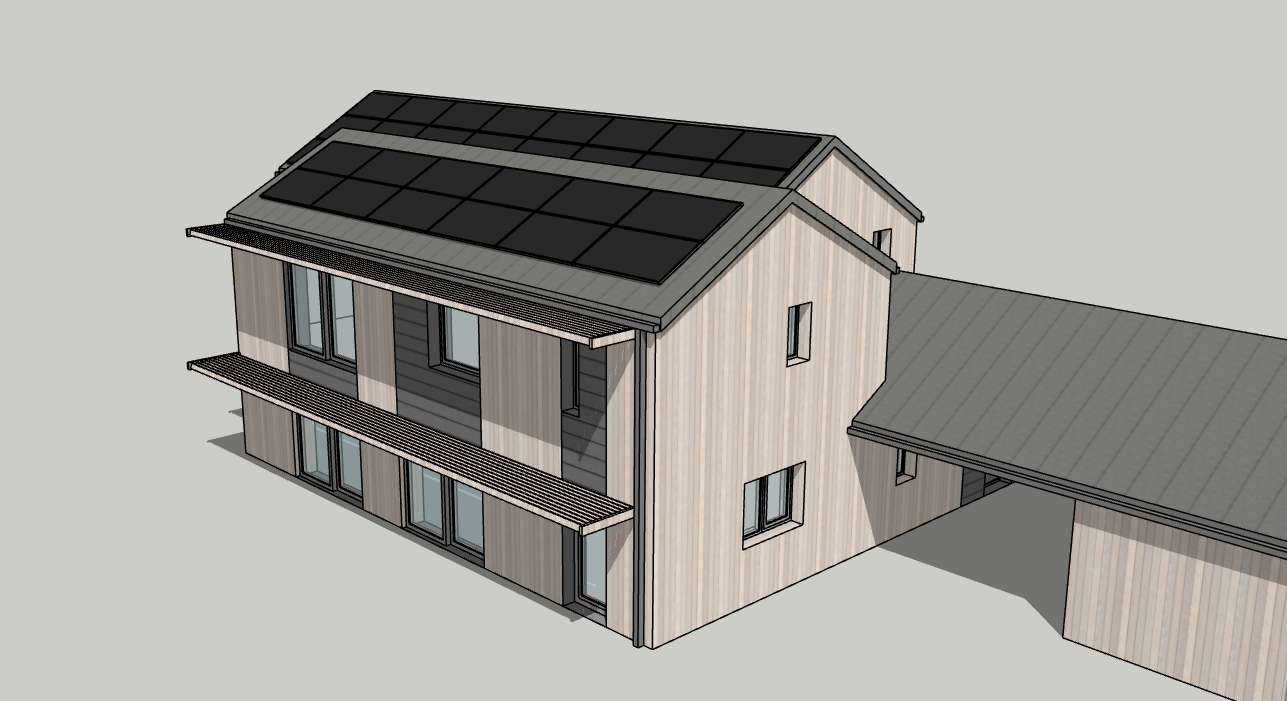
You're right in that the 3 lone ones bottom left are probably redundant. The rest of the roof looks pretty unshaded from Feb to Nov using geolocated Sketchup. I'll do further assessment, but for now it's for the planning app, not actual installation. Cheers Mark
-
Hi Susie, We haven't done that. Is it a DIY job or need another consultant? Best Mark
-
Hi Steamy, No shading was input on either of the calculators. Am I interpreting or inputting incorrectly?
-
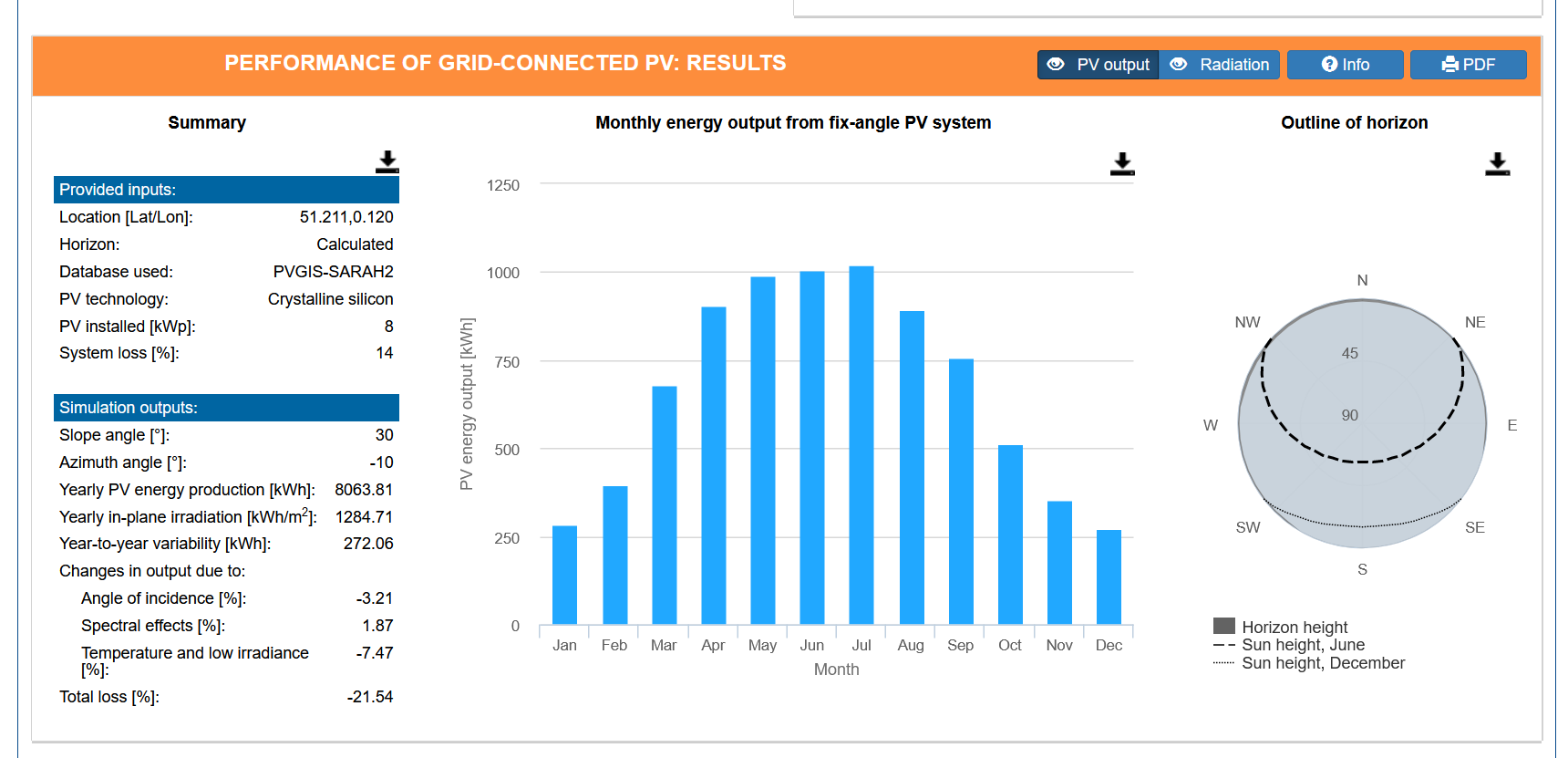
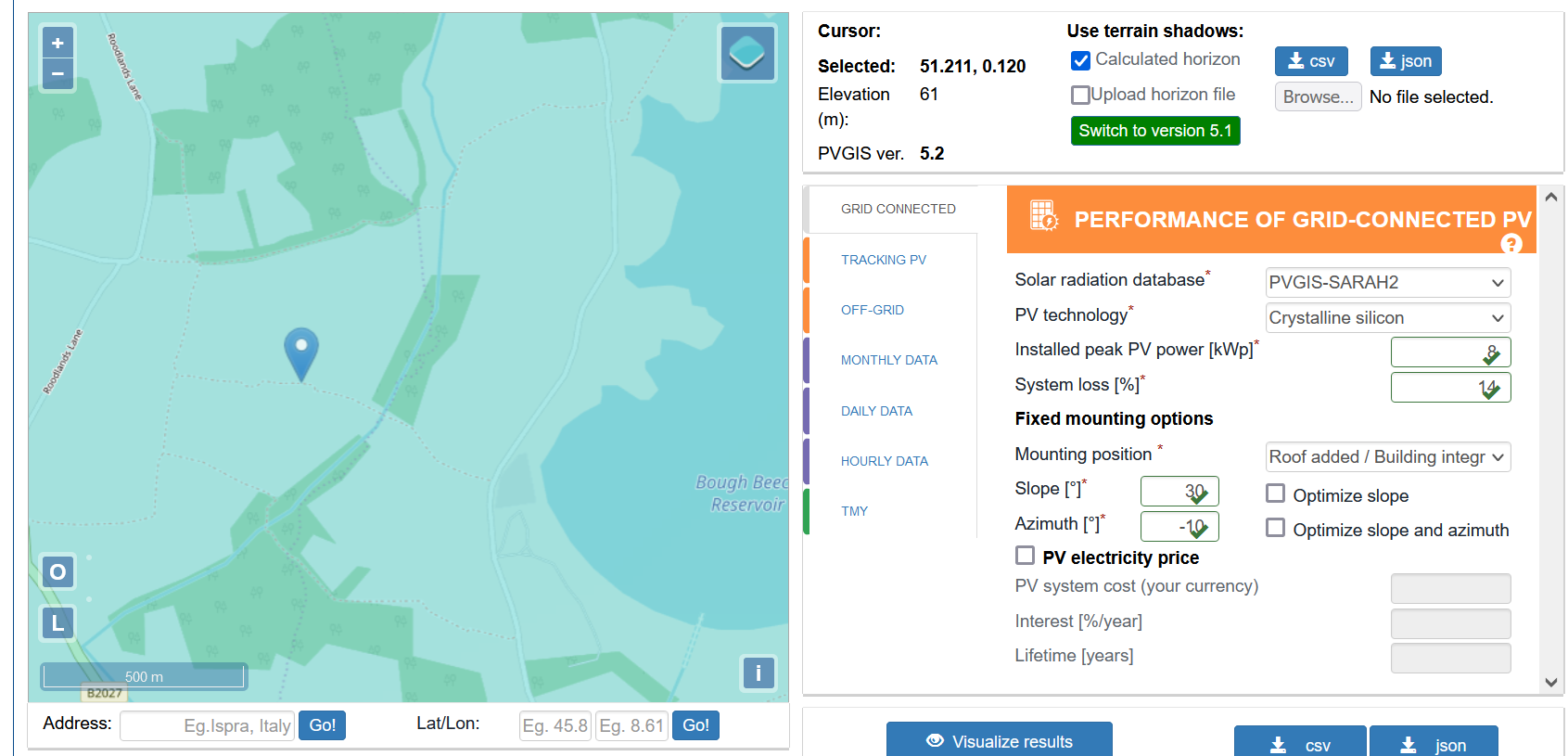
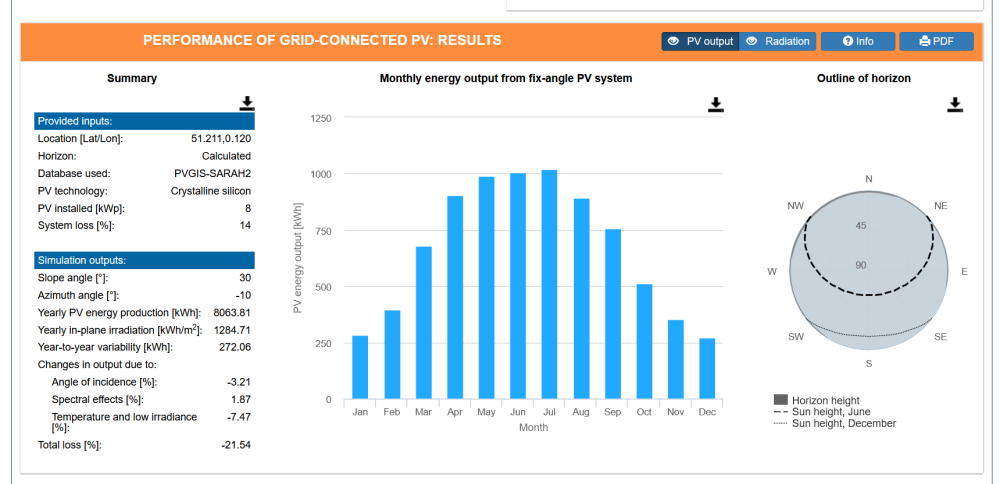
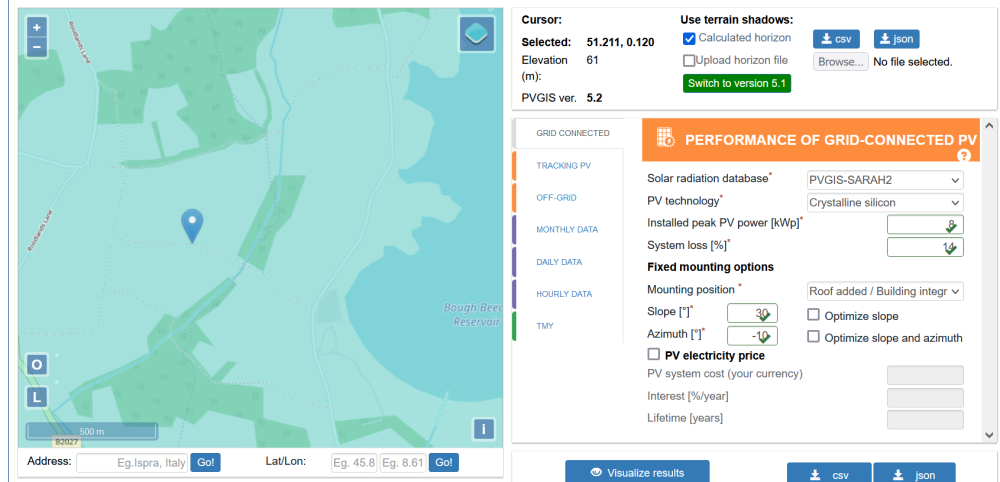
Thanks @Marvin I'd heard of that site but couldn't find it for looking.... It shows similar figures to the Energy Saving Trust version - 8086kWh with a 267kWh annual variability. I hope that satisfies the planning consultant, and I don't need another bolt-on consultant to produce a more formal document. I've already been stung with consultants for ecology, environmental, heritage, inside leg measurement......
-
Planning is about to be submitted and the consultant has sprung upon me a requirement to demonstrate/document that >10% of the new build's energy will come from renewables. The PHPP model shows a Heating Demand of 11kWh/m2/a and the TFA is 233m2 so an annual heat demand of ~2500kWh. According to the Energy Saving Trust calculator, an 8kW PV array in my location, orientation and elevation generates about 7500kWh per annum. Is this an accepted approach, or is it more typical to have a full Design Stage SAP performed?
-
Solar Quote
Furnace replied to bob the builder 2's topic in Environmental Materials & Construction Methods
My roof will be on a new build and one of the appeals of a (30deg, zinc) standing seam roof is a continuous, watertight surface. I didn't fancy compromising this for a mostly cosmetic appearance. If a panel needs replacing, I imagine one that's clam-mounted would be pretty straightforward too. Many thanks for your input. -
Solar Quote
Furnace replied to bob the builder 2's topic in Environmental Materials & Construction Methods
Nick, Do you recommend GSE installations on standing seam roofs? My initial thoughts were that mounting the panels on clam brackets attached to the seams was fast and provided a cooling gap of 50mm. No danger of leaks and a more straightforward installation of the roof? -
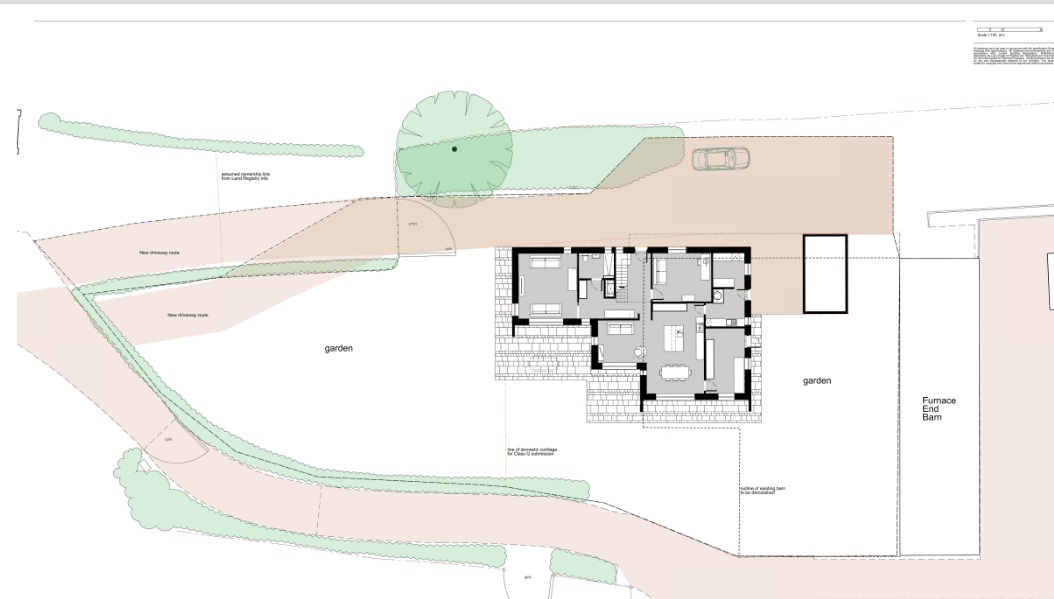
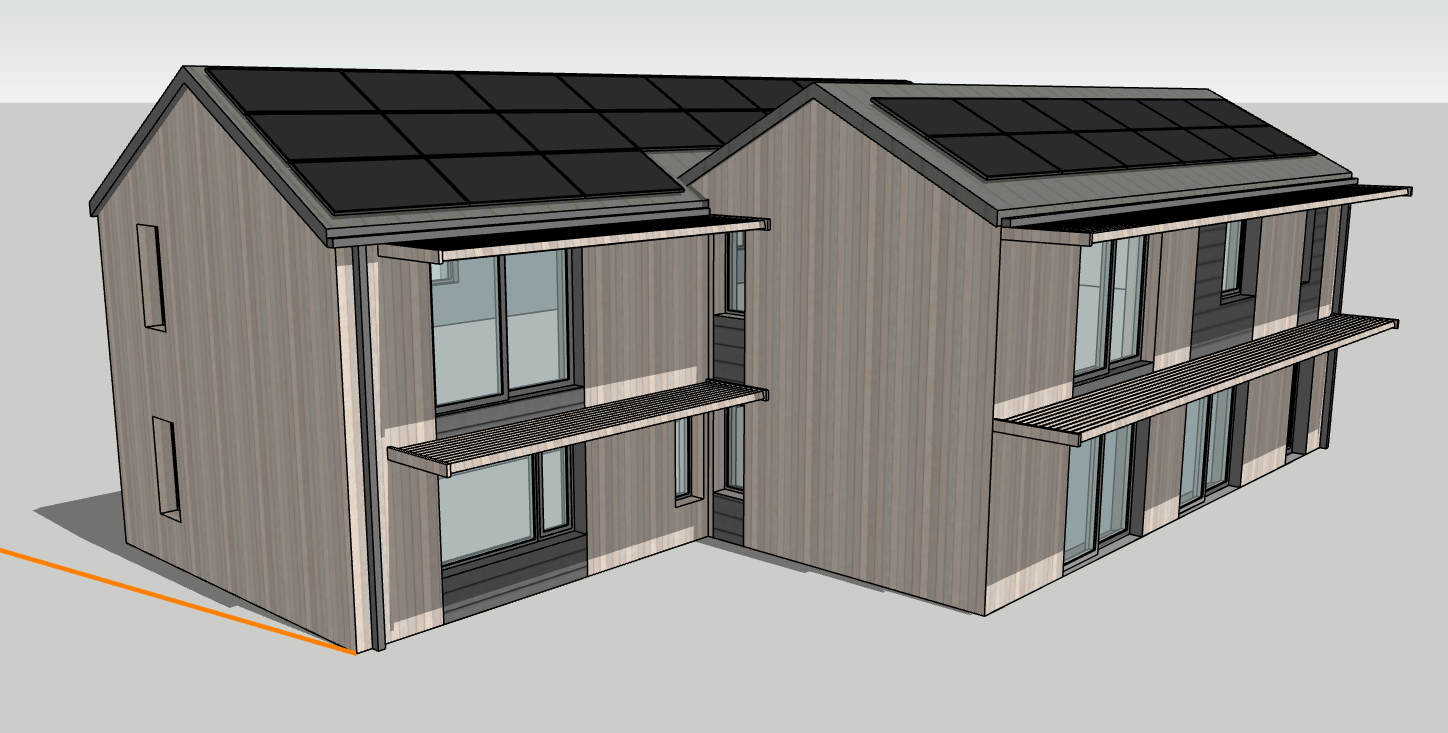
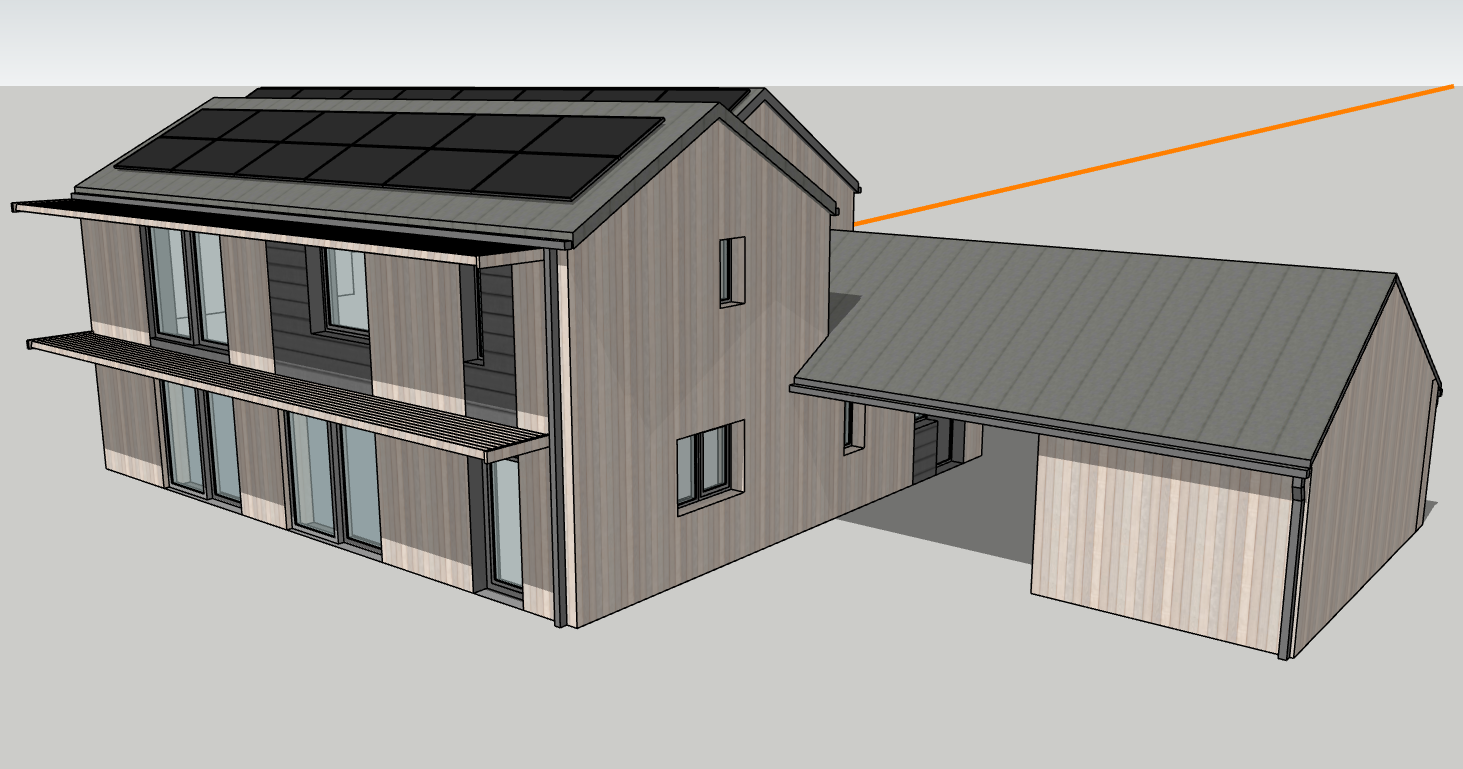
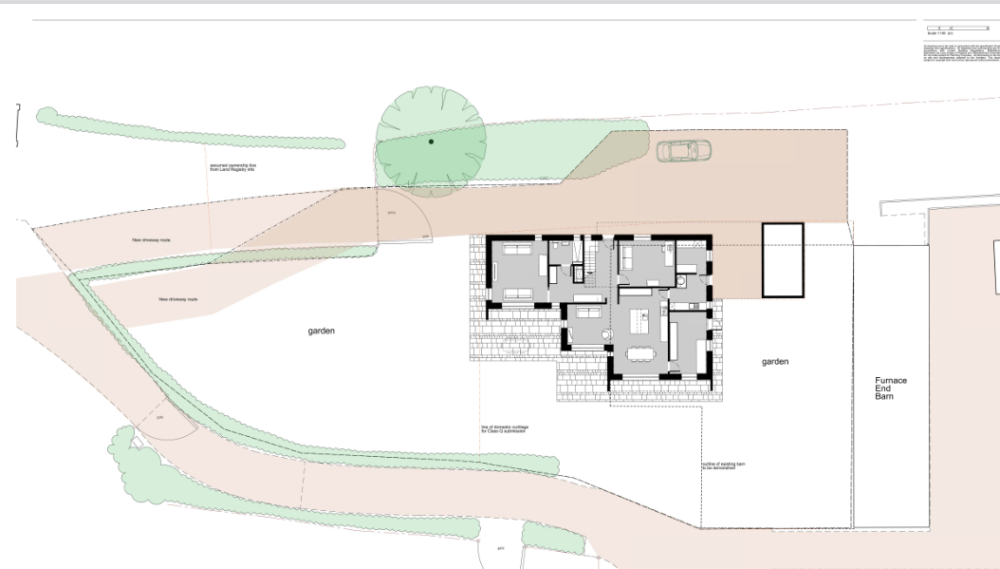
You're absolutely right. The design is driven by the slightly triangular plot shape/size/orientation/views rather than optimum PHPP or build cost efficiency.(the design below is an earlier iteration) I've kept the size down to 250m2 which seems about right for both the plot and for the local market expectations for houses in this type of location. I experimented with making it a smaller and 3 beds, but it seemed to compromise too many other aspects and I think I'm OK with the size now. Good idea. I'll see if I can get some samples. Yup, the valley is not my favourite feature but the architect is advising that it shouldn't be seen as a deal-breaker. As mentioned above, the shape is largely driven by the plot. However, all suggestions are welcome at this stage. It's far cheaper to make amendments on paper than when building!! This forum is so valuable for those who don't regularly build houses. Mark
-
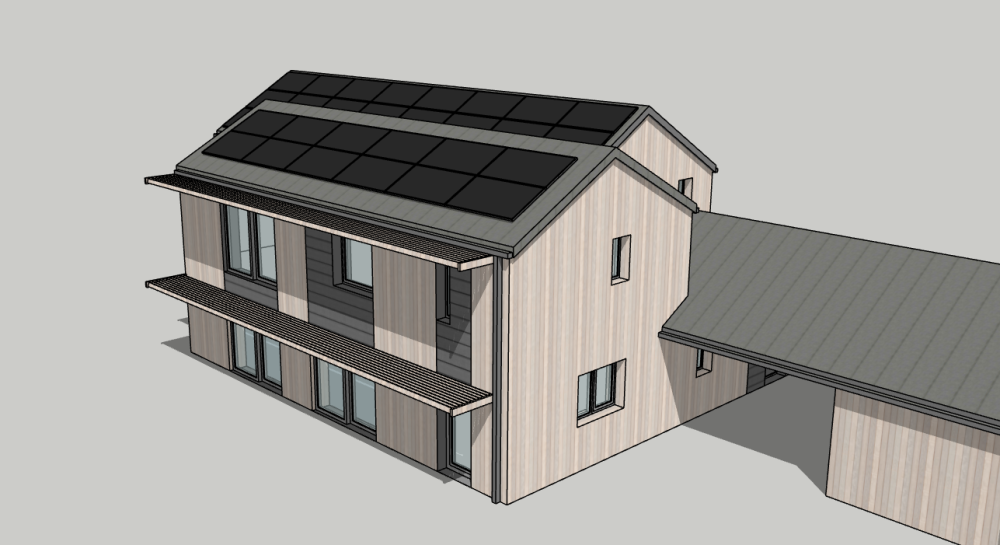
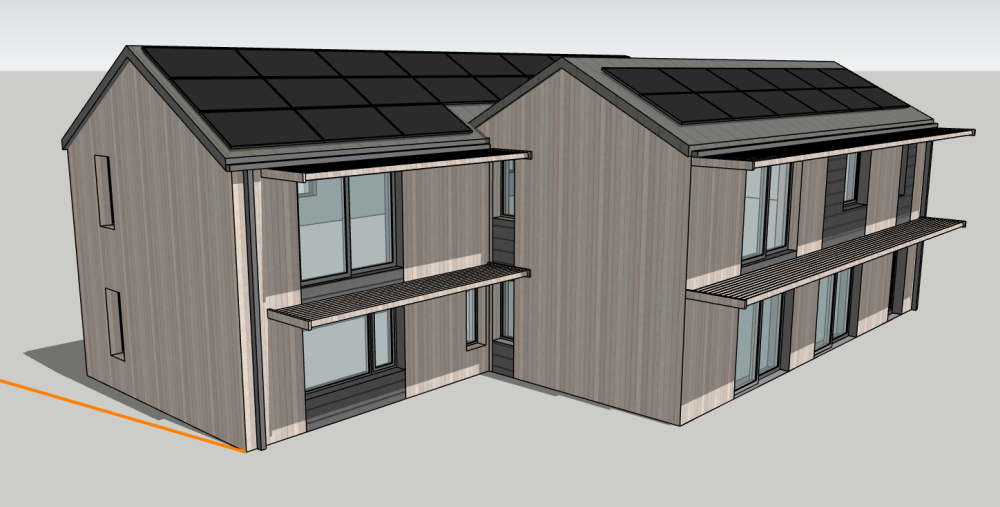
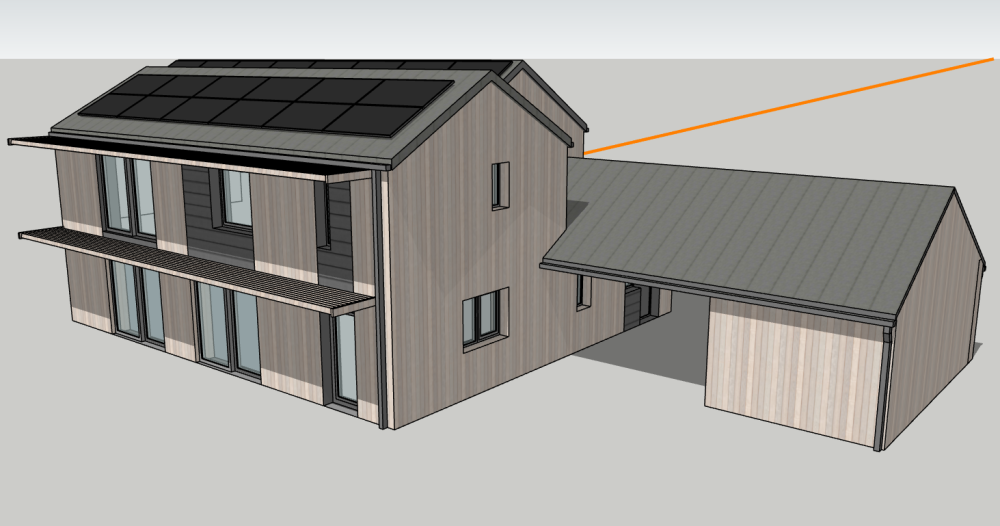
Thanks @IanR @Russdl @Nickfromwales We'll definitely will need solar gain mitigation on the South elevation, but haven't yet shown it in the designs. The current view is to include brises soleils and don't yet know how much/many will be needed. @NickfromwalesReflective solar film is another route that could be used, although I'm uncertain about the "tint" when looking out from within? Any resources/recommendations to research this further? Thanks to all for helping on this rather daunting journey. Mark
-
Progress is being made on the project and the planning application is due to be submitted in the next week or so. The only thing left to finalise is the shading requirement to avoid excessive solar gain, and I soon should have those details back from the PHPP consultant. 3d.pdfelevations.pdfplan.pdf Next major step I'm researching is build system, although I'm already pretty sure it will be timber framed due to low embedded energy and speed of erection. I'm attracted to factory built panels that are craned into position, although since there may be some issue with artic access down a 1/2 mile drive with overhanging trees I'm also open to a more labour intensive system of a kit comprising precut plates and studs that are assembled on site, but delivered on smaller vehicles. Companies I have in mind for prefab are MBC and Eden Insulation? Anyone have experience of Eden? I understand they're used by Justin Bere and Ecoarc. For "stick kit", has anyone any recommendations? All comments welcome