Furnace
-
Posts
238 -
Joined
-
Last visited
-
Days Won
1
Everything posted by Furnace
-
I spoke with Rob Cullen today. He explained that they design timber frames and have a preferred timber mill in Gloucester that machines and prepares the parts to his design. These parts are then shipped to the site and erected by the customer's choice of builder. Is that the route you followed? I had originally been intending to pursue an MBC- style (pre-made panels) path, although may have site access issues depending on panel size since I'm at the end of a half mile drive with overhanging trees and some 90deg bends, so the smaller vehicles possible with the "stick construction" approach may be better.
-
Replace 10 litre expansion vessel. DIY job?
Furnace replied to Furnace's topic in Boilers & Hot Water Tanks
Thanks so much Peter. I don't fancy wrestling the old one out, nor aligning the new one so I'll keep an eye on any weeping but leave it be for the moment. Thankfully the EV change has resolved the heating issue and my elderly parents are now reclining at 21degC rather than 16. Thanks to all who contributed Mark -
Replace 10 litre expansion vessel. DIY job?
Furnace replied to Furnace's topic in Boilers & Hot Water Tanks
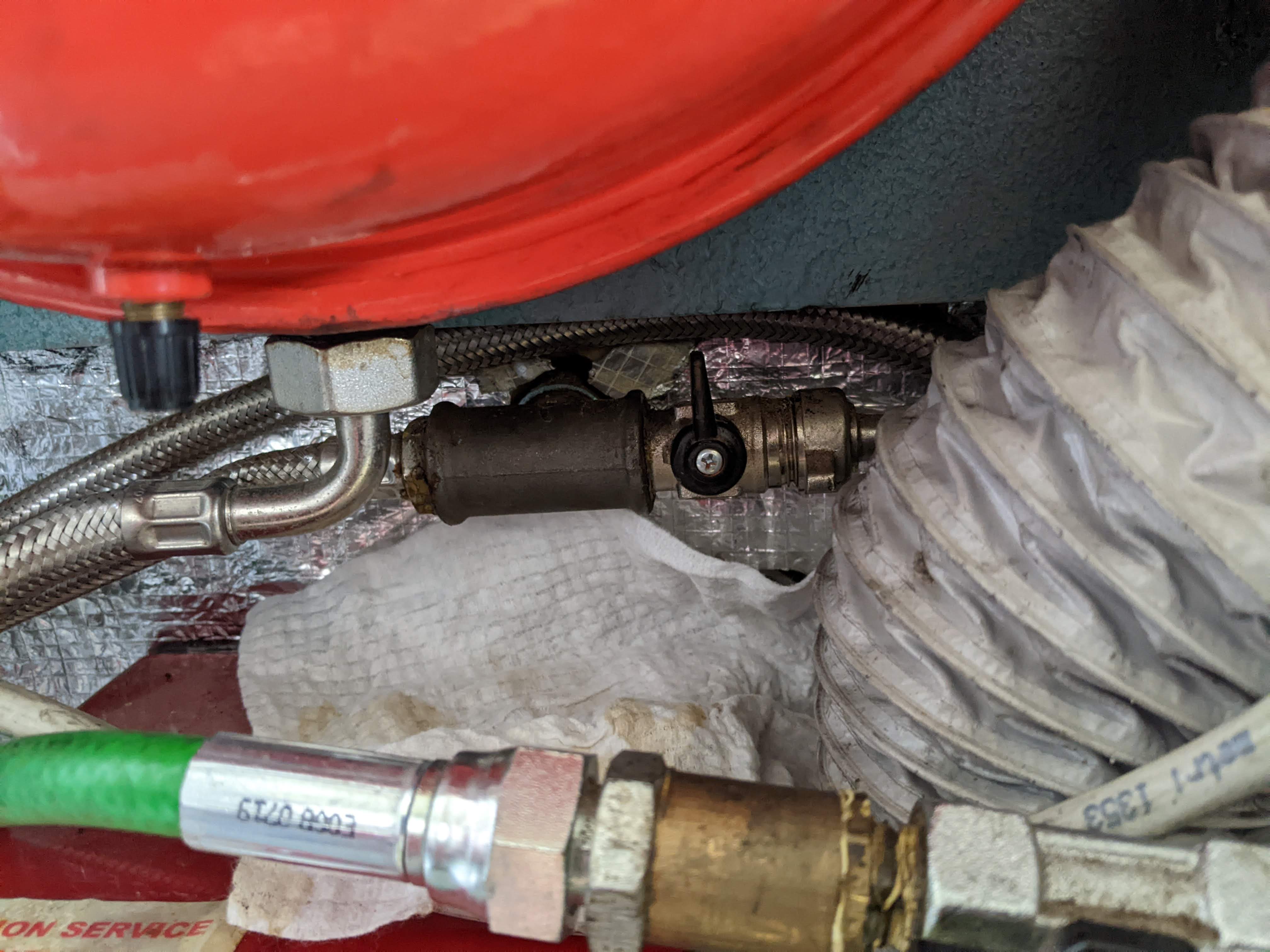
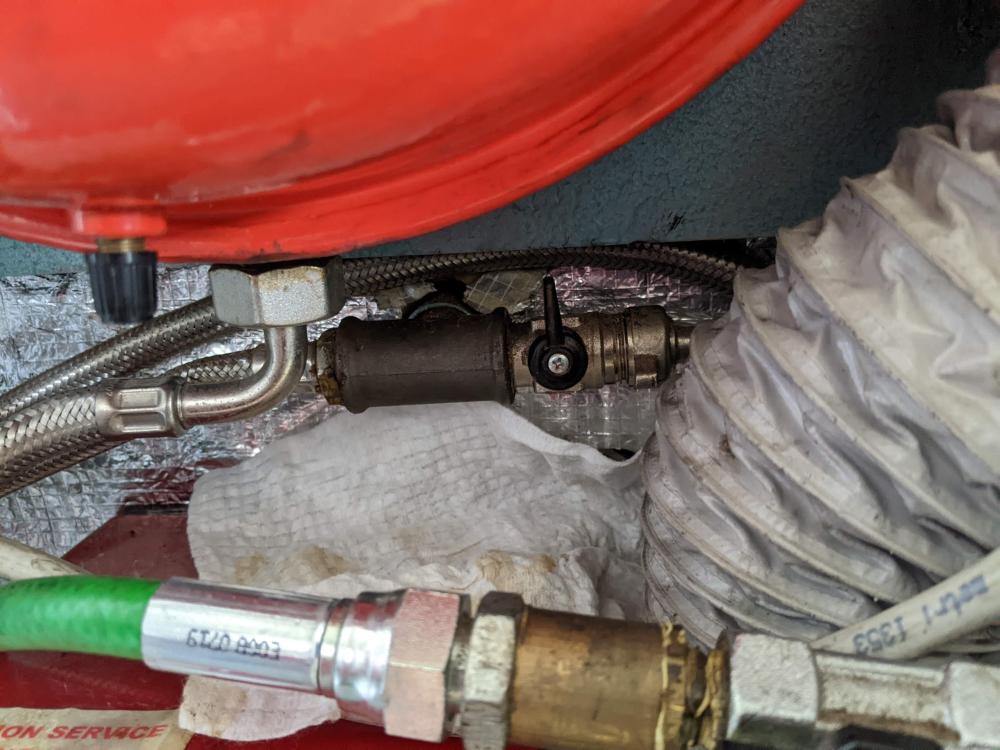
Final question for the panel... The isolating valve for the filling loop circled in blue has a weep emanating from the valve actuating shaft that keys on to the black handle. I've positioned it so that there is currently no leak, but I'd prefer to replace it so there's peace of mind. Is there a particular type that is required because it's in a hostile, high temperature environment? The supplied Grant version is about £20 which appears a bit steep? I'll need to drain down the system in order to replace it.😔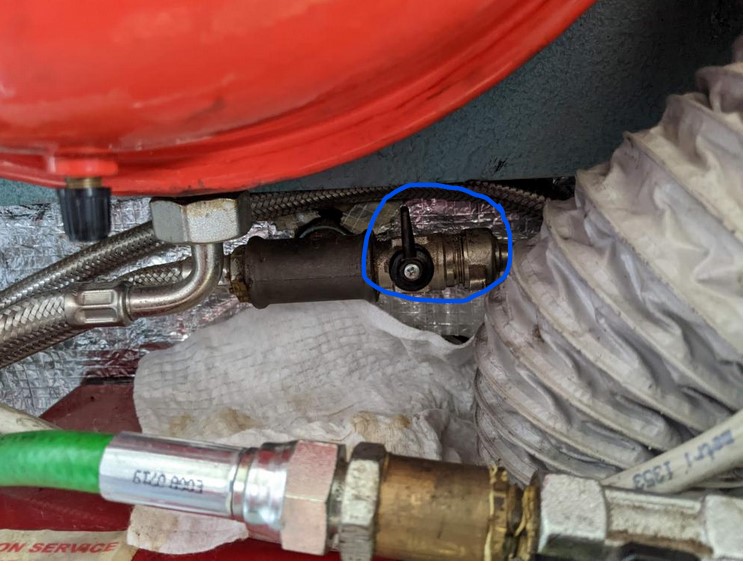
-
Replace 10 litre expansion vessel. DIY job?
Furnace replied to Furnace's topic in Boilers & Hot Water Tanks
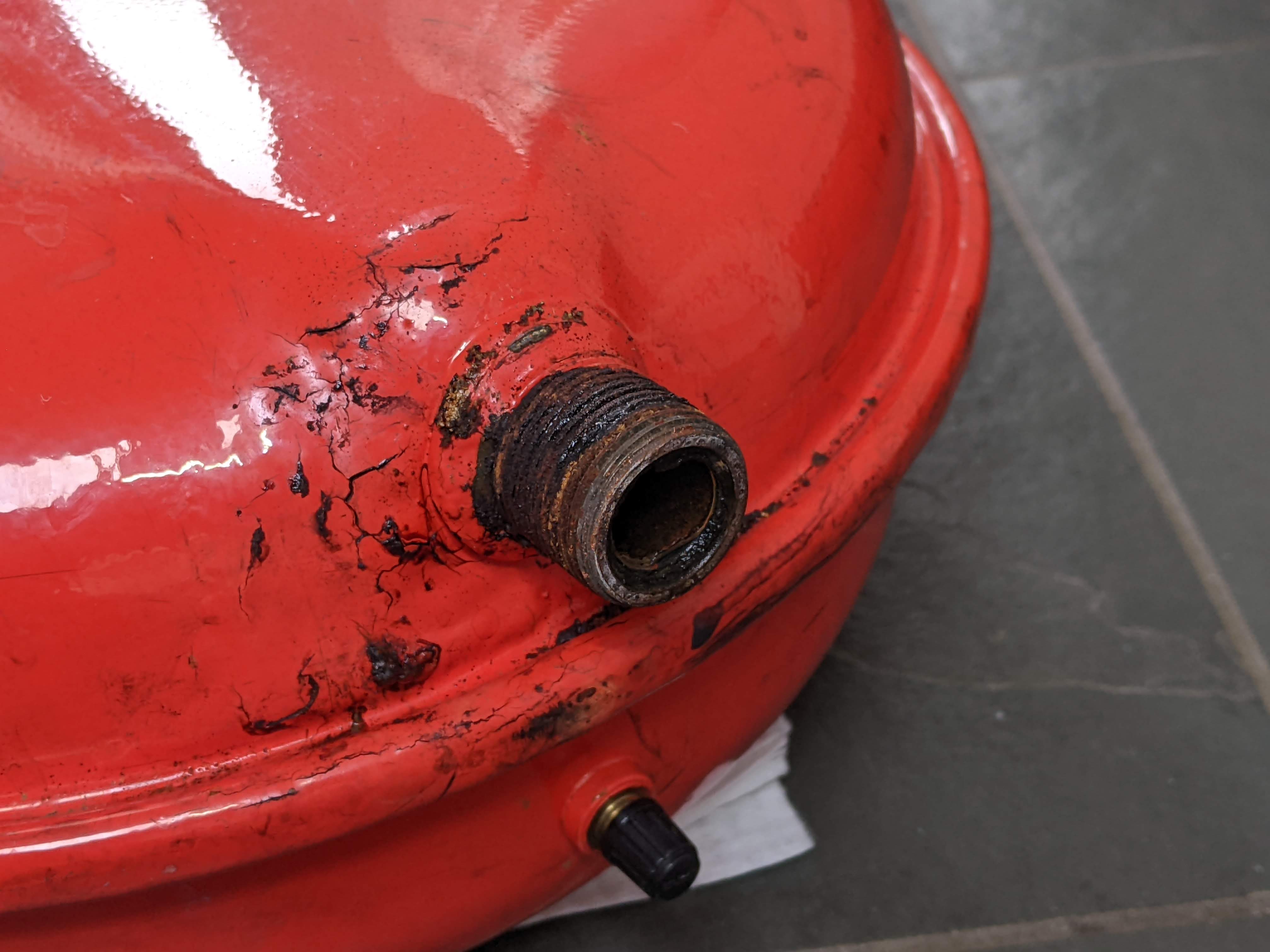
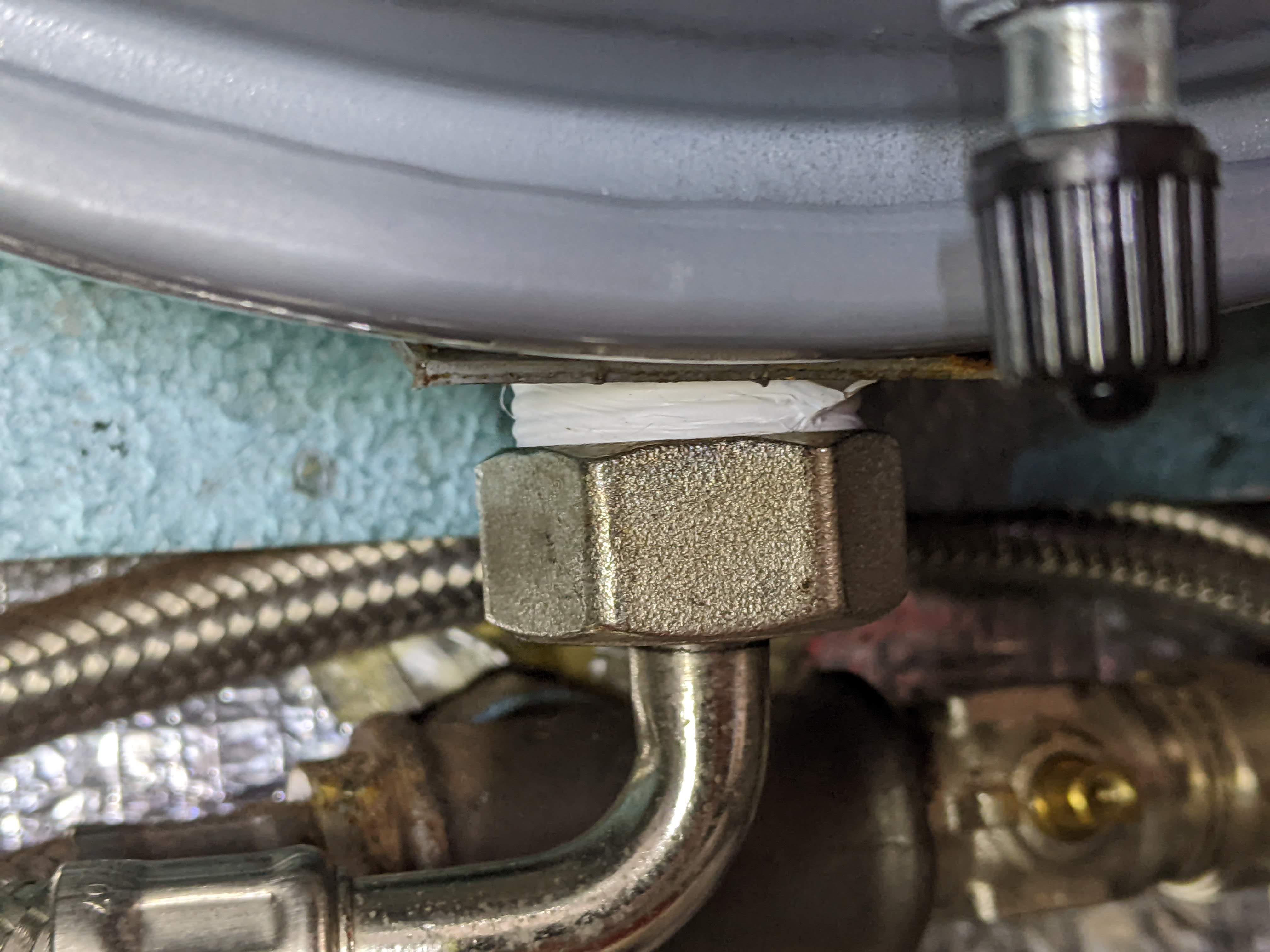
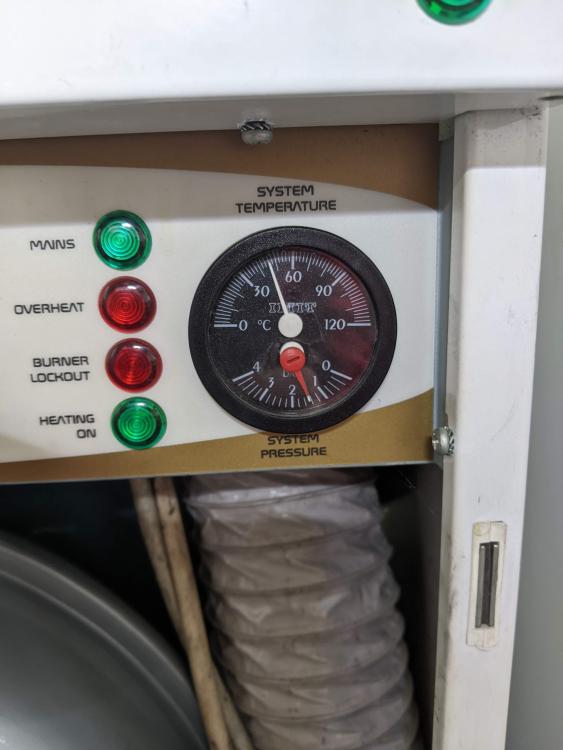
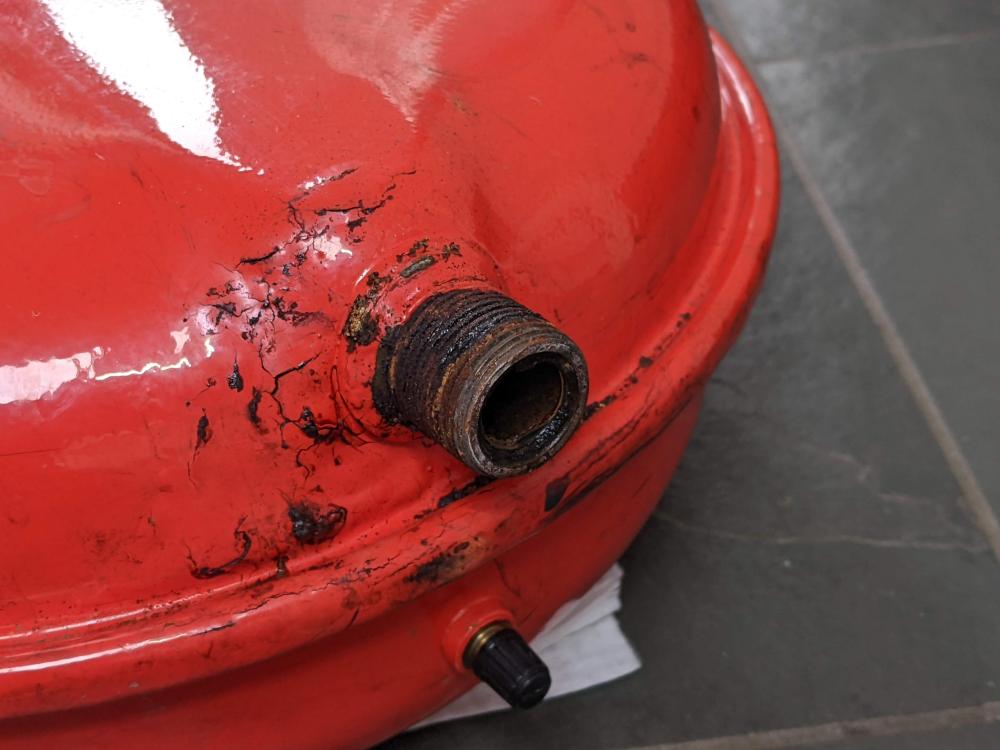
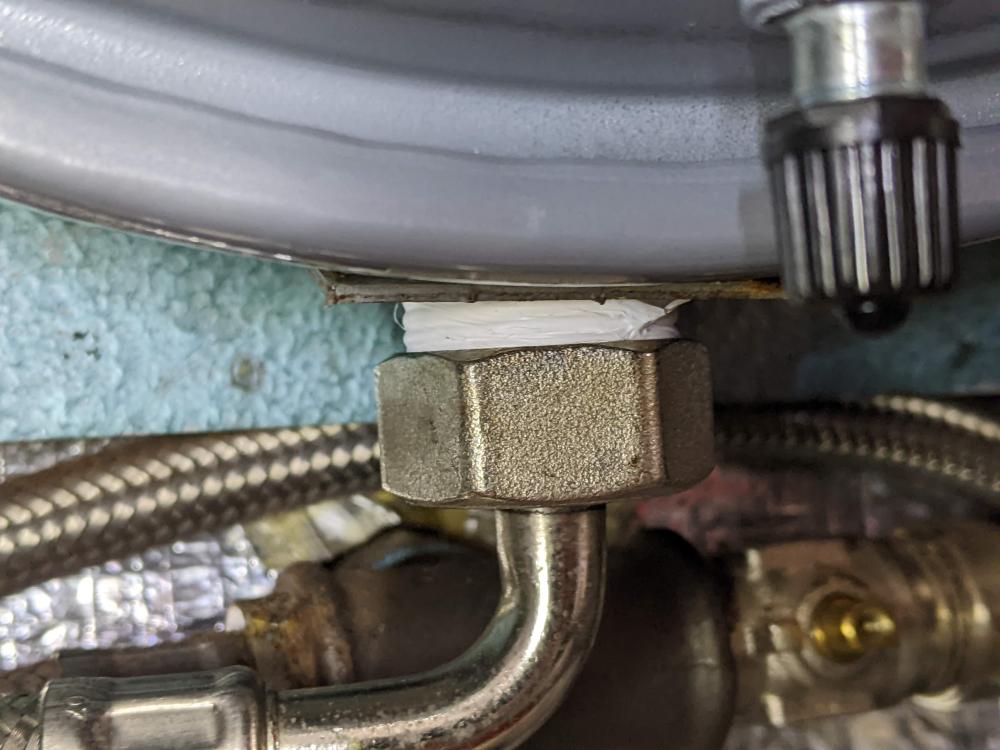
Job done and it looks to be running at the correct pressure now. It's too cold to mess around with draining down and refilling - it's my folks' house and they're in their 90s. Thanks to all for input and saving me waiting 2 weeks for the next available plumber. It looks like there may have been a micro-weep around the EV vessel causing corrosion. I've put on PTFE tape that may (or may not) prevent it happening again. It's 15yrs old, so I'm not too miffed.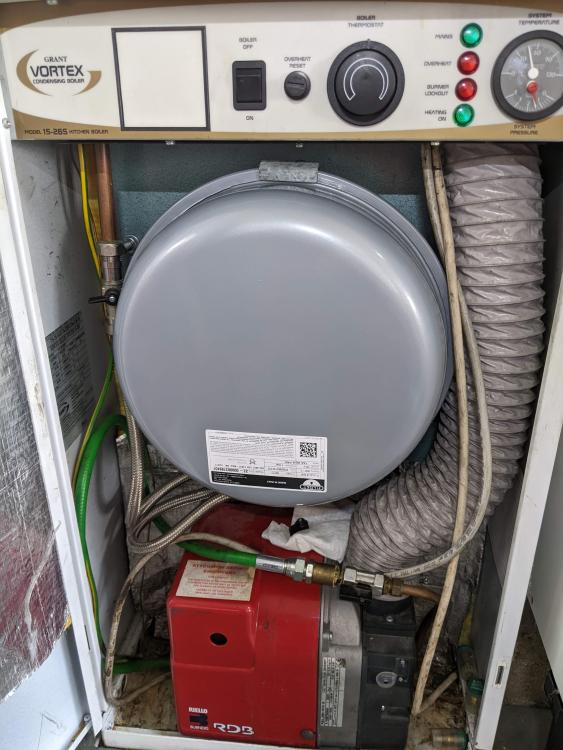
-
Replace 10 litre expansion vessel. DIY job?
Furnace replied to Furnace's topic in Boilers & Hot Water Tanks
If it does need more inhibitor, what's the best way to add it? I've previously only ever added it to an unvented expansion tank when refilling the circuit. M -
Replace 10 litre expansion vessel. DIY job?
Furnace replied to Furnace's topic in Boilers & Hot Water Tanks
Thanks for that. I'll get one of those kits to determine if it needs more inhibitor. -
Replace 10 litre expansion vessel. DIY job?
Furnace replied to Furnace's topic in Boilers & Hot Water Tanks
The system is about 15yrs old (installed as part of a new build) and is "serviced" every couple of years, although I've not been there when it's been done as my folks live there. There are no radiators and it serves the underfloor heating system. I don't know if it has been, or needs to be, drained and inhibitor renewed? -
Replace 10 litre expansion vessel. DIY job?
Furnace replied to Furnace's topic in Boilers & Hot Water Tanks
Thanks Dave. I should replace 1. with "Remove boiler cover and release any excess pressure from the system" and 9. with "repressurise boiler system by opening filling loop valve" Makes sense? -
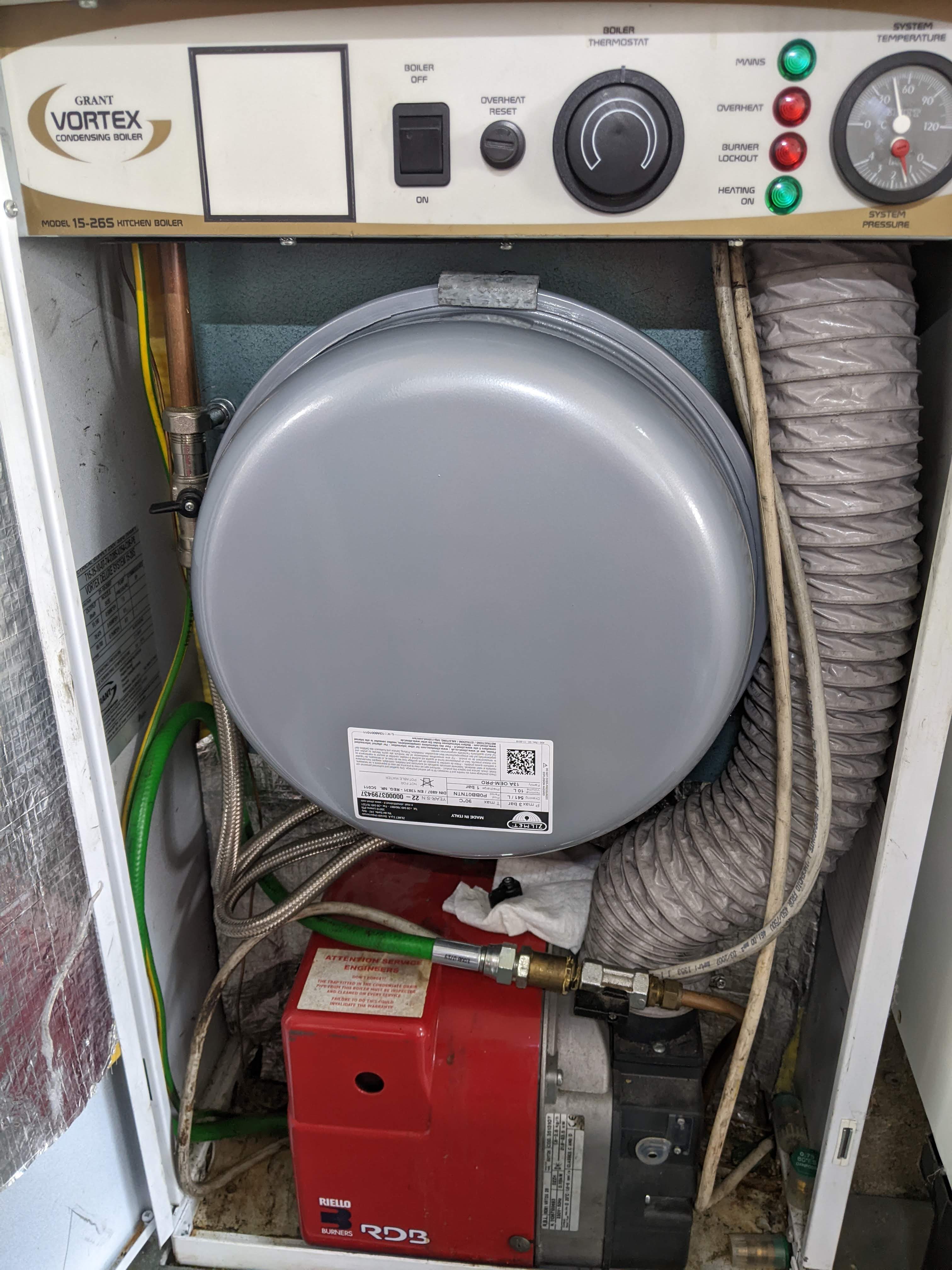
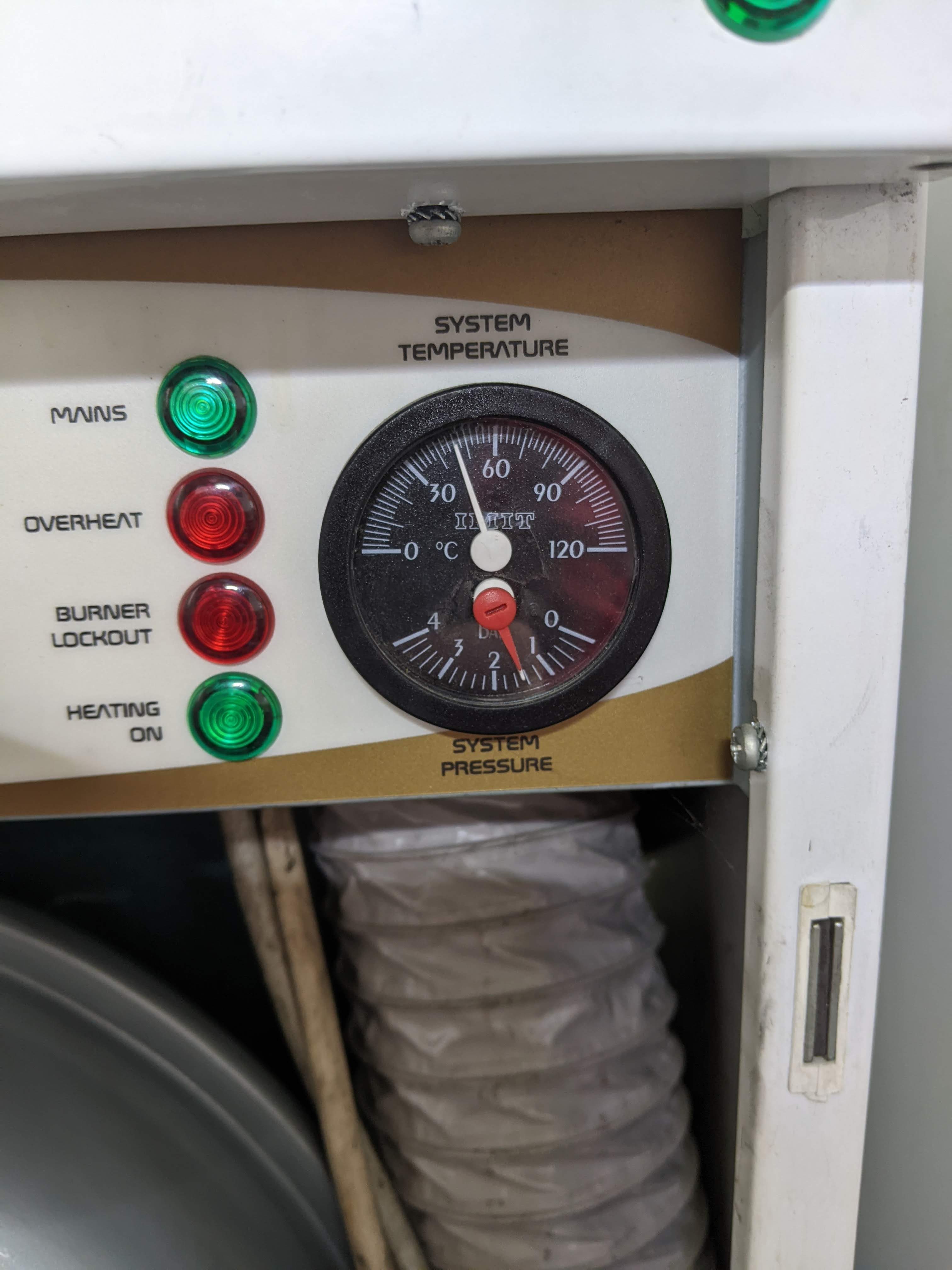
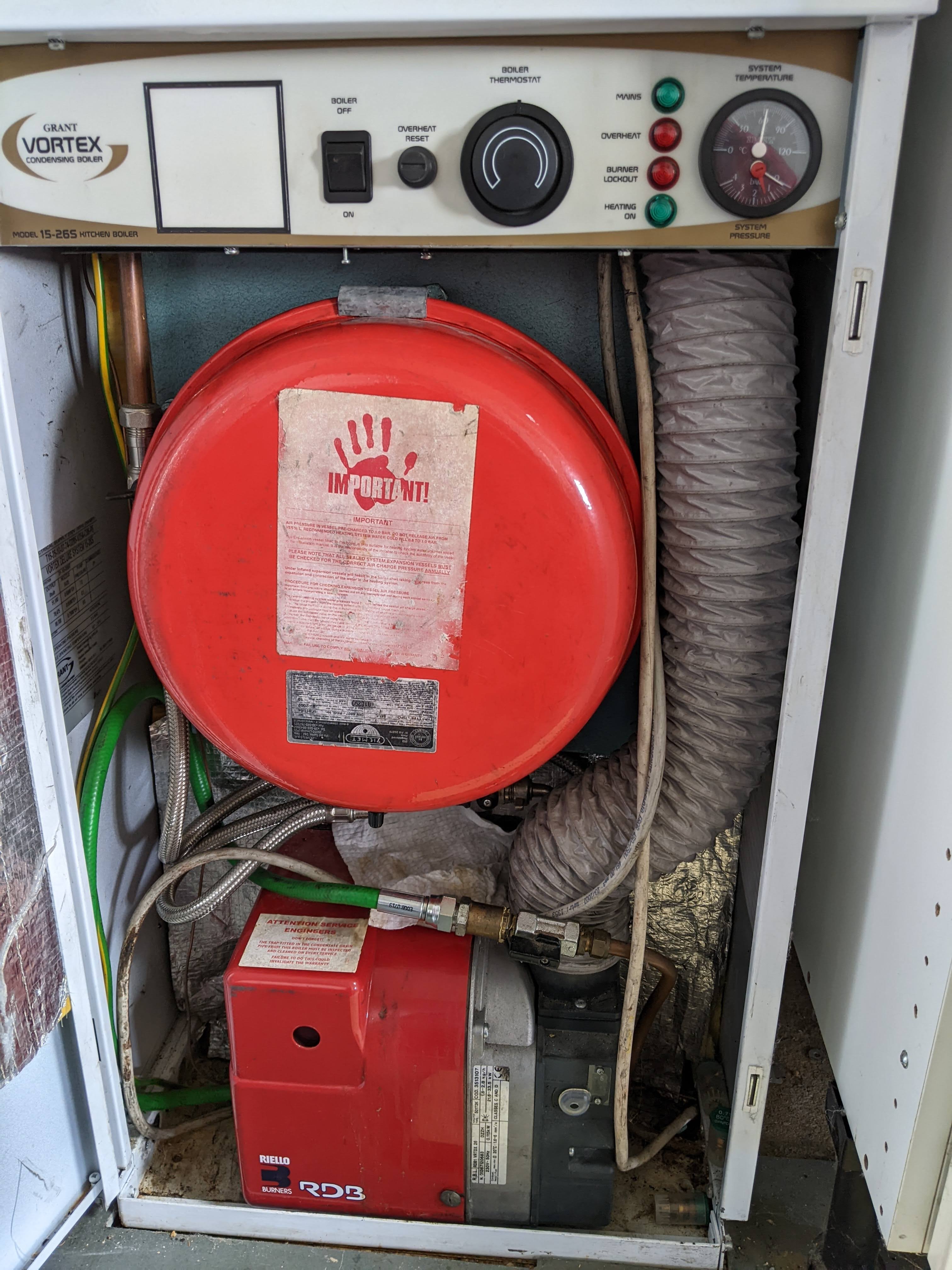
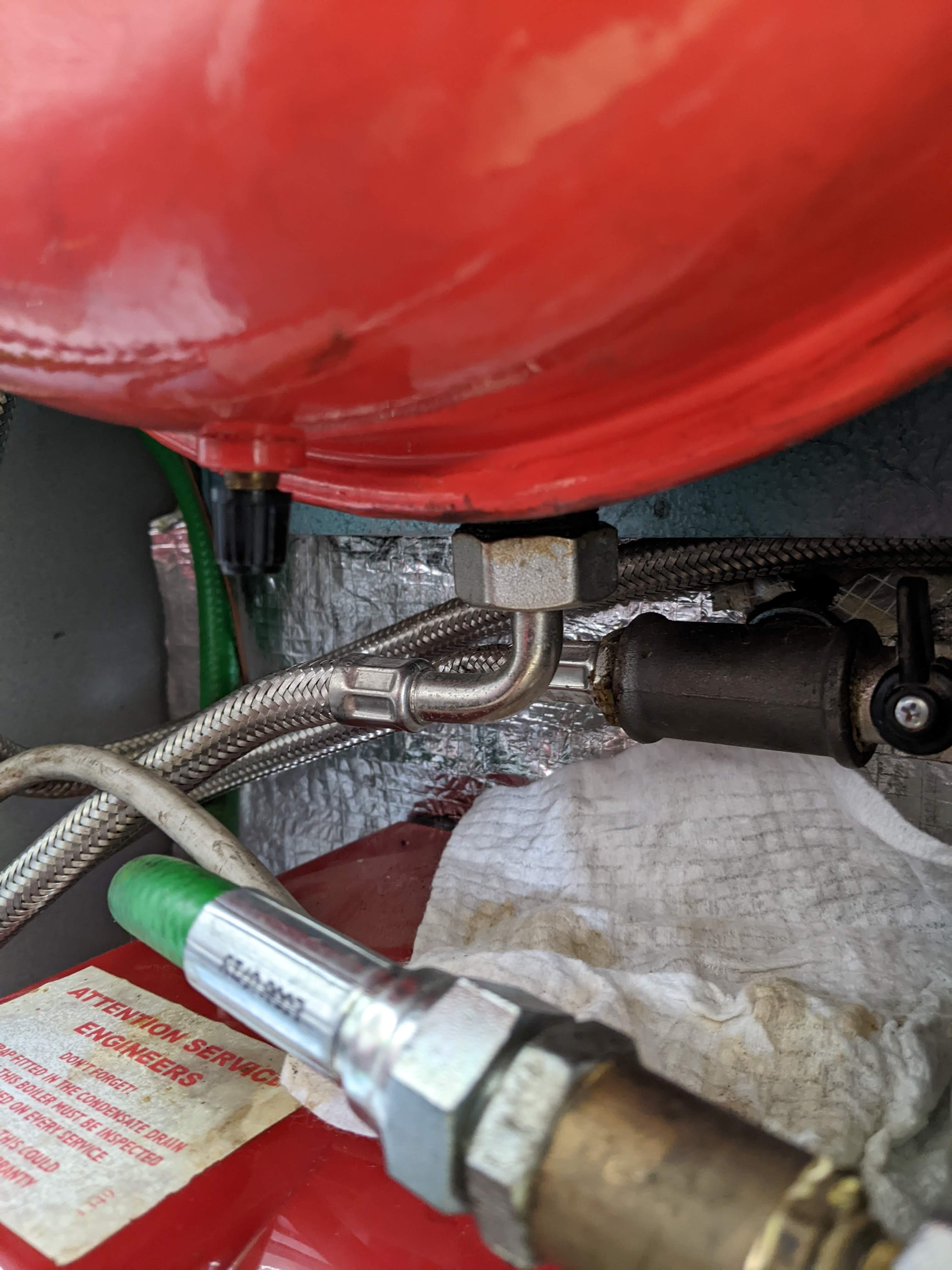
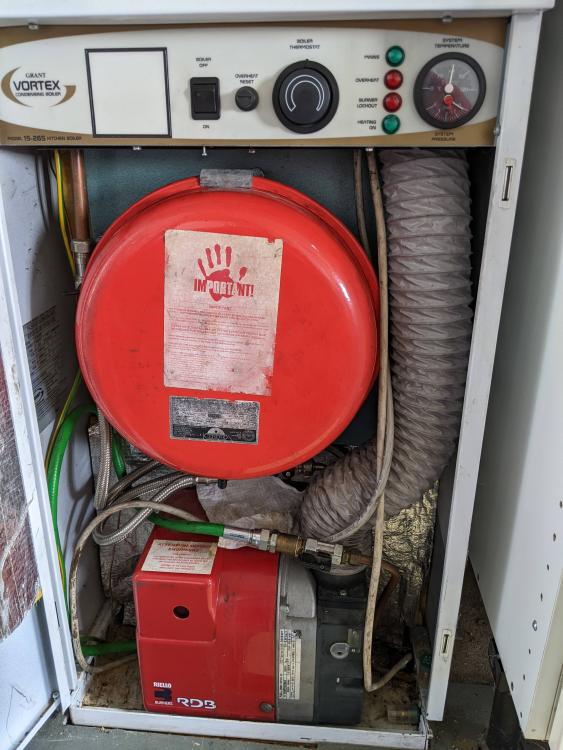
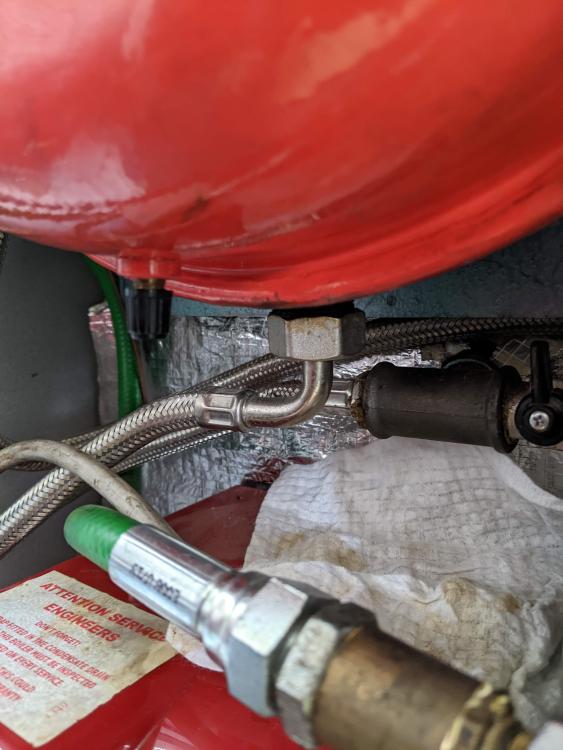
It appears that the expansion vessel has failed. Water comes out of the schrader valve for a few seconds, then air. Leaving it for a few seconds, the same thing happens again. This suggests that there is a hole in the diaphragm? I've ordered a direct replacement. Is it a simple DIY job to replace it? I was intending to: Turn off the mains and open a hot water to depressurise the system. Unmount the expansion vessel and move it outwards from the boiler to the extent of the braided hose. Position it over a bucket Undo the fitting on the old EV base. Pray water doesn't piss everywhere. Install flexible fitting on base of new EV. Check pressure on EV with tyre pressure gauge Remount EV on boiler. Turn on mains water. Pray Does that sound reasonable? What have I missed
-
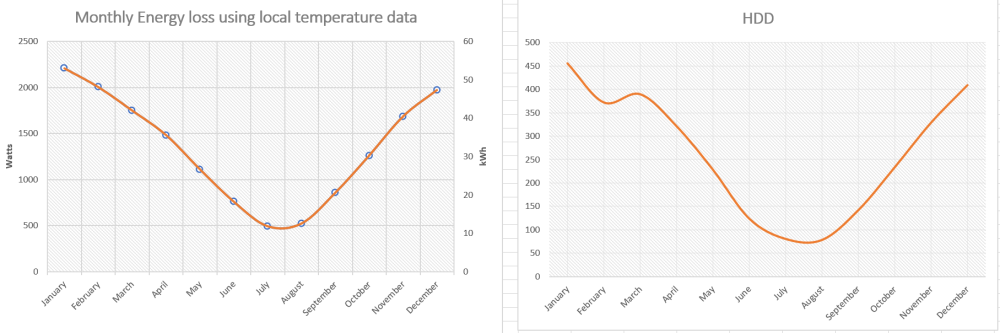
Pretty similar as expected. What I'm more interested is the order of magnitude of the losses. Any thoughts from similar size gaffs. My design is currently 236m2 TFA with heat form factor of 3.06
-
Thanks Ian. I'll certainly post my experience of the journey from Class Q to full planning. My architect is a fan of Norrsken windows, although I found them a little poor on build tolerances when I saw them at the NSBRC, and a couple of the designs had no compression seal on the weather side of the euro locking mechanisms. Thanks also for the Mango/Wilkinson link. I'll add them to MBC and Eden Insulation as possibie frame suppliers. Cheers Mark
-
Thanks Terry. That's encouraging
-
Internorm seem to have a good reputation. My architect typically specifies Norrsken windows and doors,although when I saw them at the NSBRC I was not overly impressed with the single compression seal range, nor with the tolerances> 10 ish mm sounds like quite the outer limit of what one would want given the accuracy available in a factory setting?
-
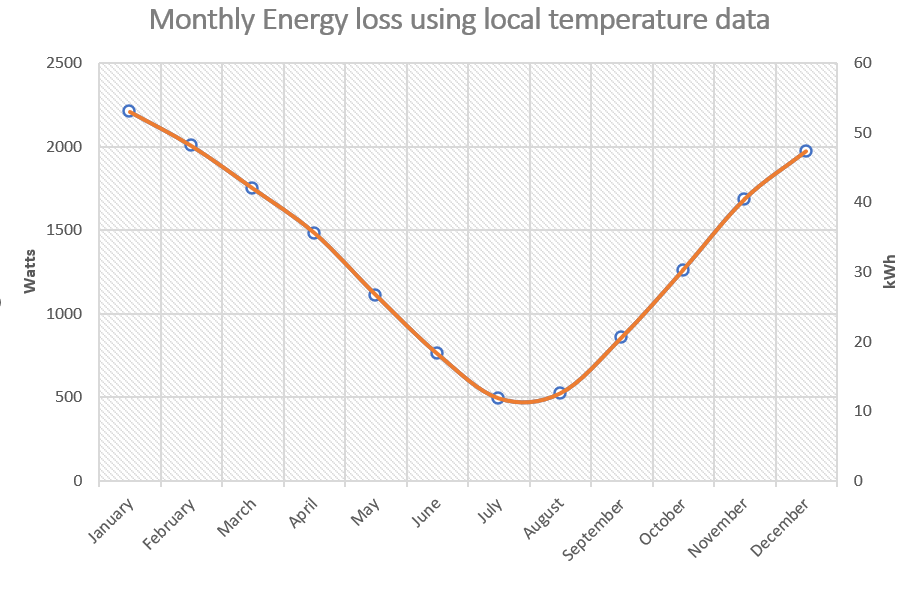
Do you moonlight for the tourist board? Is your ACH50 high? Maybe strong winds are boosting infiltration losses? I'll check the shape, although I suspect they'll be the same. I'm more interested if others have a sense if the real world experience supports these ballpark actual numbers. Cheers Mark

-
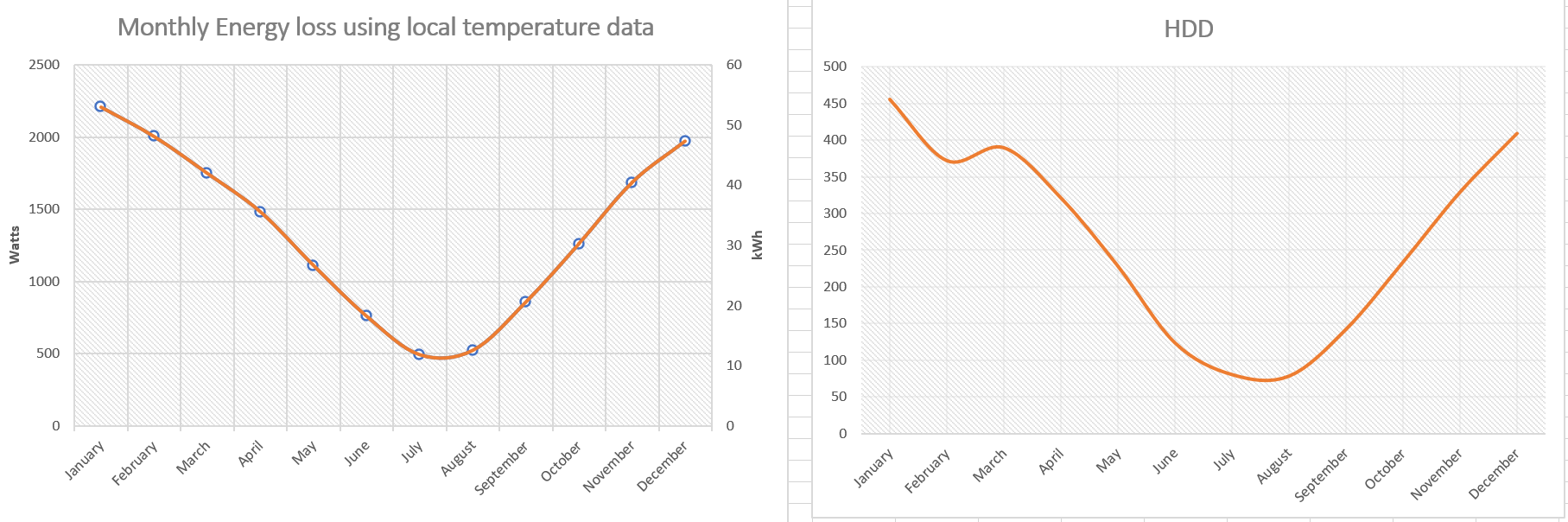
Having built my own spreadsheet I feel pretty comfortable with the heat loss numbers based on local temperature data, and they largely agree with the PHPP consultant. The area of most difference is the air heat loss from infiltration and MVHR. I've not spoken to him about it yet, but it may be that he's input a different flow rate for the MVHR and a different adjusting factor for the ACH50 losses. In the meantime, does this pass the general sanity test? Remember, it's just losses and no account is made for solar gain or internal equipment or human based gains Next I need to get comfortable with the solar gains. Anyone done any work on this outside of the PHPP bird's nest? Cheers Mark
-
Having a service cavity seems pretty much essential to avoid the potential for numerous breaches. Were the specialist crews supplied by MBC employees, or approved subbies? Did you order windows from the plans prior to the frame being on site and assumed the frame apertures would be accurate? Getting the shell watertight ASAP iss a priority for me, and boarding up or plastic sheeting the apertures for a couple of months until the windows rock up doesn't fill me with joy. Cheers
-
I like that approach in principle. For me, since I'll be on site most days. I'm hoping it will remind all trades on site to be as diligent as possible.
-
I think that's a very wise approach.
-
I'm completely sold on a modular build. Building sites are not generally the place to execute precision work that cannot be easily remedied if substandard. Given the significant risk to a successful build by "site error", I'm very willing to pay a premium to largely remove this risk. A package that includes slab plus frame is my current thinking. I'm going to have "Air Tightness Hero" T-shirts printed to motivate anyone on site, and will be here all the time anyway as I live here. Thanks so much for your input. I'll be back for more for sure. Cheers
-
Thanks for that Terry. As far as energy losses are concerned, I also think a pretty simple spreadsheet covers the major contributors without getting into too much detail. The only modification I've made to J's approach is to include the infiltration (leakiness) losses, however these are very dependent on wind speed, direction, orientation on the site so I'm not sure how useful it is. However, addressing leakiness at build time can only help and is very cost effective compared to speccing ultra-low U-value glazing, for example I believe the area where PHPP will help me is in managing overheating risks. I'm inclined to go for certification too, partly to have as a declaration to motivate all those involved in the design and build. I look forward to picking your capacious brain in the future. Cheers
-
I was thinking of the shading affect the panels have on the roof fabric. A panel mounted proud of the roof would transmit less heat to the roof compared to an "in roof" setup. I'll speak to the PHPP chap and see how all this might affect the calcs. Much of the roof will be panels, so it could well be a meaningful factor. Thanks for mentioning it. Cheers
-
That's good to know. I was looking at worst case losses, but can certainly see that there are many variables that can influence the leakage. Cheers
-
Thanks for that. Is the 1/4 factor used to simulate "typical" conditions for infiltration?
-
That's an excellent point. Safari Landrovers had a second "skin" over the roof with an air gap beneath to prevent the occupants being baked. I guess it therefore depends if they're "in" or "on" roof panels. Cheers
-
I don't know the history of the calcs, but the issue I had was that it only calculated the losses from MVHR (and it used air change rate rather than an amount per occupant). By far the bigger energy loss is from air leakiness since there is no heat recovery. In my example leakiness is 10 times the heat loss of the MVHR. The numbers suggest an uncompromising approach to air tightness is hugely beneficial compared to tweaking a window's U-value Cheers