Roger440
-
Posts
2028 -
Joined
-
Last visited
-
Days Won
6
Everything posted by Roger440
-
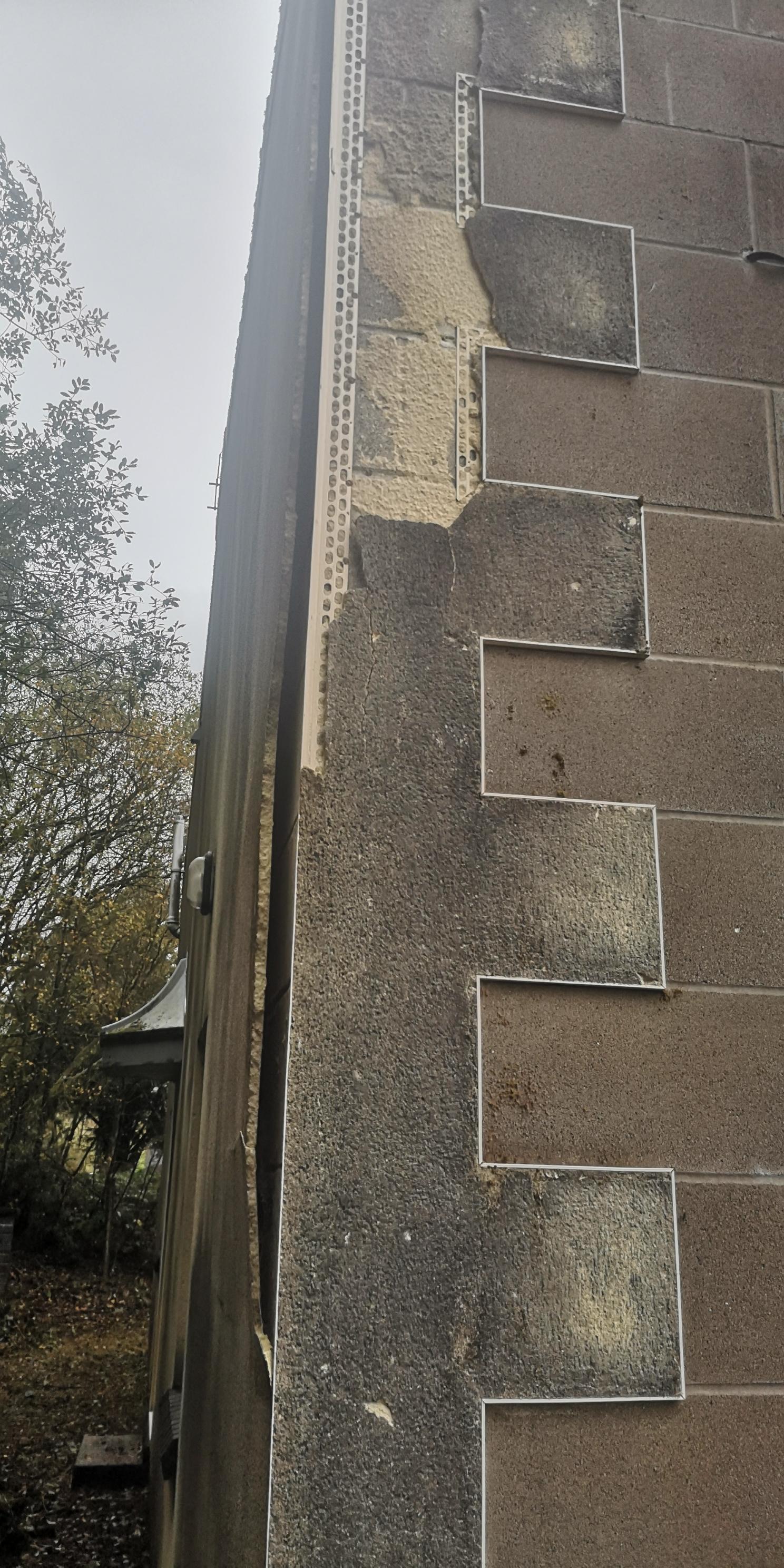
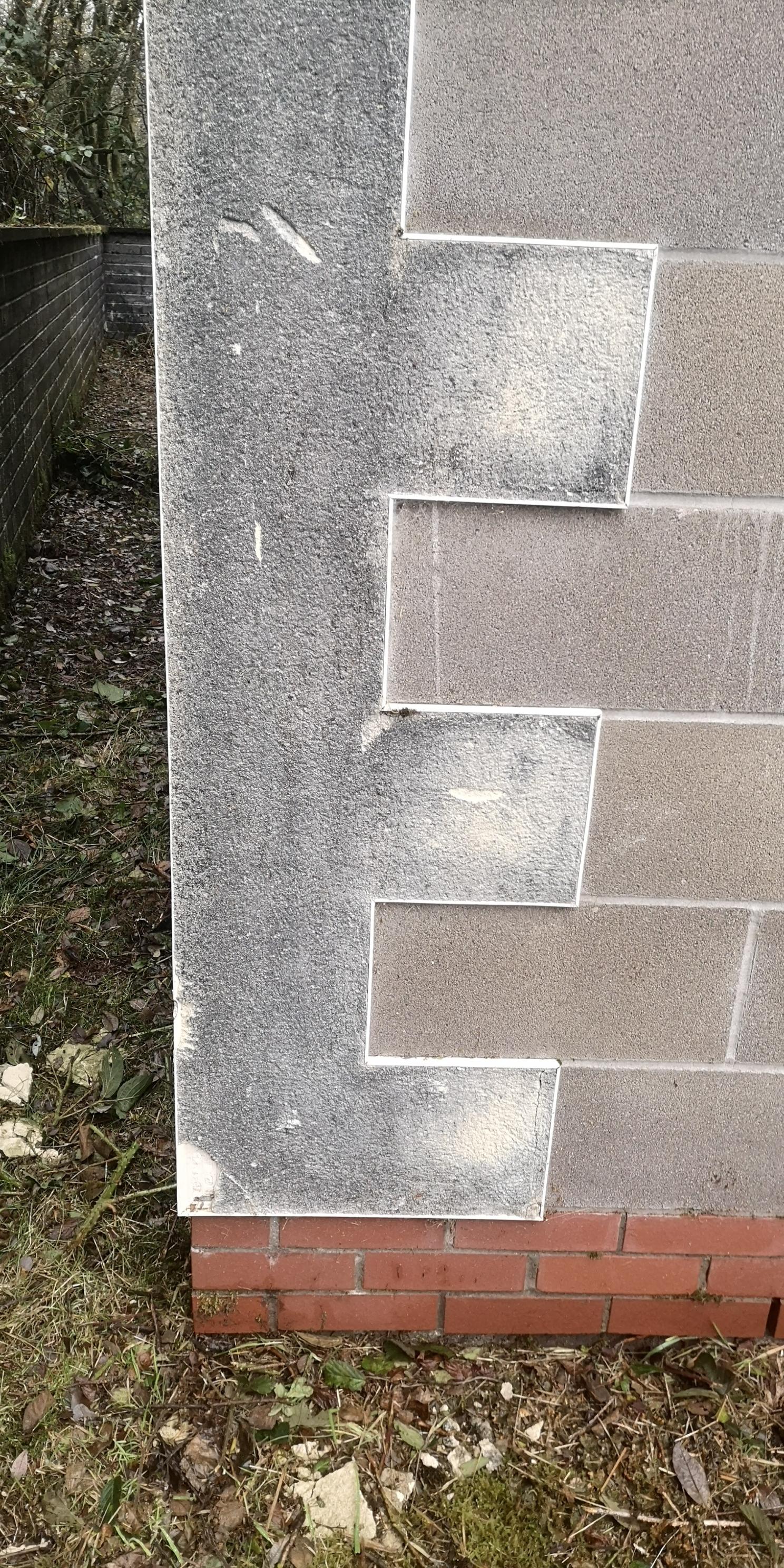
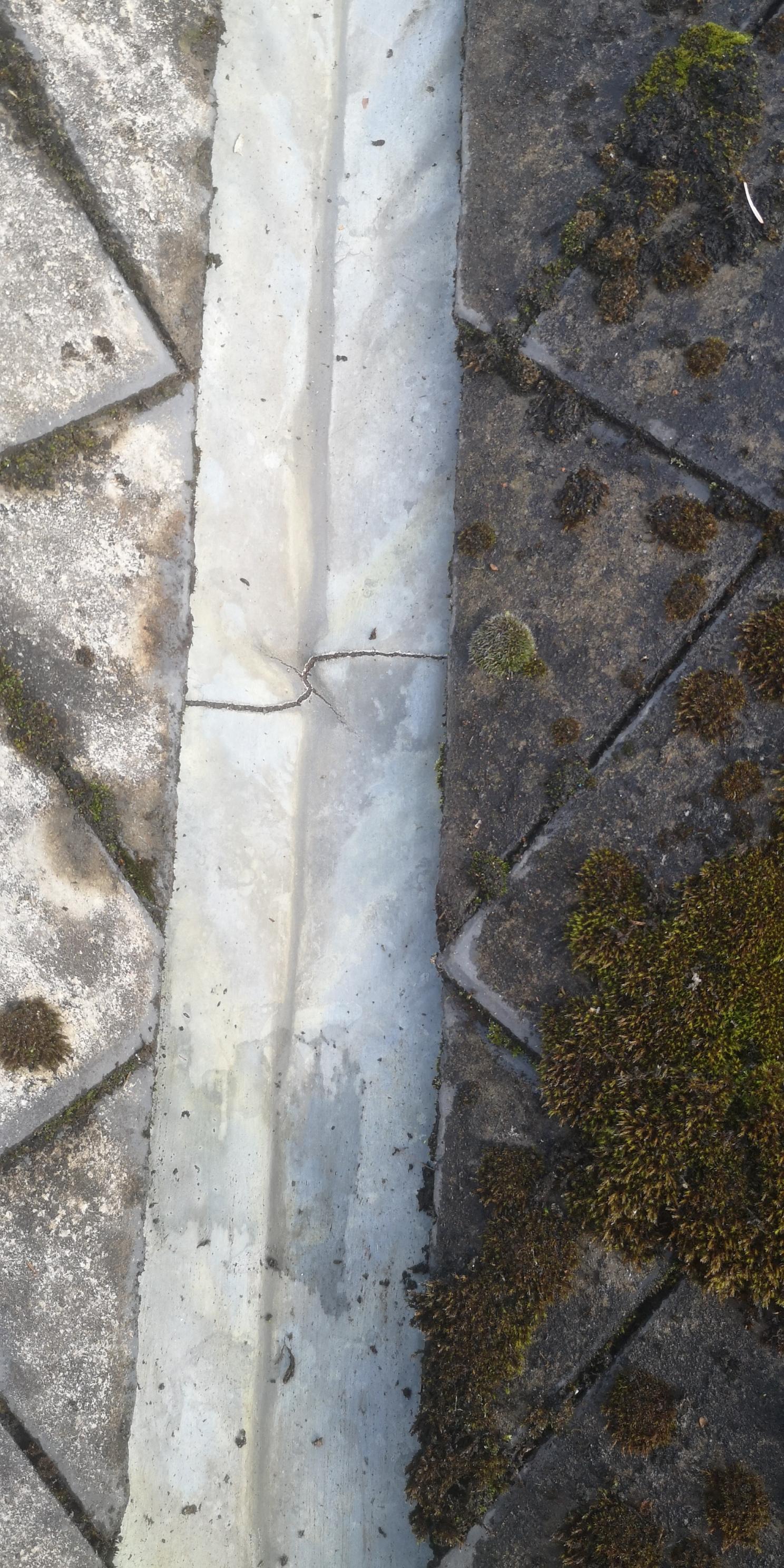
On my nice new barn, we have this issue going on. Its clearly going to fall off soon. But i just wanted to know what it is? Hopefully the buildhub massive will know. The end of the building is done as 4 seperate areas with plastic edgoing. Only one has a problem. So pondering my options to repair? Clearly the lack of any roof overhang isnt great, but i think the primary cause is that the gutter has been leaking and running down the wall, and got under it.
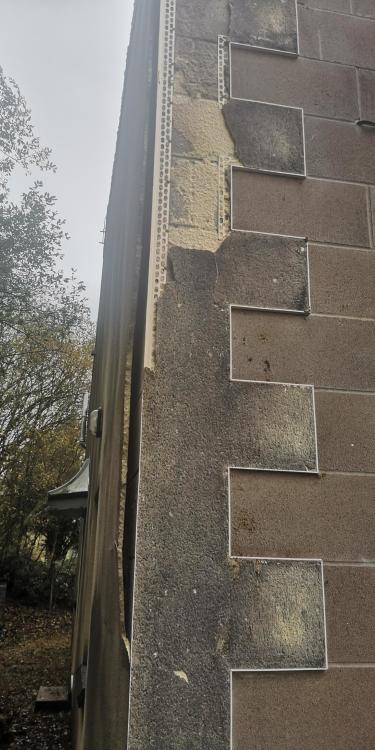
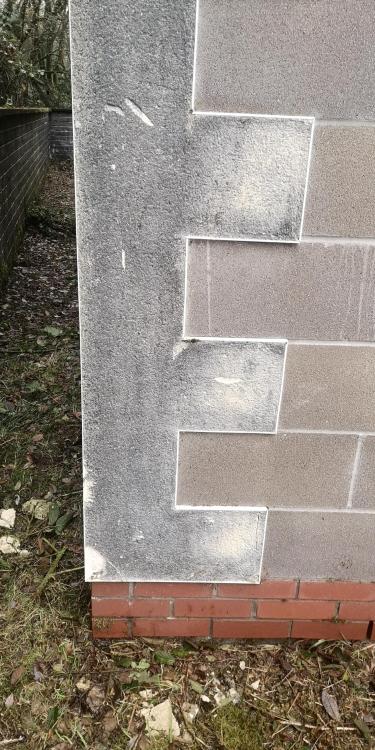
-
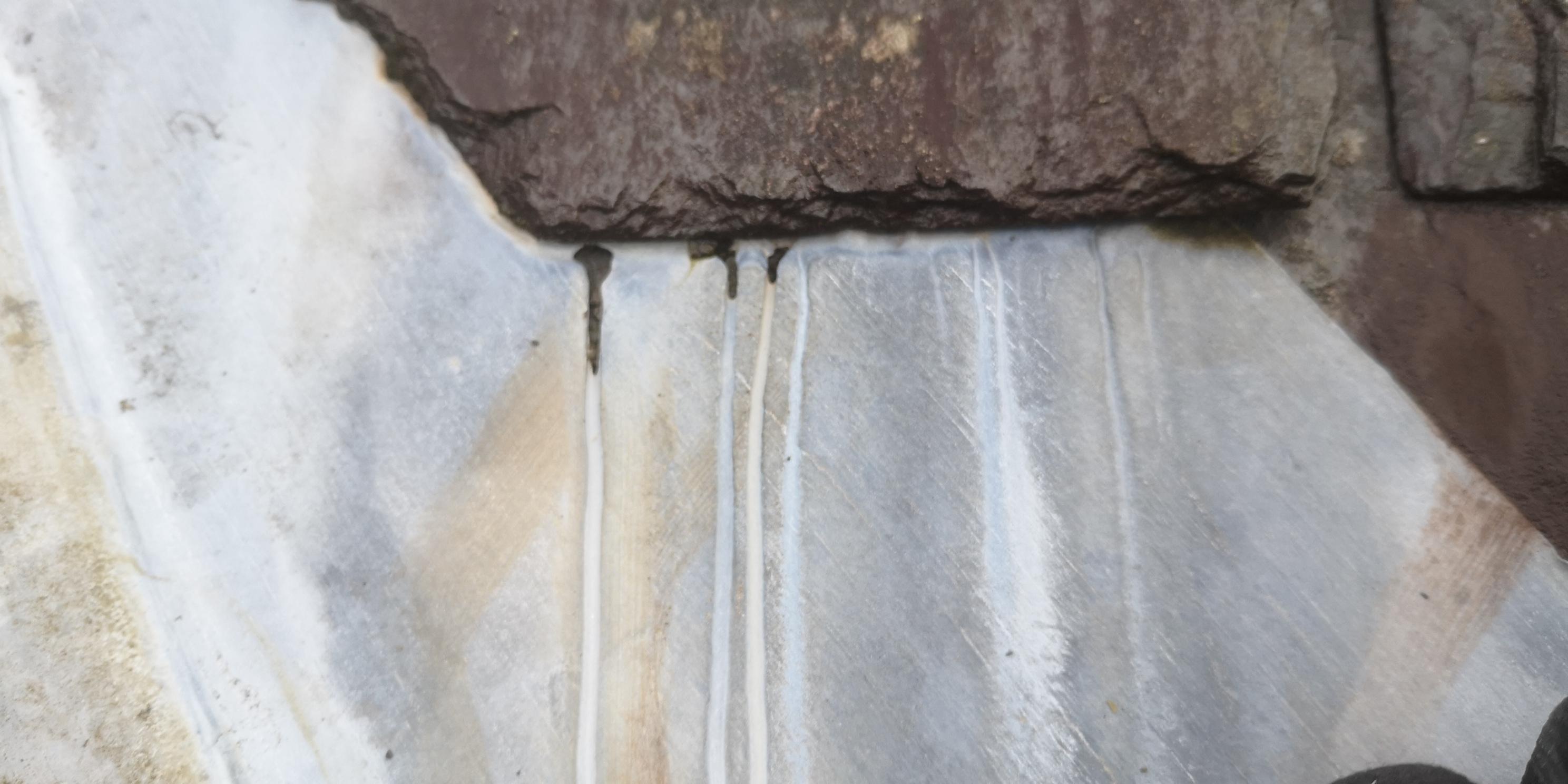
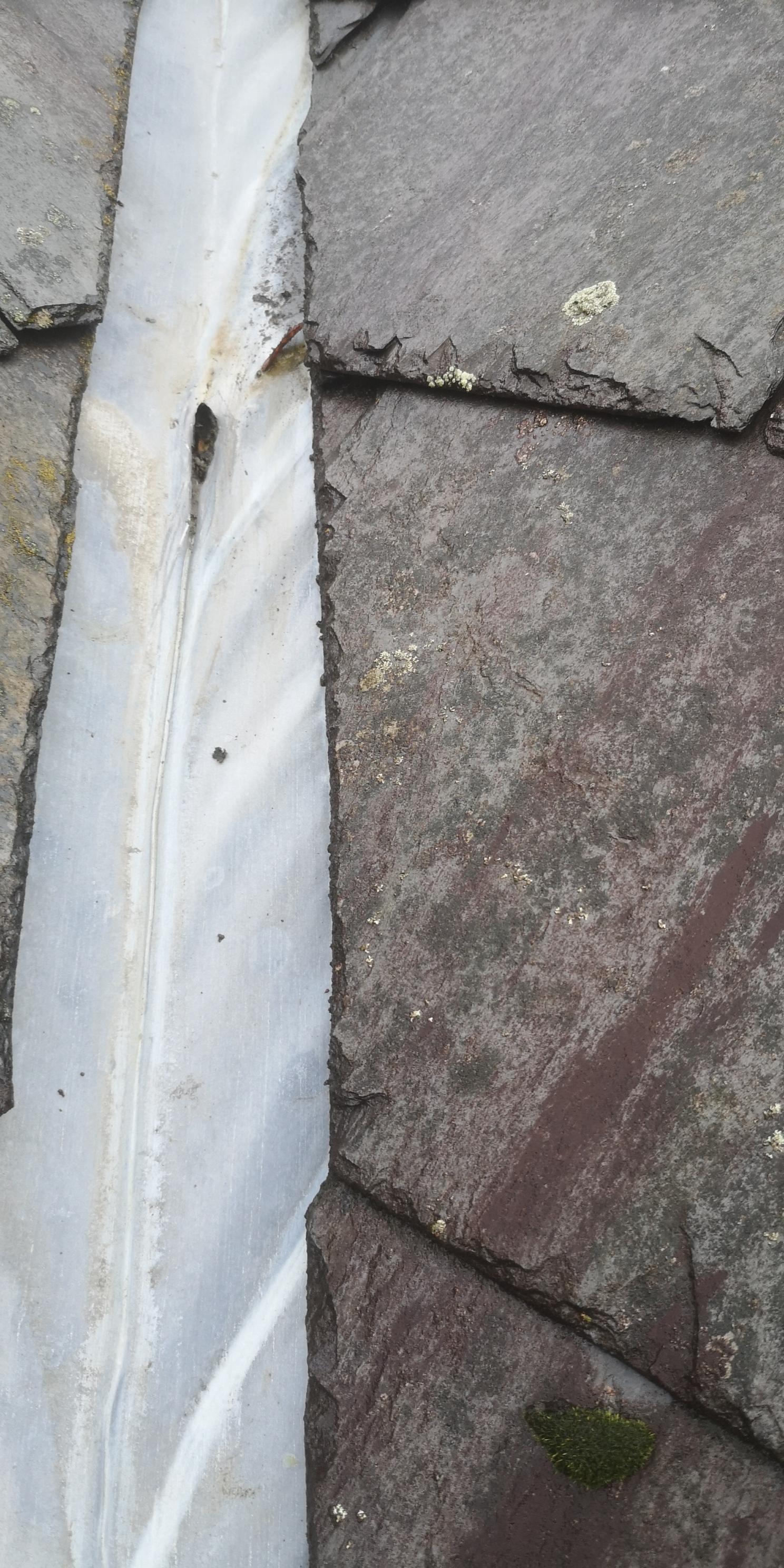
On the new (quite old) house, there was a leak in the dormer window area. We knew this as its obviously been like it some time. Getting up to look what the issue is, ive found that the lead has eroded away. To the point of a split. Would i be correct in presuming that this is not actually lead?

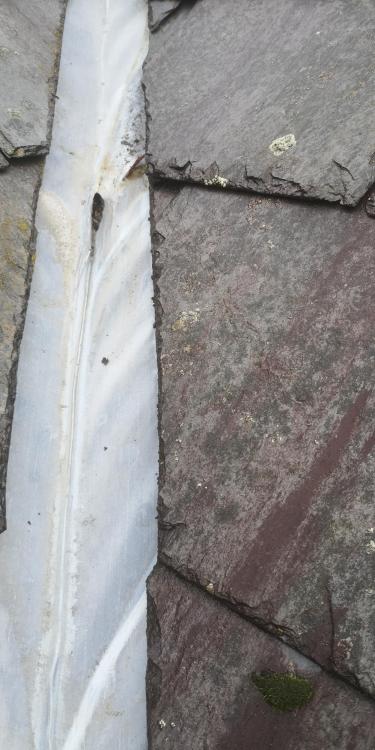
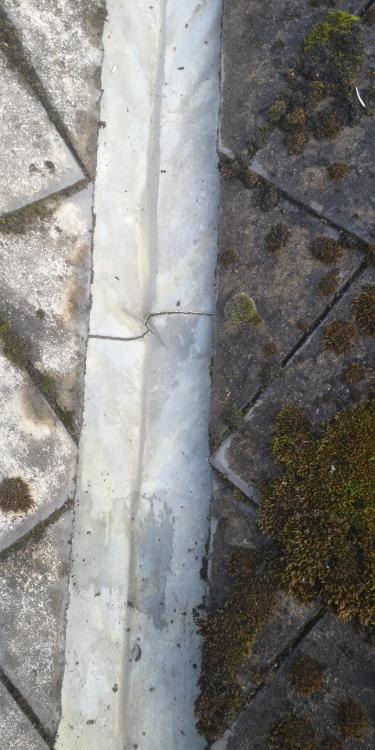
-
 As an aside, the cavity wall could be filled with EPS bead. But most of the electric cabling is in the cavity. How real is the issue with cable embrittlement?
 -
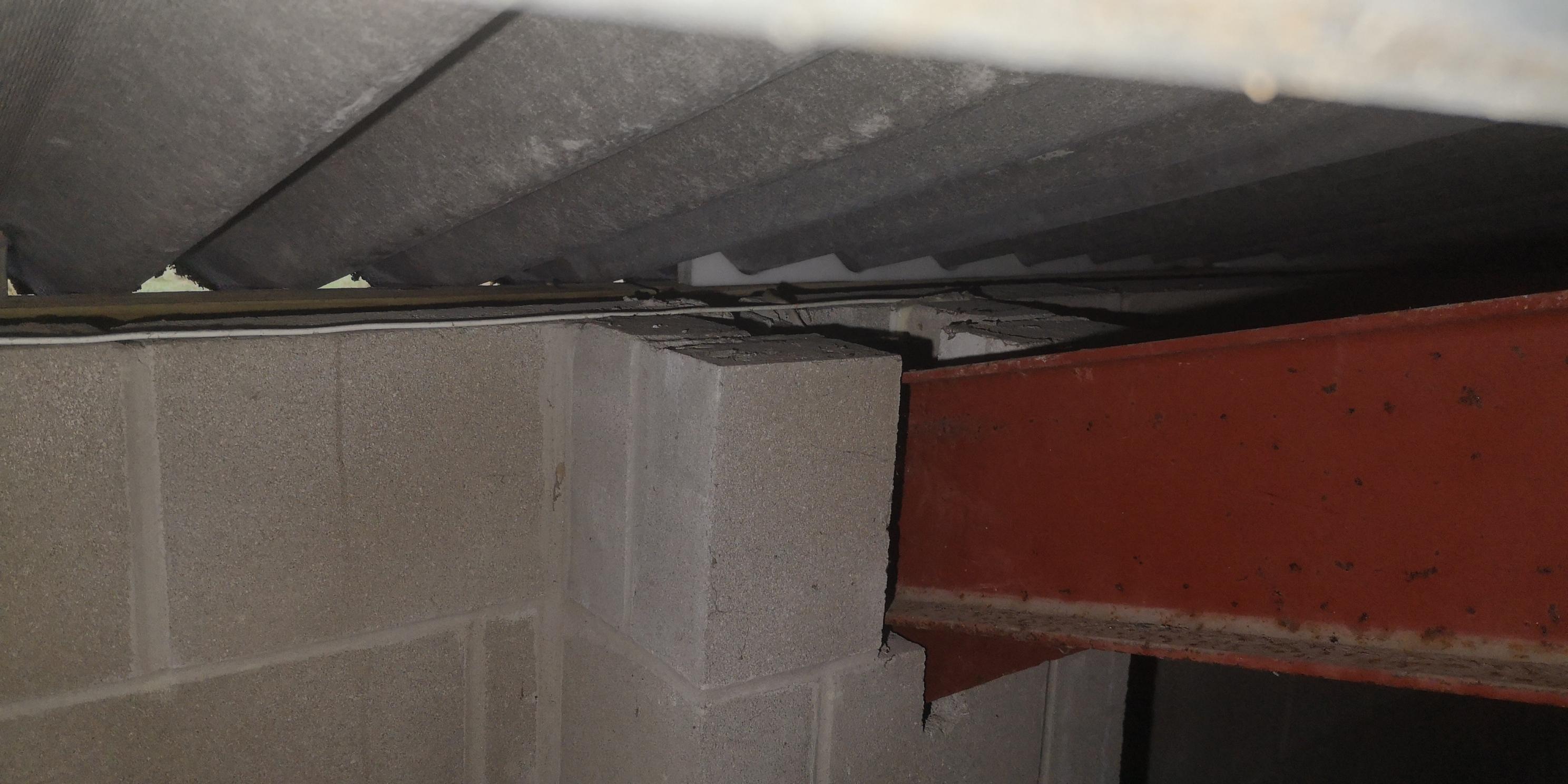
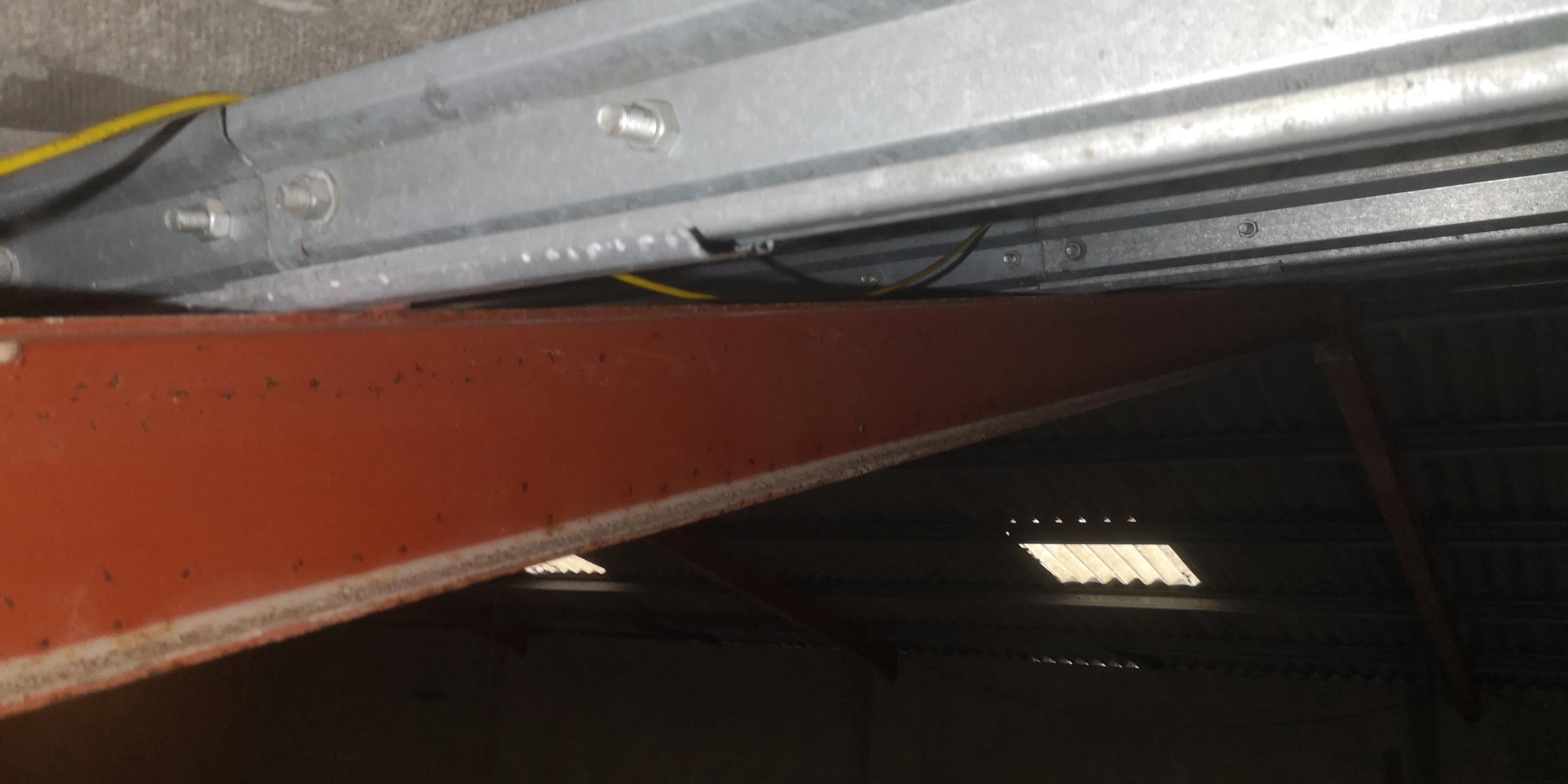
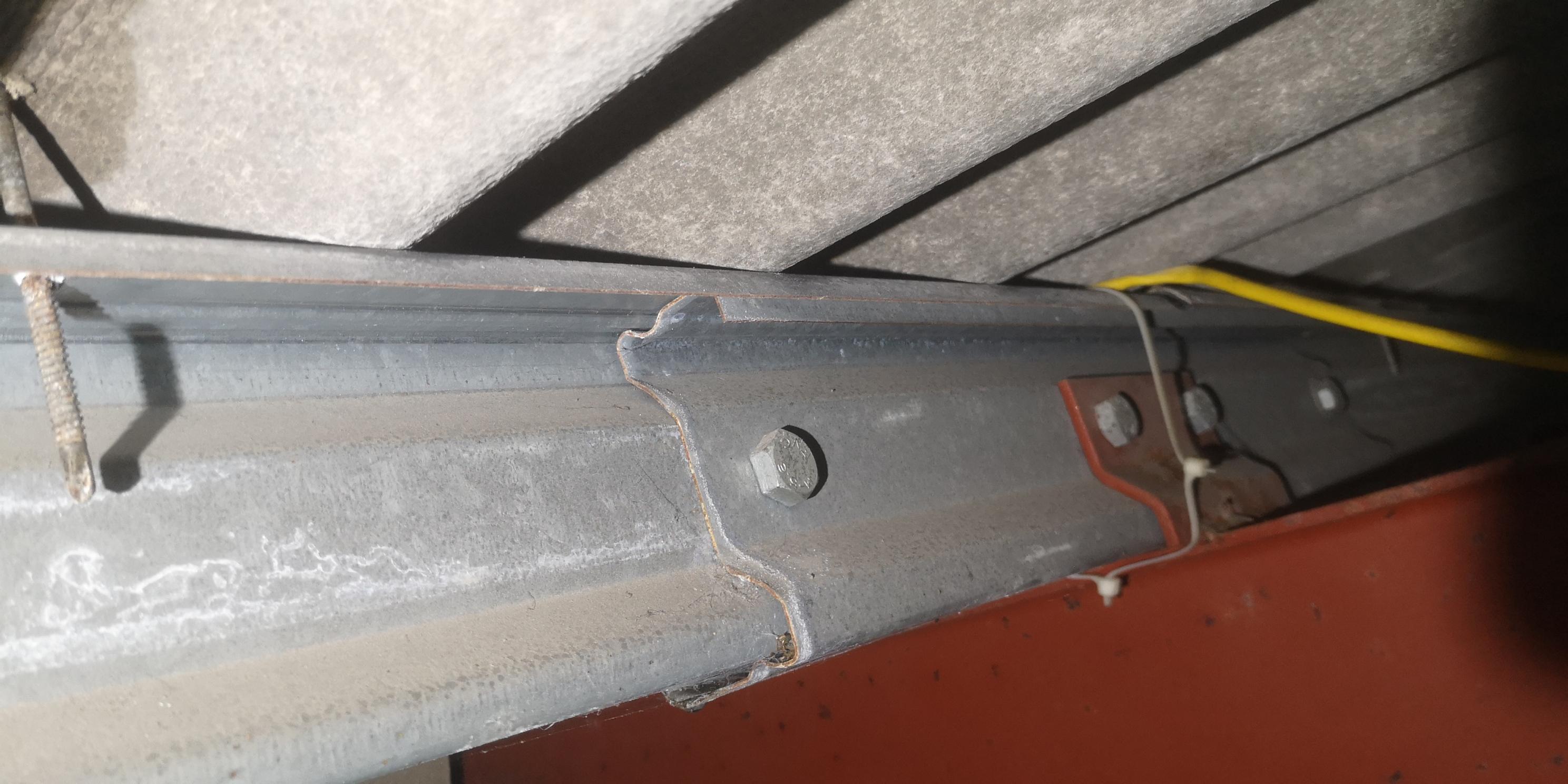
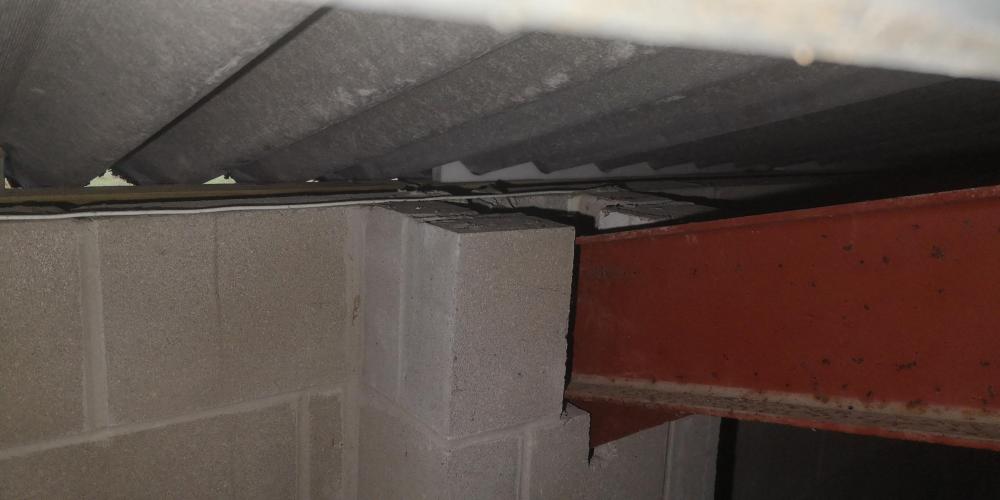
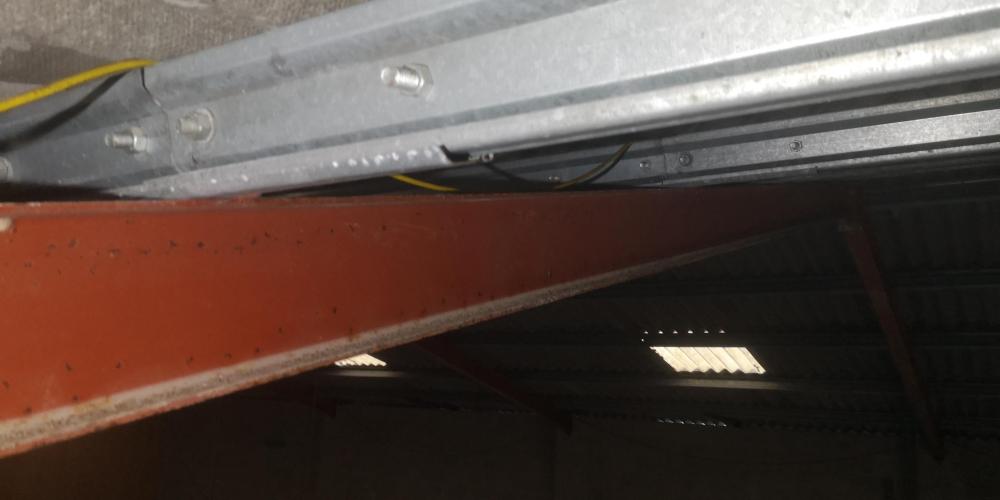
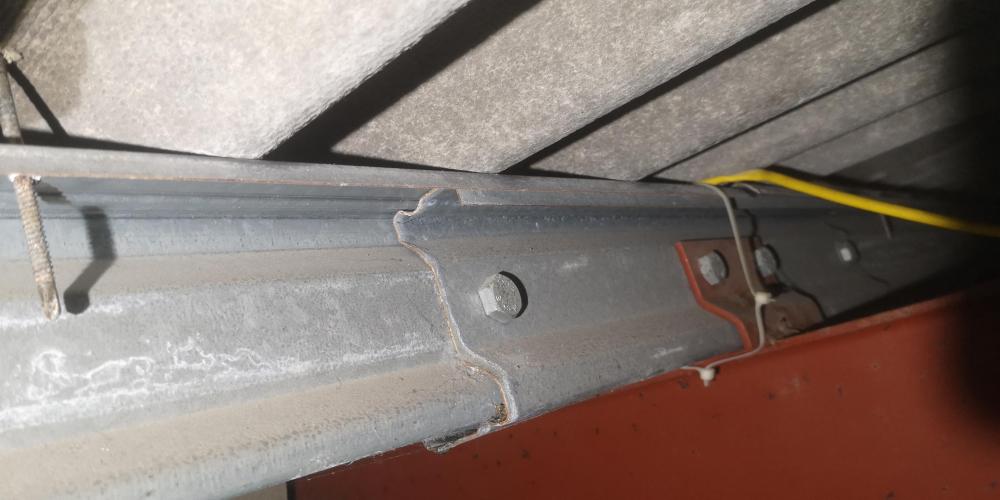
Ok, so i have finally gotr up into the roof space to have a better look. A good point raised earlier, was if doing with some sort of membrane/rockwall about wind pressure above. Looking at these pics, id guess it could by blocked off. But it would still need ventilation somehow. As you can see in the third pic, a fair number of the screw holes leak slightly so get damp patches at times. I guess sealing these up will work, but thats a mamoth undertaking! In the back of my mind i keep thinking, maybe just spend the money and replace the roof with composite steel. All problems fixed in one go. And white on the inside too.............. But VERY spendy. Choices, choices.
-
I looked at this in our current house for the cavity, though the prime driver was, because of the risk of flooding, the normal options were not viable. Also, and i was specifically looking at BASF walltite, it is water proof. So would help resist the passage of water through the wall. The OP didnt mention the construction of his 60's house. But if its brick/block, inner leaf and outer, to me it looks like a great idea. Cost aside of course. Im again considering it at the new place, this time because of the risk of wind driven rain. Though the available tables rate EPS beads as a better option in these circumstances. Which makes no sense to me at all. I certainly wouldnt use it in a roof at all. Or probably in a timber framed house.
-
Ok! Bonkers cost, yes. But enviromentally, it would be much better.
-
Talking to my tame steel building erector, its normally a non issue. Frames are normally much the same even if they are putting on a 120mm composte panel. One would hope a competent spray foam installer would take account of that.
-
Crazy thing is, wool is soooo much more expensive. Meanwhile, last year, farmers were burning fleeces becuase they were worthless. I even looked at what was involved in taking raw fleeces and turning them into something useable myself. It just doesnt make sense at any level. Such is the mad world we live in!
-
Good point about the wind! Didnt think of that.
-
Heated jumpers though!
-
Thanks. Some good suggestions. Spray foam does indeed seem cheap in the states. Though in the big building, they do only put an inch or 2 on. Foam here, for a decent thickness, say 120mm total, closed followed by open cell wont see change from £15k. One question. I see what you are saying re string the menbrane across. But how do you then get the batts in ABOVE it? Re the "spay booth", i always intended a seperate room. The fan will be via floor level ducting, effectively a cross draft arrangement. Not just a 3ft fan in the wall.
-
I know it makes sense at a practical level. Just not so much from a cost point of view. Plus, ive got to get someone that wants to travel this far.
-
Handling tin sheets that size, even with the gear carries some risk. Get hit by one, you may well not live. You say a scaoffold and a cherry picker, but you still have to get it up there. Ive handled 5 metre long sheets before on vertical cladding. That was a nightmare. And we still have to keep the rockwool in situ while the tin is fitted. Your PIR suggestion is pretty much my suggestion last night. But without the rockwool. If i was sticking up PIR, why bother with the rockwool? I priced up 100mm PIR for the whole job. Its wasnt as bad as i feared. With your rockwool suggestions, do you envisage that being up against the existing roof, or with a gap/air space
-
Following my above musings on using tin to retain rockwool, i then returned to thinking about PIR (or similar). Following Ferdinands suggestion of spay foam to secure, i could stick this to the roof, then add wires between the joists to ensure it definitely cant fall down. This would then only contact the lowesrt part of each corrugation leaving the rest open for ventilation above the insulation. More expensive than rockwool, much less than spray foam, but a fair bit of work. Hmmmm......................
-
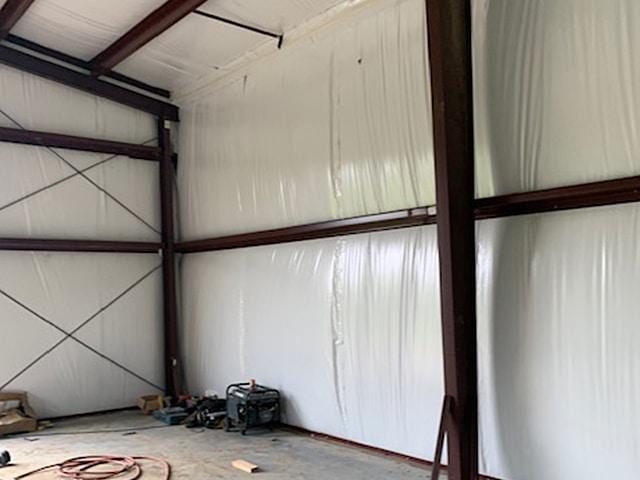
Thanks for the detailed reply. Much to consider You have correctly identified the core issues. Just to clarify a few points The humidity issue is soley about stopping corrosion. Sub 65% it cant happen. So that is the target. The temp is about being resonably comfortable whilst working there. Its a hobby. I have no desire to be freezing cold whilst engaging in hobby. I'll just sit on the sofa instead! Ref ugly, if its confined to the celing, inside, then i can liuve with it if i have to. Spray foam is truly ugly. I agree, rockwall is the cheapest option. As for holding it up, im not sure. Im yet to get up there to take a proper look, but the galvanised bits look to be pressed steel section, so could be nailed through if need be. However, i still need a covering to prevent fibres falling. This was where i referred to the yanks as per pic. Simply not available here. Good thinking on the PIV. Not thought about that. With regard to "rooms" inside, i replied to onoff on this. Im keen to avoid an excess of this. But clearly its a solution. Yor last bit, E, you mention cladding with tin. his is aneat solution in as much that it would be much easier to retain the insulation, potentially negating all the previous suggestions. But its not an easy task managing big sheets of to upside down. Need to ponder a safe method for that. Thanks again for your input.
-
Im sort of partially doing that, or plan too. At the back, under the exsisting mez thats got rooms on it, i will close off as a workshop to do stuff like engine builing etc. Easy to heat, warm and dry. I also intend to have another similar area for one car that will be for welding, spraying and other properly messy jobs. But i keen for the remaining area not to be come too divided up. That restricts what you can use the space for as each "seperation" becomes a room dedicated to a particular task, which takes that space out of use for any other use. There will be 2 ramps so, along with enough room to work and sufficent height, its starting to get quite big. Plus wall create issues with approach angles etc. But your theory is sound. If i build that many "rooms" the cost will likely be quite high at which point i might just as well insulate the roof and walls anyway.
-
I understand what you are saying. However, what i dont understand is what the nenefit is to constructing an additional internal ceiling/roof structure to carry the insulation and then leave a void above it. If there was a structure, sure. But there isnt. Well there is, it the existing roof. So leaving aside the exact process, why would i not just insulate that? And the whole building is then the heated envelope. What do i gain from your suggestion?
-
I think you are probably right on the spray foam front. Just clutching at cheaper straws! Of course, the best starting point is a brand new modern composite panel building. Sadly, however, getting planning for such in a domestic setting is nigh on impossible. The only practical solution is to buy something that's already there, and even that's not easy on a strictly limited budget. So here we are. With a pretty reasonable building, but needs some improvements. Yes, there will be a lift or two, plus a limited mezzanine area with enclosed workshop below
-
I currently rent a workshop that's very similar. Same roof. But smaller. With a lower roof. As it's not mine, spending big on insulation wasn't happening, thought I did seal it up, so I installed two dehumidifiers that ran 24/7. Fixed the humidity issue. However, rent covers unlimited electricity! Power consumption was a continuous 5.6kw. By volume this building is at least 50% larger. Look forward to your thought.
-
It is an easy way to counter condensation, but in doing so humidity will be whatever it is outside. That's not conducive to the stuff inside sadly. Or retaining any heat.
-
22.5 x 12 x approx 5.5m high. So yes, just a simple box.
-
I'm unclear why we need any airflow? On my last garage, I used composite steel cladding on walls and roof. 100% airtight. Zero condensation. Condensation only happens when warm air meets cold roof. If we insulate the roof itself, then problem fixed. Otherwise known as a warm roof I believe. In housing terms. Even if this is an industrial building. 2k of rockwool is fine. But how to keep it up there, and prevent falling fibres Spray foam is 10-15k. Not really diy-able, and even if I did, the bulk of the cost is the foam . I guess this is my fall back option and I'll just have to pay. But a rockwool based solution will be much cheaper as the material is cheap, but labour intensive to fit. But my labour is free.
-
It will have an insulated door over it. It will only get used very occasionally if painting for example
-
Realistically, I need to close it up. As per my earlier drivel, ideally I'd like it at 10 degrees during winter and need humidity to be sub 65%. If I leave it open, I'm not going to achieve either. I can heat myself as you suggest, but everything will still go rusty. While there will be cars, this is not a professional workshop/business, just a hobby shed. A big one. I'm installing a 3 ft diameter extract fan, so if I need to, I can change the air really quickly. Over roofing isn't going to happen. I have a tame commercial building roofer/builder. He reckons it's north of £20k to over roof. The building is 3000sqft, but the roof is 4000ft as there is a 1000ft covered yard at the front. Whilst it clearly doesn't need insulating, it would look properly shit if it was two different roofs and hieghts! So, hopefully you can see, insulating from the inside on a DIY basis is realistically my only option. Question is how???? I can't just bang rockwool up there as fibres will forever be dropping down. The yanks seem to fix the issue with a plastic sheet covered system, but it just doesn't exist in the uk. Hence trying to semi replicate with bagged rockwool
-
It's three inch. There no closers over the windows for some reason, but yes, that was my intention. Hadn't got round to looking for a DIY option yet. Hopefully that exists. But I need to deal with the roof first as that's a thermal catastrophe.