


cowboy25
-
Posts
34 -
Joined
-
Last visited
Everything posted by cowboy25
-
How to build a stud wall around a small window
cowboy25 replied to cowboy25's topic in General Self Build & DIY Discussion
Update I think this would be better: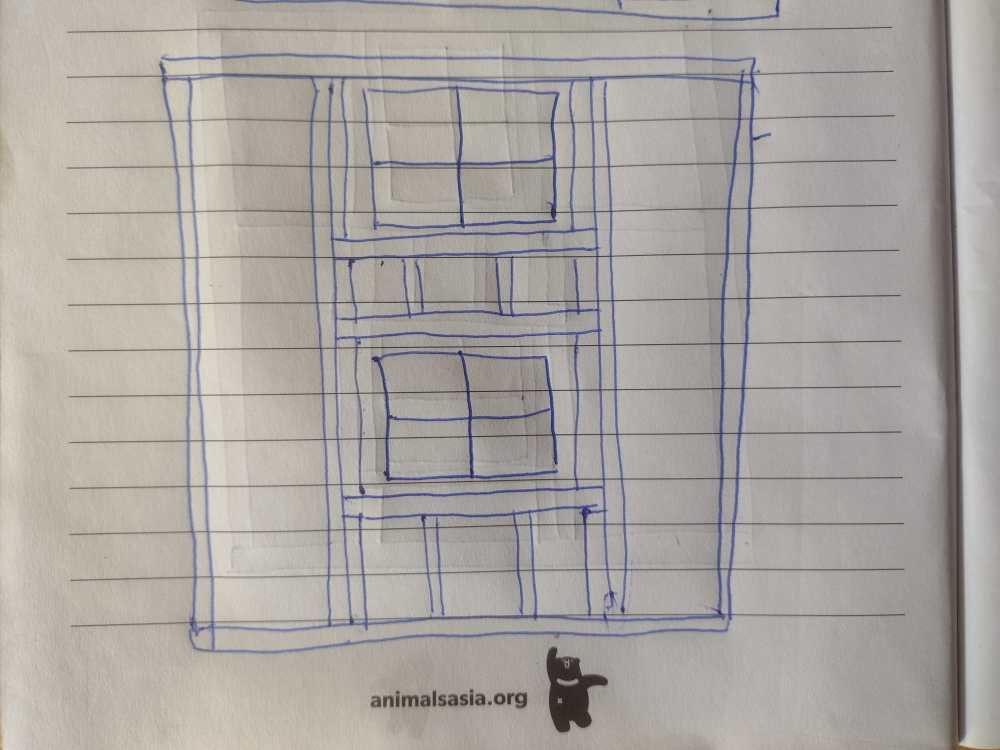
-
How to build a stud wall around a small window
cowboy25 replied to cowboy25's topic in General Self Build & DIY Discussion
It says installation must adhere to BS 644, I go to find out about the code and it requires £200 or so to look at it, so I'm not doing that. I figure what is in this sketch should be sufficient similar to what Simon d posted. Weight of each window says 6,0 ? Whatever that means I assume that's 6kg but they do seem a lot heavier imo.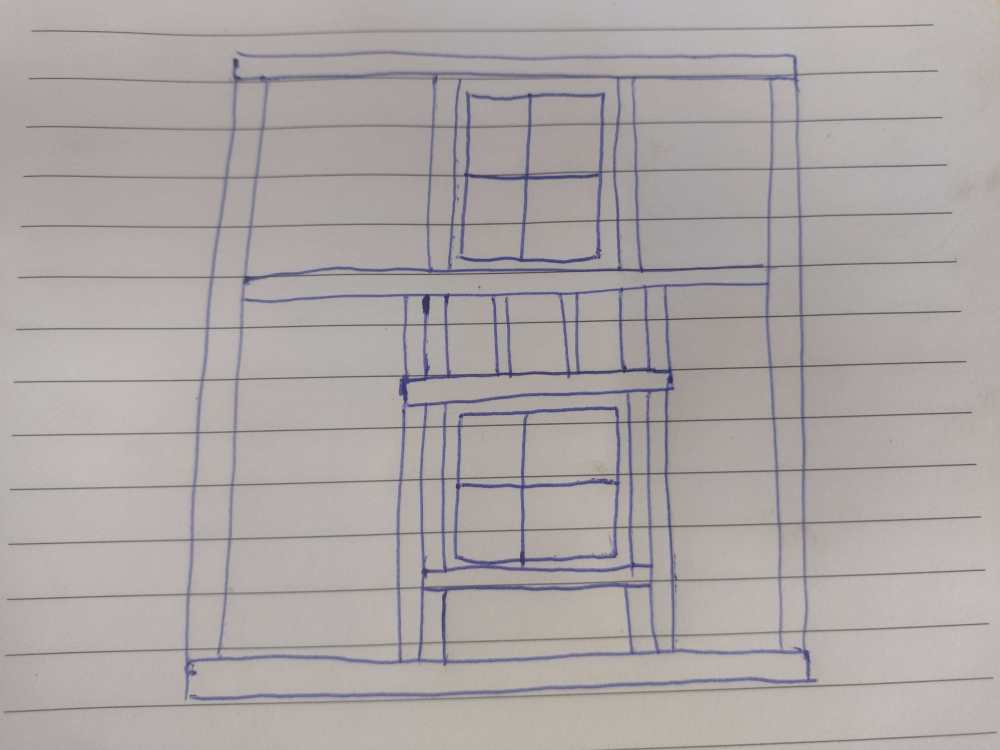
-
How to build a stud wall around a small window
cowboy25 replied to cowboy25's topic in General Self Build & DIY Discussion
I now have two quite heavy triple glazed rationel windows I want to place directly on top of one another, this is to provide air flow for a double bunk bed for the top and bottom bunk area, so each area the lower bunk and top bunk both have a window that can be opened on hot nights to let cool air in. Is this possible? Seems like there won't be enough stud support for the upper window. How might this look? Do I just have to ensure there is a suitable gap between the windows for the stud work to carry the load of the top window rather than having them too close to one another? -
Or paint this window brown being the other, increasingly likely, option.
-
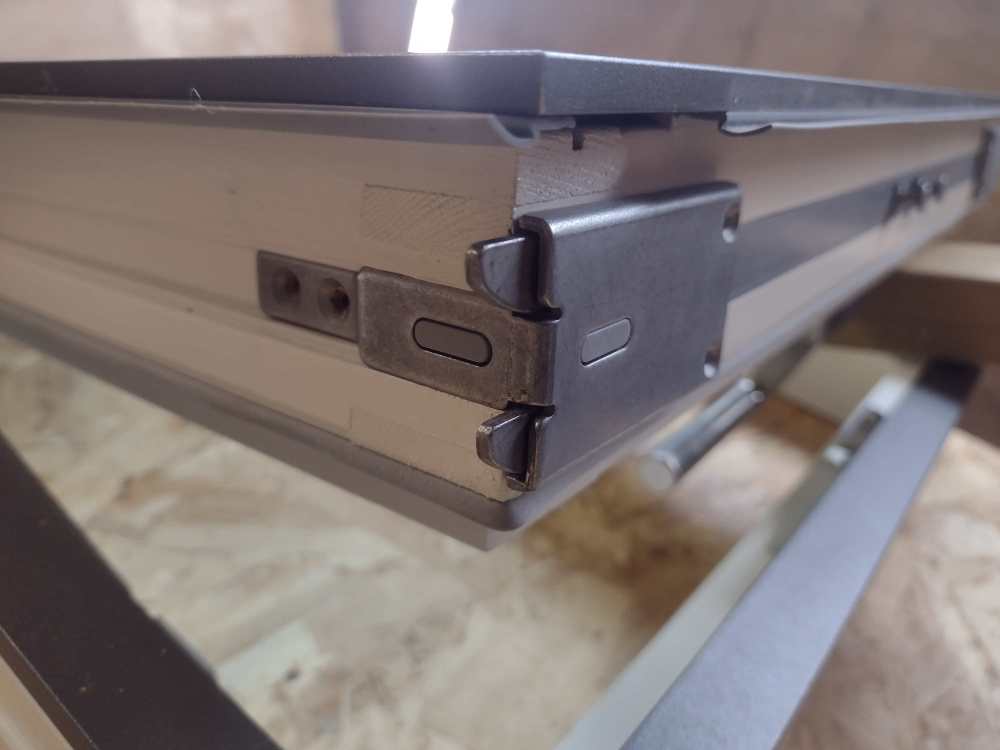
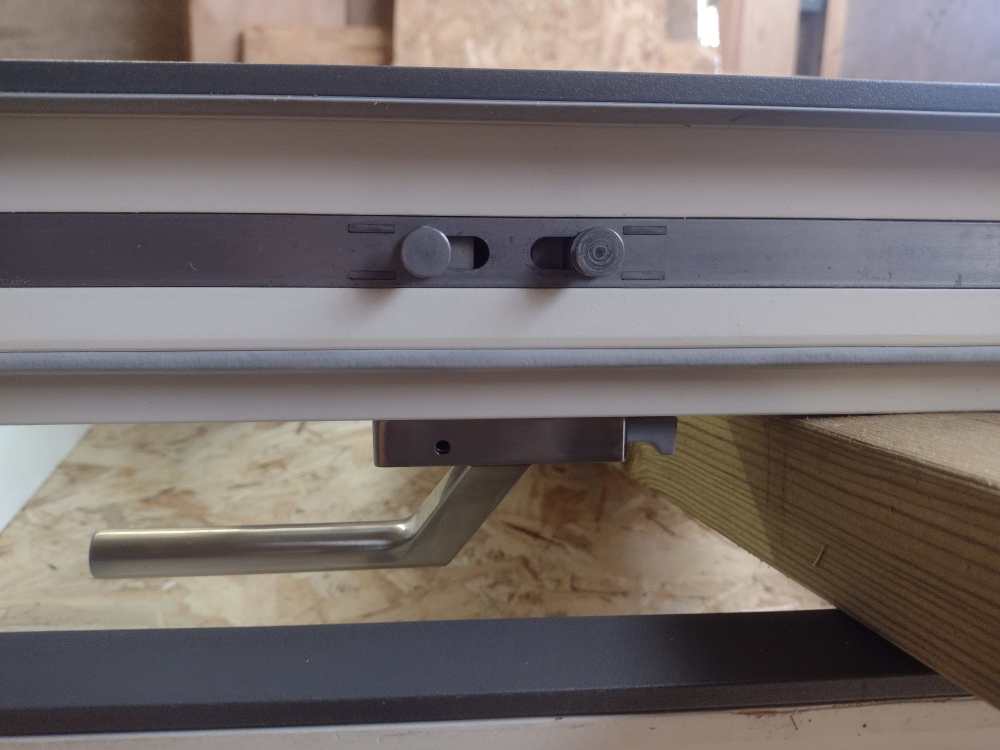
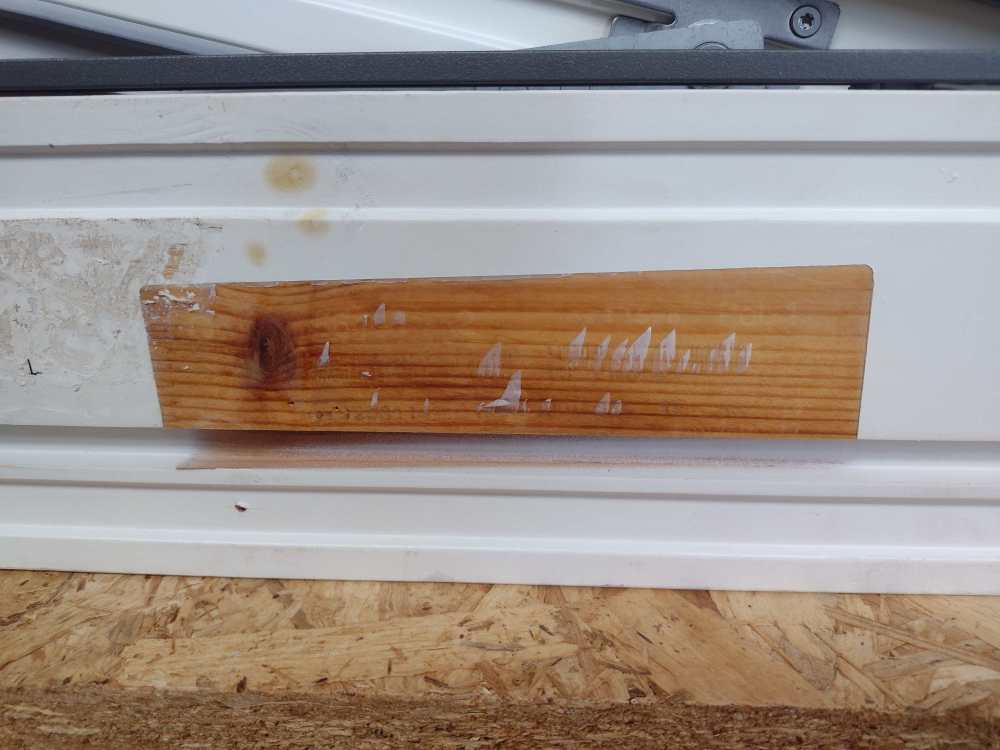
I'm prepared to take that risk re bare joinery looking bad or at least cross that bridge when/if I come to it. But I can't see how to remove the handle for the sash part of the window anyway so not sure if I can get that far.. I've removed screws on the corners but nothing is moving, nothing obvious on the handle to unscrew or hint that it comes away.
-
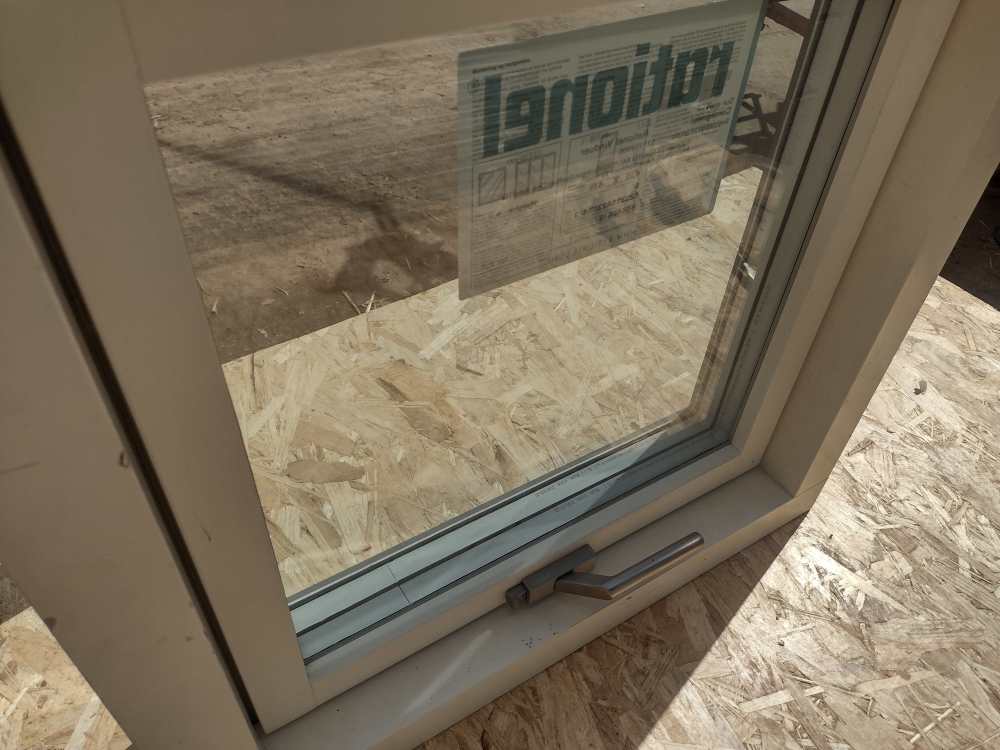
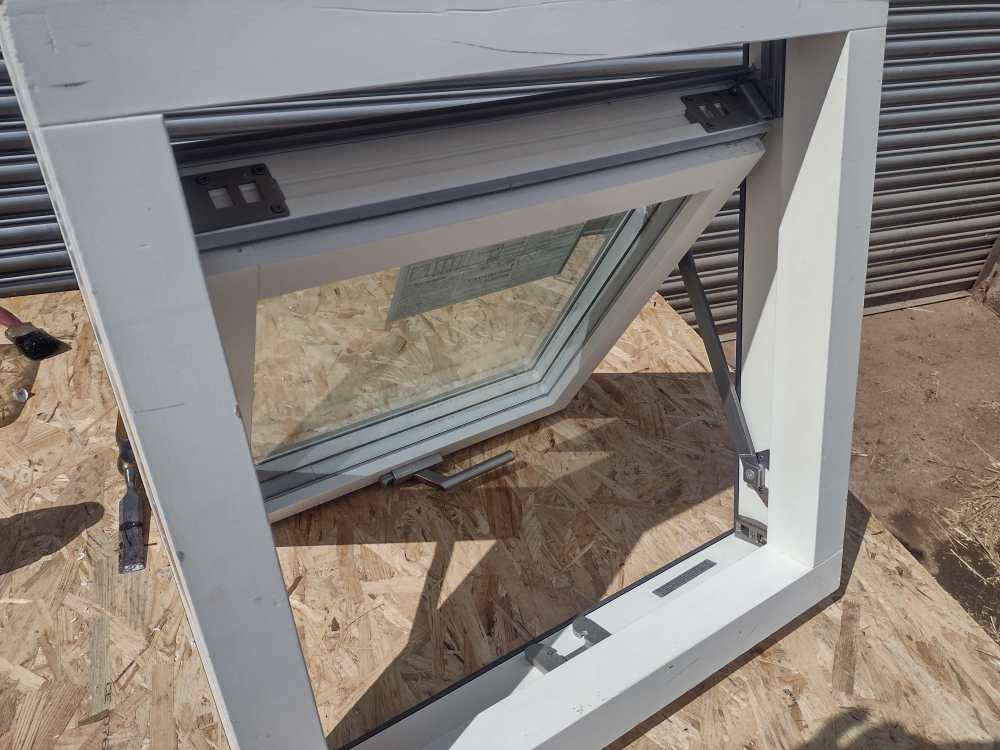
I've got this new but second hand rationel small window I'm going to install in a shepherd's hut, trouble is that it came painted white when another window I have ( in the bathroom) is bare wood. And I'm going for a rustic country style throughout the hut, so am planning to strip the window to keep the same style throughout. I've got some bartoline tx10 paint and varnish stripper and was just about the start the job but then a horrific thought came to me, what after attempting this job it looks awful? My main concern is that I won't be able to cleanly remove paint where the metal iron mongery is. The handle to open the window for example which will be highly visible doesn't look like it can be removed like other bits of metal on the product so I would have to work around it. Does anyone here have much experience with paint stripping? Would such a job be able to done to a high enough standard? I can be meticulous and diligent enough when required but need to know if this is even worth starting. If not I'll have to sacrifice the common styling throughout the hut somewhat I suppose.
-
What are these struts for on this cattle shed? Can they go?
cowboy25 replied to cowboy25's topic in Barn Conversions
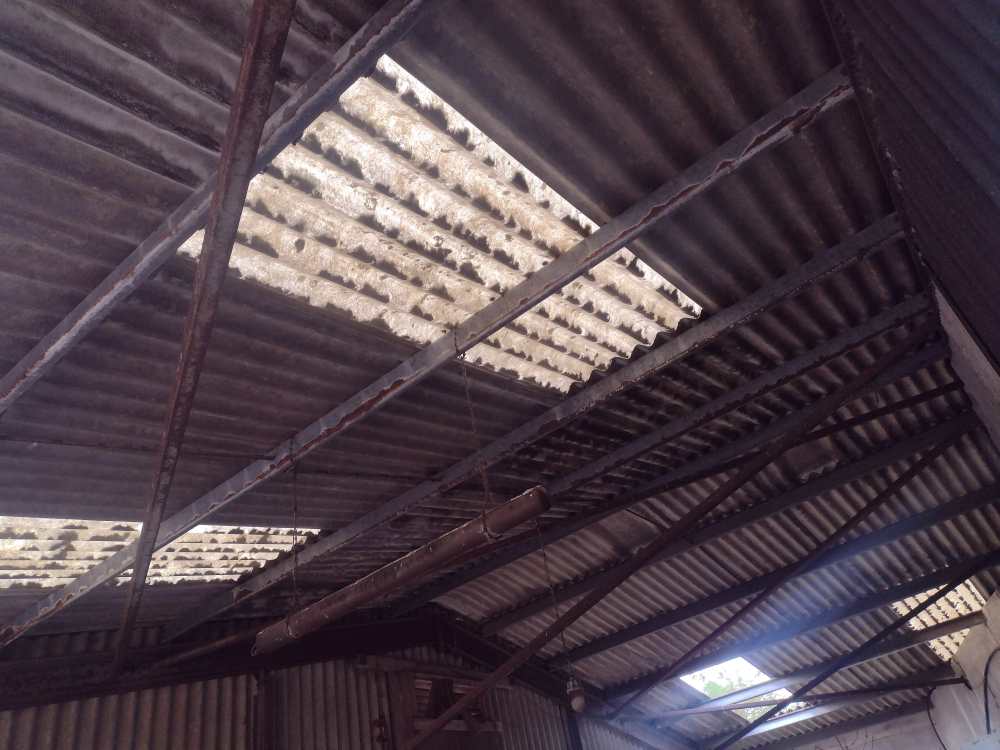
Doesn't really explaining the four other struts though does it? The building was built by a professional agricultural building company, it isn't something we have knocked up. That it was where the cows entered the building on the left for milking. Don't know why they didn't extend the perpendicular i beams down to the ground but if I remove the two lower struts and then bolt the gable wall to the block work I don't think it would be very 'flappy'. Plus I would extend the block wall to finish the wall which would keep any wind out and bolt onto there as well. -
What are these struts for on this cattle shed? Can they go?
cowboy25 replied to cowboy25's topic in Barn Conversions
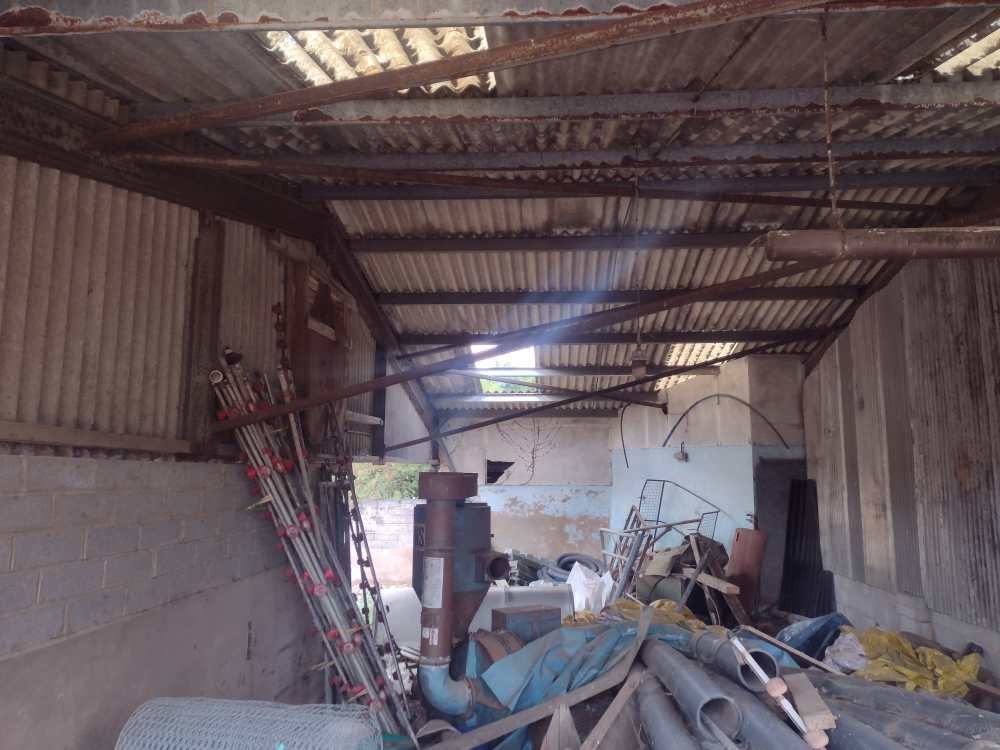
I've had a closer look and those two perpendicular girders on the left don't actually join onto the brick wall there so I suppose the two struts I want to remove can be explained as stopping the end gable wall above the brick work from flapping about. But I don't see why those two struts can't be removed and maybe I can attach the end gable wall to the brick work to stop any flapping about. Also the four other roof struts as seen in the pics don't appear to me to have much purpose although I don't need to remove them so will leave them in place. -
What are these struts for on this cattle shed? Can they go?
cowboy25 replied to cowboy25's topic in Barn Conversions
Its a solid steel frame construction built in the early 80s everything is sound as far as I'm aware. The wall on the right is just a 'temporary' sheet metal partition add on. The wall on the left is a solid block wall its strong as an ox. But those struts I'm referring to obviously connect to the steel super structure, I only need/ want to remove the two that protrude down low as seen in the first pic. -
What are these struts for on this cattle shed? Can they go?
cowboy25 replied to cowboy25's topic in Barn Conversions
It was just a big agricultural metal door there which I removed a few years ago, the struts predate that and were probably there on construction of the building. Only thing I can think is that this building used to house a rotary milking parlour making it a special building in that regard but I still can't understand what the struts are for or why a building built to house a rotary milking parlour would need these struts in the roof. -
I'm looking to turn this part of an old cattle shed into a workshop extension for building shepherds huts and the like, but what are these metal struts for? And can I remove them? Two of them come down quite low and would totally get in the way of what I would be making. Can I remove them? I've never seen them in this type of construction before.
-
Yeah I'm looking at track saws, I hadn't really heard of them, they sound great. A chop/ track saw combo could be a good idea going forward to be able to do most cuts it sounds like.
-
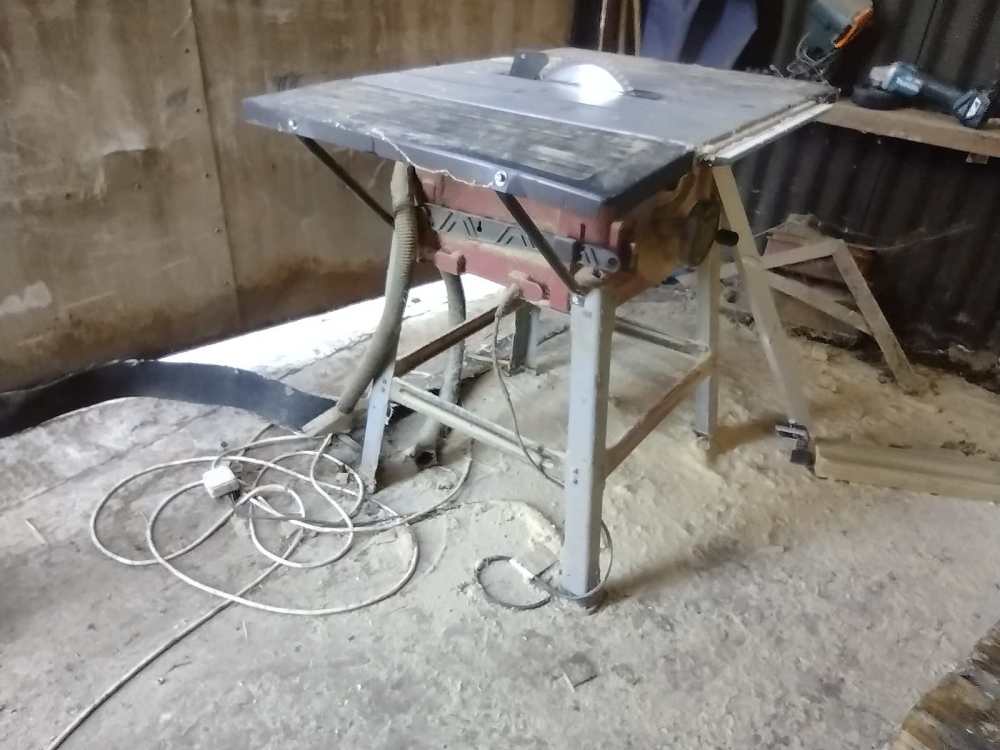
One thing I forgot to mention and not clear in the photograph is the left hand wing of the table saw was bent downwards about half an inch so I was trying to accomodate for this as well when cutting the cls, so obviously this just added to the danger. I have since sorted out that bent left wing - a couple blows with a lump hammer at the top of the support struts where they connect to the table surface sorted that right out, so now the surface is completely level. But yeah I'll no longer be using the table saw for cross cuts, I don't really have the space or £'s for a mitre saw sadly I'll use another type of saw for now, its called a hand saw. Thanks all.
-
Ah ok I did have a chop saw but thought I could change to a table saw (plus jigsaw) as a 'do it all saw', didn't realise people didn't use it for what I am currently doing. I don't remember having this problem with my old blade but perhaps I wasn't cutting much cls. I have the saw located at my workshop entrance so the most dust goes straight outside.
-
So I have this table saw I use in my workshop I've had it for a few years and recently changed the blade for the first time with a nice Rutland blade after the original one was blunt as anything causing the wood to smoke and taking ages to cut. I also cleaned out the table saw whilst removing the old blade. The problem is I am using it currently to cut cls studs to the desired length for my project and the blade keeps catching/ jumping/ kicking when I use it even though I'm being quite careful to the point I don't want to use it anymore. The blade seemed ok for the first few weeks with no jumping happening but now not so much. What an I doing wrong? I never really had this problem with my old smoky blade I would have thought a new sharp blade would cause the table saw to kick less.
-
The planning officer came this week so thats all good. The guy didn't seem that young more like middle age and it seemed quite a casual meeting, I'm now waiting on his report. Hopefully what you say about some LPA's isn't true in my case as the cost of the pre app wasn't exactly cheap in my view.
-
That doesn't exactly fill me with confidence , I'm in Mid Devon
-
I need planning as I plan to rent it out as holiday accomodation
-
I sent off for a pre application about two months ago now and apart from an automated email response I have not heard anything. How long could it take to hear back from my local planning authority? I'm not desperate to hear from them or anything but I'm just curious, could it take a year or so, a few more months, any idea? Its sort of important as I am building a Shepherds hut and if planning is denied I will alter the design of the hut somewhat to take account of this so I will need to know before long.
-
How to build a stud wall around a small window
cowboy25 replied to cowboy25's topic in General Self Build & DIY Discussion
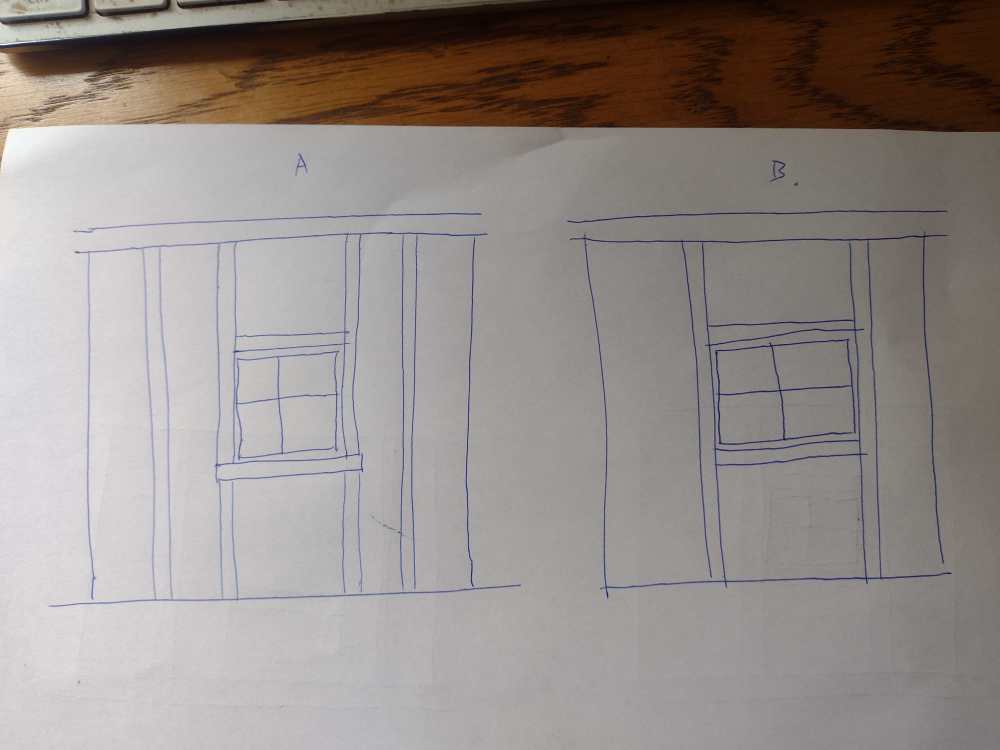
Its an external wall, so I guess that makes it load bearing? So basically add in one or two cripple studs and double up the king/jack studs. Got it. The header I assume should be a thicker stud as well. -
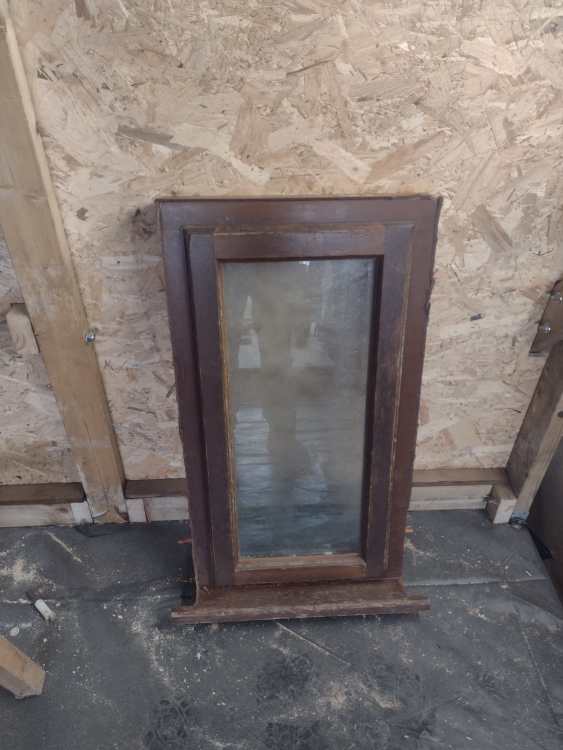
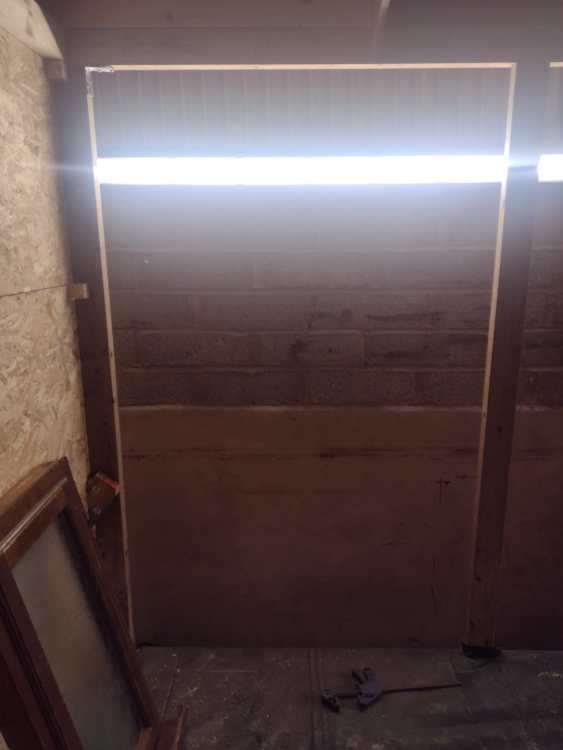
This is for a small window for a bathroom in a shepherds hut which I'm building from scratch. The bathroom is very small so will just have one small window. The size of the wall space is w 121.6 cm by h 195.2 cm and the window is w 48.5cm x h 91cm. Obviously the wall space is quite small so I was wondering if I can just have two vertical studs with the window,window header and window sill contained within as in diagram B. Would this be structurally sound? Or do I need 4 vertical studs as in diagram A? The first photo is the window and the second photo is the bathroom wall space in question between the existing vertical studs.
-
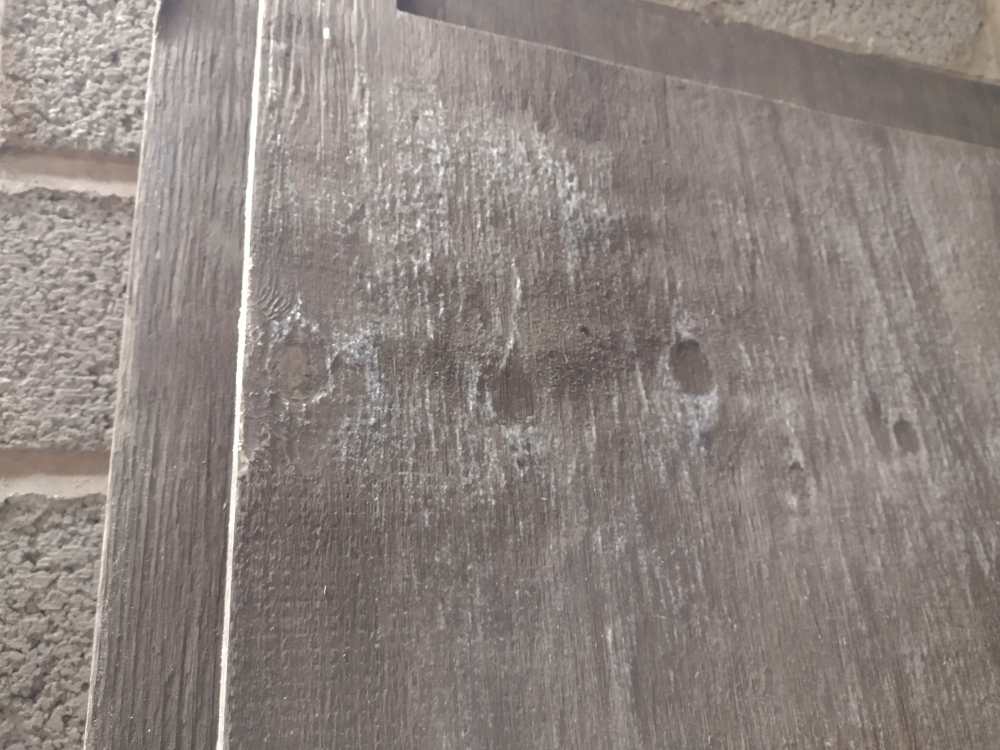
Is OSB board more resistant I wonder? Whats the answer here, I wasn't expecting this problem, no other wood in my workshop (oak flooring, tongue and groove softwood cladding, oak doors, 2x4 baton etc) is experiencing this problem.
-
The mould is back on 2 out of the 5 plywood boards to be used as the sub floor of the shepherds hut. Ffs. How much of problem could this be does anyone know?? Can I just scrub it off and start building or do I need to buy more mould remover? Too many setbacks here, can anyone recommend a good mould remover apparently the I used wasn't up to the job.
-
You are probably right it would stay dry from the rain, still I would be wary of rats as the hut will be sited close to a working farm. I'm not even sure a second layer of ply is necessary if I am honest, it would help with insulation but really I don't worry about floor insulation especially when the hut will have a nice wood burner for warmth. Interesting. Do you have a recommended vendor/ product you could point me to?
-
The other option is to buy more ply boards cut them up into the correct size squares and slot them in under the kingspan PIR insulation but this would be more expensive and there is still the issue of rot/mould and is ply board totally rodent proof anyway? 🤔 I'm not sure.




