


boxrick
-
Posts
109 -
Joined
-
Last visited
Everything posted by boxrick
-
My plant room is located right next to shaded trees, surely it would be the best place for it? If my walls are insulated enough I shouldn't really hear it?
-
Shes pretty good to be fair, but I think I have made so many design changes at this point I am driving her mad. Regardless I have just contacted Mitek asking for help with a design. Thanks for the push in the right direction. Does anyone have some diagrams or similar to help me understand what it may look like in respect of my 'service void'? I would like to approach passivehaus levels of insulation or as close as I can sensibly get.
-
My ceilings are really shallow anyway so any loft space is none existent. But as you say it just gives me ultimate flexibility. I have contacted my structural engineer asking for help, I appreciate the advice everyone
-
This was the comment from my architect:
-
So actually aside from this ridge beam, everything else actually becomes simpler really. And how about this service void?
-
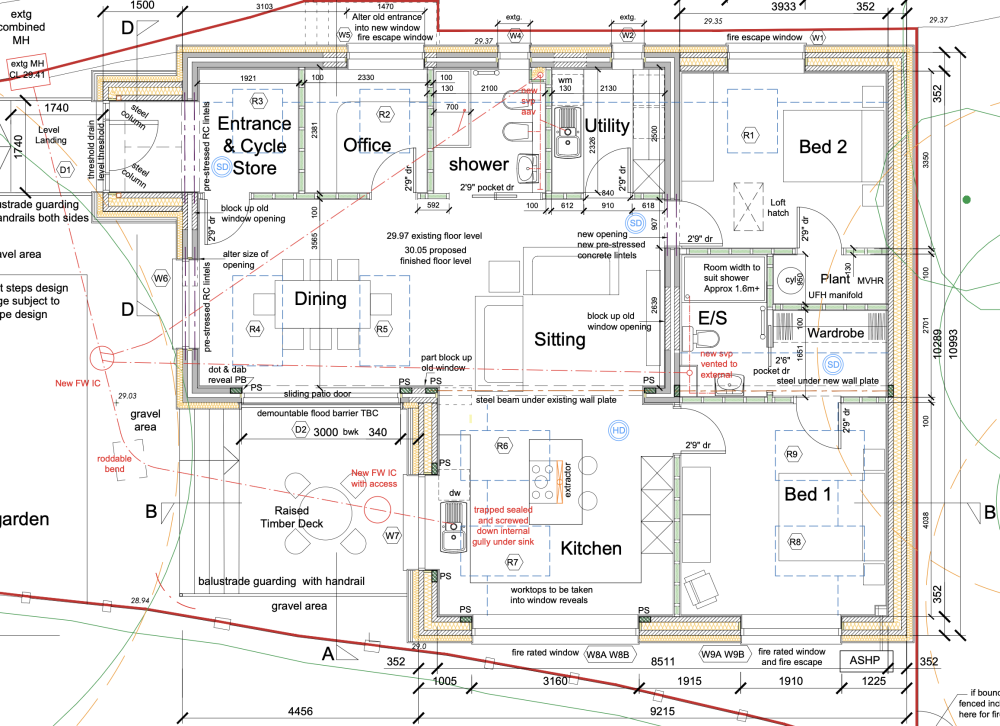
I am having a complete new roof on my existing house and extension. The design is to have roof lights punching through holes and a raised ceiling. However now I am just contemplating just vaulting my ceiling instead and to stop messing about with something I only half want, my roof is already very shallow and my floor is very high so I want to maximise ceiling space So based on that, what would be a sensible makeup of insulation to get equivalent performance to below? Would I still be able to have a service void for electrics, MVHR on warm side? Any recommendations before I go ahead and try and get this changed?


-
I see, in my case I was going for a highly insulated / airtight build. I was worried about the cooling within the house, initially I was looking those dual Daikin heating / cooling heatpump systems but not can be funded under the BUS programme. So my thoughts were in the hottest days of summer or perhaps in the middle of the night, being able to drop the general air temp a few degrees would be a whole lot better than no control? I appreciate it isn't really a 'cooling' unit but more an air tempering unit. I am having 9 triple glazed Fakro rooflights with the electrical external covers and electrical which I should be able to open to hopefully get a big heat reduction if it does get too warm.
-
Don't bother with the cooling battery? Is it not worth it to temper the temperature (probably downwards) a few degrees?
-
I am completely gutting my house, hopefully getting it quite airtight and installing a warm side ceiling void I have been quoted basically 7.5k + VAT ( design/ supply and commission without install ) and 8.5k+ VAT ( design and supply. No commission or install ) by 21 degrees and Paul Heat Recovery respectively, regarding MHVR install of a Zehnder Q350 + pipes + silencers and cooling battery. My first fix is looking to be around early July, and my final fix around late August. Simply put I am being quoted around 4-6 weeks for the design, when I am guessing I will need all my stuff much sooner than that. So my question is... whats my best option at this point? Do I just pay the deposit to one of these companies and hope for the best? Is a self guided route going to give me the same sort of performance and acoustics one of these companies is likely to specialise in? Any guidance or direction would be appreciated!
-
I've requested a removal with a bit of an explanation. I'm hoping they will be sensible about it... I'll wait for a human to quote for me Let's see
-
So basically leaving it bare ( soil ), or a weed barrier + gravel is probably fine from my own pov?
-
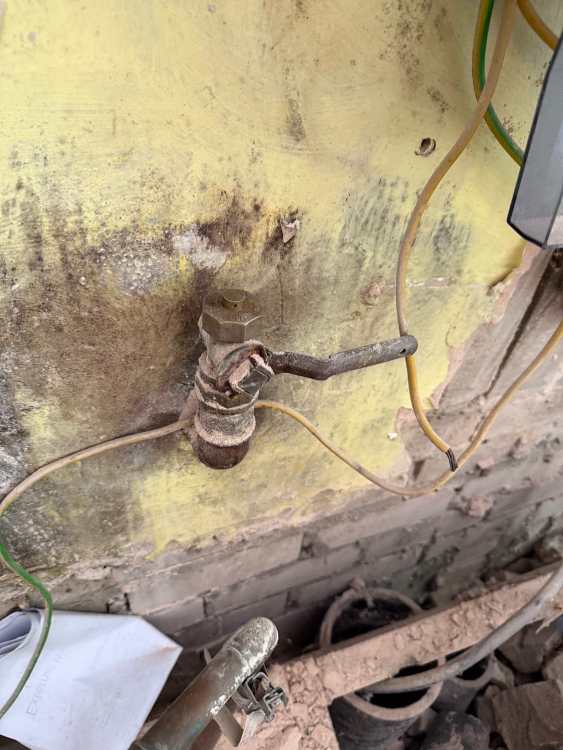
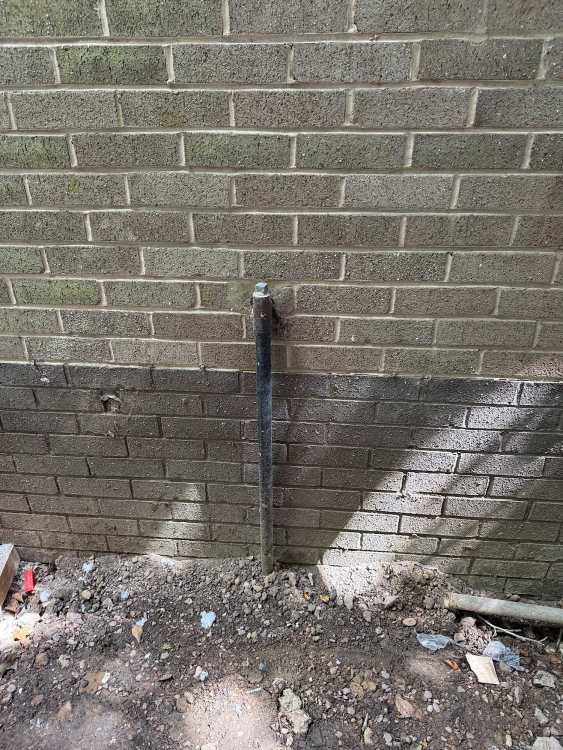
I have just had my gas suppler cap off and remove my gas. I'm trying to fill all service entry points into my wall. I have this I need basically taking back to the ground and out of my property. cadent say about £800 plus £100s per meter. But say others are authorised to work on their pipework. Any advice for getting rid? Im based in Manchester
-
And for clarity a DPM is going *over* the block and beam.
-
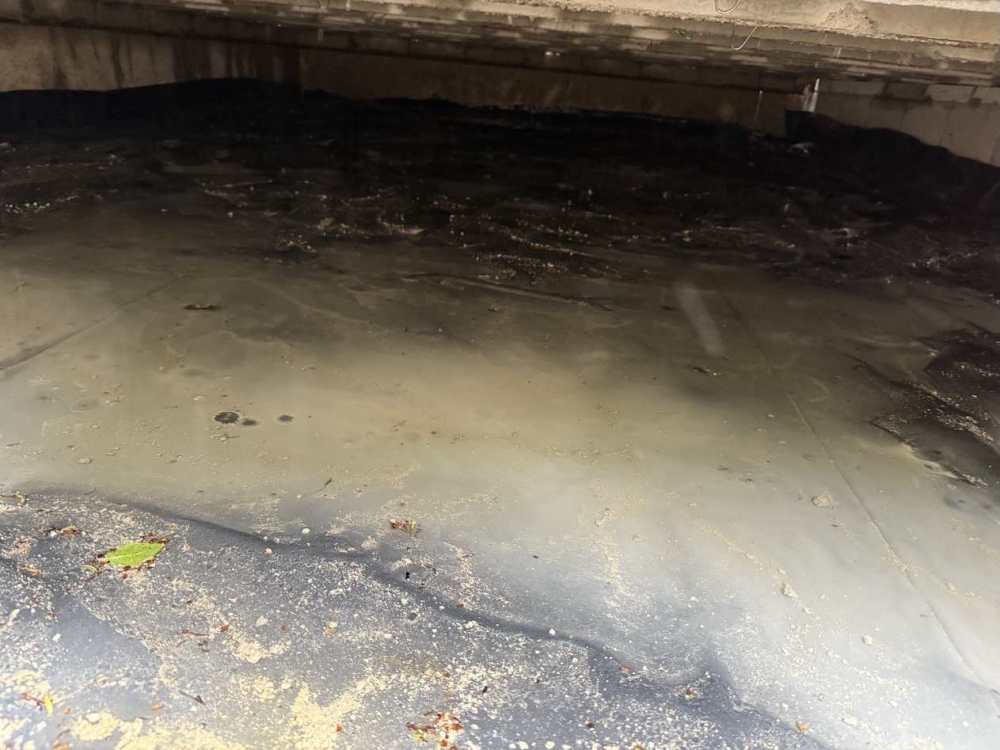
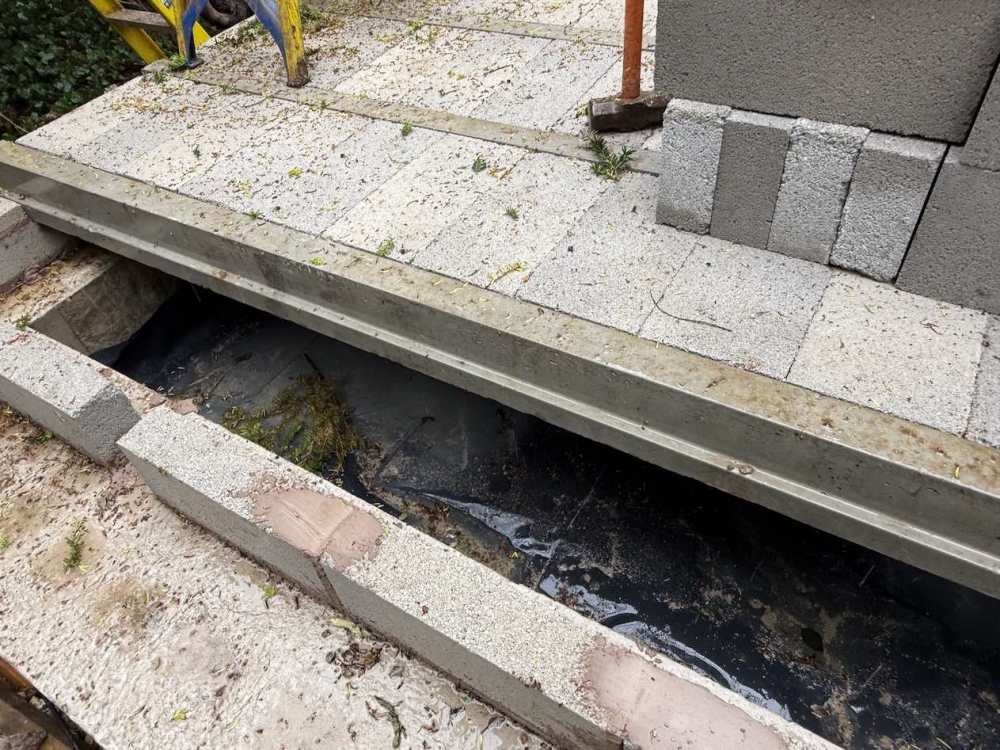
Hello! I have posted in the introduction forum about this but thought it required its own thoughts. Simply put I am renovating and building an extension. I was flooded at the start of the year and my property is raised around 60cm off the ground, we are adding another 10cm approx as part of this renovation. My foundations are piled with above surface ground beam, with block and beam on top and anti-flood air bricks so the subfloor has ventilation. The builder has simply thrown down a plastic membrane beneath on top of the soil floor. I don't even know if its taped together. From what I read, usual preparation is to basically put down the plastic layer, then sand then compacted hardcore and a thin concrete layer. From a flood perspective, I am thinking that a permeable weed membrane and some compacted gravel may be best. But right now I basically have a plastic membrane thrown down ( And not installed correctly according to building regs ) Simply put I am looking for some advice on what may be best to do in this instance? My builder I don't believe has built the subfloor up properly, and regardless I don't think thats potentially the right solution given I am in a flood zone. What are some peoples thoughts here?
-
New extension, brickwork crap? Insulation concerns.
boxrick replied to boxrick's topic in Brick & Block
I was going to put EPS beads in the existing wall, but are you saying this is the approach I should have perhaps taken for the extension too? It was originally spec'd for PIR but I changed it to the mineral wool. Re the builder I have raised these in an email and asked him to fix it and take more care for the rest of the build. Hes been reasonable so far, and I have confidence this will be sorted. -
New extension, brickwork crap? Insulation concerns.
boxrick replied to boxrick's topic in Brick & Block
And for some more info, holes are for the back of airbricks that are going to the subfloor we are using antiflood ones. Walls look pretty straight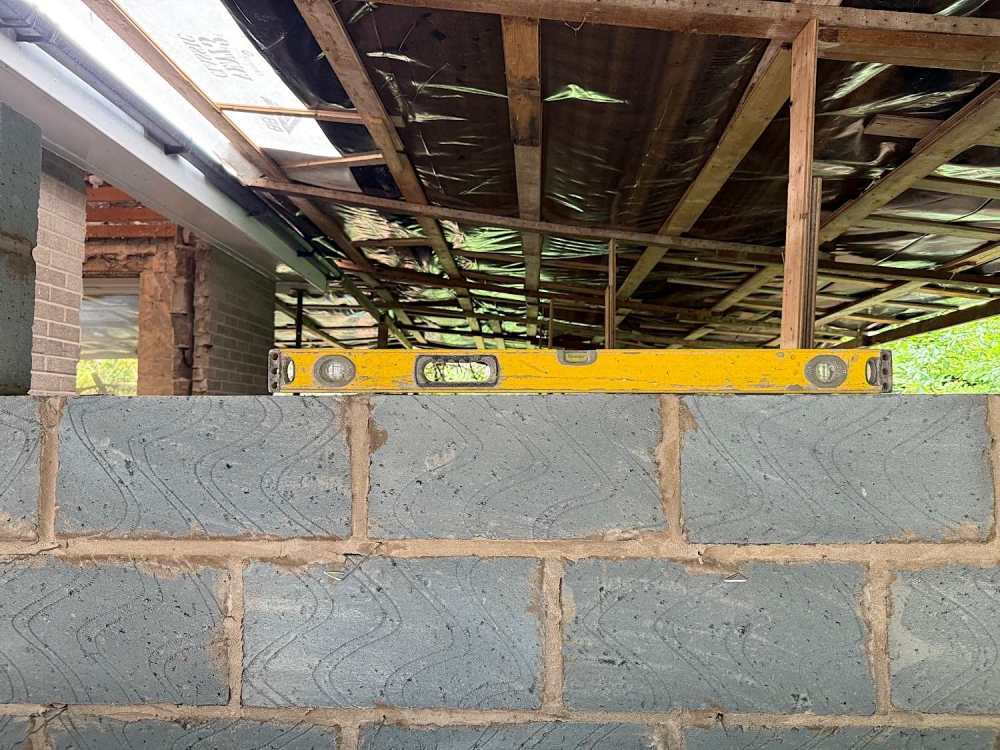
-
New extension, brickwork crap? Insulation concerns.
boxrick replied to boxrick's topic in Brick & Block
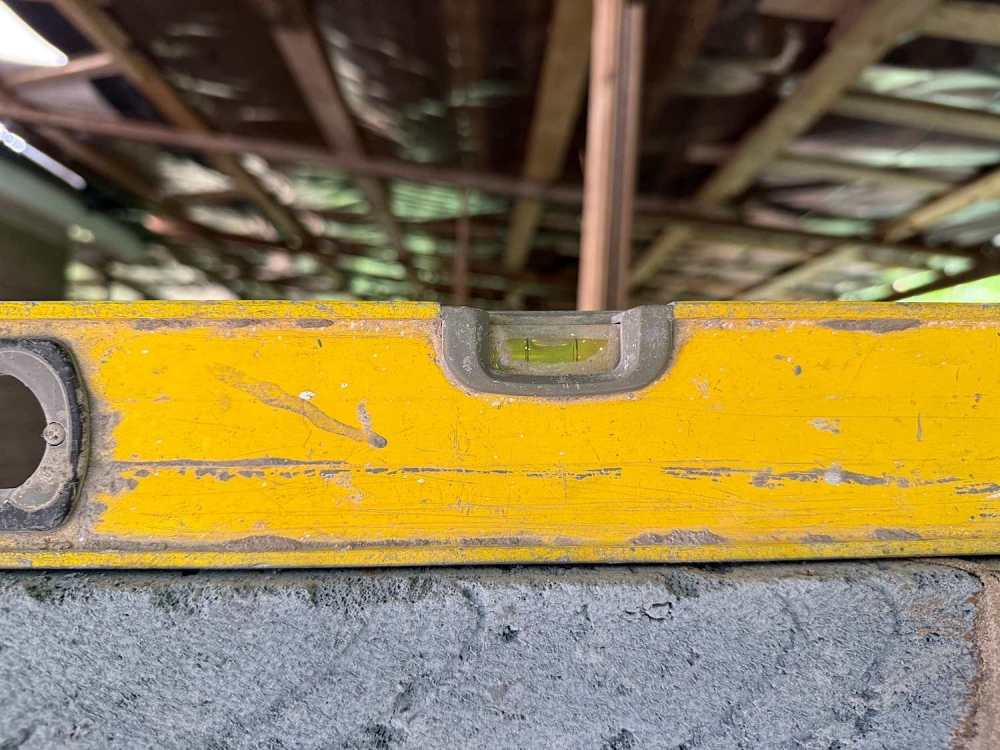
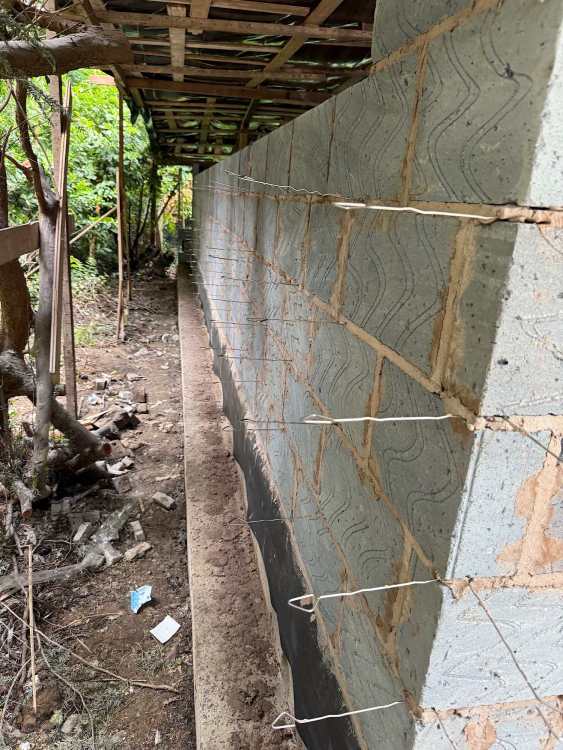
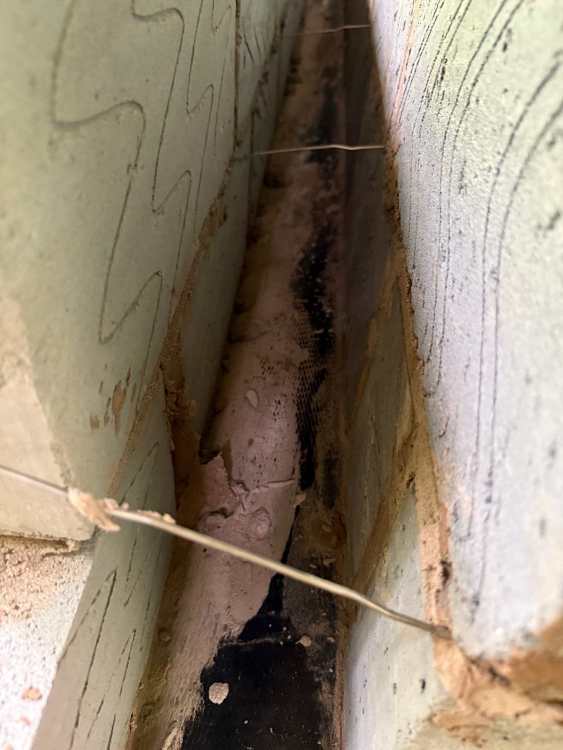
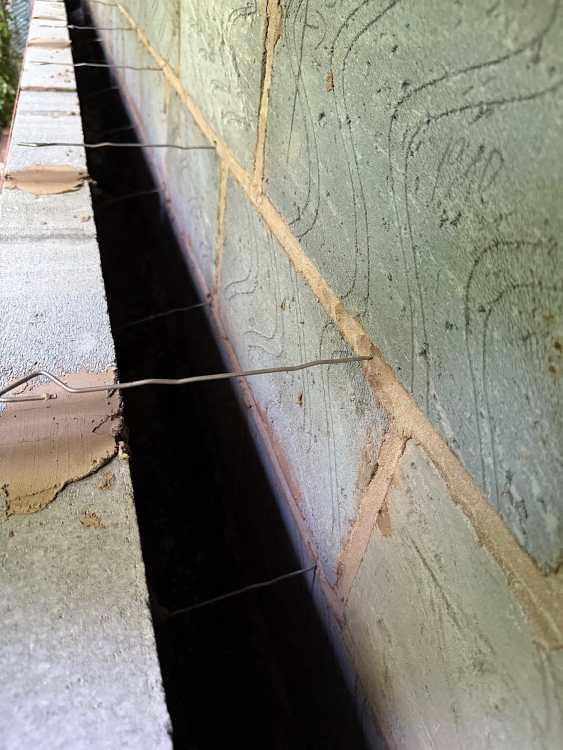
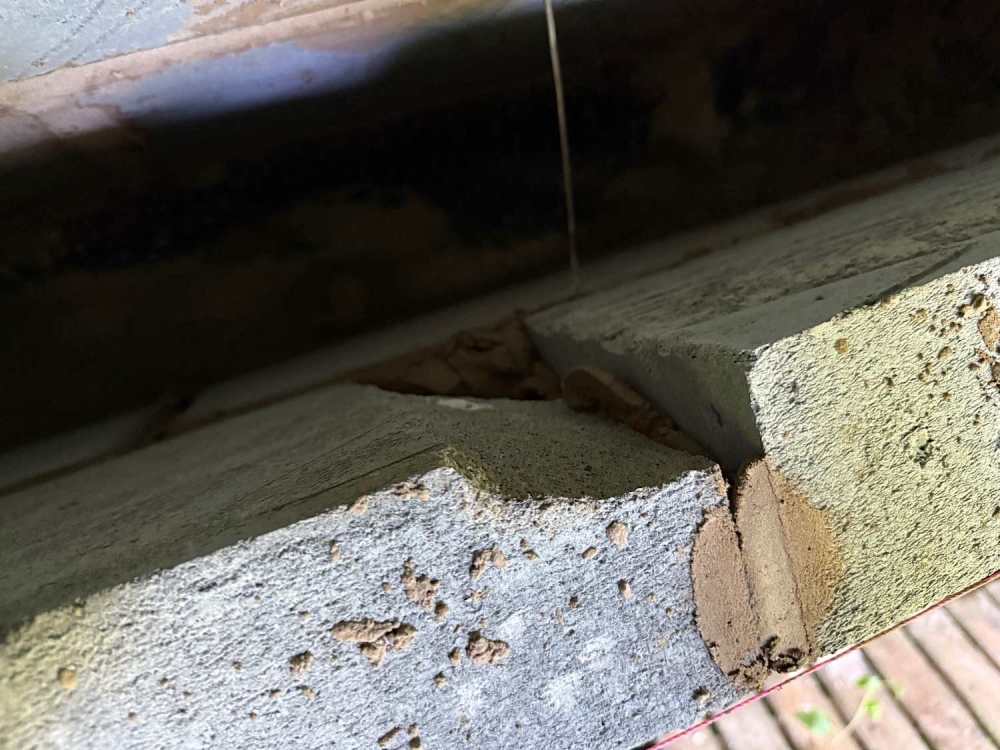
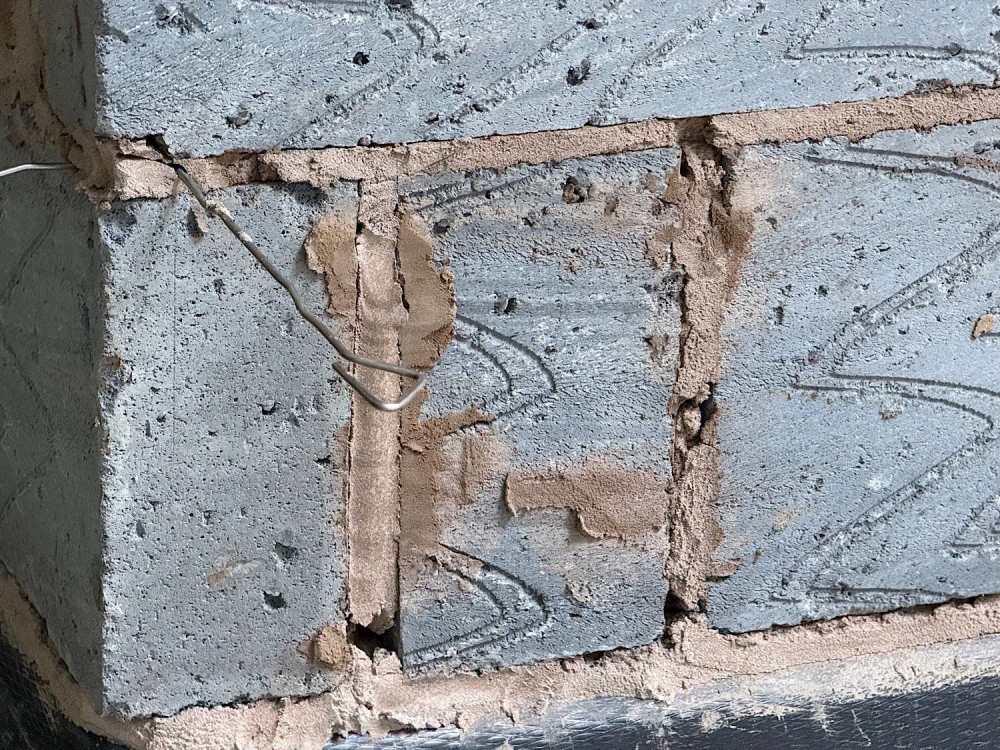
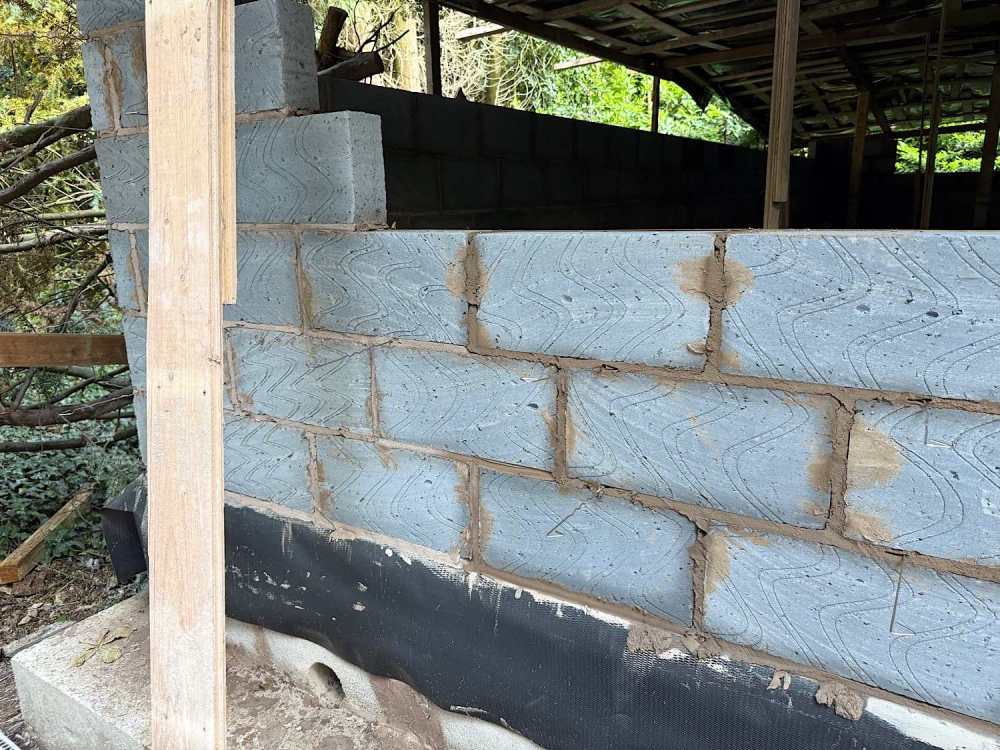
The weird structure was purely thrown up quickly from bits of leftover fence and roof to keep the rain off. It was done in a rush when we had weeks of dry then terrential rain from no where. I had a local bricklayer come by to take a look at some of the recent work on my build and got some honest feedback. Thought I would share the main points he talked about He did said it was fairly typical and far from the worst he's seen 1. The bricklayer pointed out that some of the mortar joints are quite thick. He mentioned this could be hiding issues underneath possibly out of level blocks and recommended I check the walls carefully with a level to see what is really going on behind those thick joints. 2. There are a few spots where holes have been left where the wall ties have been pushed in. These could be potential ingress points for moisture. The advice was that these should have been sealed up properly easily done with a quick thumb close 3. Not Enough Mortar ‘Buttering’ One recurring issue is that some of the the Thermalite blocks haven’t been ‘buttered’ with enough mortar, this is particularly obvious on one wall. This means that the mortar has dried out and shrank back which isn't great for the overall finish or for thermal performance. 4. He did notice there are a lot more wall ties than you would typically see. He said this usually suggests the builders are making extra effort on that front, so that’s at least one positive. 5. The good news is, he didn’t see any structural issues with the brickwork. It’s just a matter of getting the finishing up to standard. 6. He flagged that the cavity is getting a bit messy and should be cleaned out before any further work is done. 7. Finally in regards to the insulation he said it was fairly common for people to cut the insulation and just slot it in, but its generator better to build it in as the wall goes up. Overall, the main takeaway is that the structure itself seems fine, but the quality of the finishing needs attention. Has anyone else had similar issues with thick joints or gaps in the mortar? Is it common for builders to overdo the wall ties day? I'm assuming I'll loose a lot of thermal performance from this randomly placed insulation?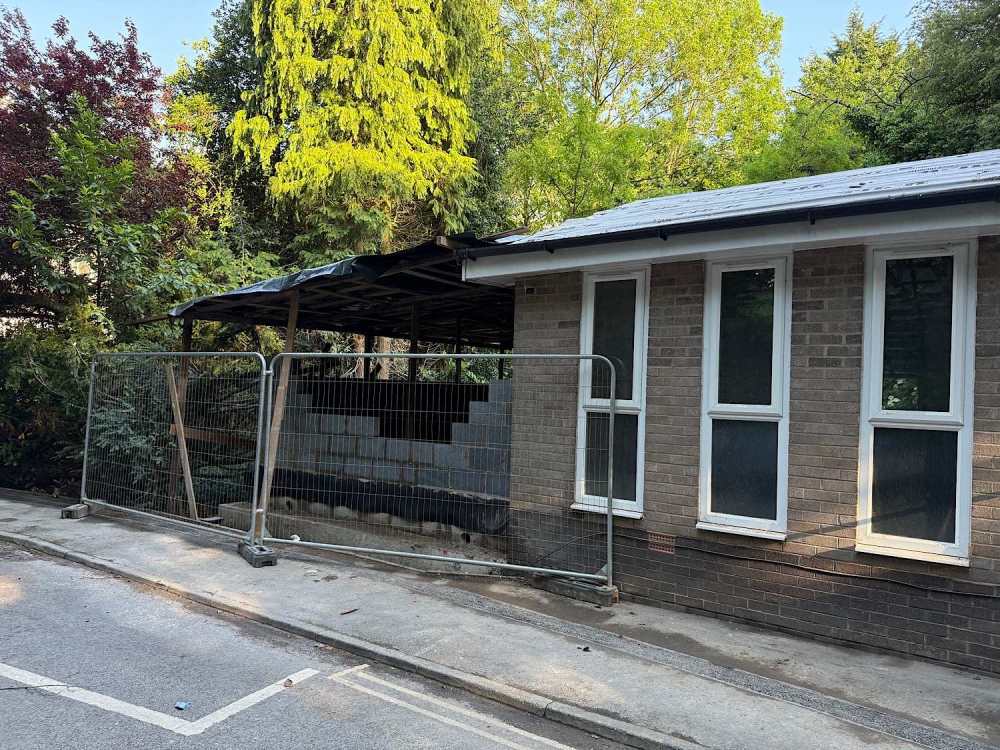
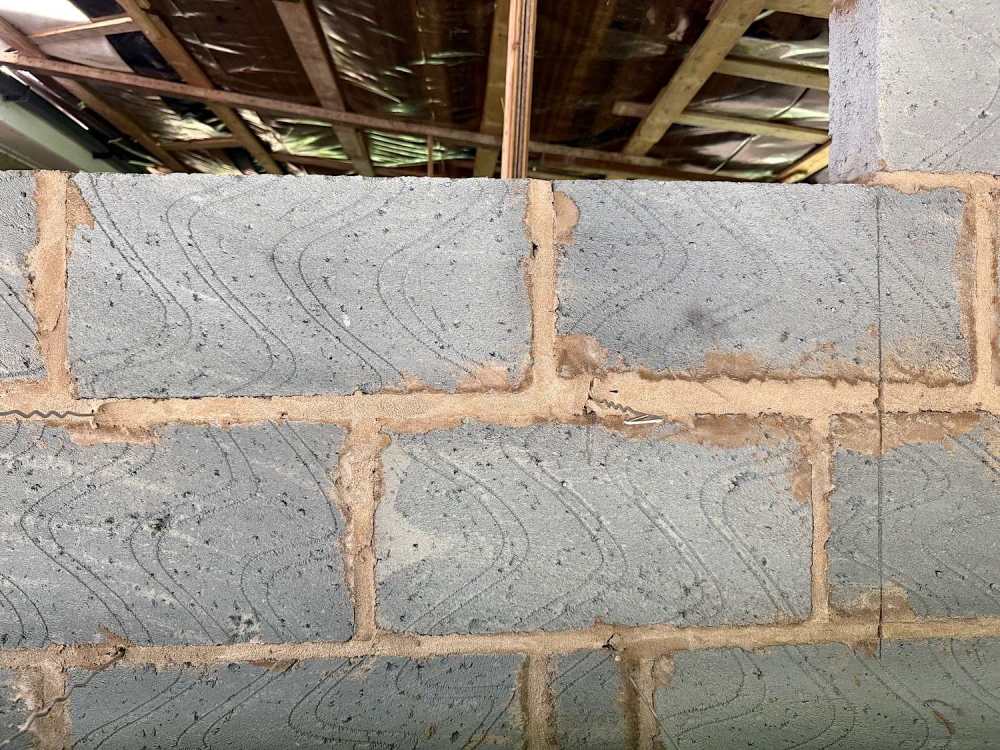
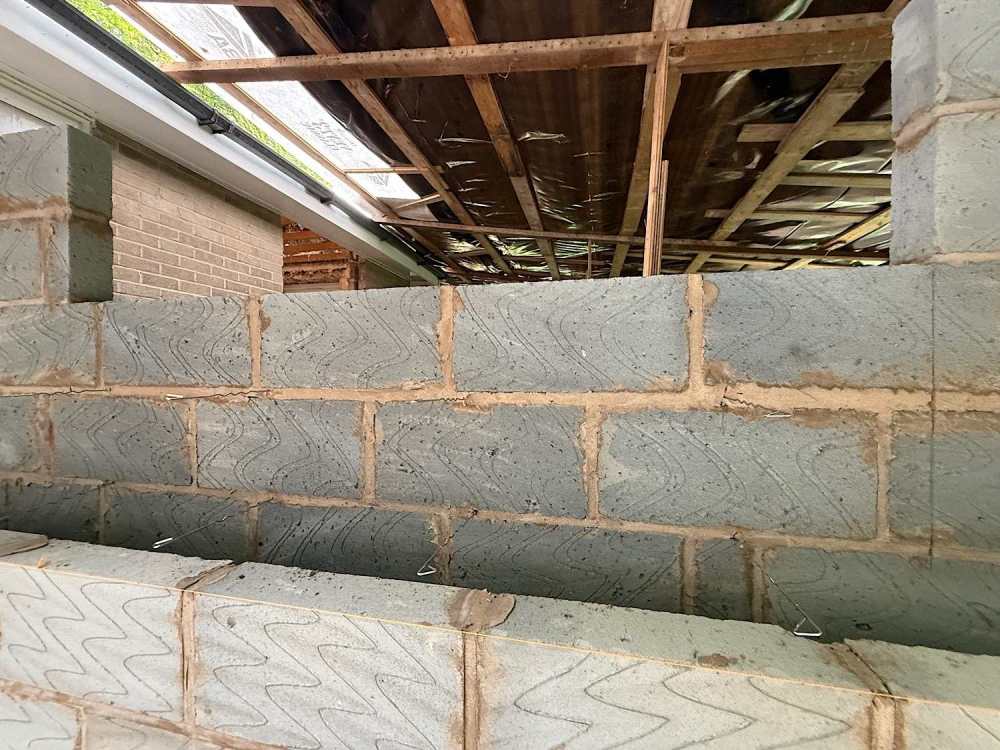

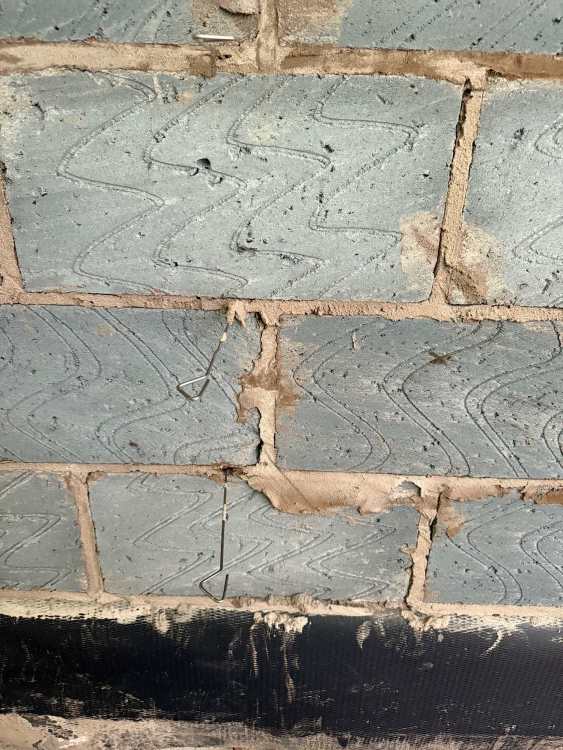
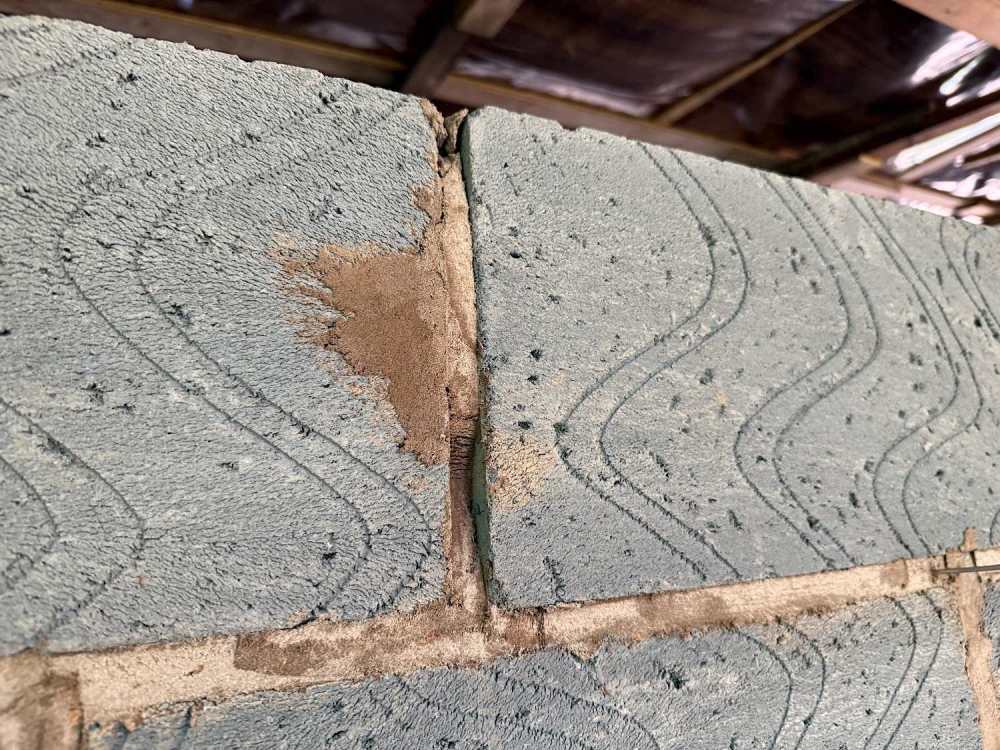
-
New extension, brickwork crap? Insulation concerns.
boxrick replied to boxrick's topic in Brick & Block
The insulating bricks at the bottom are marmox inside skin is thermalite outside is thermalite heavy duty. -
New extension, brickwork crap? Insulation concerns.
boxrick replied to boxrick's topic in Brick & Block
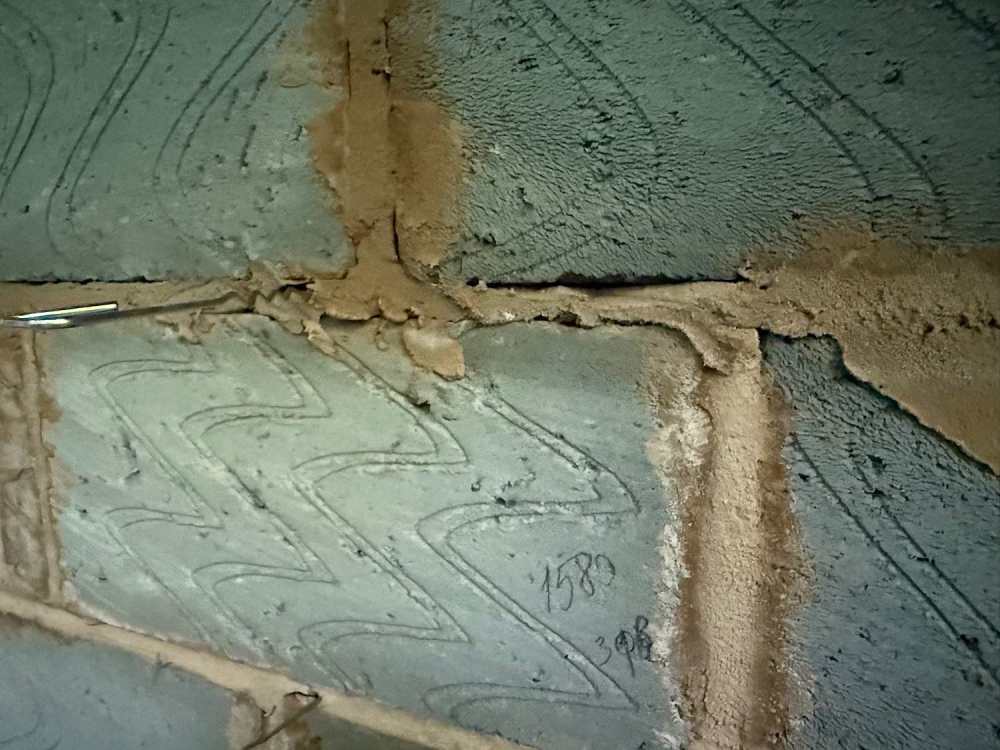
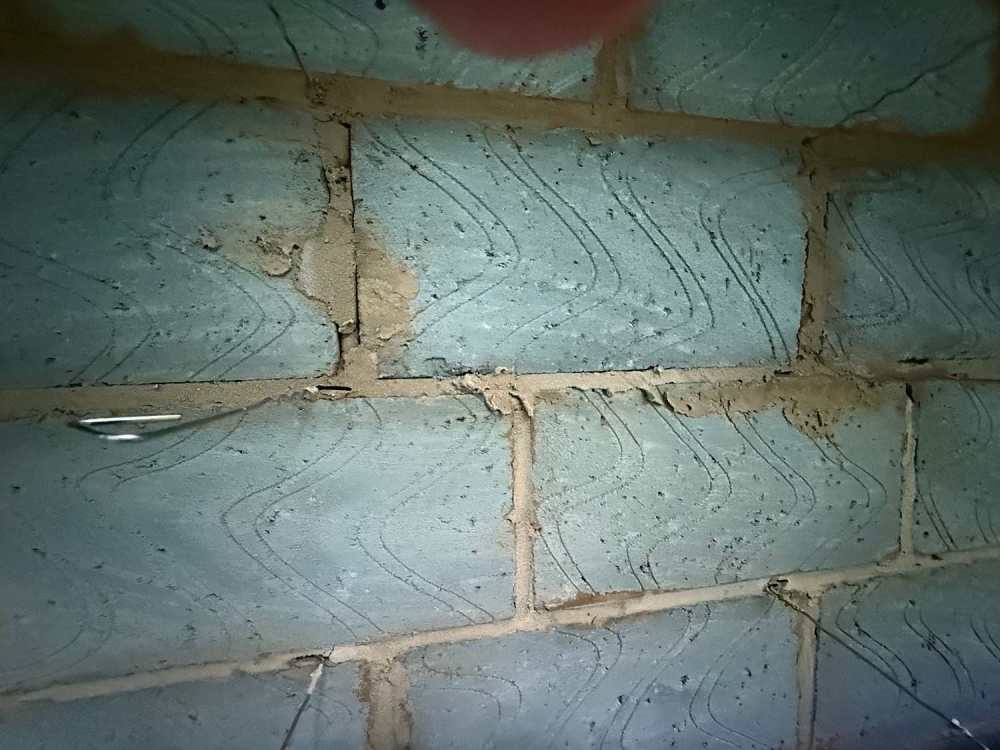
It's really unfortunate since I get on with him very well, at least so far. I really don't want to sack him... I did raise it and basically said "Just had a nosey. Some shoddy cement work on internal wall (gaps) I can see light through in a few places and a smashed damaged external brick which will need patching up / replacing." And his reply "Don’t worry all gaps will be pointed and patched There’s plenty time until the other blocks arrive" So the question is do I take him at his word. Since this is one of those things that should be done right from the outset. And as has been mentioned the insulation isn't even right. It's never going to go in properly with metal rods in the way -
Hello folks! I'm having my house completely gutted and a new extension built. I don't know much about building but I have a couple of concerns: - The quality of the brickwork going up seems poor. I can see gaps in the internal skin between the mortar. This concerns me greatly. - I am having glasswool full fill insulation, but won't all these wall ties block the insulation going in the gap properly? - I'm guessing they shouldn't be using broken bricks?
-
Wouldn't you need them at both levels? I am thinking of skipping near DPC for now and just retrofitting the flood ones if it turns into an issue, but still not entirely sure of this decision.
-
I am building an extension and renovating my home. I am in a flood zone and my builder is asking me about the cavity on the extension saying he normally installs weep holes through the DPC layer and wanted my thoughts on this due to flood risks. I am wondering can we skip them entirely or is it best to use something like this? I believe we need over 50 for my build https://www.m3floodtec.com/shop/products/one-way-weep-vent-m3whvw I am also installing EWI everywhere
-
Bungalow Renovation/ extension! - Hoping for high efficiency build
boxrick replied to boxrick's topic in Introduce Yourself
Construction methods. BCO were mostly like, nah computer says no. My architect has stated why and requested for an exemption. So I think my choices are: - Leave it be ( don't like this one ) - Poke it full of holes, fill over with gravel - Pull it out, replace with a weed barrier, cover in gravel. -
Hello folks! I am building a new roof with my house refurbishment, a high efficiency build and am working on the ceiling service void, which will be on the warm side of the airtight layer, and I am looking for a bit of guidance on the typical build-up. My builder has a few questions and we are hoping to get this right from the start. What is the usual way to build up the ceiling void in this situation? Does it need to be physically separated from the insulation layer by a layer of plasterboard or wood? Any advice or examples would be really appreciated. Just trying to understand what works, my architect has been thin on details here.
-
Cemfloor for self levelling foundation slab
boxrick replied to BotusBuild's topic in General Flooring
Roughly what's the price of screed material you have been quoted for that floor?


