marshian
-
Posts
1605 -
Joined
-
Last visited
-
Days Won
6
Everything posted by marshian
-

What Boiler to prevent short cycling?
marshian replied to windsor-tg's topic in Central Heating (Radiators)
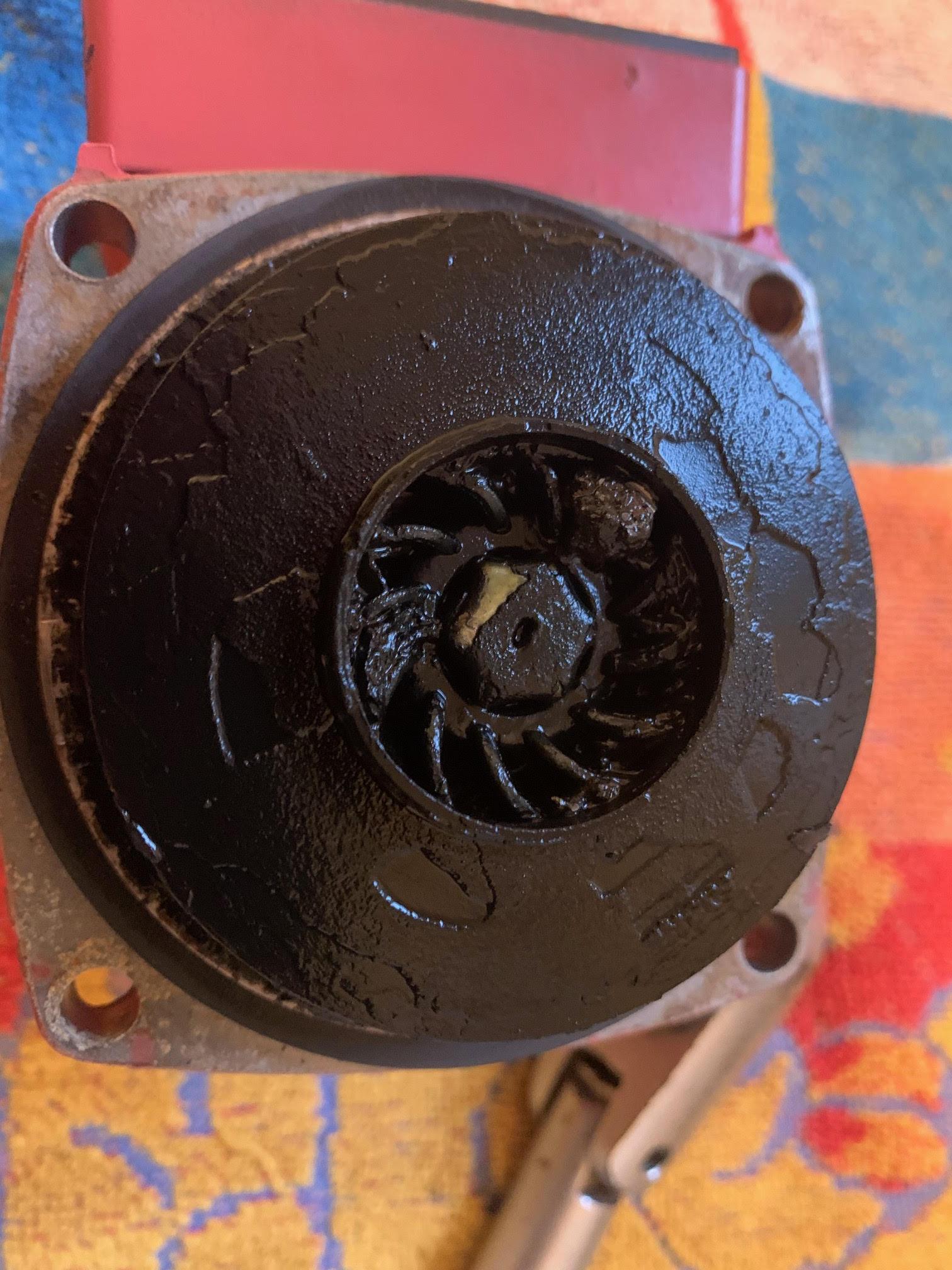
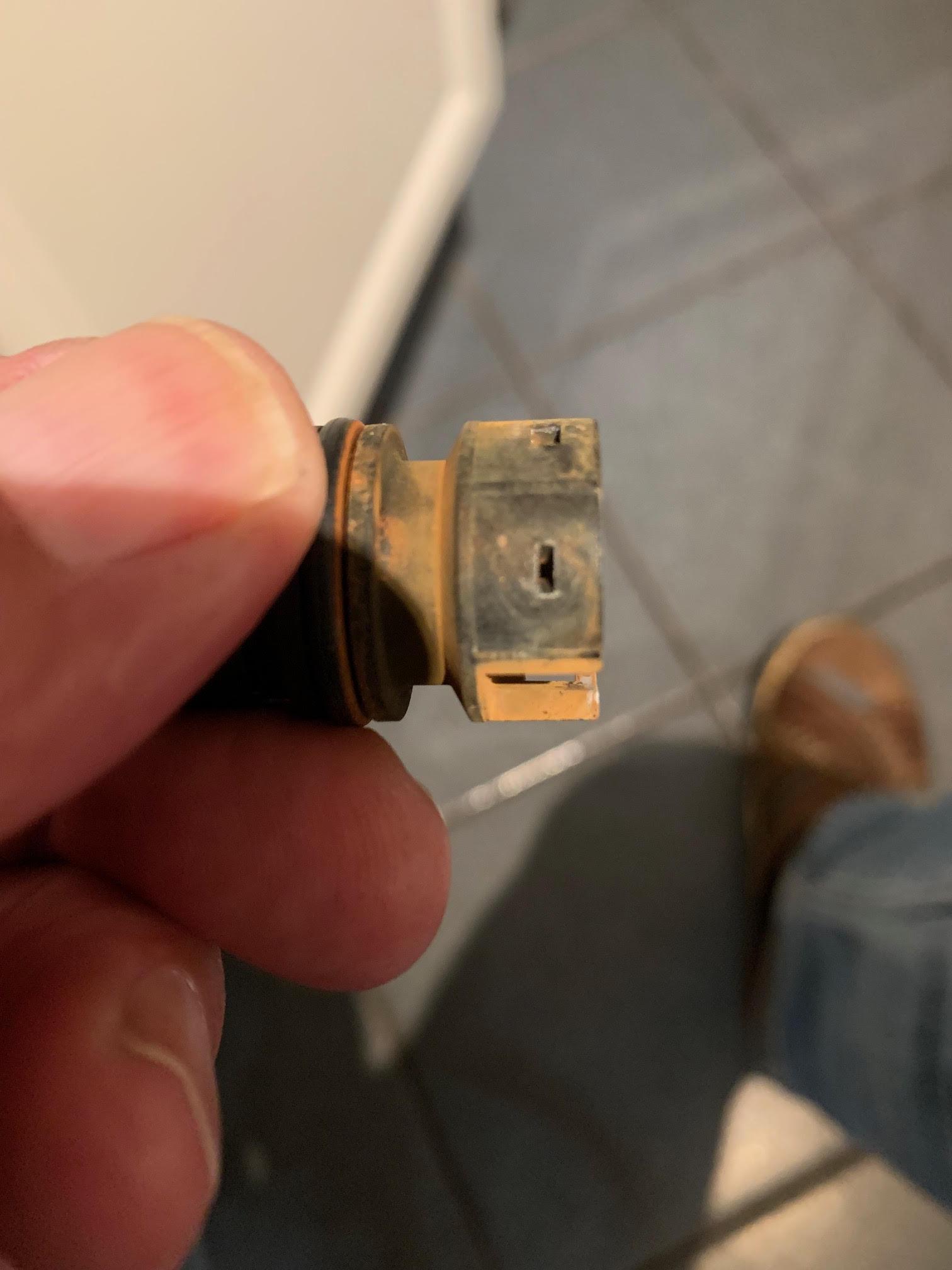
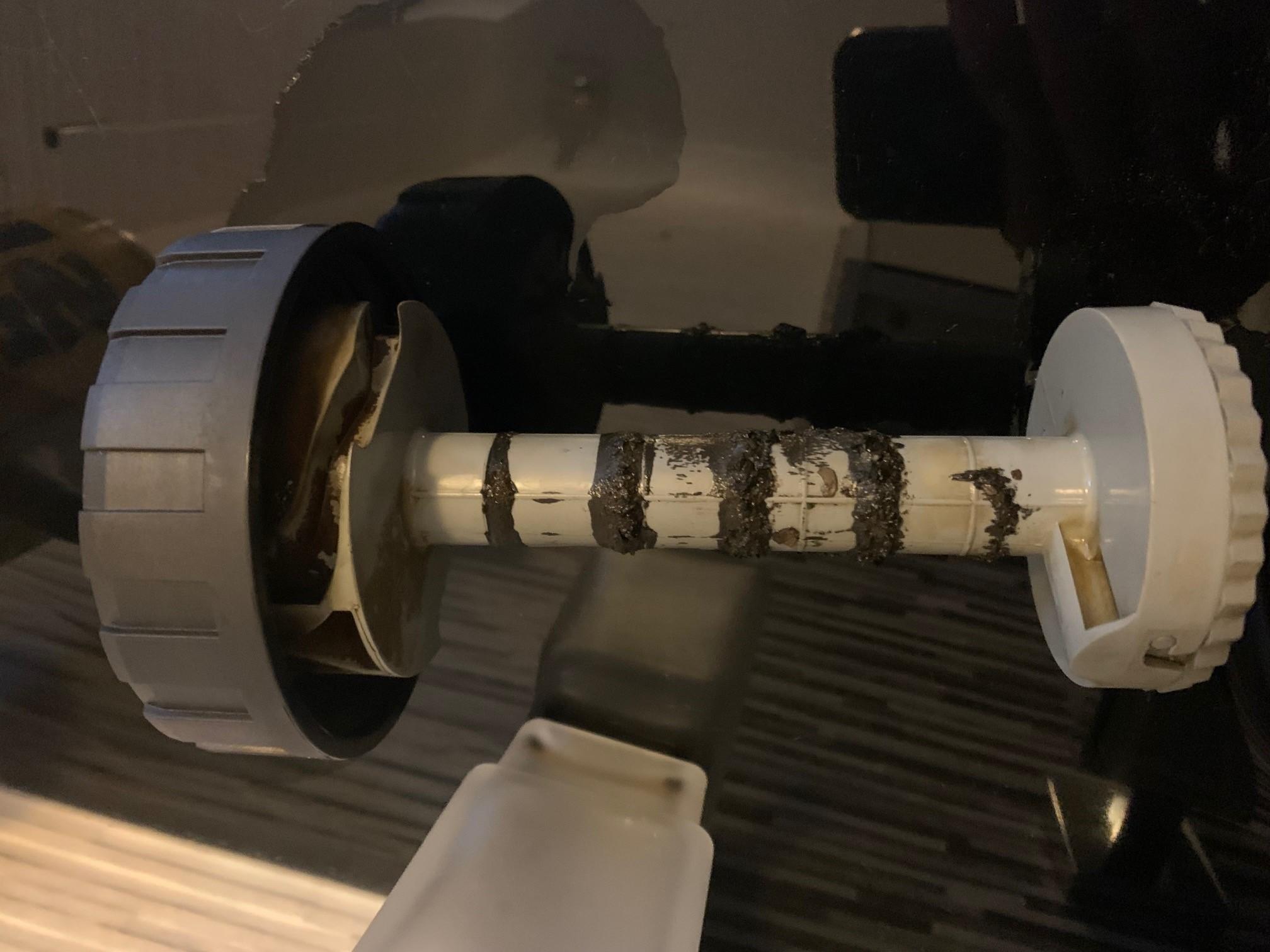
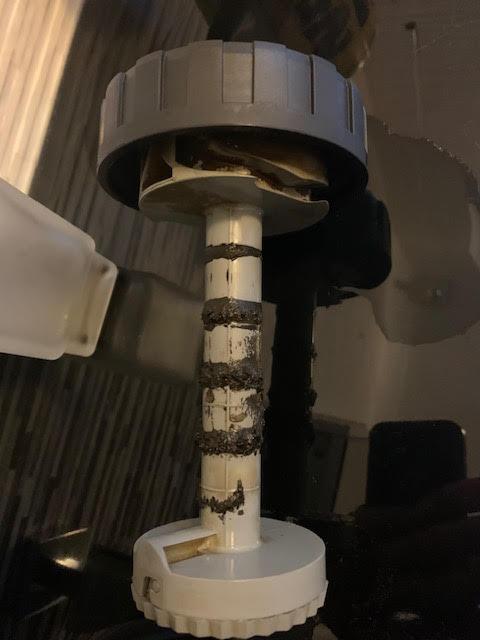
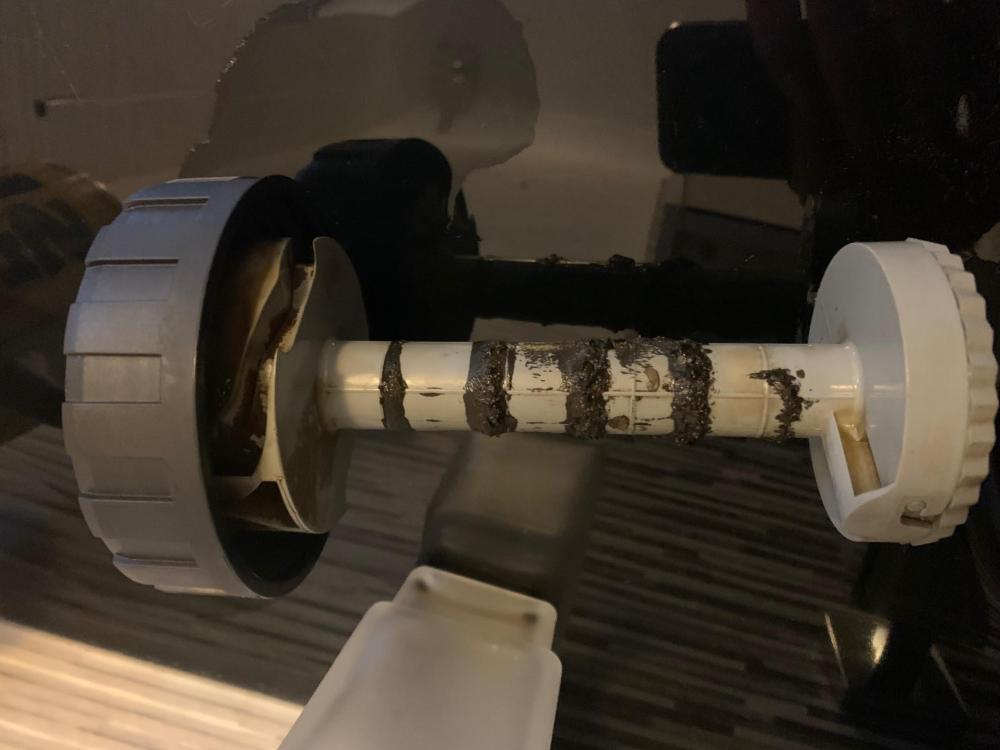
System is fully dosed with inhibitor All rads are new (or less than 2 years old) CH Circuit was drained and refilled twice in the last 2 years - each time it was flushed and then treated I have a magnaclean unit in the circuit but it's after the pump Current pump was fitted in dec 1999 and I'm pretty sure it's built up the level of magnatite deposits over time. It's possible changing rads and making changes to the CH circuit pipework in 2022 disturbed material and at that point the pump would see it first. Magnaclean images from the 6 monthly checks carried out in last 2 years - it picks up something but nothing like my mate got in his system after 1 week!!! (I'll try to find that picture)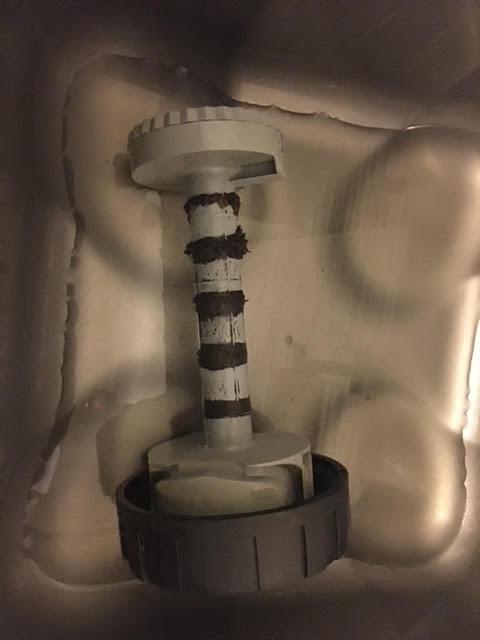
-
What Boiler to prevent short cycling?
marshian replied to windsor-tg's topic in Central Heating (Radiators)
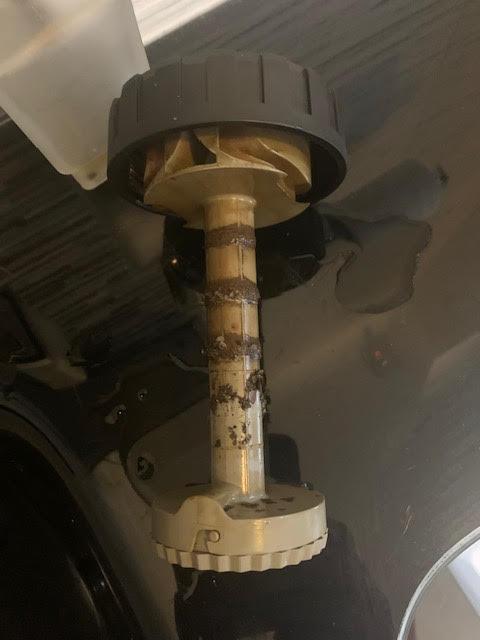
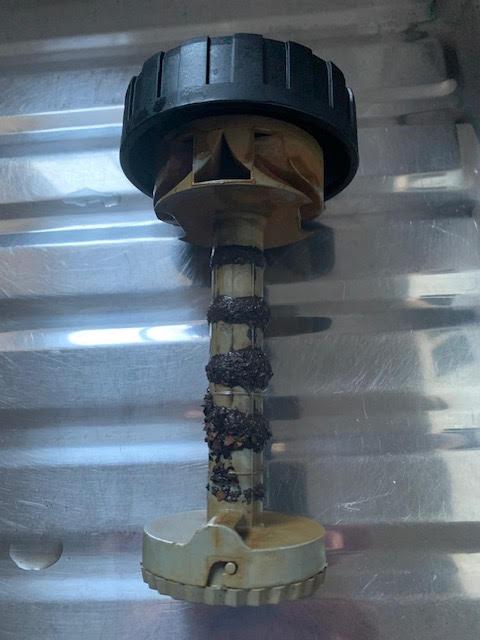
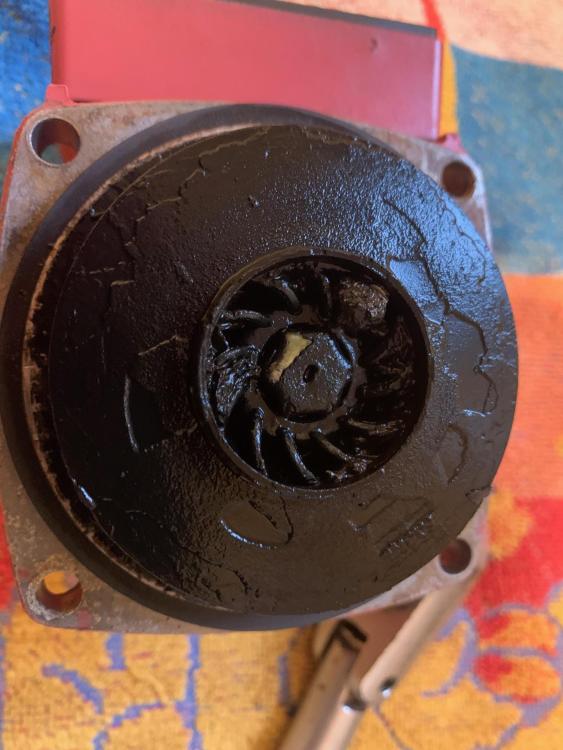
Just coming back to this topic because for the last year and a bit I've had to run my CH pump on speed 2 to stop the boiler short cycling - Previous 30 years it's always been fine on speed 1 but I made a lot of changes a year or so back doubled rad size and reconfigured pipework as well as changed all the lockshield valves and TRV's. I think I know why now - I pulled the pump apart at the weekend Took a bit of work to get it clean and all the impeller channels clear - I have a magnaclean unit in the circuit but it's after the pump and never seems to collect much magnatite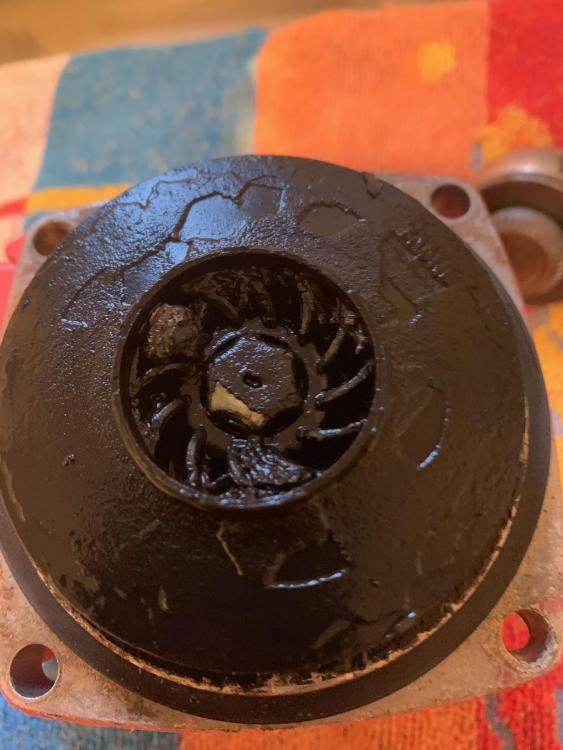
-
X-Plan can even work with a small capacity cylinder even with a high water demand and non of the downsides of a combi
-
Somewhere in your house you have a cold feed that is susceptible to freezing - between your mains feed in and your HW tank - probably a boxed in corner of a room that has a pipework in it There is always the chance that if the house was converted from gravity feed with a tank in the loft to mains feed that a "lazy plumber" double the pipe back to the tank from the loft rather than bringing it into the heated envelope of the house where it can't freeze.
-
intermittent F75 on vaillant ecotec 831
marshian replied to dscoll's topic in Boilers & Hot Water Tanks
No problem - I follow his blog - he's a very clever chap and when I saw that I thought it might be worth a link -
intermittent F75 on vaillant ecotec 831
marshian replied to dscoll's topic in Boilers & Hot Water Tanks
https://www.urbanplumbers.co.uk/vaillant-f-75-error-code-full-boiler-repair/ Issues discussed in the blog above - might help? -
I'm not running weather comp but I am running flow temps between 45 and 50 deg C depending on the temp outside I'm doing this thro EB bodies mainly set on 1.......... I really don't think you will get any benefit from increasing pipe size JM2pW
-
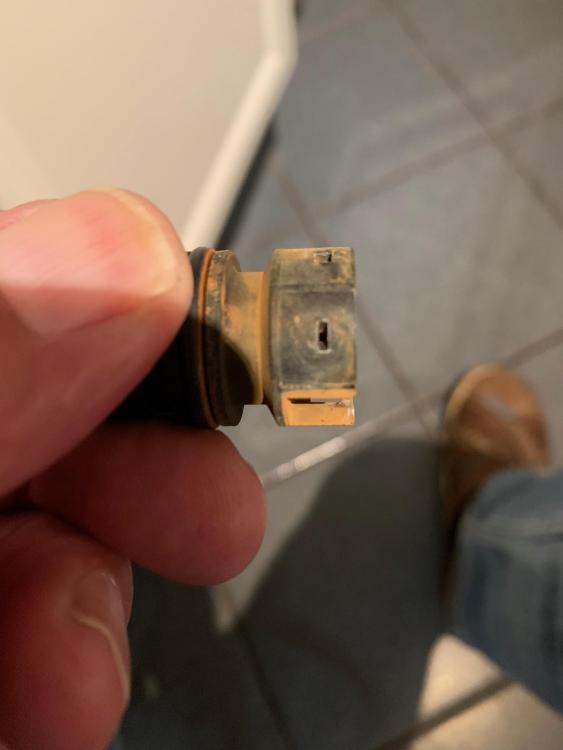
I'm struggling with the comment that the 10mm pipework is limiting flow to the rads and as a result you need to run the boiler hotter........... I run drayton EB4 TRV bodies and the vast majority of the rads are using flow setting 1 out of 6 and that's a flow restrictor of less than 2mm diameter...
-
Surely higher pump speed gives higher flow rates as a result of increased pressure? The only reason I run my system at pump speed two is that my boiler needs a min of 15 lpm and even if I free off the rad circuit as much as I can whilst still keeping it in balance the flow rate on pump speed 1 is too low for the 10 - 15 kW that the boiler throws at the heat exchanger.......... I really need a buffer in the system but I'll change the boiler rather than install a buffer
-
is it magnetic? I wonder if it had rads before UFH and that's a hangover from magnetite that had built up previously in the system https://vexoint.com/what-is-magnetite-and-how-to-stop-it/ I have a magnetic filter in my CH/HW Circuit but the circuit is pretty clean and in the 6 months between cleaning it picks up very little
-
One more thing that came to me today - may or may not apply Before I fitted Drayton EB4 TRV bodies and was balancing the circuit on the lock shield The higher the pump speed on my system the more sensitive the lockshield valves were to adjust and harder it was to get the system stable My logic (may or may not be correct) was that with a higher pump pressure smaller adjustments on the lock shields had a much bigger effect (think of the finger over the end of a garden hosepipe small movements dramatically change the flow and spray pattern and it's really hard to get a consistent result) - when pump speed is lower changing the lockshield setting has a much lower impact ad the circuit pressure is lower (restrict the flow to the hose pipe and the changes to the spray pattern aren't as great) Food for thought.....
-
Recommend a system boiler & control
marshian replied to dreadpirate57's topic in Boilers & Hot Water Tanks
^ WHS - I'd use Viessmann controls with a Viessman boiler and Valliant controls with Valliant Boiler WC and X Plan - I'd avoid third party controls on boilers where manufacturers have really good controls (they just aren't going to be optimised because they are cover multiple boilers) However the most important thing for me is sizing the boiler properly to the heat loss of the property and making sure it modulates down as low as possible to minimise cycling and cover the autum spring months with low temp and low boiler output levels. I'm not sure if many manufacturers have caught up with the modulation ratios that Viessmann are capable of - a few are getting close -
Vaillant ecoTec Plus 630 boiler not reaching target temp
marshian replied to windsor-tg's topic in Boilers & Hot Water Tanks
Have you seen Syzmon's latest video where he hacked an older glow worm boiler to use Valliant controls - bloody impressive - but it was his own house and I guess we all like to experiment on our own properties -
Vaillant ecoTec Plus 630 boiler not reaching target temp
marshian replied to windsor-tg's topic in Boilers & Hot Water Tanks
100% agree Watch from 10:10 Syzmon is pretty clear in his statement - Installing a Valliant/viessmann use their controls - using 3rd party controls - fit any other boiler -
Vaillant ecoTec Plus 630 boiler not reaching target temp
marshian replied to windsor-tg's topic in Boilers & Hot Water Tanks
Oh good luck with that 🙂 Cycling data is easy to get if you have an hour free Phone stopwatch function Time a burn Lap 1 when it ends Lap 2 when next burn cycle starts Repeat for the hour Number of burns in 1 hour is cycles per hour Easy if your boiler is in the kitchen - make tea while doing the analysis If the boiler is somewhere like garage or loft - still easy to do just colder -
Vaillant ecoTec Plus 630 boiler not reaching target temp
marshian replied to windsor-tg's topic in Boilers & Hot Water Tanks
Target temp of 65 is pretty high if you have decently sized rads - I'm unsure of how you LLH would react but try turning the flow temp down gradually say 5 deg at a time and see if the house stays at the desired temp - if it starts to lose temp in rooms and more and more rooms aare calling for heat and not being satisfied you can notch it back up again a deg or two at a time The efficiency gains in a condensing boiler come from the lower return temps Return Temp Boiler % Eff 65.0 88% 60.0 88% 55.0 88% 50.0 91% 45.0 93% 40.0 94% Regarding the cost - depends on size of your house and heat loss Mine is 113 m2 floor area (across 2 floors so 56 m2 per floor) std 2.4 m Ceilings so 290m3 of heated space My heat loss calculations say it's 4.5kW per hour at -2 Last 5 days have been an average of £3.74 per day at 7p per kW in gas (Not including daily standing charge or the 5% vat) -
Vaillant ecoTec Plus 630 boiler not reaching target temp
marshian replied to windsor-tg's topic in Boilers & Hot Water Tanks
I think that once the boiler starts cycling more than 6 times an hour you've probably wasting more gas on each cycle start up than you are saving with the condensing benefit of a lower flow temperature I can't run lower than 48 deg on my boiler (when the house is close to target temp) because even when range rated down to min (10kW) it still fires for a few secs at 75% of max (18kW) and at anything below 48 it over shoots the set point without really putting a lot of heat into the CH circuit (the min temp I can set the boiler to is 39 deg (38 deg is OFF) As a result I tend to use 55 Flow for house warm up and 48 to 50 flow for when the house/rooms are closer to target temp It's a compromise that I'll resolve in the summer when I replace the boiler for one which can cope with lower flow temps and has a better modulation ratio -
Vaillant ecoTec Plus 630 boiler not reaching target temp
marshian replied to windsor-tg's topic in Boilers & Hot Water Tanks
Lots of things that confuse me there Modulation Take it off "Automatic" modulation and set the kW ouput to something closer to what you need?? Have you got an installation manual for it - that will tell you how to adjust the kW If the boiler modulation level is 2 - it's got a 10kW min and 30 kW max I reckon these are probably your kW v modulation settings kW Mod Set 10 0 14 1 18 2 22 3 26 4 30 5 With 21 Rads as well as underfloor your circuit vol must be huge I've got 13 rads (no underfloor) and a circuit volume of about 135 L At a cold start that circuit is at around 15 deg C (rough temp of the rooms) without accounting for boiler efficiencies I would take 7kW to raise the water temp in the circuit to 60 deg C Bearing in mind that I have a heat loss of 4.5 kW and I'm using that circuit to heat rads in rooms I want to temp I have the boiler range rated to 15kW because I want the circuit heated to temp quickly but not so quickly that the difference between flow and return exceeds 20 deg which Glow Worm / Valiant Boilers don't like much So I'd be looking at setting it at 3 or setting the kW to 22 to decrease the warm up time Flow and return temps You said "the boiler flow temp reached 61C (d.40), boiler return temp - 52C (d.41)" That's pretty poor in a circuit that size at a flow temp of 65 Deg Set point - as a rule of thumb return temp should be 70% of the flow temp so 45 Deg would be what I would be targetting At 52 Deg Return it's "only just" still condensing - It should be in the mid to high 40's and condensing all the time I hasten to add I know nothing of LLH and the impact on the circuit -
Can’t change flow temperature on glowworm energy c30
marshian replied to johnhenstock83's topic in Boilers & Hot Water Tanks
Unfortunately you are correct in the main but there are good heating engineers out there - you just need to track them down - my preferred gas engineer is really good but he jokes he's learnt a few things from me about setting up a boiler to suit the house or usage 😉 My 24kW Glow worm boiler is 10 kW min I've range rated to 15kW because 24kW for HW with a 3kW coil is bloody stupid (15kW is still stupid but it modulates down to 10kW on HW real quick) House heat loss at -2 deg is 4.5kW so 24kW for that is mental too but I run heating on timed slots and if I range rate it down to 10kW min the warm up times are extended and what I save in lower and slower I lose in needing longer timed slots When your boiler isn't sized for heat loss and doesn't have a wide modulation ratio (or turndown) life is full of compromises All you can do is work with the parameters you have to try to make the boiler work at it's best in the house it's in PS Glow worms are a rabbit hole as far as parameters go esp ACT settings (Anti cycle Time) -
You missed one Is the circuit noisy I'll leave it to the OP to answer - my bet is as soon as a few rads that are too open start to shut down it is PS 14 deg at the boiler at the flow temps stated is not really good at all
-
Doesn't matter if the hot end is a TRV or a lockshield end (provided the TRV bodies are bi-directional - if they are unidirectional it maters) Were these temps taken during the warm up phase or when the rooms were up to temp? Can you list the rads type/size and the flow and return temps for each rad you are getting If you are counting towel rails as rads they are terrible for having a decent difference between flow and return - at best I can just scrap a 2 or 3 deg difference On your vertical rads do they have diverters built in?
-
Can’t change flow temperature on glowworm energy c30
marshian replied to johnhenstock83's topic in Boilers & Hot Water Tanks
This is when having a good read of the installation manual helps if you have it I think 75 Deg is the default for the heating temp - you can change it in the diagnostic menu d.71 should be where you adjust it All glow worms seem to have differences in how to adjust parameters but fundamentally the process is the same Don't know your particular boiler but on mine diagnostic codes/adjustments to parameters that can be changes is press and hold mode button for several seconds untll you see 00 then + or - till you get to 96 then press mode again you should see d00 Then you can scroll thro using + or - to get to d71 Press mode again and it will show the value - if it's 75 then it's almost certainly the one you want Press - to decrease or + to increase - example change to 60 Press and hold mode to confirm and again to exit (it gets a bit sketchy about this point) To check the setting has been saved start again and get to the same place - if the display shows 60 result it's remembered it if it doesn't try a longer press of mode to make it remember it A proper installation manual for your specific boiler model would tell you exactly what you need to do -
Oh forgot to add - on all 11 rads and both towel rails the lockshield valves are wide open - I use Drayton EB TRV bodies - the balancing is all done on the presets. Most Lockshield valves have terrible valve authority which means all of the closing is done in the last 3/4 of a turn - once open more than 3/4 of a turn they are effectively wide open from a flow perspective Have a watch of this video - it will explain why some lockshield valves really don't help you balance the system easily
-
Sorry but why would you say that? In a well balanced circuit the faster the pump speed the higher the return temp is going to be as you are forcing water thro the rads before it's had chance to shed the heat to the room. You are also using more electricity - for that pump Speed 1 45W Speed 2 65W Speed 3 90W So Speed 3 is twice the consumption of Speed 1 and unless you have a very large circuit you are likely to get a lot more system noise Appreciate that the OP may well not have a well balanced circuit from the original post but you want to balance the circuit with the lowest pump speed possible IMO I'd be dropping it to speed two and seeing if all the rads still get hot - if they do drop down to speed 1 and then just check that when the boiler is firing the temp doesn't overshoot the set point too quickly. Right now my boiler is running at 48 Deg Flow temp - I'm getting a return of 32 - 34 and the whole house is up to temp (11 rads and 2 towel rails) The lower the flow temp you run the lower the delta between the two will be Typically your return temp should be 70% of your flow temp so table below gives a pretty good guide to the delta you should aim to achieve at various flow temps Flow Temp Return Temp Diff 80 56.0 24.0 75 52.5 22.5 70 49.0 21.0 65 45.5 19.5 60 42.0 18.0 55 38.5 16.5 50 35.0 15.0 45 31.5 13.5 40 28.0 12.0 More info can be found here https://www.heatgeek.com/do-we-really-need-dt20/ On warm up I can run the pump on speed 1 but as the TRV's start shutting down the boiler short cycles too much because the boiler overshoots the flow temp set point so I compromised and run speed 2 all the time.
-
Heat loss via external drain cock?
marshian replied to Super_Paulie's topic in Central Heating (Radiators)
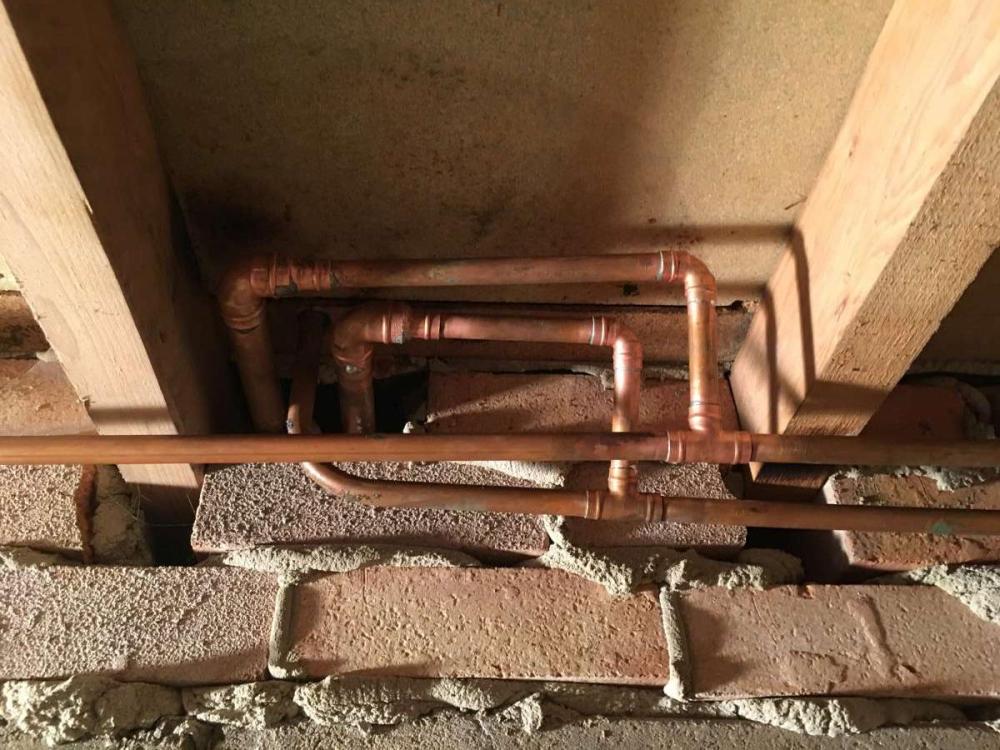
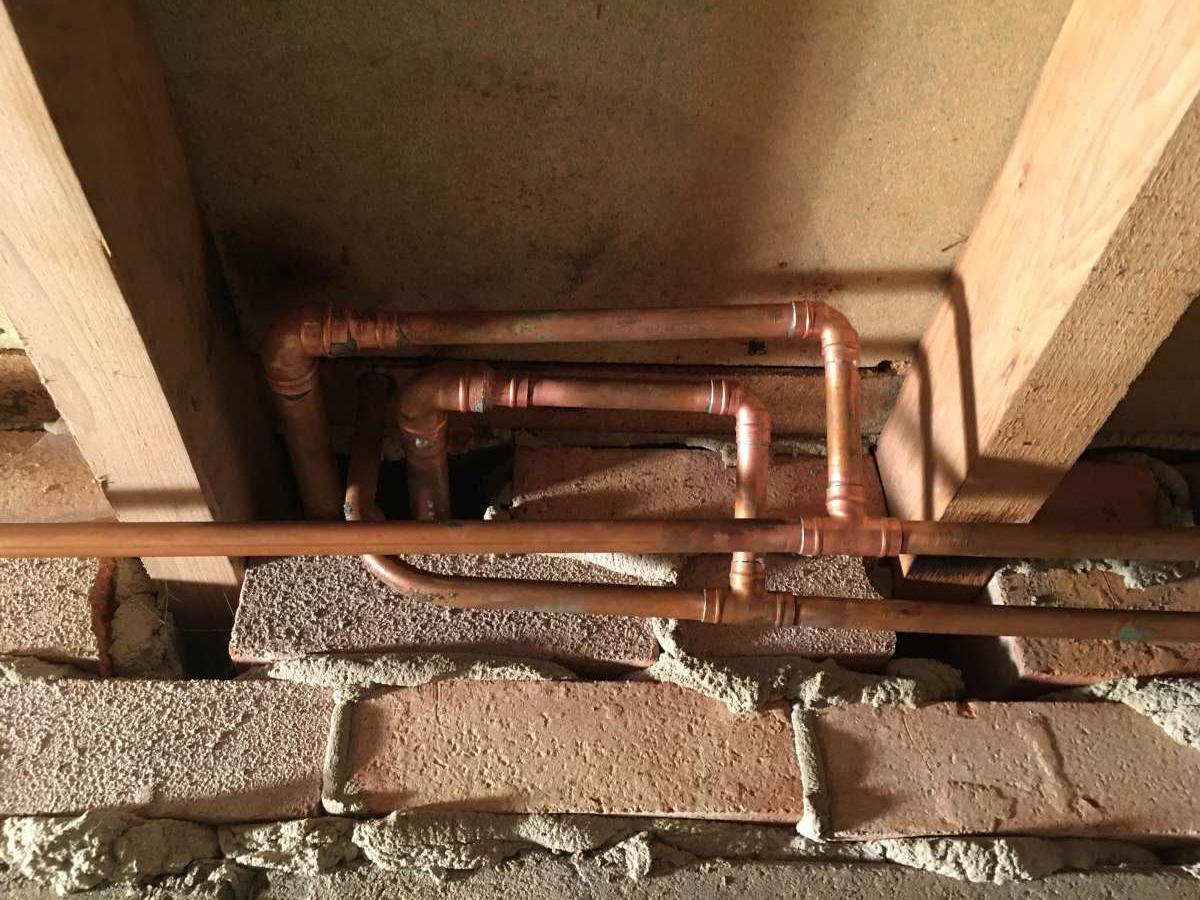
I've got a drain on the flow and return CH pipes that comes from the lowest point under the suspended wood floor and go straight out thro the wall and drain points are accessible via a small hatch in my decking and drain onto the gravel under my decking. only thing that is outside is the drain valve - I really should check one day if either of them actually get warm??? Picture taken before the pipes were lagged and before I put the 75mm PIR insulation above them under the floor Drains valves are to the right to (External to the house) Upper 22mm is the end of the flow and return pipes The pipes going to the left and up and to the left and the feed and return for the last rad on the system The pipework for this rad was a real dogs breakfast as it had been moved from one wall to another and the extended pipework wasn't lagged at all!!! I found similar around the rest of the house when I was under the floor