vagrantly3893
-
Posts
95 -
Joined
-
Last visited
Everything posted by vagrantly3893
-
Trying to design kitchen in difficult room
vagrantly3893 replied to vagrantly3893's topic in Kitchen Units & Worktops
Yeah I think we could put a radiator on the small wall between the 2 doors, as nothing else would fit in there. We'll ask the window fitter who is visiting today about replacing the window with a smaller one to accomodate a kitchen worktop. -
Trying to design kitchen in difficult room
vagrantly3893 replied to vagrantly3893's topic in Kitchen Units & Worktops
Problem then is we can't open the window. Another option is to brick up the opening between the kitchen and office. That then gives us almost 2 full walls to work with without changing the window/radiator. -
Trying to design kitchen in difficult room
vagrantly3893 replied to vagrantly3893's topic in Kitchen Units & Worktops
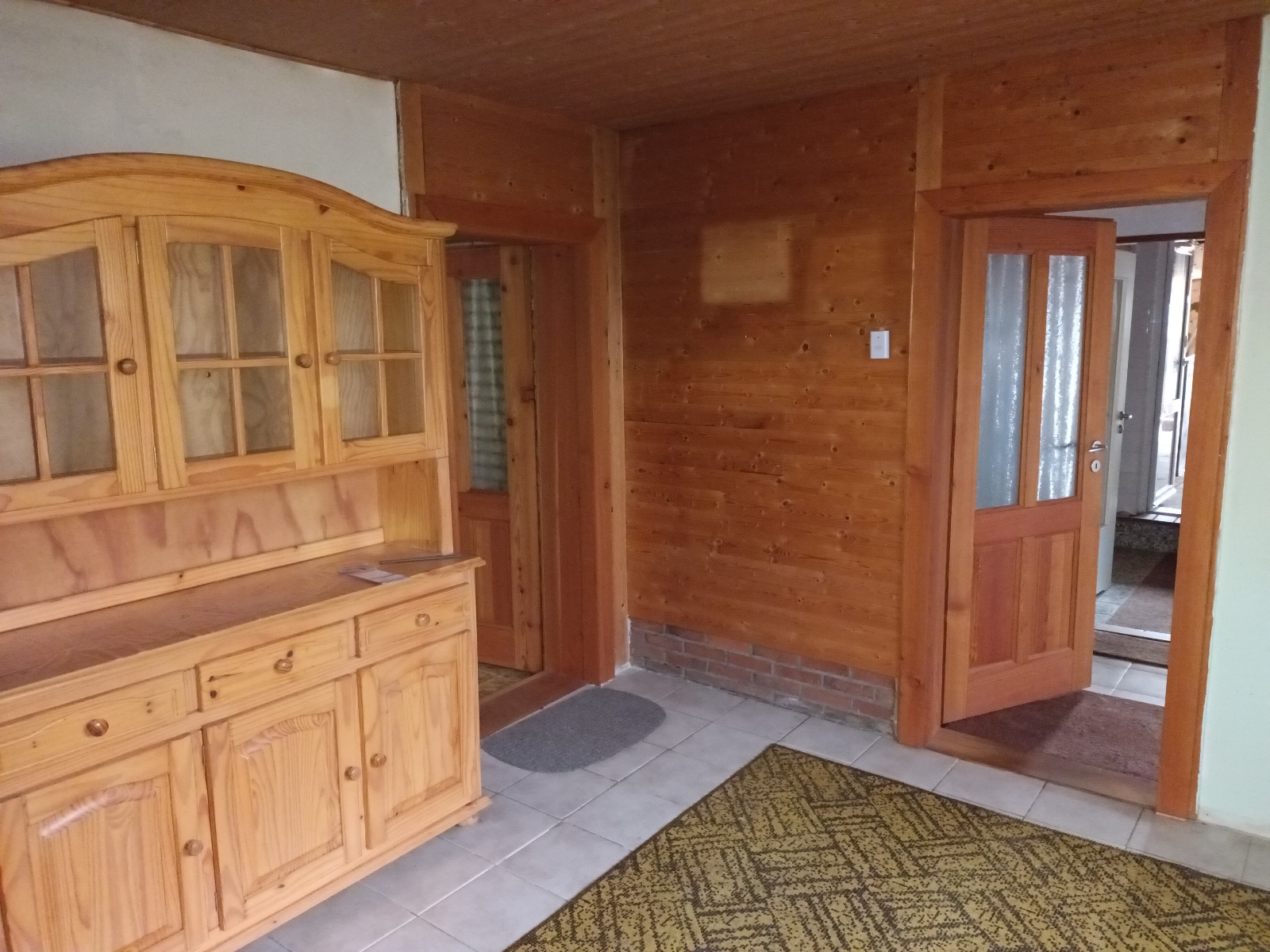
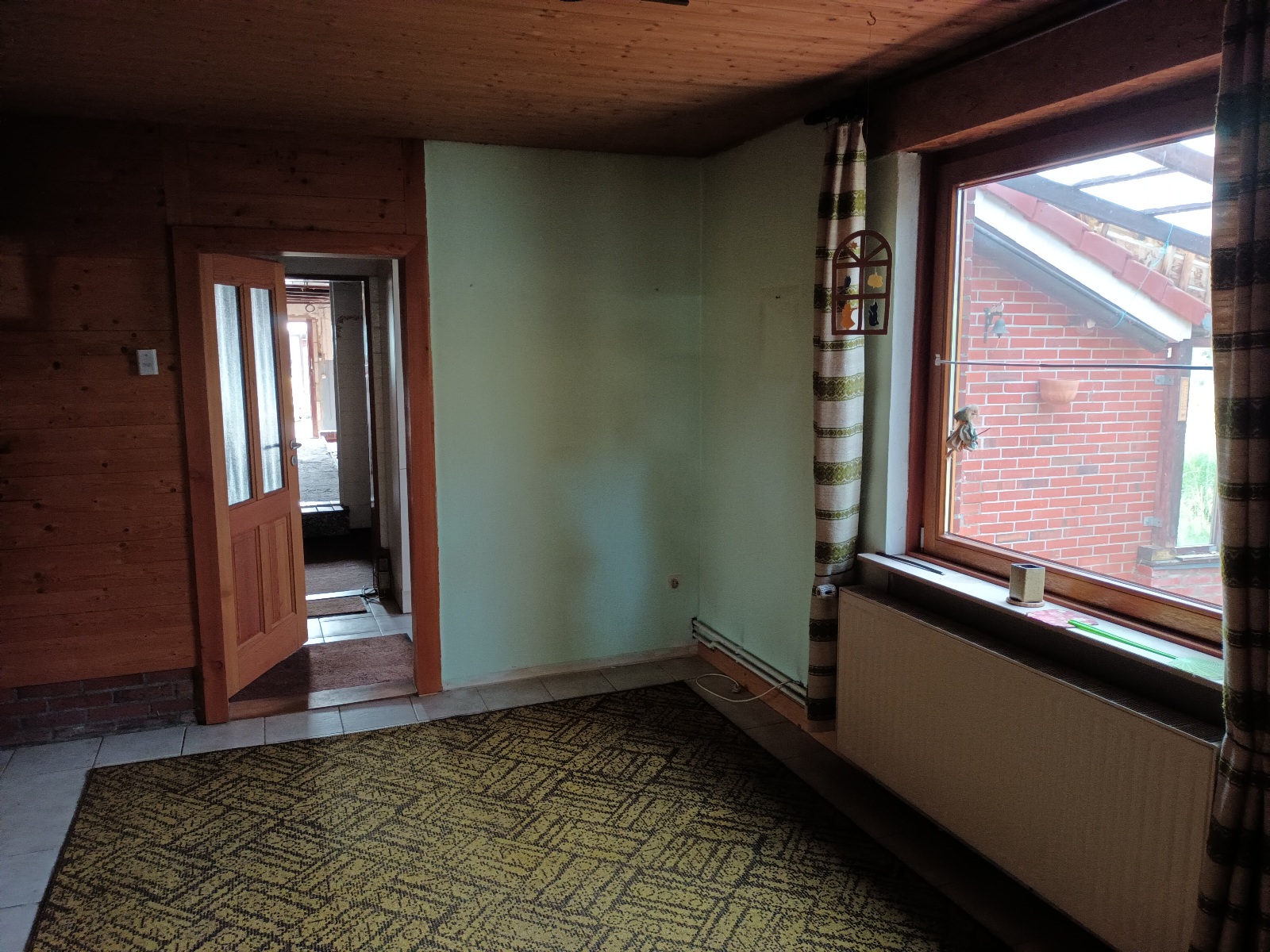
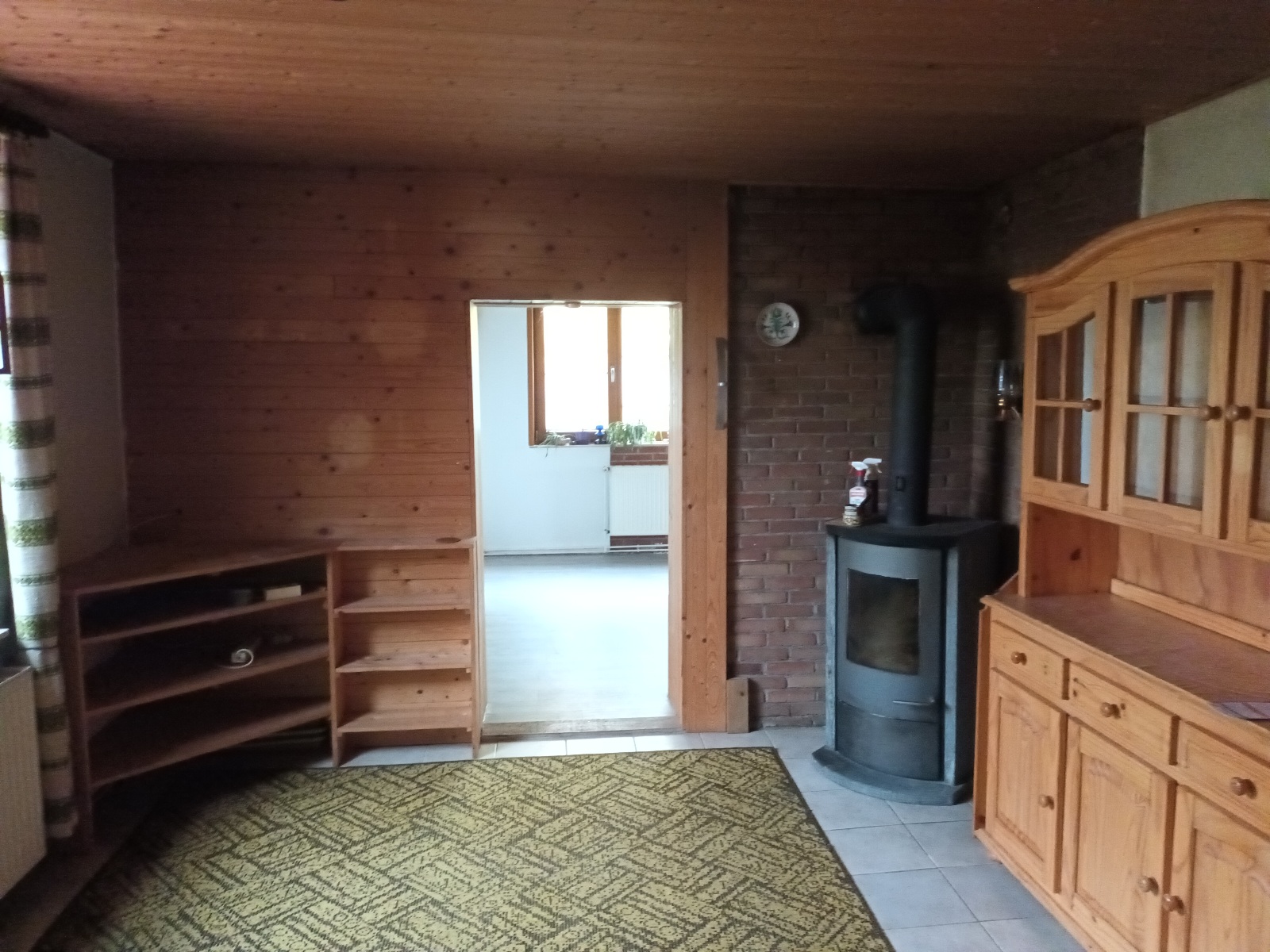
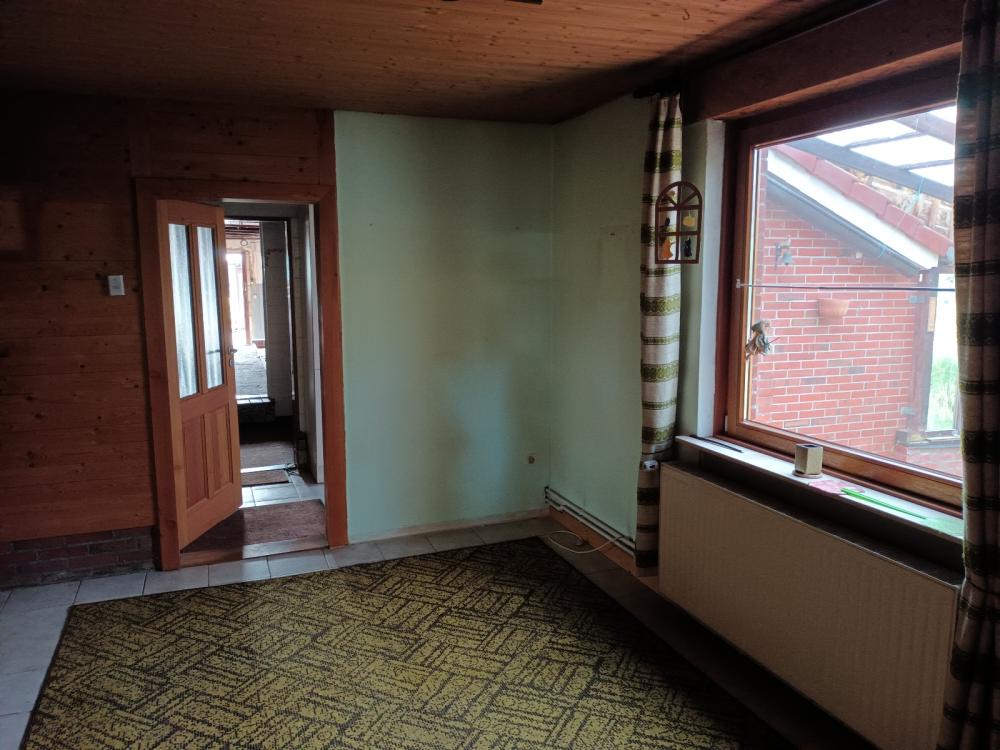
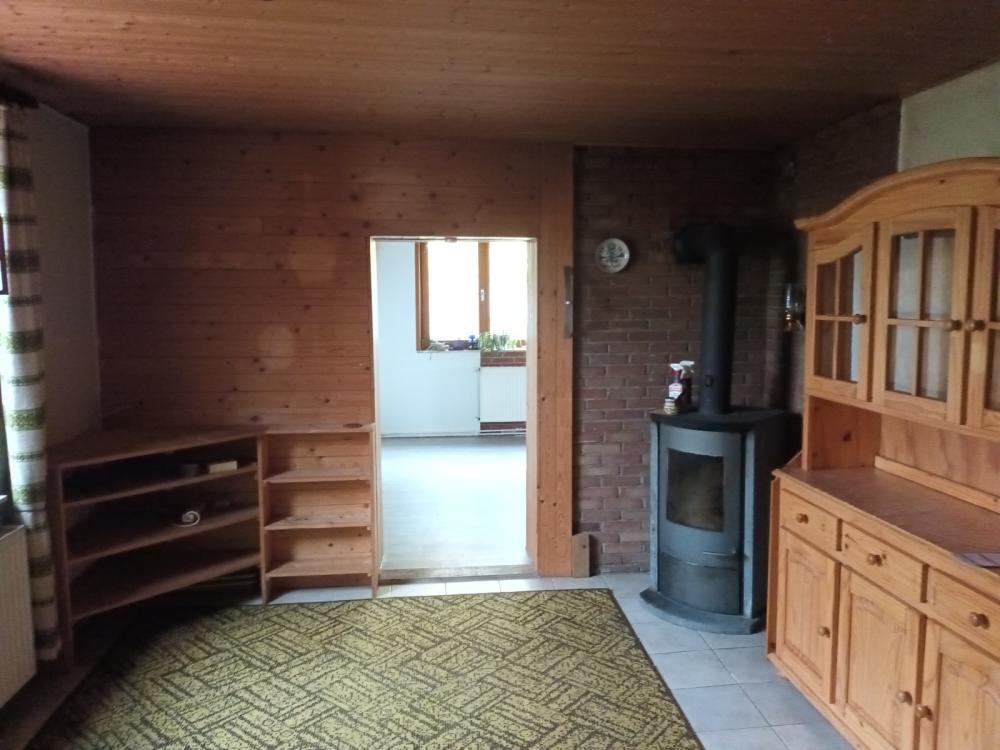
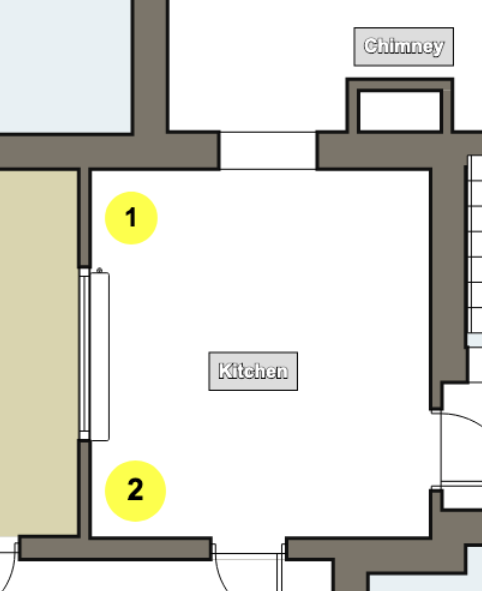
Here are some extra pictures. We have also discussed closing the doorway on the top wall, which would give us 2 full walls to work with.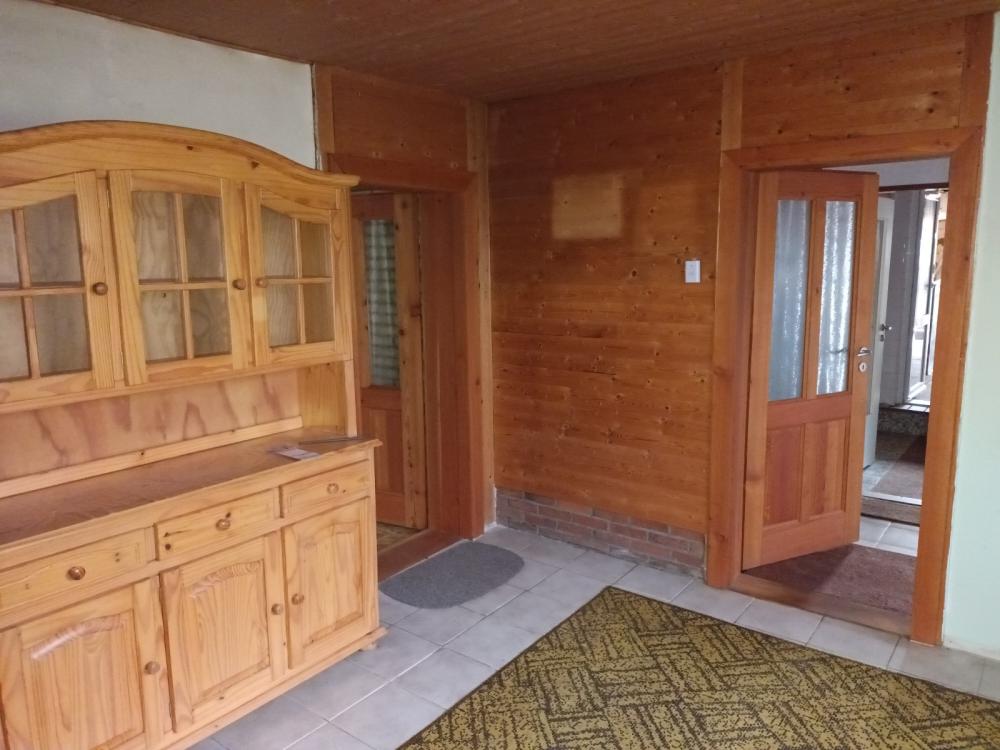
-
Trying to design kitchen in difficult room
vagrantly3893 replied to vagrantly3893's topic in Kitchen Units & Worktops
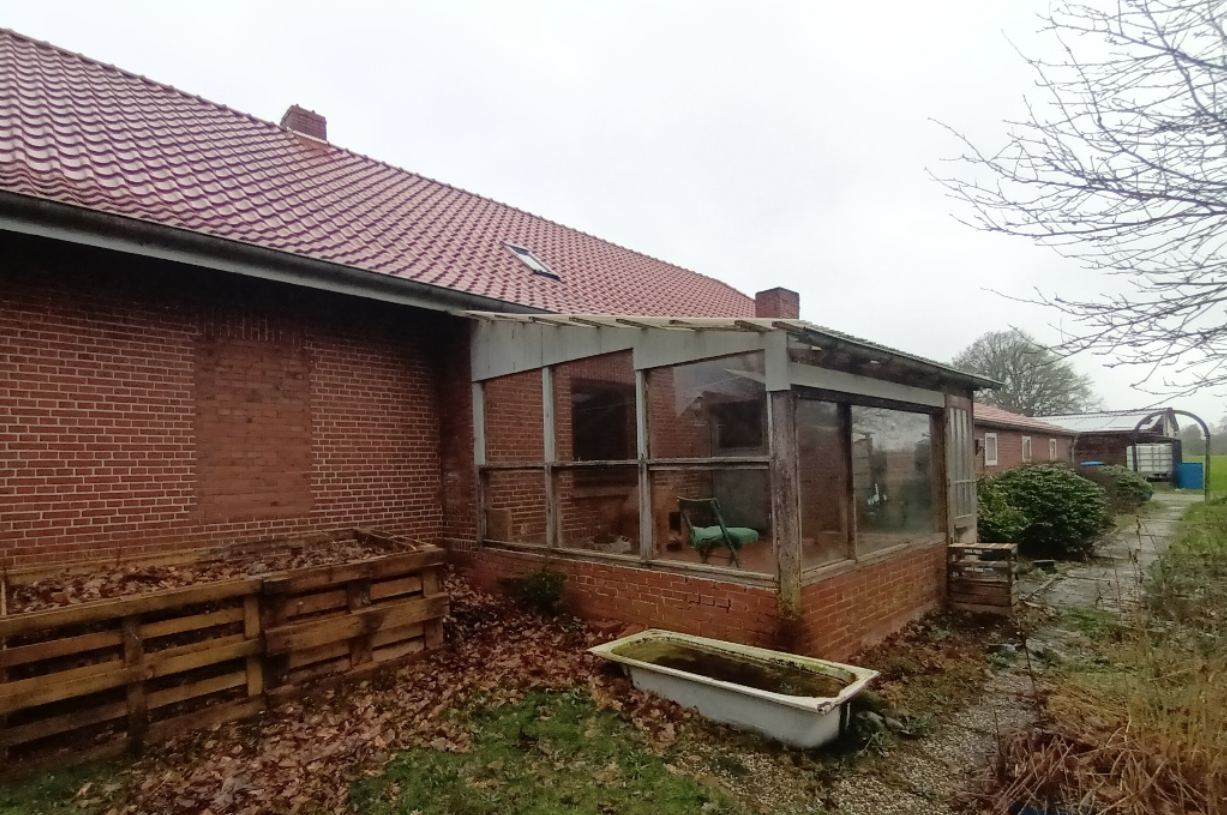
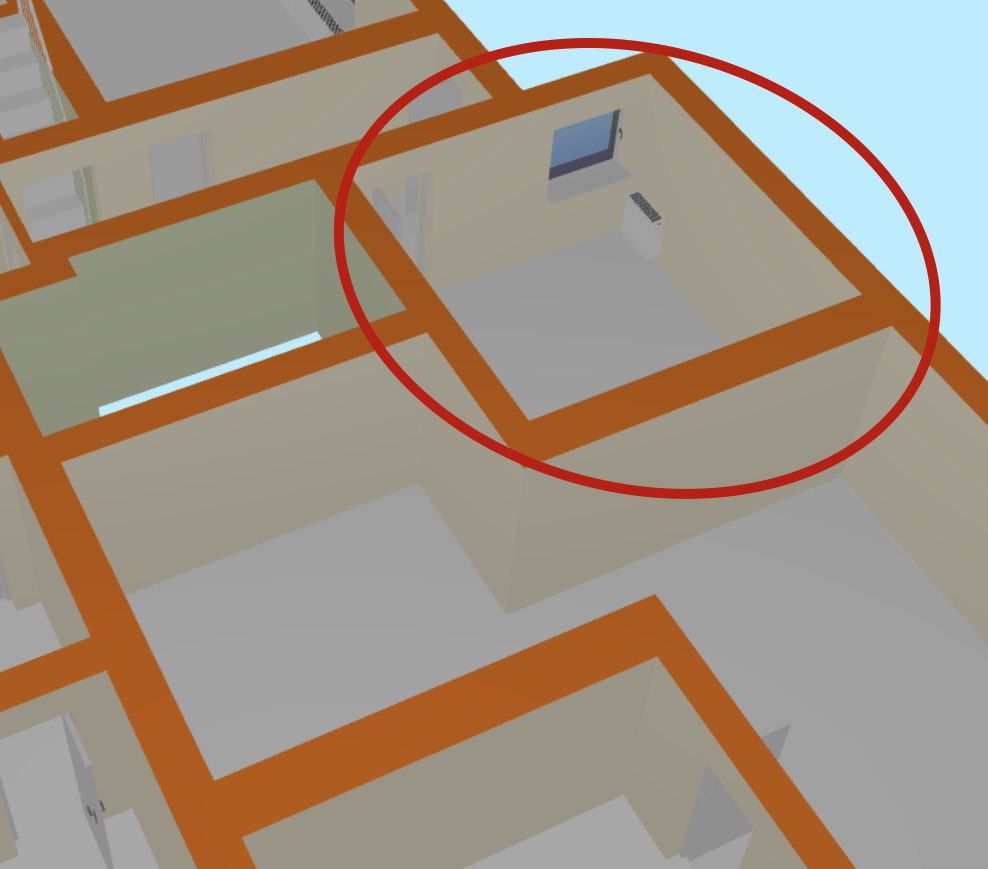
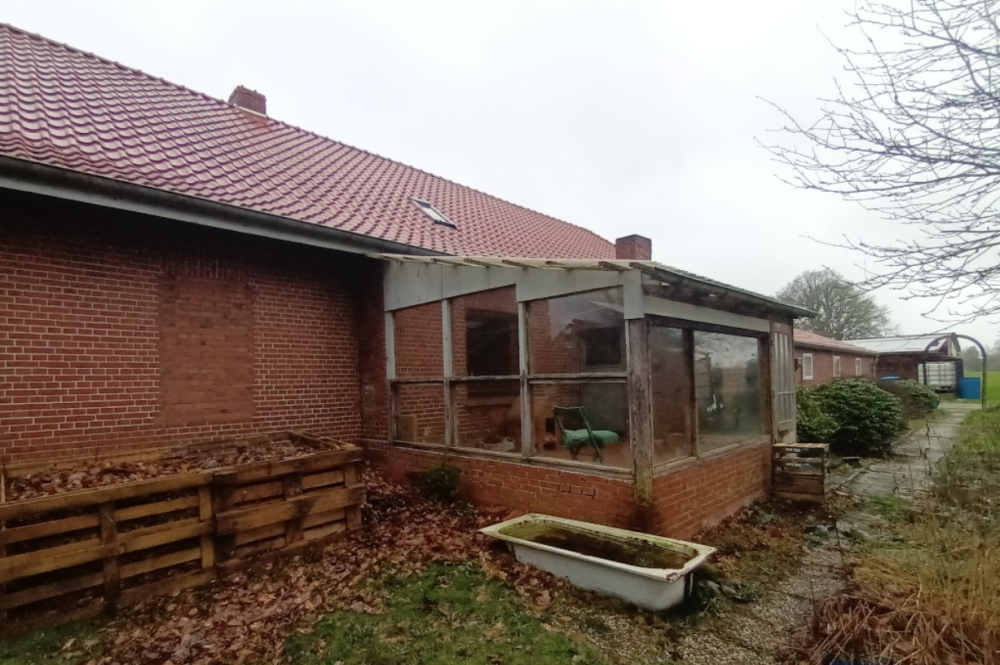
Yes, the window wall is the outside wall. There is a type of conservatory outside which we may or may not demolish in the future. I have included dimensions in the picture below: 360 x 390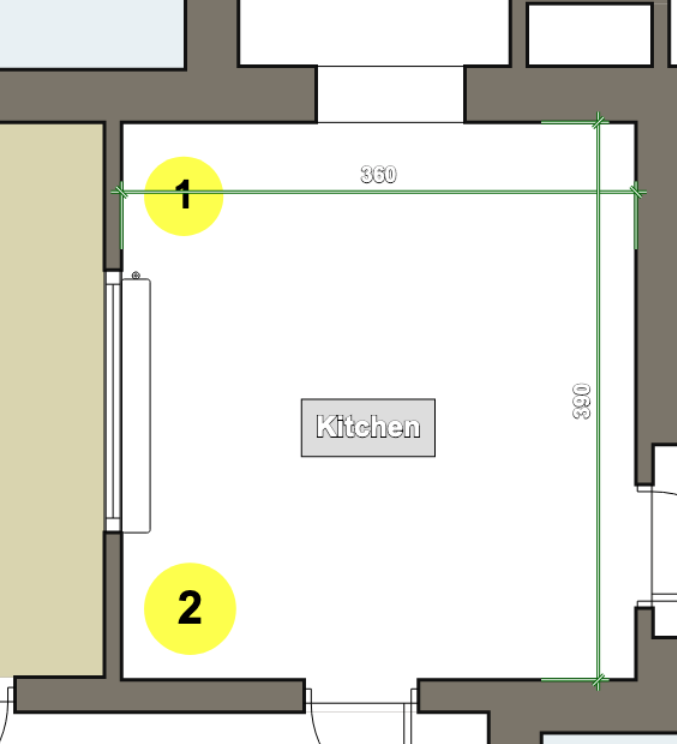
-
We are hoping to build a new kitchen in the attached room. 3 of the walls have a door, and the 4th wall has a radiator below a window that is too low to install cabinets. One option would be moving the radiator to position 1 or 2 and installing a new window. However we are trying to come up with a solution that doesn't involve this. The floor is solid concrete, so water pipes need to come from the ceiling (not a problem), and the waste water should therefore be next to the outside wall. Therefore we think the sink would be ideally placed in position 1 or 2. We thought a fridge could also be placed in position 1 or 2, and a kitchenette maybe with a peninsula could be installed along the inside wall. Perhaps where the radiator is, we could have either a small table, or a movable island. We have quite a lot of storage space in a small basement next to the room, which could be useful for pantry and less used items.
-
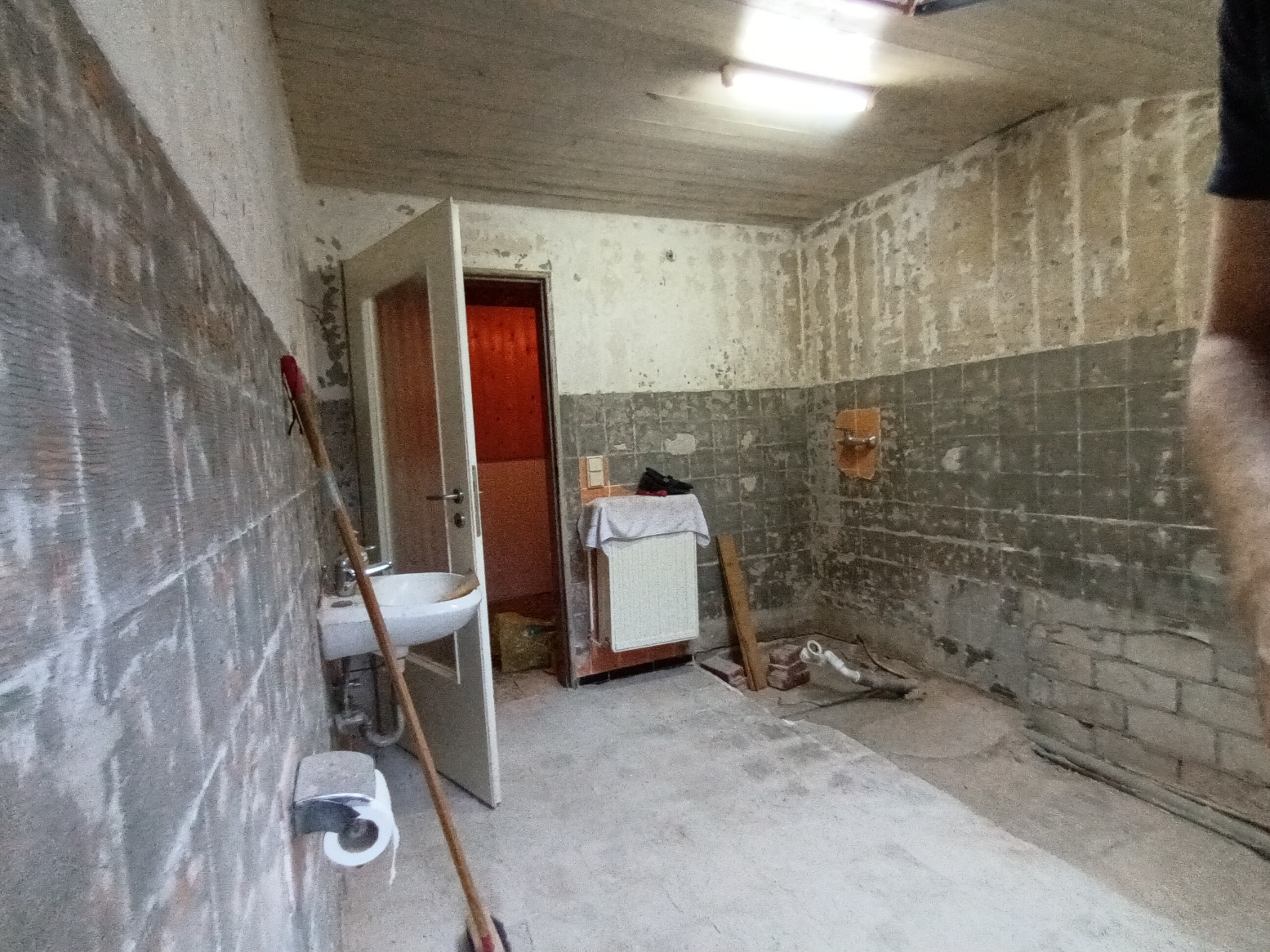
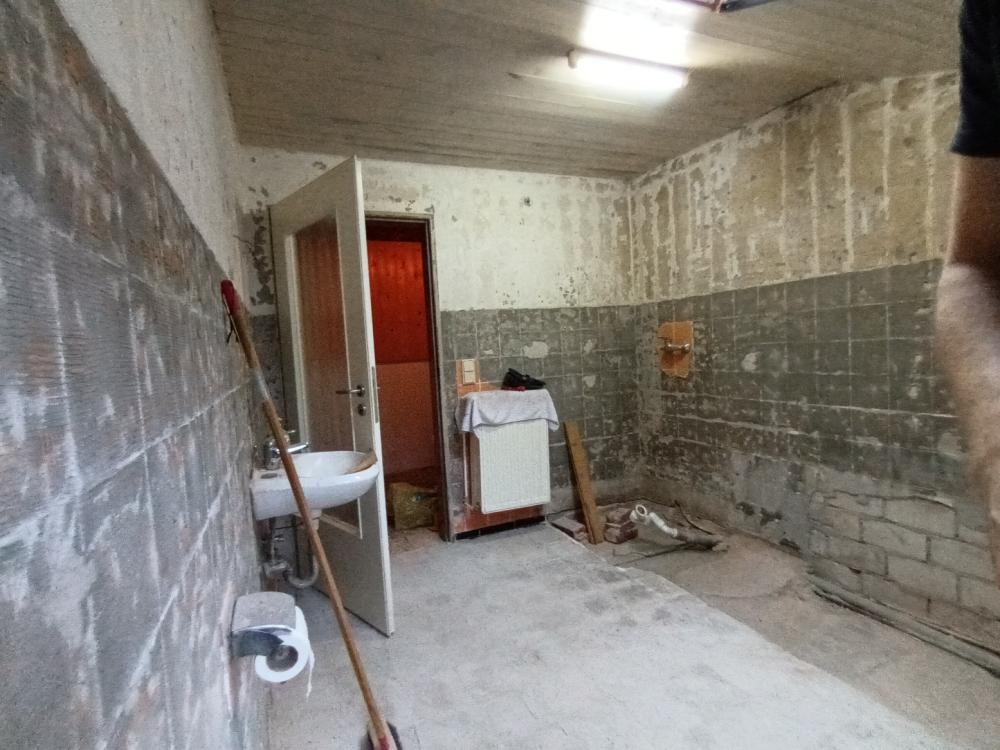
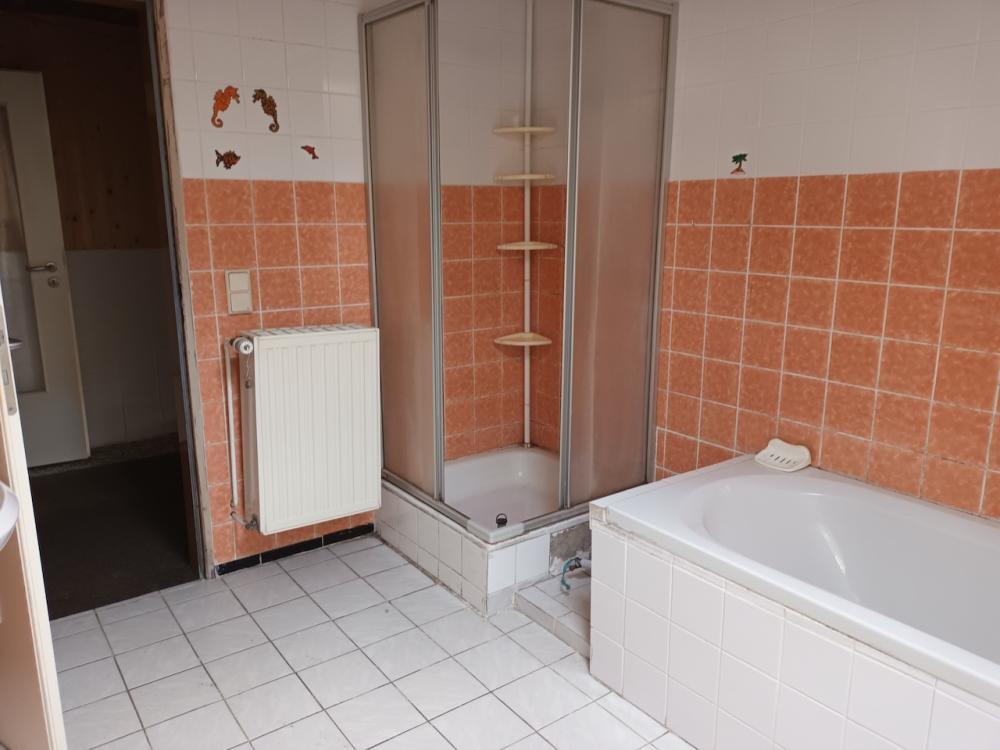
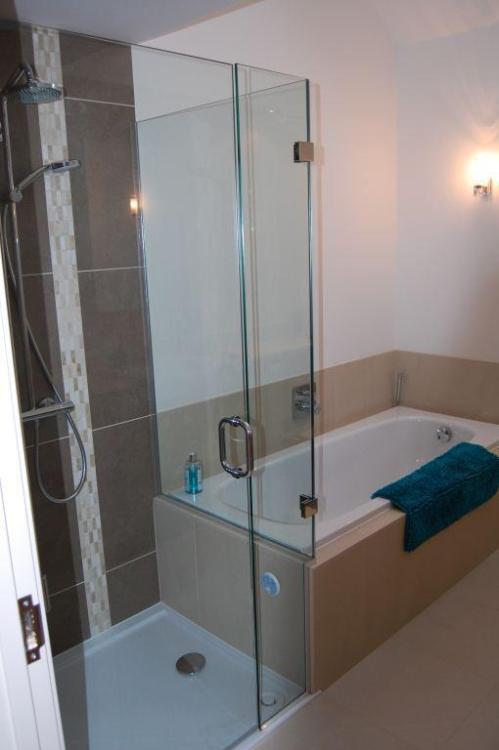
Yeah it's all give now. The ceiling where the bath is slopes down, so we can only have a shower in the corner. We really want to avoid having this little gap between the bathtub and shower enclosure
-
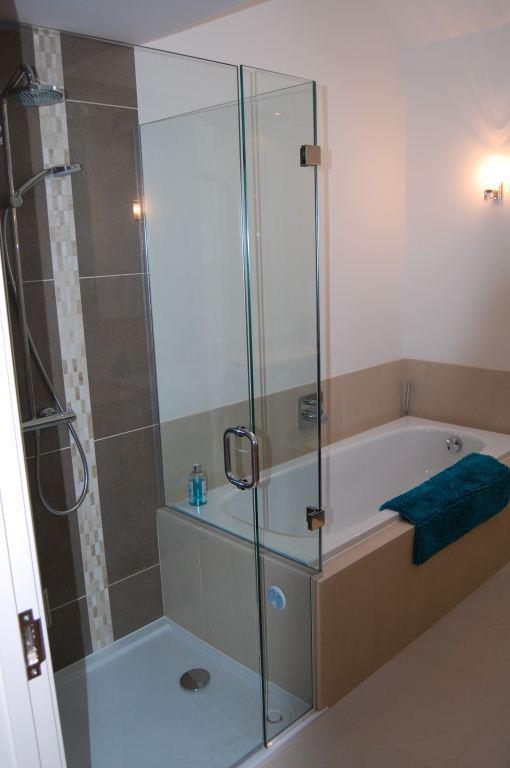
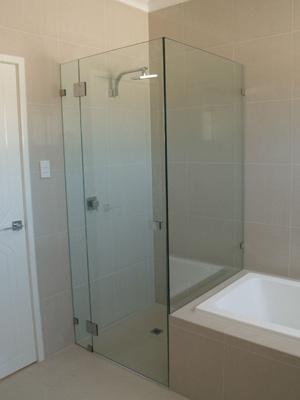
So we can probably take an off the shelf door, and have a piece of glass custom made to fit between the shower enclosure and bath tub? In our case there will be a radiator on the adjacent wall, so perhaps we need to be careful when opening the door.
-
We are currently thinking about our new bathroom installation and would like to avoid having a gap between the bathtub and shower cubicle. Our wish is something like below, where we install the 180cm bathtub, and then use the rest of the available space in the corner (around 118cm) for the shower enclosure. There is enough space in the floor to install a walk in instead of using a tray which is a good start. Do they sell glass enclosures like pictured below? i.e. a door, and a shorter seperator
-
Thanks for the info. I actually live in Germany now however many manufacturers, system setup and products seem to be the same as the UK.
-
We haven't moved in to the property so we don't know what our consumption will be. But I think you're meaning is, if we have a bigger tank, we'll need a slightly bigger PV design than if we had a smaller tank. My goal now is to ensure the cylinder we buy is compatible with a PV system. I.e. it has an electric immersion heater.
-
Me neither regarding PV size. I'm more focused on future proofing our system. Do you have some information on the amount of water heater by the immersion Vs gas? E.g 80% gas, 20% electricity. I assume this depends on the kW of the immersion and the gas?
-
Yes, PV would be my preference. What are the arguments for the bigger cylinder if using PV? To get the most usage from the PV? I'm not really interested in using extra hot water just for the sake of it.
-
This is what I am most interested in actually because the south facing portion of our roof is 100sqm. I need to ask the installing for a cylinder that has/accepts an immersion heater.
-
Once the 300L is heated and we are using around 120L per day, we just need to reheat the 120L, and keep the 180L from dropping in temperature, which I assume doesn't happen very quickly because of the tank insulation. If we had 120L, we'd also be reheating 120L a day, but without keeping the extra 180L hot. I'm not sure how quickly the water temperature drops, but I think perhaps there isn't much difference between the 2 options.
-
Is this the system where you insert an extra electric immersion heater in to the hot water cylinder and detect when your PV is sending electricity back to the grid, and then switch on the immersion heater to use the excess electricity to heat the water?
-
At the beginning stage, having spoken with a company and received 2 offers. Currently the property has 1 boiler for heating and 1 for hot water. We are replacing this with a new boiler and a cylinder. Radiators will have the valves replaced and the system will be balanced.
-
We are renewing our heating and hot water system and have the option of either a 120l hot water cylinder that would be heated only by gas, or a 300l hot water cylinder that would be heated by gas and solar thermal. The house has 1 bathroom and 2 adults. My wife has 1 or 2 baths per week and showers daily. I shower every other day. Considering the tank required for solar thermal has an extra 180l of water to heat that we probably don't even need, should we consider solar thermal as a solution? I don't know how to calculate it, but I think even with the solar thermal system, we would still consume more gas per year to heat 300l of water than to heat 120l of water.
-
Insulating a room that was extended in to our barn
vagrantly3893 replied to vagrantly3893's topic in Heat Insulation
A rebuild might be the best option then. Do it right. A friend of ours recently had a room built out in to her barn and she was very happy with it. We could even dig the floor down and have it insulated. It's only the bedroom so insulation isn't so important as we're only there over night, tucked up warm in the bed. We haven't actually moved in yet so we don't know how the property feels over winter. Perhaps best to wait and see before making major changes.- 4 replies
-
- 1
-

-
- barn
- barn conversion
- (and 2 more)
-
Insulating a room that was extended in to our barn
vagrantly3893 replied to vagrantly3893's topic in Heat Insulation
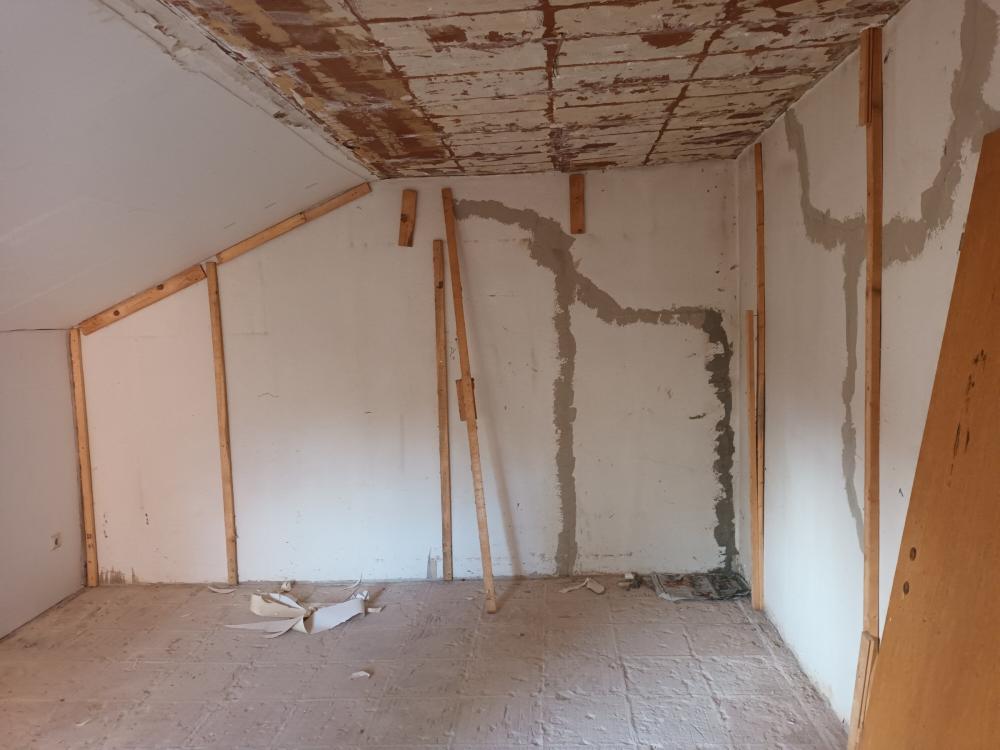
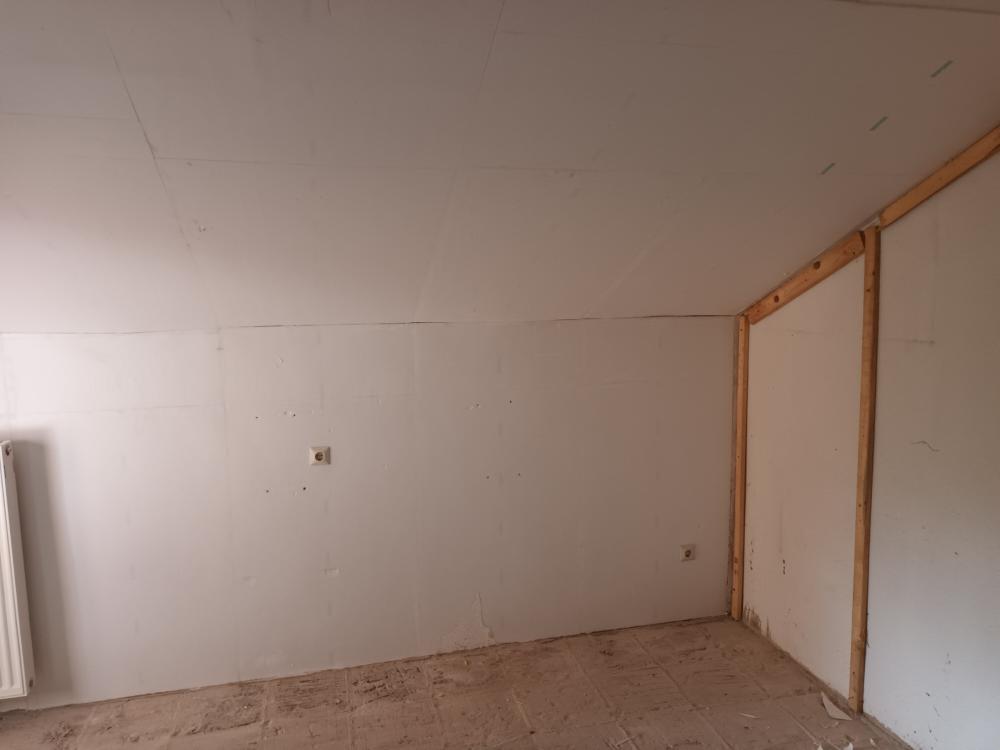
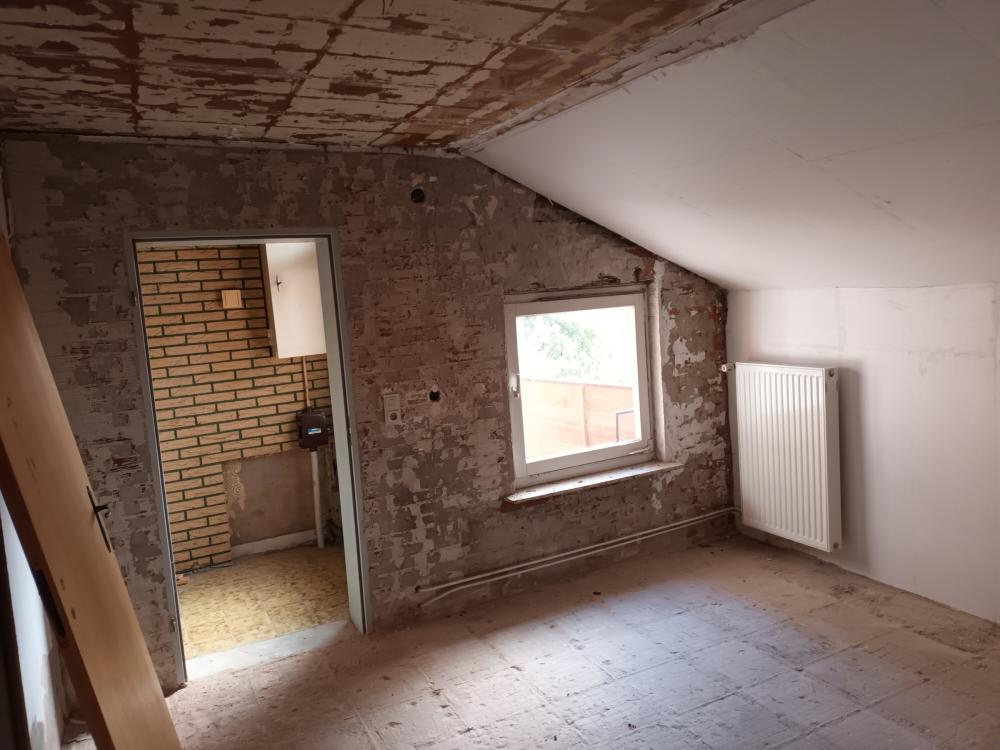
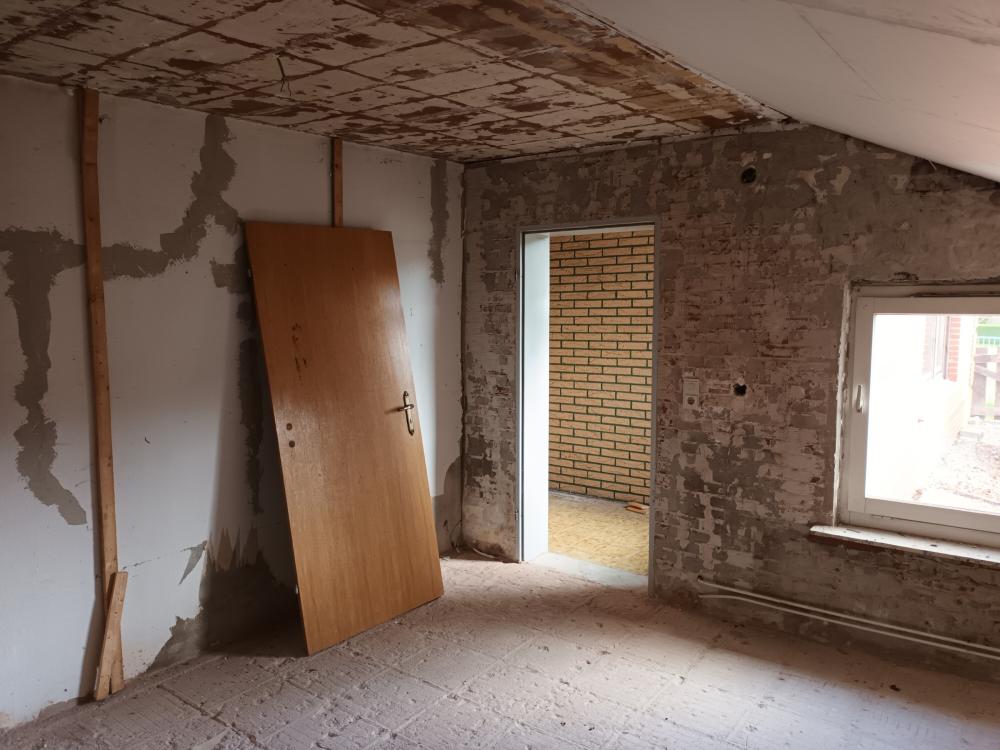
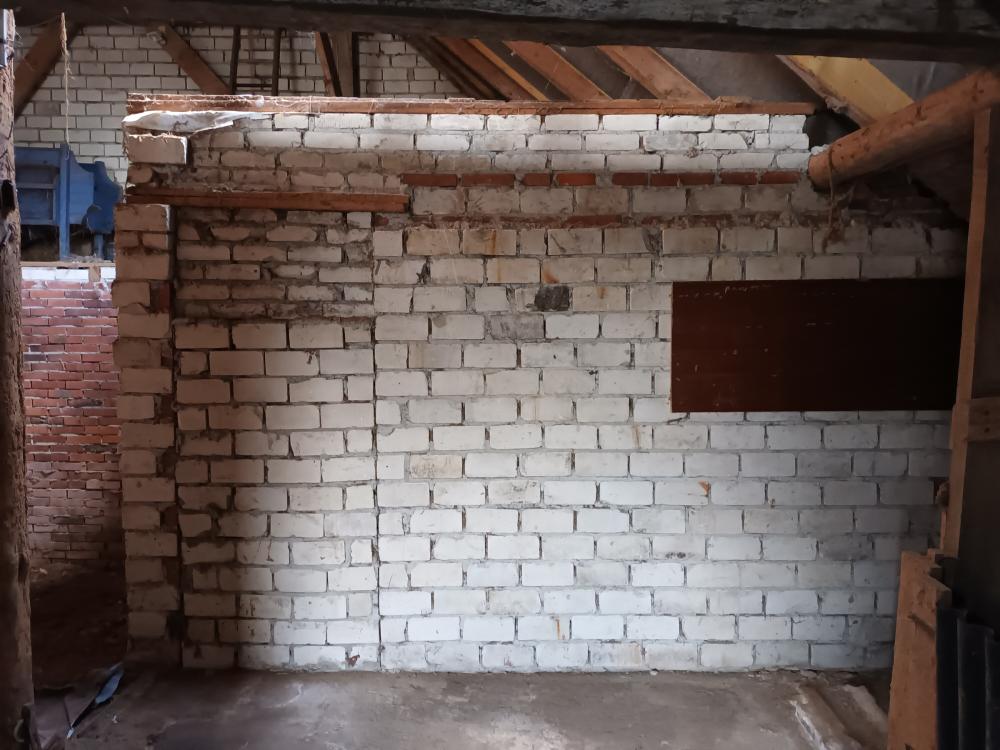
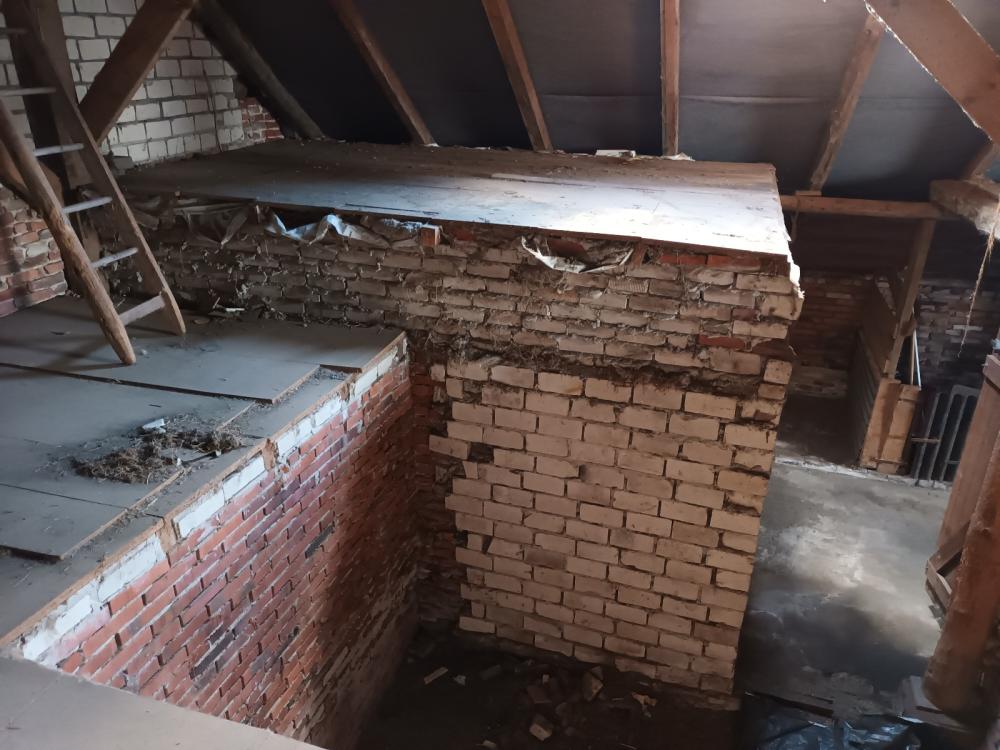
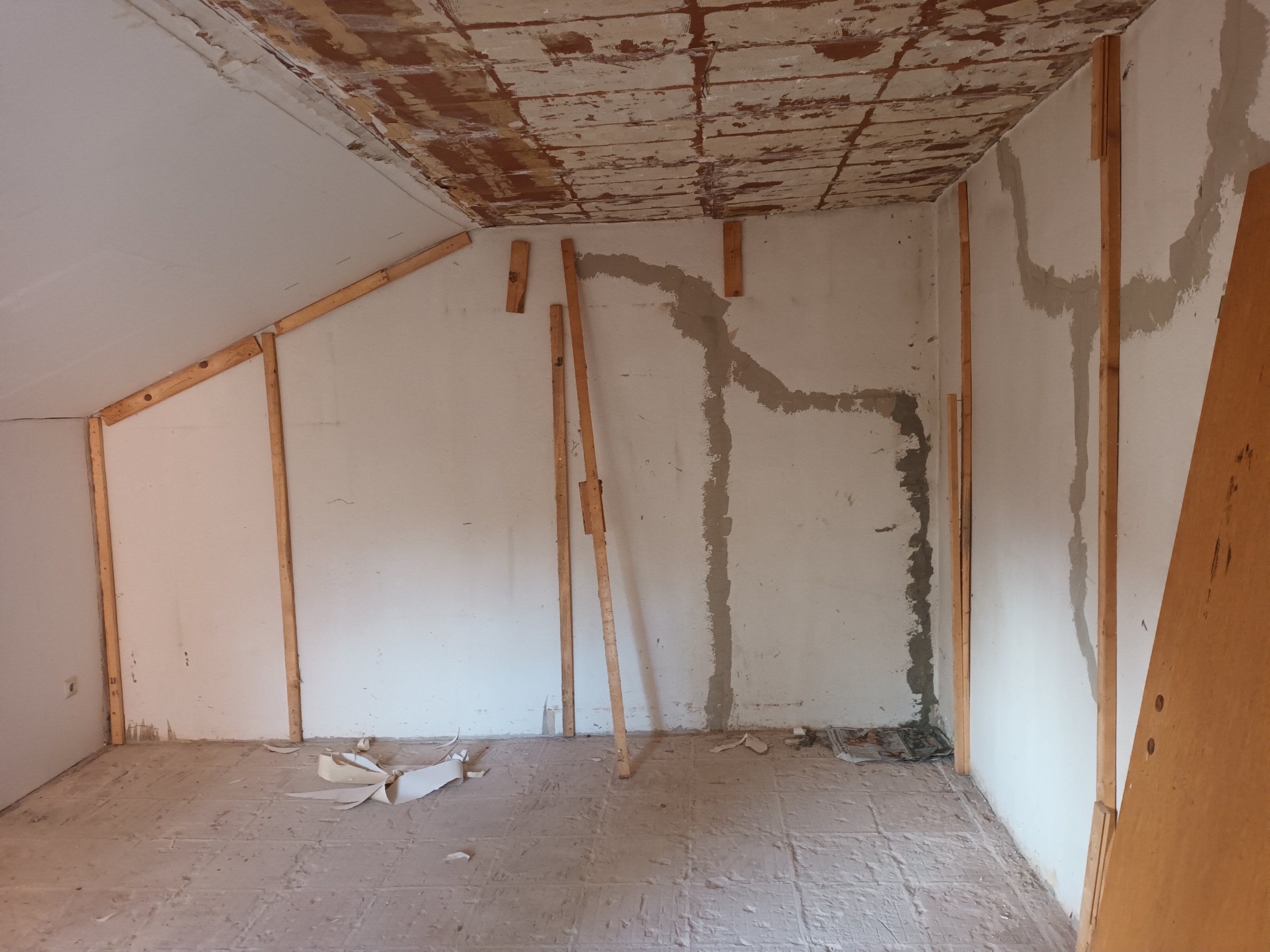
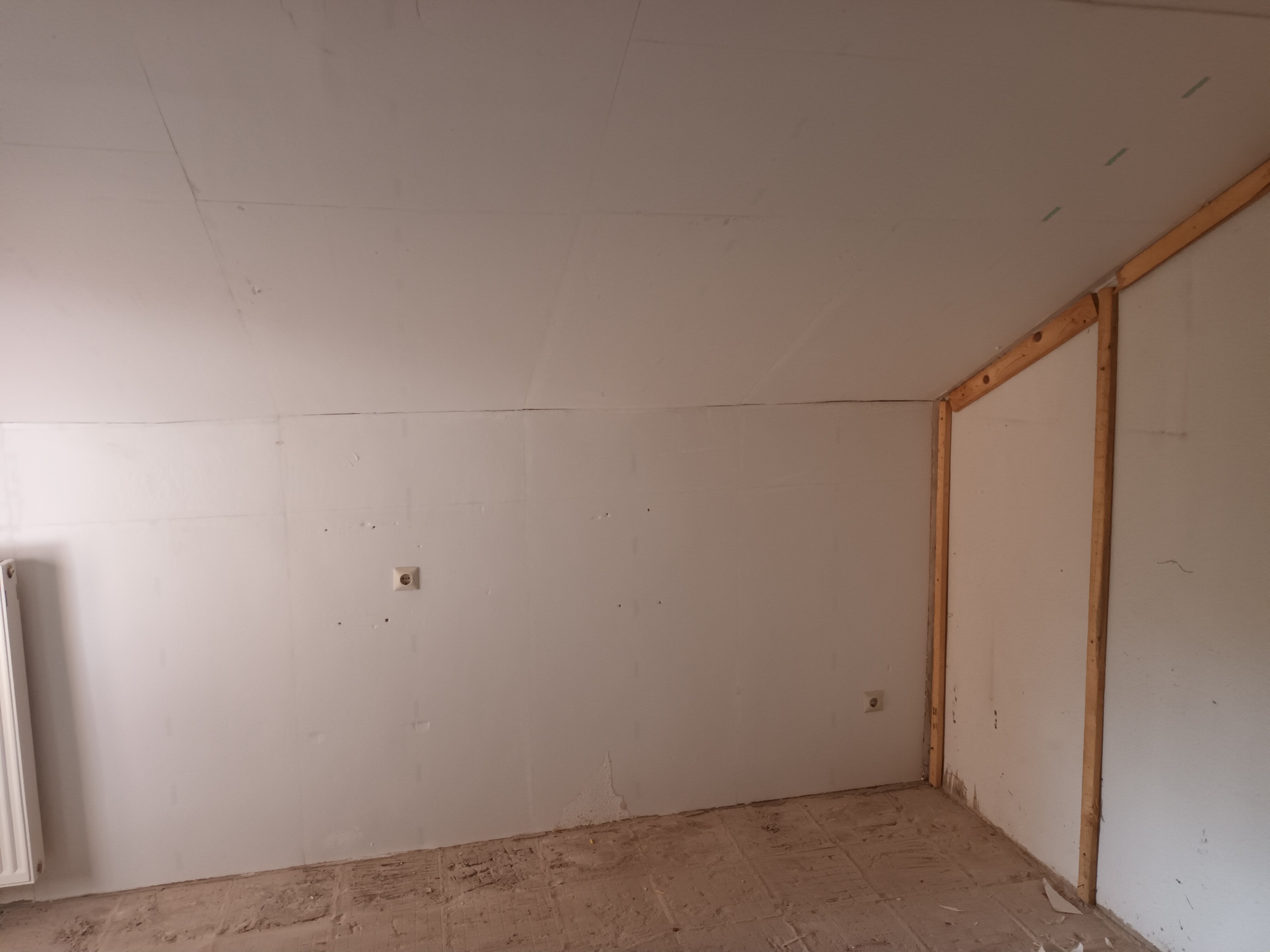
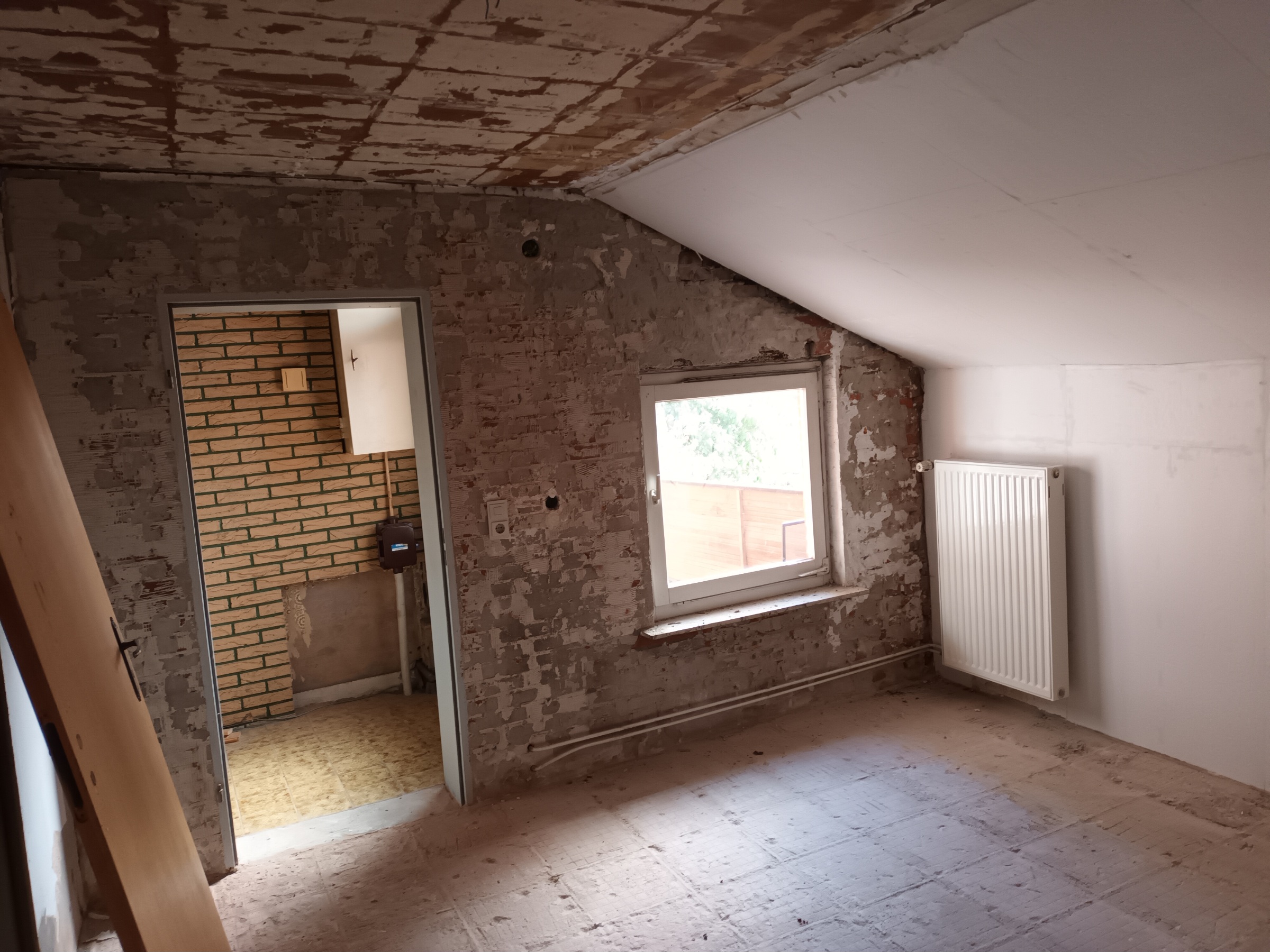
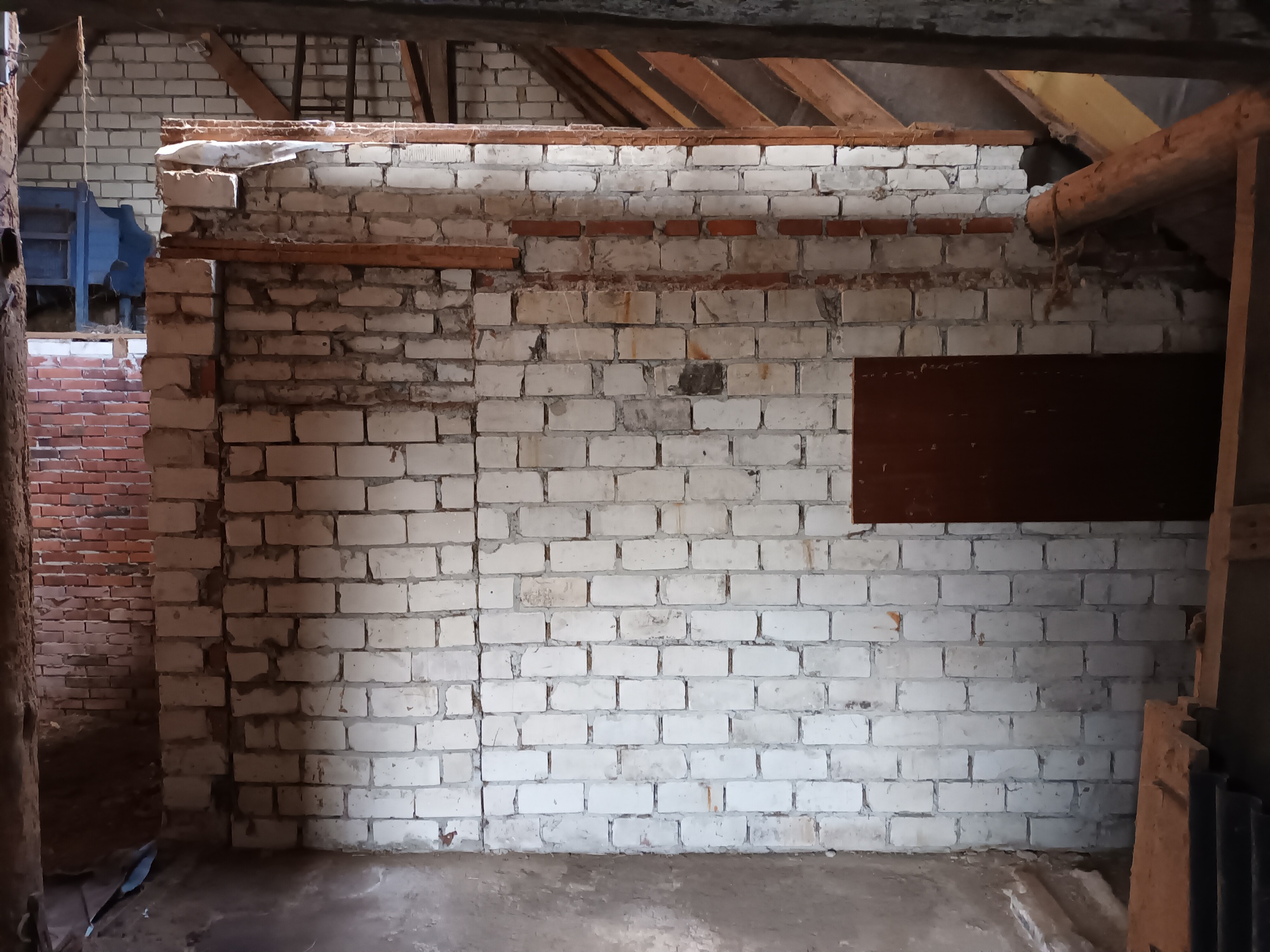
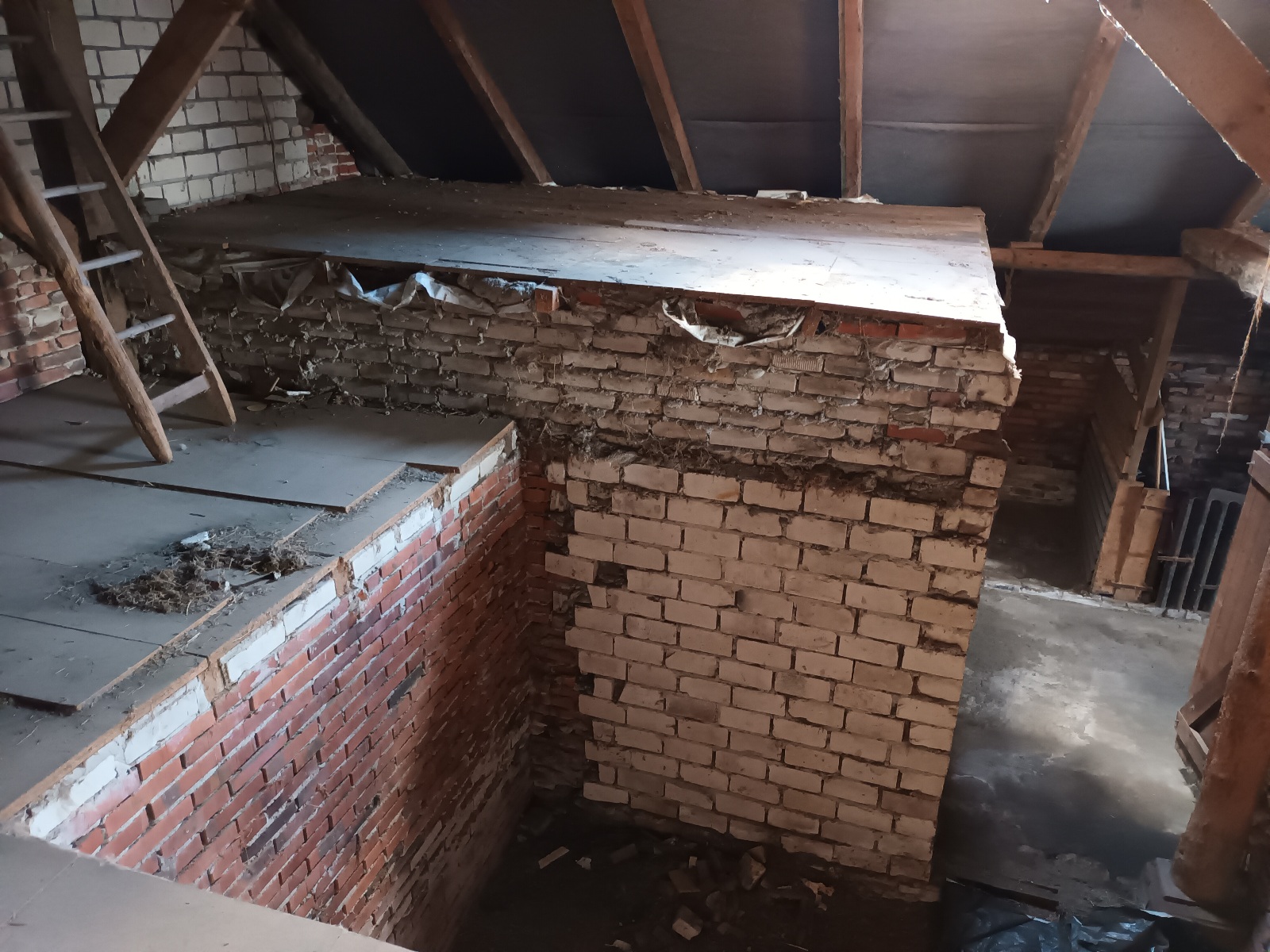
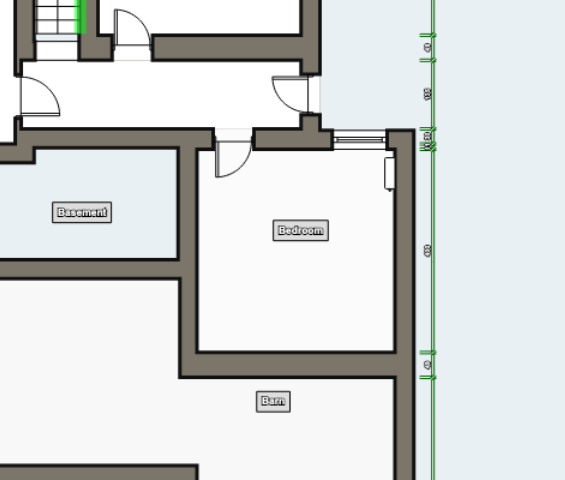
Nice idea, here are a couple more pictures: There are no abutting walls. Yes it looks like a DIY job from previous owners, but ideally we don't want to build from scratch. Yes, we are based in Germany. I only ask on here because my German is still not so great. I haven't looked at products yet. I was hoping to get an idea of possibilities before browsing for products.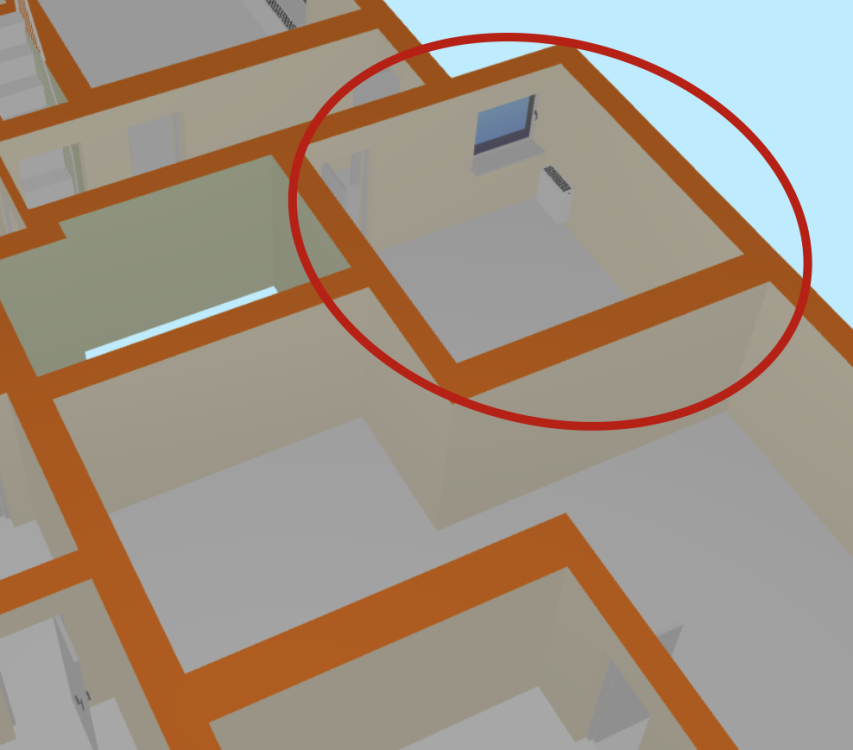
-
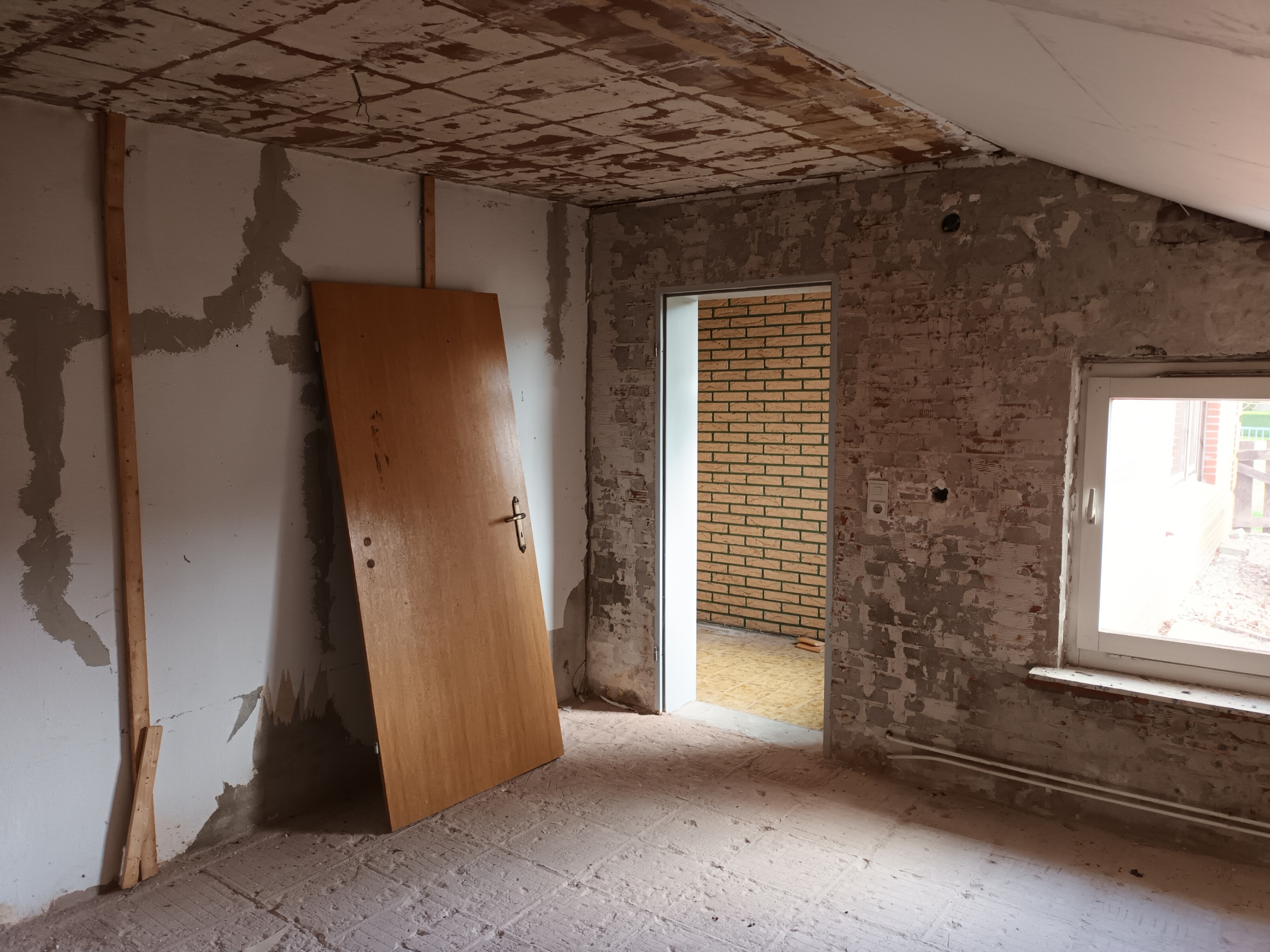
Our new property has a bedroom that has been extended in to the barn: Wall 1: Half the wall is internal, half external. External: Solid brickwall, double glazed window. Wall 2: Solid external wall. This wall has a radiator and sloping roof which is insulated with mineral wool. The wall and sloping roof have thin styrofoam stuck against it. Wall 3: This wall connects with the barn. Previously it was covered with wood panels and styrofoam insulation was loosely placed between the wall and the wood. Not sure if this provided any insulation. Wall 4: The only square wall: Previously it was covered with wood panels and styrofoam insulation was loosely placed between the wall and the wood. Half the wall is in the barn, and the other half connects to an unheated storage room. Floor: concrete Ceiling: Wood. I'm not sure if this is insulated. Will need to have a look. Perhaps I could just roll out some mineral wool on the flat roof of the room? Because we haven't lived in this property we don't know how well this room heats and retains heat. The exposure to external walls is quite small because of the sloping roof and the wall with the window & door is only half external. The barn is cold (perhaps the same temperature as outside?). However there won't be any rain or wind inside the barn so we don't need to worry about moisure coming through the wall from the outside. I am thinking of insulating the walls internally, but not sure which will have the best impact. Only one wall is square. The other 3 have the sloping roof profile. The wall with the door frame and window seem to be the most difficult to insulate, and the wall with the sloping roof only has maybe 4ft height exposed to the external wall. The walls to the barn seem like the easiest to insulate as we don't need to worry about windows, door, sockets, pipes etc.