vagrantly3893
-
Posts
95 -
Joined
-
Last visited
Everything posted by vagrantly3893
-
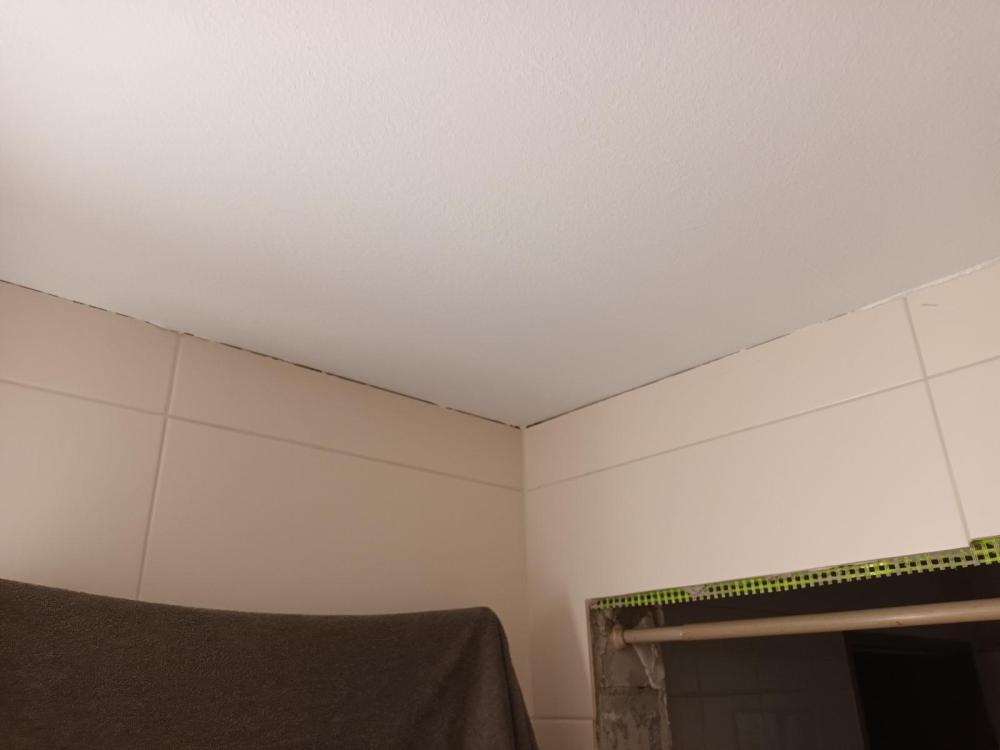
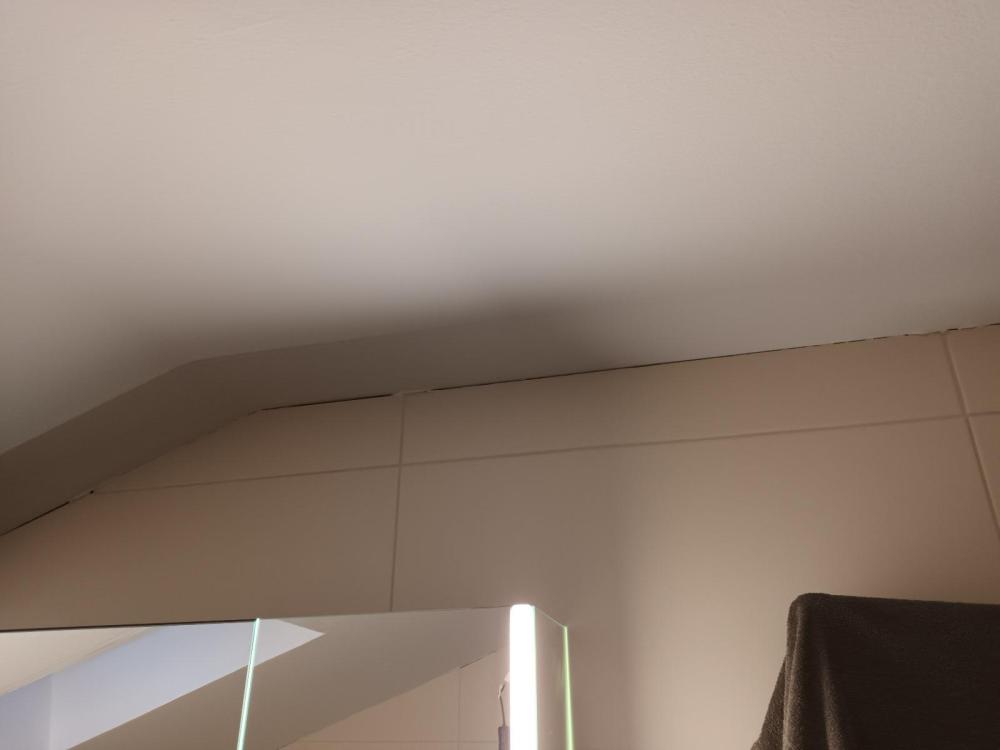
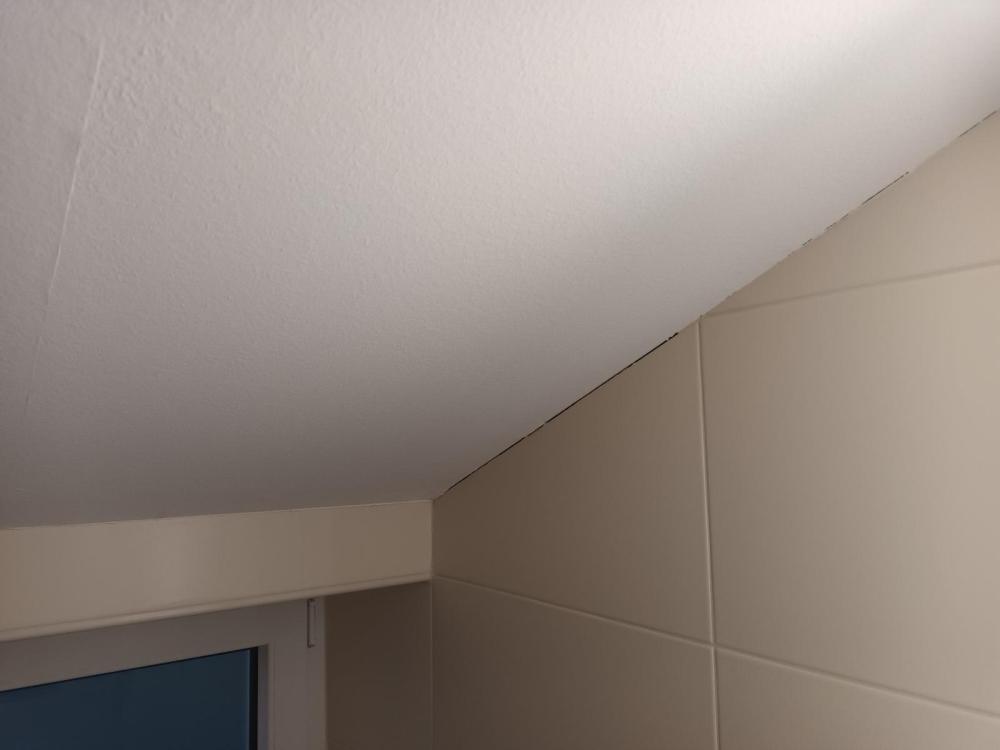
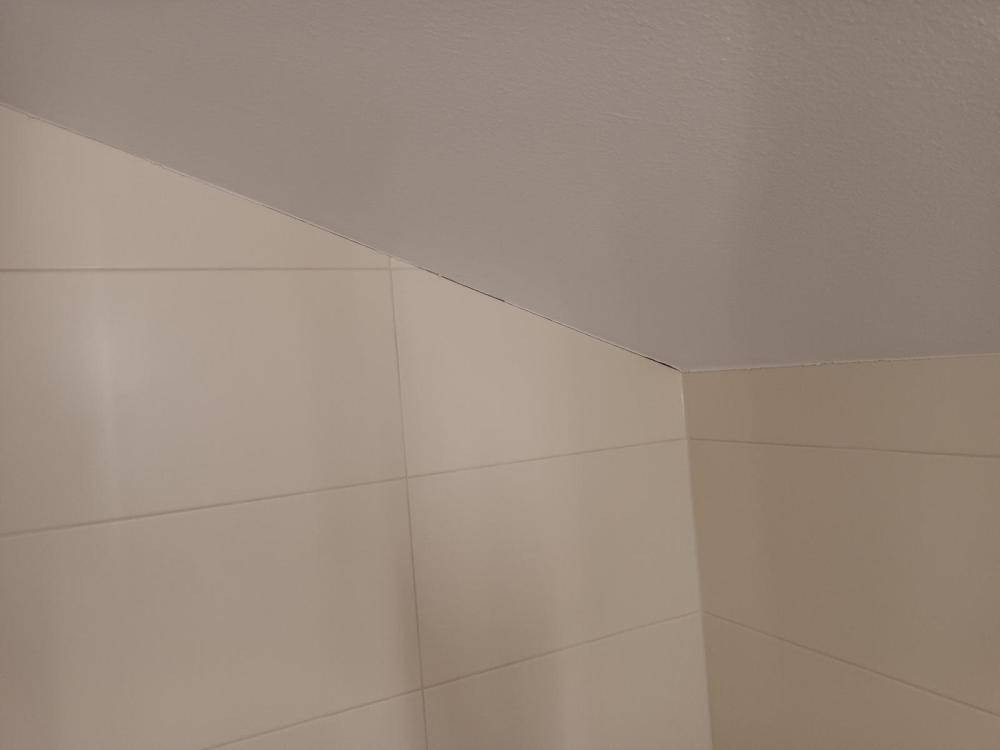
sealing where the wall meets the ceiling
vagrantly3893 replied to vagrantly3893's topic in Bathrooms, Ensuites & Wetrooms
Thanks. Elsewhere I have been suggested decorators caulk, which can be painted afterwards. -
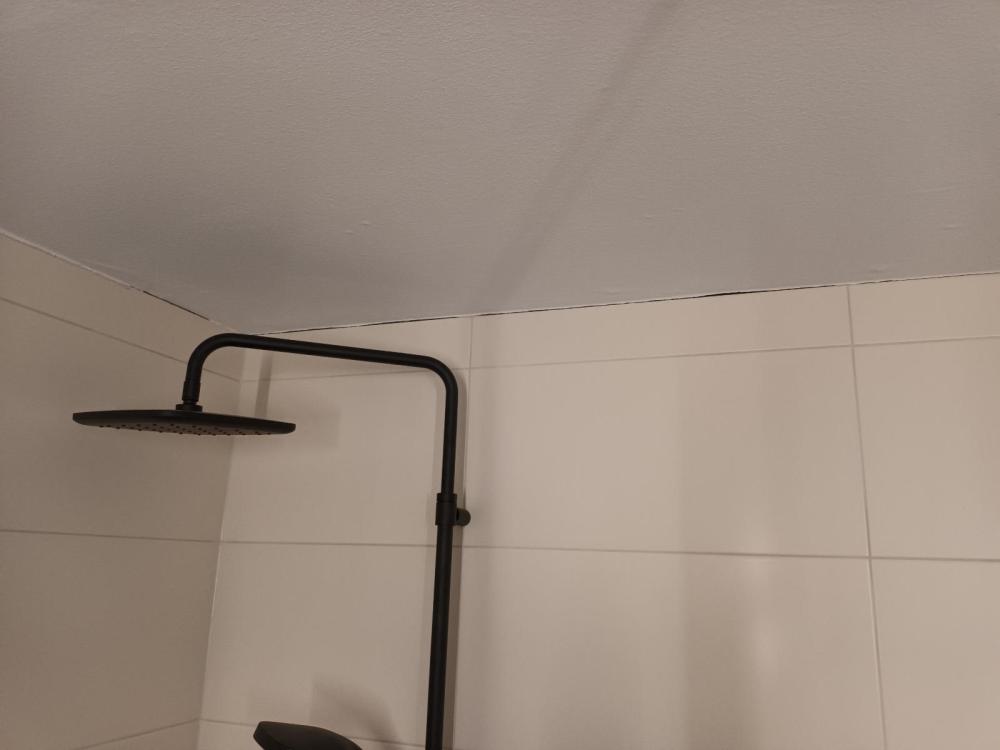
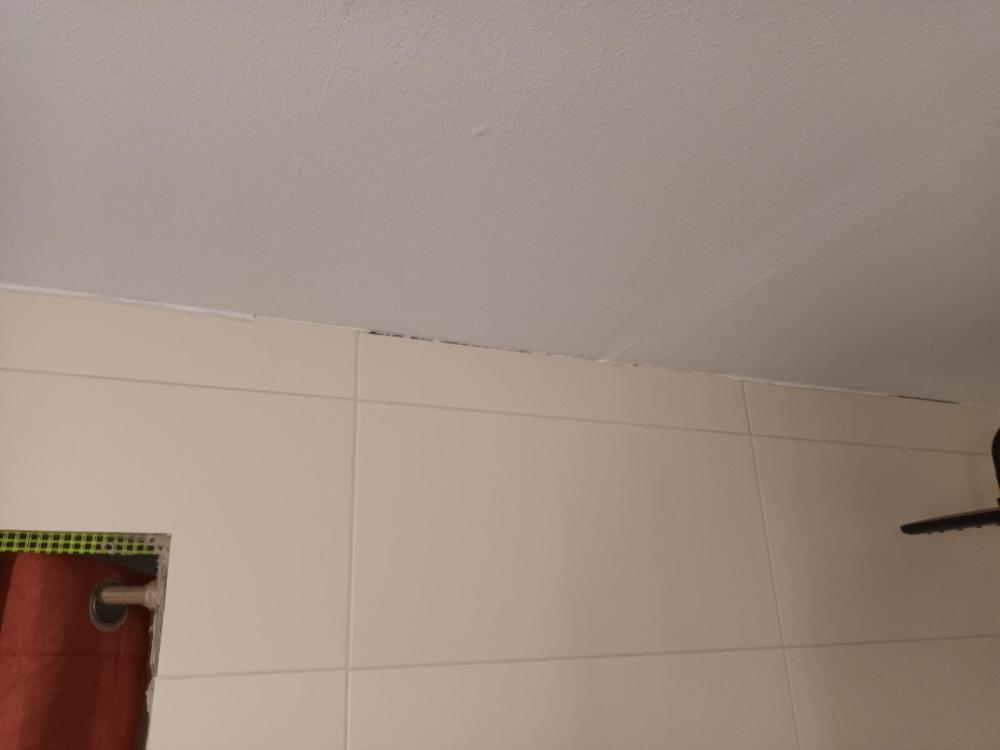
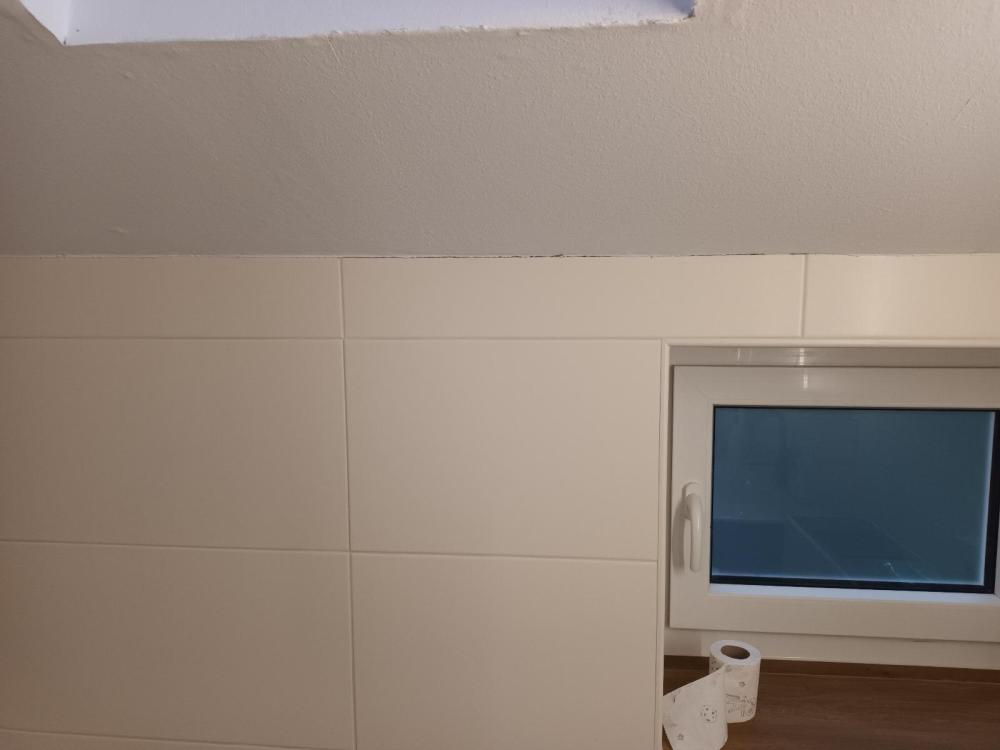
Hello, I am finishing my bathroom however I wallpapered and painted the ceiling before I sealed the gap between ceiling and wall. Should I use decorators caulk for this, or silicone? And if silicon, should it include some mould resistant properties?
-
waste pipe is running back towards house
vagrantly3893 replied to vagrantly3893's topic in Waste & Sewerage
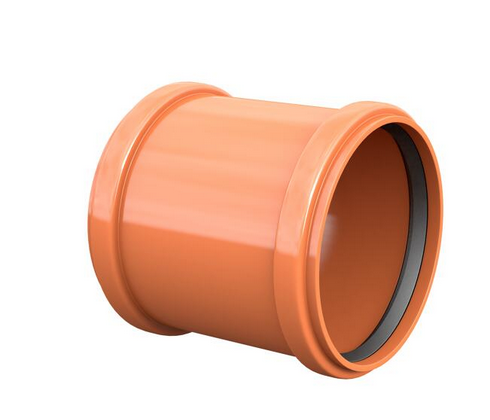
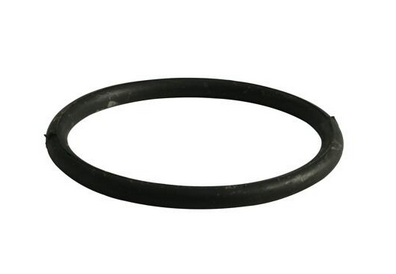
Thanks. The existing grey sleeve is still dripping a little. A drop every couple of seconds. So my plan is to replace the grey inspection chamber with this: And replacing the grey sleeve with this: Where the connections are made, is a seal also required?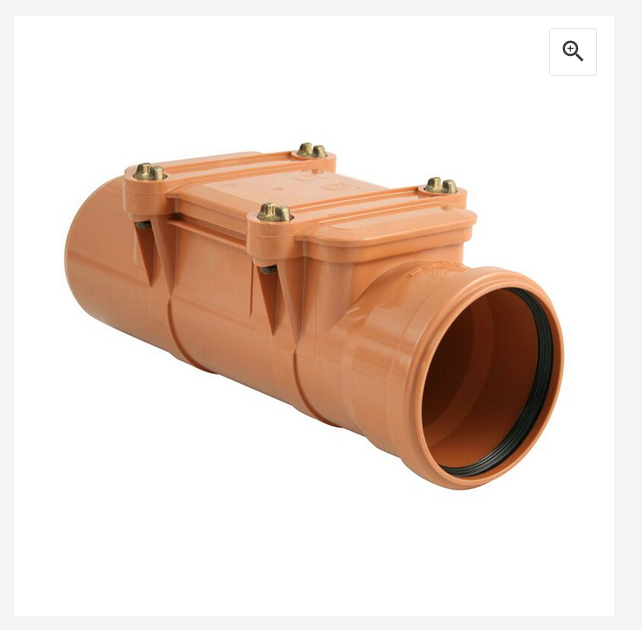
-
how to insulate ceiling of room beneath barn
vagrantly3893 replied to vagrantly3893's topic in Heat Insulation
Yeah I wouldn't mind leaving that part of the barn open as we don't need it for storage and you can't walk there because the roof is low in that area. For the caulk, is it also a good idea to tape over the joints after caulking with don't vapour barrier tape? -
how to insulate ceiling of room beneath barn
vagrantly3893 replied to vagrantly3893's topic in Heat Insulation
So ideally we want to prevent any air escaping the heated space through the ceiling (and probably anywhere else), because when the heated air escapes, the air cools and the moisture in the air will condense against the wood once it passes through the insulation? 2. Do you have any recommendations for "permanently flexible sealant"? 4. Is it OK that the sides of the sandwich are left open? Do we also have the option to just leave the sandwich open, like you would in an unwalkable insulated attic? -
waste pipe is running back towards house
vagrantly3893 replied to vagrantly3893's topic in Waste & Sewerage
Yeah I thought he would replace everything from the house to the existing long grey pipe. But I wasn't there today to discuss with him. -
waste pipe is running back towards house
vagrantly3893 replied to vagrantly3893's topic in Waste & Sewerage
Yes I need to check if that is a step or if it's just some orange pipe fitted over the existing pipe because there was a small hole in the top. What would the ideal solution look like? Thanks -
waste pipe is running back towards house
vagrantly3893 replied to vagrantly3893's topic in Waste & Sewerage
Here is the plumber's solution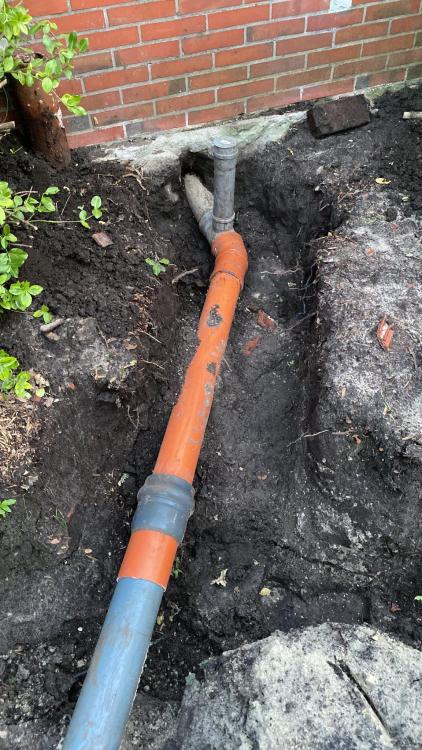
-
I was quite confused by the existing frame. The first layer is nailed to the ceiling, the 2nd layer runs adjacent to the first, and the 3rd level runs in the same direction of the first. It was stuffed with insulation so maybe it was just to add depth.
-
Perhaps 230cm. Would wall plates be something like 4x2 wood screwed in to the wall?
-
We want to convert this room in to a kitchen. It currently has an old lath and plaster ceiling. It's quite uneven so overboarding directly isn't an option. Could we leave the ceiling in place, remove the wood that is there, install a new wooden substructure by screwing in to the joists and then plasterboard?
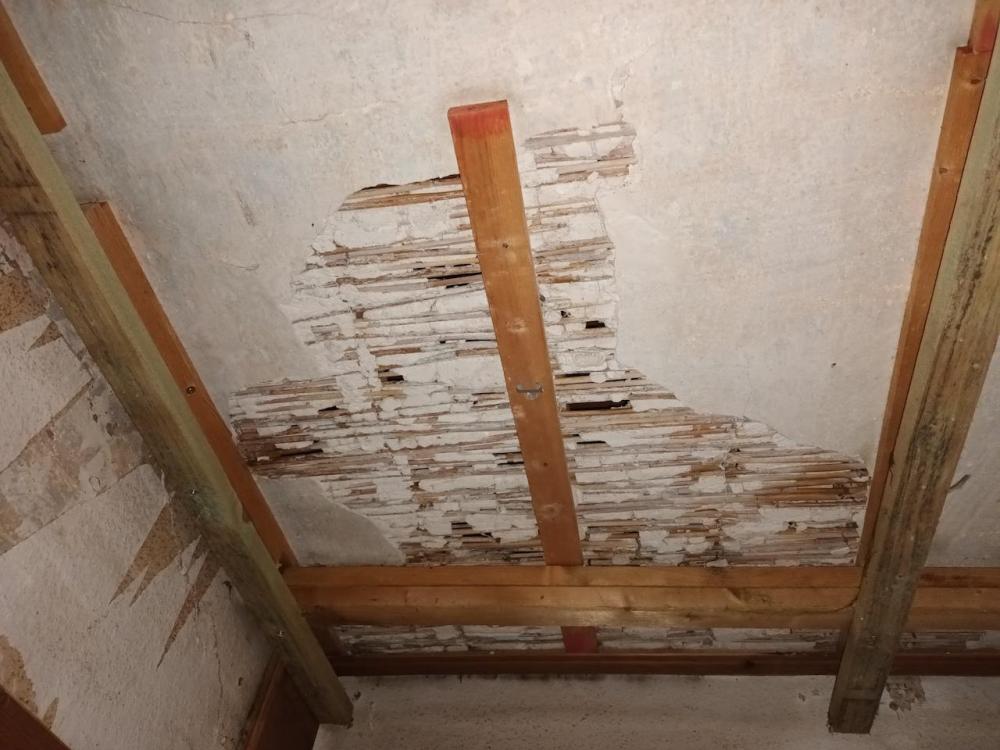
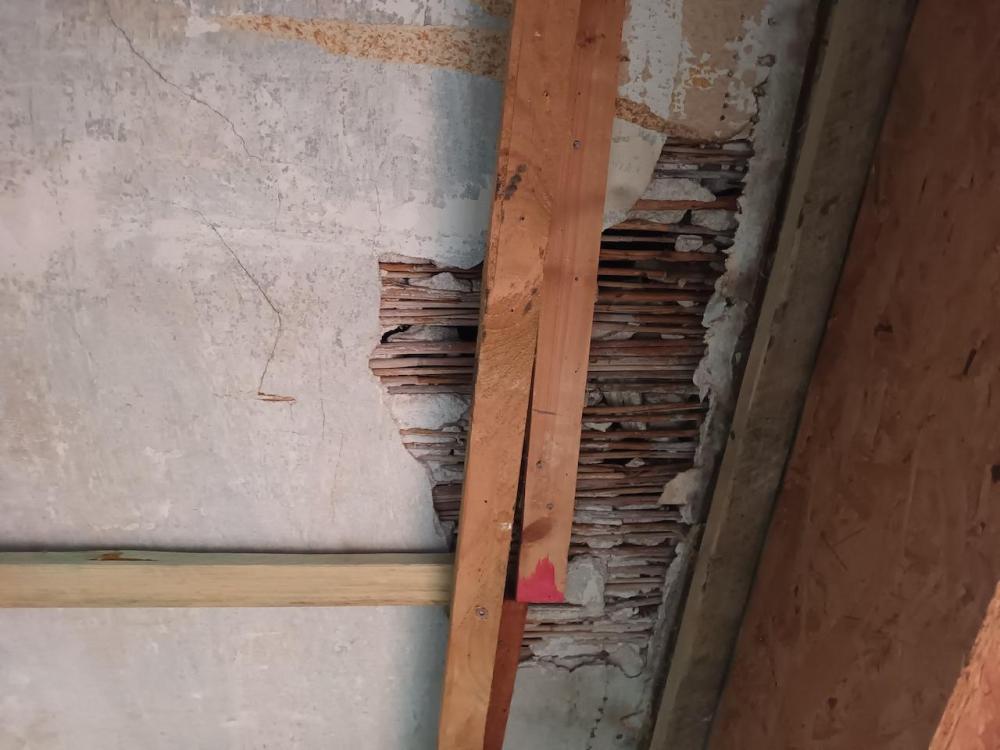
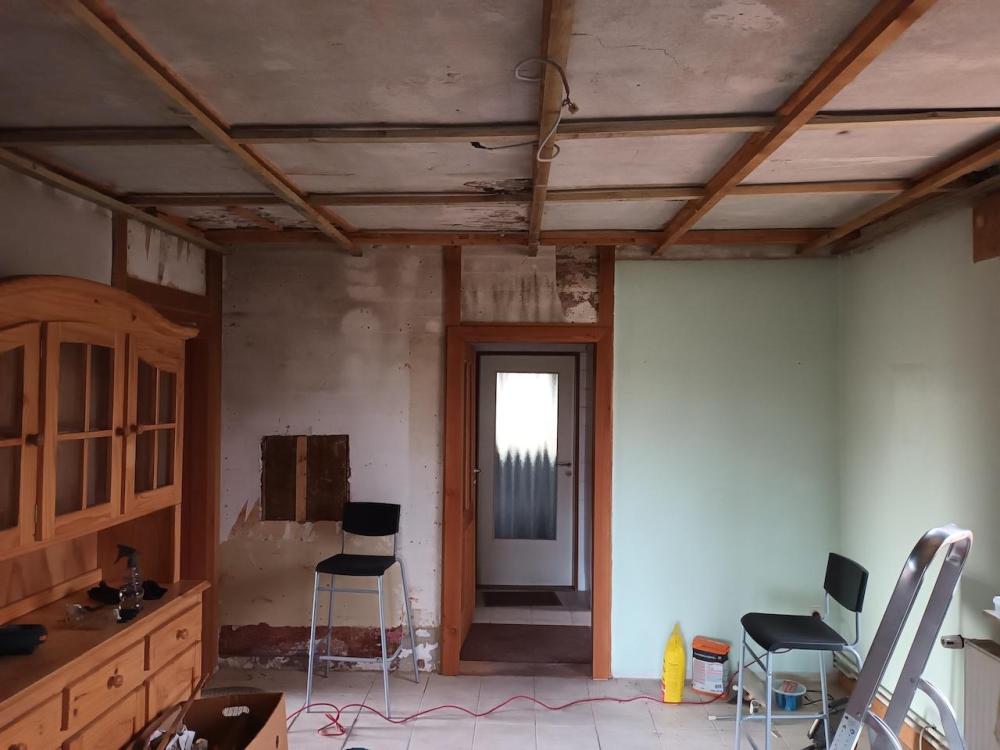
-
how to insulate ceiling of room beneath barn
vagrantly3893 replied to vagrantly3893's topic in Heat Insulation
So ideally we want to prevent any air escaping the heated space through the ceiling (and probably anywhere else), because when the heated air escapes, the air cools and the moisture in the air will condense against the wood once it passes through the insulation? 2. Do you have any recommendations for "permanently flexible sealant"? 4. Is it OK that the sides of the sandwich are left open? -
We have a room in our home that was converted from barn space. It is a small hall linking the barn area to the general living space. The room is heated. Above the room is a cold barn. There are 140mm beams running across the room ceiling (highlighted blue) with wooden planks laid upon them. Below the beams is 10mm Fermacell gypsum boards. We are planning on placing 140mm mineral wool insulation between the beams. 1. Should we also place a 2nd layer of mineral wool e.g 100mm adjacent to the first, covering the beams? 2. Do we need to place something above the mineral wool, effectively sealing the mineral wool in to the ceiling. E.g. OSB boards. 3. Do we need to install a vapour barrier?
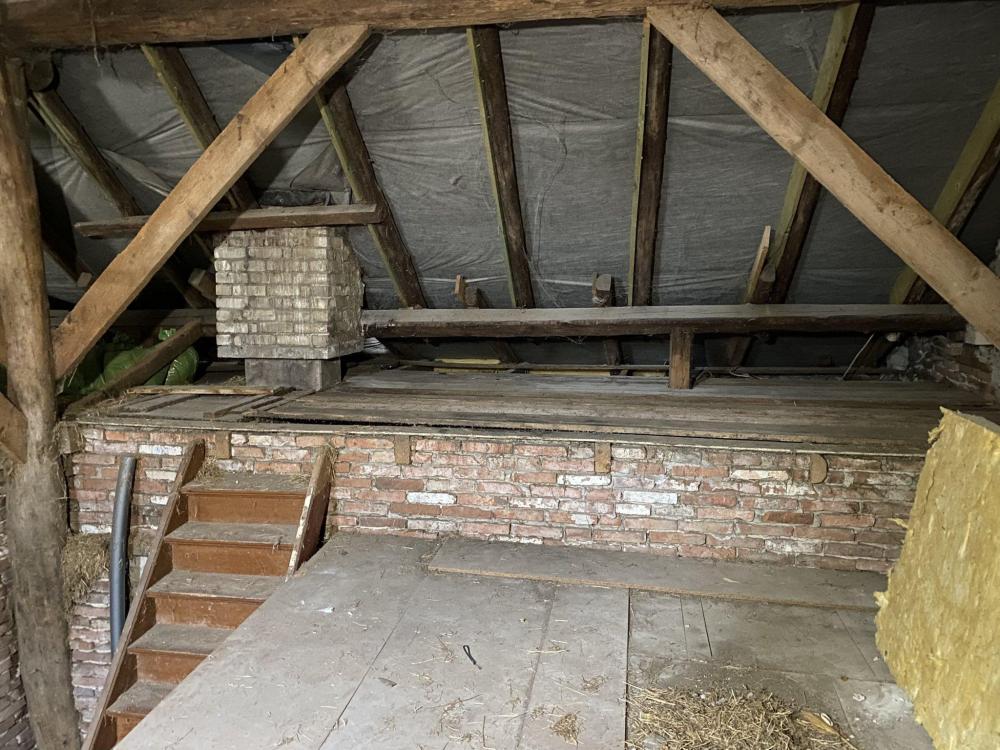
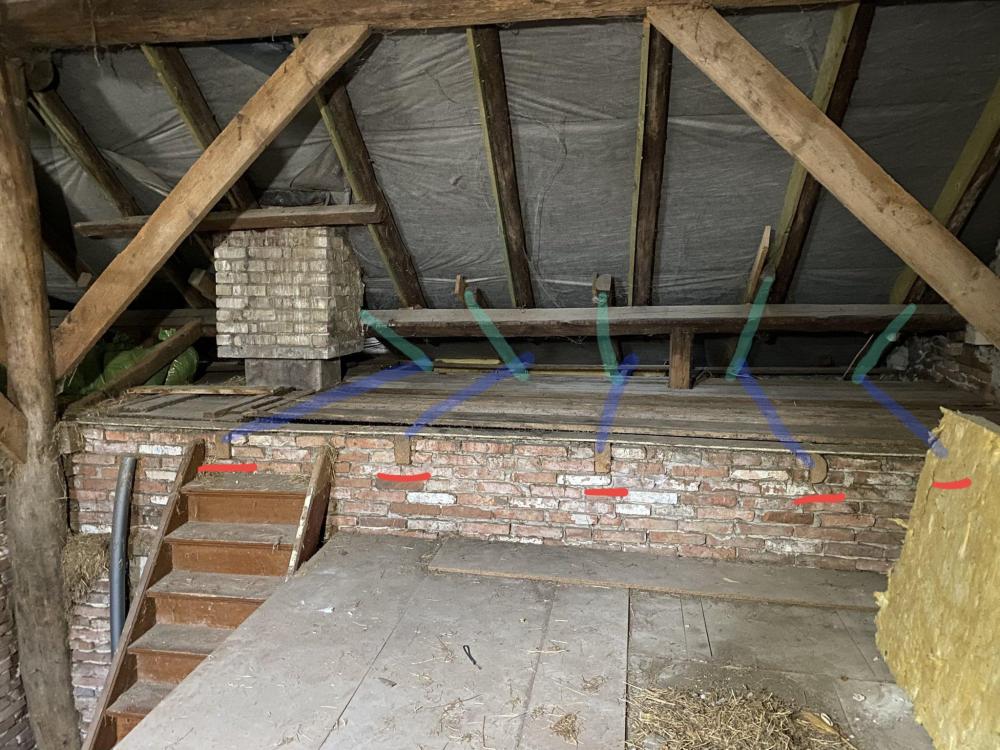
-
waste pipe is running back towards house
vagrantly3893 replied to vagrantly3893's topic in Waste & Sewerage
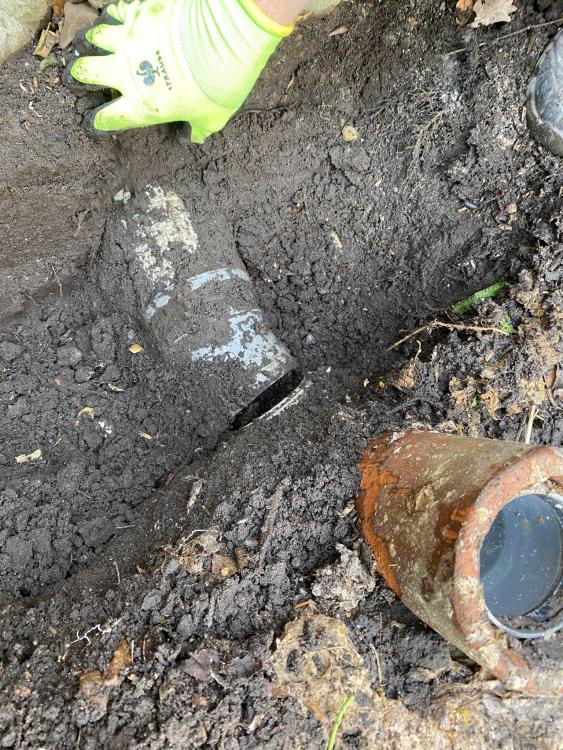
The hole was from the plumber during investigation. That part of the pipe just happened to be exposed because we dug a trench for an electric cable recently. I dug up everything else today. Wouldn't surprise me considering what the previous owner has done elsewhere. Worth mentioning however that I am in Germany so grey pvc pipe for outdoor burial is common. -
waste pipe is running back towards house
vagrantly3893 replied to vagrantly3893's topic in Waste & Sewerage
I assumed that was an inspection chamber. I'm also not sure why it's there though. -
waste pipe is running back towards house
vagrantly3893 replied to vagrantly3893's topic in Waste & Sewerage
Got some pics now. The red section has sagged and even has a dent on the top. No gravel under or around the pipe. The connection closest to the house was also loose. Plumber will be back in Monday and will probably replace everything from the house to the start of the long section (the part with the small hole in the top).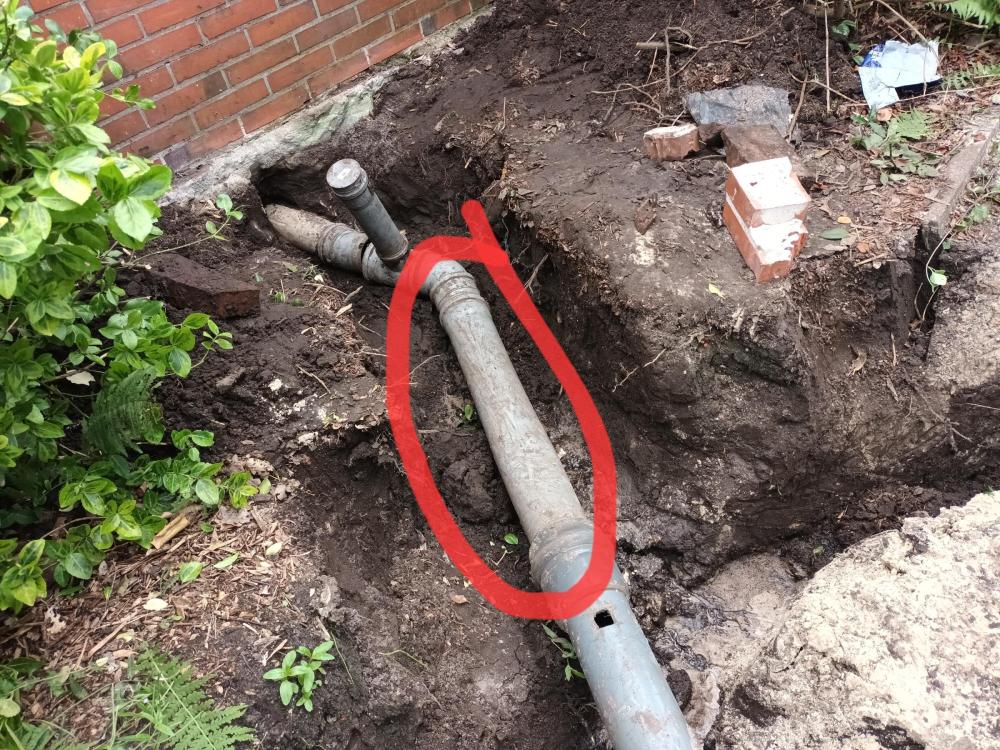
-
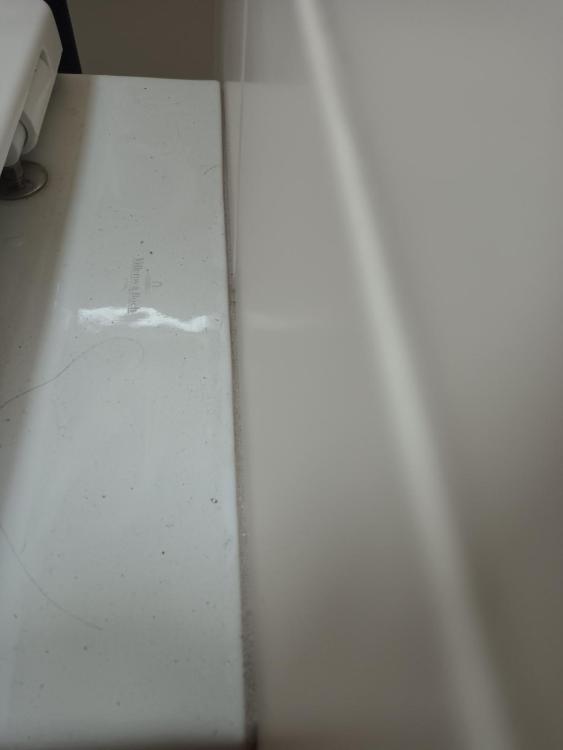
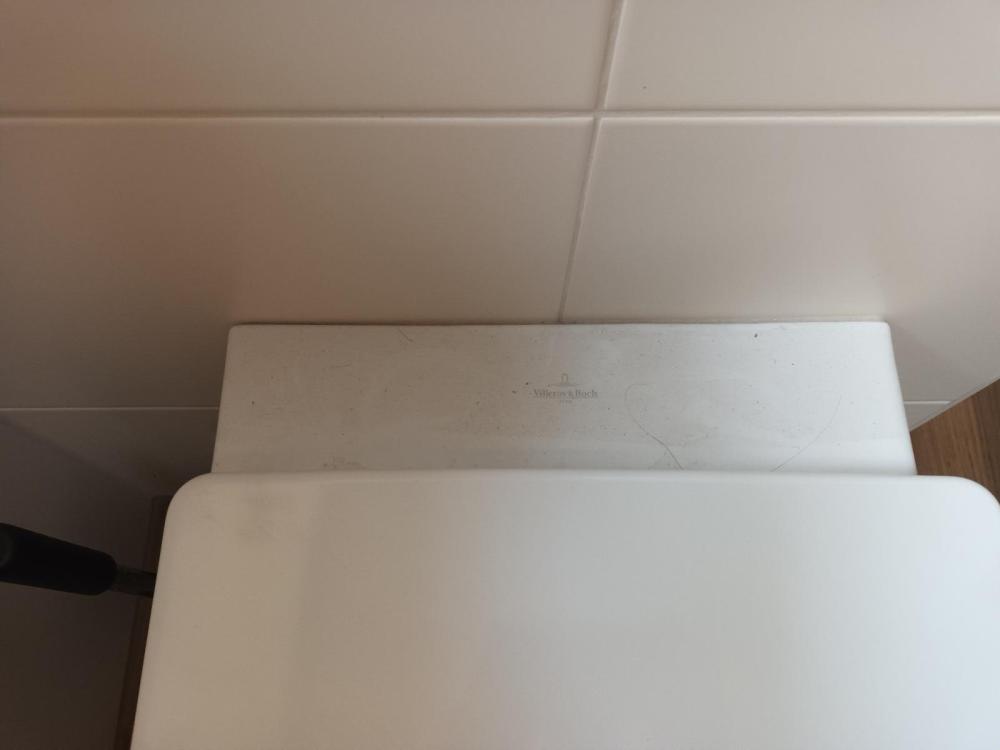
We have a mounted toilet installed and I am curious if there should be some more sealant in the join? Currently it seems like dust and other stuff will get stuck in this small gap and be difficult to clean:
-
Our toilet was draining very slowly and we discovered that part of the waste pipe is falling towards the property. I'm going to adjust it so it is falling away, but how can I achieve this so the pipe doesn't fall back? The pipe is currently in soil 60 cm down. Should I simply put soil back under the pipe after adjusting, or perhaps something like gravel or sand to hopefully prevent any future sinking?
-
What are my options with this ceiling substructure?
vagrantly3893 replied to vagrantly3893's topic in Plastering & Rendering
I also found some mini joist hangers which might also work nicely, however this results in the permiter wood and the joists not being completely flush which I think isn't ideal for plasterboard: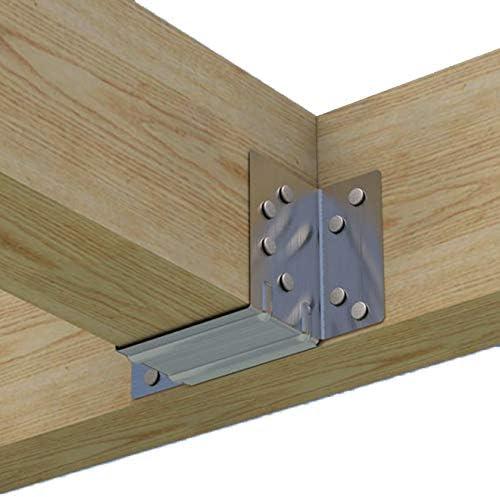
-
What are my options with this ceiling substructure?
vagrantly3893 replied to vagrantly3893's topic in Plastering & Rendering
I found a video tutorial using your suggested method. On my narrow hallway this should be easy -
What are my options with this ceiling substructure?
vagrantly3893 replied to vagrantly3893's topic in Plastering & Rendering
Would the inset pieces be screwed to the perimiter pieces, with the screws at an angle? -
What are my options with this ceiling substructure?
vagrantly3893 replied to vagrantly3893's topic in Plastering & Rendering
How would the wood be connected? Metal plates? -
What are my options with this ceiling substructure?
vagrantly3893 replied to vagrantly3893's topic in Plastering & Rendering
Would the joins etc be fixed to the bottom of the perimeter 2x2? E.g. the top level would be the 2x2 perimeter, and the level below would be the rest of the substructure that the plasterboard is fixed to? -
What are my options with this ceiling substructure?
vagrantly3893 replied to vagrantly3893's topic in Plastering & Rendering
Ah that's an interesting solution. Someone else mentioned using metal framing which I'm not familiar with. I think whatever I do, I'm going to have to fix something in to the brickwork for support. -
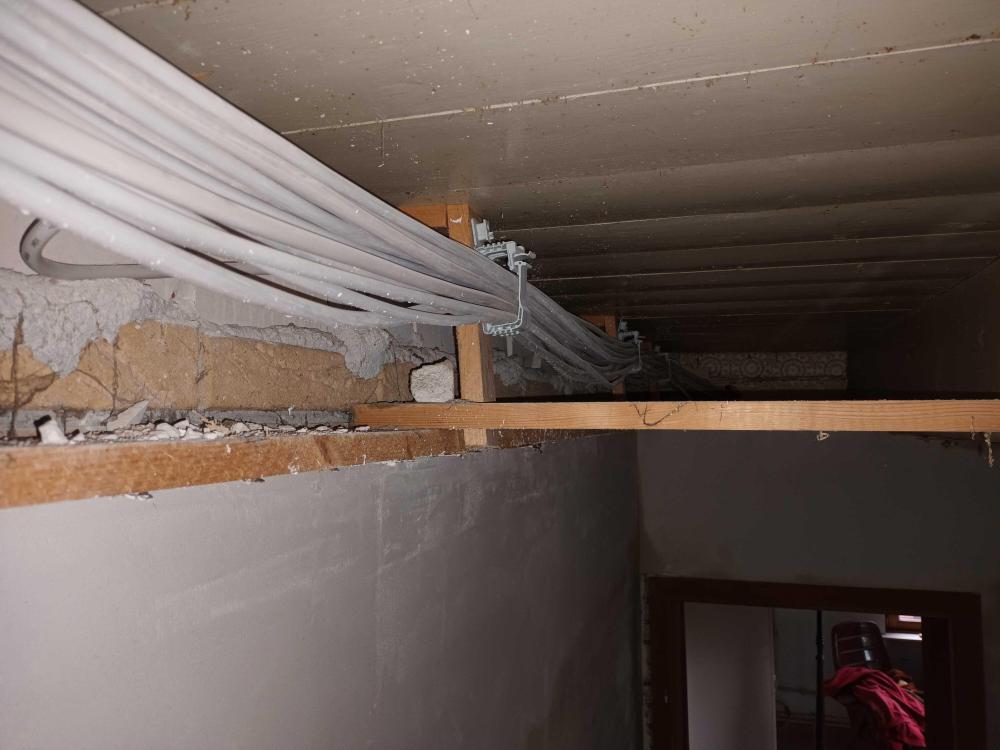
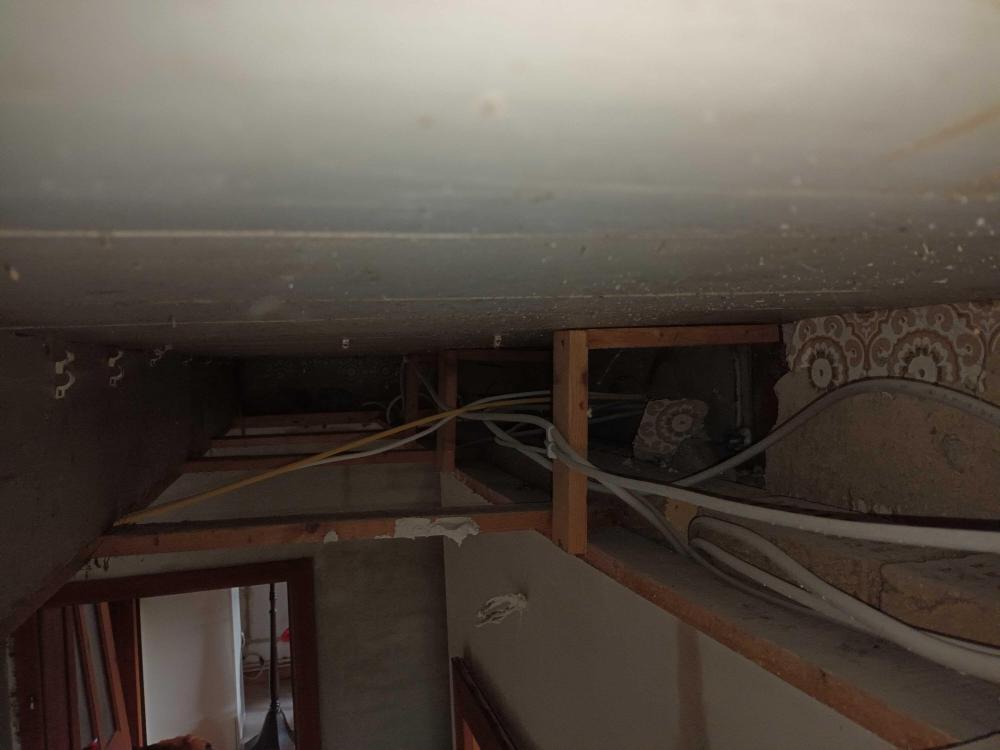
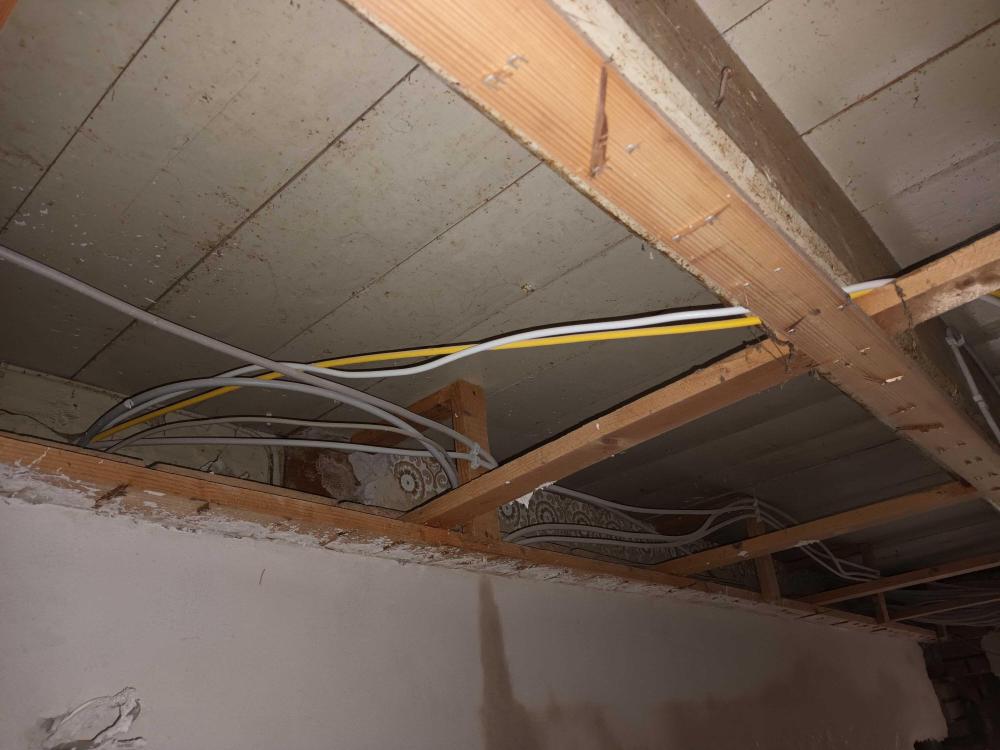
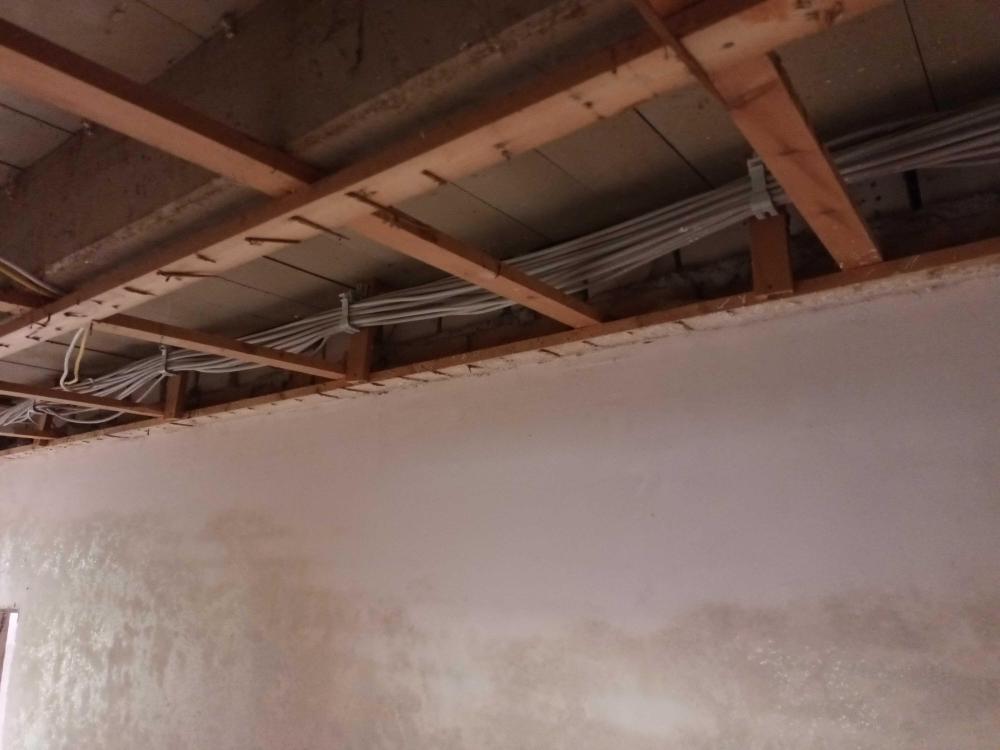
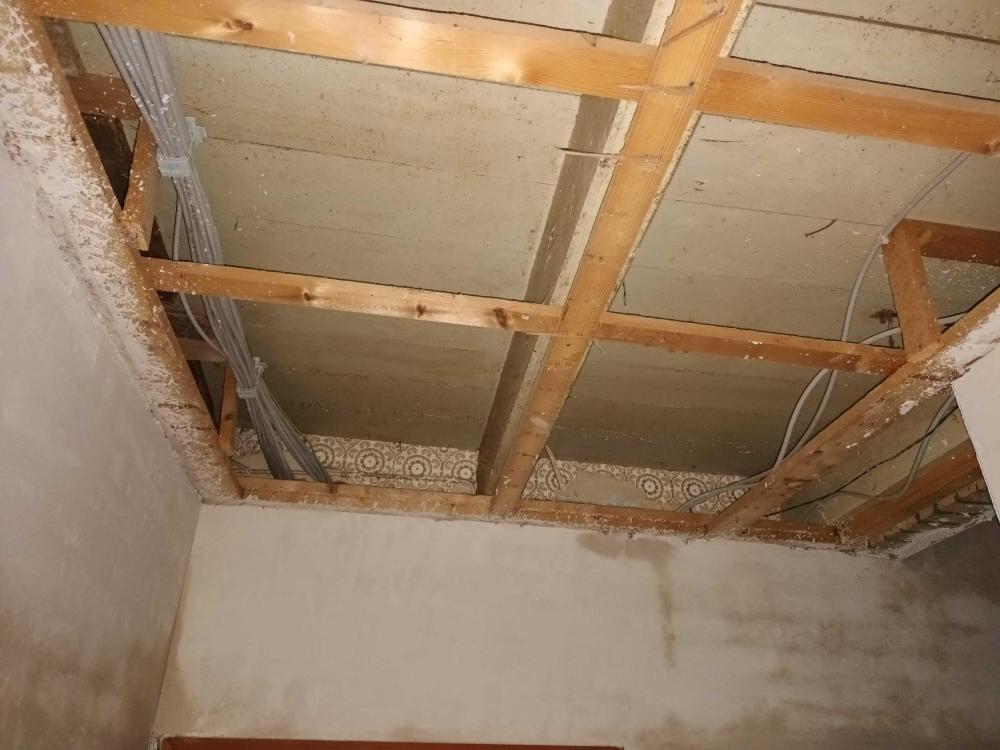
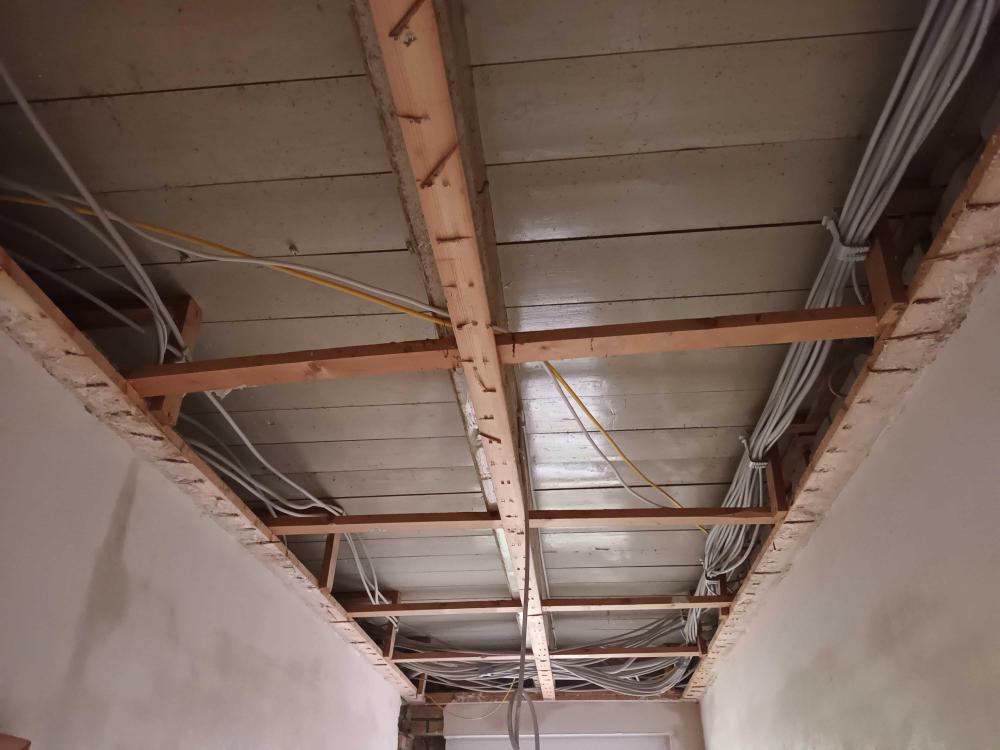
We removed the light wooden slats ceiling in our hallway to reveal the substructure. There is a beam A running the length of the hallway. Battens B are secured adjacent to beam A. Battens XY are then secured to the ends of battens B and a batten Z is secured to the middle of a batten B and run the length of the hallway. Battens XY are then connected to the floorboards above the ceiling. To me this seems daft because if you try pulling up floorboards, you end up pulling on the battens and thus the ceiling. Ideally we can remove the supports that are currently connected to the floorboards. Ideally we would plasterboard, however if a suitable substructure is not possible, we would be fine with something light such as panels.