pstunt
-
Posts
102 -
Joined
-
Last visited
Everything posted by pstunt
-
How to solve gurgling sink after fitting washing machine drain
pstunt replied to pstunt's topic in General Plumbing
Thanks. My builder is of the same opinion ie Turbulence noise. He is says he is happy to put a stand pipe in, if that's what I want. I tried to politely explain that it's not about want but more a desire to reduce the excessively loud gurgling. As I type this I feel like I am being that moaning client but it really is that loud. -
How to solve gurgling sink after fitting washing machine drain
pstunt replied to pstunt's topic in General Plumbing
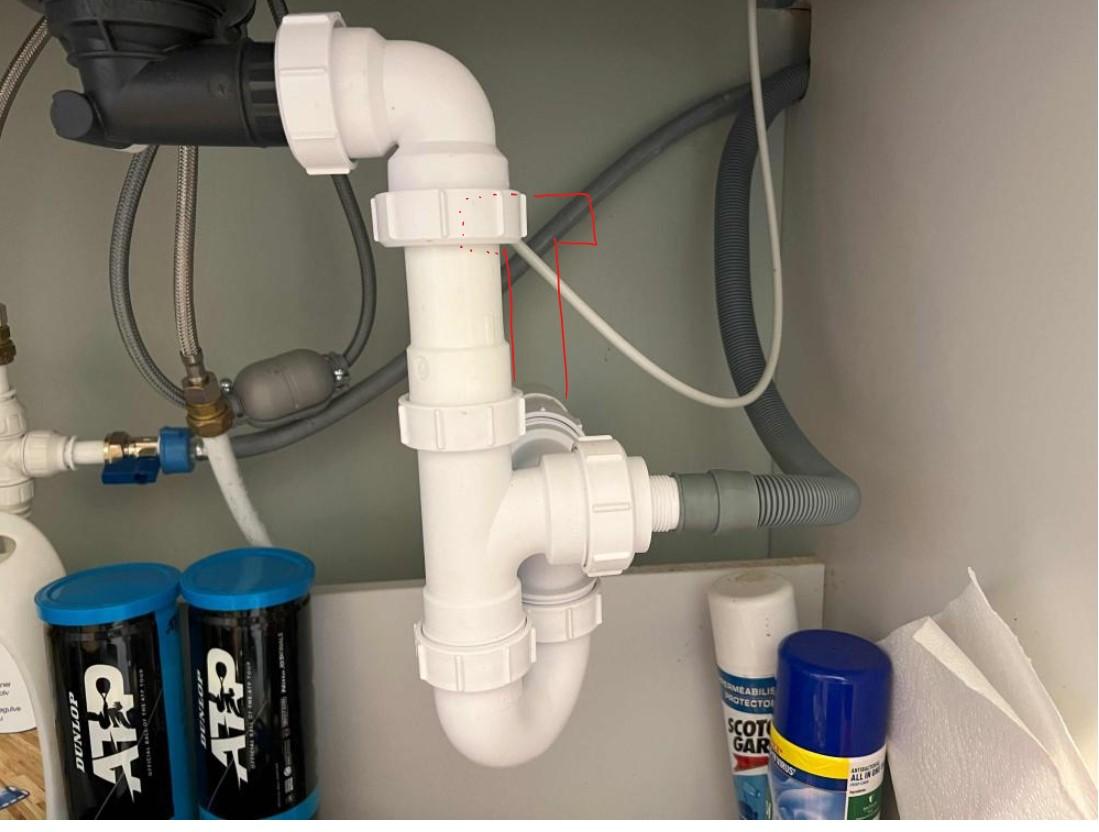
Thanks for the response. Is this what you mean ? I have sketched in red in the picture. If this is not ideal what would be ?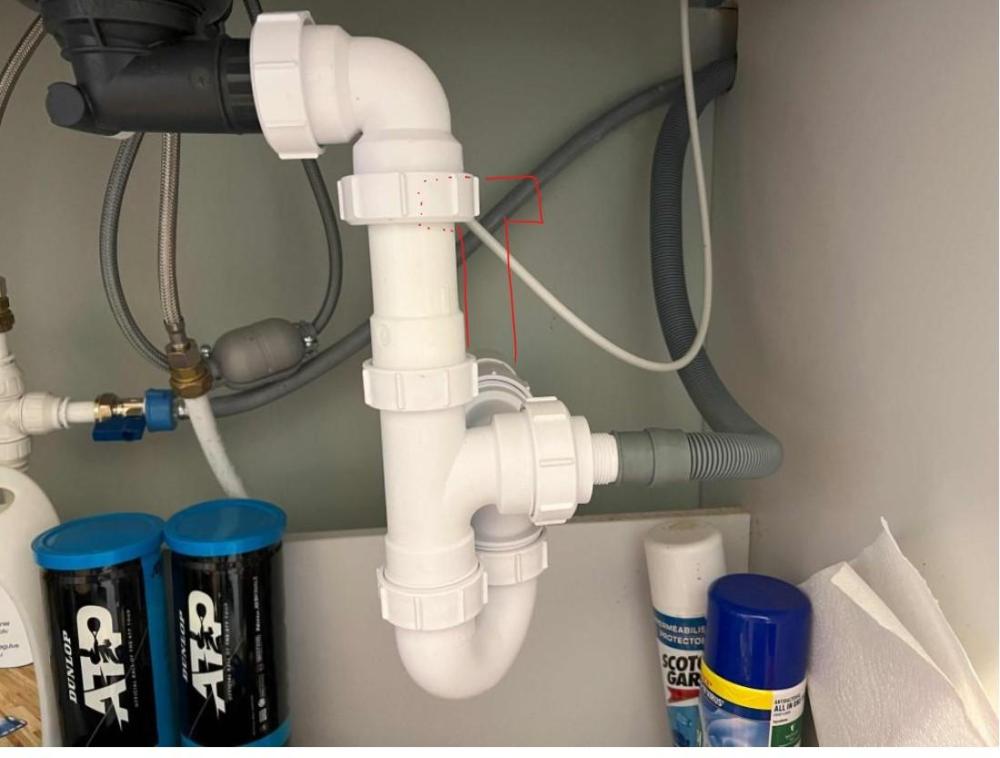
-
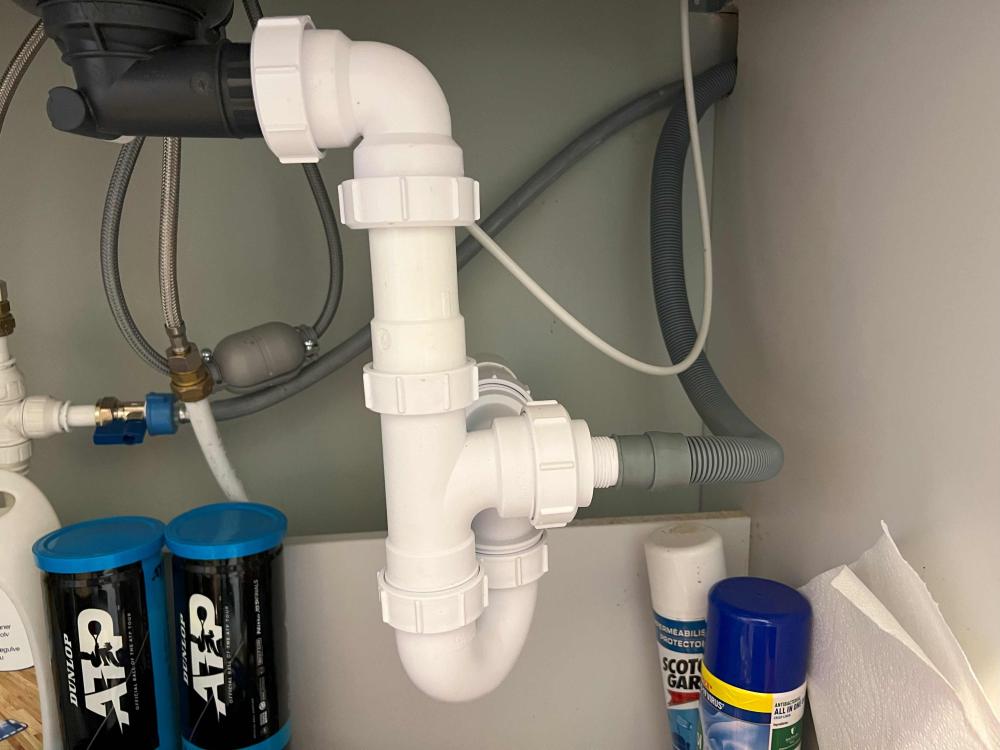
Having recently connected up our washing machine to the connector on the sink trap ( See picture ) we are experiencing very loud gurgling noises each time the machine drains. I only have previous experience of standing pipes for the washing machine and I was looking for ideas on how to solve this. Should I use an air admittance valve ? Where exactly would that go ? I am guessing it would be on the downward bend towards the back of the wall in the picture but a few inches above the height of the washing machine drain connector ? I am trying to focus on solutions and not the fact that when I asked my builder I got the answer of " they all do that "
-
Thanks for these suggestions. If I understand them correctly they are similar in that they both are about temperature control but John's one also gives you the option of timing as to when the pump runs. I am also taking from this that the PIR concept is not a main stream accepted solution. I guess also the question is how big of a problem is the pump running most of the time going to be ? Looking at the pump John suggested, the biggest version is 27w, which would be about £80ish pounds a year if you ran it 24/7.
-
Does anyone have any experience with using PIR to control hot water flow and return ? Our nearly completed conversion is very long and thin and we have a hot water flow and return setup to reduce delays in getting hot water to the furthest taps. My builder has suggested the possibility of using PIR sensors located near certain HW taps to avoid having the pump on all the time. Any advice or thoughts ?
-
How bad is this cock-up ?
pstunt replied to pstunt's topic in Mechanical Ventilation with Heat Recovery (MVHR)
Thanks for this. I do hope you are right but I guess there not much I can do about it anyway. -
How bad is this cock-up ?
pstunt replied to pstunt's topic in Mechanical Ventilation with Heat Recovery (MVHR)
75 mm radial -
We are about a month away from completing our build, a conversion of a an old stable. We have fitted all the ducting and about to order the 2 MVHR units having had the parts and the vent locations planned by BPC Ventilation about two years ago. The issue is neither my builder or myself noticed that the living areas and bathroom required two duct runs not one, which is what we fitted. Yes, this is a major cock up but how bad is this oversight likely to be ? My guess is that it will still work but more energy will be required and the risk of more noise / vibration ? I should say that even if we had realised from the off we would never have been able to accommodate dual ducting, as it is a conversion and roof space was very limited. MVHR was never a must have for us but more a nice to have but I would be very disappointed if it' wont work anywhere near it should be. We were never aiming for passive house airtightness standard but have been reasonably conscientious along the way. e.g. Filling service holes in membranes and not window trickle vents.
-
Like many people, I am sure, we encountered many delays ( Major mistake by architect and window nightmares ) and the Pagurek roof is only nearly finished. We havent fitted the rooflights just yet as the builders and roofers wanted to complete the metal roof covering first and then cut through the metal sheets through to the roof window openings. I expect this to happen in the next few weeks and I can let you know. Overall I am impressed with the system. For what it's worth my builder is about to start building his own house nearby and he was going for standard tiled roof but since having worked with this one he has changed his mined and is going with Pagurek. We massively reduced the rooflights also from the older picture on this post, as they simply weren't needed.
-
Good idea. I have a 3kw greenhouse fan heater kicking around somewhere. A bit ugly but it will do.
-
Again, thanks for the suggestions and I will loom into them.
-
Thanks, I will certainly look into them. My builder will laugh at me, as he thinks I am over the top (in a good, bantered way) with my persistence regarding insulation and airtightness. Any recommendations as to what models. ? The wall is only about 100mm thick so that may reduce the range suitable
-
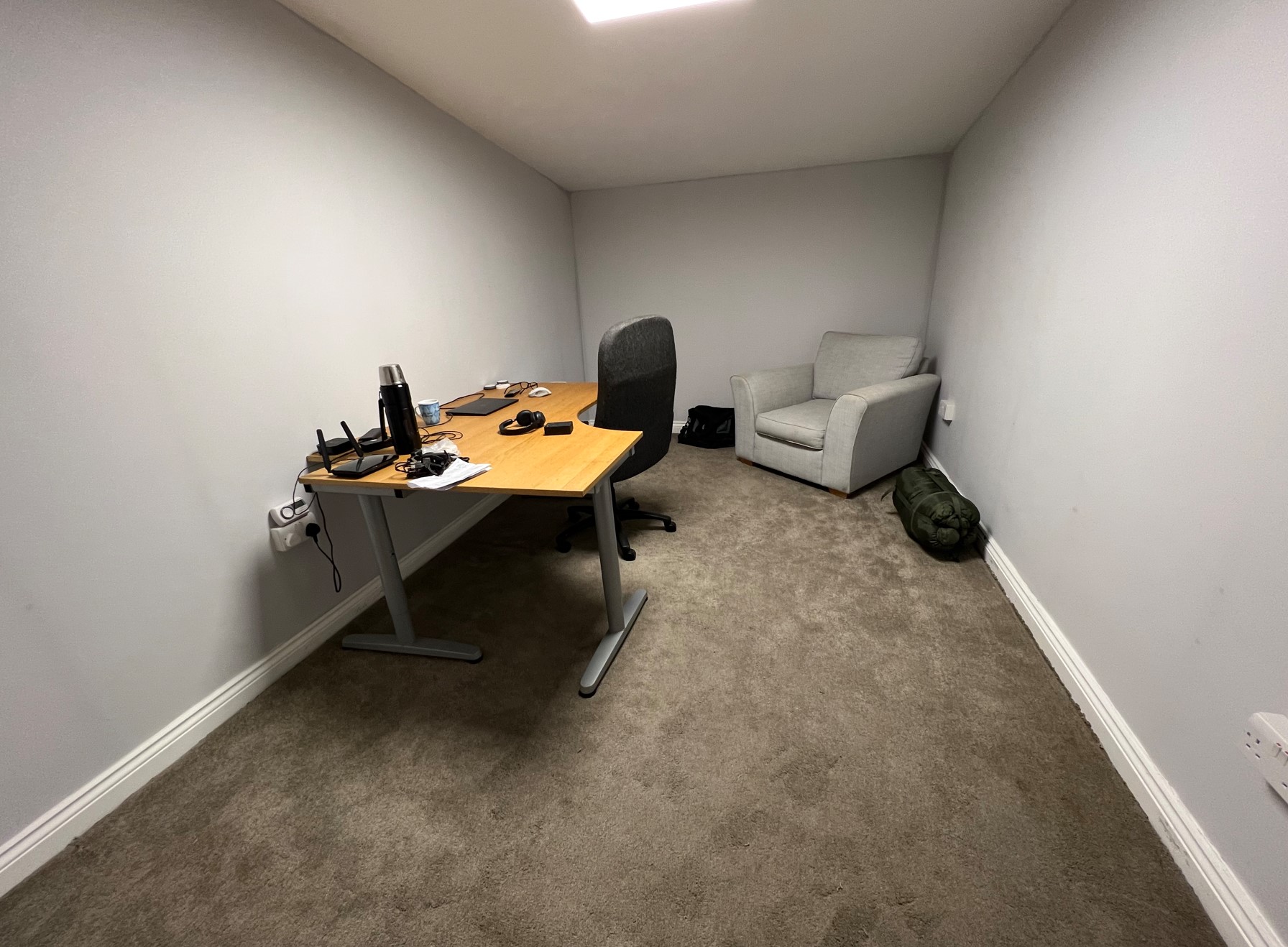
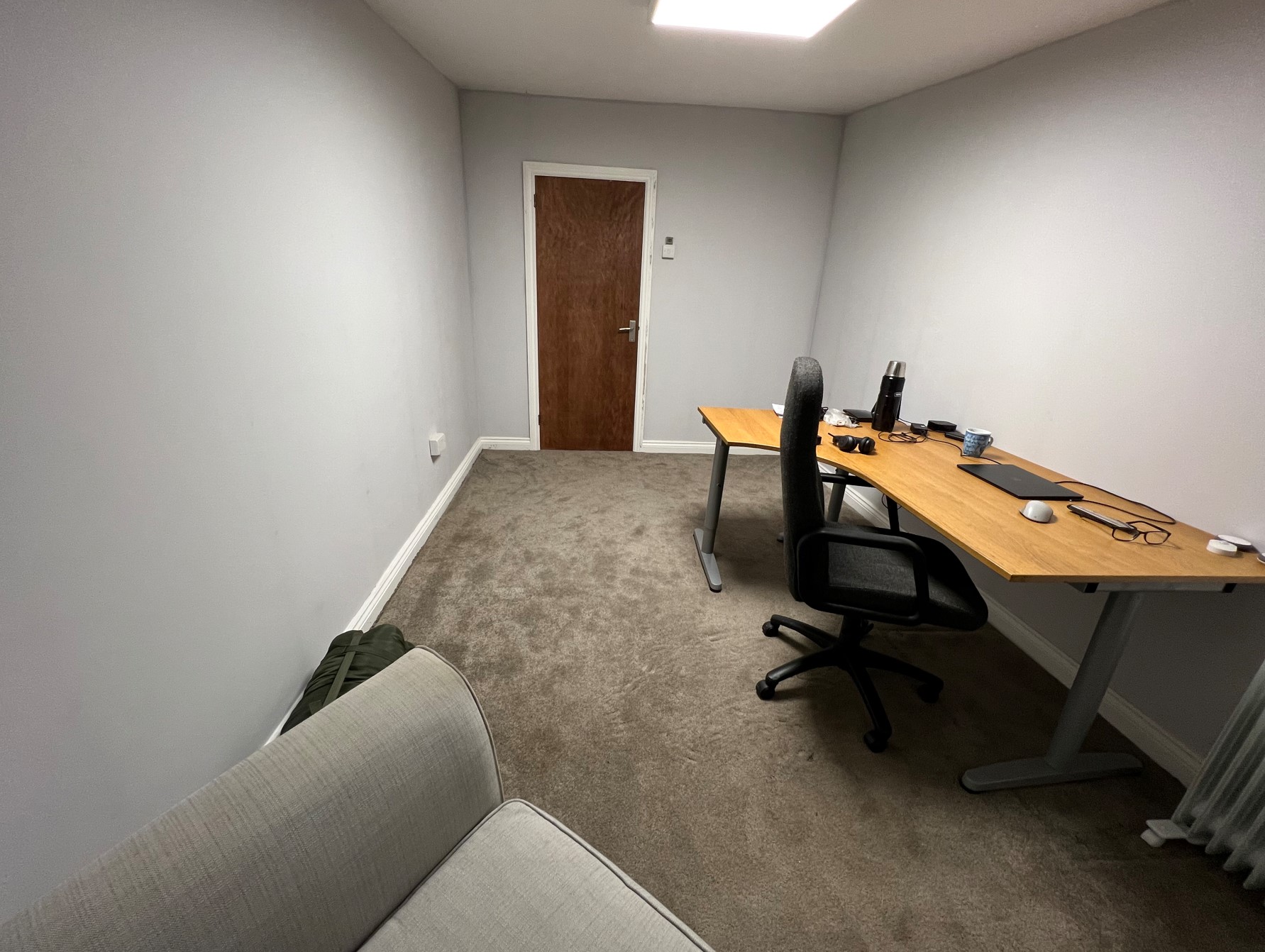
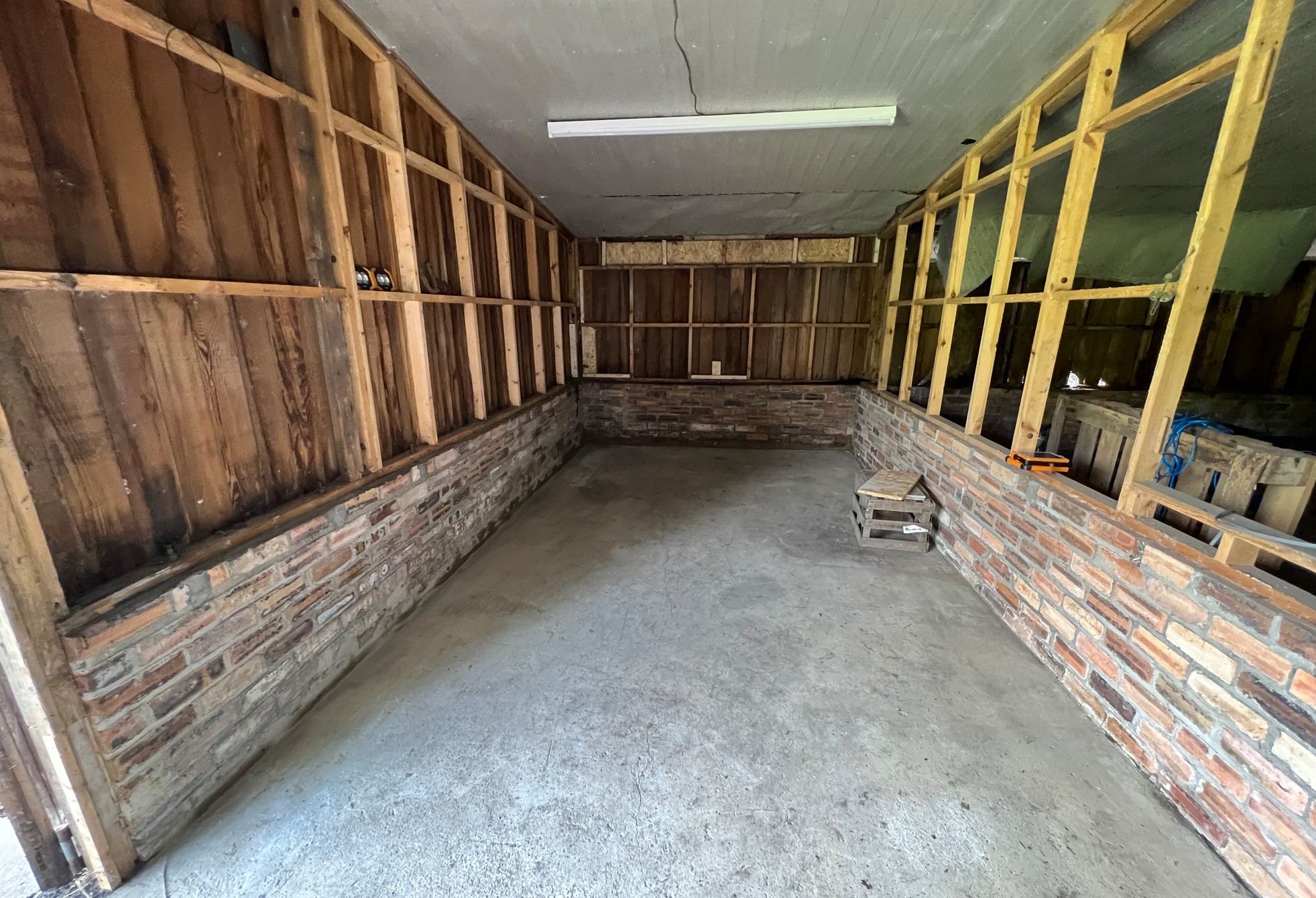
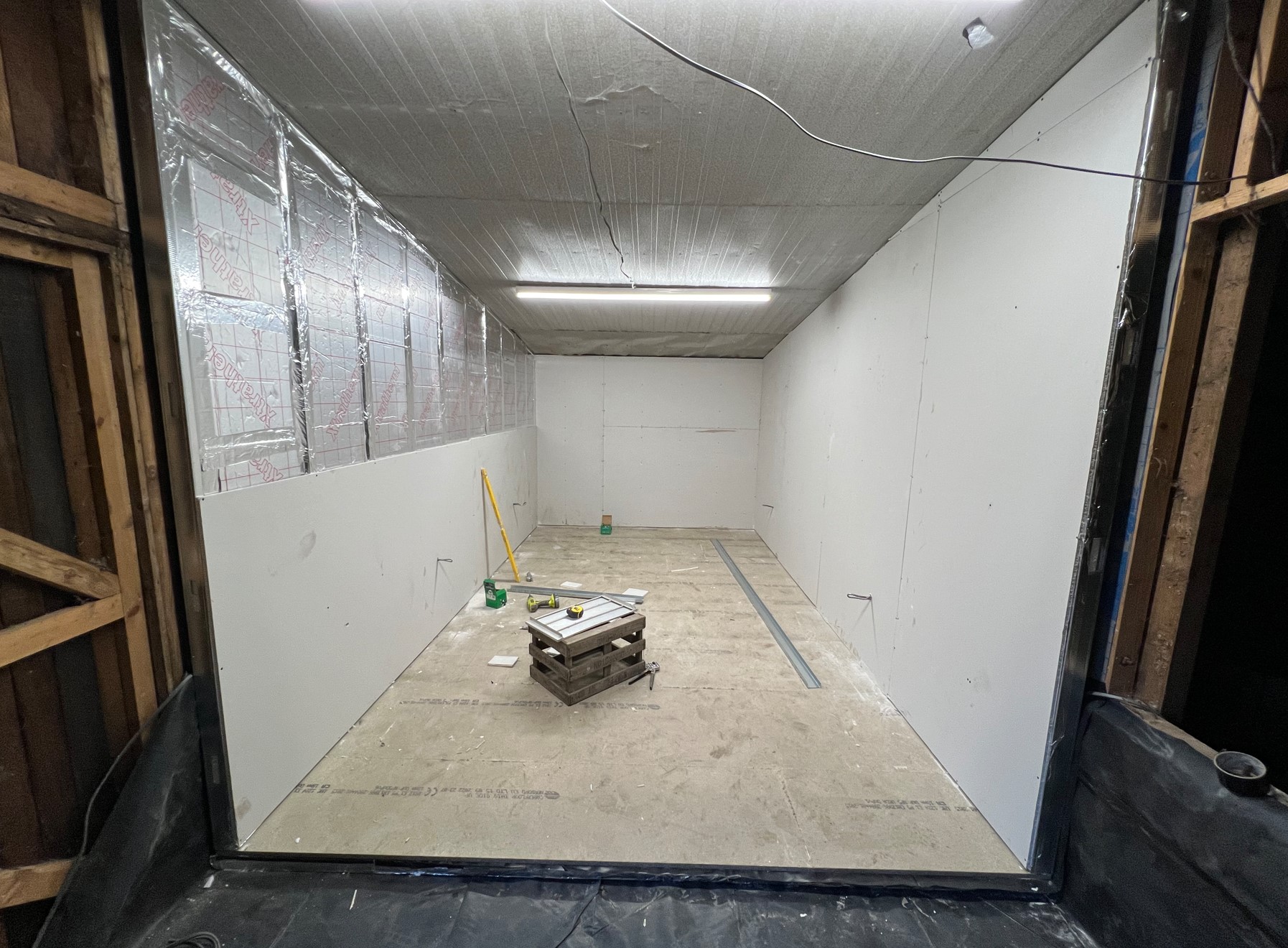
I am looking for advice on how best to ventilate a temporary office built in a large shed. The backstory is I needed somewhere to work close by to the site whilst my delayed build is ongoing, possibly another 6 months. It's located on a farm and I am fortunate enough to have an old Turkey shed, which I decided to frame out and insulate a section of the shed which I can then use as some sort of storage once the build is completed. It's metal framed using 60mm PIR which have been foil taped, 12.5 plasterboard which has then been skimmed. A bit over the top for a temporary location perhaps. I have not cut any ventilation holes yet, so I am looking for advice on the best way to approach it. I was thinking of simply cutting a 110mm hole somewhere on the door wall and simply using plastic pipe with vent covers over each end. Effective ventilation is obviously important but how to approach it when so much has been done to create an insulated and fairly well sealed room. I have included some pictures of how it currently is and what it was before / during construction.
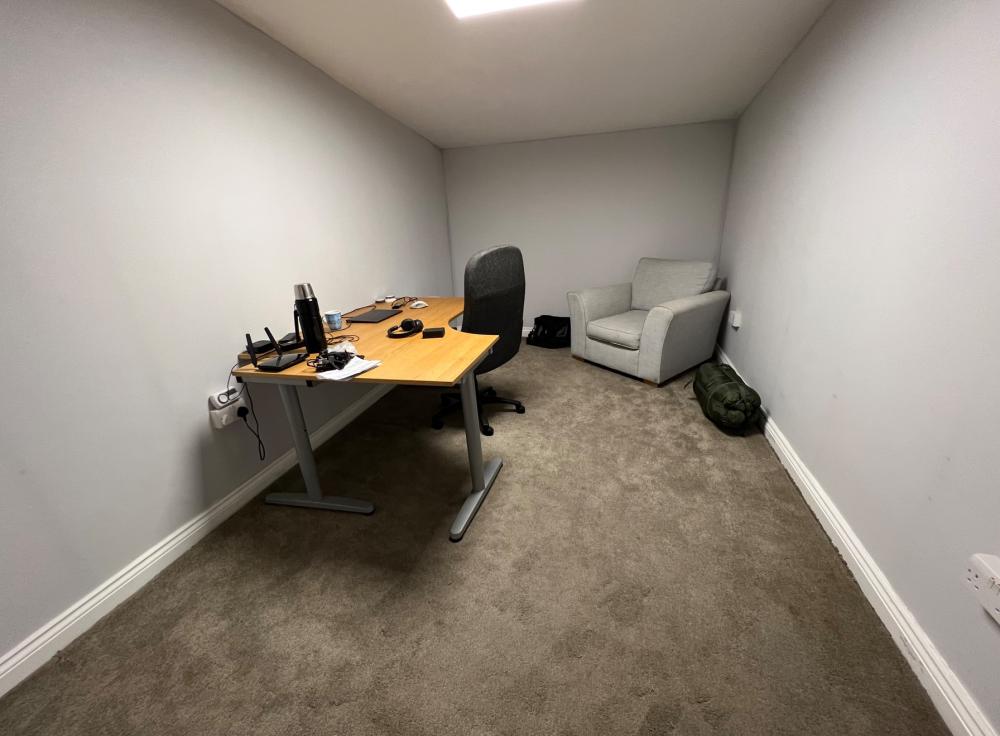
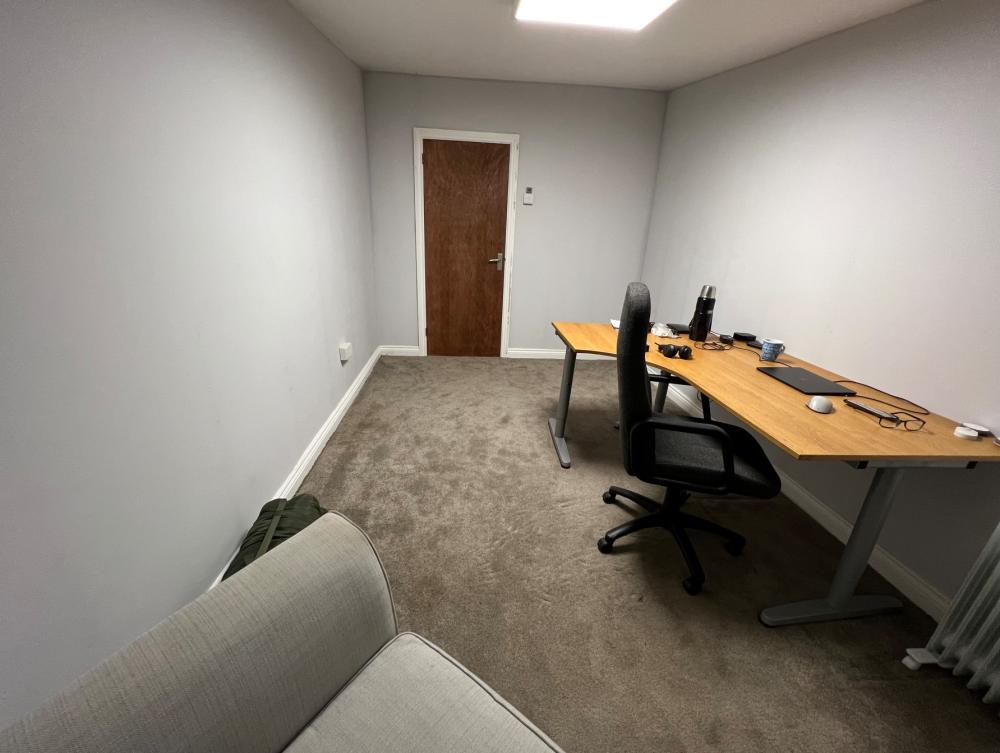
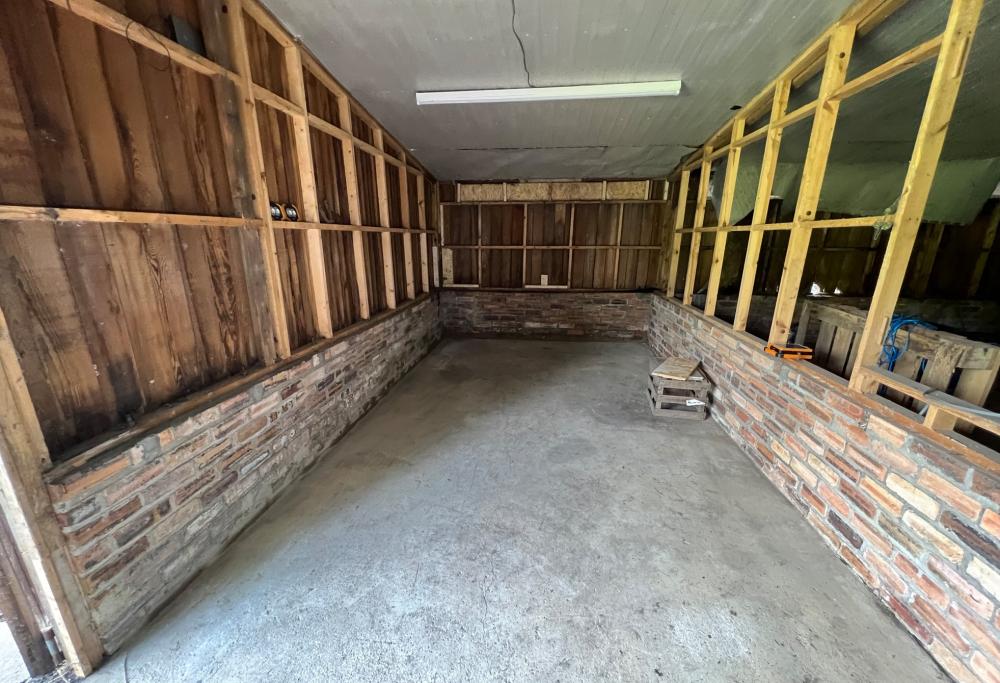
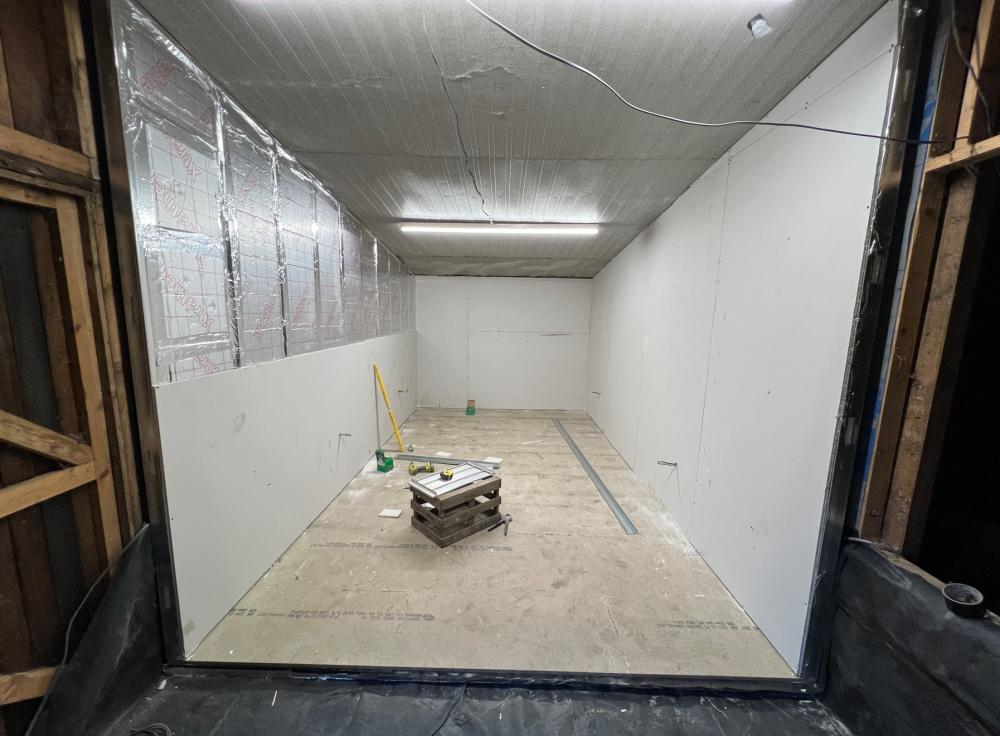
-
Airtightness on stable conversion
pstunt replied to pstunt's topic in Energy Efficient & Sustainable Design Concepts
Thanks, Jilly. I should have said, I do intend to have MVHR, which is one of the driving factors of achieving below 3 airtightness. I am well aware I may not make my money back etc. but to me it's just as much about the other benefits such a system can provide. You are quite right, being a conversion means many of the building regs seem to be a lower standard required however I am keen to insulate as much as reasonably possible, partly to save on energy bills in the future. Whilst it's not impossible to fill the cavity, the general consensus is that there is a fair amount of risk that it in doing so may cause future problems. That is something I wish to avoid. Additionally, we couldn't have external insulation, as that would cover the building and would negate the arguable requirement that we couldn't knock down and rebuild the structure for historical reasons. -
I am in discussion with my builder on how best to approach the challenge of airtightness for an old stable conversion. We are having to keep the original brick cavity walls and therefore need to insulate on the inside ( PIR ) and then plaster board and skim. This will have the benefit of hiding the wonky and uneven walls even though we will loose internal space. My builder, by his own admission is not super experienced in achieving the level of airtightness I would like ( less than 3 ) but he is very willing. One suggestion he is thinking of is to simply stick a vapour barrier over the taped insulation prior to the plaster board and skim ? Obviously, there would be holes from the screws fixing the plasterboard but these would be plastered over. Is this something that would work ? If so what sort of VCL would be suggested ?
-
Appreciate the response @Adsibob very informative and reassuring. We aren’t aiming for passive standard but rather a reasonable standard. Ours isn’t an easy build as it’s a conversion of a 80 year old stable and we couldn’t rebuild it. It has a lot of windows though. Going to look at the frames tomorrow and quietly hopeful this route may work out as a 20k saving is a big deal.
-
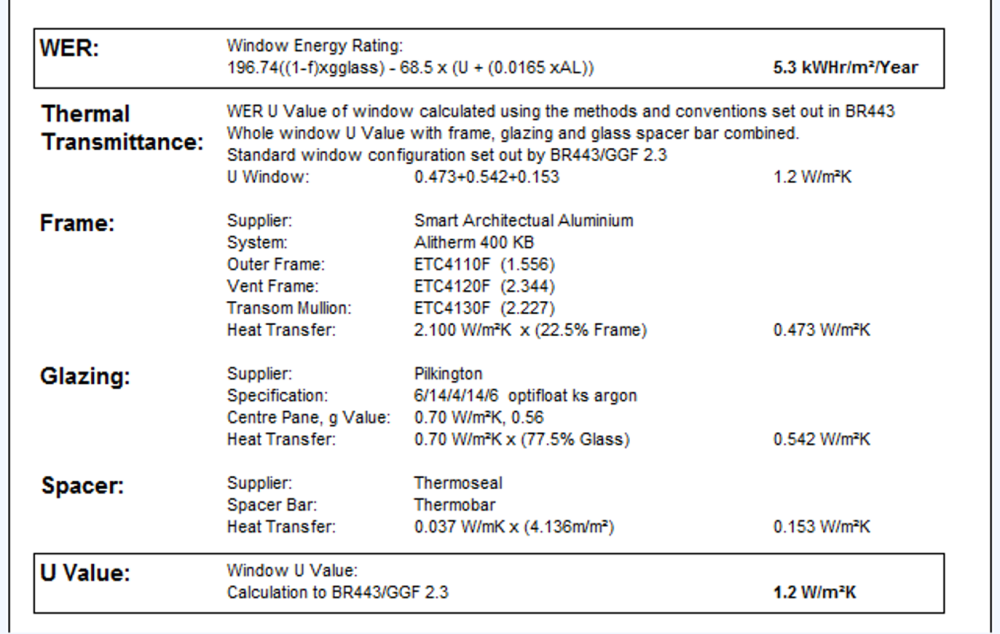
Thank you all for the comments We have got quotes for Origin but it’s even more expensive than our other option Rationel, which whilst seems to be a notably higher performing product it’s coming in over 20K more than the updated Alitherm 400. It makes me wonder if that 20k would never be recouped over the life of the windows. Saying that, I have no idea how long windows are realistically expected to last ?
-
Thanks for the response. Do you feel that it’s the case of aluminium frames in general which lets it down or this particular frame ? I understand wood or Ali clad are always going to perform better. I am trying to get my head around why an overall U value of 1.2 is not great ? I get there is better out there but at what cost ? I am trying to weigh up going with “ok” windows with a sizeable cost saving against better performing windows. The consideration being that the possible additional energy expenditure is likely to be way less over the realistic lifetime of the windows.
-
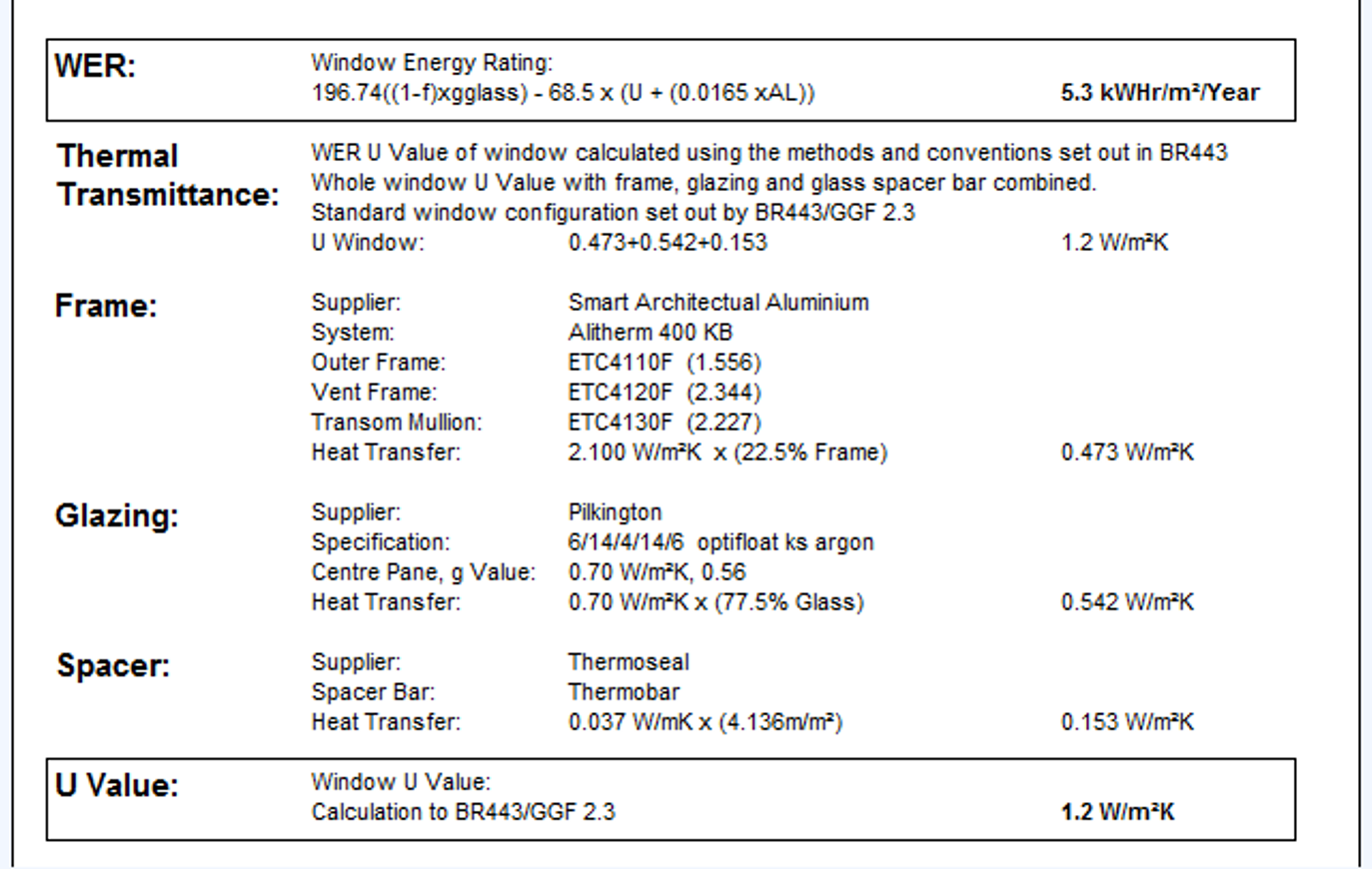
We have been let down so many times by windows suppliers we are losing the will to live. I am looking for views on this recent quote from a local installer to us, up in the North East. We have a lot of windows in our build and the attached screenshot is the worst performing U value of the different windows we have been quoted for. This is using one of the relatively newly updated Smart systems ( Alitherm 400 ) and on paper is delivering better U values to when I looked at them last year. I appreciate there are better performing products out there, and we do have a separate ongoing enquiry with a different supplier for a different product ( Mixture of Origin and Internorm ) but we are potentially talking many thousands of pounds difference in price. Given such a large price difference I am trying to reason why going down the Smart system would be wrong ?
-
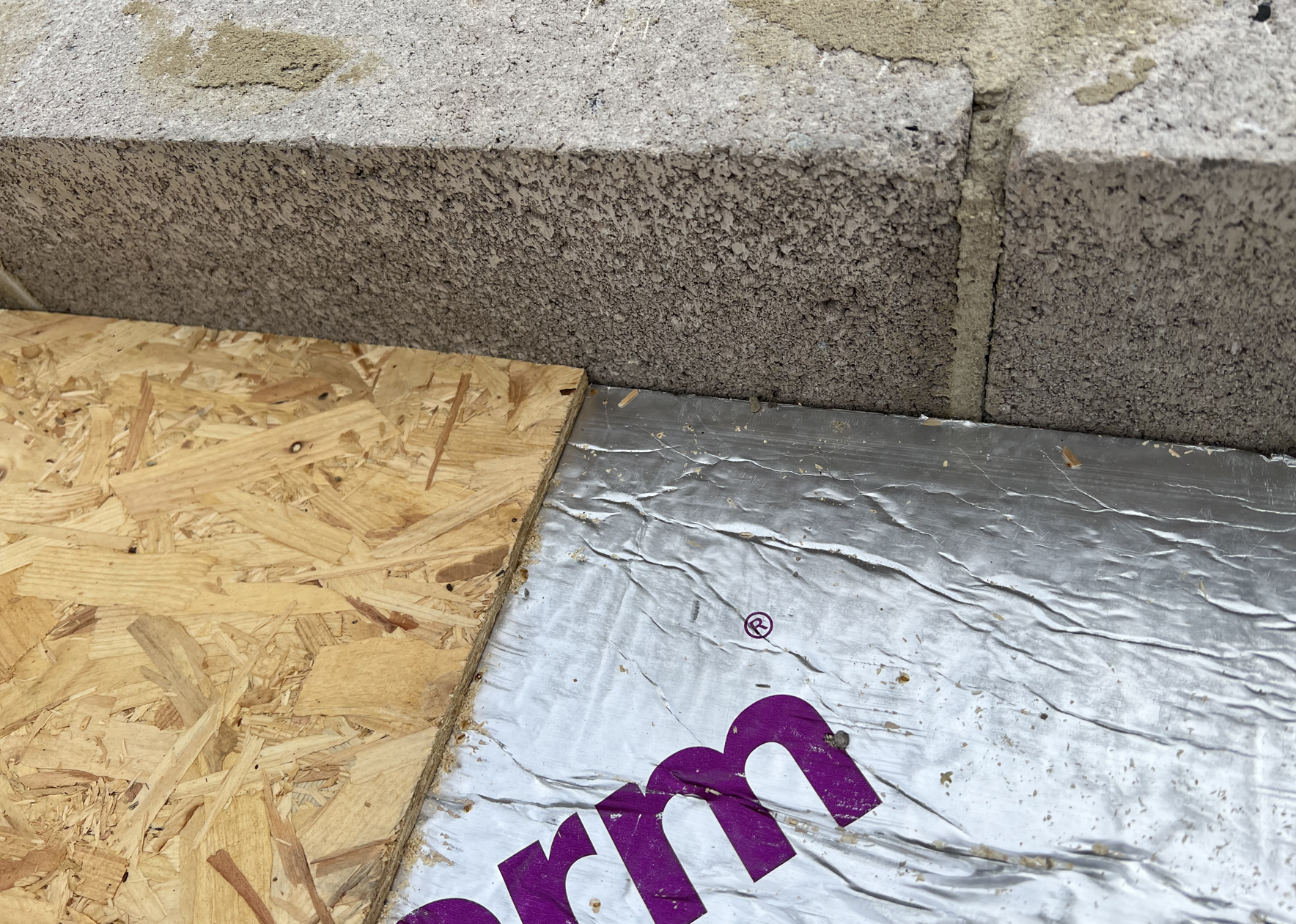
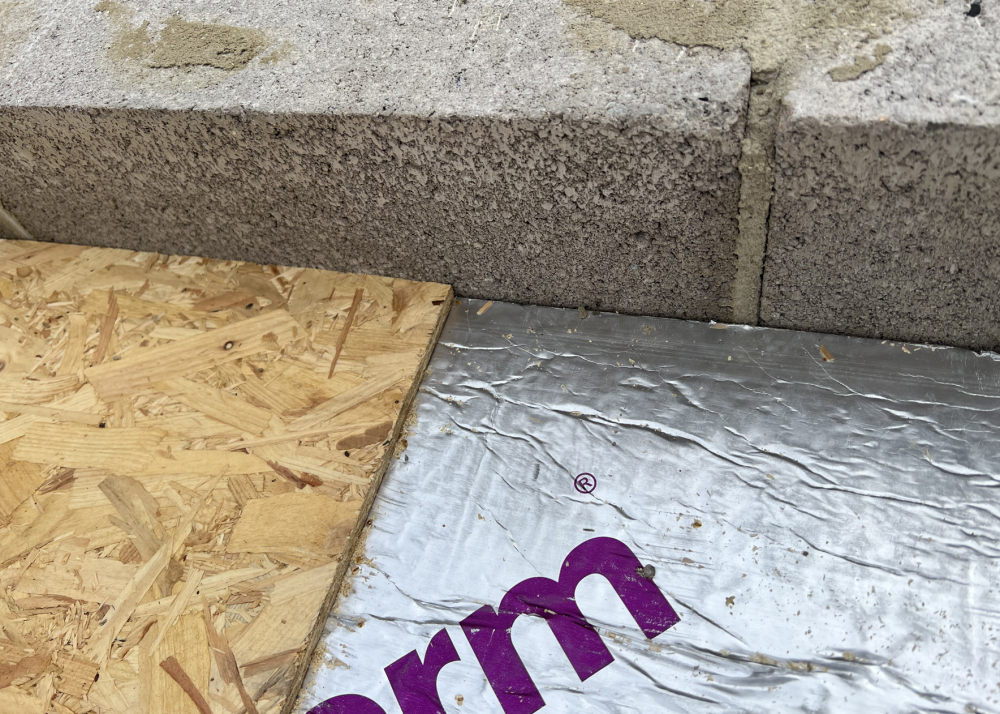
To be honest, I haven't really thought about where the air tightness layer should actually be, but thinking about it would be much lower, possibly even at the plaster level. The wall you see is the outer wall with the cavity insulation sitting at right angles beneath the insulation and 18mm OSB. I will have to check how much insulation there is between the joists and top it up, as required.
-
Looking for advice of what, if anything, should be done around the edge of PIR on flat roof where it butts up to a brick wall with regards to air tightness etc. ? The roof sits on a cavity wall and is made up of Joists,18mm WBP, with breather membrane, 150mm PIR then 12mm OSB and then externally with Sarnafil roofing membrane. Under the Joist will be 12.5mm plasterboard and finished with a lightweight plaster skim. My builder has just laid the PIR and taped the joins with foil tape and now begun to lay the 12mm OSB but I am trying to understand what to do with the edges. Should they be sealed in some way or is my thinking over the top ?
-
Convert part of large farm shed into office / workshop
pstunt replied to pstunt's topic in Garages & Workshops
Sorry, I should have said that I will have to look into Larsen Trusses, as I am not aware exactly what they are. Will look after work. -
Convert part of large farm shed into office / workshop
pstunt replied to pstunt's topic in Garages & Workshops
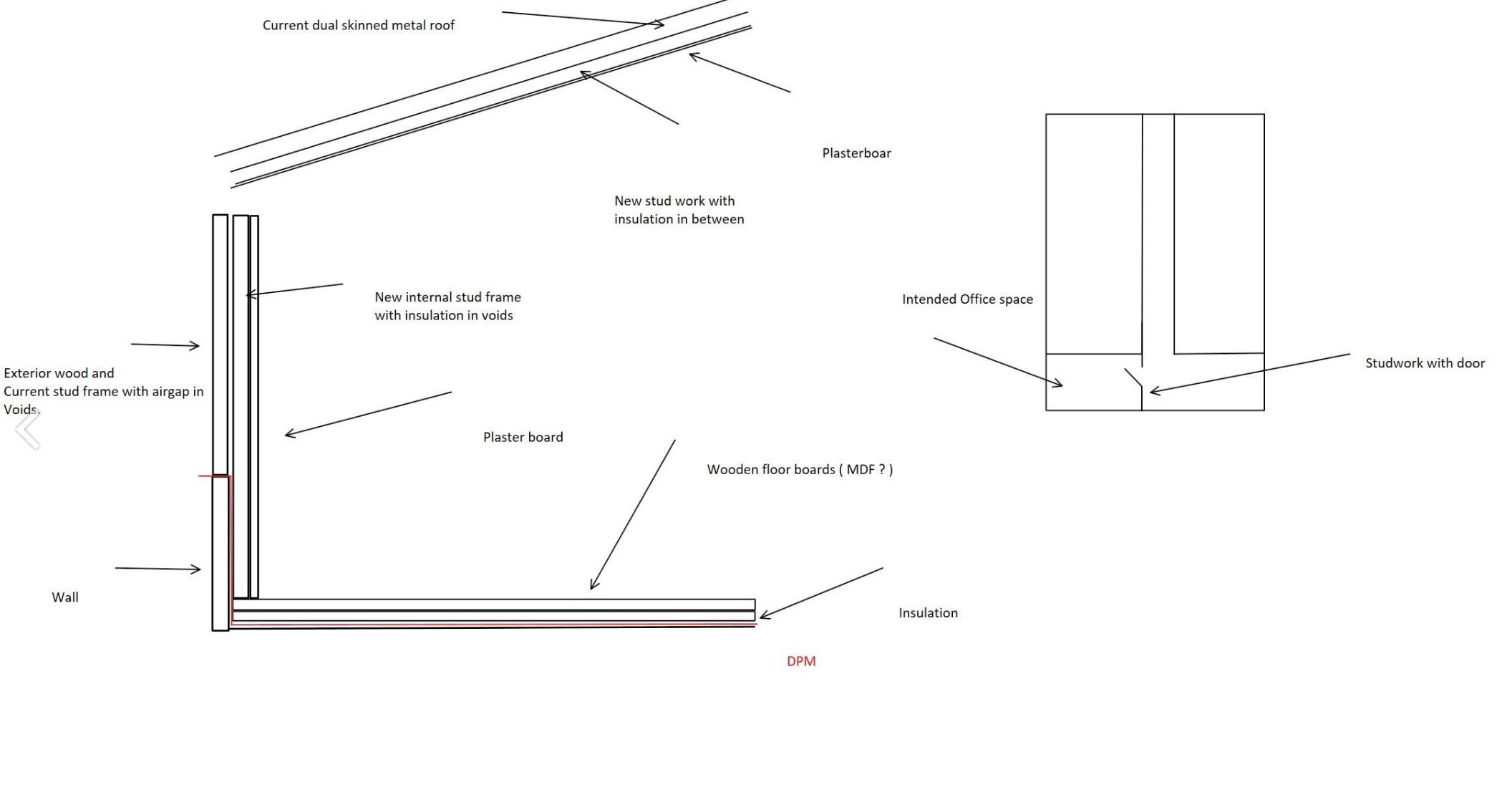
Thanks all. Don't think the caravan is for me but I can see why it would work for some. I will be using this space for the long term future but not as an office, so doing it well is not an an issue to me. My biggest challenge is how to do the insulate the walls. As suggested above, I was going to go with board on PIR for the floor on a DPC ( not sure if that is the right way ) but for the walls I am not sure what the correct sequence is for airgaps, insulation, breathable membrane and paster board. I guess the same question for the roof. I have drawn up my intial idea but would love to hear people's views.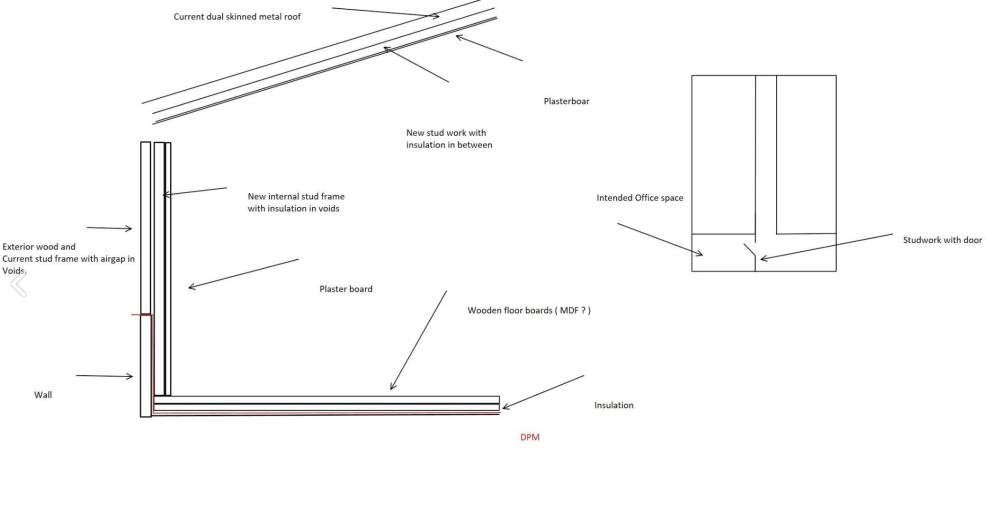
-
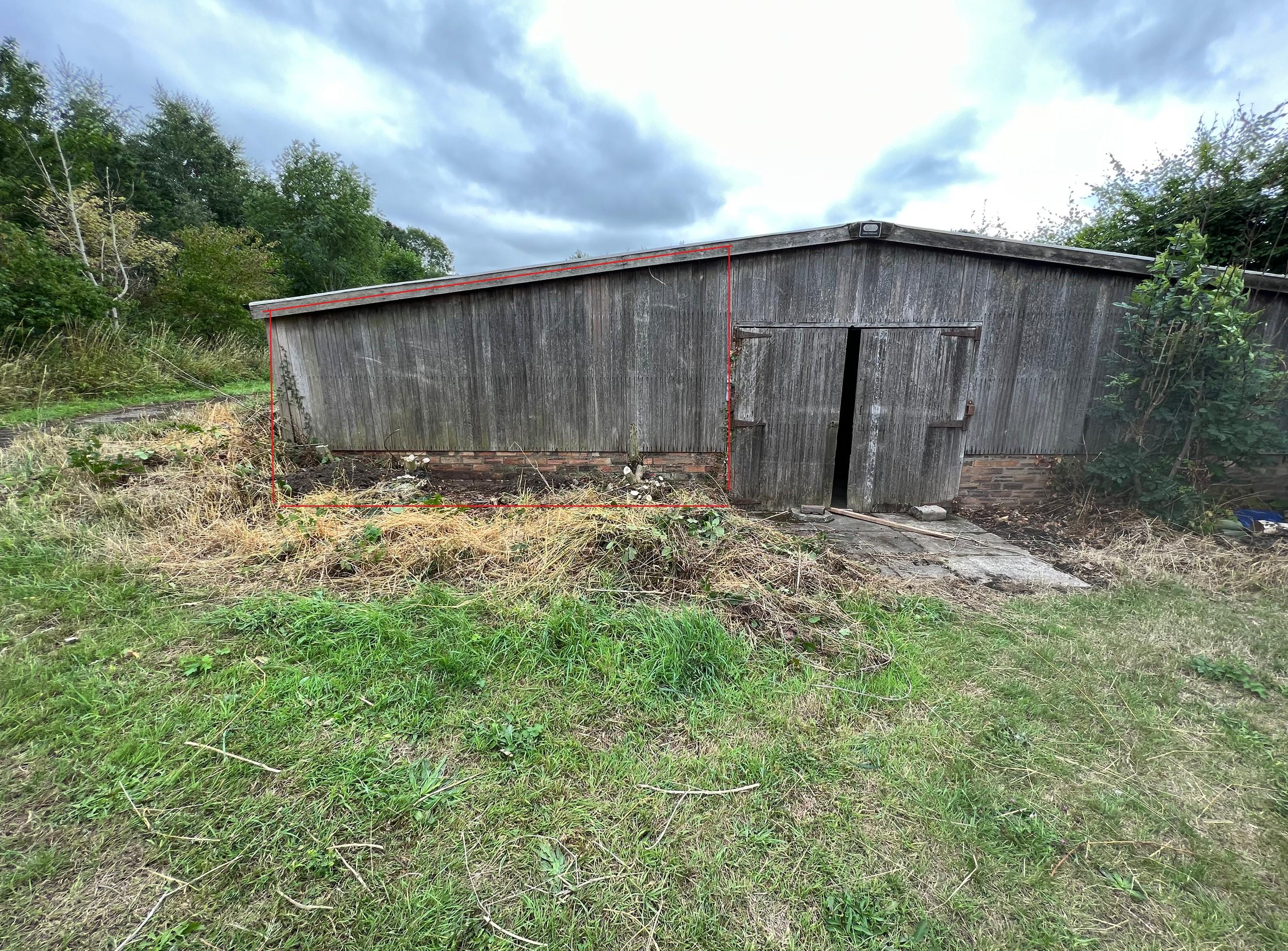
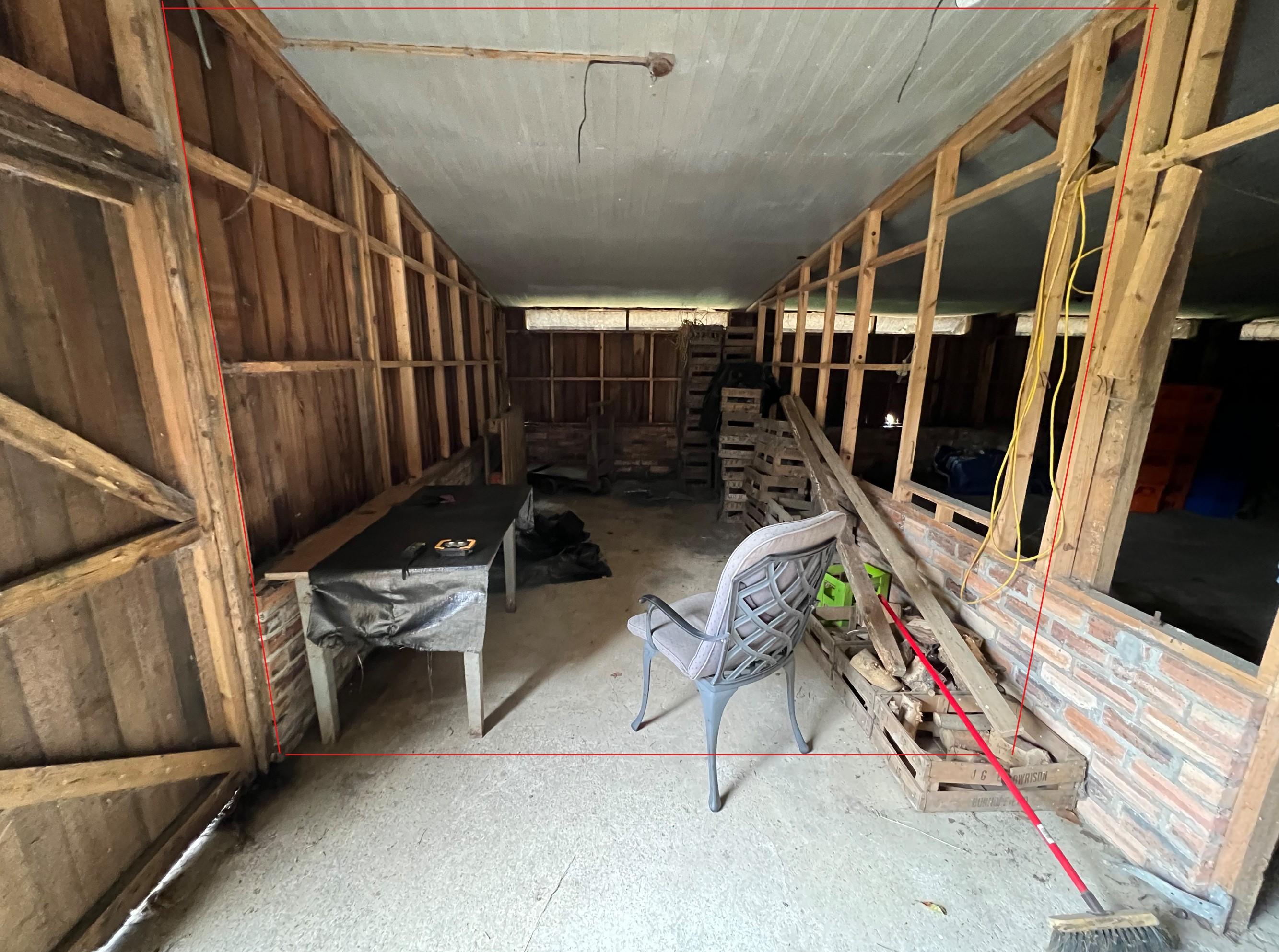
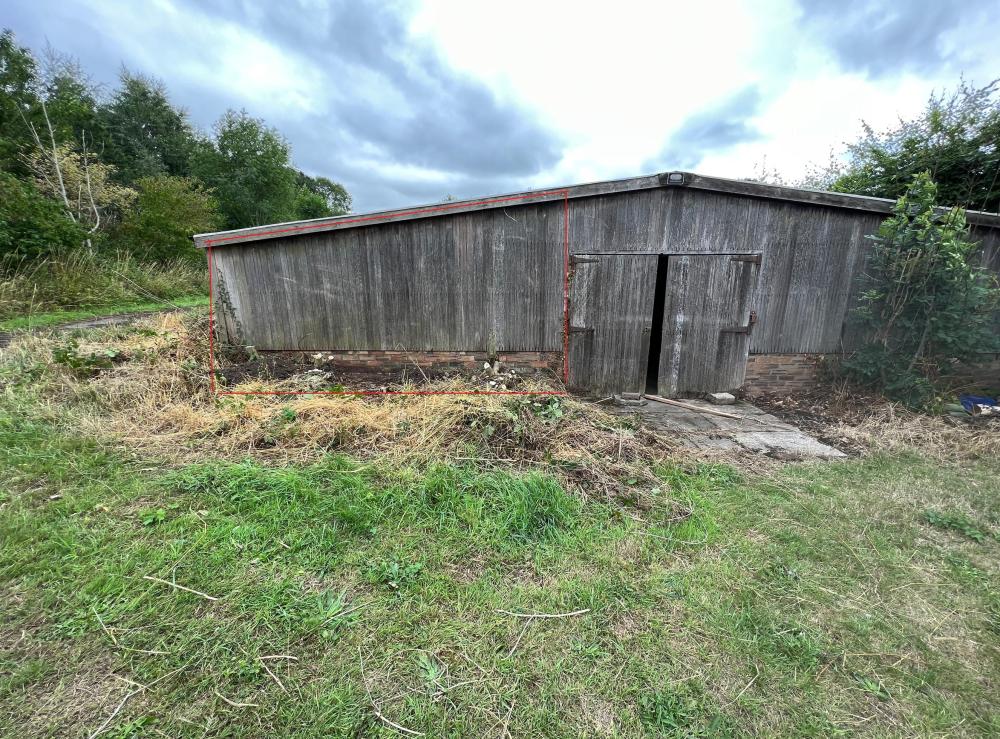
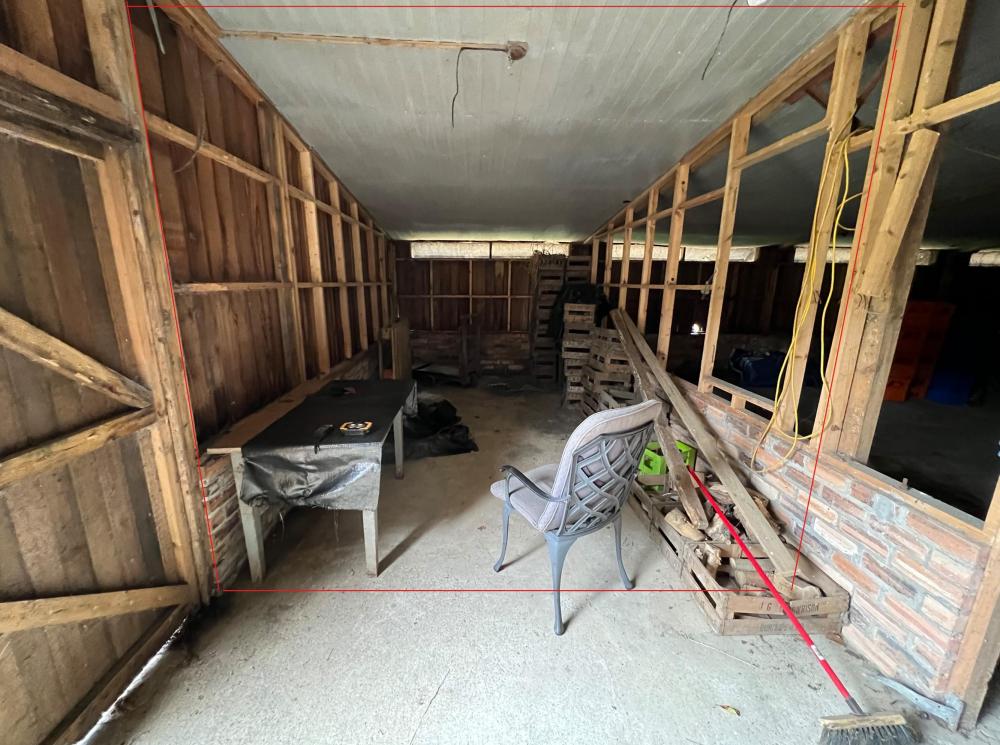
I am looking for the forum's advice on how best to approach converting a section of a large farm shed into an office. My house build is way behind schedule so I need to be on site, as Autumn / Winter approaches but I still need to focus on my main job and need an office to work out of. The farm shed is about 30m x 12m, wooden framed with wood cladding, sitting on a single skin dwarf wall. The roof is metal ( not sure if steel or ali ) with a metal internal second skin with the thinnest sort of material insulation possible between. The first picture is the front with red markings showing the corner I intend to convert. The second picture is just inside the shed door and again has red markings showing the conversion area. There is a 2m concrete path down the middle of the shed running top to bottom with a concrete floor on the first sections left and right of the main door. I am thinking of utilising the left hand section with some sort of internal stud work but need to work out the best way to insulate the floor, walls and roof. I dont mind losing space to get good insulation levels, keeping heating costs down but I would look to possible have a small MVHR system and maybe even a window. This may sound like alot for an office but I will be using this daily for 10 months plus before the main build is complete and after that it can be a workshop.
-
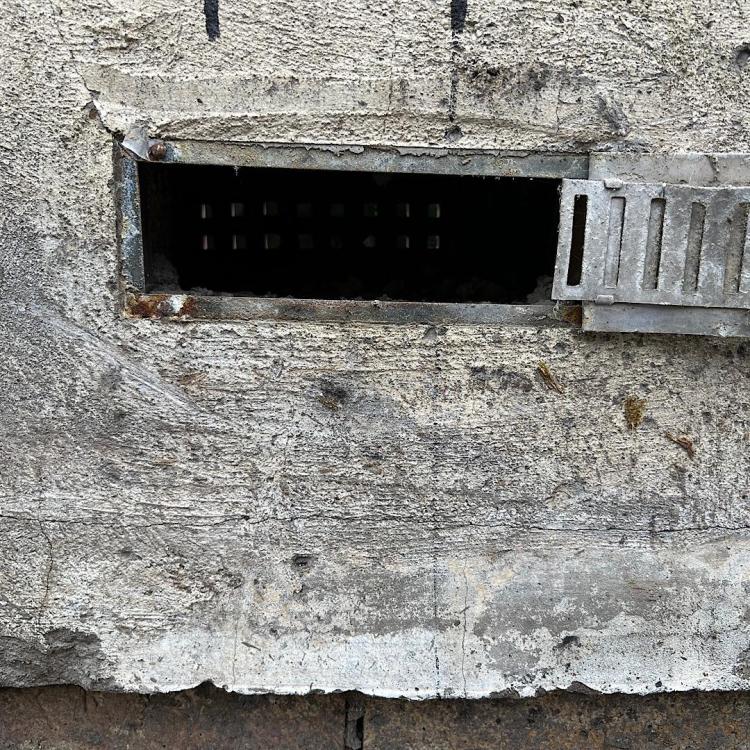
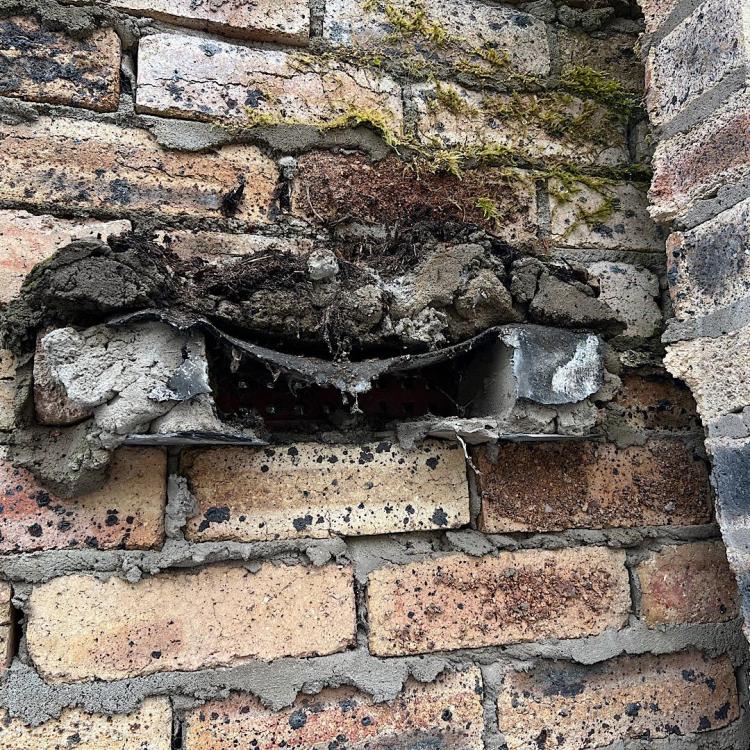
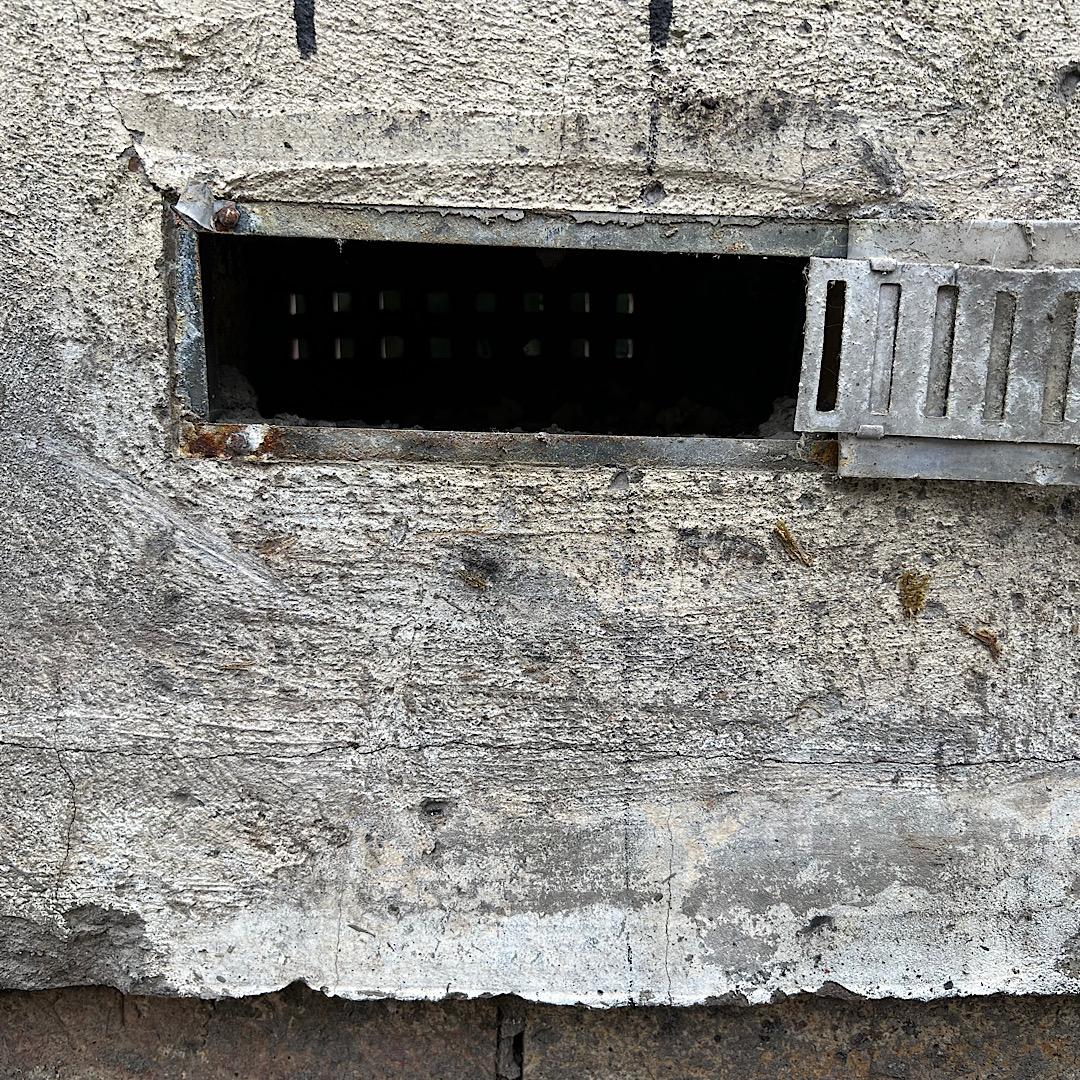
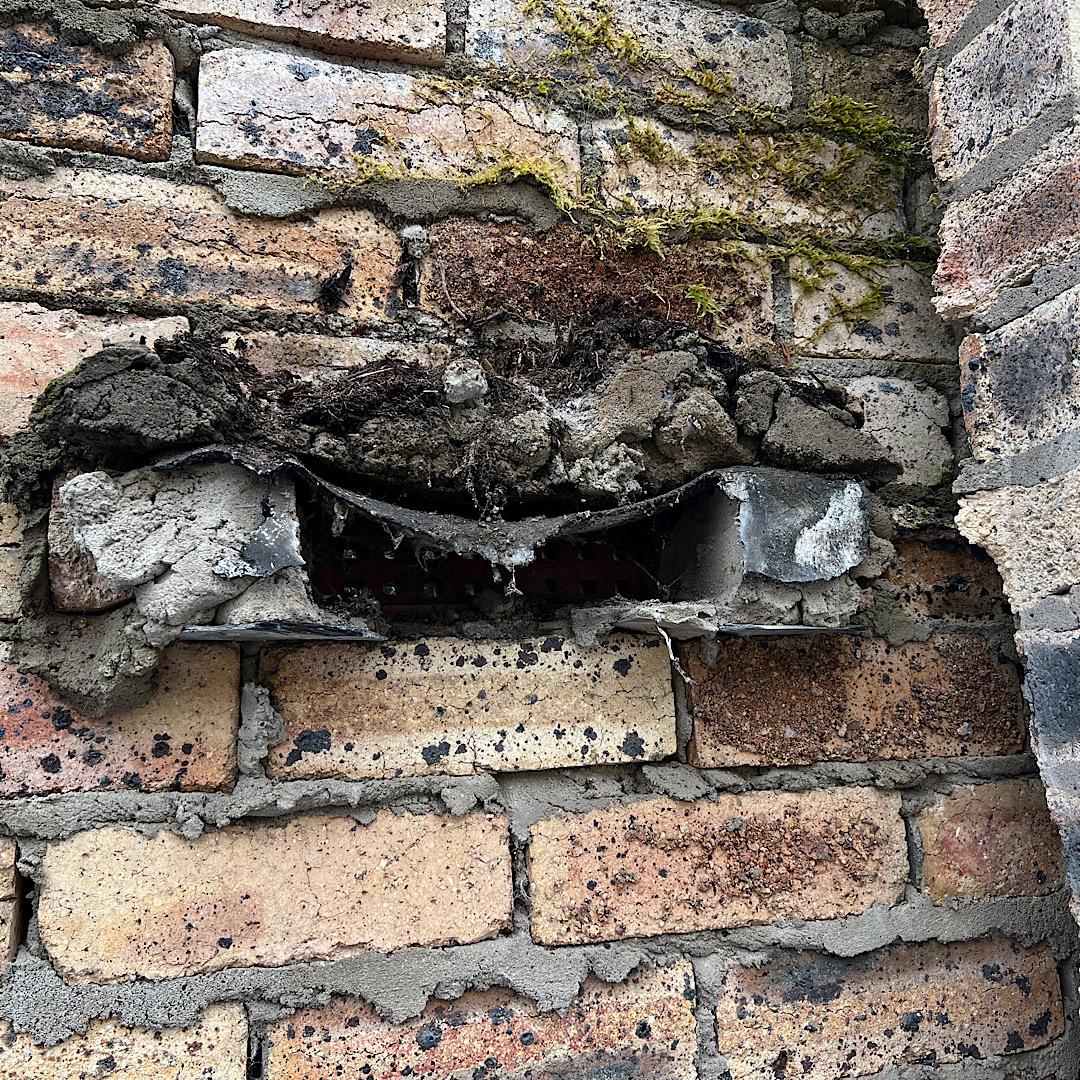
I should have noticed this before but as I didn’t cut out the inner walls I never noticed. Turns out the vents don’t vent into the cavity but into the building itself. Seems like it was along the lines of what Jilly mentioned previously being for the horses. Each vent has a sort of brick / cement surround forming a tunnel directly into the building. This fact may change my mind.