BobAJob
-
Posts
133 -
Joined
-
Last visited
Everything posted by BobAJob
-
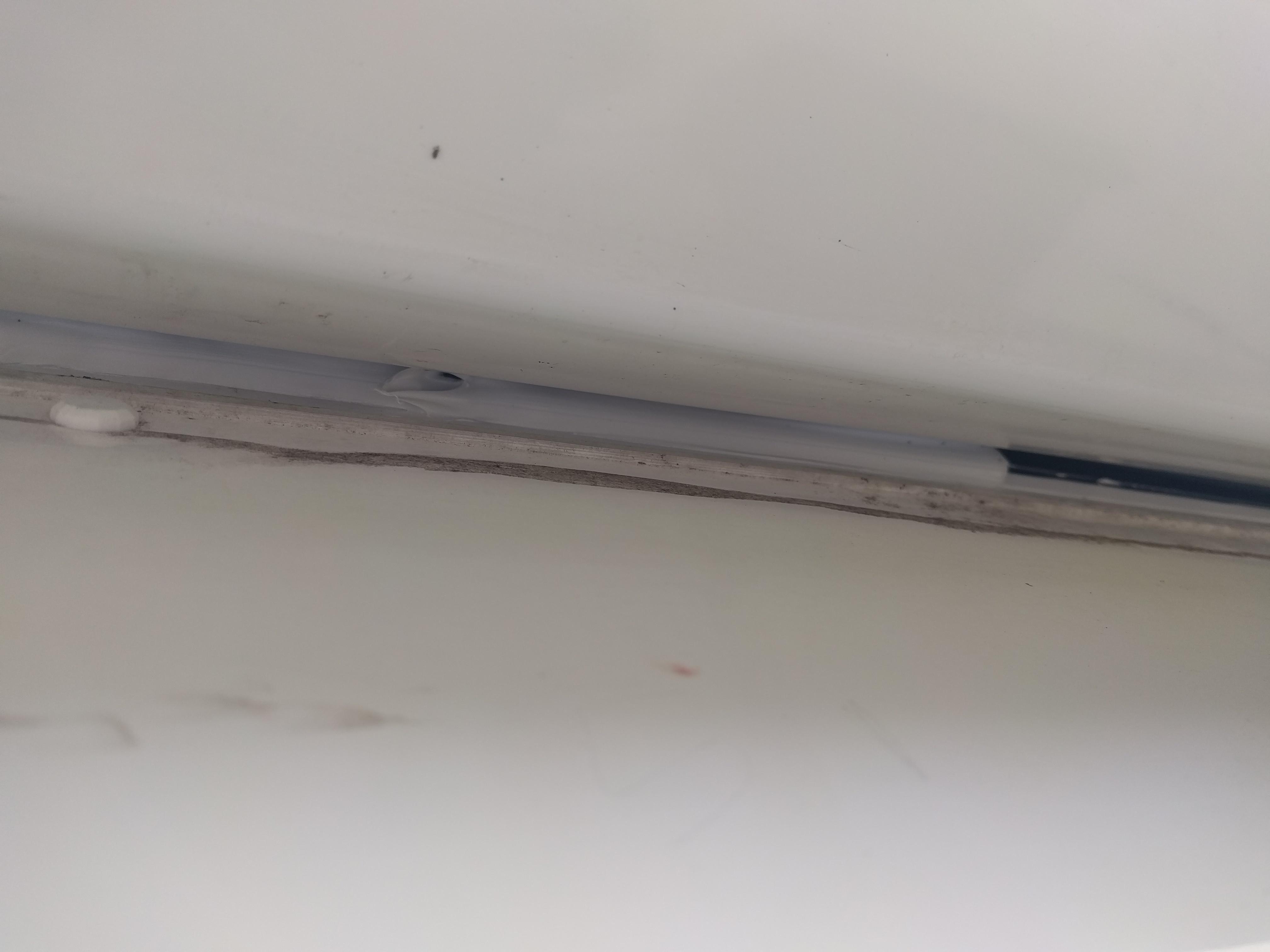
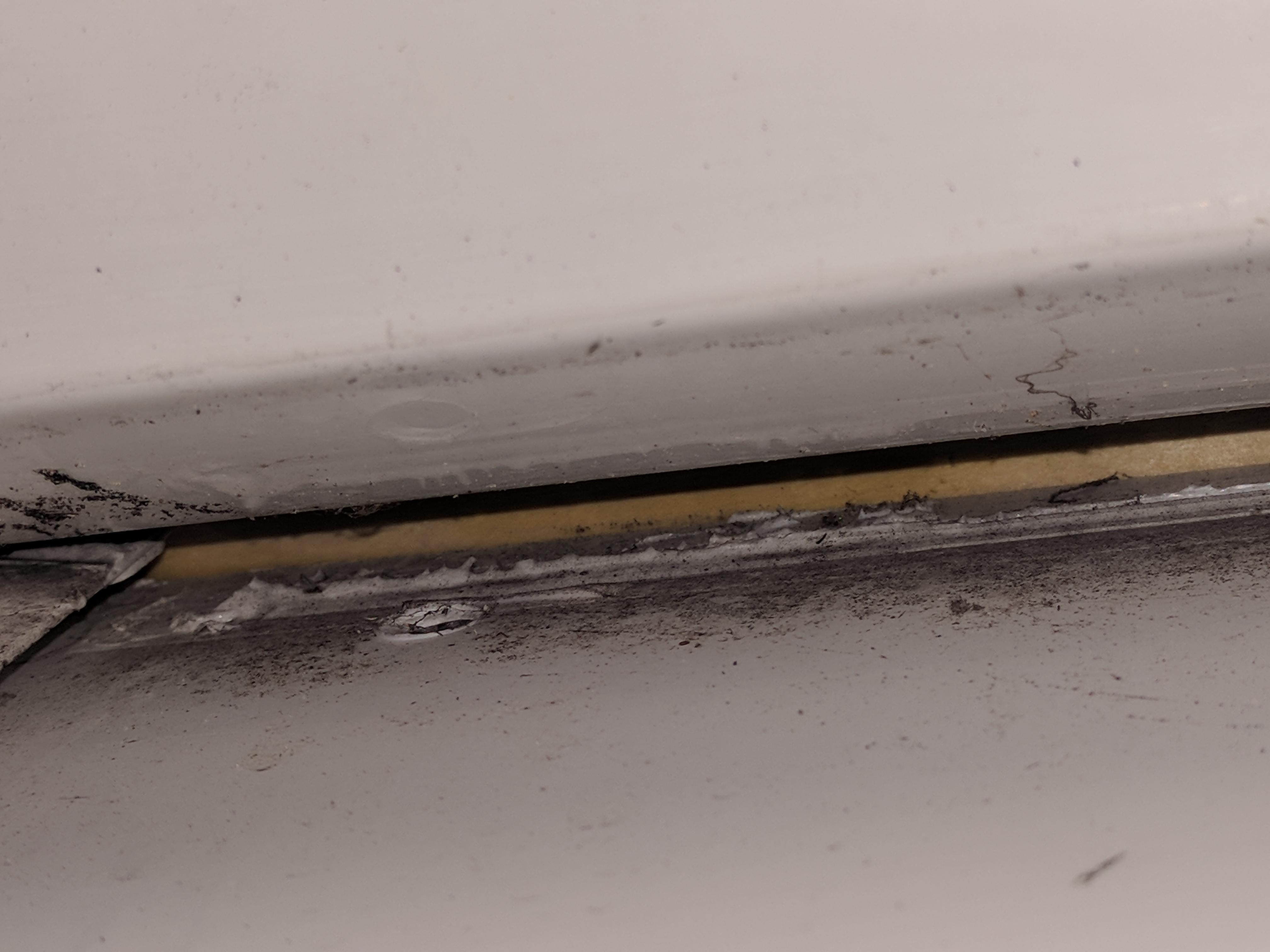
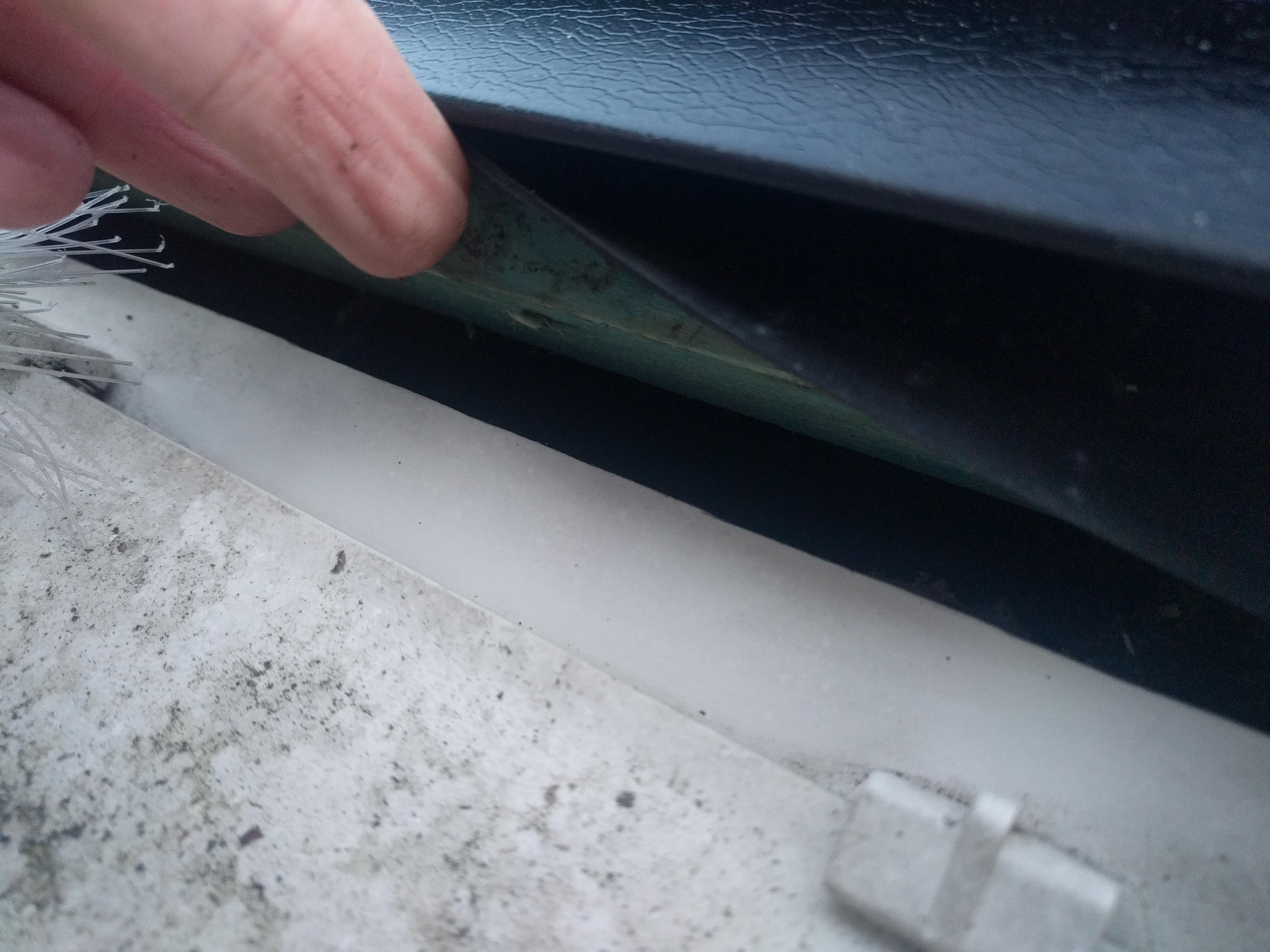
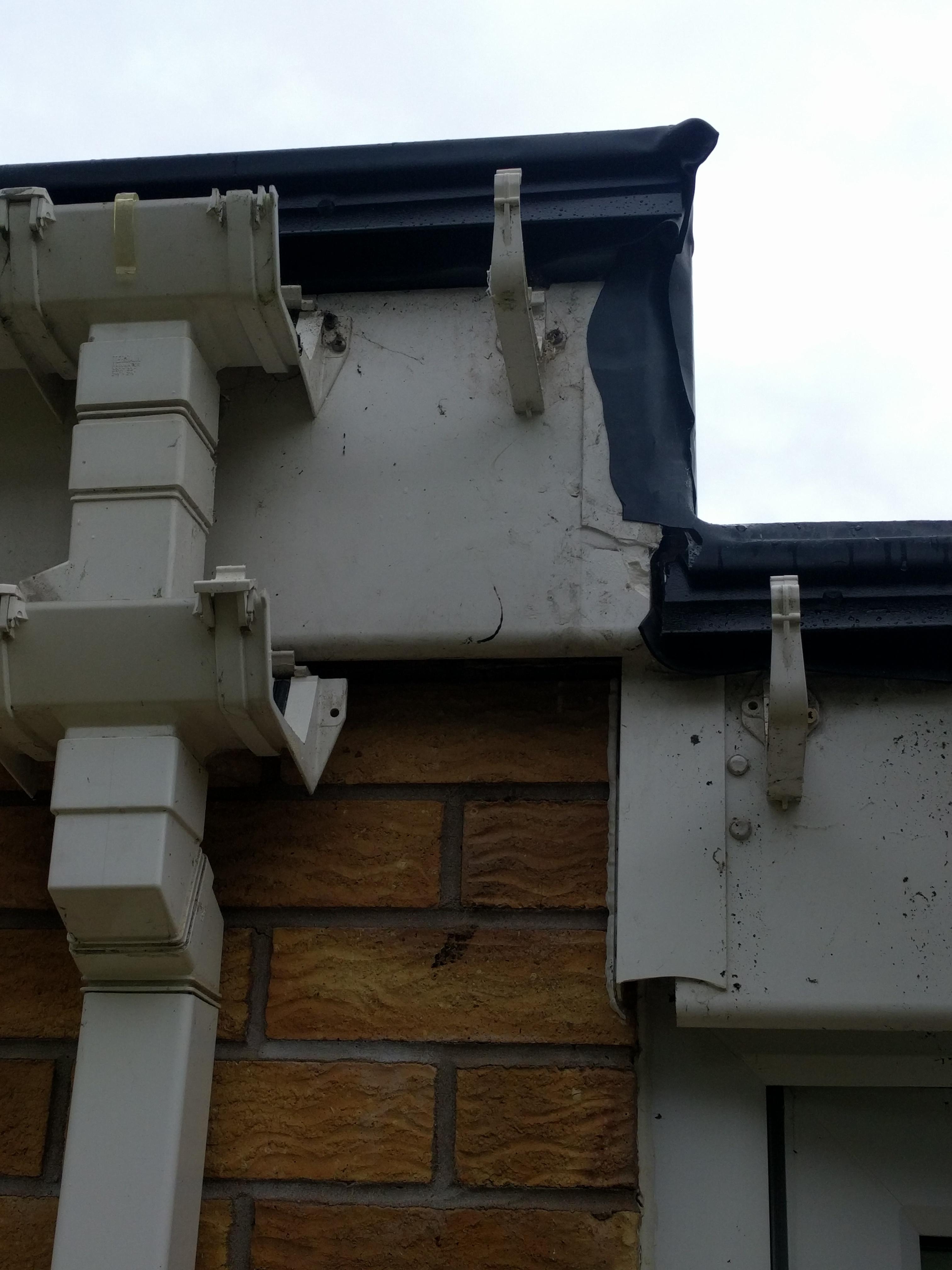
Yes, the two roofs he did have that. However, what should the wood under the rubber skirt left under the drip edge look like? We have one roof and then another roof connected to it with about a foot difference in height. It's the joint between these two where he has attached the rubber to the fascia board instead of the roof. I'll take some photos tomorrow.
-
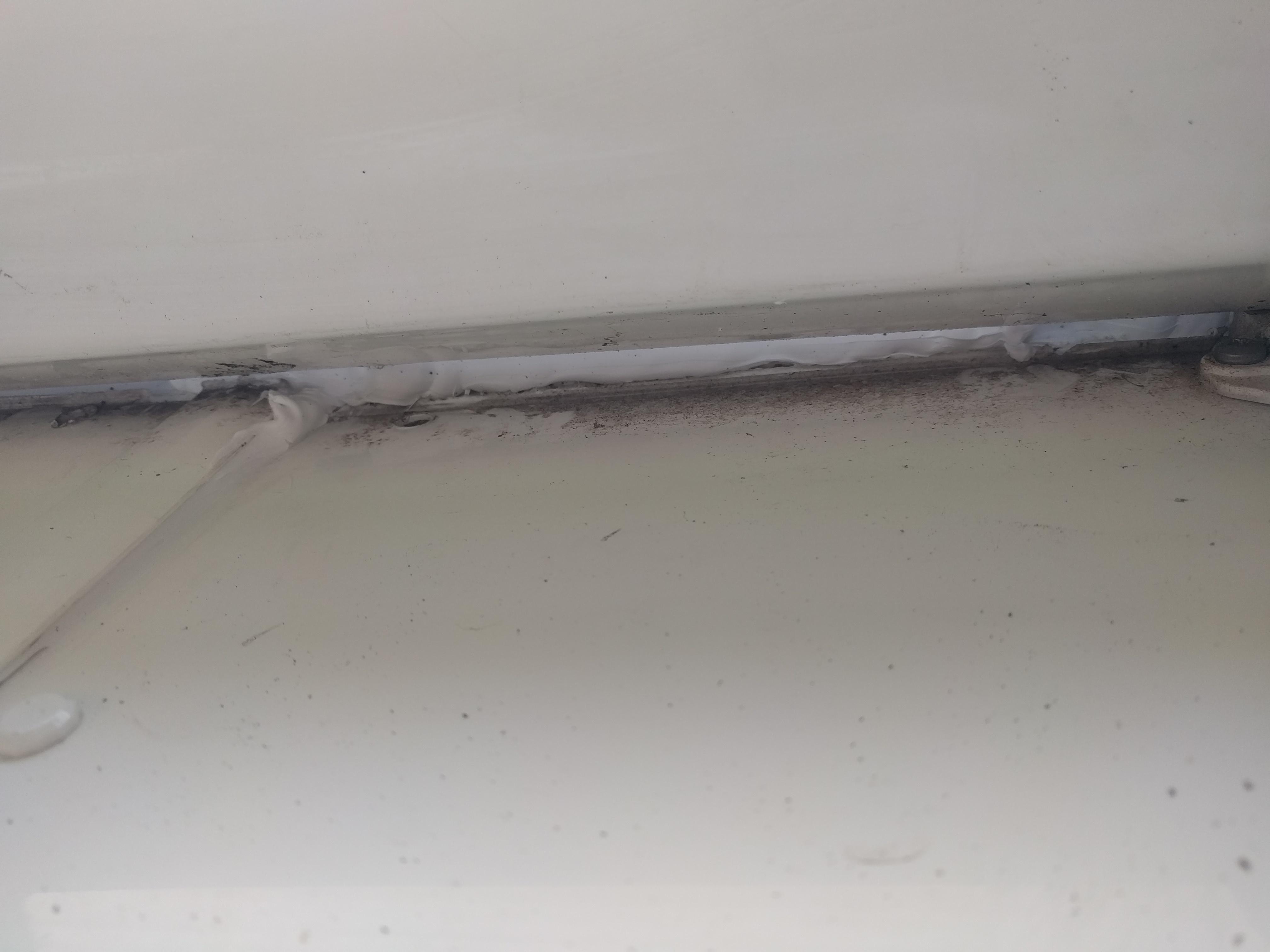
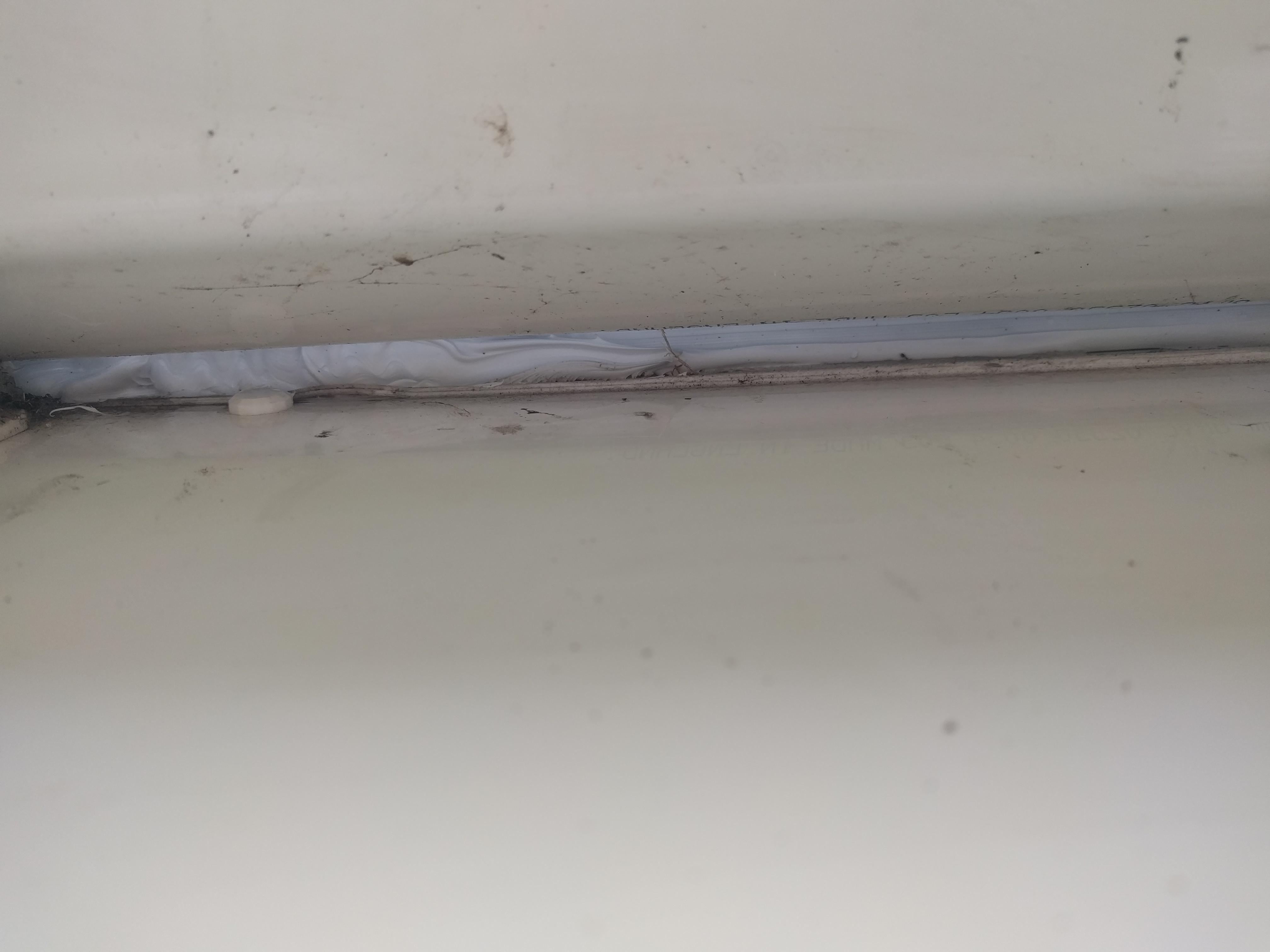
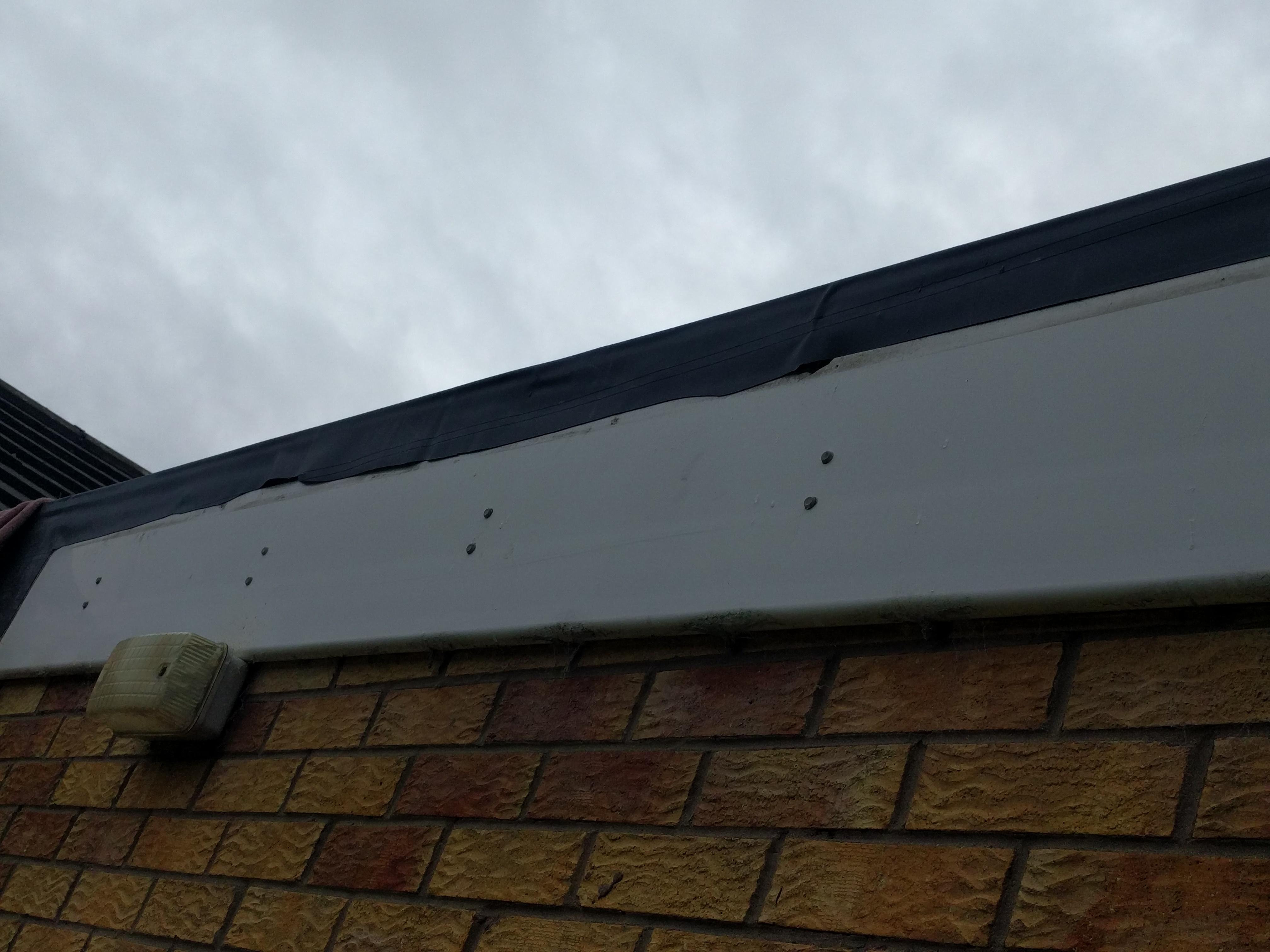
Checkatrade. Doh!! He talked a good story. I've paid him now. I'm not thrilled about the job he did as he seems to have left us with some issues e.g. he has stuck some of the rubber roof to the fascia boards instead of the roof, so now if we want to change fascia boards we have to cut the rubber and if we need to lift roof tiles then we need to cut rubber patches he has stuck to them. Lead would have been easier as we could have removed it when necessary and put it back on again. He also whacked a screw through one of the fascia boards into a window frame as he didn't want to take the time to attach it to the wall properly and loads of silicone pumped into a gap between fascia board and roof to cover up bare timber. I didn't want to ask him to fix as I had no confidence in him anymore. I guess I could of got another rubber roofer out to look at it but I am sick and tired of trades people rushing jobs and bodging them. This guy had decided he could replace two rubber roofs in one day. In the end it took 2.5 days. He was being paid £2880 for this job. I may still report him to trading standards as he markets himself as a ltd company but has no listing at Companies House.
-
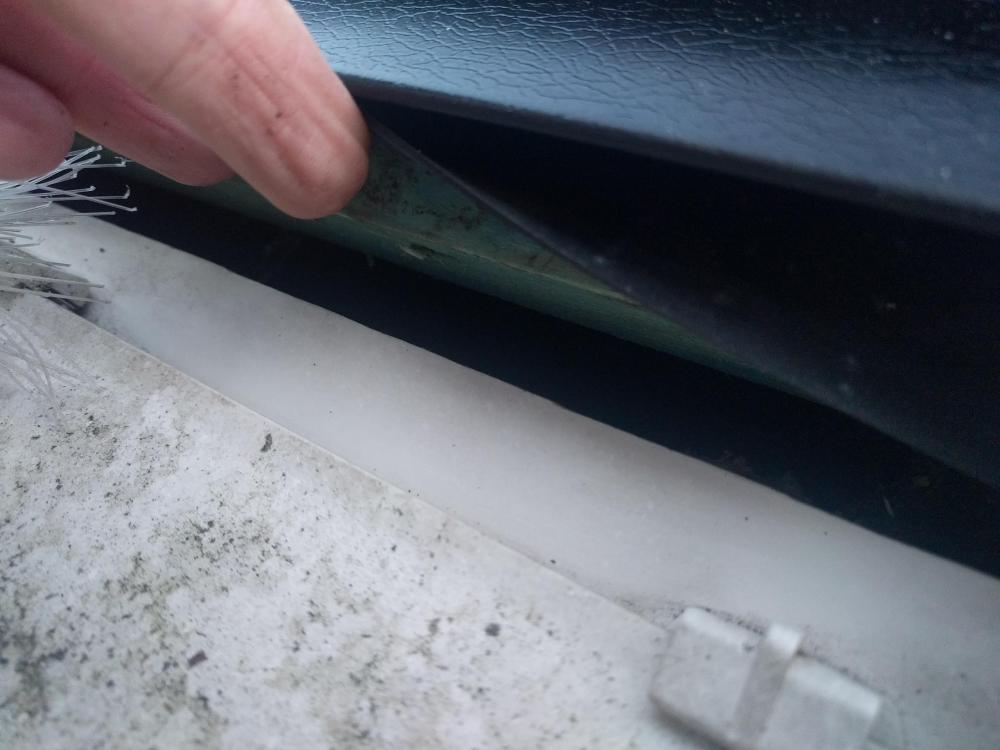
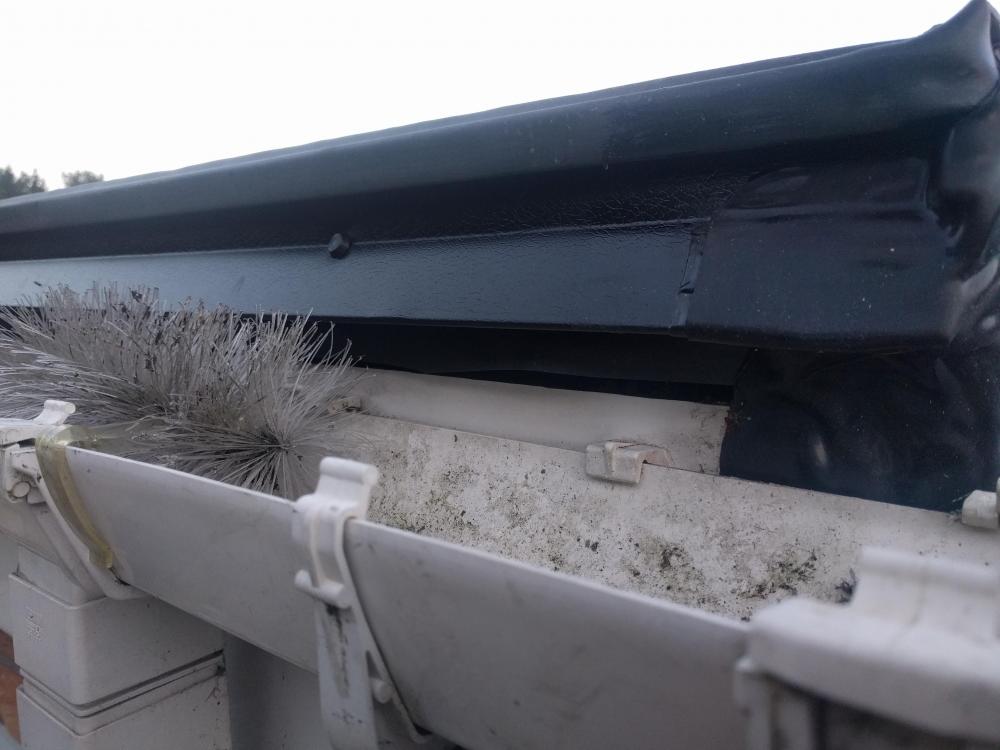
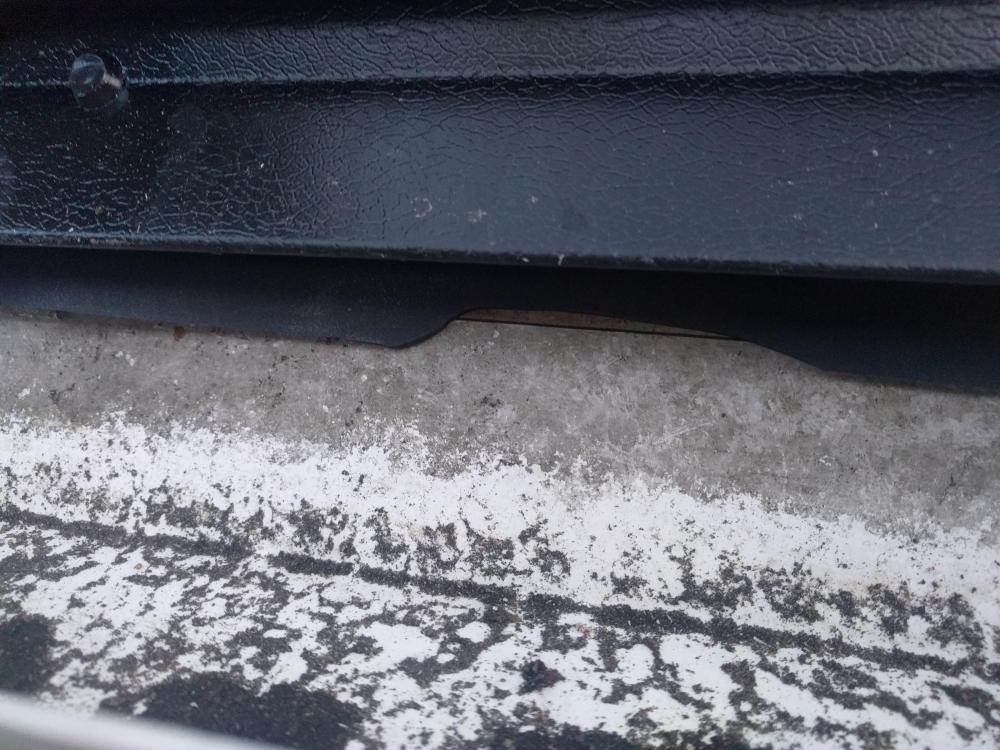
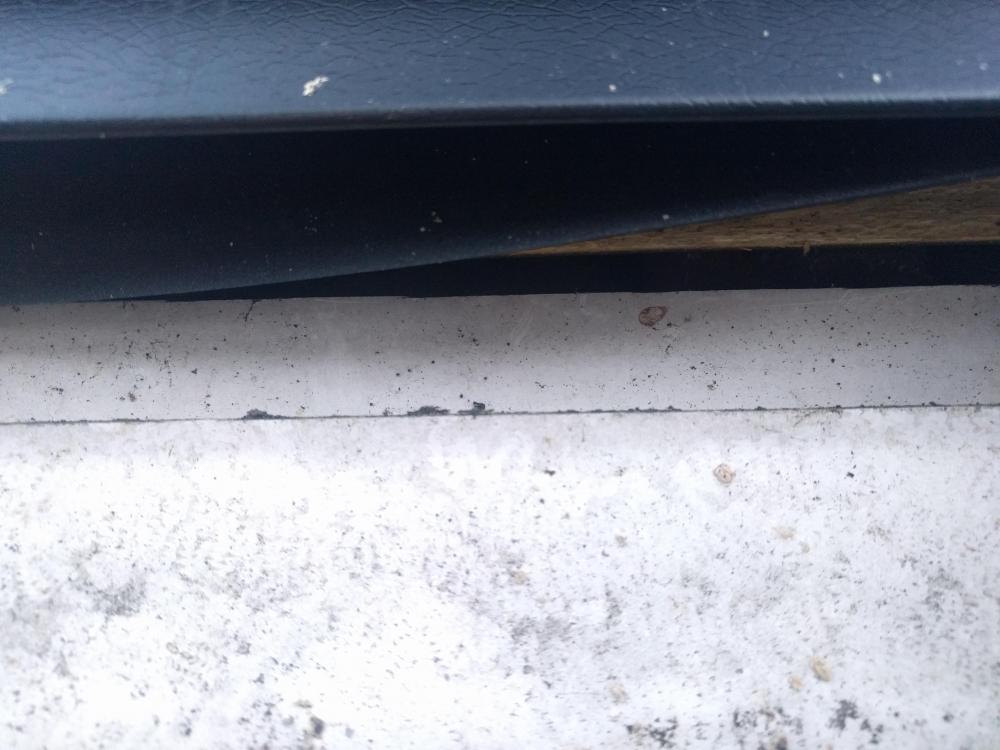
My understanding is that roofs should be connected to the building and then fascia boards attached to cover up the junction of the building and roof and to provide a means of attaching guttering. Our roofer has attached some of the rubber to the fascia board, so if we ever need to replace the fascia board we have to cut the rubber patches he has stuck to the rubber membrane and the fascia board. I challenged him on it but he told me it was the only way to do it. I've since discovered that there's a piece of bare wood behind the fascia board. Water can't run on to it but potentially rain could be blown up into it. Not sure how I protect that piece of wood. He also seems to have glued the rubber hanging down on the sides of the roof to the fascia board, so again how do you change the fascia boards without cutting the rubber? He's also not used lead to seal the joins between the pitched roof and the flat roof. He has used big rubber patches which he has stuck to the roof tiles. In my opinion he seems to have done the job quickly but not the best finish and potentially left us with problems we didn't have before. We wanted it done right not quickly.
-
I had a rubber roof redone a couple of weeks ago. The roofer said there was no need to protect the wood on the gutter edge with a cladding, so he left it as bare wood.
-
I told him I didn't want a load of silicone on it and he went ahead and did it anyway, so now I have to try to undo it.
-
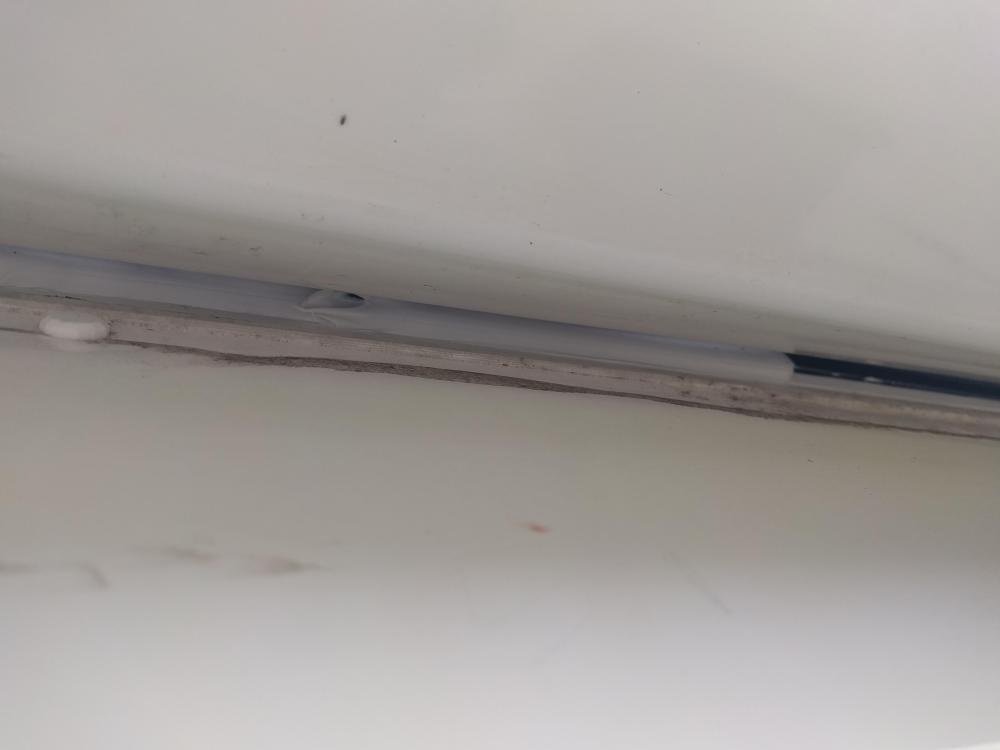
Is this a bodge by my roofer? I think put some of the wood under the roof boards in the wrong place and now the trim on the edge of the roof bows out and stops the roof being sealed, so he whacked a load of silicone it. He tells me it's the fascia boards that are causing the problem and they need replacing.
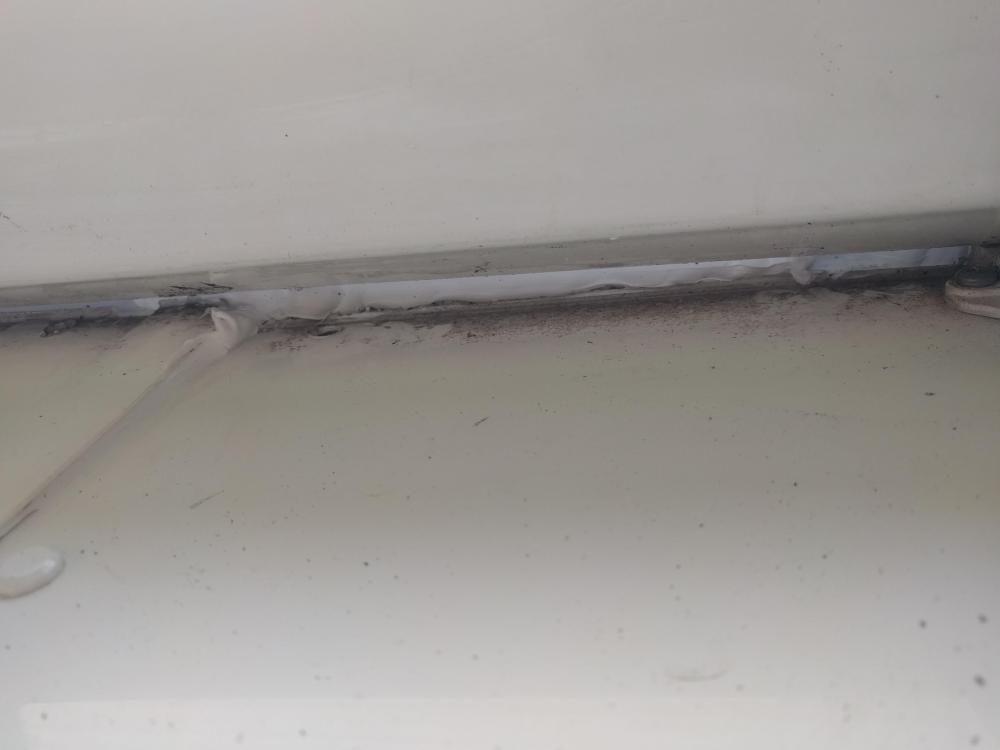
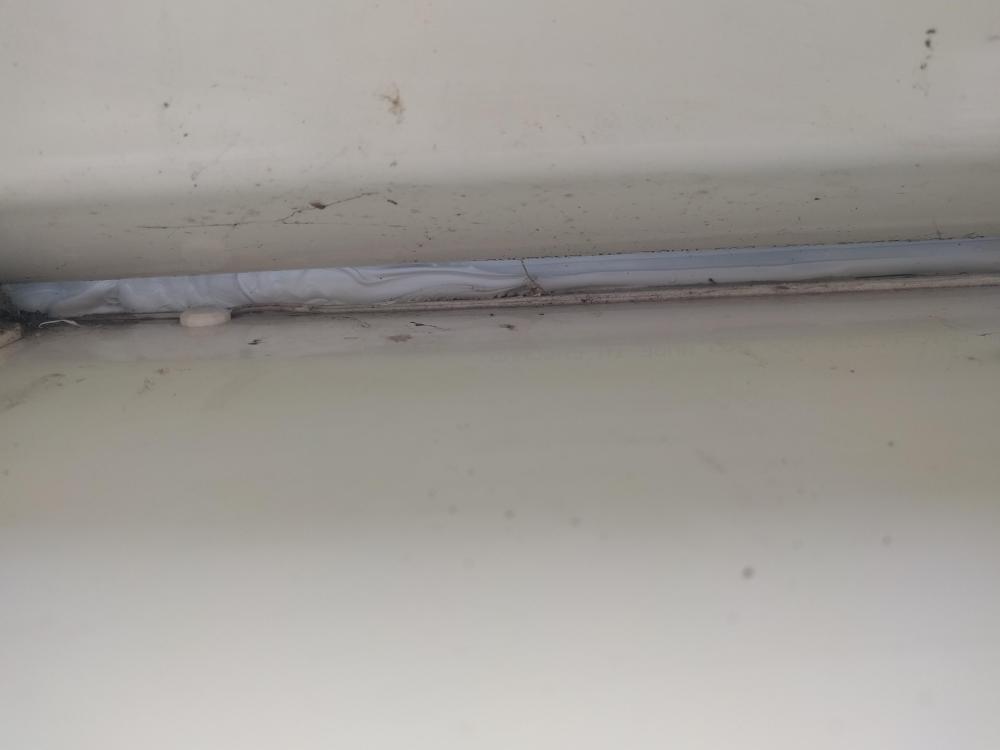
-
I agree that water on the felt is a sign of a problem higher up the roof, but if water does get onto it and it can't drain away then it will build up and the weight of it will cause the felt to fail or it will soak the battens and they will rot. I thought roofs were laid to allow any water that gets on the felt to run off under the battens not get stuck on the roof. But isn't roof felt laid with a slight sag in it to allow any water that makes it on to the felt to run into the sag under the battens and then off onto the roof or into the gutters for a standard pitched roof? Surely it can't do that if there's a kicker board blocking the water from flowing away and there is no sag in the rubber because there's a board under it and thus no slight sag to allow the water to pass under the wooden batten for the tiles? Or am I just been paranoid following my bad experience? Thanks
-
And how are you supposed to integrate a flat rubber roof with a pitched roof allowing any water that gets on to the felt under the tiles to drain off onto the rubber roof? My roof has put a lay board under the rubber but it is about 2 cms higher that the felt layer and he has fitted a batten in the dip between the felt and rubber sections, so I can't see how it's possible for water to get under the batten and onto the rubber. The roofer has put an unattached batten board under the pitched roof tiles to stop them touching the rubber. He says this is a sacrificial piece of wood but to my mind it stops any water on the felt and rubber under the tiles getting out and onto the rubber roof. Please can someone show me some good examples of how the junction between a rubber roof and a pitched roof is supposed to look? Thanks
-
Can anyone help me with this question before I handover £3000 to the roofer and he loses interest in fixing any issues? Thanks
-
So how should the guttering edge of a rubber roof be finished? Should the rubber be left loose or should it be nailed or glued to a board? Thanks
-
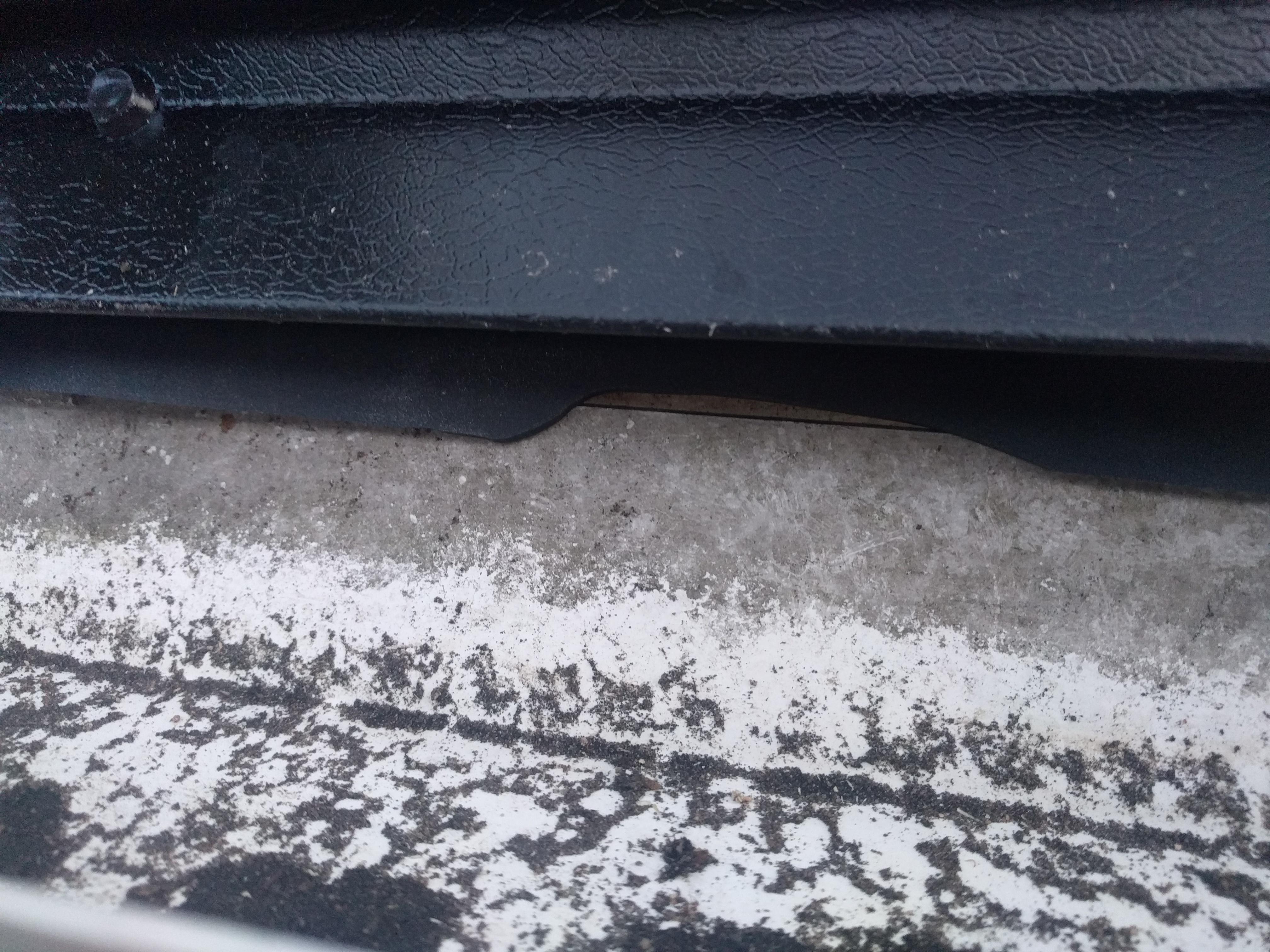
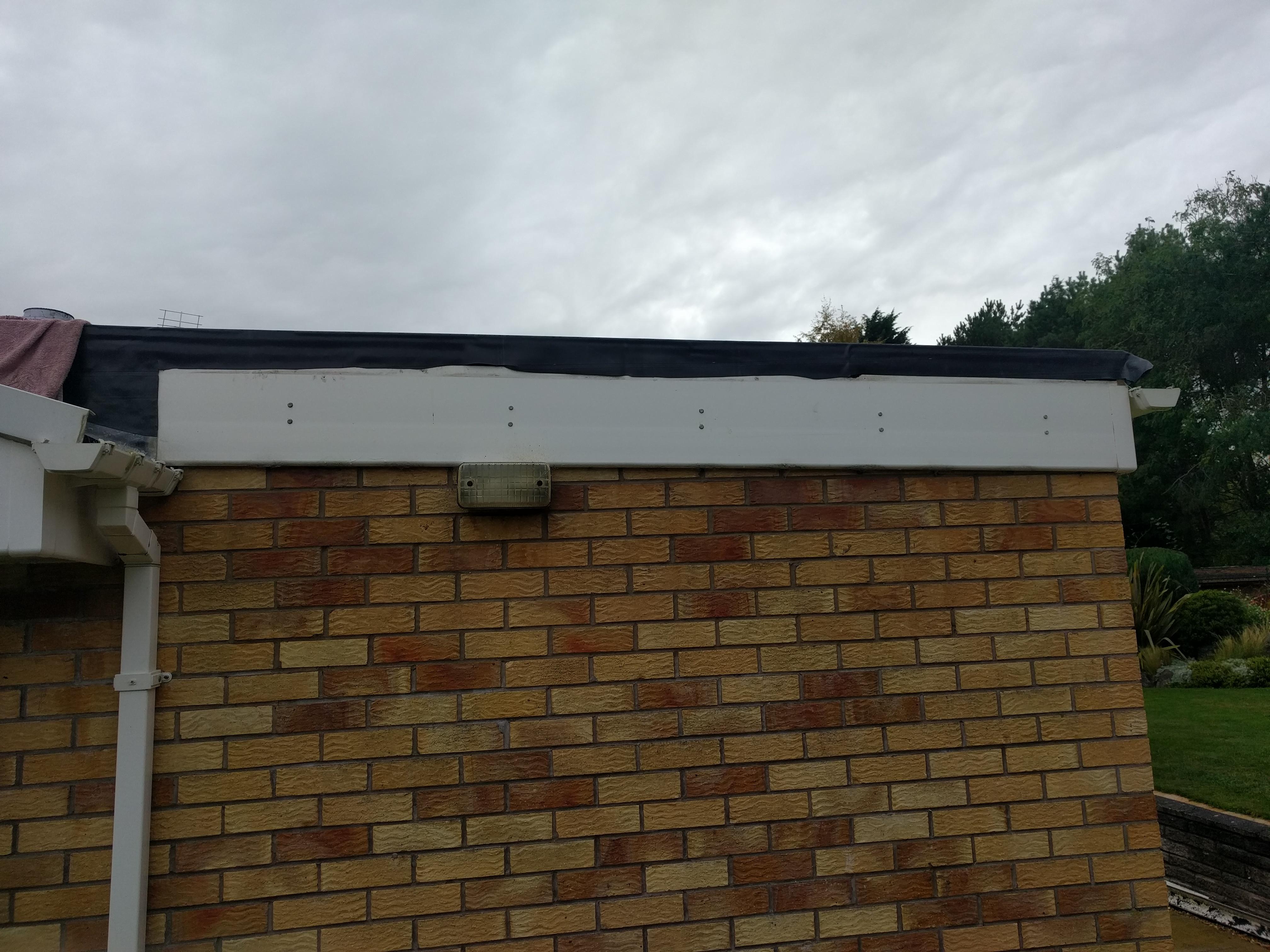
I have noticed a potential problem though. Where the flat roofs have the guttering attached he has fitted a strip to feed the rain water into the gutter but behind that the roof structure isn't weather sealed. There's an overhang of rubber of slightly varying length. If you lift the rubber you can see the wood attached to the side of the roof, so moisture and snow can get into it. It looks like some kind of edging should be nailed to the wood to properly seal it. There used to be an edging strip there on the old roof and you can still see the silicone sealant on the upvc behind the guttering brackets.
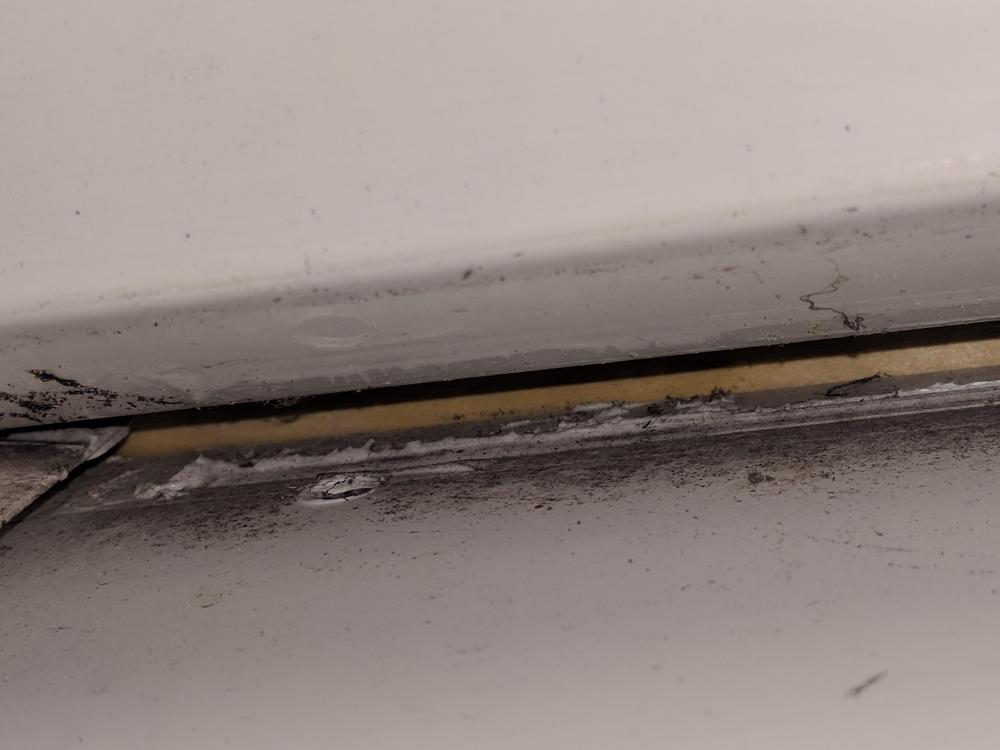
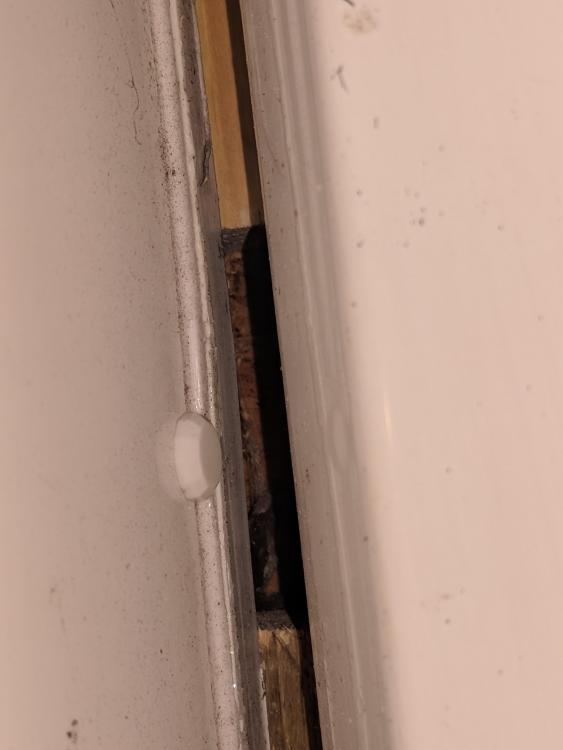
-
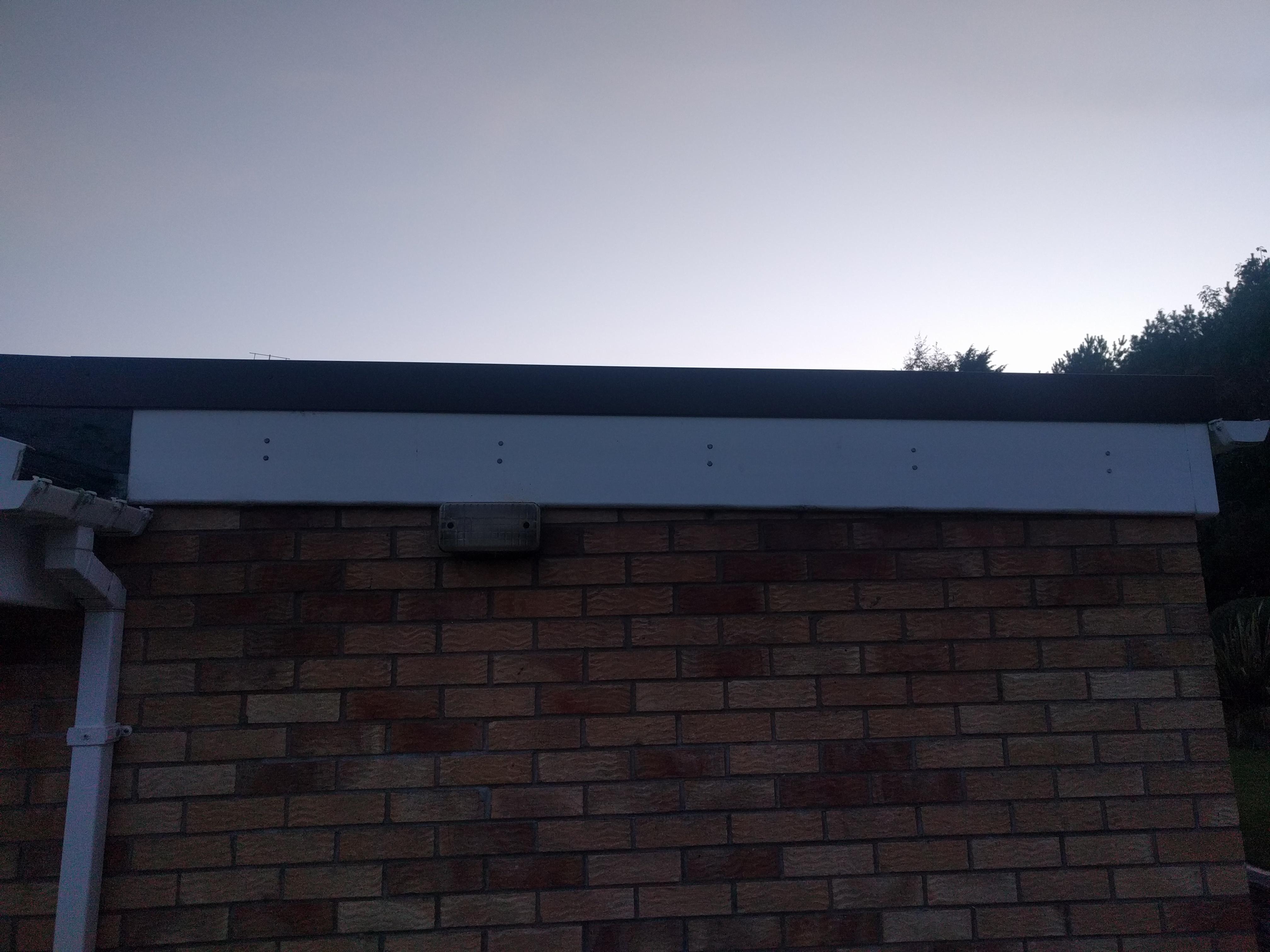
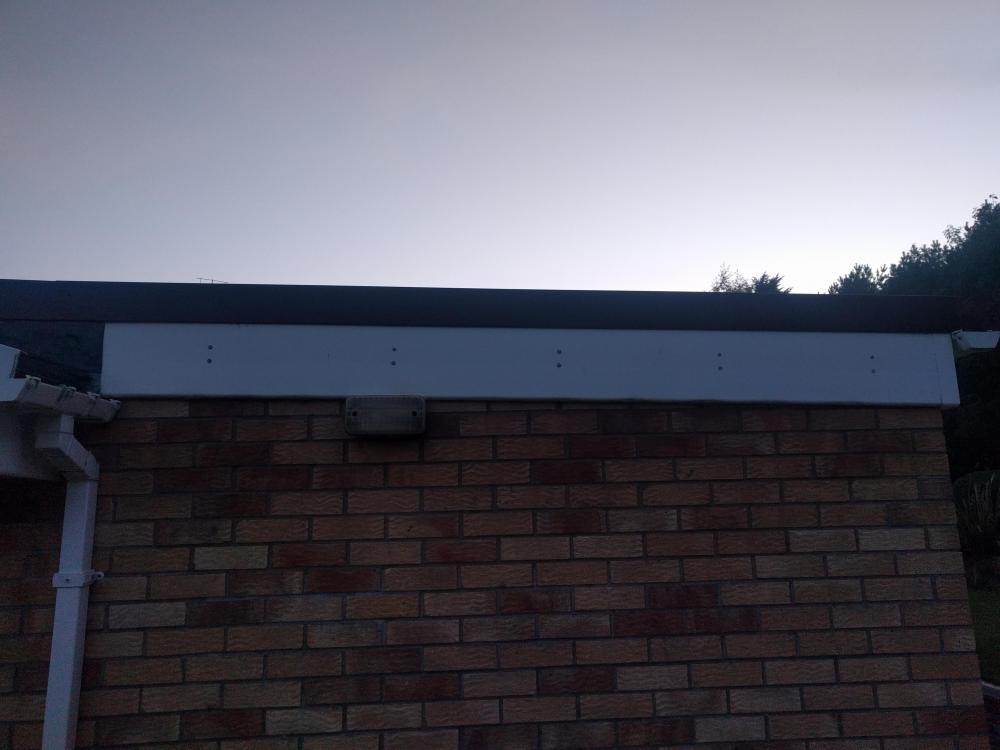
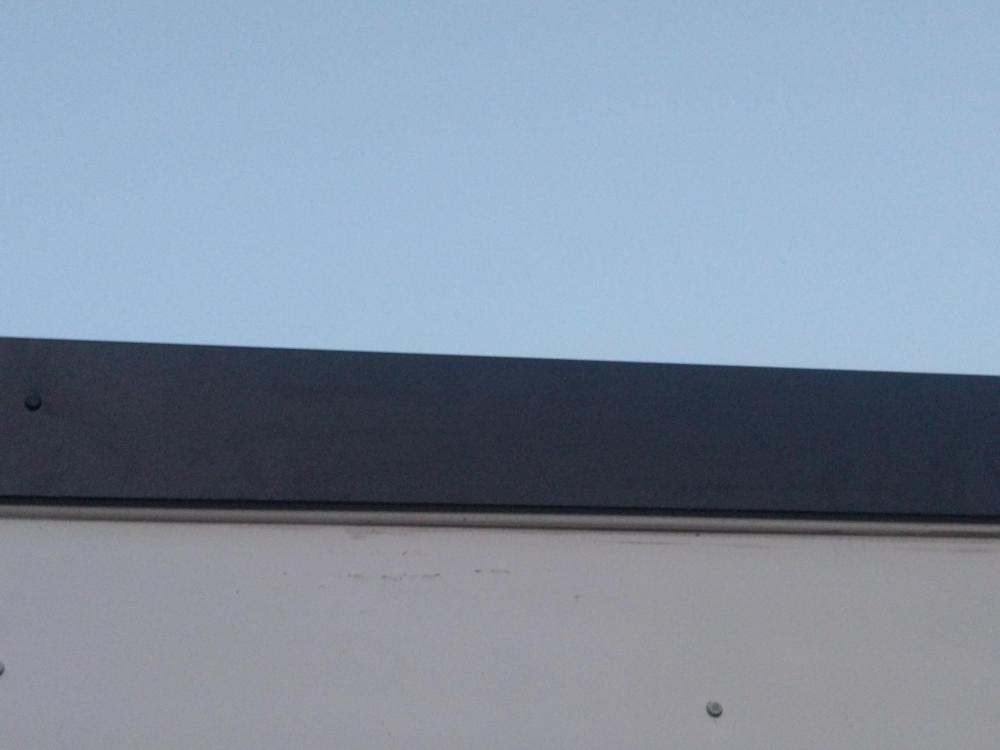
He now says he has finished. You can see the fascia boards he was put on top of the rubber overhang and the white upvc boards.
-
He's whacked a fascia board over it, so you can't see it anymore. Unfortunately, I don't see a way of fixing it after you've cut it too short. Perhaps stick another bit of rubber underneath it, so it all ends up on the white board underneath. He told me it was glued underneath the board but I don't believe him. Time will tell.
-
He's whacked a fascia board over it, so you can't see it anymore. Unfortunately, I don't see a way of fixing it after you've cut it too short. Perhaps stick another bit of rubber underneath it, so it all ends up on the white board underneath. He told me it was glued underneath the board but I don't believe him. Time will tell.
-
My thoughts exactly. Why are there so may incompetents around? It's really not that difficult to spend a few more minutes getting it right.
-
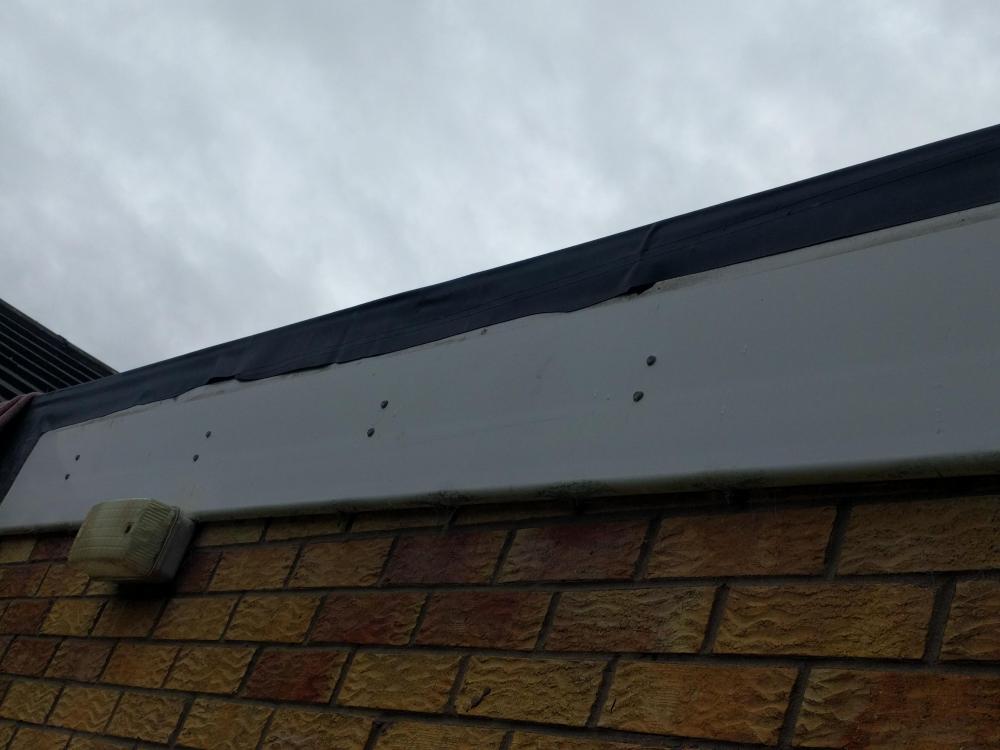
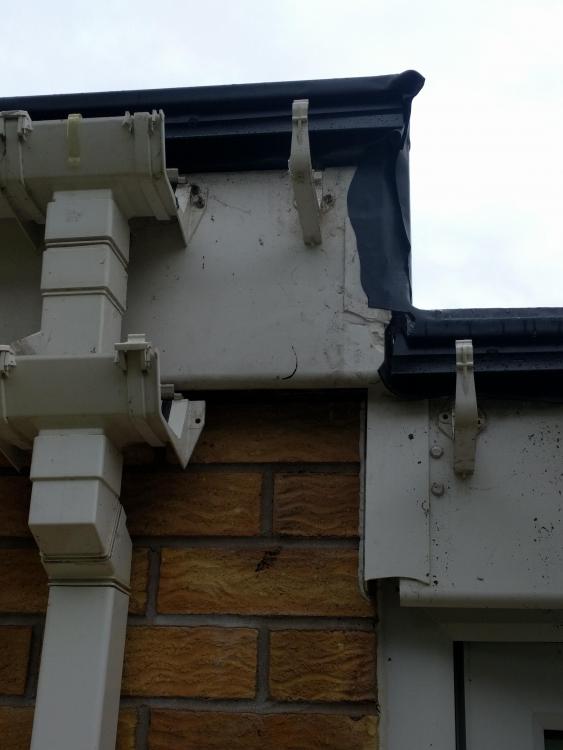
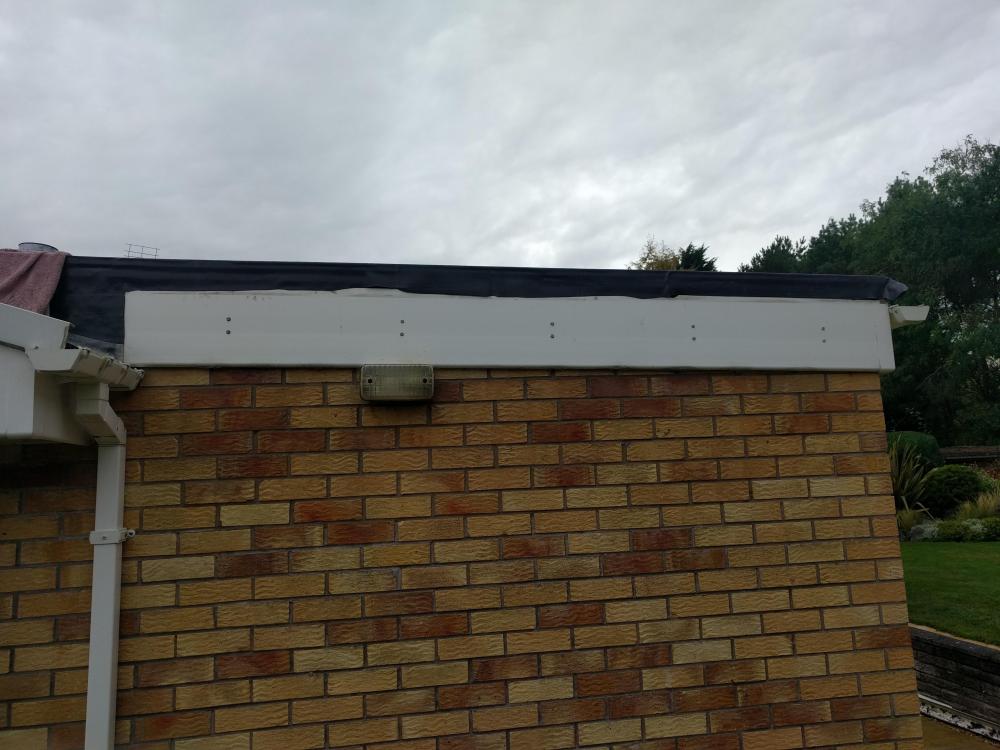
Having our botched rubber roof fixed and noticed the new guy has done this at the edges. Seems to have cut the rubber at random length because he cut it while he was up on the roof instead of standing on the floor. I think he's planning to fit a facia board on top of it. Is it a problem? Thanks
-
I tried asking at the local builders' merchant and they told me they can't provide any recommendations.
-
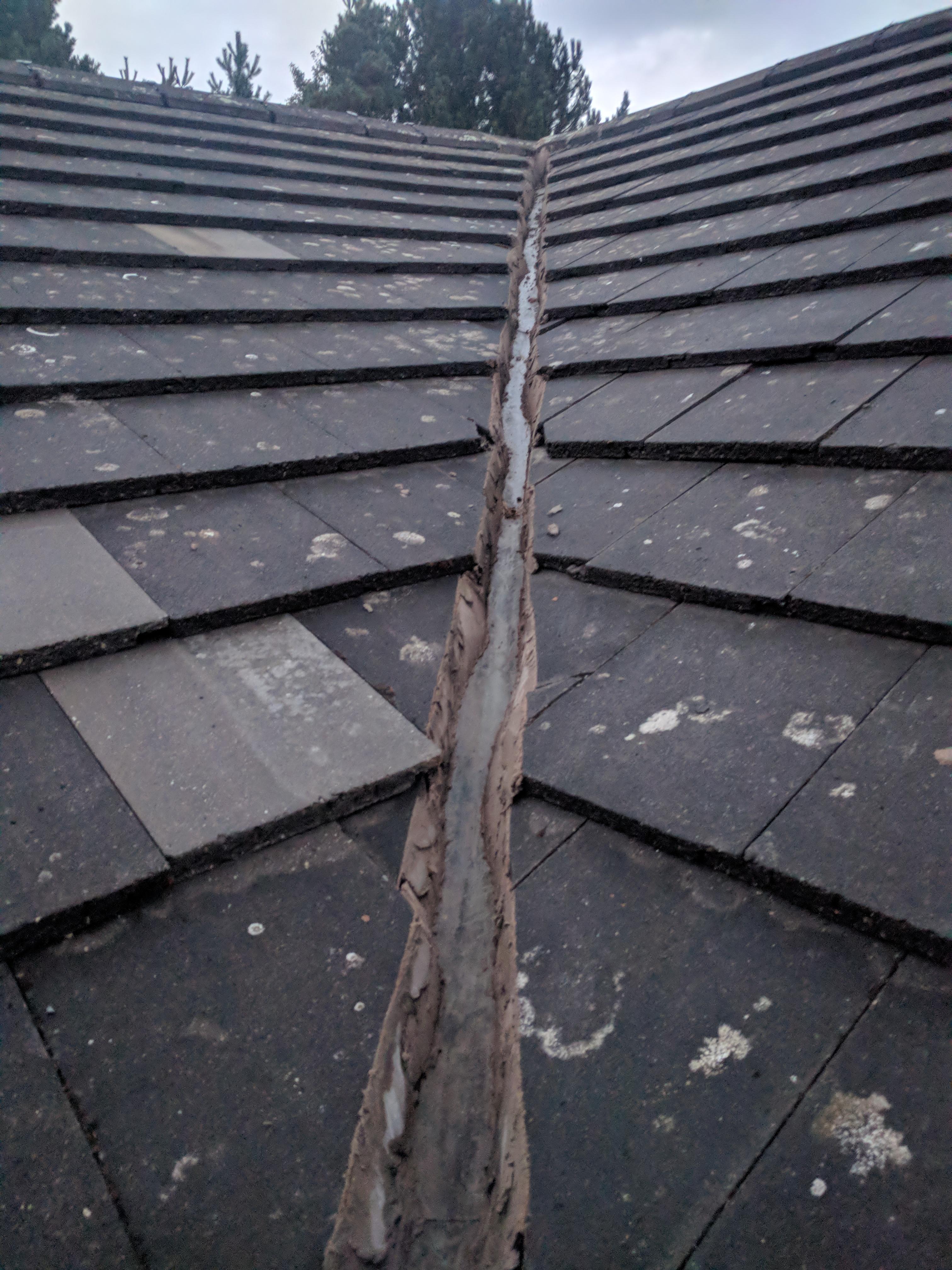
I've found a local roofer who is doing valley work on the estate. His business address is on our street. I've visited a couple of people's houses to see his work. His work is much tidier and smoother and doesn't look like it was applied by a 5 yr old. He is the roofer that quoted me £1300 to redo both valleys and refit the ridge tiles at the top of the valleys and do a general check of the dry ridge install.
-
I've got about 40 spares.
-
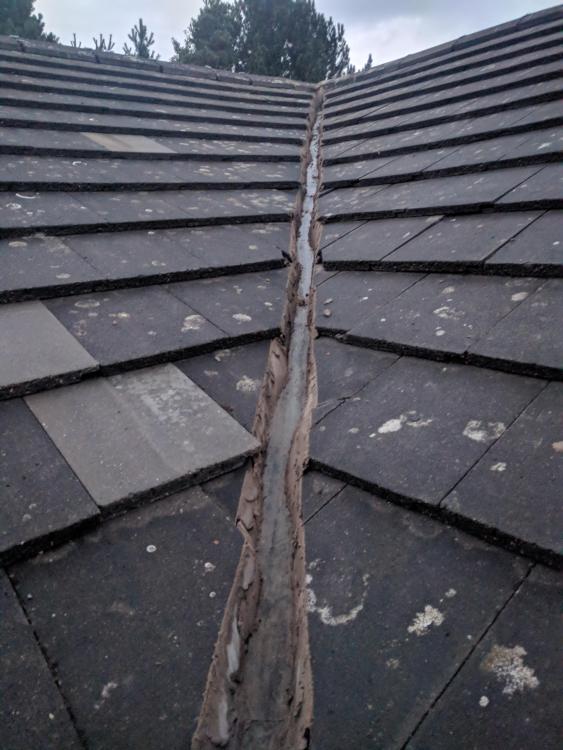
Well to be fair the roofer didn't cut any tiles. There are 4 broken ones that he should of replaced though and I get the feeling that some of them needed pulling forward a bit to make them line up. How do you fix it without breaking the roof tiles?
-
-
-
Still no sign of the old roofer and he still hasn't been paid.
-
I'm interested to see what should be used for this job.
-
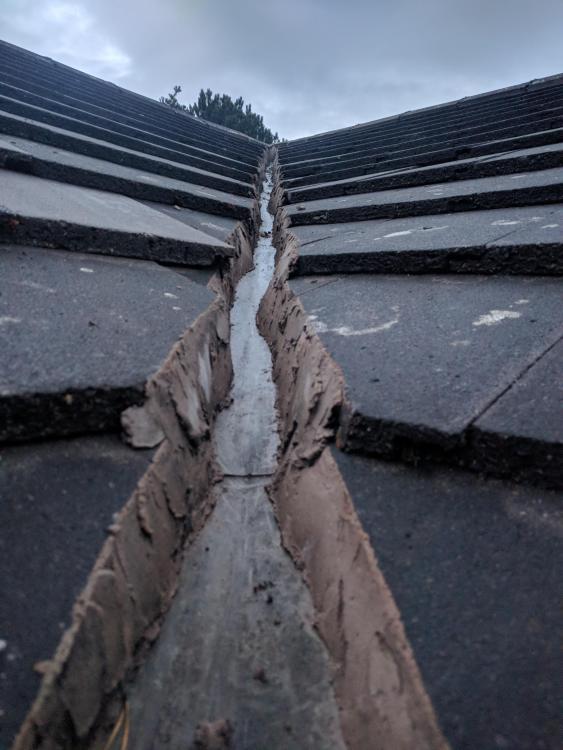
It's not lead in the valleys. It's some kind of thick plastic. I think the lead was replaced many years ago.