marshian
-
Posts
1605 -
Joined
-
Last visited
-
Days Won
6
Everything posted by marshian
-

How to measure the remaining HW in an unvented cylinder
marshian replied to Adsibob's topic in Boilers & Hot Water Tanks
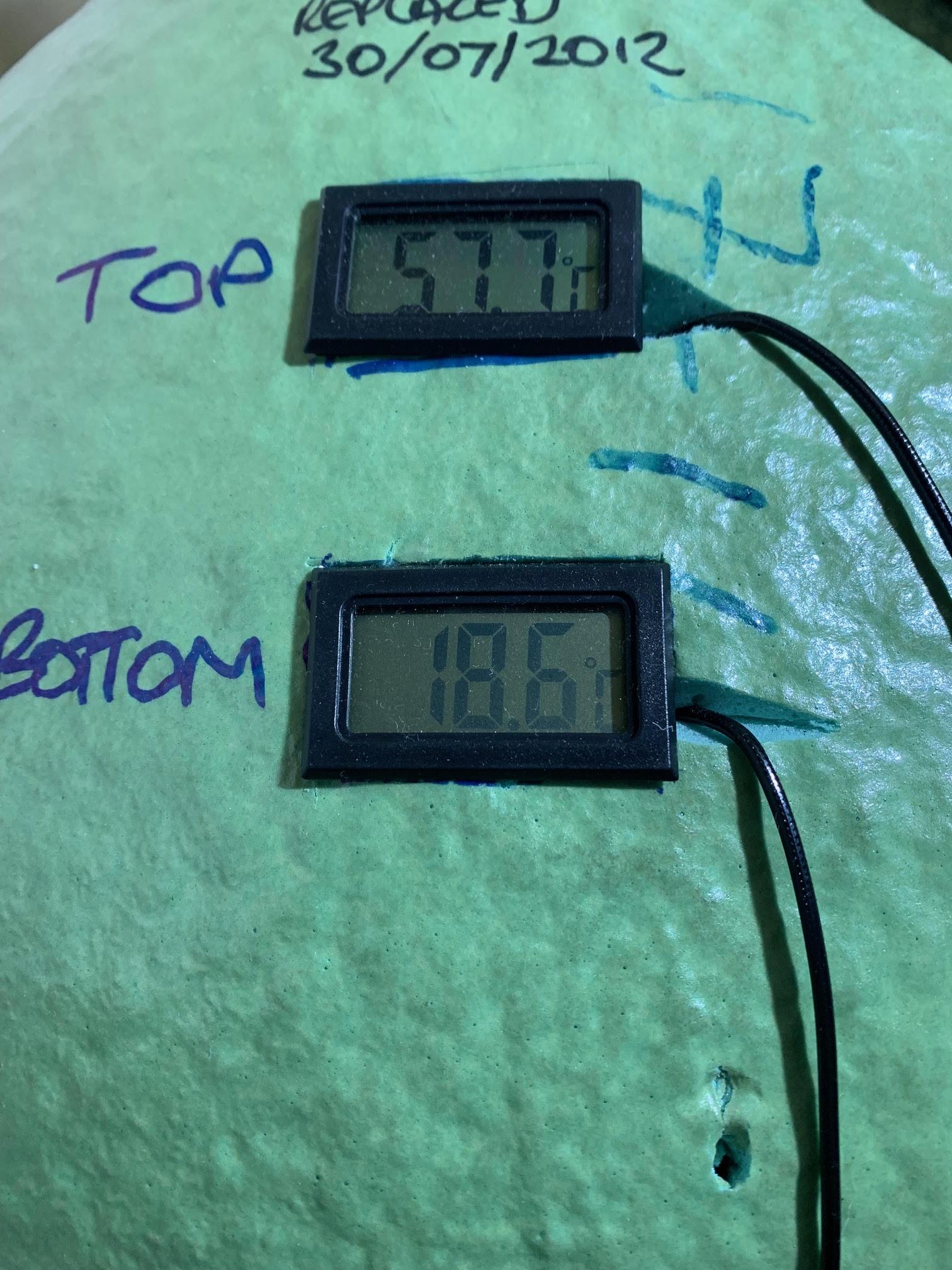
No - that was bath night for SWMBO That was after the bath had been poured The tank I have stratifies quite well - there was about 40 L left in the tank at 57.7 Deg - there will be a slight zone where the temp gratuates but then everything below that was at 18.6 Deg (cold water tank temp) I've just had to manually do my DHWP as our water usage today was higher than normal (SWMBO left the bath tap on a very slow trickle after the morning cleaning session - ooops) it took the tank down to 22 deg top and bottom 36 mins with the boiler shoving between 10 to 12kW in thro the 3 kW coil and the top is at 51 and the bottom 50. Best delta I get heating water is 16 Deg due to the coil being a std 3kW one -
How to measure the remaining HW in an unvented cylinder
marshian replied to Adsibob's topic in Boilers & Hot Water Tanks
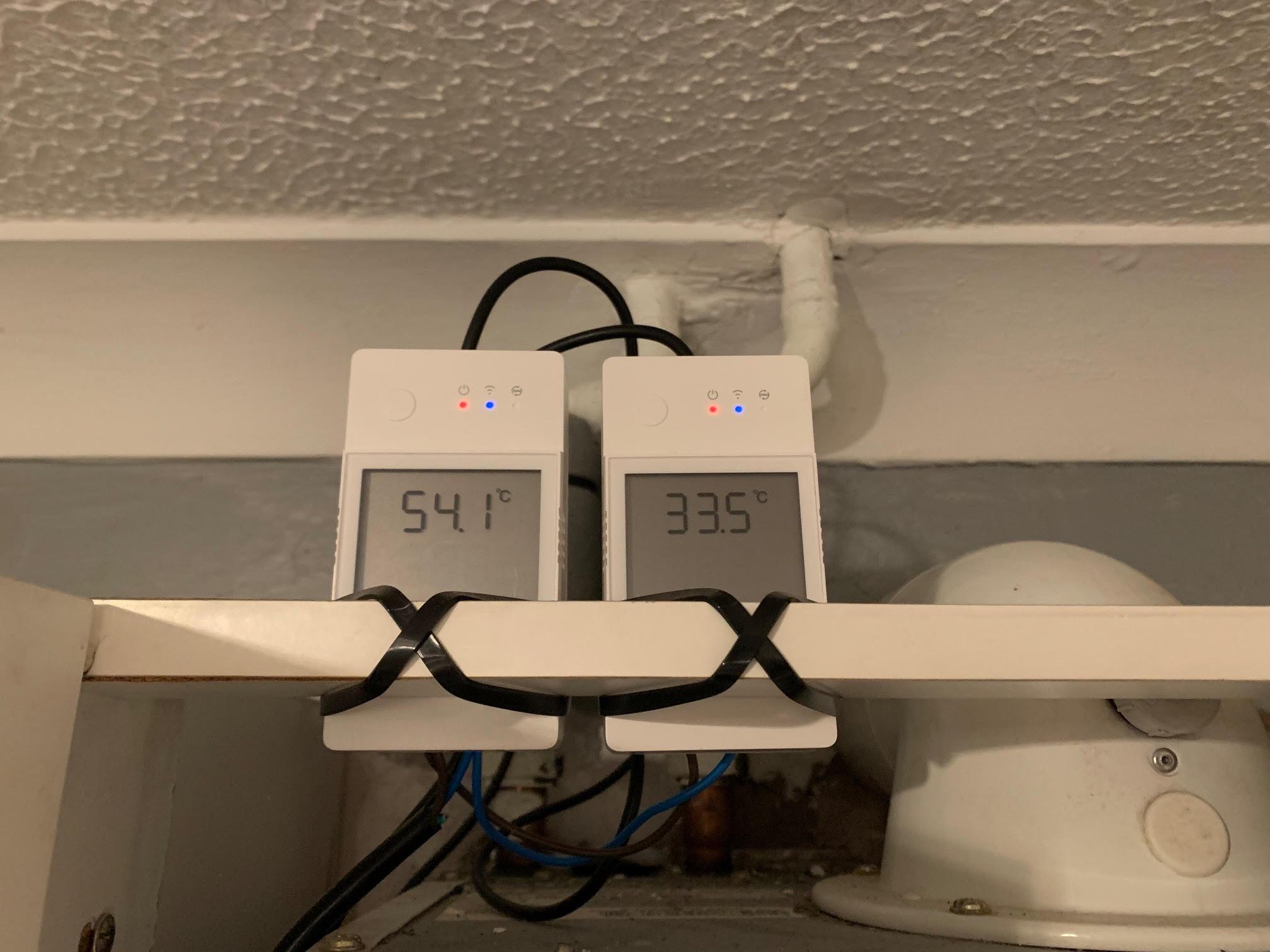
You could use something like a Sonoff Temp Sensor 3/4 of the way up the tank - set the temp set point to just below your target tank temp and then use the switch facility as an output signal to fire HW as you would be about to run out of HW at that point? -
How to measure the remaining HW in an unvented cylinder
marshian replied to Adsibob's topic in Boilers & Hot Water Tanks
Forgot to add a Picture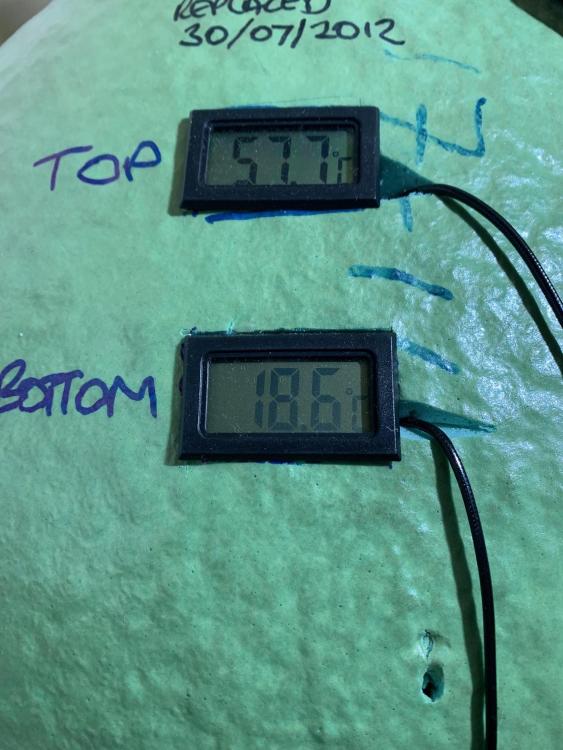
-
How to measure the remaining HW in an unvented cylinder
marshian replied to Adsibob's topic in Boilers & Hot Water Tanks
I did similar but only top and bottom -
Heat loss over time (Vented Cylinder)
marshian replied to marshian's topic in Boilers & Hot Water Tanks
The pipework I can cope with - However it's depth exceeds a std 300mm wall cupboard which means it's going to need to be on show - imagine if you can a line of lets say black wall units broken by a bright white boiler.......... I can live with that - SWMBO can't - life is full of compromises I know when I can win this isn't one of those times -
Heat loss over time (Vented Cylinder)
marshian replied to marshian's topic in Boilers & Hot Water Tanks
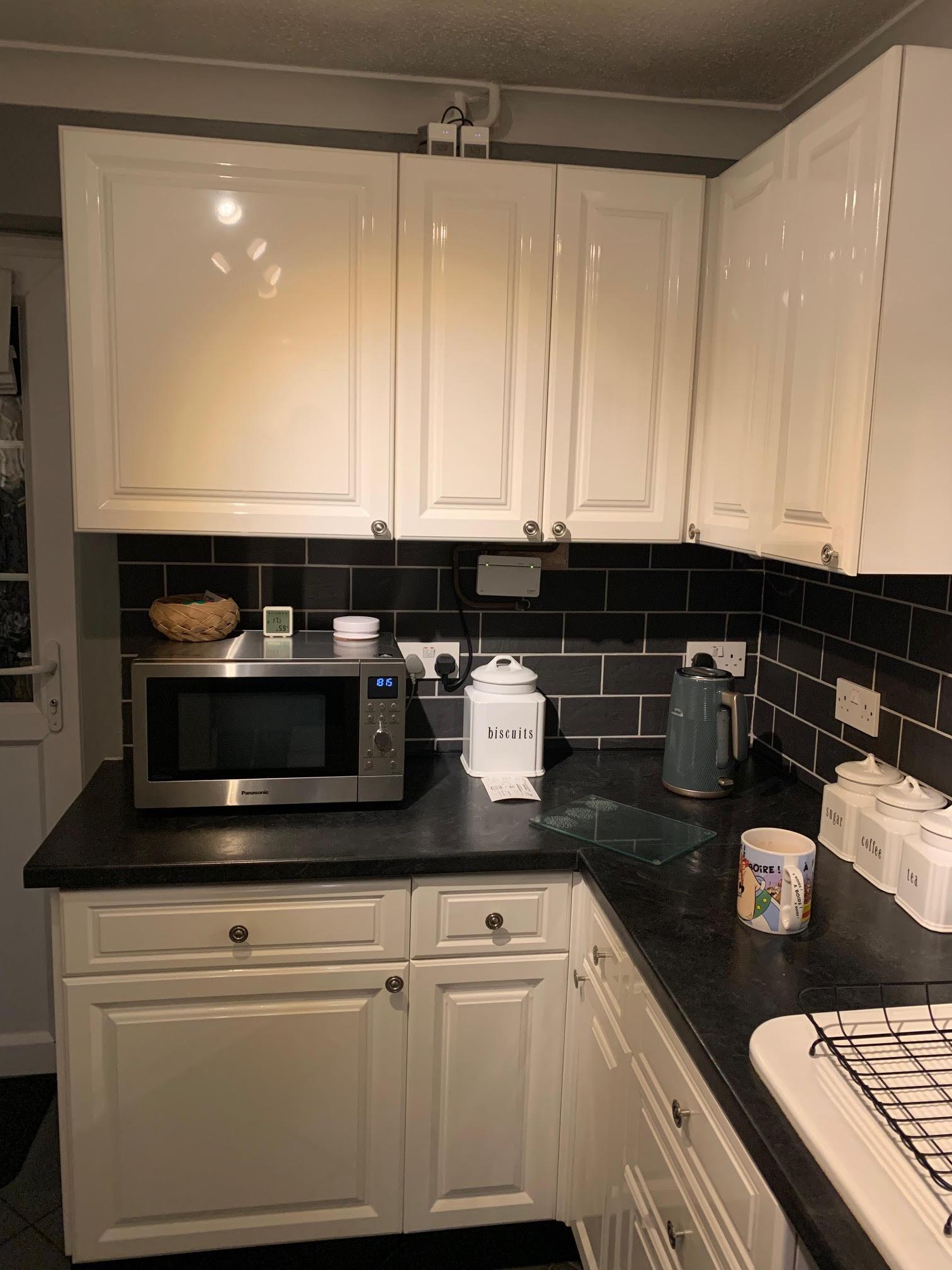
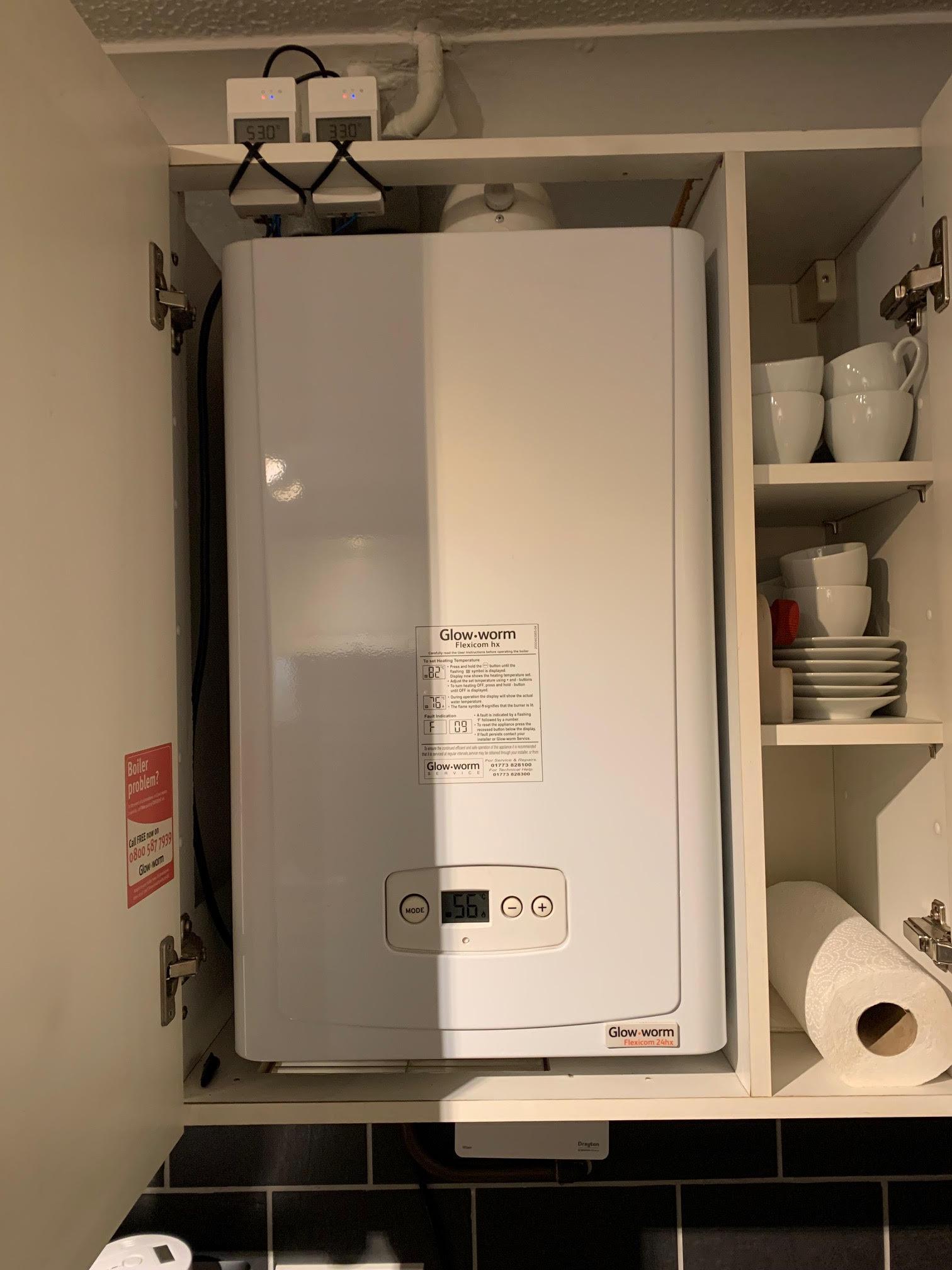
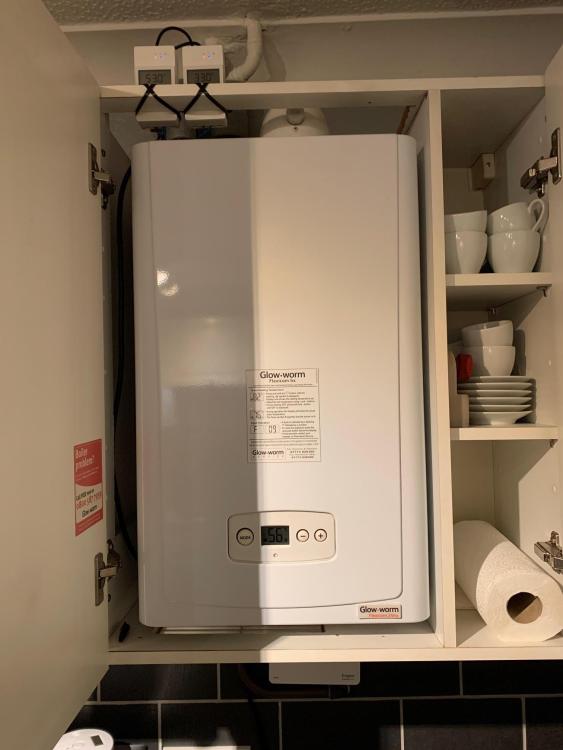
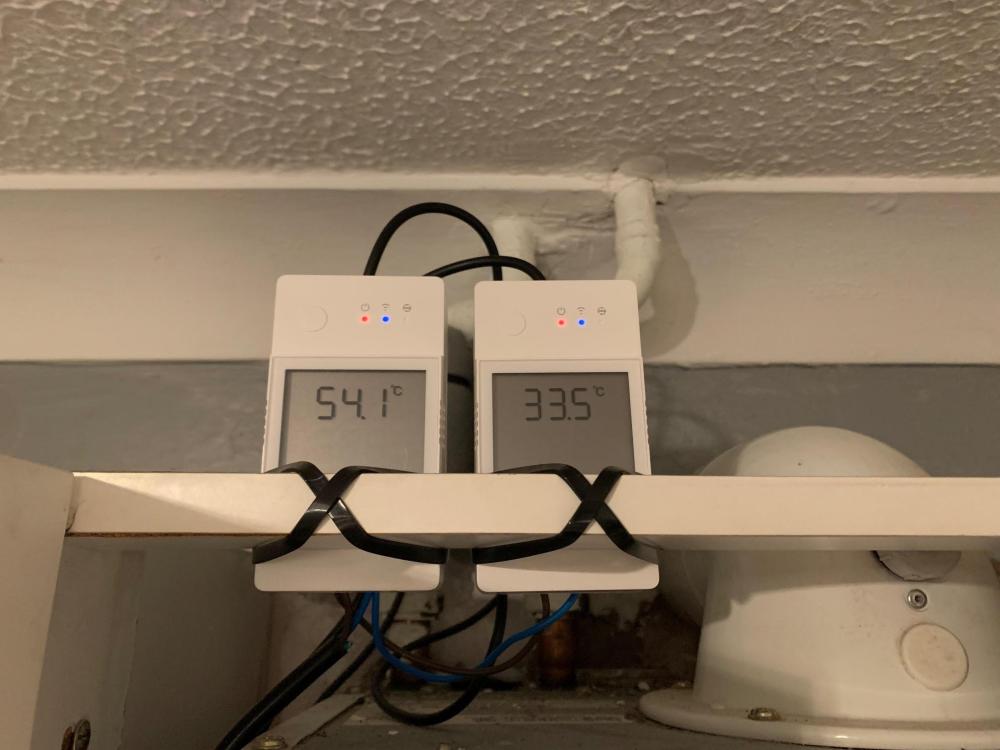
SWMBO has issued statement that if we change the boiler this year she's not going to be happy if a few years later we swap out for an ASHP so on that basis I'm very sure it's the right decision to go with a gas boiler again When we replaced the kitchen 28/29 years ago we had the original non condescending Glow Worm heat only boiler (fuelsaver 15/30 I think) previous owners of the house had painted it green to match the units or wall (can't remember which) so we built the new kitchen units around it (whilst still maintaining service access) to hide the ugly damn thing (also helped with noise as it was a pretty noisy thing) When replaced the boiler in 2009 one of the selection criteria was she didn't lose any cupboard space so the new Glow Worm was selected to fit in the hole left by the previous boiler - the cupboard doors still close and hide it away despite it being slightly deeper. Now apparently if you've had a gloss white kitchen for 28 years you can't have another gloss white kitchen - I don't understand the female logic - so it's very likely the new kichen will be absolutely anything other than white. If any boiler is on show it's very likely to be white and a white appliance in a coloured kitchen apparently won't do either so it has to fit in the same damn hole and be hidden from view. My flow and return monitoring also shown with today's flow and return levels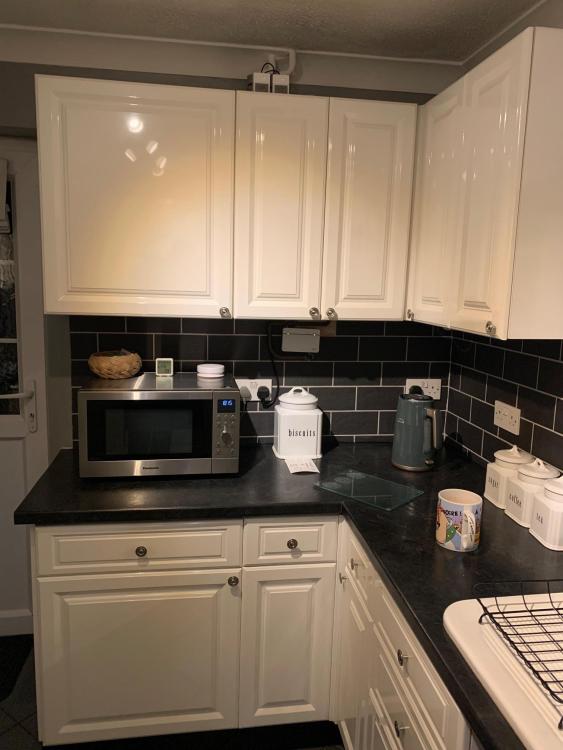
-
Heat loss over time (Vented Cylinder)
marshian replied to marshian's topic in Boilers & Hot Water Tanks
You raise some good points I am going Viessmann but it will be 100-W at 50/30 flow and return it's 3.2 kW I don't want a system boiler (or a combi) - I want a heat only with the outlets for Flow and return on the top of the boiler because that's where my pipework is routed thro the kitchen ceiling void Also the 100-W fits inside a kitchen cupboard D=285mm, W=375mm, H=600 rather than being part of the cupboard frontage like the 200 would be D=360mm, W=450mm, H=700mm (SWMBO Rules) I considered ASHP as I think I could do that but my reasoning for not going that route is 1. There are very few excellent installers and a lot of very poor ones (Especially due to the current grant arrangement which is not doing anything good for the ASHP reputation) 2. The technology will improve further in the next 10 years 3. I'd actually struggle to find a space for an ASHP that could be out of view (they aren't exactly pretty units) and if I did get one fitted it would be in a narrow alley between house and fence and there would be a risk of micro climate 4. I retire in 3 years and we will look to downsize in maybe 10 - 12 years (another HO boiler will do us just fine) and we also like to cook with gas so we'd lose that if we went ASHP with the grant. There are a few other reasons but in a nutshell they are the main ones -
Heat loss over time (Vented Cylinder)
marshian replied to marshian's topic in Boilers & Hot Water Tanks
Good point on other people in same boat - happy for anyone to share their losses and tank type I plan to insulate the pipe work between boiler and tank (currently in ceiling void and un-insulated) as we need to replace the kitchen this year (apparently 28years is too long for the same kitchen according to SWMBO) so we will replace the ceiling in order to run the lighting ring round (for spot lights that she also wants) - hence boiler replacement at same time. Boiler requirements are 12 - 14 kW, High modulation (min of 3kW or better) Flow Temp range 30 to 80 (ideally) Capable of doing DHWP with weather compensation. Current Boiler (14 year old Glow Worm Flexicom 24HX) 24kW (Range Rated to 12kW) Modulation poor (10kW Min) Flow temp Range 45 to 82 (38 deg is OFF) Not capable of DHWP Could work with weather comp (but the flow temp range and min kW make it pretty pointless) According to the calcs I have done house heat loss is 4.6 kW at -2 If anyone thinks I've missed out something that I should consider let me know -
I assume the shower tray already has to be on a riser to save digging?
-
Heat loss over time (Vented Cylinder)
marshian replied to marshian's topic in Boilers & Hot Water Tanks
The issue is I think my heat losses from the HW tank are a bit high and I'd like to lower the losses. My thoughts are that having HW to NO is allowing the HW circuit to steal heat (via the coil) to the circuit thereby increasing my tank losses I have Automatic bypass because all Rads are on TRV's DHWP is NO to CH and that's the system I will go to when I replace the boiler in the summer I'll let the 3 port stay at CH for a few days and see if that changes the HW heat losses -
With just water waste (showers and sinks) you don't need a huge amount of fall I've always used 1 in 40
-
Stupid question can you not reverse the layout of the room so the toilet is closest to the soil stack then basins then showers In my simple mind that means the toilet waste is always going to get additional "washings" from the flows from shower and basins
-
Then that just doesn't make sense - there has to be part of the pipework that is exposed to much lower temps than would normally be found in a void between floors (or a gale force wind blowing thro the void between the floors - you'd feel that in the floor or ceiling temp I think I'd want to follow the pipe routing very carefully and I'd definately check for any pipes that were in the loft from an original cold water storage tank (unless it never had loft tanks)
-
I'm amazed you are getting freezing pipes in a void between two heated rooms (kitchen and bedroom) unless you aren't heating one or both of them..........
-
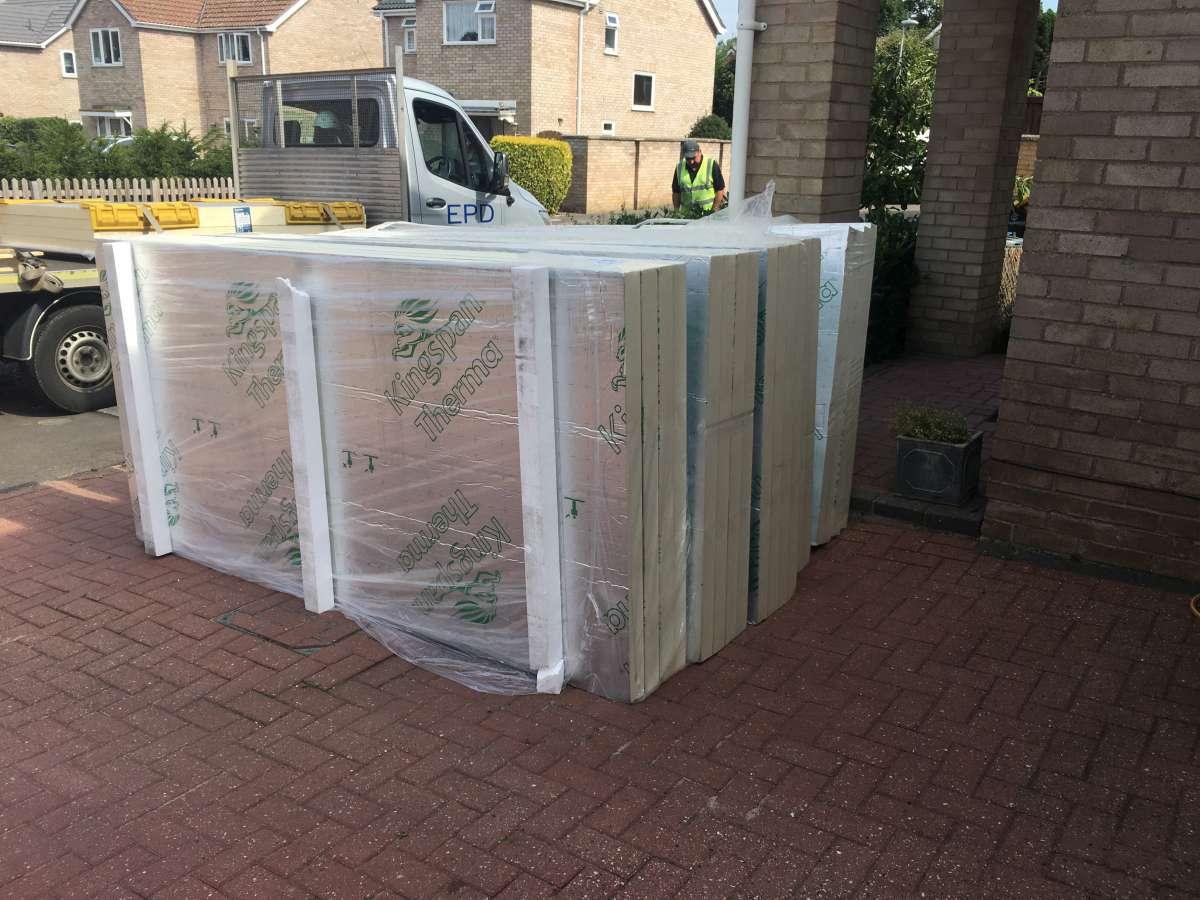
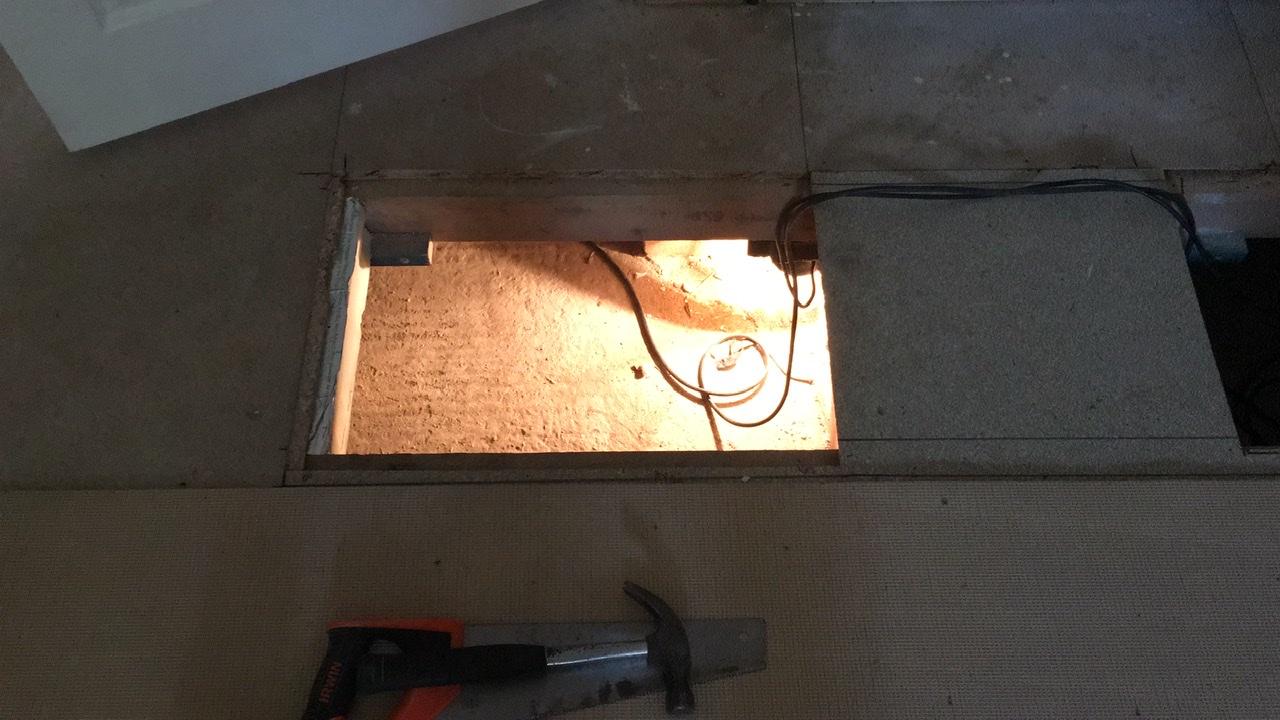
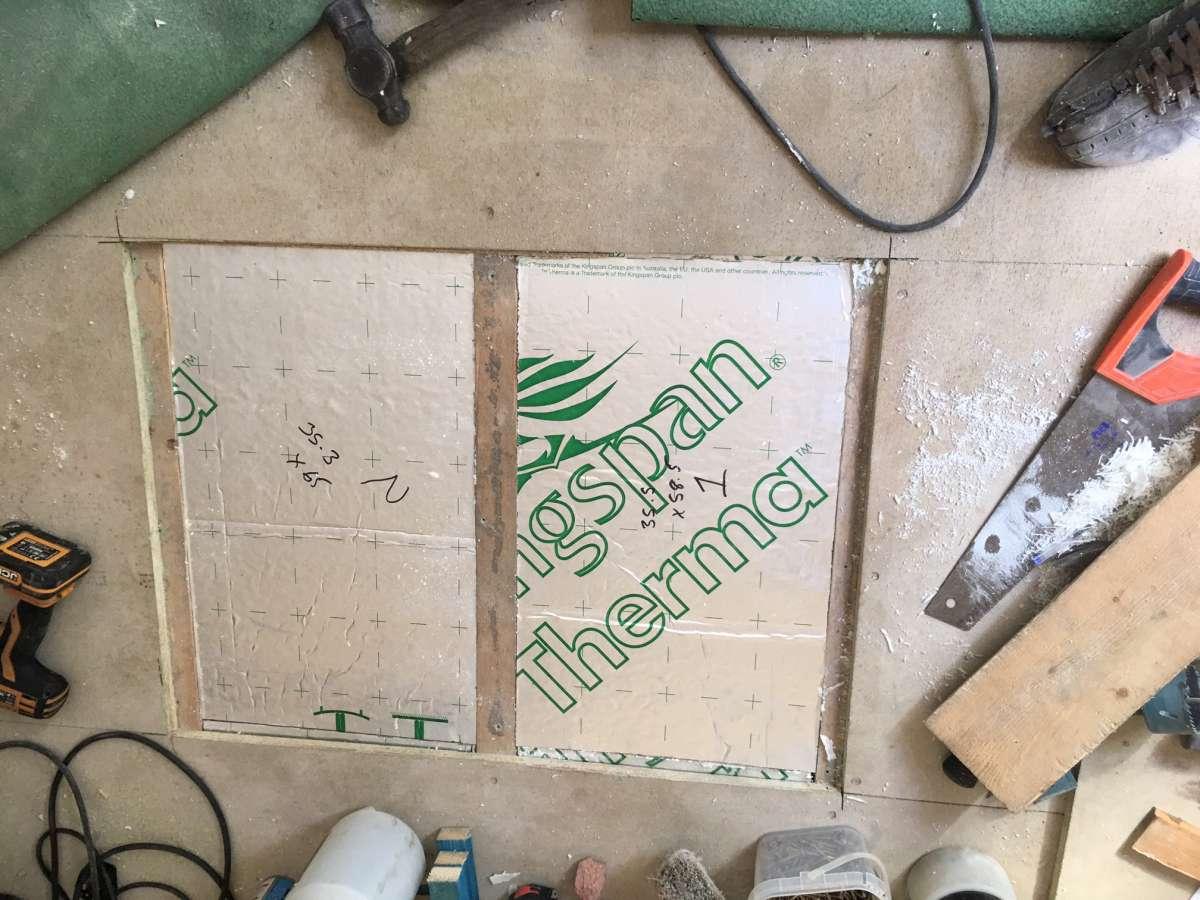
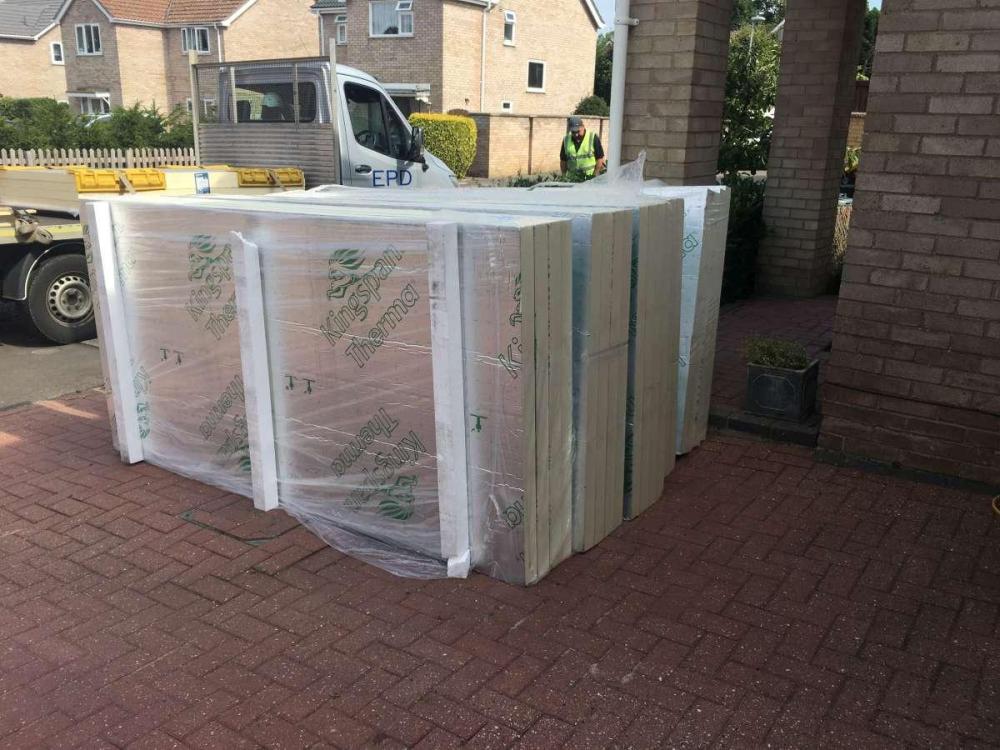
I did the same in the Autumn of 2022 I purchased 57.6 m2 of Kingspan foil backed PIR in 75mm because the pack size worked for the area I needed to do and the cost was £300 cheaper than 80mm, 70mm was more expensive by £100 and I'd only save £30 if I went down to 60mm Cost was £1024 House has a suspended ground floor with a 2 to 3 ft crawl space (concreted) - There is an air brick every 5 bricks all round the house so very good circulation under there. I have an access point in one room - most rooms are either tiled or overboarded in 18mm Oak so ripping up the floors and doing from above wasn't an option - and there are gaps in supporting walls under doorways throughout the crawl space. It took me about 3 months to do the whole ground floor, I'd go under and measure up an area numbering the gaps between the joists and which was the narrow end (N) and wide end (W) - none of them were perfectly parallel which actually made life easier so my measurements & corresponding notes had to be good - come up for air and cut the boards to suit the area and then slide them down into the crawl space on crawler board - push them round and start to fit them as long as you used the taper to your advantage you could get a really snug fit I held the boards up with 25mm treated tile batten - I did have some expanding foam for any gaps but really didn't use much at all Not a job I want to do again but made a massive difference to floor temps, room comfort and heating bills
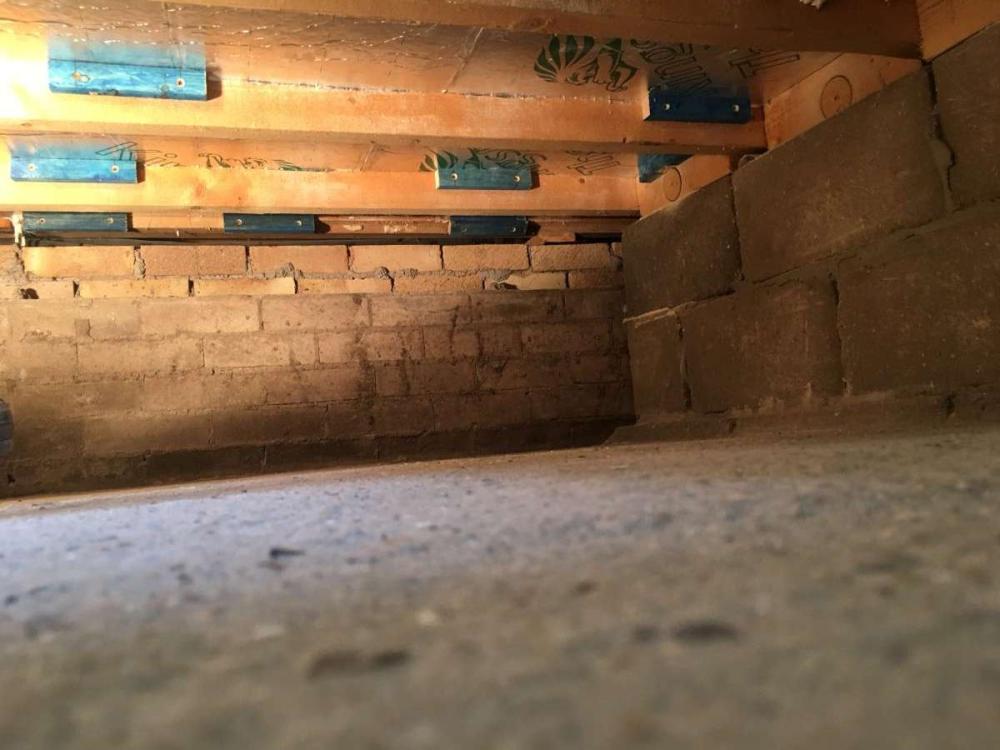
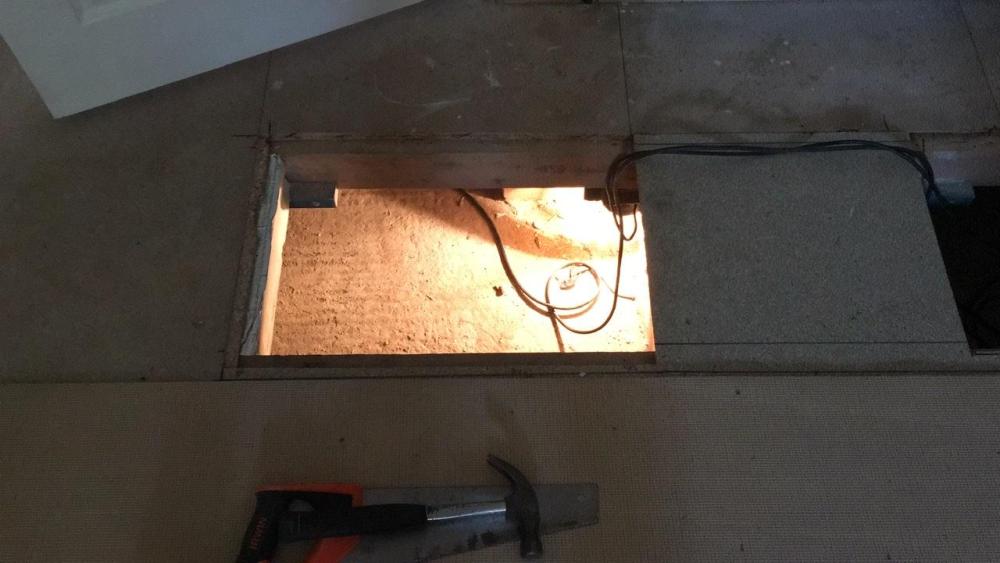
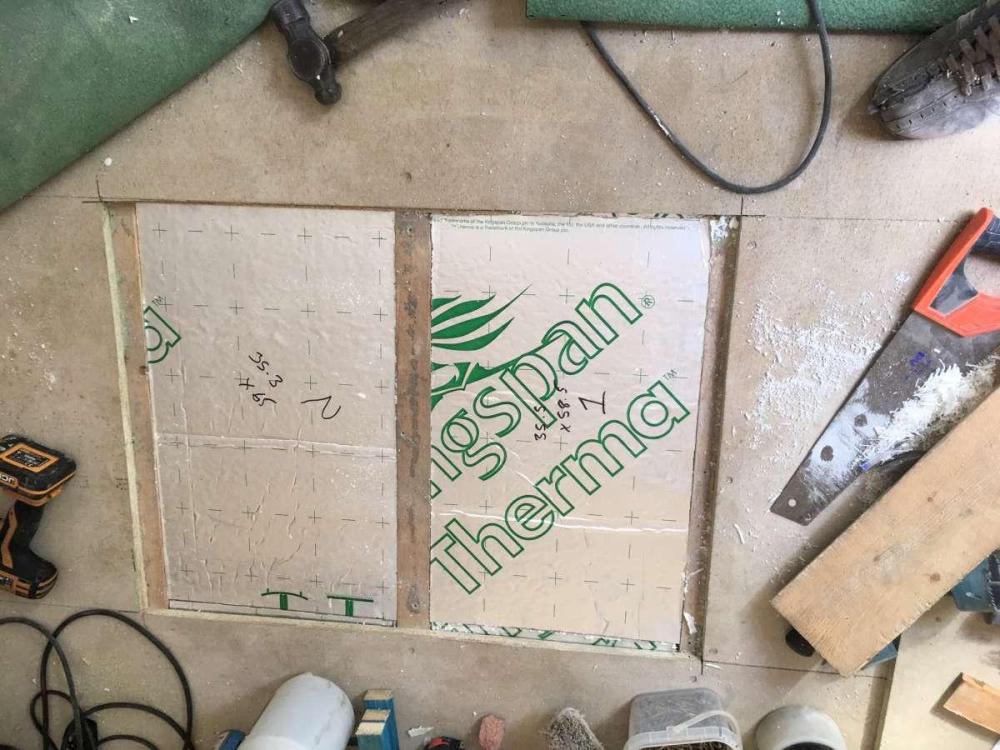
-
What model is this oil pump - have a guess
marshian replied to cwr's topic in Boilers & Hot Water Tanks
Send a picture to Danfoss and ask them?? Google "images" Danfoss oil pumps and see if you can match it on the web and see where the links take you -
Rather than continue to threadjack another post System info Y plan system Vented cylinder 112 Litres (Installed 2011 from memory) Insulation on all the pipes around the tank - extending to loft and in loft to header tanks. I still think my losses are too high 0.5-0.7 deg per hour Lagging is good quality Turbolit (a considerable improvement on std DIY stuff - albeit that was better than bare copper pipes) 22mm copper pipes have 9.5 mm wall insulation 15mm copper have 12.5 mm insulation I use a pipe lager pro mitre box to get neat joints and most are glued But I think I might have a reason but I'd like an opinion on it My three port valve is at rest on HW and powered to mid position or CH At the end of every CH cycle the time runs the HW for a min to reset the valve to rest (if left in HW the motor body gets warm - warm = electricity - constant running = wear and tear on the valve head) Hot moves to cold - water in the coil is heated back by the hot in the tank and convection currents move the water/heat back to the boiler - if I swapped the 3 port valve round (and the wiring) I could make the CH position the rest and it would block any flow back to the boiler - however the other end of the coil would still be connected to the boiler by the return pipe??
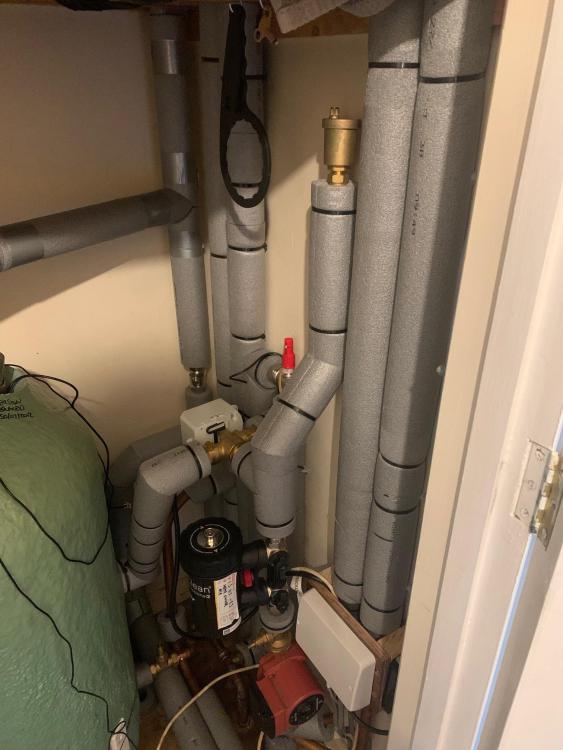
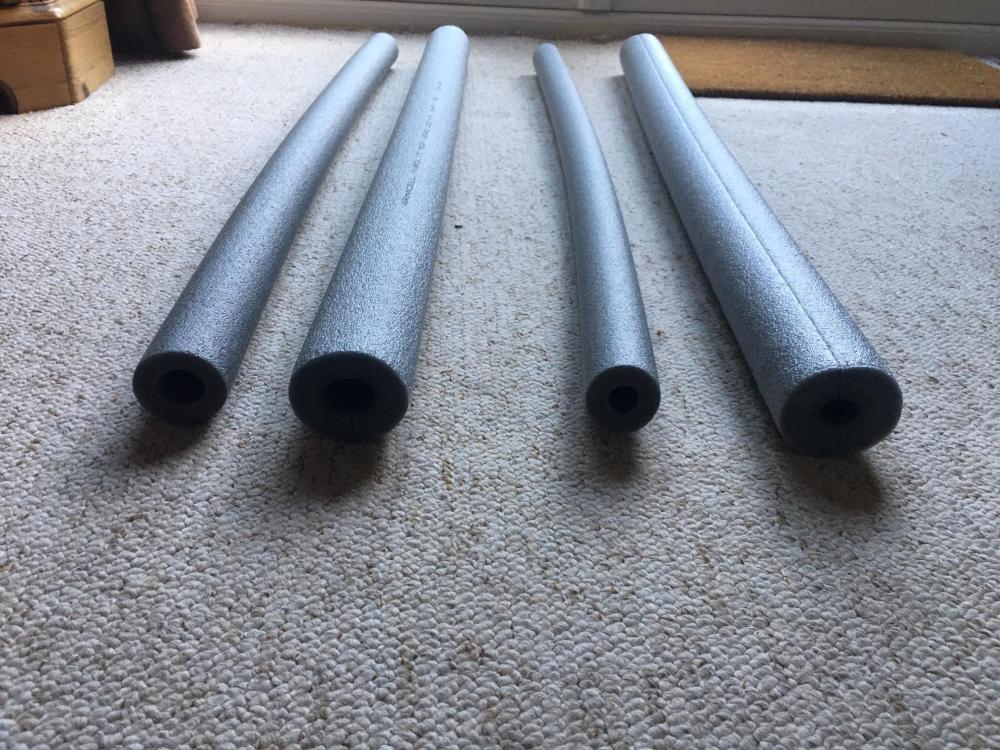

-
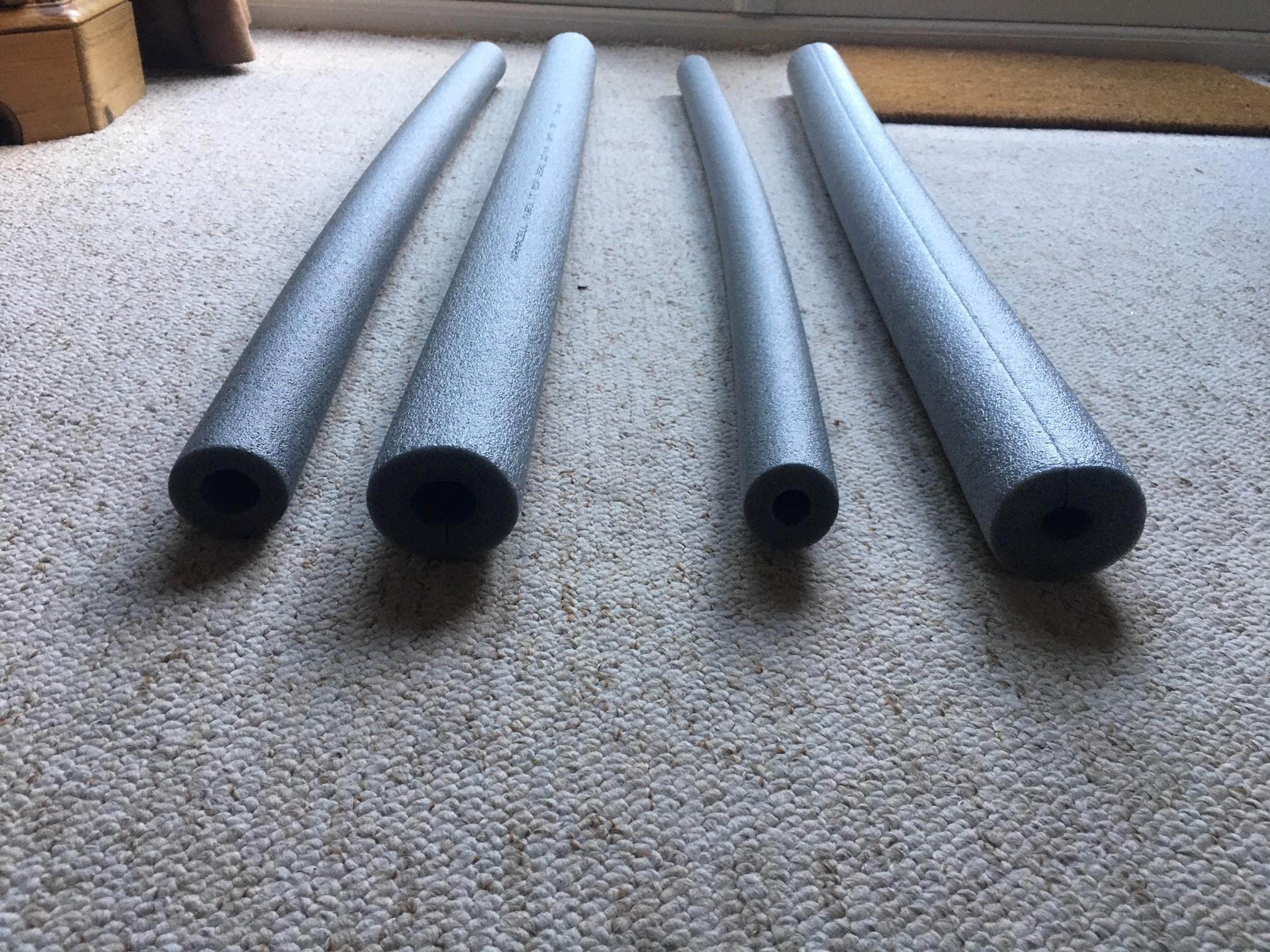
Heat Geeks - yep well read on the Legionaires issue but the better half likes a deep long hot bath once a week so I take the tank temp up to 60 on that day to ensure I have a little water left for my shower so it doubles up as a win I think my insulation is pretty good but thanks for the tips on using 35 x 9 - I shall get some to deal with valves and compression joints as they aren't currently insulated Rest of the pipework insulation is all 25 mm wall on 15 mm Copper or 19 mm wall on 22 mm Copper - this way I can set up the mitre box once and it works for both 15 mm and 22 mm Old and new insulation pictured below - thin stuff is std DIY shop and bigger stuff is Turbolit that I bought 50 m of each as all my CH and HW pipes run below a very well ventilated suspended ground floor
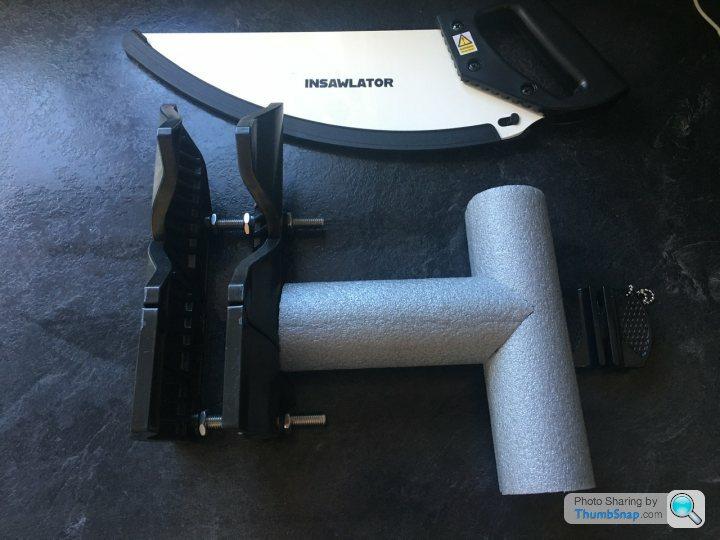
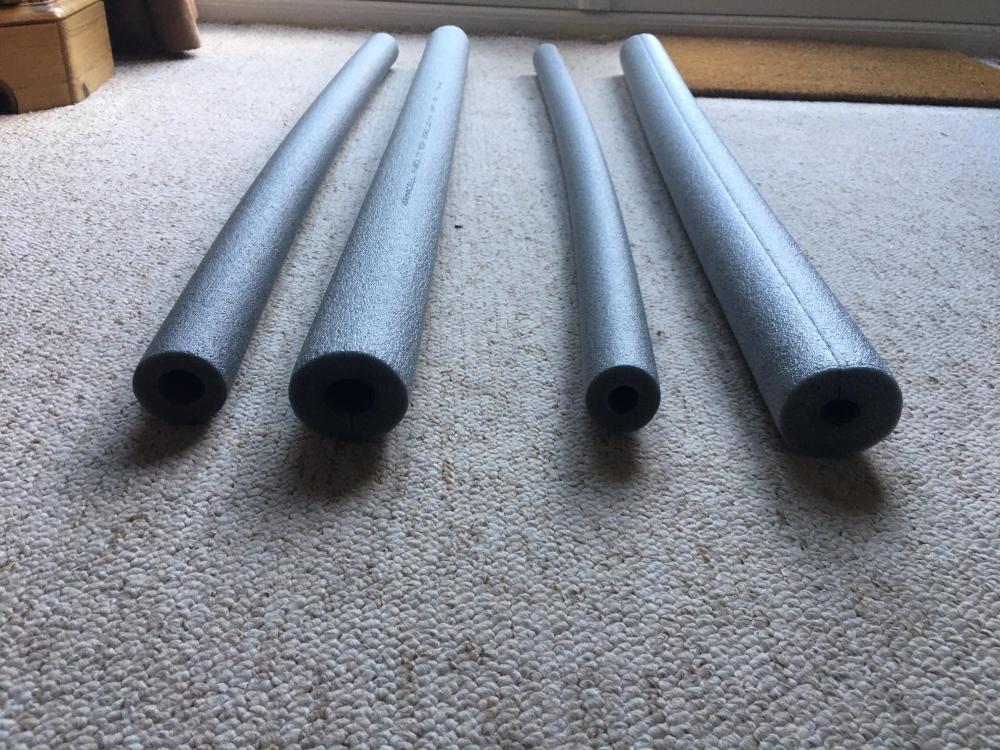
-
Can you expand on that please - sorry for the slight threadjack I get a heat loss from my jacketed tank of around 0.5 to 0.7 deg per hour when not using any water from the tank which I think is quite poor but if I heat the tank to 60 deg my heat loss is 1.0 to 1.5 deg per hour I have a 112 L std foam jacket vented cylinder with a 3kW heater coil (Yeah and a boiler that has a min of 10kW - smart huh) All the pipework in the area of the tank is well insulated I heat the water to mid 45 deg (+/- 3 Deg to minimise heat loss (because water heating is a fixed time and depending on heat loss of the cyl and what temperature it is when the heating cycle starts I can't control the tank temp at the end of the heating period to a better level of accuracy) Note - once a week I do a legionaires cycle to 60 deg C although we pretty much use almost all the water daily and that's how I know my heat loss massively increases when the tank is heated to a hotter temp.
-
intermittent F75 on vaillant ecotec 831
marshian replied to dscoll's topic in Boilers & Hot Water Tanks
Excellent news -
Reducing effective volume of inaccessible DHW pipework
marshian replied to JamesPa's topic in Boilers & Hot Water Tanks
I have to run 4L of water from my HW tap at the Kitchen sink before I get hot - My feed is 22mm for the initial run and then 15mm for the majority of the pipework run and more annoyingly it's not insulated in the drop box in the utility (Will fix that this year) it's 3 sides of a square in terms of route from HW tank to Kitchen tap From memory for every 1 metre of 22mm you replace with 15mm you half the volume in the pipework so if you have 6 litres to get to hot from 22 mm copper - if you replaced 50% with 15mm you'd reduce the volume to hot by 1.5 litres (down to 4.5 L) As an aside - What is more annoying is Mrs BC will boil a kettle to wash up rather than run 4 litres of cold before she gets water that has already been heated!!!! 4 litres of water is less than 1p, I have told her water is cheaper than electricity. -
What Boiler to prevent short cycling?
marshian replied to windsor-tg's topic in Central Heating (Radiators)
I don't believe it is but I can understand where you got that idea from It's not the worst I've seen either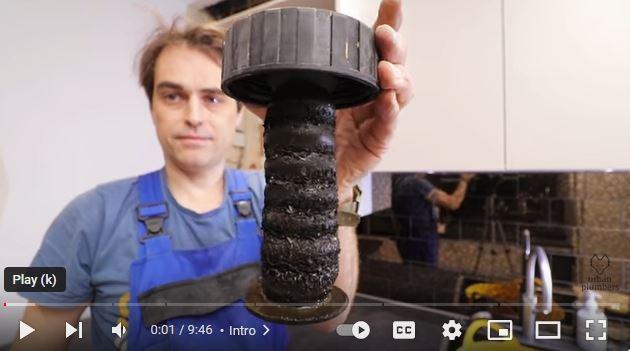
-
Radiator grill, side casing - buy?
marshian replied to Mr Viletoe's topic in Central Heating (Radiators)
Oh and I see it's been fitted with a danfoss TRV? If you need spares I removed 5 of them and they'd been so reliable compared to other makes I kept them if I decided to junk the Wiser TRV's I fitted - that's unlikely now -
Radiator grill, side casing - buy?
marshian replied to Mr Viletoe's topic in Central Heating (Radiators)
It has the extended bosses on pipe connections - so my money says it probably could have been fitted with them and may have been removed - alternatively it may have been purchased as a cheap one and not supplied with top grill and sides I fitted a T22 rad back in 2007 that has sides and top grill not sure when they started being std fit OP what size is the rad? -
What Boiler to prevent short cycling?
marshian replied to windsor-tg's topic in Central Heating (Radiators)
Found it