vagrantly3893
-
Posts
95 -
Joined
-
Last visited
Everything posted by vagrantly3893
-
Filling 1-3cm gaps between ceiling and wall
vagrantly3893 replied to vagrantly3893's topic in Plastering & Rendering
All good reasons. My step father wanted to use it and considering I had no experienced I went with it. We used a board lift which helped, but positioning it accurately so there is a 5-7mm gap between boards for the filler was hard. It's also possible to glue the edges instead of using filler which would have been easier. I also like that for a quality 2 finish (wallpaper), we only need to fill the gap between the boards. No taping and feathering with filler. I think I'll try plasterboard for another room to compare the process. -
Filling 1-3cm gaps between ceiling and wall
vagrantly3893 replied to vagrantly3893's topic in Plastering & Rendering
We live in Germany. Anything else isn't allowed. -
Filling 1-3cm gaps between ceiling and wall
vagrantly3893 replied to vagrantly3893's topic in Plastering & Rendering
Why not use it on a ceiling? -
Filling 1-3cm gaps between ceiling and wall
vagrantly3893 replied to vagrantly3893's topic in Plastering & Rendering
We plan to wallpaper the ceiling with wood chip -
Filling 1-3cm gaps between ceiling and wall
vagrantly3893 replied to vagrantly3893's topic in Plastering & Rendering
Those are actually Fermacell boards rather than plasterboards. You can hit them with a hammer and won't do any damage, so the boards themselves are very tough. The ceilings and walls won't be plastered. Elsewhere I've been recommended expanding foam. -
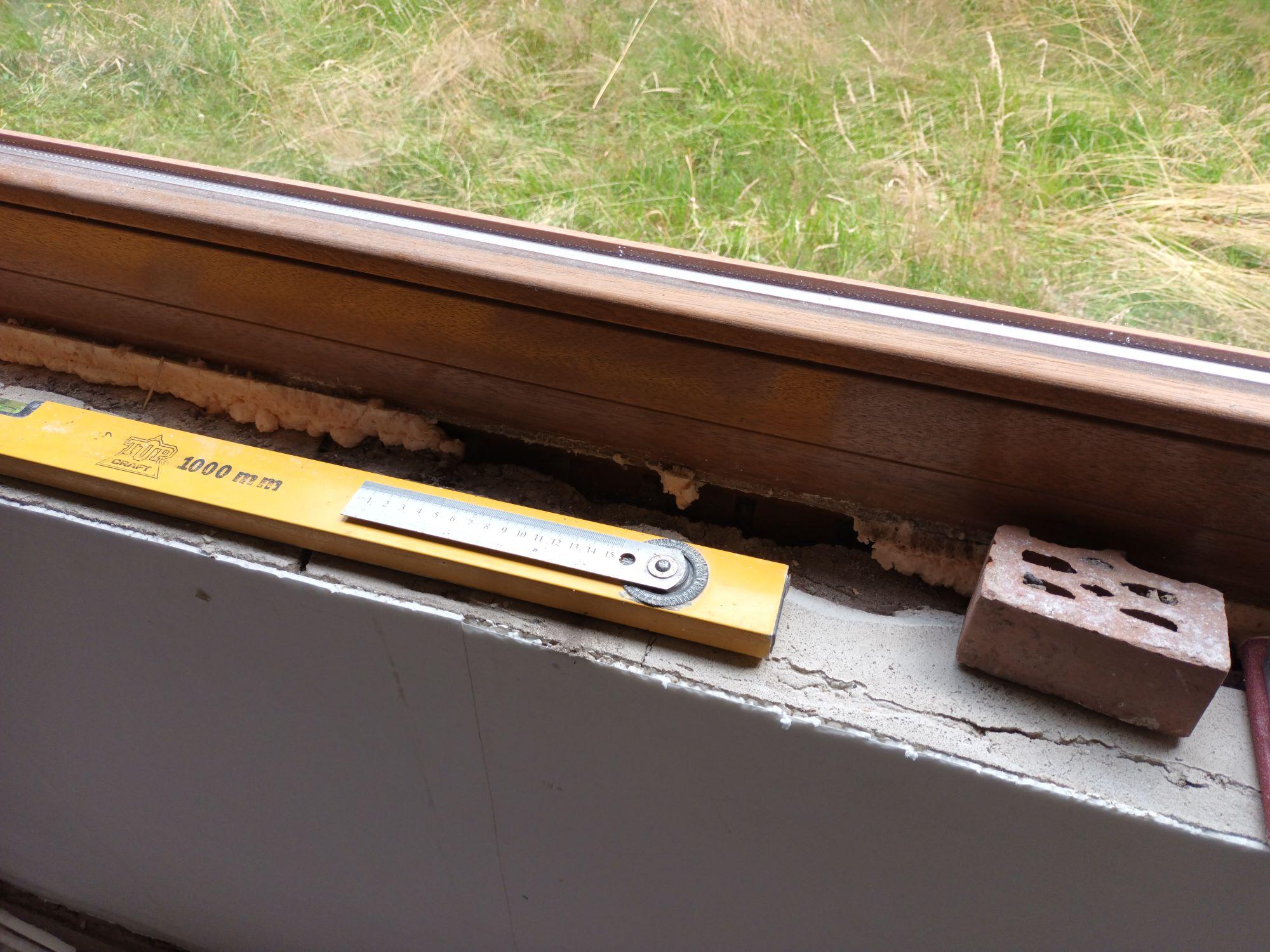
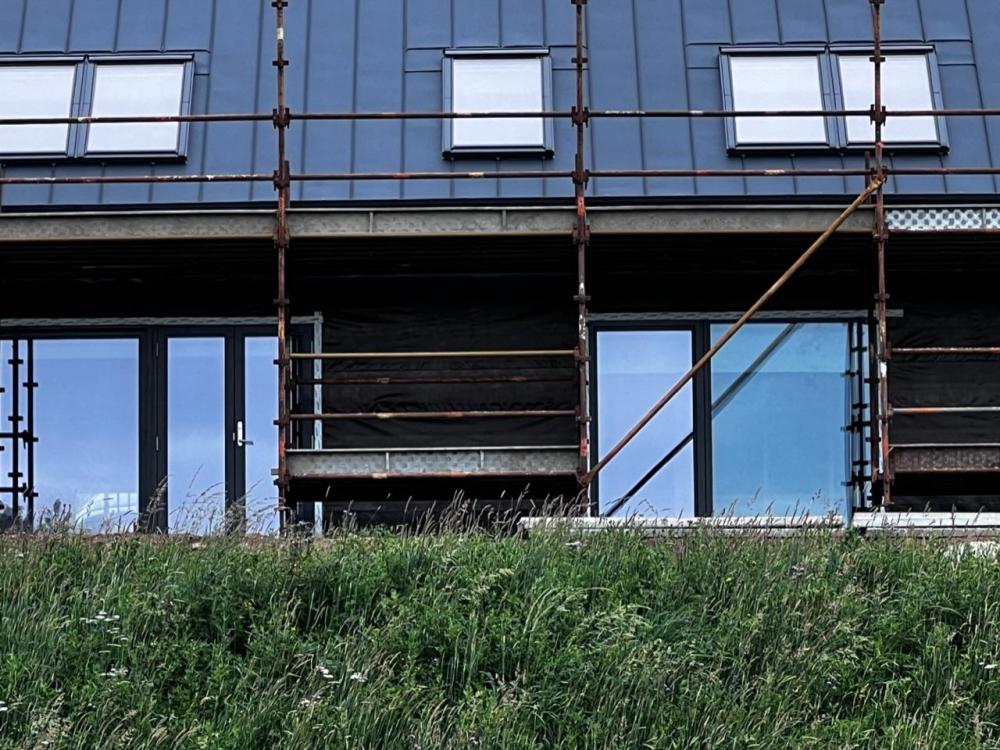
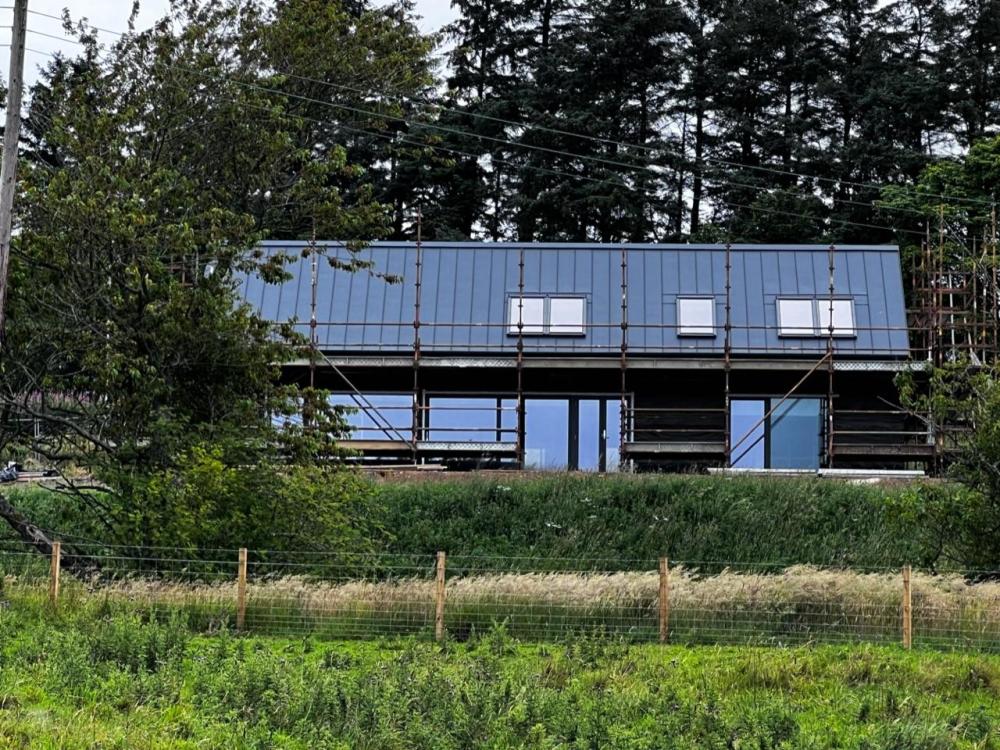
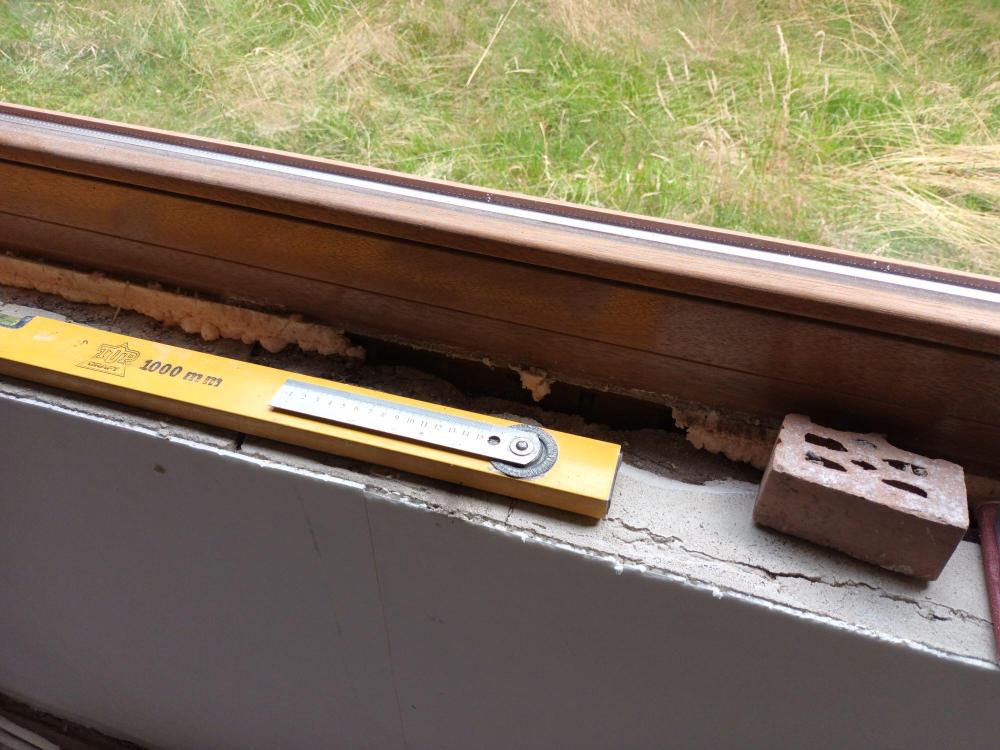
I took off the window sill and saw there was an area of the window that does not have any expanding foam. On the other window, there is expanding foam all the way along the window. Is it possible this gap was left for a reason, or is it recommended to fill it?
-
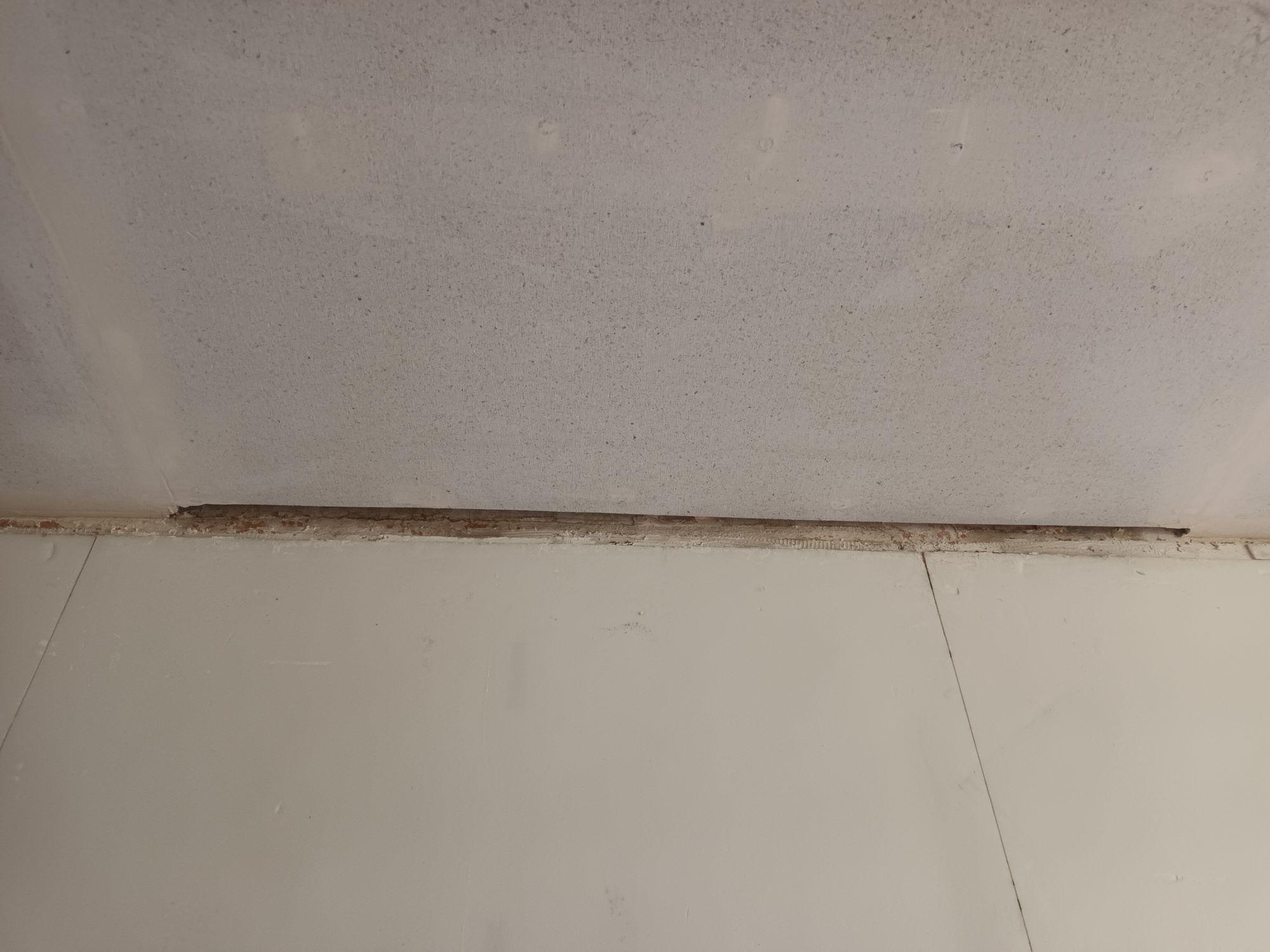
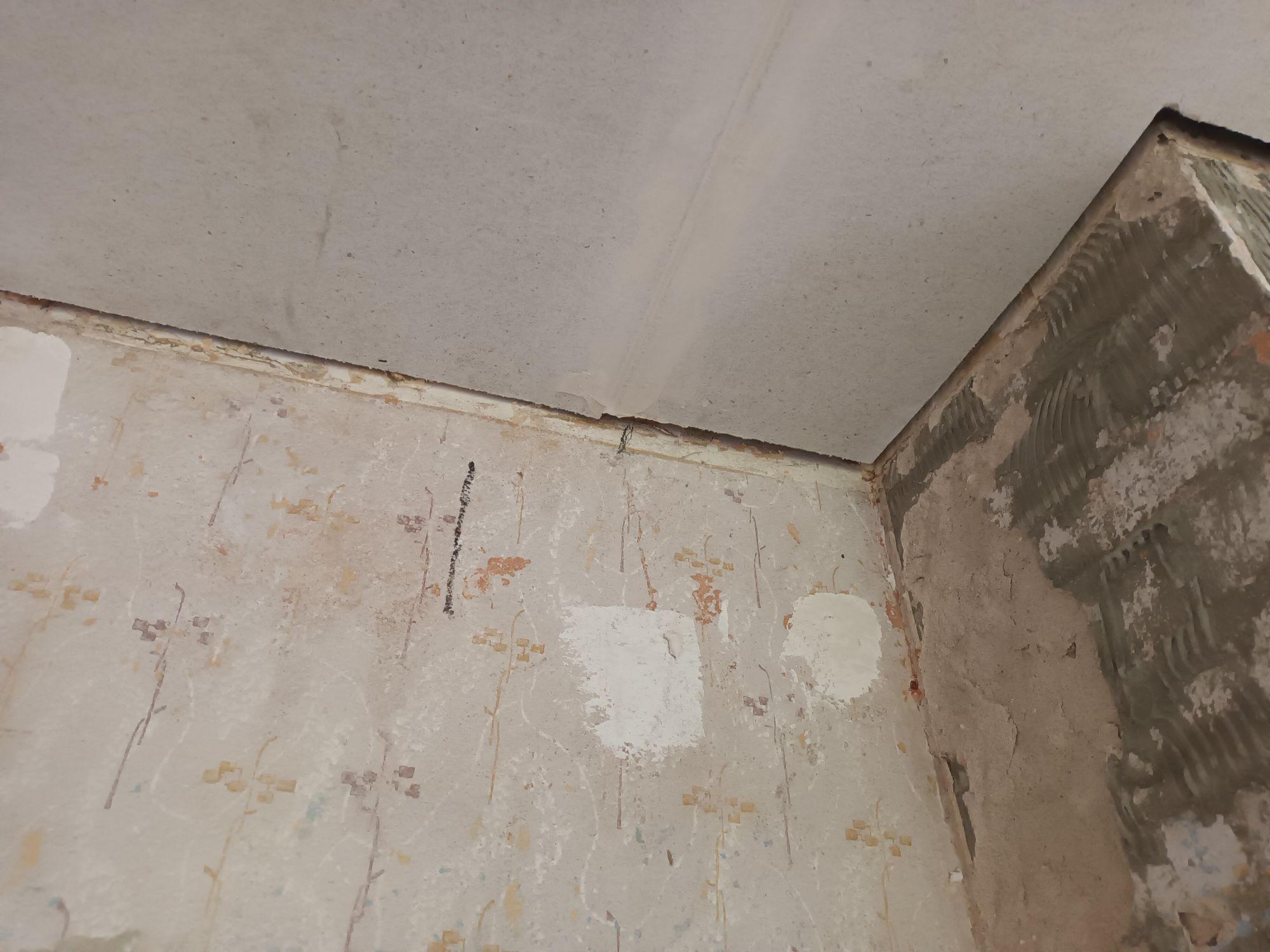
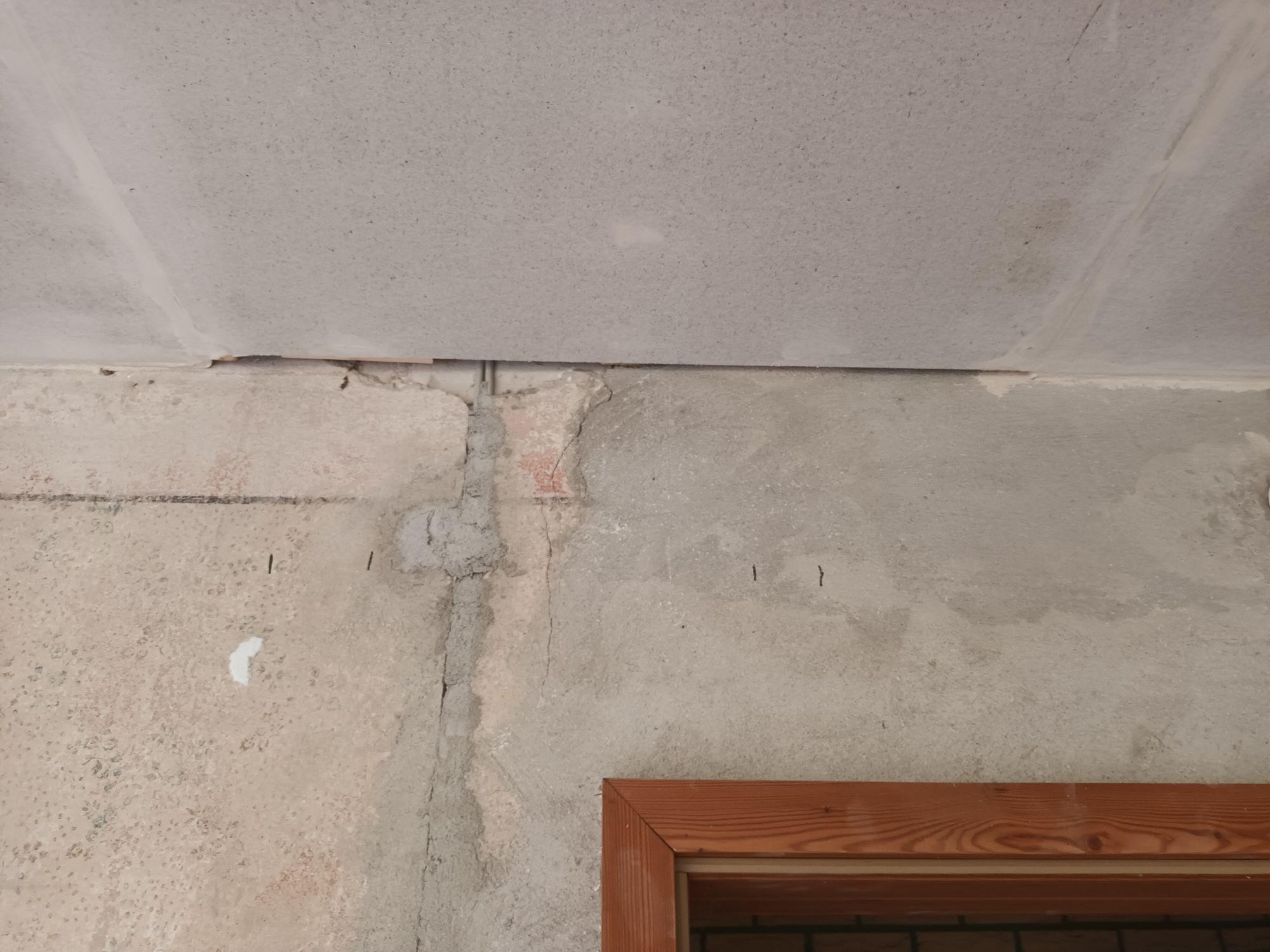
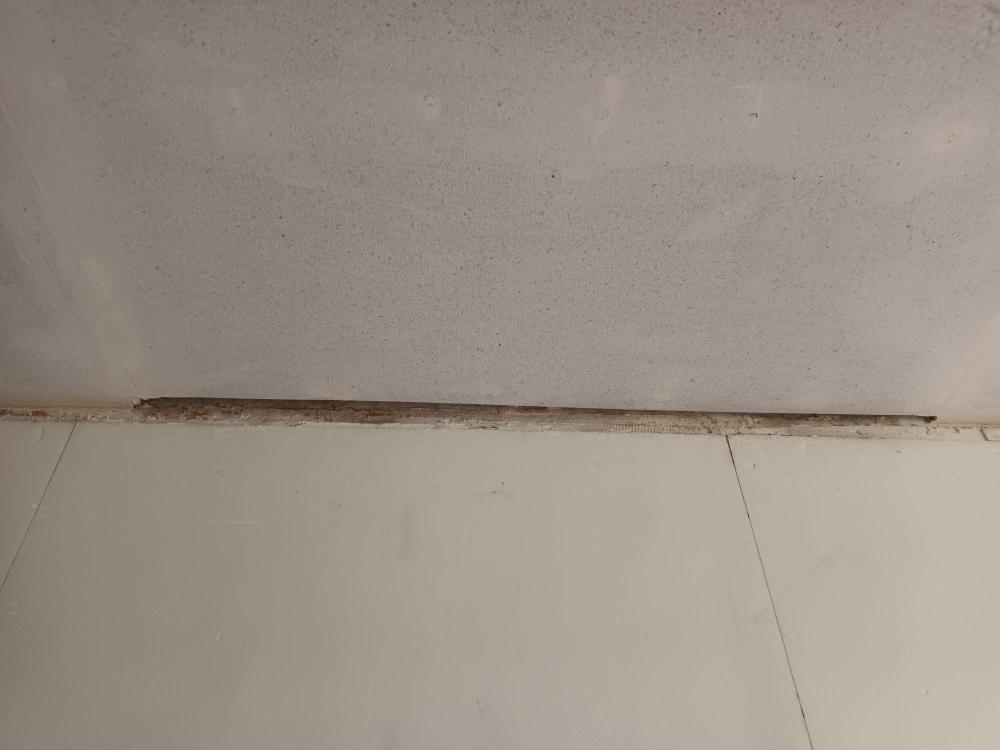
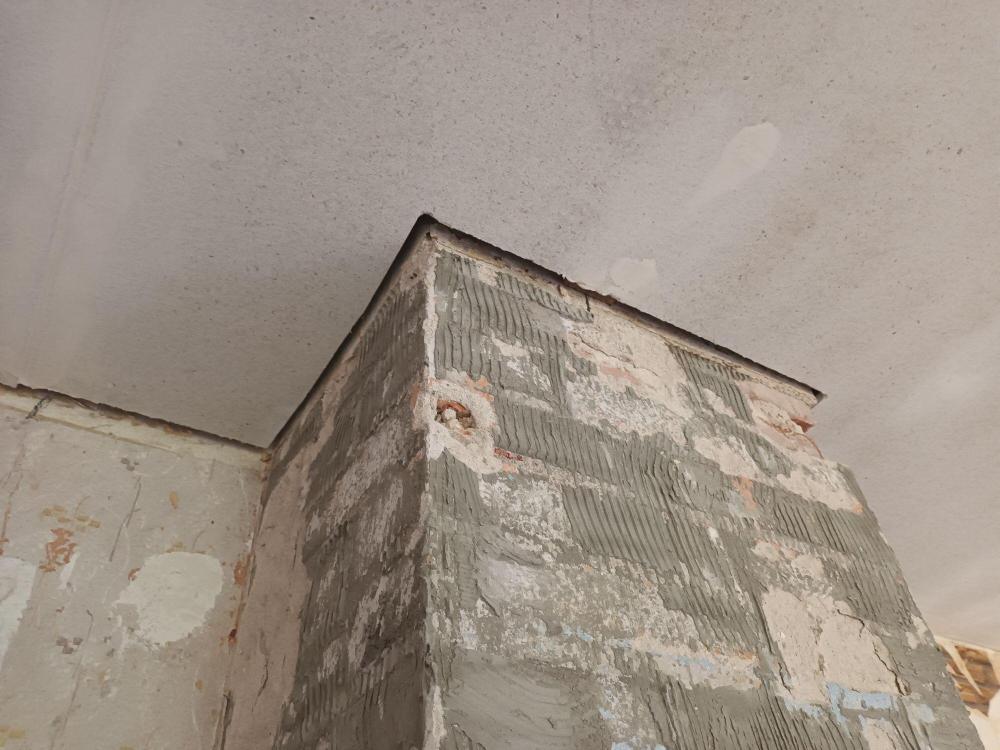
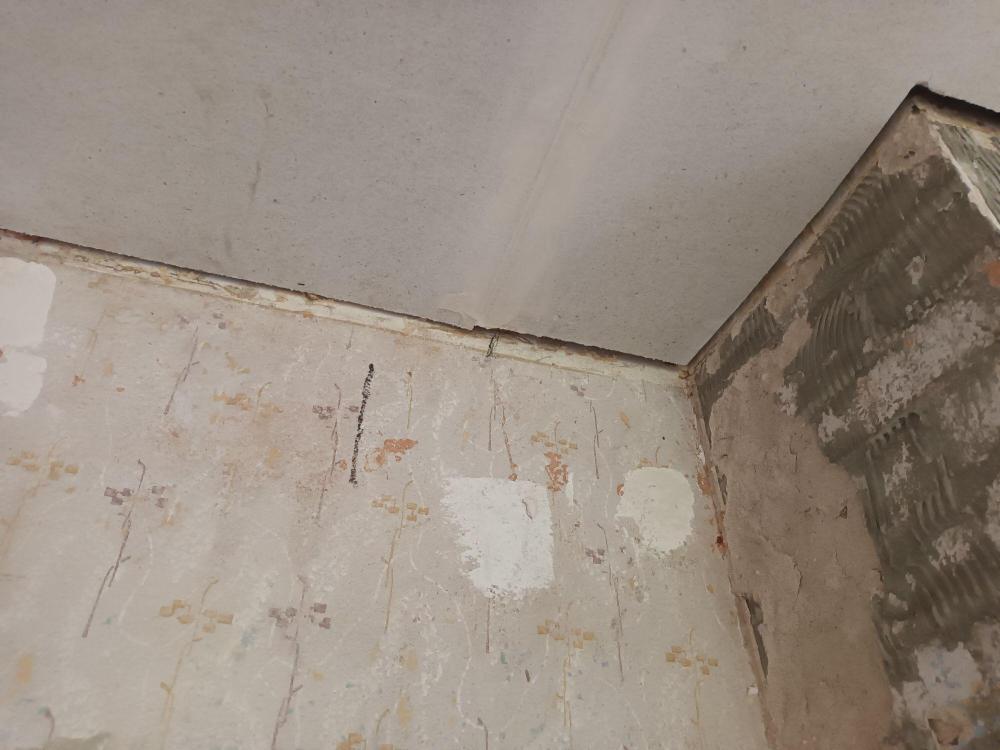
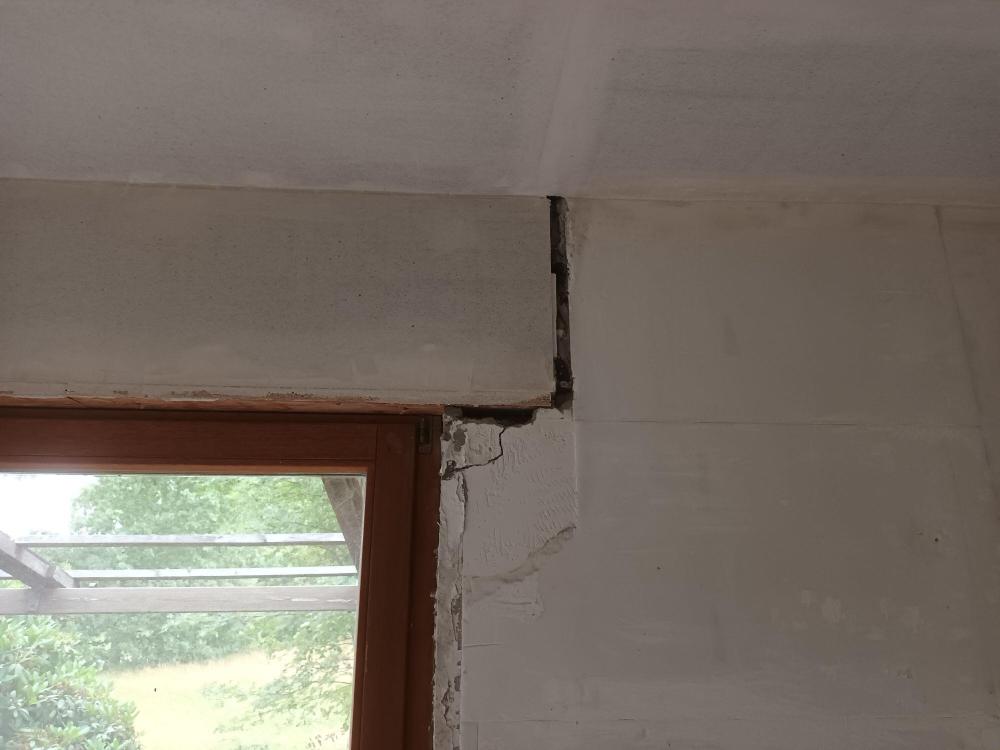
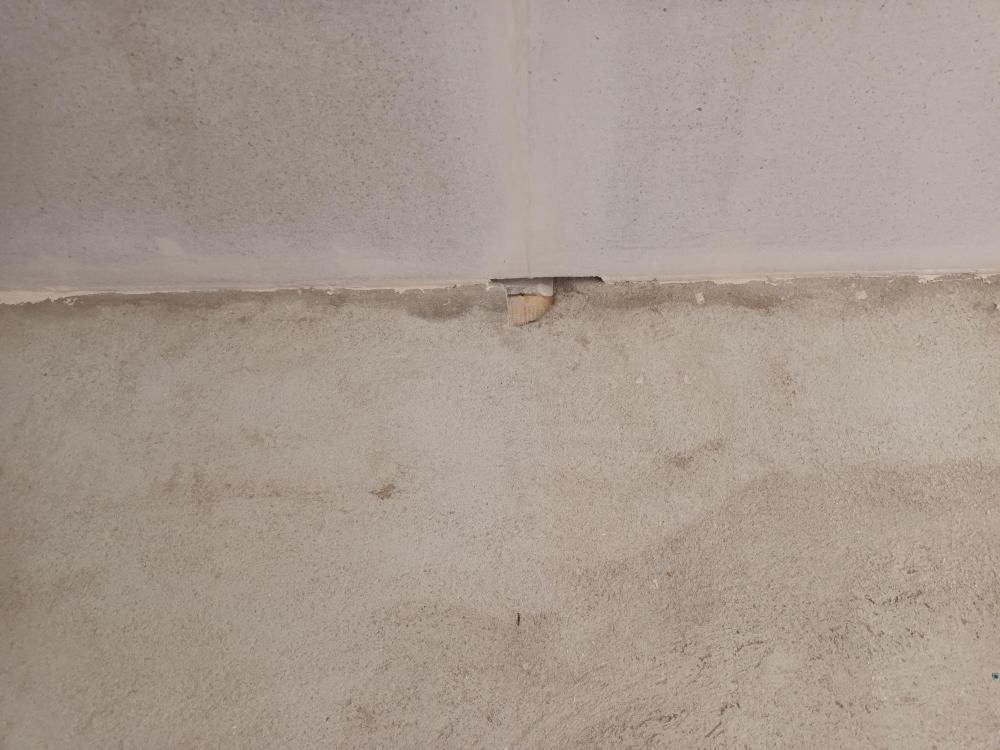
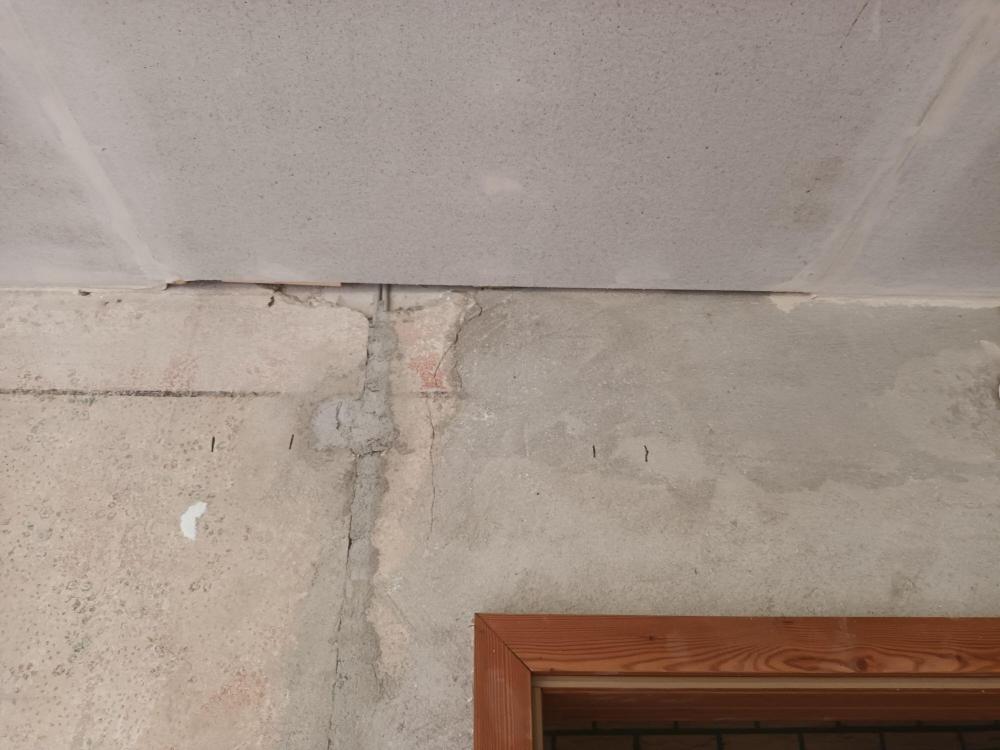
I recently plasterboarded my ceiling and I am left with some larger gaps between the edge of the board and the wall. How should I fill these gaps?
-
where is best to cut the radiator pipe?
vagrantly3893 replied to vagrantly3893's topic in General Plumbing
Ok I was going to cut with a multi tool, so I'll make sure it's cut with the pipe slice and covered. Yeah it's just a skim coat and then wallpaper. I don't really mind the pipes showing. I did consider buying new pipes so it looks better. e.g. copper instead of painted white. Not sure how expensive that is. -
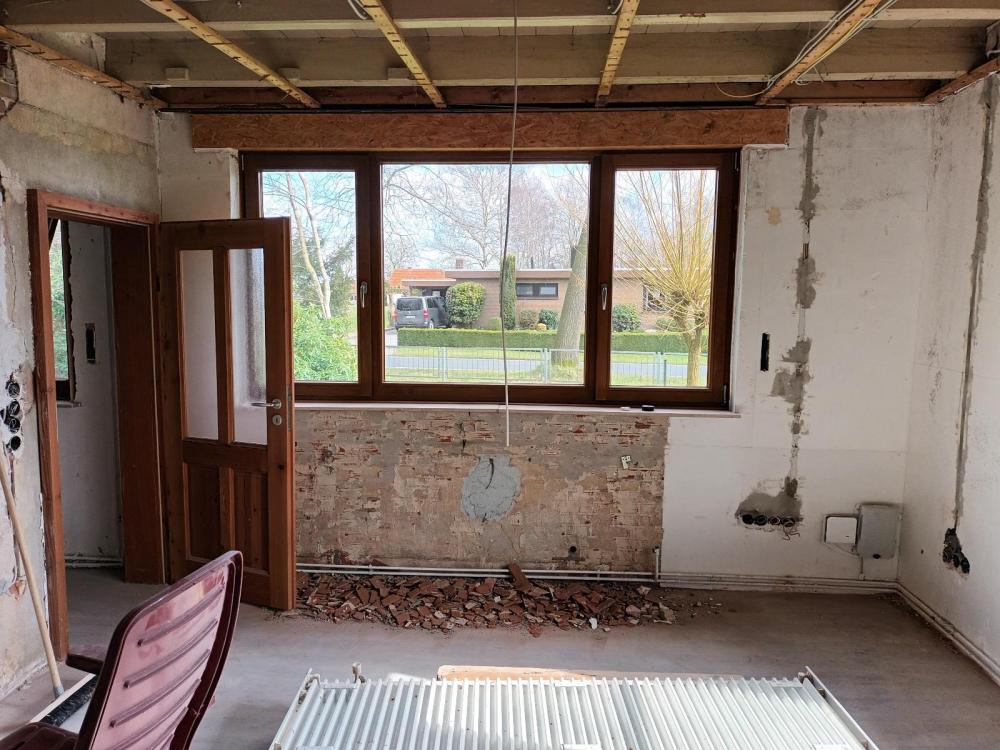
I would like to cut the radiator pipe so I can move it away from the wall and plaster. I'll ask the heating engineer to reconnect them later. My idea is to cut the pipe behind the door next to where is runs through the wall. Is that acceptable?
-
Burying fiber in flexible conduit from house to garage
vagrantly3893 replied to vagrantly3893's topic in Electrics - Other
Does the conduit rib also help prevent the conduit falling back out of the box hole? -
Burying fiber in flexible conduit from house to garage
vagrantly3893 replied to vagrantly3893's topic in Electrics - Other
Can I drill a hole in the bottom of something like this: https://www.screwfix.com/p/ced-ip65-24a-5-terminal-weatherproof-outdoor-adaptable-box-80mm-x-52mm-x-80mm/14556 What is Ty wrap? Thanks -
Hello, I am burying a fiber optic cable so I have internet in my garage. I have purchased the following flexible conduit to run the fiber optic cable inside: Diameter of the Kabuflex 40 mm. *Inner diameter: 32 mm. https://www.amazon.de/-/en/gp/aw/d/B07CRQ2DQW?psc=1&ref=ppx_pop_mob_b_asin_title I have dug a 20m trench 60cm deep. What I need advice on is the transition from inside to outside. I don't want to drill a hole in the external wall large enough to feed to conduit through. I assume I need a junction box and adapter on the outside of the wall that the conduit connects with? Thanks
-
Mortar between loose bricks before plastering
vagrantly3893 replied to vagrantly3893's topic in Plastering & Rendering
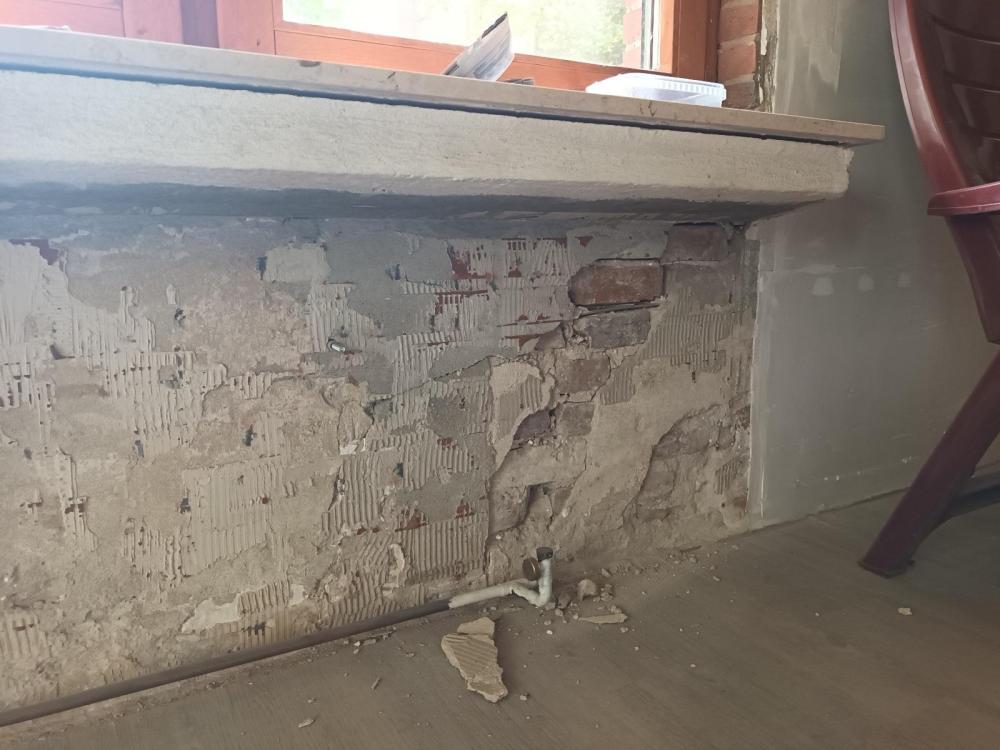
Also that wall has a radiator so I wouldn't expect any issues from cold or damp -
Mortar between loose bricks before plastering
vagrantly3893 replied to vagrantly3893's topic in Plastering & Rendering
Thanks for the detailed response. Yeah I think the sill is concrete but I'm not sure if it goes through to the outside of the wall. I'll check later. -
Mortar between loose bricks before plastering
vagrantly3893 replied to vagrantly3893's topic in Plastering & Rendering
and then plaster over the top -
Mortar between loose bricks before plastering
vagrantly3893 posted a topic in Plastering & Rendering
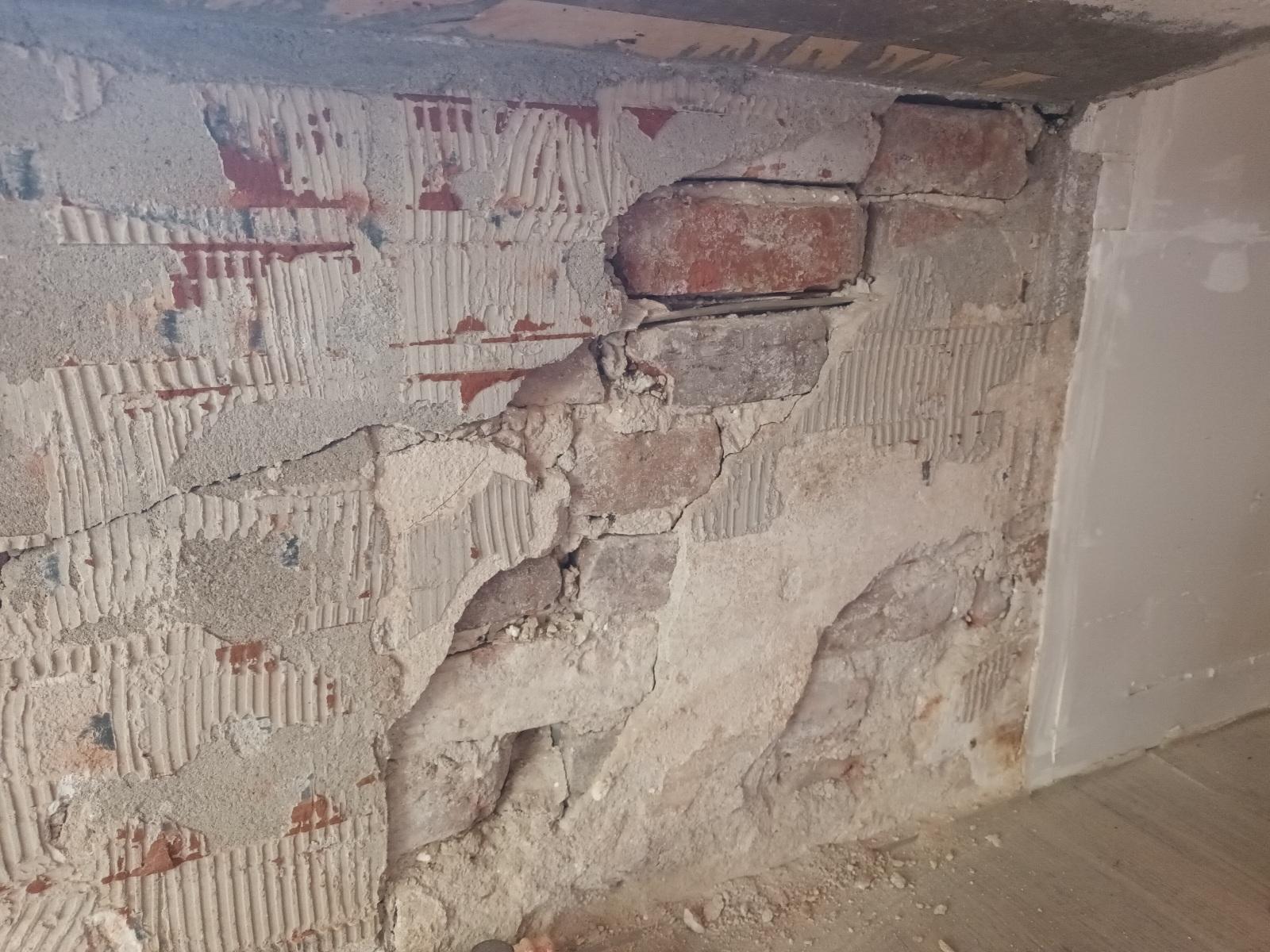
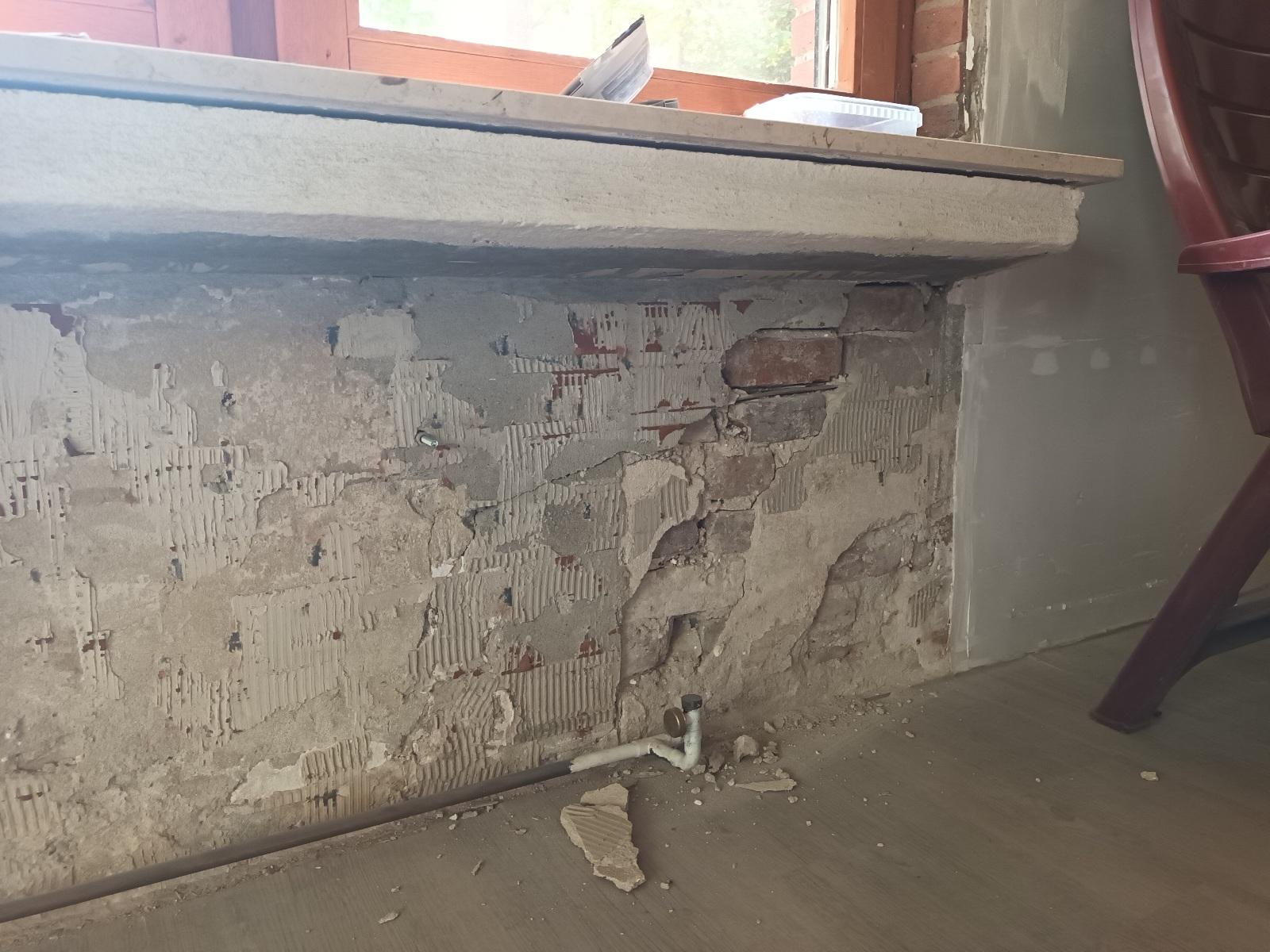
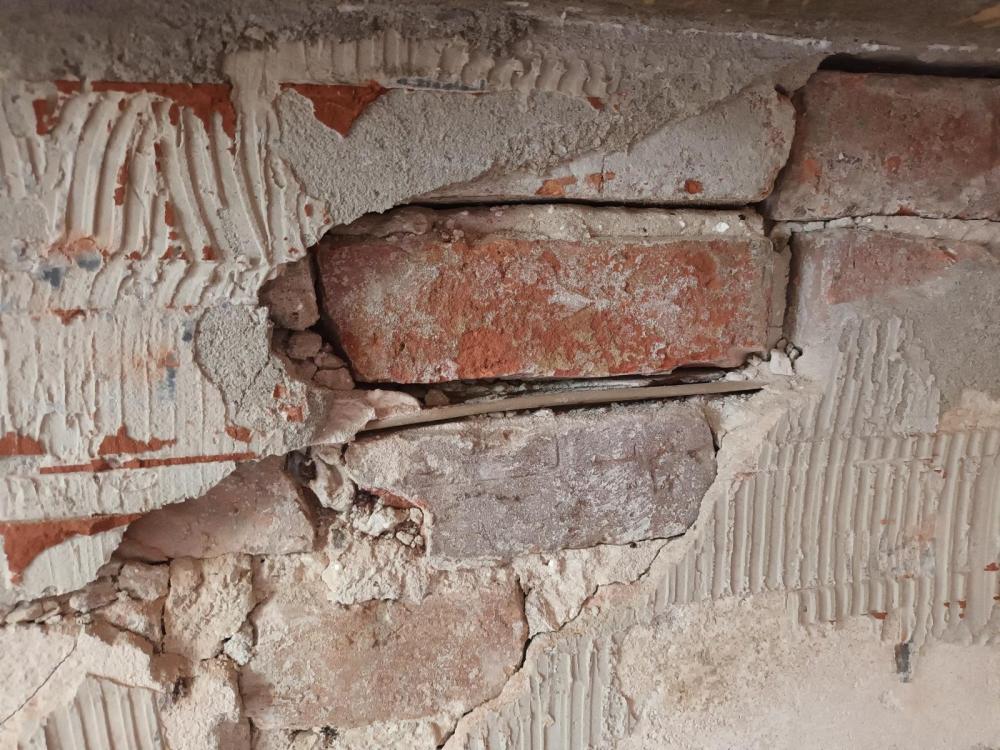
a couple of the bricks are loose. should I first use some mortar between the bricks and the plaster over the top?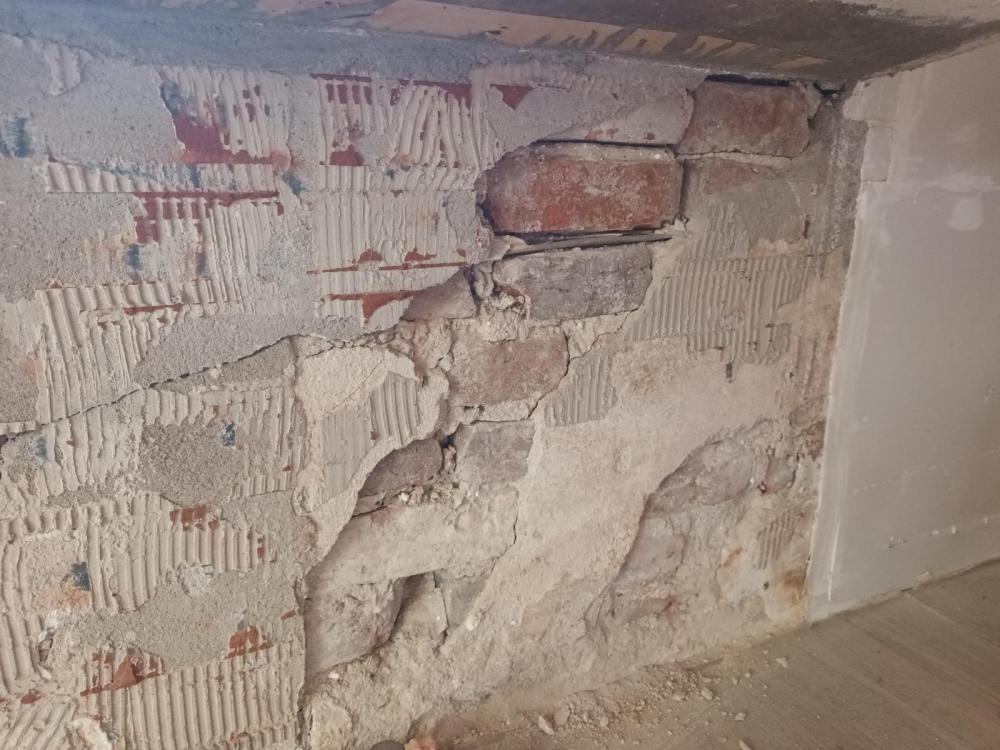
-
How to make good the area behind these radiators?
vagrantly3893 replied to vagrantly3893's topic in Plastering & Rendering
What should I skim it with? Can I just skim the area where the tiles were removed? -
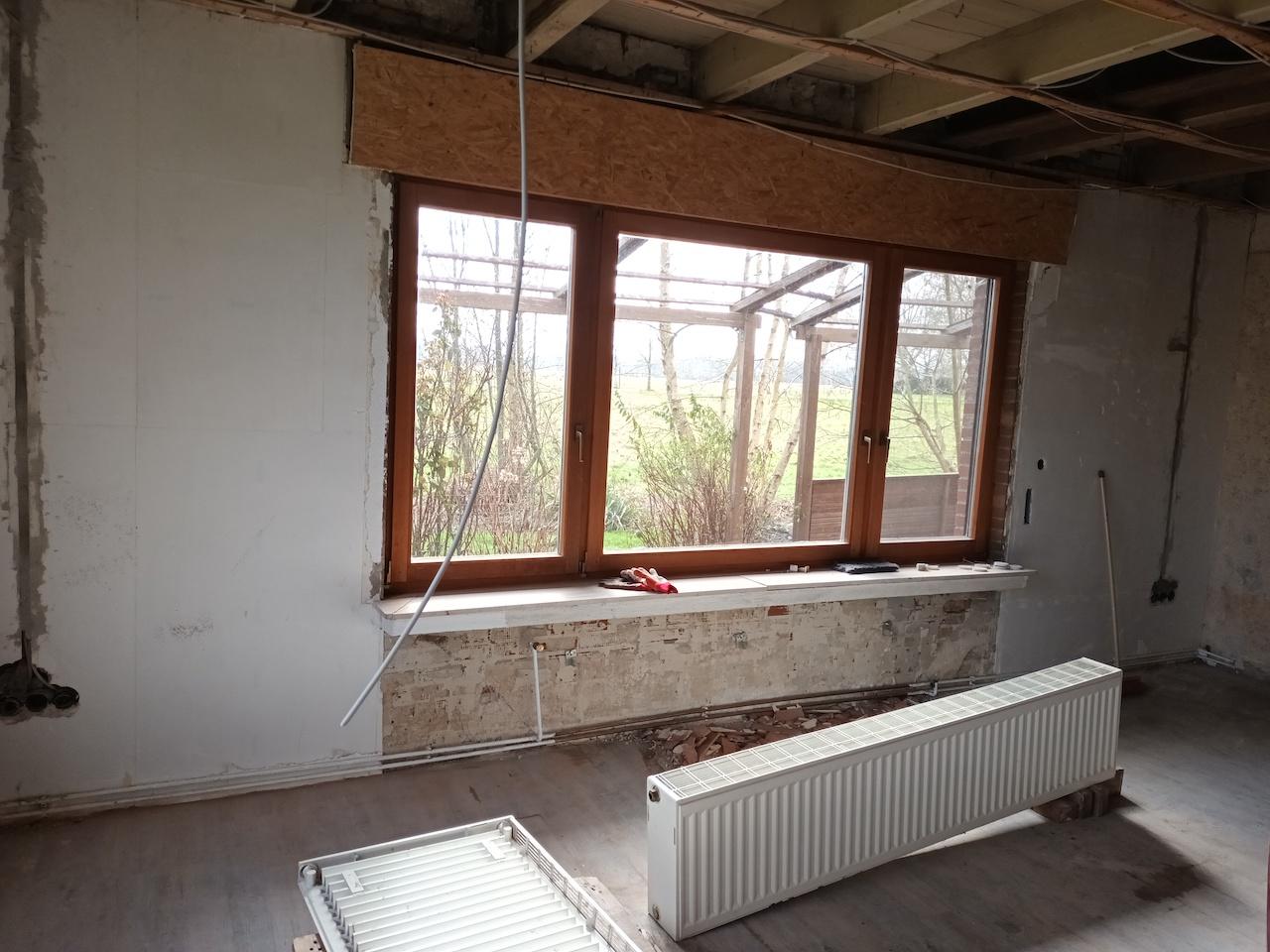
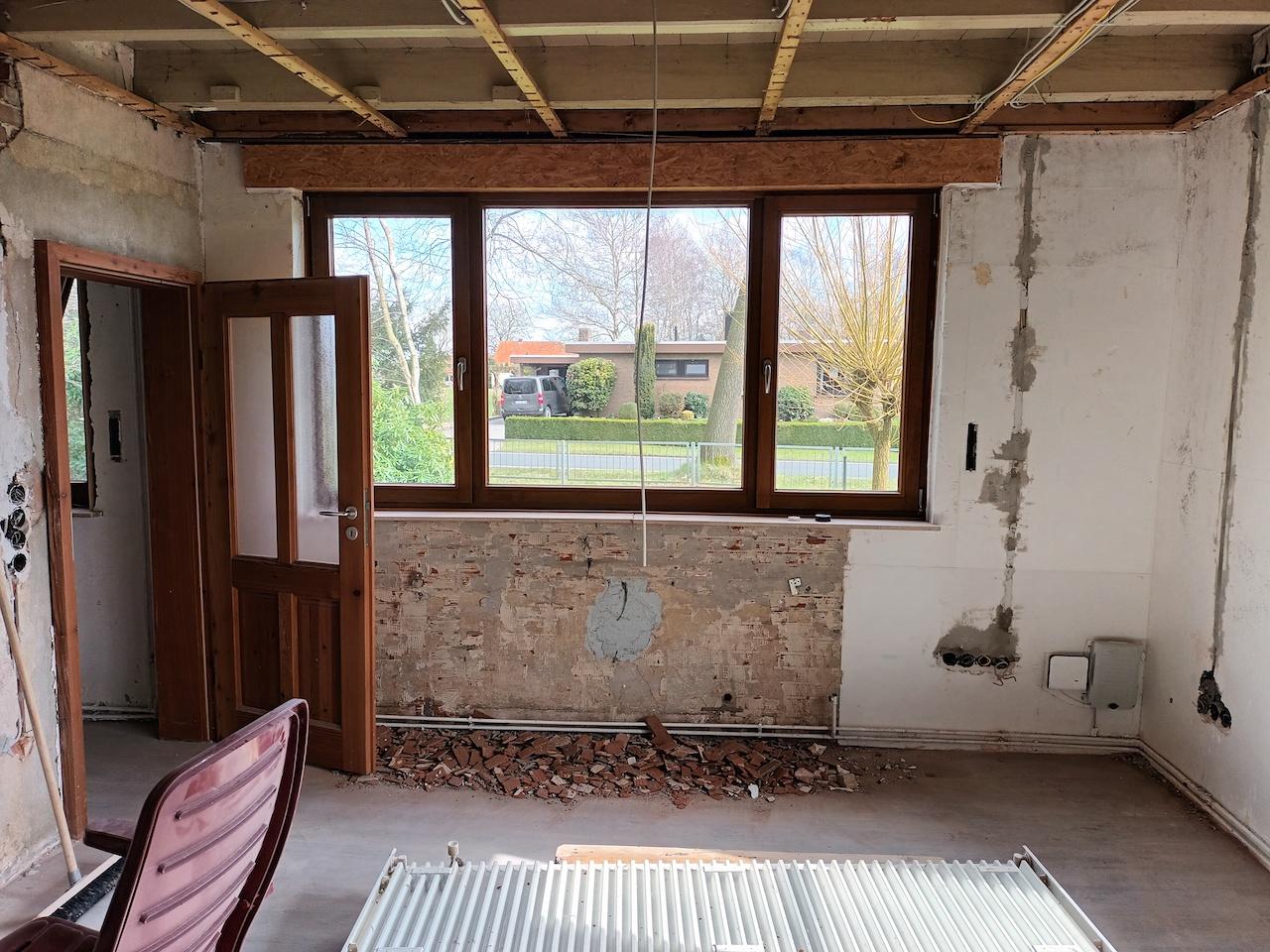
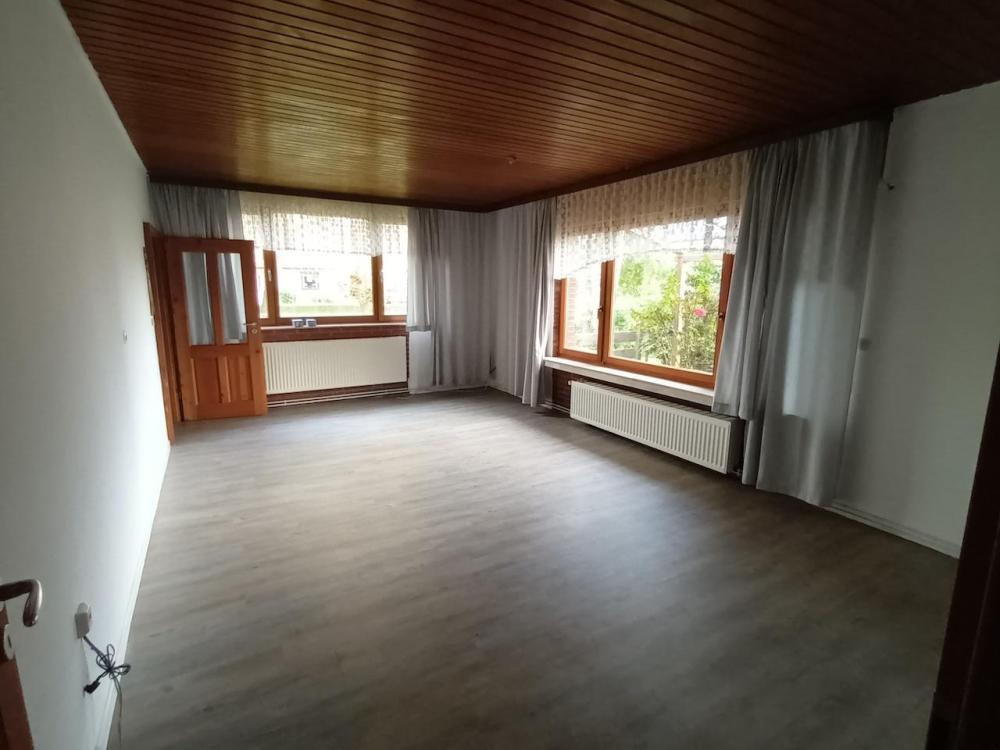
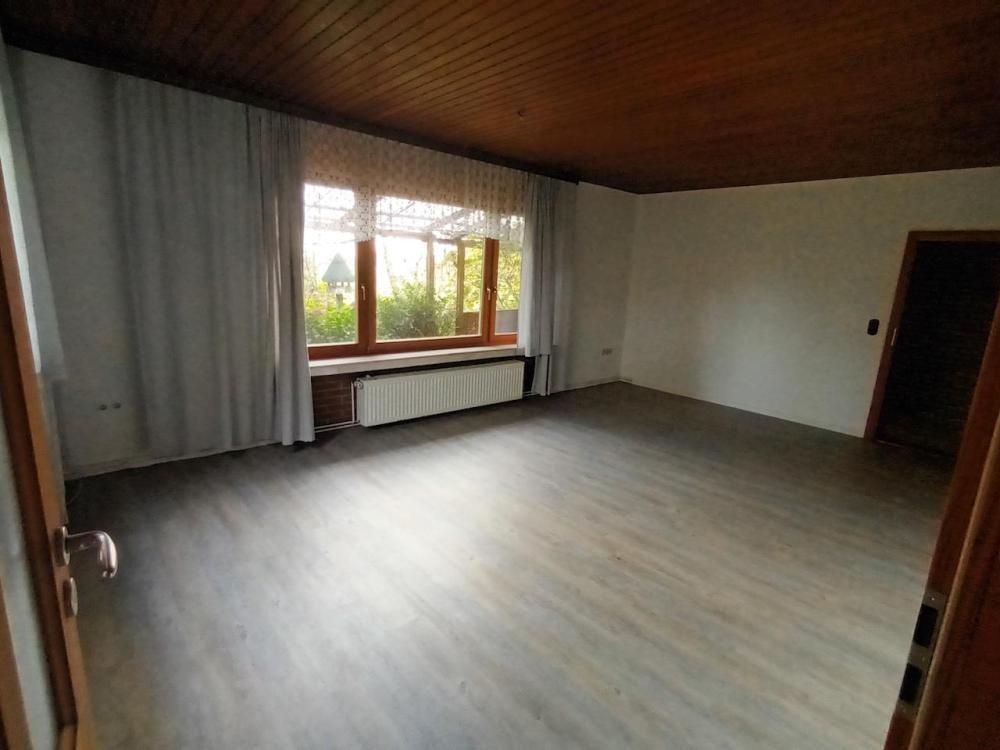
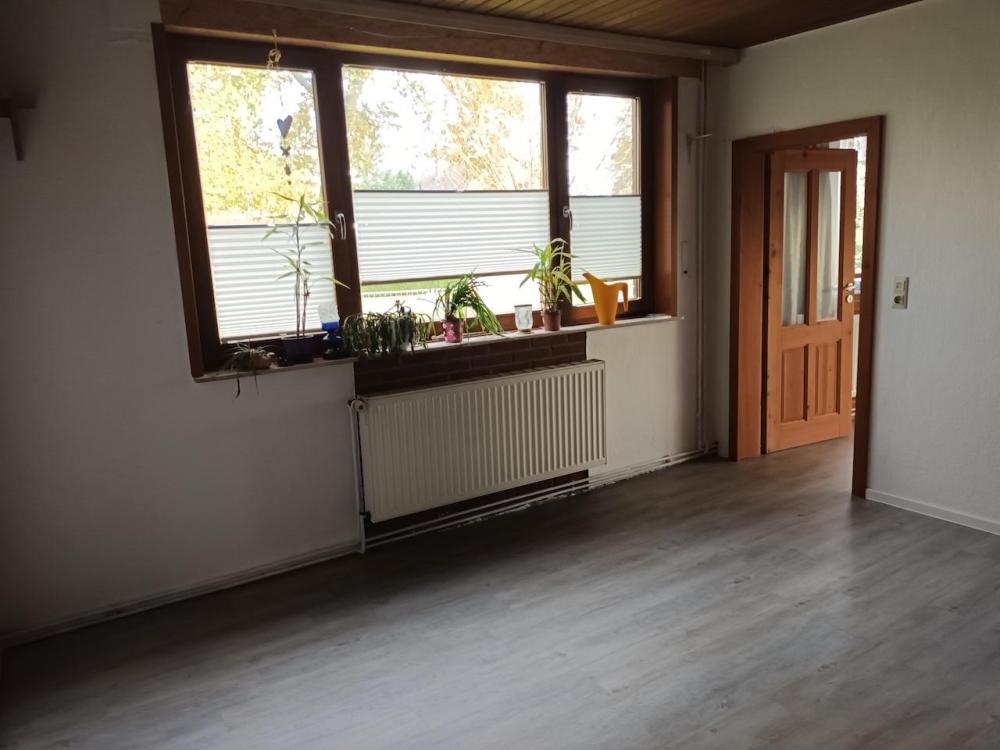
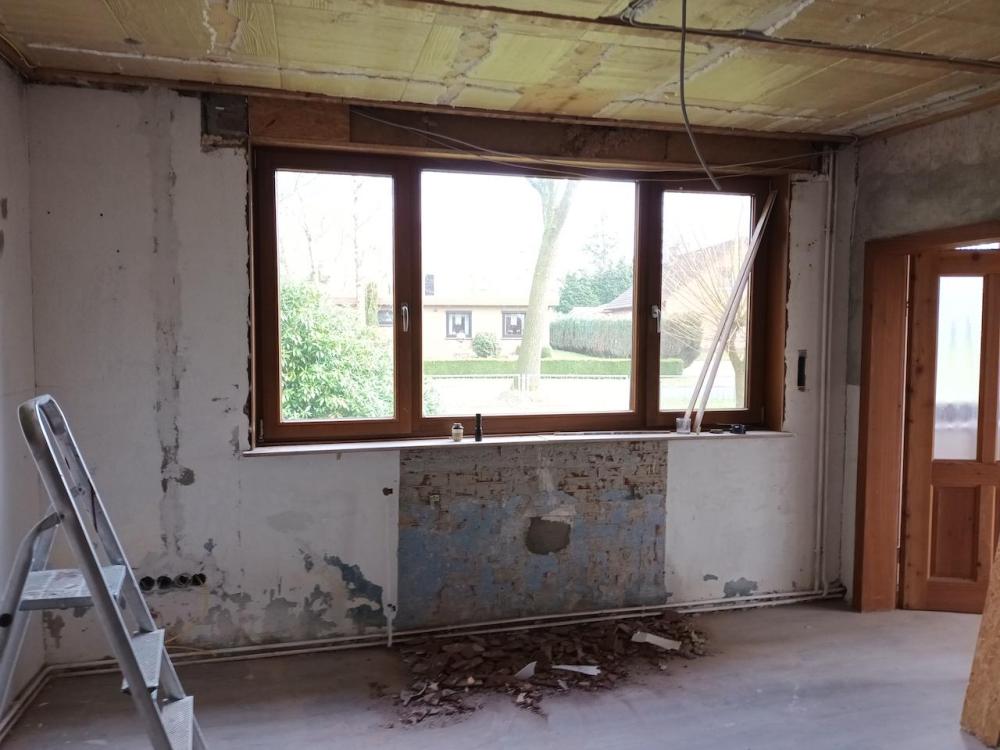
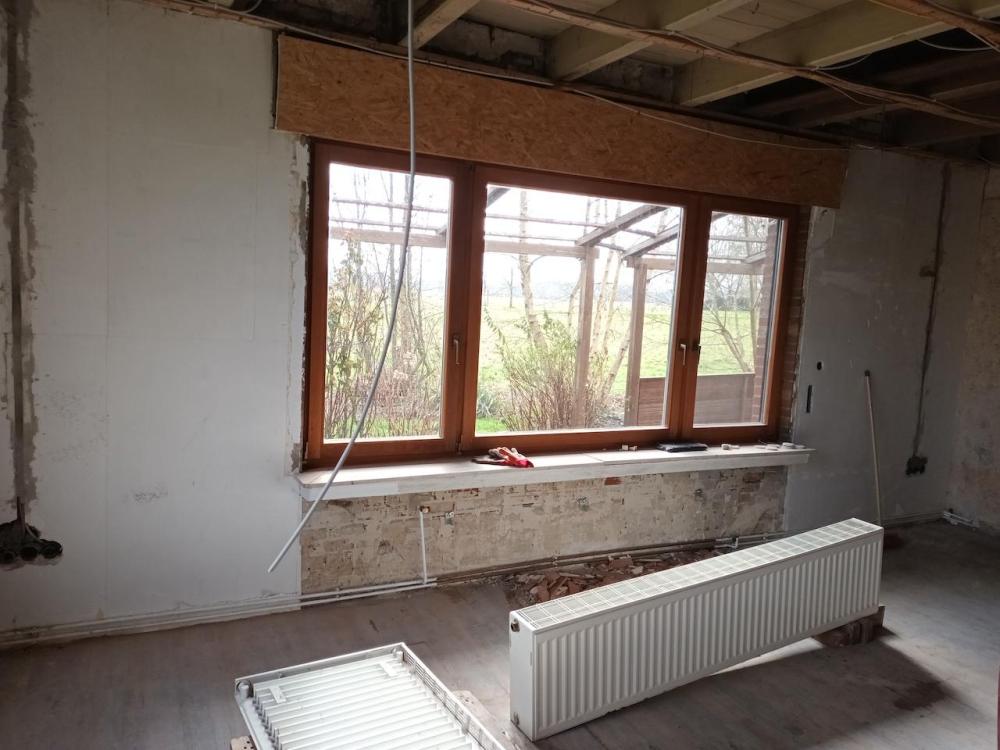
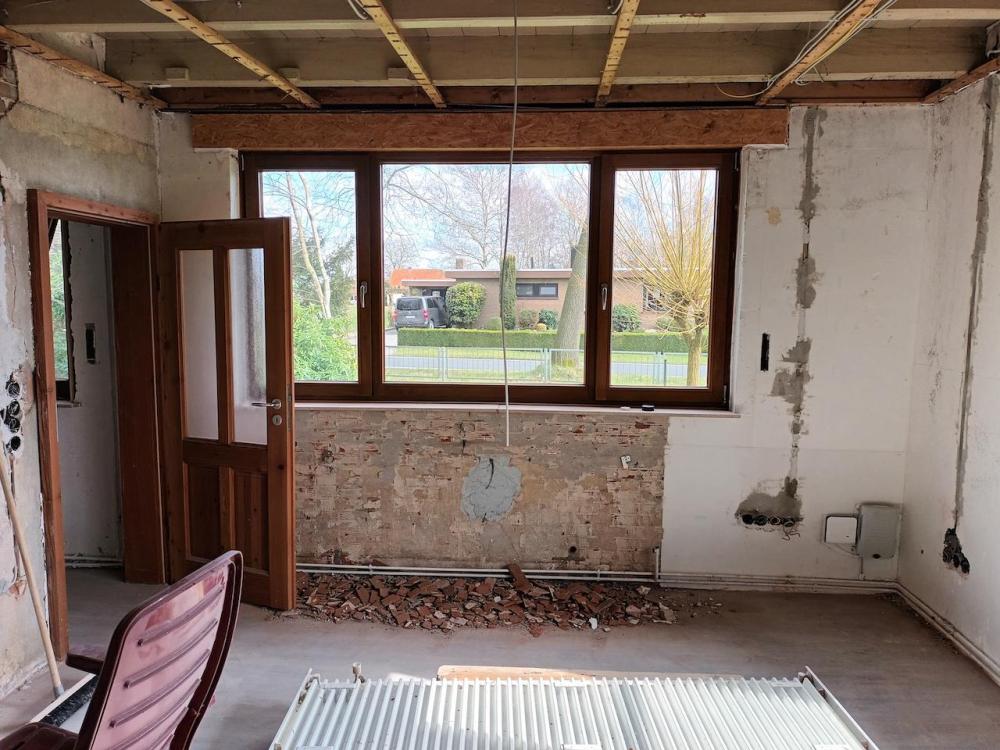
We removed the "brick" tiles behind these radiators and want to make the wall good and wallpaper before putting the radiators back. In a couple of areas the plaster has blown from the brick work. Mostly however the plaster is still good. As we aren't painting, the finish doesn't need to be super smooth.
-
White or metal tile edge
vagrantly3893 replied to vagrantly3893's topic in Bathrooms, Ensuites & Wetrooms
Yes I was expecting this as my parents bathroom has them. Perhaps no longer in fashion. We picked the white as we prefer the profile and hopefully it blends in with the tiles. I'll let you know if it yellows in the future. -
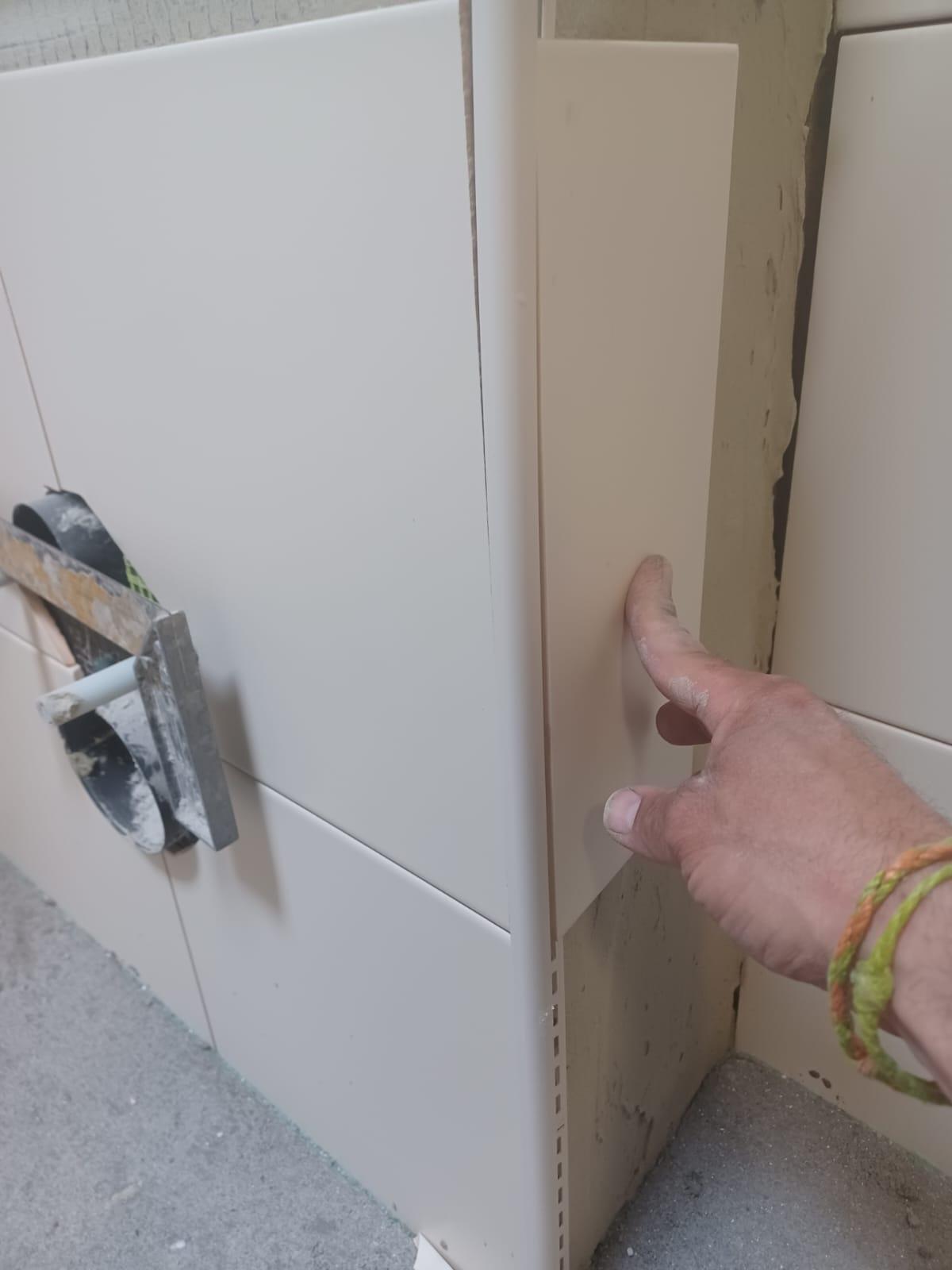
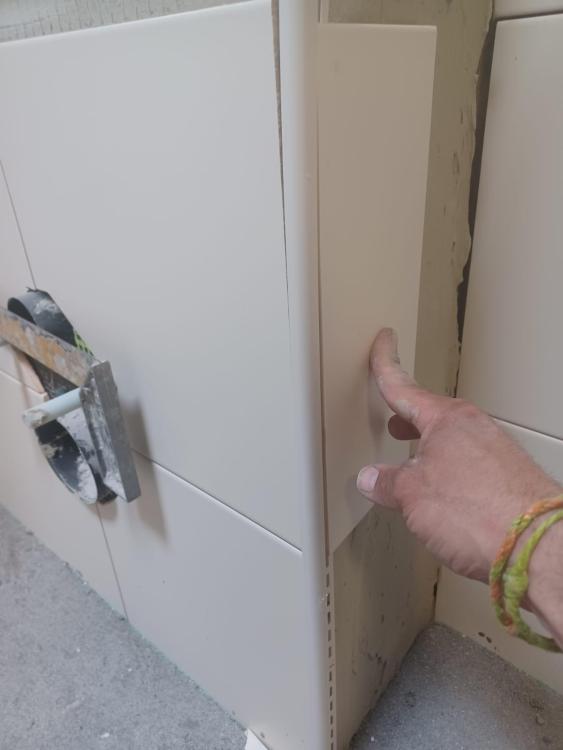
rounded white pvc or square metal. i prefer the white. it gives a more continuous feel to the tile. The tile is vanilla white and the floors are wood grain. Taps and other fixtures are black.
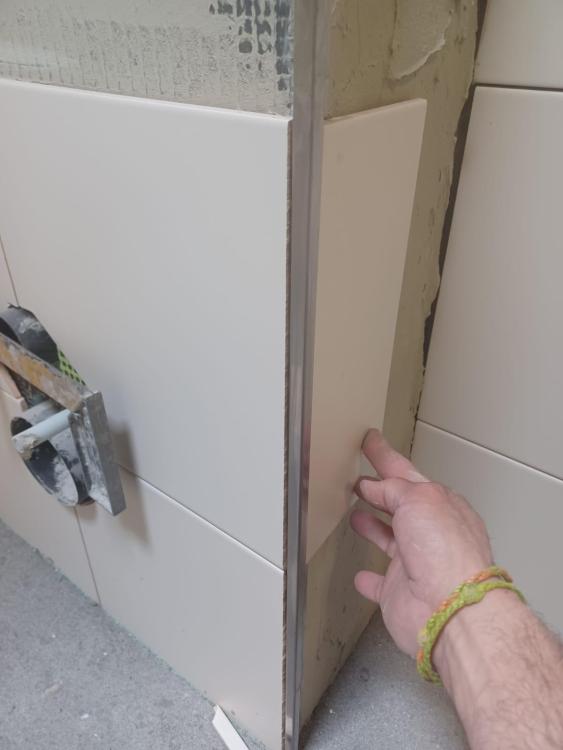
-
I know there are also building regulations regarding these things. Are they mandatory or recommended for DIYers? What are the consequences of not doing something like insulation according to regs?
-
The guttering is against the wall, so I don't think so. Yes I think this part may have been built after the original building. It is part of the barn.
-
I checked today and it doesn't seem that this part of the roof has any venting. There are no eaves so unless it is accomplished some other way, I don't think the roof is ventilated.

-
I thought perhaps the breathable felt prevented this by allowing moisture in the air from the heated area through to the cold area, but prevented any water from the cold area coming through?
-
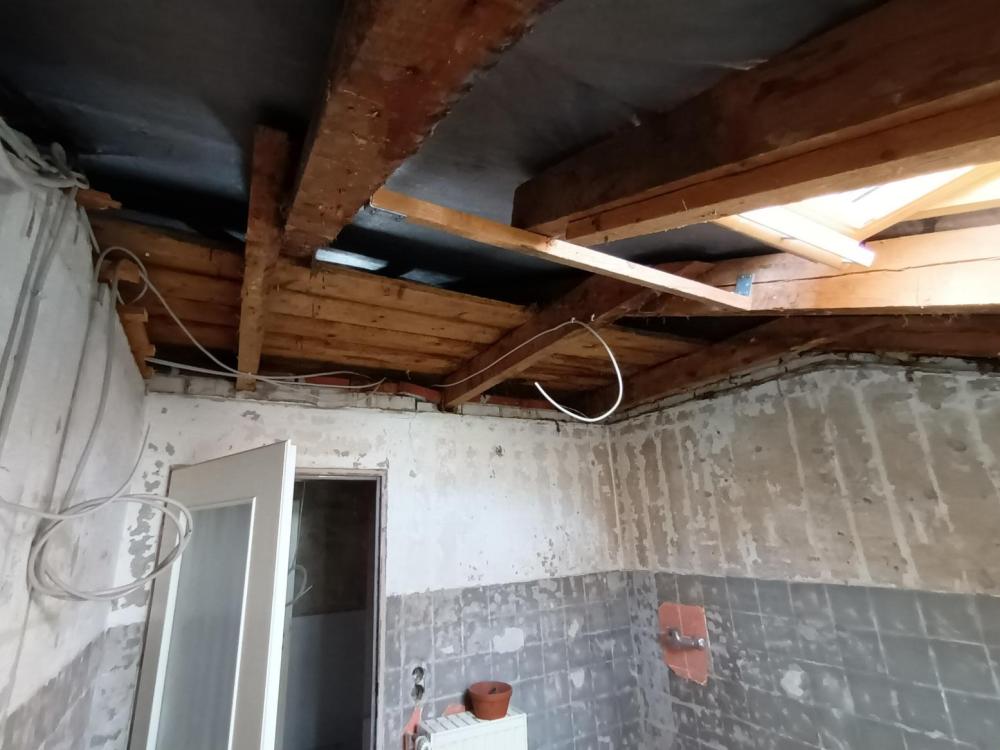
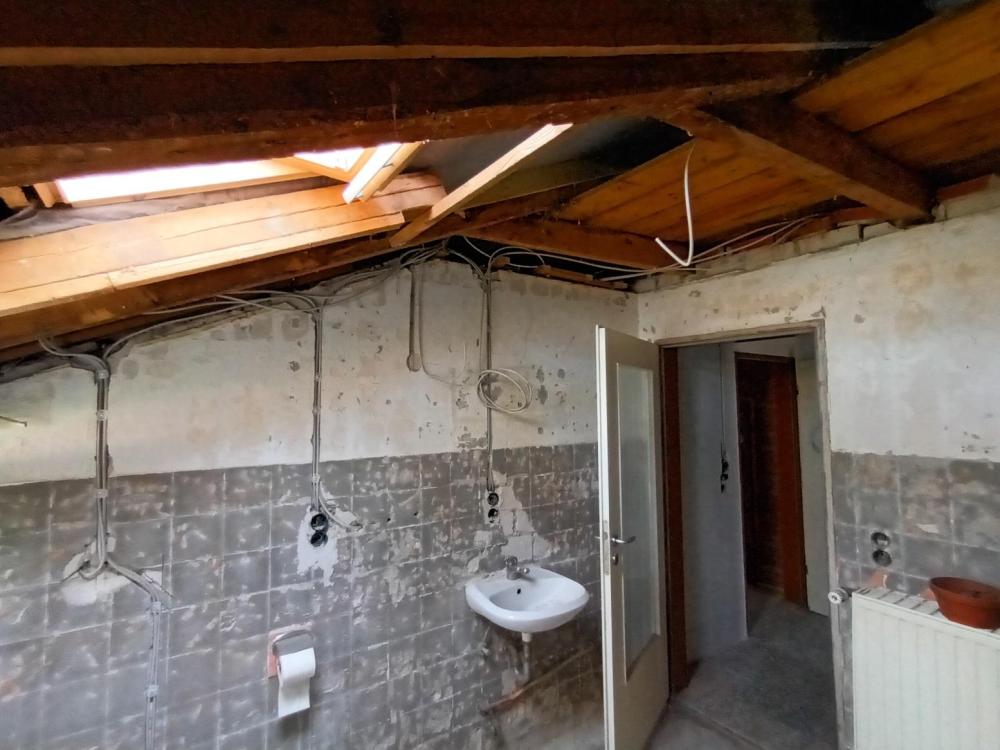
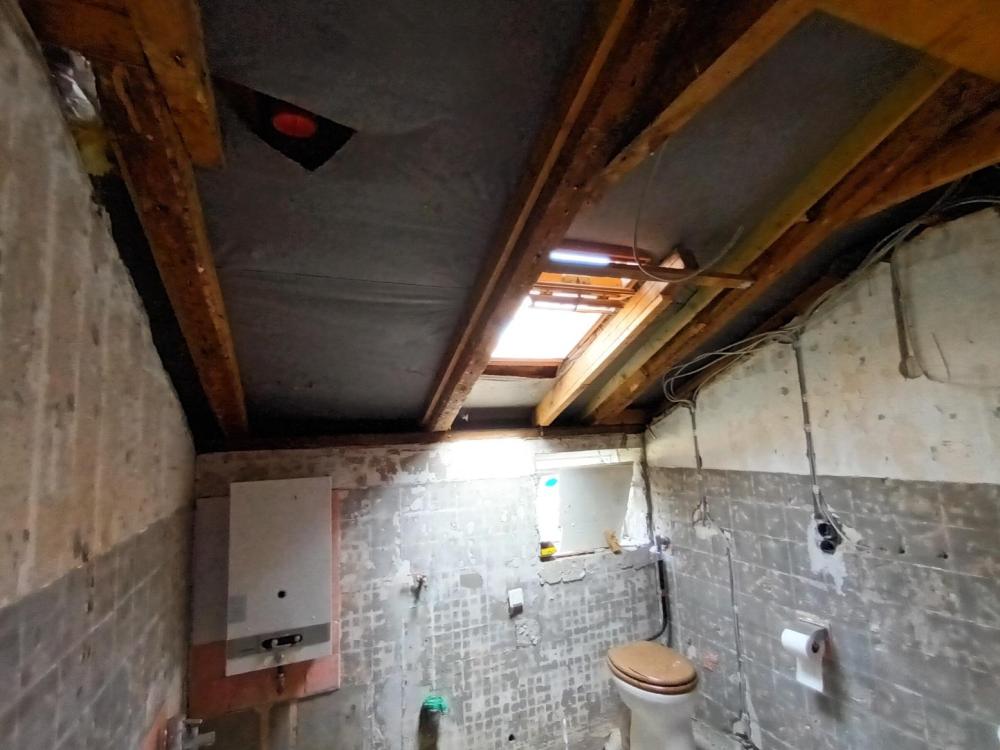
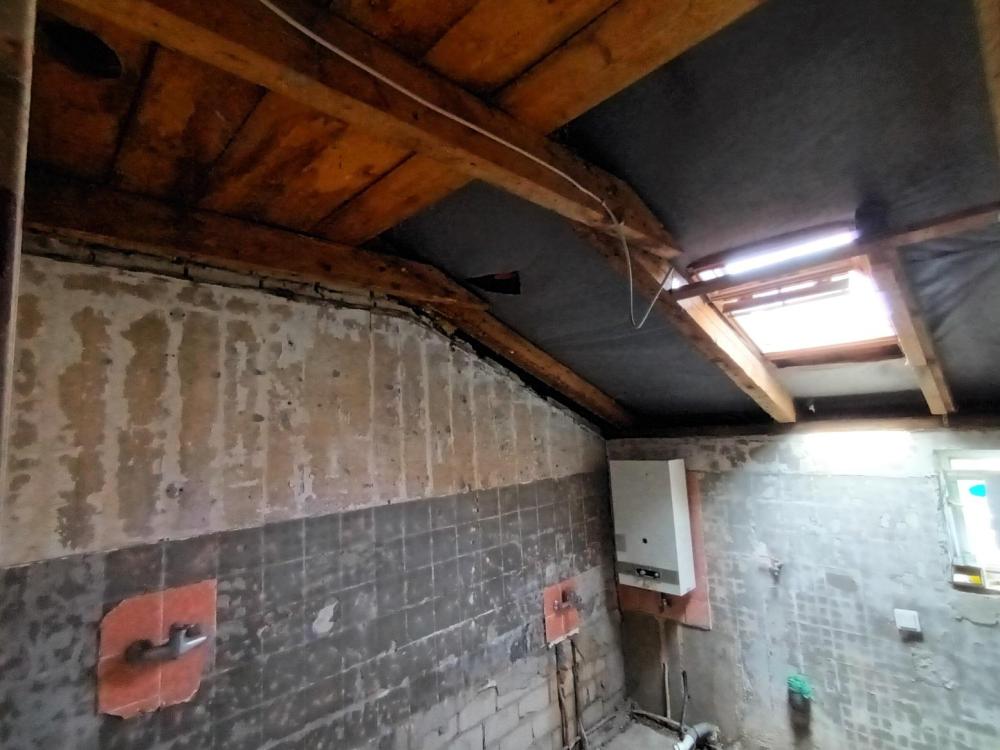
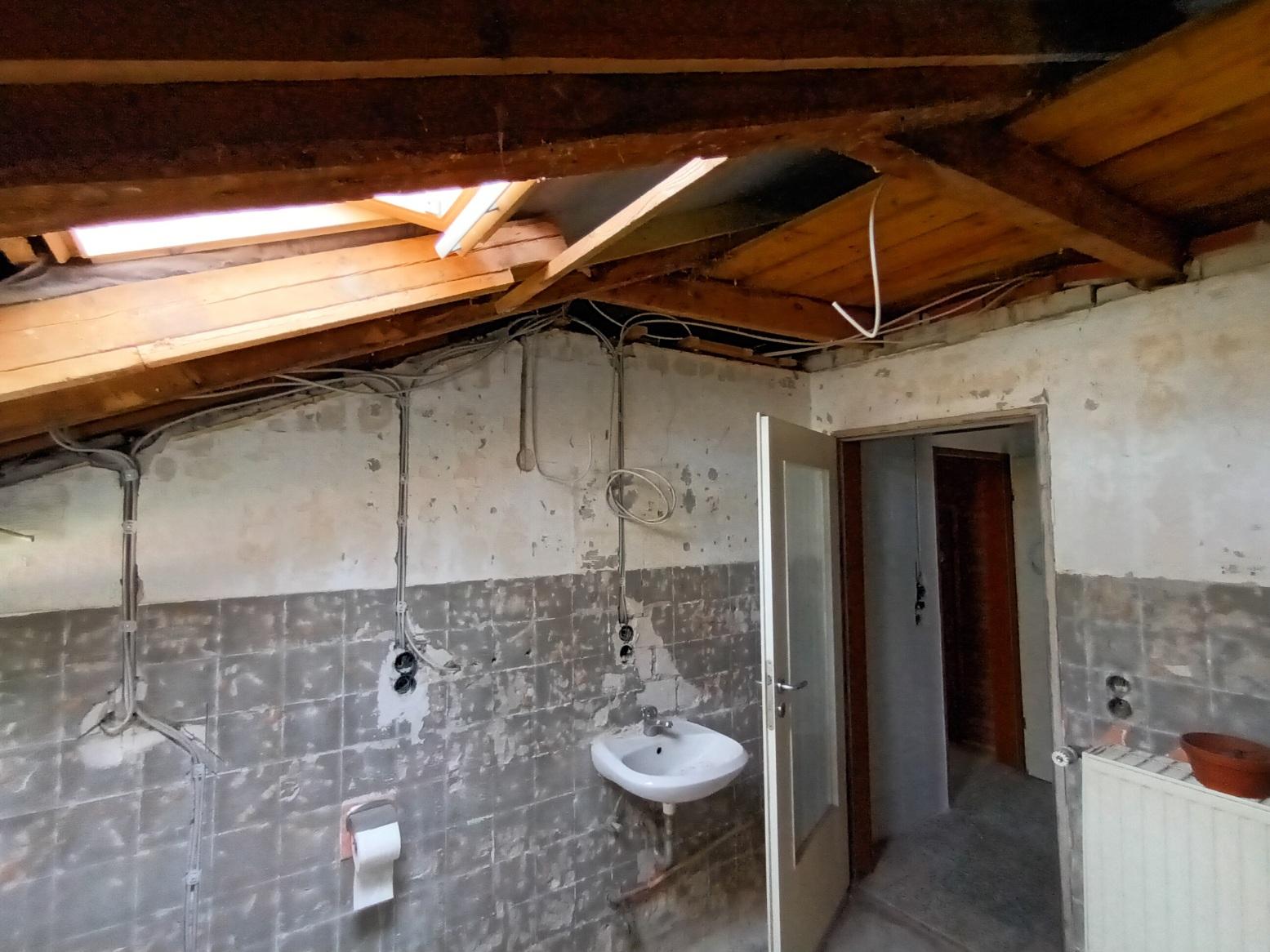
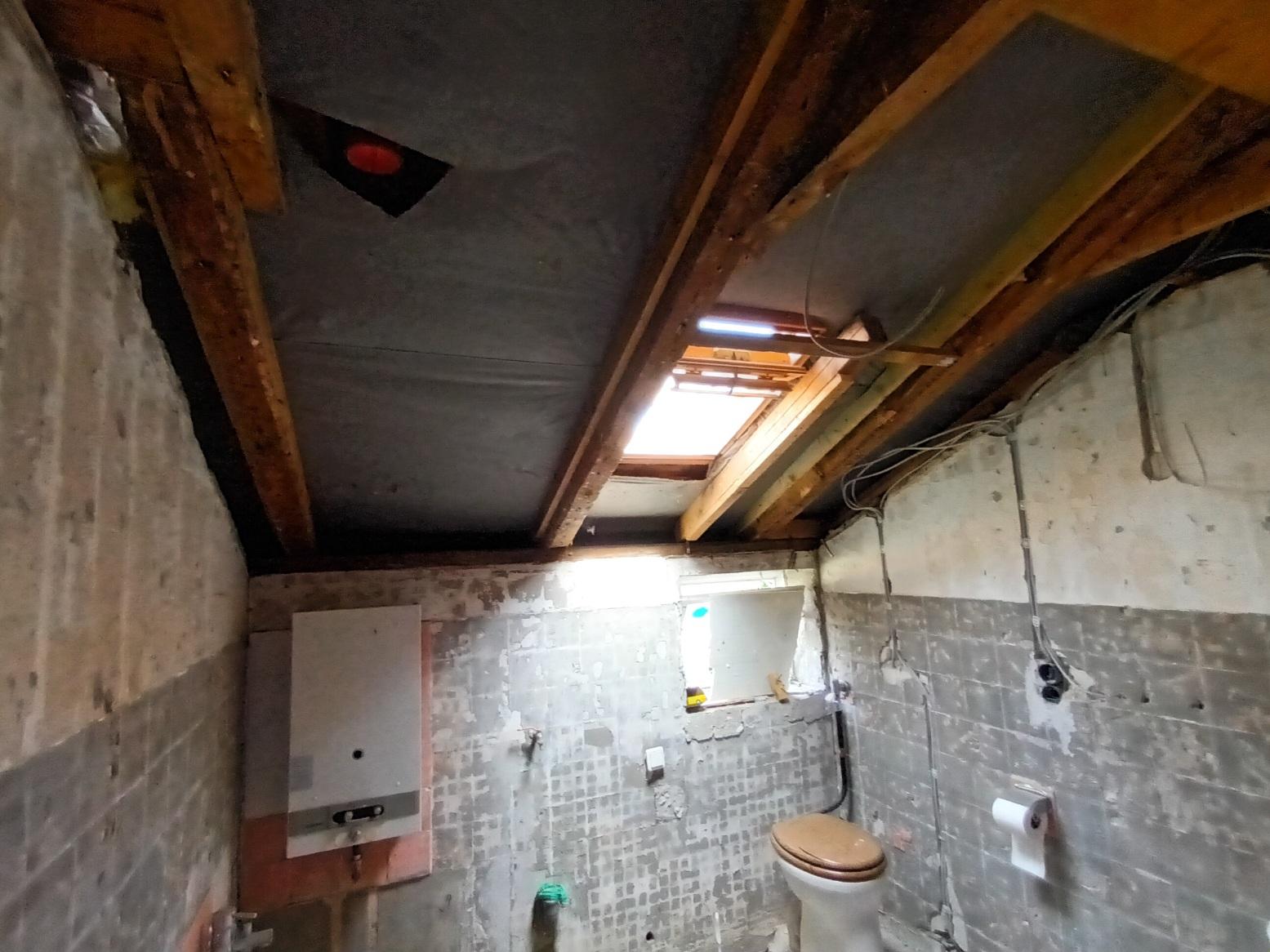
We are renovation our bathroom and this room was originally in the barn. The rafters are spaced 90cm apart and are 120mm deep. The ceiling beams are 80cm apart and 15cm deep. There is a breathable membrane under the tiles, and above the ceiling is the cold barn area. There is a 50mm airgap between the felt and the tiles. Previously there was glass wool insulation between rafters and ceiling beams. My plan is to add new 120mm insulation wool between the beams and rafters. Because the roofing felt is breathable, I understand the insulation can be placed directly against the felt. Under the insulation, rafters and beams I will lay a vapor control barrier. Underneath that plasterboard. We'll also be installing an extractor fan in the bathroom. I've attached some pictures and would like some feedback regarding my plan. Is it going to cause any issues with condensation in the future?