
RedRhino
-
Posts
60 -
Joined
-
Last visited
-
Days Won
2
Everything posted by RedRhino
-
Hi Nicolas, apologies for the delay. Our solar company dealt with the DNO permission. We never heard of any issues.
-
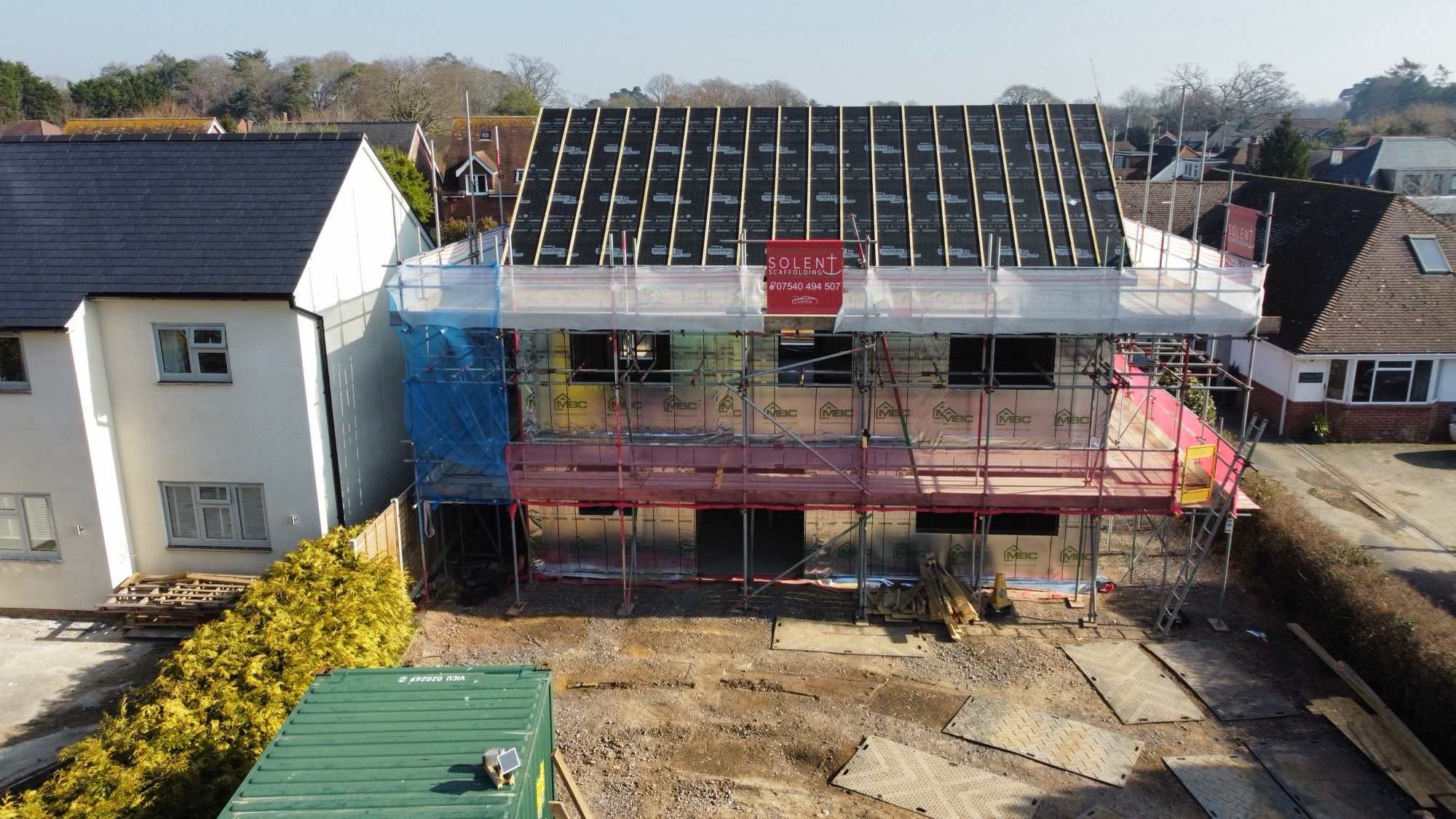
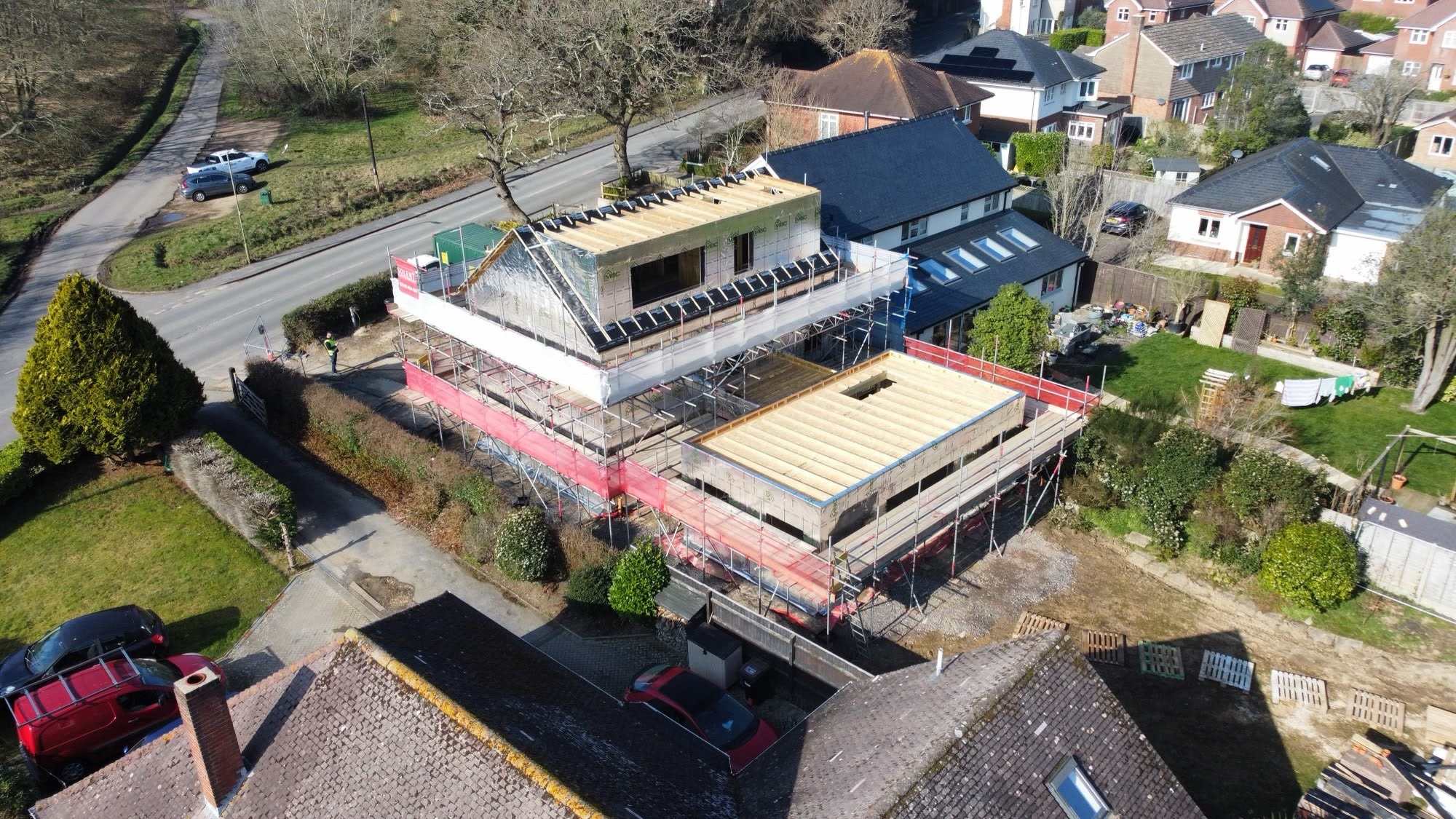
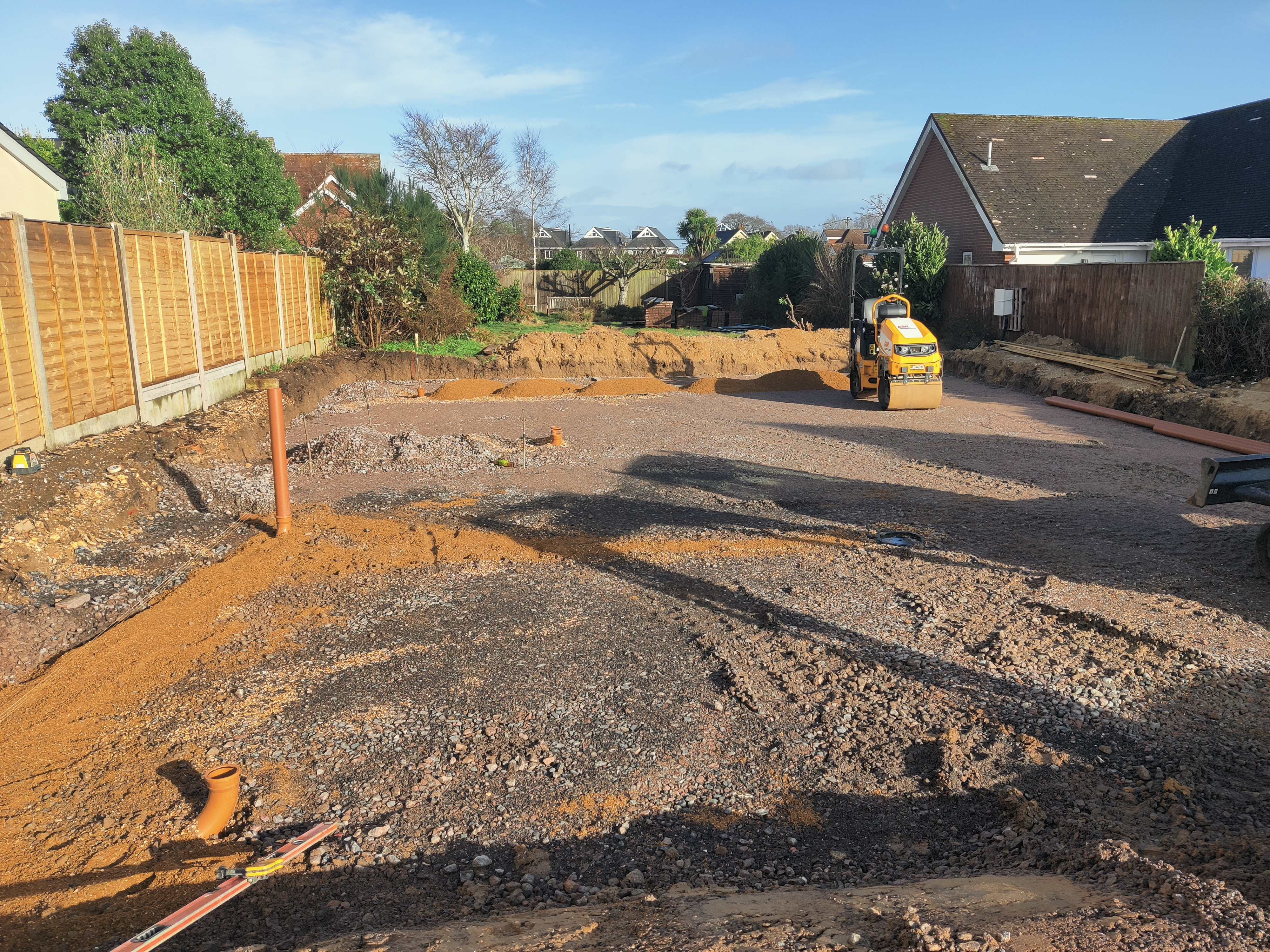
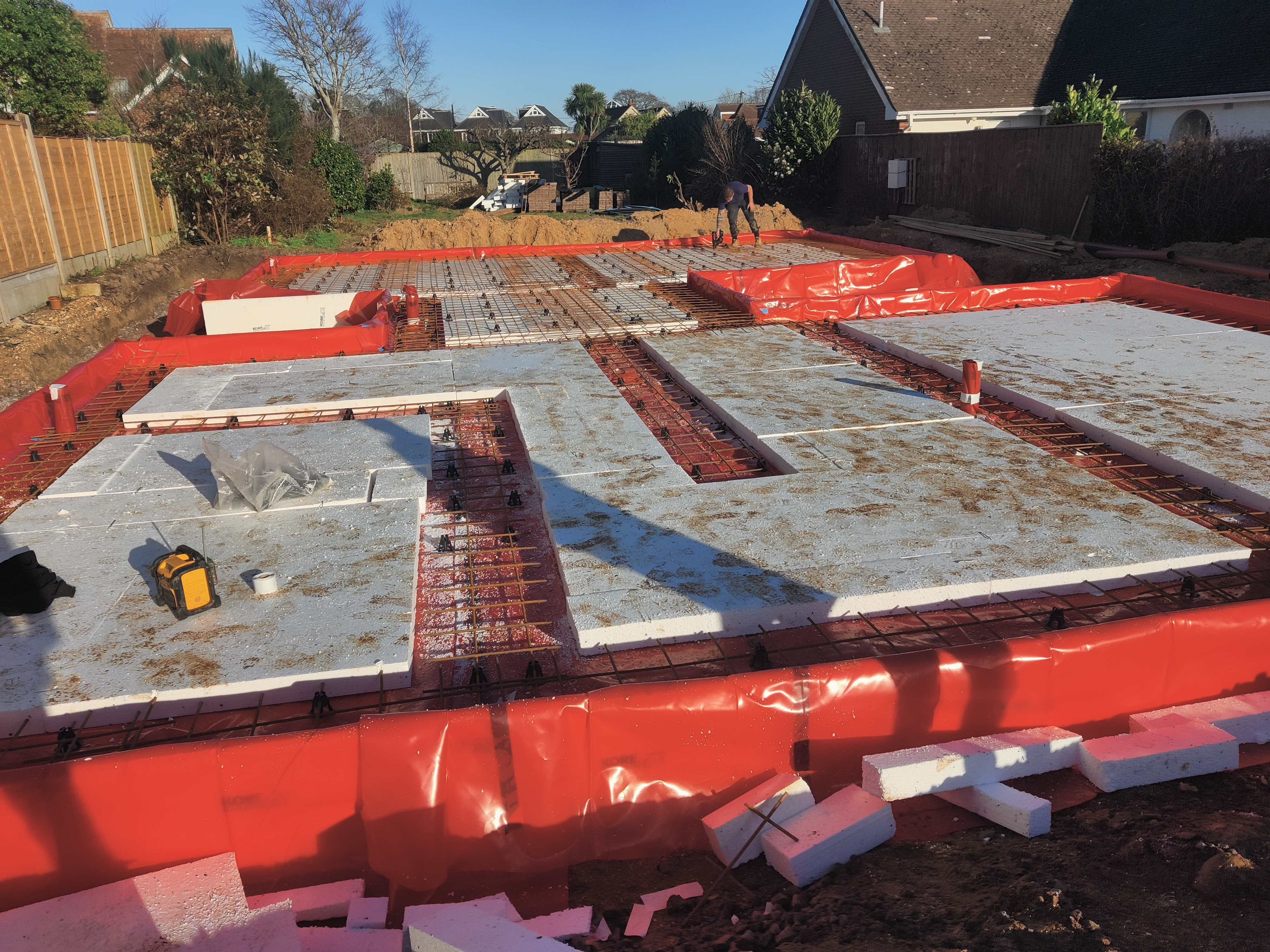
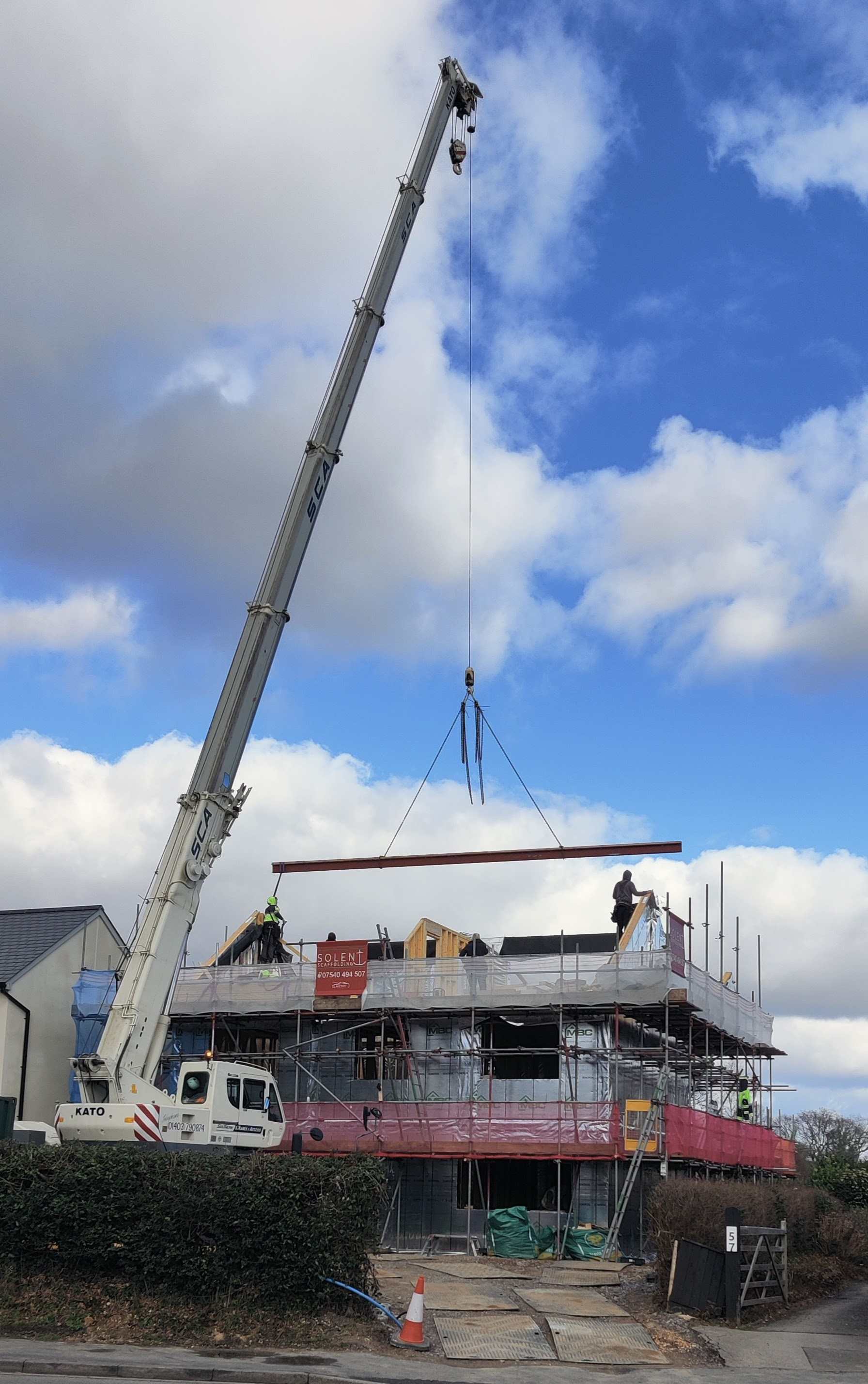
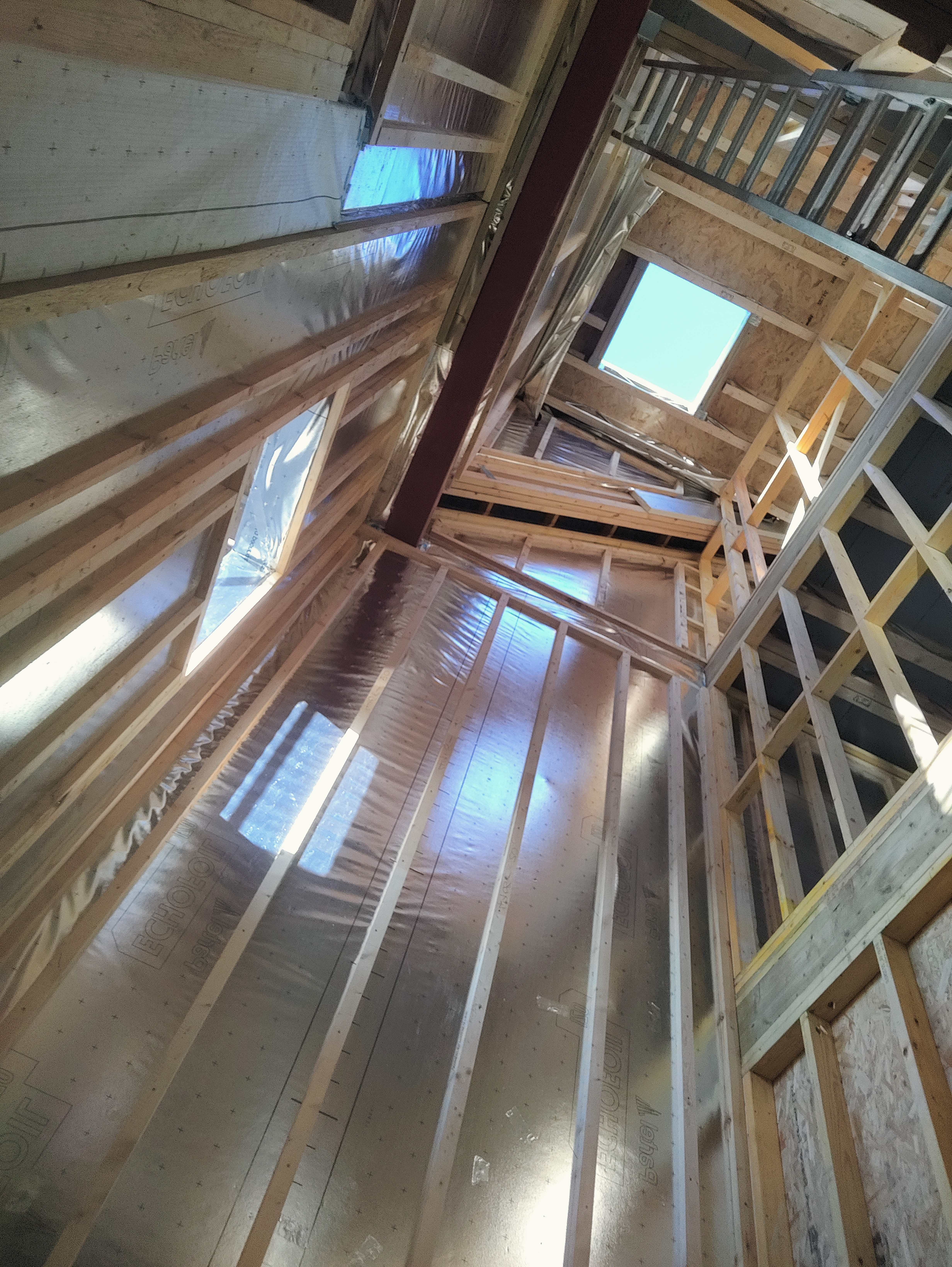
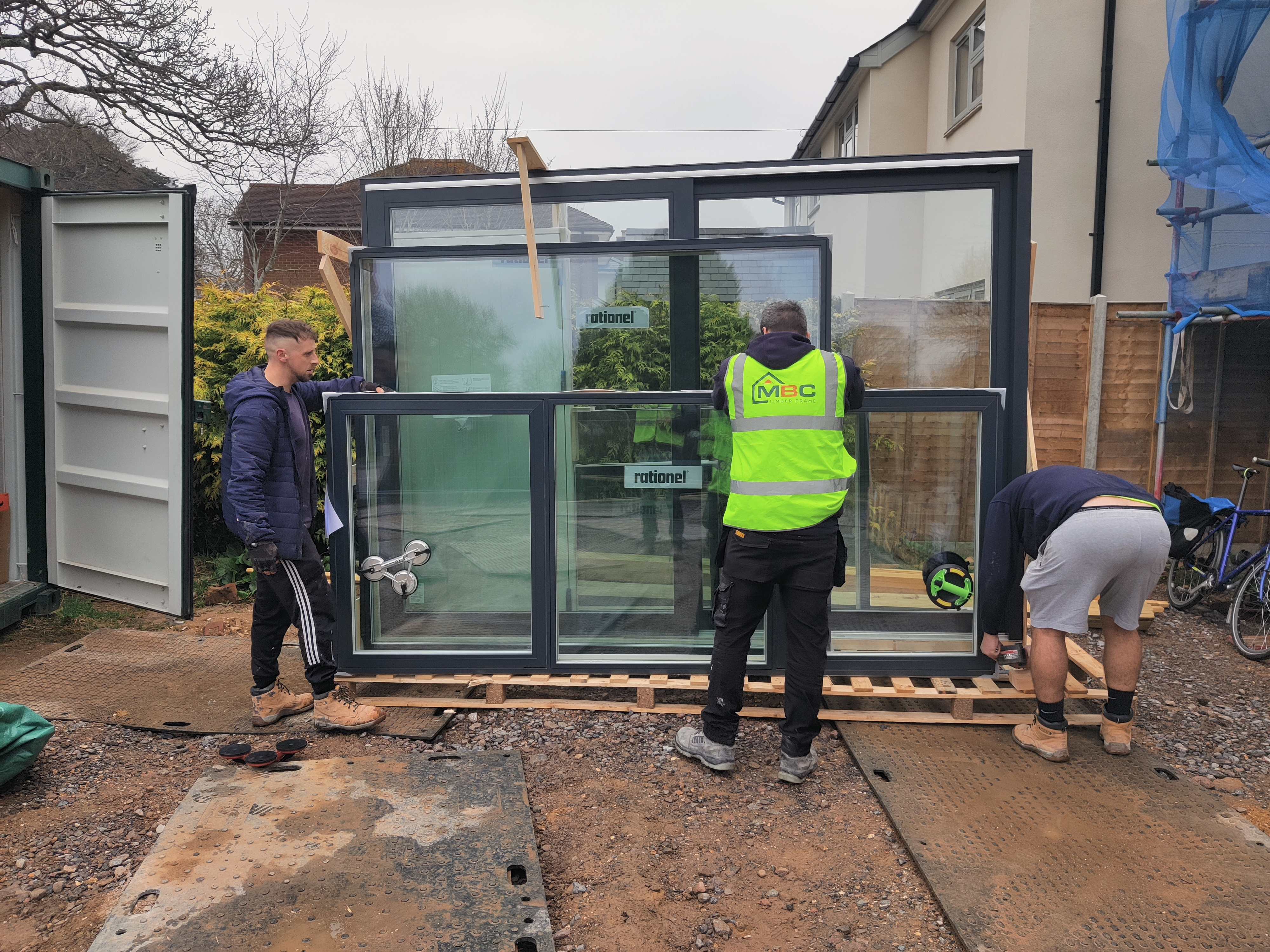
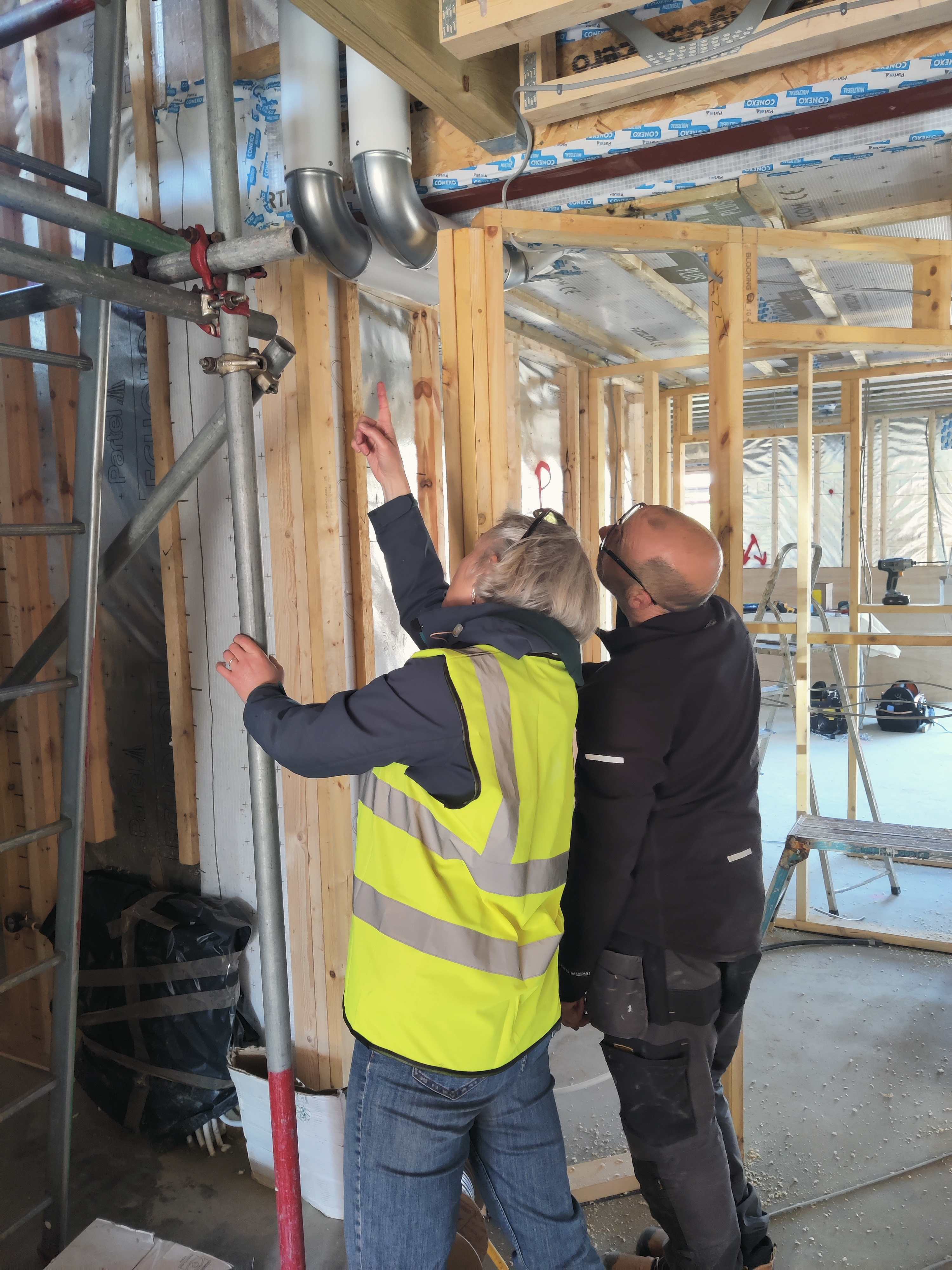
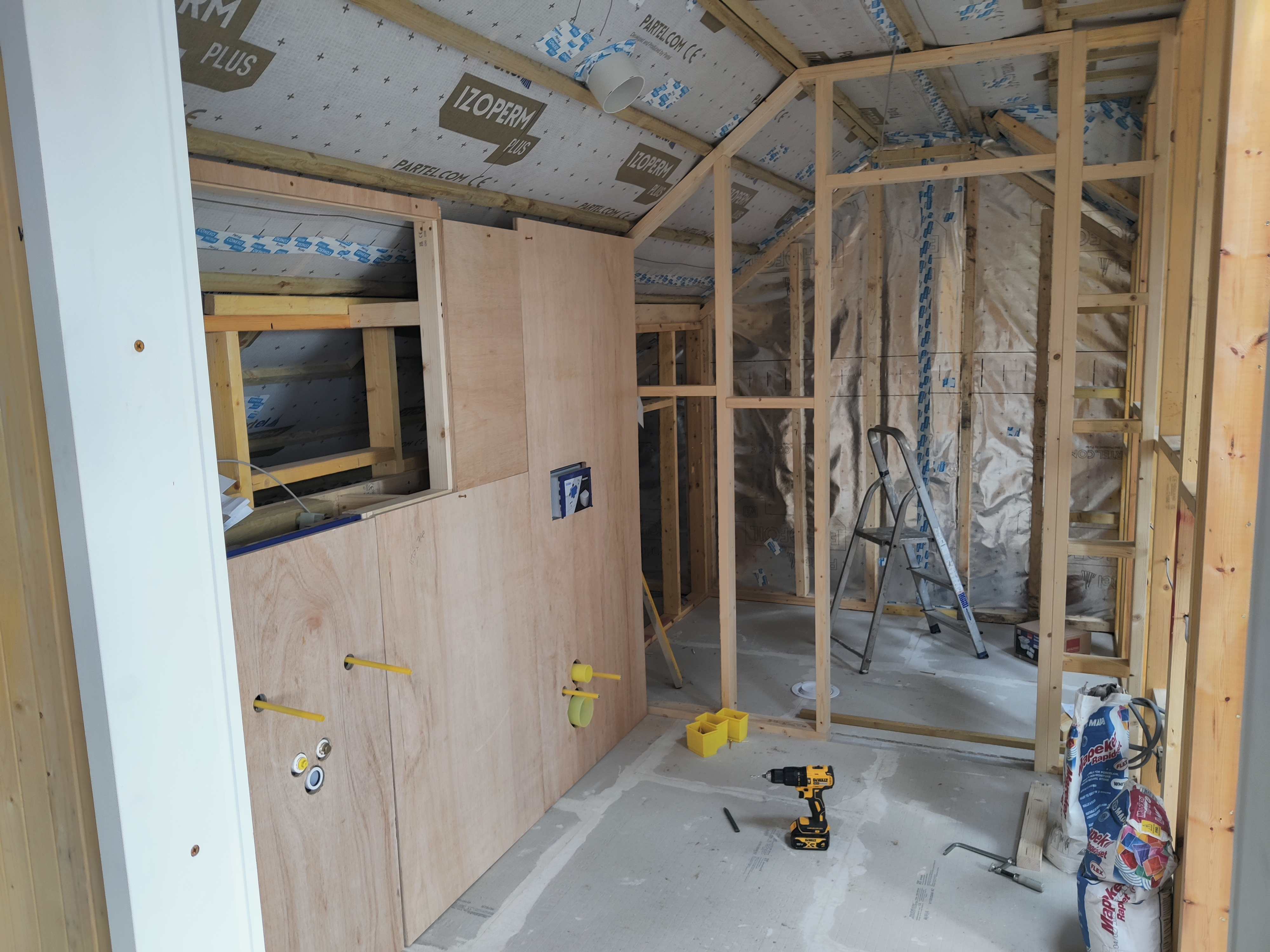
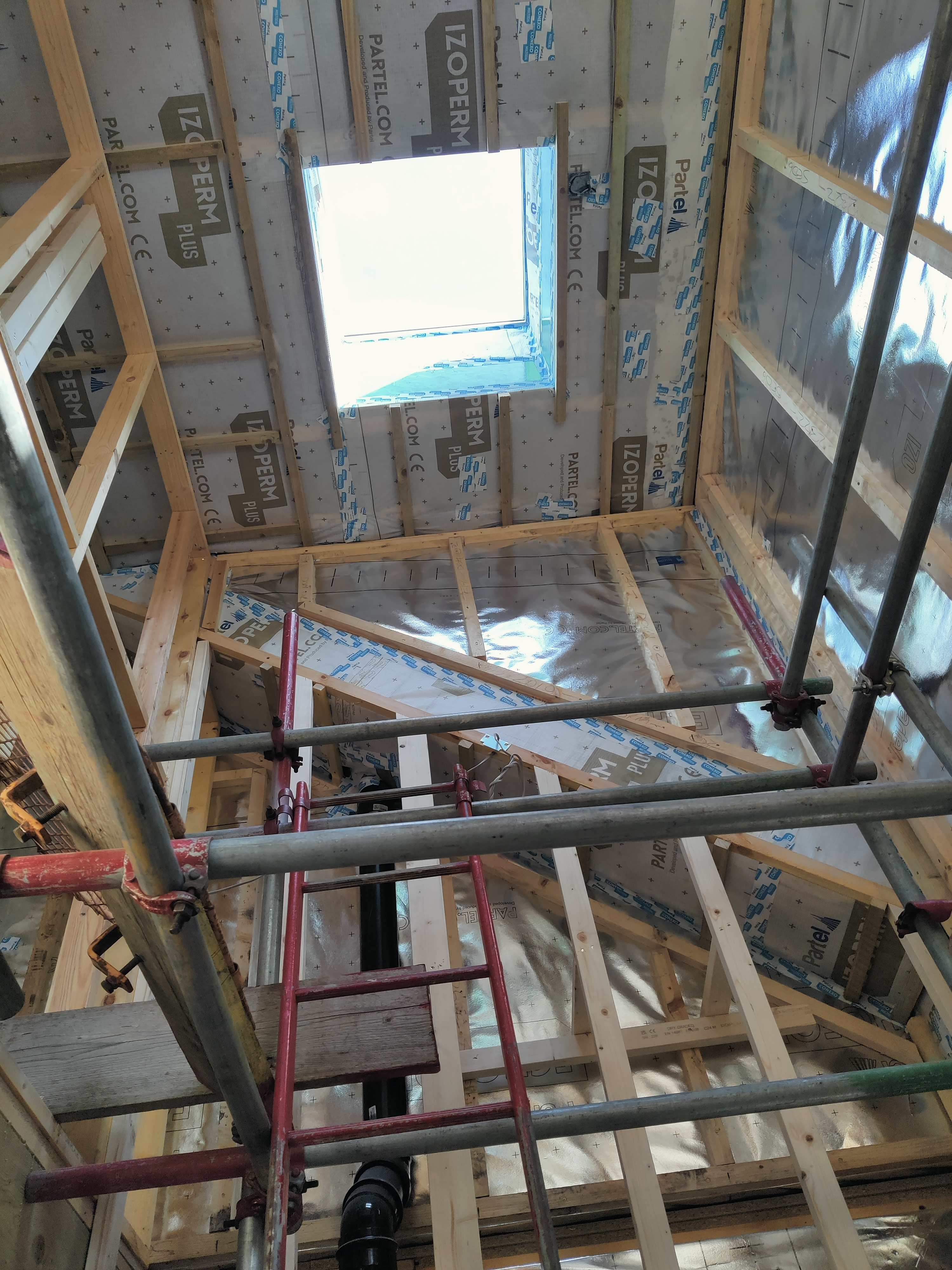
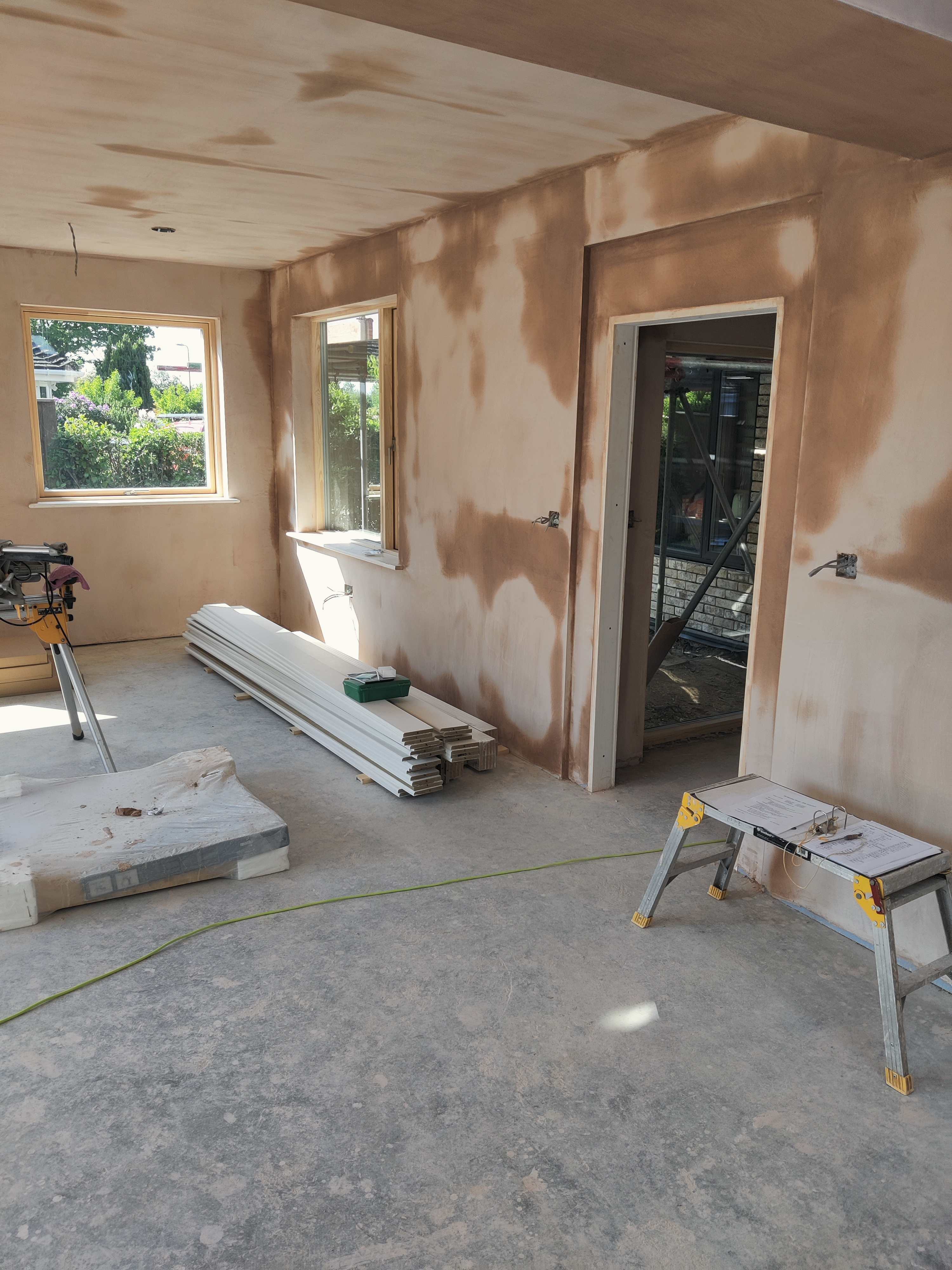
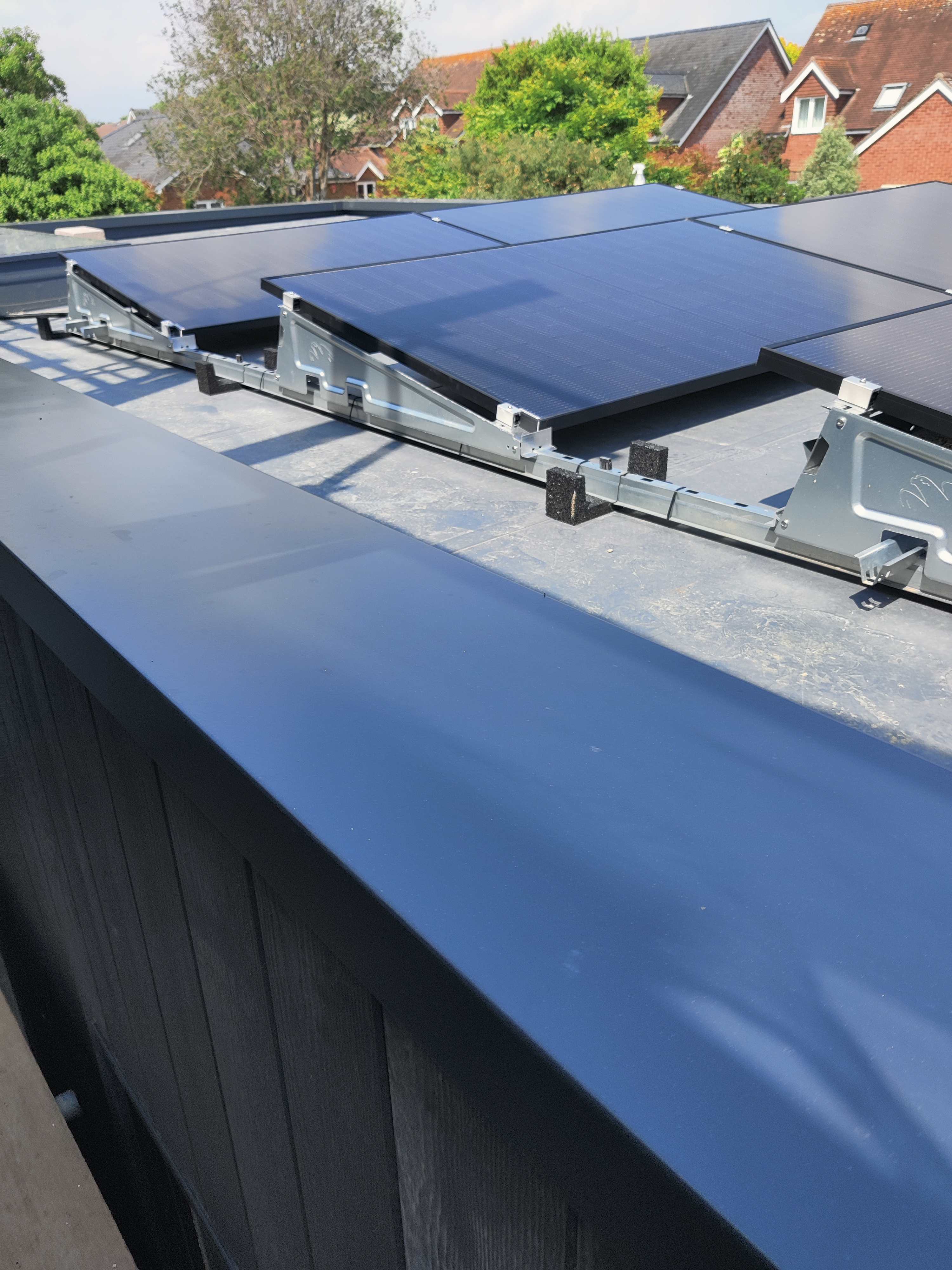
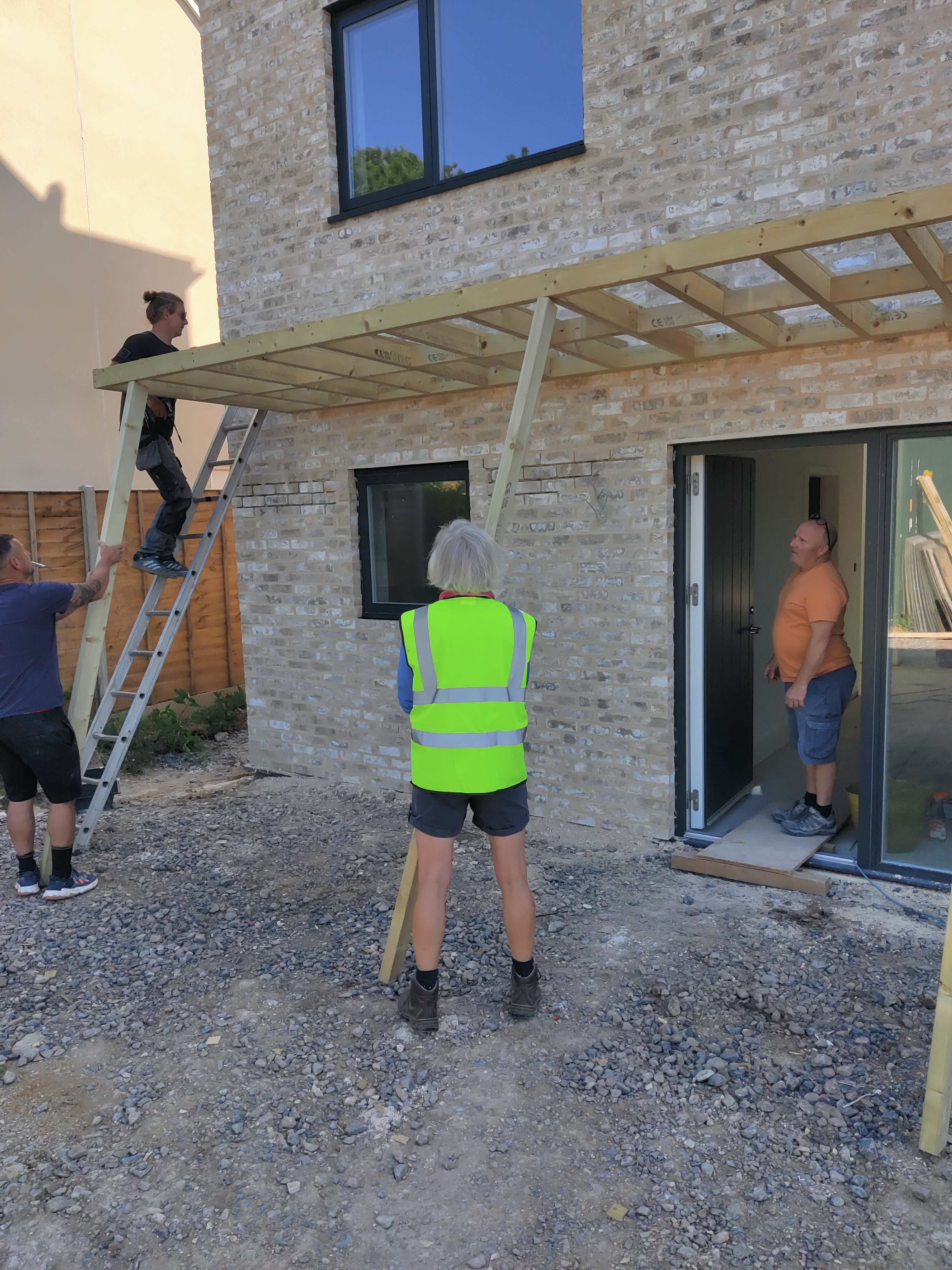
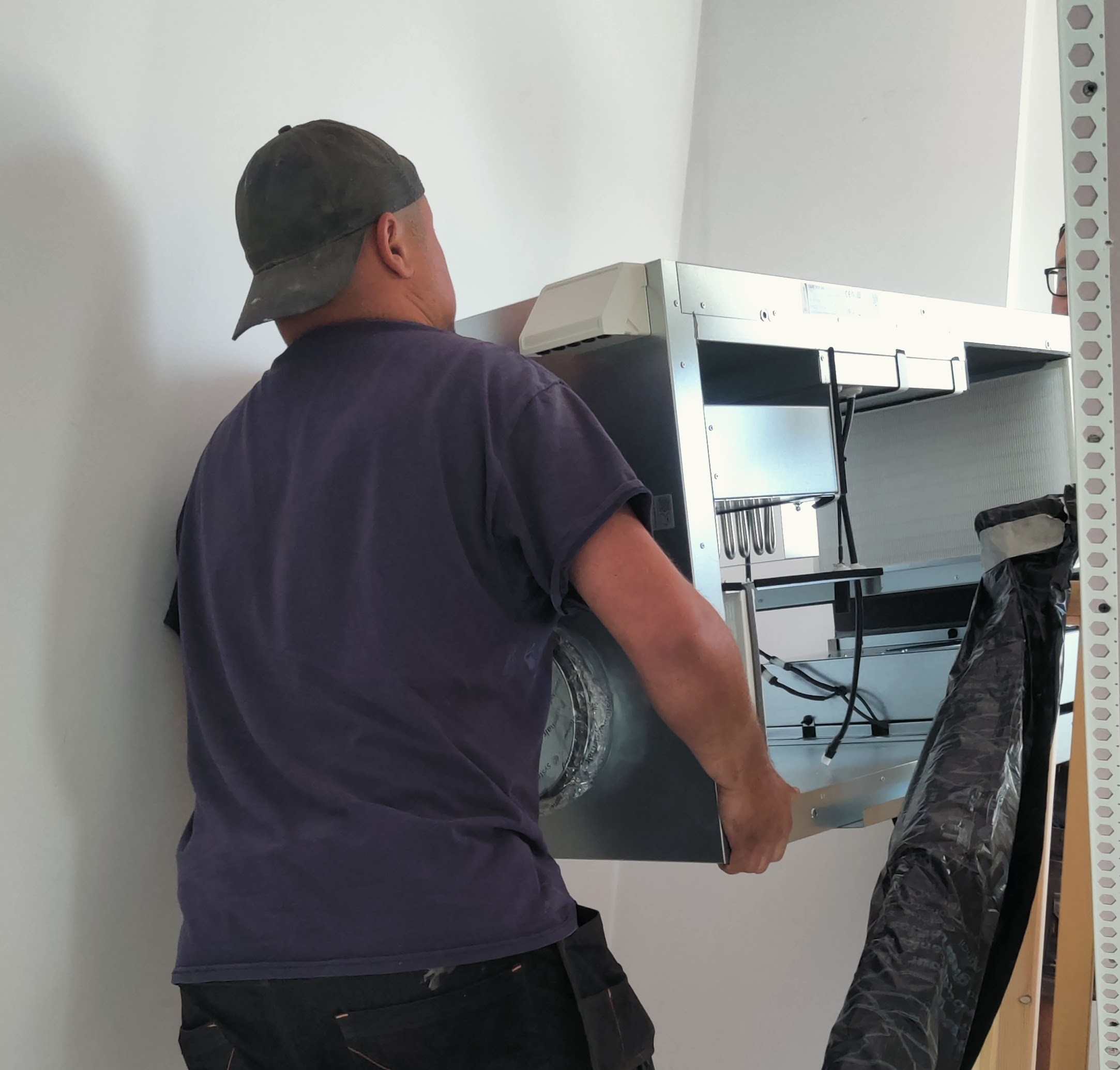
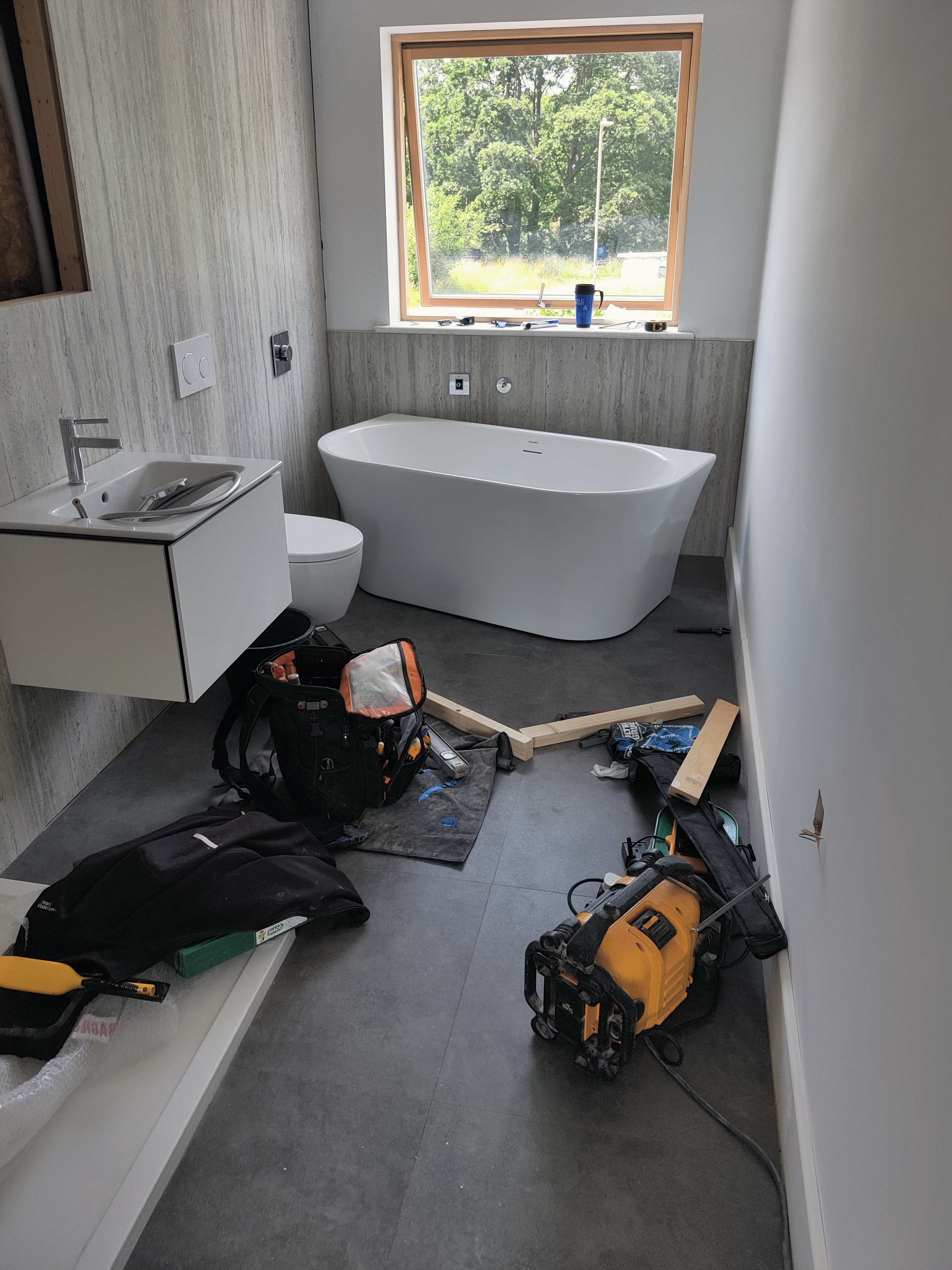
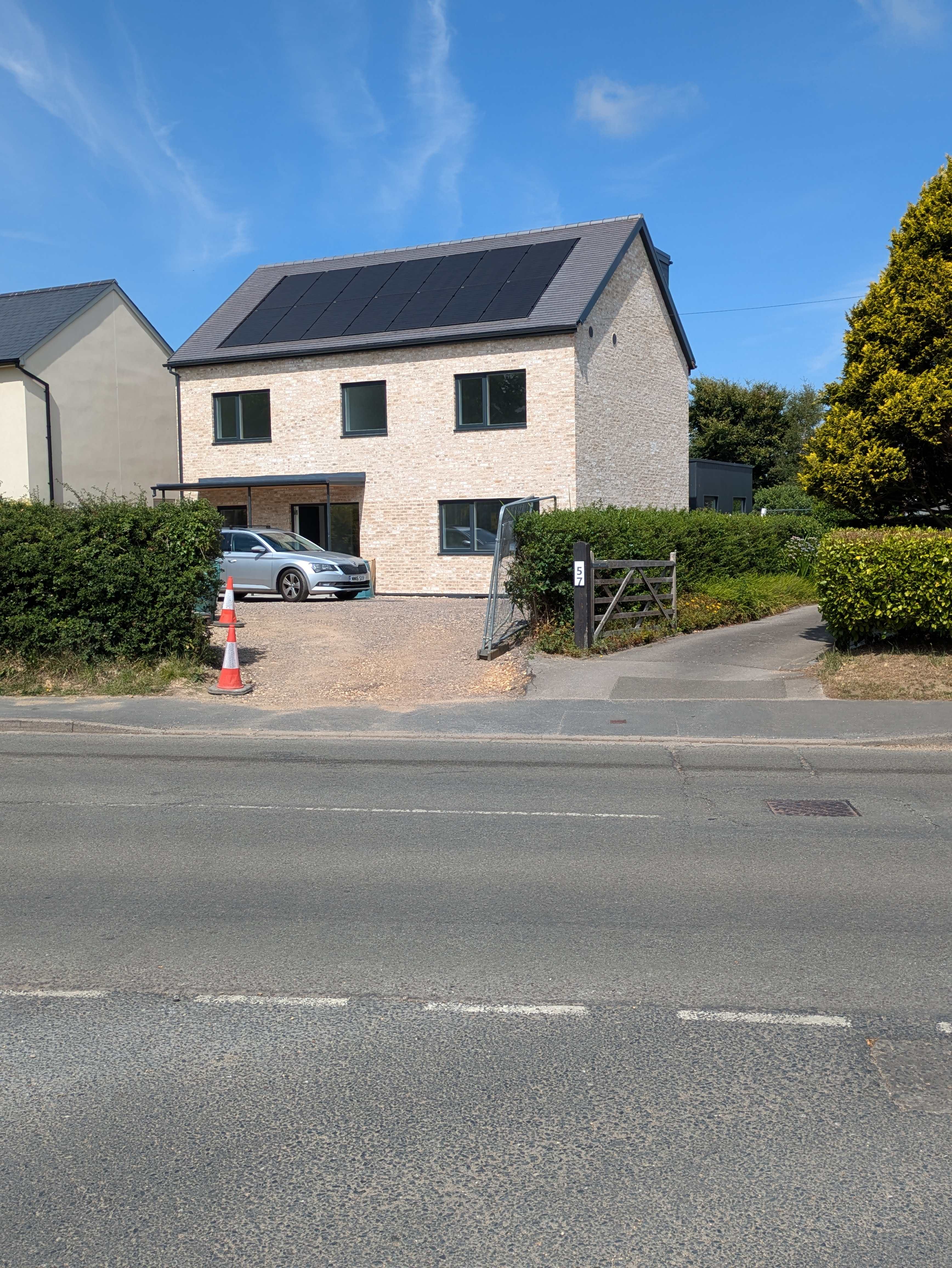
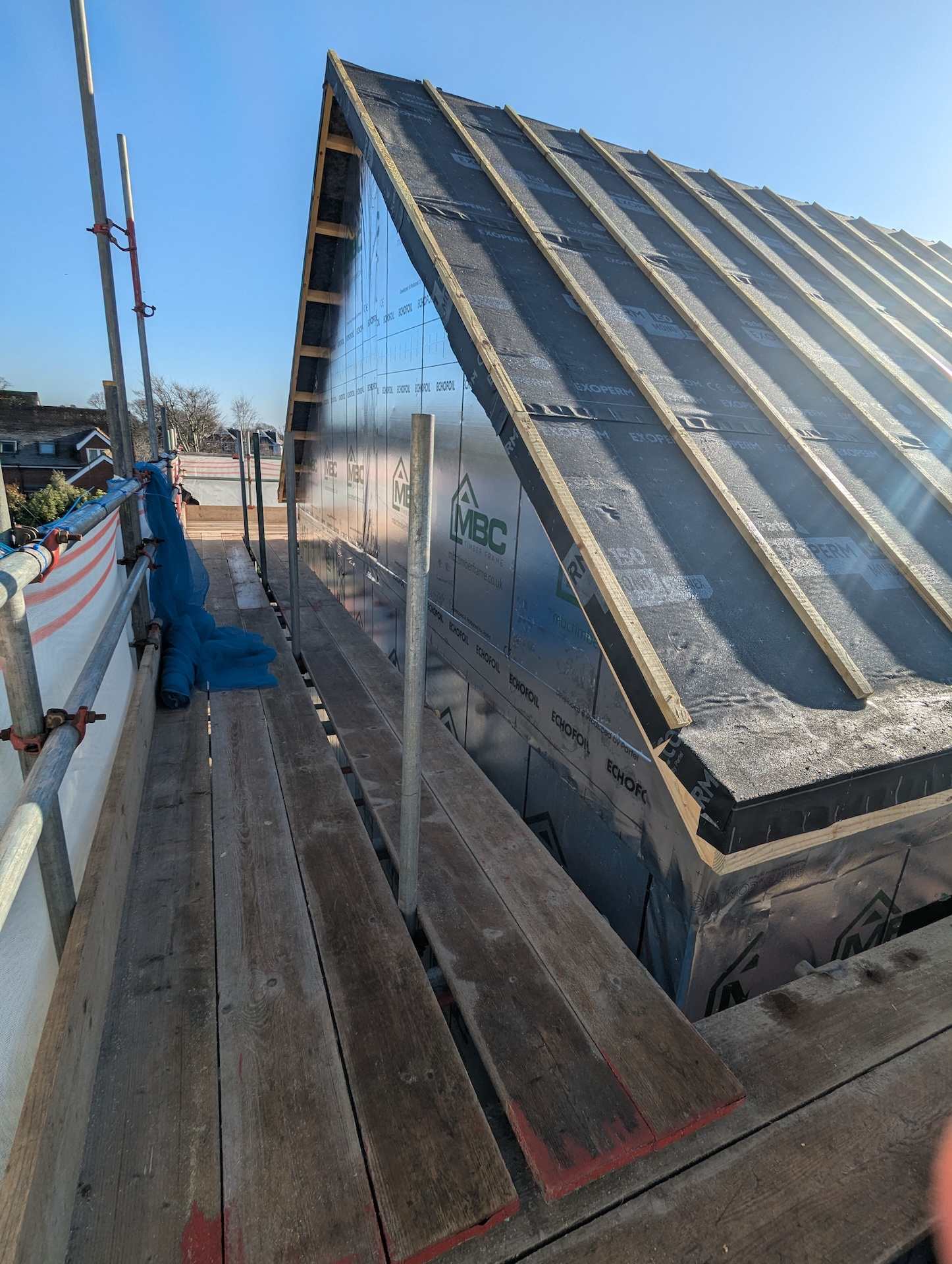
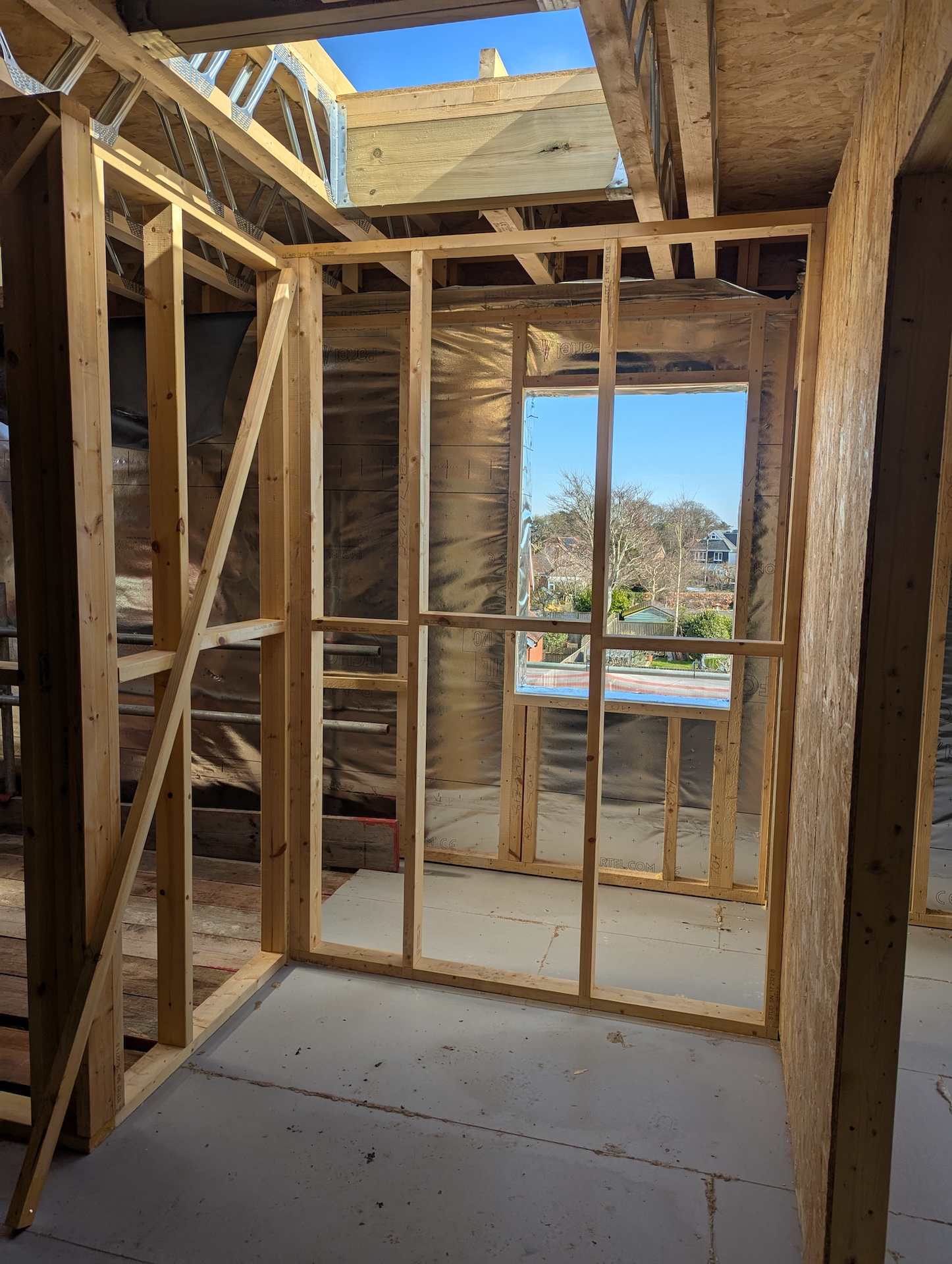
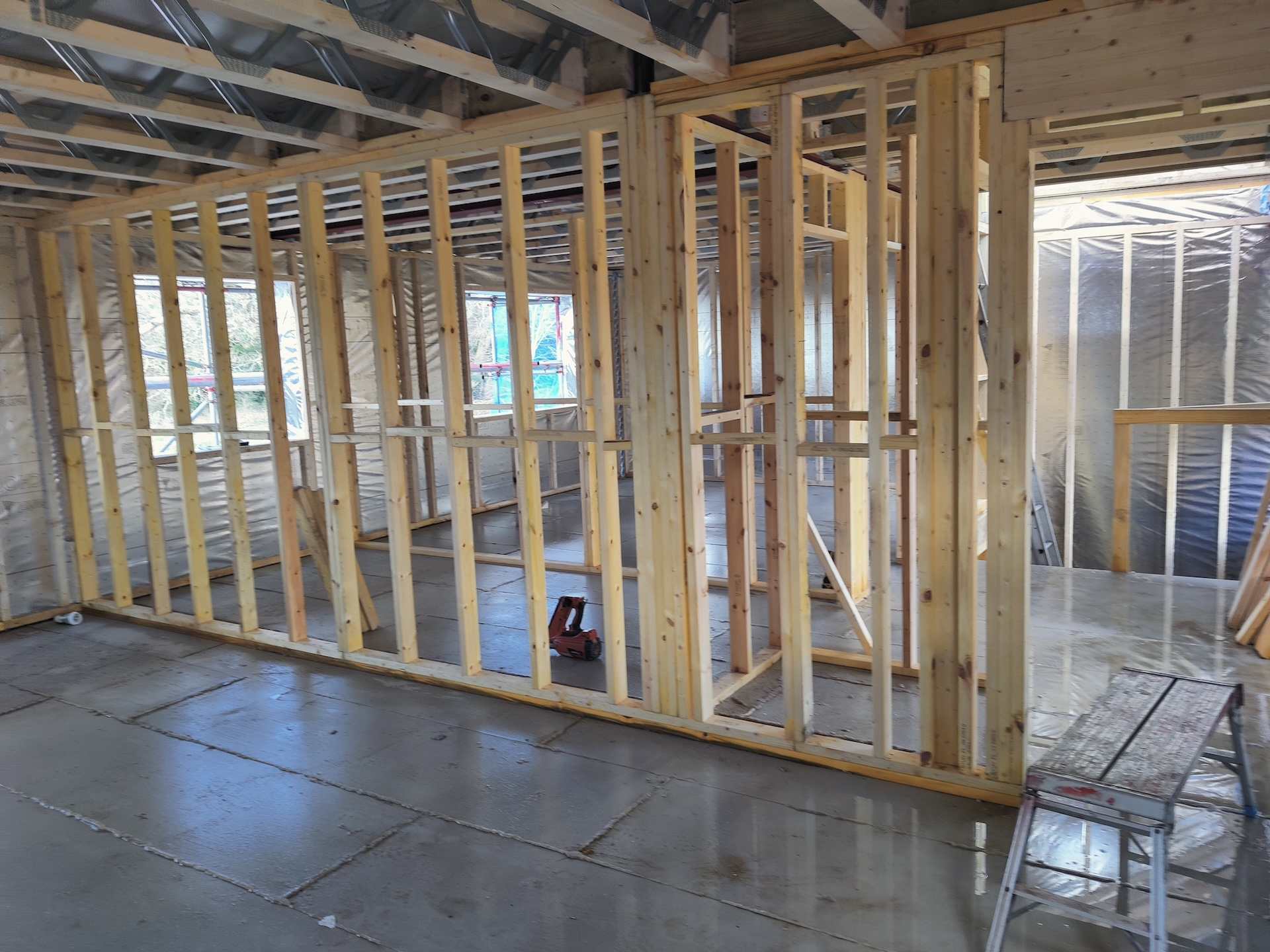
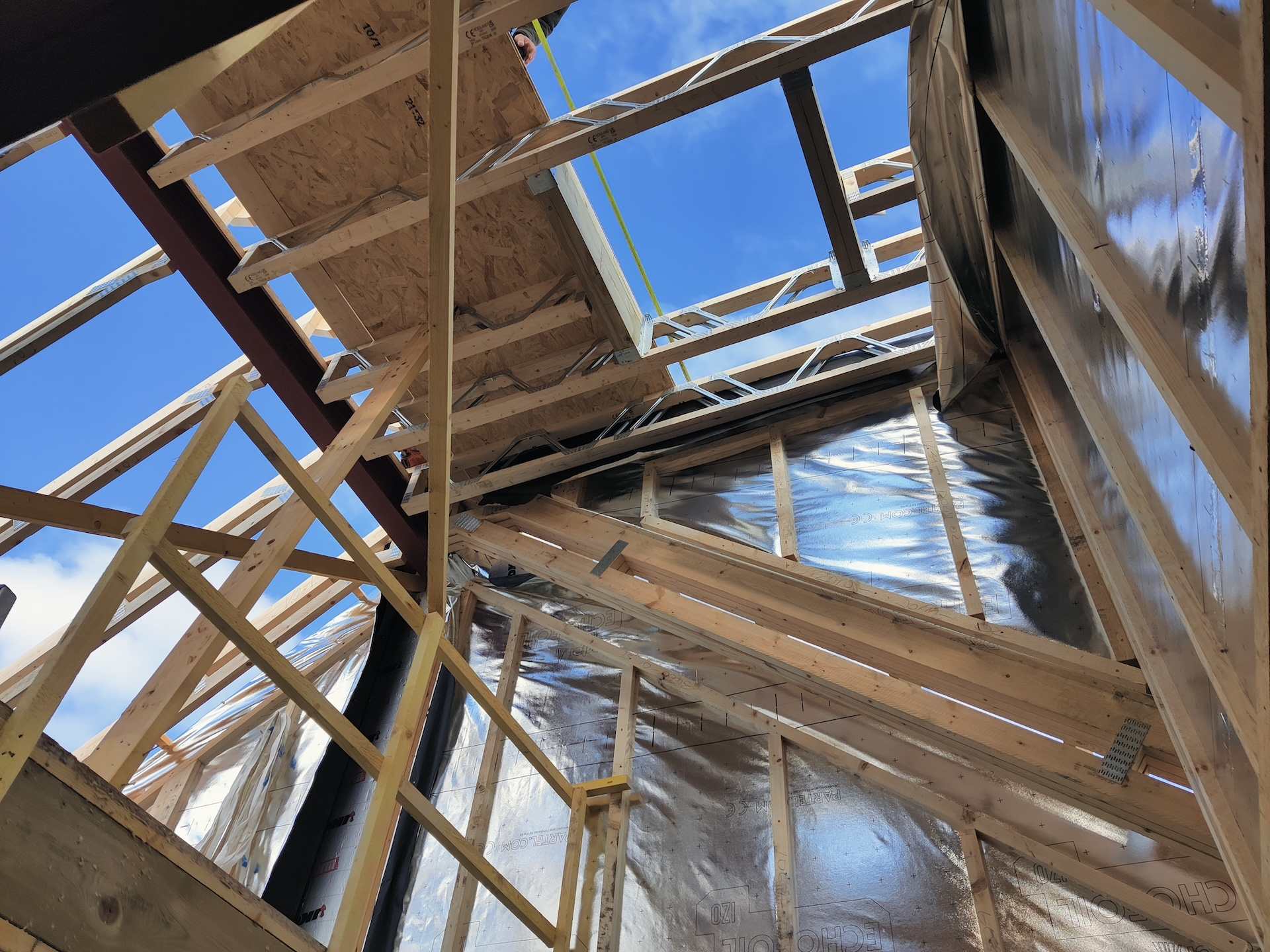
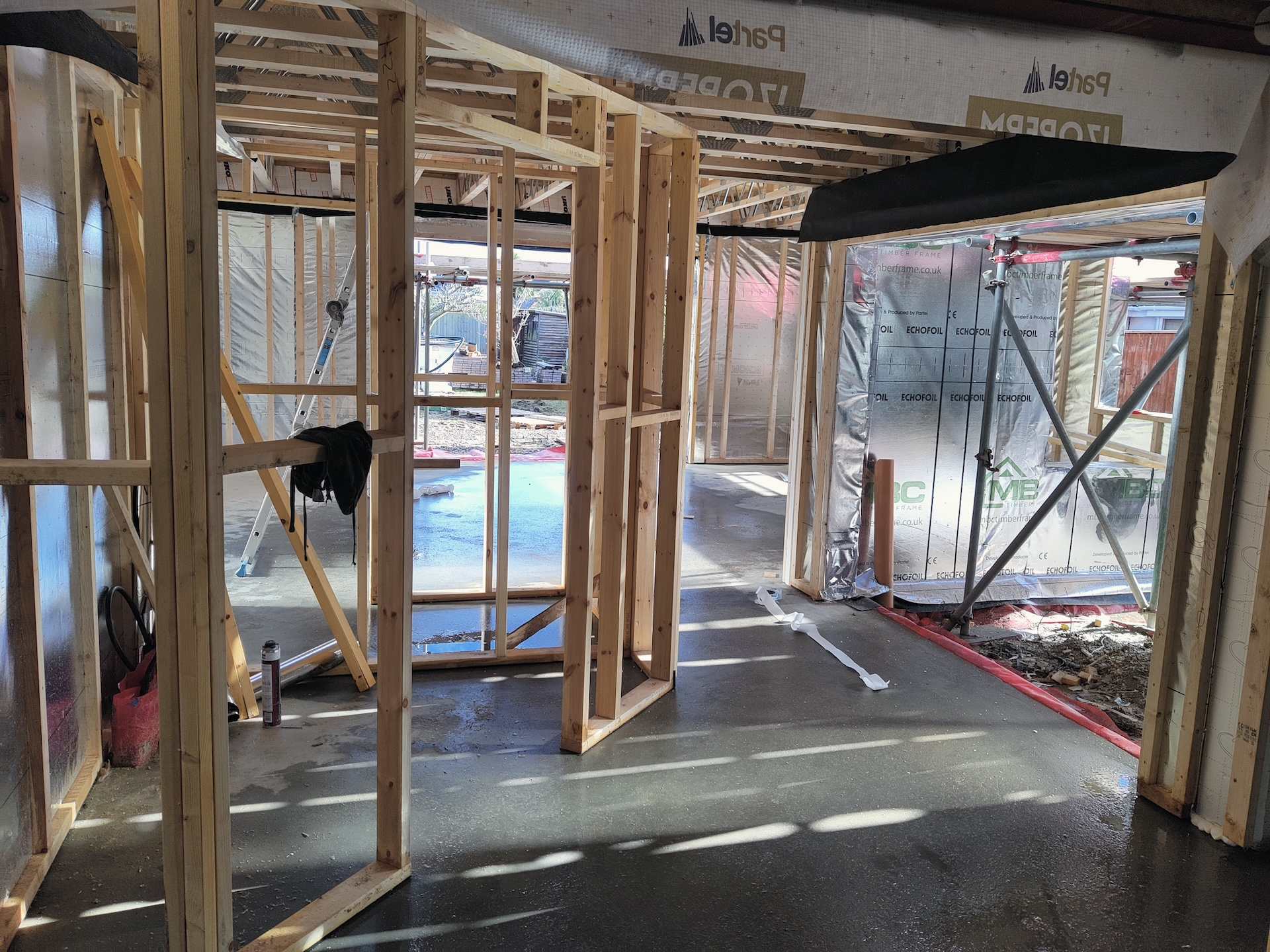
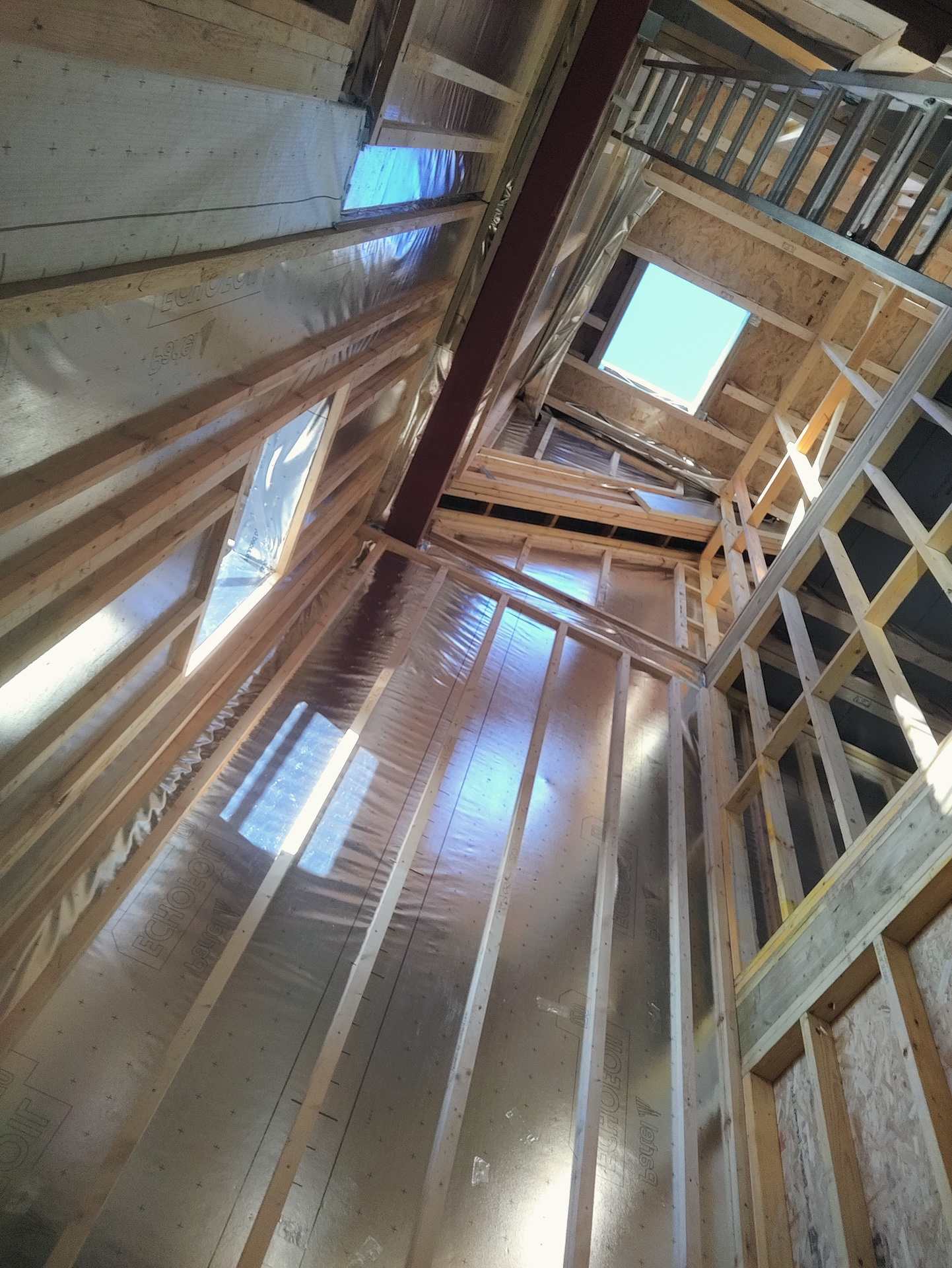
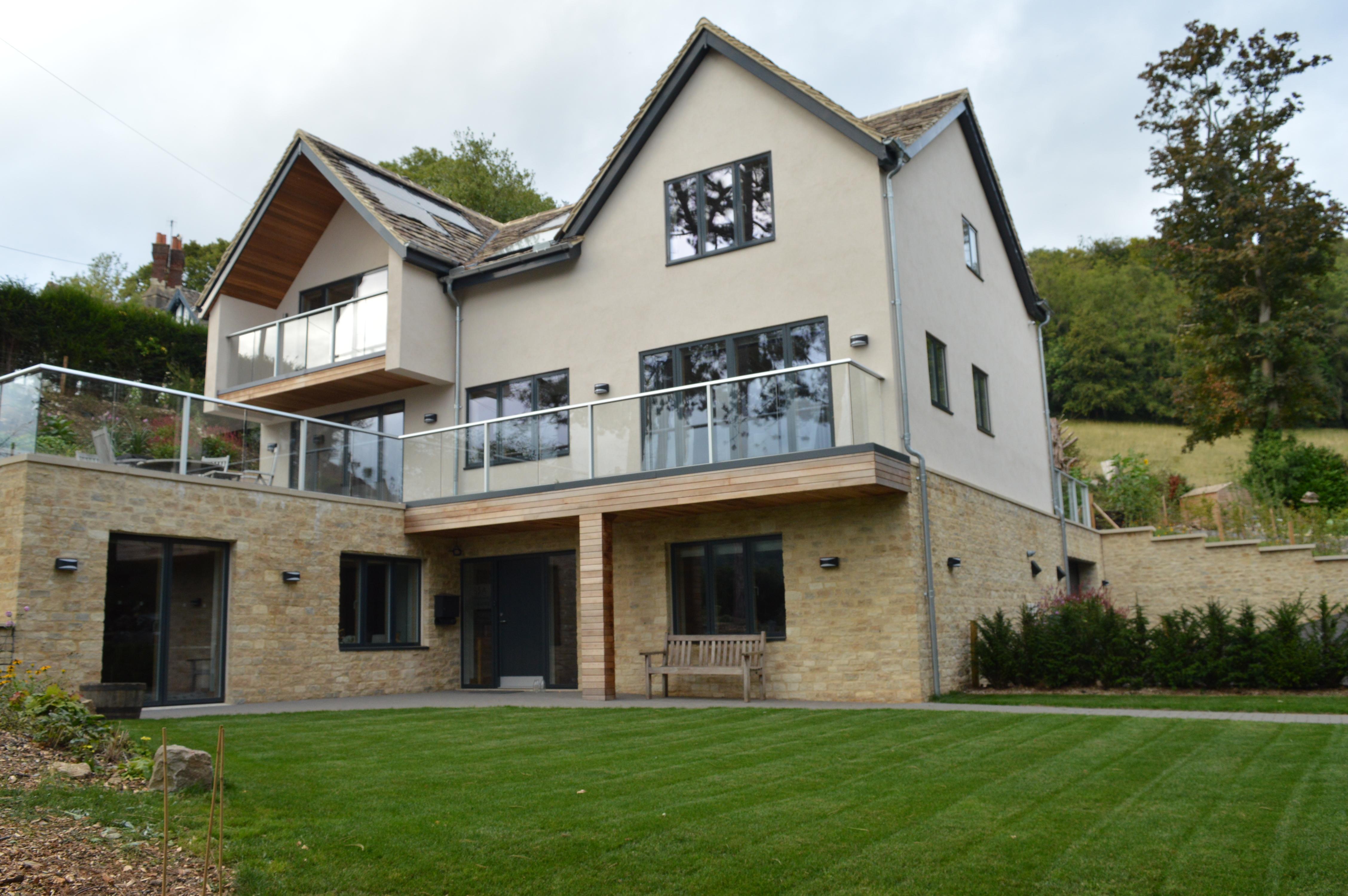
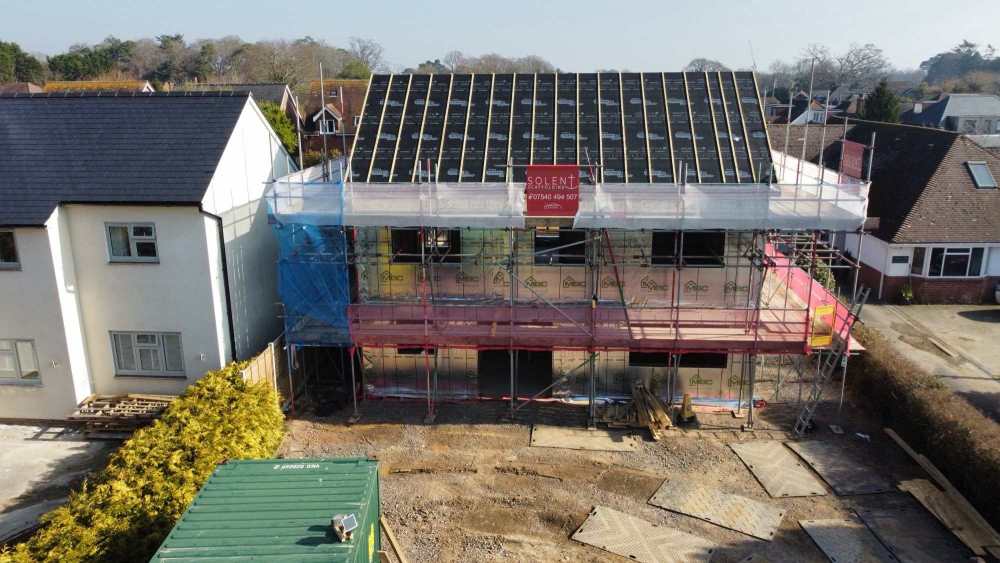
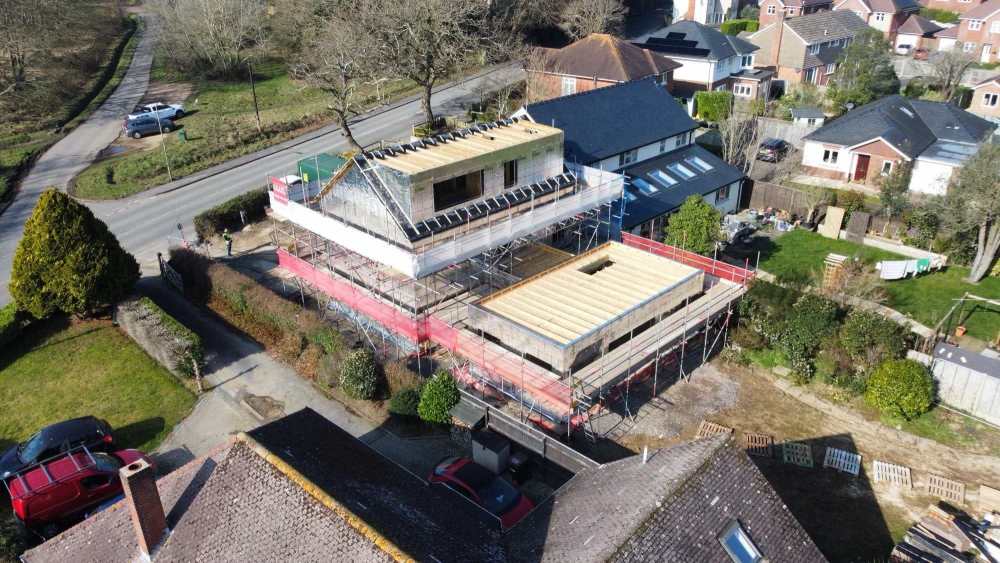
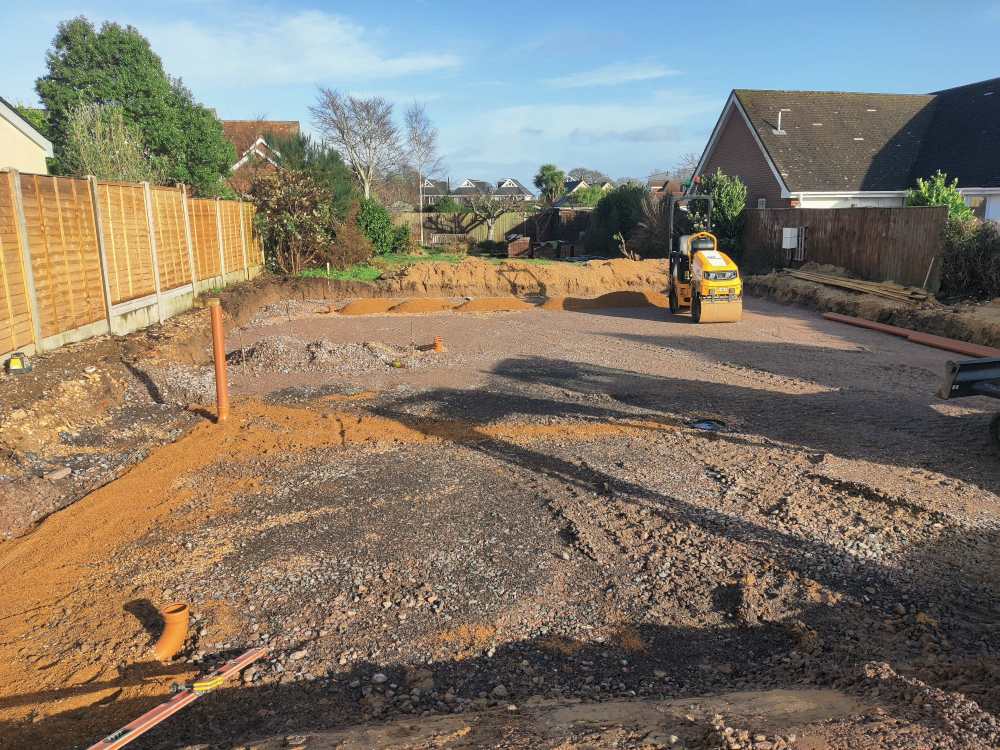
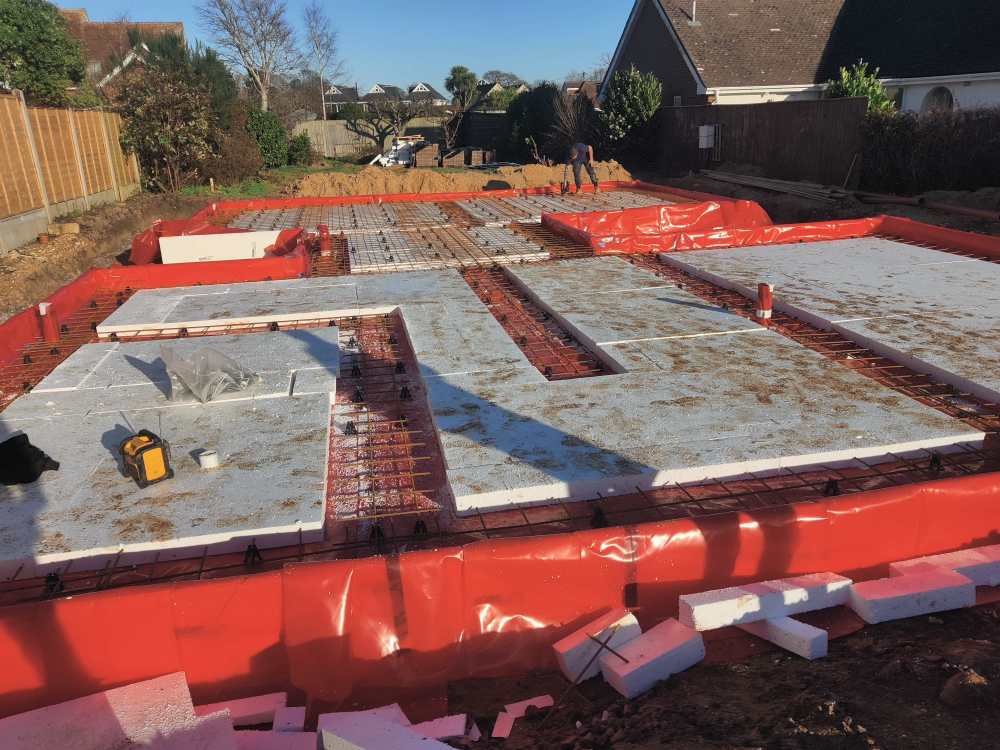
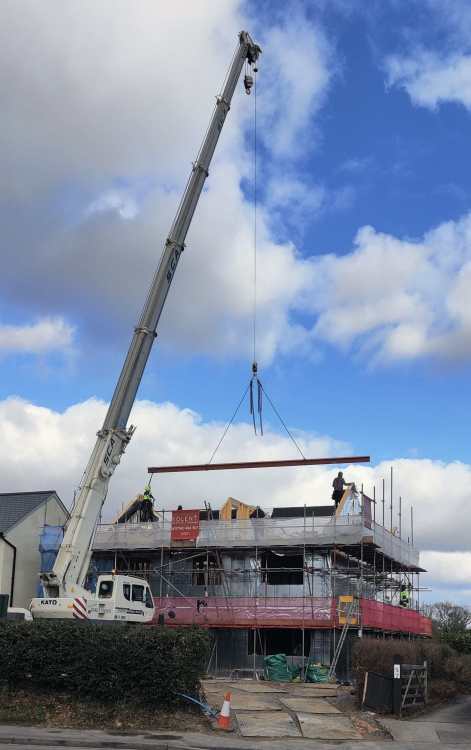
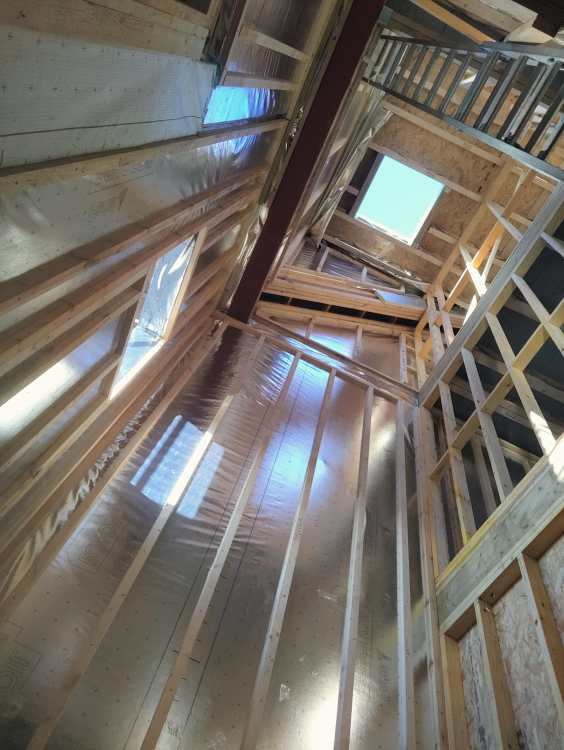
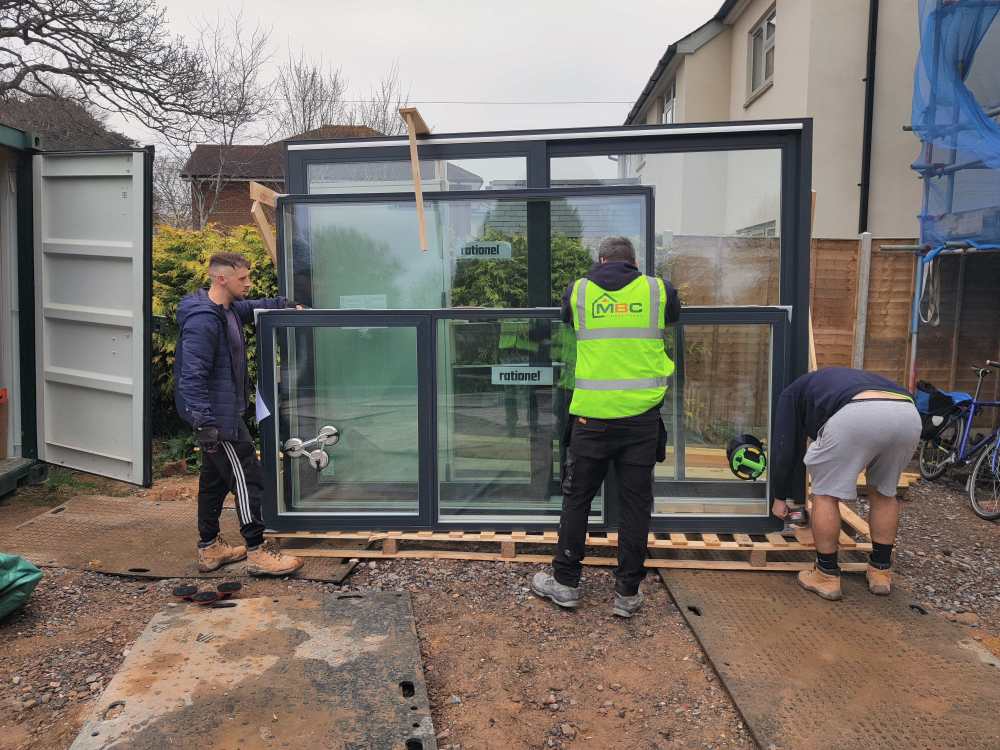
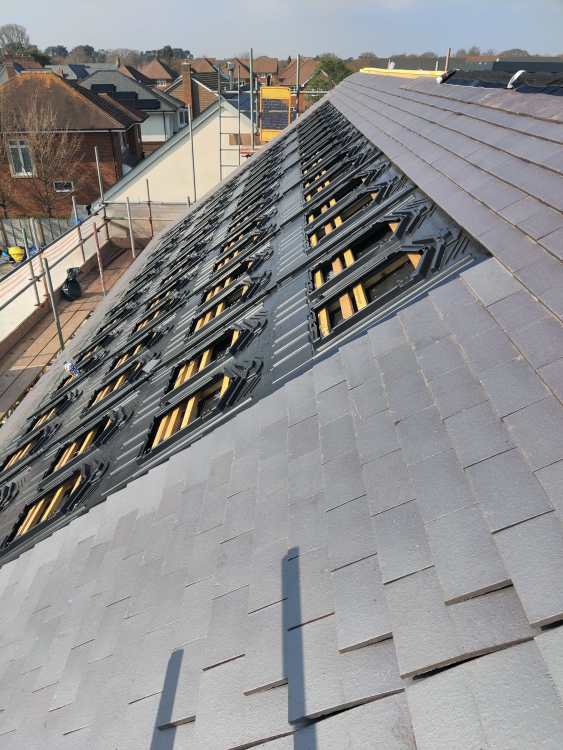
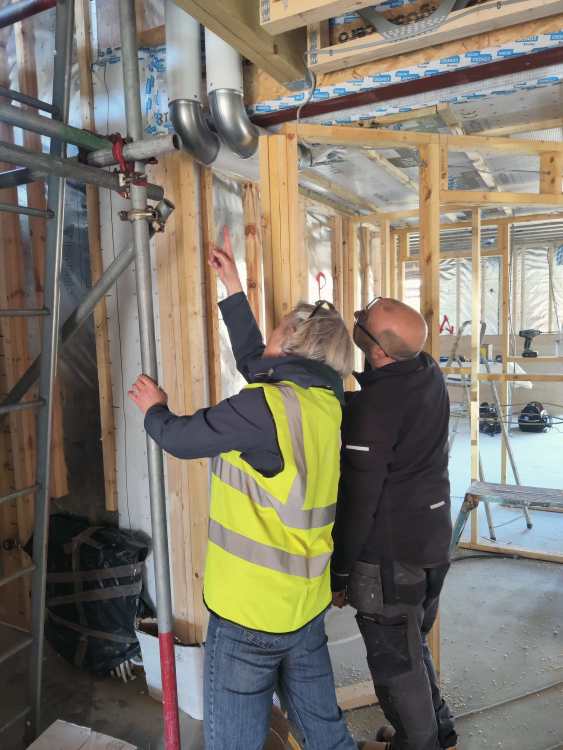
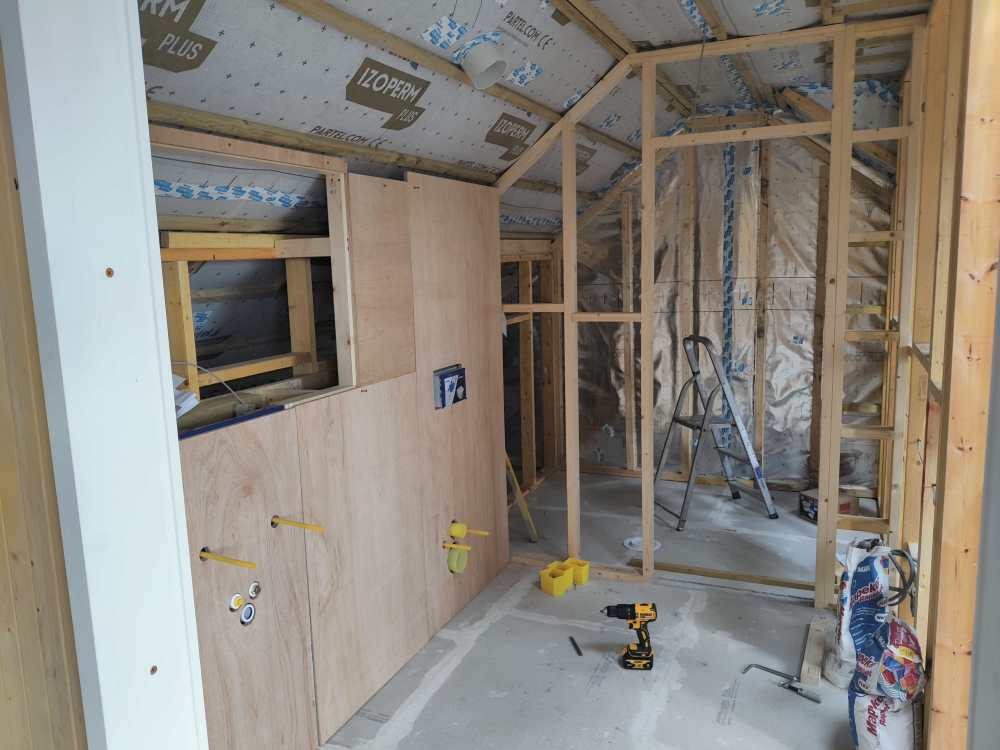
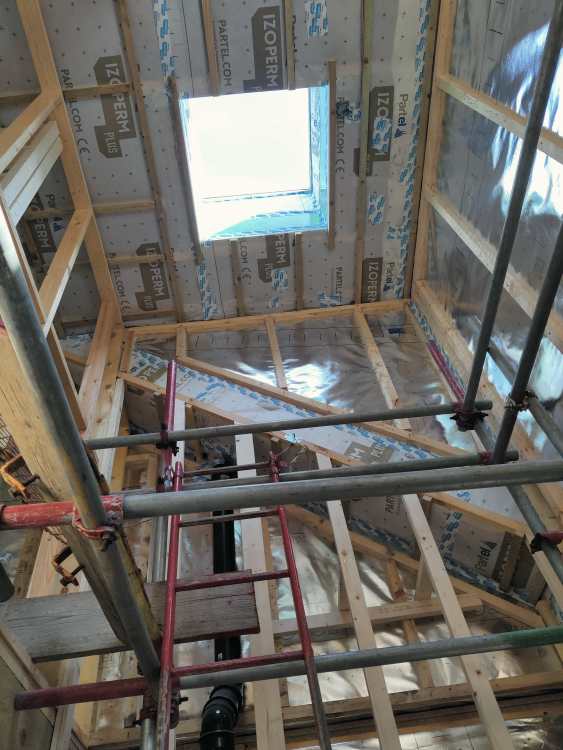
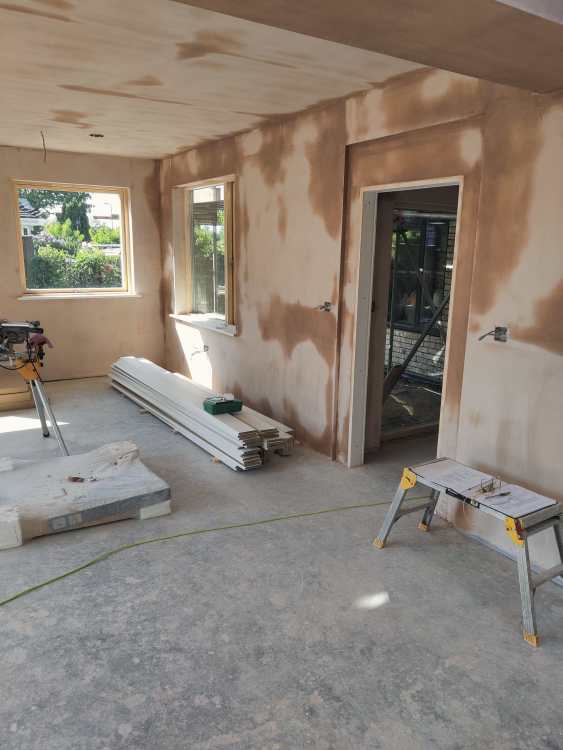
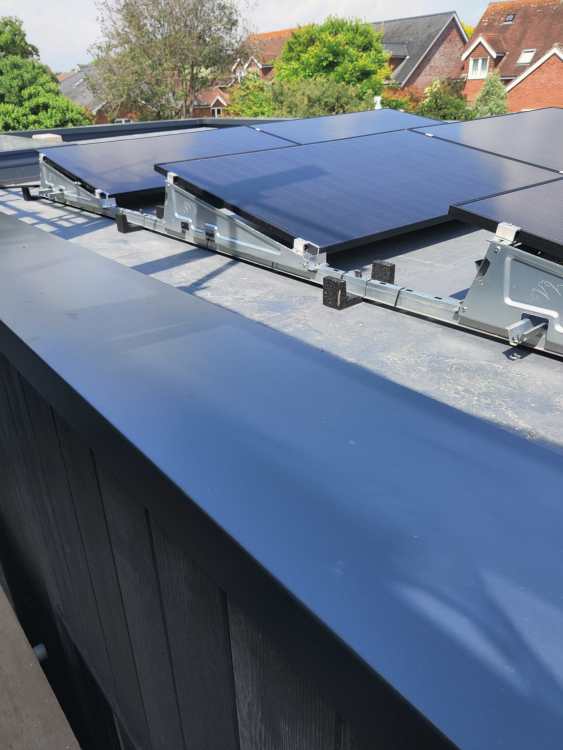
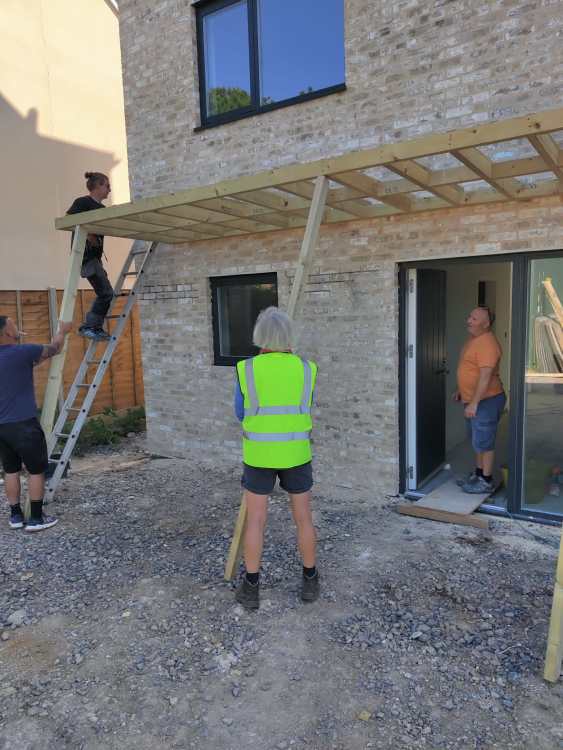
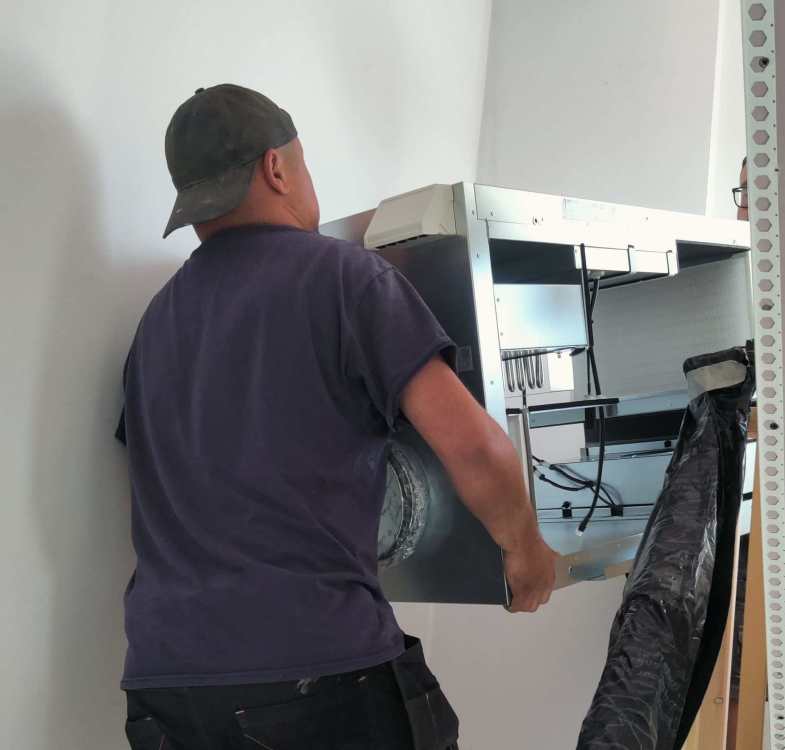
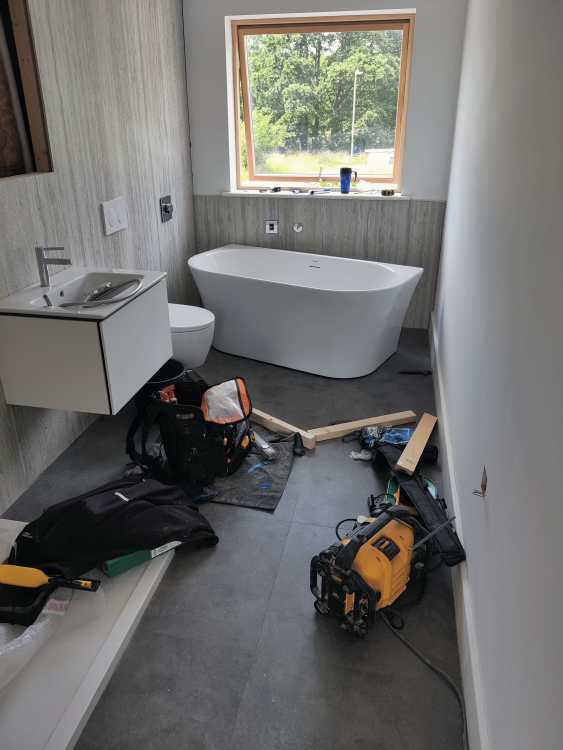
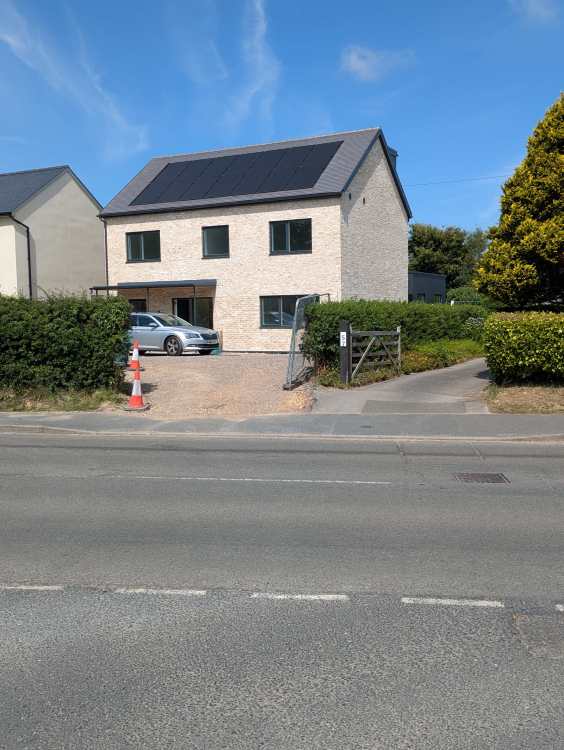
Dear forum members, Our house is complete and we have been resident for three months. I thought to post some pictures and I offer to answer any questions people might have. I don't put ourselves on a pedestal as being any better than other projects, only to say that we have done it. Our primary decisions: We chose a RIBA architect given the importance of the initial concept The layout is somewhat novel, having an H footprint with a single storey 'extension' to reduce the mass of the main house for planning purposes and to help project the rear of the house beyond the shade of the ridge line We chose timber frame (we have built with timber frame, brick and block and ICF in the past) because of speed of construction, and thermal performance We selected MBC from a shortlist of three TF suppliers, and chose MBC's insulated slab We are very pleased to have chosen a large solar array (9KW) and Tesla battery. We have used no grid electricity since commissioning. We have a Valliant ASHP with UFH but haven't had need to heat the house yet We have MVHR which works very well with our air tightness of 0.89 We have no fireplace or chimney We project managed ourselves, and were onsite every day and I did a lot of carpentry / general work alongside the proper trades Project timing: groundwork prep Dec 24, slab Jan 25, frame erection February, windows March, resident 4th July, finished end of August.
- 8 replies
-
- 19
-

-

-
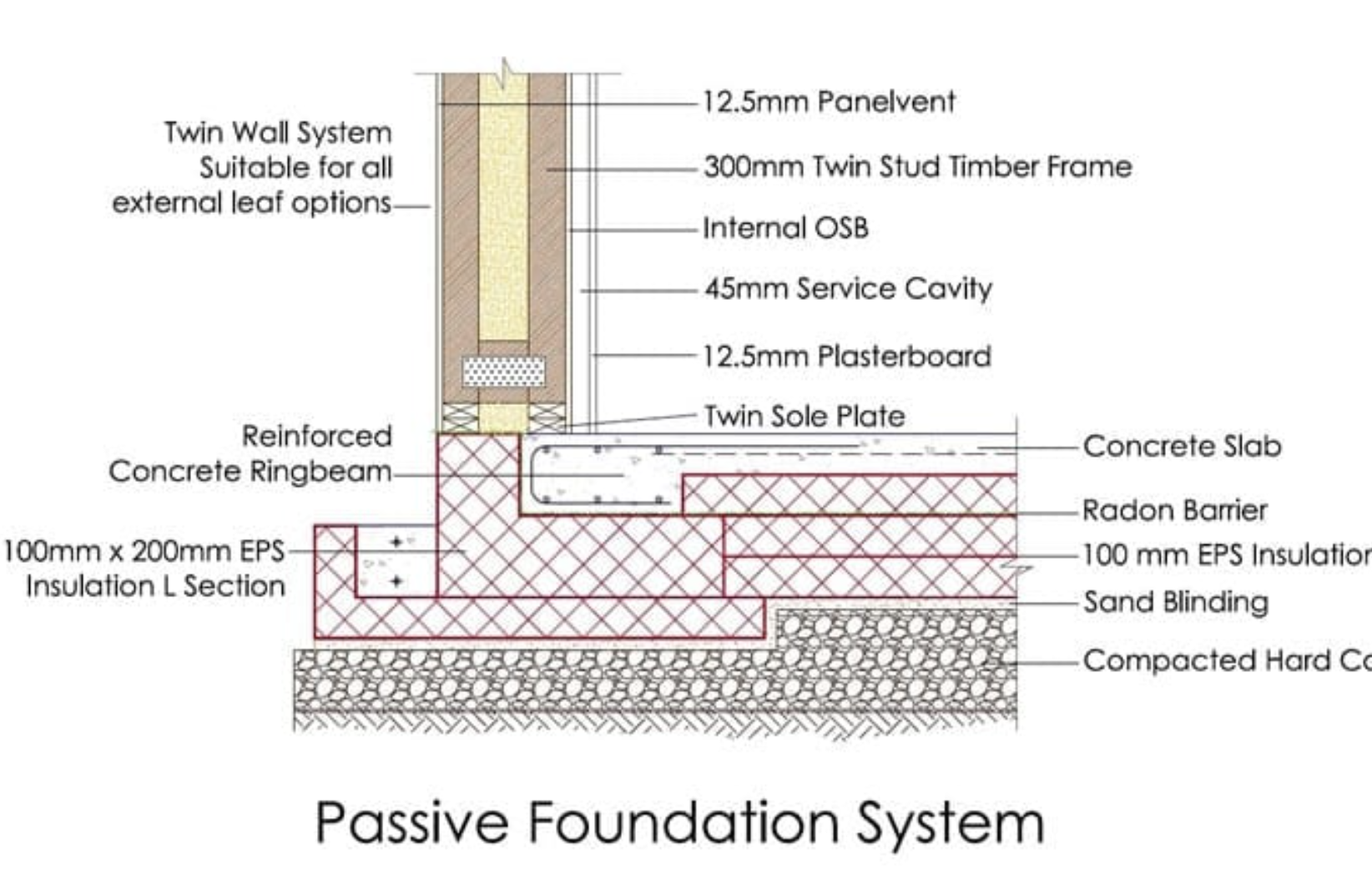
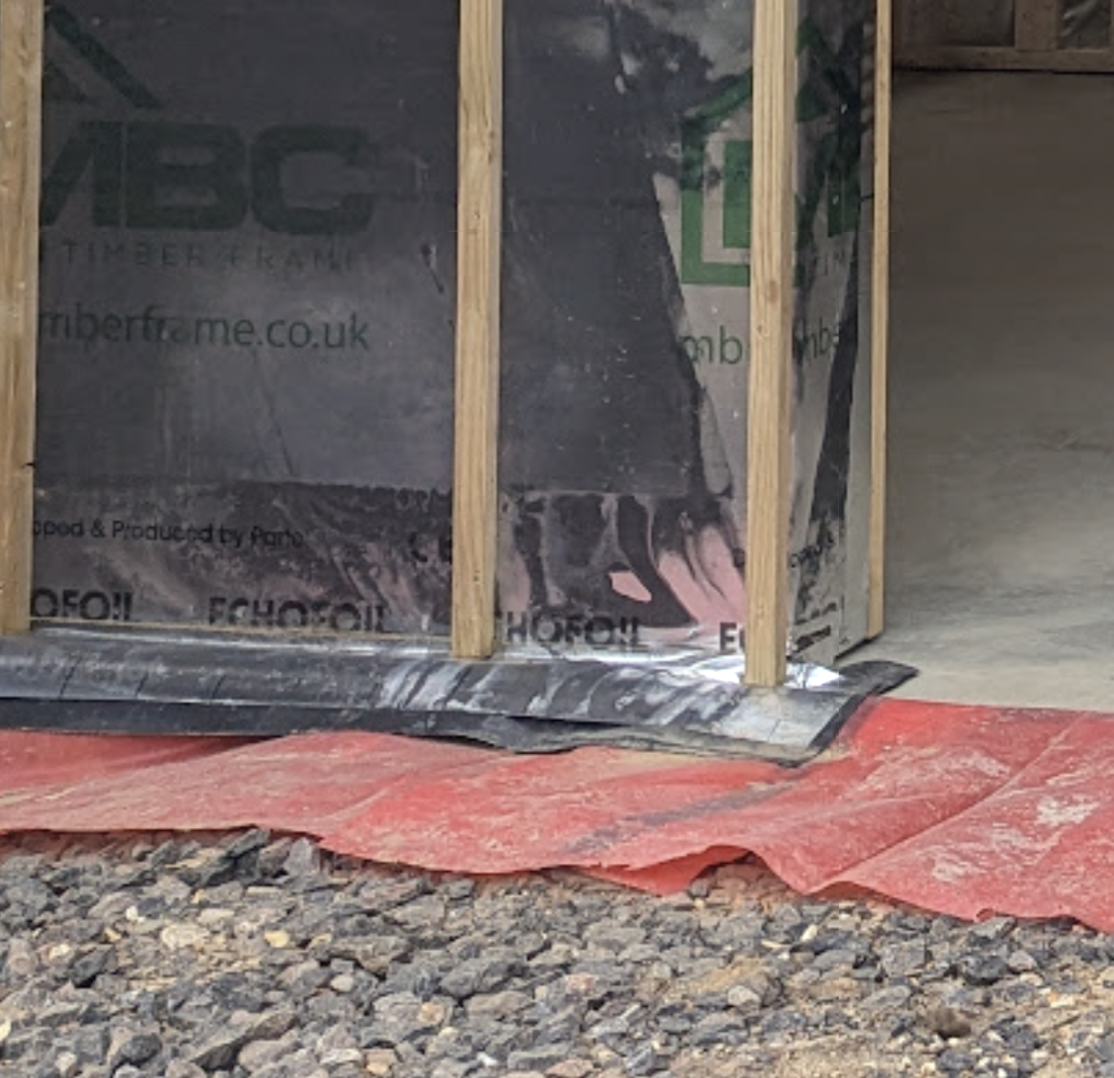
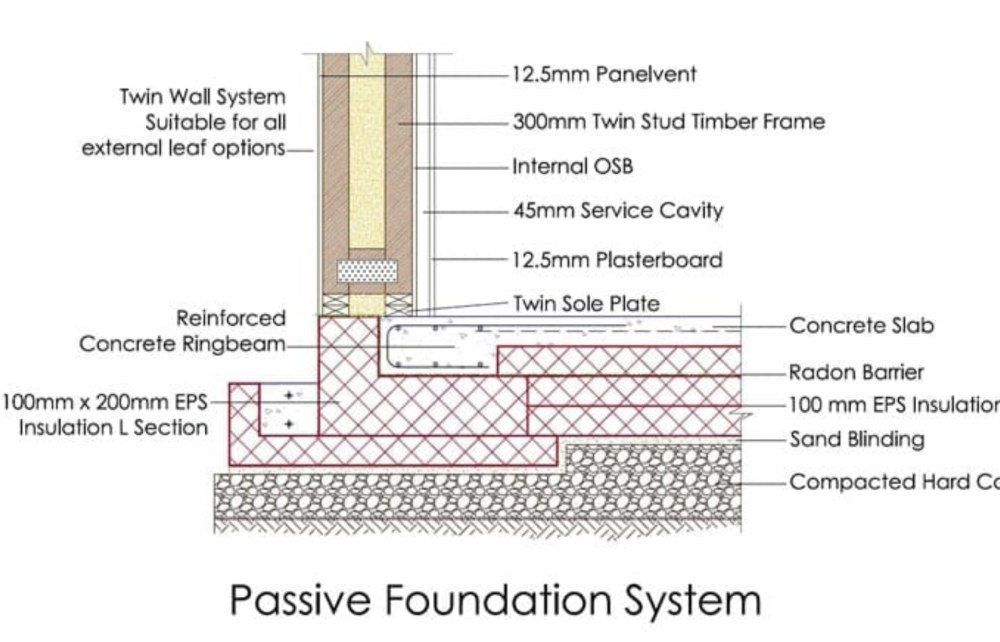
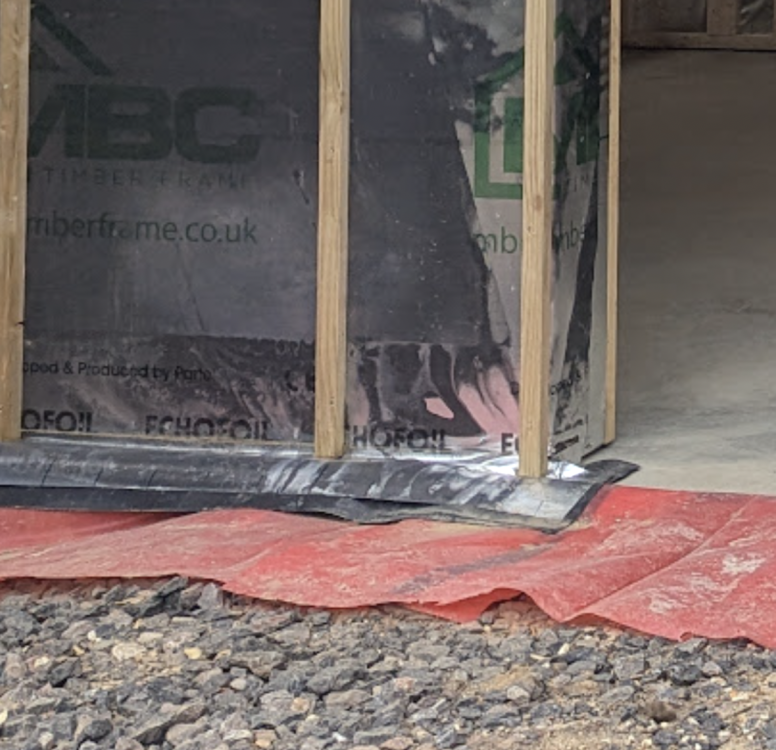
My apologies if this subject has been covered elsewhere - you are welcome to direct me to previous posts. We have an MBC timber frame house sitting on the Kore insulated slab. The section drawing of how the house sits on the foundation is not entirely representative. Our slab is slightly oversize and so there is a step out of between 0 and 60mm on different walls. The foils from the timber frame and the red radon barrier needs to be tidied and we have to anticipate that moisture could get behind our final finish (brick slips on 50mm battens) and so needs carrying away. The anecdotal recommendation is to unpin the silver breathable membrane from the foot of the timber frame, insert a DPC and let that go over the lip and down on to the EPS. The red radon barrier is super stiff so won't sit nicely particularly where there are folds. I plan to cut that back. We don't have radon in our area. We learn that the foils can be cut back to end 25mm down the face of the EPS. We can then secure with render board or similar. My questions: is that what other people have done? how would you secure the render board? mechanical fasteners or glue or ?? Thank you in advance
-
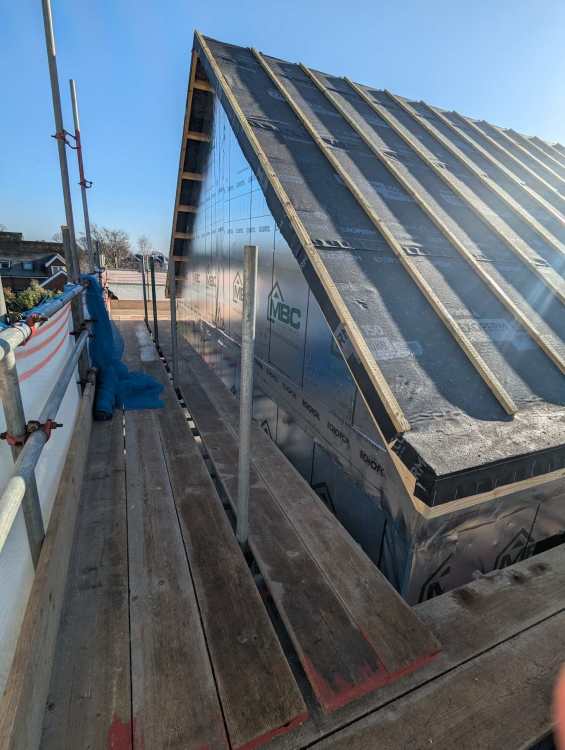
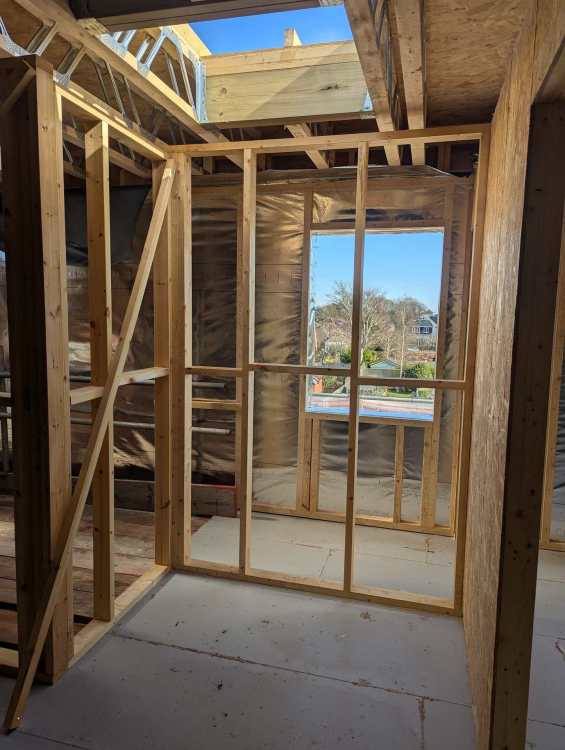
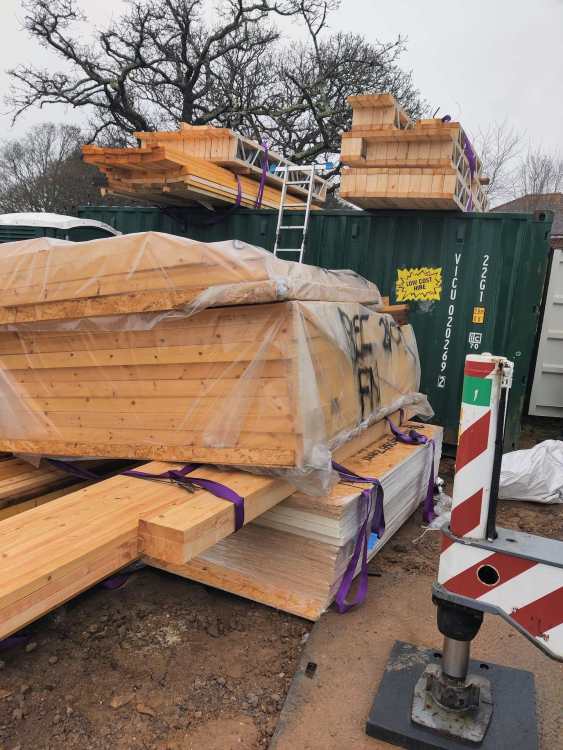
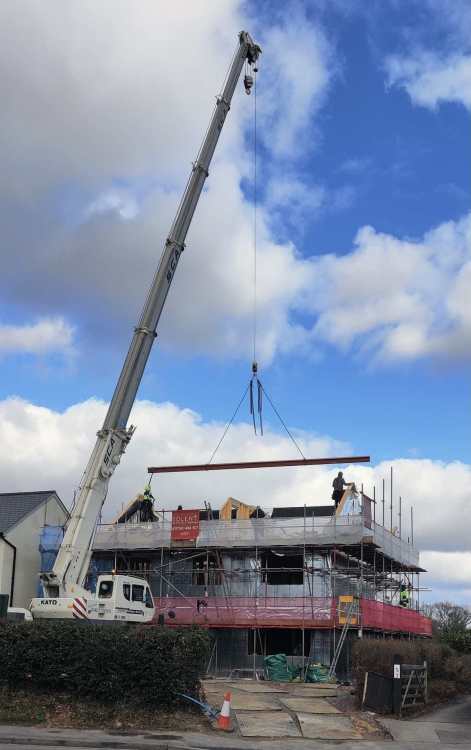
As people correctly say: "Where are the pictures?"
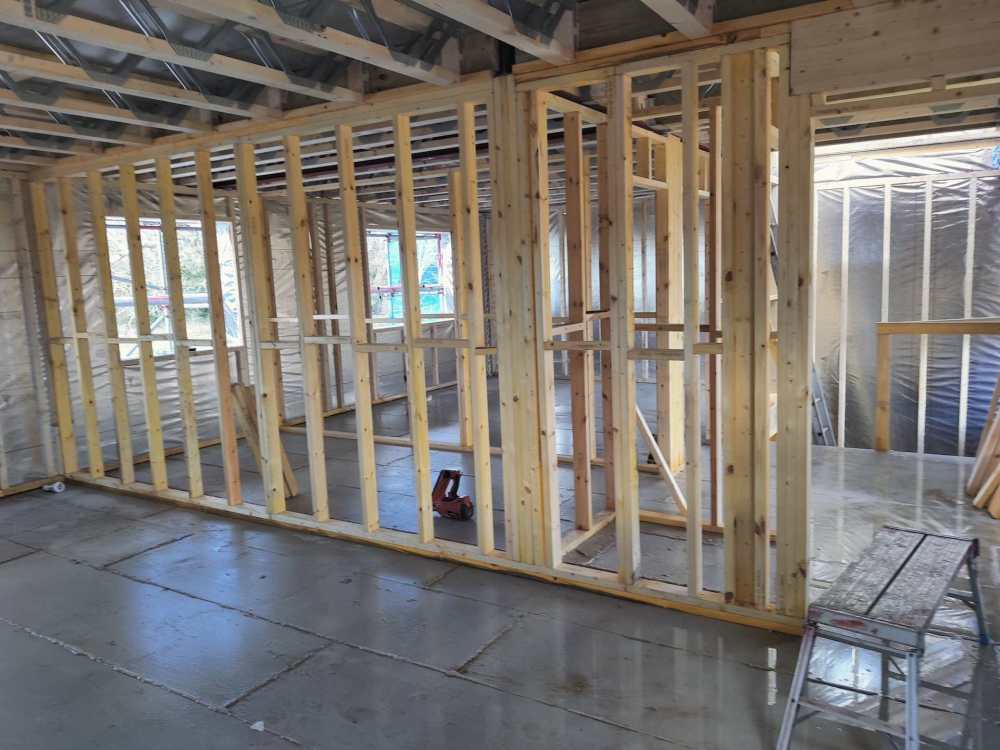
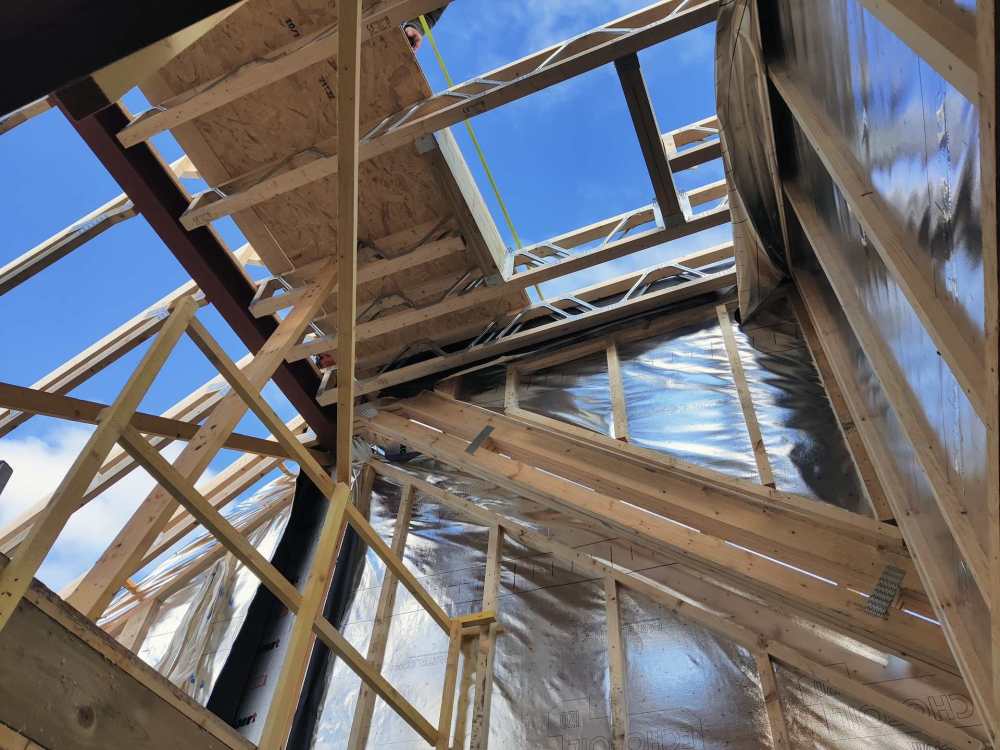
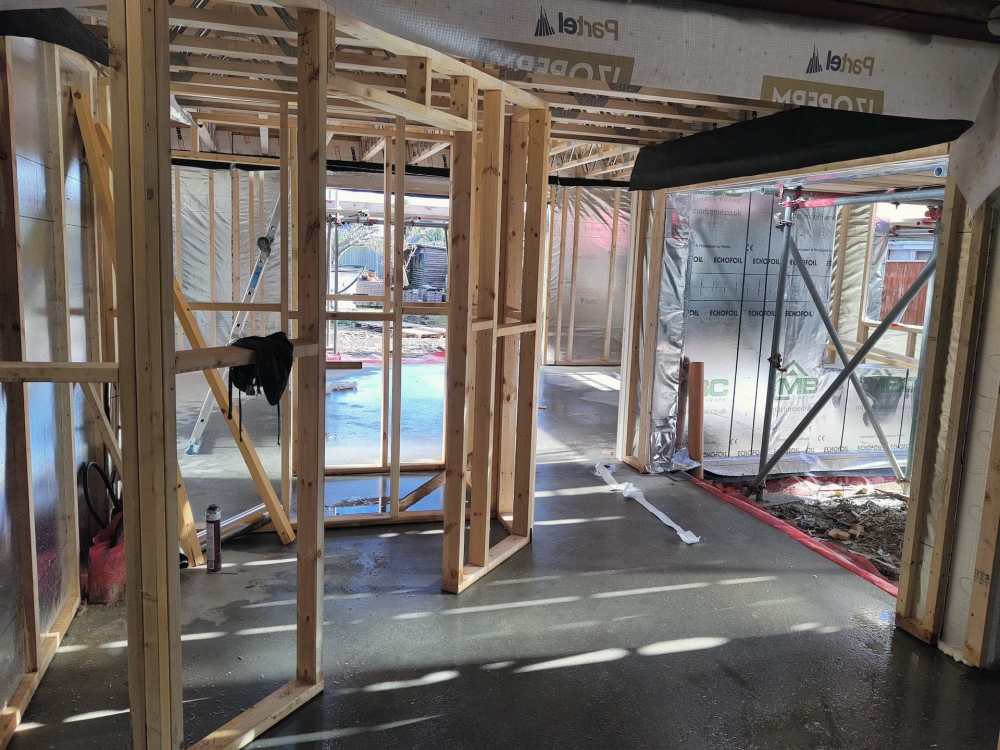
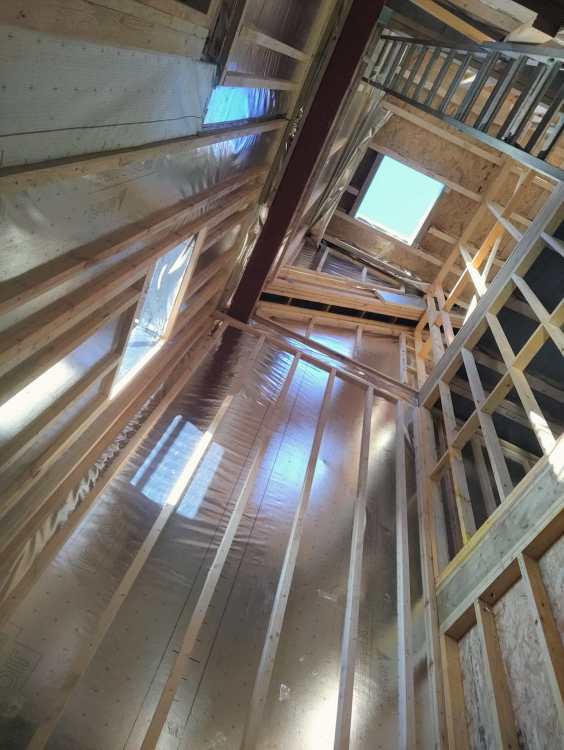
-
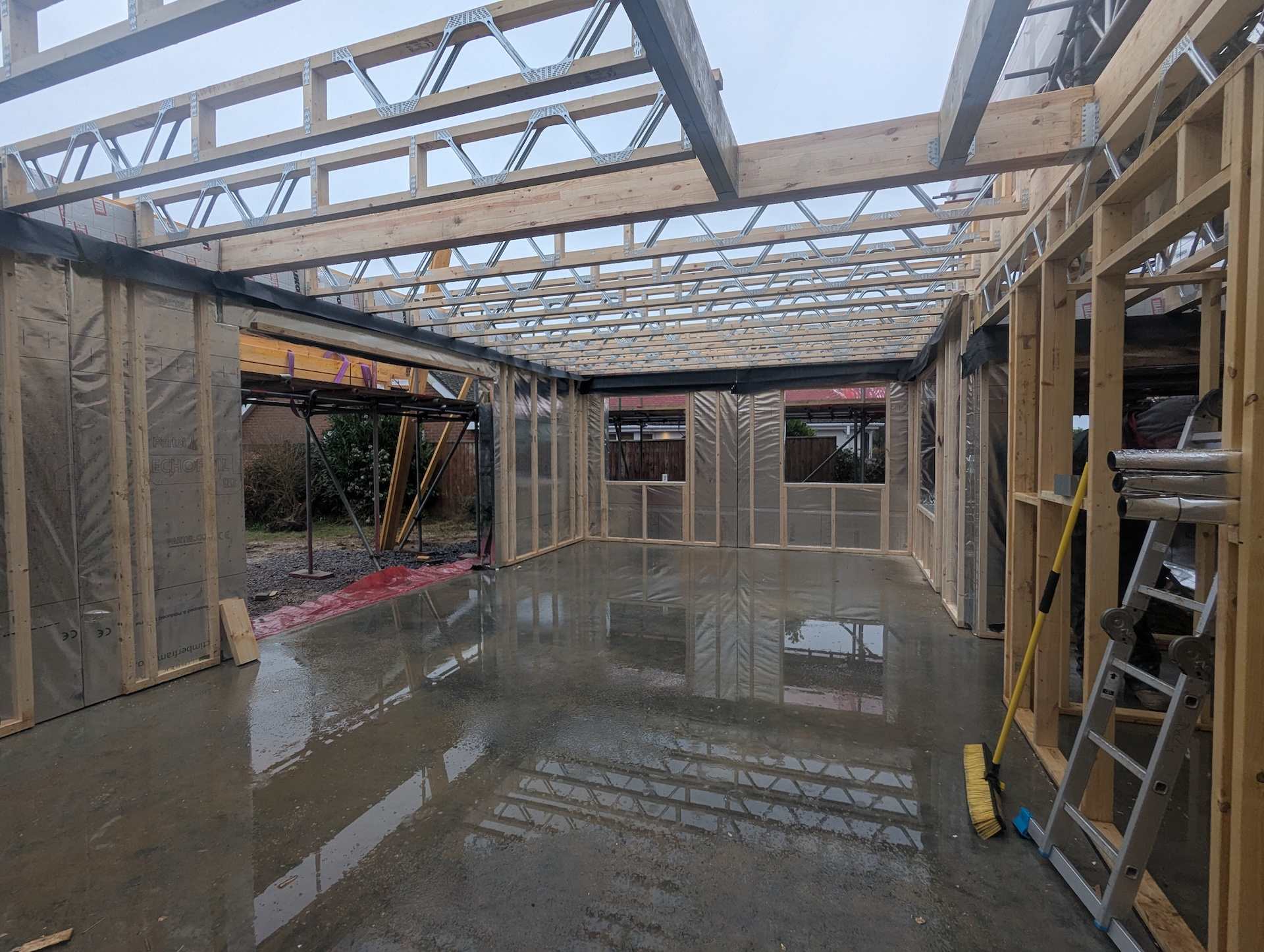
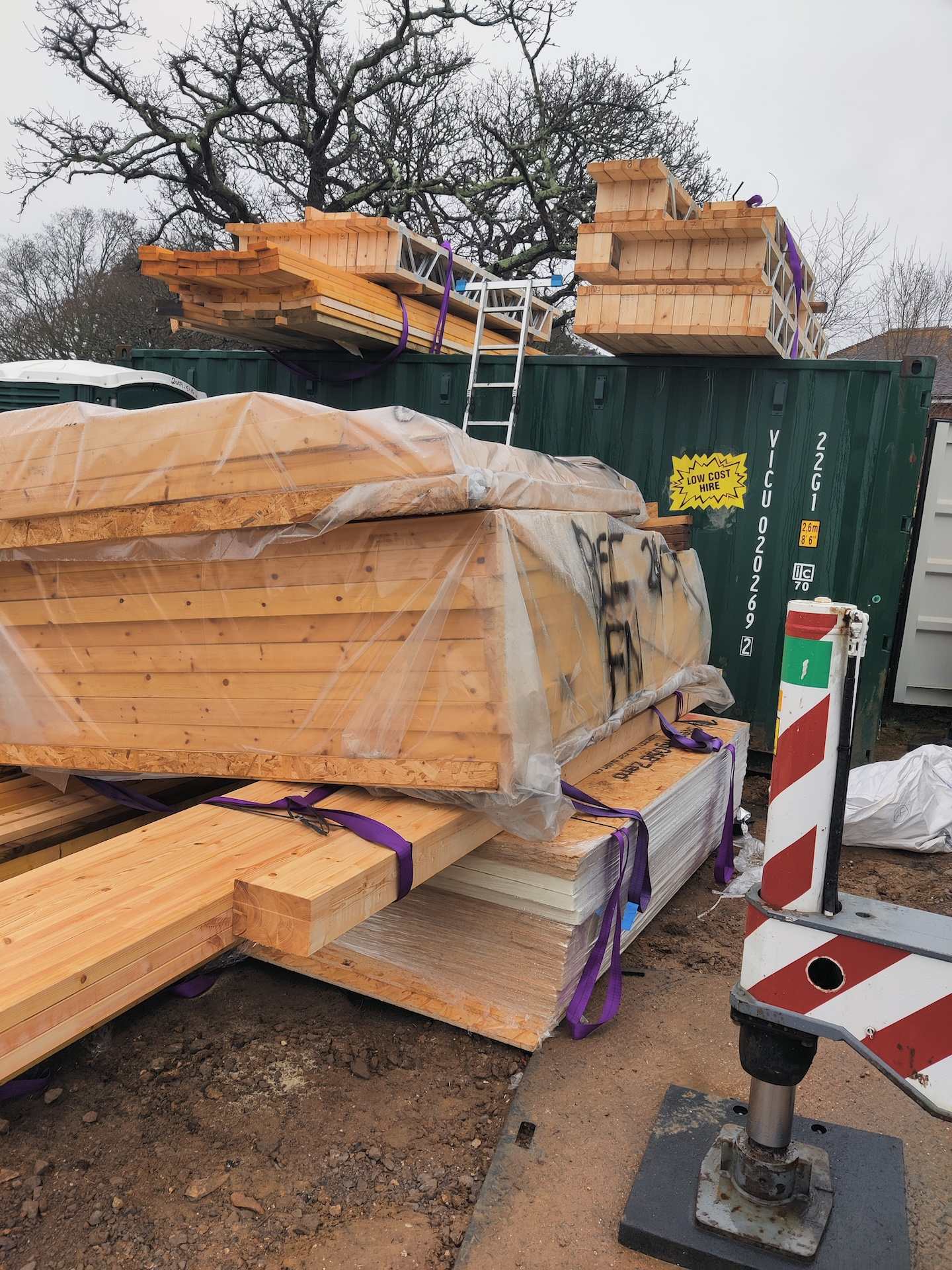
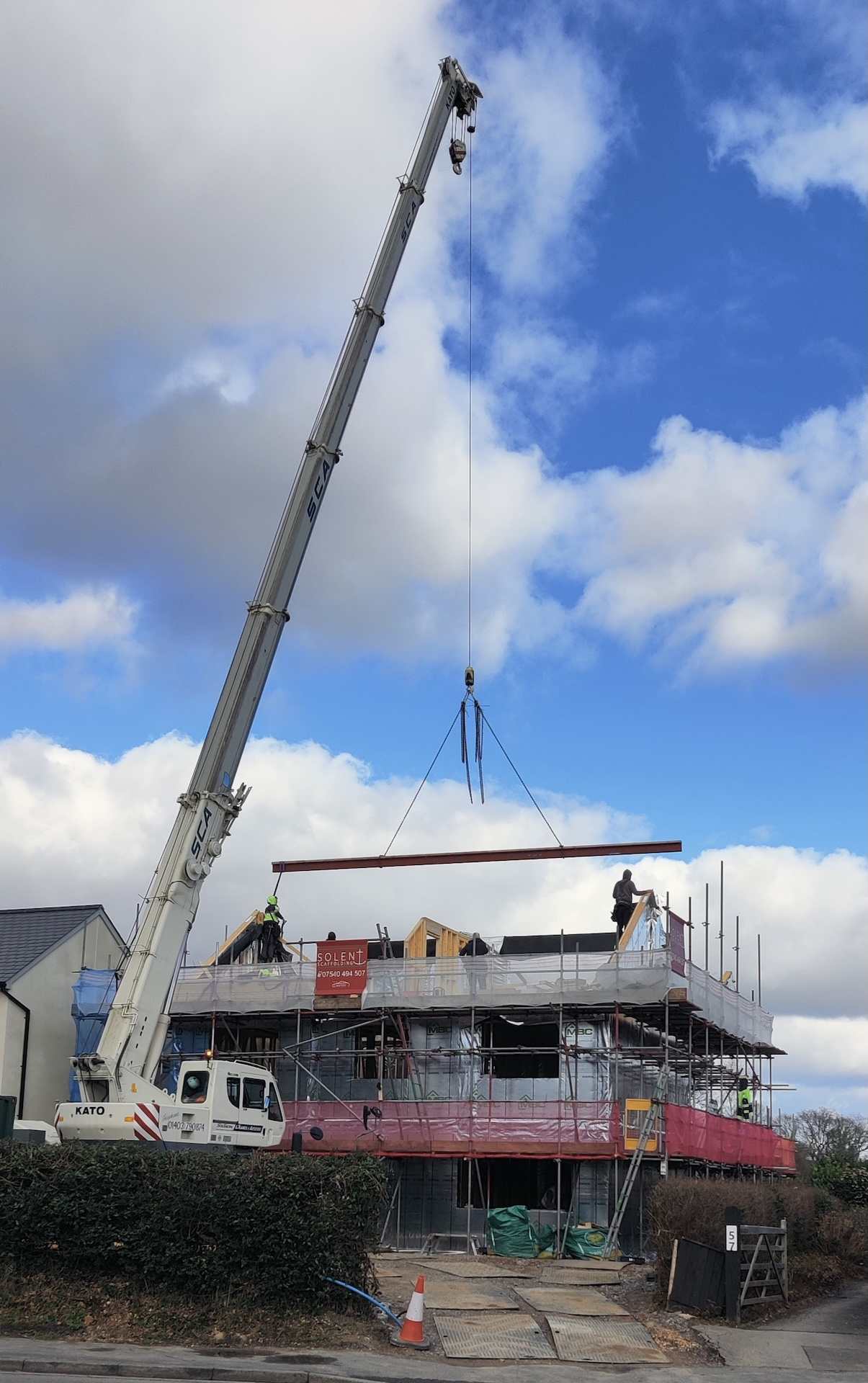
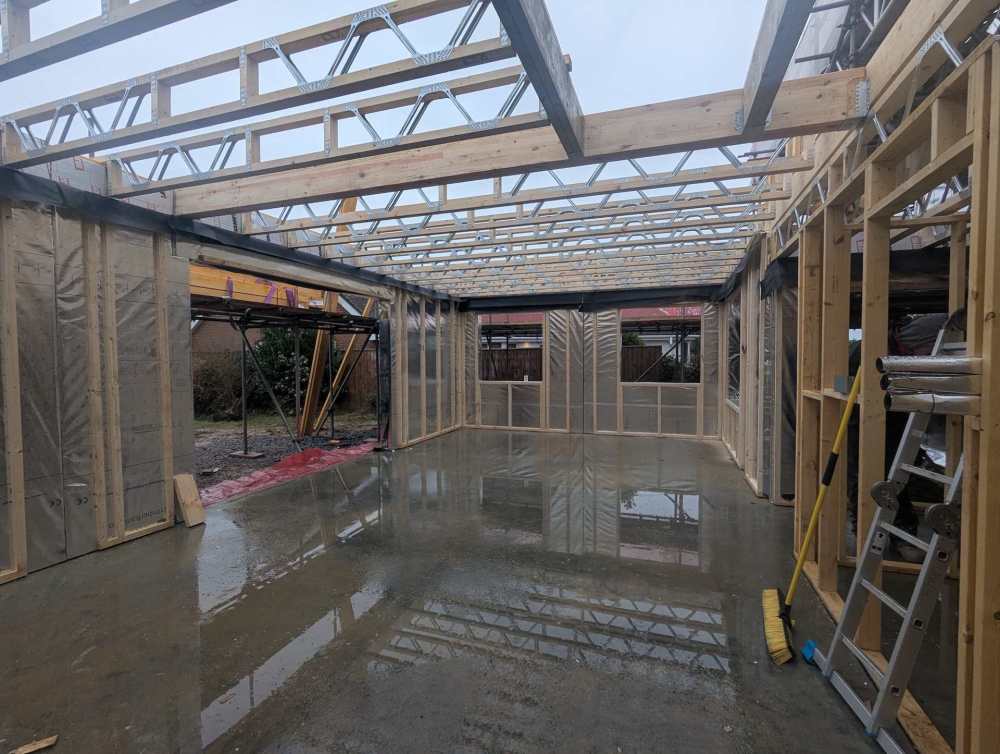
Folks, We are on our self-build journey, we selected timber frame then short listed 4 suppliers and in the end chose MBC. They erect our medium complexity house in 8 working days - very impressive. I think MBC's strength is their experience which shows in the detail / thought in the design office and the efficiency of their erection teams. Our site is constrained so working out the order to deliver materials, how things are stacked, the order that things are lifted by the crane is complex. The team didn't seem to make any mistakes and just kept working, rain or shine. [To confirm I'm just a paying customer and have no other association with MBC]
-
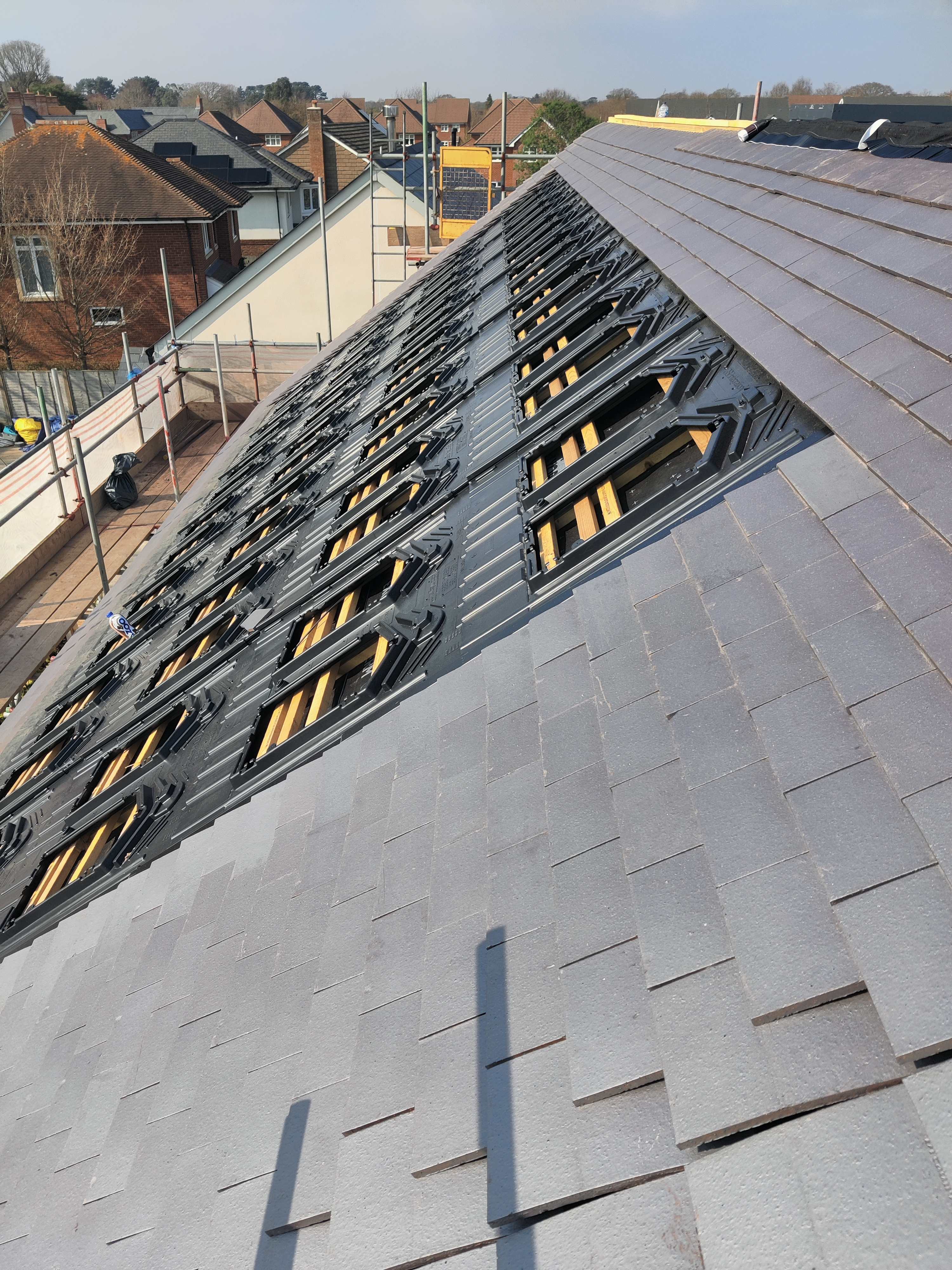
Have other people run the numbers on PV vs roof tiles? For new build you can put the solar panels directly onto the roof so removing the cost of the roof tiles that would otherwise be there. We have a quote for pitched roof tiles with membrane / battens / counter battens of £150 / m^2. A Jinko solar panel 1.086m x 1.726m = 1.87m^2 so its fitted cost with undertray etc is surely going to be a chunk cheaper. I don't think we will have additional costs from the inverter. And of course extra PV is useful if only to extend your season into the darker months. Anyone else come to the same conclusion? Anything I'm missing?
-
Door cill detail for MBC passiv raft foundation
RedRhino replied to RedRhino's topic in Timber Frame
Thanks @MikeSharp01, it looks like this product: https://www.21degrees.com/compacfoam/ May I ask, did you use this just under the cills or all around the perimeter? -
Door cill detail for MBC passiv raft foundation
RedRhino replied to RedRhino's topic in Timber Frame
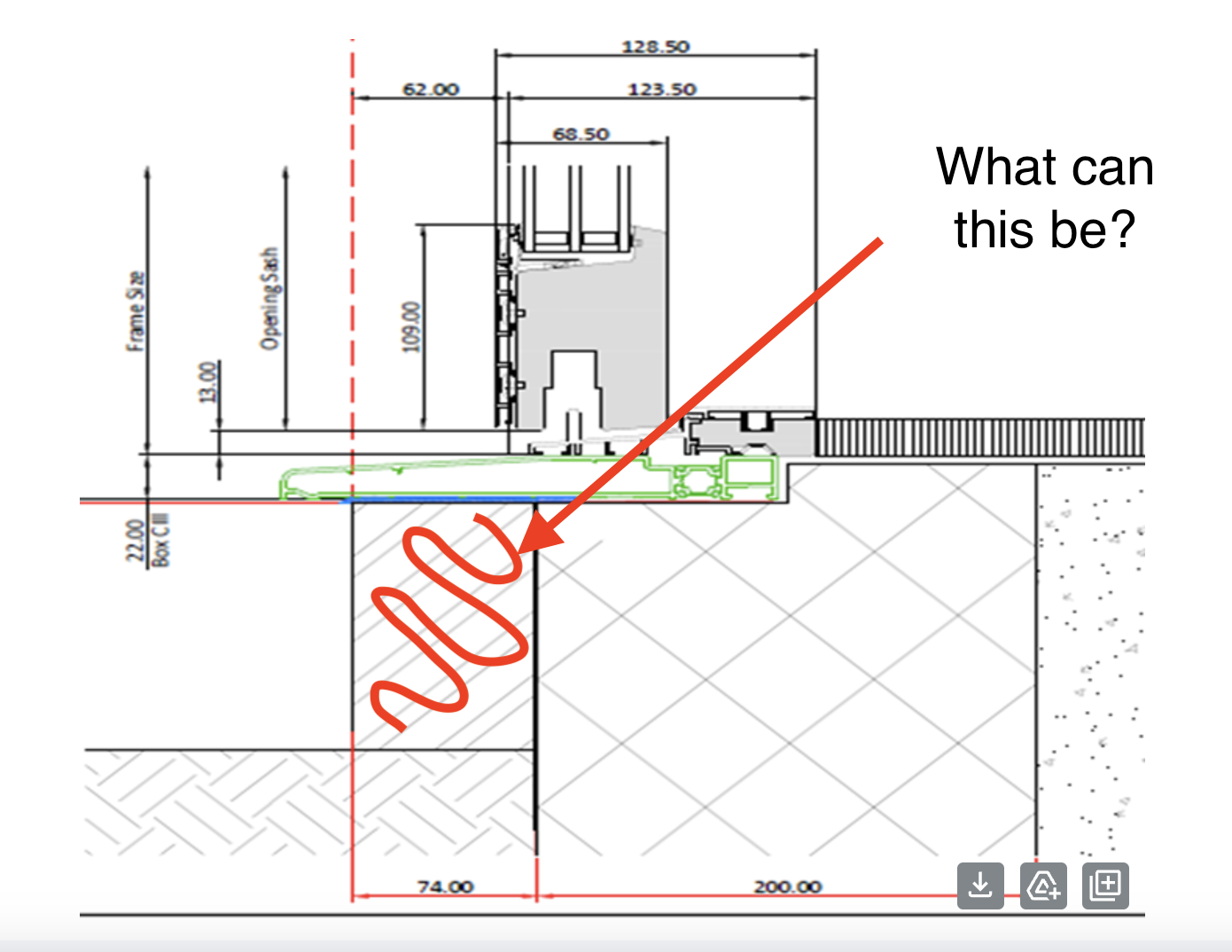
Drawing annotated : )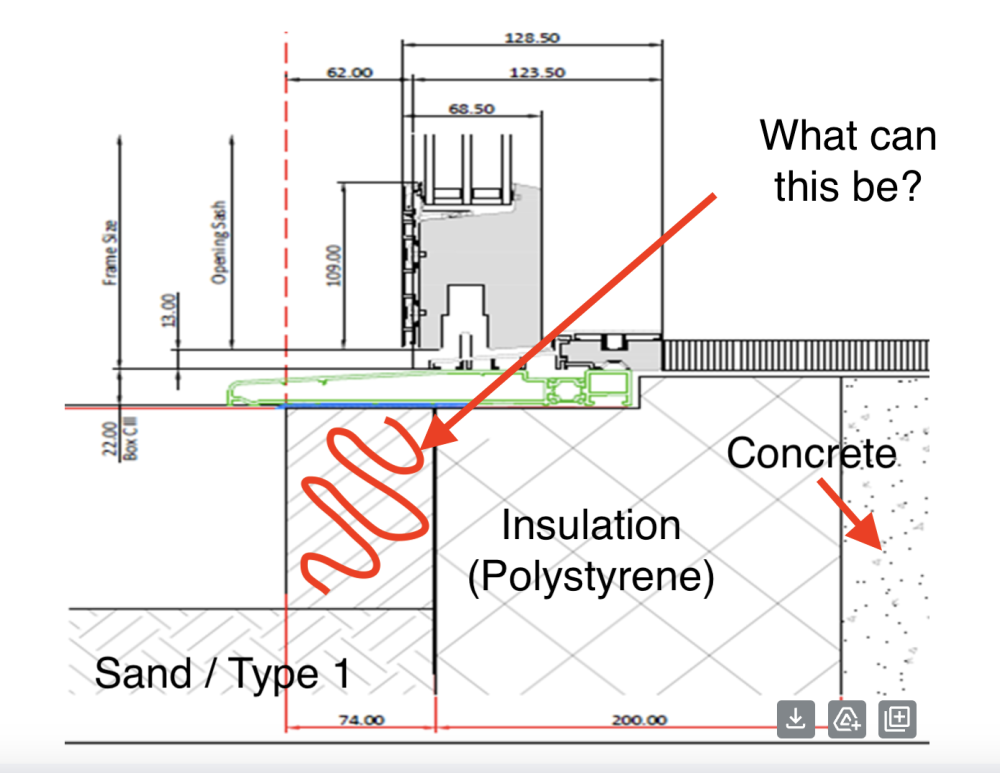
-
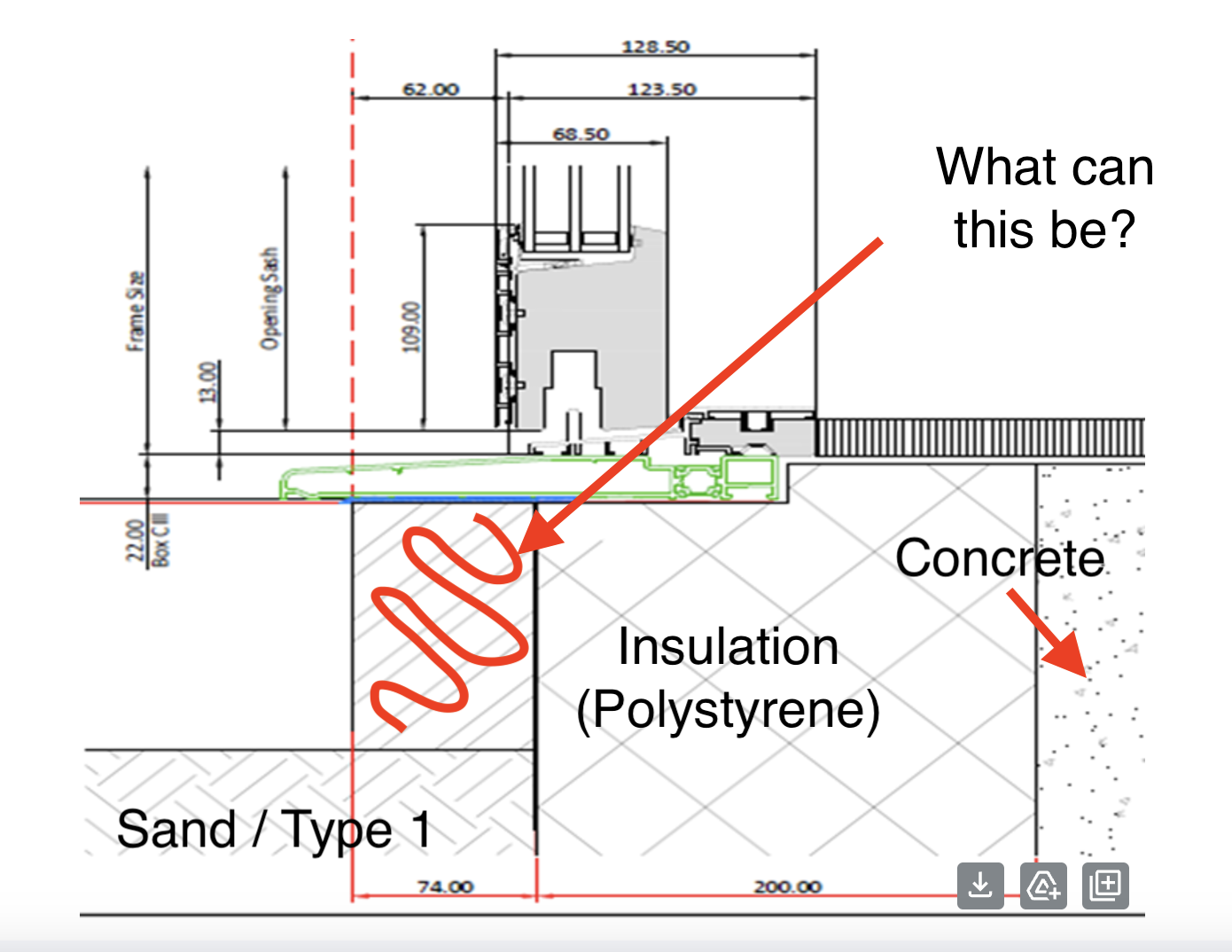
Dear Community, We are struggling with the last piece of our Rationel window & door order and would appreciate help. We are going from pillar to post with MBC, Rationel and our architect unable to specify a small but critical detail. For balance I would say we are very happy with great service from all three agencies on all aspects but we are stuck on this one. The MBC timber frame is going to be battened and counter battened to affix brick slips creating an offset that will extend down to 150mm above ground. We plan to sheath the EPS insulation from 150mm down to below ground using aluminium sheet. Thank you to the Self Build forum for helping us learn of that solution. But what about beneath the door cills? They are cantilevered out from the door frame and need structural support. We have received the detailed drawing attached but no one as yet can say quite what should be below the cill or how it is fixed. Thank you in advance.
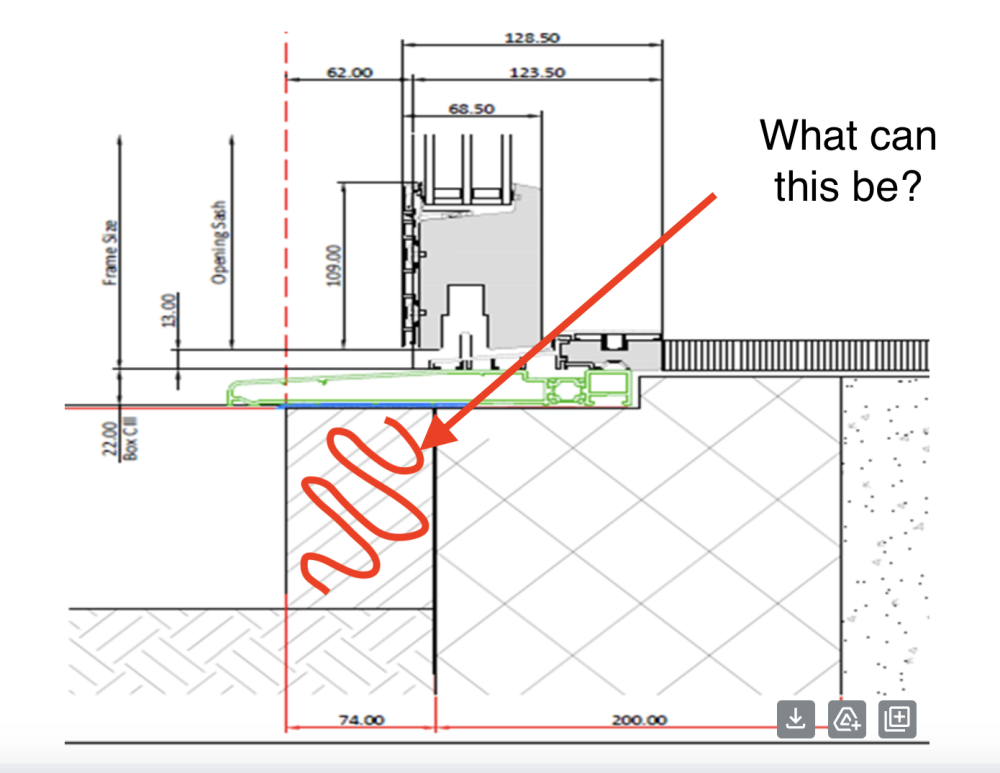
-
I digress, but on a previous project we needed a BT landline connecting from a pole to the new house. The BT bloke said he couldn't do the job because the scaffold was in the way of his ladder. I said the scaffold was much safer than a ladder, but no, he wouldn't use it.
-
We are required to supply scaffolding for our self build, both for the timber frame erector and for the subsequent trades. We know to use a reputable scaffold company and ensure that the Scafftag is in place to show that the scaffold is correctly assembled. But what about subsequent scaffold inspections? We have contractors keen to offer this service but the cost of weekly inspections could be as much as the scaffolding itself. We have received various comments but it seems weekly inspections are overkill (if that isn't a bad turn of phrase). Yes, if the scaffold received damage from a vehicle, or someone unqualified tried to modify it then the scaffold needs to checked. But even as a 'Domestic Client' we could do a weekly record of the condition of the scaffold recorded to video and I think that would be sufficient. What say others?
-
Designing for brick slips - avoiding partial bricks
RedRhino replied to RedRhino's topic in Timber Frame
Thank you that link was v useful. My slips are 65mm so the article is directly relevant -
I guess it makes sense to nudge the dimensions on a timber frame house so that there is an exact integer number of brick slips around windows / doors / corners etc. Can someone explain a bit more please. Is there an existing thread? Matching dimensions to whole bricks - is that a dark art or standard practise? Is it only realistic for heights or widths as well? Are brick slips that standard in manufacture? Are all bricks the same size? I can imagine a worst case scenario where we take a whole lot more time and effort but through tolerance stack up, instead of some fitting and some not, all the bricks are just out and need trimming. thanks
-
Timber frame costs are front of my mind as we are about to select our supplier. Here is my thought: Once the house is built no one can tell the specification of the build - what the U value of the walls is or how much insulation is in the floor. When you eventually sell the house the people buying it will probably know little and care less about U values, air tightness, cold bridging etc. Compared to other factors like location, view, parking; construction standards are down the list. If you broadly agree with the points above then my conclusion is that if you choose higher construction standards / cost then you are doing it for yourself and no one else. Saving money on construction costs buys an awful lot of energy when you can get 5% return on any cash saved / not spent. So for me I'm torn between 'buying the best' (e.g. MBC) and saving money and pocketing the difference.
-
How we chose our architect
RedRhino commented on RedRhino's blog entry in Hampshire self-build. Cheap, high quality and fast - we want all three
Thank you. I don’t think I can edit or delete the original post. If admin can do that for me please. Next subject is selecting timber frame. I’ll be more circumspect! -
How we chose our architect
RedRhino commented on RedRhino's blog entry in Hampshire self-build. Cheap, high quality and fast - we want all three
Guys, it’s just my opinion as I see it. I can anonymise the architect names if it’s a problem. Only trying to be helpful. Admin, please let me know if I am breaking protocol. thanks andrew -
There is only one time to get the design correct for your house and that is at the beginning. So many consequences are baked in from the early design work that (in my opinion) you would be crazy not to get professional help. Another maxim we have when investigating potential plots is talking to local people. We button hole anyone we find to solicit their opinion on the local area. And so it was on a visit to Lymington. As the Estate Agent walked me between two potential properties we walked past a sign for a local firm PM me if you want the details. "These guys do a lot of the architecture work around here". We knew we wanted a local architect because they understand local precedent. Once the Estate Agent had left I returned to the sign, called the mobile number and got speaking to Rob. Very kindly he offered to come out to the two plots there and then. An architect's knowledge of which plot has potential, and which should be avoided is so valuable. In 30 seconds Rob had orientated my thinking and I couldn't doubt his judgement. He's an expert! On a subsequent visit, Rob met with us and in about 1 hour he went through the potential of our plot from top to bottom, front to back. He was so quick with CAD, offering solutions, trying alternatives, considering previous precedents - all for free, incredible. But before we chose Kode Architecture we should really consider at least one other. Using google I selected our architect PM me if you want the details but his name is Ralph, only because Ralph seemed to have done a lot of small / single dwelling self-build developments. Ralph is a RIBA certified architecture. I asked Ralph to do a feasibility study (free) for our plot. Ralph's outline solution was so strong and innovative that it won him the deal. The cost of a RIBA architect is not small but we figured if ever there was a time to invest money it is now. I rang up Rob, made my apologies that he had come second. He was magnanimous and very gracious. Ralph's work on our application has been first rate and we are happy with our choice. And that is how we chose our architect.
-
We have managed to stay in our home for the majority of previous builds. This time we had to sell before we could buy the plot / donor house. So yesterday, we packed up from our 325 sqm house in Stroud, moved into a 114 sqm rental house, sold Stroud, purchased the plot and by coincidence the Planning Application was accepted by the District Council. A big day. https://planning.newforest.gov.uk/online-applications/applicationDetails.do?activeTab=summary&keyVal=_NEWFO_DCAPR_221599 We have a mountain to climb, but already we can look back on some good progress. We have a plot, we have a design, we have planning submitted and we are some weeks into requesting Timber Frame quotes. Many priorities, but one near the top of the list is talking to the neighbours to see if they will comment positively on the planning application. As a courtesy I gave the drawings to the immediate neighbours before planning submission. Good neighbours are invaluable, especially for demolition and a replacement dwelling.
-
And so it begins
RedRhino posted a blog entry in Hampshire self-build. Cheap, high quality and fast - we want all three
Yesterday we exchanged contracts on the purchase of a house in Lymington and on the same day we submitted a planning application to demolish the house and build a new house in its place. Probably Timber Frame, definitely to Passiv Haus standards (fabric first etc), 225 m^2, no fossil fuels but plenty of solar complemented by batteries. We have done this before with a TF house in 2009, a small development of brick and block houses in 2015/16, and an ICF house built into a hill in 2017. We hope for a simple, fast build with a high quality result. One thing we have learnt is to always be ahead of events and don't change your mind. Let's see -
From my practical experience next time I will install some simple ventilation (air bricks / mushroom vents) so that there is a continuous movement of air through the garage. Condensing moisture is hard to spot (took us 7 years) because it can form out of sight on the coldest surface.
-
We are about to sell our ICF house after 7 years, ready to do our next self-build. Our buyer's surveyor noted that there was damp in the OSB ceiling (flat roof) of the garage and suggested there was rain water ingress caused by blocked gutters. We looked at the gutters and nothing was blocked. We had the roofer back (20 year guarantee) and he was adamant that it wasn't his felt roofing that had failed. Maybe the lead flashing? Maybe the corner where an ICF raised ledge meets the intersection of the garage with the house? After all the head scratching we realise the damp was caused by a lack of ventilation. The garage door seals shut and is kept shut unless we are outside. The door to the house is a fire door with tight seals. There is no air movement at all and with warm walls any moisture is finding the coldest surface, i.e. the ceiling. So that is my lesson for anyone building an ICF garage. You need to consider how the space will be ventilated.
-
Biodiversity net gain – self builders excluded or not?
RedRhino replied to RedRhino's topic in Planning Permission
Thank you. That looks like a common sense way of interpreting it. if common sense applies! -
We have been guided by the government website: https://www.gov.uk/guidance/understanding-biodiversity-net-gain We read: Self-build and custom build applications An exemption applies to this type of development when it meets all the following conditions: consists of no more than 9 dwellings on a site that has an area no larger than 0.5 hectares consists exclusively of dwellings that are self-build or custom housebuilding as defined in section 1(A1) of the Self-build and Custom Housebuilding Act 2015 However, we now also read: 2 April 2024 Removed 'small developments' from the exemptions list as small developments are subject to BNG from 2 April 2024. So our single dwelling is a small development and BNG applies or we are Self build and BNG does not apply? Confused!
-
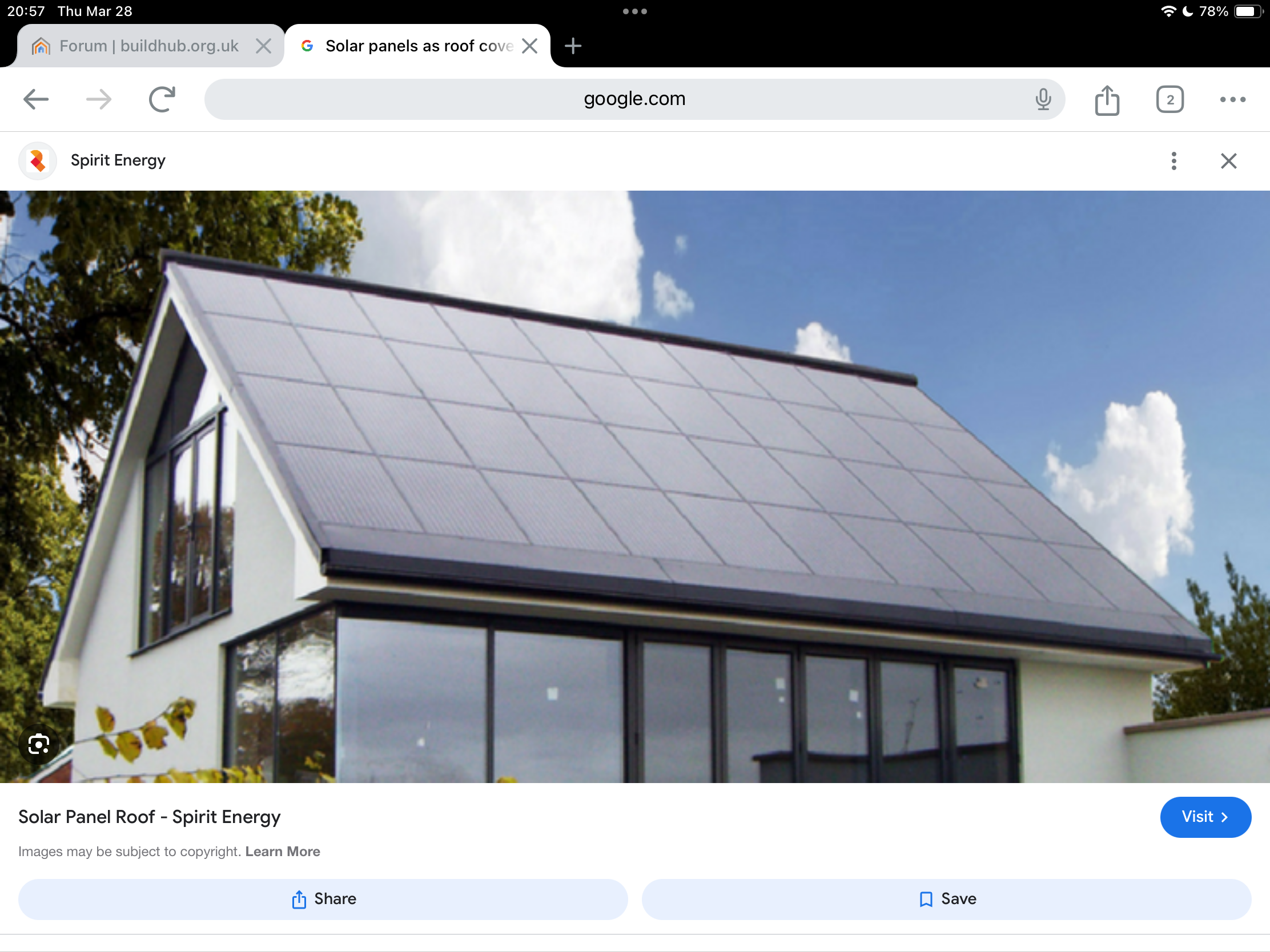
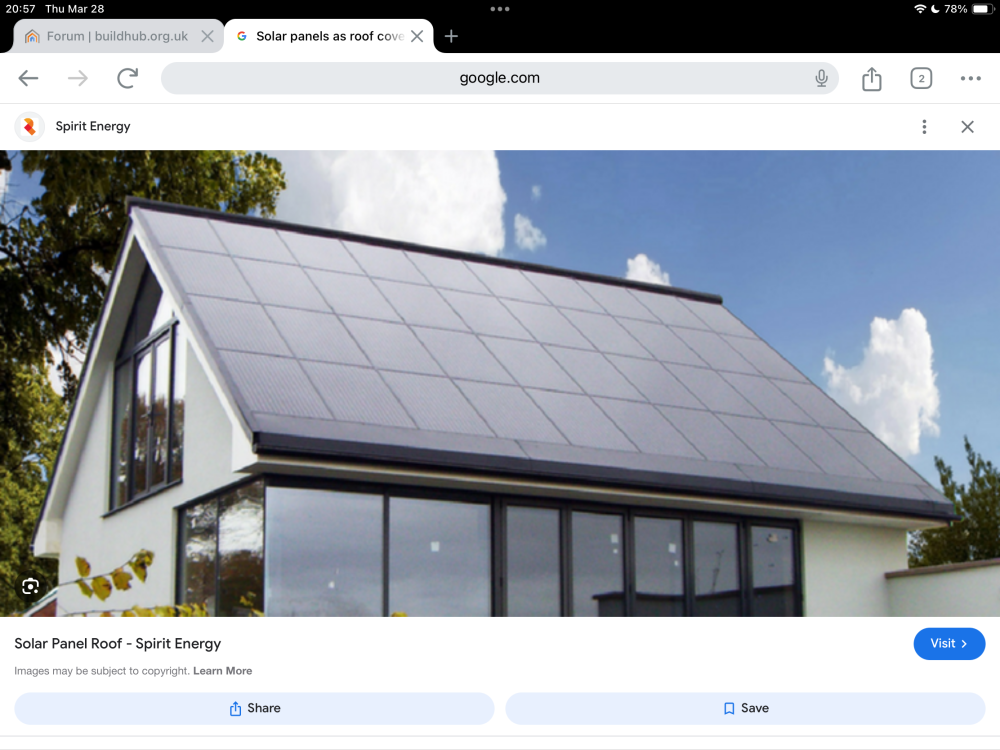
We are at the very beginning of our self build so roof sizes / elevations are still to be defined. Why not use the PV panels as an alternative to conventional roof tiles? I appreciate you would still need to tile the non generating roof elevations. The black effect of PV is not at all offensive to me and it could be a simpler, more elegant solution compared to in-roof panels. The size of the array is going to be determined by the size of the roof rather than the KwH we want to generate so could be excessive. But as I say, our roof sizes are yet to be determined so have some chance to influence sizing. comments gratefully received
-
Thanks for the comments - I agree with @JohnMo that you have to be careful diverting drinking water through anything unclean or that could corrode. FYI I measured the temp of the rising main as it enters our current house. It was 15c. I flushed the loo and it dropped to 10c. The rising main is in our 'tech room' with MVHR / water tanks / gas boiler / washing machine and clothes drying racks. The rising main is beaded with condensation but the room is vented via the MVHR so we have no other damp issues.